Tag: hanoi

  • Hanoi Celebrates National Day with Free Metro and Bus Rides for All!

    Hanoi Celebrates National Day with Free Metro and Bus Rides for All!

    Hanoi’s People’s Committee has unveiled an exciting initiative that aims to enhance accessibility for both residents and tourists during the upcoming National Day celebrations. Scheduled for September 2, the city is introducing a range of transportation measures designed not only to lighten traffic congestion but also to significantly reduce emissions, making travel easier and greener.

    Free Rides on Metro Lines and Buses

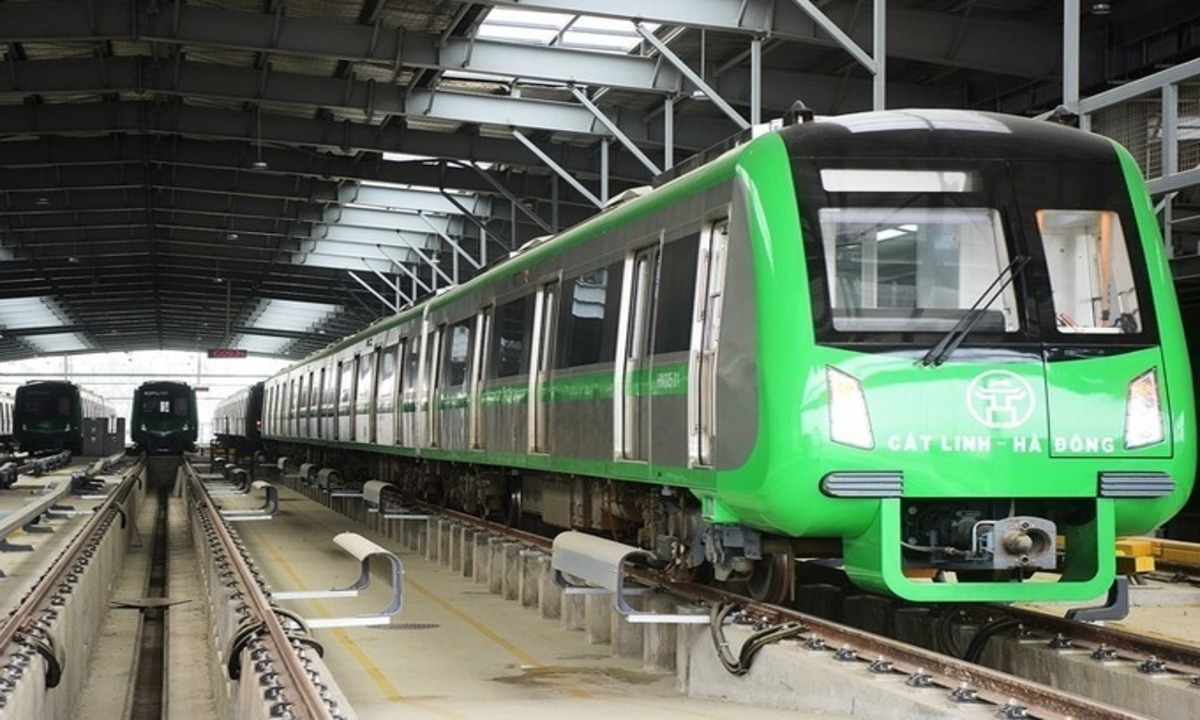
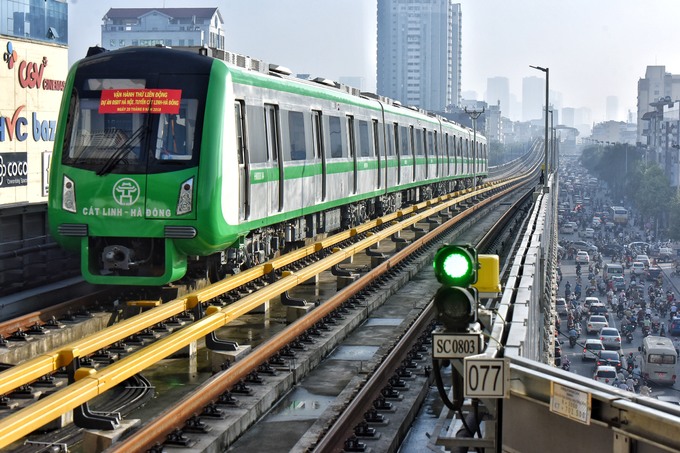
    Both the Cat Linh-Ha Dong and Nhon-Cau Giay metro lines will provide complimentary single-ride tickets, making it easier for families and visitors to explore the city’s historic sites and partake in the celebrations without the hassle of additional costs. Passengers can expect to receive their tickets as usual, only this time, they will be free of charge.

    Extended Metro Operating Hours

    To accommodate the anticipated influx of travelers, the metro system will extend its operating hours. On August 21, 24, 27, and 29, trains will run from 5:30 a.m. to midnight. On August 30, service will begin at 5:00 a.m. and last until 10:00 p.m. The excitement peaks on September 1, with operations returning to the midnight schedule. As if that’s not enough, trains will run every six minutes during peak hours and every ten minutes during quieter times — just enough to ensure your celebrations never miss a beat.

    Strategic Bus Routes for Easy Travel

    Key bus routes servicing the city center include the 09A line from Hoan Kiem Lake to Nguyen Hoang Ton Street, the 22A from Gia Lam to Kim Ma, and the E09, which connects Smart City in Tay Mo Ward to West Lake. Additionally, the highly anticipated Yen Nghia-Kim Ma Bus Rapid Transit line will play a crucial role in facilitating smooth transport throughout the celebrations. Local districts have been directed to utilize schools, stadiums, and public offices as temporary parking facilities, helping manage the expected surge in vehicle numbers.

    Caring for Attendees

    In a heartfelt gesture, Hanoi’s authorities will also offer free water, snacks, and shelters for attendees. Transportation services will be made available for residents from surrounding areas, especially catering to seniors. Priority seating will be reserved for veterans, the elderly, women, and children, with measures in place to ensure crowd control along parade routes, creating an orderly and enjoyable experience for all.

    Final Preparations Underway

    Rehearsals for the grand event are set for August 21, 24, 27, and 30, leading up to the official National Day ceremony, parade, and march on September 2, which is scheduled to kick off at 6:30 a.m. With the anticipation building, it seems the city is ready to roll out the red carpet for a celebration that promises to be both memorable and accessible.

    Questions & Answers

    How will transportation be affected during the National Day celebrations in Hanoi?
    Transportation will be enhanced with free single-ride metro and bus tickets. The metro will also extend operating hours to accommodate the increased demand.

    What measures are in place to ensure accessibility for vulnerable populations?
    Officials are prioritizing seating for veterans, the elderly, women, and children, and providing free transportation services for seniors from neighboring areas.

    What is the schedule for the main events on National Day?
    The official ceremony, parade, and march will begin at 6:30 a.m. on September 2, following rehearsals scheduled on several days prior to the event.

  • Hanoi Metro Reports Impressive Threefold Profit Surge in First Half of Year

    Hanoi Metro Reports Impressive Threefold Profit Surge in First Half of Year

    Hanoi Metro’s post-tax profits surged to VND10 billion (approximately US$381,400) in the first half of 2025, a remarkable threefold increase compared to the same period last year.

    With revenues climbing by 50% to VND393 billion, the state-owned company operates two key metro lines: Cat Linh – Ha Dong and Nhon – Hanoi Railway Station. This impressive growth reflects a strong rebound in urban transport, and even the typically stately metro system seems to have caught a case of ‘fast lane fever’.

    This year, Hanoi Metro aims to carry 19.3 million passengers while targeting profits exceeding VND20.7 billion on revenues of VND878.4 billion. In the first half, the company achieved 48% of its profit goal and 45% of its revenue target, signaling a solid trajectory toward meeting its year-end aspirations.

    Strategies for Growth

    To further enhance passenger convenience and revenue generation, the company is actively seeking innovative initiatives that will lessen its reliance on government subsidies. The vision for the future is bold; by 2030, Hanoi plans to expand its metro network to 10 routes covering an impressive 417 kilometers. However, construction of the remaining eight lines remains in the planning stage, prompting the city’s People’s Committee to recently instruct relevant agencies to expedite the commencement of work on two of these lines by the end of this year.

    Metro lines in the fast lane

    As Hanoi strives to modernize its public transport, the success of Hanoi Metro shines a light on the potential of urban transit systems across Asia. With the city moving forward, the next few years will be critical in determining whether these ambitious plans can be transformed from blueprints into reality.

    Questions & Answers

    How much did Hanoi Metro profit in the first half of 2025?
    Hanoi Metro reported a post-tax profit of VND10 billion (around US$381,400), tripling its earnings from the same period the previous year.

    What are the revenue goals for Hanoi Metro in 2025?
    The company targets revenues of VND878.4 billion this year, aiming to achieve over VND20.7 billion in profits.

    What are the future plans for Hanoi’s metro system?
    By 2030, Hanoi hopes to expand its metro network to 10 routes covering 417 kilometers. However, the construction of many planned lines has yet to begin.

  • Hanoi’s Electric Vehicle Shift Requires More Time, Warns Motorbike Makers Association

    Hanoi’s Electric Vehicle Shift Requires More Time, Warns Motorbike Makers Association

    This month, Hanoi’s government announced a bold initiative to ban fossil-fueled motorbikes from the city’s Ring Road 1, an area that encompasses much of the bustling downtown, with the prohibition set to take effect by mid-2026. However, the Motorbike Manufacturers Association, which includes industry giants like Honda, Yamaha, Suzuki, Piaggio, and SYM, believes the timeline is unrealistic and should be extended.

    While the association recognizes the necessity of reducing emissions, it underscored the significant challenges posed by such an aggressive plan. “Residents, businesses, and regulators need at least two to three years to prepare for this shift,” the group recently communicated to government officials. They proposed a more gradual approach that starts with banning older, high-emission vehicles, then progressively targets commercial bikes, delaying the ban on personal vehicles.

    Their concern centers on the financial strain this abrupt transition could place on low-income residents who may struggle to afford new electric vehicles. Manufacturers echoed these sentiments, warning that the costs associated with shifting to electric production could lead to substantial financial losses.

    Hanoi is a crucial market for Honda, which holds the largest market share in Vietnam’s two-wheeler sector. In the previous year alone, Honda sold 2.15 million two-wheelers in Vietnam, with 190,000 of those sales happening in Hanoi. The association further highlighted the complex web of suppliers—around 200 firms primarily focused on internal combustion engine components—who could be jeopardized if the transition to electric bikes occurs too swiftly. The lack of adequate public charging infrastructure is another pressing concern.

    Currently, Vietnam’s power grid is ill-equipped to handle widespread electric vehicle charging, especially during peak usage times in populous areas. Moreover, home charging poses risks of fire and explosion, particularly in older apartment complexes. Although VinFast has established a nationwide charging network, it primarily serves electric cars. Other players like Dat Bike have set up a few stations in Ho Chi Minh City, while Selex Motors has opted for a battery-swapping model at 90 locations across Hanoi, Da Nang, and Ho Chi Minh City.

    In Ho Chi Minh City, ride-hailing and delivery drivers are expected to make the switch to electric motorbikes by 2026, with a complete phase-out of gasoline models to follow by the end of 2028. As the largest cities in Vietnam, Hanoi and Ho Chi Minh City lead the way in motorbike usage.

    A CEO from a Vietnamese motorbike brand noted that once government decisions are made, adaptation is no longer a matter of choice but an obligation. He emphasized the need for a realistic roadmap that considers the interests of all stakeholders involved. Experts advocate for additional financial support for private users and comprehensive public transport planning to ease this transition.

    To that end, Hanoi is exploring initiatives to assist the 450,000 residents within Ring Road 1 who currently rely on gas-powered motorbikes, potentially by subsidizing the registration fees of new vehicles.

    Questions & Answers

    What prompted Hanoi’s government to ban fossil-fueled motorbikes?
    The ban is part of Hanoi’s initiative to reduce emissions within the city, aiming to phase out gasoline-powered motorbikes from the densely populated Ring Road 1 by mid-2026.

    What concerns has the Motorbike Manufacturers Association raised regarding the ban?
    The association argues that the current timeline is too aggressive, urging for a phased approach that provides residents and manufacturers more preparation time, particularly to mitigate financial burdens on low-income individuals.

    How is the current charging infrastructure in Vietnam supporting the transition to electric motorbikes?
    The existing public charging infrastructure is limited, with Vietnam’s power grid unprepared for mass electric vehicle charging, especially in peak hours, and home charging posing safety risks in older apartment buildings.

  • Hanoi: The Rising Star of Dental Tourism in Southeast Asia

    Hanoi: The Rising Star of Dental Tourism in Southeast Asia

    Hanoi is not just the heart of Vietnam; it’s rapidly becoming a beacon for dental tourism in Asia. In recent years, the sector has exploded, drawing in over 100,000 foreign patients annually, with revenue soaring past US$150 million, according to Global Newswire. Patients from Australia, New Zealand, North America, and Europe are flocking to Hanoi for a range of dental procedures, including implants, crowns, and full-mouth restorations. This revival in international interest is especially pronounced since the easing of pandemic-related travel restrictions, marking a notable comeback for the city.

    Cutting-Edge Clinics at Competitive Prices

    Investment in Hanoi’s dental sector is evident, with new clinics rolling out state-of-the-art technology, including advanced 3D imaging and high-end dental laboratory equipment. These facilities adhere strictly to international sterilization standards and utilize materials from reputable global brands. The expertise of local dentists has also grown; many have honed their skills internationally, bringing back a level of care that rivals the best in the world. Their commitment to quality is just as impressive as the hospitality extended to overseas patients, with English-speaking staff and dedicated patient coordinators simplifying the treatment journey. Some clinics are so welcoming that an industry expert likens them to “healing hotels,” offering everything from airport transfers to city tours.

    Smart Savings Without Sacrificing Quality

    One of the most compelling reasons patients are choosing Hanoi is the cost. Dental procedures here are significantly cheaper, often 70% to 90% less than in Western nations. For example, a dental implant in Hanoi costs around $1,000, while similar treatments can run $1,500 in Bangkok and $850 in Bali. Crowns, which start at $250 in Thailand, are generally priced between $150 and $200 in Vietnam. These savings not only ease the financial burden on patients but ensure that they do not compromise on quality, as Hanoi’s clinics adhere to rigorous standards and often provide warranties and aftercare services, instilling further confidence in international patients.

    Hanoi: Where Dental Care Meets Adventure

    What sets Hanoi apart in the realm of dental tourism is its ability to blend quality healthcare with rich cultural experiences. With its international airport providing convenient access from various global locations, visitors often find it easy to extend their trip, mixing dental appointments with explorations of famous sites like Ha Long Bay. The city has also become a hub for significant dental events, such as the 2023 ASEAN Dental Congress and the upcoming 2025 Osstem World Meeting, showcasing its rising prominence in the dental field.

    Forging a Competitive Edge

    As it carves its niche in the dental tourism landscape, Hanoi presents a formidable alternative to established players like Bangkok and Bali. While Thailand welcomes over a million dental tourists yearly, Hanoi is narrowing that gap with more competitive pricing and a reputation for exceptional care. Plus, the patient experience here is enriched by the city’s vibrant culture, world-class cuisine, and historical charm, leading many Australians to view their dental trips as dual investments in health and leisure.

    In its quest for global recognition, Hanoi’s dental industry is pursuing international certifications, establishing partnerships with foreign insurance providers, and actively participating in global tourism events. Satisfaction levels among international patients consistently reveal a high degree of professionalism and personalized care. A representative from one prominent clinic noted, “We have dentists and nurses fluent in English, Chinese, Russian, and Korean, making our patients feel right at home.” Facilities like Dental 365 are key players in reinforcing Hanoi’s international dental reputation.

    Looking Ahead

    Support from the Vietnamese government has further bolstered the country’s medical tourism landscape, with initiatives aimed at promoting healthcare services overseas and streamlining visa processes for medical visitors. Analysts forecast steady growth in dental tourism in Vietnam, predicting an annual increase of over 4% through 2030. As international patient numbers rebound to pre-pandemic levels and with continued investments in healthcare infrastructure, Hanoi is poised to ascend as a premier dental tourism hub in the region.

    Offering a trifecta of affordability, quality care, and an enticing tourism experience, Hanoi is shaping up to be a hot destination for dental tourism everywhere. It’s not just about a brighter smile; it’s about turning medical needs into memorable adventures. And as more patients rave about their experiences, the city’s reputation is set to flourish, potentially rivaling or even outshining established giants like Bangkok and Bali in the near future.

    Questions & Answers

    How has the COVID-19 pandemic impacted dental tourism in Hanoi?
    Since the lifting of pandemic-related travel restrictions, Hanoi has seen a surge in international patients seeking dental care, marking a significant recovery for the sector.

    What are some unique features of Hanoi’s dental clinics?
    Hanoi’s clinics are noted for their cutting-edge technology, adherence to international sterilization standards, and a strong emphasis on hospitality, including airport transfers and city tours for international visitors.

    What advantages does Hanoi offer compared to traditional dental tourism hotspots?
    Hanoi combines lower costs for dental procedures with high-quality care and a rich cultural experience, making it an attractive alternative to established destinations like Bangkok and Bali.

  • PM Kicks Off $1.5B Trump Organization Hotel and Golf Project in Northern Vietnam

    PM Kicks Off $1.5B Trump Organization Hotel and Golf Project in Northern Vietnam

    The exciting development known as Trump International Hung Yen is set to transform over 990 hectares along the scenic Red River, encompassing seven communes in Khoai Chau District. This ambitious project will feature four distinct subzones, including a luxurious eco-residential area with a golf course for 3,500 residents, another eco-residential community with an ecological golf course for 1,800 residents, a bustling commercial and service urban zone designed to accommodate 29,700 residents, and vibrant green spaces featuring themed parks.

    With a whopping investment of nearly VND 40 trillion (over $1.5 billion), this project is on track for completion by the second quarter of 2029 and will operate under a 50-year license. The vision behind this endeavor is to unleash the full potential of the local area, leveraging its strategic position along the Red River tourism corridor that links Hung Yen with Hanoi and the broader northern region.

    Trump International Hung Yen marks a significant moment for Vietnam, positioning the country firmly on the global luxury real estate and resort stage. It symbolizes a robust confidence from international markets in Vietnam’s long-term potential in the high-end property sector while serving as a beacon of ambition and integration for both Hung Yen and Vietnam as a whole.

    During a recent groundbreaking ceremony, Prime Minister Chinh emphasized that this project showcases the faith foreign investors have in Vietnam—particularly American firms. Giants like Intel, Nike, Apple, Boeing, and Nvidia have ramped up their investments in the country, reflecting a broader confidence in Vietnam’s growth trajectory.

    This project promises to not only accelerate Hung Yen’s development but also enhance its international reputation. It is expected to introduce advanced management technologies, create job opportunities for local communities, and bolster the enduring relationship between Vietnam and the United States.

    Chinh directed relevant ministries and agencies to offer robust support to Hung Yen authorities and investors, aiming for a timely completion within two years, just in time for Vietnam to host the APEC 2027 Economic Leaders’ Week. He noted that elevating Hung Yen’s service industry would significantly deepen the Vietnam-U.S. partnership.

    The Prime Minister’s speech recalled U.S. President Donald Trump’s visits to Vietnam during his first term, which were met with warm enthusiasm from the Vietnamese people, reinforcing the strategic importance of their mutual relationship in fostering regional and global stability and growth.

    Acknowledging that the groundbreaking is merely the first step, Chinh pointed out the challenges ahead regarding land clearance and construction. He called on all stakeholders to work collaboratively to overcome obstacles and ensure both progress and quality.

    In a nod to the local community, he expressed gratitude to residents who have made sacrifices for the project’s success, urging continued support. He insisted that local authorities and investors safeguard people’s livelihoods and ensure resettlement areas offer enhanced living conditions.

    PM Chinh praised Hung Yen, historically known as Pho Hien, as a region of great cultural heritage and revolutionary spirit, once a thriving trading port second only to the capital. He expressed confidence in Hung Yen’s ability to leverage its rich legacy to achieve rapid progress across all sectors, aligning with the nation’s vision for a new era of growth.

    Dang Thanh Tam, Chairman of the Kinh Bac City Development Holding Corporation, assured that local contractors and partners would swiftly advance the project, aiming for completion within two years for the Trump Organization to take over its management. Eric Trump, Executive Vice President of the Trump Organization, echoed his enthusiasm for investing in one of the world’s most dynamic markets, emphasizing that this endeavor represents not just a notable project but a tribute to Vietnamese culture and a meaningful contribution to the future.

    The Chairman of the Hung Yen provincial People’s Committee, Tran Quoc Van, welcomed the Trump Organization’s investment, committing to facilitating land clearance, handling administrative processes efficiently, and collaborating closely with investors to swiftly tackle any issues that may arise.

    Questions & Answers

    What is the main purpose of the Trump International Hung Yen project?
    The project aims to unlock the area’s potential and promote economic growth, particularly by developing luxury residential spaces and enhancing the local tourism corridor.

    What is the expected completion date for this massive development?
    The project is scheduled for completion by the second quarter of 2029, with a targeted two-year timeline for key phases leading up to the APEC 2027 Economic Leaders’ Week.

    How does this project impact local residents?
    The project is expected to create job opportunities, enhance management technologies, and ensure the resettlement areas offer improved living conditions for those affected.

  • Hanoi aims to create 169,000 new jobs in 2025

    Hanoi aims to create 169,000 new jobs in 2025

    Hanoi plans to create 169,000 new jobs, reduce urban unemployment rate to below 3%, and increase the proportion of trained workers to 75% in 2025, its People’s Committee said.

    The city will implement policies and solutions to support the comprehensive recovery and development of the labor market, with a focused and targeted approach.

    Vu Thu Ha, the committe’s vice chair, said to achieve the targets, the city will focus on ensuring social welfare, developing the labor market, and strengthening the workforce.

    At the same time, efforts will be made to promote economic growth, improve the quality of human resources, and raise the efficiency of job-creation loan programs funded by the city budget through the Vietnam Bank for Social Policies’s Hanoi branch, the official added.

    A total of 255 job fairs are planned throughout the year, aiming to create 50,600 job opportunities, including 4,600 positions overseas.

    The People’s Committee has asked the Department of Labour, Invalids, and Social Affairs to take measures to boost the labor market, create jobs, and continue sending workers abroad.

    In 2024, the city generated about 225,000 new jobs, surpassing the set target by 36.3%. The number of participants in mandatory social insurance exceeded 2.1 million, an increase of 4.5% compared to 2023. Meanwhile, 107,000 people joined voluntary social insurance, a rise of 21.2% year-on-year.

  • Nvidia looking to hire engineers and managers in Hanoi

    Nvidia looking to hire engineers and managers in Hanoi

    Chipmaker Nvidia is recruiting engineers and managers for its operations in Hanoi, where it seems set to design and produce graphic processing units.

    It is seeking to fill nine positions, including those of IT, senior production support and system test design engineers and two senior managers, according to job posts on recruitment platform LinkedIn.

    One position is in a factory in Bac Ninh, an industrial province next to Hanoi. The senior manager for manufacturing operations requires the candidate to “spearhead the development of an impactful team in Vietnam from the ground up.”

    Applicants for this position need a bachelor’s or master’s degree in engineering, business or equivalent experience along with 15 years of overall experience and five years of specific management experience.

    Hanoi HR professional Dam Trang said Nvidia’s moves indicate that it is in the process of starting operations in Hanoi.

    As Nvidia is a chip designer and does not own factories, the fact that it is looking for manufacturing personnel shows it wants its own people to supervise suppliers’ production, she said.

    Though most of the requirements for the candidates are typical for a large company, finding individuals with more than 10 years’ experience in semiconductors would be challenging as the industry has only seen significant growth in Vietnam in the last few years, she said.

    During his visit to Vietnam on Dec. 5, Nvidia CEO Jensen Huang signed an agreement with the government to establish an AI research and development center and an AI data center.

    He praised Vietnam’s strengths in STEM and its potential to produce AI talent.

    He also vowed to promote the local AI industry through infrastructure development, training and fostering an AI startup ecosystem.

  • Hanoi retail space rents forecast to surge 18% this year

    Hanoi retail space rents forecast to surge 18% this year

    Rents for retail space could rise by 17-18% this year in downtown Hanoi and by 8-9% on the city’s outskirts, property consultancy CBRE has forecast.

    They might grow by 10% and 3% annually in the next three years, it added.

    CBRE said the average monthly rent in the downtown area in the first half was US$180 per square meter after rising by 11% from a year earlier.

    According to real estate agency Avison Young, in the second quarter the average retail rent rose by 15% in outlying districts. Ground-floor rents saw the highest average hike of nearly 15%.

    Reports from multiple real estate agencies and consultancies suggested that retail rents in the capital are on the rise due to low supply and growing demand from large international brands.

    In the first half it only saw one new project in Ha Dong District, which added 10,000 square meters of space to the market.

    Savills, another property consultancy, said the retail segment saw many transactions in the food and beverage sector in the second quarter.

    Japanese restaurant chain Pizza 4P, for instance, leased additional space to double the size of its current store in the Lotte Center Hanoi skyscraper.

    Gyu Shige, another Japanese restaurant, rented a property in Dong Da District to open its first store in Hanoi.

    As rents increase, the retail space occupancy rate in the city is inching down. According to Savills, it fell by two points year-on-year to 84% in the second quarter.

    David Jackson, CEO of Avison Young Vietnam, said tenants are shifting away from the downtown area to find cheaper and bigger places in the outskirts.

    Savills said six shopping malls and 11 ground-floor retail spaces would be launched in the next two years, mostly in Tay Ho, Dong Da and Hoang Mai districts.

  • Hanoi apartment prices up 38% in 5 years

    Hanoi apartment prices up 38% in 5 years

    Hanoi apartment prices have risen by 38% from 2019 and prices have shot up even in buildings that are 5-10 years old, according to the Ministry of Construction.

    Many projects sell at over VND60 million ($2,367.80) per square meter, rising to even VND150 million in some places, it said in a recent report.

    The smallest apartment (40 sq.m) at Heritage West Lake to the northwest of West Lake is priced at VND3.8 billion.

    A 30-square-meter unit at Masterise West Height in the southwest of the city starts at VND1.8 billion.

    “Apartments continue to attract interest from buyers with residential needs and medium- and long-term investors,” the ministry said.

    Prices have been rising rapidly since the end of last year due to a widening gap between supply and demand. In the last six months, many projects have seen prices rise by 20-25%.

    According to property consultancy CBRE, prices on the secondary market jumped by 17% year-on-year in the first quarter, the highest increase ever recorded.

    The average price of old apartments is VND36 million per square meter. But no new apartment projects were launched during the first quarter.

    The Ministry of Construction wants the city People’s Committee to identify and punish speculators who have been driving up property prices.

    But analysts called it a futile quest and suggested it should be tackled with policies such as imposing taxes for ownership of multiple properties.

  • Siemens offers locomotives for Vietnam’s highspeed railway By Viet Tua

    Siemens offers locomotives for Vietnam’s highspeed railway By Viet Tua

    Siemens has expressed interest in Vietnam’s North-South highspeed railway and offered to provide vehicles for the project.

    Siemens president and CEO Roland Busch told Prime Minister Pham Minh Chinh at a meeting in Hanoi Monday that the company can transfer the technology of building carriages and can provide the trailway signal system for the project.

    The North-South highspeed railway is among the largest transport projects that Vietnam plans for the upcoming decades.

    It should be approved in policy by next year and construction is scheduled to begin before 2030.

    Two sections of the railway, one from Hanoi to Vinh and the other from HCMC to Nha Trang, will begin construction before 2030 and the whole route should be finished by 2045.

    Busch made the offers after PM Chinh proposed that Siemens consider participating in the construction of the railway as well as the second metro line in HCMC, a 11-kilometer that mostly runs underground with a price tag of VND47.8 trillion.

    The PM asked Siemens to partner with Vietnam in the fields of high technology and innovation, green transformation, renewable energy, transportation and digital transformation.

    He also asked about potential for Siemens to build a research and development center built in Vietnam and urged the company to cooperate with the National Innovation Center. He also wants the group to expand cooperation with Vietnamese technology enterprises.

    Vietnam would create favorable conditions for businesses like Siemens to invest long-term, Chinh said.

    In Vietnam, Siemens established a representative office in 1993 and now has three representative offices in Hanoi, Da Nang, and Ho Chi Minh City. It also has a manufacturing factory in the southern province of Binh Duong.

    Siemens cooperates with Vietnam in many fields, especially renewable energy and transport. Its participation in one solar power project is estimated to contribute one billion kilowatt-hours of electricity to the country’s electricity system each year.

    The company has also designed and supplied 16 diesel locomotives for Vietnam Railway Corporation.

  • Parking an expensive headache for Hanoi apartment owners

    Parking an expensive headache for Hanoi apartment owners

    Hanoi apartment owners are spending up to hundreds of million dong (VND100 million = $4,200) on parking spots in their building due to insufficient space to accommodate increasing car ownership.

    For the first time in two years, Phuong Linh in Hanoi’s Ha Dong District was able to park her car in the basement of her own apartment building after paying VND20 million to a neighbor who just moved away.

    Due to the limited space in the basement, Linh has been parking her car in other parking lots around her neighborhood ever since she moved to the building.

    Only car owners who registered early can park their vehicles in the basement, and once they move, other residents like Linh rush to purchase the right to park in the spaces they leave vacant.

    This means that on top of the VND20 million, she still has to pay monthly parking fees.

    “I have to pay a lot, but I consider myself lucky. There are 30 other residents like me waiting for the next empty parking slot.”

    Stories like Linh’s have become increasingly popular in Hanoi, a city of 8.4 million where the number of both condominiums and cars has been surging in recent years.

    Manh Dung in Nam Tu Liem District last month bought an SUV, but he only found out after the purchase that there were no car parking spots left in his building.

    Nearly 100 residents have queued for the next empty slot, he said.

    Using connections, Dung managed to contact one of the building managers and secured a parking slot for VND40 million. The deal was unofficial.

    The manager said that if he moves away in the future, he can sell the slot for almost the same price, as there will always be demand for parking slots in the building.

    “I paid right away. A basement parking space is valuable, especially when it rains.”

    Many developers have set aside auto parking areas in the basement of their buildings, but the increasing number of cars in the city has made the limited number of parking slots a treasured real estate.

    By February this year Hanoi had over one million cars, up 36% from around the same period in 2019. This means that one in every eight Hanoi residents owns a car.

    Some developers, therefore, charge big bucks for parking slots.

    A developer of a 40-floor condominium in Ha Dong District earlier this year charged VND220 million for a 20-year parking space rental contract.

    It also offered to sell a parking slot permanently at VND400 million for a sedan, and nearly VND500 million for an SUV.

    Due to the high price tag, some residents at the building have no choice but to find outdoor neighborhood parking lots and pay around VND1.2 million a month per vehicle.

    In July, a developer of a 30-floor building in Thanh Xuan District charged VND60 million upfront for a five-year car parking slot. Residents protested the policy, saying that they did not want to pay such a hefty sum all at once.

    The developer also offered to lease a parking slot for VND200 million over 40 years. This means that a resident of a 70-square-meter apartment in the building would have to pay 10% of their apartment price for parking.

    Nguyen Viet Huy, a lecturer at Hanoi University of Construction, said that the competition for car parking space at condominiums has become more popular in Hanoi in recent years.

    There are legal requirements on how much parking space is needed at every condo project, but the figures are not backed by any scientific study, he added.

    Dao Ngoc Nghiem, deputy chairman of Hanoi Urban Development Planning Association, said that many developers who built their projects 10 years ago did not expect the number of immigrants in Hanoi would rise as fast at around 1.4% annually.

    “Parking space therefore have become one of the top criteria in apartment purchasing these days.”

    The lack of public parking spaces also contributes to the issue, as only 10% of parking demand in Hanoi has been met, he said, adding that more elevated and underground parking lots should be built.

  • Hundreds queue to buy social housing in Hanoi

    Hundreds queue to buy social housing in Hanoi

    At a building in Hanoi’s Cau Giay District on Wednesday evening, many queued up outside to register to buy an apartment at NHS Trung Van, a new social housing project that has been available since the end of March.

    The project is being built on a 2,700-square-meter area in Nam Tu Liem. When completed it will have 32 floors and two underground levels, with 275 apartments, in which 225 are social housing units

    The developer of the project, NHS, has received over 1,000 registrations since March 28. It had been accepting only 40 registrations each day, with the figure rising to 70 in the last few days due to high demand.

    Nguyen Tuan Long from Ha Dong District said: “I have been waiting for four days but still I have not been called to submit documents. I don’t know if I will be on the buyers’ list.”

    A NHS employee calls out the names of the people who register once every three hours to check if anyone has left. If someone does not respond after three calls they are removed from the list.

    Some people came to register after finishing their work day. Lien in Hoang Mai District said: “I have been coming here every day for the last four days. Some days I was not quick enough to be in the queue and had to leave.”

    A social housing apartment is legally required to only be sold to those on low incomes, though there have been reports of the middle-classes buying them.

    At NHS Trung Van, apartments are sold from VND19.5 million ($831) per square meter, substantially lower than an average project in Hanoi. The smallest apartment is priced at VND1.39 billion (nearly US$60,000).

  • Hanoi Metro posts first profit

    Hanoi Metro posts first profit

    Hanoi Metro, the operator of the capital’s first metro line, posted its first profit last year at nearly VND97 billion ($4.14 million).

    The profit was a turnaround from the VND37 billion loss recorded in 2021.

    The company saw revenues surge sevenfold to VND483 billion.

    The Cat Linh – Ha Dong Metro Line began commercial operation in June 2021.

    By the end of last year, it posted an accumulated loss of nearly VND37 billion, one-fifth of the losses in 2021.

    Hanoi Metro also received city subsidies in ticket sales last year, which it said would help improve its financial report.

    The company sells a ticket for VND8,000-15,000 depending on the trip length. A monthly ticket costs VND200,000, with students and industrial workers paying half.

    It now has nine trains operating, with a train running every six minutes during peak hours.

    The Cat Linh – Ha Dong Metro Line, which took 10 years to complete, runs 13 kilometers on elevated tracks through 12 stations.

    Each train can carry a maximum of 960 passengers. A complete trip takes 23 minutes.

    Hanoi Metro plans to serve over 10.6 million passengers this year.

  • Hanoi speculative villa prices down 40%

    Hanoi speculative villa prices down 40%

    Amid rising interest rates, Hanoi’s cash-strapped villa investors are slashing prices by up to 40% to lure customers.

    Loi spent VND32.5 billion (nearly $1.4 million) on a 180-square meter villa near Ring Road No. 3.5 in mid-2022.

    He paid for the house with a bank loan and VND11 billion of his own money hoping his investment’s price would double in two years.

    Two months later, the real estate market went silent. He put the villa for sale at a discount of 15%, but found no buyers. Early this year, he finally sold the villa for only VND23 billion.

    But despite all this, Loi is still considered a lucky investor, according to Tien, a local real estate broker in the urban area surrounding the villa project Loi bought into.

    “Many other investors of villas at the same project haven’t found any buyers at all even after lowering their prices 15-30%.”

    According to Tien, since late last year, many investors in the project, most of whom took out bank mortgages to pay for the villas, have slashed their prices 20-30% to cut losses.

    One investor has recently sold a 150-square meter villa for only VND17 billion, incurring a loss of VND8 billion.

    Brokers at the Hinode Royal Park urban area are trying to sell villas at prices of VND6-7.5 billion, down 40% against last year.

    Tu, also a broker, said she sold two villas at the Nam An Khanh urban area in Hoai Duc District for VND23.5 billion each early last year, but the price of the same properties has dropped over 30% to VND16 billion now.

    Villa offering prices at many other large-scale projects, including the Ha Do Charm Villas and An Lac Green Symphony, have decreased 25-30% over the past year.

    Most of the villas are being bought and sold by speculators, and many of them have been abandoned.

    According to real estate consultancy Savills Vietnam, the average villa price on the secondary (resale) market was VND22 billion in the first quarter of this year, 17% lower than the properties’ primary market (original) prices.

    As a result, some investors have leaned deeper into the secondary market and many have become speculators.
    Experts have also asserted that this is one major reason that the primary market has been so stagnant, with the absorption rate falling to the lowest level in the past seven years.

    Do Thu Hang, senior director of advisory services at Savills Vietnam, has predicted that liquidity in the villa market is likely to improve, but only for villas bought as homes, not investments.

    After construction of Ring Road No. 3.5 and Ring Road No. 4 is completes, over 80 property projects along the major new arteries will attract more buyers, she said.

  • Housing liquidity in 2022 lowest in 5 years

    Housing liquidity in 2022 lowest in 5 years

    The number of house and apartment transactions in the north and the south in 2022 fell to the lowest level in 5 years, according to report by real estate agencies.

    The report said that the apartment market in Ho Chi Minh City and in some southern provinces has been on the decline throughout the year.

    In the first two quarters, nearly 14,000 new apartments were put up for sale, and some 75% were sold. In the third quarter, 1,250 apartments went on the market, and the absorption rate dropped to about 52%.

    In the fourth quarter, 100 new apartments were sold, the lowest number for the year. Furthermore, the number of units sold during the peak sales season at the end of this year was far below the expectations of investors.

    According to Batdongsan, this is an unprecedented situation in the pre-Tet period over the past 5 years. The period before Tet (Lunar New Year holidays)is the peak time for yearly real estate transactions. Many businesses have already increased discount rates to 40-50%, but the liquidity has not shown any improvement. Tet falls in late January 2023.

    According to a market report by real estate services provider DKRA Vietnam, the apartment market showed that 1,385 units were sold in HCMC in the first quarter of this year, down 68% compared to the previous quarter. The liquidity improved in the second quarter, but weakened in the third quarter.

    In August, in the primary market, only 177 apartments in the city were sold, the lowest number in three years, and down 4.6 times against July. The absorption rate in December was around 20%, the lowest in three years.

    Over 200 apartments were sold in November in HCMC and southern provinces, dropping nearly 90% against the same period last year.

    In the south, just four houses were sold in August, down 23 times against July, and down over 70 times compared to April.

    In the secondary market in the south, many apartment and house investors have offered high discount rates to cut their losses, but liquidity has remained low in the second half of this year, according to VnExpress’ observation. The housing market remained quiet in December.

    In the north, housing liquidity has also decreased sharply this year.

    According to Savills Vietnam, in Hanoi, some 4,000 apartments were sold in the first quarter, while sales dropped 45% in the second quarter against the previous one, and decreased 10% in the third quarter.

    In the third quarter, 299 semi-detached houses and villas in Hanoi were sold, down from 666 units in the first quarter.

    Nguyen Van Dinh, president of the Vietnam Association of Realtors, said since the second quarter, the real estate market in the north has decelerated due to the impact of the credit tightening policy.

    The market’s absorption rate in the third quarter decreased 66.5% against the first half of the year, and the number of transactions dropped over 50% against the same period last year.

    The cash flow has slowed down in the real estate market, causing a marked decrease in liquidity, Dinh said.

    Batdongsan’s southern regional manager Dinh Minh Tuan explained that transactions were frozen because some investors and buyers had difficulty accessing bank loans, while others were shocked at increasing interest rates. This situation has caused people to delay purchases in the short term while they assess the market.

    Many well-off people are hesitant to disburse money, expecting housing prices to fall further and discount rates to increase in the coming time, Tuan said.