Retail News CRM

Tag: HCMC

  • HCMC’s Overseas Remittances Drop 23% Amid Global Economic Challenges in H1 of 2026

    HCMC’s Overseas Remittances Drop 23% Amid Global Economic Challenges in H1 of 2026

    In the first half of 2026, Ho Chi Minh City (HCMC) received over $4 billion in remittances, marking a considerable decrease of almost 23% compared to the same period in the previous year. Factors contributing to this downward trend include a sluggish global economy, more restrictive immigration policies, and shifts in capital flows, all of which negatively affected overseas Vietnamese transfers.

    During the second quarter, remittances that were transferred via credit institutions and economic organizations amounted to $2.03 billion. Although this reflects a slight increase of 1.4% from the first quarter, it is a significant decrease of 27.9% compared to the same quarter last year, as reported by the State Bank of Vietnam (SBV)’s Region 2 Branch.

    Geographical Distribution of Remittances

    Tran Thi Ngoc Lien, the Deputy Director of the SBV’s Region 2 Branch, disclosed that Asia continued to be the most significant source of remittances, contributing over $1 billion, representing 49.3% of total inflows. This figure is up by 9.8% from the previous quarter. The Americas came in second, contributing $672.6 million, making up over 33% of the total.

    In the first quarter, remittances from Asia increased by 9.8%, becoming the primary force of recovery. However, inflows from Europe, the Americas, and Oceania decreased.

    For the first six months, Asia and the Americas remained the leading sources, accounting for over 81% of total remittances. Asia led the way with $1.92 billion, accounting for 47.5% of the total. The Americas followed with $1.38 billion, or 34.1%, and Oceania contributed $418.3 million or 10.4% of the total.

    Contributing Factors and Future Projections

    According to Lien, the decline in remittances is attributed to a mix of international and domestic factors. Slow global economic growth, the strong U.S. dollar, and stricter immigration policies in several countries have all affected employment and income, impeding the ability of overseas Vietnamese to send money home.

    Inflationary pressures, increased living costs, labor market changes, and tax policy adjustments related to certain money transfer transactions have also impacted the Americas, particularly the U.S. – a significant remittance market for HCMC.

    Domestically, the SBV’s Region 2 Branch pointed out that some investment channels have not been attractive enough to absorb remittance capital. Moreover, the interest rates for foreign currency deposits have remained at 0%, leading some overseas Vietnamese to keep their funds abroad or shift them to other investment assets.

    Nevertheless, the SBV’s Region 2 Branch predicts a potential recovery, provided the global economy avoids major disruptions, and the current recovery trend persists in the second half of the year. The projections suggest that HCMC’s total remittance inflows in 2026 could reach between $8.6 and $8.9 billion.

    Despite being below levels recorded in previous years, remittances are expected to recover more noticeably on a quarterly basis, bolstered by the easing of international interest rate conditions, exchange rate stability, and the continued effectiveness of banks’ remittance promotion programs.

    Questions & Answers

    Why have remittances to HCMC reduced significantly in the first half of 2026?
    The decline can be attributed to global economic challenges, tighter immigration policies, and shifts in capital flows that have affected overseas Vietnamese transfers.

    Which regions are the main contributors to remittances to HCMC?
    Asia and the Americas are the two principal sources of remittances to HCMC, collectively accounting for over 81% of total remittances.

    What are the expectations for HCMC’s remittances in the second half of 2026?
    If the global economy remains stable and the current recovery trend continues, HCMC’s total remittance inflows are projected to reach between $8.6 and $8.9 billion in 2026.

  • HCMC Aims to Double Vietnam’s Average with $9,800 Per Capita Income in Ambitious 2026 Growth Plan

    HCMC Aims to Double Vietnam’s Average with $9,800 Per Capita Income in Ambitious 2026 Growth Plan

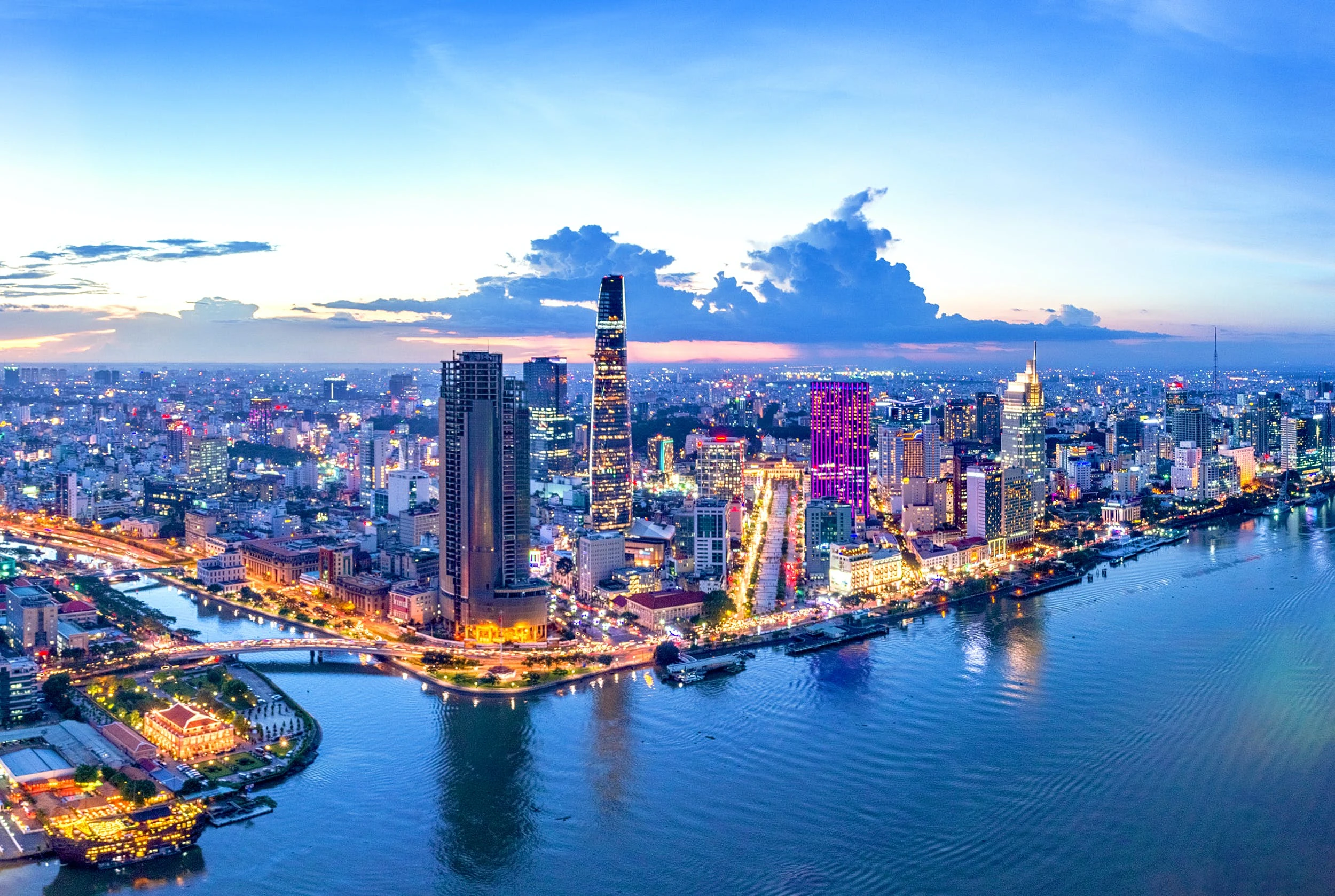
    Ho Chi Minh City (HCMC), Vietnam’s largest city, has outlined ambitious economic goals for the year ahead. The city plans to increase its per capita income by 12%, bringing it to $9,800, a figure that is twice the national average. This is a significant increase from last year’s per capita income in the city, which stood at $8,755, in comparison to the country’s overall average of $5,026.

    Economic Projections and Future Plans

    In terms of economic growth, HCMC is targeting a 10% increase in 2026, a substantial rise from the 8% growth reported last year. The chairman of the city, Nguyen Van Duoc, outlined the main drivers of this growth: manufacturing, consumption and exports. However, the city’s growth plans do not stop here.

    It is also looking to develop three additional areas. An international financial center is being planned, along with a seaport logistics system. Furthermore, the city aims to combine innovation with green and digital transformation for sustainable development.

    Addressing Infrastructure and Environmental Challenges

    Challenges that could potentially hinder the city’s economic growth have also been recognized. The issues identified include flooding, traffic congestion, and environmental pollution. These are referred to as the three “bottlenecks”, and the city has proposed several measures to overcome these problems.

    The city plans to upgrade its infrastructure, with projects such as the widening of National Highways 22 and 13 and Ring Road 4. There are also plans to construct the Can Gio and Thu Thiem bridges, as well as new metro lines. Chairman Duoc believes that if these projects are successfully implemented, they will significantly contribute to the city’s economic growth by surpassing public spending disbursement targets.

    However, this is not without its challenges. Last year, the disbursement was only 74% of the target, amounting to VND89 trillion ($3.39 billion). Despite this, the city remains optimistic about its ambitious economic targets and plans for development.

    Questions & Answers

    What does HCMC plan to increase its per capita income to?
    HCMC is planning to increase its per capita income by 12%, which will bring it to $9,800.

    What are the main drivers of economic growth for HCMC?
    The main drivers are manufacturing, consumption, and exports. However, the city also has plans to develop an international financial center, a seaport logistics system, and combine innovation with green and digital transformation.

    What challenges is HCMC planning to address to ensure its economic growth?
    HCMC plans to address the three “bottlenecks” that are currently holding back its growth. These are flooding, traffic congestion, and environmental pollution. The city plans to address these through various infrastructure projects.

  • Malbon Swings into Vietnam: Exclusive Golf and Lifestyle Store Set to Open in Ho Chi Minh City

    Malbon Swings into Vietnam: Exclusive Golf and Lifestyle Store Set to Open in Ho Chi Minh City

    Malbon, a renowned lifestyle and golf brand, is expanding its footprint in Southeast Asia by establishing its first brick-and-mortar store in Vietnam. This strategic move is being executed in collaboration with TKG Lifestyle, a subsidiary of The Kho Group.

    Store Opening and Offerings

    The inaugural store is slated for launch next month on Dong Khoi Street, in the heart of Ho Chi Minh City. Spanning two floors and covering a total area of 250 square meters, the store will house the full range of Malbon’s golf attire and accessories. In addition, it will also feature the brand’s lifestyle and sportswear collections.

    Vynce Nguyen, General Manager of The Kho Group Vietnam, expressed optimism about the venture, citing Vietnam’s growing golf market and Malbon’s unique lifestyle-focused approach as key growth drivers. He expressed confidence that Vietnamese customers will appreciate the brand’s distinctive style and its history of innovative partnerships with global brands and entertainment personalities.

    Tailored for the Local Market

    Malbon has plans to offer limited-edition products specifically designed for the Vietnamese market. This is in addition to its regular offerings, which include seasonal releases, performance apparel, and the core Icons line.

    The brand’s expansion strategy is not limited to physical retail outlets. Plans are afoot to develop a robust e-commerce platform and organize exclusive community-focused Buckets Club events where exclusive product launches will take place for members.

    Nguyen further elaborated on Malbon’s Vietnam engagement strategy, revealing plans for pop-up stores in premium locations and vibrant hotspots around the country, where culture, creativity, and lifestyle converge.

    Future Expansion

    Over the next one to two years, Malbon and The Kho Group plan to extend their retail footprint with additional stores in major Vietnamese cities, including Hanoi, Da Nang, and Phu Quoc.

    This move comes on the heels of Malbon’s recent expansion activities, including the opening of its world’s largest flagship store in the Philippines this April, and the inauguration of its new headquarters in Shenzhen, China.

    Meanwhile, The Kho Group, known for introducing the Japanese coffee chain % Arabica to Vietnam, is now gearing up to launch the brand in Australia.

    Questions & Answers

    What is Malbon’s expansion strategy in Vietnam?
    Malbon plans to develop a strong presence in Vietnam through a combination of physical retail stores, an e-commerce platform, and community-focused events.

    What does the new Malbon store in Vietnam offer?
    The store will feature Malbon’s full range of golf apparel and accessories, as well as its lifestyle and sportswear collections. Limited-edition products tailored for local consumers will also be introduced.

    What are the future plans of Malbon and The Kho Group in Vietnam?
    They plan to open additional stores in key cities such as Hanoi, Da Nang, and Phu Quoc over the next 12 to 24 months.

  • United Airlines Reconnects US and HCMC: Daily Flights Resume After Eight-Year Break

    United Airlines Reconnects US and HCMC: Daily Flights Resume After Eight-Year Break

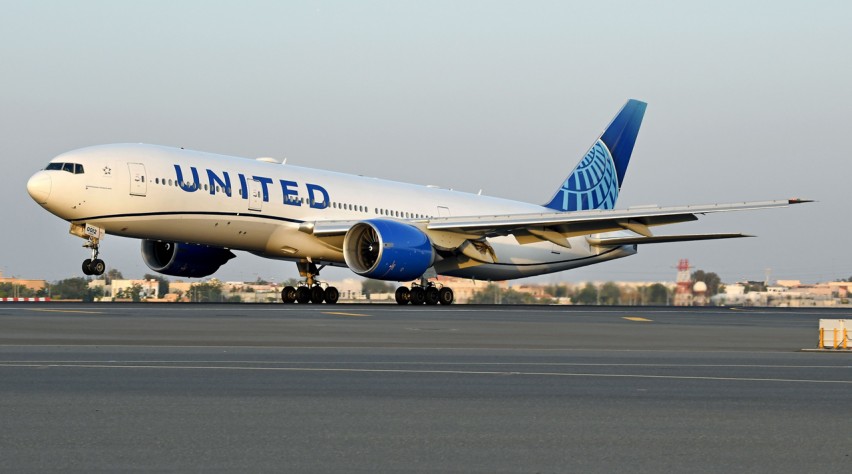
    After an eight-year pause, United Airlines, one of the top three largest American carriers, has restarted its flight operations between two U.S. cities and Ho Chi Minh City (HCMC). As of this week, the airline has begun operating daily flights from HCMC to Hong Kong, which will then connect passengers to Los Angeles or San Francisco, both located in the state of California. For each of these flights, the airline will utilize its wide-body Boeing 787-9 Dreamliner aircraft, which has a seating capacity of 257.

    Historical Precedent

    United Airlines has a distinctive history of being the first U.S. airline to conduct direct flights to Vietnam, following the bilateral air transport agreement in 2003. It maintained its operations between 2007 and 2012, flying to HCMC’s Tan Son Nhat International Airport.

    Fleet and Competition

    Boasting a fleet of over 1,000 aircraft, United Airlines remains a significant player in the American aviation sector, sitting alongside Delta Air Lines and American Airlines in competition for the top spot.

    Up until recently, Vietnam Airlines was the sole carrier providing commercial services between the U.S. and Vietnam. It operated three weekly round-trip flights between HCMC and San Francisco.

    Strategy and Expansion

    In discussing the airline’s decision to resume flights to HCMC, Patrick Quayle, the senior vice president of global network and alliances at United Airlines, stated that this move is a part of the carrier’s expansion strategy in the Pacific region.

    The airline has ambitious plans for growth. By the end of this year, United Airlines expects to serve 32 destinations in the Pacific region. On a worldwide scale, it aims to operate more than 850 daily flights to over 150 international destinations by next year.

    Questions & Answers

    What are United Airlines’ plans for expansion in the Pacific region?
    United Airlines aims to serve 32 destinations in the Pacific region by the end of this year.

    What is the seating capacity of United Airlines’ Boeing 787-9 Dreamliner aircraft used for these flights?
    The Boeing 787-9 Dreamliner aircraft used by United Airlines for these flights has a seating capacity of 257.

    When did United Airlines first operate direct flights to Vietnam?
    United Airlines first operated direct flights to Vietnam following the bilateral air transport agreement in 2003, and continued these operations from 2007 to 2012.

  • Major Expansion: Gia Binh Airport’s $7.5b Upgrade To Boost Northern Vietnam’s Aviation Sector

    Major Expansion: Gia Binh Airport’s $7.5b Upgrade To Boost Northern Vietnam’s Aviation Sector

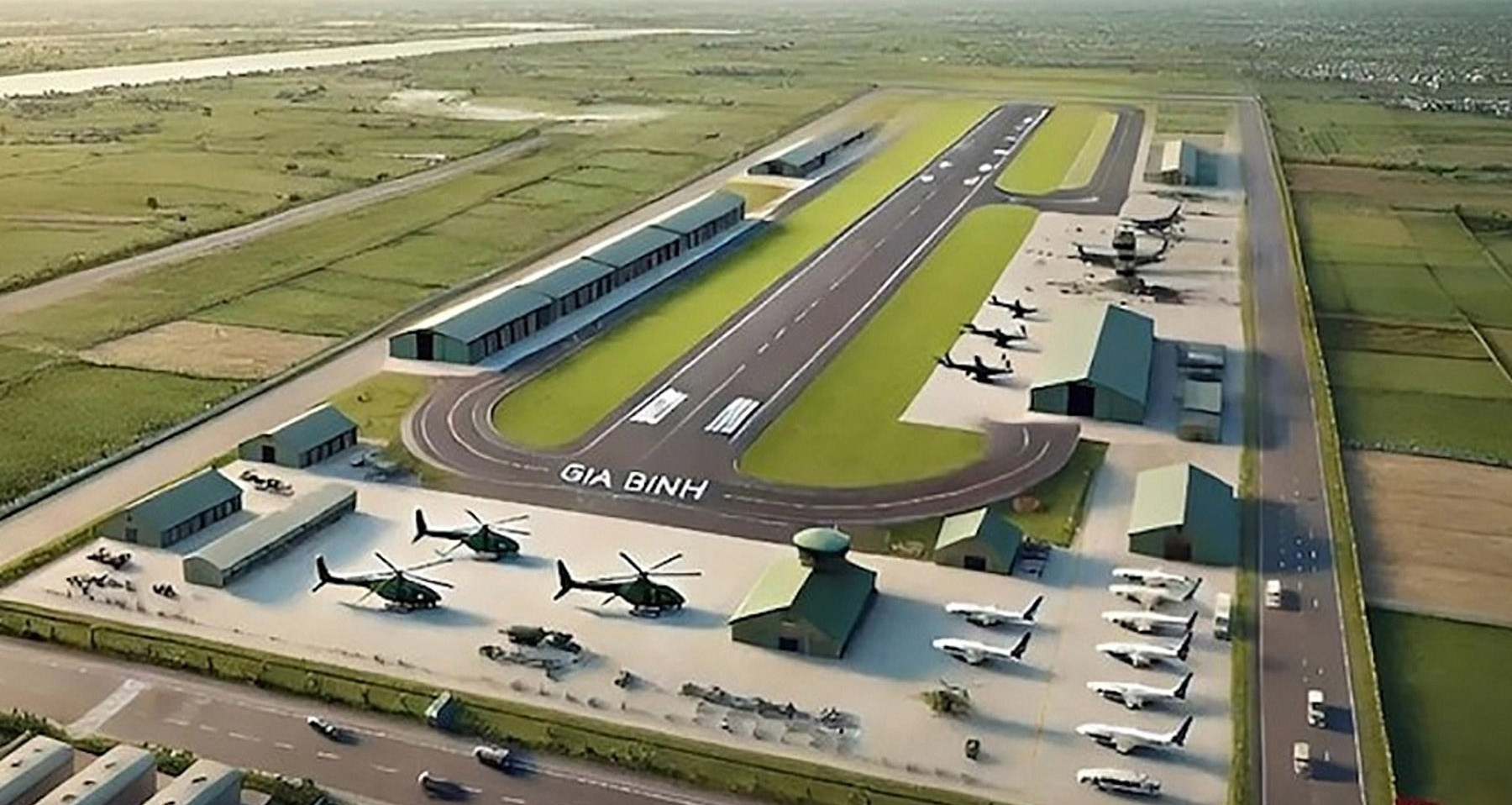
    The Gia Binh International Airport, currently under construction near Hanoi, is anticipated to cost around VND196.37 trillion (US$7.5 billion) due to recent upgrades. The airport, situated in Bac Ninh Province, 40 kilometers from Hanoi, is now projected to handle 50 million passengers and 2.5 million tons of cargo per year by 2050. This is a significant increase from the previously predicted 15 million passengers and 1.6 million tons of cargo.

    Construction and Upgrades

    The construction of the airport commenced in December of the previous year, with the Ministry of Construction giving the approval for the upgrades recently. The airport is being constructed by the Masterise Group, a property developer. It is being perceived as the primary aviation gateway for the northern region, intended for both passenger and cargo transport.

    The airport is planned to house four runways, spaced sufficiently apart to allow for independent operations. These runways will be constructed in accordance with 4F standards, which means the airport will be able to accommodate large aircraft, such as the Boeing 777 and Airbus A330.

    Comparison with Noi Bai International Airport

    Currently, Hanoi’s primary airport is the Noi Bai International Airport, which has a capacity of 25 million passengers per year. However, there are plans in place to increase this capacity to 55 million by 2030 and 85 million by 2050. This indicates a significant push for development in the region’s aviation sector, with the Gia Binh International Airport being a crucial part of this expansion.

    Questions & Answers

    How much is the Gia Binh International Airport expected to cost after recent upgrades?
    The Gia Binh International Airport, after recently approved upgrades, is projected to cost around VND196.37 trillion (US$7.5 billion).

    What is the expected capacity of the Gia Binh International Airport by 2050?
    The Gia Binh International Airport is expected to handle 50 million passengers and 2.5 million tons of cargo per year by 2050.

    Who is responsible for the construction of the Gia Binh International Airport?
    The airport is being built by the Masterise Group, a property developer.

  • Ho Chi Minh City’s Ambitious Plan: Complete Transition To Electric Motorcycles By 2029 Amidst Infrastructure Challenges

    Ho Chi Minh City’s Ambitious Plan: Complete Transition To Electric Motorcycles By 2029 Amidst Infrastructure Challenges

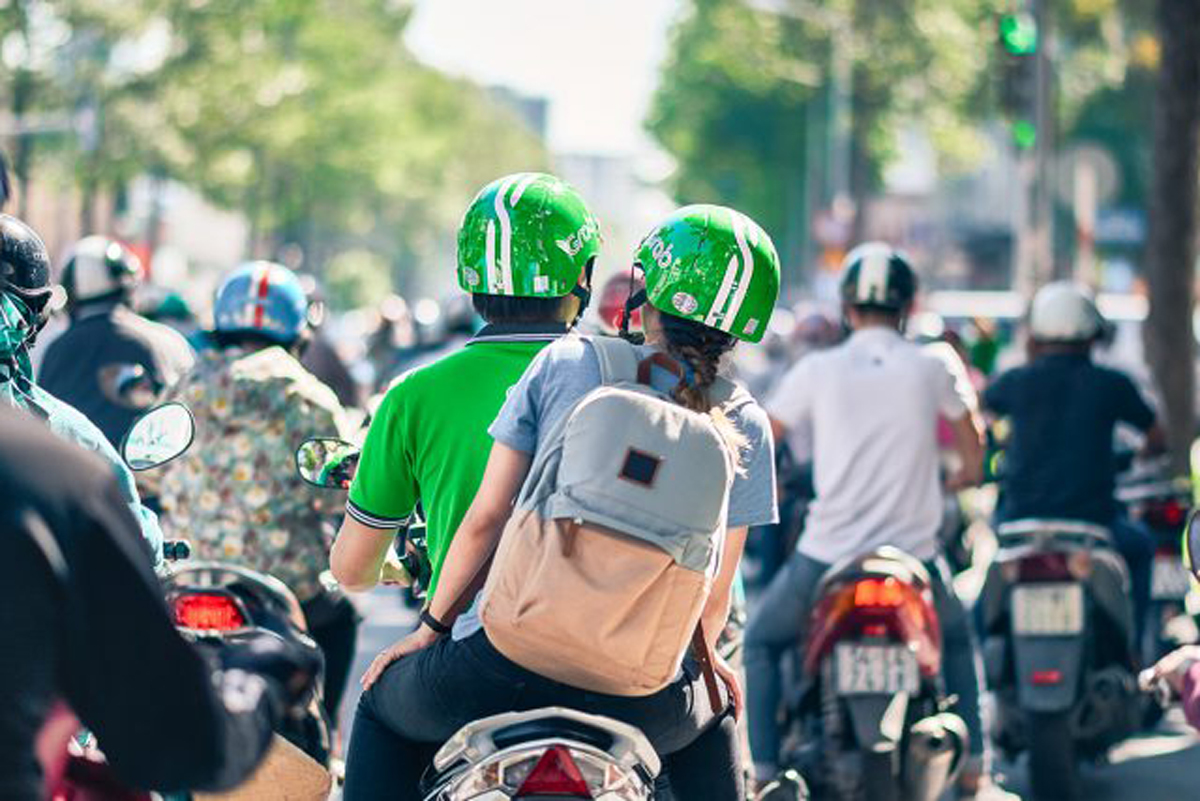
    In Ho Chi Minh City (HCMC), approximately 14,000 ride-hailing motorbike drivers have transitioned from gasoline-powered vehicles to electric versions. This represents about 3.5% of the total fleet. Ngo Hai Duong, Head of the Road Transport Management Department of the city’s Department of Construction, revealed at a recent forum that HCMC aims to completely transition its 400,000-strong ride-hailing motorbike fleet to electric vehicles (EVs) by 2029.

    Reducing Registrations for Gasoline-Powered Bikes

    The city has plans to decrease the number of registered gasoline-powered motorbikes for ride-hailing platforms starting next year. Duong revealed that out of the city’s 21,300 taxis, over 68% are now electric. He clarified that this transition was primarily driven by the businesses themselves rather than any city ordinances.

    Challenges in the Transition to Electric Vehicles

    However, one of the main obstacles to the successful transition to EVs is the limited availability of charging stations. The growing demand from electric motorbikes, cars, and buses is starkly in contrast to the city’s fewer than 1,000 charging stations with 15,000 ports. Duong acknowledged that the growth of charging infrastructure has not kept up with the rise in electric vehicle numbers.

    Hoang Anh Tuan, Director of the Transport and Traffic Safety Department of the Ministry of Construction, suggested that priority should be given to a city-wide plan for charging stations, akin to the existing network of gasoline stations. This would require setting criteria for locations and technical standards, along with a commitment to universal charging for all vehicles.

    The Vietnam Automobile, Motorcycle and Bicycle Association echoed this sentiment and urged the government to implement “non-monopoly” regulations for charging infrastructure. This means that charging stations should be open to all electric vehicles.

    Recycling Electric Vehicles and Batteries

    Analysts have proposed the establishment of a system for recycling electric vehicles and their batteries. There is also a proposal being considered by the city to give households up to VND20 million (approximately US$800) to trade their gasoline motorbikes for electric ones. This move is part of the city’s concerted efforts to reduce pollution and create low-emission zones.

    Questions & Answers

    What is the percentage of the total fleet that has transitioned to electric vehicles in HCMC?
    Approximately 3.5% of the total fleet in HCMC has transitioned to electric vehicles.

    What obstacles are being faced in the transition to electric vehicles?
    One of the main challenges is the lack of sufficient charging stations to meet the growing demand from electric motorbikes, cars, and buses.

    What initiatives are being considered to encourage the transition to electric vehicles?
    The city is considering a proposal to provide households with up to VND20 million (approximately US$800) to swap their gasoline motorbikes for electric ones. This initiative is part of the city’s broader efforts to reduce pollution and create low-emission zones.

  • HCMC Soars in Global Financial Center Rankings, Surpassing Bangkok to Claim an Impressive 3rd Place!

    HCMC Soars in Global Financial Center Rankings, Surpassing Bangkok to Claim an Impressive 3rd Place!

    Ho Chi Minh City (HCMC) has reached a significant milestone, achieving its highest ranking in the Global Financial Centers Index (GFCI) since its inception in 2022. This notable rise, documented in the latest GFCI report released last week, sees HCMC score 664, a jump of 10 points from March’s assessment.

    A Comprehensive Evaluation of Financial Hubs

    The GFCI evaluates 135 financial centers worldwide, using a nuanced matrix of indicators that includes business environment, reputation, infrastructure, human capital, and development of the financial sector. Each city’s score is derived from inputs provided by reputable third-party organizations such as the UN, World Economic Forum, and Transparency International, complemented by feedback from 4,877 financial services sector professionals.

    Forecasting Financial Growth

    With its burgeoning score, HCMC is among the 15 financial centers anticipated to exhibit robust growth over the next two to three years—a promising outlook that contrasts with Bangkok’s decline from 96th to 102nd place.

    Vietnam’s Ambitious Financial Hub Plans

    In a bold move to enhance its financial stature, Vietnam is developing an international financial hub that spans HCMC and Da Nang. Announced in a government resolution passed in June, the hub will feature a diverse array of services, from banking to capital markets associated with asset and fund management. Notably, experimental mechanisms for fintech innovation, specialized trading platforms, and derivatives are also part of the plan. The government aims to have the HCMC section operational by 2025, with full completion expected within five years—making HCMC not just another city, but a potential playground for financial progress.

    Regional and Global Financial Rankings

    Other Southeast Asian cities making their mark in the rankings include Singapore at a respectable 4th, Kuala Lumpur at 45th, Jakarta at 91st, and Manila at 104th. Meanwhile, the global top 10 list remains steadfast, with New York maintaining its lead with a score of 766, cushioning its position against the competition from London, Hong Kong, and Singapore.

    Questions & Answers

    What factors contribute to HCMC’s rise in the GFCI ranking?
    HCMC’s improved ranking is attributed to its competitive business environment, strong infrastructure, and ongoing developments in human capital and financial sector growth.

    When is the financial hub in HCMC expected to be operational?
    The HCMC section of the new financial hub is projected to be operational by 2025, with the entire development completed within five years.

    How does HCMC’s ranking compare to other Southeast Asian cities?
    HCMC ranks significantly higher than other Southeast Asian cities like Bangkok, which dropped to 102nd, while Singapore remains the leader in the region at 4th globally.

  • HCMC Apartments Now Matching Prices of Single-Family Homes: A New Era in Urban Living!

    HCMC Apartments Now Matching Prices of Single-Family Homes: A New Era in Urban Living!

    In a striking trend unfolding in Ho Chi Minh City, property prices are pushing boundaries, with luxury apartments now competing directly with traditional single-family homes. An 85-square-meter unit at The Metropole in An Khanh has hit the market at VND130-180 million (US$4,925-6,820) per square meter, while an 80-square-meter house in the nearby Thao Dien Ward is priced at VND150 million per square meter. The rapid pace of the city’s real estate market is leaving many bewildered—who knew living in a unit could feel as exclusive as a stand-alone home?

    Other areas of the city are witnessing similar trends. Apartments in developments like The Privé, Eaton Park, and Lumière Midtown command prices ranging from VND130–250 million, which is notably higher than the VND110–200 million average for landed houses within a two-kilometer radius. In fact, newly launched apartments across various districts are entering the market at price points that match or even exceed those of townhouses.

    Market Data Shows Dramatic Changes

    Recent listings on real estate platform Batdongsan reveal that in the second quarter, the prices of private homes within Vietnam’s largest city spanned from VND87 million to VND200 million per square meter, with apartments only slightly cheaper at VND68-200 million. Remarkably, apartment prices are accelerating at a faster rate than those for houses, with a reported increase of 18–40% year-to-date, as opposed to the 8–20% rise for private homes.

    Price Increases Confirmed by Experts

    According to data from property consultancy CBRE, single-family homes in the second quarter now cost between VND160–300 million per square meter, reflecting a 9% increase, while apartments surged by 29%, reaching VND82–220 million per square meter. A report by the Ministry of Construction further supported this trend, indicating that private houses rose by 2–5% to VND110–305 million per square meter, while the average apartment price skyrocketed to VND89 million per square meter, marking a staggering 39% increase.

    Demand Dynamics Shift

    Commenting on the rapid escalation of apartment prices, Tran Khanh Quang, CEO of Viet An Hoa Real Estate Company, noted that while single-family homes historically held the advantage due to their long-term ownership potential and land appreciation, factors like high prices, scarce supply, and tightened credit policies are altering the landscape. Owing to rising housing needs, he observed an increasing demand for apartments, indicating a profound shift in consumer preference that favors integrated amenities over standalone homes.

    A Fresh Perspective on Housing Value

    Real estate analyst Le Quoc Kien pointed out that homes used to be priced at double that of apartments, largely attributed to land value and depreciation rates. However, the allure of narrow, alleys-based townhouses with subpar infrastructure is waning, as modern apartments equipped with desirable features increasingly attract young buyers seeking both residence and investment opportunities.

    Vo Hong Thang, deputy CEO of DKRA Group, remarked that the phenomenon of apartment prices exceeding those of townhouses is noteworthy yet not entirely surprising. He cautioned that this imbalance is partly due to a market skew towards mid and high-priced apartments, with affordable options becoming nearly nonexistent. With each new project setting a higher benchmark, he warned, “At this rate, apartments could entirely eclipse townhouses in price.”

    Questions & Answers

    How are apartment prices in Ho Chi Minh City changing?
    Apartment prices have surged significantly in recent months, often surpassing levels traditionally reserved for single-family homes, as seen in several developments around the city.

    What factors are driving the preference for apartments over houses?
    Many consumers are drawn to apartments due to their integrated amenities, newer facilities, and a shift in housing needs, as well as adverse factors affecting traditional home ownership like limited supply and high costs.

    Is the trend of rising apartment prices likely to continue?
    Analysts suggest that with growing demand and limited affordable housing options, the trend of increasing apartment prices is expected to persist, potentially leading to a complete price inversion against traditional townhouses.

  • HCMC Sets Ambitious Goal for 10% GDP Growth in Second Half of the Year

    HCMC Sets Ambitious Goal for 10% GDP Growth in Second Half of the Year

    Ho Chi Minh City is laying the groundwork for ambitious double-digit growth during the period of 2026 to 2030, setting an energetic tone for the business landscape. As the city charts its course for the remainder of 2025, each department has received specific mandates aimed at mobilizing approximately VND780 trillion (US$29.56 billion) in total social investment. The targets are equally ambitious: a 19.2% increase in total retail sales of goods and services and a 24.3% rise in exports. With tourism also taking center stage, the city aims to attract between 8.5 and 10 million international visitors, alongside 45 to 50 million domestic tourists, generating a tourism revenue between VND260 and 290 trillion.

    Strategic Policies and Economic Reforms

    The municipal People’s Committee has underscored the importance of rigorously implementing resolutions and policies from the Party Central Committee and local governing bodies. Authorities are set to unleash new breakthrough mechanisms while eliminating economic bottlenecks and advancing administrative reforms. To help businesses and citizens weather economic changes, ongoing tax, fee, and land rent exemptions, reductions, and deferrals will be in place, like a safety net woven to catch those who may falter.

    Building Bridges with Investors

    Local officials are ramping up dialogue with investors, enterprises, cooperatives, and business households to swiftly identify challenges. Innovative measures like “green channels” dedicated to projects in export processing zones, industrial parks, and high-tech zones will be further encouraged, building a bridge between ambition and execution.

    Revolutionizing Administrative Processes

    Departments and units have been tasked with cutting administrative processing times by at least 30% and reducing business costs by a similar margin. They will also work to eliminate at least one-third of unnecessary business conditions, paving the way for a more attractive investment climate. The city is steadfast in its commitment to achieving 100% disbursement of its 2025 state budget capital while simultaneously seeking to attract additional social investments wherever possible.

    Future Growth Strategies

    With an eye on the future, Ho Chi Minh City plans to accelerate the development of high value-added services while bolstering exports and trade. There’s also a strong push to stimulate domestic consumption and expand the tourism sector. Key areas for growth will focus on science and technology, innovation, digital transformation, and nurturing high-quality human resources. A mix of investment models—including “public investment – private management” and “private investment – public use”—is set to be implemented.

    Embracing Digital Transformation

    Comprehensive digitalization of state management is a priority, with initiatives spanning digital government, economy, society, and citizen services. The city aims to enhance its data governance strategy and public administrative service systems while accelerating the deployment of 5G infrastructure—a plan so forward-thinking it might just have tech enthusiasts cheering from the sidelines.

    Navigating Global Trade Challenges

    In light of recent U.S. tariff policies, the People’s Committee is urging local authorities to collaborate closely with ministries to devise measures that bolster competitiveness. This includes support for affected sectors, establishing traceability systems, and enhancing integration within regional and global supply and value chains.

    Questions & Answers

    What major economic targets has Ho Chi Minh City set for 2025?
    The city aims to mobilize approximately VND780 trillion (US$29.56 billion) in social investment, boost total retail sales by 19.2%, and increase exports by 24.3%.

    How does Ho Chi Minh City plan to foster a better investment climate?
    Authorities will cut administrative processing times by at least 30%, reduce business costs similarly, and eliminate a third of unnecessary business conditions to create a more attractive environment for investors.

    What sectors is the city focusing on for future growth?
    Ho Chi Minh City is prioritizing the development of high value-added services, science and technology, digital transformation, and high-quality human resources as part of its growth strategy.

  • Lessons from Vietnam: How Expats Mastered the Art of Saving and Spending Wisely

    Lessons from Vietnam: How Expats Mastered the Art of Saving and Spending Wisely

    Stepping into the world of retail in Vietnam can be a revelation, especially for foreigners adjusting to the local financial landscape. One British expat, who moved to the country to work as a sales director, discovered this first-hand when he encountered a budgeting practice that seemed almost quaint yet profoundly effective. At the home of a friend, he was shown a drawer brimming with envelopes, each earmarked for specific expenses such as Tet celebrations, emergency savings, and even a future refrigerator. He was struck by the simplicity of it all: “They know exactly where their money ends up, even without spreadsheets,” he remarked.

    Understanding the Vietnamese Financial Mindset

    As he settled into his new life, the 34-year-old Briton began dating a woman who would eventually become his wife. This relationship opened a window into the Vietnamese approach to personal finance, characterized by careful consideration for every expense. Major purchases are discussed well in advance and pursued only when funds are available or when there is an urgent need. Borrowing, particularly from banks, is seen as a last resort, often introduced through family or friends. “Vietnamese people are very afraid of debt,” he noted, highlighting a stark contrast to western financial habits.

    Clashing Financial Philosophies

    The couple’s differing attitudes towards money often led to disagreements. While he was inclined to take risks—wielding credit for investments and chasing opportunities—his wife adopted a more cautious stance. When he entertained the idea of investing in a UK startup, her probing questions forced him to reconsider: What if it failed? Could they afford to recover? Would he feel comfortable discussing this investment with their children one day? These moments of reflection revealed to him the striking reality that many Vietnamese manage to buy homes, invest in land, and support families—all on modest incomes.

    A Shift in Spending Habits

    He learned that the real essence of financial success lies not in how much you earn, but in how much you can save. An eye-opening experience occurred when he decided against purchasing a new car after noticing his wife’s family relied on old faithful motorbikes. “In Vietnam, no one cares what you drive as long as it gets you there,” he mused. Eventually, the couple was able to secure a plot of land on the outskirts of Hanoi, representing a prudent and distinctly Vietnamese choice.

    Gradually, his mindset began to shift; a $10 sandwich triggered thoughts of a more economical $2 bowl of pho. He observed a similar transformation among many other foreigners who find themselves rethinking their approach to money during their time in the country.

    Culture Shock and Financial Reality

    A report by Navigos Group indicates that about 50% of expats experience culture shock, with financial habits playing a significant role in this adjustment. Statista highlights that in 2023, only 7% of Vietnamese adults held a credit card, making this one of the lowest rates in the region. Moreover, a World Bank survey revealed that a staggering 64% of Vietnamese strive to avoid borrowing even when facing financial hardships.

    William Gray, a financial advisor at Infinity Financial Solutions, noted that many foreigners adapt their financial behaviors once they embrace the culture. “Limited access to credit forces them to live within their means,” he said, especially when they begin making joint financial decisions with a Vietnamese partner. This leads to priorities centered on saving and acquiring property rather than accumulating debt.

    Navigating Differences in Financial Perspectives

    In 2024, Liam Ward, a 30-year-old expat in Ho Chi Minh City, found himself embroiled in a spirited debate with his Vietnamese girlfriend over their savings strategy as they prepared to cohabitate. He envisioned their savings funding travel adventures, while she viewed them as a safeguard against potential disasters like job loss or unexpected illness.

    “There is a clear gap in how the two cultures perceive money,” Ward stated. The couple ultimately reached a compromise by investing in gold, a practice he initially found perplexing. He worried about its liquidity in emergencies but soon learned that gold is a quick and accessible means of creating cash when needed. After experiencing volatile price spikes in late 2024 and early 2025, he acknowledged, “It turns out this is how many Vietnamese build and grow their wealth.”

    Questions & Answers

    What budgeting method stood out to the expat living in Vietnam?
    He discovered a simple yet disciplined approach where his friend stored money in envelopes labeled for different expenses, ensuring a clear understanding of spending without needing spreadsheets.

    How do Vietnamese attitudes toward debt differ from those in Western cultures?
    Vietnamese people are generally cautious about borrowing and prefer to rely on savings and family support rather than accumulating debt, contrasting with Western habits that more readily embrace credit.

    What financial lesson did the expat learn through his relationship?
    He realized that financial success is not about high earnings but about effective saving and spending, leading him to appreciate the value of modest living and careful budgeting.

  • Downtown HCMC Retail Rents Soar to $300 per Square Meter: What It Means for Shoppers and Retailers

    Downtown HCMC Retail Rents Soar to $300 per Square Meter: What It Means for Shoppers and Retailers

    In a recent overview of Ho Chi Minh City’s retail landscape, property consultancy Avison Young highlighted that the minimum rent in the downtown area remains stable at $45 per square meter for the second quarter, unchanged from the previous quarter. Luxury shopping destinations have seen significantly higher rates; Saigon Centre and Vincom Center Dong Khoi charge rents between $200 and $250, while Times Square tops the charts at $300 per square meter.

    In sharp contrast, retail spots in non-central neighborhoods only fetch $20 to $117, illustrating the premium placed on properties in the bustling city center. Yet, despite these steep prices, foot traffic in downtown areas remains robust, with occupancy rates soaring to 96% in the heart of the city and 86% in outer zones. CBRE corroborated these figures, noting that only 5% of retail space is unoccupied in prime districts and 8% elsewhere.

    David Jackson, CEO of Avison Young Vietnam, attributed the upward pressure on rents to an influx of global brands setting up shop in the city. American coffee giant Starbucks has recently increased its footprint, opening a new outlet at the Bitexco tower and securing additional space at Diamond Plaza. Meanwhile, Japanese retail giant Uniqlo is also moving into the market with a new store at Vincom Le Van Kiet, further indicating the growing international interest in Ho Chi Minh City.

    Popular malls like Saigon Centre and Vincom Dong Khoi continue to shine, boasting impressive occupancy rates between 98% and 100%. Jackson noted that with limited new supply coming to market, these established retail spaces are leveraging their prime locations to maintain high occupancy levels. Fashion and food-and-beverage brands are particularly strong in leasing, especially in vibrant, high-traffic areas.

    The evolving landscape of retail has heightened the importance of consumer experience, with the design and layout of spaces, integrated amenities, and after-sales services gaining traction as critical factors influencing rental prices. Mai Vo, director of retail services at CBRE HCMC, remarked on the surge of Chinese brands such as Oh!Some and Polarpopo entering this dynamic market.

    Responding to these trends, mall developers are reimagining tenant layouts, merging smaller units into larger spaces to accommodate burgeoning lifestyle brands. This transformation aims to turn shopping centers into “one-stop shops,” providing an array of services and amenities to enhance the overall customer experience.

    Looking ahead to the latter half of 2025, Vo anticipates the addition of around 25,000 square meters of new retail space within two central projects, signifying ongoing growth in Ho Chi Minh City’s retail sector. As consumers become increasingly discerning, often researching prices and seeking out deals, retailers are being pushed to adopt omnichannel strategies, blending digital and in-store experiences to capture this elusive market.

    Questions & Answers

    What are the current rental rates in Ho Chi Minh City’s downtown area?
    The minimum rent in the downtown area is $45 per square meter, with high-end shopping centers charging significantly more, ranging from $200 to $300 depending on the location.

    How are occupancy rates in Ho Chi Minh City’s retail spaces?
    Occupancy rates are notably high in the downtown area, reaching 96%, while non-central areas show an occupancy rate of 86%, indicating a robust demand for retail space.

    What strategies are mall developers employing to attract customers?
    Mall developers are restructuring tenant layouts by combining smaller units into larger ones to better accommodate lifestyle brands, aiming to transform shopping centers into integrated hubs that enhance customer experiences.

  • Ho Chi Minh City Set to Welcome 6,000 New Prime Apartments This Year

    Ho Chi Minh City Set to Welcome 6,000 New Prime Apartments This Year

    In a dynamic shift for Ho Chi Minh City’s real estate sector, JLL projects the introduction of an impressive 5,500 to 6,000 high-end apartments and around 1,300 RBL (residential building lot) units by 2025. This surge is anticipated following significant infrastructure completions and the city’s proactive measures to address legal bottlenecks affecting 22 pivotal projects.

    Breaking Ground: HCMC’s Push for Affordable Housing

    Despite being primarily characterized by high-end residential offerings, the report hints that more affordable housing projects are on the horizon, particularly in the outer districts of the city. JLL notes that attractive sales strategies are likely to propel buyer interest, a welcome development for those longing for more budget-friendly options.

    Market Insights: Trends in the High-End Segment

    During the first quarter of 2025, Ho Chi Minh City saw a mere 118 transactions in the high-end apartment market. The excitement, however, is palpable with soft launches from reputable developers such as Eaton Park and Lancaster Legacy anticipated to attract eager buyers.

    In the RBL sector, just 29 transactions were logged, yet Phase 2 of L’Arcade shone brightly with all units sold. The limited primary inventory remains a hurdle, presenting high unit values that pose access challenges for many potential buyers.

    Supply Dynamics: The Search for Balance

    The supply of high-end apartments showcased limited growth in Q1 2025, introducing only 82 new launches, including Kieu by Kita in the CBD fringe. Activity remains vibrant ahead of several large-scale project launches in Q2, with developers collaborating with distribution agents to maximize reach for upcoming ventures such as The Global City’s Sola by Masterise Homes and Keppel’s FORESTA by Khang Dien.

    Price Momentum: Reflecting Investor Confidence

    Price trends are also noteworthy, with the primary cost for high-end apartments increasing by 2.0% quarter-on-quarter to USD 5,104 per square meter. This uptick is bolstered by the handover of 630 units from the ultra-luxury Grand Marina, which saw completed-home prices jump by 5.7% quarter-on-quarter, now standing at USD 3,866 per square meter. Even in the landed property market, primary prices climbed 1.4% quarter-on-quarter and 6.6% year-on-year, illustrating sustained investor confidence.

    Questions & Answers

    What type of housing projects are expected to emerge in Ho Chi Minh City by 2025?
    JLL anticipates a mix of high-end apartments and an important influx of more affordable housing options, especially in the outer districts, to cater to diverse buyer needs.

    How did the high-end apartment market perform in Q1 2025?
    The market recorded only 118 successful transactions, though interest remains healthy with exciting upcoming launches like Eaton Park and Lancaster Legacy drawing attention.

    What factors are driving price increases in Ho Chi Minh City’s real estate market?
    The price growth is largely attributed to the completion of high-end projects like Grand Marina, driving up overall completed-home prices and reflecting strong investor confidence in both high-end and landed property segments.

  • Oh!Some Launches Vibrant Flagship Store in Ho Chi Minh City, Celebrating Its Debut in Vietnam!

    Oh!Some Launches Vibrant Flagship Store in Ho Chi Minh City, Celebrating Its Debut in Vietnam!

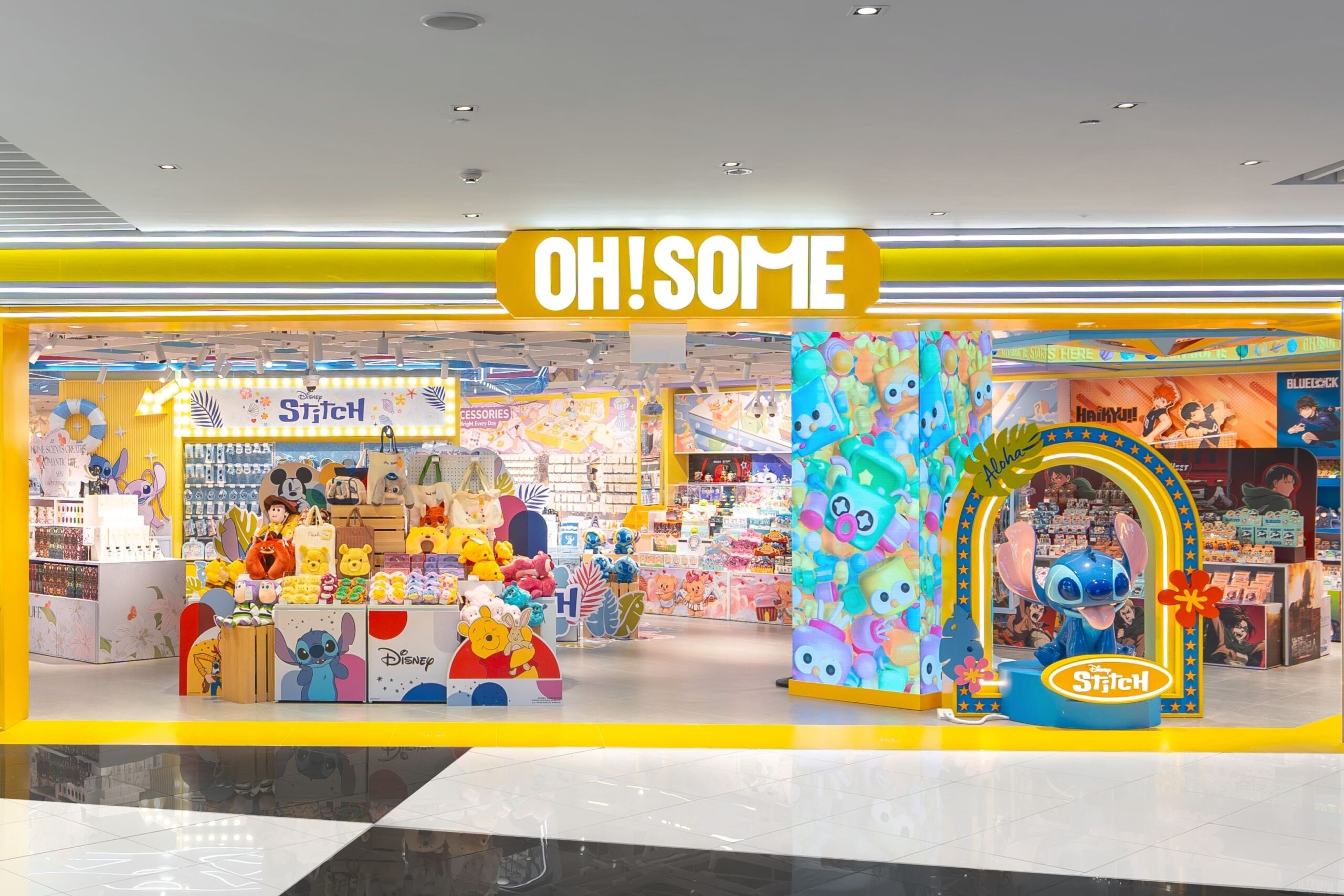
    Oh!Some has recently unveiled a striking flagship store in Ho Chi Minh City, spanning a generous 2,000 square meters. This new outlet elevates the brand’s footprint in Southeast Asia, showcasing a modern shopping experience tailored to attract today’s discerning consumers.

    A Creative Wonderland Awaits

    The flagship at Vincom Center Dong Khoi is more than just a retail location; it is a beautifully designed space that encourages leisurely exploration. With a thoughtfully conceived open-concept layout, shoppers can wander through various sections, discovering everything from premium stationery to trendy toys, and an exciting array of beauty products. Oh!Some aims to infuse daily life with creativity and joy, making it the ideal destination for those looking to combine practicality with style.

    Bringing Disney Magic to Life

    A highlight of this new flagship is Oh!Some’s exclusive partnership with Disney, which is set to launch in 2024. Already, customers are excited about collections inspired by their favorite characters, like the Winnie the Pooh picnic collection and a seaside-themed Stitch collection. These exclusive offerings not only appeal to Disney enthusiasts but also to those who love to express their style.

    Four Themed Zones for Unique Shopping

    The flagship store introduces four innovative themed zones: anime collectibles, travel essentials, gifting solutions, and DIY craft kits. Anime aficionados can find sought-after merchandise from series like “Haikyu!!” and “Attack on Titan.” Meanwhile, travel essentials feature compact beauty kits and practical accessories to suit fast-paced lifestyles. The gifting solutions and DIY craft kits offer personalized options, making shopping feel like an escapade rather than a chore — and who doesn’t enjoy treasure hunts?

    Curated Offerings for Trend-Savvy Shoppers

    Carefully curated for Vietnam’s youthful, trend-savvy consumers, Oh!Some’s product assortment includes popular snacks from Korea and Japan, viral beauty products, and everyday essentials designed with style in mind. Whether it’s a quirky accessory or a practical gadget, every item is selected to reflect freshness and relevance, ensuring shoppers can always find something exciting.

    With over 110 offline stores spanning Singapore, Indonesia, Malaysia, Cambodia, and Vietnam, Oh!Some is quickly cementing its status in the global retail landscape. In Vietnam alone, five of its seven stores are strategically located in Vincom malls, ensuring optimal visibility and customer engagement. The brand’s ambitious plans signal a commitment to becoming a household name on a global scale.

    A Symbol of Commitment

    The Vincom Center Dong Khoi flagship store represents a significant milestone in Oh!Some’s growth in Vietnam. “This is not just our seventh store; it’s a testament to our long-term commitment to this market,” said an Oh!Some representative.

    Nestled in the busy Le Thanh Ton–Dong Khoi area, the Vincom Center is a vibrant hub, connecting local and international audiences and enhancing brand visibility. As Oh!Some collaborates with Vincom to reshape Vietnam’s retail landscape, both brands benefit from a strong synergy that resonates with Gen Z and Millennials seeking enriching lifestyle experiences.

    Oh!Some’s fresh approach balances the allure of premium lifestyle products with accessibility, making it an attractive option for the modern consumer eager for a meaningful shopping experience.

    The flagship store not only showcases Oh!Some’s extensive range of products but also positions itself as a center for future innovations, community events, and creative interactions. With ongoing plans for exclusive membership activities—such as family experiences, themed workshops, and vibrant pop-up events—Oh!Some is transforming the shopping environment into a lively hub of creativity and connection.

    To stay updated on collections and events, customers are encouraged to engage with Oh!Some’s lively presence on Instagram and Facebook at Ohsome Vietnam, where the latest trends await their discovery.

    As Oh!Some embarks on this exciting journey, their flagship store at Vincom Center Dong Khoi promises a vibrant, creative, and joyful lifestyle experience for consumers ready to embrace what the future holds.

    Questions & Answers

    What makes Oh!Some’s flagship store unique?
    Its open-concept design encourages relaxed browsing, featuring themed zones for specialties like anime collectibles and DIY crafts, creating an engaging shopping experience that blends physical discovery with the thrill of online shopping.

    How does Oh!Some cater to local tastes in Vietnam?
    Oh!Some curates its product selection with Vietnam’s dynamic youth in mind, offering popular imported snacks, trendy beauty products, and lifestyle items that resonate with the cultural zeitgeist.

    What are the brand’s future plans for community engagement?
    Oh!Some plans to implement exclusive offline membership activities ranging from interactive workshops to themed family experiences, aiming to establish its store as a vibrant community space beyond traditional retail.

  • WinMart Debuts Exciting Russia Corner Shopping Experience in Hanoi

    WinMart Debuts Exciting Russia Corner Shopping Experience in Hanoi

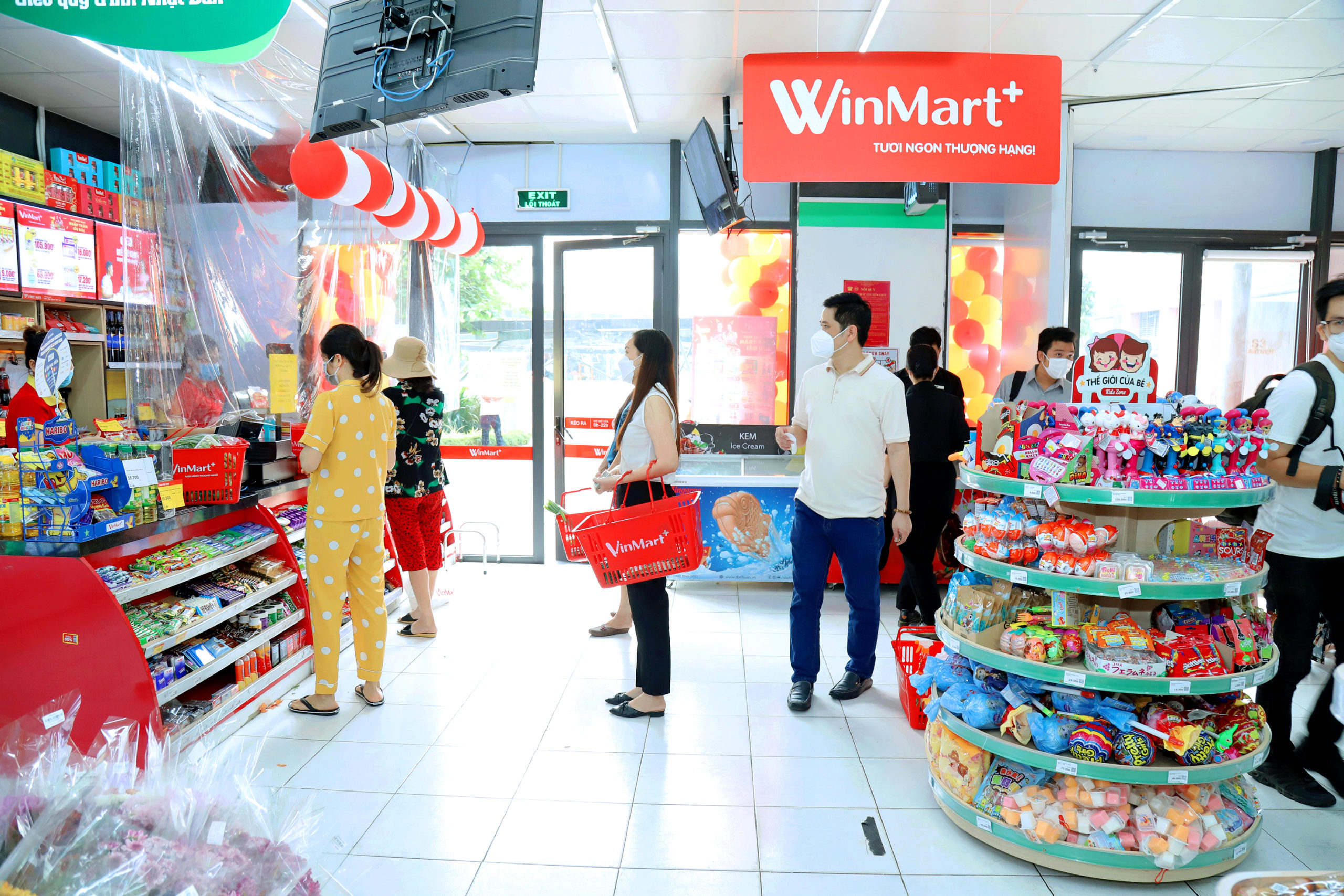
    On June 12, in a vibrant celebration coinciding with Russia Day, WinCommerce unveiled its latest venture—Russia Corner—at the WinMart Royal City in Hanoi. This dynamic space is the brainchild of WinCommerce, the operators behind the WinMart and WinMart+ retail chains, in collaboration with Magnit Group and an array of distributors.

    Discover the Soul of Russia

    Russia Corner introduces an impressive array of over 170 stock-keeping units (SKUs) sourced from more than 30 distinguished Russian manufacturers. Themed “Soul of Russia,” this unique setup invites shoppers to explore an eclectic mix of traditional delicacies, including smoked sausages, black bread, and exquisite Russian chocolates. Each product has been officially imported and meticulously selected, all available at enticing promotional prices.

    A Taste of Russian Culture

    The charm of this corner extends beyond mere shopping; it offers customers an immersive experience into Russian culture, featuring iconic items like blini pancakes, samovar tea, and authentic vodka. This initiative not only fulfills shopping desires but also ignites curiosity about Russian traditions, enabling Vietnamese consumers to experience a slice of Russia right in their city.

    Enhancing the Shopping Experience

    A representative from WinCommerce highlighted that Russia Corner is integral to WinMart’s broader strategy of developing experiential shopping models. Each product is a testament to strong cultural identity, reinforcing WinCommerce’s commitment to creating varied and immersive retail environments for its customers.

    Cultural Engagement and Expansion

    The launch attracted a significant crowd of local shoppers and included notable guests from the Russian Embassy in Vietnam, Russia’s Ministry of Agriculture, the Russian Trade Agency, and key retail partners. WinMart is eyeing further expansion, with plans to enhance cultural activities and interactive experiences related to Russian heritage across major supermarkets nationwide.

    In line with its long-term vision, WinCommerce aims to elevate the shopping experience, nurture emotional connections, and integrate global cultures with Vietnamese consumers. From June 12 to 20, visitors to Russia Corner can indulge in tastings of iconic Russian products, partake in mini-games, and receive delightful themed gifts. Who knew shopping could be such an adventure?

    Questions & Answers

    What products does Russia Corner feature?
    A diverse selection of over 170 SKUs, including smoked sausages, black bread, and Russian chocolates, all showcasing the cultural depth of Russia.

    How long is the promotional event at Russia Corner?
    The festivities run from June 12 to 20, offering visitors a chance to sample products and engage in themed activities.

    What is WinMart’s larger goal with this initiative?
    WinMart aims to enhance the shopping experience by fostering emotional connections and bringing global cultures closer to Vietnamese consumers.

  • HCMC Unveils Exciting Plans for $7B International Financial Hub: What You Need to Know!

    HCMC Unveils Exciting Plans for $7B International Financial Hub: What You Need to Know!

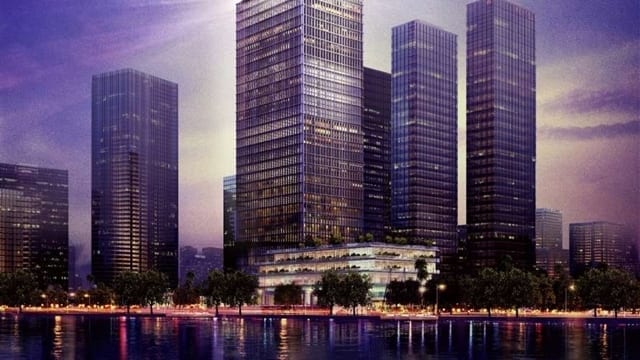
    Ho Chi Minh City is taking ambitious strides toward establishing an international financial hub, with an investment of VND172 trillion (approximately US$7 billion) fueling the project in District 1 and the Thu Thiem Urban Area. This significant undertaker promises to transform the landscape of financial services in Vietnam.

    Spanning 783 Hectares Across the Saigon River

    The proposed hub will cover a sprawling 783 hectares, elegantly positioned across areas interconnected by the Saigon River. The initial phase, which will span nine hectares in Thu Thiem, is set to house the headquarters for various regulatory and supervisory authorities, paving the way for a structured financial ecosystem.

    The city’s detailed proposal is currently under governmental review, with the first phase slated for development within the next two to three years. This segment will cost VND16 trillion, where VND2 trillion will be funded by the government and the remainder sourced from private investors.

    Attracting Top Talent with Training Initiatives

    Beyond the essential infrastructure and regulatory frameworks, Ho Chi Minh City is honing its strategy to attract the brightest minds to the hub. To bolster human resources, five training programs are earmarked for launch in 2025. Additionally, officials have embarked on missions to study successful financial center models in the U.K., Hong Kong, mainland China, and Kazakhstan, ensuring that the new hub will be competitive on a global scale.

    Notably, the government’s vision extends beyond Ho Chi Minh City, contemplating a similar financial hub initiative in Da Nang. The HCMC hub is expected to offer a diverse array of products and services, from banking and capital markets to asset and fund management.

    Innovative Financial Mechanisms on the Horizon

    As innovation takes center stage, the city plans to implement experimental mechanisms, or “sandboxes,” aimed at fostering fintech, innovation, and specialized trading platforms, alongside derivative markets. The government aspires for the Ho Chi Minh City sector of the hub to become operational by 2025, with a comprehensive completion targeted within five years.

    With a goal this grand, it’s safe to say Ho Chi Minh City is gearing up to play a pivotal role in the financial landscape of Asia. Imagine a bustling financial quarter reminiscent of the world’s best financial districts—exciting times are ahead!

    Questions & Answers

    What is the primary investment for the financial hub in HCMC?
    The planned international financial hub will require an investment of VND172 trillion (around US$7 billion).

    When is the first phase of the hub expected to be completed?
    The first phase is anticipated to be constructed within two to three years, aiming for a start in 2025.

    What initiatives will be implemented to develop human resources for the hub?
    Five training programs are set to launch in 2025, alongside efforts to study global financial center models to attract top talent.