Retail News CRM

Tag: HCMC

  • Chuk Chuk speeds up expansion plans with Central Retail

    Chuk Chuk speeds up expansion plans with Central Retail

    Kido Group-owned gelato and tea chain, Chuk Chuk, has joined hands with Central Retail to roll out between 300 and 400 stores in Go! malls and Tops Market supermarkets in Vietnam, as well as eyeing international expansion.

    Chuk Chuk said it will open 10 stores across Central Retail’s shopping malls ahead of February. Under the partnership, the chain plans to expand its presence into Thailand and other Southeast Asian countries in the coming years.

    The brand currently operates 10 brick-and-mortar stores across Ho Chi Minh City, with 40 stores scheduled to launch this month. Kido Group is to increase its store number to 1000 in the country by 2025 while expanding into international markets, including Thailand, China, and South Korea.

    The partnership with Central Retail follows Chuk Chuk’s recent agreement with Son Kim Retail, under which its products will be sold across all GS25 locations in the country by the end of next year.

    Founded last June, amid the Delta lockdown, Chuk Chuk marks Kido Group’s foray into the retail industry, directly competing with major local F&B players such as Starbucks, Trung Nguyen Legend and Phuc Long. The brand name was inspired by Thailand’s famous vehicle Tuk Tuk.

  • Car registration fee cut by half again

    Car registration fee cut by half again

    A government decree has cut registration fees for locally made cars by 50 percent for six months starting December 1.

    This is the second time in the last two years such a cut is being made to mitigate the difficulties faced by the auto industry due to the Covid-19 pandemic.

    In the first six months of last year, 17,600 cars were bought on average each month. In the second half, when the 50 percent cut took effect, sales doubled.

    The registration fees are calculated based on car prices in each locality.

    The rates are 12 percent in Hanoi and Hai Phong, and 10 percent in HCMC.

    Last year, car sales had fallen by 8 percent to 296,634 units as the Covid-19 pandemic badly affected the economy, hitting people’s incomes and discretionary spending.

  • Private hospitals suffer pandemic inflicted losses

    Private hospitals suffer pandemic inflicted losses

    Private hospitals in HCMC and Hanoi are reporting losses after months of limited operations necessitated by the Covid-19 pandemic.

    After four years of making a profit, the Tam Duc Heart Hospital in HCMC’s District 7 posted a loss of VND13 billion ($571,440) in the third quarter this year.

    Its revenue plunged 63 percent to nearly VND54 billion.

    The hospital has cut down salaries but high overhead costs and additional Covid-19 measures remained major financial burdens.

    Its nine-month profit has fallen 86 percent year-on-year, the hospital said.

    In Binh Tan District, Trieu An Hospital posted its second quarterly loss in a row at VND22 billion, against VND14 billion in the second quarter.

    The hospital saw third-quarter revenues plunge 70 percent year-on-year.

    In Hanoi, the Transportation Hospital in Dong Da District saw a loss of VND11 billion in the third quarter, with revenue dropping 36 percent year-on-year to over VND24 billion.

    Its accumulated loss stands at nearly VND188 billion, the hospital said.

    Nationally, the number of health checks fell 10 percent year-on-year last year to VND167 million, according to the health ministry.

  • Adidas, Reebook supplier in HCMC faces worker shortage

    Adidas, Reebook supplier in HCMC faces worker shortage

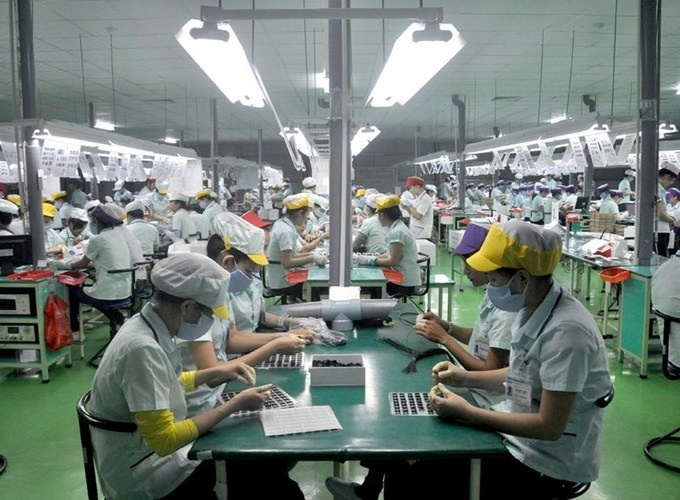
    Footwear maker PouYuen Vietnam, the largest employer in HCMC, faces a shortage of workers after 6 percent quit due to Covid-19 restrictions and resultant problems.

    The Taiwanese company, a supplier to Adidas and Reebok, has sought the city’s support for finding new workers, according to the HCMC Media Center.

    Its plant, situated in Binh Tan District, was among many required to scale down production during the third quarter as the fourth wave of Covid hit HCMC.

    When the city lifted restrictions on October 1, workers who had left for their hometowns returned to work, with more 47,000, or 87.4 percent of the number that left, back as of Nov. 8, it said.

    Around 77.4 percent of workers are fully vaccinated.

    The American Apparel & Footwear Association, which represents more than 1,000 brands, in July urged the U.S. government to quickly provide vaccines to Vietnam to enable its apparel and footwear industries to resume production.

    Vietnam is the second largest supplier of apparel, footwear and travel goods to the U.S., accounting for a fifth of all imports, it said.

  • HCMC firms have difficulty resuming operations

    HCMC firms have difficulty resuming operations

    Enterprises in HCMC that have resumed business said they are still facing high production costs, difficulties in inter-provincial transport and labor shortages.

    A survey of 100 enterprises both inside and outside industrial parks by the Southern Institute of Social Sciences this month found that 44 percent plan to resume full production, 29 percent plan to operate at close to full capacity and the rest are adopting a wait-and-see policy.

    More than 46 percent said they are facing difficulties, especially high production costs since they still have to take anti-Covid measures and a shortage of workers.

    Some 35 percent said their biggest difficulty is being unable to repay debts.

    Around 35 percent said they have benefited from the electricity tariff reduction, 19 percent from the labor union fee waiver, 18 percent from loan rollover and interest reduction, and 9-15 percent from other forms of assistance.

    Many wanted authorities to announce detailed policies for economic recovery, clearly define criteria and conditions for resuming business activities and inter-provincial travel, and loosen pandemic-related restrictions.

    Nguyen Van Thu, general director of GC Food Company, said anti-Covid regulations should be loosened, especially for fully vaccinated people, so that workers could travel easily.

    Labor-intensive businesses said some new regulations such as one toilet for every 10 employees are not feasible.

    Dang Nguyen Anh, head of the Vietnam Academy of Social Sciences, said HCMC’s safe production criteria are still inclined toward a ‘zero Covid’ approach, which make compliance with them impossible for businesses.

    Tran Van Khuyen, Party committee secretary of the city’s Hoc Mon District, said 480 local businesses have resumed operations since Oct. 1, and many are worried about the high cost of Covid testing and lack of resources.

  • Ride-hailing services back on the road in HCMC

    Ride-hailing services back on the road in HCMC

    Ride-hailing firms have resumed their services in HCMC at a significantly lower scale than pre-pandemic times.

    Vietnam-based Be Group, which runs the eponymous ride-hailing app, has reopened its ride-hailing taxi service in Ho Chi Minh City with just 10 percent of its original fleet strength using 50 percent of its capacity.

    The Be Group said its car-hailing service beCar has begun operating in HCMC again on Tuesday, with drivers being given several financial incentives.

    Drivers who are online to receive a pick-up for a total of 48 hours will receive a support package worth VND1 million ($43.91).

    The GrabCar service has been functioning since Oct. 7 with a limited number of drivers as decided by the municipal transport department.

    GrabCar’s four-seaters can only carry one passenger per ride and a seven-seater can only carry two.

    Meanwhile, Gojek’s four-wheel ride-hailing service GoCar is operating on a trial basis since Tuesday. In the first stage of implementation, GoCar will serve customers who have participated in surveys and registered to experience the service.

    The service had been launched on Aug. 19 to provide free transportation for frontline medical workers to participate in epidemic prevention work.

    From Oct. 1, operators of tech-platforms operating vehicles with less than nine seats have been permitted. They can only use 10 percent of their registered number of vehicles.

  • Gojek launches car service in HCMC

    Gojek launches car service in HCMC

    Gojek on Thursday debuted its four-wheel ride-hailing service GoCar, first prioritizing healthcare workers before expanding to the public later this year.

    The Indonesian ride-hailing company started the service with 50 vehicles in Ho Chi Minh City dedicated to serving healthcare workers from five hospitals and medical command centers.

    All driver-partners are required to test Covid-19 negative before their first trip and on a weekly basis after that.

    Gojek has arranged for drivers to stay at hotels from now until late September when the city’s social distancing campaign is set to end.

    “We have made all the necessary preparations to launch GoCar this year,” said Duc Phung, Gojek Vietnam general manager.

    “When the pandemic escalated in HCMC and social distancing regulations were put in place, we pivoted quickly, adjusting the service to focus on supporting healthcare workers.”

    GoCar is the latest addition to Gojek’s line-up of offerings in the Vietnamese market, which include on-demand services for motorbike-hailing (GoRide), parcel delivery (GoSend) and online food delivery (GoFood).

    Its competitors Grab and Be have been offering car services for years.

  • Saigon supermarkets to close at 5 PM

    Saigon supermarkets to close at 5 PM

    All supermarkets in HCMC will close at 5 p.m. starting Monday to comply with the city’s suspension of night-time activities amid its Covid-19 battle.

    Retail chains like VinMart and Co.opMart will operate from 7 a.m. to 5 p.m. instead of 10 p.m.

    Big C outlets will open 1.5 hours earlier at 7 a.m. and close at 5 p.m. Aeon Malls and Mega Market will also apply the same hours.

    Most supermarkets in the city had shelves full of eggs, meat and vegetables Monday, with no sign of stockpiling.

    Retail chains have been doubling or tripling their supply to fulfill demand. They also have delivery staff ready in case delivery platforms are banned.

    HCMC banned people from leaving their homes except for emergencies after 6 p.m. starting Monday.

    This is the latest effort to curb the spread of the fourth wave of Covid-19, in which over 62,100 cases have been confirmed in the city out of 97,400 nationwide.

  • Covid shuts HCMC’s biggest wholesale market

    Covid shuts HCMC’s biggest wholesale market

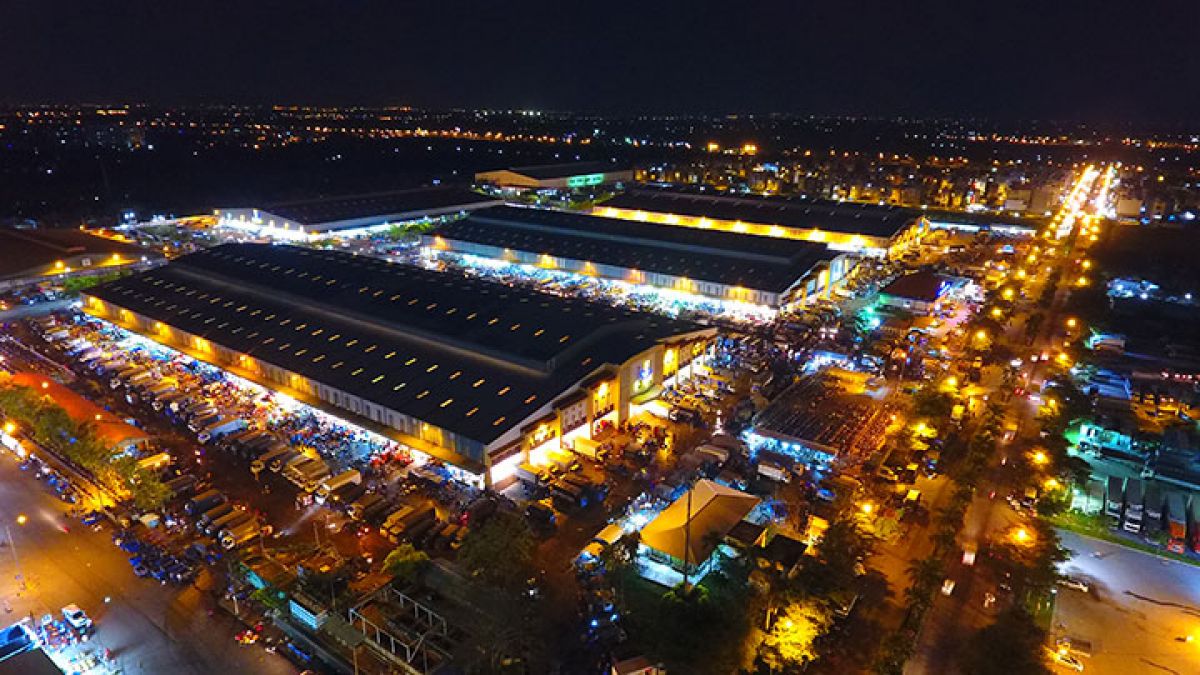
    HCMC’s biggest wholesale market, Binh Dien, which has a growing number of Covid-19 cases linked to it, will shut down on Tuesday.

    Authorities in District 8, where it is situated, said they made the decision after the infection began to spread to other areas from the market. As of July 4, 56 Covid-19 cases have been found to have linkage with Binh Dien market.

    From 8 a.m. no goods can be delivered, and by 8 p.m. all the stocks have to be liquidated.

    The closure will continue until further notice.

    Vendors are starting to change their sales method, instead of meeting customers in the market they will deliver directly to them, market managers said, adding that they have set up a website prior so customers can buy from it.

    With Hoc Mon Wholesale Market shut last week, two of the three major wholesale markets are closed in the country’s Covid epicenter, which has over 6,900 cases confirmed in the latest wave.

  • Hairdressers, manicurists make house calls to survive Covid

    Hairdressers, manicurists make house calls to survive Covid

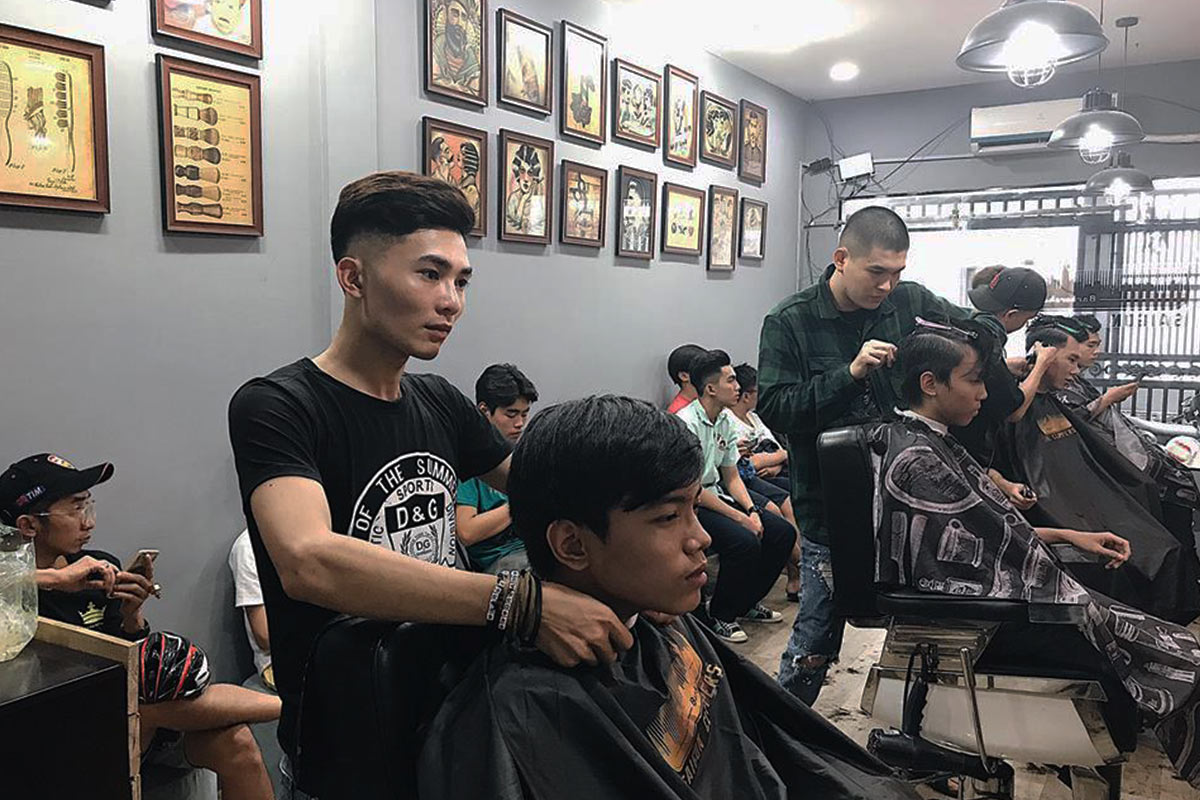
    Barbers in Hanoi and HCMC are going to customers’ homes to make a living as their shops remain closed due to the Covid-19 pandemic. For a month now Nguyen Thai Hoang, 27, a hairdresser in Hanoi’s Long Bien District, has had his business disrupted, and he has begun to visit his customers instead.

    He said: “Since the city ordered salons to close we have no choice but to provide services at our customers’ homes. It’s the only way we earn a living amid the pandemic.” His monthly income of around VND10 million ($435) has fallen by 90 percent after the fourth wave of Covid hit Vietnam two months ago.

    On a Facebook group with 1,400 members in Hanoi, there are around 20 posts every day by barbers offering to visit customers’ houses for VND50,000-100,000 plus transportation.

    “We’ll bring mirrors, masks, protective shields, and rubber gloves to ensure your safety,” one post by a salon in Thanh Xuan District with 20 barbers said.

    “Our job is the same but we have to travel a lot more so it is more challenging,” a barber in Hanoi’s Ha Dong District who asked not be identified said.

    “We still have to pay rents so this is the best we can do while we wait for everything to reopen.”

    Many people have not had a proper haircut since the end of April when everything closed.

    “No salon near my building is open, so I get a barber to come and trim my hair in the hallway of my apartment,” Le Manh Hung, who lives in Hoang Mai District, said.

    “It was uncomfortable to have neighbors walk by and stare, but I got what I needed.”

    On social media there are also many offers for nail, spa, and skin care services.

    In HCMC’s Tan Binh District, last month Mai had to shut her hair and nail salon, which is the main source of income for her family.

    “I had to ask for time to pay rent,” the 40-year-old woman said. She has been providing customers with hairdressing and nail services at home to earn some money.

    However, authorities have expressed concern about this. Nguyen Hong Tam, deputy director of the HCMC Center for Disease Control, said people cannot maintain a minimum distance of two meters when doing hair and nails, and therefore this is a violation of Covid-19 regulations.

    “Going to customers’ homes means shops are still operating, and this is also a violation,” he said.

    But hairdressers are concerned about putting food on the table for their family. Hoang, who has to take care of his mother and grandmother, has three customers booked for tomorrow and he has no intention of canceling them.

  • Coworking space companies respond to Covid with new solutions

    Coworking space companies respond to Covid with new solutions

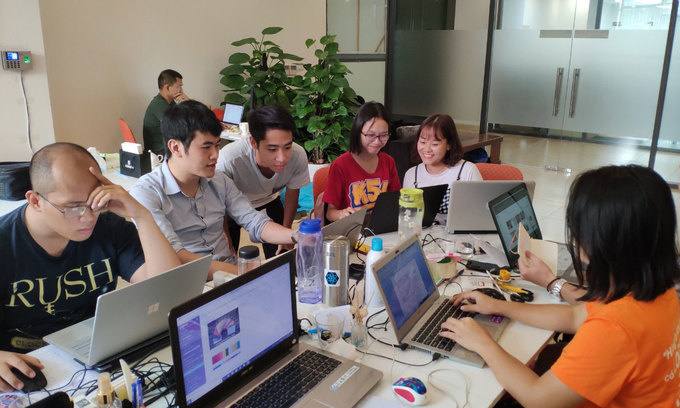
    Coworking space operators in Vietnam have launched a number of Covid response services and even prepared for expansion after the pandemic is controlled.

    This month Dreamplex, which has five coworking spaces in Hanoi and HCMC, unveiled a service called the temporary office for companies with a payroll of at least four. With three facilities in HCMC, cirCo recently provided an online meeting solution for firms that lack equipment and technicians.

    A few days before HCMC mandated social distancing in early June, Toong inaugurated a new 1,250sq.m coworking space in District 3 after an earlier one in March in District 1.

    Its CEO, Duong Do, said 75 percent of the new office in District 3 was booked even before it opened.

    “The pandemic has helped us become sharper and more flexible in designing our services,” he said.

    Early last year, Toong’s occupancy rate was 80 percent in HCMC and 70 percent in Hanoi, but since mid-2020 they have risen sharply.

    The number of clients in the capital has tripled during the pandemic, with revenues rising by some 15 percent in 2020, Do said.

    Balder Tol, WeWork’s general manager for Australia and Southeast Asia, told VnExpress that demand for coworking space has been on the rise.

    The first Covid wave in Vietnam last year only slightly affected demand as many enterprises allowed their staff to work from home.

    However, when the pandemic prolonged, they began to pay attention to coworking spaces, and small companies now tend to seek flexible working spaces instead of traditional ones, he said.

    Some coworking space operators are ready to expand. Toong is about to open a new facility in HCMC and planning more in Hanoi and Da Lat and to cooperate with Wink Hotels for three projects in Da Nang and Can Tho.

    Dreamplex has announced plans to open a new facility each in HCMC’s Thu Duc City in October and District 4 in November.

    But the firms face challenges in achieving sustainable growth since serviced offices are more suitable for startups or enterprises with a workforce of 30 or fewer, according to property experts.

  • HCMC stock exchange to test South Korean system

    HCMC stock exchange to test South Korean system

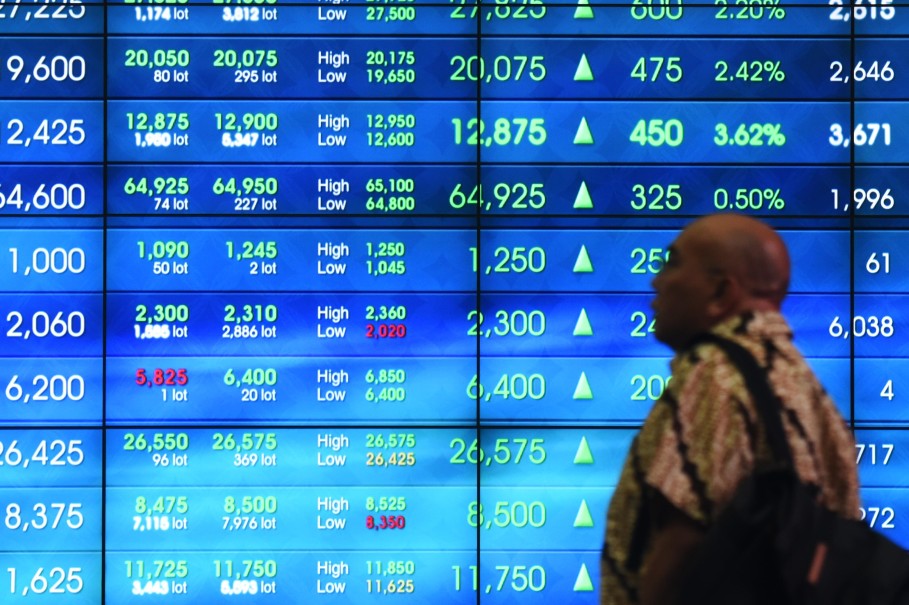
    Vietnam’s overloaded main bourse, the Ho Chi Minh Stock Exchange, next week will begin testing a new system from South Korea which it plans to use later this year.

    The system would have the capability to handle “many times more” transactions than now, Le Hai Tra, CEO of the exchange, said.

    A temporary system from FPT, which has been tested in recent months to deal with the overload, would serve as a backup, he added.

    HoSE signed a deal for the system in 2012 with the Korea Exchange at a cost of VND600 billion ($26.16 million).

    But since last year South Korean experts could not come to Vietnam due to the Covid-19 pandemic, and so installation was delayed.

    A record number of new investors in recent times has placed an extreme strain on HoSE’s outdated system.

    The bourse increased the trading lot from 10 shares to 100 and instructed brokerages to stop order changes and cancelations to reduce the number of transactions.

  • Online groceries shopping booms as HCMC practices social distancing

    Online groceries shopping booms as HCMC practices social distancing

    Many HCMC residents have turned to online shopping for essential goods following a two-week social distancing order across the city, and e-commerce platforms are reporting a boom.

    Data from e-commerce platform Tiki shows sales grow by 30 percent last weekend, just before social distancing was implemented in Ho Chi Minh City on Monday, with a rise in the number of searches for fast-moving consumer goods, fresh food, mom and baby products.

    E-commerce platform Lazada’s sales of fast-moving consumer goods in the past few days were three times higher than during social distancing period in April last year. Sales of fresh food and frozen products have increased tenfold.

    Tran Tuan Anh, CEO of e-commerce platform Shopee, confirmed that there has been high demand for essential goods, especially fast-moving consumer goods, healthcare products and house appliances.

    A Tiki representative who did not want to be named said that they have been working with suppliers to increase the supply of essential goods, fresh food as well as tech products that serve work and entertainment at home by up to 50 percent, while supply of hand sanitizers will increase 25 times.

    Shopee said it has been selling essential goods at reasonable prices and providing free shipping for customers. It is also implementing free advertising programs for its sellers.

    Lazada has affirmed it will continue expanding goods supply, besides implementing discount programs, no-contact delivery and boosting cashless payments.

    Latest data from Malaysia-based market research firm iPrice shows consumers have grown accustomed to buying essential goods online, with the groceries segment the only one to see a 13 percent year-on-year increase in the number of web visits in Q1.

    Meanwhile, web visits related to non-essential goods like mobile phones and electronics appliances dropped 9 percent and 6 percent, respectively.

    Covid-19 has served as a catalyst for e-commerce, boosting online shopping demand for essential goods, iPrice stated.

  • Vietnam among WeWork’s top markets in Southeast Asia

    Vietnam among WeWork’s top markets in Southeast Asia

    Vietnam is among the top countries in Southeast Asia for coworking space provider WeWork, growing by 8 percent since early last year.

    Most of its customers in the country are in technology, pharmaceuticals, and manufacturing, while financial organizations are among the new ones, Elizabeth Laws Fuller, WeWork’s head of growth in Southeast Asia said.

    It entered Vietnam in 2018 and now has two locations in Ho Chi Minh City out of its 30 in Southeast Asia.

    Vietnam is seeing rising demand for coworking space.

    A recent survey by WeWork and market research firm International Data Corporation found that 80 percent of companies plan to use coworking space in the next three years.

    Another reason for the improving figures in Vietnam is its success in containing the Covid-19 pandemic and sustaining economic growth, Fuller said.

    Many global corporations have been investing or expanding in Vietnam in recent years, and they have a demand for flexible workspace, she said.

    The pandemic has changed companies’ perception of coworking space, and in the long term customers would not be only small and medium-sized players but also large companies, she added.

  • Buy2Sell Vietnam adds new stores in HCMC

    Buy2Sell Vietnam adds new stores in HCMC

    The B2B e-commerce platform’s newly opened stores are located in two of the most crowded shopping locations in Ho Chi Minh City, Lotte Mart and SC VivoCity Shopping Mall.

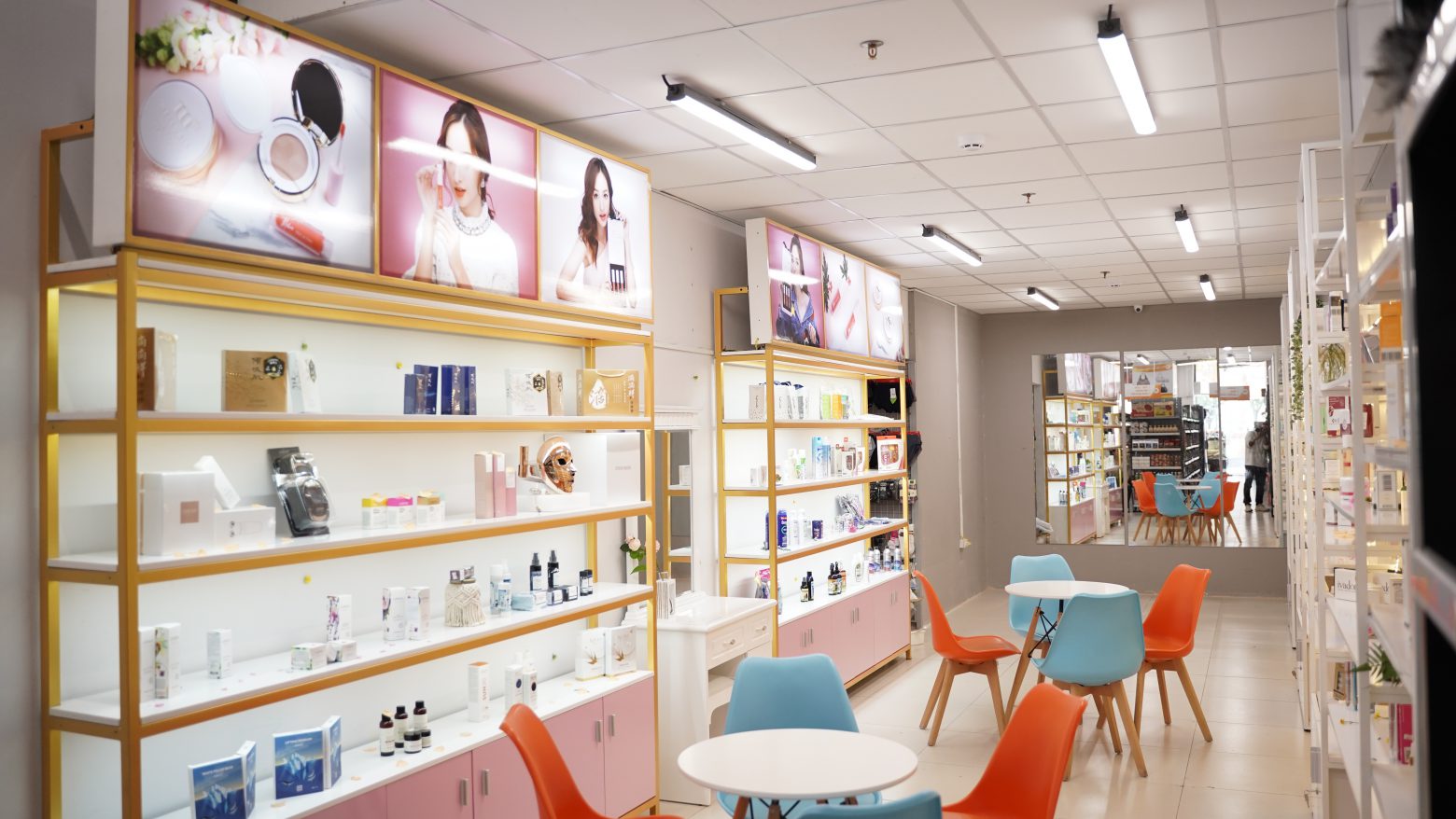
    Buy2Sell has launched a cosmetics store at Lotte Mart Vietnam, offering attractive choices and new selections of high-end cosmetic brands from Europe, South Korea, and the U.S.

    “Buy2Sell will continue to act as a strategic partner of Lotte Vietnam, distributing goods and developing a brand identity for foreign companies through Lotte Mart’s distribution system for a long time, broader coverage,” a Buy2Sell representative said.

    Lotte Mart is a retail brand of South Korea’s Lotte Group, a major supermarket chain in Asia. It now runs 46 stores in Indonesia, 14 in Vietnam and 123 in South Korea.

    On March 24, Buy2Sell continued to open a new store in SC Vivo City, specializing in a wide range of unique international appliances, accessories, gifts, food, and beverage, electronics and pet products.

    SC Vivo City is an all-in-one destination with five floors, offering the latest fashion products, hypermarkets, movie theaters, restaurants, entertainment, education and lifestyle brands. The shopping mall covers a total of 62,000 square meters.

    Since 2015, Buy2Sell Vietnam has distributed a diverse range of branded goods to the medium and high-end Vietnamese market.

    The company has signed distribution agreements with thousands of international suppliers and distributed over 200,000 items, including cosmetics, food and beverage, fashion, household appliances, pharmaceuticals and electronics items, imported from over 60 countries around the world.