Retail News CRM

Tag: HCMC

  • Bright prospects seen for Vietnam property market

    Bright prospects seen for Vietnam property market

    Economic stability, positive investor sentiment, strong demand, and a diverse range of products are keeping the property market robust. The assumption that Covid-19 would cause the market to slump has proven baseless, and market research aftermarket research shows property prices increasing across the board.

    Vietnam’s bright economic prospects and strategies adopted by many major property developers also contribute to the market’s strength.

    According to the World Economic Outlook Report, a survey by the International Monetary Fund (IMF), in 2020 Vietnam’s economy grew at 2.4 percent, one of the four highest rates in the world. Its effective anti-epidemic strategy and economic growth are expected to be highlights this year too. Fitch Ratings forecast Vietnam’s GDP to grow at 7.5 percent even of there is a new outbreak.

    “Vietnam has well-controlled the pandemic, so we think the economy will recover when domestic demand bounces back,” Sagarika Chandra, head of Vietnam analysis at Fitch Ratings, said.

    Nguyen Xuan Thanh, a Fulbright University lecturer and member of the prime minister’s Economic Advisory Group, said the positive investor sentiment despite the Covid-19 crisis is driven by the stable economy and sound financial system.

    The belief that everyone would surely get vaccinated this year further strengthens investor sentiment, he said.

    “Stocks and real estate are still good investments.”

    The market has seen a geographic shift from areas such as HCMC. If in the past the most important southern market was Saigon, it is now its satellites such as Binh Duong, Dong Nai and Long An provinces and others with tourism potential such as Binh Thuan, Ba Ria – Vung Tau and Khanh Hoa.

    Bui Nguyen Huyen Trang, senior director for Vietnam at JLL, stressed the importance of property developers in construction and urban planning.

    “They must carefully study urban planning to create sustainable value for their large-scale projects.”

    During Covid-19 times, businesses with strong foundation, offering a wide range of products towards demand for home ownership would have more opportunities to succeed.

    The eastern part of Ho Chi Minh City is forecast to be a property hotspot, when Thu Duc City has been officially established, pushing housing prices in this area to record levels.

    With rapidly improving infrastructure that boosts regional connectivity, satellite towns and tourist cities in Binh Duong, Dong Nai, Ba Ria – Vung Tau, and Binh Thuan are of immense interest to investors.

    Terence Alford, director of capital markets and investment services at Colliers Vietnam, said developers tend to search for alternative locations to HCMC to increase value.

    They also focus on creating living spaces to not only increase choices for customers but also contribute to improving the quality of life, setting new trends and offering new life experiences.

    Novaland, a property developer, has recently released its financial report. In 2020 the company achieved profit after tax of VND3.91 trillion, 7 percent higher than it targeted and up 15.3 percent from 2019.

    Total consolidated revenues from sales of units and projects and services were VND8.6 trillion. As of December 31, 2020, Novaland’s total assets were worth VND144.54 trillion, an increase of 60.6 percent from a year earlier.

    In 2020 Novaland disbursements were allocated for M&A activities and project development. The company continues to raise funding from reputed financial institutions at home and abroad despite Covid-19, showing the trust in which it is held by partners.

    Novaland introduced new products in the last few months of 2020. Despite pandemic impacts, resort real estate projects such as the NovaWorld Phan Thiet and NovaWorld Ho Tram still drew great attraction.

    Experts do not foresee the property market crashing this year despite an increase in price levels, but instead expect it to remain strong due to strong demand, economic growth and stability and businesses’ clever strategies.

    In a recent report titled ‘Ready for a new cycle from 2021,’ VNDirect Securities Company said Vietnam’s property market has a seven-year cycle.

    In 2021 it is getting ready to enter a cycle of high growth amid positive factors such as amendments to the 2020 Construction Law and 2020 Investment Law and a forecast of solid economic growth this year.

    “The development of infrastructure and lower mortgage interest rates will have a direct impact on the real estate market. The upward trend in prices will continue due to the growing demand for housing,” VNDirect added.
  • Big C brand name to be fully replaced by Tops Market, GO!

    Big C brand name to be fully replaced by Tops Market, GO!

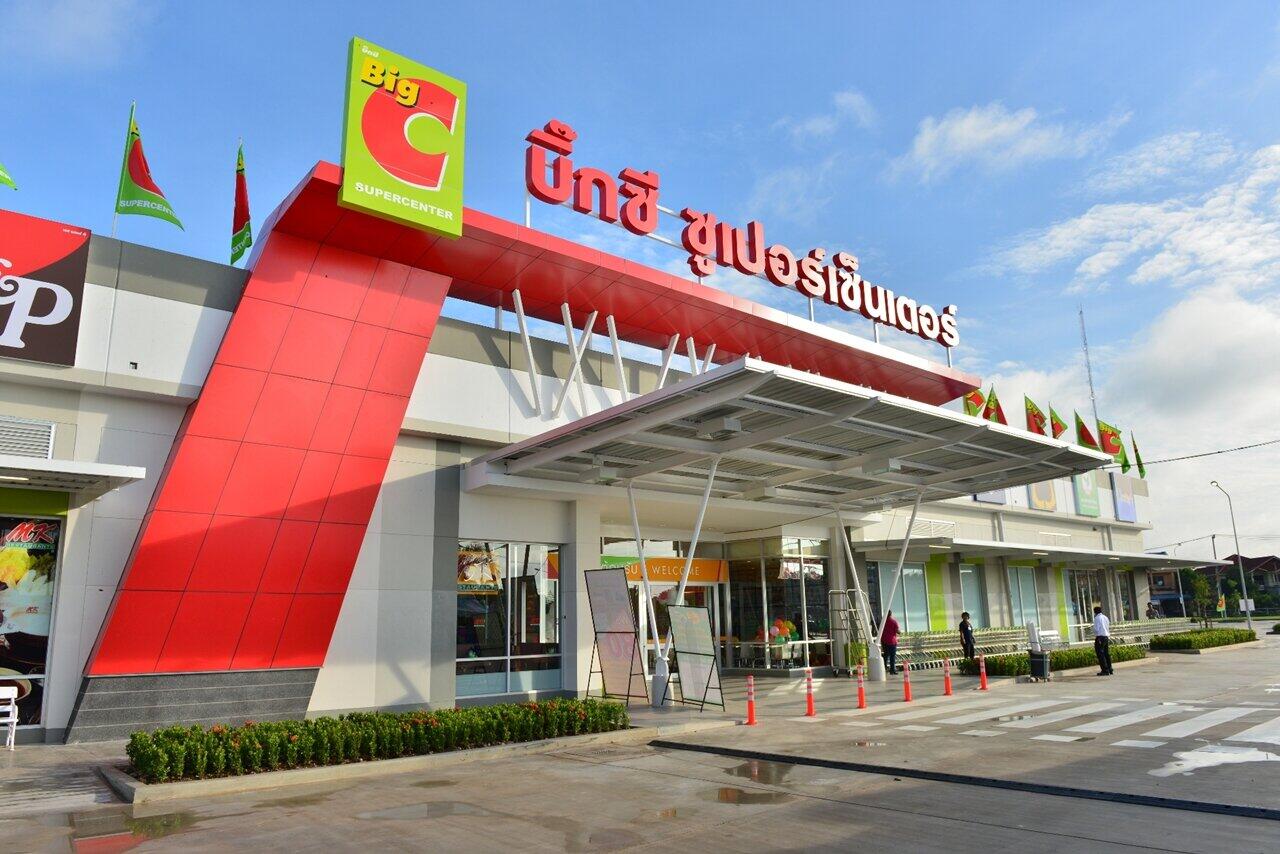
    Retail chain Big C plans to rebrand all its outlets as Tops Market or GO! this year, laying the Big C name to rest after 22 years in Vietnam.

    Thailand’s Central Retail, its owner, began the process on March 1 by changing the names of three Big C outlets in HCM City, in An Phu and Thao Dien in District 2 and Au Co in Tan Phu District, to Tops Market.

    The four stores in Hanoi in Tu Liem, Ha Dong, Thanh Tri, and Thanh Xuan districts will be renamed soon.

    By the end of last year five Big C hypermarkets in Nha Trang City, Can Tho and Ha Long cities and Binh Duong and Vinh Phuc provinces had their names changed to GO!.

    The company said the rebranding is meant to create a new look and upgrade its shopping space.

    Central Group bought Big C Vietnam from France’s Casino Group in 2016 for over $1 billion.

    From 2022, the Big C brand will only exist in Thailand, where it is owned by TCC Group led by tycoon Charoen Sirivadhanabhakdi.

  • KBank to open a Ho Chi Minh City branch

    KBank to open a Ho Chi Minh City branch

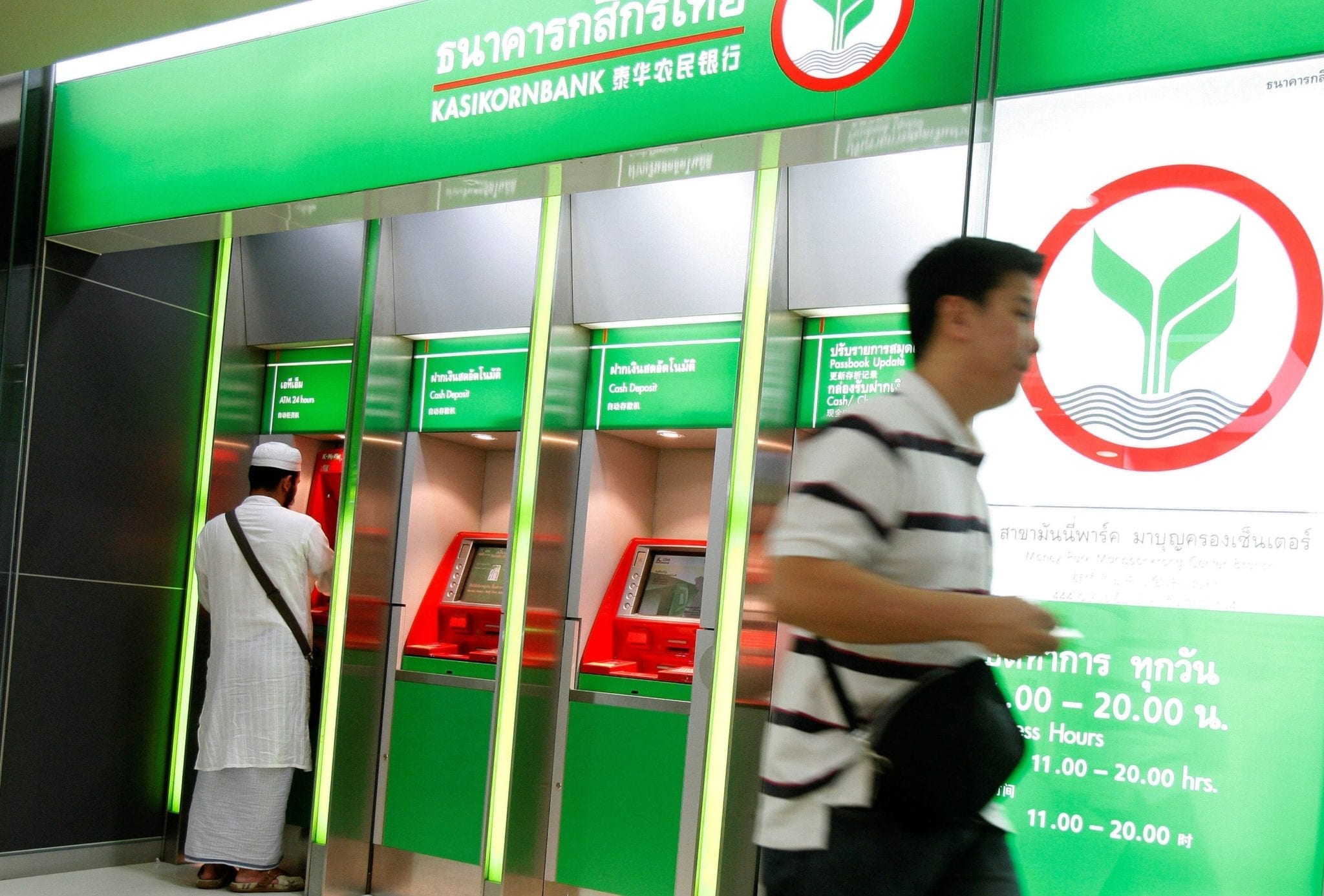
    KASIKORNBANK (KBank) is gearing up to become The Bank of AEC+3 after the State Bank of Vietnam granted approval for the opening of a branch in Ho Chi Minh City, Vietnam. The Bank aims to serve Thai business customers, including large corporate and SME clients who have invested in Vietnam, as well as local retail customers. It targets lending of 10,000 million Baht in its first year of operation while also investing in start-up firms with the aim of scouting advanced digital technologies for increased business opportunities.

    Mr. Pattarapong Kanhasuwan, KBank Executive Vice President, said that KBank was granted a license to open a branch in Ho Chi Minh City on January 19, 2021, and the Bank is now preparing for its inauguration. The branch is scheduled to open its doors within the third quarter of this year in order to provide services to local customers, including Thai and foreign businesses investing in Vietnam. Attention is now focused on Vietnam as a regional investment hub that has attracted the world’s leading companies – including those from Thailand – thanks to its strong economy. As evidenced, Vietnam is the only ASEAN country that is presently enjoying positive growth. In spite of the COVID-19 pandemic, it is among the world’s top four countries in terms of GDP growth. The International Monetary Fund (IMF) has assessed that the Vietnamese economy will recover at a fast rate in 2021, with growth projected at 6.5 percent. This will likely attract international investors, both in Asia and the West, to steadily invest in Vietnam going forward.

    With these factors in mind, KBank has used the knowledge gained from services offered at its two representative offices in Hanoi and Ho Chi Minh City in order to upgrade the representative office in Ho Chi Minh City to a Bank branch. It will focus on offering services to Thai, Chinese, Japanese and South Korean companies wishing to expand their businesses in Vietnam for international trade and investment, as well as local entrepreneurs, especially those conducting business with Thai corporate customers of KBank.

    KBank has set operational targets for the Bank branch in Ho Chi Minh City once it

    is fully established in 3Q21. These include services primarily for business sectors related to Thai customers of KBank, in particular SMEs, trading, service, infrastructure and industrial businesses. Its services will then be expanded to retail banking, including deposit and personal loan, based on KBank’s digital banking expertise in collaboration with local tech start-ups through investment by KVision to ensure that such services meet the needs of local retail customers. In 2020, the number of internet users in Vietnam had reached up to 70 percent of the total 90 million population, and Vietnam’smarket was valued at USD13 billion. KBank’s investment in Vietnam differs from that in other AEC+3 nations, where the priority is on international business. KBank’s 4Q21 operational targets for the AEC+3 include deposits of 1.2 billion Baht and loans of 10 billion Baht.

    KBank will continue to operate through the Hanoi representative office to provide service and act as an intermediary between the KASIKORNBANK Head Office and Thai customers who are expanding their businesses to northern Vietnam. At the same time, the Hanoi representative office supervises investment projects that have received financial support from KBank, compiles market data to support customers’ business plans, and promotes trading activity and investment between Thailand and Vietnam. Thai exporters who ship goods to Vietnam will also be given more access to the ASEAN market through this international network.

    KBank’s approval from the State Bank of Vietnam to set up operations in Vietnam is a highlight of the Bank’s strategy in becoming The Bank of AEC+3 that will connect all of its services via an extensive banking network in various forms including locally incorporated institutions (LIIs), branches, representative offices and partner banks. At present, KBank has an overseas service network across the AEC+3 countries and several others, in 16 countries and with more than 84 partners worldwide.

  • Covid hits coworking office space rents in HCMC

    Covid hits coworking office space rents in HCMC

    Rents for coworking office space in HCMC decreased 12 percent year-on-year last year due to the impacts of the Covid-19 pandemic, a report says.

    The occupancy rates of coworking office space in Grade A and B buildings last year plunged by 7 percentage points as its supply experienced the lowest growth since 2017 to 6 percent, according to a report by Savills Vietnam, the leading global property services provider.

    The gloomy outlook for the coworking space market, which boomed in the country between 2017 and 2019, has prompted investors to cancel expansion plans.

    The New York-based co-working startup, WeWork, the third-largest startup in the U.S. and the sixth-largest in the world, stopped leasing an office in HCMC’s District 1 while UP Co-working Space, headquartered in Hanoi, also postponed its plan to open two new offices in District 7, the report says.

    The number of newly registered coworking companies in the country also dropped by 6 percent.

    “2020 was a challenging year for both traditional and shared office segments. The market has been seeing a number of tenants turn to lower-priced office buildings and shophouses to cut down on rental costs in order to maintain their business,” said Vo Thi Khanh Trang, head of Savills Vietnam’s market research department.

    While the traditional office space has shown signs of a slight recovery in late 2020 thanks to better containment of the Covid-19 outbreaks in Vietnam, the shared workspace business has yet to see similar positive signs, Trang said.

    Before the Covid-19 pandemic broke out in Vietnam in January last year, co-working spaces had expanded in HCMC’s central districts since the limited traditional office space there was unable to meet burgeoning demand.

  • HCMC hotel occupancy hits record low

    HCMC hotel occupancy hits record low

    HCMC’s average hotel occupancy rates dropped 54 percentage points year-on-year to 20 percent last year as Covid-19 travel restrictions hit foreign arrivals, a report says.

    Over 3,600 hotel rooms were closed last year as the number of foreign tourist arrivals plunged 85 percent year-on-year to 1.3 million, according to real estate consultancy Savills.

    Average room rates fell 29 percent year-on-year to $61 per night, the report said. Total supply fell 5 percent year-on-year to 15,200 rooms in 111 hotels.

    The development of Covid-19 vaccines will help the industry improve over the next two years and it is expected to make a full recovery by 2024, the report said.

    Vietnam halted all international flights from March 25 in an unprecedented move to stem the spread of the novel coronavirus.

  • Hanoi-HCMC world’s second busiest domestic air route

    Hanoi-HCMC world’s second busiest domestic air route

    The Hanoi-HCMC route is the world’s second-busiest in November after South Korea’s Jeju-Seoul, according to British aviation analysis company OAG.

    The flight route connecting Vietnam’s two largest cities, which takes around two hours, has nearly 893,000 seats scheduled for November, while the route between South Korean capital Seoul and Jeju Island has 1.3 million.

    The route between Chinese capital Beijing and Shanghai’s Hongqiao Airport is third with 768,184 seats, followed by the two routes in Japan –Sapporo-Tokyo Hanenda and Fukuoka-Tokyo Hanenda.

    Of the top 10 busiest domestic routes in November, China and Japan have four each.

    “International flights have felt the impact most acutely due to border controls and mandatory quarantine requirements, domestic routes are starting to recover as people are generally able to move more freely within their countries,” OAG said.

    Asia is a standout, home to all 10 of the world’s busiest domestic routes this month, the company added.

    Vietnam has reopened six international flights to mainland China, Japan, South Korea and Taiwan from September 15, followed by Laos, Cambodia from September 22. It had suspended all international routes in March to contain the Covid-19 outbreak in the country.

  • HCMC serviced apartment rents hit five-year-low

    HCMC serviced apartment rents hit five-year-low

    The average rent for serviced apartments in HCMC has fallen to a five-year low as the Covid-19 pandemic stifles demand. The $23 per square meter per month price tag in the third quarter marks a 10 percent year-on-year fall, according to data compiled by real estate consultancy Savills.

    Occupancy fell 19 percentage points to 65 percent as there were few international flights entering the country. Foreign businesspeople and experts are the main tenants of serviced apartments.

    In the first nine months, registered foreign direct investment capital in HCMC dropped 28 percent year-on-year to over $3 billion.

    Owners of over 20 percent of Grade B projects are offering discounts of up to 30 percent for long-term tenants or other perks like free utilities.

    The supply of serviced apartments fell 7 percent year-on-year to 6,200 units, with one Grade B project withdrawing 164 units for renovation and a 31-unit Grade C project being converted into office space.

    Eleven projects are expected to boost supply by another 1,300 units in the next four years.

  • HCMC real estate business group wants Airbnb-like services legalized

    HCMC real estate business group wants Airbnb-like services legalized

    The Ho Chi Minh City Real Estate Association has called for regulating accommodation-sharing services like Airbnb for better management and taxation.

    Such services have become popular in Vietnam in recent years as they help meet the large demand for low-cost accommodation from tourists and fetch homeowners an income from spare apartments and rooms, it said in a report

    HoREA pointed out that since this kind of business is still not regulated authorities are losing an opportunity to collect taxes and having difficulty managing it.

    There have even been cases of people using accommodation provided by such websites for criminal activities, it said.

    It called for modifying the law to allow homeowners to rent them as long as they register the business and pay taxes.

    There were 40,000 Airbnb listings in the country in January this year compared to 1,000 in 2015, according to tourism development consulting firm Outbox Consulting.

    HoREA also wanted restrictions on the number of days homeowners could rent out in a year and apartment management fees to be increased since it increases management work.

    The number of Airbnb units in Ho Chi Minh City as of the last quarter was 13,200, down 37 percent year-on-year due to the Covid-19 pandemic, according to data from market research firm AirDNA.

    In Hanoi, the figure was down 27 percent to 10,600.

  • HCMC requests tax incentives for Samsung subsidiary

    HCMC requests tax incentives for Samsung subsidiary

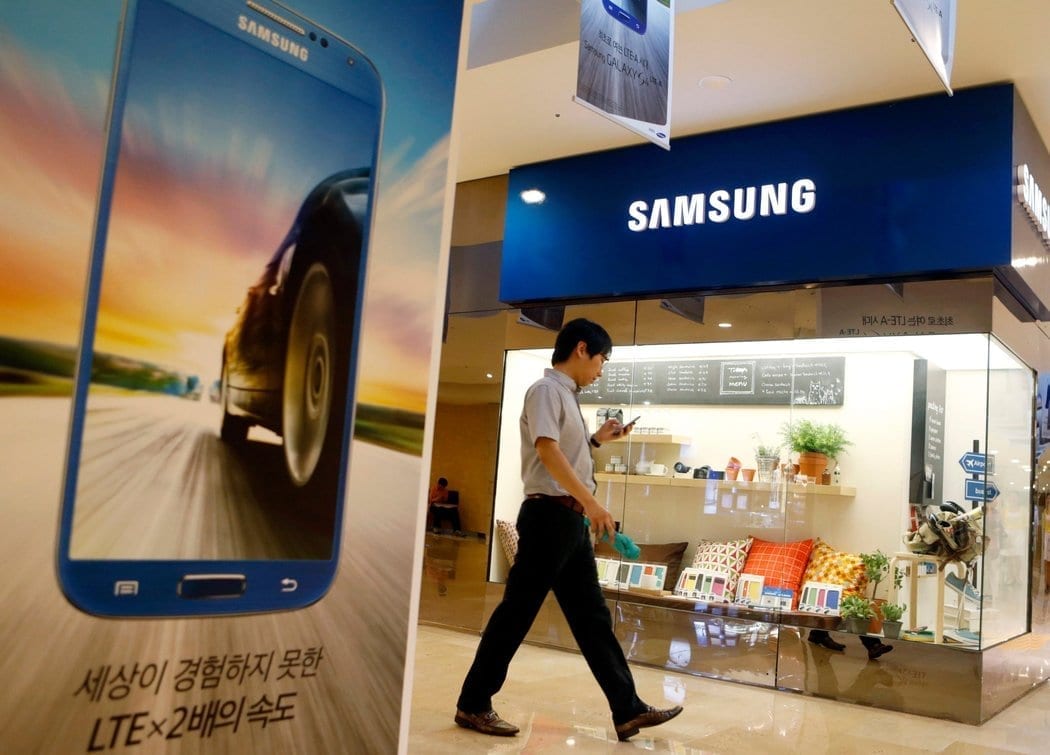
    HCMC has proposed that a subsidiary of Samsung be defined as an export processing enterprise to enjoy zero import and export duties.

    The city said in a recent proposal to Prime Minister Nguyen Xuan Phuc that switching the label of TV screen producer Samsung Electronics HCMC CE Complex (SEHC) from a manufacturing enterprise to an export processing one will fulfill the city’s commitment to creating a favorable investment environment for the South Korean conglomerate.

    This will place Vietnam as an export base for Samsung to the global market and in turn benefit local suppliers to the South Korean giant, it said.

    Vietnam allows export processing enterprises to enjoy zero import and export duties and other tax incentives, but a company needs to have 90 percent of its revenue coming from exports to be able to achieve this status.

    SEHC forecasts its revenue from exports to reach $4.4 billion this year out of the total $4.9 billion, a ratio of 90 percent.

    In 2018, the management board of the Saigon Hi-Tech Park in District 9, where SEHC is based, had made the same proposal. However, this was denied by the Ministry of Finance because the export revenue ratio of SEHC between January 2016 and June 2018 was 75 percent.

    Another reason for the rejection was that SEHC operated in a hi-tech industrial park, not an export processing zone or an industrial or economic zone.

    SEHC, which began operations in June 2016, produces and assembles smart TVs and LED screens.

    Samsung is a major foreign direct investment company in Vietnam. About half of its smartphones are produced in the country, where it has invested over $17 billion so far. Its first plant in the country was built in 2008.

  • HCMC Lottery Company profits soar

    HCMC Lottery Company profits soar

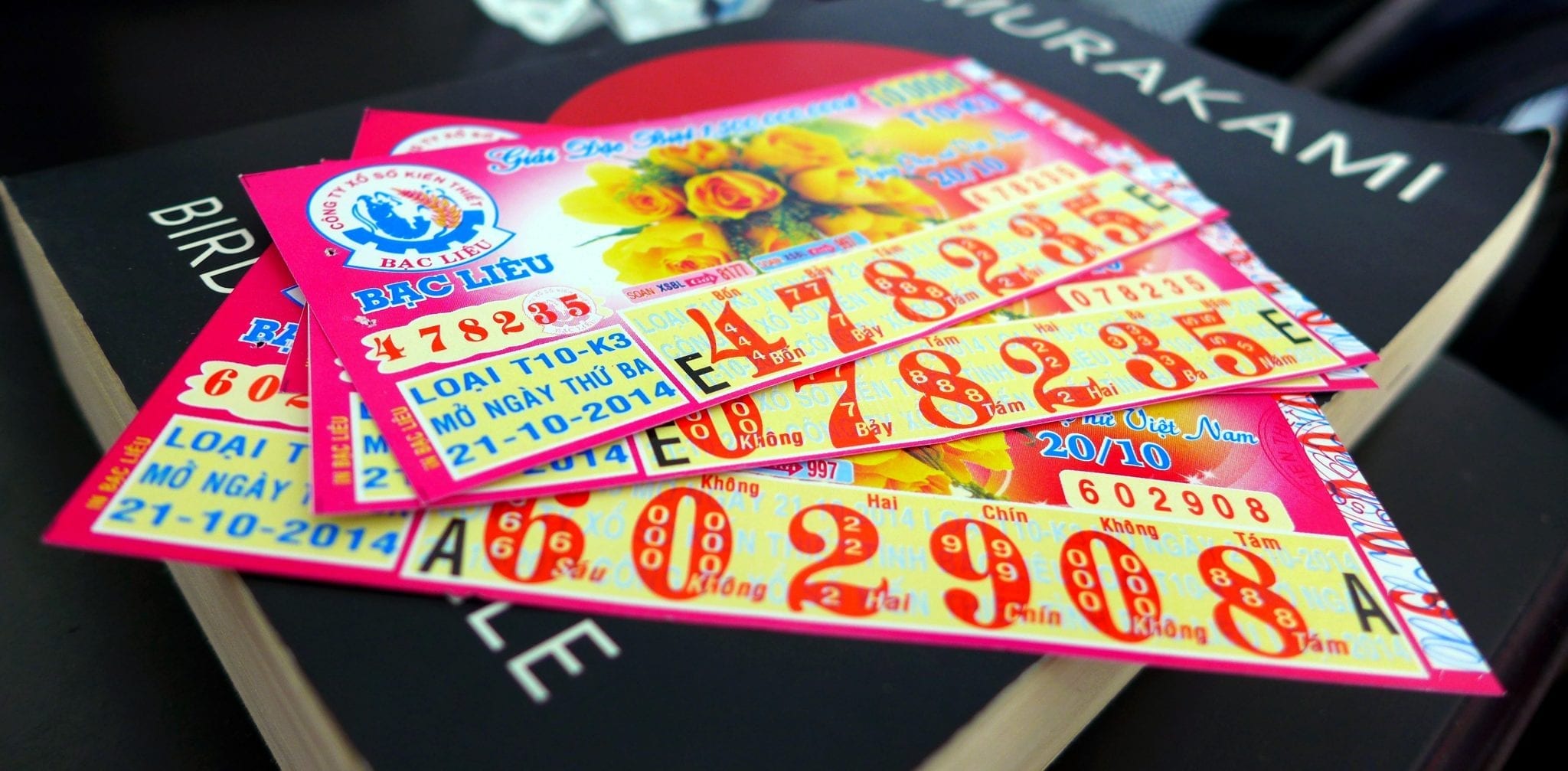
    The HCMC Lottery Company Ltd. made pretax profits of over VND1.3 trillion ($56.29 million) last year, up 13.7 percent from 2018.

    Its revenues were up 15.2 percent to VND8.9 trillion ($385.4 million), it said in a release. Three percent of its revenues came from printing and rents.

    While traditional lottery tickets accounted most of the revenues, nearly VND500 billion ($21.65 million), or over 5.6 percent, came from a new scratch card that allows customers to know the results immediately.

    Scratch tickets are growing well, exceeding management expectations, but are limited by our printing capacity,” a company spokesperson said.

    The firm targets revenues of VND10.29 trillion ($445.6 million) and pre-tax profit of VND1.2 trillion ($51.9 million) this year. It is researching a new product recently approved by the Ministry of Finance, which will allow customers to choose their own numbers.

    It is expected to help regain market share from its main competitor, American-style computerized lottery firm Vietlott, HCMC Lottery said.

    The traditional lottery involves tickets with numbers printed on them and a top prize of VND2 billion ($86,500) after it was increased by 33 percent in 2018.

  • WeWork to open 2 coworking offices in HCMC

    WeWork to open 2 coworking offices in HCMC

    Coworking startup WeWork plans to open two more offices in Ho Chi Minh City’s District 1 this month. One of them will be at Lim Tower 3, and rents will start at VND6.9 million ($297) per month for a single-seat, according to the company’s website. Another will be on Sonatus Building, with prices starting at VND7.8 million ($336).

    The New York-based startup opened its first working space in the city in District 4 in March. WeWork’s move comes in a market that has some serious players with a lot of locations.

    Vietnam’s Toong, backed by private-equity firm Indochina Capital, has 12 locations besides one each in Laos and Cambodia.

    Hanoi company UPGen, with funding from Singapore PE firm Northstar Group last year, has 13 offices in Hanoi and HCMC.

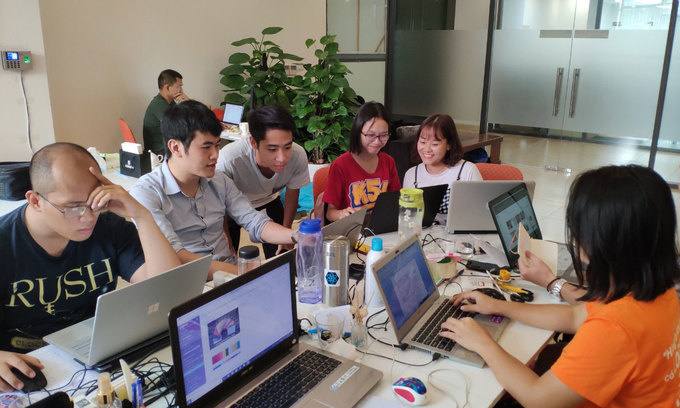
    Coworking spaces are becoming popular in HCMC’s central districts since the limited traditional office space there is unable to meet the burgeoning demand.

    As of the end of September, coworking companies had rented 52 percent of all office space in the central area, including in under-construction buildings, according to a report by real estate firm Savills Vietnam.

    HCMC has been ranked the 41st fastest-growing coworking markets in the world this year by consultancy Co-working Resources, which said a new coworking space opens in the city every 47.5 days.

    WeWork has added 114 new sites in the past four months, according to its website, and is planning to open another 208 in the next few months, bringing its total number to 850.

    The announcement came in the backdrop of the company’s failed IPO amid investor concerns that its valuation was inflated.

    WeWork owed $18 billion in a long-term lease at the end of June and is expected to lay off 4,000 of its more than 12,500 employees

  • City proposal to slap luxury tax on mobile phones raises hackles

    City proposal to slap luxury tax on mobile phones raises hackles

    HCMC’s proposal to impose a special consumption tax on mobile phones has drawn protests from experts, who said they are not a luxury product. Dr. Nguyen Thanh Binh of the Ministry of Planning and Investment’s Institute of Policy and Development said the proposal should be carefully considered since no other country levies a luxury tax on mobile phones.

    The nature of such a tax is to hit luxury goods or discourage consumption of goods that use up foreign currency for imports or harm the environment or human health, he explained.

    “We have to ask ourselves whether mobile phones are essential or luxury, and what effect it has on the environment and health.”

    Mobiles are now ordinary goods used by everyone, he said.

    The city people’s committee has recently sent to the Ministry of Finance suggestions for a draft proposal on “expanding the tax base and preventing erosion of state revenues.”

    It said mobile phones are not luxury goods but not “very essential” either, and so it wants to regulate consumption to ensure it is “reasonable.”

    It also called on lawmakers to add items such as cameras, perfumes, cosmetics, gaming services, and beauty services to the list of items subject to special consumption tax to target the population segment with above-average income.

    Binh queried this rationale saying the city can simply use income tax for this.

    Nguyen Duc Nghia, chairman of Ho Chi Minh City Tax Agents Club, an association of tax consultants, said the mobile phone has become a commonplace product used by everyone.

    Therefore, a luxury tax would not have the effect of taxing only wealthy individuals and would instead affect everyone, he said.

    Truong Thanh Duc, chairman of Basico law firm, said special consumption tax is normally levied on luxury goods and those that are harmful or which the government wants to discourage people from using.

    In fact, in a quickly developing economy, this tax should be eliminated on many goods since what were once luxury goods gradually become essential items as people become more affluent, he pointed out.

    “Thirty years ago mobile phones were a luxury item but not taxed. Now it has become a popular item, with the number of telephone subscribers equaling the population. Levying a luxury tax on such a good is far from reasonable.”

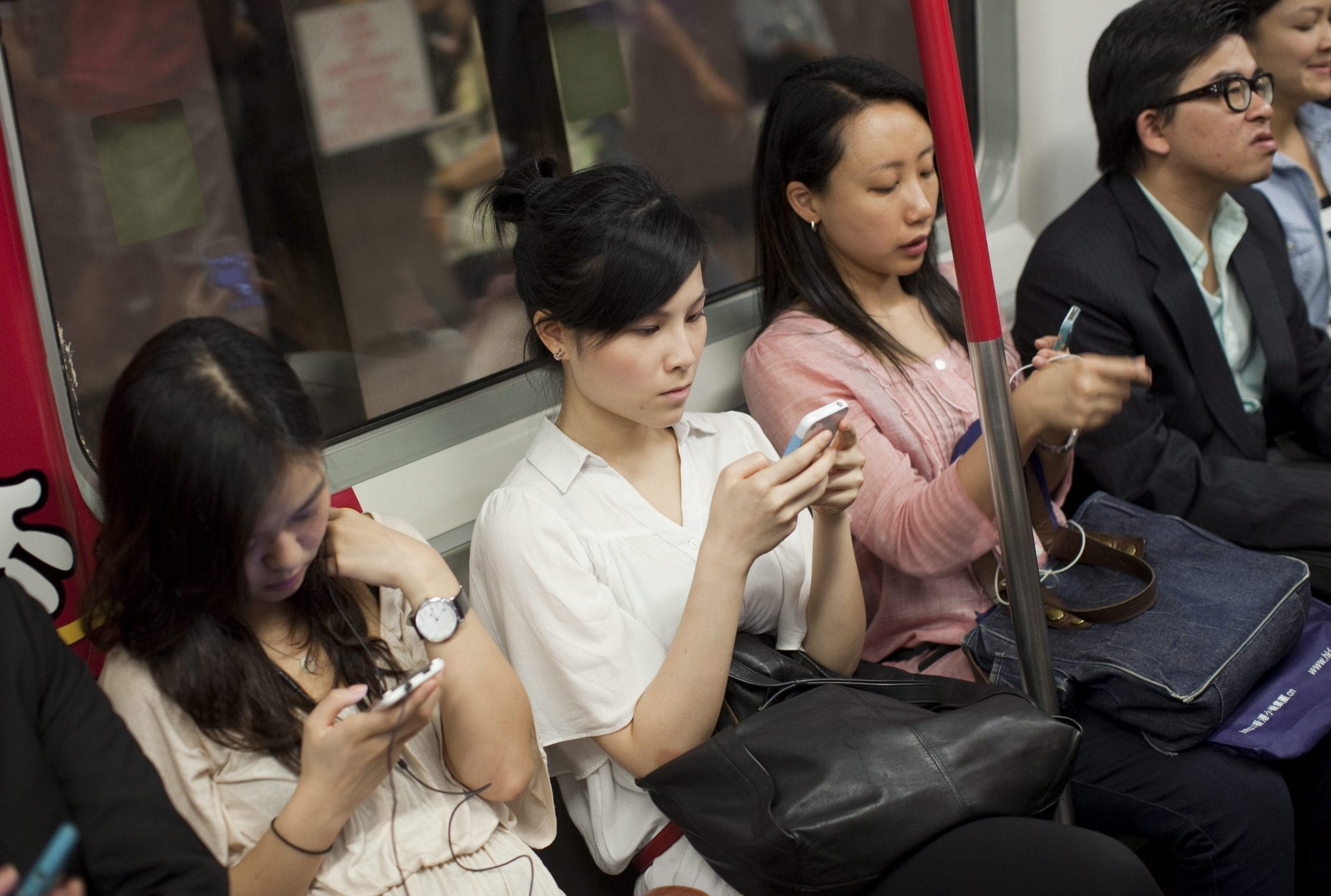
    Up to 73 percent of the population uses mobile phones, on which 42 percent use smartphones and 50 million people use mobile social media, according to a report by Vietnamese digital advertising firm Adsota earlier this year.

  • Hanoi, HCMC among 20 most expensive cities in Southeast Asia

    Hanoi, HCMC among 20 most expensive cities in Southeast Asia

    A new index puts Hanoi 13th and HCMC 15th on the list of 20 most expensive Southeast Asian cities. The new Cost of Living Index for the region has been compiled by Numbeo.com, the world’s largest database of user contributed data about cities and countries worldwide. According to Numbeo, a person spends on average $447.25 a month in Hanoi exclusive of rent. For a four-person family, this figure would be $1,601. Hanoi’s cost of living ranks 316th among 440 cities in the world.

    Meanwhile, in HCMC, the average monthly expense for a single person excluding rent is $434.94, and $1,562 for a family of four. HCMC ranks 320th out of 440 cities in the world, and is 61.50 percent less expensive than New York.

    This year, Singapore, Southeast Asia’s biggest business hub, remains the most expensive city in the region. The city-state is immediately followed by Bangkok of Thailand. Yangon in Myanmar is in third place, a surprise as the city did not even make the top 30 in mid-2018.

    Many Southeast Asian capitals are featured in the list, with Phnom Penh of Cambodia ranked fifth, Jakarta of Indonesia, 11th, and Manila of the Philippines, 14th.

    Numbeo says that its survey has taken into account several factors including house rents, cost of eating out, and purchasing power needed to live a comfortable life to come with a cost of living index for 20 major cities in Southeast Asia.

  • Hanoi, HCMC hotel rooms getting expensive

    Hanoi, HCMC hotel rooms getting expensive

    Hotel room rates in Hanoi and HCMC, at around $110 a night, are the second most expensive in Southeast Asia behind only Singapore. Real estate services firm CBRE Vietnam said at a recent conference that the performance of the four- and five-star hotel segments was very strong in 2018 due to limited supply but constantly increasing demand.

    By the end of the year the average rent in this segment reached $112.6 in Hanoi and $114.1 in HCMC. High-end rooms in Hanoi number 7,770, of which two thirds are in the five-star category, and their average occupancy rate last year was 78.4 percent.

    Most of them are concentrated in the downtown area and Ba Dinh, a central district where most government offices and embassies are located.

    CBRE said in recent years sharing economy models like AirBnB have been trending, with AirBnB supply in Hanoi and Ho Chi Minh City topping 24,000 units compared to 17,500 four- to five-star hotel rooms.

    “However, despite the rapid growth of this model, room-sharing has not a clear impact on business in the four-five-star segment.”

    As of 2017 there were 118 five-star hotels/resorts in Vietnam, almost twice the number in 2013.

    They had an occupancy rate of over 75 percent, 5 percentage points up from 2016, according to global consulting firm Grant Thornton.

    Vietnam National Administration of Tourism (VNAT) statistics show an upsurge in the number of foreign visitors to Vietnam in the last few years. Last year 15.5 million came to the country, a 20 percent rise from 2017.

  • Vietnam’s largest airport set for $496 million expansion

    Vietnam’s largest airport set for $496 million expansion

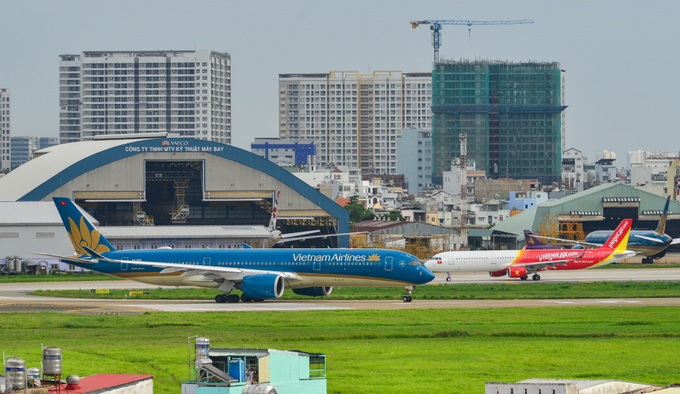
    The Tan Son Nhat Airport could get a third terminal and other facilities at the cost of over $496 million. The Airports Corporation of Vietnam (ACV), which manages and operates civil airports in the country, has submitted to the Ministry of Transport a pre-feasibility report on the construction of a third terminal (T3) at HCMC-based Tan Son Nhat International Airport to reduce overload.

    T3 will be designed to have a capacity of 20 million passengers per year, with total floor area of about 100,000 square meters. ACV proposes to construct in tandem an additional airport apron, a two-lane overhead path, a 5-lane viaduct in front of the terminal and a multi-storey car park. The total cost is estimated at over VND11.43 trillion ($496.18 million).

    The completion of feasibility reports and selection of construction blueprints is set to be finished in February 2020.

    Once T3’s design has been approved, contractors will be chosen via a tendering process so that construction starts in the third quarter of 2020 and can be completed in the second quarter of 2022.

    Because the construction area is located on the Defense Ministry’s land, ACV has suggested allowing a temporary handover of the site in Q1 next year for construction along with completion of necessary legal procedures.

    There are also plans to expand existing terminals T1 and T2 of the Tan Son Nhat airport, raising their combined capacity to 30 million passengers per year.

    The airport currently handles 36 million passengers per year, which is way above its designed capacity of 25 million.

    The Transport Ministry has hired French consulting firm ADPi to work on the plan alongside local firms. The plan proposed by ADPi was approved by the Prime Minister last March and it formed the basis for the new, detailed version.

    ACV has also proposed to the Ministry of Transport that it be assigned as investor for the construction of essential components for the proposed Long Thanh International Airport, including passenger terminal, flying zone (runway, taxiway, apron), and refueling systems.

    ACV chairman Lai Xuan Thanh said that the company is willing to spend between $1-1.5 billion for constructing the first phase of the proposed airport, which is estimated to cost $5.4 billion.

    The Long Thanh Airport, to be built in three phases over three decades, was recently listed by CNN Travel as one of the world’s 16 most exciting airport projects.

    The first phase is scheduled for completion in 2025 when it will be able to handle 25 million passengers annually. The next two phases will be built in 2030-2035 and from 2040-2050.

    The new airport would have an annual capacity of 100 million passengers and five million tons of cargo when completed.

    ACV has announced that in its 2019 plan, the company will spend more than VND10 trillion ($432.71 million) on upgrading and expanding several airports, including Cat Bi in northern Hai Phong City, Vinh in central Nghe An Province, Phu Cat in central Binh Dinh Province, and Noi Bai in Hanoi.

    Most of these upgrades are expected to be completed by the third quarter of 2019.