Retail News CRM

Tag: HCMC

  • Big Corporations Set Sights on HCMC’s Ambitious Metro Line Projects

    Big Corporations Set Sights on HCMC’s Ambitious Metro Line Projects

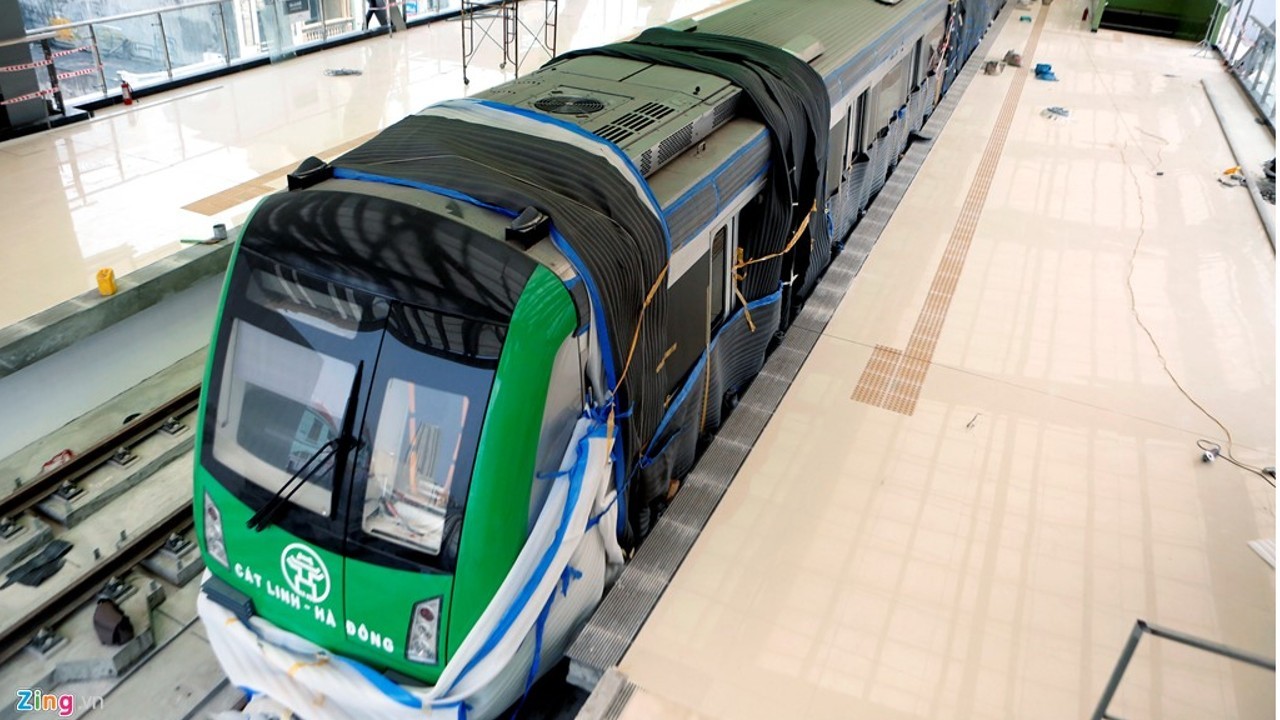
    The Dai Dung Corporation, Construction Corporation No. 1 Joint Stock Company (CC1), and Hoa Phat Group have joined forces to form a partnership known as DCH, seeking the approval of the HCM City People’s Committee to participate in local urban railway projects as the general contractor for engineering, procurement, and construction (EPC).

    Three Railway Lines on the Horizon

    DCH aims to invest in three significant railway lines: Metro Line No. 2 (Ben Thanh – Tham Luong), the Thu Thiem – Long Thanh railway line, and the Binh Duong New City – Suoi Tien line. This ambitious initiative is poised to transform the landscape of urban transportation in Ho Chi Minh City.

    Vingroup’s Bold Proposal

    In a parallel move, Vingroup has set the stage for innovation by proposing a metro line that would connect the city center to Can Gio island district. This ambitious project, estimated at VND102.37 trillion (around US$4.09 billion), boasts a staggering 48.5 km route designed for speeds reaching 250 km/h—twice the speed of current undertakings—and aims for completion in just two years!

    Fast-Tracking Urban Railways

    The city’s Department of Construction reports that Vingroup’s investment model is a public-private partnership (PPP). After gaining municipal approval, the company is hastening the completion of investment documentation and conducting a pre-feasibility study. If everything aligns perfectly, construction could kick off in early 2026, making way for the first urban railway line fully funded by a private entity by 2028.

    More Players Enter the Game

    Chairman of the municipal People’s Committee, Nguyen Van Duoc, has disclosed that besides Vingroup, Gamuda Group and Vietjet are also eager to jump into the urban rail market, with plans for additional routes connecting the city center to the airport and other key locations.

    Metro Ambitions for the Future

    According to HCM City’s master plan for the period of 2021–2030, with eyes set on 2050, the metropolis is looking to develop 12 metro lines stretching over 600 km, linking Tan Son Nhat airport to urban areas and neighboring provinces. By 2035, the goal is to have seven lines operational, covering approximately 355 km with an estimated investment of US$40.2 billion.

    Private Interest on the Rise

    Prof. Dr. Vo Xuan Vinh, Director of the Institute of Business Research at the University of Economics Ho Chi Minh City, notes that following the issuance of Resolution 68 by the Politburo, private enterprises are becoming increasingly engaged in large-scale projects, ready to embrace the associated risks. This shift promises to revolutionize the pace of urban railway development in both HCM City and Hanoi, traditionally reliant on official development assistance (ODA).

    New Mechanisms for Investment

    Dr. Nguyen Quoc Hien, deputy head of the HCMC Management Authority for Urban Railways, emphasized the importance of developing specific legal frameworks to facilitate private investment in urban rail projects. He observed that successful PPP projects in places like Hong Kong, China, and South Korea often follow investment forms like Build-Transfer-Operate (BTO), Build-Transfer-Lease (BTL), or Build-Lease-Transfer (BLT). The absence of these models in existing resolutions suggests a need for innovative thinking in legal frameworks if we want to see a rapid transformation in the urban rail sector in Vietnam.

    Questions & Answers

    What is the purpose of the partnership between Dai Dung Corporation and others?
    The partnership aims to work on urban railway projects in Ho Chi Minh City as the EPC general contractor.

    What is Vingroup’s proposed metro line’s key feature?
    Vingroup’s proposed line will connect the city center to Can Gio island with a remarkable speed of 250 km/h, expected to be completed in two years.

    How many metro lines does HCM City plan to build by 2030?
    The city plans to establish 12 metro lines, covering over 600 km, with seven lines targeted for completion by 2035.
  • Cathay United Bank’s HCMC Branch Champions Sustainability with Insightful ESG Seminar

    Cathay United Bank’s HCMC Branch Champions Sustainability with Insightful ESG Seminar

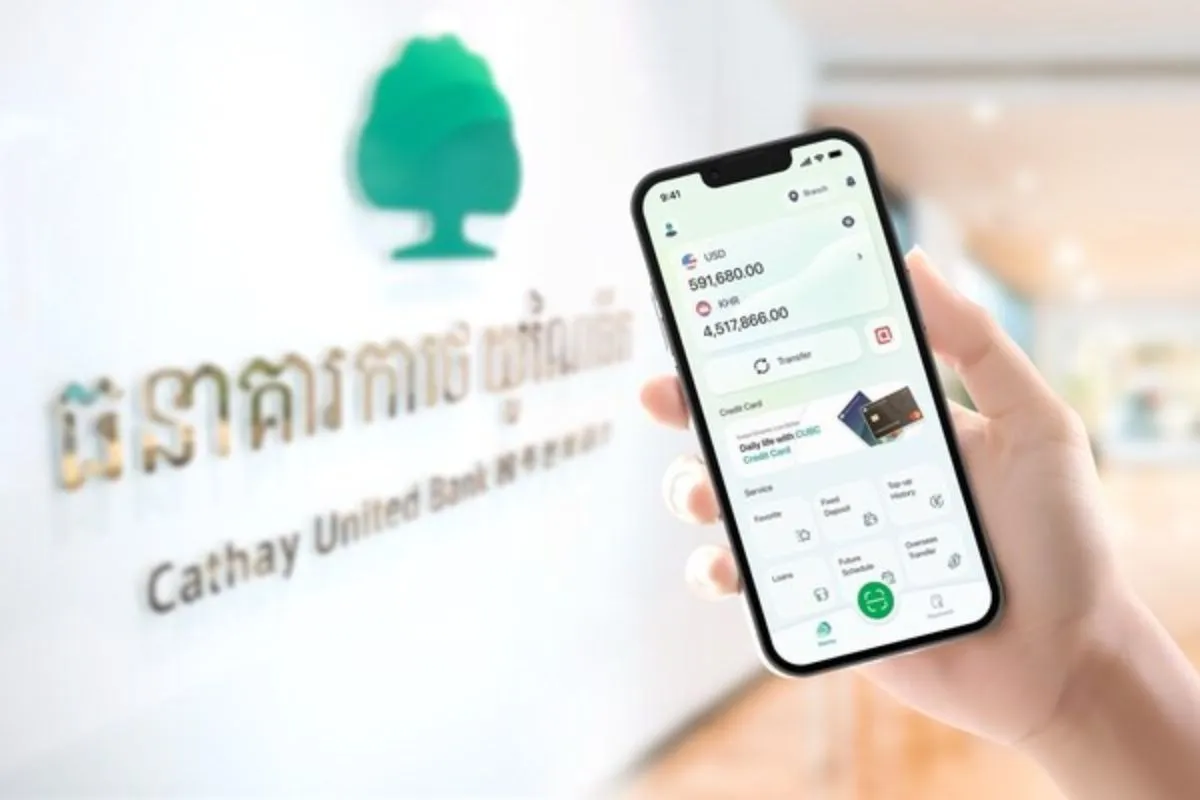
    Celebrating 20 years of operations in Vietnam, the Ho Chi Minh City branch of Cathay United Bank (CUBHCM) hosted a dynamic ESG seminar titled “ESG: Challenges and Practices for Sustainable Development.” This event reflected the bank’s enduring commitment to innovation and sustainability. In a world where ESG considerations are reshaping business strategies, the seminar provided a crucial platform for industry leaders to delve into emerging trends, regulatory updates, and actionable insights for ESG implementation.

    As a subsidiary of Cathay Financial Holdings, a prominent Asian financial institution, CUB has consistently pushed the boundaries of traditional banking. Notably, in 2015, it became the first Taiwanese bank to adopt the Equator Principles, pledging to uphold internationally recognized environmental and social risk management standards. This pioneering stance has established CUB as a reliable partner for businesses venturing into the realm of sustainability.

    Michael Wen, Executive Vice President of Cathay United Bank, stressed the bank’s pivotal role in guiding clients through the complex ESG landscape. “Vietnam’s rapid economic growth presents both opportunities and sustainability challenges,” he remarked. “Collaboration among businesses, financial institutions, and policymakers is essential for driving meaningful, long-term change.”

    During the seminar, Nguyen Hoang Nam, ESG Leader at PwC Vietnam, highlighted the limited ESG awareness among local businesses, noting that nearly 39% of Vietnamese SMEs have never even heard of the concept. “Over 60% are unaware of the relevant regulations,” Nam explained, adding that financial constraints, vague legal frameworks, and limited capacity are significant barriers to progress.

    He advised businesses to invest in internal ESG education, develop robust data reporting systems, partner with green finance institutions, and engage with industry associations to implement best practices.

    Practical models and best practices

    Despite the hurdles, Vietnam is witnessing a notable surge in ESG implementation. The government has rolled out the Green Growth Strategy for 2021–2030, marking a national commitment to sustainable economic development. The forum also spotlighted enterprises excelling in ESG adoption, including IDICO Industrial Park, Schneider Electric, Ares International Certification, Dan-D Foods, and Micro Electricity.

    IDICO Industrial Park has embraced rooftop solar systems and wastewater reuse in its factories while investing in social housing to attract skilled labor. Schneider Electric is pushing toward net-zero emissions by 2050, focusing on innovations in clean electricity and grid decarbonization to shrink its carbon footprint.

    Partnering for sustainability

    By 2024, Cathay United Bank has garnered nearly 90 prestigious awards for excellence in asset management, digital innovation, and ESG practices, solidifying its reputation as a forward-thinking financial institution. Recently, it ranked in the top 20% of the Financial Supervisory Commission’s sustainable finance ratings.

    In alignment with its vision of Vietnam as a “second home,” CUB has vigorously supported ESG initiatives nationwide. The bank partnered with the Asian Development Bank to finance Vietnam’s largest onshore wind project in Ninh Thuan Province, boasting a total investment of US$107 million.

    Additionally, CUBHCM has unveiled a green CAPEX loan program aimed at funding environmentally friendly development projects. Notably, the first-phase factories financed through this initiative were the first in Northern Vietnam to achieve the LEED international green building certification.

    Lu Wei Chieh, General Manager of CUBHCM, emphasized that the seminar tackled real ESG challenges and provided actionable solutions. “Whether discussing energy transitions, strategic planning, or firsthand business experiences, the message was clear: collaboration is key to long-term change.” This seminar marked the first event in CUBHCM’s 20th-anniversary series, underscoring the bank’s commitment to connecting people, ideas, and solutions for a brighter future. Embracing the theme “Better Together,” CUB highlights that ESG is a collective journey, demanding spirited partnership from businesses, financiers, and communities to foster sustainable progress.

    Questions & Answers

    What are some challenges facing ESG implementation in Vietnam?
    Many local businesses lack awareness of ESG principles and relevant regulations, with significant barriers including financial constraints and vague legal frameworks.

    How is CUB supporting sustainability efforts in Vietnam?
    Cathay United Bank is actively promoting ESG practices and partnering with organizations like the Asian Development Bank to finance large renewable projects, as well as launching green loan programs to support eco-friendly investments.

    What was the main takeaway from the ESG seminar?
    The seminar highlighted the importance of collaboration among businesses, financial institutions, and policymakers to navigate the ESG landscape effectively and drive long-term change in Vietnam’s sustainability journey.

  • Ho Chi Minh City Plans to Transition 80% of Ride-Hailing Motorbikes to Electric in Two Years

    Ho Chi Minh City Plans to Transition 80% of Ride-Hailing Motorbikes to Electric in Two Years

    The ambitious goal of introducing 400,000 electric ride-hailing motorbikes in Ho Chi Minh City (HCMC) is within reach, provided there are financial incentives, tax exemptions, and the establishment of sufficient charging stations. This optimistic outlook comes from Le Thanh Hai, director of the Institute for Development Studies, who underscores the transition’s potential to cut costs for drivers and enhance environmental conditions in the city.

    Recent research by the institute reveals a striking difference in daily expenses for fuel between traditional fuel and electric motorbike drivers. Grab and Be ride-hailing drivers currently fork out VND70,000–100,000 (approximately $3 to $4) each day on gasoline, based on survey feedback from 400 participants. In stark contrast, drivers of Xanh SM electric motorbikes pay only VND20,000 for charging.

    When considering battery degradation, wait times, and charging expenses, electric motorbike riders can pocket between VND40,000 and VND60,000 more each day—translating to a monthly income boost of about VND1 million—in comparison to their gasoline-powered peers. These savings could enable them to pay off their vehicle loans in just two to 2.5 years.

    Yet, the journey towards electric rides isn’t without its bumps. Charging infrastructure poses a significant challenge. Electric bikes from brands like VinFast, Selex Motors, DatBike, and Honda typically need 4-10 hours to charge and offer a range of 100-200 kilometers—meaning drivers must charge daily, incurring a loss of income during that time.

    Nguyen Huu Phuoc Nguyen, CEO of electric scooter startup Selex Motors, believes that energy infrastructure will cease to be an obstacle as soon as charging speeds catch up with refueling gasoline. Selex Motors is pioneering a quick two-minute battery-swapping service compatible with various brands, currently operating 50 stations in HCMC, with plans to expand to 200 next year.

    However, Nguyen points out that the absence of standardized charging infrastructure remains a critical issue, as companies often function independently. He urges local authorities to motivate businesses to expand shared charging and battery-swapping networks, promoting a collaborative growth atmosphere.

    Financial considerations also play a crucial role in this transition, particularly for technology drivers who often experience low and unstable incomes. The Institute for Development Studies has teamed up with banks to craft specialized credit products and has secured promising commitments from electric motorbike manufacturers and distributors.

    Moreover, the city has proposed appealing to the central government for the elimination of registration fees and value-added taxes on new electric vehicles and technology drivers for the initial two years. Currently, Vietnam’s transportation sector emits 32.9 million tons of CO2 equivalents annually, with HCMC responsible for about 13 million tons. To actively support green transportation, the city aims to convert all buses to electric or green-energy vehicles by 2030, alongside a comprehensive Vehicle Emissions Control Plan that encourages incentive creation and transition roadmaps for taxis, tech vehicles, passenger cars, and vehicles utilized by public agencies and businesses.

    The road to an electric future may be paved with challenges, but an electric motorbike revolution along the bustling streets of HCMC promises a more sustainable urban environment for everyone— and perhaps even a newfound love for battery-powered journeys!

    Questions & Answers

    What financial support is being proposed for the transition to electric vehicles in HCMC?
    The city recommends that the central government waive registration fees and value-added taxes for new electric vehicles and technology drivers during their first two years.

    How much can electric motorbike drivers potentially save compared to gasoline-powered counterparts?
    Electric motorbike drivers can save between VND40,000 and VND60,000 each day compared to traditional gasoline users, leading to an additional VND1 million in monthly earnings.

    What plans does HCMC have for public transportation concerning green energy?
    HCMC plans to convert all buses to electric or green-energy vehicles by 2030, supporting a broader goal of reducing emissions in the city’s transportation sector.

  • Vietjet hikes Singapore-HCMC flight frequency

    Vietjet hikes Singapore-HCMC flight frequency

    Vietjet is set to boost its number of flights between Singapore and HCMC starting March 30.

    There will be three flights a week, up from the current two. There are now 35 flights between the two cities per week.

    The announcement comes with a 50% off sale on eco-class tickets for all Vietjet routes, including those to Hanoi and Da Nang (currently served by one daily flight each).

    Last year Vietjet added 10 aircraft to its fleet, bringing the total to 115. It operated on 170 routes.

  • HCMC hotel business gloomy as foreign tourists keep away

    HCMC hotel business gloomy as foreign tourists keep away

    Hotels in Ho Chi Minh City are suffering from low occupancy rates due to a sharp drop in international visitor arrivals and domestic tourists’ preference for traveling to beaches.

    In May, amid a wave of hotel closures and conversions into office buildings, the Norfolk Hotel in District 1 with over 100 rooms stopped operating.

    In mid-June many hotels in tourist areas such as Bui Vien Street, Bui Thi Xuan Street and Le Thanh Ton – Ly Tu Trong in District 1 temporarily closed due to lack of customers.

    The latest accommodation market report by real estate consultancy Savills Vietnam said hotel occupancy rates in the second quarter were down 8 percentage points quarter-on-quarter.

    All segments suffered as foreign visitor arrivals to the city fell by 13% quarter-on-quarter. The rate of overnight guests in the city was only 19%, the lowest in the country.

    Hotels are currently relying on business guests since the city is a transit point between various provinces and cities.

    Troy Griffiths, deputy general director of Savills, said recovery in international tourism has been slower in Vietnam than other countries in the region.

    He pointed out that the number of visitors from China, the second biggest market, was 78% down in the first half from 2019, the year before Covid.

    Trang Minh Ha, chairman of investment firm North Stars Asia, said the third quarter, when it is the rainy season, is the low tourist season in HCMC, and so occupancy and room rates would continue to be low.

    The number of hotels that close permanently or temporarily could rise sharply, he said.

    The economic difficulties post-pandemic, boring and monotonous tourism products and Vietnam’s difficult visa policies have kept tourists away, he said.

    The city needs to strengthen programs on attracting visitors to compete with countries such as Thailand, Singapore and Indonesia, he said.

    “HCMC’s hotel industry is waiting for an optimistic signal from the economy for recovery. However, the market may have to wait until the end of 2024 for a solid positive signal.”

  • French jeweler Tiffany opens store in HCMC

    French jeweler Tiffany opens store in HCMC

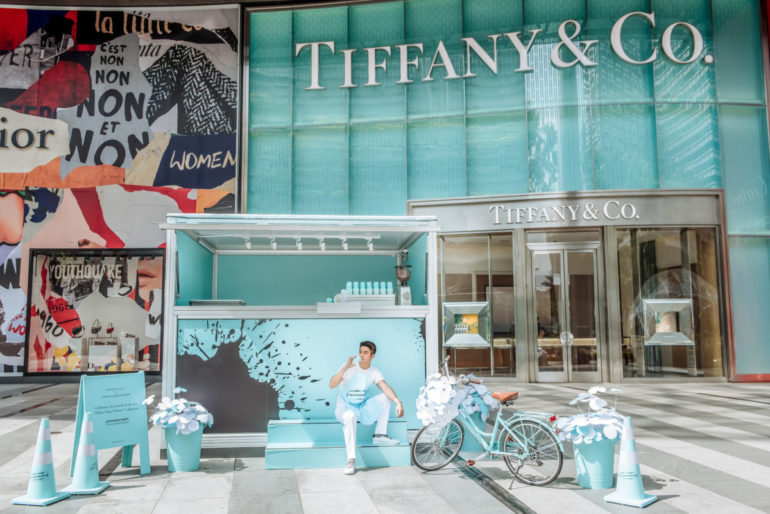
    Luxury jewelry brand Tiffany & Co. has opened a store in Ho Chi Minh City, two years after opening its first in Vietnam in Hanoi.

    The store in District 1, which had a soft opening last week, is part of a strategy by the 186-year-old jeweler to increase its presence in Asia after being acquired by France’s LVMH in 2021.

    The store is run directly by the company as against the Hanoi one, which a distributor operates.

    According to residence and citizenship advisory firm Henley and Partners, HCMC had the ninth fastest growth rate globally in the number of millionaires last year.

    Vietnam’s biggest city saw their numbers rise by 84% to 7,700 individuals, it said in its 2023 World’s Wealthiest Cities Report.

    As of last year HCMC had 15 people with a net worth of $100 million and three billionaires.

    It is ranked the 67th wealthiest city in the world.

  • Japanese firm looks to raise export-quality oysters in Vietnam

    Japanese firm looks to raise export-quality oysters in Vietnam

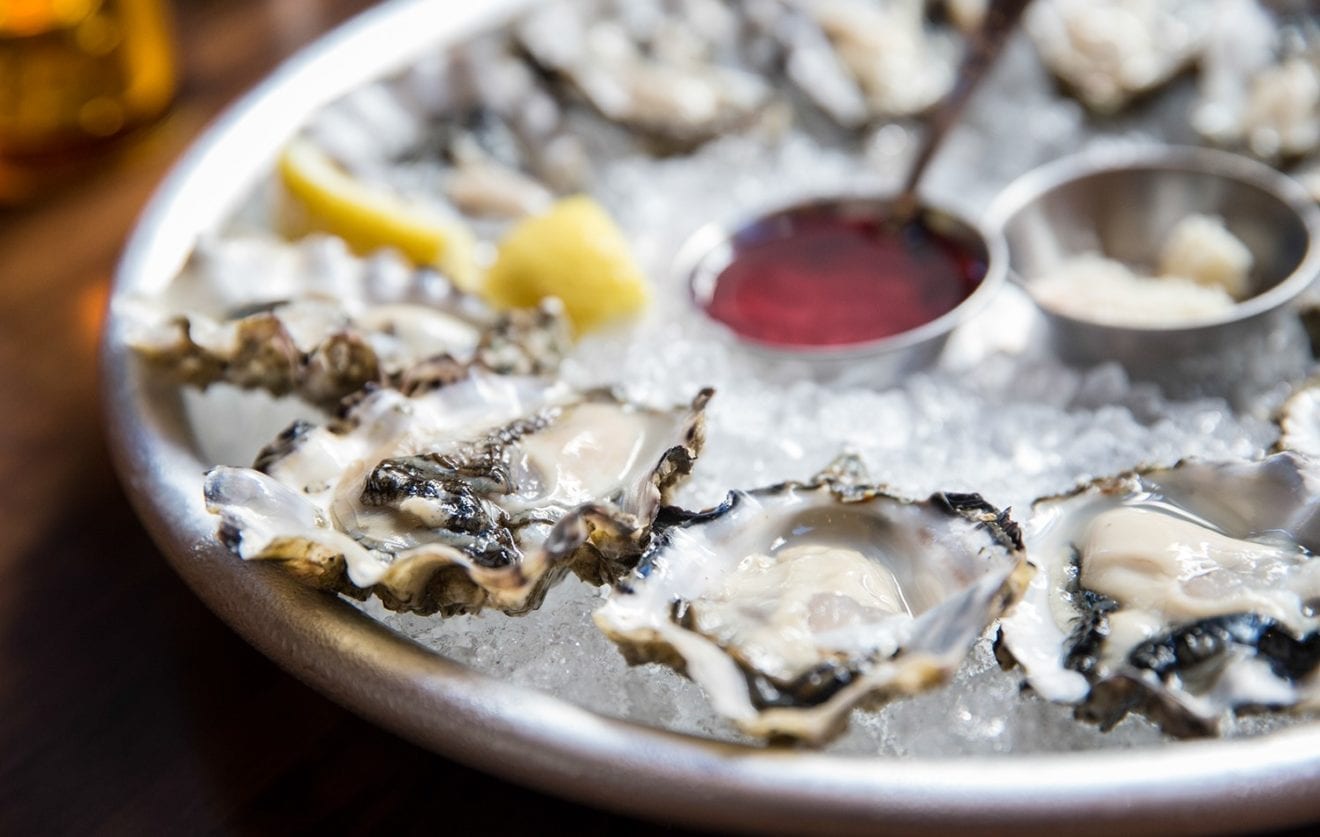
    Japanese seafood producer Yamanaka wants to partner with Vietnam agencies to raise oysters locally for both domestic and international markets.

    A feasibility research conducted by Yamanaka in the central province of Khanh Hoa since June last year, with the support of the Japan International Cooperation Agency (JICA), found that raising oysters in Vietnam under two Japanese methods brought high yields as well as oysters of a quality high enough to be eaten raw.

    “With this project we hope to establish a foundation for raising oysters with natural disaster resistance to improve productivity and farmer incomes,” said Shinji Takada, CEO of Yamanaka.

    Yakamana sells Japanese oysters in 350 sales points in Vietnam, but the company is now seeking to grow the shellfish locally and sell them in Vietnam, Taiwan and Thailand.

    Vietnam has nearly 3,000 hectares for oyster farming. The shellfish is being raised in 20 out of 28 seaside localities, with Khanh Hoa and Quang Ninh leading in numbers, according to the International Collaborating Centre for Agriculture and Fisheries Sustainability (ICAFIS).

    A farmer in Khanh Hoa needs around VND45 million ($1,904.44) to invest in an oyster raft which would fetch him VND30-50 million worth of oysters in a season. Each household typically has three to five rafts. There are three seasons each year in Vietnam, ICAFIS said.

    However, the added value of oysters in Vietnam remains low and therefore only a small amount of them are exported. In Khanh Hoa 95% of oysters are used as lobster food, while 4% goes to domestic consumption and 1% are exported.

    Ho Chi Minh City oyster farms produce over 21,000 tonnes of oysters a year but mostly for domestic consumption. Only two companies, BIM Group and VINABS, export oysters regularly.

    “A challenge in the oyster farming industry is setting up a clean source of water,” said Dinh Xuan Lap, deputy director of ICAFIS. “In Vietnam there is lack of technology to ensure the quality of oysters and to help them cope with natural disasters.”

    The hanging method and Australian basket method have both proved to be suitable for producing export-standard oysters in Vietnam, Japanese researchers have found.

    “We plan to set up an oyster cleaning system for commercial use, hopefully this or next year,” said Takada.

    One important step is identifying which oyster breed to farm, as the popular breeds in Vietnam cannot be raised with the hanging method, said Nguyen Thanh Luan, a seafood farming expert.

  • Workers worry about pink slip as global economic woes dry up orders

    Workers worry about pink slip as global economic woes dry up orders

    With her company planning to cut its payroll from 300 to 20, Ngoc has a constant dread of being fired, and does not even dare take sick leave.

    “Everyone goes to work with a constant worry, not knowing who will be fired next,” she says.

    She returns home at 9 p.m. after four straight shifts. “Our company does not have new orders, and so people have to manage existing ones.”

    She works for a steel company in the southern province of Long An that does not have enough cash flows to pay salaries and so is laying off workers gradually.

    Those still with jobs have to work harder and harder.

    Ngoc works overtime, but does not get extra pay though the law requires payment of 150-300% of normal wages for overtime.

    “My salary is VND250,000 (US$10) per day. My overtime rate remains the same. But I don’t dare quit since I don’t know what to do next.”

    Ngoc is one of many workers worried about losing their job amid the fewer orders due to rising global inflation and economic instability.

    The Long An Province Trade Union of Industrial Parks recently reported that more than 4,100 workers in local industrial parks have been sacked or had their working hours reduced.

    In another province next to HCMC, Binh Duong, some 28,000 workers have been laid off without compensation this year, and 240,000 others have cut their working hours.

    In Ho Chi Minh City, 2,858 workers have been let go from 27 companies.

    More than 61,400 people in Hanoi applied for unemployment benefits in the first 10 months of this year, up 14% from the same period last year, according to the Hanoi Employment Service Center.

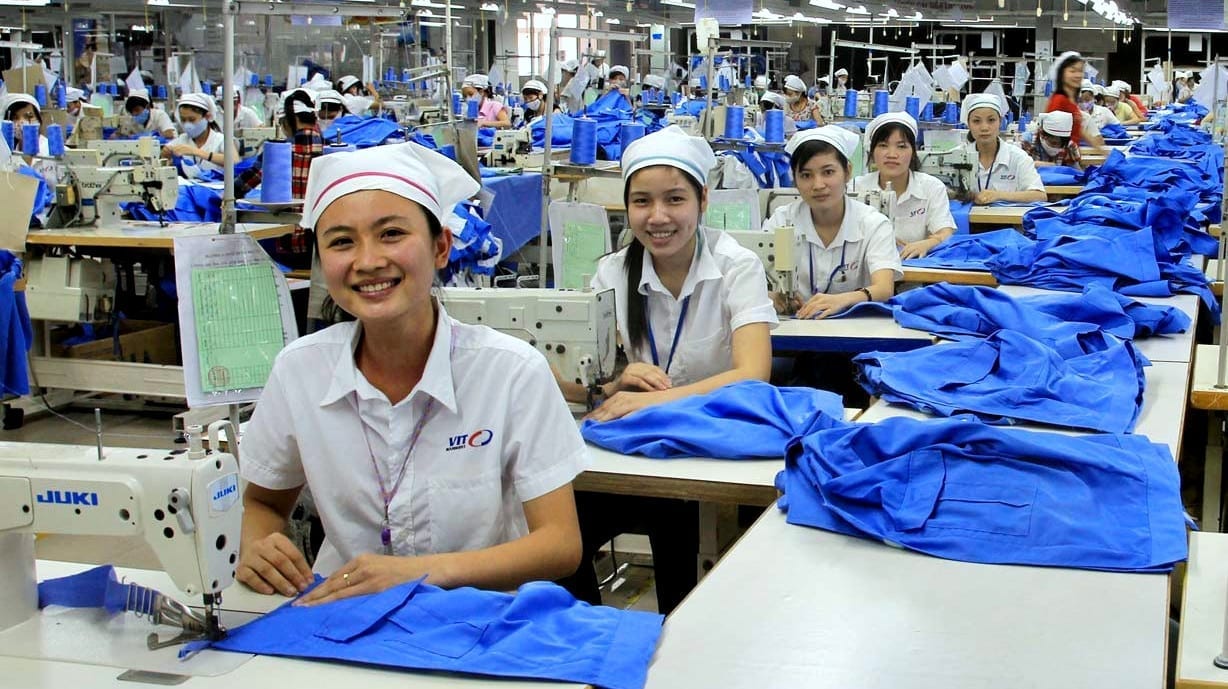
    The HCM City Business Association said a number of textile and apparel businesses have had to downsize their workforce and production as a result of lack of orders and financial challenges.

    As the pandemic faded away orders had surged from the fourth quarter of 2021, and this lasted until July this year.

    But recently consumption has declined drastically as a result of high inflation, particularly in Vietnam’s major textile and apparel export markets such as the U.S. and E.U.

    The conflict between Russia and Ukraine has had a significant impact on logistics and raw material costs. Some 95% of textile and apparel exports to Russia have come from Vietnam, but shipments have fallen by 42% during the conflict.

    Other challenges businesses must deal with include the strengthening dollar, rising oil prices and surging bank interest rates.

    Le, a garment worker in Binh Duong, has also been particularly worried since her company has laid off close to 1,000 employees recently.

    Those remaining are rotated due to the lack of orders at the moment.

    She says: “There is far less work to do. It will take us just two to three hours to complete the work. The salary is not enough for daily expenses, but I don’t know where to apply for a new job since all companies face the same challenges.”

    Mai, a worker at a leather footwear company in Ho Chi Minh City, is not so lucky and is set to get a pink slip this month.

    She says: “Many of our company’s products are unsold. Frequently buyers complain about and return products, which causes the inventory to swell. Before Covid sometimes I would not have time to relax, but now I spend way too much time not working.”

    Most people are trying to retain their jobs at least until Tet so that they can get the annual bonus.

    “After a year of hard work, everyone looks forward to the Tet bonus to take care of our family. If I quit now, there will be no Tet bonus, and getting a new job at year-end is incredibly difficult.”

    A loan package worth VND10 trillion ($402.37 million) out of a total of VND20 trillion has been urgently rolled out to provide immediate support to workers at industrial parks across the country since tens of thousands are losing their jobs or having their working hours and wages reduced.

    The union is also making an effort to assist workers during this Lunar New Year.

    The Binh Duong Province Confederation of Labor is trying to mobilize resources along with union funding to support workers through the difficult period until they can return to work.

    Le and other workers hope things will get better in the new year.

    The Bac Giang Province native says she will try to stay at this job at least through Tet. She feels luckier than others for still having a job though it does not pay too well.

  • HCMC lottery firm reports record H1 profits

    HCMC lottery firm reports record H1 profits

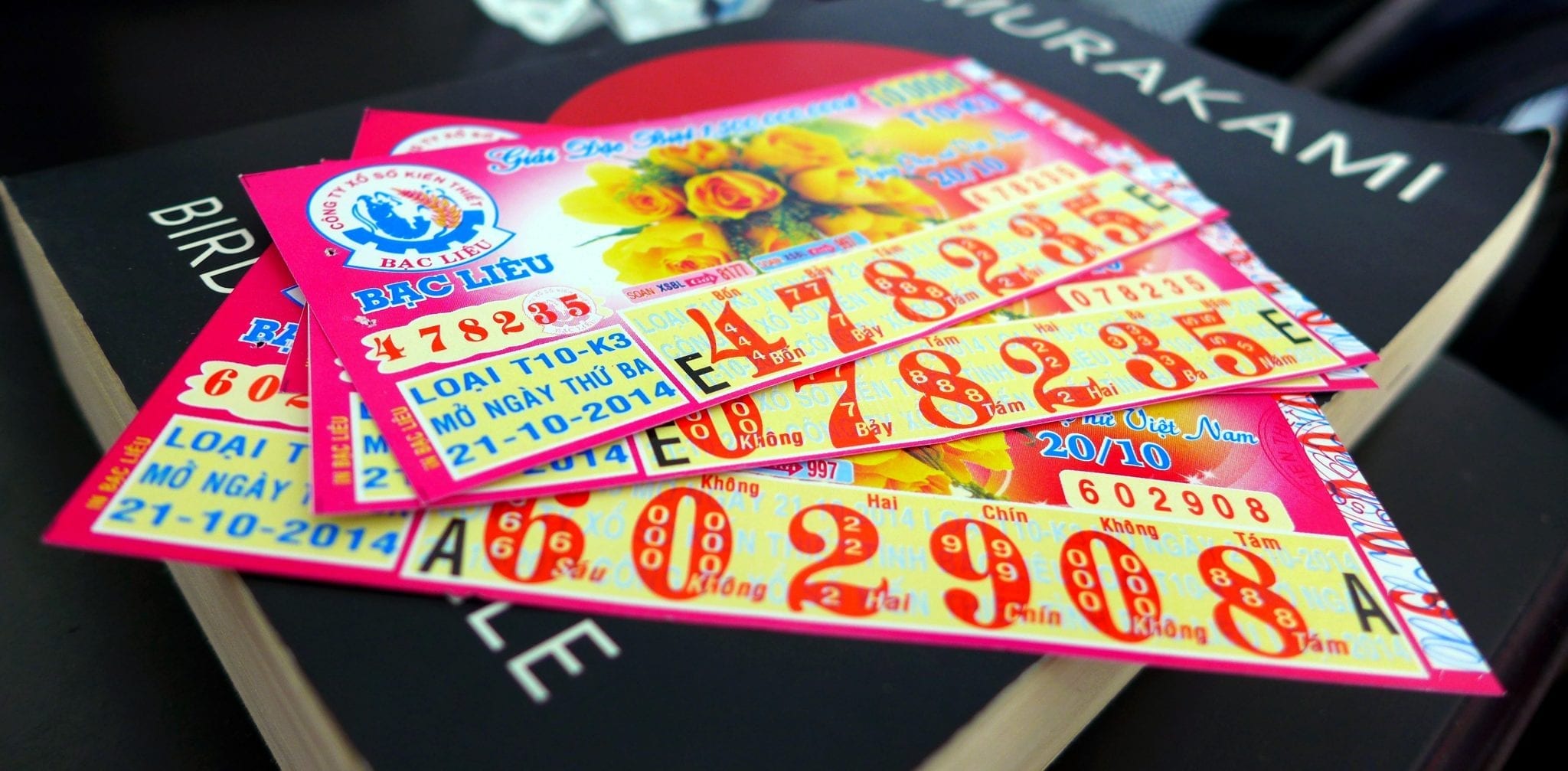
    The HCMC Lottery Company Ltd. earned profits of VND736 billion (over $31.46 million) in the first half of the year, an increase of 27% year-on-year.

    The company recorded H1 revenues of VND5.46 trillion, completing nearly 54% of the year’s target, the company said in its financial statement.

    The main source of income was the sale of traditional lottery tickets and scratch-off tickets; and the rest from office leasing and printing.

    The company leaders said that from the beginning of the year until mid-July, the company had paid out more than VND2.8 trillion to lottery winners

    After deducting all expenses, the company made a profit of VND736 billion. This was a record high in the company’s history.

    The company’s revenue and profits have been increasing steadily over the last 10 years.

    Current sales are twice as high as they were in the first half of the year 10 years ago, and profits have increased three-fold.

    The company’s management said demand for lottery tickets in the southern region has grown continuously, and the Ministry of Finance has increased the ticket volume by 10% to cover a larger area and expand its agent network.

    The scratch-off lottery, which has been in operation since the end of 2018, has also been successful, covering nine provinces and accounting for 4-5% of annual revenue.

    The company’s total assets exceed VND2.6 trillion, while its liabilities exceed VND900 billion. Cash and bank deposits account for a sizable portion of the asset structure.

    This year, the company expects revenues of VND10.15 trillion and pre-tax profits of VND1.17 trillion. Its payment to the state budget is estimated at around VND3.04 trillion.

  • Grab adds heatwave surcharge on motorbike services

    Grab adds heatwave surcharge on motorbike services

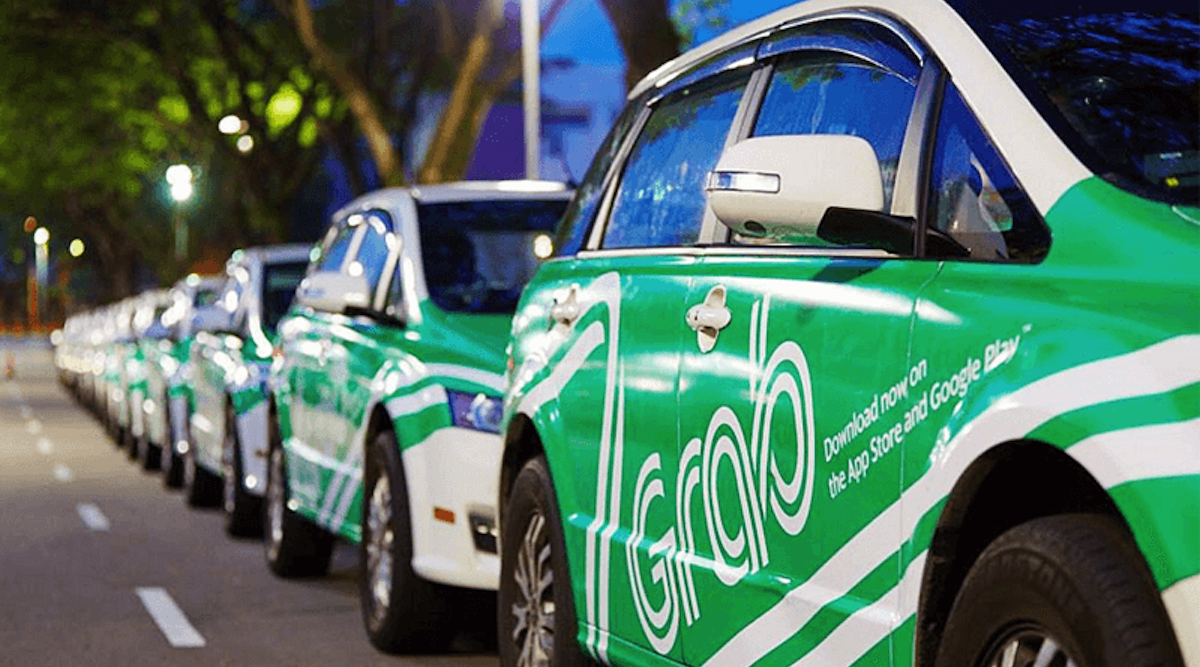
    Grab has become the first ride-hailing firm in Vietnam to announce a new surcharge on its motorbike services starting Thursday.

    The surcharges are VND5,000 (20 U.S. cents) for each GrabBike trip and GrabFood order in some localities including HCMC, Hanoi, Hai Phong, Da Nang and Can Tho.

    GrabExpress services in HCMC and Hanoi will attract a surcharge of VND3,000 for each delivery.

    The surcharge will be applied “during extremely hot weather”, Grab said on its website without disclosing further details.

    The Singapore-based ride hailing firm is the first to roll out surcharges for hot weather conditions. Earlier, a surcharge of VND10,000-15,000 has been applied for late nights and the Lunar New Year holiday.

    In early March this year, Grab had raised all fares by VND500-2,500 to aid drivers coping with surging gasoline prices.

  • HCMC high-end office rents jump in Q1

    HCMC high-end office rents jump in Q1

    Grade A office rents in HCMC rose by 5.1 percent quarter-on-quarter to US$44.9 per square meter per month last quarter. The average rent was 5.3 percent up from a year earlier, according to real estate consultancy CBRE Vietnam.

    Grade B rents averaged $25.9, up 1.7 percent and 3.1 percent. Similar surveys by other consultancies Colliers and Savills showed grade A rents increasing by 1-3.8 percent.

    Net absorption during the quarter was 16,500 square meters compared to 15,000 in the last quarter of 2021, according to Savills.

    Two sectors that achieved growth during the pandemic, information technology and logistics, accounted for nearly 60 percent of all transactions and are likely to lead demand in the next two years.

    Office relocation accounted for 55 percent of transactions.

    Demand for office space would keep rising, especially in sectors that would see growth such as e-commerce, real estate, electronics, IT, and communications, deputy director of Colliers Vietnam, Nhung Vu, said.

    Savills added that HCMC would need around 140,000 square meters of office space for new workers this year, based on an estimate that each needs eight square meters.

  • Vietnamese co-living startup raises $1.7 mln from Singapore fund

    Vietnamese co-living startup raises $1.7 mln from Singapore fund

    M Village, an accommodation startup in co-living spaces, has received funding of US$1.7 million led by Singaporean venture fund Simple Tech Investment.

    The money will be used for expanding the number of rooms the startup has in Ho Chi Minh City from the current 300 to 1,000 this year.

    Its founder, Nguyen Hai Ninh, is also the founder and ex-CEO of The Coffee House, a HCMC-based coffee chain that has over 140 stores across Vietnam.

    He said: “The fund-raising process started late last year and it has worked out pretty well. Simple Tech Investment agreed on investing after a month of getting to know each other”.

    Simple Tech has previously invested in digital transformation by some Vietnamese businesses, including online advertiser 24h, human resources service SieuViet Group, and leading barbershop chain 30Shine.

    M Village has also received funding from Singapore’s Vulpes Venture, Japan’s Genesia Ventures, and some angel investors.

    Founded in October 2020, M Village operates five locations in Ho Chi Minh City with their occupancy rates exceeding 90 percent.

  • HCMC supermarkets roll out promotions amid rising prices

    HCMC supermarkets roll out promotions amid rising prices

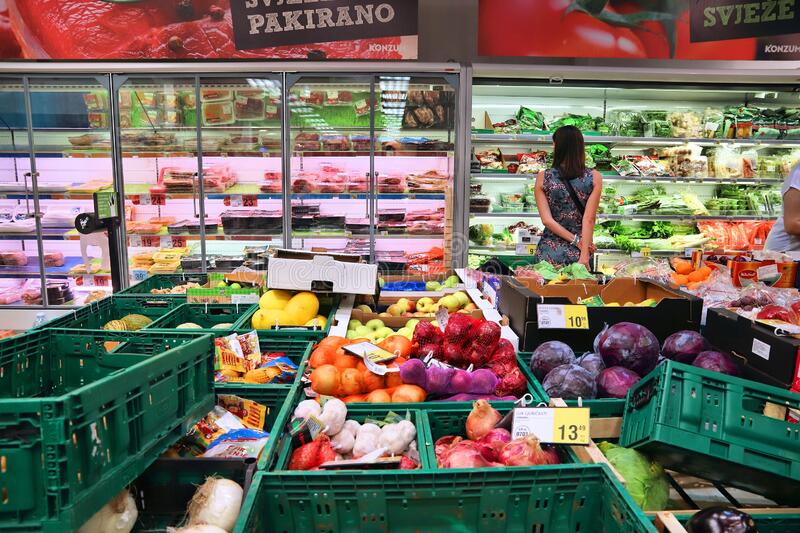
    Supermarkets in HCMC are offering double-digit discounts as food and gasoline prices surge. Central Retail is offering discounts of up to 50 percent on 390 products before 10 a.m. from Monday to Thursday every week. The list of products includes pork, vegetables, and fast-moving consumer goods.

    Co.opmart has announced a cut in prices of 3,000 essential goods until the end of this month. Another promotion is scheduled for next month, a spokesperson said. An MM Mega Market store in Go Vap District has cut the prices of beef by 5 percent, fruits by up to 30 percent, and clothes by 50 percent. Big C, Top Market, and Saigon Co.op are selling beef, chicken wings, and fruits at 10-30 percent discounts.

    Cooking ingredients like oil, chili sauce, and sugar are priced 15-50 percent lower than before. Retail industry insiders say the discounts are being offered as consumers are tightening their purse strings amid a surge in prices. Gasoline prices are up 28 percent since the end of December to a record high of VND29,820 ($1.30) per liter.

    The prices of eight of the nine main consumer products have risen sharply, with seven of them seeing double-digit increases. 50 percent of them have been impacted by food price increases and 40 percent by the increase in gasoline prices.

    This has caused many people to cut spending. Hoa of Go Vap District used to go to the supermarket once a week, but now she only goes twice a month or just once.

    “Prices of everything have risen so I buy in bulk to reduce expenses”.

    Oanh of Tan Binh District recently bought dry products and spices for the next three months in the hope of avoiding further price rises. Though consumers expect further discounts, retail chains say this is unlikely. An executive at a supermarket chain in HCMC, who asked not be named, said the company is also under pressure due to the rising costs, and it has offered the best discounts it could.

  • Understaffed businesses need 300,000 plus workers in HCMC

    Understaffed businesses need 300,000 plus workers in HCMC

    Facing labor shortages, businesses and factories in HCMC need around 310,000 workers this year should Covid be controlled.

    According to a recent survey by the HCMC Center of Forecasting Manpower Needs and Labor Market Information (Falmi), the city’s labor market faces two scenarios depending on future Covid development.

    If Covid-19 is brought under control, businesses need to recruit 280,000-310,000 workers. The demand for human resources in the first quarter would be nearly 87,000, second quarter over 72,000, third quarter 74,000, and fourth quarter, 77,000.

    Should the pandemic situation remain complex, the city’s labor demand would be about 255,000-280,000 staff. The highest would be in the first three months of the year at over 78,000.

    The trade and service sector has shown the sharpest increase in recruitment demand this year, accounting for nearly 66 percent and including commerce, transportation and warehousing, accommodation, catering and others.

    Recruitment demand for the industry and construction group accounts for over 33 percent, including mechanical engineering, electronics production, food processing, beverage, and pharmaceuticals.

    The report found up to 86 percent of recruitment demand does not require workers to have a college degree.

    Regarding market response, Falmi stated that on average, the city produces about 500,000 students and graduates each year, including from university, college, intermediate, elementary and vocational training levels.

    Therefore, it is expected the city’s labor force would meet recruitment demand among enterprises this year.

    The agency noted that this year the city’s labor force would reach nearly 5 million employees, of which more than 3 million work in enterprises and factories.

    Last year, according to a Falmi survey, nearly 65,000 businesses across HCMC had to recruit more than 174,000 workers, though the number of job seekers was only around 135,000.

  • Low-cost café franchising booms despite Covid

    Low-cost café franchising booms despite Covid

    Despite the Covid-19 pandemic, more and more low-price cafés are franchising and doing well. At 9.00 every day a Napoli café franchisee on Dong Nai Road, District 10, HCMC is crowded. Its owner, Hoang, says: “We directly serve hundreds of customers a day. The number of customers making orders via apps is double that.”

    A café franchised by Milano on Pham Van Chieu Road, Go Vap District, also gets hundreds of customers daily, one of its employees says.

    Many other similar outlets are also making good profits despite the pandemic, mainly selling through apps and e-commerce websites.

    Nguyen Duc Hung, the founder of Napoli Coffee, said that after starting in 2010 his company has so far franchised 3,000 outlets which fetch hundreds of billions of dong annually.

    “We franchise an average of two to three coffee shops a month. Some of our partners want to open more shops though they already own five”.

    Now there are thousands of Milano franchisees across the country. Trung Nguyen E-Coffee franchised coffee shops are present in 54 cities and provinces.

    The franchisors do not seek royalties for their trademarks or other such fees, and most of their profits come instead from the construction and decoration of coffee shops or sales of packaged coffee and beverages they produce

    Napoli offers three franchising packages costing VND70-350 million for cafes of 50-100 square meters in size. The packages include a five-year warranty, decoration, furniture, lighting, uniforms, and the coffee-making process, and exclude the costs of sanitary equipment and salaries.

    Trung Nguyen E-Coffee offers franchising packages worth VND65-175 million.

    Le Anh Tu, a lecturer at Van Lang University in HCMC, said the low-price café franchising model thrives despite Covid because franchisors support franchisees a lot, and products are sold at reasonable prices like VND12,000-30,000 for a cup of coffee.