Retail News CRM

Tag: HCMC

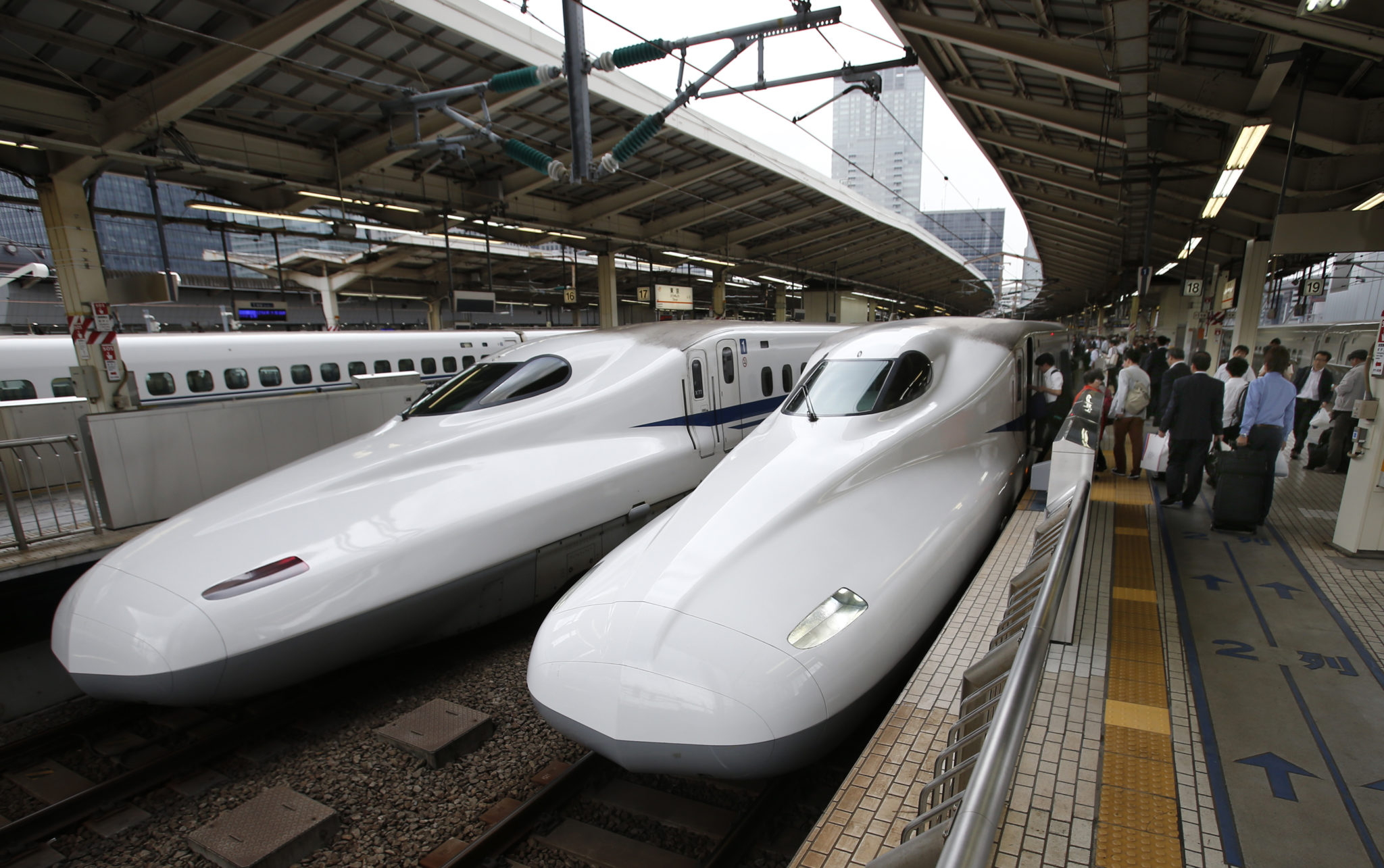
  • Bullet train to connect Hanoi with HCMC in five hours

    Bullet train to connect Hanoi with HCMC in five hours

    Vietnam’s bullet train will cut travel time between Hanoi and Saigon to five hours from the current 24. The railway project management board has submitted a pre-feasibility study to the Ministry of Transport, which quotes transport consultants’ estimate that if the train travels at 320 km/h, its running time would be from 5 hours 17 minutes to 6 hours 50 minutes depending on the number of stops.

    The route from Hanoi Railway Station to Thu Thiem Station in HCMC’s District 2 will be 1,545 kilometers (960 miles) long and run through 20 provinces.

    Sixty percent of the tracks will be on viaducts, 10 percent underground and 30 percent on the surface, completely protected by fencing and without a single crossing.

    It will have double standard-gauge tracks of 1.435 meters width and 24 stations, according to a consultancy consortium comprising Vietnamese firms TEDI, TRICC and TEDIS.

    It will use the distributed traction technology used by Japanese high-speed trains.

    The project is estimated to cost a total of $58.7 billion, comprising $2.23 billion for land, $43.3 billion for construction and equipment and $4.3 billion for management, consulting and other costs.

    It will be undertaken as a public-private partnership (PPP), with the government accounting for 80 percent of the cost and private investors for the remaining 20 percent.

    Construction will be in two phases, with the 282-km Hanoi-Vinh section and 362-km Nha Trang-HCMC section built first in 2020-2030 at a cost of $24 billion. Commercial operations on these stretches are likely to begin in 2032. The second phase connecting Vinh and Nha Trang is expected to be built in 2030-2045.

    The consultants have estimated the project to cost 0.4 – 0.55 percent of the country’s GDP in 2020-2030 and 0.35 – 0.4 percent in 2030-2040.

    After being reviewed by the Ministry of Transport, the study will be submitted to the State Appraisal Council and the government for review and to the National Assembly for approval next October.

    Vietnam currently has over 3,000 kilometers of railway tracks, none of them high-speed. The railway accounts for just 1.9 percent of the transportation sector in the country, according to the Vietnam Railway Authority.
  • HCMC a top 20 Asia Pacific office rental market

    HCMC a top 20 Asia Pacific office rental market

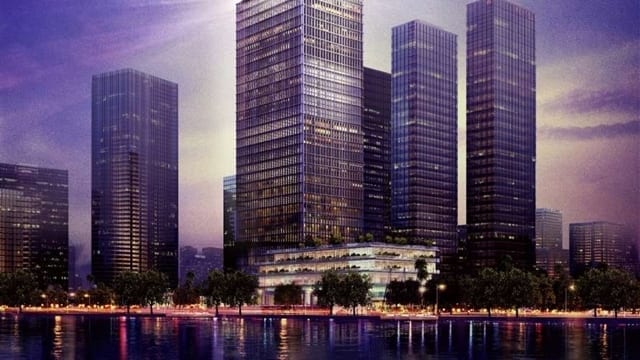
    With office rents rising constantly for several years, HCMC has moved into the top 20 Asia-Pacific office rent markets. Grade-A office rents in Ho Chi Minh City have reached a five-year peak of $936 per square meter a year, according to property service firm JLL. The HCMC market has come under the spotlight in a premium office rent report for the Asia-Pacific region just released by the US-based global company.

    The report said that HCMC, an emerging market, saw annual gross premium office rents rising to $635 per square meter, a year-on-year increase of nearly seven percent, placing the city in the list of top 20 office rent markets in the Asia-Pacific region.

    It highlighted the case one unnamed building in the inner city, where a record rent level of $936 per square meter a year was registered, a peak unseen for many years.

    JLL assumes that the HCMC office market is heating up with increasing investment inflow from many multinational firms.

    The US firm added that the total supply of office space in HCMC has increased to two million square meters, a five-fold hike compared to Bangkok. The scarcity of premium office space in HCMC has constantly pushed up rents.

    Financial corporations are willing to pay for high-end office space in HCMC, while banking and financial firms were keen on premium office space, topping the list of 72 key tenant categories.

    Meanwhile, JLL said in the Global Premium Office Rent Tracker Q4 2018 that Ho Chi Minh City and Manila, the two more affordable cities in Southeast Asia, are attracting significant corporate interest, along with European cities like Amsterdam, Berlin and Warsaw.

    The firm said that growth in occupation costs is likely to slow down in 2019 as new supply comes through; however, while rental growth is expected to decelerate, there are very few major markets where a downward correction is projected for 2019. In fact, the delivery of new premium buildings will set fresh rental benchmarks in several markets, it predicts.

    Total occupancy costs are calculated by combining the net effective rent with additional costs, including service charges and taxes.

    JLL’s Global Premium Office Rent Tracker 2018 compares occupancy costs for premium office buildings across the world’s leading real estate markets. This fourth edition includes 72 office submarkets across 61 cities.

    The report includes the key elements of occupancy costs – net effective rent, service charges and government tax on rent – all standardized to enable true international comparisons.

  • HCMC to not build high-rise apartment until 2020

    HCMC to not build high-rise apartment until 2020

    The Ho Chi Minh City administration has decided that no high-rise apartment projects in the dowtown will be approved until 2020. Instead, priority will be given to repair and renovation of old apartment buildings. According to the housing development plan for 2016-2020 with orientation until 2025, that was approved by the HCMC People’s Committee on November 19, the city will not approve construction of new high-rise apartments in inner city areas (District 1 and 3) until 2020.

    Projects already approved and under construction will continue as usual.

    The city will also prioritize projects repairing or renovating 50 percent of 474 old apartment complexes constructed before 1975.

    It will continue to relocate households living along canals; construct new or renovate old, degraded condominiums; upgrade existing residential areas; continue developing new urban centres, and prioritize the development of social housing.

    The city will also focus on completing unfinished projects in some uptown districts and refrain from approving new housing projects if there are no plans to build adequate technical and social infrastructure in the area.

    The focus on completing existing projects will also apply to outlying districts. Housing in rural communes will be prioritized and high-rise apartments will be focused along major transport corridors or where technical infrastructure can support new housing.

    In particular, Ho Chi Minh City will invest in and prioritise the development of social housing projects to meet the needs of eligible residents, and for those who are resettled by urban beatification projects.

    The plan aims to free up more land for social housing projects in the 2021-2025 period.

    It envisages raising total living space in the city by 40 million square meters and per capita housing area to 19.8 square meters by 2020.

    To implement the housing development plan, the city estimates a budget of over VND310 trillion ($13.27 billion), of which investment capital for commercial real estate will amount to VND82 trillion ($3.51 billion), residential housing VND210 trillion ($8.99 billion), and rest for social housing.

  • La Chapelle Vietnam launch gets closer

    La Chapelle Vietnam launch gets closer

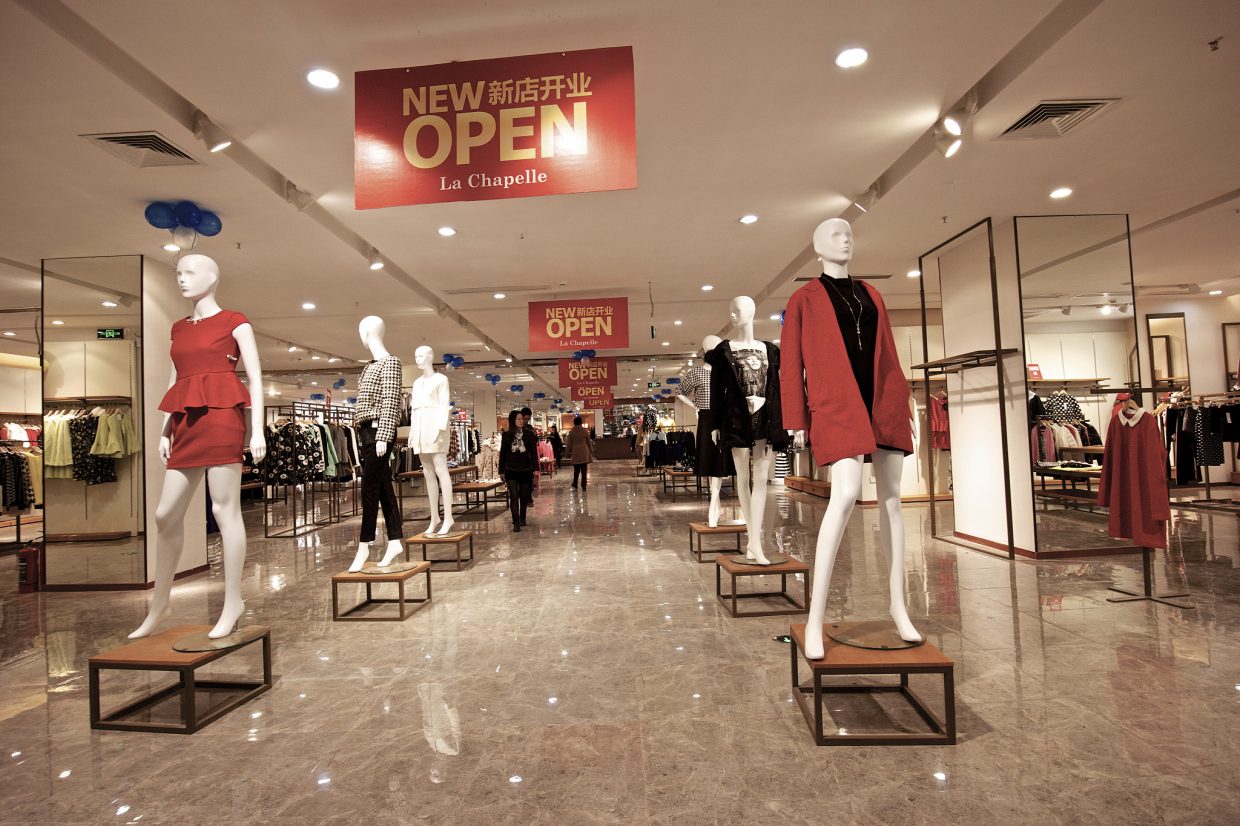
    Hong Kong-listed Chinese fashion retailer Shanghai La Chapelle is preparing to launch in Vietnam. A huge La Chapelle Vietnam standalone flagship store is under construction, next to Ho Chi Minh City’s VivoCity mall, facing to the front street of Nguyen Van Linh in District 7.

    While the opening date has not been revealed, branding has appeared on the store with the interior fitout almost complete and apparently only awaiting stock.

    The brand is using social media and online channels to recruit staff for the store and seek interest from potential nationwide distributors.

    La Chapelle Vietnam is operated by VV Mall Management Service, which owns the under-construction VV Mall in Danang. The 35,000sqm mall is set to open its doors in the second quarter of next year.

    Founded in 1998, La Chapelle has its own brands including menswear labels Jack Walk, Pote and Marc Ecko, childrenswear brand 8eM and womenswear labels La Chapelle, Puella and Candie’s.

    La Chapelle has struggled in the first nine months of this year, reporting a decline in sales of 0.5 per cent to US$889.94 million and a near 30-per-cent decline in profit to $34 million.

    Vietnam is the first country in the company’s Southeast Asian expansion plan.

  • HCMC office rents soar to five-year high

    HCMC office rents soar to five-year high

    High-rise buildings in downtown HCMC have seen monthly rents rocket to $70 per square meter, the highest in five years.

    A report on the Ho Chi Minh City office market in the third quarter of 2018 said the main reason for rising prices is that office supply is not able to meet current demand.

    The report, prepared by real estate service firm Jones Lang LaSalle (JLL) Vietnam, noted that in the past three months, the average gross rent of Grade A office towers rose to about $50/sq.m per month, up by nearly 7 percent over the same period last year.

    However, the highest gross rents of towers in prime locations in HCMC soared even higher to $70/sq.m per month. This marks a record high for nearly half a decade.

    Similarly, rents for Grade B rental properties located in Districts 1 and 3 of the city have surged over the $30/sq.m per month threshold.

    Rental office space occupancy rates for Grade A properties are now over 95 percent while Grade B offices have been filled up 96.5 percent.

    Office occupancy has accelerated as a result of the boom in information technology, e-commerce and co-working space industries. The demand for HCMC office space could increase by 10 percent every year for the next 10 years, according to JLL Vietnam.

    As of the third quarter of 2018, the total office space for lease in HCMC was approximately two million square meters: Grade A buildings totaled 250,000 square meters; Grade B, 900,000 square meters; and Grade C, about 810,000 square meters.

    The JLL report also forecasts that in the next three months, office rents in HCMC will continue to rise quickly due to the lack of new premises to meet the huge demand.

    Grade A and B office space will continue to be in short supply in the fourth quarter of 2018, as the next 11 buildings planned are only to be completed by 2019-2020 at the earliest, it said.

  • Foreigners big investors in Hanoi, HCMC 5-star hotels

    Foreigners big investors in Hanoi, HCMC 5-star hotels

    More than half of five-star hotels in HCMC and Hanoi are owned by foreign investors.

    Ten out of 19 five-star hotels in the best locations in HCMC have foreign owners, according to data. They include Sheraton, Caravelle, InterContinental, Asiana Saigon, and Sofitel.

    Many of the foreign investors came to the country in the last two decades and first began by partnering local firms.

    One of them, Singapore-based Glynhill Investment Vietnam, established the $61.5 million Caravelle together with travel agency Saigon Tourist in 1992.

    In 1994 Lam Ho Investments, another Singaporean firm, signed a deal with Saigon Tourist to build the Sheraton hotel at a cost of $97 million.

    UOL Group, one of Singapore’s top real estate firms, picked up a 26 percent stake in the five-star Sofitel Saigon through its subsidiary, the Pan Pacific Hotel Group.

    Hong Kong investors also own stakes at premium hotels in HCMC. One of them, Keck Seng Investments, has a 64 percent stake in the Sheraton and 25 percent in Caravelle.

    Koreans, late entrants in the market, have been making major acquisitions in the last five years.

    In 2013 Lotte Hotels & Resort bought a 70 percent stake in the Legend Hotel from Japan’s Kotobuki Corporation.

    Lotte also manages the hotel, which overlooks the Saigon River.

    The company considers the hotel the first step in its expansion into Vietnam and Asia.

    In Hanoi, nine of 16 five-star hotels have foreigners as major shareholders.

    They have been investing in the sector for decades, with Hanoi Westlake, Melia, Sheraton, Daewoo, Nikko, and Pan Pacific being the major names.

    Malaysia’s Berjaya Corporation Berhad owns 75 percent of InterContinental Westlake and 70 percent of Sheraton.

    Other Korean firms own stakes in Lotte, Intercontinental Hanoi Landmark 72 and Grand Plaza.

    Vo Quoc Phuong Trang, head of Investment Consultancy said that international firms usually seek to own major stakes to enable them to take part in the hotels’ development and management.

    Hanoi and HCMC, with their steady economic and tourism growth, would continue to draw foreign investors in the high-end hotel segment, which has low risk but offers steady revenues, she said.

    As of last year there were 118 five-star hotels/resorts in Vietnam, almost twice the number in 2013.

    They had an occupancy rate of over 75 percent, 5 percentage points up from 2016, according to global consulting firm Grant Thornton.

  • Uber withdraws lawsuit against HCMC tax man

    Uber withdraws lawsuit against HCMC tax man

    Ride-hailing firm Uber has withdrawn its lawsuit over HCMC’s demand for $2.3 million in back taxes and fines.

    A tax department official said Friday that the HCMC People’s Court has suspended the case in which the Netherlands-based Uber B.V. had sued the department over its demand that the firm pays over VND53 billion ($2.3 million) in back taxes and fines.

    The official, who did not want to be named said that the suspension, which followed Uber withdrawing its lawsuit, was a positive development.

    He expressed hope that this would allow the department and Uber to sit down and resolve the issue of back taxes and fines. In case this does not happen, the department would resume efforts to force Ube to pay its dues, the official added.

    The department had previously attempted to collect the back taxes and fines by sending documents to local banks and asking them to deduct the dues from funds transferred to Uber’s bank account as a form of tax enforcement.

    This attempt failed because the firm had not opened any account in the country.

    In September last year, the Ho Chi Minh City Tax Department asked the Vietnamese branch of Uber International to pay VND66.68 billion ($2.91 million) in back taxes and fines for violating tax laws.

    However, the company appealed the decision, telling the General Department of Taxation as well as the Ministry of Finance that it was not subject to pay taxes under Vietnam’s double taxation avoidance agreement with the Netherlands, where it is based.

    Ride-hailing firm Uber Technologies Inc announced it had agreed to sell its Southeast Asian business to bigger regional rival Grab in March. The app company officially left Vietnam on April 8.

  • Short-term leasing could be a long-term trend in Hanoi, HCMC

    Short-term leasing could be a long-term trend in Hanoi, HCMC

    Thanh’s apartments in Ho Chi Minh City have been behaving like hotels for more than a year now.

    Individuals and groups of tourists stay at his serviced apartments for a few days before they leave for another destination in the country, and the apartment is open almost immediately for new guests.

    Thanh, who did not want his surname revealed, has invested in three apartments in HCMC, and all of them can be booked by anyone on Airbnb, an online service that connects tourists with hosts offering accommodation in a room, or rooms, or an apartment or villa, typically for short stays.

    The large supply of apartments in major cities like Hanoi and Ho Chi Minh City has spurred investors who have spotted an opportunity to earn higher incomes through short-term leases rather than long-term rental contracts.

    In addition, the driving force shifting consumer attention to Airbnb in Vietnam is a willingness to experience something new and affordable when it comes to rented accommodation, said accounting and consulting firm Grant Thornton.

    According to a Nielsen report, 76 percent of respondents in Vietnam like using shared products or services, compared to 66 percent of consumers globally.

    The total number of Airbnb listings in Vietnam has surged exponentially since the service was officially launched in Vietnam in 2015.

    There were only 6,500 listings in 2016, but last year, this rose almost 2.5 times to 16,000, according to accounting and consulting firm Grant Thornton.

    The apartment rental market has changed remarkably in the last 12-18 months, with more owners moving from traditional rental services to listing their apartments on Airbnb or similar online housing services, said Tran Anh Khoa, a renting agent in HCMC.

    This transition is happening as owners realize short-term rentals can earn 15-20 percent higher revenues than long-term leases, Khoa said.

    A 50-square-meter serviced apartment in HCMC’s District 2 can earn its owner $700-800 a month in a long-term contract, but this revenue can go up to $1,000 a month if it is leased short-term with an occupancy rate of 80 percent a month, he said.

    Apartment owners like this model, especially real estate speculators who want to earn money while waiting to sell their apartments, Khoa added.

    “This way, owners don’t get tangled in contractual obligations with tenants when they want to sell the apartment,” he noted.

    Growing trend

    Airbnb and similar services are favored by single or small groups of guests as they offer cheaper prices compared to a hotel room or a fully-serviced apartment, said Stephen Wyatt, country head of real estate firm Jones Lang LaSalle Vietnam.

    The supply of apartments in Vietnam has been growing in recent years, especially in HCMC, with an additional 129,000 apartments coming on line by 2020, according to real estate service provider Savills Vietnam.

    The “oversupply” will likely lower the profitability of long-term rental apartments, Wyatt said.

    So short-term leasing of these apartments is a positive trend as their sales show signs of slowing down, he added.

    Pham Thi Thanh Huyen entered the apartment-sharing business a year ago to earn extra income apart from her office job.

    The 24-year-old paid a total of VND400 million ($17,200) to do up the interiors of two apartments in Hanoi which she rents for VND6 million each a month.

    One of her apartments has had an occupancy rate of almost 100 percent every month, and the other, over 70 percent. Together, she earns a net profit of VND10 million a month by subletting them for short periods.

    She was confident: “If your apartment is in a good location, it won’t be long before guests start to pour in.”

    In 2017, Vietnam welcomed nearly 13 million international visitors. In the first half of 2018, the number was nearly 7.9 million, a 27 percent increase over the same period last year, according to VNAT.

    Tourism is expected to contribute 10 percent to Vietnam’s gross domestic product by 2020 when the country hopes to welcome up to 20 million foreign visitors and earn $35 billion in tourism revenues. Vietnam has set a target of receiving 15-17 million foreign arrivals this year.

  • US Mart opens second HCMC store

    US Mart opens second HCMC store

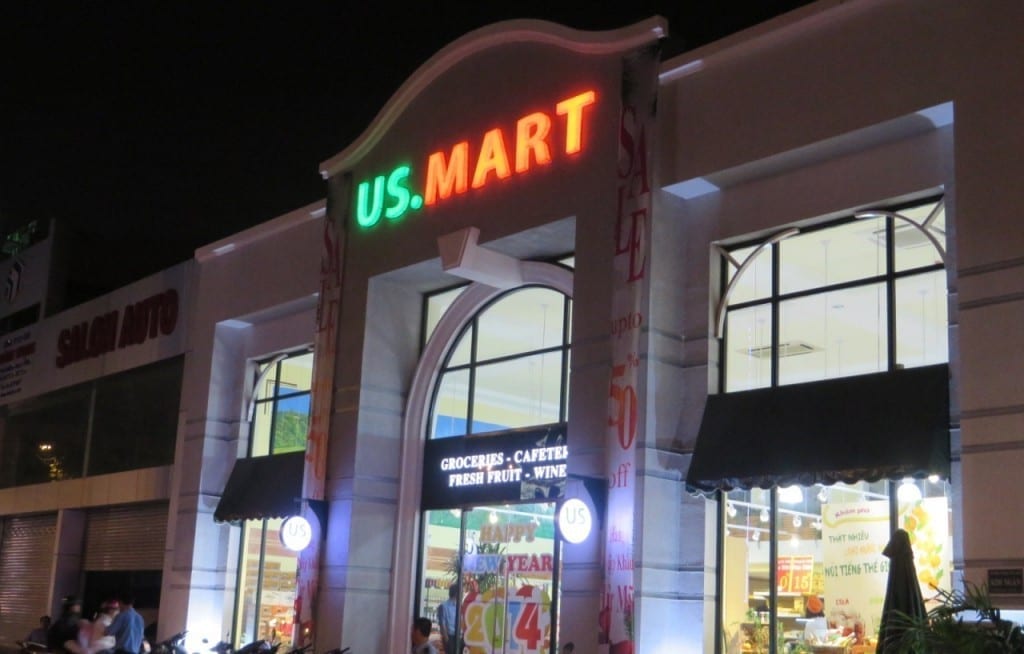
    Quality imported grocery retail pioneer US Mart has opened its second store in HCMC – and is ready, preparing for its third.

    After three successful years in the city, US Mart has opened a second store in District 7.

    The new store is located at 169 Nguyen Huu Canh St, in what is a residential enclave popular with Asian expats and and high-income locals. The company hopes this positioning strategy will bring growth to the chain, reflecting its success in downtown Saigon, District 1.

    Kim Ngan, US Mart director of communications, said the store is selling around 10,000 items, 70-80 per cent of which are imported directly from the US, including food and beverage products. The other 20-30 per cent are Vietnamese high-quality products, including specialties from Southern provinces.

    All US products are imported as a part of the Taste of America program, a joint effort with the US Department of Agriculture. According to Gerald H Smith, senior attache for Agricultural Affairs at the US consulate, Vietnam is the 11th largest market for US food and agricultural products. Statistics showed the trade in food and agricultural products reached US$5.9 billion last year.

    US Mart was founded in 2013 by businessman Nguyen Manh Tien, who recognised local customers’ need of imported goods after returning from studying in the US. Despite the high competition in Vietnam retail market, US Mart has successfully built its customer base thanks to high quality goods, food sanity, frequent promotions, and a five-day goods return policy.

    After D7 store, US Mart will open its third store in Tan Binh district this Sunday.

  • New Zealand opens technology center in Vietnam

    New Zealand opens technology center in Vietnam

    New Zealand has opened a new technology center at Quang Tring Software City in Ho Chi Minh City.

    The Kiwi Technology Center is envisioned to be a hub for New Zealand tech companies investing and doing business in Vietnam and the ASEAN region.

    The first companies to set up shop in the center include software services business Augen Software Group which won the Vietnam IT Excellence award last year, healthcare technology companies Orion Health and HealthTech and apparel manufacturing optimization firm ShapeShifter.

    “This is a fantastic opportunity for New Zealand technology companies and I look forward to more of them utilizing the Kiwi Connection hub and meeting with businesses from around the region who want to work with New Zealand companies and use technology services from within ASEAN,” said New Zealand’s Economic Development Minister Steven Joyce in a statement.

    Joyce also announced last week a project to build a New Zealand-Vietnam friendship bridge in Ho Chi Minh City to celebrate the ties between the two countries.

    Vietnam is New Zealand’s fastest growing trade market in Southeast Asia, with merchandise exports reportedly doubling since 2007.