Retail News CRM

Tag: hermes

  • Pre-owned category booms, notes Asia Luxury Index

    Pre-owned category booms, notes Asia Luxury Index

    Pre-owned luxury items are becoming more popular, according to the 2016 Asia Luxury Index, compiled by Singapore-based online luxury retailer Reebonz.

    Drawing on industry reports and its sales data, the index reveals 30 per cent sales growth in the pre-owned category over the last year, with bags and shoes the most popular items.

    While 62 per cent of online transactions on Reebonz involve bags, the index says timepieces and shoes are primed to be the next growth-drivers for luxury in Asia in both the new and pre-owned categories. Spending on timepieces increased by 39 per cent, whereas shoe shopping ballooned by 87 per cent.

    Meanwhile, Chanel emerges as the top performer in Asia, with Burberry, Givenchy and Prada trailing close behind in the new luxury products category.

    “The group of luxury consumers is evolving and expanding – luxury is no longer just for the select few,” says Reebonz co-founder/CEO Samuel Lin. “With growing affluence and accessibility, more consumers can readily buy luxury goods.”

    A key finding from the index is that while there is still a growing demand for luxury goods, consumers are splurging more on higher-value new products. Expenditure growth has increased by 50 per cent while there have been only 37 per cent more transactions.

    “People are overlooking popularity for quality and exclusivity these days,” says Reebonz regional GM Benjamin Han.

    Blue-chip brands also command the pre-owned luxury category, with Chanel, Hermes and Prada posting strong performances across all product categories.

    Online luxury shopping continues to grow in Asia, with Hong Kong and Indonesia charting the biggest growth when it comes to high-end goods. Singapore is still firmly in first place for online shopping.

  • Labels lining up at new Macau resorts

    Labels lining up at new Macau resorts

    As Macau resorts swing the spotlight from gaming to shopping, designer labels are lining up to open their first stores in the former Portuguese colony.

    Established brands have already led the way, and the opening of two major resorts has introduced a broad choice of new retail space.

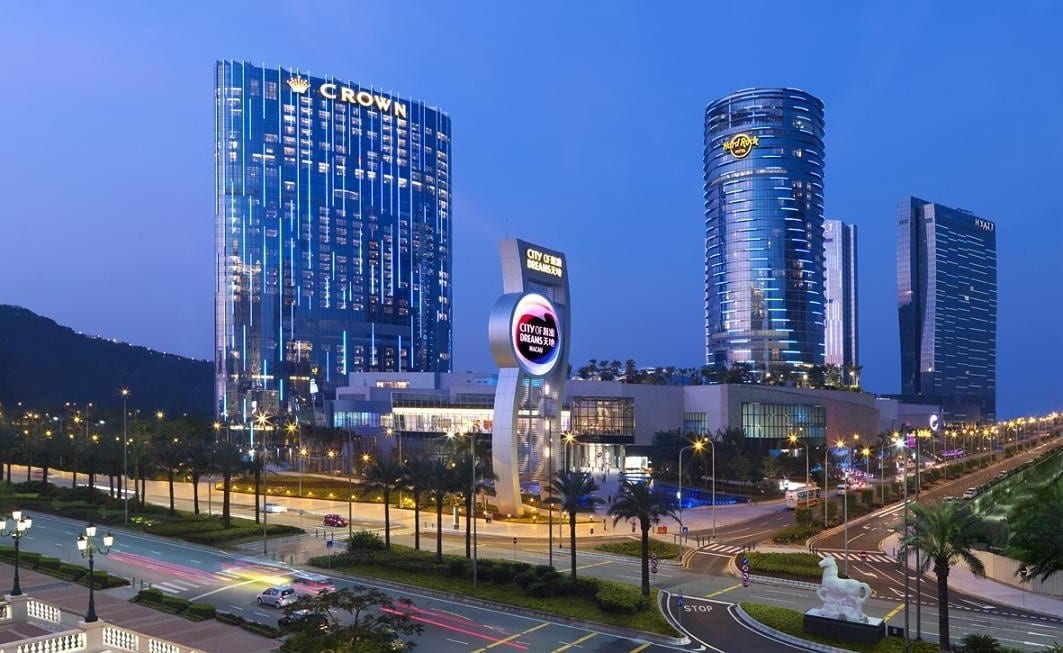
    Both the US$4.2 billion Wynn Cotai Palace and the new $2.7 billion Parisian Macao offer 18,580 and 28,000 sqm respectively of luxury retail space – together, more than 200 shops. However, established integrated resorts are also benefiting from the retail boom, with Swiss watchmaker Omega opening a corporate boutique in Studio City Macau and Paris designer Christian Dior launching its first boutiquein City of Dreams Macau.

    The all-new Wynn Cotai Palace is welcoming luxury brands such as Chanel, Chopard and Hermes, while watchmaker Franck Muller is launching the Vanguard Wynn Palace Boutique Exclusive, its third opening in the city. A new boutique inside Wynn Palace is also the third Macau outlet for luxury watch brand Panerai.

    Cotai Strip’s newest resort, The Parisian Macao, has set up the Shoppes at Parisian with more than 150 luxury and lifestyle retail boutiques. The shops are housed in different precincts named after some of the most stylish streets and arcades of Paris, including the Champs-Élysées. The fashion on offer includes a mix of both Parisian brands and couture new to Macau, including labels like Antonia, Garel Paris, Herzo, Isabelle Langlois, Sonia Rykiel and Temptation.

    To mark the opening of the Shoppes at Parisian, The Parisian Macao is hosting an exclusive designer runway show, Front Row, tomorrow evening. It will showcase crystal looks from Swarovski plus styles from selected retailers. Celebrity guests include China’s first fashion model Xiao Wen, the current face of Marc Jacobs.

    There will also be runway shows on September 15 and 16, plus other launch events.

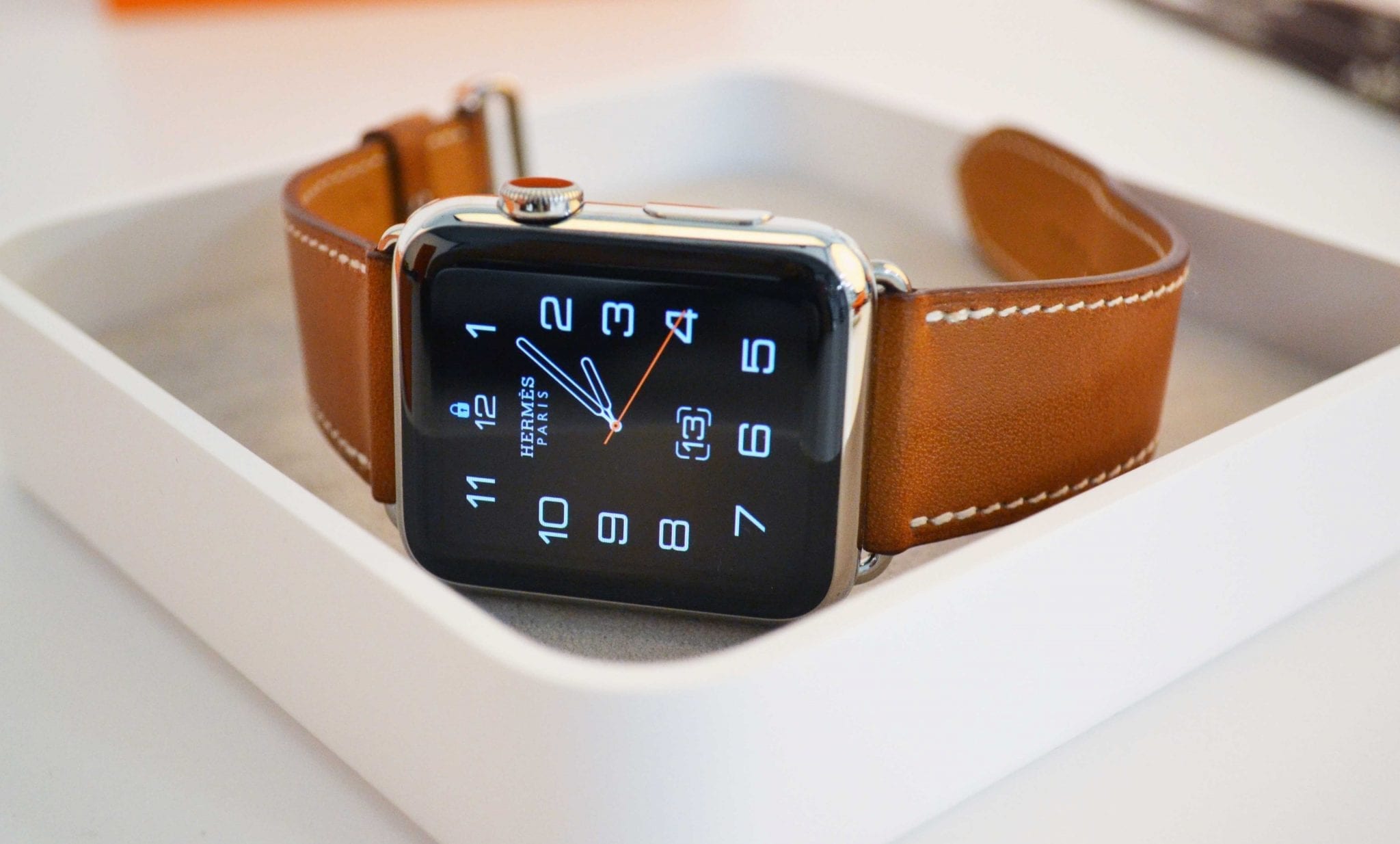
  • Hermès Apple Watch launched at up to $1499

    Hermès Apple Watch launched at up to $1499

    Hermès and Nike have revealed new collaborations with Apple, to produce exclusive co-branded Apple Watches.

    Hermès introduced new Apple Watch styles and an expanded assortment of wristbands that incorporate its signature palette alongside a series of bold new colors.

    Meanwhile, Nike is focused on functionality for the sportsperson, with the Apple Watch Nike+ Series 2, featuring GPS, a two-times-brighter display, water resistance to 50m and a dual-core processor.

    Launch dates in Asia

    In Asia, the Apple Watch Hermès will be available from September 23 in Australia, China, Hong Kong, Japan, Macau, Singapore and Taiwan. The Nike watch goes on sale from yesterday, September 9.

    The Hermès models range in price from US$1149 to $1499, while the Nike sells for a more affordable $369 – $399. The Hermès wristbands will also be sold separately.

    Apple watch Hermes double buckle cuff

    Hermes says the design process was driven “entirely by a shared ambition for ultimate beauty and utility,” featuring exclusive watch face designs inspired by the iconic Clipper, Cape Cod and Espace Hermès models.

    “Ours is a partnership born of parallel thinking and mutual regard — we share similar preoccupations, ever evolving and refining our design,” said Jonathan Ive, Apple’s chief design officer.

    Siri speaks

    The Apple Watch Nike+ also includes exclusive Siri commands and Nike watch faces along with deep integration with the new Nike+ Run Club app to motivate wearers to go for a run, coaching plans that adapt to their unique schedule and progress, and guidance from the world’s best coaches and athletes.

    “Apple Watch is the ultimate device for a healthy life and we wanted to push it further to create the best smartwatch in the world for runners and athletes,” said Jeff Williams, Apple’s COO. “Apple Watch Nike+ takes performance tracking to a whole new level and we can’t wait to bring it to the world’s largest community of runners.”

  • Indonesia leading charge, says Asia Luxury Index

    Indonesia leading charge, says Asia Luxury Index

    Indonesians have become Asia’s foremost online buyers of luxury goods, according to the latest Asia Luxury Index.

    Amid difficult economic conditions, online sales of luxury goods in Indonesia have grown by 84 per cent, according to the index, which draws mainly on the sales data of Reebonz, a Singapore-based eCommerce platform for luxury products.

    Reebonz Indonesia executive manager Anggono Wijaya says social media, digital marketing and collaborations with influencers and young designers were among the main reasons behind the ballooning sales.

    Senior marketing manager Bernard Widjaja Ng says the group of luxury consumers is evolving and expanding as luxury is no longer just for the select few. “With growing affluence and accessibility, more consumers can readily buy luxury goods.”

    He says consumers have also become younger, with 21-year-olds starting to buy luxury goods. “There is a shift in an economical class of buyers, as people from the B-level economy have started to buy luxury goods.”

    Accounting for 62 per cent of online transactions in Asia are bags, with Balenciaga, Fendi and Longchamp topping the brand list in Indonesia. The report also notes an 87 per cent rise in shoe sales and a 39 per cent increase in timepiece sales.

    It also notes a shift in buying trends, with a 30 per cent increase in pre-owned luxury goods sales.

    Topping the brand list in this category are bags and shoes by Chanel, Hermes, Louis Vuitton and Prada.

    Starting as a luxury product retailer in Singapore, Reebonz has expanded via eCommerce platforms with offices in Indonesia, Australia, Hong Kong, Malaysia, South Korea, Thailand and Taiwan.

  • New post at Luxasia Group for SingPost’s ex-boss

    New post at Luxasia Group for SingPost’s ex-boss

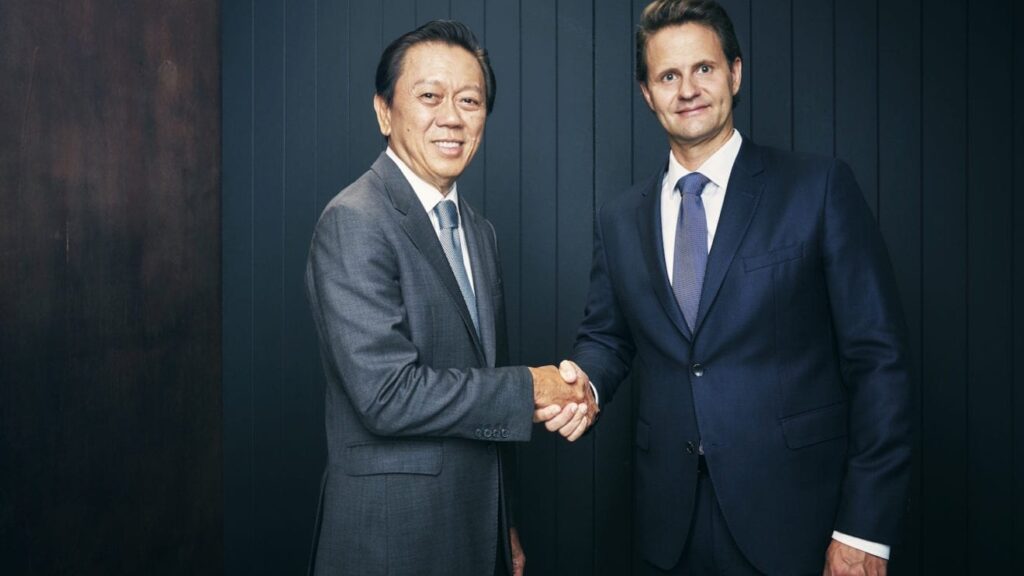
    Beauty retailer The Luxasia Group has appointed former SingPost CEO Dr Wolfgang Baier as group CEO, while founder/owner Patrick Chong has become chairman.

    “Luxasia is now at an important crossroads,” says Chong. “We intend to grow with our international partners and strengthen our core competencies to become the leading Asia consumer-centric omnichannel go-to-market partner of the beauty industry.”

    Patrick-Chong-Wolfgang-Baier

    He says Baier has proven leadership capabilities, vast knowledge and skills in areas such as CRM and omnichannel retail. “His track record in the logistics sector will also help strengthen Luxasia’s partnerships.”

    “Transformation is relevant in every sector and particularly for retail, where the digital and physical space is converging,” says Baier. “This makes developing an omni-channel ecosystem critical. We want to revolutionise how we serve consumers and brand partners in the beauty industry across Asia.”

    Chong says the search for a CEO took more than a year, as it was important Luxasia found the right leader.

    “Not only does Wolfgang understand our operations and share the same aspirations, in some ways he is even more ambitious for Luxasia with regard to developing new areas.”

    Established in 1986, The Luxasia Group has developed retail and distribution networks across Asia for some of the world’s biggest beauty companies. Based in Singapore, the privately held company has 11 offices and more than 2000 full-time employees in Singapore, China, Hong Kong, India, Indonesia, Malaysia, Myanmar, Taiwan, Thailand, the Philippines and Vietnam.

    It manages a portfolio of more than 120 international fragrance, cosmetics, skincare and
    professional salon brands including Beiersdorf, Burberry, Clarins, Estee Lauder, Ferragamo, Hermes, P&G and Shiseido.

  • Japan’s Uniqlo targets global stature with fashion identity

    Japan’s Uniqlo targets global stature with fashion identity

    Japanese clothing chain Uniqlo has leveraged its prowess in mass production to build a fashion empire filled with shelves upon shelves of affordable, good quality items like down jackets, underwear and T-shirts.

    Now the 17-nation, 1,734-store retailer is on a quest to beat Western giants like Gap, H&M and Zara to become the world’s biggest apparel maker.

    In the overcrowded, highly competitive casual fashion market, size is important but no guarantee of success: analysts say Uniqlo’s challenge is to carve out a brand identity of its own, going beyond its formula of delivering no-nonsense quality at good prices.

    “To win over consumers and break through the clutter, Uniqlo needs to get even more personal,” says Stuart Green, chief executive of Asia Pacific at Interbrand, which consults and ranks brands.

    “It will be critical for Uniqlo to maintain product quality and, most importantly, create a deeper, more emotional connection with its customers to drive brand loyalty,” he said.

    Interbrand ranks Uniqlo as Japan’s most valuable retail brand, and eighth among Japan’s global brands, including Toyota, Sony and Nintendo. The company’s founder and chief, Tadashi Yanai, is Japan’s richest man, according to Forbes magazine.

    Analysts say that to move it to its next stage of growth, Uniqlo also needs to beef up its digital presence and adapt to non-Asian markets. Winning over the huge market of suburban American shoppers will be crucial.

    Consumers these days are picking brands on digital platforms and social networks, as they increasingly shop online. To cope with the mind-boggling volumes of information online, consumers now rely on brands to serve as filters and curators, Green said.

    To help drive its global expansion, Uniqlo is tapping outside talent.

    It just hired Christophe Lemaire, formerly of Hermes and Lacoste, who started his own Uniqlo line last year, to head its Paris research center.

    In 2014, it brought in a global branding expert, John Jay. An American of Chinese origin, he who worked on ad campaigns for Nike, Coca-Cola and Microsoft, and a fleece campaign for Uniqlo, at U.S. marketing company Wieden+Kennedy.

    “Whether they’re in Beijing or New York, there is a commonality to young people and what they want in life,” Jay, whose title is president of Global Creative at Uniqlo’s parent company Fast Retailing, said at a recent Tokyo event, centered on Uniqlo’s second fashion show ever.

    “We have barely scratched the surface. Our potential is amazing,” he said.

    Uniqlo is still relatively small, with 44 stores in the U.S., 449 stores in China and 846 in Japan, its biggest market. Retail giant H&M of Sweden has 4,000 stores around the world, Gap Inc. of the U.S., 3,700 stores, and Inditex of Spain operates 7,000 Zara, Bershka and other brand stores.

    H&M and Inditex have posted healthy financial results recently, but Gap, which has the Old Navy and Banana Republic brands, is struggling, slashing prices to draw buyers and closing dozens of stores, including some in Japan. The Standard & Poor’s credit rating agency recently downgraded Gap’s debt to junk status.

    Uniqlo’s profits also have slowed recently, hurt by a warm winter that slowed sales of its down jackets, HeatTech underwear and other winter apparel.

    Fast Retailing, with 100,000 employees, forecasts a profit of ¥60 billion ($560 million) for the fiscal year through August, down 46 percent from the previous fiscal year, mainly because of falling profits at Uniqlo.

    Yanai’s turnaround plan includes sweeping cost cuts, improved efficiency, pricing reviews, and, perhaps most importantly, greater flair in the company’s fashion offerings, building on collaborations with designers.

    The company asked Nigo, a Japanese DJ with a reputation for innovation who created The Bathing Ape clothing line, to add more flair and edge to his T-shirts.

    Nigo added to the T-shirt line motifs from pop artist Andy Warhol, music producer and singer Pharrell Williams and from traditional Kabuki theater, in addition to old-time favorites like Mickey Mouse.

    A partnership with Carine Roitfield, former editor-in-chief of Vogue Paris, has brought into Uniqlo stores chic designs unlike most anything else you’d find.

    The company has strengthened its sportswear, signing on tennis stars Kei Nishikori and Novak Djokovic.

    Uniqlo also has partnerships with labels like Liberty London, with its colorful flower-pattern fabrics, and Hana Tajima, a designer who specializes in Muslim clothing such as head scarves and long dresses.

    “Uniqlo has a smart format, which stands out from most of the mass fashion retailers. Less concerned on fashion trends, and more focused on ‘basics’ or ‘investment pieces’ of good fabric and quality,” said Luca Solca, analyst with BNP Paribas. “They are trying to spice this up with designer collaborations.”

    Uniqlo executives believe fashion is globalizing, and people around the world, from China to New York, more or less want the same thing — quality for reasonable prices, and clothes that suit their lives.

    On a recent weekday, the company’s 12-story Ginza store was crowded, as tourists milled around snapping selfies in front of what has become a city landmark.

    Olga Symonenko, an IT worker from the Ukraine, said she had heard about Uniqlo from friends who had been to the store in the U.S.

    “The prices are good, and the quality,” she said, happily clutching two blue dresses. She said she and her husband planned to pick up 20 items.

  • Hermes Korea buck luxury downturn

    Hermes Korea buck luxury downturn

    Hermes, the French high fashion brand, has proven to be an exception to the downturn in South Korea’s luxury market, industry officials said last Tuesday.

    Compared to other luxury brands that had one to three per cent sales increases over the past three or four years, Hermes Korea has shown growth of 20 to 30 per cent, according to global consulting firm Bain & Company. The company’s sales rose 25.7 per cent in 2012, 31.1 per cent in 2013, 32.7 per cent in 2014, and then 27.9 per cent in 2015.

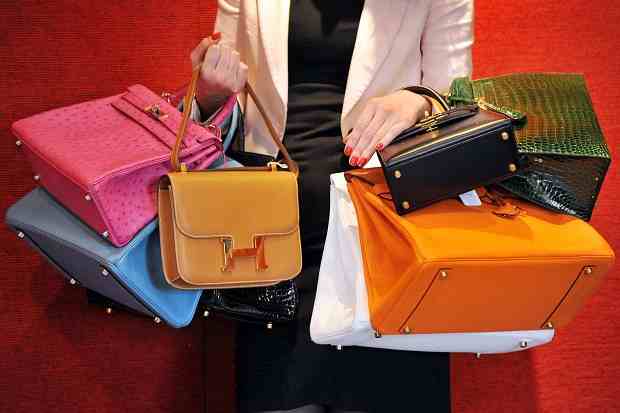
    Department store officials say much of Hermes’ popularity comes from its handbags – in particular, its Birkin bag. Retail sources report 1000 people in South Korea are currently on the waiting list for one of the bags, but three to four years ago, unable to meet the impossibly high demand, the stores stopped taking reservations.

    “We are hard-pressed to be able to deliver on reservations made years ago,” an official at a Hermes store in Seoul said. “So we stopped taking reservations altogether.”

    A Birkin bag is locally priced at 13 million won (US$10,975), with crocodile-skin models selling for as much as 70 million won.

  • Hermes sales rebound

    Hermes sales rebound

    Hermes sales rebounded globally in the first quarter of this year, exceeding analysts expectations.

    But the best news seems to be from Hong Kong where the French luxury goods label reported sales had “stabilised” after last year’s serious decline.  Sales fell in Macau, Hermes said, without providing further details.

    In the broader picture, the company saw respite in its home market after shoppers began to return to stores following the nervousness fuelled by the terror attacks late last year.

    Hermes sales for the quarter rose 6.2 per cent on a constant currency basis, to reach 1.19 billion euros (US$1.35 billion)

    CEO Axel Dumas said during an earnings call that the fallout from the terror attacks – in both Brussels and Paris – was still hurting luxury goods retailers. Footfall had returned to normal in Milan and London, but remained down in Paris, causing a 9.2 per cent drop in sales of ties and silk scarves in the quarter.

    Leather goods was the only category to show a rise in sales – a healthy 15 per cent.

    “There’s a lot of volatility,” Dumas said. “We have to adapt to circumstance.”

  • Hermes retail sales rose 8pc in Q1

    Hermes retail sales rose 8pc in Q1

    French leather goods maker Hermès Group’s revenue was up 6 percent in the first quarter of 2016, despite a challenging luxury landscape.

    Consolidated revenues for the house were 1.19 billion euro, or about $1.35 billion at current exchange rates. Even with the negative effects of the Paris terrorist attacks, Hermès’ European sales grew 9 percent compared to the same period the previous year, with strong performances of its brand-owned boutiques.

    Trying times
    Japan sales were up 13 percent compared to last year, which Hermès attributes to selective distribution. The rest of Asia saw sales rise 4 percent, with growth in China offset by challenges in Hong Kong and Macao.

    Hermès’ leather goods and saddlery business grew 15 percent in the quarter. The group has recently established new facilities for leather production, with the fifteenth opened on April 1 in Héricourt.

    All other areas of Hermès’ business saw a decline.

    With a slowdown in the United States, Asia and France, ready-to-wear and accessories sales were down 2 percent. Silk and textile sales were down 9 percent, attributed to the recent events in Europe.

    Perfume sales dipped 4 percent, while watches declined 3 percent.

    Its other business ventures, including silvermaker Puiforcat and bespoke shoemaker John Lobb, balked the trend, rising about 30 percent to about $65.6 million in sales.

    Hermes shoe fw 2014
    Hermès fall/winter 2014

    Hermès says that its goal of 8 percent revenue growth at constant exchange rates for 2016 may be out of reach due to economic, geopolitical and currency fluctuations.

    The brand is planning to celebrate the horse this year, with an effort that focuses on its longstanding connection to nature through equestrian arts.

    Other luxury brands are feeling the pinch of current events.

    French conglomerate Kering’s luxury sales in the first quarter of 2016 were buoyed by Western Europe, Japan and emerging markets, as it managed growth in a challenging environment.

    Bottega Veneta’s sales were down 7.6 percent as reported, or 8.3 percent on a comparable basis. The brand was mostly hurt by the strength of the U.S. dollar and by Asian tourists avoiding Europe and other parts of the globe following terror attacks

  • Monkey See, Monkey Do

    Monkey See, Monkey Do

    The Chinese New Year – the Year of the Monkey – has passed. The Gregorian calendar year has gotten off to a somewhat inauspicious start – certainly as far as commodities are concerned (although diamonds seem to have bucked that trend somewhat), so what is in store over the next 12 months?

    People born in the Year of the Monkey are characterized as quick-witted, curious, innovative and mischievous – all important traits (yes, including the mischievous) in running successful businesses. However, and this information might not be welcome news, it is also considered one of the unluckiest years in the Chinese calendar – if only we could go back to the Year of the Dragon, considered the luckiest of all the Chinese signs.

    The Chinese New Year comes at a bit of a crossroads as far as retail is concerned, both in mainland China and on the island city of Hong Kong. Recent stock market turbulence and a devalued yuan, which has hit retail sales in Hong Kong, causing a second consecutive annual decline, have contributed to a degree of uncertainty.

    Hong Kong has seen its dollar strengthening against the yuan, making it more expensive for mainlanders to shop there, with sales of jewelry and watches slumping 16 percent over the year. The Lunar New Year celebrations herald peak tourism season – with as many as 5 million visitors during the month =  with day trips from the mainland accounting for more than half of those.

    However, despite what might seem like slightly gloomy economic news, a growing middle class and increased disposable income has led to projections of Chinese consumption topping $2.3 trillion by 2020. A recent Forbes article estimated that according to the Hong Kong Trade and Development Centre (HKTDC), China’s share of diamond consumption is expected to increase 20 percent to 25 percent over the next 10 years.

    The HKTDC also said that more than 50 percent of jewelry sales are driven by weddings, with the bridal market being a unique segment in the jewelry retail industry. A surprising statistic also emerged from a recent De Beers survey; that 67 percent of men in China between the ages 30-44 said that they wanted to own diamonds. There is an opportunity here if brands can not only tap into the existing market, but push the idea of his and hers wedding bands. Interest and receptivity is already high, and perhaps it only needs a gentle nudge to really expand the bridal market further.

    In general, as Chinese consumers are increasingly exposed to luxury goods they have become more discerning about brands and the message they project – with exclusivity being a big selling point. According to a LuxuryDaily report, Hermès is considered the most exclusive brand, measured by a range of factors including the consistent quality of goods, brand prestige, valuation of the brand’s customers and its ability to justify a high price point. Although Hermès was considered the most exclusive brand, Chanel was thought to be the most desirable – a result that may have been influenced by Chanel’s brand exhibitions within China.

    So, with positive predictions about Chinese consumption and growing brand awareness and appreciation for luxury goods, perhaps the Year of the Monkey will turn out alright in the end. Its lucky colors can all be found in diamonds and jewelry – blue, gold and white. Famous monkeys include Julius Caesar, Charles Dickens and Elizabeth Taylor and if their successes can be mirrored, the Year of the Monkey won’t be half bad at all.

    Happy belated Chinese New Year.

  • High-end retailers in China no longer have the luxury of time

    High-end retailers in China no longer have the luxury of time

    In the heart of Guangzhou’s Yuexiu district, the shopping centre La Perle is a symbol of luxury living in the southern mainland city.

    The high-end shopping mall, which opened in January 2004, has long been the first stop for many international brands seeking to conquer China market.

    But times are changing. A few weeks ago, La Perle lost one of its biggest tenants. Louis Vuitton. The French luxury retailer closed its store on the ground floor saying it would not renew its expired lease.

    This followed the shutting down of the two other LV stores – in the northeastern city of Harbin and the western city of Urumqi.

    The brand said the closures were part of a marketing strategy adjustment by headquarters.

    It’s a strategy that appears to have been taken on by many other international luxury brands.

    Following ten years’ aggressive expansion in China, they have been shrinking their physical presence in the nation to adapt to a cooling market plagued by a slowing economy, an ongoing anti-corruption campaign and Chinese buyers’ increasing overseas purchases.

    The Fortune Character Institute, a Shanghai-based market research unit, forecasts mainland luxury sales to grow 3 per cent to US$25.8 billion this year, much slower than the 11 per cent in the recovering global market.

    A study by the institute found that although Chinese shoppers consumed 46 per cent of luxury goods around the world, their purchases in their home market accounted for only 10 per cent of global sales, falling from 11 per cent in 2012 and 13 per cent in 2013.

    The sluggish growth is reflected in the expansion plans of luxury brands. They are opening fewer new stores and closing more.

    During the past two years, Burberry closed four stores on the mainland, Coach shut two, Hermes one, Armani five, and Prada went from 49 to 33.

    Regina Yang, of real estate consultancy Knight Frank Shanghai, said store consolidation would continue, especially in smaller cities.

    “Now the luxury brands do not need two or three outlets in one city. Those having three outlets will be cut to one,” said Yang.

    The situation is no better in Hong Kong, which relies heavily on mainland shoppers’ spending.

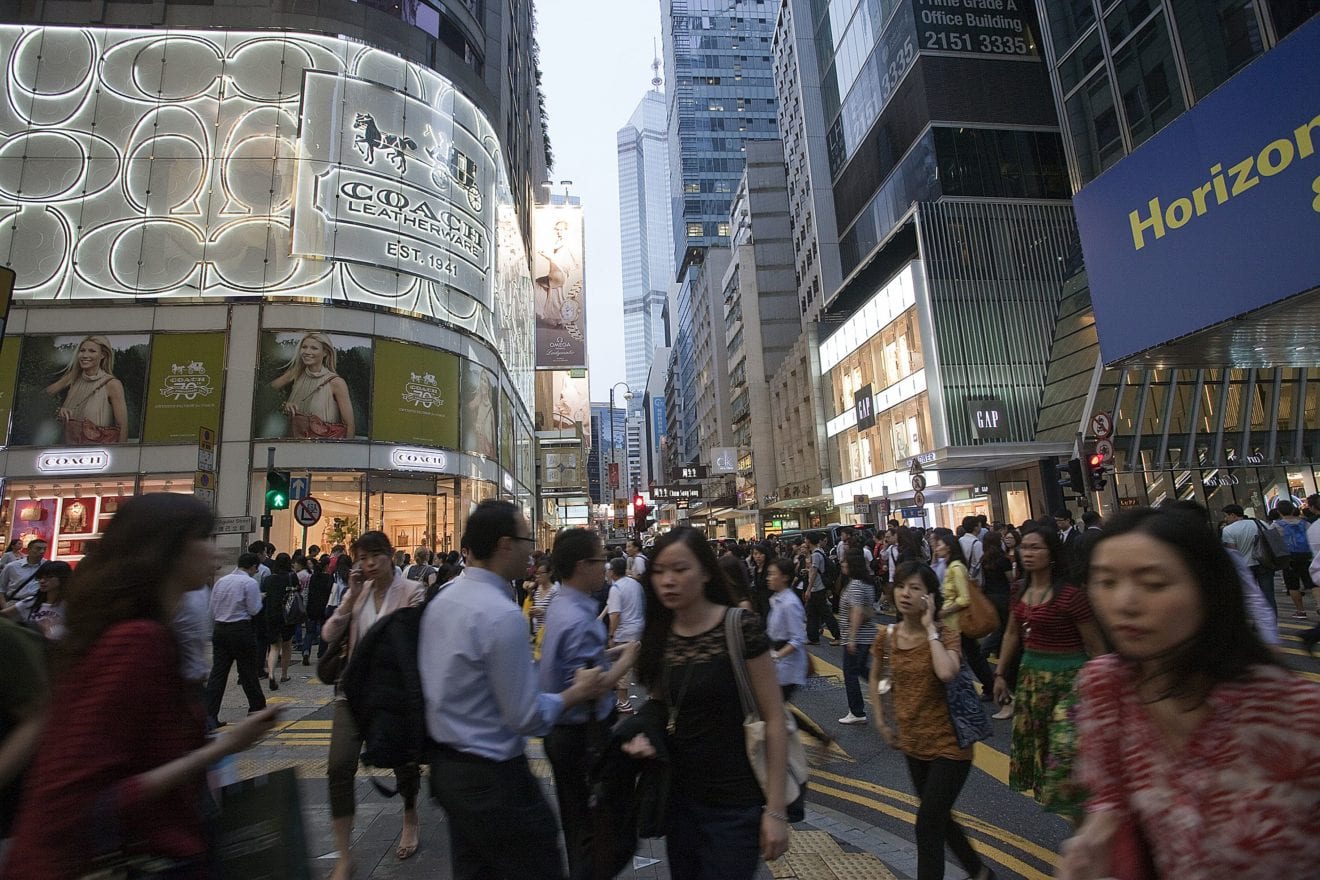
    In August, TAG Heuer, the expensive watch brand under LVMH, closed its Causeway Bay store while Coach closed its flagship store in Central due to high rent pressure and a falling number of mainland tourists.

    Store openings are no longer a major way for international luxury brands to expand in the China market

    Zhou Ting, Fortune Character Institute

    “Store openings are no longer a major way for international luxury brands to expand in the China market. Over the next two years we expect these brands to close even more stores than before,” said Zhou Ting, director of the Fortune Character Institute.

    “But if you think luxury brands are taking a totally defensive strategy in China, you would be wrong. The closures are only a small part of a thorough strategy adjustment they are undertaking in China.”

    While closing smaller and underperforming outlets, the top brands are investing more resources to upgrade and expand other stores and are even venturing into different industries to attract local shoppers. Considering Chinese buyers’ preference to shop online, they are also building e-commerce channels and closing price gaps between China and foreign markets to retain their consumption locally.

    “In the past, foreign luxury retailers had treated the China market like a money printer. They were busy opening stores to cover more cities. But their customer services and shopping experience were far from good compared to their stores in Europe. Now they have to pay a big cost for it,” said Zhou.

    The first batch of luxury brands entered into China in the 1990s. Most of them set up stores in five-star hotels and high-end department stores in big cities, targeting foreign businessmen, overseas Chinese and government officials.

    In 2004, as the Chinese government loosened restrictions on foreign retailers, luxury brands that had previously relied on local distributors started to engage in direct sales and expand into shopping malls.

    In the past, foreign luxury retailers had treated the China market like a money printer

    Zhou Ting, Fortune Character Institute

    The golden era came around 2009 and 2010 as a rising number of affluent Chinese consumers started to spend on high-end leather goods and jewellery, making the country the fastest-growing luxury market in the world.

    Encouraged by the fast growth and huge potential in the China market, luxury retailers rushed to open stores. Global consultancy Bain & Co estimated that the 15 top luxury brands it surveyed had opened more than 80 new shops during the first eight months of 2010.

    Meanwhile, the big brands’ aggressive expansion was also partly promoted by the increase in shopping mall construction.

    “Developers in second and third tier cities lured big brands as anchor tenants by offering them very flexible leasing terms,” said Kenith Kong, director and head of retail service at real estate agency DTZ/Cushman Wakefield China.

    A watershed for China’s luxury market came in 2013. Late that year, Beijing embarked on a long-term anti-corruption campaign and banned government officials from giving or receiving gifts. Such expenditure had previously been a major driver of domestic luxury consumption.

    More recently, the rapid growth of overseas purchases has also been worrying top-end retailers.

    Chinese consumers, who are travelling overseas more often, now spend more than 70 per cent of their luxury budgets in Europe, North America, Japan and other countries where the prices are lower, options are greater, and services better.

    The demand has even created a booming “daigou” or personal shopper industry, in which the daigou makes a living by purchasing products from overseas and selling them to buyers at home at a profit.

    All such developments are forcing luxury retailers to reappraise their business models.

    “We have noticed an upward trend on the portion of large stores opened by luxury brands in recent years,” said Frank Chen, research head of global real estate agency CBRE.

    The company observed that three quarters of renovations by luxury stores that took place between January 2013 and July 2015 in eight major cities were expansions.

    It also said the proportion of luxury stores with floor areas of more than 800 square metres climbed to 22 per cent in 2014 from 18 per cent a year earlier.

    “Larger sizes means luxury retailers can display more products and add more functions in their physical stores. Increasingly, they are displaying categories which were previously given little emphasis, such as shoes, household items, cosmetics and children’s apparel,” said Chen.

    In February, Louis Vuitton unveiled its newly upgraded store in the China World Mall in Beijing. The 3,000-square-metre shop not only offers various tailor-made services, it hosts a bookstore, an arts exhibition room and a Chinese tea zone.

    On July 31, the French luxury brand opened a new store on the bank of the West Lake scenic area in Hangzhou City, Zhejiang province, to tap the growing tourism market.

    Also taking an innovative approach in reaching out to local customers is Italian label Gucci. The brand opened a restaurant, 1921 Gucci, in Shanghai’s iAPM shopping mall.

    French fashion house Versace opened a cafe in one of Shanghai’s most expensive malls, Grand Gateway 66, which also hosts Burberry’s first beauty salon.

    Meanwhile, Hermes, Armani, and Dolce & Gabbana are expected to introduce their restaurants and cafes to China, providing a new engine for revenue growth.

    Such strategies create new forms of profitability based on experience-oriented consumption

    Frank Chen, CBRE

    “Such strategies create new forms of profitability based on experience-oriented consumption, as well as an additional sales opportunities for physical goods by attracting more shoppers to spend more time in their places,” Chen said.

    While reducing their physical presences, luxury retailers are embracing e-commerce despite their concerns that online channels cannot emulate the physical shopping experience.

    However, Chinese consumers’ increasing reliance on online shopping, especially on their mobile phones, has convinced brands to launch shopping sites or form partnerships with e-commerce firms.

    In October, Cartier launched its China shopping site. One month earlier, high-end brand Coach reopened its online store on T-mall.com three years after closing it.

    Other brands such as Burberry and Tag Heuer are working with local e-commerce giants like T-mall of Alibaba and JD.com to provide online selling services in addition to their own official shopping sites.

    “Many luxury brands have begun to close the retailing price gaps between China and other markets. One of their purposes is also to establish a comprehensive global pricing system and prepare for their future online expansion,” Zhou Ting said.
  • Hermes Asia sales rise despite downturn

    Hermes Asia sales rise despite downturn

    French luxury label Hermes has managed to increase its sales in Asia despite the challenges in Hong Kong and the Mainland.

    The company says it achieved five per cent sales growth during the first nine months of this year in Asia excluding Japan – where sales rose a whopping 19 per cent.

    The Hermes Asia performance was due to the opening of the Maison Hermès in Shanghai in September 2014. Sales in the region improved “in spite of a difficult context in Hong Kong, Macao and to a lesser extent in continental China”.

    Globally, the brand posted sales growth of 19 per cent at current exchange rates and nine per cent at constant exchange rates, consolidated revenue reaching €3.443 billion.

    The brand’s leather goods and saddlery products grew the most – up 12 per cent – sustained by the increase in production capacities at two new sites in Isere and Charente.

    Dynamic sales in ready-to-wear and accessories –  up nine per cent – stem mainly from the success of fashion accessories and the latest ready-to-wear collections.

    The silk and textiles division grew by three per cent, despite challenges in China, and the perfume division rose six per cent.

    Watch sales fell two per cent, largely due to the category’s decline in Asia, excluding Japan.

    Gold jewellery sales helped its ‘other’ category to achieve 12 per cent growth.

    Hermes says despite the economic, geopolitical and monetary uncertainties around the world, the group is sticking with its medium-term goal for 2015: revenue growth at constant exchange rates of eight per cent.

  • Richemont Revenue Beats Estimates on Japan, Europe Demand

    Richemont Revenue Beats Estimates on Japan, Europe Demand

    Richemont, the world’s biggest jewelry maker, said sales growth accelerated as weaker currencies attracted big-spending tourists to Japan and Europe, spurring the stock’s steepest intraday gain in more than two years.

    Sales increased 4 percent excluding currency shifts in the five months through August, the Geneva-based company said in a statement Wednesday. Analysts expected a 1 percent gain, according to the median estimate in a Bloomberg survey. The shares climbed as much as 7.5 percent.

    Sales rose 48 percent in Japan and 26 percent in Europe, offsetting an 18 percent decline in Asia-Pacific. The results mirror comments by peers in the luxury business, such as Hermes International SCA, which reported higher first-half sales, fueled by an acceleration in Japan. LVMH Moet Hennessy Louis Vuitton SE in July posted strong revenue growth in Europe and the U.S., which helped offset a decline in China, Macau and Hong Kong.

    “Japan and Europe more than compensate for the weak development in Hong Kong,” said Rene Weber, an analyst at Bank Vontobel AG in Zurich. “The strong performance of those markets mean the Swiss watch industry can weather the Asian weakness, at least this year.”

    Shares in the Swiss owner of the Cartier jewelry brand, whose full name is Cie. Financiere Richemont SA, rose 6.4 percent to 76.65 francs as of 11:40 a.m. in Zurich. The report bolstered shares in the luxury-goods industry, with Hermes up 4.8 percent and LVMH gaining 3.5 percent.

    Richemont said sales in Hong Kong and Macau were “significantly lower,” while mainland China returned to growth with retail sales growing at a “strong double-digit rate.” The company reports five-month sales figures each year on the day of its annual meeting with shareholders.

    “Part of the crisis in confidence in the watch industry in Asia-Pacific is fragile confidence by independent retailers amid the problems in Hong Kong and Macau,” said Jon Cox, an analyst at Kepler Cheuvreux in Zurich, adding that Richemont’s comments about China were reassuring.

    Still, Richemont said its wholesale business continues to be weighed down by weakness in the Asia-Pacific region, which is still “extremely challenging.”

    Luxury spending in Hong Kong has been suffered since late 2012 when the Chinese government has been discouraging exuberant spending among officials. Political protests in Hong Kong last year forced some stores to shut and weighed on tourism.

    Among other luxury stocks, Swatch Group AG, the maker of Omega watches, rose 3 percent, and Kering SA, which owns Gucci, rose 4.4 percent.

  • Hermes Japan sales boom

    Hermes Japan sales boom

    Hermes Japan has driven the luxury handbag and apparel brand to a 20 per cent increase in first half profit.

    For many successive quarters, Japanese have been maintaining tight control of their spending – but this year life has returned to the retail sector – and the luxury market especially. And cashed up Chinese – who once travelled across the border into Hong Kong for their high fashion indulgences – are now heading to Japan instead.

    Hermes International says the Japanese sales increases has proved more than enough to make up for China’s economic slowdown, where sales have slipped for most luxury brands this calendar year.

    Paris-headquartered Hermes says its global operating income increased to US$842 million on sales up 21 per cent to US$2.58 billion.

    Hermes says its Japanese sales climbed 20 per cent in the six months to June 30 at constant exchange rates. Across the rest of Asia, sales rose just seven per cent; in Hong Kong they dipped by an unspecified amount. That market was “difficult”, the company said.

  • Hermes weathers storm

    Hermes weathers storm

    Luxury goods retailer Hermes says a slowdown in sales in Hong Kong has been more than offset by solid Japanese trade.

    Hermes International has reported a 22 per cent increase in second-quarter sales as growth in Japan took off, consumers finally opening their wallets on luxury goods after a long season of economic malaise.

    The Parisian company said sales rose to 1.17 billion euros (US$1.27 billion). When currency exchange effects are removed from the result, sales climbed 10 per cent, two percentage points faster than in the preceding first quarter.

    The company says wealthy Chinese are preferring to shop in Japan or Europe, rather than in Hong Kong as goods there are perceived to be cheaper, largely due to favourable currency exchange rates.

    Hermes has seven stores in Hong Kong.