Tag: Holiday

  • AirAsia appoints Kris Taute to global communications role based in Kuala Lumpur

    AirAsia appoints Kris Taute to global communications role based in Kuala Lumpur

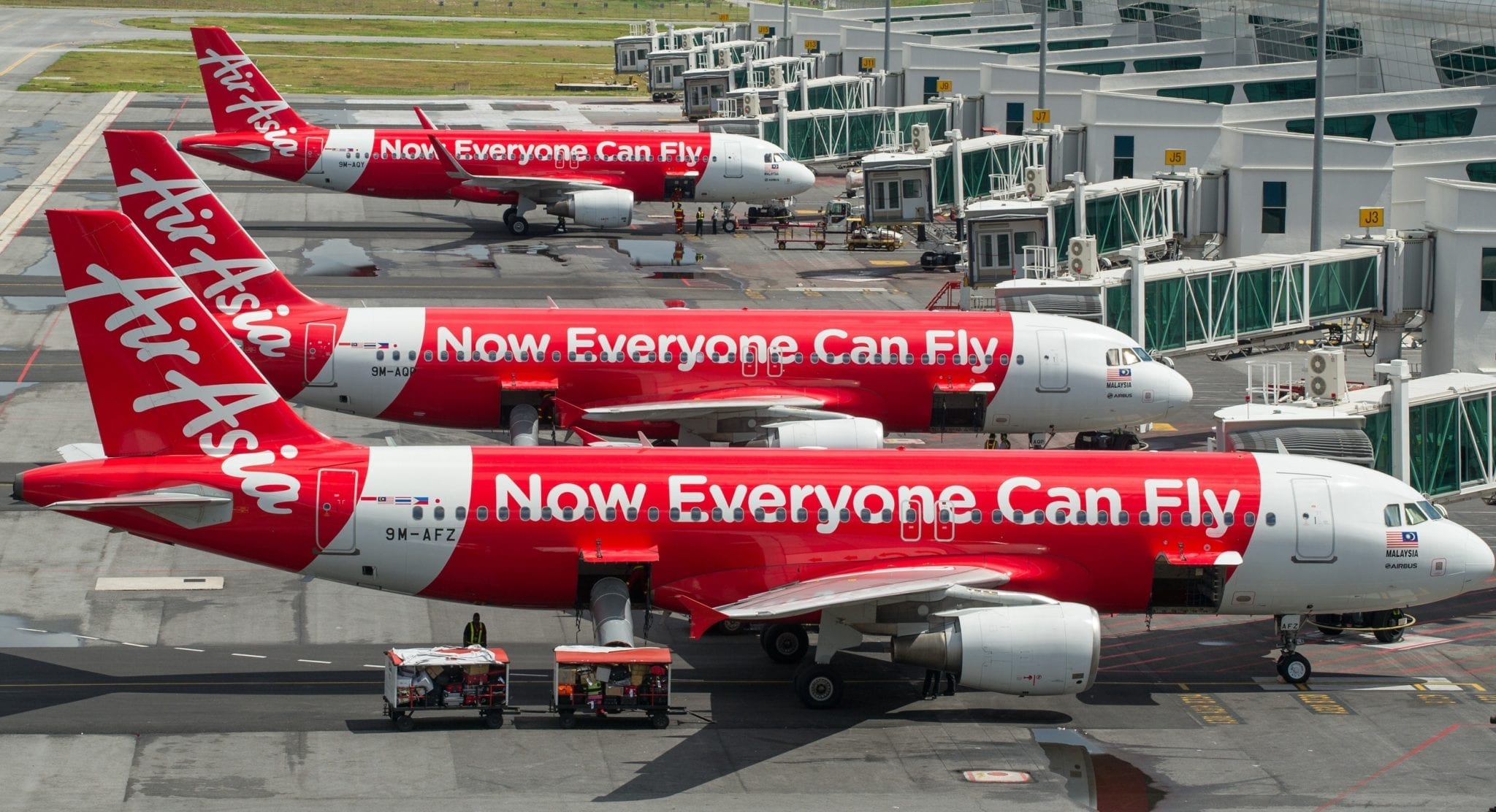
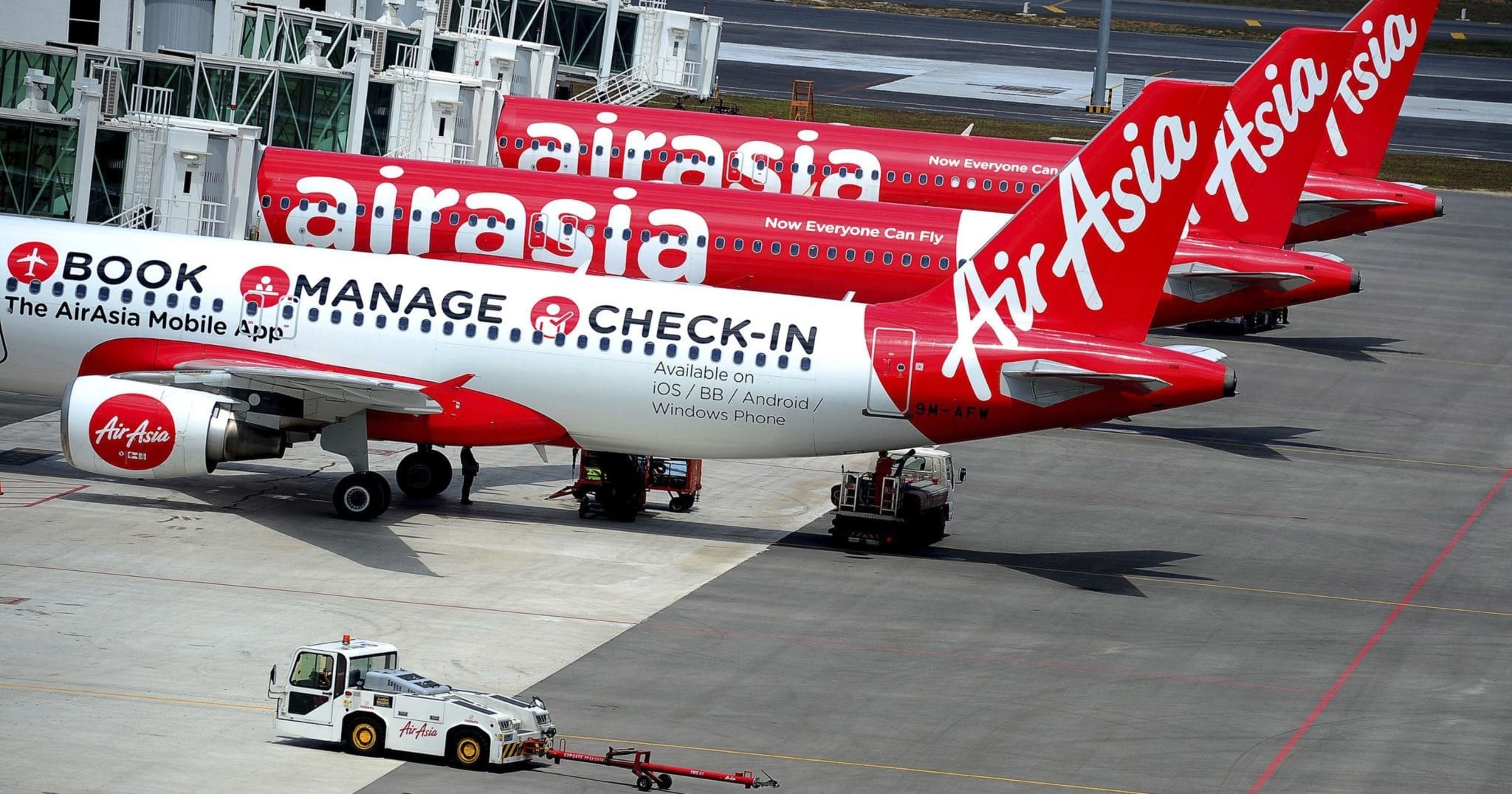
    AirAsia Australia PR and communications manager Kris Taute has moved to the airline’s Kuala Lumpur headquarters for a new global communications role.

    Taute had joined Air Asia last year, moving from the New South Wales state government, having worked for both Transport for NSW and for the state tourism body.

    In his new role as group manager communications for editorial, Taute will be responsible for the editorial communications of the airlines and its subsidiaries including  AirAsia and AirAsia X group of airlines, as well as lifestyle brands such as AirAsia Big Loyalty, travel360.com, Vidi, BigPay, RedCargo Logistics, Rokki, and Ourshop.

    In addition, Daphne Cheah is now ASEAN communications manager moving from a previous role as regional head green and sustainability.

    Taute has been replaced by Sarah Quinn who moves from Destination NSW and takes charge as PR and communication manager for AirAsia Australia.

  • AirAsia 3.0 to help save cost and enhance revenue

    AirAsia 3.0 to help save cost and enhance revenue

    After two years of working closely with Google and other data companies, AirAsia expects cost savings and revenue enhancement beginning next year. Group CEO Tan Sri Tony Fernandes told a group of analysts during AirAsia 3.0 investor day that he expected about 4% less fuel burnt after crunching numbers and using the right aircraft for specific routes. With hundreds and hundreds of other fuel initiatives including spare parts, he is looking at 10% to 15% cost savings by the end of 2020.

    All these initiatives to save costs and enhance revenue are part of the airline’s move towards digitization, which also allows it to be creative in its delivery and offering as well as personalize and segmentize its product offerings. This is made possible by analyzing all the data that it has.

    “On the revenue side, with all the rich data we have, we are able to serve customers better in terms of personalizing all that. We have never done promos, as we normally send e-mails, but now we will be much more proactive in filling up the planes.

    “We also now have the ability to dynamically adjust fares on the spot and all this will help us maximize revenue and save costs,’’ he added.

    As part of the AirAsia 3.0 initiative, the plan is to make the entire journey nicer and comfortable for the traveler while various new initiatives will be introduced.

    An analyst said in a report the AirAsia 3.0 plan would solidify the airline’s business via predictive maintenance, which would result in cost savings by FY20. It will enhance the online user experience by transforming AirAsia.com into all-in-one travel and lifestyle marketplace, facilitated by its mobile payment facility BIGPay.

    The carrier’s cargo arm would cover more networks while eliminating the layers in air cargo fulfillment process, the analyst said.

    Another research house said it “does not expect material earnings contribution in the near term from the implementation of the new business platforms.’’

    A foreign brokerage added that “near-term losses from these new initiatives, which are likely to drag already-thin margins in the core airlines business.’’

    AirAsia, according to Fernandes, has come a long way and was the first to revolutionize the way people travel low cost and used the Internet to sell tickets. But that did not come without skepticism and ridicule.

    Eighteen years on, AirAsia is Asia’s largest low-cost carrier that prides on online options to reach out to travelers. It has flown more than 500 million people and has 260 planes on leaseback arrangements to save cost. Ancillary income accounted for 9% of revenue back in 2008 but now it makes up 21%, or RM2bil, of revenue.

    Fernandes still sets sights on China and is working with a new partner to return to Vietnam. He is also bullish that AirAsia’s Indonesian and Philippine operations will be profitable soon.

    AirAsia group is expected to release its first-quarter 2019 results on May 29. A local research house has forecast core net profit of RM147mil (minus 59% year-on-year).

    “Management has done a good job to retain high load factors in first-quarter 2019. However, yields were exceptionally challenging in Malaysia, India, and Thailand due to softer consumer demand and stiffer competition.

    “We are also concerned on the group’s financial year 2019 growth plan to deploy a net addition of 18 aircraft. There has been no aircraft addition in first-quarter 2019, which implies that all the aircraft will be deployed in the subsequent quarters. We deem this as excessive under the current market conditions,” the research house said.

  • Glory Days of Samsonite Sales Ending

    Glory Days of Samsonite Sales Ending

    “Economic headwinds” in the latest quarter have brought an end to the stellar run of Samsonite sales growth.

    For the March quarter, the world’s largest luggage retailer has reported a fall in sales of 2.4 per cent and 6.3 per cent when reported in US dollars. Profit attributable to shareholders slumped by 48.2 per cent to US$22.8 million.

    In Asia, overall sales fell 2.1 per cent, but the group continued to achieve net sales gains in both Japan (up 4.1 per cent) and Hong Kong (up 5.5 per cent) during the quarter.

    Last full year, net Samsonite sales were up 8.4 per cent on a constant-currency basis to US$3.797 billion in the year to December 31. Profit attributable to shareholders rose by 23.9 per cent before extraordinary items.

    The company has consistently reported quarter-on-quarter sales growth during the last several years, although this was heavily influenced by the acquisition of Tumi and other businesses over the same period.

    Commenting on the results, CEO Kyle Gendreau said economic headwinds have continued to impact a number of the company’s key markets during the first quarter, particularly the US, South Korea, Chile and the business-to-business market segment in China.

    “Excluding these four markets, our net sales grew by a healthy 3.4 per cent, driven by a 4.4 per cent increase in Asia (excluding South Korea and business-to-business sales in China) and a 2.3 per cent growth in Europe.”

    In China, a sharp decline in business-to-business orders caused net sales to decrease by 8.3 per cent year on year. Excluding business-to-business orders for both periods, net sales in China increased by 5.9 per cent, driven by a 15.1 per cent rise in direct-to-consumer sales, despite weak consumer sentiment amid concerns about trade relations with the US.

    By brand, Tumi sales in Asia soared 17 per cent and in Europe by 22.5 per cent.

    Net sales of the Samsonite brand were down by 4.2 per cent year-on-year to $373 million during the quarter, primarily due to declines in the US, China and South Korea.

  • Cebu Pacific’s income jumped 138% to P3.4b in first quarter

    Cebu Pacific’s income jumped 138% to P3.4b in first quarter

    Cebu Air, the operator of low-cost carriers Cebu Pacific and Cebgo, said net income jumped 138.4 percent in the first quarter from a year ago, on the back of strong passenger and cargo revenues. The airline unit of the Gokongwei Group said it posted a net income of P3.4 billion from January to March, up from P1.4 billion it earned in the same period last year. Revenues increased 16 percent in the three-month period to P21.17 billion from P18.26 billion it generated a year earlier.

    Passenger revenues increased 14.6 percent to P15.67 billion from P13.67 billion. The increase was attributed to the 8.5-percent growth in passenger volume to 5.289 million from 4.876 million last year as the group added bigger A321 aircraft to its fleet. The average fare went up 5.7 percent to P2,965 in the first quarter from P2,805 a year ago, contributing to the higher revenues. Cargo revenues grew 12.7 percent to P1.44 billion from P1.279 billion following the increase in both yield and volume of cargo transported in 2019. Operating expenses went up 8.4 percent to P17.34 billion from P15.997 billion a year ago.

    Cebu Air said the increase was driven by expanded operations, growth in seat capacity from the acquisition of new aircraft and the weakening of the Philippine peso against the US dollar. The peso depreciated to 52.36 per US dollar in the first quarter from an average of 51.49 a dollar last year. Flying operations expenses increased 3.8 percent to P7.173 billion from P6.910 billion.  “This was mainly accounted for by the increase in pilot training costs,” CEB said. Fuel expenses also went up as the fuel volume increased by 7.9 percent in the quarter.  The MOPS price of fuel slightly went down to $76.50 per barrel in the first quarter from $79.99 a barrel in the same period last year.

  • Holidays boost Chinese e-commerce Numbers

    Holidays boost Chinese e-commerce Numbers

    An extended May Day holiday has proved a boon for Chinese e-commerce, especially among millennial consumers and high-end brands.

    Food orders among the generation group rose 112.4 per cent during the holiday period compared to last year, according to figures recorded at online delivery platform Eleme. Alibaba tourism platform Fliggy recorded a 500 per cent increase in the purchase of tourism products among people born after 2000, while online hotel orders from young parents with children under the age of three increased 77 per cent.

    Additionally, quality home appliances are now among the most highly sought-after products purchased on e-commerce sites.

    “This year’s May Day Holiday showed that people have stronger high-quality consumption demands, reflected not only in high-quality products but also in services,” said the Academy of China Council for the Promotion of International Trade’s head of international commerce Zhao Ping.

    “The growth has been driven by a surge in disposable incomes and the middle-income population,” she added.

    Millennials have now surpassed Gen-X consumers as the biggest e-commerce spenders, according to a report by market consultancy CBNData.

    “The younger generation, especially those born after 1990 and 1995, are more used to ‘fingertip’ consumption and are fast becoming disrupters in the e-commerce sector,” said CBNData business analyst Yang Qin.

  • Thai Airways celebrates 59 years of operations

    Thai Airways celebrates 59 years of operations

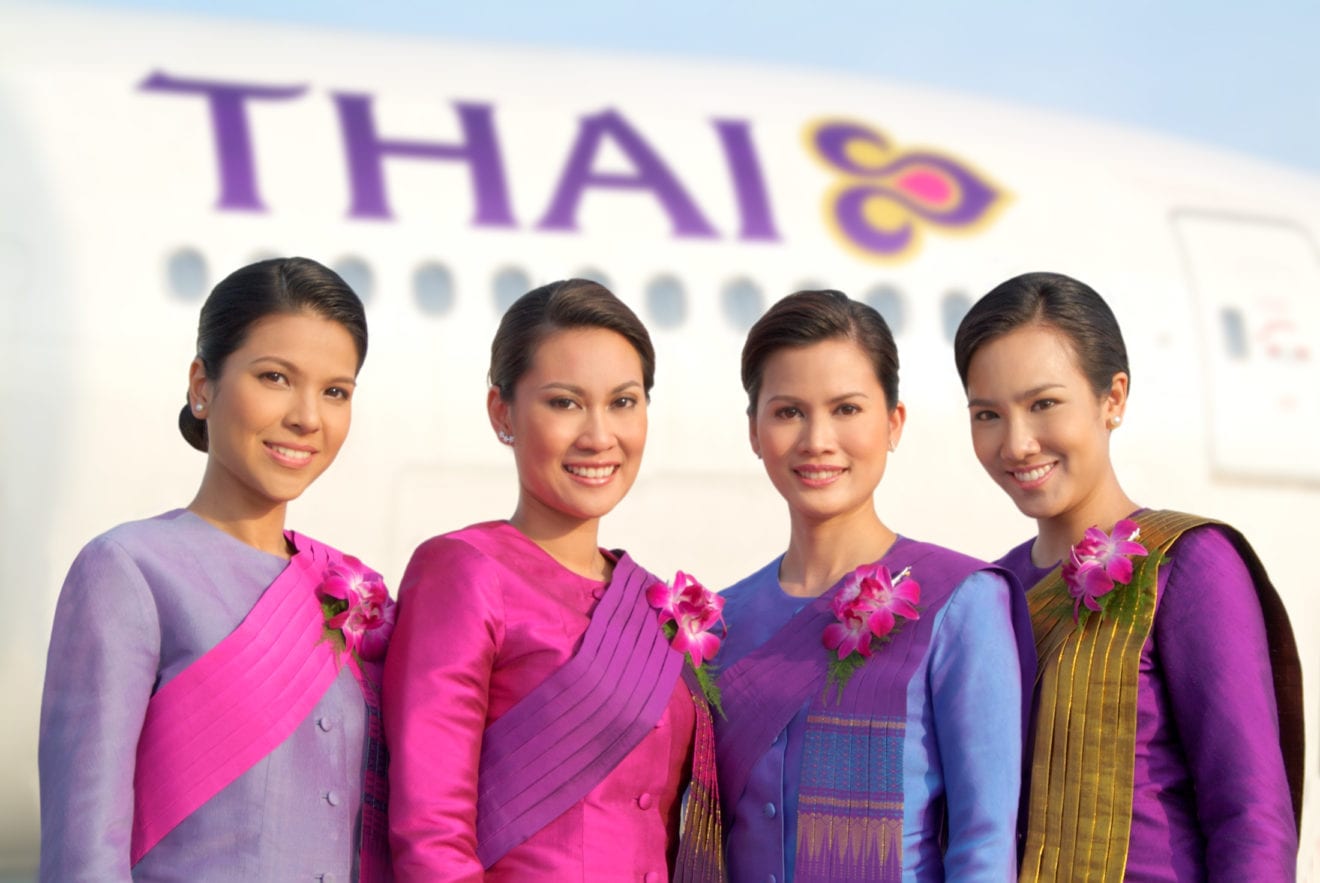
    Thai Airways International has recognized the airlines’ long-serving staff with certificates at a ceremony to mark the 59th anniversary.

    Thai Airways president, Sumeth Damrongchaitham, presided over a ceremony to present certificates and souvenirs to staff who have completed 35 years and 25 years of service with the national airline.

    The certificates were also given to staff who were commended by customers, and staff who made a significant contribution to the airline’s success over the years.

    Thai conducts the ceremony annually to mark the anniversary of its establishment on March 29, 1960.

  • AirAsia flies to Lanzhou and Quanzhou

    AirAsia flies to Lanzhou and Quanzhou

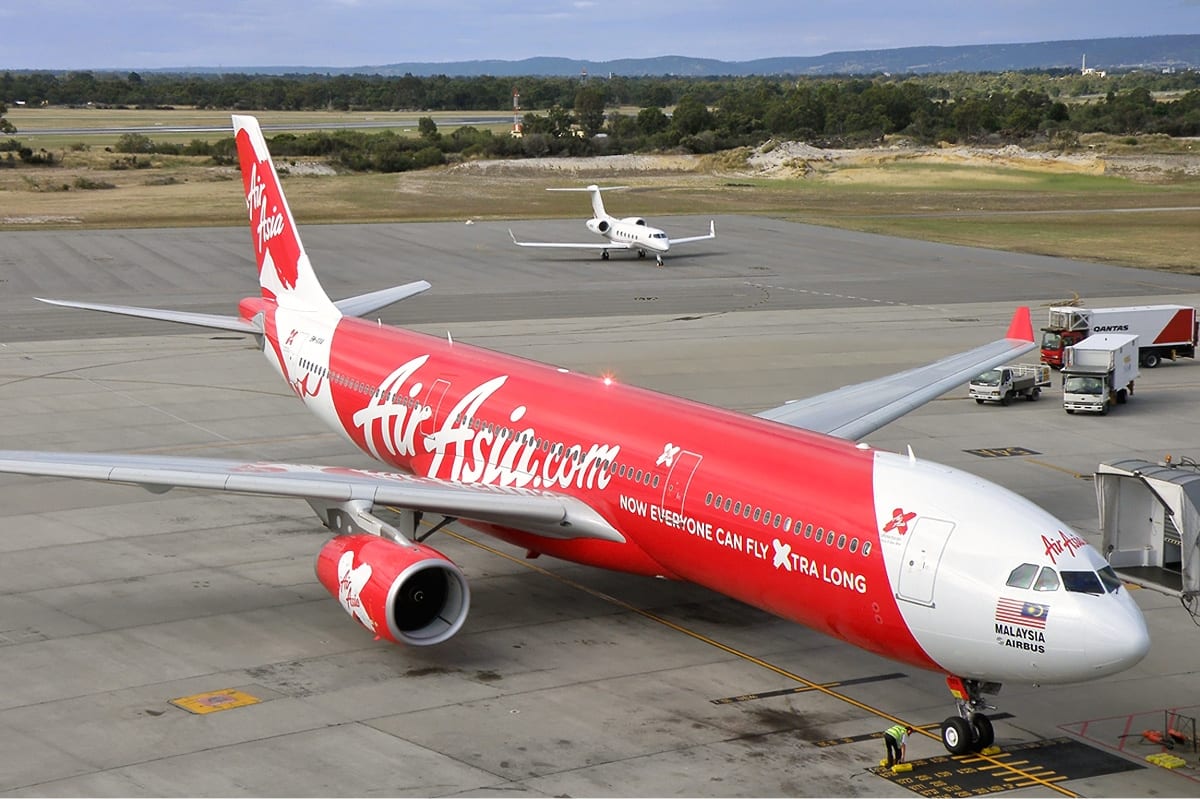
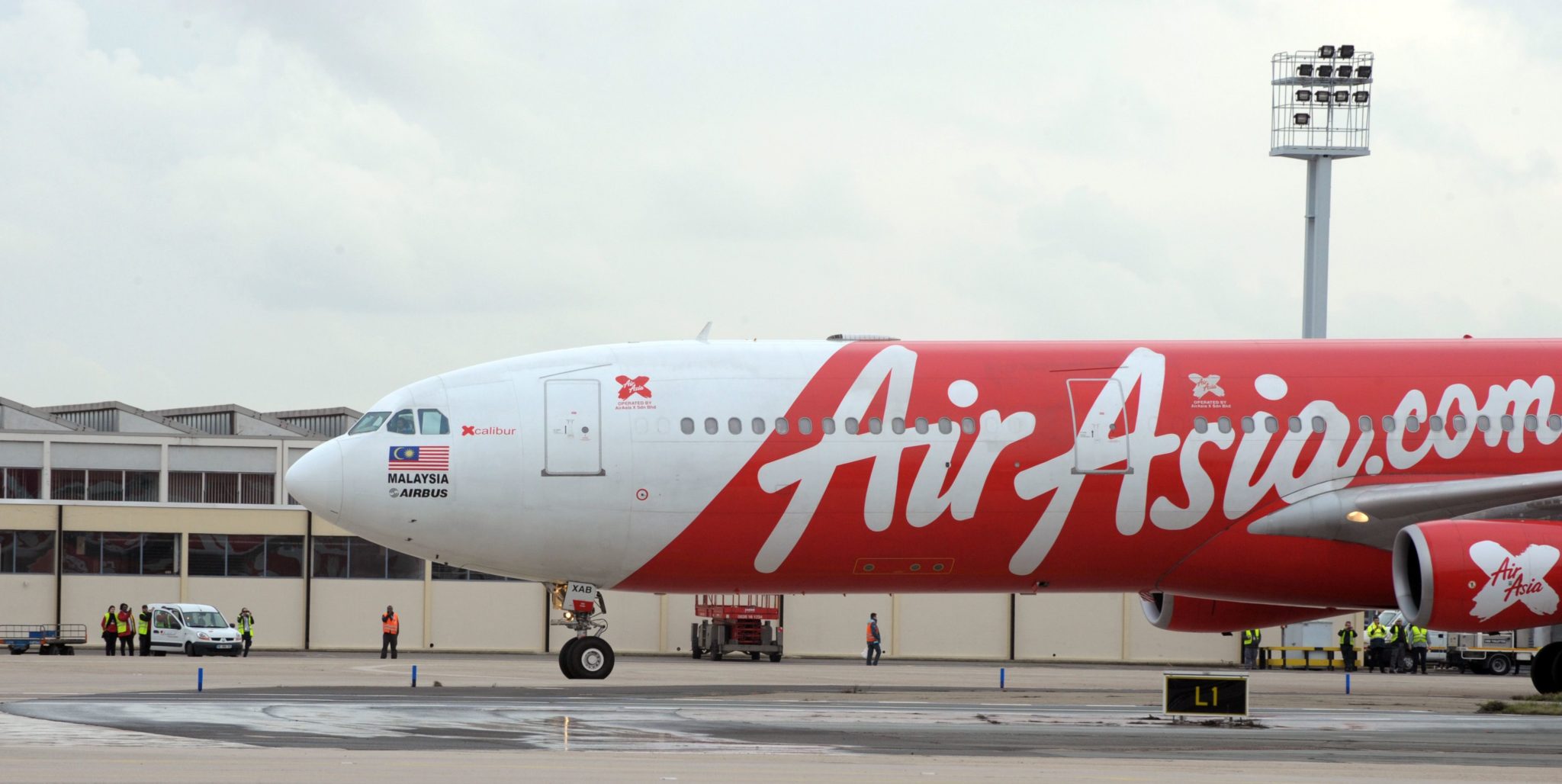
    AirAsia continues its expansion into China with two new services from Kuala Lumpur to Lanzhou and Quanzhou. These new services take the number of AirAsia destinations in China to 24, firmly cementing the airline’s position as the largest foreign carrier by capacity operating in China with over 400 weekly flights.

    “Malaysia and China are celebrating 45 years of bilateral relations this year. These exclusive direct services from Kuala Lumpur to Lanzhou in the north-west and Quanzhou in the south-east will deliver an additional 280,000 seats per annum to and from China, allowing us to forge even stronger ties between both nations,” said AirAsia X Malaysia CEO Benyamin Ismail.

    AirAsia China CEO Tassapon Bijleveld said: “AirAsia has grown its footprint in China for more than 14 years now, connecting millions of people from Asean to underserved second and third-tier Chinese cities at low fares.

    And China remains a key market for our future growth. Just recently, we launched our new Bangkok-Shenyang service and we continue to review a number of other potential Chinese routes that we hope to be in a position to announce soon.”

    Book all-inclusive AirAsia BIG member fares from as low as RM209 (one-way) to Lanzhou and RM129 (one-way) to Quanzhou on airasia.com or the AirAsia mobile app from now until May 5, 2019, for travel until Sept 30, 2019.

    Enjoy the award-winning premium flatbed to Lanzhou for all-inclusive AirAsia BIG member fares from as low as RM889 (one-way) during the same booking period.

  • First Asian Samsonite Premium store Coming to The Jewel

    First Asian Samsonite Premium store Coming to The Jewel

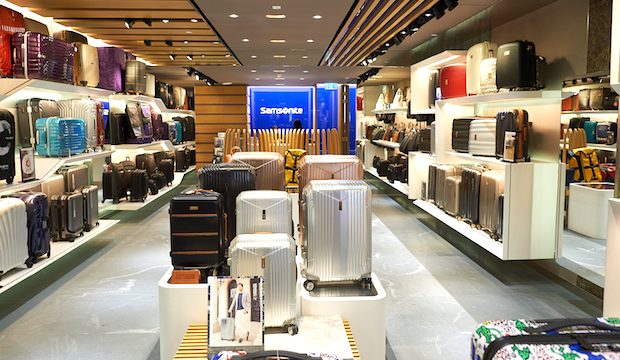
    The first Samsonite ultra-premium store in Asia is to open at Jewel Changi.

    The luggage brand is also planning one more outlet at Changi, raising its store network at the airport to five.

    “Every time we come up with something new, something big, we launch it first in Singapore,” Subrata Dutta, president and CEO of Samsonite Asia-Pacific told.

    “This is a new retail concept that further elevates the look and feel of the brand to something more luxurious. At Jewel, we get travel traffic from around the world. When you do something in Singapore, you get noticed by the right people.”

    Samsonite has also opened an American Tourister outlet at Jewel Changi, and will open a store at the revamped Funan mall, scheduled to open in the second half of this year.

  • Flight Centre drops guidance

    Flight Centre drops guidance

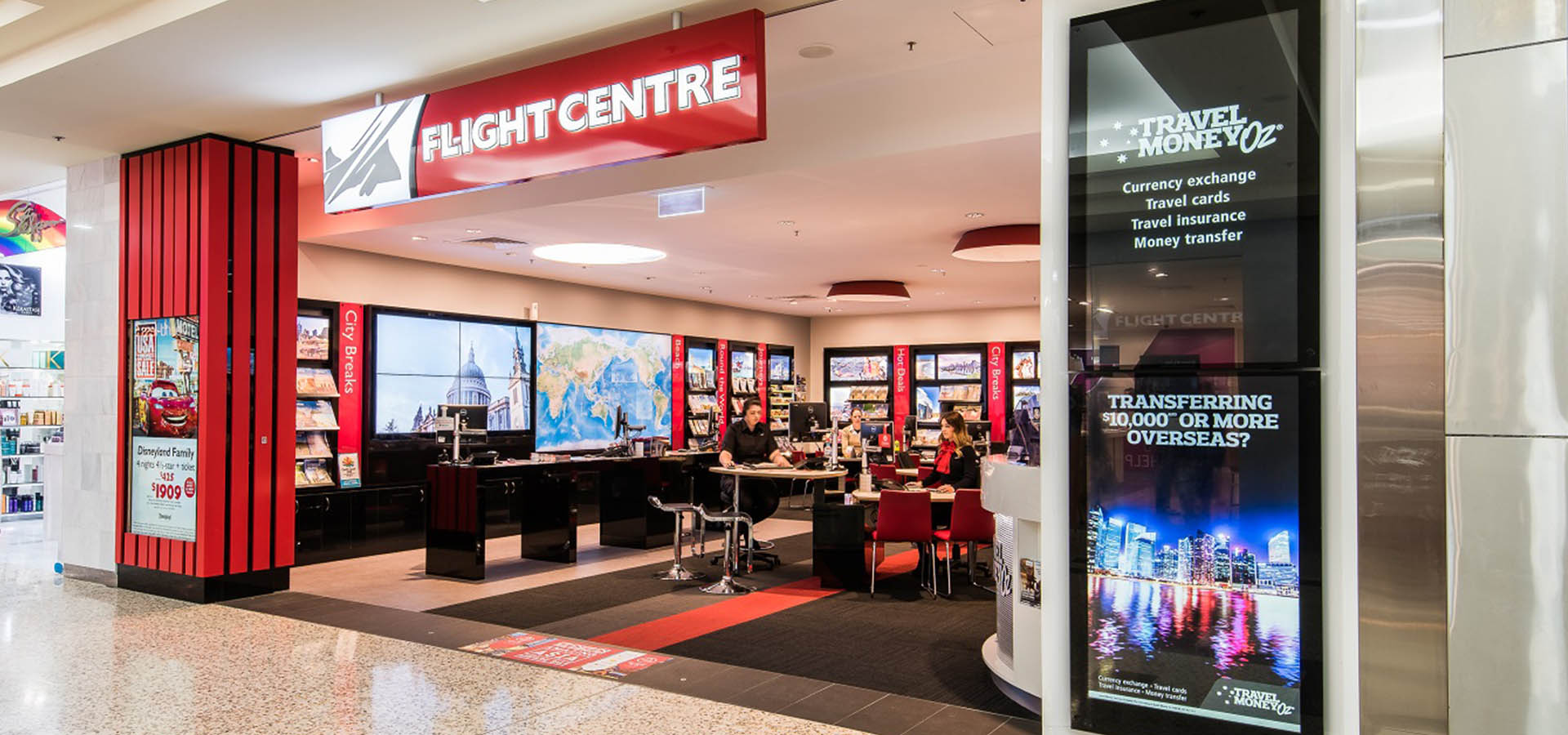
    Travel specialist retailer Flight Centre has amended its previously stated profit guidance for the remainder of the 2019 financial year after poor conditions in Australia’s leisure market impacted its performance.

    The group now expects to see a profit of between $335 million and $360 million for the 12 months to June 30, 2019, below the $390 million to $420 million range it put forward last October.

    The $347.5 million mid-point in this range represents a 10 per cent decline on the $384.7 million earned during FY18.

    The news pushed shares in the travel retailer down 12 per cent, falling to $38.73 per share.

    “Our FY19 results will highlight the challenges we are addressing in Australia but will also underline two of our great strengths – our emergence as a world leader in corporate travel and our changing earnings profile,” Flight Centre managing director Graham Turner said.

    “While we expect Australian leisure results to improve as short-term operational improvement plans gain traction and as longer-term transformational strategies are implemented, we also expect these trends to continue.”

    Turner noted the business is on track to earn record profits in its US and UK businesses, with the US poised to become the second largest segment after Australia, and more than half of the group’s profit to be generated internationally for the first time.

    He also outlined Flight Centre’s strategy to counter the declining leisure market – namely a three-pronged focus on mass, premium, and youth travel.

    Additionally, an accelerated expansion into newer models outside of its traditional bricks-and-mortar offering will sit at the centre of the brand’s plans globally.

    Investing in corporate travel, such as through its recent acquisition of the Upside Travel Company, has the potential to disrupt traditional players in the large and fragmented SME market.

    “Short-term results will be below our initial expectations and there is further work to be done, but there are also some promising signs for the future,” Turner said.

    “Out strong growth trajectory in both corporate and global travel is evident and we are implementing solid plans to address issues in the Australian leisure business in both the near and longer term.”

  • AirAsia’s facial-recognition boarding system can now be activated on your smartphone

    AirAsia’s facial-recognition boarding system can now be activated on your smartphone

    Travelling can be stressful and AirAsia wants to make your boarding experience seamless with its new FACES feature. This is a facial recognition system that uses your face to replace your boarding pass.

    According to AirAsia Group CEO, Tan Sri Tony Fernandes, you can now register your face on the official AirAsia app. To register, just go to your profile and then tap on “My FACES”. You will be asked to record a short video of your face and submit a copy of your passport. Before you can start using FACES, you’ll need to do a one-time verification with their ground staff. Once that’s done, you can just walk through their gates without showing your boarding pass.

    At the moment, FACES is only available at Senai Airport in Johor and they hope to roll out this feature to more airports throughout the country. According to AirAsia, the FACES feature can help to speed up the boarding process and it has a success rate of 98%. FACES is available only for adults aged 18 and above. You can learn more from their FAQ.

    Previously, passengers will need to register their face through a kiosk located around the check-in counter area. With the updated app, you can perform this step anytime with your smartphone.

  • Thai AirAsia to fly to Sihanoukville from July

    Thai AirAsia to fly to Sihanoukville from July

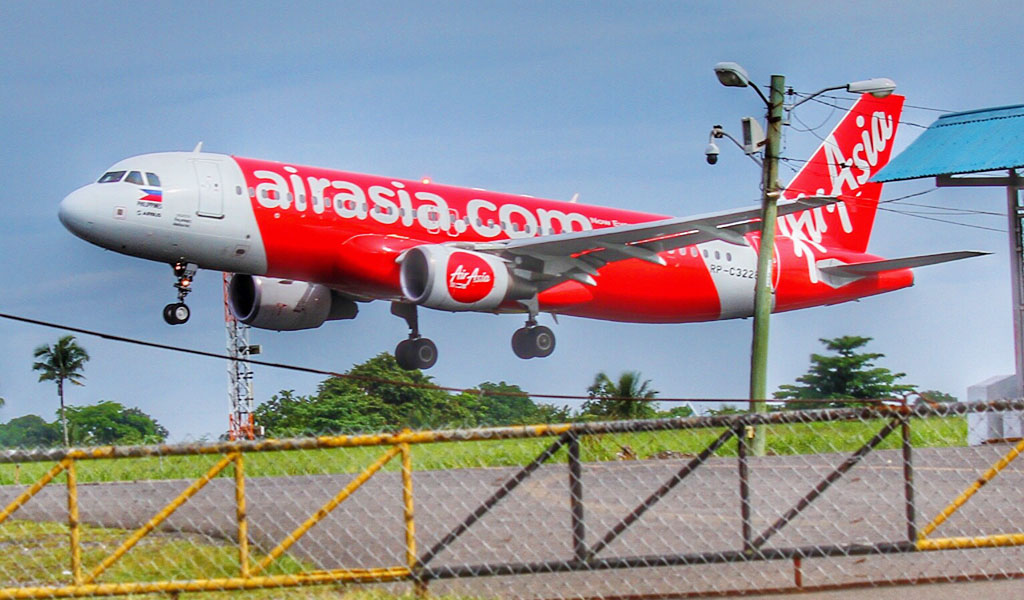
    Low-cost carrier Thai AirAsia, a subsidiary of Malaysia-based AirAsia, will launch a direct flight from Bangkok’s Don Mueang International Airport to Cambodia’s Sihanoukville in July. The coastal town will become Thai AirAsia’s third destination in Cambodia after Siem Reap and Phnom Penh.

    “The new route is expected to serve the millions of foreign travellers who use Thailand as a hub, while for Thai travellers, Sihanoukville offers an affordable beach and cultural getaway,” Thai AirAsia CEO Santisuk Klongchaiya was quoted as saying in the Bangkok Post on Monday

    Norinda Khek, communications and public relations director at Cambodia Airports, confirmed the new flight, and said it demonstrates the efficiency of Cambodia Airports’ route development strategy, which aims to attract airlines by providing them marketing support, among other services.

    Taing Sochet Krisna, director of Preah Sihanouk province’s tourism department, said that the presence of one more airline in Sihanoukville International Airport will help increase the number of tourists to the province.

    He said China tops the list of visitors to the province by nationality, followed by neighboring countries like Malaysia and Vietnam.

    According to data from Cambodia Airports, last year air passenger traffic to the province increased by more than 92 percent, totalling 650,000 visitors.

    According to Mr Norinda, Sihanoukville International Airport has five domestic airlines – Cambodia Angkor Air, Cambodia Airways, Lanmei Airlines, JC Cambodia Airlines, and Sky Angkor Airlines – and four international ones – AirAsia, Ruili Airlines, Sichuan Airlines, and Hainan Airlines.

  • AirAsia fails again in Vietnam partnership bid

    AirAsia fails again in Vietnam partnership bid

    Malaysian budget carrier AirAsia says it will keep trying to crack the Vietnamese market even as analysts warn it has “missed the boat” after its latest failed attempt to set up a joint venture in the country.

    The airline announced on Wednesday that it has terminated an agreement with Thien Minh Group, under which it was to take a 30% stake in an airline company to be launched this year.

    AirAsia has already tried three times to set up a partnership in Vietnam, but AirAsia Group CEO Tony Fernandes is not ready to give up.

    “I am still optimistic about AirAsia being in Vietnam by end of the year,” Fernandes said in a Twitter post the day after the company’s announcement. He hinted in his tweet that the choice of partner was to blame for the failure, saying, “Watch this space. Picking the right one.”

    AirAsia and Thien Minh had agreed in December to set up a joint venture in which the Malaysian company would own a 30% stake, the maximum allowed under Vietnamese law. The company did not give a reason for ending the agreement in its official statement, though local analysts point to the country’s restrictive regulations on foreign aviation players as one possible hurdle.

    A spokesperson for Thien Minh told that the group will release an official statement on the move next week.

    AirAsia already offers international flights connecting to Vietnamese cities, but Fernandes has been trying to set up a partnership in the country since 2005.

    Travel demand in the market of 95 million grew 9% in 2018, according to the local aviation authority, and Fernandes has referred to Vietnam as the missing piece of the puzzle in AirAsia’s plan to tap demand from emerging markets.

    But according to Brendan Sobie of the Sydney-based CAPA Center for Aviation, now may be the time for AirAsia to rethink its approach.

    “After three failed attempts with three different partners, it’s time to let this one go and focus on international expansion using their affiliates from Malaysia, Thailand, Japan, etc.,” Sobie said.

    The Vietnamese market for budget travel, moreover, is already dominated by local players: Vietjet Aviation, which controls nearly half the market, Jetstar Pacific Airlines and Bamboo Airways.

    “The domestic market has become overcrowded and intensely competitive,” Sobie added. “Entering now would be risky and it would be nearly impossible to become a significant domestic competitor. AirAsia unfortunately missed the boat on the Vietnam domestic market.”

    Foreign players, moreover, are forbidden from operating domestic routes in Vietnam, even with a local partner. Licenses, moreover, are awarded on a case-by-case basis, and though newcomer Bamboo Airways received its license relative quickly, the process can take much longer. Vietstar Airlines, established in 2010, is still waiting for a license to begin passenger flights. Local analysts have pointed to these hurdles as one possible reason for AirAsia’s repeated setbacks in the country.

    The airline has a presence in Indonesia, India, Japan, Thailand and Philippines, and thrives on a feeder traffic business model of connecting second-tier cities to capitals, while keeping operating costs low with no-frills service.

    The stock market was little moved by the announcement. AirAsia’s share opened 0.4% higher on Thursday trade before closing at 2.43 ringgit.

    MIDF Research echoed Sobie’s sentiment, saying it is “not imperative” for the group to set up local operations in Vietnam as it can still fly to cities in the country from its regional network.

    The Malaysian investment outfit cited the recently inaugurated Kuala Lumpur-Can Tho route, AirAsia’s sixth route in Vietnam, as an example of the group’s ability to continue expanding regionally without Fernandes’ missing puzzle piece.

    AirAsia’s failed bid to penetrate into Vietnam means Vietjet will continue to dominate the market for now. Vietjet’s share price rose 0.44% on Thursday to close at 114,00 dong, and rose a further 0.79% on Friday.

  • AirAsia starts system to eliminate boarding passes for domestic flights

    AirAsia starts system to eliminate boarding passes for domestic flights

    AirAsia Group Bhd has introduced a one-time verification system for passengers via its FACES @AirAsia mobile app which is designed to eliminate the need for boarding passes and passports.

    FACES is a facial recognition boarding system owned and operated by AirAsia, with the purpose of creating a seamless travel process for guests.

    In a tweet today, AirAsia group chief executive officer Tan Sri Tony Fernandes said passengers will only have to register their faces and passports once on its @AirAsia mobile app.

    Once passengers have scanned their faces and passport details on the app, and AirAsia ground staff have verified them, the passengers will be able to travel seamlessly, he said.

    “Then you are ready to never use a boarding pass again and you can walk through our gates for domestic flights,” he said, adding that the facility is currently available in certain airports like Senai.

    “This can be rolled out in all airports if only we had partners who supported us and all our digital initiatives,” he said.

    This facility follows in the footsteps of British Airways’ (BA) biometric boarding gate trials last year in the US which eliminated the need for boarding passes and passports at boarding.

    Last November, BA began testing self-service boarding gates in Los Angeles Airport that did not require customers to produce either their boarding pass or their passport.

    Instead, passengers only need to look into a camera, wait for their biometric data to be checked against their passport, visa or immigration photos and then walk onto the plane once their identities have been verified.

    The trials were initially limited to those flying out of Los Angeles Airport on BA flights to Heathrow, but are now being tested at several other US airports.

    At 2.57pm, AirAsia rose 1.6% or 4 sen to RM2.53, with 4.29 million shares traded.

  • AirAsia abandons Vietnam venture

    AirAsia abandons Vietnam venture

    It’s wholly-owned unit, AirAsia Investment Ltd, together with Gumin Company Ltd and Hai Au Aviation Joint Stock Company, have mutually agreed to terminate the agreement to set up a joint venture in Vietnam, effective today.

    “The company, nonetheless, remains interested in operating a low-cost airline in Vietnam due to its favourable geographical location, expanding aviation market and overall growth potential,” it said.

  • Cebu Pacific Expands Horizons to Australia

    Cebu Pacific Expands Horizons to Australia

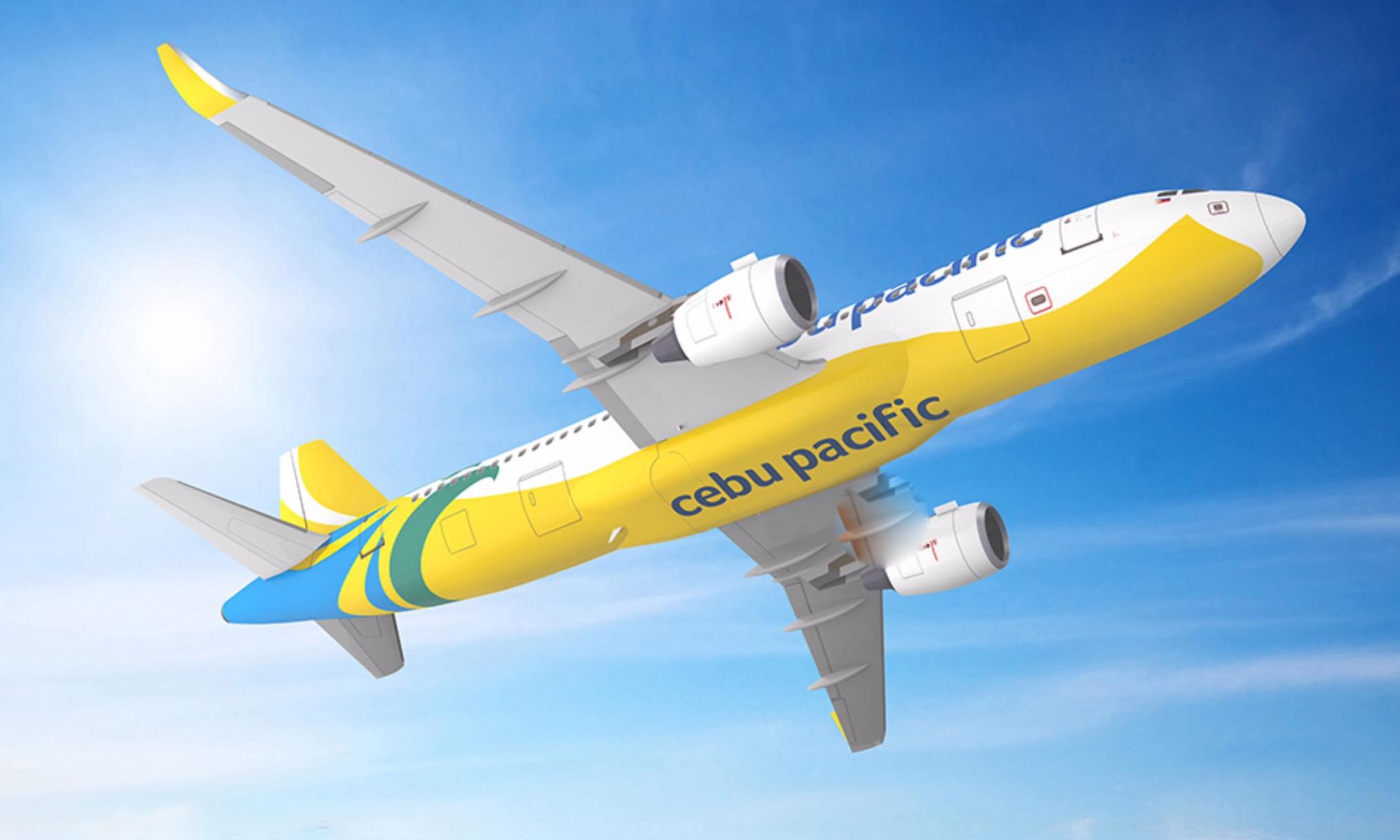
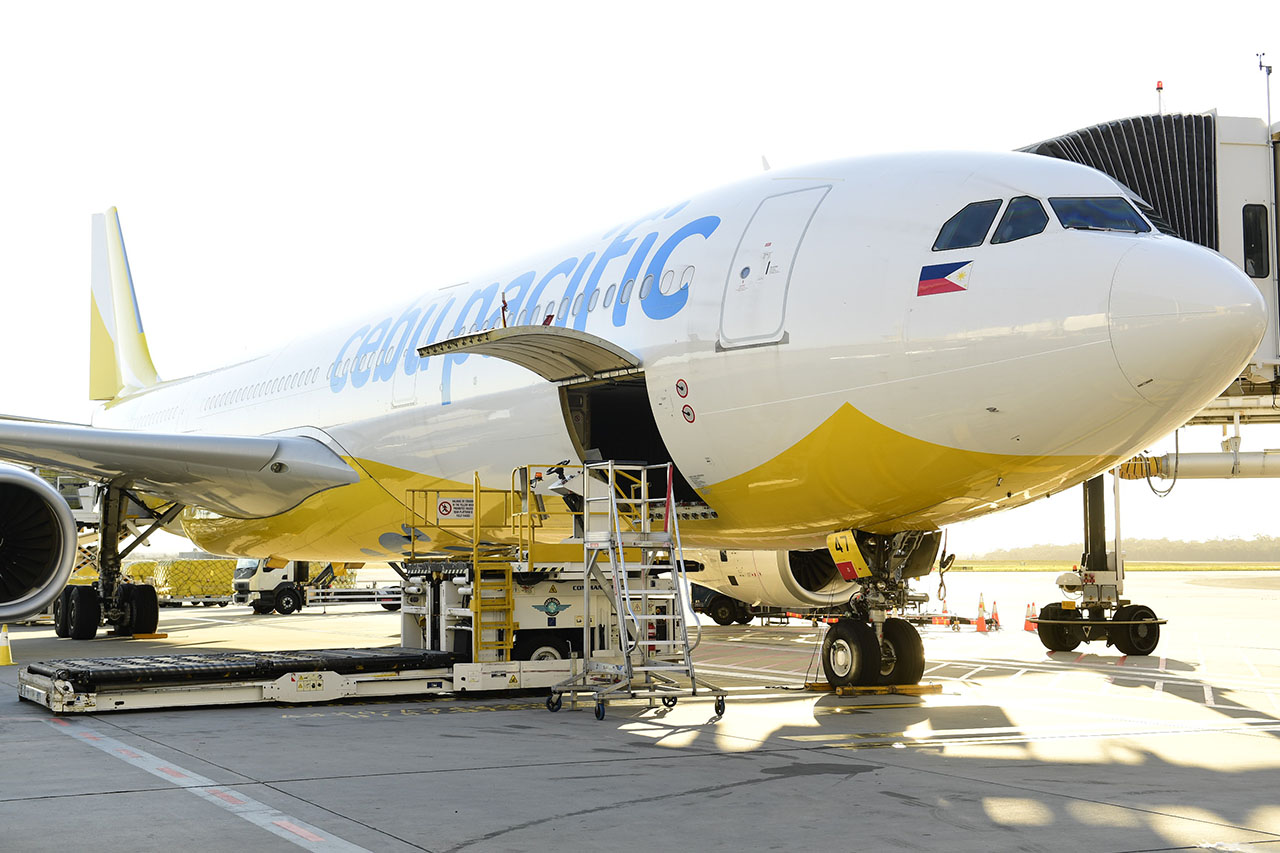
    Australian cities such as Perth and Cairns, as well as destinations in Japan and India, are on the radar for Philippines budget carrier Cebu Pacific as it expands its fleet of Airbus A321neos. Cebu, which already flies direct to Sydney and Melbourne from Manila, is stepping up its re-fleeting program and took delivery of the first of 32 A321neos at the end of January.

    It expects at least five more of the longer-range, fuel-efficient planes during 2019 to support its expansion plans.

    Cebu is known for packing seats into its bigger Airbus A330s and has followed that strategy with the smaller plane.

    The budget carrier has opted for the Airbus Cabin Flex fuselage modifications to give the A321neo 236 ergonomically-designed Recaro seats, slightly below the 244-seat Airbus maximum.

    It expects and Pratt & Whitney  GTF-powered planes to achieve a 20 percent savings in fuel costs as well as other advantages such as a significantly reduced noise footprint and lower maintenance requirements.

    The January delivery brought the total size of its fleet to 72 aircraft, including 43 Airbus A320s and A321s, eight A330s and 20 ATR turboprops.

    While the airline also has mid- and long-term plans for widebody aircraft, its primary focus is currently on the neos.  It is looking to grow its fleet to 83 aircraft in 2022, with 27 of those neos.

    “This year, we’re taking in 12 new aircraft, (the) bulk of it will be the A321neo,’’ Cebu vice president Lance Gokongwei told AirlineRatings.

    “We are continuously studying new routes and destinations, especially with the A321neo that has Northern Japan, India, and other cities in Australia like Perth and Cairns within its capabilities, but plans are not concrete for now.

    “While the A321neo will give us the capability to possibly service a direct route from the Philippines to Perth, we will make announcements on new routes and destinations in due time.”

    Cebu is the Philippines’ biggest carrier by passengers carried and claims a roughly 50 percent market share in terms of domestic travel and cargo.

    Competitor Philippine Airlines (PAL) is also expanding and received a boost in January when Japan’s All Nippon Airways announced it would invest $US95 million to a 9.5 percent stake in the Filipino carrier. PAL is already using the A321neo to service Brisbane.

    However, Cebu is unfazed by the deal and Gokongwei says it is good for the Philippines aviation industry.

    Gokongwei said the two had been partners for many years, including on code-sharing flights, and the investment was something Cebu had factored into its strategy.

    The low-cost carrier was also looking at tapping opportunities in Japan after establishing an office there in 2018.

    “As for the Philippines, we firmly believe that despite the massive growth in Philippine aviation over the past 20 years, there is still much room for expansion,” Gokongwei said.

    “Less than 50 percent of the Philippine population have traveled via air, as compared with Malaysia or Singapore.

    “People here are used to taking the bus and the boat–whereas air travel can be exponentially convenient and not as expensive as it used to be.”

    The airline executive sais there was still “much room”’ to develop Clark International Airport, the former US air base, as a secondary domestic hub.

    “There is also strong demand for inbound flights from North Asia into Cebu, which we have turned into our beach hub as we fly to key island destinations from there, ‘ he added.

    A key to Cebu’s low-cost model is the ability to offer fares that are up to 40 percent lower than those of its competitors, partly through its investment in new and more efficient aircraft and technology.

    But it isn’t all smooth sailing: net income for the airline’s first nine months of 2018 fell 36 percent to 2.78 billion pesos as it grappled with higher fuel costs and a weakening currency.

    “Despite challenges brought on by volatile fuel prices and the foreign exchange of the Philippine Peso, Cebu Pacific has managed to keep sound fundamentals,’’ Gokongwei said.

    “Revenues have been growing by 12 percent annually for the past eight years and we have maintained healthy operating margins.”