Tag: Holiday

  • AirAsia strengthens Malaysia-Thailand connectivity with new Chiang Rai hub

    AirAsia strengthens Malaysia-Thailand connectivity with new Chiang Rai hub

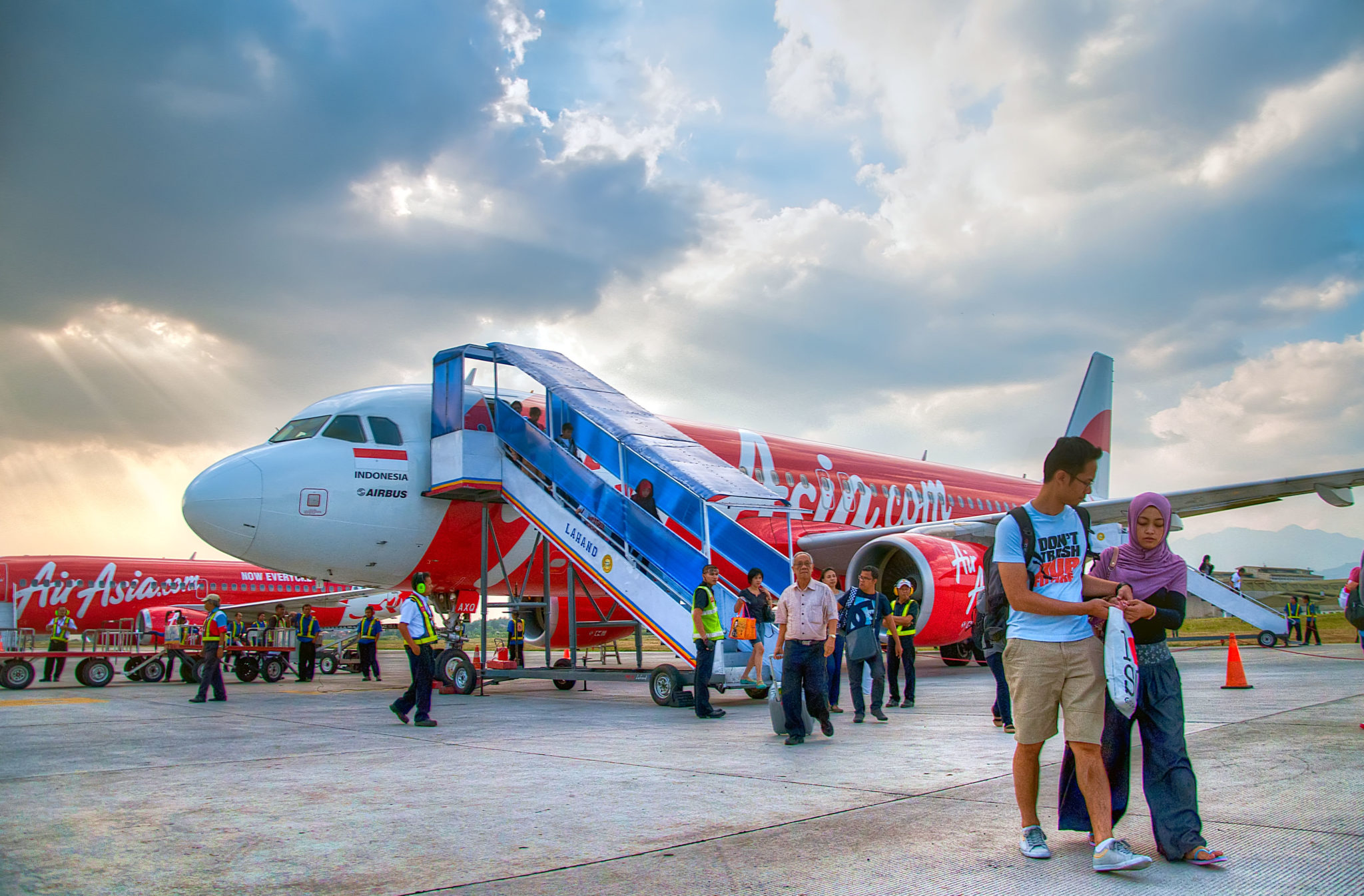
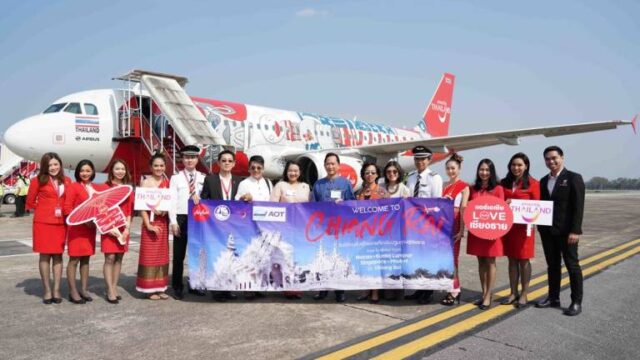
    AirAsia has further strengthened Malaysia-Thailand connectivity with the launch of a new route from Kuala Lumpur to Chiang Rai, its seventh and newest hub in Thailand. AirAsia Thailand, which will base an Airbus A320ceo at Chiang Rai’s Mae Fah Luang International Airport, will also operate new services to Phuket, Singapore and Macau, providing a massive boost to the local tourism and business communities, the airline said in a statement.

    AirAsia currently operates a total of six routes to and from the capital of Thailand’s northernmost province, including existing services from Bangkok Don Mueang and Hat Yai.

    AirAsia Thailand director of ground operations Witchunee Kuntapeng said the opening of its new hub in Chiang Rai is much like building a new home.

    “Chiang Rai has great potential to be one of the top tourism destinations in Thailand, with its unique Lanna culture and hill tribe way of life recently gaining global attention.

    “We believe it is a great time to promote Chiang Rai to travelers and are pleased to see that our four new routes between Chiang Rai and Phuket, Macau, Singapore and Kuala Lumpur have been well received. We’d like to thank the local community for their wonderful support,” Kuntapeng added.

    A welcoming ceremony led by Chiang Rai vice governor Paskorn Boonyalug, Tourism Authority of Thailand executive director for the East Asia region Titiporn Manenate and local travel agents was held at the new hub for each of AirAsia’s four inaugural flights from Phuket, Macau, Singapore and Kuala Lumpur between Jan 30 and Feb 1, 2019.

    The flight from Kuala Lumpur saw a load factor of 85% percent, proving the airline’s efforts to promote Chiang Rai as a leading destination for overseas visitors was off to a great start, it added.

  • The exhibition of Polaroid at National Museum of Singapore

    The exhibition of Polaroid at National Museum of Singapore

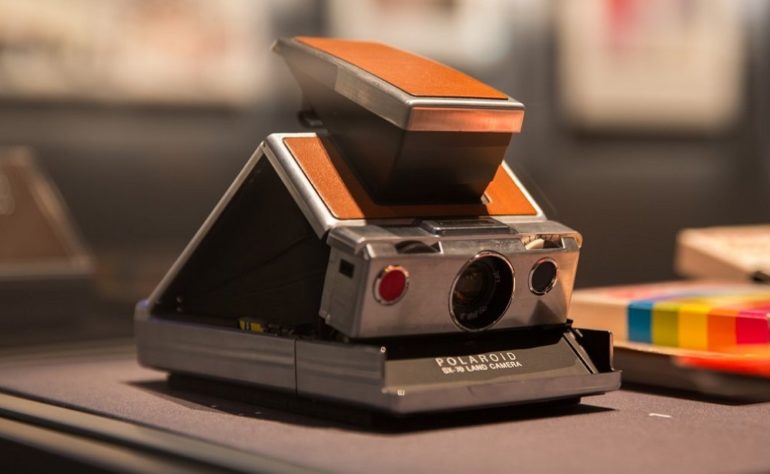
    Singapore mentions “Polaroid” and most people will think of the retro, palm-sized instant prints often stuck on refrigerators or posted in scrapbooks. Not many will associate it with artwork – much less the sort of art you might hang in a gallery. The exhibition of Polaroid in National Museum of Singapore features 10 large Polaroids which are each 20 by 24 inches (50cm by 60cm) – bigger than a sheet of A2-sized paper – and is on display at the National Museum of Singapore as part of an exhibition on the history of Polaroid photography and art using Polaroid, “In An Instant: Polaroid At The Intersection Of Art And Technology”.

    Also on display are about 160 other photographic artworks – in various sizes and styles – by artists such as Andy Warhol, Ansel Adams, David Hockney and others.

    This is the Asian debut of the exhibition, which has traveled in the United States and Europe and will return to North America next year.

    “In An Instant”, which is on until the end of March, starts off by charting the history of the Polaroid camera, the brainchild of American scientist Edwin H. Land.

    The exhibition also features a short film demonstrating the effect of polarised lenses. All the museumgoer can see is a white glare until he puts on a pair of Polaroid sunglasses.

    The Polaroid artefacts and artworks are on loan from the MIT Museum at the Massachusetts Institute of Technology, the WestLicht centre for photography in Vienna, The Polaroid Collection and various artists, as part of a collaboration between the National Museum of Singapore and the Foundation for the Exhibition of Photography.

    The Singapore edition of the exhibition ends with a series of video projections of “influencers” talking about what “in an instant” means to them.

    Among them are comedy site SGAG’s co-founder Karl Mak, YouTube star Jianhao Tan, YouTuber and comedienne Preetipls, socialite Jamie Chua, Instagram twins Yafiq and Yais Yusman, and Angie and David Sim from the lifestyle and travel blog Life’s Tiny Miracles.

    Visitors who want to take home a memento can head to the photo-booth and selfie station outside the exhibition space.

    The exhibition has also a ‘Silent Cinema’ section where visitors can watch a movie wearing Polaroid sunglasses.

  • Who visited Korea in 2018?

    Who visited Korea in 2018?

    Chinese visitor arrivals in South Korea rose 14.9 percent year-on-year in 2018 to 4,789,512, according to new Korea Tourism Organization figures. Chinese arrivals in December 2018 rose 25.2 percent year-on-year. The results confirm a sustained recovery in Chinese tourism from March 2018 as Korean-Chinese relationships improved in the wake of the THAAD anti-missile system dispute that had devastated Chinese tourism for the previous year.

    For the first two months of 2018 Chinese arrivals slumped 43.7 percent, heavily influencing the year-end result.

    However, the 2018 performance was still far short of pre-THAAD levels. In 2016, 8,067,722 Chinese visited South Korea, 68 percent more than the 2018 tally and a 46.8 percent share of total arrivals, compared to last year’s 31.2 percent.

    Japanese market buoyant but political concerns rise

    The Japanese tourism market was buoyant in 2018, rising 27.6 percent to 2,948,527, a 19.2 percent share of arrivals. December saw a 33.5 percent rise year-on-year.

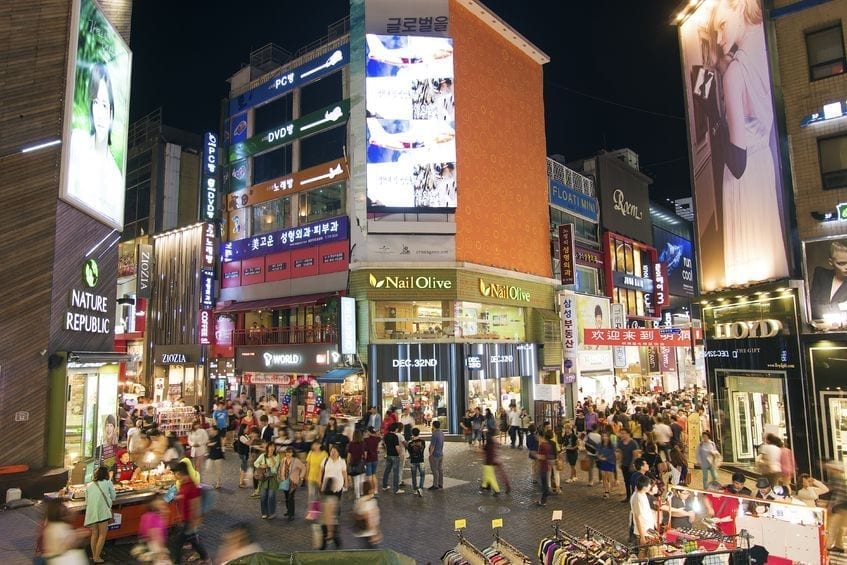
    The combination of concerted Japanese visitor growth and a strong yen has been reflected in increased duty free spending. A report by The Korea Herald said that January 2019 sales to Japanese consumers at Lotte Duty Free’s flagship store in Myeong-dong, Seoul (the country’s biggest travel retail door) had surged 31 percent year-on-year, compared to 15 percent for all nationalities.

    The same report said that Shinsegae Duty Free’s Myeong-dong store posted a 53 percent rise in sales to Japanese shoppers during the same period, while overall turnover at the flagship fell 1 percent.

    But prospects for a continued boom in Japanese tourism may be marred by a worsening political dispute, this time between South Korea and Japan. A military row began on 20 December following an encounter between a Japanese plane and a South Korean destroyer.

    The Japanese claimed that the South Korean warship aimed its fire-control radar at the aircraft while the Koreans contend that the ship was rescuing a North Korean ship drifting in international waters.

    Several more ‘fly-buy’ incidents since then have escalated tensions, leading to fears that the row could “snowball into crisis”, as CNN wrote.

    Departures of Korean nationals (along with Chinese and Japanese the key components of the Korean travel retail industry consumer mix) rose 8.3 percent year-on-year in 2018 to 28,695,983 and 3.8 percent in December to 2,495,279. The year ended much weaker than it began – five of the first six months saw double-digit increases, all of the final six months were under 6 percent.

  • Chinese New Year to drive sales for businesses

    Chinese New Year to drive sales for businesses

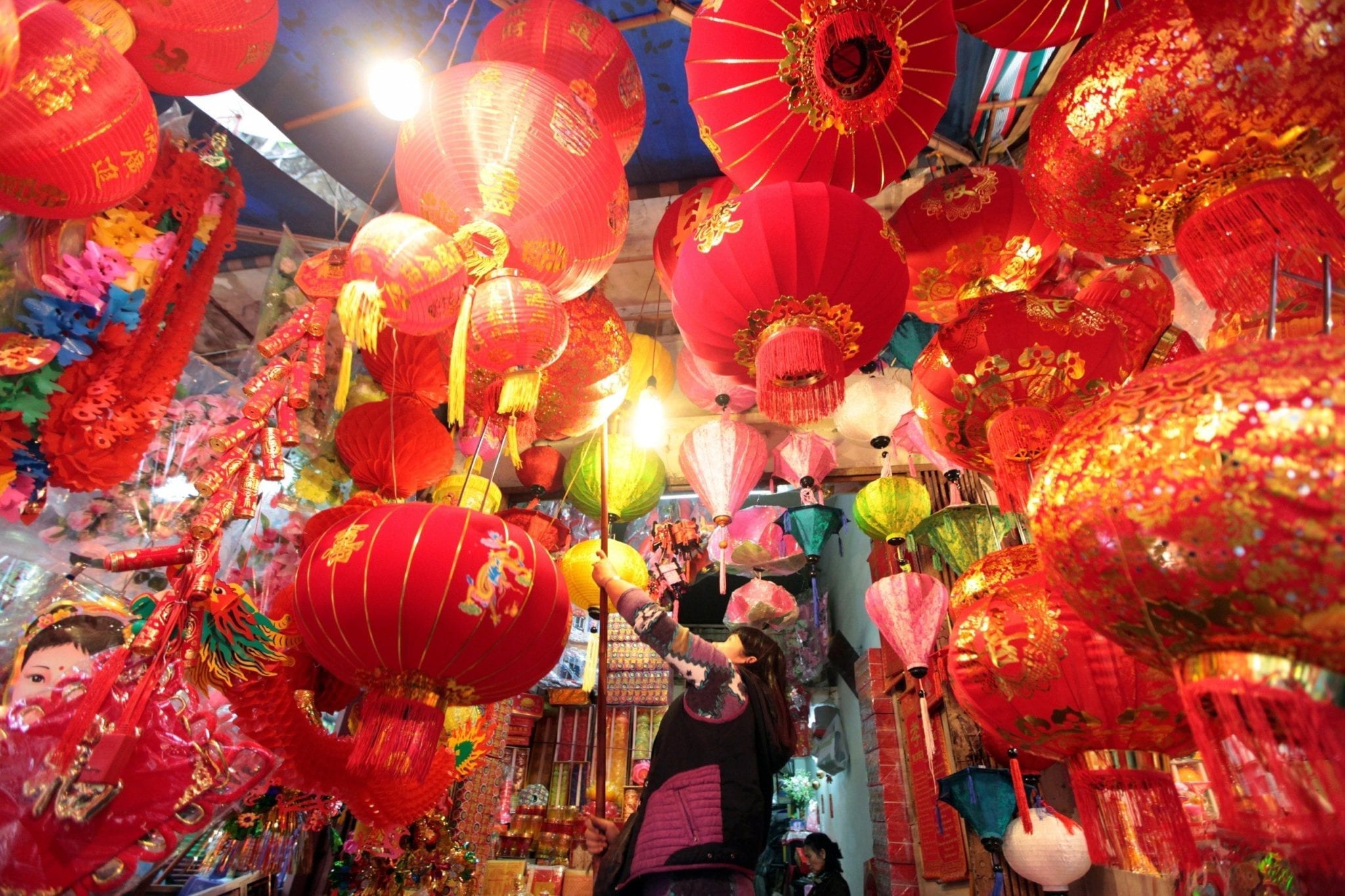
    Despite lacklustre consumer sentiment, businesses are gearing up for brisk sales as consumers do their Chinese New Year (CNY) shopping for the much celebrated festival next week, with many businesses citing CNY as an important sales contributing season. LG Electronics Malaysia general manager of marketing Kong Mun Keen said festive season campaigns, whether CNY or Hari Raya, contributes bigger sales for LG.

    “We often see a spike in sales whenever festive seasons are fast approaching,” he said, adding that this year, LG Electronics Malaysia has allocated a “substantial amount of budget” for its CNY campaign.

    Although only a month into 2019, he said LG Electronics is “on the right track” in terms of sales.

    By distinguishing itself with its technology and product experience, Kong said LG’s strategy has always focused on reaching out to all Malaysians, evident through its brand store openings in 2018, where it works with partners to drive new consumer touchpoints.

    “Malaysia has always been a priority market, given that LG has secured and maintained a strong position in the home appliances and home entertainment segments here. With our premium and unique positioning coupled with innovative and consumer-centric products line-up, we are confident that there will always be a demand for our products here,” said Kong, adding that it is constantly ensuring that its products can integrate seamlessly into consumers’ lives.

    For big-ticket items like cars, Edaran Tan Chong Motor Sdn Bhd (ETCM) executive director Tan Keng Meng expects its CNY sales to be about the same as last year’s or better.

    “It’s always CNY and Raya. These are the two peak seasons,” said Tan.

    In conjunction with CNY, ETCM added the new imperial red colour to the popular Nissan Serena 2.0L S-Hybrid Premium Highway Star, featuring a two-tone theme. Additionally, ETCM continues the introduction of Nissan X-Trail X-Tremer in passion red and two additional colour options.

    Meanwhile, a Uniqlo Malaysia representative said festive periods are traditionally good opportunities for retailers to grow their sales, adding that it continues to experience healthy sales growth this year.

    “We believe this is due to our commitment to produce high-quality products at accessible prices while keeping with today’s fashion trends. Customer service is also a top priority to ensure that our customers have the best shopping experience possible.”

    As with previous years, it believe that customers are always looking for something new and fresh to start their new year.

    “We are bringing many new items to the store for customers to choose. We will also be launching the Uniqlo U collection on Feb 1 for last minute shoppers to get their new year clothes.”

    The representative said customers are consistently looking for items that are value for money and Uniqlo is well positioned to meet their needs.

    Tohtonku Sdn Bhd head of marketing Vicky Lim said CNY is one of the peak seasons for sales with its back-to-back promotions in December and January.

    But instead of spending on CNY promotional campaigns, Lim said, the company, which markets personal care and household products with brands like Follow Me, Nutox and Nanowhite, still focuses on brand communications.

    A representative for The Body Shop said although CNY is not its largest festive season sales contributor, it dresses up its stores with decorations that symbolise the blooming of spring and the festive mood of CNY.

    “We offer prosperous gifts such as hampers. This year we picked British rose as the main product that appeals to a wider target audience and with its colour of pink, it’s in line with the colour scheme that represents CNY.

    “Our staff are also dressed in mandarin Oriental tops and we play both instrumental and vocal music that reminds you of CNY.”
  • AirAsia carried 16% more passengers in 2018

    AirAsia carried 16% more passengers in 2018

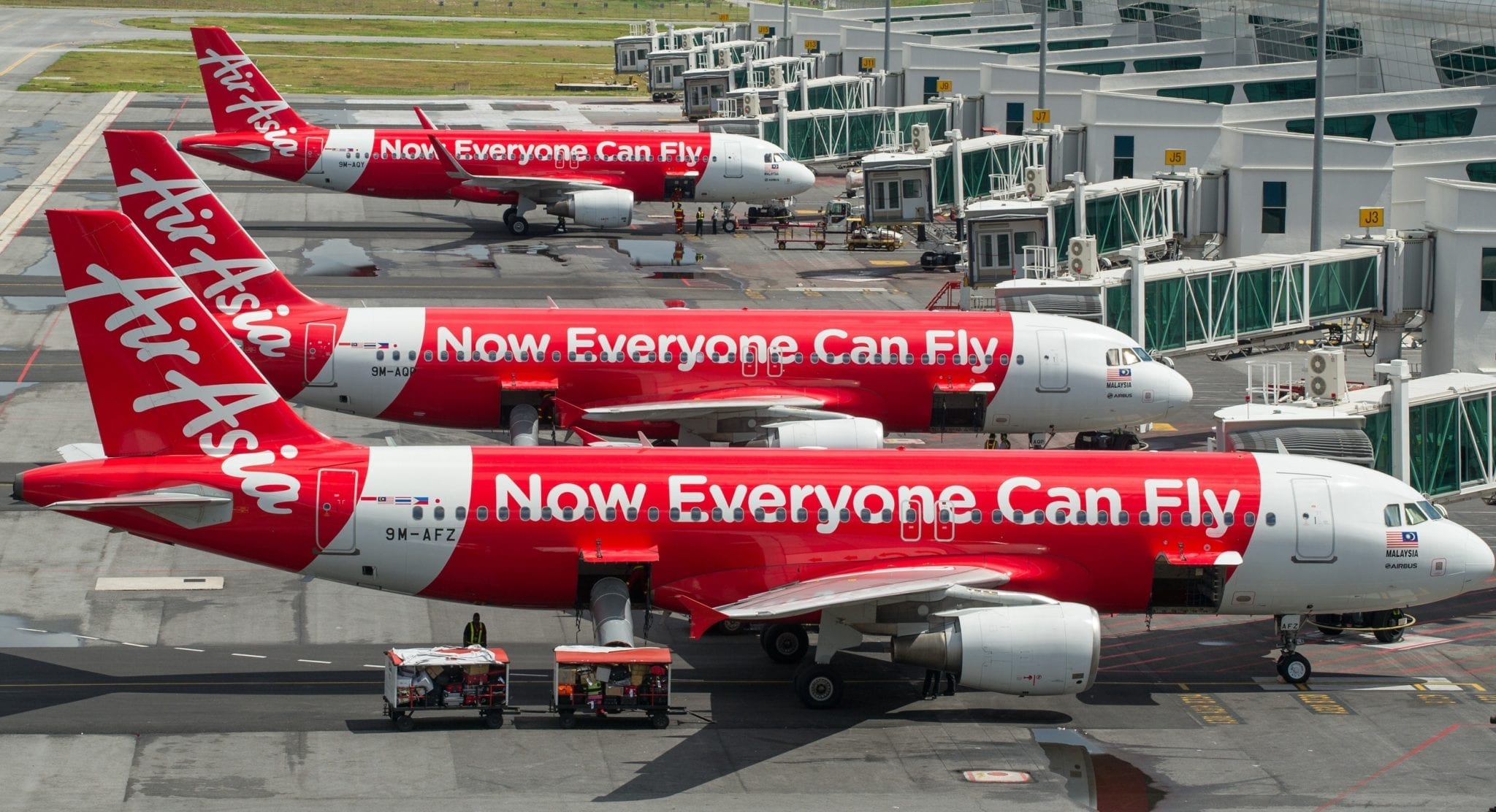
    AirAsia Group Bhd Consolidated AOCs carried a total of 12.1 million passengers in the fourth quarter ended Dec 31, 2018 (4Q18), reflecting a 16% growth from 10.4 million passengers carried a year ago. During the quarter, load factor was 4 percentage points lower at 84% from 88% a year ago, due to significant increase in capacity, which rose 21% to 14.3 million from 11.9 million a year ago.

    The group said in a statement that its available seat kilometres (ASK) grew 14% year-on-year, in line with the group’s strategy to grow its market share.

    For the full financial year ended Dec 31, 2018 (FY18), the group carried a total of 44.4 million, an increase of 14% from 39.0 million passengers carried a year ago.

    Capacity grew 18% to 52.5 million from 44.4 million a year ago while load factor fell 3 percentage points to 85% from 88% a year ago. ASK for the period grew 14%.

    The consolidated AOCs refers to AOCs whose financial and operational results are consolidated for financial reporting purposes, namely the Malaysian, Indonesian and Philippines AOCs.

    In 4Q18, Malaysia AirAsia carried a total of 8.5 million passengers, reflecting a 9% increase from 7.7 million passengers carried a year ago. Load factor fell 5 percentage points to 84% from 89% a year ago.

    The Malaysian operations saw a 16% increase in capacity to 10.2 million from 8.8 million a year ago while ASK rose 9% year-on-year.

    For FY18, Malaysia AirAsia carried 32.3 million passengers, 11% higher than 29.1 million passengers carried a year ago while load factor fell 4 percentage points to 85% from 89% a year ago.

    Capacity grew 16% to 38.0 million from 32.8 million a year ago while ASK rose 12% year-on-year.

    Overall, the group carried a total of 74.8 million passengers in FY18, which is an increase of 14% year-on-year. This includes all operations in Malaysia, Indonesia, Philippines, Thailand, India and Japan.

    The group also expanded its capacity during the year, with ASK up by 15% and load factor of 85%. The group’s total fleet size closed at 224.

  • Gucci adds 6 new intriguing Gucci Places

    Gucci adds 6 new intriguing Gucci Places

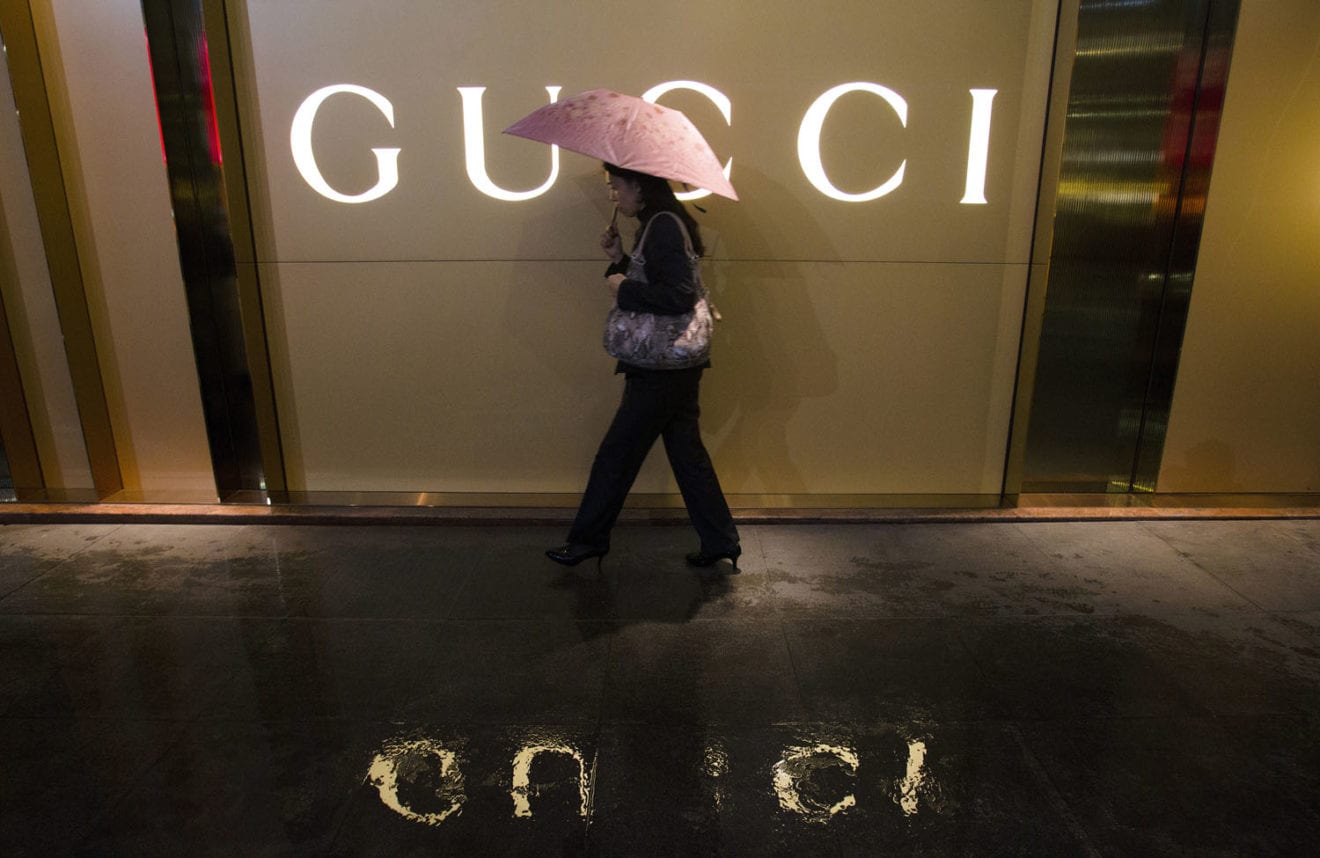
    Luxury fashion brand Gucci has labelled six international destinations as ‘Gucci Places’ – a list that includes Daelim Museum in Seoul. The Gucci Places were selected by the Italian Fashion House as destinations that “surprise, arouse interest, and inspire a creative response”, according to a report in Prestige Online. They were chosen in collaboration with well-known artists who were tasked with visiting the place and record their impressions, establishing a visual journey of photographs, travel notes and sketches.

    Daelim Museum was named for its association with Coco Capitan, an artist whose calligraphy has appeared on Gucci collections.

  • Senai Airport Malaysia records 13% passenger growth in 2018

    Senai Airport Malaysia records 13% passenger growth in 2018

    Senai International Airport handled 3.52 million passengers last year, a 13% increase from the number of passengers recorded in 2017. Md Derick Basir, CEO of Senai Airport Terminal Services Sdn Bhd (SATSSB), the airport operator, said growth was mainly driven by domestic passengers with an increase of 234,650 passengers while international passenger traffic rose by 37% to 600,000 in 2018.

    “Growth was fuelled by the southern region’s rigorous economic activities, escalating demand for business and corporate travel, as well as the leisure sector,” he said in a statement.

    Commercial aircraft movement grew 8% with a total of 32,574 landings and takeoffs compared with 2017.

    “The rise in total passenger traffic in 2018 was mainly attributed by the introduction of new routes including Seoul by Jin Air, Sanya and Haikou by Malindo Air, as well as Alor Star and Ipoh by AirAsia.

    “In addition, the increase in flight frequencies to existing sectors such as Kuala Lumpur, Penang, Kota Kinabalu, Langkawi and Bangkok had also contributed to the growth,” he said.

    Md Derick added that SATSSB had also collaborated with industry players including tourism bodies and airlines to promote Johor as a destination, ultimately to encourage the demand for more air connectivity.

    “For 2019, Senai International Airport aims to handle 3.76 million passengers,” he added.

  • Excess car demand for Tet holiday drives prices up in Vietnam

    Excess car demand for Tet holiday drives prices up in Vietnam

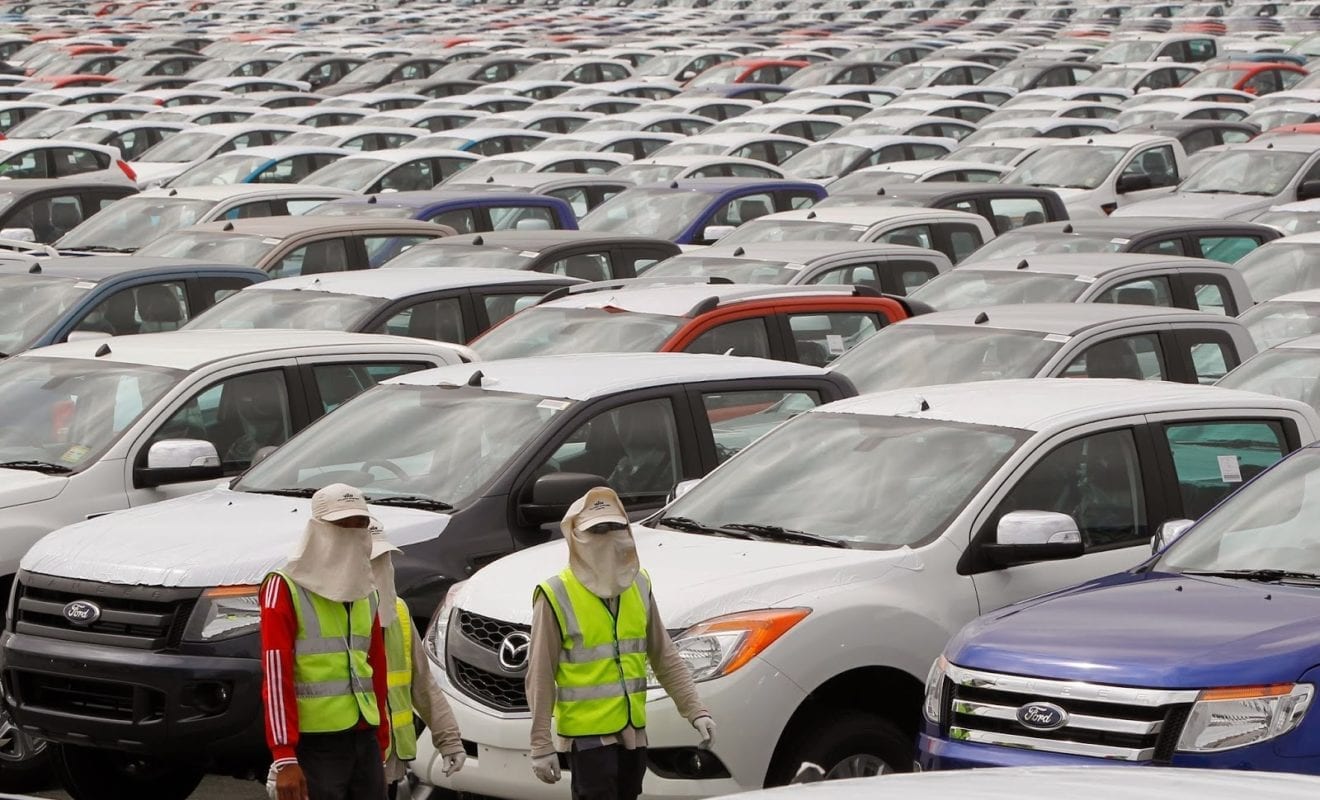
    The surge in demand for cars before the Lunar New Year means customers have to wait or pay extra to get immediate delivery. With only weeks to go for the Lunar New Year Festival (Tet), which falls on February 5 this year, consumers are rushing to order automobiles leading to a shortage in the market. They either have to wait for a long time for delivery or, for quick delivery, opt for accessories which can cost an extra VND70-150 million ($3,013-6,458).

    For instance, Hyundai SUV Santa Fe requires an extra VND70-160 million ($3,013-6,887), which is 7-16.1 percent above the minimum listed price, while for the Toyota Fortuner it is VND100-150 million ($4,305-6,457). But most customers will have to wait until March for delivery if they signed the purchase agreement last November or later.

    The only way to get guaranteed delivery before Tet is to buy from someone who signed earlier, car dealers said, explaining that a dealership only gets around 20 units in each model per month but demand is two to three times that number.

    The shortage is because of difficulties in importing at the beginning of 2018 as a result of a new regulation tightening imports, Tran Thanh Binh, director of Thanh Binh Automobile Import Export Trading Service Co Ltd, said.

    The regulation stipulates that traders are only permitted to import if they can provide valid vehicle registration certificates issued by authorities from the countries of origin.

    Original quality control certificates for each vehicle and letters of authorization regarding recalls of defective vehicles from the manufacturers are also required, along with copies of quality assurance certificates provided by the countries of origin.

    “This made companies stop ordering from factories in Indonesia and Thailand. The second half of 2018, however, with these difficulties resolved, businesses have started to order again. But, since the factories also produce for many other markets, Vietnam was not able to order enough,” he explained.

    Vietnam imported 6,362 cars, including 4,264 personal cars, 1,820 trucks in the first 15 days of 2019, according to Vietnam Customs.

  • Tourists devote a quarter of budget to shopping

    Tourists devote a quarter of budget to shopping

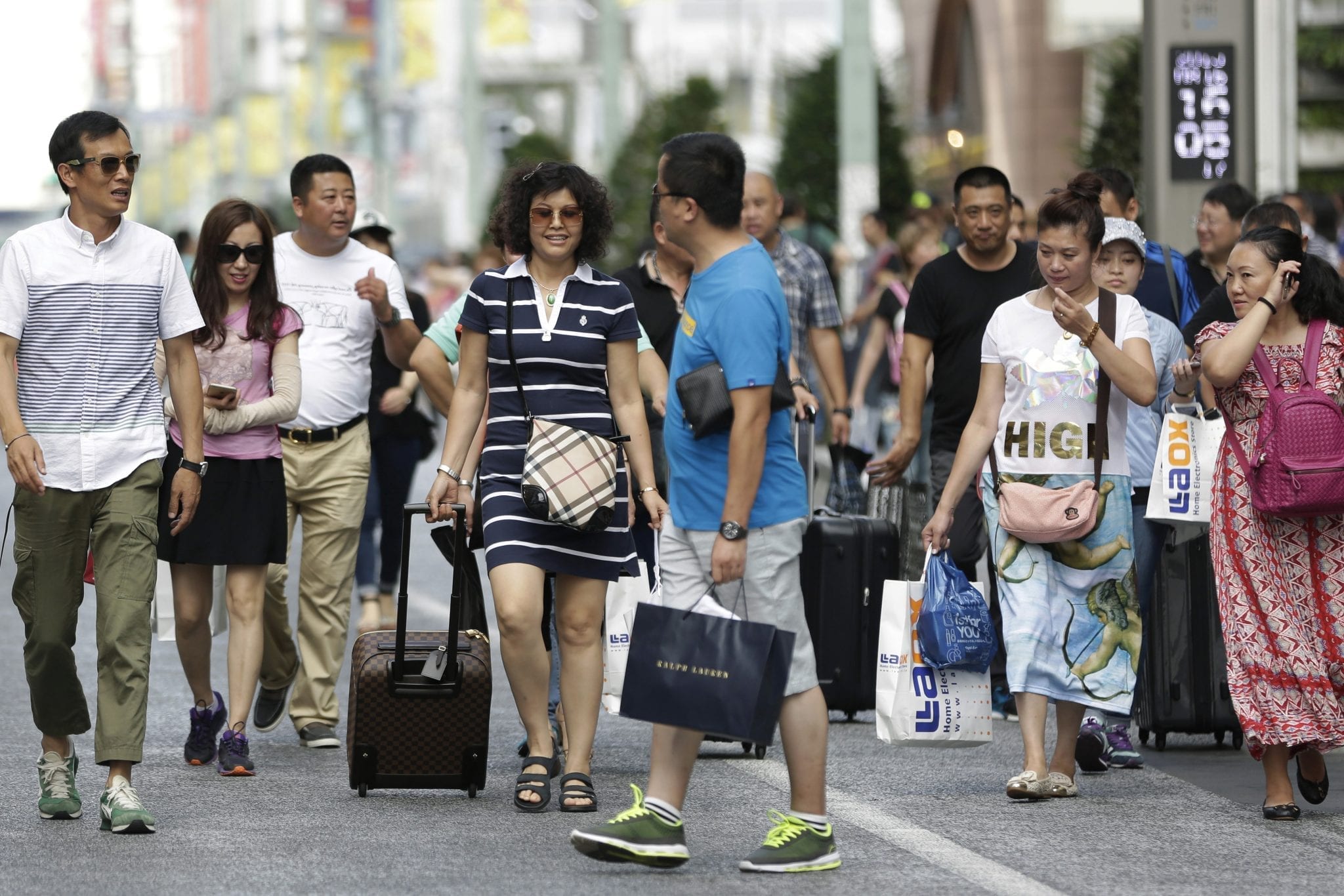
    Retail shopping continues to be the largest expense for tourists from China, according to a survey from Nielsen and Alipay, accounting for almost a quarter of total spend. The 2018 trends of Chinese mobile payment in outbound tourism survey revealed that retail spending took up 24.6 per cent of Chinese tourists average spend, followed by accommodation, dining and tourist attractions.

    Interestingly, the report found that Chinese millennials are no longer the single most dominant user of mobile payments.

    “In 2017, 55 per cent of Chinese tourists born between 1960-1979 used mobile payments while travelling overseas – significantly lower than the proportion of millennial tourists,” the report reads.

    “In 2018, the usage rate rose to 68 per cent, almost equalling their younger peers.”

    Average budget for the typical Chinese tourist increased 15 per cent to AU$9,382 over the year, and a familiarity with mobile payments drove increased spend, with 56 per cent of surveyed merchants claiming improved sales after adopting mobile payment system Alipay.

    However, a study by Coresight research in October 2018 found that, while Chinese tourists were travelling more often they were spending around 18 per cent less in the retail environment – a figure driven by a recorded 24 per cent decline in average shopping trip spend.

  • Northern Vietnam casino reports first profit in three years

    Northern Vietnam casino reports first profit in three years

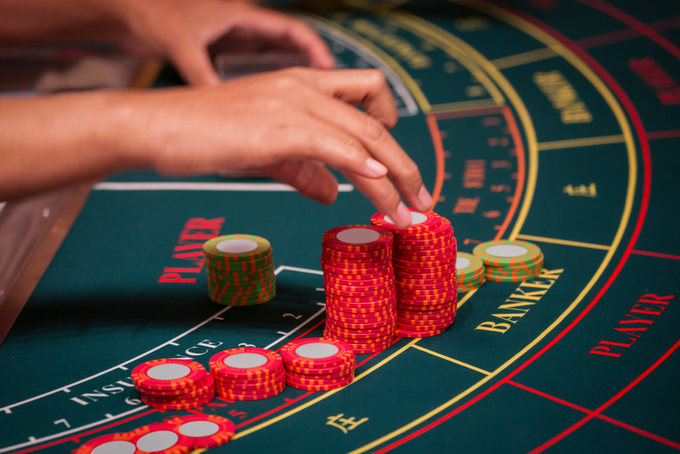
    Royal Casino, the largest in the northern Quang Ninh Province, last year reported a profit for the first time in three years. Royal International Corporation, its operator, said revenues grew by 48 percent from the previous year to VND288 billion ($12.39 million), and profit after tax to VND17 billion ($731,263) in 2018. This is the company’s first profit since 2015.

    The owner of the company is Khai Tiep International Investment Limited, registered in the Cayman Islands.

    The casino accounted for VND178 billion ($7.66 million) with the rest coming from hotel, villas and hospitality-related services.

    The company’s management said in a financial report that the growth in the casino’s revenues was due to the sharp increase in the number of customers after an expressway connecting Quang Ninh’s Ha Long town  with northern Hai Phong City was built last September.

    Linking up with the Hanoi-Hai Phong expressway, it cuts the travel time from the capital to Ha Long by half to just 90 minutes.

    The company also saved VND16 billion ($688,192) last year in sales and management costs.

    At the end of last year the casino had 1,346 employees, 80 fewer than at the beginning of the year.

    On Saturday Corona Resort and Casino in the southern Phu Quoc Island became the first casino in Vietnam to allow Vietnamese to gamble.

    The government has allowed a three-year trial period.

    Vietnamese who gamble here must be over 21, earn a minimum of VND10 million ($430) a month and have no criminal record or objections from family.

  • Shilla Vietnam to open hotel at Da Nang

    Shilla Vietnam to open hotel at Da Nang

    Hotel Shilla announced Tuesday that it will actively begin expanding its brand abroad this year, the first new location being a resort in Da Nang, Vietnam. “Starting with Da Nang, we hope to expand our brand to more than 10 overseas locations in Southeast Asia, United States and China,” the hotel company said in a statement. Hotel Shilla is Samsung’s hotel and duty-free business arm. The 46-year-old company currently operates The Shilla Seoul and The Shilla Jeju.

    It also runs 11 business hotels under its Shilla Stay name.

    The company said that it will expand overseas through hotel management agreements with local companies, a common structuring for hotel chains. This means the local partner will own the hotel building while Shilla will operate the business. For Shilla, this minimizes investment risks.

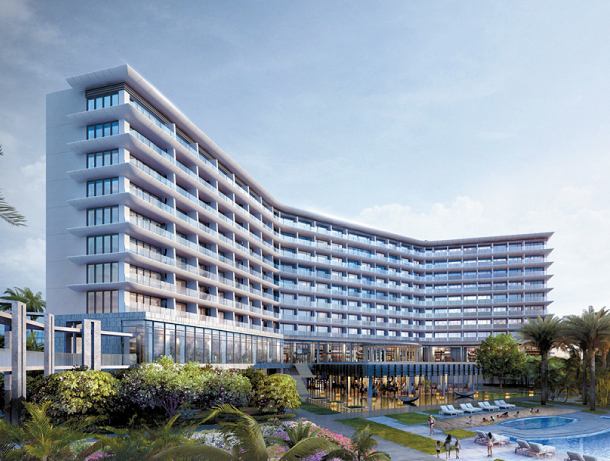
    Shilla’s new Da Nang hotel – slated to open this year under the brand-new Shilla Monogram name – will be a nine-floor building with 300 rooms. The hotel will be located on Non Nuoc Beach in Da Nang, a popular destination for Korean tourists.

    The hotel, still under construction, will feature an outdoor pool, restaurants and bars. Every room will be equipped with a balcony.

    Hotel Shilla also announced that it is preparing to open a 200-room premium business hotel in San Jose in Silicon Valley, California, under its Shilla Stay brand by 2021.

    “We hope to continue raising more revenues abroad by expanding our overseas hotel business,” said a Hotel Shilla spokesperson.

    Some 20 percent of the company’s total revenues today, or 1 trillion won ($892.5 million), come from abroad. Hotel Shilla operates several duty-free stores in domestic and foreign airports, including locations at three of Asia’s busiest airports: Singapore’s Changi Airport, Hong Kong International Airport and Incheon International Airport.

    Hotel Shilla has been operating Jinji Lake Shilla Hotel in Suzhou, China, since 2006. It was the first overseas hotel managed by the company.

    Following Tuesday’s announcement, Hotel Shilla’s stock prices closed at 76,100 won on Tuesday, 1.33 percent higher than Monday.

    As for upcoming domestic projects, Hotel Shilla is planning to open a hotel themed after hanok, or traditional Korean houses, by 2023 in central Seoul.

    If the company receives approval to build the new hotel from domestic land authorities, it will become the first to operate such a hotel in Seoul.

  • Korea Grand Sale gears up for kick off

    Korea Grand Sale gears up for kick off

    Korean tourism authorities were set on January 14 for the official opening of the Korea Grand Sale, an annual event for foreign shoppers with events, promotions and sales across the country. This year’s event, jointly hosted by the Ministry of Culture, Sports and Tourism and the Visit Korea Committee, will be held from January 17 until February 28.

    The theme of this year is “Travel, Taste, Touch,” and will offer benefits of varying degrees from 51,497 businesses. According to the ministry, around 850 enterprises will hold sales, including discounts of up to 97 percent on flights to Korea from airlines including Air Seoul.

    Up to 25 percent discount will be provided at eateries at the top-notch hotels across the country.

    According to a survey on what foreigners did while visiting Korea conducted by the ministry, 72.5 percent of all foreign visitors in 2017 said shopping, while 58.2 percent said eating and tourism.

    A tourism program featuring restaurants with over 50 years of history — including “Cheongjinok,” “Ureok,” “Hadongkwan,” “Joseonok” and “Yeolchajib” will be held with Korean celebrity chefs as guides. Other packages include Korean food and temple food for foriengers, and ski packages.

    For those who need assistance, a welcome center will be open throughout the festival period at Cheonggye Plaza in Jongno-gu, Seoul from 12 p.m. to 8 p.m. Tour guides will circulate popular tourist areas like Hongdae or Dongdaemun, accompanied by interpretation services.

    A welcome booth for foreigners will operate at Incheon International Airport and Gimpo International Airport from February 1-8, to coincide with the Chinese and Korean Lunar New Year holidays.

    At the welcome center, Korea Tour Card will be given free to the first 50 visitors every day. The 10,000th visitor will receive a coupon for a stay at a local hotel.

  • Hanoi, HCMC hotel rooms getting expensive

    Hanoi, HCMC hotel rooms getting expensive

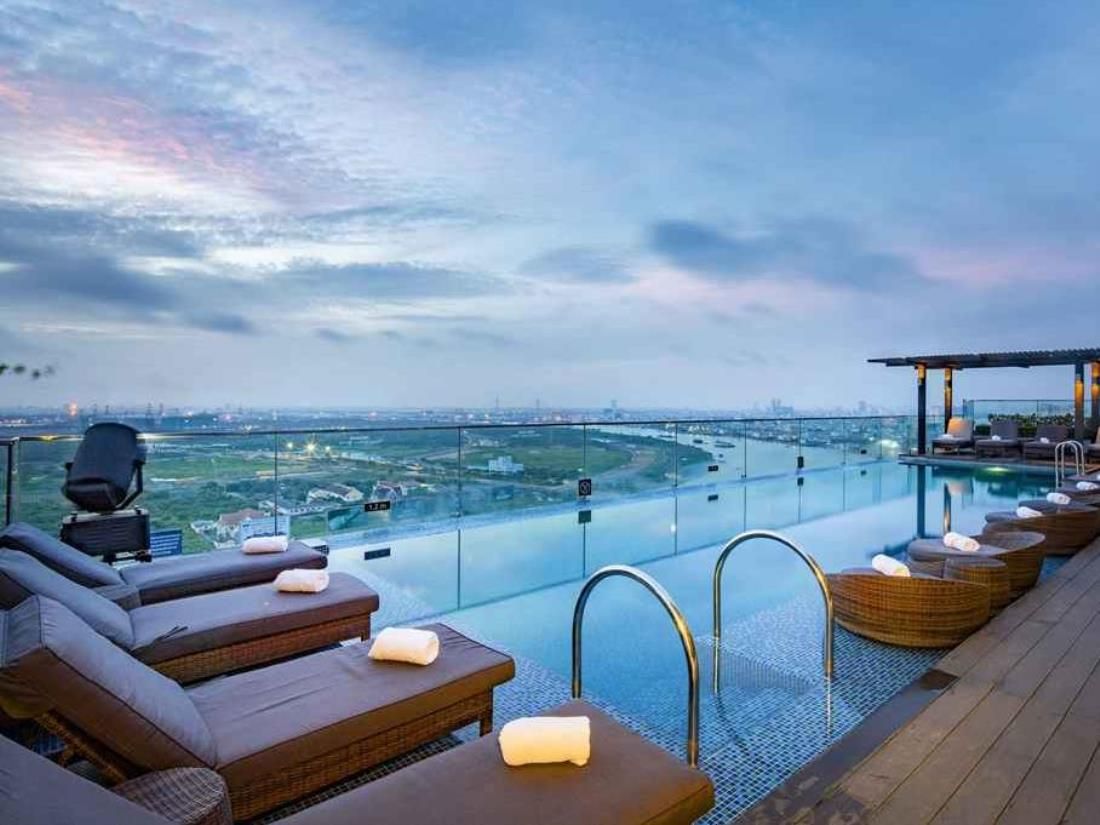
    Hotel room rates in Hanoi and HCMC, at around $110 a night, are the second most expensive in Southeast Asia behind only Singapore. Real estate services firm CBRE Vietnam said at a recent conference that the performance of the four- and five-star hotel segments was very strong in 2018 due to limited supply but constantly increasing demand.

    By the end of the year the average rent in this segment reached $112.6 in Hanoi and $114.1 in HCMC. High-end rooms in Hanoi number 7,770, of which two thirds are in the five-star category, and their average occupancy rate last year was 78.4 percent.

    Most of them are concentrated in the downtown area and Ba Dinh, a central district where most government offices and embassies are located.

    CBRE said in recent years sharing economy models like AirBnB have been trending, with AirBnB supply in Hanoi and Ho Chi Minh City topping 24,000 units compared to 17,500 four- to five-star hotel rooms.

    “However, despite the rapid growth of this model, room-sharing has not a clear impact on business in the four-five-star segment.”

    As of 2017 there were 118 five-star hotels/resorts in Vietnam, almost twice the number in 2013.

    They had an occupancy rate of over 75 percent, 5 percentage points up from 2016, according to global consulting firm Grant Thornton.

    Vietnam National Administration of Tourism (VNAT) statistics show an upsurge in the number of foreign visitors to Vietnam in the last few years. Last year 15.5 million came to the country, a 20 percent rise from 2017.

  • Incheon Airport breaks record with 2018 sales

    Incheon Airport breaks record with 2018 sales

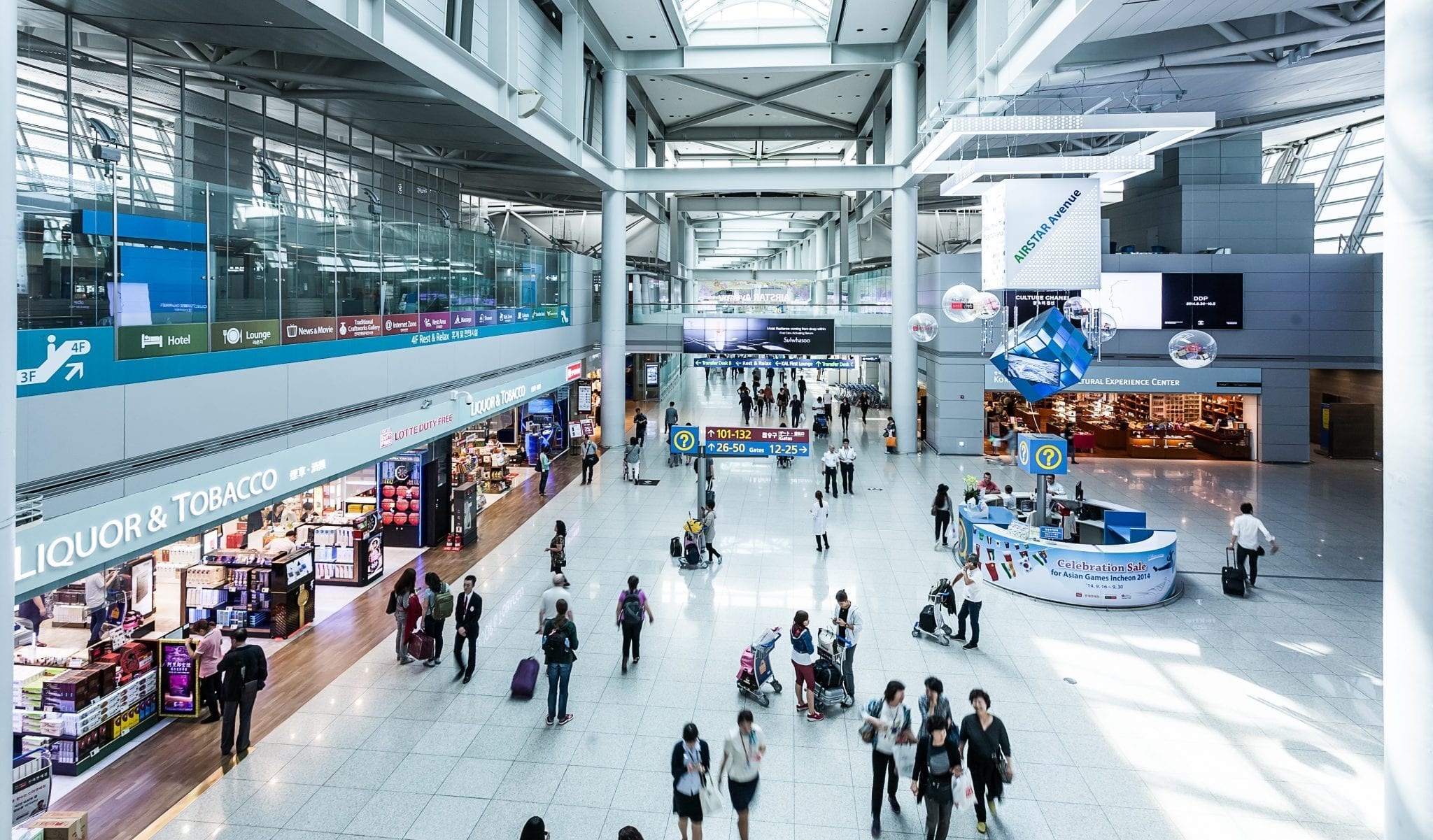
    Incheon International Airport announced record annual sales of US$2.4 billion for 2018, beating the previous record set in 2017. The performance ranks Incheon as the world’s number one airport for duty free sales in 2018, ahead of Dubai International. The latter’s anchor retailer, Dubai Duty Free, posted 2018 sales of US$2.015 billion. Sales rose 14.8% year-on-year, driven by the successful opening of Terminal 2 in 2018 and increased passenger traffic from the 2018 PyeongChang Winter Olympics. Departing passenger traffic rose 9.9% in the year, Incheon International Airport Corporation told The Moodie Davitt Report. A total of 67.7 million passengers used the airport in 2018, including 33.9 million arriving and 33.8 million departing.

    Cosmetics & perfumes continued as the leading product category with a 40% share of the mix and US$953 million in sales. Liquor and tobacco combined took second place with US$540 million (23%).

    Incheon International Airport Corporation (IIAC) said that the 2019 introduction of arrivals duty free shopping will boost the shopping offer.

    “With the introduction of the first arrival duty free in Korea, Incheon Airport will strengthen its competitiveness as the leading airport of the industry, satisfying customers through an advanced shopping environment,” IAAC commented.

    IIAC noted the retail performance of T2, which opened in January 2018. The terminal boasts outstanding beauty, liquor and tobacco flagship stores that feature exceptional design and digital and experiential components, the corporation said. Luxury boutiques such as Chanel and Valentino also played a role in the record-breaking performance.

    T1 performance was boosted by the addition of new retailers, Shinsegae Duty Free and Grand Duty Free. Both had minimised store closure periods during their respective handovers, IIAC said.

    Despite the collapse in Chinese tourism to South Korea from March 2017 driven by the THAAD row with China, duty free sales have maintained their upward curve throughout the ensuing period. Even in 2017, the nadir of the crisis, Incheon posted a 4.1% rise in duty free sales (admittedly well behind a 7.6% passenger increase).

    While Chinese tourism numbers are still well short of 2016 levels (-41.6% for the first 11 months of 2018), spending by daigou traders spurred the Korean duty free market to new heights last year. Incheon, while having a more balanced passenger spending profile than the overwhelmingly Chinese-dominated downtown stores, still benefited from that trend.

    What happens in 2019 following China’s introduction this month of a new e-commerce designed to crack down on daigou imports? That’s the question on everyone’s lips in Korean (and Asian) travel retail. Incheon International Airport Corporation will hope that a combination of a steady recovery in traditional Chinese tourism, daigou ingenuity in getting around the rules, and strong Japanese and Korean business will maintain the upward trajectory. The imminent introduction of the country’s first arrivals shops will help too.

    Higher sales in 2018 did not, of course, equate to higher profitability for the country’s duty free retailers, hurt by the high costs of attracting daigou shoppers. For Incheon International Airport, however, safely wrapped up in the safe haven of steep minimum annual guarantees, 2018 will go down as a stellar year.

  • Bamboo Airways to begin flying next week

    Bamboo Airways to begin flying next week

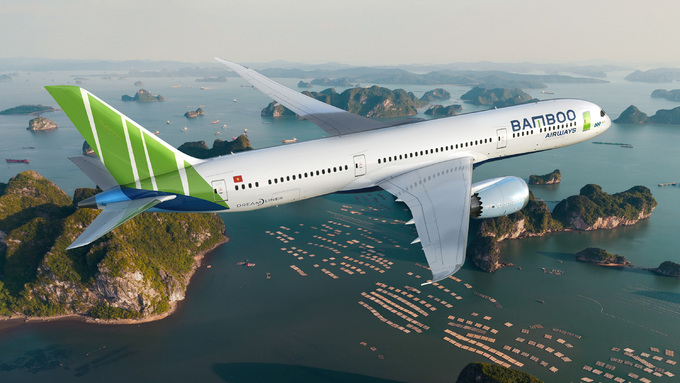
    Bamboo Airways, Vietnam’s newest airline, has begun ticket sales and its first flight is scheduled to take off next Wednesday. The airline has just officially opened ticket sales on Saturday. It has three ticket classes, Economy, Flexible Economy and Business Class, and unlike other low-cost carriers like VietJet and Jetstar Pacific, all passengers will be served hot meals or snacks.

    The carrier has announced a slew of promotions such as combining air tickets with hotel rooms at resorts owned by FLC Group, its parent company, and golfing.

    The airline’s vice president, said the first flights would be to Hanoi, HCMC, Danang and popular tourist destinations such as the central provinces of Quy Nhon, Quang Binh and Thanh Hoa and the northern province of Quang Ninh.

    Bamboo Airways start off with 60 domestic flights a day. Later this year it will fly to Japan, Korea and Singapore.

    Bamboo Airways was founded in mid-2017 with a charter capital of VND700 billion ($30 million), which it increased to VND1.3 trillion ($55.68 million) recently.

    The airline has signed deals to buy 24 Airbus A320neo and 20 Boeing B787-9 Dreamliner aircraft for around $8.6 billion.

    The four other carriers currently in Vietnam are Vietnam Airlines, Vietjet Air, Jetstar Pacific, and VASCO.