Tag: Holiday

  • AirAsia to install broadband on more than 120 planes

    AirAsia to install broadband on more than 120 planes

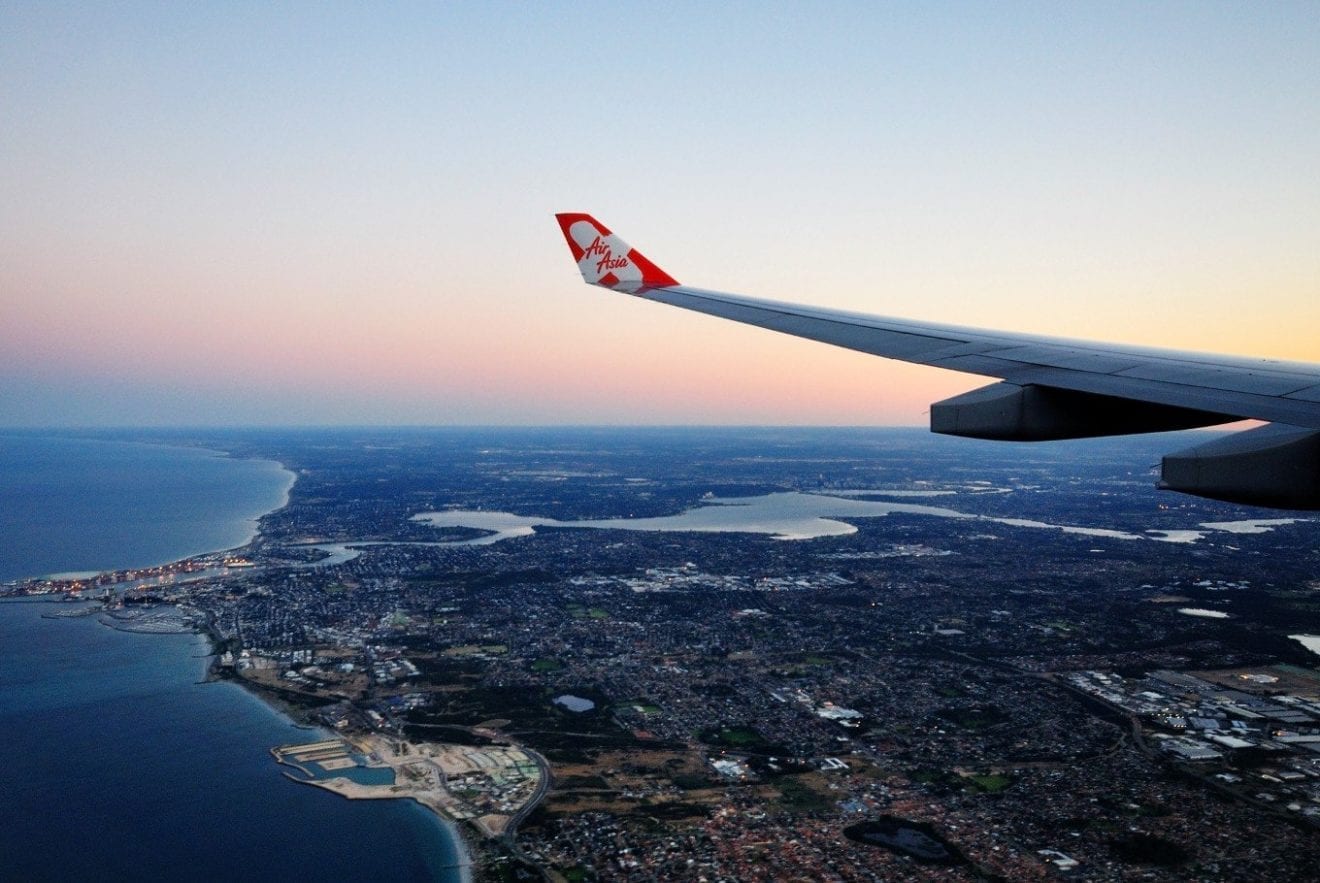
    The Malaysian conglomerate has signed a contract to hook up much of its vast fleet with high-speed broadband. It announced the move last week as the ink dried on a contract with Inmarsat, a British satellite telecommunication company.

    From the first half of next year, the airline will set up its inaugural connected plane with GX Aviation, Inmarsat’s in-flight broadband tech.

    The contract covers all existing and future Airbus 320 and A330 across the AirAsia Group as a whole, including its long-haul operator AirAsia X. There is also a possibility for the agreement to cover planes joining the fleet in the future, such as the Airbus 350.

    Inmarsat Aviation President Philip Balaam said, “AirAsia Group is one of the aviation industry’s leading innovators and we are delighted that GX Aviation will play a key role in their future service offering. The fact that we have signed this contract within months of announcing a Memorandum of Understanding is testament to AirAsia’s confidence in GX Aviation and builds on its successful track record as a leading customer of our SwiftBroadband service.

    “The scale of this contract, covering more than 120 existing aircraft and one of the industry’s largest order books for additional aircraft, showcases our status as a global market leader in advanced in-flight broadband. Inmarsat has the fastest growing service uptake in our market, with, following this agreement, more than 1,300 aircraft, expected under signed contracts, both installed and under backlog, for our next generation GX Aviation and European Aviation Network (EAN) solutions.”

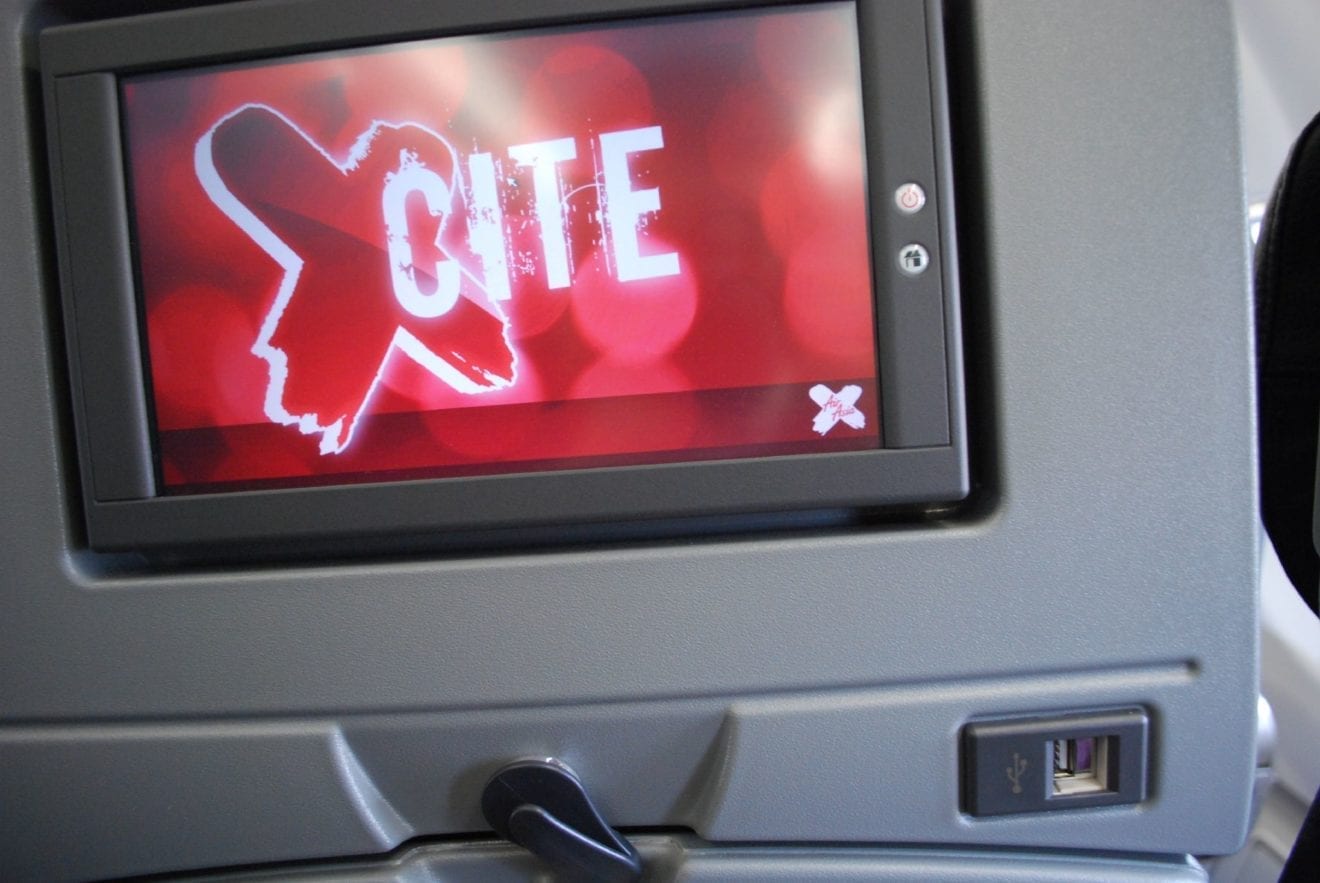
    AirAsia Group Chief Executive Officer Tony Fernandes said, “GX Aviation will form the backbone of AirAsia’s digital cabin offering. By delivering inflight connectivity that’s indistinguishable from what you get on-ground, our guests will be able to stay connected in ways that matter to them, whether it’s streaming movies or music, checking social media, messaging friends or catching up with work emails. Coupled with our ROKKI entertainment and e-commerce platform featuring free movies, music, articles and games as well as shopping, AirAsia guests will soon be able to enjoy one of the richest digital inflight experiences in Asia, while also enhancing our knowledge of our guests with very rich data.”

    This contract supports Inmarsat’s strategy of providing airlines with tailored scalable capacity by designing, owning and operating a global network of High-Throughput Satellites (HTS).

    AirAsia Group will connect to the GX network using new JetWave terminals produced by Honeywell Aerospace. The terminals are designed, according to Inmarsat, for ease of installation and maintenance to assure the lowest downtime for any cabin connectivity solution in the market, allowing installation with minimal labour and using standard tools available in maintenance hangars.

  • Lagardere Travel Retail unveils new stores at Gold Coast Airport

    Lagardere Travel Retail unveils new stores at Gold Coast Airport

    Lagardere Travel Retail has introduced its latest destination concept stores, ‘Out of Australia’, at the Gold Coast airports international terminal.

    Awarded five sites as part of a competitive tender process held in late 2016, Lagardere has also unveiled concessions in Gold Coast Airport’s common user terminal. The sites cover both international and domestic departure lounges, as well as arrivals.

    In tandem with newly unveiled The Gold Coast Store’ at domestic departures, the travel retailer has also upgraded the Aelia Duty Free store and added the world’s largest travel essentials brand, RELAY, to the retail mix in the international lounge.

    The revised offer showcases key brand installations including Bundaberg Rum, Sunglass Hut and tech2go to cater to the change in passenger profiles. Along with increasing its presence in an online platform, the new offers are designed to enhance the overall passenger experience.

    These new developments are all in conjunction with Gold Coast Airport’s preparation for the 2018 Commonwealth Games being held on the Gold Coast.

    “We’re delighted to deliver new and innovative concepts to the Gold Coast Airport, offering the passengers a complete travel essentials, destination and duty free offer, with a strong mix of local flavour and true sense of place” said Matthieu Mercier, Lagardere Travel Retail CEO of Pacific region.

    “We have enjoyed a long and successful partnership with the airport since 2002, so are excited to be part of this redevelopment phase.”

    Deborah Price, general manager commercial of Gold Coast Airport said the new concepts brought a “different dimension with a more sophisticated souvenir offer” and been well received.

    “This is all part of upgrading and enhancing the passenger experience in preparation for the Commonwealth Games in April 2018,” she added.

  • Cebu Pacific seeks extended travel tax exemption for some SE Asia routes

    Cebu Pacific seeks extended travel tax exemption for some SE Asia routes

    Cebu Pacific on Tuesday urged the government to extend the travel tax exemption on routes within Palawan, Mindanao and neighboring Southeast Asian countries, which expires next month.

    Travelers coming from the two Philippine islands who are going to Brunei, Indonesia and Malaysia were exempted from the P1,620 duty for 3 years from Oct. 24, 2014 to promote BIMP-EAGA, a Southeast Asian growth area.

    President Rodrigo Duterte also recently pushed for the revitalization of the BIMP-EAGA or the Brunei-Indoneseia-Malaysia-Philippines East Asia Growth Area.

    “We believe that this would provide relief to the Filipino travelers and accelerate trade and tourism between the member countries, in accordance with the spirit and intent behind the creation of BIMP-EAGA,” said Cebu Pacific vice president for corporate affairs JR Mantaring.

    The Mindanao Development Authority serves as the Coordinating Office of the Philippines for BIMP-EAGA.

    Cebu Pacific subsidiary Cebgo will start its Zamboanga-Sandakan route on October 29, 2017. The 4 times weekly service (Tuesdays, Thursdays, Saturdays, and Sundays) is the carrier’s 27th international destination.

  • Indonesia focuses on attracting more Asia-Pacific tourists

    Indonesia focuses on attracting more Asia-Pacific tourists

    Indonesia is currently channeling its efforts to attract foreign tourists from Asia-Pacific countries. Deputy for Foreign Tourism Marketing Development of the Ministry of Tourism I Gde Pitana noted in a written statement in Jakarta on Friday that his office is focusing its foreign tourism marketing program this year on markets in the Asia-Pacific region.

    “Targeted countries include China, Australia, Japan, South Korea, India, and other markets,” he revealed.

    Several promotional initiatives have been prepared, for instance, by undertaking more activities in the form of exhibitions and sales missions.

    Pitana stated that from January to December 2017, his office has prepared 54 activities in the form of 30 exhibitions and 24 sales missions.

    Festivals will be promoted through 30 activities and familiarization trips of 51 activities.

    Meanwhile, promotional activities implemented in the Asia-Pacific markets until July 2017 include participation in the Incentive Travel Convention Meeting in China, Hanatour International Travel Show, International Travel Expo in Hong Kong, and ADEX Australia.

    Furthermore, in the second semester of 2017, Indonesia will participate in several important events, such as the PATA Travel Mart, JATA Tourism Expo, China International Travel Mart, and MATTA Fair.

    “The same activities were also held in the European, Middle East, American, and African markets to exploit their potential,” Pitana noted.

    It will participate in nine exhibition events, with one each in July, August, and September; as well as two exhibitions in October; and four in November 2017.

    Among the international exhibition events is the largest exhibition WTM London and World Halal Tourism Summit.

    Pitana expects to see an increase in participation and synergy among the local government, tourism business players, and other tourism stakeholders to support the international tourism marketing program in 2018.

    “Several activities involving collaboration with the local governments include with the Aceh government for the MATTA Fair and ITB in Berlin and with the Yogyakarta provincial government in the Vietnam Travel Mart. We hope that participation and synergy between the central and local governments would strengthen cooperation with associations and other elements, such as the media, academia, and community, in 2018 ” Pitana added.

  • Flight Centre buys two New Zealand firms

    Flight Centre buys two New Zealand firms

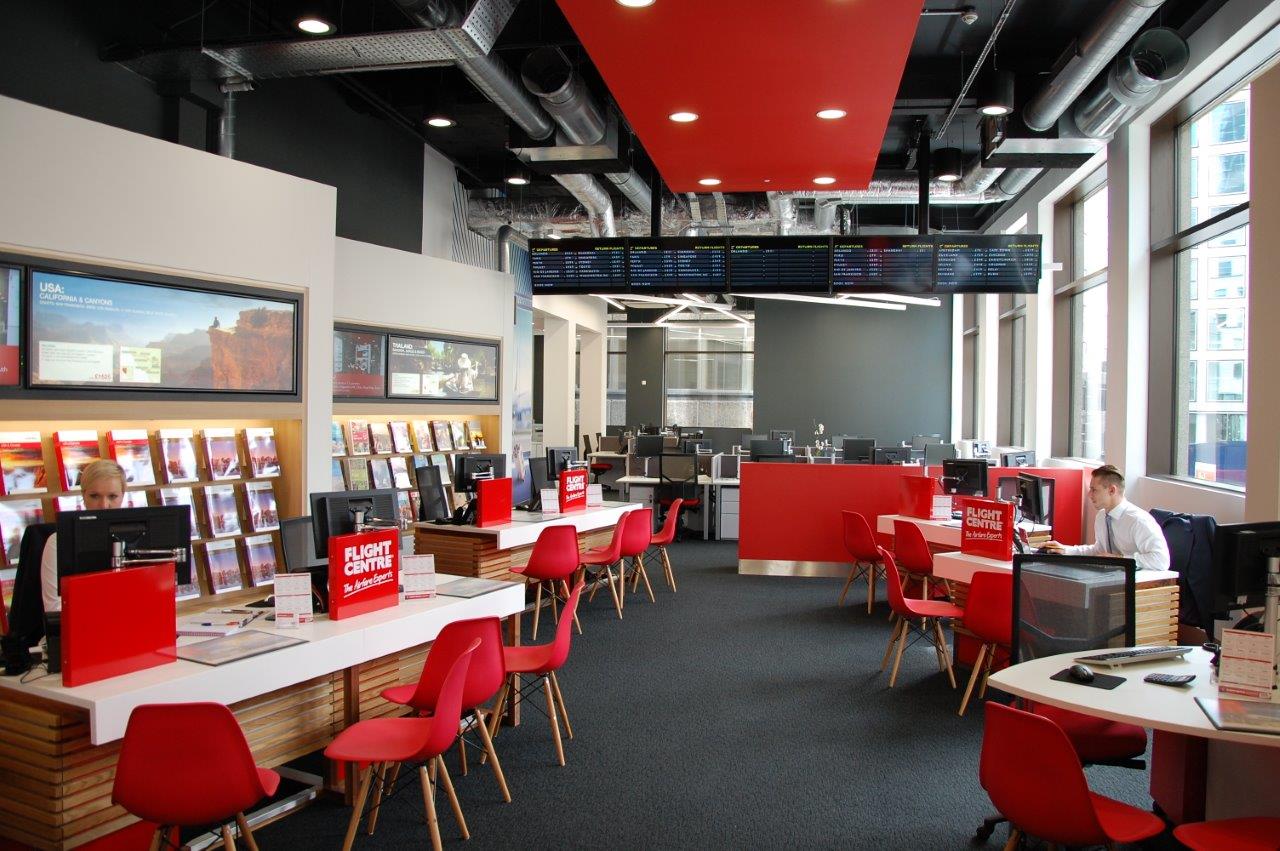
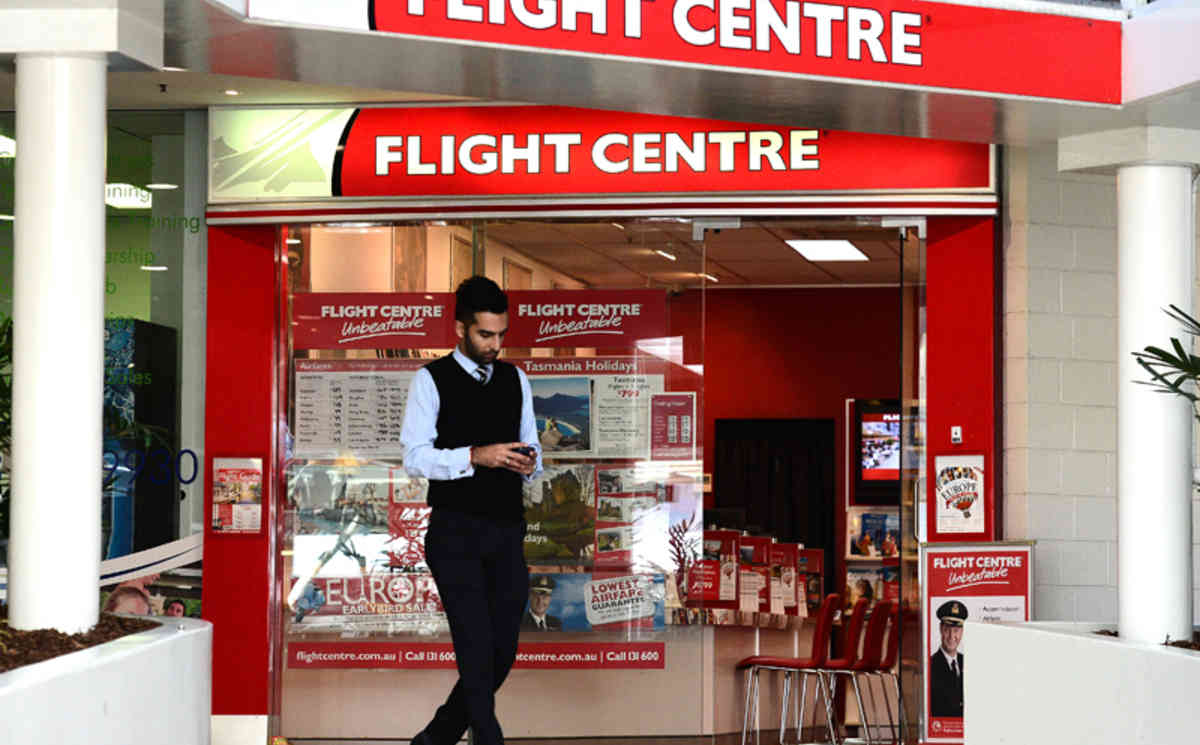
    ASX-listed Flight Centre Travel Group bought two local travel firms for a combined A$19.5 million as it seeks to expand its footprint in New Zealand, making it one of the country’s biggest travel management groups.

    In its annual earnings published to the ASX on Thursday morning, the Brisbane-based company said it has agreed to buy Travel Managers Group (TMG) for an initial A$8.37m and Executive Travel Group (ETG) for an initial A$11.17m, each with working capital adjustments to be made.

    TMG provides systems and support to a network of 180 travel brokers and operates a 22-shop franchise network including 12 TravelSmart shops and 10 other non-branded stores, while ETG is New Zealand’s biggest independent corporate travel manager.

    The Australian travel agent’s New Zealand business generated total transaction value of A$1.1 billion in the year ended June 30, 2017, up 10 per cent from a year earlier.

    Chief operating officer Melanie Waters-Ryan said the business was “successfully executing its key global strategies which include enhancing productivity in the short-term”.

    “The company has also strengthened its presence in the home-based/independent contractor sector, a rapidly growing part of the travel industry, by recently agreeing to buy established networks in both New Zealand (Travel Managers) and Australia,” she said.

    When it announced the deals at the beginning of August, Flight Centre said the purchases made New Zealand its fifth biggest business globally.

  • Record first-half sales for Samsonite International

    Record first-half sales for Samsonite International

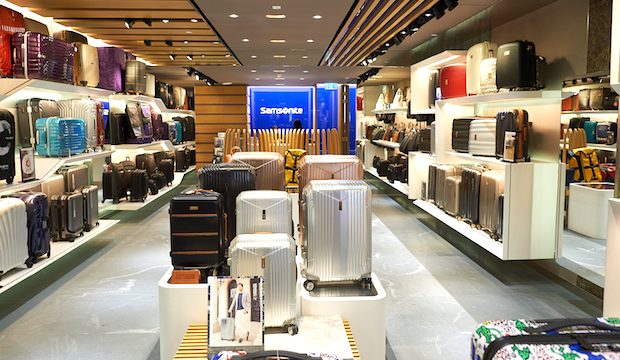
    Luggage company Samsonite International had record half-year net sales of US$1.5 billion, a year-on-year increase of 31.8 per cent.

    Its acquisition of the Tumi brand had “significant” positive impact on its performance in Asia, reports the company, announcing its interim results.

    Samsonite assumed direct control of Tumi distribution in China, Hong Kong, Indonesia, Macau, South Korea and Thailand. It also added 37 Tumi stores worldwide. As a result, the brand had net sales of $296.9 million for the six months.
    Excluding amounts attributable to the Tumi business, the group posted 7.5 per cent net sales growth. Net sales of the Samsonite brand grew by 7 per cent, and for American Tourister by 1.3 per cent.

    “Further down the price pyramid, our Kamiliant brand performed exceptionally well, validating our belief in the vast untapped potential of the entry-price segment,” says Samsonite International CEO Ramesh Tainwala. “We will further expand Kamiliant distribution across Asia.”

    E-commerce acquisition

    Also acquired, in May, was eBags, for a cash consideration of $105 million. The company says this significantly strengthens its platform to accelerate the growth of its direct-to-consumer e-commerce business.

    Already this grew 89 per cent during the first half (20.2 per cent excluding Tumi), driven by a 126.7 per cent increase in net sales, partly as a result of acquiring eBags.

    Net sales in Asia reached $563.3 million for the group, an increase of 19.8 per cent. Excluding Tumi, the increase was 3.8 per cent.

    Japan had 53.4 per cent net sales growth. Excluding Tumi, this was a 12.8 per cent increase, driven by the American Tourister, Gregory and Samsonite brands.

    China’s net sales grew 11.2  per cent, or 8.8 per cent with Tumi excluded. This was attributed to a strong performance from the Samsonite brand.

    Net sales in South Korea were up 18.1 per cent, but would have been down 1.6 per cent without Tumi. This was because of fewer shoppers from China and weak consumer sentiment.

    Hong Kong’s net sales soared 97 per cent, driven by the addition of Tumi. Otherwise there would have been a 1.7 per cent decrease because of fewer Mainland China visitors. This compares with the 7.4 per cent decline in the second half of last year and the 15.6 per cent drop in the first half.

    Driven by the Kamiliant and Samsonite brands, net sales in India grew by 1.9 per cent. However, there was a temporary disruption in the second quarter because of a goods-and-services tax taking effect.

  • Vietnam develops an appetite for booking trips by phone

    Vietnam develops an appetite for booking trips by phone

    ‘Travel expenditure in Vietnam will rise rapidly due to increasing disposable incomes and growing middle-class affluence.’

    Mobile travel sales accounted for around 7 percent of total online sales in Vietnam in 2016.

    Over the past four years, mobile sales have witnessed strong growth of nearly 60 percent, a new report released by Criteo, an internet advertising company, revealed.

    “Travel expenditure in Vietnam will rise rapidly due to increasing disposable incomes and growing middle-class affluence,” said Alban Villani, general manager of Criteo Southeast Asia, Hong Kong and Taiwan.

    “Vietnam is a mobile-first society with a very high mobile penetration rate. Since the ubiquitous presence of internet, online and mobile traveling purchases become more commonplace. We expect digital traveling will become the new trend of traveling,” he added.

    In comparison to other countries, mobile travel sales in Vietnam contribute modestly to total online travel sales, but are expected to take up a bigger slice of online travel sales by the end of 2020, according to the report. During the next five years, the revenue generated from travel purchases via mobile is expected to grow by 22.4 percent.

    Travel remains an area that the Vietnamese are devoted to, according to the report. During 2016, Vietnamese people took 6.9 million outbound trips and 52.8 million domestic trips, said the report.

    On average, each Vietnamese person took 5.6 trips each in the last 12 months.

    Online and mobile strategies are crucial for retailers and online travel agents to engage with shoppers while they browse and book trips and ancillaries.

    The survey was conducted in February 2017 among 1,900 travelers from Australia, China, India, Indonesia, Japan, Singapore, South Korea, Taiwan and Vietnam who search or book travel products online.

  • Flight Centre buys two New Zealand travel firms

    Flight Centre buys two New Zealand travel firms

    ASX-listed Flight Centre Travel Group will buy two local travel firms for an undisclosed sum, expanding its footprint in New Zealand and making it one of the country’s biggest travel management groups.

    The Brisbane-based company on Monday said it had agreed to buy Travel Managers Group (TMG) and Executive Travel Group (ETG), without providing details of the transactions, making New Zealand the Australian firm’s fifth biggest business globally.

    The two businesses will add $3 million of annual earnings before interest, tax, depreciation and amortisation, and Flight Centre said their addition will boost the New Zealand business to almost $1.5 billion in annual sales in the 2018 financial year.

    “ETG will enhance our already strong corporate travel offering in New Zealand and will give the business additional scale and expertise,” Flight Centre managing director Graham Turner said in a statement to the ASX.

    TMG provides systems and support to a network of 180 travel brokers and operates a 22-shop franchise network including 12 TravelSmart shops and 10 other non-branded stores, while ETG is New Zealand’s biggest independent corporate travel manager.

    Former Flight Centre staffer Kevin Weston co-owns ETG, which was set up in 1978 and he and business partner Nicola Jamieson bought a 40 per cent stake in TMG in 2014.

    Weston, Jamieson and TMG shareholder David Wallace will keep running the two businesses, and report to Flight Centre New Zealand managing director David Coombes.

    Flight Centre will use company cash to pay for the acquisitions, which are expected to settle in the first quarter of the 2018 financial year. No price was disclosed, although Flight Centre said they were in line with normal multiples. The ETG purchase includes extra payments if certain earnings targets are met.

    The ASX-listed company’s shares last traded at $A43.50 ($NZ46.33) and have jumped 39 per cent so far this year.

  • Inflight Wi-Fi essential for 2 in 3 APAC travelers

    Inflight Wi-Fi essential for 2 in 3 APAC travelers

    Two thirds of airline passengers in Asia-Pacific feel that inflight Wi-Fi is not merely a luxury but a necessity, according to Inmarsat-commissioned research.

    A survey of travelers in the region, conducted by market research company GfK, found that 79% are willing to pay for inflight connectivity even on short leisure flights. In addition, 61% believe quality inflight Wi-Fi is more important than onboard entertainment.

    The survey found that inflight broadband is changing the airline industry and transforming travelers’ expectations of the onboard experience.

    Inflight Wi-Fi is becoming so important that over half (52%) of passengers in the region say they will stop using their preferred airline within the next year if it does not introduce the technology.

    Passengers who have experienced high-quality in-flight Wi-Fi also rate it as the third most important consideration when choosing an airline, behind ticket price and flight slots.

    Passengers in China are more likely to be conscious of the quality of Wi-Fi (55%) than those from other countries in the region. Notably, the top three airlines that passengers expect to offer in-flight Wi-Fi and eventually lead the inflight connectivity market in APAC are airlines from China – Air China (46%), China Eastern Airlines (22%) and China Southern Airlines (21%).

    “Good quality Wi-Fi in the air is changing the way people think about flying. Whether using the time to work, to connect with friends and family, or to pass time shopping or viewing entertainment, the availability of inflight broadband has become a major factor when choosing an airline,” Inmarsat Aviation vice president for APAC Otto Gergye said.

    “It’s clear the opportunity that connectivity presents to airlines cannot be underestimated. Airlines in Asia Pacific are recognising this, and can now take advantage of having a high quality onboard Wi-Fi option available in the region.”

  • Vietnamese spending more money on travel

    Vietnamese spending more money on travel

    Vietnamese now tend to prefer outbound tours instead of domestic ones as it has become less costly to travel abroad and foreign agencies are more professional in promoting tours. Travel firms including Vietravel, Saigontourist, Du Lich Viet and Tugo have reported sharp increases in bookings for outbound tours.

    According to VITA, 6.5 million Vietnamese traveled abroad last year, an increase of 15 percent over 2015, and they spent $7-8 billion during the trips. Domestic travel has also been growing well. In the first six months of the year, the number of domestic travellers reached 40.7 million, up 25 percent compared with the same period last year (32.4 million).

    The improved income of Vietnamese is the major reason behind increased travel demand.

    However, analysts believe that internet development is also an important factor They said travel firms now are taking full advantage of the ‘addiction’ of Vietnamese to the internet and smartphones to stimulate demand for travel.

    Le Tu from Google Asia Pacific cited Google’s statistics that 90 percent of Vietnamese smartphone users are aged 30 and under and up to 40 percent use two smartphones.  Vietnamese check their mobile phones 150 times a day.

    The frequency of Vietnamese searching for travel information is even more surprising. At least 48 percent of smartphone users search for information about hotels, and 42 percent search for information about flights.  18 percent search for both.

    Vietnamese also spend more money. A report from Nielsen showed that tourism ranks fourth among the group of products on which Vietnamese spend money the most on e-commerce, after clothing, entertainment products and cosmetics.

  • Over 1 million passengers travel through Bali airport

    Over 1 million passengers travel through Bali airport

    State-owned airport operator PT Angkasa I said that over 1 million passengers have traveled through Balis Ngurah Rai International Airport during the homecoming flow of post-fasting travelers since 10 days (D-10) before the Lebaran D-Day to D+4.

    Head of Public Relations of PT Angkasa Pura I at I Gusti Ngurah Rai International Airport, Arie Ahsanurrohim, stated in Denpasar on Saturday that the passengers recorded during the period were those for domestic and international routes.

    Arie added that the movement of passengers was calculated based on regular and unscheduled flights.

    He explained that the unscheduled flights were the ones used by former US president Barack Obama and Malaysian Prime Minister and family when they visited during the Lebaran holiday season.

    Meanwhile, related to the flow of Lebaran homecoming, Arie explained that the movement at the local airport was quite unique compared to other airports in Indonesia, which are mostly dominated by the flow of departing passengers.

    At Ngurah Rai Airport, the flow of departure and the arrival of passengers were high or only slightly different, considering Bali as a tourist destination where many tourists spend the long Lebaran holidays.

    Data from Integrated Monitoring Lebaran Command Post at the airport mentioned on H+4 or on Friday (June 30) that the number of domestic passenger arrivals reached 19,174 people, up 10.6 percent compared to the same period in 2016.

    Passengers departing from the airport reached 21,573 people, or jumped 14 percent compared to the same period in the previous year.

    The number of those arriving and departing through the international routes increased with arrivals recorded at 16.3 thousand, or up by 16 percent, and departure at 17.7 thousand, or up by 14 percent.

  • Wings Air to open new route to three cities from Jakarta

    Wings Air to open new route to three cities from Jakarta

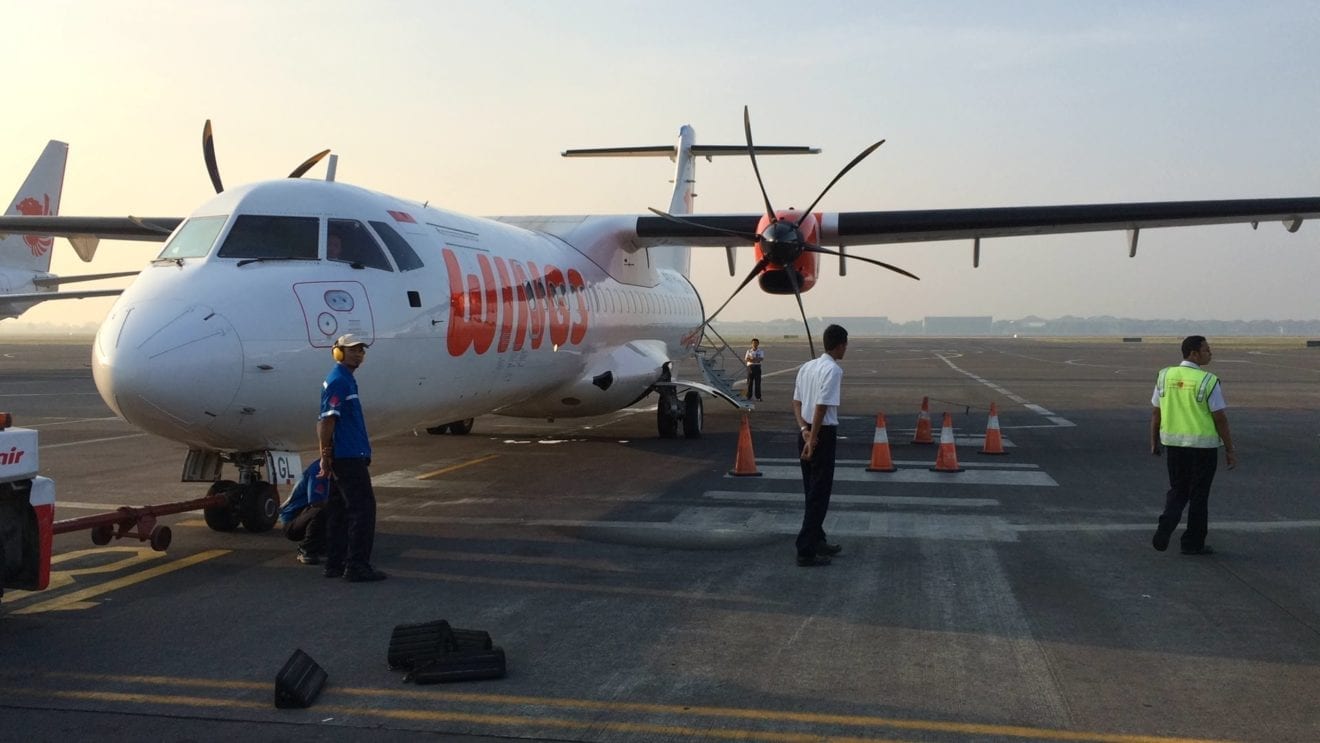
    Wings Air, a subsidiary of Indonesia’s largest airline, Lion Air Group, will soon open a new route from Jakarta via Halim Perdanakusuma International Airport to three destinations in one go, namely Bandung, Malang and Makassar.

    “The new route will only be served once every day and will use ATR ‪72-500/600 aircraft that have a capacity of 72 passengers,” said Lion Air Group president director Edward Sirait.

    The route will launch on July 2, with departure from Jakarta scheduled at 1:55 p.m., from Bandung to Malang at 2:15 p.m. and from Malang to Makassar at 4:35 p.m.

    On July 3, the plane will fly back from Makassar to Malang at 6 a.m., then from Malang to Bandung at 7:25 a.m. and from Bandung to Jakarta at 9:35 a.m.

    “Currently, Wings Air flies to more than 86 domestic destinations with more than 293 daily flights and owns 52 ATR ‪72-500/600 aircraft,” Edward added.

  • AirAsia X enters U.S. market with flights to Honolulu

    AirAsia X enters U.S. market with flights to Honolulu

    Low-cost airline AirAsia X entered the U.S. market Wednesday, arriving in Honolulu on an inaugural flight for a new route between Malaysia and Hawaii.

    The AirAsia X flight departed Kuala Lumpur, Malaysia, and stopped in Osaka, Japan, before landing at Honolulu International Airport. The new flight will operate four times per week utilizing Airbus A330-300 aircraft with 12 premium flatbeds and 365 economy seats.

    “We are here to democratize air travel for everyone so flying long haul would no longer be a luxury only a few could enjoy,” AirAsia X Group Chairman Tan Sri Rafidah Aziz, who held a news conference at The Royal Hawaiian hotel after landing in Honolulu, said in a statement. “This landmark route to Hawaii is a bold new chapter in that quest to help more people travel farther for less.

    “But this is just the beginning, and soon our guests will be able to enjoy flights to even more destinations in the US as we continue to grow our international footprint.”

    AirAsia X, an affiliate of the AirAsia Group, operates in 24 destinations in Asia, Australia, New Zealand and the Middle East.

  • Tourism plans in Mekong Delta called too ambitious

    Tourism plans in Mekong Delta called too ambitious

    Thirteen provinces and cities in Mekong Delta received 7.6 million travelers in 2016, including 900,000 foreign travelers, or 10 percent of total foreign travelers to Vietnam.

    Under the plan for Mekong Delta tourism development, the region would have turnover of VND25 trillion by 2020, or VND15.3 trillion higher than last year’s turnover.

    Some experts commented the plan is too ambitious, because the number of travelers to Mekong Delta has not increased sharply like other regions. With the overlap in tourism products, poor infrastructure and services, and bad marketing, Mekong Delta tourism agencies should not set a high target in the number of travelers.

    An analyst commented that there could be a ‘one for all’ tour, in which travelers visit one locality to experience all the products of the whole region.

    If travelers visit My Tho, they will not need to go to Can Tho, and if they visit Can Tho, they can go straight to Chau Doc or to Cambodia, and there would be no need to stop over in neighboring localities.

    My Tho and Ben Tre’s tourism has become nearly saturated as all tourism resources such as don ca tai tu (amateur music in southern Vietnam), hand rowing and craft villages.

    Travel firms report that travelers to Mekong Delta stay for 1-2 nights or go home within the day. While the central region can exploit its advantages to provide resort tourism or MICE, Mekong Delta has few large groups of 500-1,000 MICE travelers because of the lack of hotels and services.

    Nguyen Thi Hoa Le, CEO of Hoa Binh Tourism JSC, said that provinces and cities need to provide tourism products with ‘specific taste’.

    She has urged local authorities to make heavier investments in infrastructure and services. “All localities want to develop tourism, but how they can attract more tourists if they hesitate to make big investments?” she said.

    Some businesses think Mekong Delta has become less attractive because of rapid modernization. Many rural areas have lost the charm of the southern countryside.

    In Tien Giang and Can Tho provinces, for example, there are floating markets, an original characteristic of the southern region. However, the markets have become smaller as people now have other modern trade channels.

  • Hong Kong’s First Business Travel Mobile App Launched by TravelSky

    Hong Kong’s First Business Travel Mobile App Launched by TravelSky

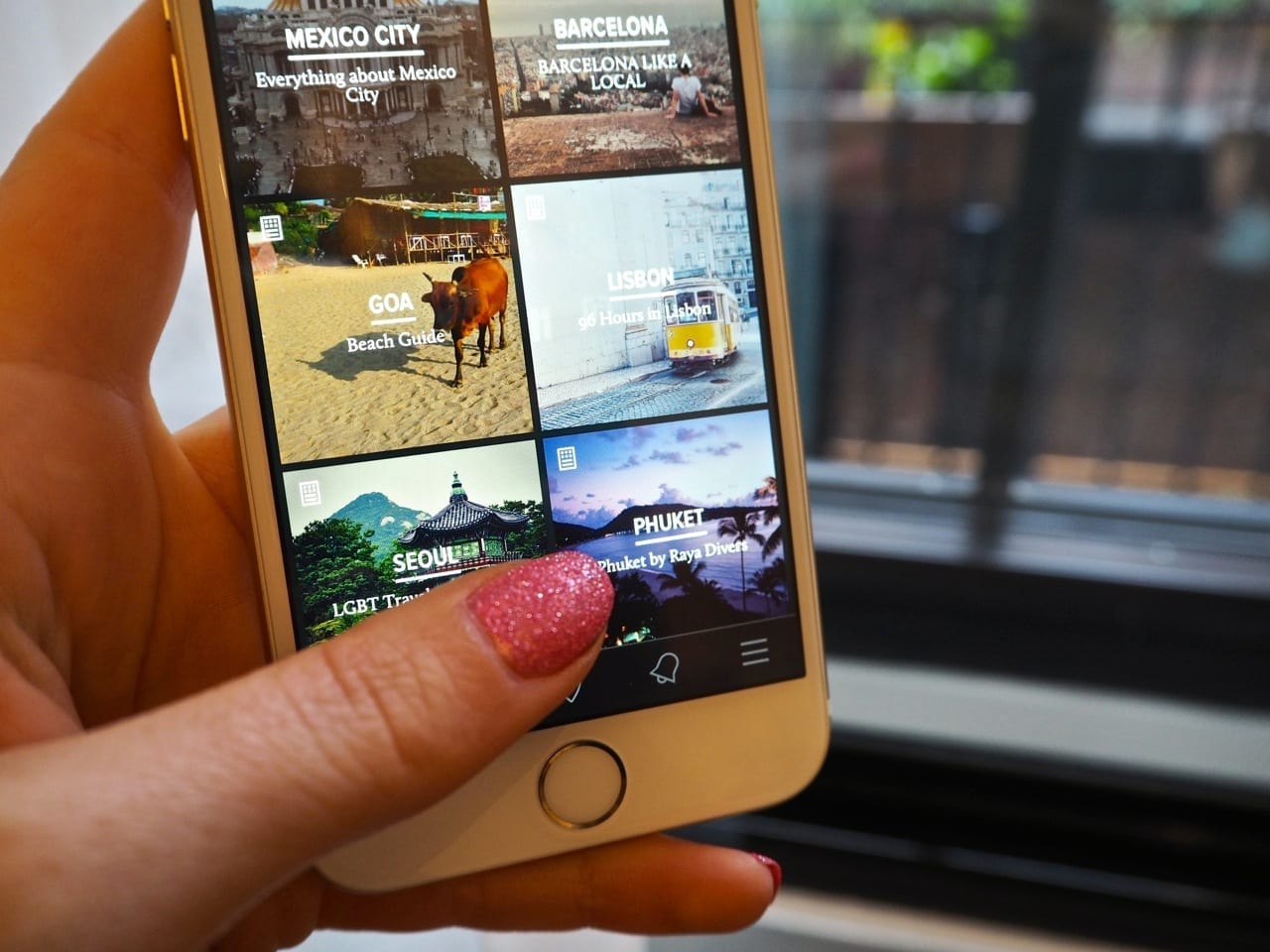
    China TravelSky Holding Company today announced the launch of CozyGo, Hong Kong’s first business travel management mobile app. Tapping into cross-border corporate travel demand, especially among SMEs (small and medium-sized enterprises), the app – unlike anything currently in the market –  provides efficient business-ready travel service based on corporate travel policies. 

    In one of its first forays into international markets, TravelSky decided to launch a Traditional Chinese version of CozyGo in Hong Kong. The business travel management mobile application is designed to enhance the efficiency of the business travel booking process, and the autonomy of the traveler to manage his/her own booking and approval process within just a few clicks, without the need to spend extra time on internal communications for approval of the trip.

    Until now, full integration with users’ corporate travel policies and complete Traditional Chinese functionality have not been available together in one app in Hong Kong. Users of TravelSky partner companies will be able to use CozyGo for flight searching and booking, trip management, and order approval functions. It also stores frequent flyers’ information to provide convenience for repeated bookings.

    Business travel demand is strong and Hong Kong’s large SME sector in particular is known for frequent cross-border business travel. According to TravelSky, bookings with Chinese commercial airlines increased by almost 12% from around 449 million in 2015 to around 502 million in 2016. And in the first two months in 2017, domestic flight bookings with Chinese commercial airlines recorded a YOY increase of nearly 14%, to around 75 million.

    Mr. Peng Bo, General Manager of GDS (Global Distribution System) Business Unit, TravelSky Technology Limited said, “As a leading provider of information technology solutions for China’s aviation and travel industry, we are excited about extending our technology to Hong Kong. CozyGo is our flagship product for travel management companies in China, which achieved 120,000 downloads in 2016. We aim to capitalize on Hong Kong’s high-potential market to capture market share in the corporate travel sector here. Today’s launch aligns with our vision to become a world-class company, internationally competitive and stable in the Chinese market.”

    CozyGo features at a glance:

    1. Flight Booking – It offers the fastest bookings customized for each corporate client, aligned with the corporation’s travel policy.
    2. Approval – Users can submit orders online for trip approval; the app will send timely reminders to the approving manager.
    3. Flight Data – The large database offers comprehensive details for making flight selection decisions.
    4. Flight Status – Flight status is continuously updated on the homepage, users are informed of any change any time, anywhere.
    5. App Download – CozyGo is available for download on Apple App Store (for iPhone, iPad and iPod Touch), and on Google Play (for Android devices).
    6. Language – Users can select the preferred language to display on the interface, between English, Traditional Chinese and Simplified Chinese, catering to the needs of the international business environment in Hong Kong.