Tag: Holiday

  • Asia’s middle classes fuelling global cruise travel, says SCC

    Asia’s middle classes fuelling global cruise travel, says SCC

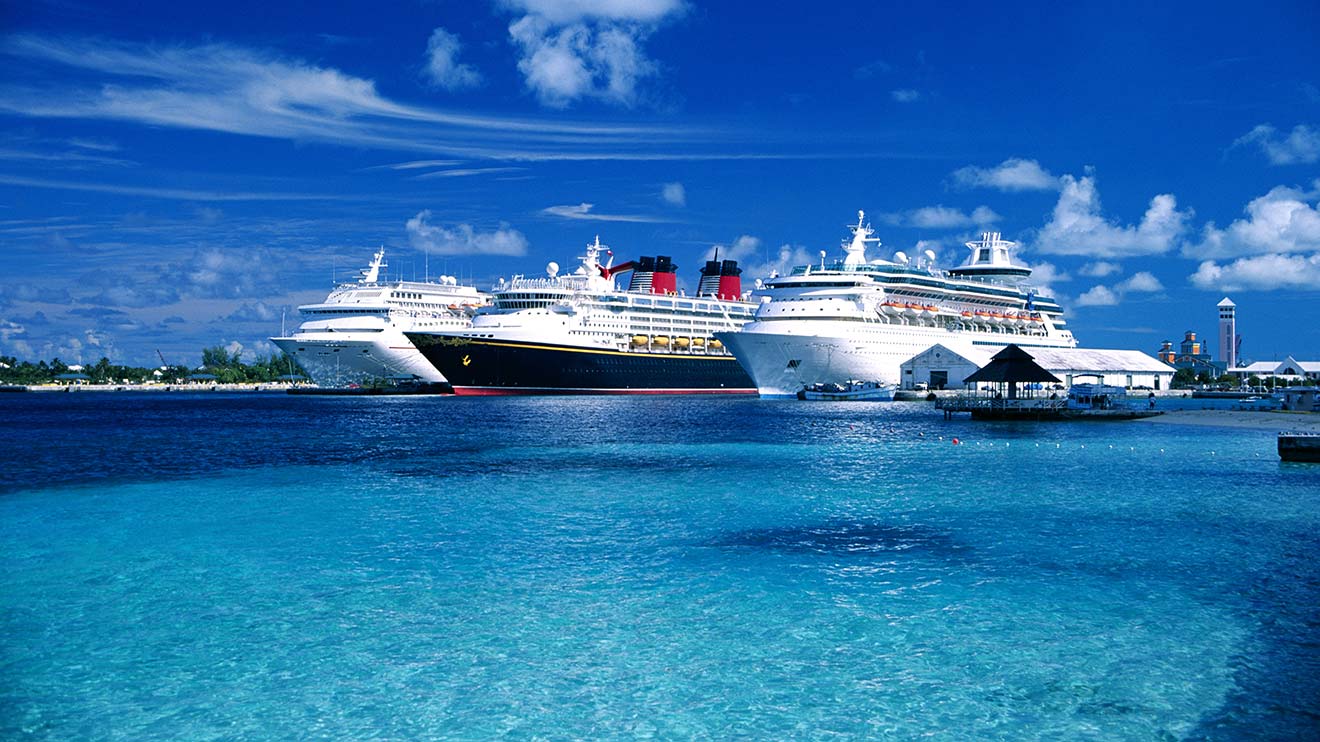
    Cruise travel worldwide will continue to grow at a ‘steady pace’ this year trumpeted by rising demand from Asia’s burgeoning middle classes and broadened vessel offerings, according to Singapore Cruise Centre (SCC).

    Christina Siaw, CEO of SCC, which manages and operates three ferry terminals and one international cruise terminal in Singapore, says: “We are particularly excited about the Chinese, Indian, South East Asian and Australian source markets, which have seen a surge of interest in recent years.”

    Last year, SCC’s HarbourFront Cruise and Ferry Terminal received 283 ship calls and handled more than 600,000 cruise passengers – a rise of 8% on 2015.

    It is set to welcome six new vessels in 2017, Pacific Dawn, Seabourn Encore, Pacific Pearl, Pacific Aria and AIDAblu.

    An estimated 25.3m passengers are expected to sail in 2017, up approximately +4.5% year-on-year, Cruise Lines International Association (CLIA) data indicates.

    In 2014, Australia broke the 1m passenger mark, while China’s market share accounted for roughly 986,000 of the 23m total market as demand for cruise travel in Asia continues to grow rapidly.

    Overall, cruising has increased by roughly 60% in the past decade, CLIA data suggests.

    DFS CONCESSION TO BEGIN IN APRIL

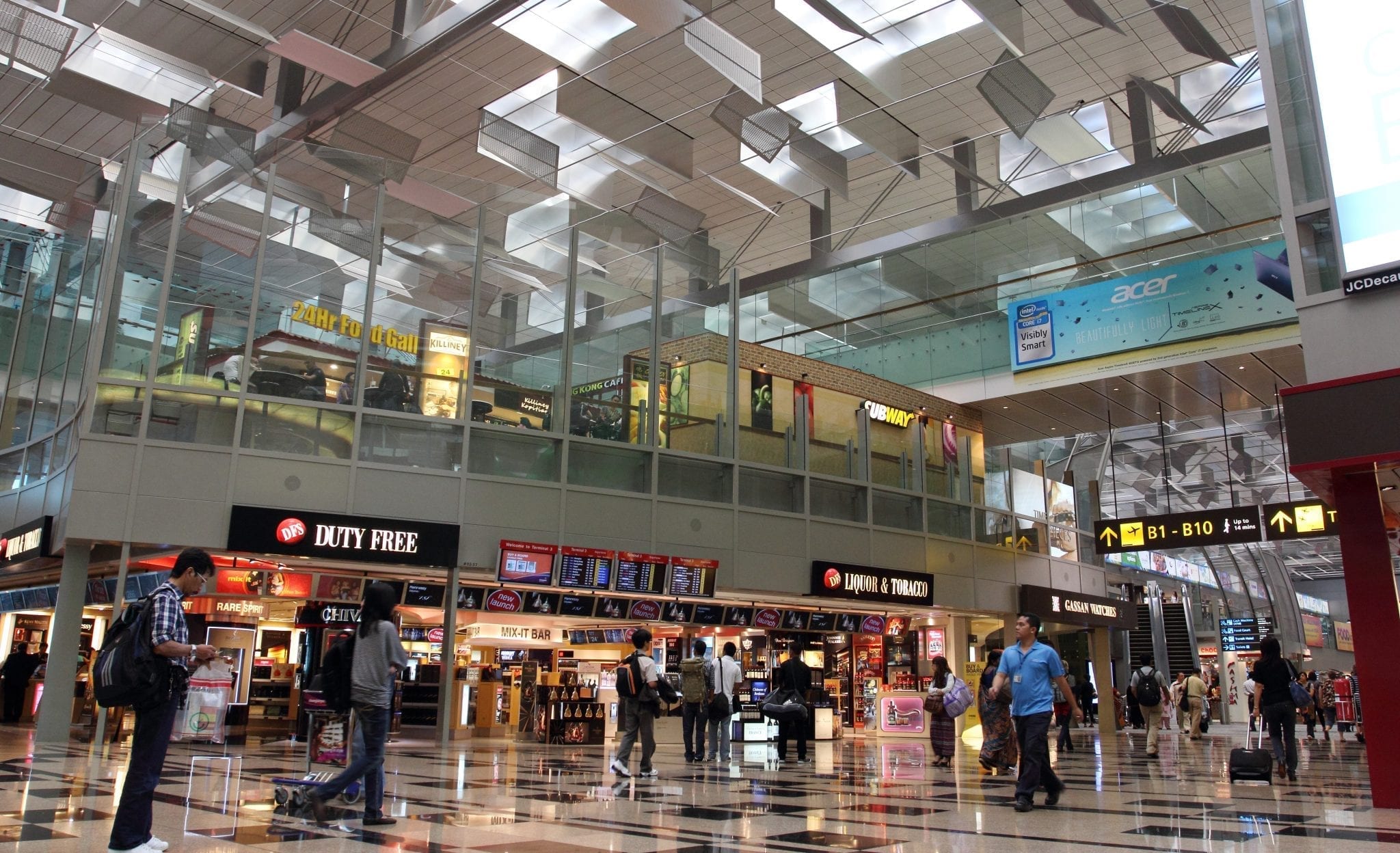
    As reported, DFS secured the master duty free and general merchandise concession to operate duty free stores at SCC’s HarbourFront and Tanah Ferry Terminals for the next five years, including a two-year optional extension clause.

    The contract covers a reconfigured main space at the arrivals and departure areas of the terminals, where the area is being expanded to cover around 6,000sq ft.

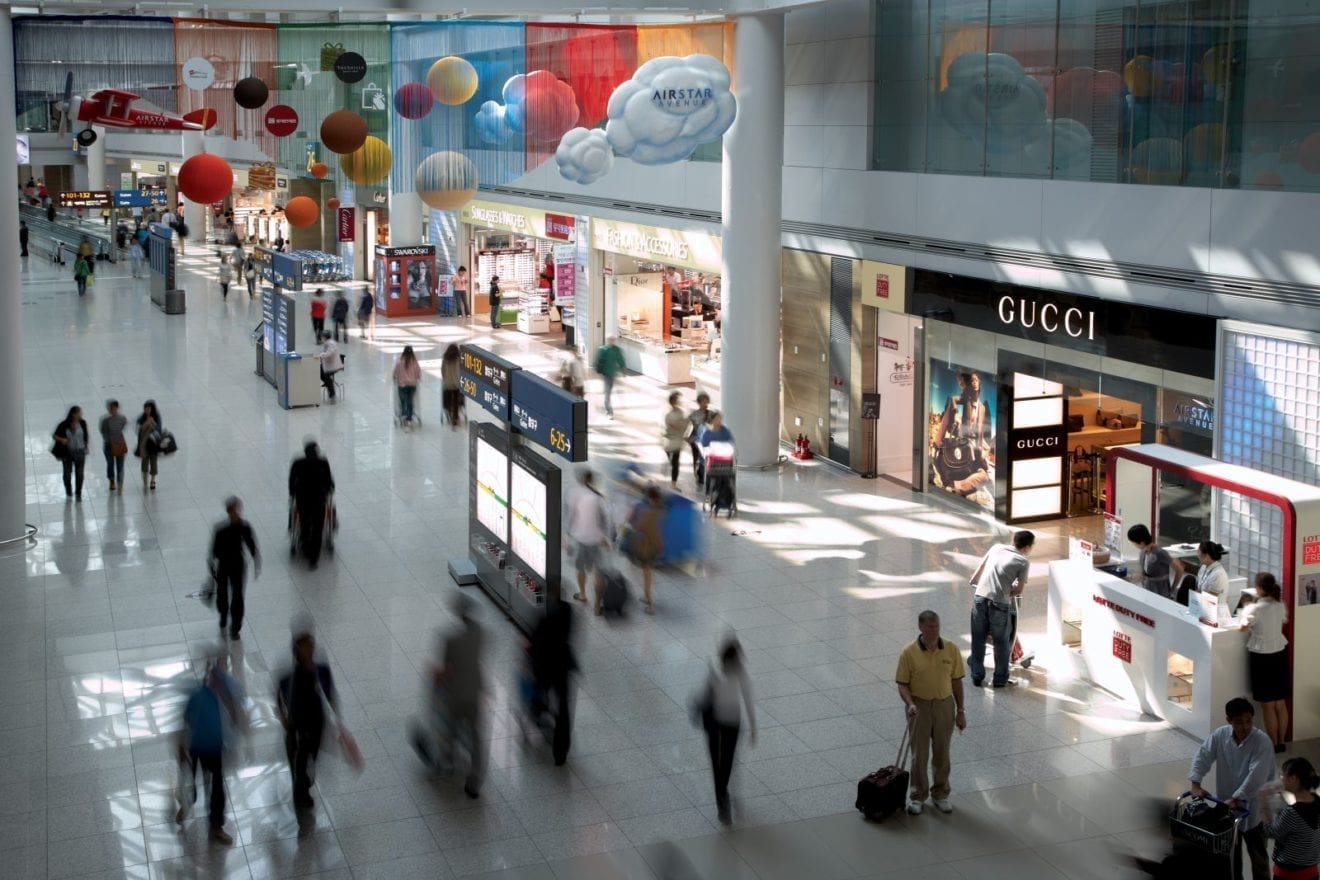
    SCC is consolidating several separate duty free concessions into one contract, with DFS currently operating departure transit and arrivals transit stores alongside Ocean Duty Free outlets, operated by Heinemann Asia Pacific.

    “DFS Group will deliver a seamless, one-stop and engaging shopping experience across seven outlets at SCC’s terminals for travellers visiting and departing from Singapore by sea,” Siaw updated.

    “SCC is working closely with DFS to execute their business proposal and we look forward to showcasing the fantastic new retail experiences at our terminals as soon as possible.”

  • Raja Ampat to organize various festivals to lure tourists

    Raja Ampat to organize various festivals to lure tourists

    The district administration of Raja Ampat in West Papua Province will organize various festivals to lure tourists to the island.

    The planned festivals will be part of the tourism campaign for the region, according to the Head of Raja Ampat tourism office, Yusdi Lamatenggo, on Saturday (Jan. 21).

    This years list of festivals include a maritime festival, a flute and drum festival, the Wonderful Misol festival, the Wonderful Salawati festival, the Wonderful Waigeo festival, a fish cooking festival and a Red and White festival.

    There will also be a spiritual festival, a blue sea festival, the Raja Ampat Fair and the Raja Ampat childrens reading festival.

    The events are also intended to preserve and promote the regions local culture and arts, he added.

    In an effort to improve transportion access to Raja Ampat, the government has also launched several key infrastructure projects on the islands.

    Regular transportation will be made available from the regional capital of Waisai to other islands, including Misol Island.

    “Foreign and local tourists will now be able to visit the islands without having to hire expensive speedboats,” explained Lamatenggo.

    The Wing Air Lion Group will also operate direct return flights from Jakarta to Manado and Waisai to improve the access to West Papua from outside the region, he said.

    “At the moment, tourists wishing to visit Raja Ampat have to take a long flight from Jakarta to Sorong,” he added.

    The Indonesian archipelago of Raja Ampat, fondly called the Living Eden or Paradise on Earth, was a lesser-known tourist destination and was familiar only to intrepid travelers and avid divers.

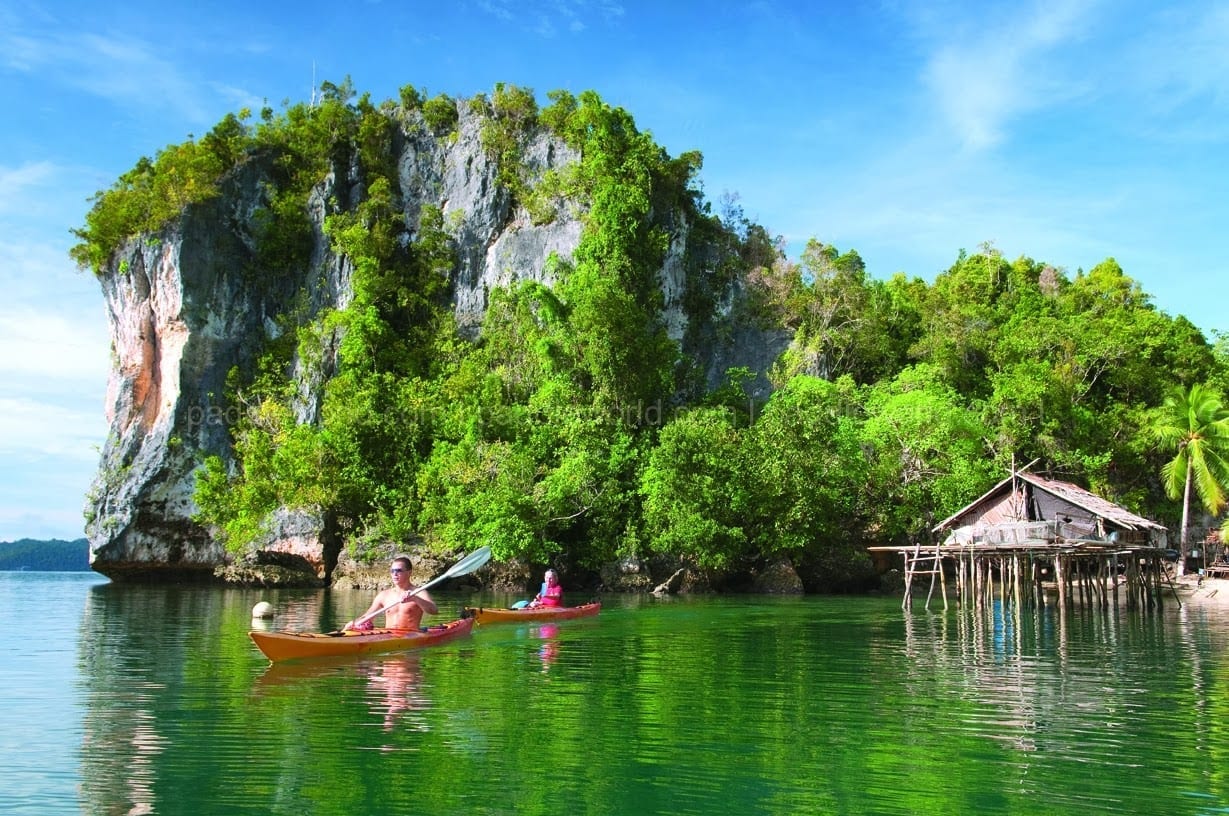
    Considered to be a crown jewel in Indonesia, Raja Ampat has crystal clear turquoise waters and islands covered by dense green forests and mangrove swamps.

    Located in an area called the “Coral Triangle” between the Pacific and Indian oceans in eastern Indonesias West Papua province, the world is now taking notice of Raja Ampat after the Indonesian government intensified its tourism campaign to promote the region.

  • Korea Grand Sale promises deals for travelers

    Korea Grand Sale promises deals for travelers

    Starting Friday, the Visit Korea Committee is holding another round of the “Korea Grand Sale,” one of the major sale events in Korea. The event is set to encourage those with foreign passports in Korea to get more discounts so that they can have a chance to buy more within their budget. The sale will last until Feb. 28, so those who haven’t planned a trip to Korea can hurry and book a ticket.

    Asiana Airlines will give an up to 60 percent discount on flights flying from and to cities in China and Europe, and Jeju Air will provide an up to 91 percent discount on flights to Korea from cities overseas.

    Lodging will be more affordable as hotels also offer discounts. Shilla Stay is giving out an up to 50 percent discount on its rooms and some of the first ones to make a reservation will get a free upgrade.

    Many retail companies, especially cosmetic brands, give out discounts on items that have been popular among foreigners. Lotte Mart, where foreigners often buy Korean snacks, will have a buy one get one free promotion.

    To entertain visitors even after all the shops are closed, many ski resorts in Korea will provide discounts on tickets for lifts and rental fees for necessary gear. For more detailed information about the discounts across Korea, go to www.koreagrandsale.co.kr/en/. Information on the website is available in English, Japanese, Chinese and Korean.

    Korean nationals looking to get some benefits during this foreigner-targeted sales event can recommend their favorite shopping items online and win a variety of gifts including a hotel voucher. Locals can go to www.vkc.or.kr and post items with the reasons why those are their favorites and must-buy items for visiting travelers until Friday. Non-Koreans can also participate by posting items on the website as well. The website will announce winners on Jan. 24.

  • AirAsia launches Early Bird Sale with tickets starting at Rs 99

    AirAsia launches Early Bird Sale with tickets starting at Rs 99

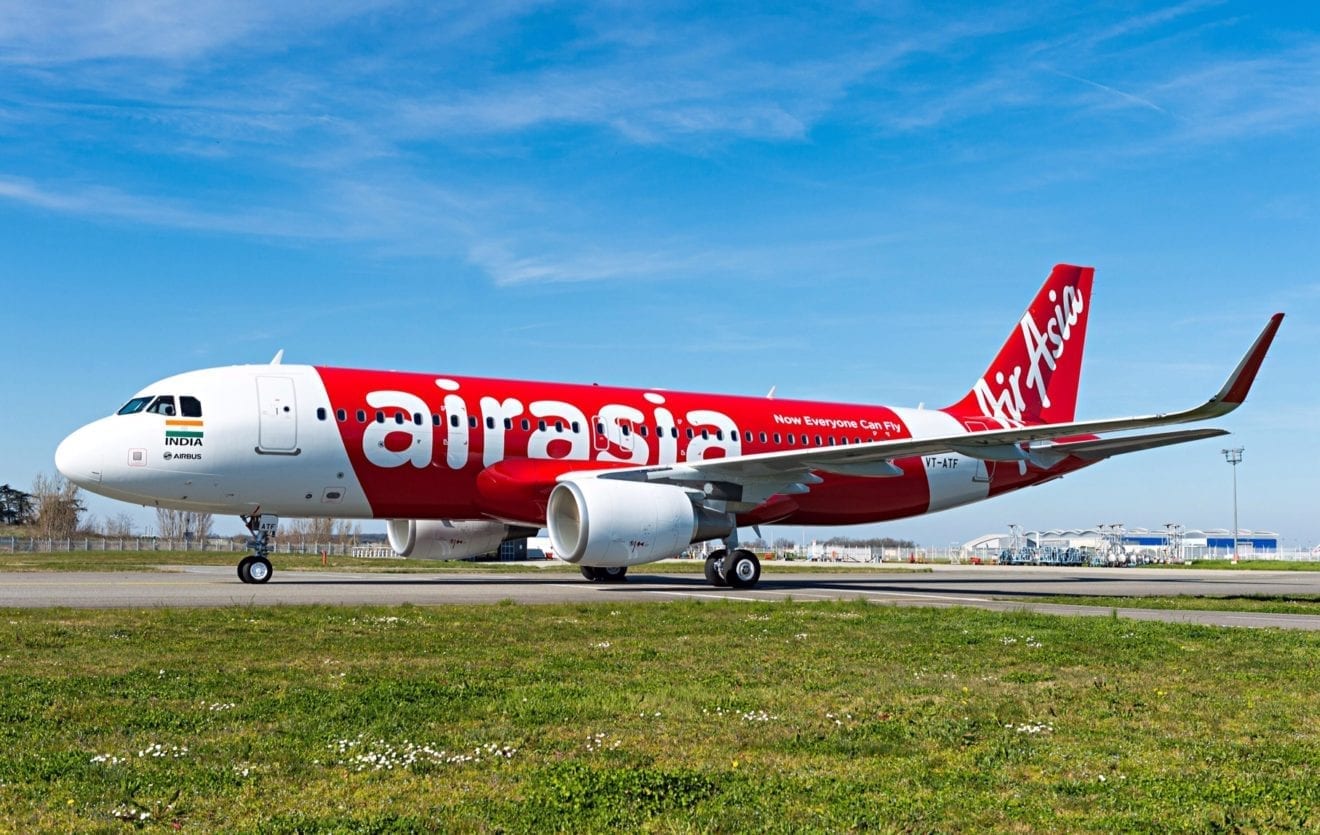
    AirAsia has launched an Early Bird sale with the base fare of tickets to select domestic routes starting at Rs 99. International flights to select destinations start at a base fare of Rs 999.

    The sale, now underway, will go on till January 22, 2017, and you can book tickets for travel time between May 1 2017 and February 6, 2018.

    The sale will be applicable on direct flights from Hyderabad to Bengaluru, Goa and Kochi.

    While on international routes, the sale will be applicable on flights from Kochi, Hyderabad, New Delhi, Tiruchirappalli to Kuala Lumpur and Bangkok.

    AirAsia said airport taxes and other charges will be extra.

  • Chinese tourists visiting Bali up 41.28 percent in number

    Chinese tourists visiting Bali up 41.28 percent in number

    The number of visits by Chinese tourists to Bali rose 41.28 percent to 907,028 in the first 11 months of 2016 from 642,000 in the same period in 2015.

    “Most of them flew directly to Bali via the Denpasar International Airport of Ngurah Rai with only 886 of the visits by sea as passengers of tourist boats, head of the Provincial Central Bureau of Statistics (BPS) Adi Nugroho said here on Thursday.

    He said Chinese made up 20.22 percent of the total number of 4.48 million visits by foreign tourists to Bali in the January-November period of 2016.

    China is now the second largest country of origin of foreign tourists to Bali after Australia.

    Adi Nugroho said the number of visits by Australian tourists to Bali in the same period totaled 1.04 million, up 19.46 percent from 876,748 visits in the same period in the previous year.

    Australia accounted for 23.35 percent of the total number of visits by foreign tourists to Bali topping other countries, he added.

    Meanwhile, tourism observer Tjokorda Gde Agung said Chinese, who had come in throngs for holidaying in Bali could soon overtake Australians in number.

    “It is very likely especially with the growing number of direct flights between Denpasar and Chinese cities,” Tjokorda said.

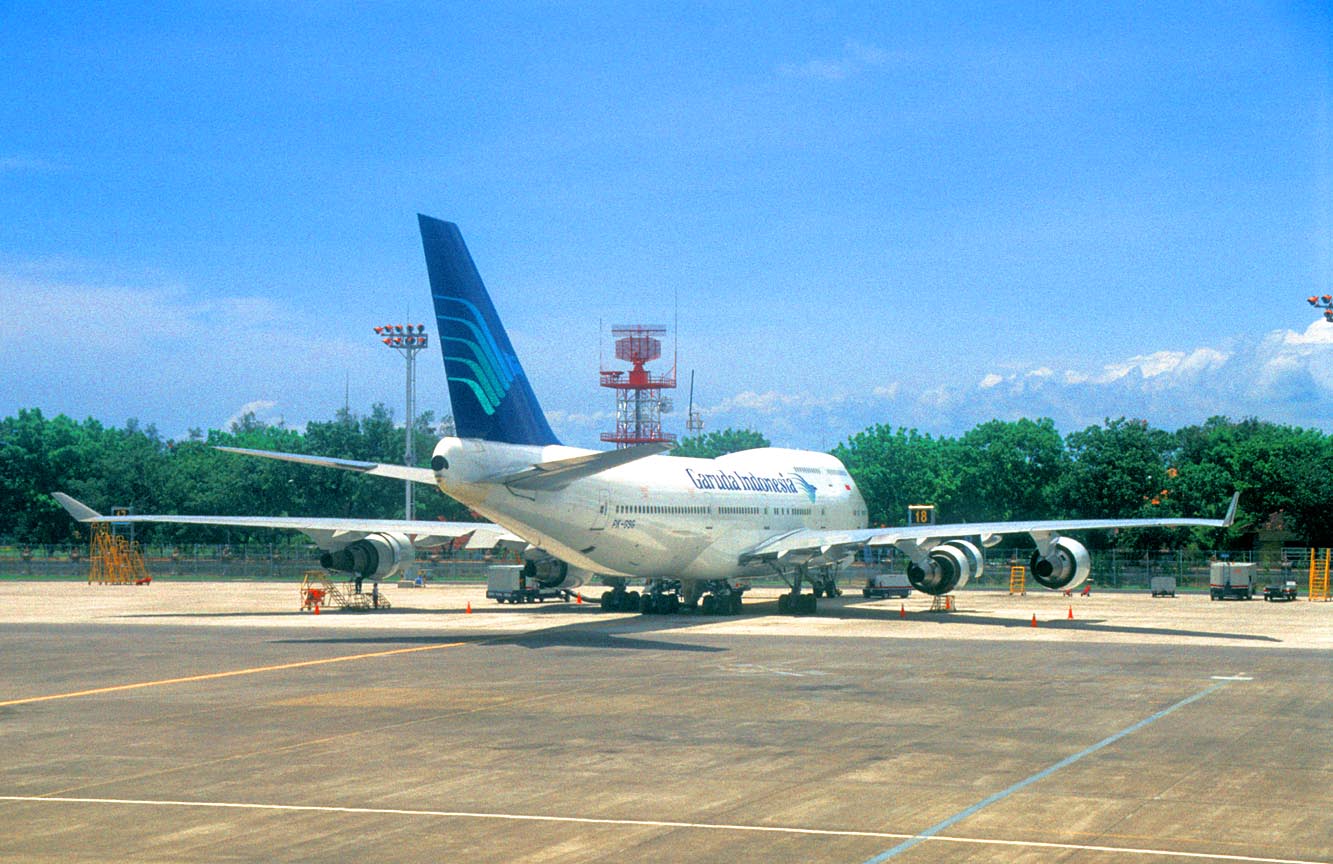
    The nations flag carrier Garuda Indonesia itself already served regular flights directly between Bali and China, he said.

    “The direct flights would certainly contribute greatly to growing number of Chinese tourists to Bali,” he said.

    The 41.28 percent increase was the second highest after a 60.59 percent increase recorded in the number of Indian visitors to Bali in the same period.

    The number of visits from 10 largest countries of origin all increased excepting from Malaysia and South Korea.

    With the trend , the target of 5.5 million visitors to Bali set for 2017 is expected to be easily reached.

    Indonesia hopes to draw more Chinese tourists to meet its target of 20 million visits by foreign tourists in 2019 from the target of 12 million in 2016.

    China has become a potential tourism market. A record high of 133 million Chinese tourists were estimated to make outbound trips by the end of 2016, according to the report released by the China Tourism Academy and the financial services company UnionPay International.

    The figure would mark an 11.5 per cent rise from 2015.

    Hong Kong, Macau and Taiwan remain the top choices for mainland tourists, according to a report.

    Chinese tourists are increasingly getting involved in leisure activities and learning about local lifestyles when traveling overseas rather than just shopping, according to the report.

    Chinese tourists spent US$104.5 billion overseas in 2015, up 16.6 per cent from 2014, and a growing number of foreign countries including Indonesia are relaxing their visa requirements for Chinese tourists to tap their purchasing power.

    Tourists from China along with many other countries are offered visa free travel by Indonesia.

  • Central province boosts tourism

    Central province boosts tourism

    The central province of Thừa Thiên-Huế expects to see a surge of investment in tourism this year in light of interest expressed by investors last year.

    Lê Văn Thu, director of the investment promotion and support centre of Thừa Thiên-Huế, said the province will conduct  more investment promotion to attract investors in 2017.

    In 2015, the province granted only nine Foreign Direct Investment (FDI) projects for a total of $451 million. In all, the province attracted 88 foreign direct investment projects with total investment capital of US$2.1 billion from 2000 to 2016.

    Thu said the PSH Group from Spain is eyeing development of a resort in Vinh Thanh with a registered capital of $145 million, while the BRG Group has approached authorities with plans to develop a resort and golf course complex in Vinh Thanh-Vinh Xuân with an investment of VNĐ2 trillion ($88.5 million).

    Bitexco also plans to invest VNĐ545 billion ($24.1 million) in the hot-spring resort in Mỹ An.

    According to the centre, Bitexco Group was granted an investment license for an eco-resort and an urban project in Lập An lagoon with a registered capital of VNĐ3.3 trillion ($146 million).

    The My Way Hospitality company also plans to invest in Bạch Mã resort with an estimated investment of VNĐ1.5 trillion ($66.4 million).

    Thu said the province is seeking investment in high-tech, tourism, logistics, health care and high-tech agriculture, offering competitive labour and land costs.

    Several financial incentives have been provided to attract investors, such as tax exemptions for the first four years of operation, a 50-per cent tax reduction for the next nine years, and a 50-per cent tax rate reduction for high-income employees, according to Thu.

    He said one of the largest planned tourism projects is a $875-million complex being financed by the Banyan Tree Group of Singapore.

    The Huế City area has 128km of coast and 22,000ha of lagoon for tourism development in connection with UNESCO-recognised world heritage sites in the central region.

    The province has developed six industrial zones to attract garment, industry, food processing and mining, projects and create nearly 14,000 jobs.

  • Travel with AirAsia for Rs 99

    Travel with AirAsia for Rs 99

    Budget carrier AirAsia India on Saturday announced special low fares one way to select destinations across its network in the country.

    “Starting at Rs 99 one-way, the special fares can be booked between January 16 and January 22 for travelling from May 1 to February 6, 2018,” said the airline in a statement.

    The airline operates services to 11 destinations — Bengaluru, Chandigarh, Goa, Guwahati, Hyderabad, Imphal, Jaipur, Kochi, New Delhi, Pune and Vizag, with Bengaluru and New Delhi as its hubs.

    It has a fleet of eight Airbus A320 aircraft.

    The carrier’s parent company AirAsia is also offering promotional fares to Kuala Lumpur in Malaysia and Bangkok in Thailand from India on its Southeast Asia network, with one-way tickets priced at Rs 999.

    “The travel period for overseas destinations is from January 16 to July 31, and tickets can be booked between January 16 and January 22,” said the statement.

    The three-year-old low-cost airline is a joint venture between Tata Sons Ltd and AirAsia Berhad, with each holding 49 per cent equity stake, while its Chairman S Ramadorai and Director R Venkataraman hold 0.5 per cent and 1.5 per cent shareholding respectively.

  • Indonesia seeks to boost tourist visits from Europe

    Indonesia seeks to boost tourist visits from Europe

    Indonesia is seeking to lure more European tourists to visit the country by promoting its national tourism industry in the Matka-Nordic Travel Fair 2017 that will be held from January 19-22 in Messukeskus, Helsinki, Finland.

    “Indonesia has set the target of attracting at least 2.1 million European tourists to Indonesia,” Deputy Assistant of Europe, Middle East, America and Africa Market Development of the Tourism Ministry Nia Niscaya said here Monday.

    Pointing out that the travel fair will be held in Finland, Niscaya stated the Nordic countries, including Denmark, Finland, Iceland, Norway and Sweden, offered great potentials for the countrys tourism industry.

    In 2015, the official data showed that as many as 98,960 tourists from the Nordic countries had visited Indonesia.

    “The number is predicted to be more in 2016, as until October itself, the number of tourists from the Nordic nations visiting Indonesia had reached 95,196,” Niscaya revealed.

    During the largest travel exhibition in Northern Europe, Indonesia will showcase several industries that will present and promote the countrys tourism potential at the Pavilion Indonesia booth.

    Several Indonesian traditional dances will also be performed during the travel fair. Visitors would also be invited to taste Indonesias traditional drink in the exhibition booth, Niscaya mentioned.

    “Using the tagline Wonderful Indonesia Explore Further, we want to showcase its biodiversity, unique handicrafts, music, variety of culinary delights, tourism destinations and most importantly, its diversity and the hospitality of the people,” Niscaya explained.

    The government of Indonesia has set a target of increasing the number of tourist visits from 9.5 million in 2014 to 20 million in 2019.

    The country has also developed 10 prioritized destinations, namely Lake Toba in North Sumatra, Tanjung Kelayang in Belitung, Mandalika in South Lombok, Wakatobi in Southeast Sulawesi, Morotai in North Maluku, Seribu Islands in Jakarta, Tanjung Lesung in Banten, Borobudur Temple in Central Java, Mount Bromo in East Java, and Labuan Bajo in East Nusa Tenggara.

    The government has also provided short stay free visa on arrival for tourists from 169 countries, including Finland, to increase the number of tourist visits.

  • Asian pax growth of 3.2% at Changi lifts November traffic

    Asian pax growth of 3.2% at Changi lifts November traffic

    Singapore Changi Airport has reported 4.78m passenger movements for November 2016, representing a +3.2% rise on November 2015, while total passenger traffic handled during the first 11 months of 2016 increased by +5.7% to 53m.

    During the same two periods, cargo shipments grew by +6.1% to 1.79m tonnes and aircraft movements rose by +4.1% to 328,520 landings and take offs, while in the first 11 months cargo grew +7.9% to 173,170 tons and take offs and landings by +3.4% to 29,710.

    The Civil Aviation Authority of Singapore stated: “Passenger traffic for the month of November was supported by growth in air travel to and from South-east Asia, North-east Asia and South Asia.

    STRONG GROWTH TREND TO SOUTHEAST ASIAN CITIES

    “Among Changi’s top 10 country markets, China (+13.7%), Vietnam (+9.9%) and India (+9.8%) led the gainers. As for Changi’s top 10 cities, strong traffic growth was observed between Singapore and Southeast Asian cities, such as Kuala Lumpur, Denpasar, and Ho Chi Minh City.”

    The CAAS also pointed to new services to India, with Air India Express launching four weekly services to Kolkata on 20 November, and Jet Airways starting daily services to Bangalore on 14 December.

    SilkAir also has launched four weekly services to Fuzhou in China, while Xiamen Airlines increased the frequency of its Singapore-Xiamen services from 14 weekly flights to 17 from 18 November. In addition, Myanmar National Airlines also raised its number of flights to Yangon from seven to 12 weekly services from 1 December.
    <
    NEW TERMINAL 3 RETAIL OUTLET ‘DEBUT’

    Meanwhile, between 16 November to 18 December 2016, CAAS added that the sole new store opening in Terminal 3’s Basement 2 over the period was by Etoz, which it describes as a manufacturer and retailer ‘of quality home and bedding products’, which has made its airport store debut at Changi.

    In addition, a ‘Teahouse by Soup Restaurant’ offering a variety of ‘unique’ Nanyang Dim Sum has also opened in the Terminal 1 public area.

    Changi Airport management said that as of 1 December 2016, more than 100 airlines were operating at Changi Airport, flying to around 380 cities in 90 countries and territories worldwide.

  • Over 4.48 million tourists visit Bali

    Over 4.48 million tourists visit Bali

    More than 4.48 million foreign tourists visited Bali via the resort islands Ngurah Rai Airport from January to November 2016, up 23.52 percent from 3.63 million in the same period last year.

    Some 4.48 million tourists traveled to Bali by air, and 70,449 others by sea, Chief of the Central Statistics Agency (BPS) Office in Bali, Adi Nugroho said here Tuesday.

    The number of foreign tourists visiting the resort island from January to November 2016 exceeded the target of tourist arrivals for all of 2016 at 4.2 million, he said.

    Bali has set the target of tourist arrivals for 2017 at 5.5 million.

    In November 2016 alone, the number of tourist arrivals in Bali reached 413,232 consisting of 396,150 who traveled to the island by air and 17,082 by sea.

    The figure increased 52.52 percent compared to the same month a year earlier but declined 4.39 percent compared to the previous month.

    The number of tourists from eight out of top ten sources of tourist arrivals in Bali increased significantly, Nugroho said.

    The eight countries were Australia, China, Japan, Britain, India, France, the United States, and Germany, while the number of tourists from Malaysia and South Korea declined.

  • Cebu Pacific boosts capacity for festive season

    Cebu Pacific boosts capacity for festive season

    Cebu Pacific has taken delivery of a new Airbus A330-300 aircraft in time for the festive peak season.

    The new twin-aisle jet was delivered on 14 December and has now entered service on the airline’s route between Manila and Hong Kong. This deployment has led to a 22% increase in terms of seat capacity on the popular route.

    As a low-cost carrier, Cebu Pacific equips its A330s with 436 seats in an all-economy class layout. This gives it a greater capacity than some airlines’ A380s.

    Cebu Pacific is the largest Philippine carrier operating in Hong Kong, offering flights to Cebu, Clark and Iloilo, as well as Manila.

  • President calls for serious effort to attract 10 million Chinese tourists

    President calls for serious effort to attract 10 million Chinese tourists

    President Joko Widodo (Jokowi) has called for a serious effort to attract at least 10 million Chinese tourists to visit Indonesia per year.

    “Some 150 million Chinese citizens travel abroad every year. Most of them travel to the US and Europe. I want some 10 million Chinese tourists to visit Indonesia,” he said at a function to familiarize the public with the second phase of tax amnesty program here on Friday night.

    The president said he has signed an agreement with the Chinese government related to Chinese tourists visit to Indonesia.

    “The agreement has been in place. We only prepare flights from China to Indonesia. If the flights are already there, the target of attracting 20 million tourists can be achieved in 2019,” he said.

    The government is developing 10 key tourist destinations expected to attract more tourists, he said.

    “The target of tourist arrivals two years ago was 9 million. We want to increase the target to 20 million in 2019 by all available means including improving our positioning, diversifying products, and building brands,” he said.

    To achieve the target, the government continued to carry out tourism promotion in major cities abroad, he said.

  • Microsoft extends CityNext project to Hong Kong

    Microsoft extends CityNext project to Hong Kong

    Microsoft has extended its global CityNext smart city initiative to Hong Kong and is seeking local partners to collaborate.

    Through the CityNext initiative, Microsoft is working with partners including system integrators to deliver smart city offerings to businesses and governments.

    Microsoft held an industry event in Hong Kong last week to discuss the transformative potential of intelligent systems and data analytics in smart city applications. Over 100 channel partners and potential customers attended.

    Speaking at the event, Microsoft Hong Kong national CTO Fred Sheu said the CityNext program will help governments deliver digital services to ensure their citizens enjoy healthier lives, as well as access to high-quality education and other critical needs.

    “Together with our partners, we can transform a city’s operations and infrastructure, engage citizens and accelerate innovation to create truly sustainable cities — where citizens, businesses and governments work alongside one another for a better tomorrow,” he said.

    “Through CityNext, we provide solutions that focus the most powerful modern technology — cloud, big data, mobile, and social technologies — on the city’s most pressing issues. For example, two critical components of any smart city are machine learning and IoT, which we are proud to offer to our partners via our much-heralded Azure cloud platform.”

    Microsoft CTO for data insights John Nisi added that the use of intelligent systems is helping businesses and governments re-imagine the value chain.

    “Modern businesses faced with economic uncertainty and disruptive competitors can leverage analytics and predictive data to create new revenue streams and opportunities that will allow them to thrive in the digital era,” he said.

    According to Sheu, more than 300 partners worldwide have already signed up for the CityNext program. In Hong Kong, over 10 partners have joined the program to provide smart healthcare, smart building, smart government and geographical information system (GIS) offerings and the like.

  • Now you can book a cook on Singapore Airlines

    Now you can book a cook on Singapore Airlines

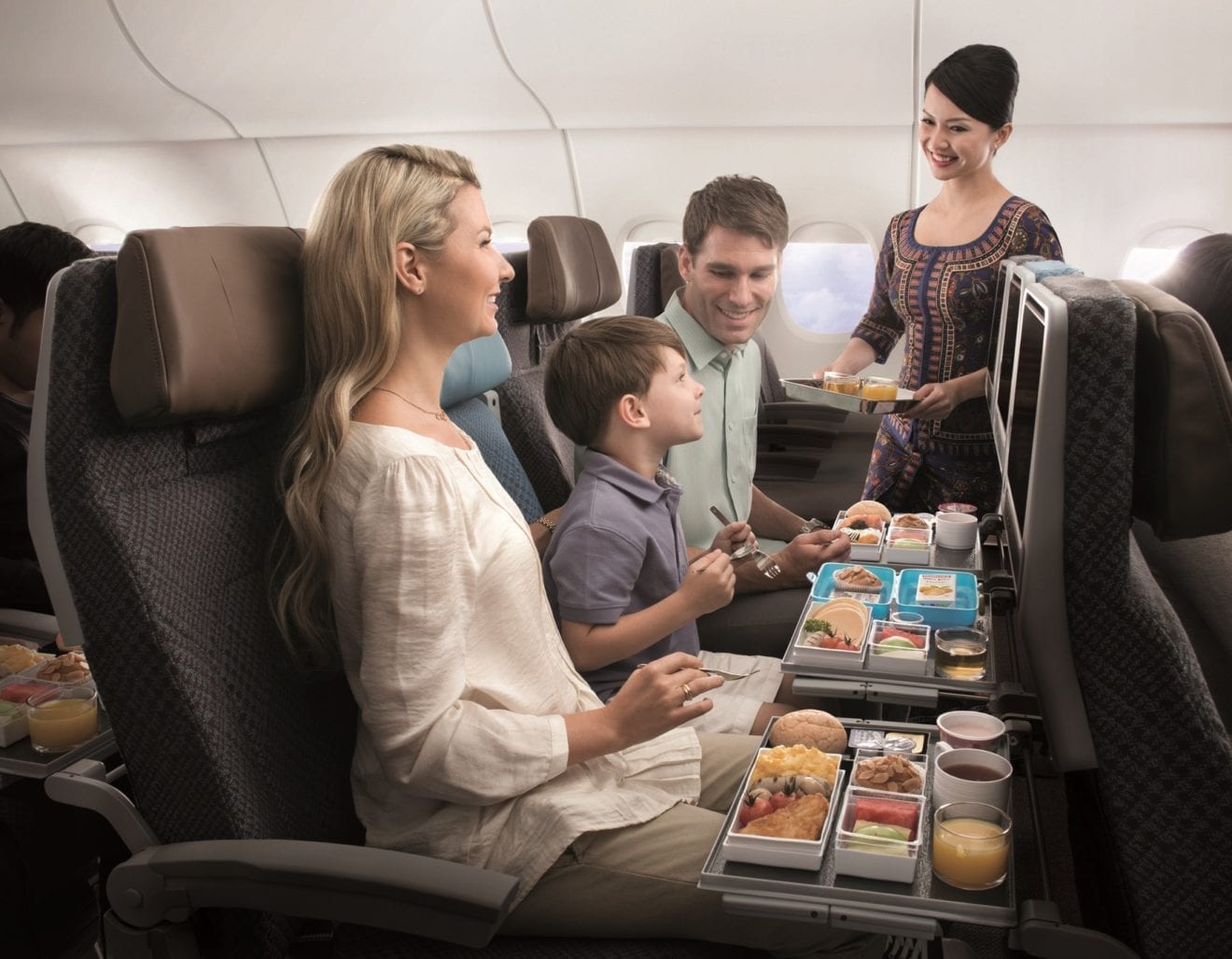
    It’s like dining a la carte 34,000 feet above sea level. That’s the “Book the Cook” experience that you get when you fly Singapore Airlines. It’s an exclusive advance inflight meal-ordering service that allows passengers in Suites, First Class, Business Class and Premium Economy Class to pre-select a gourmet dish of their choice before their flight.

    “It’s a departure from our regular meal service,” says Hermann Freidanck, food and beverage, inflight services manager. “You get to order your main course from a wide selection in a specially prepared menu up to 24 hours before your flight. Now you won’t have to settle for a dish that is not your choice.”

    At the exclusive meal presentation before local media recently at Singapore Airline’s new-concept Silver Kris Lounge in NAIA3, we got to experience firsthand what this was like. A couple of days before the event, we were sent a special menu to choose from, which included beef tenderloin steak, roasted rack of lamb, slow-cooked marinated duck leg with mushroom risotto, marinated free-range chicken, and baked herb-marinated salmon.

    The sit-down meal included an appetizer of marinated lobster with Mediterranean vegetable salad and balsamic dressing, as well as roasted pumpkin soup or snow fungus chicken soup with Chinese mushroom and quail egg. The salad was spinach and green frisée garnished with cherry tomatoes and olives with a choice of balsamic vinegar and extra-virgin olive oil or honey-mustard dressing, while dessert was a choice of  either chocolate and banana cake with vanilla ice cream and raspberry coulis or fresh mango tiramisu with verbena mango compote and biscotti by three-Michelin-starred chef Georges Blanc.

    As part of the Book the Cook service, passengers can choose from a menu of ICP dishes. “These are dishes created by Singapore Airline’s esteemed International Culinary Panel (ICP), which is a team of celebrated Michelin chefs who have restaurants or groups of restaurants in our main destinations in Europe, America and Asia,” Freidanck explains. “They work closely with our own chefs to develop unique dishes that we serve on board.” The panel includes Alfred Portale (United States), Carlo Cracco (Italy), Goerges Blanc (France), Matt Moran (Australia), Sanjeev Kapoor (India), Suzanne Goin (United States), Yoshihiro Murata (Japan), and Zhu Jun (China).

    “Our menus are planned four to five months ahead of time, on a four-month cycle. First Class and Business Class have four different main courses, while Premium Economy Class has a third choice in addition to the usual two choices,” Freidanck shares. “The way we do our menus is what we call ‘destination-specific.’ If you are going to Frankfurt, for example, you’ll have a German dish. In First Class and Business Class, you will always have  an ICP dish. Seasonal ingredients would also affect which dishes would be available.  The Japanese, as well as the Chinese dishes, go by the seasons. A bestseller is the Maine lobster, but not every country has it. It is difficult to get lamb, for instance, but because you can order in advance, you are guaranteed your main course.”

    “And then we have the Asian dishes. We look at the passenger profile, and if it’s predominantly Singaporean, for example, we try to put a Singaporean dish. We emphasize that we must represent the cuisine properly. It always has to be authentic. It must be traditional,” Freidanck adds. ‘There are also what we call the special meals which address certain conditions of the passenger, either due to religious beliefs, dietary or allergy restrictions. You can order them and we will serve you according to what you order. It’s not like other airlines where one menu fits all.”

    Singapore Airlines also launched a new “Deliciously Wholesome” program catering to the needs of an increasing number of health-conscious travelers.

    Preservation of freshness is an important consideration. Dishes are cooked with the reheating process in mind. “There is a fine line because we have to follow the hygiene regulations,” Freidanck explains. “Steak, for instance, has to be seared from the outside, so when it’s reheated on board, it’s just right. Sushi has to either be grilled or pickled or smoked. Nothing is raw. Oysters have to be cooked, following hygiene regulations.” Certain dishes can be a challenge. “Not impossible, but difficult,” Freidanck says. Dim sum, like pasta, does not reheat very well. The texture of risotto can be less appealing when overdone.

    The dishes are cooked in the kitchen, then kept in the chiller below 10 degrees so no bacteria can thrive, until it goes on board. The dishes are deconstructed and put into different containers. On board, it goes in the oven where the heat is calibrated to a certain temperature. “There is a training center in Singapore where the crew learn to do this. It’s very specific. There’s a lot of details which they have to go through,” Freidanck says. The crew gets a plating guide, which they must follow when they assemble the dishes.  First Class passengers get their meals served on real plates with fine cutlery.

    “Complementing Singapore Airline’s World Gourmet Cuisine is a selection of the finest wines from the very best vineyards, selected by some of the world’s most educated and sought-after palates. These wines are handpicked by world-renowned wine experts and blind-tasted under simulated cabin pressure, since our taste buds are affected by the cabin pressure,” notes Carol Ong, Singapore Airlines general manager for the Philippines, Guam and USTT. The Singapore Airlines Wine consultants include three Masters of Wine: Michael Hill-Smith, Jeannie Cho-Lee, and Oz Clarke.

    “So, you have just flown First Class, basically,” Freidanck says, addressing the intimate media group of happy diners at the end of the meal. The only thing missing was the altitude.
  • Indonesia, Singapore agree to develop tourism cooperation

    Indonesia, Singapore agree to develop tourism cooperation

    Indonesia and Singapore agreed to develop cooperation in the tourism sector through the signing of a memorandum of understanding (MoU) in Semarang, Central Java, on Monday.

    Indonesian President Joko Widodo (Jokowi) and Singapore Prime Minister Lee Hsien Loong witnessed the signing of the MoU by Indonesian Minister of Tourism Arief Yahya and Singapore Industry Minister S. Iswaran, representing the Singapore Tourism Board (STB).

    Jokowi, in his statement after the signing of the MoU, said the cooperation will strengthen ties in the tourism sector, including the development of new tourism destinations in Indonesia.

    “We hail the cooperation in the tourism sector that has just been signed,” Jokowi said.

    In the meantime, Minister Arief Yahya said the cooperation, which will be developed, covered three areas. “There are three areas of Indonesian-Singapore cooperation in the tourism sector, namely joint marketing, cruise ships and MICE (Meeting, Incentive, Convention, Exhibition).

    Works that could be done are the development of ports and destinations, the development of human resources, cooperation in the private sector, and exchange of information.

    Yahya said that both countries did no need a long time in the process of reaching the signing of the MoU.

    “This is the fastest signing of MoU that Singapore has ever made,” said Leong Yue Kheong, Assistant Chief Executive of Singapore Tourism Board.

    Since 2010, Singapore has shown its interest to cooperate in the development of cruise ship business, but Indonesia was still calculating the advantages and disadvantages of the cooperation with Singapore.

    It was in the era of Jokowi did Indonesia decide to give priority to cooperation in the tourism sector with Singapore.

    Earlier, Jokowi and Lee Hsien Loong held a bilateral meeting at Perdamaian Guesthouse, Semarang, Central Java.

    Jokowi, who was accompanied by First Lady Iriana Joko Widodo, arrived at the guesthouse at 9.30 am after flying directly from Jakarta. He arrived ahead of the Lees arrival.

    Lee and his wife Ho Ching arrived at the guesthouse at around 9:50 am. He was accompanied by Central Java Ganjar Pranowo to walk into the guesthouse.

    After the welcoming ceremony, Jokowi and Lee directly held a bilateral meeting at the guesthouse.

    As planned, the meeting includes a number of activities, including Indonesia-Singapore “Leaders Retreat Tete-a-Tete,” a bilateral meeting, as well as signing of the MoU on the results of cooperation between the government of Indonesia and Singapore.

    After luncheon, Jokowi and Lee and his entourage are also scheduled to attend the official opening of Kendal Park Industrial Estate By the Bay, which is located in Kendal District, Central Java Province.

    The president and Lee are scheduled to make an observation tour in this area before returning to Semarang.

    The president and the First Lady are scheduled to return to Jakarta at night by the Indonesian Presidential Aircraft-1.

    Coordinating Minister for Maritime Affairs Luhut Binsar Panjaitan, Minister/State Secretary Pratikno, Tourism Minister Arief Yahya, and the Head of Capital Investment Coordinating Board (BKPM) Thomas Lembong accompanied the president during the flight to Semarang.