Retail News CRM

Tag: Home

  • Singapore’s Sky-High Home Sale: Record-Breaking $539K for a Two-Room Flat

    Singapore’s Sky-High Home Sale: Record-Breaking $539K for a Two-Room Flat

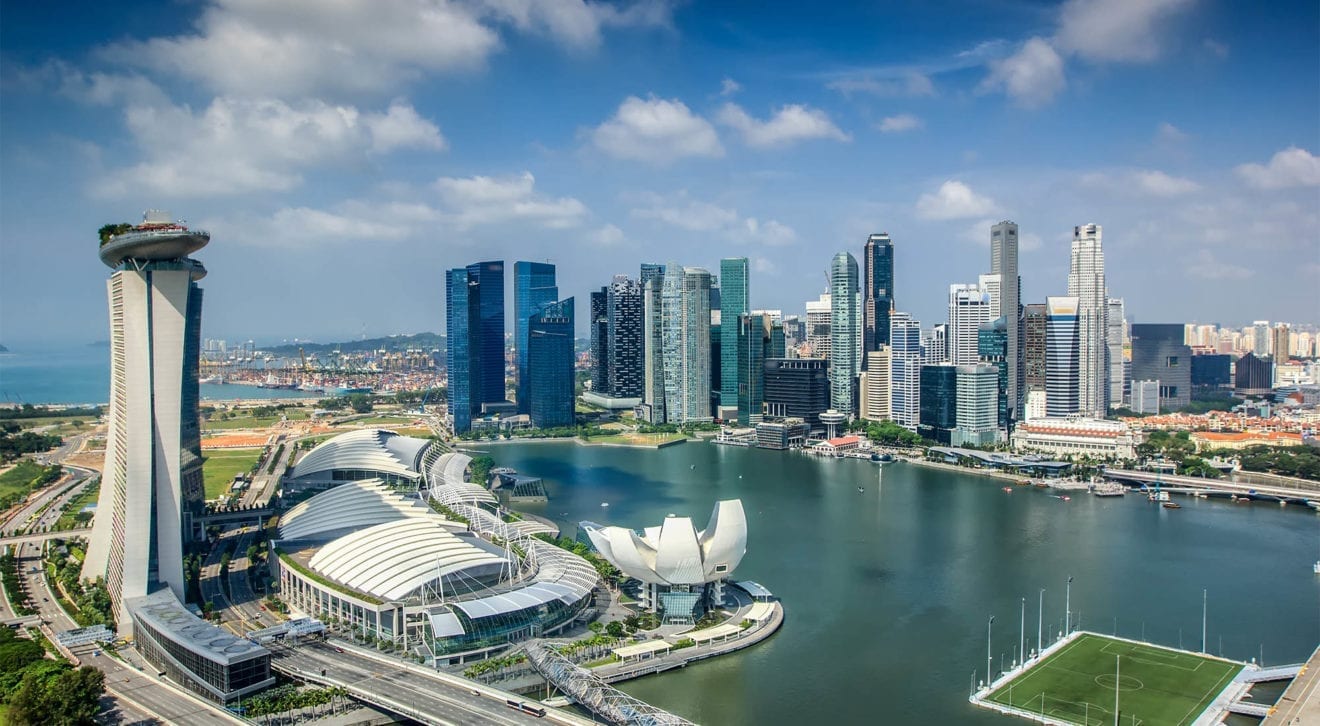
    A new national resale record has been set in Queenstown, Singapore, after a two-bedroom public housing flat fetched a whopping SGD696,000 (US$539,000). The sale, completed on July 16, involved a unit located on a high floor at SkyParc @ Dawson. This transaction didn’t just set a record for the highest price for a two-room Housing and Development Board (HDB) resale flat; it also appears to have established a new national record for the price per square foot for this type of flat.

    Sky-High Sale

    The 506-square-foot flat that set the new record is situated between the 31st and 33rd floors and was sold for approximately SGD1,375 per square foot. This unheard-of sum represents the highest price per square foot ever recorded for a two-bedroom HDB resale flat in Singapore. SkyParc @ Dawson, where the flat resides, comprises three high-rise residential blocks at 94 to 96 Dawson Road, with heights ranging from 34 to 43 stories. The record-breaking flat is located in block 95, which stands at 40 stories high. The upper floors offer stunning panoramic views of the surrounding greenery, the city skyline, and neighboring low-rise districts.

    Property Features

    The lease for the flat began in 2021, with approximately 94 years and four months remaining as of July 2026. This gives potential buyers a significantly longer lease than many older resale flats in Queenstown. The SkyParc @ Dawson development offers a blend of commercial, recreational, and community facilities. On the ground floor, residents have access to a minimart, two retail shops, and a café facing Dawson Road. The complex also features a preschool, adding convenience for families with young children. Additional amenities include fitness zones, sheltered communal areas, bicycle parking, and a jungle-themed playground. The estate is further embellished with murals and landscaped common spaces, giving it a unique character compared to a typical residential development.

    Questions & Answers

    What record has the SkyParc @ Dawson sale set?
    The transaction set a new national resale record in Singapore as the most expensive two-bedroom HDB flat, and also established a new price per square foot record.

    What amenities does SkyParc @ Dawson offer its residents?
    Residents have access to a minimart, shops, and a café, as well as a preschool, fitness zones, sheltered communal areas, bicycle parking, and a playground.

    How long is the lease for the record-breaking flat?
    The lease for the flat began in 2021 and has approximately 94 years and four months remaining as of July 2026.

  • Home Credit Vietnam Triumphs Again: Wins Coveted Finance and Sustainability Awards for 2026

    Home Credit Vietnam Triumphs Again: Wins Coveted Finance and Sustainability Awards for 2026

    Home Credit Vietnam has been awarded ‘Finance Company of the Year’ for the second consecutive year, and also received the ‘Sustainability Initiative of the Year’ at the Asian Banking & Finance Retail Banking Awards 2026. The awards acknowledge the company’s robust business performance, as well as its endeavors in financial inclusion, promoting environmentally friendly consumption, and fostering community development.

    Striving for Sustainable Growth

    The FiinGroup’s Vietnam Consumer Finance Report 2026 indicates that Vietnam’s consumer finance market is evolving, with a shift in focus towards the quality of growth, operational efficiency, and risk management in the wake of a period of market instability. In this context, Home Credit Vietnam has consistently invested in augmenting its governance capabilities and integrating technology into its operations and customer service. The company has fortified its credit assessment models and digital systems, which has facilitated quicker processing of applications and honed loan portfolio management.

    Moreover, the company has crafted financial solutions tailored to diverse customer segments, considering their repayment capacity, and has enhanced the transparency of product information and loan terms to aid customers in making more informed borrowing decisions. These efforts have culminated in Home Credit Vietnam receiving the ‘Finance Company of the Year’ award, which acknowledges financial institutions based on their operational performance and adaptability to fluctuating market conditions. The company’s 2025 financial statements reveal a 36.8% increase in total assets compared to the start of the year, with an after-tax profit of VND2.077 trillion (US$79 million).

    Embedding Sustainability in Business Practices

    Pham Ngoc Khang, the Chief Strategy Officer and Chairman of Home Credit Vietnam’s ESG Steering Committee, emphasized that sustainable development forms a key part of the company’s long-term strategy. He asserted that a company’s growth should align with the interests of customers and communities, as financial solutions are truly meaningful only when they improve the quality of life and broaden people’s access to financial services.

    The company’s sustainability strategy, which was recognized by the ‘Sustainability Initiative of the Year’ award, centers on increasing access to responsible finance, promoting green consumption, and supporting community development. In 2025, Home Credit Vietnam launched preferential financing packages for electric motorcycles to spur the use of zero-emission transportation. They also broadened their financial literacy initiatives. By the end of 2025, the company’s Home Smart online platform had reached over 21 million people, and they had organized personal finance management workshops for over 4,000 students and women.

    Questions & Answers

    What awards did Home Credit Vietnam receive at the Asian Banking & Finance Retail Banking Awards 2026?
    Home Credit Vietnam was recognized as ‘Finance Company of the Year’ for the second year in a row and also received the ‘Sustainability Initiative of the Year’ award.

    What are some of the initiatives Home Credit Vietnam has undertaken to promote sustainable growth?
    The company has been investing in enhancing its governance capabilities, integrating technology into its operations, and crafting tailor-made financial solutions for diverse customer segments. They have also increased the transparency of product information and loan terms to aid customers in making informed decisions.

    What is the focus of Home Credit Vietnam’s sustainability strategy?
    The sustainability strategy of the company involves expanding access to responsible finance, promoting green consumption, and supporting community development. They have launched financing packages for electric motorcycles and extended their financial literacy initiatives to promote responsible lending.

  • SM Home Revolutionizes Retail with Innovative Store Concept in Makati Flagship Overhaul

    SM Home Revolutionizes Retail with Innovative Store Concept in Makati Flagship Overhaul

    SM Home, the popular home and living subsidiary of Philippine retail giant SM, is set to unveil its freshly redesigned Makati flagship store this week. This debut also marks the commencement of a wider overhaul of SM Home’s retail format.

    Innovation in Store Design

    The Makati branch is the pioneer location to be revamped under SM Home’s novel framework, with plans to apply the same blueprint to SM Home Aura and SM Home Megamall stores in the near future.

    The redesigned stores feature a meticulously reconfigured layout, segmenting the store into dedicated zones for kitchen, dining, living, bedroom, bathroom, storage, laundry, cleaning, and a gift registry. This restructure aims to offer a streamlined, efficient shopping experience for customers.

    Beyond Visual Appeal

    Janice Yang, Business Unit Head at SM Home, emphasized that the modifications extend beyond mere aesthetic enhancements. These changes include thorough product curation, brand identity revamp, and a comprehensive transformation of the overall in-store experience.

    The innovative concept keenly blends core household essentials with more “aspirational products”. This fusion allows customers to make everyday purchases and more significant, higher-value investments within a single retail environment.

    Commitment to Customer Satisfaction

    Yang added, “We are rebuilding SM Home, starting with Makati, because Filipinos deserve a home store that is built for real life.” This statement resonates with SM Home’s commitment to offering its customers a retail experience tailored to their real-life needs and preferences.

    With over 70 nationwide locations, SM Home aims to gradually extend this novel retail format to its other stores nationwide.

    Questions & Answers

    What is the new store layout of SM Home’s redesigned stores?
    The newly designed stores are divided into dedicated zones for kitchen, dining, living, bedroom, bathroom, storage, laundry, cleaning, and a gift registry.

    What changes were made in the SM Home’s store redesign?
    The redesign includes a complete overhaul of the store layout, product curation, brand identity revamp, and an overall transformation of the in-store experience.

    What is the objective behind SM Home’s store redesign?
    SM Home aims to offer Filipinos a home store experience that is built for real life, combining everyday household essentials and higher-value aspirational products in a single retail environment.

  • Dreame Technology Unveils First Flagship Store in Hong Kong: A New Era for Smart Home Appliances

    Dreame Technology Unveils First Flagship Store in Hong Kong: A New Era for Smart Home Appliances

    Dreame Technology, a leading name in smart home appliances, has further solidified its foray into the brick-and-mortar retail sector by opening its inaugural flagship store in Hong Kong.

    Premier Location

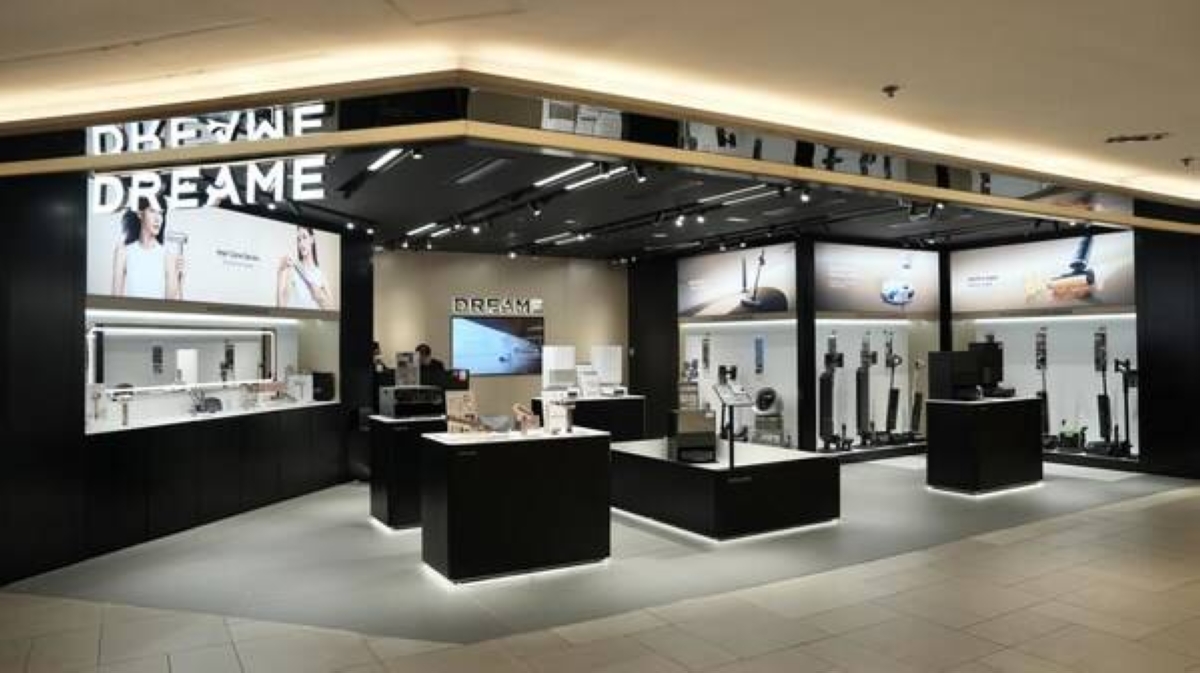
    Nestled within Mira Place in the bustling district of Tsim Sha Tsui, the store proudly displays the full array of Dreame’s product portfolio. This includes a wide range of smart home appliances, such as robotic vacuum cleaners, wet-and-dry floor cleaners, cordless vacuum sticks, hair care equipment, and air purifiers.

    Experience-Centric Space

    The flagship store has been thoughtfully curated as an experiential hub, where consumers have the opportunity to physically interact with the products and test them out before making a purchase. While the store prominently features floor-care solutions, it also introduces a variety of personal care and air treatment products to the Hong Kong market for the first time. These include high-speed hair dryers and an innovative all-in-one air purifier.

    Commitment to Premium Retail Experiences

    Before establishing its physical presence, Dreame initially made its way into the Hong Kong market via online platforms and collaborations with third-party retailers. The launch of this flagship store is a clear indication of Dreame’s ongoing commitment to providing premium retail experiences to consumers. It also underscores the company’s dedication to direct consumer engagement and its strategic plans for long-term growth in major urban markets.

    Questions & Answers

    What is the location of Dreame Technology’s new flagship store?
    The new flagship store is located in Mira Place in the Tsim Sha Tsui district of Hong Kong.

    What types of products does the store feature?
    The store showcases a wide range of Dreame’s smart home appliances, including robotic vacuum cleaners, wet-and-dry floor cleaners, cordless vacuum sticks, hair care equipment, and air purifiers. It also introduces several personal care and air treatment products to the Hong Kong market.

    What does the launch of the flagship store signify for Dreame Technology?
    The opening of the flagship store shows Dreame’s commitment to providing premium retail experiences, engaging directly with consumers, and planning for long-term growth in urban markets.

  • PLDT Home Achieves Strong Fiber Growth in First Half of 2023

    PLDT Home Achieves Strong Fiber Growth in First Half of 2023

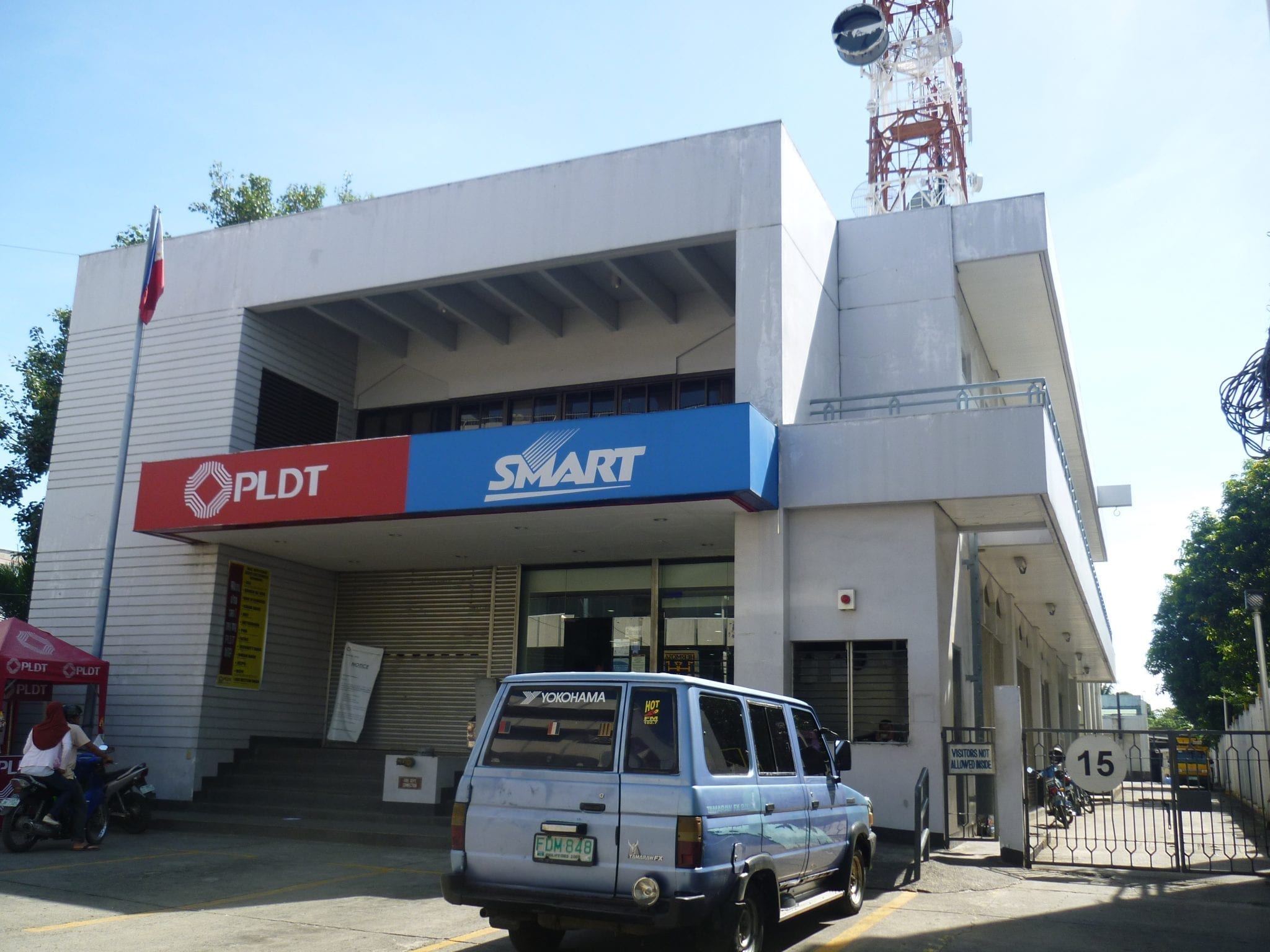
    PLDT Home has reported impressive growth in the first half of 2025, driven primarily by its fiber services, which saw revenues increase by 7% year-on-year, reaching PHP 29.5 billion. As fiber now accounts for a staggering 97% of home revenues, the company’s strategic pivot away from legacy technologies is evident. Overall, revenues for PLDT Home climbed 4% compared to the previous year, totaling PHP 30.4 billion, bolstered by a robust fiber rollout, appealing bundled services, and heightened customer interaction.

    Reflecting Growing Demand for Connectivity

    John Y. Palanca, Senior Vice President and Head of PLDT Home Business, emphasized that the growth reflects a surging demand for high-speed connectivity and richly integrated digital experiences. “We’re expanding our fiber footprint while delivering bundled services that meet evolving customer needs,” he remarked, underscoring the importance of adaptability in a fast-changing market.

    Subscriber Milestones Achieved

    In H1 2025, PLDT Home not only maintained its premium Average Revenue Per User (ARPU) but also reported a significant influx of new subscribers. The company welcomed 169,000 additional fiber subscribers—three times the net additions from the same period last year—bringing the total number of connections to an impressive 3.53 million. This surge showcases the brand’s reputation for reliability and value in a competitive landscape.

    Balance of Innovation and Service

    This growth is underpinned by both expanding their network and providing enticing bundled lifestyle services. Popular offerings such as Fiber Unli All and Fiber Plus Netflix bring together broadband, mobile, and content in packages that resonate with consumers. In Q2, over 80% of new subscribers opted for higher-value plans priced at PHP 1,299 and above, lifting PLDT Home’s industry-leading ARPU to PHP 1,485.

    Enhancements in customer service play a crucial role in this success. Improvements including faster installations, AI-powered support, and expedited repair times have significantly bolstered customer retention, resulting in a remarkably low churn rate of 1.93%. In a world where customers crave immediate gratification, it’s evident that PLDT Home is becoming the fast-food drive-thru of internet service.

    Capturing New Markets with Fiber Prepaid

    Furthermore, PLDT Home is tapping into new household segments through its Fiber Prepaid offerings, catering to families who prefer the flexibility of prepaid plans. Early reports indicate that this strategy is paying off, as ARPU levels remain consistent, signaling that growth is additive rather than detracting from postpaid subscribers.

    Connecting Communities Across the Philippines

    Beyond simply providing connectivity, PLDT Home positions itself as a vital enabler of digital inclusion. Its expanding fiber footprint improves access to high-speed internet across more regions of the Philippines. Currently, the PLDT Group boasts the nation’s most extensive fiber infrastructure, measuring around 1.2 million cable kilometers. The company has passed 19.01 million homes, effectively covering 74% of towns and 91% of provinces, making significant strides in bridging the digital divide.

    Questions & Answers

    How much did PLDT Home’s fiber revenues increase in Q1 2025?
    PLDT Home’s fiber revenues climbed 7% year-on-year, reaching PHP 29.5 billion in the first half of 2025.

    What is the churn rate reported by PLDT Home?
    The company boasts a remarkably low churn rate of 1.93%, indicating strong customer retention.

    How many new fiber subscribers did PLDT Home gain in H1 2025?
    PLDT Home gained 169,000 new fiber subscribers in the first half of 2025, marking three times the net additions from the previous year.

  • New Zealand Eases Property Ownership Rules for Foreign Investors: What It Means for the Market

    New Zealand Eases Property Ownership Rules for Foreign Investors: What It Means for the Market

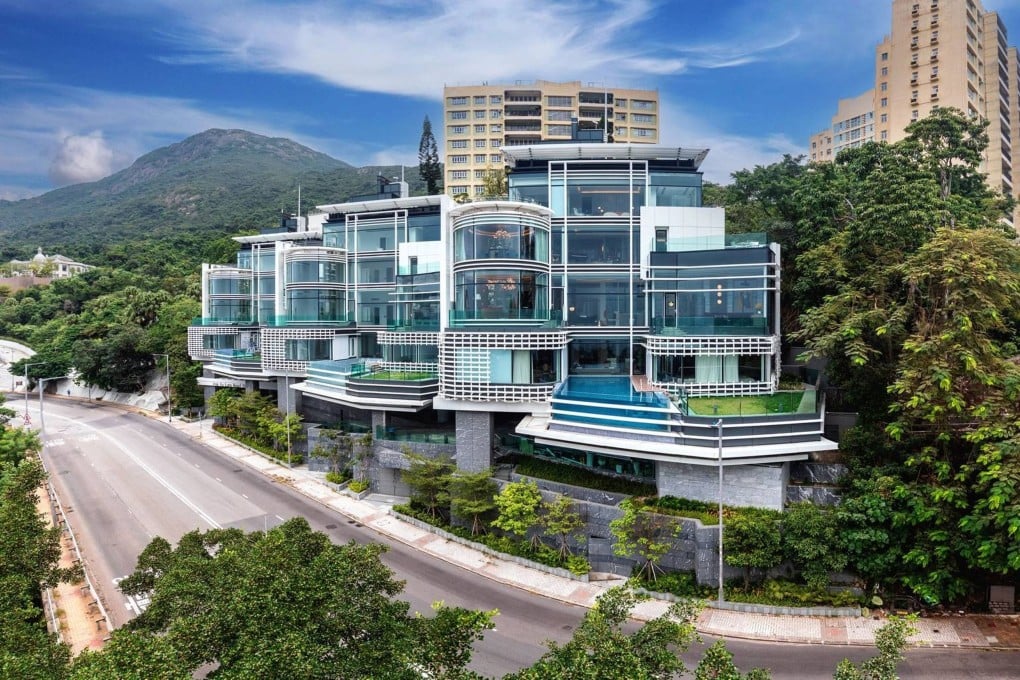
    In a significant policy shift, New Zealand is set to open its doors to affluent foreign property investors, marking the end of a seven-year ban. This ban was initially implemented by the center-left government of former Prime Minister Jacinda Ardern in 2018 to combat skyrocketing housing prices attributed to a surge in immigration and a pronounced lack of housing availability.

    While Australians and Singaporeans were exempt from the restrictions due to existing trade agreements, the newly unveiled regulations allow holders of the Active Investor Plus residency visa to purchase or build homes valued at NZ$5 million (approximately USD$2.95 million). This change is set to take effect by the end of the year and aims to strike a balance between those desiring to restrict foreign ownership and the ambition to attract wealthy investors.

    Prime Minister Christopher Luxon reported that since the visa’s launch in April, over 300 applications have been submitted, all requiring a minimum investment of NZ$5 million within three years. “The price threshold methodically navigates a path between those who do not want foreign ownership opened up and the desire to lure high-net-worth investors,” he explained.

    Interestingly, New Zealand’s geographical remoteness — once seen as a disadvantage — has transformed it into a coveted retreat for ultra-rich individuals seeking an exclusive escape. The tale of billionaire Peter Thiel, founder of Paypal and a U.S. President Donald Trump supporter, illustrates this allure. After becoming a citizen in 2011, Thiel planned an extravagant private estate but became embroiled in controversy when it emerged he had only spent a mere 12 days in the country.

    Despite a 30% surge in property prices in various regions during the pandemic, values have since declined over the past two years. Nonetheless, the housing supply remains constrained, leaving many New Zealanders struggling to secure home ownership.

    Questions & Answers

    What prompted New Zealand to relax its restrictions on foreign property ownership?
    The relaxation stems from a desire to attract wealthy foreign investors, balancing the interests of New Zealanders who support restrictions on foreign ownership with the potential economic benefits of attracting high-net-worth individuals.

    How much must foreign investors invest to qualify for the Active Investor Plus residency visa?
    Foreign investors need to invest at least NZ$5 million (roughly USD$2.95 million) over a span of three years to qualify for the visa, which allows them to purchase or build property in New Zealand.

    What has been the trend in New Zealand’s housing market recently?
    Following a significant price increase of over 30% during the pandemic, housing prices have fallen over the past two years, but the country continues to struggle with tight housing supply, making home ownership elusive for many locals.

  • Southeast Asia Emerges As Preferred Destination For Luxury Homebuyers, Boasting High Rental Yields

    Southeast Asia Emerges As Preferred Destination For Luxury Homebuyers, Boasting High Rental Yields

    Phnom Penh is rapidly emerging as a hotspot for the discerning investor, boasting impressive rental yields of 8% to 10%. In a telling shift, luxury homebuyers across Asia are increasingly looking closer to home, with a notable uptick in investments directed towards regional properties, particularly in Southeast Asia.

    Andrew Grimley, head of Global Distribution at International Property Alerts, shared insights during the Global Property Expo in Singapore, held from July 18 to 20. He noted, “While buyers are still purchasing homes in Europe, North America, and some parts of the Middle East, there’s a marked rise in investment activity for Southeast Asian real estate.”

    Among the standout markets in Southeast Asia are Cambodia, Thailand, the Philippines, and the picturesque island of Bali, Indonesia. Grimley enthusiastically described Cambodia as a captivating marketplace, thanks to its lack of capital gains tax, robust rental yields, and notable potential for capital appreciation.

    “Established markets like Thailand are still performing exceptionally well, and we’re witnessing significant growth in Bali, while the Philippines is drawing increasing interest,” he elaborated.

    Grimley highlighted that both Bali and Thailand are top picks for rental yield seekers, with Phnom Penh also making its mark as an emerging contender. Beyond Southeast Asia, he pointed to Sydney and Melbourne as reliable options for investors keen on solid rental income.

    For those considering property investments, Grimley emphasized the importance of collaborating with reputable management companies and focusing on capital appreciation alongside rental income. “It’s essential to pay attention to market growth—both from a tourism perspective and overall economic performance,” he advised.

    With Southeast Asia becoming a focal point for property investments, it seems the region is ready to not just attract attention, but to hold it, like the promise of a sunny beach day after a long week.

    Questions & Answers

    What is driving luxury homebuyers toward Southeast Asian real estate?
    Luxury homebuyers are drawn to Southeast Asian properties due to attractive factors such as high rental yields, capital appreciation potential, and favorable tax conditions like the absence of capital gains tax in markets like Cambodia.

    Which Southeast Asian countries are becoming popular among investors?
    Countries such as Cambodia, Thailand, the Philippines, and Indonesia—particularly Bali—are gaining traction among investors for their growth and investment prospects.

    What should investors prioritize when purchasing properties in these markets?
    Investors should seek reputable management companies and focus on both capital appreciation and rental yields, considering overall economic growth in addition to tourism growth in these regions.

  • Royaloak Furniture Expands Horizons: Launches Three Exciting Stores in the UAE Market!

    Royaloak Furniture Expands Horizons: Launches Three Exciting Stores in the UAE Market!

    As retail dynamics continue to evolve across Asia, innovation and adaptability remain at the forefront of success. In a recent development, a wave of retail businesses is harnessing the power of artificial intelligence (AI) to enhance customer experience and streamline operations. The retail landscape is not just about selling products anymore; it’s about creating memorable experiences that keep consumers returning for more.

    AI Reshaping Customer Engagement

    Artificial intelligence is being integrated into a variety of retail functions, from personalized shopping recommendations to chatbots that provide instant customer service. Leading brands are now leveraging machine learning algorithms to analyze consumer behavior, enabling them to tailor promotions and product placements to individual preferences. This impressive shift raises the question: when did shopping become so personalized that it feels like each customer has their own personal shopper?

    Streamlining Operations

    Moreover, AI is revolutionizing back-end operations, optimizing inventory management, and enhancing supply chain efficiency. Retailers are using predictive analytics to foresee demand trends, ensuring that shelves are stocked with the right products at the right time. This not only minimizes waste but also maximizes profitability.

    Success Stories Across Asia

    In Japan, convenience store chain Seven & I Holdings has implemented AI-driven systems to manage inventory more effectively, while Chinese e-commerce giant Alibaba employs sophisticated algorithms to refine its marketing strategies. Such initiatives are setting benchmarks for other retail businesses, showcasing the tangible benefits of embracing technology in an ever-competitive market.

    The Human Touch

    While technology takes center stage, the importance of human interaction shouldn’t be overshadowed. Retailers are finding the delicate balance between cutting-edge tech and personal touches that make shopping enjoyable and engaging. As the saying goes, “You can’t spell ‘retail’ without ‘tail’,” and those savvy enough to blend both elements stand to thrive.

    Looking Ahead

    As we venture further into the digital age, the relationship between AI and retail will only deepen. The future may see even more creative applications of technology, from augmented reality shopping experiences to AI-driven fashion design. The possibilities are as vast as the Asian markets themselves, tantalizing both retailers and consumers alike.

    Questions & Answers

    How is AI impacting customer engagement in retail?
    AI enhances customer engagement by providing personalized shopping experiences through recommendations and real-time assistance, making consumers feel valued.

    What operational benefits does AI offer to retailers?
    Retailers benefit from AI through better inventory management and supply chain optimization, allowing for more accurate demand forecasting and resource allocation.

    Can human interaction still play a significant role in retail despite the rise of technology?
    Yes, a human touch remains essential; blending technology with personal interactions creates a more enjoyable shopping experience, fostering customer loyalty.

  • Singapore’s Private Home Sales Dive 53% in May, with Just 312 Units Sold!

    Singapore’s Private Home Sales Dive 53% in May, with Just 312 Units Sold!

    In a striking turn of events, Singapore’s real estate market experienced a significant dip in new home sales in May 2025, hitting its lowest point in five months. The PropNex report reveals that only 312 new private homes were sold, excluding executive condominiums, a staggering 53% decline compared to April’s 663 units. While the year-on-year comparison shows a more optimistic picture with sales up 40% from May 2024, the current slump highlights a worrying trend.

    A Drought of New Projects

    This decline comes as no surprise, with May marking the first month in 2025 devoid of new project launches. Analysts noted that fresh projects typically stimulate monthly transactions, and a subdued launch activity in June suggests that developers’ sales may continue to lag. In fact, only 20 new units were made available in May, all from the previously launched project The Myst. This number is notably low, matching the weakest monthly launch figures since 2009, alongside December 2024’s 20 units.

    Market Dynamics: The Rest of Central Region Shines

    May’s sales data tells a nuanced story, especially in the Rest of Central Region (RCR), where 191 units changed hands—down 65% from April’s surge of 551 units, thanks largely to the launches of One Marina Gardens and Bloomsbury Residences. Impressively, the RCR made up about 61% of total transactions for the month, with One Marina Gardens leading the charge, selling 62 units at a median price of $2,975 per square foot. The Hill @ One-North also performed well, indicating that collaborations with neighboring projects, like Bloomsbury Residences, can create buzz and drive sales.

    A Slow but Steady Performance in the Outside Central Region

    Meanwhile, the Outside Central Region (OCR) saw a modest uptick with 106 new units sold, compared to 95 in April. Although this marked one of the slowest sales months in the OCR this year, it followed a strong uptake from earlier projects like Parktown Residence and ELTA. Hillock Green was the standout project, moving 17 units at a median price of $2,285 psf, while the majority of units at the six projects in the Lentor Hills estate were already sold.

    Core Central Region: A Tale of Two Markets

    Sales in the Core Central Region (CCR) remained uninspiring, with only 15 new units transacted. Watten House led this sub-market with four units sold at a median price of $3,255 psf. Interestingly, three units sold for over $15 million each, including a lavish 4,489-sq ft unit at 21 Anderson that fetched an astounding $24 million, a telling sign of Singapore’s high-end market’s resilience amidst the overall slowdown.

    Executive Condominiums Take a Hit

    The executive condominium segment faced challenges as well, with only 24 new units sold in May, down by 75% from April. Yet, hope springs eternal with the anticipation of the upcoming launch of 600-unit Otto Place EC in July 2025, fueled by a mere 38 unsold new ECs remaining on the market.

    As the market navigates this interesting phase, one wonders if the lack of fresh launches might unlock more innovative strategies from developers to reinvigorate sales. Who knows, perhaps a surprise project announcement could shake up the market in an unexpected twist!

    Questions & Answers

    What were the total new private home sales in May 2025?
    Only 312 new private homes were sold in May 2025, marking a sharp drop from the 663 units sold in April.

    Which area led the new home sales in May?
    The Rest of Central Region (RCR) led the sales, with 191 units transacted, accounting for about 61% of all transactions.

    How did the executive condominium segment perform?
    The EC segment saw a significant decline, with only 24 new units sold in May, down 75% from the previous month.

  • May CPI Rises 0.16% as Housing and Utility Costs Surge

    May CPI Rises 0.16% as Housing and Utility Costs Surge

    Vietnam’s consumer price index (CPI) experienced a modest bump of 0.16% in May compared to the previous month, largely fueled by rising costs in rental housing, home maintenance materials, electricity, and dining out. This increase marks an ongoing trend in the Asian nation’s economic landscape, as the National Statistics Office, under the Ministry of Finance, reported that for the first five months of 2025, the CPI escalated by 3.21% year-on-year. During this same period, core inflation surged by 3.1%.

    Food and Housing Drive Inflation

    Food and catering services recorded a notable year-on-year increase of 3.83%, with pork prices soaring by 13.53%, attributing this spike to strict supply constraints paired with high demand during the holidays. Housing and utilities contributed significantly to the inflation narrative, climbing 5.43% and pushing the CPI up by a hefty 1.02 percentage points. Notably, rental costs ascended by 6.84%, while electricity expenses rose by 4.93%, and home maintenance materials saw a 2.71% uptick.

    As the cost of living rises, healthcare services and pharmaceuticals experienced a significant spike of 14.07%. This increase was primarily fueled by a recent pricing circular from the Ministry of Health. Household equipment and appliances were not spared from this upward trend either, facing a price increase of 1.58%.

    In a twist of fortune, transportation costs fell by 3.97%. Fuel prices took a dive of 13.39%, providing a much-needed reprieve for consumers. Additionally, postal and telecommunications services saw a modest decline, decreasing by 0.49%, mainly owing to the lower prices of older-generation mobile phones.

    Gold Prices Reflect Global Trends

    Gold prices mirrored global market movements, with domestic prices soaring by 10.47% month-on-month in May and a staggering 45.95% year-on-year. Over the five-month span, domestic gold prices surged by 35.37%. Meanwhile, the US dollar index trended downward, decreasing by 0.82% globally as market speculation suggested a possible interest rate cut by the US Federal Reserve. However, the demand for import-export payments in Vietnam caused the dollar index to rise by 0.68% month-on-month, showcasing a 2.69% year-on-year increase.

    The National Statistics Office also noted that core inflation in May saw a month-on-month growth of 0.33%, while year-on-year figures climbed to 3.33%. As the economy adjusts, consumers are left watching the prices, mentally preparing for their next shopping excursion where prices are anything but mundane.

    Questions & Answers

    What contributed to the recent rise in Vietnam’s CPI?
    The CPI rose mainly due to increased costs in rental housing, home maintenance materials, electricity, and dining out.

    How does core inflation compare from year-on-year in May?
    Core inflation climbed by 3.33% year-on-year in May, marking a steady rise alongside the overall CPI.

    What trends were observed in commodity prices over the first five months?
    Transportation costs decreased by 3.97% due to lower fuel prices, while food prices, particularly pork, saw significant increases driven by demand and supply issues.

  • Costco and DoorDash to deliver groceries to the doors of Aucklanders

    Costco and DoorDash to deliver groceries to the doors of Aucklanders

    Costco has teamed up with DoorDash to deliver its range of groceries and household essentials to homes in Auckland at bulk-saving rates.

    The partnership will enable Costco members and non-members to get everything from toilet paper to fresh fruits and vegetables or premium poultry and meat delivered to their homes.

    “We’re always looking for ways to make everyday shopping easier, and our partnership with Costco means Aucklanders can now get incredible value and quality delivered straight to their doorstep,” said DoorDash New Zealand GM Bradley Thomas.

    To launch the new partnership, New Zealand customers will receive NZ$20 off their first Costco order when they spend $150 or more.

  • Singapore private home sales plummet to 16-year low in August

    Singapore private home sales plummet to 16-year low in August

    Singapore’s private home sales dropped to a 16-year low in August, reflecting weak buyer sentiment, although new launches and anticipated interest rate cuts are expected to drive demand in the coming months.

    Developers sold 208 units, down 47% year-on-year, according to Urban Redevelopment Authority data released Monday as cited by The Straits Times.

    “This is a record low for the month of August since 325 units were sold in August 2008,” Tricia Song, property consultancy CBRE’s head of research for Southeast Asia, was quoted as saying.

    The year 2024 is on track to be the weakest for annual new home sales since 2008, when 4,264 units were sold. Market sentiment has remained cautious since late 2023, Song added.

    In the first eight months sales reached 2,668 units, down 49% year-on-year.

    Most developers are waiting for home-buyers’ enthusiasm and more risk appetite to return, said Nicholas Mak, the chief research officer at property portal Mogul.sg, as reported by Bloomberg.

    Demand is set to be tested in the coming months, as 56.2% of developers anticipate a moderately or significantly higher number of units to be launched in the second half of the year, according to a June quarterly survey of senior executives in Singapore’s real estate and development industry.

    Analysts say that sales volumes are likely to recover in September, driven by several upcoming launches, potential improvements in the economy, and possible interest rate cuts.

  • Google Home working on a new smart home widget for your device’s home screen

    Google Home working on a new smart home widget for your device’s home screen

    Google is set to make controlling your smart home a whole lot easier with a new “Favorites” widget for the Google Home app on Android. This has been a bit of a secret weapon for Google, teased back in October 2023 and even spotted at I/O 2024. Now, thanks to some digging around in the app’s code by 9to5Google, we have a clearer picture of what to expect.

    The “Favorites” widget aims to streamline your smart home experience by placing your most-used controls right on your home screen. Whether you’re constantly adjusting the thermostat, turning lights on and off, or triggering complex routines, this widget promises to put those commands just a tap away.

    A peek under the hood of version 3.18 of the Android app reveals a sleek and user-friendly design for the widget. It will seamlessly integrate with the existing “Favorites” tab in the Google Home app, allowing for easy synchronization of your preferred controls. Alternatively, you can opt for a standalone widget and personalize it with a unique set of commands

    As you can see in the screenshots above, the widget itself boasts a clean and simple layout reminiscent of the tile-based interface we’re familiar with in the Google Home app. You’ll find handy features like dynamic color theming to match your phone’s aesthetic and a refresh button to ensure you’re always seeing the latest status of your devices. Plus, if you’re truly committed to the smart home life, you can even stretch the widget to occupy your entire home screen.

    This new widget is just one example of how Google is continually enhancing the Google Home app to provide a more convenient and intuitive smart home experience. While we don’t yet have an official release date for the “Favorites” widget, it’s certainly something to look forward to.

  • T-Mobile brings its 5G Home Internet service to Puerto Rico

    T-Mobile brings its 5G Home Internet service to Puerto Rico

    T-Mobile is ending February with a big announcement for customers in Puerto Rico. The Un-carrier is expanding 5G Home Internet to Puerto Rico, thus allowing customers with an eligible address and qualifying voice line to sign up for the service for just $50 a month with AutoPay through their retail store.

    Arguably the fastest growing home internet provider in the United States, T-Mobile now offers customers in Puerto Rico a handful of benefits when going to its 5G Home Internet service.

    • A flat, monthly price: T-Mobile 5G Home Internet is $50 a month with AutoPay and a voice line and that’s it. There are no added taxes on qualifying accounts, monthly fees or equipment costs.
    • Simple setup: Pick up a gateway from a store, plug it in, download the app and get connected in less than 15 minutes.
    • A worry-free trial: Test drive 5G Home Internet worry-free for 15 days. When it’s time to make the switch, T-Mobile will pay up to $750 to cover any early termination fees from other internet service providers.
    • Price Lock: Lock in your monthly rate and enjoy peace of mind knowing that if T-Mobile ever raises your rate, you can get your last month of service refunded.

    Initially, 5G Home Internet will be available to T-Mobile customers in Puerto Rico in locations that have network capacity to provide a great experience to all customers. According to the carrier, network capacity will continue to be increased, so the 5G Home Internet service will expand to more people in the coming months.

  • Home rental market booming

    Home rental market booming

    Searches for rental properties in Hanoi and Ho Chi Minh City surged 101% in January against last year, while rents rose, according to the real estate website Batdongsan.

    In Hanoi, searches for rental apartments and houses increased 112% and 38%, respectively. The respective figures for HCMC were 157% and 107%.

    The average rent of apartments in Hanoi and HCMC climbed up 8% and 4%, respectively. The average rent of rental houses increased 33% in Hanoi and 18% in HCMC.

    Dinh Minh Tuan, head of Batdongsan in the southern region, said the reasons include a higher demand from enterprises and migrant workers.

    He said some firms, which downsized last year, are now renting premises with an area of 50-70 square meters in apartment blocks in city centers.

    The higher demand has led to higher rents.

    Selling prices of apartments have increased 30-40% over the past two years, but rents have risen at lower rates.