Retail News CRM

Tag: Home

  • H&M Expanding into home decor in India

    H&M Expanding into home decor in India

    H&M India is seeking to enter the country’s home decor and furnishings market.

    The market entry will see the firm competing with Ikea as well as local retailers under its H&M Home brand.

    “We are looking at the home segment and it will be decoration products and not furniture, said H&M India CEO Janne Einola. “There are not many players in that category and the product range doesn’t change for years. In the organised sector, our strength will be the latest assortment.”

    Internationally, H&M Home trades predominantly in shop-in-shop formats, with only eight standalone stores out of 370 locations in roughly 50 countries.

    H&M India has achieved considerable success after three years in the country, currently holding second place in the apparel market behind Zara.

  • Samsung’s Galaxy Home Finally to Arrive

    Samsung’s Galaxy Home Finally to Arrive

    In addition to being the world’s largest handset vendor, Samsung also continues to dominate the TV market while supplying the vast majority of smartphone displays out there and topping global chip sales. The tech giant is a major tablet and smartwatch manufacturer as well, but one industry the company hasn’t been able to crack just yet is ruled by arch-rivals Amazon and Google.

    We’re talking about digital assistants in general and AI-powered smart speakers in particular, like Bixby and the Galaxy Home aren’t exactly considered serious challengers for Google Assistant, Alexa, and their army of standalone devices designed for home use. Of course, a big reason why the Samsung Galaxy Home hasn’t managed to take off might be that it’s still not actually up for grabs anywhere around the world.

    First showcased a whopping nine months ago, the Google Home Max and Apple HomePod rival looked destined for an impending commercial debut several times since then, but unfortunately for Samsung, none of the optimistic rumors floating around materialized. At one point, the company’s own CEO was reportedly quoted as teasing this bad boy’s arrival “by April”, although subsequent statements brought back the vagueness, hinting at a launch in the “first half of 2019.”

    With the HomePod and Google Home Max out for a few years now, not to mention a flurry of lower-end, lower-cost models from both Google and Amazon, it felt late for the Samsung Galaxy Home to join the party even last fall. But while Bixby is still widely derided or, at best, ignored, its recent progress is also undeniable. Apart from handy voice assistance and smart home controls, Samsung’s first in-house smart speaker aims to shine in the audio quality department thanks to premium AKG enhancements. Perhaps that could be its saving grace.

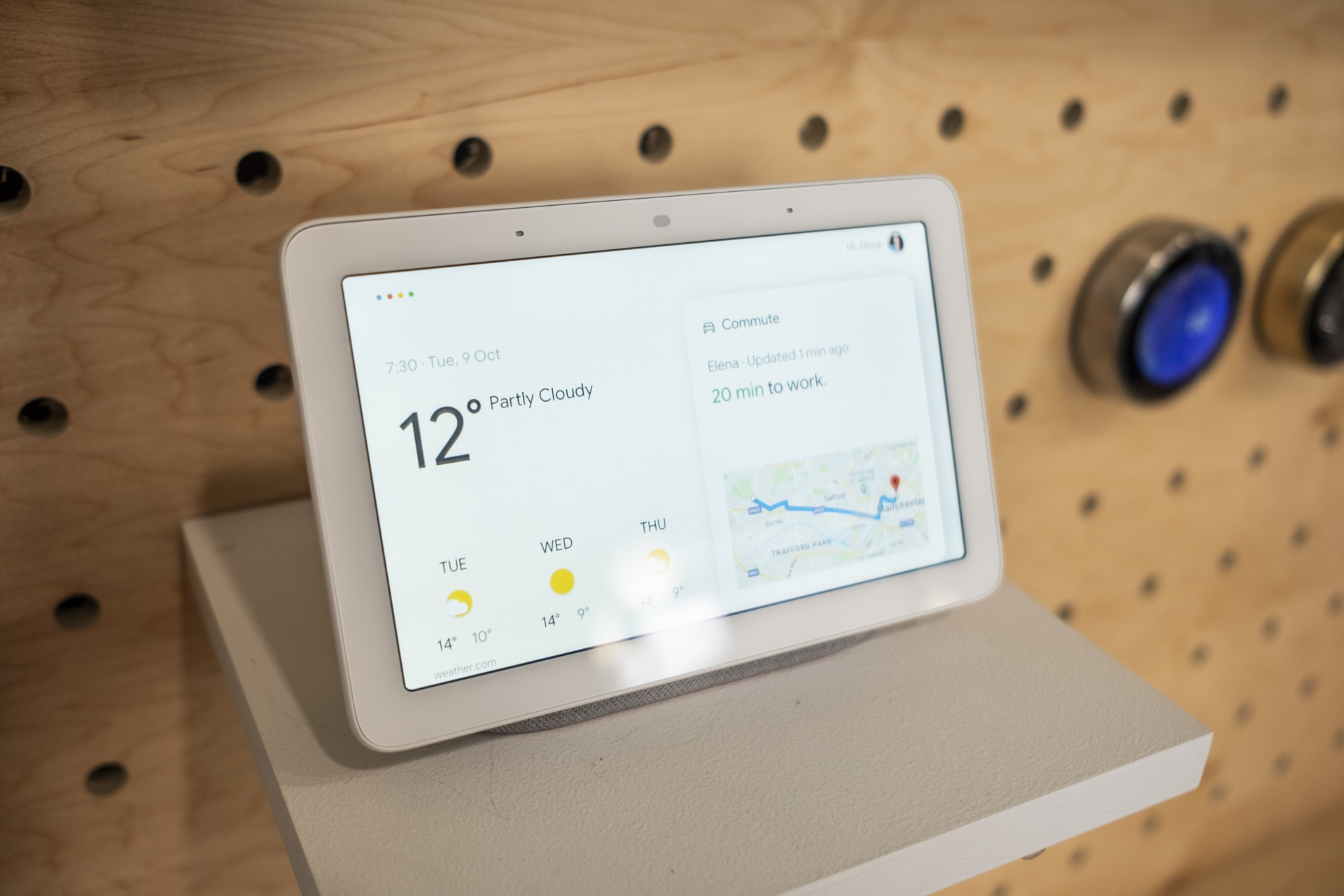
  • Get incredible Google Home Hub discounts

    Get incredible Google Home Hub discounts

    Even though it earned pretty good reviews after seeing daylight just six months ago and presumably contributed to Google’s thriving smart speaker sales numbers during the final quarter of 2018, the Home Hub has been massively discounted lately more times than we can count on the fingers of one hand.

    Right now, the Google Assistant-powered smart display is back up to its $149 list price at both its manufacturer’s official US e-store and third-party retailers like Best Buy, but one self-described “social shopping marketplace” has this extremely versatile and convenient product on sale at a big markdown yet again.

    The “catch” is you need to purchase two units to save a frankly unbelievable amount of money. Basically, you’re looking at a two-for-one or buy-one-get-one-free type of deal, as this heavily discounted Google Home Hub two-pack in black currently costs $153.95, or a hair over the aforementioned regular price of a single device. You’ll want to hurry, though, as the promotion, also known as a power deal in MassGenie user lingo, is set to expire within just four hours of the time of this writing.

    If you’d like to get something nice for yourself and a friend, a family member, or a special someone, today’s super-limited offer effectively brings the price of a Google Home Hub down to $77. Meanwhile, for only three extra bucks, you can purchase just the one smart display in your choice of Chalk or Charcoal paint jobs, although you have even less time to jump on that particular deal.

    For those unfamiliar with what this bad boy can do, suffice to say it’s essentially a smart speaker with a touchscreen… and smart home hub capabilities. You can watch YouTube videos, stream music, control various smart home accessories, and get answers to your most burning questions, all without ever lifting a finger.

  • Integration will define the 2019 smart home

    Integration will define the 2019 smart home

    IDC says the global market for smart home devices will grow 26.9% year over year in 2019 to 832.7 million units shipped. The analyst predicts consumers to adopt multiple devices within their homes, which will result in 1.6 billion devices shipped by 2023.

    “2018 was all about getting products into consumers’ homes and both Amazon and Google excelled at this through low-cost smart speakers and multiple bundles across device categories,” said Jitesh Ubrani research manager for IDC Mobile Device Trackers. “However, 2019 will be more about tying the various devices together to form a more cohesive experience and more importantly, layering in additional services.”

    The smart home will be dominated by the likes of Amazon and Google, with Apple following suite. The popularity of iOS and macOS devices combined with the availability of Apple apps/services on non-Apple products will help the company slowly entice more consumers into their ecosystem while also attracting third parties to build compatible devices.

    “One important trend to watch is how smart assistants become integrated throughout the home,” said Ramon T. Llamas, research director for IDC’s Consumer IoT Program. “Smart assistants will act as the point of contact with multiple smart home devices and essentially become the cornerstone of the smart home experience. Already we’ve been seeing that with smart speakers and this will eventually move on to appliances, thermostats, and all sorts of video entertainment.”

  • New Deliveroo Subscription Service gives Food Lovers Free Delivery

    New Deliveroo Subscription Service gives Food Lovers Free Delivery

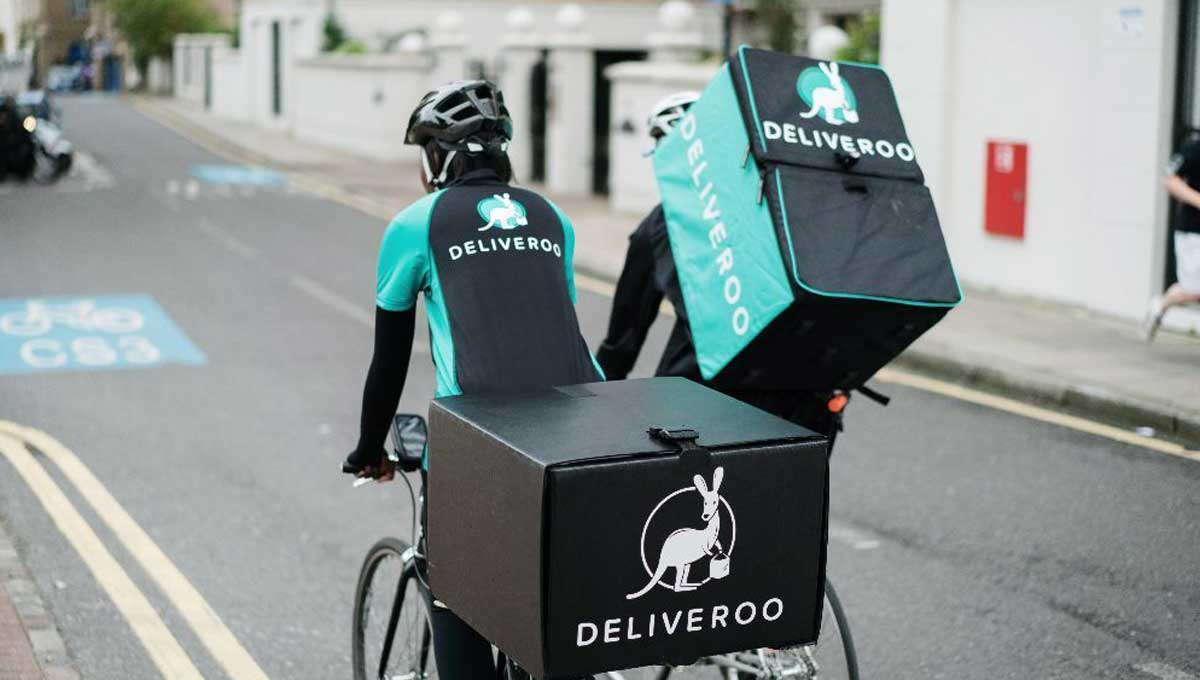
    Deliveroo the leading food-delivery company is today launching Deliveroo Plus, a new subscription service available for food lovers across Hong Kong. The new service, priced at HK$98 a month, will enable customers to get unlimited free delivery. Customers will be able to benefit further by trialling Deliveroo Plus free for two weeks or more.

    Deliveroo Plus is being rolled out following a successful launch in the UK. During their first two months of signing up to the pilot, half of all customers saved nearly £25 (around HK$ 260) over the time period, whilst one in ten saved over £75 (around HK$ 770).

    Brian Lo, General Manager, Hong Kong at Deliveroo said, “At Deliveroo, we are continuously striving to innovate our offer as well as expand our delivery platform. Through the launch of Deliveroo Plus, Deliveroo aims at rewarding our users with a better value for money. This new subscription service provides a more affordable option to the frequent users while the earnings of riders is expected to rise with the increasing demand for food delivery.”

    Customers throughout Hong Kong wishing to subscribe to Deliveroo Plus will see the option to sign up to the service on their basket at checkout and in the ‘Account’ section of the app and website.

  • Home-and-living brand Jiyoujia debuts in Singapore

    Home-and-living brand Jiyoujia debuts in Singapore

    Alibaba’s e-commerce platform Taobao has launched its home-and-living channel, Jiyoujia in Singapore.

    Marking the brand’s first foray into an overseas market, products are on show at Taobao Home store at NomadX store.

    “Singapore is an important market for Taobao, and we continue to witness strong and sustained demand for the home-and-living category here by shoppers,” said Mickey Xiong, country director for Southeast Asia, at Taobao.

    “In fact, the home-and-living category is our fastest-growing segment here.”

    Jiyoujia also launched its Home Lab portal, one week after its debut in China. Using the portal, curated sets of Jiyoujia products are recommended to customers, promoted through interactive digital showcases. Surfers can hover over each item for more information.

  • Kia Partners With Amazon To Sell Charging Stations For Electric Vehicles

    Kia Partners With Amazon To Sell Charging Stations For Electric Vehicles

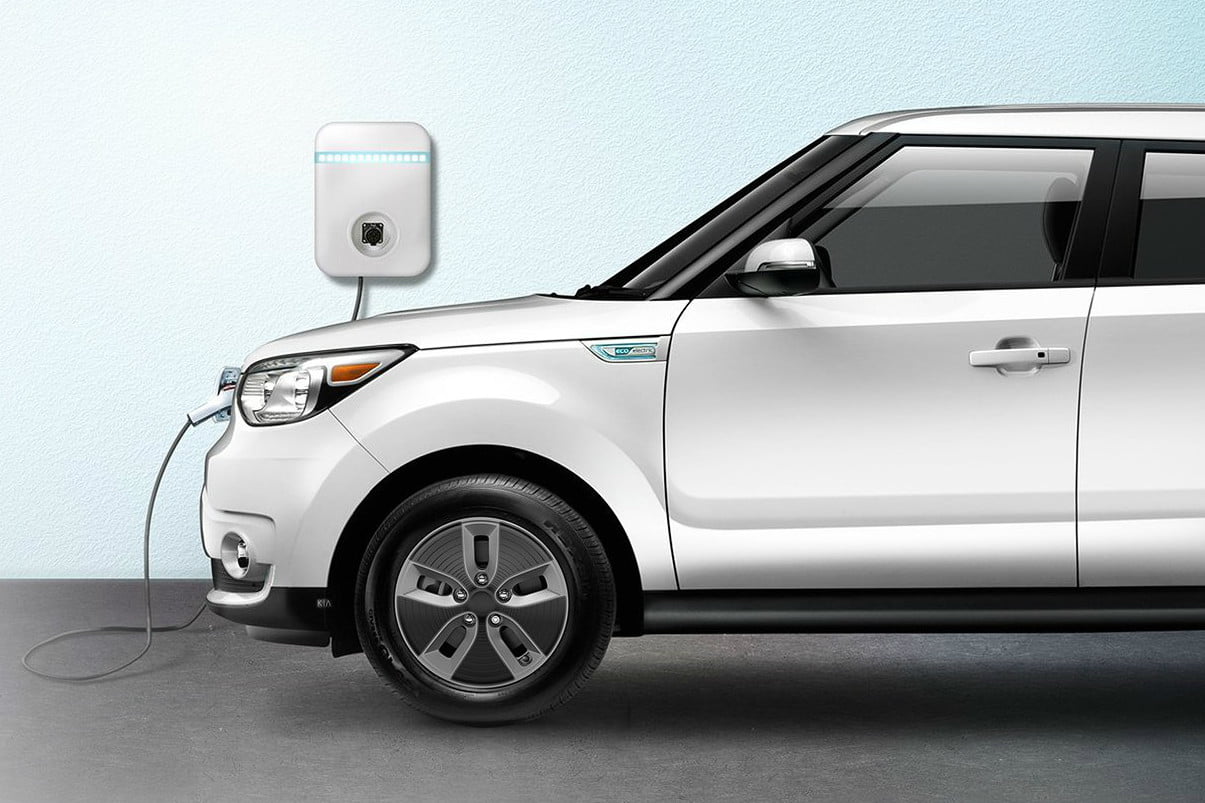
    Kia Motors America (KMA) in partnership with Amazon Home Services has announced a new program for its plug-in vehicle customers. The program will see Amazon sell and install electric vehicle charging stations at the customers house or office. The tie-up makes Kia, the second automaker after Tesla in America to offer the service online with the electric charging network. The manufacturer says the process of purchasing and installing a charging station will be as easy as buying other products on Amazon.

    Speaking about the new initiative, KMA – Car Planning and Telematics, Executive Director, Orth Hedrick said, “Home-charging can’t get any easier than this. Being able to order a Level 2 charger and installation through Amazon further demystifies and simplifies the experience for new Kia EV and PHEV owners. It’s just another example of how we’re constantly striving to provide the very best vehicles and customer experience.”

    Kia Motors has been actively working on improving its charging infrastructure in the US as it adds more electric cars to its portfolio. The company currently retails the Soul EV, Niro EV1, Niro PHEV and Optima PHEV, among other models in the country. Customers will find recommended Level 2 or 240-volt charging units selected by Kia on Amazon, along with information about home charging installation and customer reviews. The site also gives customers the cost for the installation and will schedule a licensed electrician for the same, if needed. The charging stations are backed by Amazon’s Happiness Guarantee plan. Kia’s vehicles in the US are offered with a 10 year/160,000 km warranty cover and roadside assistance.

    Kia and Amazon have set up a new ‘Charge my Kia’ portal for the sale of the electric charging stations. While buyers can purchase the Bosch 40-amp station that is available in partnership with the manufacturer, there are other charging stations available as well from companies like Chargepoint and Juicebox.

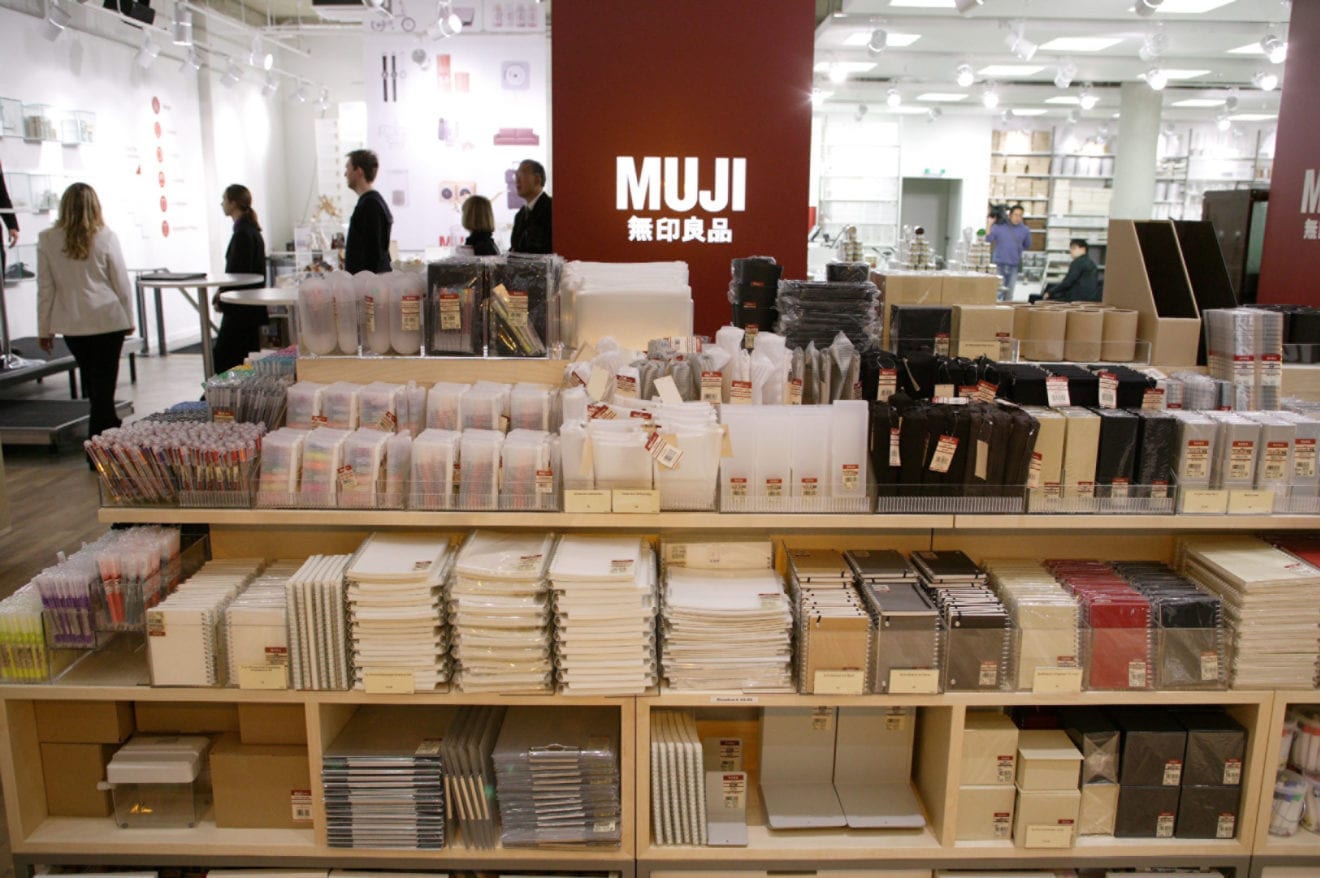
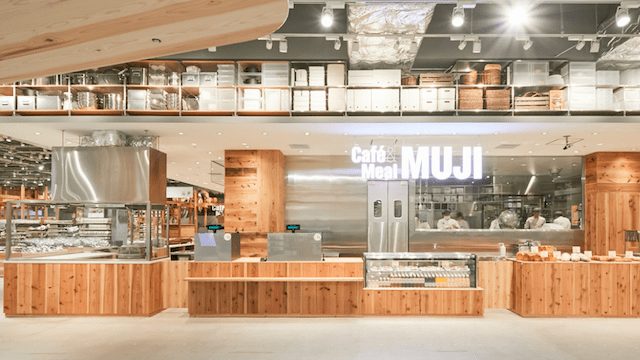
  • Muji Singapore to offer home renovation products

    Muji Singapore to offer home renovation products

    Muji Singapore is set to expand its offer to include the new Muji Renovation concept. By 2025, Muji Singapore customers might be able to go to the Japanese retailer for a complete home transformation, said Satoru Matsuzaki, president and representative director of Muji owner Ryohin Keikaku.

    “I always want to bring new formats to Singapore first, develop it here, then [take] it out to the region,” Matsuzaki added.

    “Coming soon for Singapore shoppers is the expansion of the Muji Walker active wear range, launched in the 2018 Spring/Summer season and meant for light exercise.

    “This is really a good match for Singapore,” said Matsuzaki, pointing to the island’s year-long warm weather and ageing, health-conscious population.

    It also aims to expand its product range, narrowing the gap between the 7000 items sold in Japan and the 4000 here.

    Store sizes will expand as well, from an average of 6000sqft to some 18,000sqft.

    Strong sales have fuelled the brand’s confidence and the plans to expand store footprints. Despite the local retail sector supposedly being on the downtrend, Muji Singapore’s sales are rising steadily each year.

    Meanwhile, Muji is seeking a court order for Singapore retailer Iuiga to stop its use of the Muji mark and the retailer is launching first store in Vietnam next year.

    Muji Singapore opened first store in 2003, and now has 11 local outlets.

  • Japanese Brand Muji Will Open First Vietnam Store in 2020

    Japanese Brand Muji Will Open First Vietnam Store in 2020

    Japanese household goods and apparel chain Muji plans to open in Vietnam next year. The company will establish its subsidiary Muji Vietnam this August with headquarters in Ho Chi Minh City. The first store is scheduled to open in the second quarter. Muji’s parent Ryohin Keikaku says it chose Vietnam as Muji’s next overseas market because of the country’s fast-paced development. Vietnam has the third-largest population in ASEAN and is undergoing rapid economic growth.

    “From our business’ point of view, it is one of the major markets in ASEAN, with the estimated real GDP growth of 7.1 per cent last year,” the company said in a statement released in Japan.

    “We expect that our experience and knowhow in the global market will help in running stores that serve everyday living and [that will] increase Muji’s fans in the area.”

    Muji products are among the most popular items hand-carried back into Vietnam from travellers visiting countries such as Thailand, Singapore, Hong Kong and the Philippines.

    The opening of first Muji Vietnam store is expected to attract many Vietnamese youngsters, with the minimalist lifestyle reflected in the retailer’s product range currently a trend in the country.

    Muji has more than 450 stores in Japan, and 470 stores in other countries.

  • Ikea to launch ‘intelligent curtain’

    Ikea to launch ‘intelligent curtain’

    Ikea has developed an ‘intelligent curtain’ capable of purifying air. The invention, coated with sunlight-activated minerals that break down airborne pollutants, has been developed in collaboration with several European and Asian universities. “By enabling a curtain to purify the air, we are creating an affordable and space-saving air purifying solution that also makes the home more beautiful,” said Ikea product developer Mauricio Affonso.

    The Gunrid intelligent curtain will be sold in stores next year and is expected to sell well in areas particularly affected by air pollution.

    According to the World Health Organisation, 91 per cent of humanity lives in areas affected by significant air pollution, which kills around 7 million people every year.

    “Gunrid is the first product to use the technology,” said Ikea’s head of sustainability Lena Pripp-Kovac, “but the development will give us opportunities for future applications on other textiles.”

    “We know that there is no single solution to solve air pollution. We work long term for positive change, to enable people to live healthier and more sustainable lives”, she said.

  • Ikea Malaysia opens new store

    Ikea Malaysia opens new store

    Ikea Malaysia will next month open its first store in the northern region of Peninsular Malaysia – in Batu Kawan, Penang. Due to open on March 14, the brand’s fourth outlet in the country spans 43,600sqm of retail space and will feature more than 8000 products.

    “The store will also have 49 showrooms, a market, restaurants and a bakery. We expect it will attract about 50,000 visitors per week,” said Ikea Malaysia store manager Arumugam Pathmalingam.

    In advance of the grand opening, the store has already attracted excitement among Penangites, mainly on social media.

  • Furniture maker in Vietnam to meet younger customer taste

    Furniture maker in Vietnam to meet younger customer taste

    Furniture manufacturers are striving to meet the changing tastes of young people, who have begun to value eco-friendliness and aesthetics. Nguyen Chanh Phuong, vice president and general secretary of the Ho Chi Minh City Fine Arts and Wood Processing Association (HAWA), said the furniture segment for small urban houses is abuzz in Vietnam, with its main customers being young adults born between 1980 and 2000.

    Unlike the previous generation, who preferred simple but durable furniture that could last 100 years, young people prefer to buy comprehensive interior packages based on their own aesthetic views, he explained.

    They see furniture as things that serve their needs and not assets to be passed down, and so products only need to last about 10 years, he said, pointing out this was why furniture makers like IKEA have been so successful.

    “There is a lot of opportunity arising from this group of customers alone. I estimate they only account for 15 percent in terms of number of buyers but account for 30-40 percent of spending.”

    Industry insiders said the market is seeing rapid growth in raw materials production, design and manufacture of furniture, and one can now find all types of international “fashionable” wood varieties from Germany, the U.S., France, Japan, Canada, and New Zealand.

    Vietnam’s furniture market was worth $4 billion in 2018, and is expected to grow to $5-7 billion by 2025, according to the Handicraft And Wood Industry Association of HCMC.

    Nguyen Quoc Khanh, HAWA chairman, said not only is the scale growing but also Vietnamese are increasingly demanding higher quality products.

    “I think ‘strong and durable’ is not the Vietnamese style; it was a need at a difficult time. Life is much better now, so people are allowed to express themselves.

    “The only regret is that the market has not yet created the necessary ecosystem for the business of interior design. That is, furniture manufacturers have not been able to work with designers and real estate companies to completely meet users’ needs.”

    Foreign home interior brands and designers are present in force and dominating the increasingly affluent market.

    According to the Vietnam Chamber of Commerce and Industry (VCCI), some 80 percent of luxury woodwork and interior decoration items is imported from Europe, with local players accounting for the rest.

  • JC Penney to stop selling home appliances

    JC Penney to stop selling home appliances

    Struggling department store chain JC Penney announced it will exit its home appliances business, and some of its furniture business, while revamping the layout of its stores to focus on clothing sales to boost profits. The company, which hasn’t turned a profit since 2010 and has forecast several more years of losses, said it would stop selling major appliances in February “to better meet customer expectations, improve financial performance and drive profitable growth.”

    JC Penney’s appliances business was a pet project of former CEO Marvin Ellison. The company will also stop selling furniture in majority of its stores and will now only be available in select stores in Puerto Rico and online.

    The announcement is the first major change by new CEO Jill Soltau since she joined the embattled retailer late last year.

    According to JC Penney, they are now finalising new layout options, including reduction of store space previously dedicated to appliance and furniture showrooms to maximise efficiencies, reduce inventory and create an enhanced shopping experience that inspires repeat shopping trips.

    “Optimising the allocation of store space will enable us to prioritise and focus on the company’s legacy strengths in apparel and soft home furnishings, which represent higher margin opportunities,” the company said.

    The company further announced customers can still purchase major appliances in stores and online until February 28 and receive free basic delivery and installation on new model purchases over $299. All protection plans and manufacturer’s warranty agreements will remain in effect for the applicable warranty period.

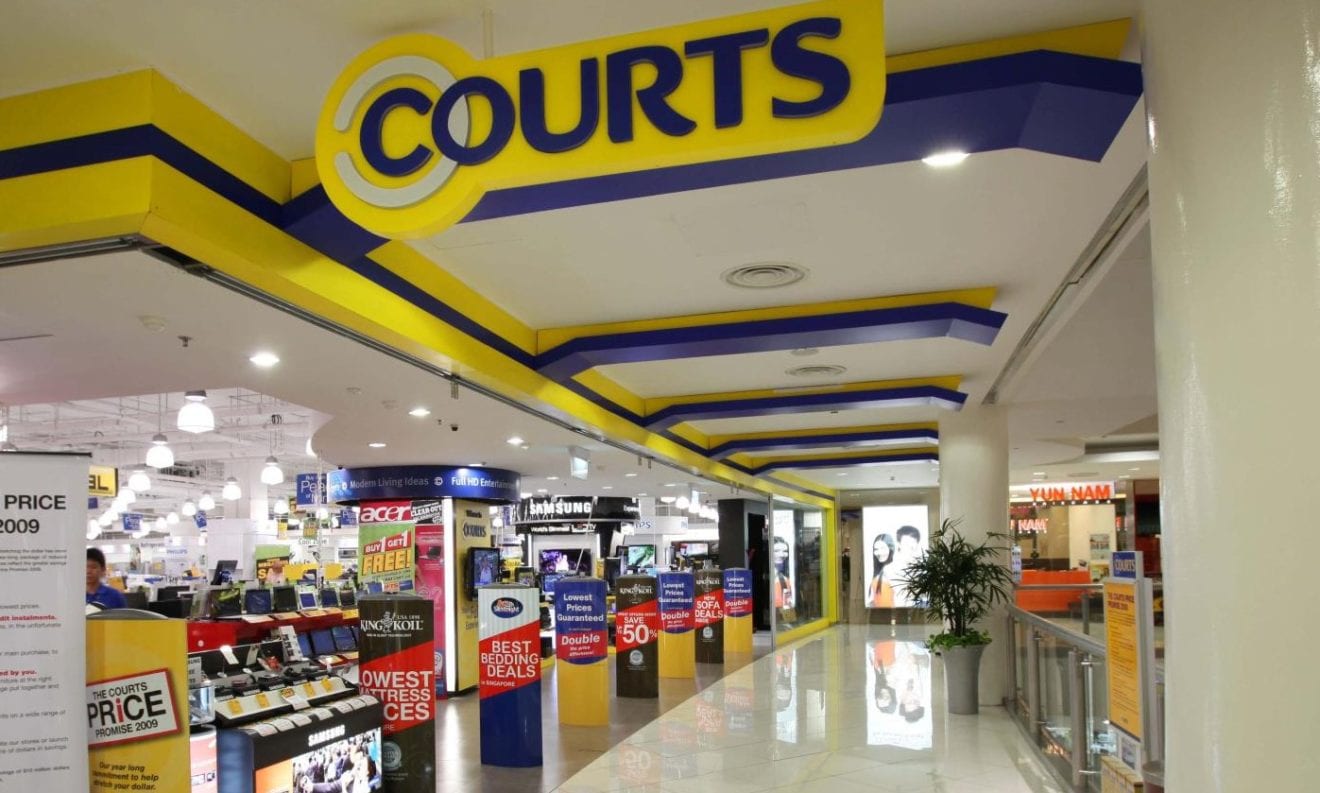
  • Courts Asia gets buy offer from Japan retailer Nojima

    Courts Asia gets buy offer from Japan retailer Nojima

    Japanese electronics retailer Nojima Corp has launched a conditional takeover bid for Courts Asia. The deal is conditional upon Courts Asia’s majority owner Singapore Retail Group (SRG) agreeing to the deal. Offering 20.5 cents a share for the business, the offer represents a 35 per cent premium over the price shares were trading at before the bid was revealed.

    Nojima is listed on the Tokyo Stock Exchange. Like, Courts Asia, it is an electrical appliance retailer, boasting more than 8000 employees and a market capitalisation of S$1.4 billion. Sales in the year to March 31 last year were $6.1 billion.

    Courts Asia has 80 stores trading in Singapore, Malaysia and Indonesia and besides electronics sells furniture and IT products as well. The company has enjoyed mixed fortunes in recent years, impacted by external factors such as the imposition of GST in Malaysia. It reported a net loss of $3.1 million in its second quarter, a stark contrast to the net profit of $1.5 million during the same period a year earlier. Sales for the three months to September 30 fell 6.4 per cent to $165.1 million.

    Nojima says if it wins control of the company it may carry out a “strategic and operational review” of the business to realise “synergies, economies of scale, cost efficiencies and growth potential”. It will most likely delist the company in Singapore.

  • Air purifier sales up 414 % after dust attack in Korea

    Air purifier sales up 414 % after dust attack in Korea

    As fine dust blows into Korea, demand for products that defend against pollution spike. According to an Emart study released Friday, mask sales between Jan. 10 and Jan. 16 surged 458 percent from the same period a year earlier while the sales of air purifiers are up 414 percent. Usually, the products are in high demand around late February and in March, when the yellow dust from the northern deserts descend on the Korean Peninsula. But sales this year are already 95 percent of the total usually reported in March.

    Sales of consumer appliances that clean clothing, such as LG’s Styler clothes closest, are up 186 percent compared to the same period a year ago, according to the retailer. Sales of dryers have increased 67 percent as the worsening pollution has made it difficult to dry laundry outdoors.

    Emart said it will be holding a special sale on fine-dust countering goods through Jan. 30.

    It plans to offer discounts on the bulk purchase of masks: 10 percent when buying two and 30 percent when buying three at a time.

    The Samsung Electronics air purifier with model number AX6ON5081 WDD will be sold at 379,000 won ($338), a 90,000 won discount, while Coway’s AP-1818C model will be sold at 439,000 won, a 60,000 won discount. The purchase of Coway’s air purifier also comes with 85,000 won worth of additional filters and 50,000 won in gift certificates.

    The retailer is also providing discounts on vacuum cleaners, including Dyson’s V10 Fluffy, the LG Electronics A9, which also has a mopping feature, Samsung’s VS8ON8062KKS and Tepal’s Air Force 360.

    Online shopping malls are ramping up their marketing of fine dust-related products. Coupang has been promoting 650,000 fine-dust products since Jan. 10.

    An exclusive study by the JoongAng Ilbo found that much of the recent air pollution is coming from China.

    The Korean Meteorological Administration is forecasting a return of high fine-dust readings. It said the level of concentration of pollutants started rising on Friday and will continue to increase today.

    When the concentration is at 15 micrograms per square meter or lower, the government rates the air quality as “good.” When it is between 16 and 35, it is deemed “normal.” When the figure is between 36 and 75, the government rates the air quality as “bad.”

    On Jan. 14, the fine-dust concentrations in the greater Seoul area peaked at 122 micrograms per square meter, the highest level since related data was first collected in 2015.

    That was two days after air pollution in major areas in China, including Beijing, Tianjin, Tangshan and Hubei Province, peaked.

    The Korean Meteorological Administration forecasts air pollution levels dropping from Sunday afternoon.

    Kweather, a private weather company, has advised people to stay indoors over the weekend and wear a protective mask when having to go outside.