Tag: Home

  • Courts Asia gets buy offer from Japan retailer Nojima

    Courts Asia gets buy offer from Japan retailer Nojima

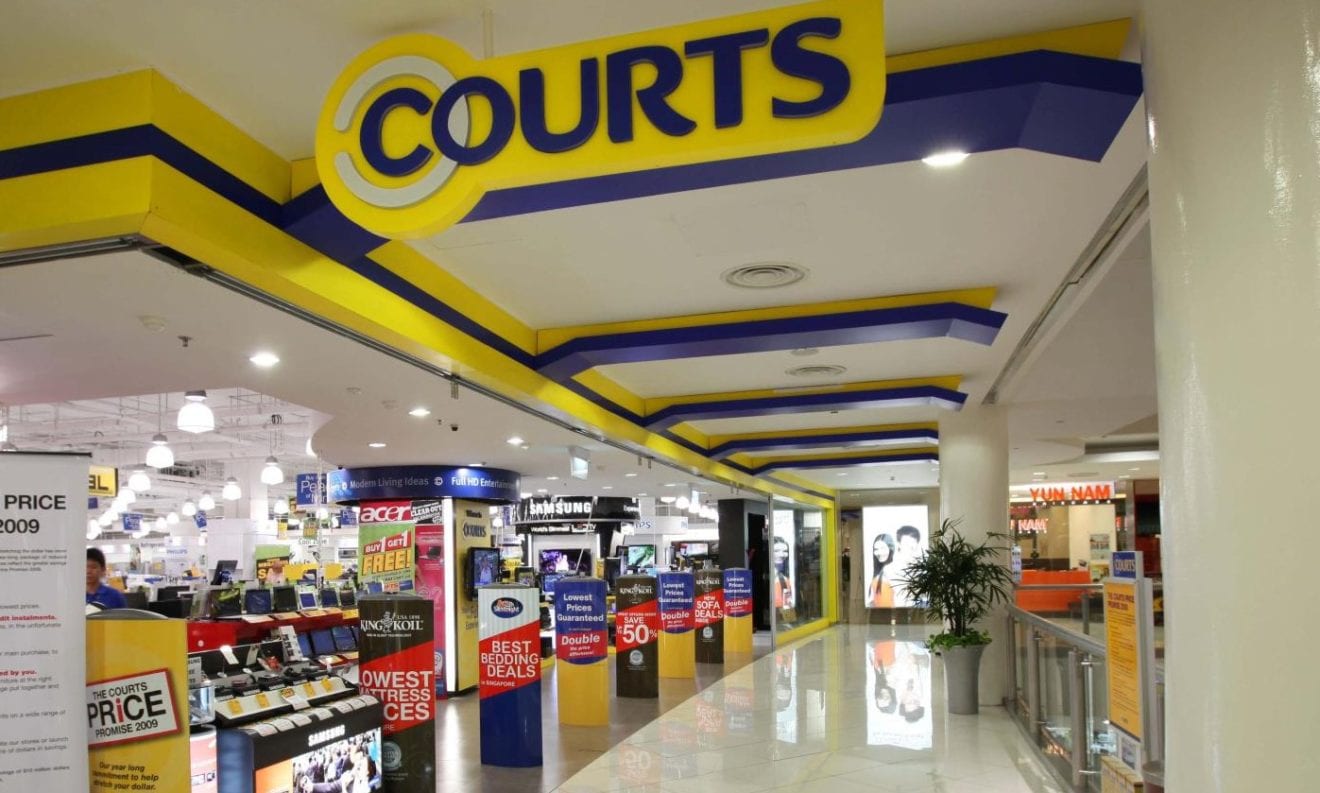
    Japanese electronics retailer Nojima Corp has launched a conditional takeover bid for Courts Asia. The deal is conditional upon Courts Asia’s majority owner Singapore Retail Group (SRG) agreeing to the deal. Offering 20.5 cents a share for the business, the offer represents a 35 per cent premium over the price shares were trading at before the bid was revealed.

    Nojima is listed on the Tokyo Stock Exchange. Like, Courts Asia, it is an electrical appliance retailer, boasting more than 8000 employees and a market capitalisation of S$1.4 billion. Sales in the year to March 31 last year were $6.1 billion.

    Courts Asia has 80 stores trading in Singapore, Malaysia and Indonesia and besides electronics sells furniture and IT products as well. The company has enjoyed mixed fortunes in recent years, impacted by external factors such as the imposition of GST in Malaysia. It reported a net loss of $3.1 million in its second quarter, a stark contrast to the net profit of $1.5 million during the same period a year earlier. Sales for the three months to September 30 fell 6.4 per cent to $165.1 million.

    Nojima says if it wins control of the company it may carry out a “strategic and operational review” of the business to realise “synergies, economies of scale, cost efficiencies and growth potential”. It will most likely delist the company in Singapore.

  • Air purifier sales up 414 % after dust attack in Korea

    Air purifier sales up 414 % after dust attack in Korea

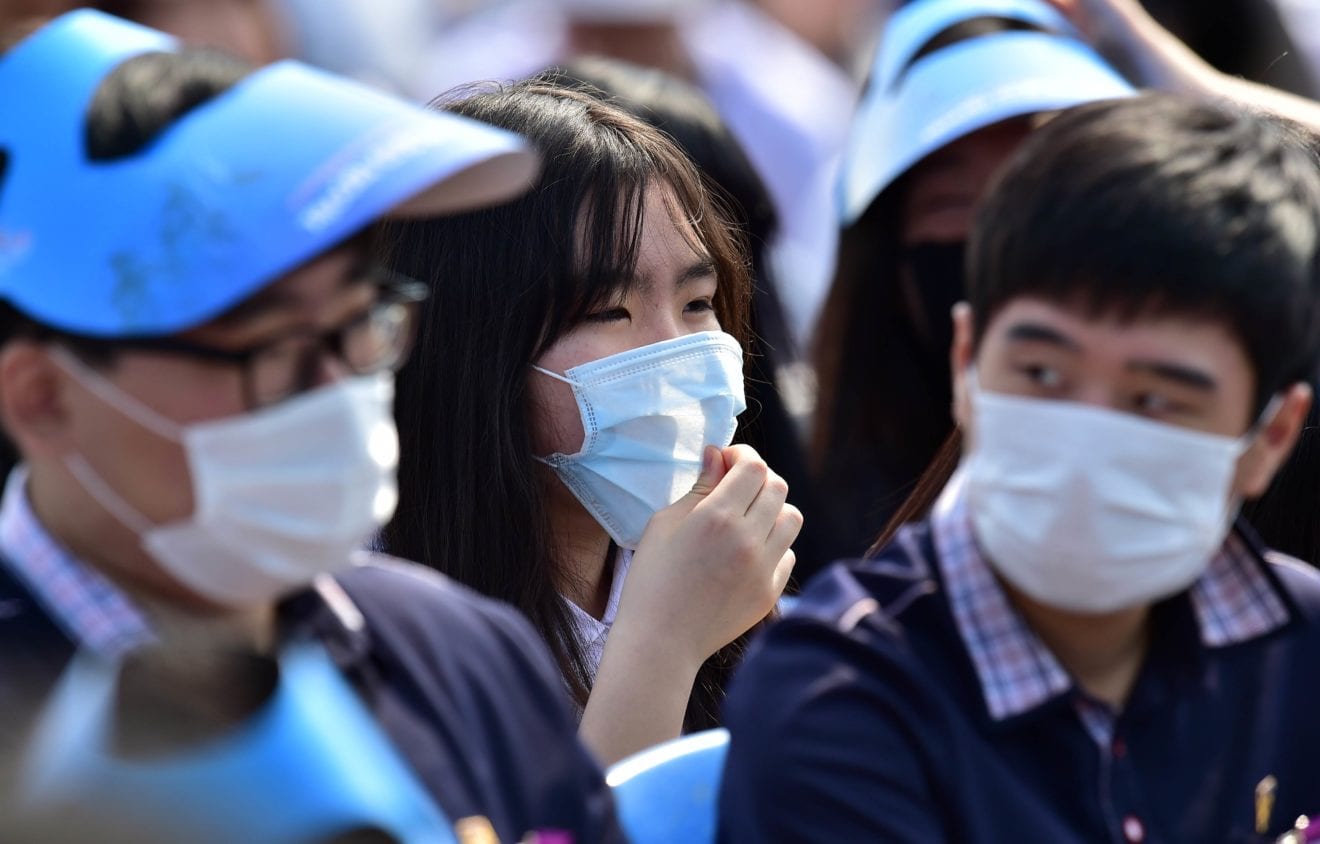
    As fine dust blows into Korea, demand for products that defend against pollution spike. According to an Emart study released Friday, mask sales between Jan. 10 and Jan. 16 surged 458 percent from the same period a year earlier while the sales of air purifiers are up 414 percent. Usually, the products are in high demand around late February and in March, when the yellow dust from the northern deserts descend on the Korean Peninsula. But sales this year are already 95 percent of the total usually reported in March.

    Sales of consumer appliances that clean clothing, such as LG’s Styler clothes closest, are up 186 percent compared to the same period a year ago, according to the retailer. Sales of dryers have increased 67 percent as the worsening pollution has made it difficult to dry laundry outdoors.

    Emart said it will be holding a special sale on fine-dust countering goods through Jan. 30.

    It plans to offer discounts on the bulk purchase of masks: 10 percent when buying two and 30 percent when buying three at a time.

    The Samsung Electronics air purifier with model number AX6ON5081 WDD will be sold at 379,000 won ($338), a 90,000 won discount, while Coway’s AP-1818C model will be sold at 439,000 won, a 60,000 won discount. The purchase of Coway’s air purifier also comes with 85,000 won worth of additional filters and 50,000 won in gift certificates.

    The retailer is also providing discounts on vacuum cleaners, including Dyson’s V10 Fluffy, the LG Electronics A9, which also has a mopping feature, Samsung’s VS8ON8062KKS and Tepal’s Air Force 360.

    Online shopping malls are ramping up their marketing of fine dust-related products. Coupang has been promoting 650,000 fine-dust products since Jan. 10.

    An exclusive study by the JoongAng Ilbo found that much of the recent air pollution is coming from China.

    The Korean Meteorological Administration is forecasting a return of high fine-dust readings. It said the level of concentration of pollutants started rising on Friday and will continue to increase today.

    When the concentration is at 15 micrograms per square meter or lower, the government rates the air quality as “good.” When it is between 16 and 35, it is deemed “normal.” When the figure is between 36 and 75, the government rates the air quality as “bad.”

    On Jan. 14, the fine-dust concentrations in the greater Seoul area peaked at 122 micrograms per square meter, the highest level since related data was first collected in 2015.

    That was two days after air pollution in major areas in China, including Beijing, Tianjin, Tangshan and Hubei Province, peaked.

    The Korean Meteorological Administration forecasts air pollution levels dropping from Sunday afternoon.

    Kweather, a private weather company, has advised people to stay indoors over the weekend and wear a protective mask when having to go outside.
  • Ikea to open first New Zealand store in Auckland

    Ikea to open first New Zealand store in Auckland

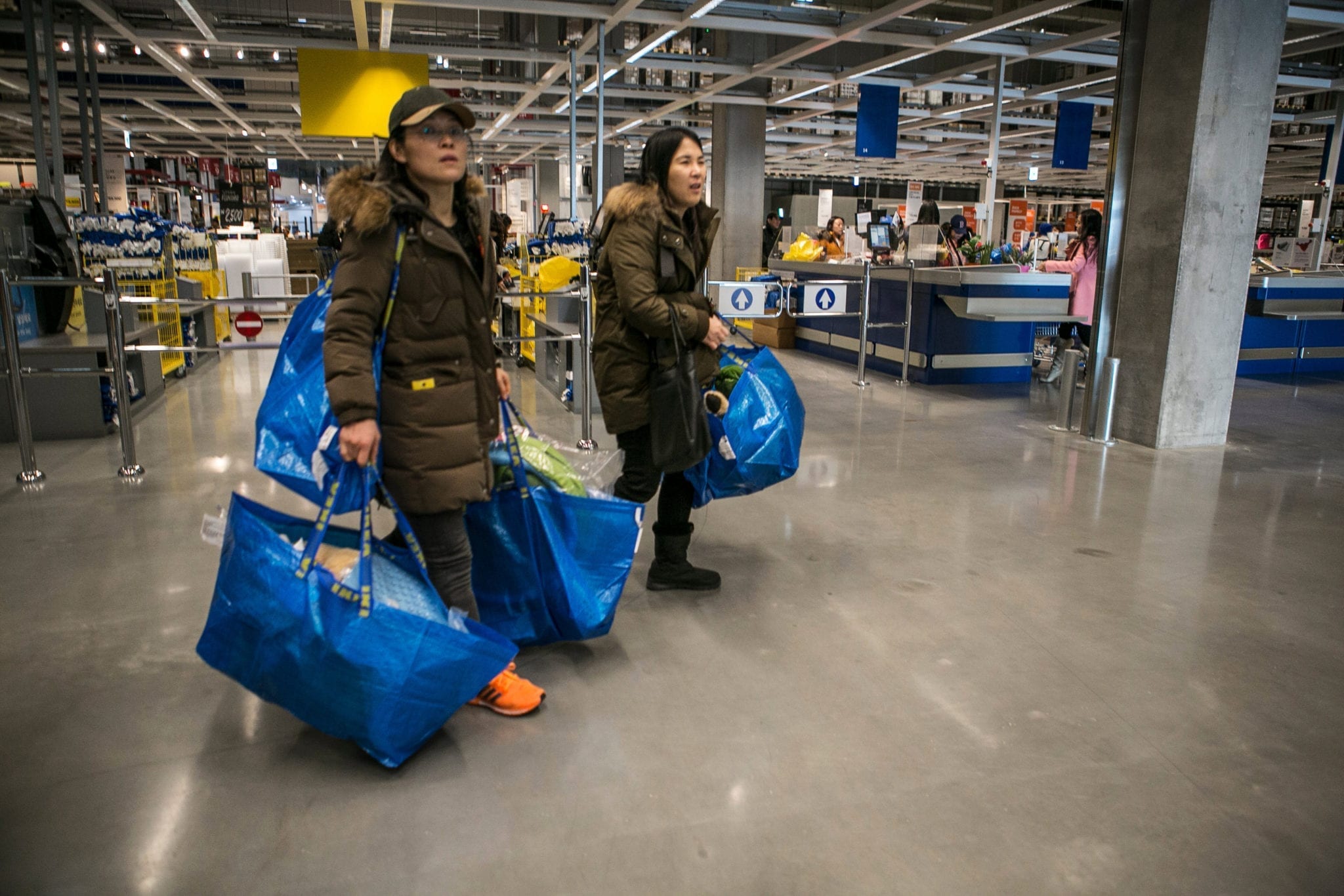
    Ikea will open a store New Zealand in the coming years, opting for the city of Auckland to bow its debut store. The Swedish firm, known for its buy-and-assemble furniture, will open up a pop-up shop in the coming months in the lead up to a fully-fledged flagship store, which would create 400 jobs in the city, according to local media reports With no an exact time frame for the megastore launch, Ikea’s New Zealand manager, Will Edwards, said that Ikea would open a pop-up shop in central Auckland, as a physical store would take a number of years to set up.

    “It does take time to build a truly big blue and yellow iconic Ikea store, it will take a number of years to get the full offer up and running but we don’t want to keep people waiting,” Edwards told media on Friday at a press conference, which also saw the attendance of Ikea’s global chief execute, Jesper Bodin.

    “It makes sense to be in Auckland where many people are living and also commuting in and out of. We’d like to give a piece of Ikea before the full meal comes along,” added Edwards.

    Ikea requires some 300 to 400 employees to run the Auckland store, as well as several hundred more staff to support logistics.

    Bodin said that New Zealand will get the “whole shebang”, with a product range of about 7000 items at least in the warehouse store.

    While price-points weren’t disclosed, Bodin said that “our ambition is always to be affordable for people and competitive with other retailers in New Zealand.”

    Ingka Group, Ikea’s largest franchisee and operator of Ikea stores in 30 markets around the world, was granted exclusive rights to explore options to expand into New Zealand.

    Founded in 1943 in Sweden, Ikea sells furniture and homewares to 1.2 billion customers around the world.

  • Number of AI speakers in Korea to hit 8 million

    Number of AI speakers in Korea to hit 8 million

    The number of artificial intelligence (AI) speakers in Korea is expected to reach the 8 million mark in the new year as the devices gain popularity, a report by a local digital media lab said Sunday. According to the findings by KT Group affiliate Nasmedia, some 40 percent of the country’s 20 million households will likely have an AI speaker in 2019. The numbers represent a sharp increase from just 1 million units supplied in 2017 and the nearly 3 million that have reached the market this year.

    “The rise in demand comes from greater choice in terms of the products being offered, as well as more upgraded features that have made the AI speakers more attractive to ordinary consumers,” the 2019 digital media and marketing forecast report claimed.

    It added that greater competition among manufacturers to secure the growing market is fueling the spread of such smart devices.

    Korean companies – such as SK Telecom, KT, Naver and Kakao – have all rushed to release new AI speakers.

    Nasmedia said that, in particular, there has been considerable competition in the area of children-related content and audio shopping services with companies vying with one another to “lock” customers into their ecosystem.

    The speakers have been marketed as personal home assistants for adults and even as private tutors for small kids.

  • H&M HOME to open concept store on London’s Regent Street in 2019

    H&M HOME to open concept store on London’s Regent Street in 2019

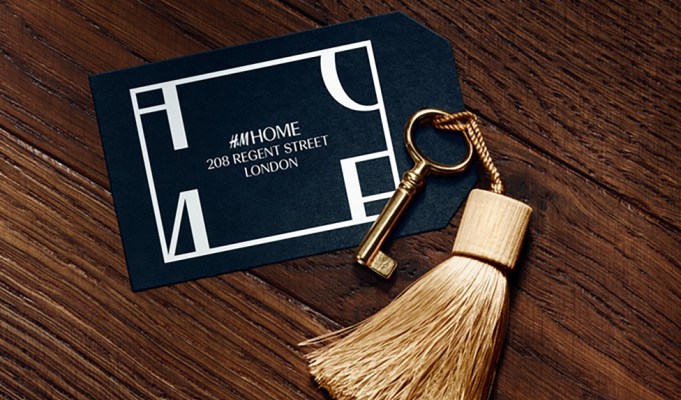
    H&M HOME will be opening the new Concept Store in central London in Spring 2019: at 208 Regent Street. The new H&M HOME Concept Store covers approximately 700 square metres across two floors and will offer the full assortment, the newly launched range of furniture, lighting and the Classic Collection.

    First launched earlier this year across five European markets – Denmark, Sweden, Norway, Germany and UK – including first stand-alone store in Westfield London (White City), the aim of H&M HOME concept store is to be an inspiring interiors destination that will bring together the latest products from the full H&M HOME assortment, as well as a selection of pieces from a curated selection of other brands.

    “Our H&M HOME concept stores complement to our digital offering by offering personal service from H&M HOME colleagues, and allowing our customers to interact with the products in an inspirational environment. We are investing in a next level customer experience, and we could not have hoped for a better location for our upcoming concept store. We are very proud to be a part of the legendary Regent Street,” says Anders Sjöblom, Managing Director of H&M HOME.

    The exact opening date and full details of the products, services and experiences that will be available at H&M HOME on Regent Street will be revealed in the new year.

  • Gome Retail sales free falling

    Gome Retail sales free falling

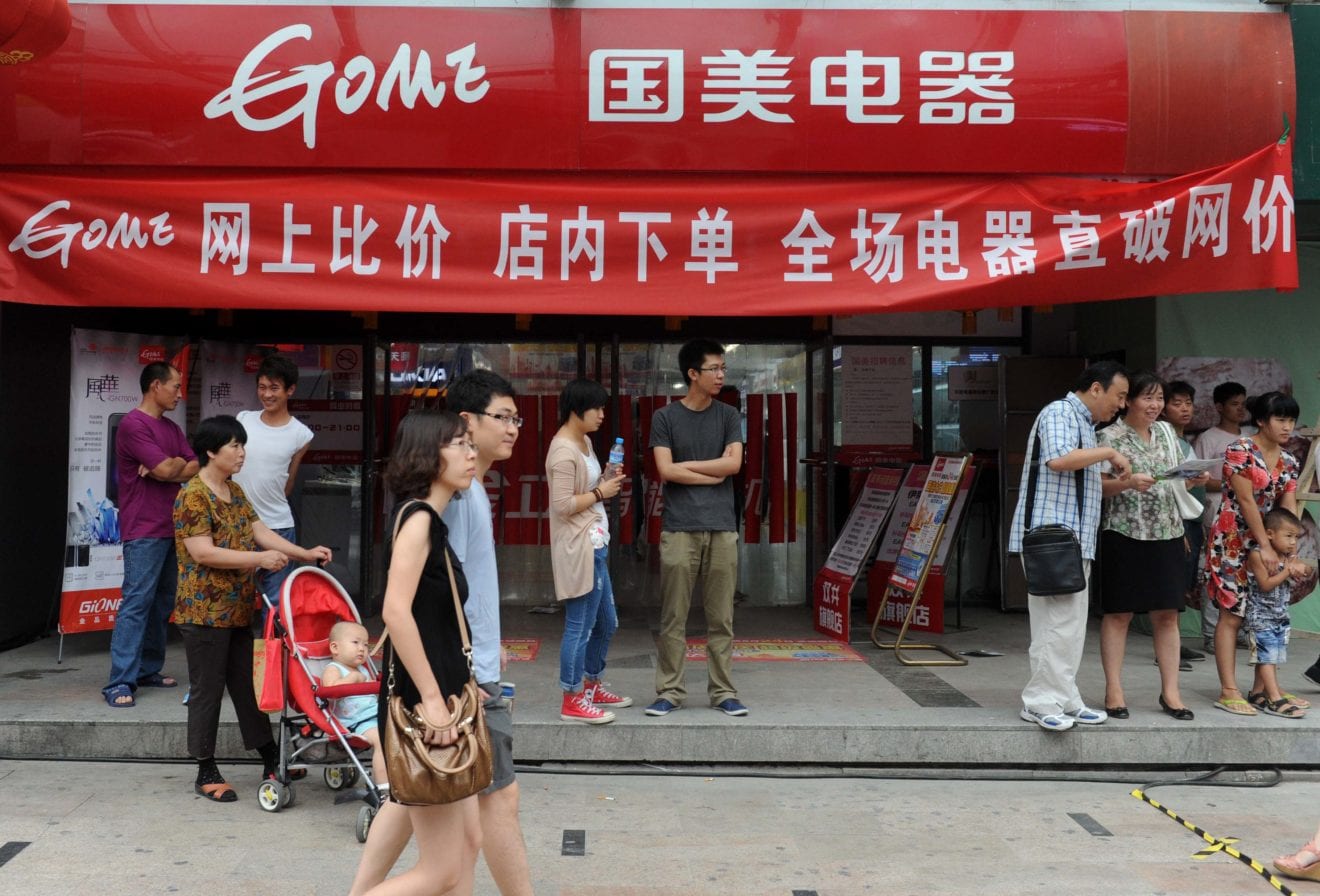
    Gome Retail has plunged US$64million into the red as its restructuring program takes its toll. The company took the unusual step of releasing third-quarter financial data, which shows group sales were down 11.2 per cent in the first nine months of the year, to $7.3 billion.

    Total gross merchandise volume (GMV) of the group for both online and offline grew by 4.83 per cent year on year, with its e-commerce business growing by 26.04 per cent.

    Gome’s consolidated gross profit margin was 18.06 per cent, up by one percentage point compared with the same time last year.

    But the loss for the period contrasted with a $31.7 million profit last year.

    Gome issued a profit warning early this month, with the actual figure turning out to be at the top end of its projected range. While yesterday’s statement did not include any commentary, the company has made considerable effort to keep shareholders aware of the scale of the task it faces and the short-term pain required to effect the restructuring plan.

    Gome Retail is integrating its online and offline business and promoting a new ‘Social + Business + Sharing’ shared retail model. As part of that strategy, the company is combining its electrical appliances, home decoration, household systems and supermarkets to create sizable “experiential stores” in tier 1 and 2 cities. The group is also optimising its platform to include the Xiaomei Net Cafe, VR Cinemas and Gome esports.

  • Foreign names dominate Vietnam’s high-end home interiors market

    Foreign names dominate Vietnam’s high-end home interiors market

    Foreign home interior brands and designers are present in force and dominating the increasingly affluent Vietnamese market. Brands like Cassina, Badari Lighting, Cantori, Diemme Cucine, Formitalia, and Versace Home have entered the high-end interior market in recent years.

    According to the Vietnam Chamber of Commerce and Industry (VCCI), some 80 percent of luxury woodwork and interior decoration items is imported from Europe, with local players making up the small remaining portion. The market is valued at $2.5 billion.

    Ly Qui Trung, general director of AKA Furniture Group, said the expansion of the “middle and affluent class” has boosted demand for luxury interior items.

    “It is no wonder that many high-end international interior brands have started rushing into the Vietnamese market.”

    The middle and affluent class, categorized as those earning $714 a month or more, would double to 33 million, about a third of the population, between 2014 and 2020, the Nikkei Asian Review reported recently citing a study by the Boston Consulting Group.

    Market research firm Nielsen estimates the number of middle and affluent class Vietnamese to reach 44 million by 2020 and 95 million by 2030.

    Paolo Lemma, Italian trade commissioner to Vietnam, believes there will be higher demand for interior design items in future due to the booming real estate market.

    According to the HCMC Handicraft and Wood Industry Association (HAWA), woodwork furniture consumption last year was estimated at over $3.2 billion and that number is expected to reach $4 billion this year.

    Huynh Van Hanh, vice chairman of HAWA, said the industry’s average growth rate has been 8 percent in the last seven years, and his association encouraged domestic manufactures to enter this growing market.

    Trung said his company would seek to tap the growing high-end segment in future, and expected fierce competition between domestic and foreign brands.

    Last year Vietnam exported $8 billion worth of wood and forestry products and has a target of $9 billion this year.

  • Rituals brand expands in Middle East and Asia with DFS

    Rituals brand expands in Middle East and Asia with DFS

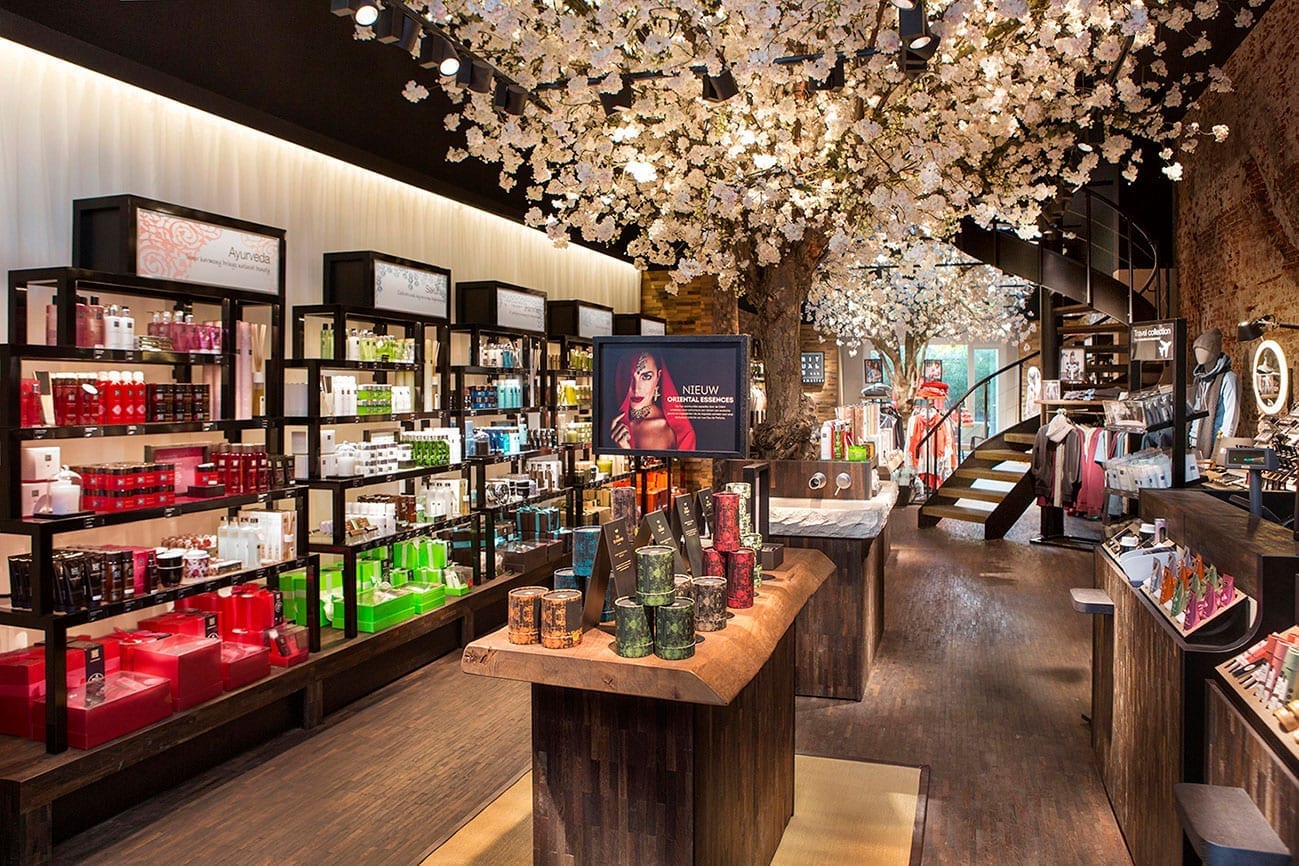
    Rituals, the British body and home products brand, has expanded its travel retail presence in the Middle East and entered the Asian market for the first time.

    The brand has opened a shop-in-shop at the DFS store in Abu Dhabi International Airport and commenced trading from a pop-up store at T Galleria by DFS, in Hong Kong’s Causeway Bay.

    The Abu Dhabi International Airport is Rituals’ seventh in the region

    The activation at Abu Dhabi is Rituals’ seventh in the Middle East territory, with stores in other countries including Oman, Dubai and Qatar.

    Rituals also revealed that the new Causeway Bay store in Hong Kong will be added to this year with the scheduled June opening of another pop-up in the country, also with DFS, at Sun Plaza in Canton Road.

    The new store in DFS’ Hong Kong, Canton Road T Galleria represents a major breakthrough in Asia Pacific for the brand

    The Rituals product line-up includes body and home products from its collections The Ritual of Sakura, The Ritual of Dao, The Ritual of Ayurveda and The Ritual of Happy Buddha. The brand also offers a range of travel exclusives and gift sets.

    Rituals Cosmetics Global Travel Retail Director Neil Ebbutt said: “Our presence in Dubai International airport with Dubai Duty Free and our shop-in-shop at DFS, Abu Dhabi International Airport are significant moves into the Middle East’s airport travel retail channel. And now our pop-up store at T Galleria by DFS in Hong Kong represents a major breakthrough for us in travel retail in Asia.”

    Rituals’ products are now available in travel-retail in almost 400 locations across 39 countries, including 10 standalone stores at airports around Europe.

  • Mercury Home Textile Sews Up Deal with Manhattan Associates

    Mercury Home Textile Sews Up Deal with Manhattan Associates

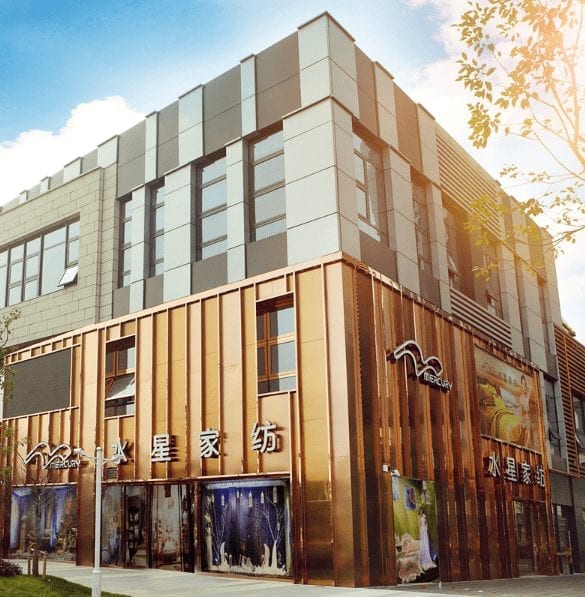
    Mercury Home Textile has selected Manhattan Associates, to optimise order fulfilment across its international, multi-channel retail operation and to serve as a foundation for its transition to an omnichannel business model with Manhattan’s Warehouse Management Solution (WMS).

    With more than 2,600 franchised stores in China and hundreds of partner stores across Europe, the Middle East, North America and Southeast Asia, Mercury Home Textile’s store network is complemented by a fast-expanding ecommerce operation which contributed almost half of the company’s revenue in 2017 and earned it the “Sales Champion” accolade for the home textile category on Alibaba’s Tmall.com marketplace during the most recent Double 11 shopping festival.

    Mercury Home Textile selected Manhattan based on the company’s track record of working with many of the world’s leading brands, its omnichannel commerce vision and the ability of its solutions to drive margin enhancement. Manhattan’s solutions will replace Mercury Home Textile’s legacy supply chain technologies and will fully integrate with the company’s other enterprise systems.

    Meng Yuanyuan, CIO at Mercury Home Textile, said, “The Manhattan solution will provide us with a common, scalable platform to underpin our domestic and international growth as we transition to an omnichannel model. It will improve visibility of inventory and data, increase product availability and drive operational efficiency improvements across our global supply network. With a more flexible fulfilment approach and improved service levels, we will be able to drive customer loyalty, revenue and profitability.”

    Stone Chen, General Manager of Manhattan Associates, Greater China said: “Our platform will create exceptional value for Mercury Home Textile. As its footprint expands, Mercury Home Textile can be confident in its ability to organise and optimise operations, speed the flow of goods and information, and enjoy flawless execution across inventory, labour and space.”


  • Ikea open new store in Hyderabad, mid July

    Ikea open new store in Hyderabad, mid July

    Ikea India says it will launch its first store in Hyderabad in July.

    This follows the Swedish furniture maker opening a “Hej Home” experience centre in the city in November to familiarize locals with brand.

    Covering 400,000sqft in Hi-tech City, the debut store will have more than 7000 products on display, says Ikea Hyderabad store manager John Achillea.

    It is six years since the company was given permission for single-brand retail, and a month ago it announced the appointment of Peter Betzel as its CEO for India. Betzel came in from Germany, its largest market, to look after what the company describes as “one of its most important growth markets”.

    Previously Ikea has announced plans to open 25 stores by 2025. It has also bought land parcels in Bengaluru, Mumbai and New Delhi to build stores, with more land to be acquired in cities such as Ahmedabad, Chennai, Kolkata, Pune and Surat.

  • Google Singapore goes online

    Google Singapore goes online

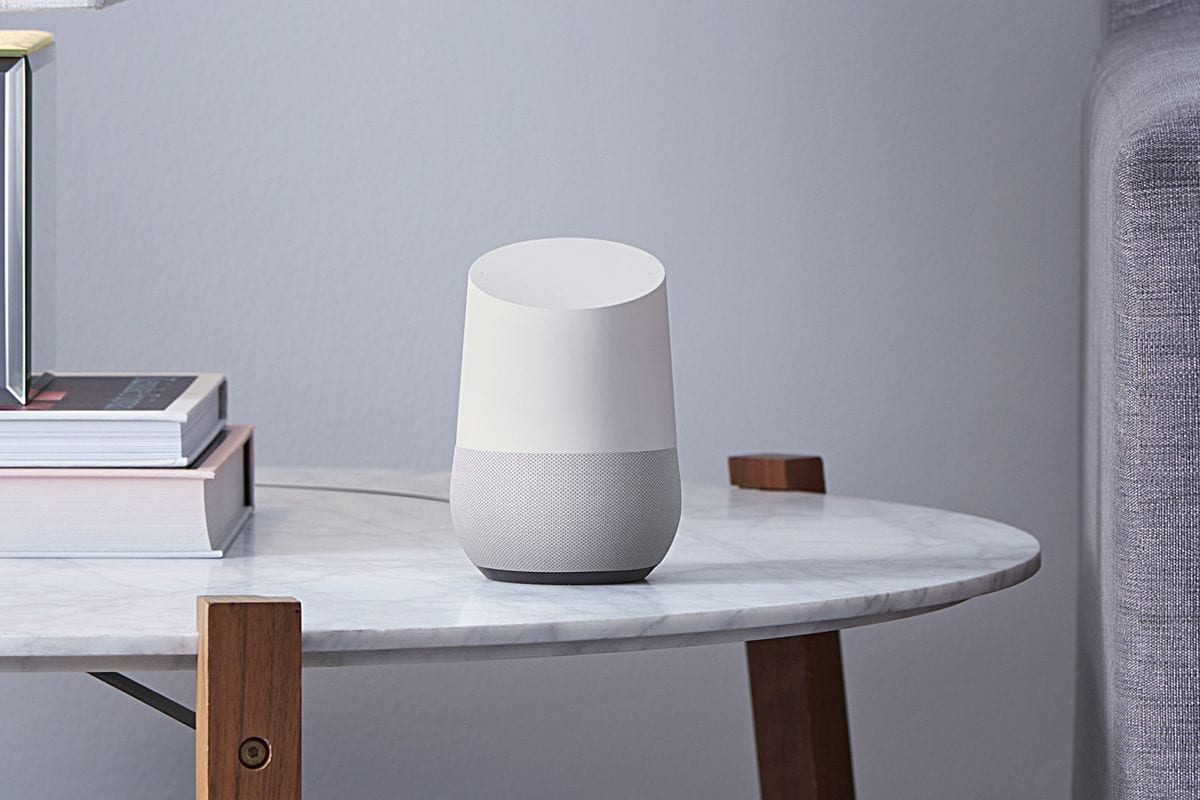
    After launching its online store, Google Singapore has introduced its smart speaker Google Home.

    It has taken the technology 16 months to reach SouthEast Asia, and alongside the Google Home Mini the speaker will be sold through retail stores such as Challenger, Courts and StarHub, as well as online from tomorrow.

    There is no word on when the newer Google Home Max will be made available, reports CNet, nor if Google Home will be rolled out elsewhere in Southeast Asia. However, it was launched in India last week and in Japan late last year.

    Singapore’s version of the speaker will support Singlish, and have access to local services such as public transportation chatbot Bus Uncle.

    Google has also enabled multi-user support for Singapore, and will be able to deliver personalised schedules or music based on who is asking.

    “We’re seeing a transition from a mobile-first world to an AI-first world,” says Google VP of product management Rishi Chandra. “We’re looking to reinvent all of our products to make it more natural to use them, and we think voice is going to be a big part of that. Voice can fundamentally change how you interact with computers.”

    He says Home has been designed around Google’s privacy framework. “We want to be transparent and give user control.”

    User data across all Google platforms, including Search and Home, can be managed on a single backend, enabling users to easily view and delete their information.

  • Hermes Singapore transforms artfully into ‘home’

    Hermes Singapore transforms artfully into ‘home’

    In a special exhibition, the Hermes Singapore flagship store at Liat Towers has been transformed to spotlight the luxury French brand’s collection of home furnishings and bespoke creations.

    Described as a “gallery of whimsy and surprise”, the Through The Walls exhibit was crafted by set designers Jean-Christophe Vaillant and Herve Sauvage. It shifts the focus from the brand’s iconic scarves and Birkin handbags to tableware, lighting, wallpaper and furniture.

    Leather, a reminder of Hermes’ start as a saddlemaker, is used imaginatively, as is bamboo crafted with carbon fibre and steel to form seats. The centrepiece of the installation is a closet for scarves that resembles a leather wallet from the outside and stores up to 130 pieces.

    Hermes co-deputy artistic director Charlotte Macaux Perelman says Singapore is an ideal location for the exhibition given the brand’s presence in the city since the 1970s. “We have never had a home-furnishings event here or really highlighted our home collection,” she says.

    It took two weeks to transform the top two levels of the store to showcase more than 120 objects from the Hermes home universe, including the brand’s new Lien d’Hermes collection.

    The retail space has been reworked as a “home” to give an appropriate setting for the objects.

    A feature is the stairwells of the store where wallpaper from the collection has been ripped and layered decoupage-style. In one corner, a dining table looks as though it had been pushed through a wall while elsewhere a coffee table appears to have fallen through the roof.

    There are even such whimsical touches as sounds: a cat meowing, a door closing, birds’ wings flapping. But the deconstructed world starts in the store windows, where neon signs for the event are framed by plates broken in half.
    “As a brand, our pieces are undoubtedly quite traditional and rigorous, but we like to introduce fantasy as well, especially in things like our textiles, wallpaper and tableware,” says Perelman.

    Through The Walls runs until October 29.

  • Inside Alibaba’s Home Store of the future

    Inside Alibaba’s Home Store of the future

    Home Times, a furniture store supported by Alibaba Group technology, has opened for business in the Chinese city of Hangzhou.

    Attracting between 1,500 and 3,000 daily visitors since opening, the furniture store is another example of Alibaba’s  New Retail model. In recent months, Alibaba has expanded that model out to a variety of sectors, following the success with its hyperlocal Hema Supermarkets, which have shown how analytics and technology can transform traditional grocery stores into a seamless online-offline customer experience.

    Over 20,000 items are available for purchase at Home Times, including furniture, kitchenware, home décor, stationery and travel essentials—a majority of which are sourced from merchants already selling through Alibaba’s B2C shopping platform Tmall.

    And a phone in hand is all it takes for seamless shopping. Shoppers scan each item’s QR code with their smartphones to see the product name, price, description, and instantly purchase using Alibaba’s mobile payment service Alipay.

    “We have the hardware and know-how to build New Retail-driven stores, and we work with partners that have access to offline channels and expertise in operating physical storefronts,” said William Chen, who heads the Home Times project at Alibaba’s Cloud Retail division. “We provide the technology and Tmall’s pool of consumer insights.”

    Tmall analyzes the behavior and preferences of users within a five-mile radius of the shop. Products are then handpicked from these users’ top preferred categories and added to store shelves. This system cuts the time required to source products worldwide for traditional retailers down to a single day, while store offerings will change every 10 to 15 days, added Chen.

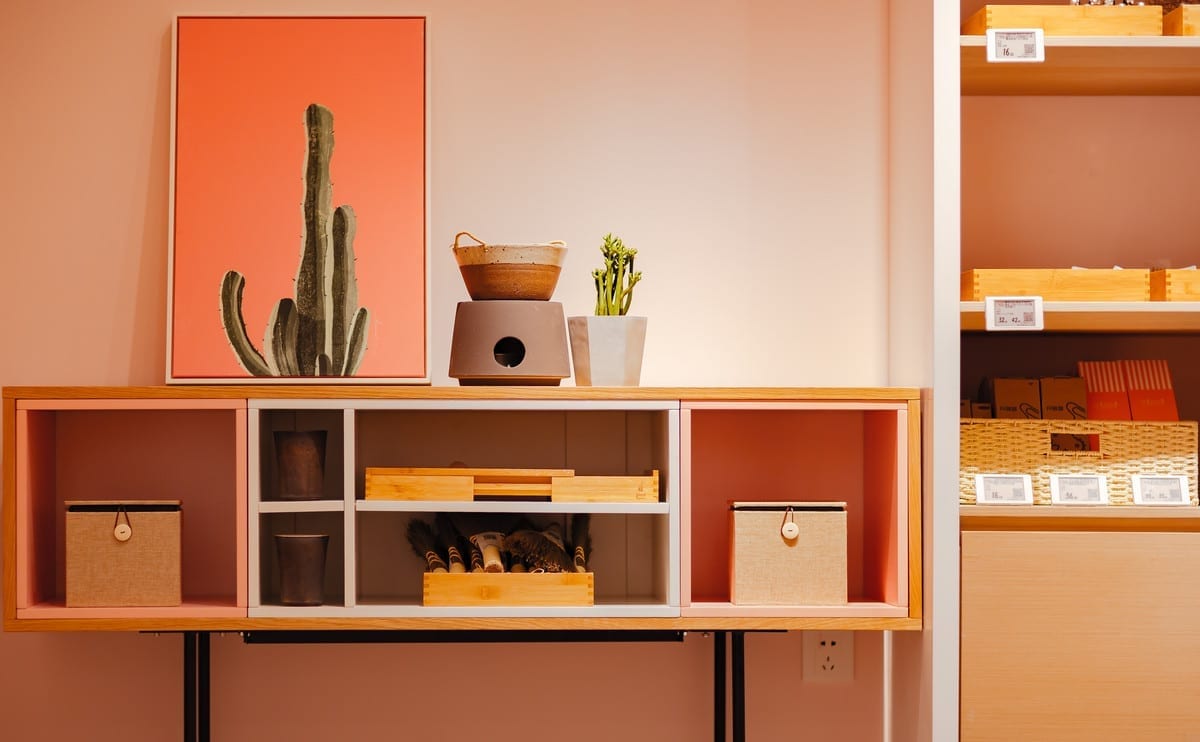
    Each product has an electronic price tag that can automatically sync prices with the latest seen online, removing the need for staff to manually print and replace the labels.

    Large screen displays on the wall allow customers to see their desired furniture and décor in a virtual home setting. This also indicates that Home Times requires significantly less display space, compared to traditional furniture sellers, since products can be displayed virtually.

    Home Times is set to open two new branches in Hangzhou by the end of 2017, including one at the In77 shopping center in the Hubin business district and another at an undecided location in West Hangzhou. It plans to open 15 to 20 new stores in 2018.

    “We definitely want to open this system to more businesses. Plans to apply our New Retail infrastructure to industries beyond home furnishing are underway,” said Chen.

  • Thailand to link 3,920 villages with fiber by mid-2018

    Thailand to link 3,920 villages with fiber by mid-2018

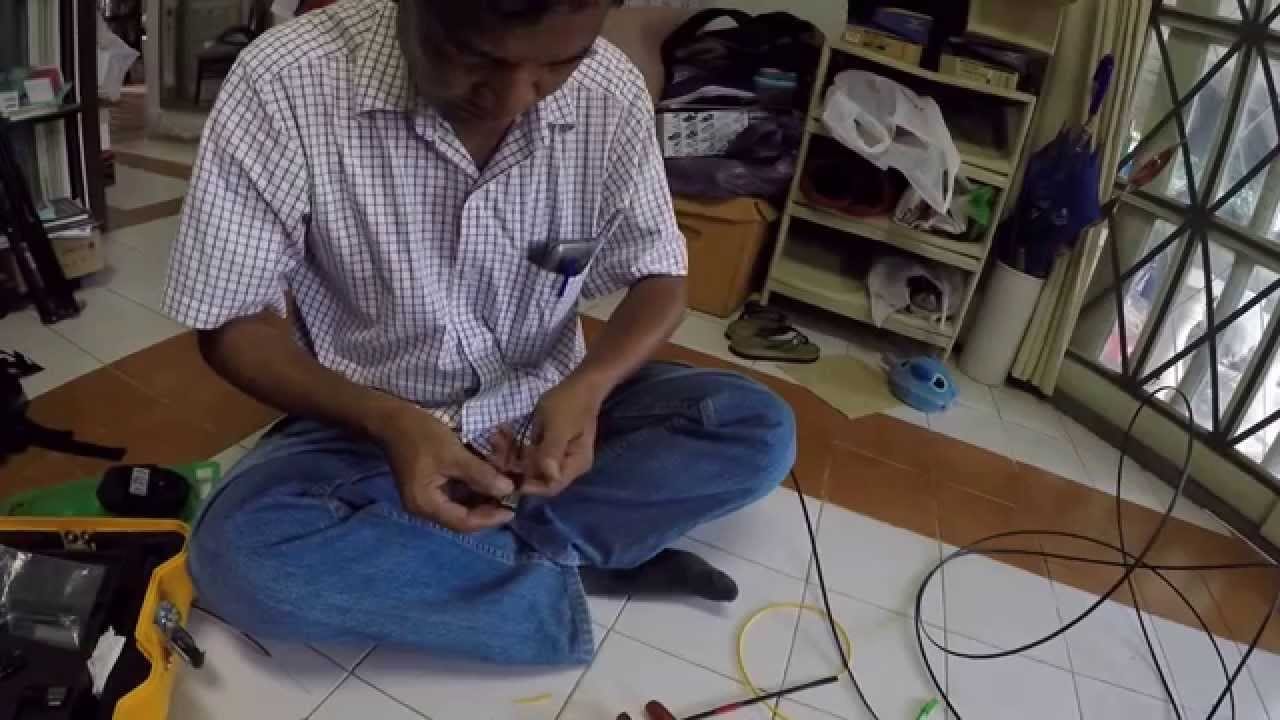
    Thailand’s first state-provided high speed fixed broadband services for rural areas are on track to launch by mid-2018, according to reports.

    The fiber-based service will be offered to 3,920 border villages across 62 provinces by this time, providing broadband at speeds of at least 10Mbps.

    The low cost services will start at just 50 baht ($1.47) per month for a 10Mbps connection with unlimited data, 150 baht or less for a 15Mbps connection and 200Mbps or less for a 20Mbps connection.

    An initiative of regulator NBTC, construction of the network will be funded as part of the 14 billion baht Universal Service Obligation (USO). It will also involve the construction of 5,229 free Wi-Fi hotspots, as well as 763 public internet centers that will fuction as community centers for 2-4 villages.

    The NBTC has just launched a tender process to select the project’s contractor, and plans to hold an online auction to choose a winning bidder in July. Networks must be capable of a minimum 30Mbps connection speed, and the service packages must be offered for at least five years.

    The NBTC is also finalizing the details of construction of a broadband network for an additional 15,732 villages, as part of its plan to deploy a low-cost broadband infrastructure spanning 40,432 underserved villages nationwide to help bridge the digital divide between urban and rural Thailand.

  • 5G indoor wireless market to be worth $509m by 2025

    5G indoor wireless market to be worth $509m by 2025

    The global equipment market for in-building wireless system, including active distributed antenna systems (DAS), passive DAS, and repeaters, is expected to grow to $10 billion in 2025, according to ABI Research.

    Yet, out of this market, 5G in-building wireless equipment will account for only 5% or $509 million in 2025, due to one year or more delay of 5G deployments indoors and in venues compared to outdoor 5G deployments starting from 2020, the research firm says.

    “As 5G nears full specification, mobile network operators will face challenges for indoor mobile coverage, including signal propagation, next-generation fronthaul/backhaul, and massive MIMO,” says Nick Marshall, research director at ABI Research.

    According to Marshall, early 5G deployments indoors and in venues will be a migration building on the features of LTE-Advanced and LTE-Advanced Pro. This will happen technology by technology and frequency by frequency, avoiding costly ‘rip and replace’ style deployments, the analyst notes.

    Marshall further points out that future 5G networks – which will comprise of a combination of different cell types and access technologies to seamlessly adapt to an array of use cases and applications – will rely on network functions virtualization (NFV) and mobile edge computing (MEC) to alter the architecture and topology of the RAN by leveraging telco data centers to virtualize signal processing in the cloud.

    NFV migrates cellular signal processing to a remote telco data center, while MEC, in a countervailing trend, migrates IT compute and storage to the network edge within the building or venue for low latency use cases and applications.

    With 5G standards yet to be finalized, many equipment vendors are actively researching and developing 5G equipment with a variety of approaches. These companies include Nokia with its AirFrame/AirScale Radio Access, Ericsson with its ERS, and CommScope with its OneCell.