Retail News CRM

Tag: Home

  • Home appliance retailers gear up in race to expand

    Home appliance retailers gear up in race to expand

    Opened in 2010, Dien May Xanh in late 2014 reported revenue of VND1 trillion a year. Since early 2015, Dien May Xanh has been gearing up with the application of digital technology to internal administration and sales management.

    In August 2015, Dien May Xanh began conquering the northern market. It had opened 75 supermarkets by the end the year which brought the turnover of VND4.4 trillion, holding 5 percent of the market share. The figure reportedly had increased to 14-16 percent by the end of 2016.

    According to Tran Kinh Doanh, CEO of The Gioi Di Dong JSC, the owner of Dien May Xanh brand, after two years of following the ‘fast fight fast victory’ strategy, with 266 supermarkets, Dien May Xanh has become the biggest partner of home appliance manufacturers and distributors in Vietnam.

    The owner of Dien May Xanh hopes its revenue in 2016 can reach VND12 trillion and the figure would be double in 2017 to VND25 trillion.

    Analysts commented that unlike other retailers, Dien May Xanh has been following its own business strategy because it arrived later than other rivals.

    A Dien May Xanh center covers 800-1,000 square meters, while the standard area for one home appliance supermarket is 4,000-5,000 square meters. With such a scale, the cost for one Dien May Xanh is VND6-10 billion, which is much lower than the traditional model.

    Meanwhile, Dien May Xanh can receive financial support from The Gioi Di Dong which is believed to have powerful financial capability.

    Analysts also praised Dien May Xanh’s policy on developing centers in city suburbs and provinces. This is believed to be a reasonable decision as retail premises in the central business districts of Hanoi and HCMC have become too expensive.

    Other home appliance retail chains, having realized the efficiency of Dien May Xanh’s small-center model, have also followed the development model.

    The centers of Media Mart developed recently, for example, have an area of between 700 and 1,500 square meters.

    Even Nguyen Kim, which only developed large shopping centers, has also changed its strategy. Eight of 14 supermarkets put into operation in December 2016 run under the shop-in-shop model with the average area of 300 square meters. They are located in big shopping malls such as Big C in HCMC, and the provinces of Binh Duong, Binh Thuan and Thanh Hoa.

    Meanwhile, strong brands including Thien Hoa, Nguyen Kim, Phan Khang and Dien May Xanh all have spent money to develop online sales. The number of customers buying goods on nguyenkim.com rises by 400 percent during sale promotions.


  • Samsung home appliances now available on Lazada Malaysia

    Samsung home appliances now available on Lazada Malaysia

    Samsung Malaysia Electronics (SME) Sdn Bhd today established a partnership with online shopping mall Lazada Malaysia to offer its first portal-in-portal site in South-east Asia.

    Head of Consumer Electronics Business Jimmy Tan Chee Wee said the partnership would allow more Malaysian consumers to shop online for their desired Samsung home appliances.

    “Today, many consumers are tech-savvy and enjoy online shopping on their own space, and the partnership will help them enjoy savings and convenience compared with the conventional way of shopping,” he said.

    Tan was speaking at the “Unbox the Wonders of Home” year-end online campaign in conjunction with Lazada’s Online Revolution campaign here today.

    He said the collaboration would provide SME a greater opportunity to reach a wider customer base through online portal and mobile applications, and share the latest promotions as well as product information at the same time.

    “Lazada helps to track every shop within the onsite portal according to the postcodes to ensure each of them is geographically tagged and catalogued to fit the shopper’s address.

    “This will bring them to the nearest SME retail shops, automatically entitling them to free and fast delivery,” he said.

    Tan said products offered online range from smartphones to televisions and refrigerators, with no price differences between online and offline products.

  • Thailand retail growth predicted at 6%

    Thailand retail growth predicted at 6%

    Thailand’s retail market is expected to grow at a compound annual growth rate (CAGR) of more than 6 per cent from now until 2020.

    This was revealed in the latest market study by global technology research and advisory company Technavio.

    Its research report, Thailand Retail Market 2016-2020, offers an analysis of the market in terms of revenue and emerging trends, as well as forecasts for six major product segments – grocery, apparel and footwear, beauty and personal care, personal accessories, home and garden, and consumer electronics.

    Grocery

    Valued at US$103 billion last year, the grocery market in Thailand is forecast to reach $145 billion by 2020, growing at a CAGR of 6.92 per cent. The segment is largely driven by the modern retail sector, while increasing urbanisation and changing consumer lifestyles are playing a significant role in the market’s development.

    Supermarkets and convenience stores have shown the fastest year-on-year growth rates with 9.5 and 10.5 per cent respectively last year.

    “Even though hypermarkets offer attractive prices, consumers are increasingly preferring supermarkets for the convenience factor and the availability of a wide product range,” says Technavio lead retail goods expert Poonam Saini. “Unlike supermarkets, which are in urban zones, hypermarkets are generally in bordering areas, catering almost exclusively to nearby consumers.”

    Apparel and footwear

    The second-largest market segment last year, apparel and footwear is expected to reach $9.19 billion by 2020, growing at a CAGR of more than 3 per cent.

    Several foreign companies are competing with local companies in the segment, says the report. International brands have fair penetration rates, offering stylish designs and a wide product range through modern retail stores. Local brands have also been successful with their long-established presence along with customer loyalty and trust.

    “The popularity of the online channel is growing, and players are actively using social media sites such as Facebook and Instagram for promotional campaigns and marketing activities,” says Poonam.

    “Websites such as Zalora.com are becoming popular for apparel and footwear products, as these sites offer promotions and discounts.”

    Beauty and personal care

    One of the fastest-growing segments, beauty and personal care (BPC) is having more than 3 per cent CAGR and is expected to reach $5.53 billion by 2020. A continuous exposure to western beauty and grooming trends has helped maintain the growth of the market over the past few years.

    International BPC companies have a nearly 50 per cent share of the market, with comprehensive product portfolios and innovative products. Thai retailers are expanding and attracting new consumers, says the report, citing cosmetics brand Sephora, which opened two new stores in 2014 after entering the market late the previous year.

    Top vendors

    Technavio’s research analysts name five top vendors for Thailand in the report.

    Topping the list are supermarket Big C and retail conglomerate Central Group. Then follow CP All, which has a chain of 7-Eleven stores, and homewares stores Global House and Home.

    Other prominent vendors in the market are Adidas, Aeon, Isetan Mitsukoshi Holdings, Lazada, Nike, Sephora, Seven & I Holdings, Tesco, The Mall Group and WearYouWant.

    Technavio develops more than 2000 reports every year, covering more than 500 technologies across 80 countries. It has about 300 analysts globally.

  • M1 launches 1Gbps fiber bundle for SOHOs

    M1 launches 1Gbps fiber bundle for SOHOs

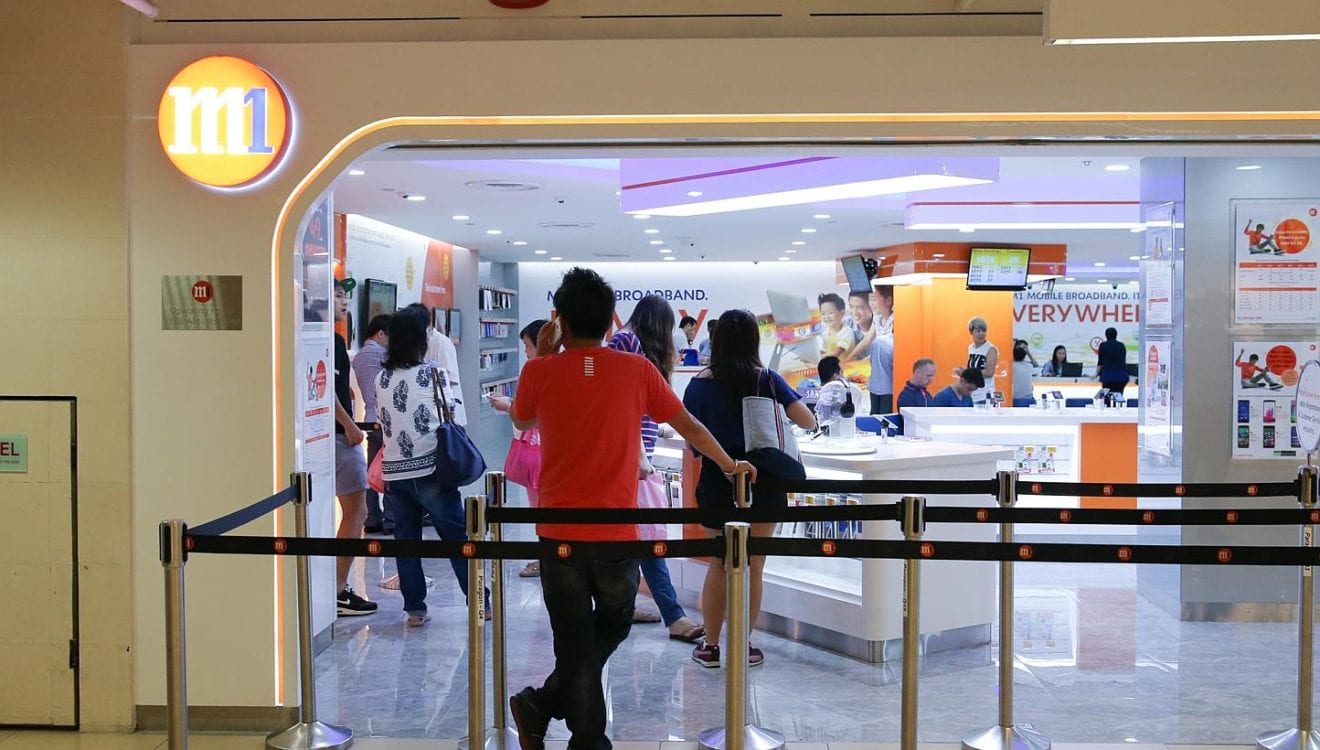
    Singapore’s M1 has launched a range of bundled fiber and business communications plans tailored for small and home offices.

    The company’s new SOHO Fibre Broadband plan includes a symmetrical 1Gbps fiber connection as well as business services including web and e-mail hosting, unified communications and fixed voice services.

    M1 is marketing the service towards Singaporean entrepreneurs seeking to start and grow a business from home. SOHO stands for small office/home office.

    The service is priced at S$59 ($43.75) per month on a 24 month contract. This price also includes a 300Mbps mobile broadband service.

    In Malaysia meanwhile, Telekom Malaysia has added a 100Mbps connection option for its Unifi broadband services.

    The company is offering a 100Mbps downlink 50Mbps uplink plan bundled with IPTV, OTT video subscriptions and 600 minutes of free callsThe operator has also introduced a 100Mbps business broadband option.

    But the plans come at a hefty price of 299 ringgit ($77.37) per month for the consumer option and 379 ringgit per month for the business plan. This is a promotional price which will rise to 329 ringgit and 399 ringgit respectively after June 30.

    By comparison, rival Time charges 299 ringgit for a 500Mbps plan, but also has a far smaller coverage area.

  • Home owners still ready to pay for exclusive decor

    Home owners still ready to pay for exclusive decor

    The slowing economy might be dampening demand for luxury goods, but home owners are still willing to pay top dollar for unique furnishings, retail experts said.

    Homes are prized possessions here, so proud owners will spend to doll them up, even if they are becoming more selective about bigger-budget items, said Assistant Professor Elison Lim of the Nanyang Business School at Nanyang Technological University (NTU).

    “They are increasingly looking for pieces with stories or personal meanings that they connect with,” she said about shoppers who have the spending power for mid-range to high-end home products.

    But stores whose products are not perceived as being exclusive could be hit by such changing tastes, retail experts said.

    Lifestyle and home accessories retailer iwannagohome, which observers said falls into this category, told last month that it would close its two stores at the end of May. It announced a closing down sale at its Tanglin Mall and Great World City outlets on its Facebook page on Feb 19.

    A spokesman for lifestyle group Gill Capital, which started the brand in 2007, said it is bringing in new concepts, but declined to elaborate. It also runs franchises for H&M and Candylicious in Singapore.

    On Gill Capital’s website, iwannagohome is described as a concept brand that sources affordable luxury home fashion from around the world.

    Mr Amos Tan, a marketing and retail lecturer at Singapore Polytechnic, noted that the brand sources its products rather than creates its own, so brand loyalty would be difficult to build because consumers could easily find the same or similar items online, at lower prices.

    Several mid-range to high-end homeware retailers said business is still fine, as they have made efforts to meet evolving consumer needs.

    Home accessories retailer Molecule, which has two concept showrooms at Great World City, registered slower but stable sales last year.

    Senior manager Steven Goh said the company keeps a close watch on regional property markets to help it optimise merchandise planning. It also adjusts offerings and prices during slow periods such as the current one.

    He noted that more customers are getting “design-savvy and house-proud”, and are willing to spend on home decor.

    Multi-label store Naiise, which sells lifestyle and homeware goods, started as an online retailer in 2013. It now has five brick-and-mortar outlets, including a flagship store at Central mall in Clarke Quay. Its revenue last year was four times higher than in 2014.

    Founder Dennis Tay said that, even though online shopping is convenient, “there remains strong demand for a highly personal shopping experience that offers more than familiar household brands”.

    Around 70 per cent of Naiise’s products are by local designers, and include offerings such as a kueh-shaped cushion and a handmade bamboo ladder with a shelf attachment.

    Singapore Polytechnic’s Mr Tan said today’s consumers are well-educated and care about the shopping experience.

    “If you’re talking about mid-range to high-end, it’s not enough to just be a shop that looks good and sells products. You have to tell a story and sell an experience.

    “If you want people to part with that kind of money,” he said, you need to appeal to their emotions.

  • Selling Your Depok Home for the Best Price in a Tough Market

    Selling Your Depok Home for the Best Price in a Tough Market

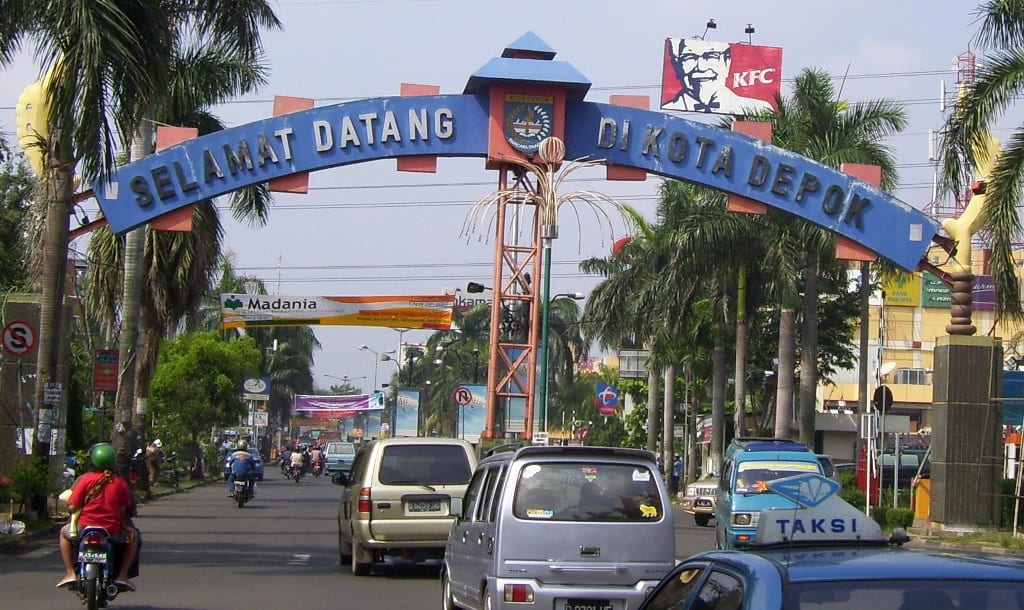
    Your home is more than just where you live, it’s an investment – especially in a city with a University like Depok. Just as with any other investment, when you go to sell, you want to make sure you are getting the best return that you can. This can be difficult, especially in a tough real estate market. Here are a few tips to get you started as you work on selling your home in Depok.

    Stay Realistic

    The market dictates the selling price of your home, so you have to prepare yourself by understanding what you home is worth and how much you can get for it. When the market is softer you cannot expect to get the price you could have a year or two earlier. You can save yourself a big headache by beginning with a price that is best for you home and best for the market at the time you plan to sell. This will save you time and ultimately money. Understandably, sellers are often reluctant to undercut the market, but it’s a guaranteed way to sell your home fast and for more money than you would probably get by keeping it on the market for an extended amount of time.

    A good rule of thumb is to list your home in a soft market for 10 to 15 percent less than the other houses for sale in your area. This is bring a lot of attention to your home and may just end up with two or more people in a bidding war – and that means more money for you!

    Give It a Facelift

    You need to the put the best face of your home forward if you want to sell it fast and get the most money you can out of it. Think about what you would look for in a home you were buying. Would you be more reluctant to buy a shabby home in need of repairs or a home that is in good condition? When the market is good this may not be as much of a problem in Depok since most properties will sell no matter the condition. However, it is always a good idea from an investment standpoint to present an attractive product to potential buyers.

    You will get the most return for you investment when you put money into updating kitchens and bathrooms. They tend to be the most expensive rooms in a home to update, but they also will attract the most interest of the people who are looking to buy. Make sure if you do attempt updates, however, you take the time to do them right. If new materials aren’t installed correctly, people can tell and this will not end up making your updates an attractive feature.

    For the kitchen, stainless steel appliances are a must, and potential buyers are also looking for granite countertops. If a slab of granite is out of your budget, try granite tiles to get the look of granite without the large cost. If you cabinets are in good shape you don’t need to replace them, simply refinish them or paint them to give them a facelift.

    Market the Property Well

    Marketing is one of the most important things to do if you want to sell your house quickly and for the most money. The best person to help you with marketing is a certified real estate agent. They have the connections and the know-how to market your property correctly and to the right people. Aside from placing ads, open houses are also very popular. This allows potential buyers to see your property for themselves and to see if they can envision themselves living there.

    If you do have an open house, make sure you make your property look as appealing as you possibly can. So, clean every nook and cranny. Another great tactic, though a lesser known one, is to advertise the open house well to make sure there are many people there. This has the psychological impact on people viewing the property because they see it as a demand for the home.

    Buyer Incentives

    If the market is slow then you need something that will attract buyers to your particular property, so incentives are a great tactic. Buyers want to feel as if they are getting a good deal and incentives are a way to create that feeling for them.

    You can throw in a free home inspection with the sale of your house or offer to pay a portion of the closing costs. There’s no hard and fast rule for this one, and you can get creative with it if you want to. The bottom line is that if your buyer feels they are getting favorable terms, they’ll be happy.

    If All Else Fails

    If you have tried everything to sell your home in a slow market and have had no luck then renting is always an option. In fact, in a city like Depok you may be able to make a nice income from the population of students or young people commuting to Jakarta.

    These are just a few of the things you should know to make sure your home sells fast and for the most money it an in a slow market. If you have other questions, you should contact a real estate agent.

  • Zara Home to launch its online platform in Australia

    Zara Home to launch its online platform in Australia

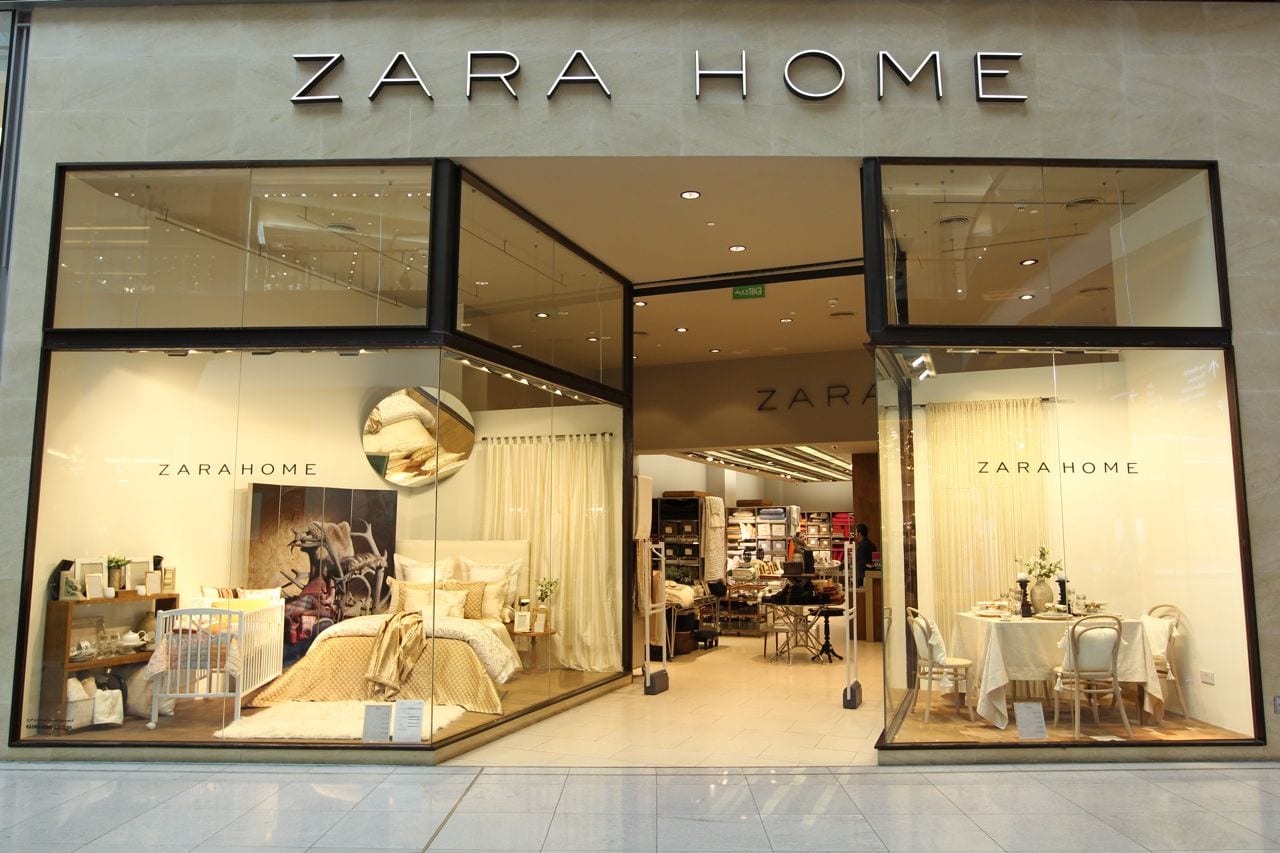
    Zara Home, the Inditex Group trademark devoted to homewear and home decor, is due to launch its online platform in Australia (www.zarahome.com) on 3 December.

    This launch marks the start of Inditex’s e-commerce operations in the Southern Hemisphere. This move emulates the decision taken back in 2007 to use Zara Home as the first Group retail format to spearhead online sales. The rollout of Inditex’s first virtual store in Australasia coincides, moreover, with the opening of the chain’s 500th establishment, namely a 480m2 flagship store in Sydney’s Pitt Street Mall.

    The product catalogue available at the new online store includes home textiles from sheets and towels to tablecloths as well as a selection of furniture, dishware, cutlery, home decoration objects and gift items; in short, all the same products as are available in the physical stores.

    The e-commerce platform will also be configured for the chain’s official app which is available in iOS and Android format. www.zarahome.com users will be offered new items weekly and monthly lookbooks and videos with all the latest trends.
    To celebrate its arrival in Australia, all orders placed online during the first week following the launch will enjoy free delivery.

    Zara Home store #500

    In parallel to the arrival of www.zarahome.com in the Australian market, the Inditex Group’s homeware chain will inaugurate its 500th store in Sydney’s Pitt Street Mall. The new establishment, a two-storey flagship store spanning 480m2, will accommodate all of the brand’s collections, including the Zara Home Kids line.

    The establishment will showcase an innovative store design, in keeping with the newest Zara Home image being deployed worldwide. The architecture team has sought to respect the building’s original façade, which is punctuated by characteristic gold logos and white lattice anagrams on the windows.

    The store combines a vanguard and elegant design with a penchant for simplicity and respect for nature, as is evident in the materials used. The neutral colour palette, the use of chestnut timber and marble floors which echo mother-of-pearl are some of the hallmark traits of this new Zara Home store in Sydney.

    As with the rest of the Zara Home stores around the world, the Sydney store will launch two collections a year. To this end, the design teams will present ideas which pick up on the latest trends each season. In parallel, the product range will be refreshed with new items twice a week.

    About Zara Home
    Zara Home is the Inditex Group chain specialised in homewear and home decor. Its collections take their inspiration from the latest fashion trends and materialise in a catalogue encompassing home textiles, such as bedding, towels and tablecloths, as well as furniture, dishware, cutlery, ornaments, gift items, loungewear and a line of bathroom and bodycare products. Since its launch in 2003, Zara Home has grown rapidly and its footprint currently extends to 62 markets, including Australia, with a total of 500 stores.

    Moreover, it sells its products online in 22 markets. Underpinned by a team of over 3,500 professionals, the brand offers the latest trends in home decor and fashion every season, restocking and rolling out new products across its store network every week.

    Zara Home – the milestones

    • 2003 – Zara Home was set up as an Inditex Group retail format in the month of August. By the end of that year it had already opened 26 stores: 22 in Spain, two in Portugal, one in the UK and one in Greece.
    • 2004 – Zara Home registered substantial growth in its second year in existence, opening 36 new stores and entering two new markets: Mexico and Netherlands.
    • 2005 – The trademark forged ahead with its expansion, opening 48 new establishments and penetrating nine new countries by year-end: Italy, Belgium, Cyprus, Turkey, Saudi Arabia, United Arab Emirates, Kuwait and Andorra.
    • 2006 – Zara Home disembarked in France. By October of that year, the Inditex Group store network reached the 3,000 mark as Zara Home opened a new store in Valencia. The brand ended that year with 152 stores worldwide.
    • 2007 – Zara Home penetrated four new markets: Qatar, Jordan, Oman and Lebanon. That same year it would initiate online selling in 14 European markets. Sales floor expansion, meanwhile, continued apace, with 52 new store openings.
    • 2008 – Zara Home established itself in four new countries: Romania, Malta, Bahrain and Morocco. That year it also inaugurated a flagship store in Saint Petersburg (Russia) in a neoclassical building on the city’s emblematic Nevsky street, with new openings that year tallying 35.
    • 2009 – Zara Home opened the doors of its first ‘eco-efficient’ store, on Portal del L’Angel street in Barcelona. It was the first European establishment to obtain LEED certification, endorsing compliance with the most stringent sustainable building standards. It also opened its first store in Poland that year and ended 2009 with 22 new openings.
    • 2010 – Zara Home unveiled a flagship store in Milan (Italy), on Piazza San Babila. That same year, a total of 27 new stores opened their doors for the first time.
    • 2011 – The homeware brand opened its maiden store in Asia: in Peking. In November of that year, Zara Home celebrated its #300 store opening when it opened a flagship store in the heart of A Coruña (Spain).
    • 2012 – Zara Home chose Sao Paulo for its first store in Brazil. That year it also penetrated four new markets: Colombia, Peru, Guatemala and the Dominican Republic. 2012 was also marked by the inauguration of the chain’s e-commerce platform in the US.
    • 2013 – The brand celebrated its tenth anniversary with store openings in 11 new markets: Canada, Honduras, Hong Kong, Indonesia, Japan, Kazakhstan, Panama, Thailand, Taiwan, Sweden and Uruguay. And it opened two new flagship stores: one on Paris’s Champs Elysees and one on Barcelona’s Paseo de Gracia.
    • 2014 – Zara Home rolled out its online platform in Mexico and Russia. The chain’s bricks & mortar presence was extended to encompass South Korea, Hungary and Algeria.
    • 2015 – Having docked in Australia (Melbourne in February and Sydney in December), Chile, Austria and Switzerland, Zara Home has extended its physical reach to 62 markets, ending the year with 500 stores worldwide. It also initiated online sales in Australia, thereby spearheading the Inditex Group’s e-commerce strategy for the Southern Hemisphere.###
    Inditex: Zara Home to launch its online platform in Australia

    Inditex: Zara Home to launch its online platform in Australia

  • After Delhi-NCR, Snapdeal to offer home services in other metros

    After Delhi-NCR, Snapdeal to offer home services in other metros

    E-commerce giant Amazon.com might be planning to launch local handymen services in the Indian market after having done it in the US a few months ago, but Snapdeal.com has already started providing plumbing, electrical and other household services in some cities.

    The Gurgaon-based company, the second largest online marketplace in the country, is betting big on the growing needs of consumers for such services.

    After a pilot project in Delhi and NCR in October, the company has started offering the services in Bengaluru last month, and will go live with Mumbai, Hyderabad, Chennai and Pune in January. By March next year, it plans to target about 10 more cities, where people can call for a plumber, electrician, hardware professionals, carpenters and home cleaning services online.