Retail News CRM

Tag: Home

  • Why mattress disruptor Koala is getting in bed with homewares

    Why mattress disruptor Koala is getting in bed with homewares

    After success with both its mattress and furniture ranges, Australian company Koala is now moving into homewares.

    Koala decided to add décor to its product staple to encourage consumers to consider more sustainable options. The homewares collection features 34 pieces, including cushions, throws and the first wool rug range in Australia to use certified responsible wool.

    Other sustainable materials used in the new products are 100 per cent organic cotton and recycled plastic bottles.

    These designs are all inspired by Australia’s flora and fauna, art, culture or lifestyle and designed in-house. This means the pieces feature neutral colours and earthy tones, as well as nature-inspired textures and patterns.

    Koala said years of research has gone into creating the range, which has been designed to stand the test of time.

    The homewares are also built to withstand our hectic and messy lives with the throws and cushions machine washable and the rugs easy to clean.

    “With homewares, we want to celebrate Koala’s uniqueness whilst doing something meaningful and timeless for the brand. We’ve created a real sense of something special you can’t get anywhere else, with all colours and material finishes inspired by the Australian landscape, from outback red dirt to beautiful coral reefs,” Alexandra Owen, Koala design director said.

    You can feel good about supporting the environment while refreshing your home with this rug. It is made from 100 per cent recycled bottles and is super soft to the touch. There are two sizes and four colours available, with each colour inspired by Australia’s native foliage.

  • Working from home increases stress

    Working from home increases stress

    Nearly 54 percent of workers say they feel “more stressed” during the most recent outbreak compared to last year as working from home raises its own challenges, a survey found. A third of respondents receive no mental health support from their companies although they consider this important, a survey by Ho Chi Minh City-based recruitment company Adecco revealed.

    Top concerns are safety from Covid-19, long-term financial viability and job security, and career prospects said the survey, which polled 650 respondents nationwide.

    Employees also worry about their mental and physical health and the consumption of too much information during the stay-at-home period.

    “Besides following directives from the government, leaders should listen to the needs and concerns of their employees to provide timely support,” said Andree Mangels, general director of Adecco Vietnam.

    The top requests from workers concerning mental health support are allowing greater work flexibility and promoting healthy a work-life balance.

    The survey also found 82 percent of respondents prefer working from home to coming to the office, and they want to spend at least 50 percent of their work hours at home even after the pandemic.

    Eight out of ten Gen X respondents (41-56 years old) agree that their managers trust them to get the job done while working remotely. The ratio for Gen Z (under 25 years old) is 67 percent.

    The top challenges when working from home are issues with teamwork and communication, distractions, and maintaining motivation.

    Respondents also expect support from their companies while working from home. The top requests are monthly allowances, home office setup reimbursements, and flexible working hours.

  • Delivery companies miss out on demand surge amid stay-at-home orders

    Delivery companies miss out on demand surge amid stay-at-home orders

    Delivery companies are unable to capitalize on rising demand since drivers are not keen amid mobility restrictions and delayed vaccination. Hung, a shipper in Hanoi, has shut down his driver’s app for over a week now after the city imposed travel restrictions.

    Through his company, AhaMove, does provide paperwork for the 22-year-old to pass through checkpoints set up to discourage people from coming out into the streets, he is concerned about contracting Covid and spreading it at home.

    “It is difficult financially, but since I do not know when I’ll be vaccinated, I’d rather stay at home for safety,” he said.

    Nghia, who works for Grab, does not have the liberty to make that choice since the city does not allow his company to operate.

    Hanoi allows delivery people from supermarkets, e-commerce platforms and postal services but not from ride-hailing companies like Grab, Be Gojek, MyGo, and FastGo.

    “It is unfair. Three or four trips a day would help me earn enough for food, but we cannot do anything but wait.”

    The shortage of drivers and ambiguous and inequitable regulations mean delivery companies are unable to take advantage of the surging demand amid the lockdowns in Hanoi and HCMC.

    AhaMove reported a tenfold rise in the number of orders after the lockdown began, but it cannot accept much of them since its drivers are not allowed past checkpoints. Hanoi does not allow delivery of “non-essential” goods.

    “Many shippers refrain from working since they have to pay for their own Covid-19 tests,” Tuoi Tre newspaper quoted Phan Tuong Bach, operating director of AhaMove, as saying.

    In HCMC, there are times when the number of orders is triple the normal rate, but a driver shortage means they could not be accepted, he said.

    There is also confusion occasionally as authorities in Hanoi and HCMC abruptly change regulations catching delivery companies unawares.

    AhaMove last week had to apologize to its drivers and customers in HCMC after some of its drivers were fined for delivering goods after 6 p.m. amid a ban on people leaving their homes at night.

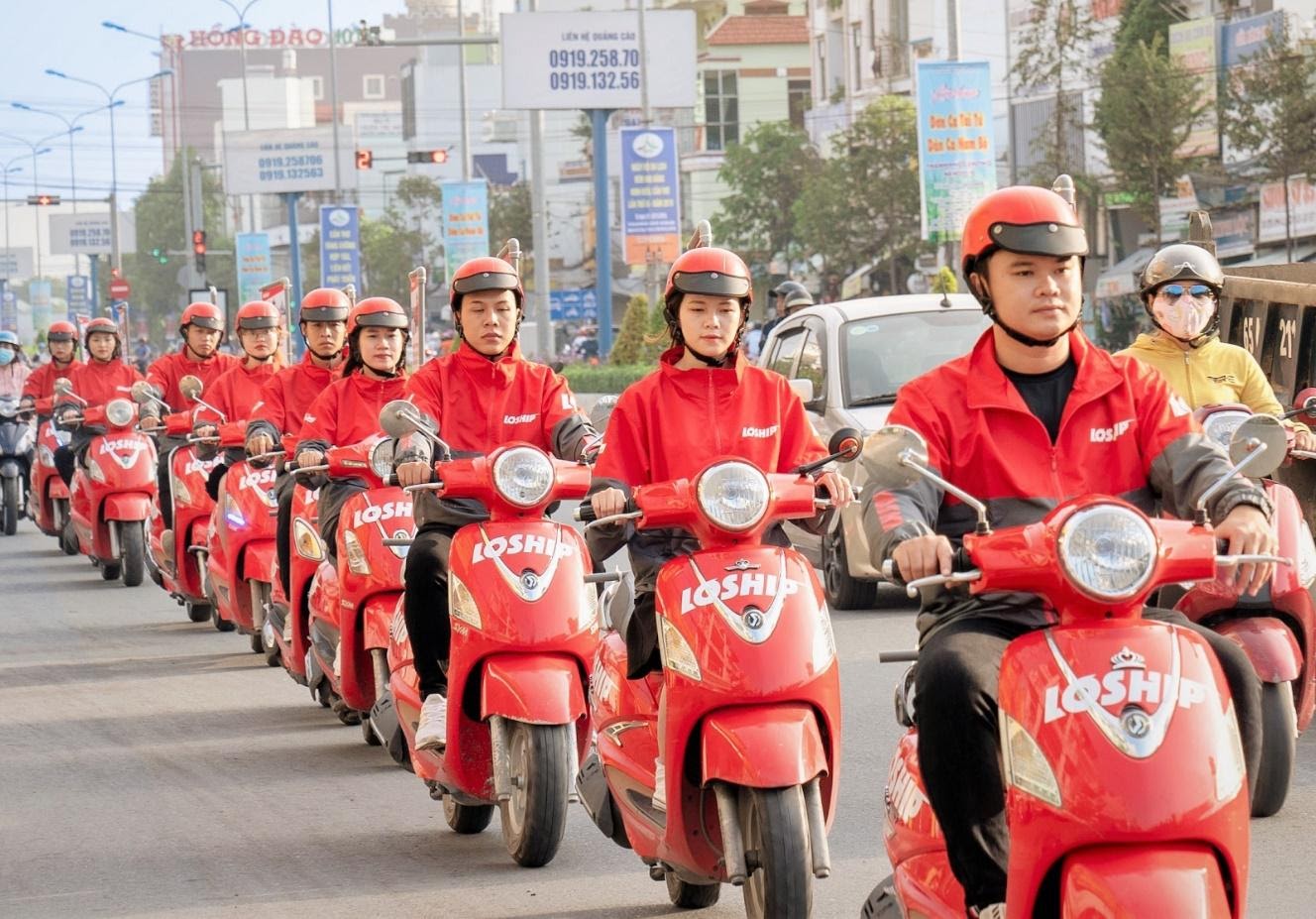
    Startup Loship is facing similar difficulties as many of its drivers had stopped working.

    CEO Nguyen Hoang Trung said working conditions have become extremely difficult for delivery people because of lack of clarity on what constitute essential goods.

    The company has doubled the minimum income in the hope of attracting more drivers back to work.

    Be Group saw orders rise tenfold in mid-July but had to suspend operations two weeks later to keep its drivers safe.

    Ride-hailing giant Grab asked to be allowed to deliver food, saying Hanoi’s suspension of its services while allowing other delivery companies to operate goes against its policy on fair competition. But its demand has yet to be approved.

    HCMC has had strict social distancing regulations since July 9, and they will continue until August 16. Its Covid-19 tally now is more than 112,000.

    Hanoi is in the 14th day of a 15-day social distancing campaign. The city has had nearly 1,800 cases.

  • Singapore’s Naiise all but collapses under debts

    Singapore’s Naiise all but collapses under debts

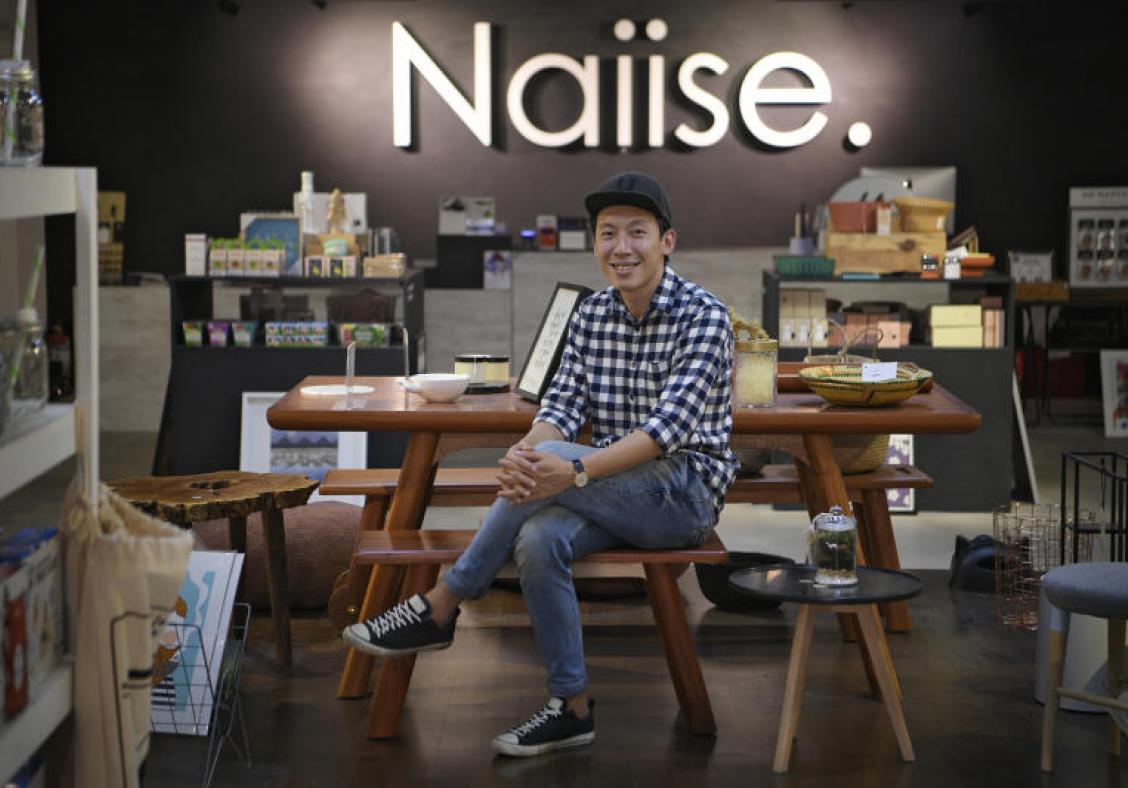
    Singapore gift and homewares chain Naiise has closed its last store – the Iconic at Jewel Changi Airport – suggesting the end of the eight-year-old brand.

    Multiple sources say Naiise has collapsed due to its inability to paying debts to suppliers, and weak sales in the wake of the Covid-19 pandemic. Opened in May 2019, Naiise Iconic at Jewel Changi was considered one of the company’s biggest investments, unknowingly made at the wrong time – just before Covid hit.

    Last year, the retailer fielded multiple complaints from vendors accusing of defaulting payments. At the same time, Naiise’s co-founder Amanda Eng reportedly quit her role in the company.

    According to Today, Naiise owes up to US$7500 to vendors, many of whom have ended their relationship with Naiise and given up claims on the grounds the legal process is too costly and time-consuming.

    “My game-publishing studio has been a vendor of Naiise since 2015 and we have been owed money since 2018,” said Lye Wen Song Xeo, co-founder of Capital Gains Studio wrote on Facebook. “Promises made to repay have all been broken again and again and we had no choice but to pull our games out early last year.”

    “Covid-19 has been very hard on many of our distributors and I appreciate those distributors that came clean with us and honestly shared with us their problems and what their plans [were] if they are unable to pay us. However, shirking responsibilities and not coming clean with your vendors is honestly… not Naiise,” said Xeo.

    Despite its physical stores closing, Naiise continues to trade online and at a Kuala Lumpur outlet. Founded in 2013, Naiise had six stores in Singapore and Malaysia.

  • South Korea’s online food market booming due to Covid-19

    South Korea’s online food market booming due to Covid-19

    In South Korea, some of the world’s biggest food delivery firms are scrambling to surf an estimated $4 billion wave of new orders, contracting thousands of new riders in a boom triggered by the scourge of the global economy – the coronavirus pandemic.

    Koreans had already developed such an appetite for meal deliveries that the country ranked third in the world last year for food order services, according to consultancy Euromonitor. Now, tough social distancing rules and work-from-home policies to counter the pandemic have fuelled explosive growth.

    South Korea’s food delivery market is expected to jump 40% this year to around $15.4 billion from $11 billion in 2019, Euromonitor data showed, topped only by China and the United States.

    Surging coronavirus-era consumer demand has stoked orders, supported meal pricing and made the prospect of a career as a self-employed rider – earning more per hour than many other part-time jobs – an attractive option for many after the pandemic drove Korea’s jobless rate to a 10-year high earlier this year.

    Contractor jobs like delivery riders will keep growing in number amid the pandemic, predicted Kim Sung-hee, professor of labour studies at Korea University, highlighting the need for government scrutiny of “non-regular work”.

    “A lot of the contractor jobs, including riders, have minimal access to labour rights,” Kim said, “they have no access to occupational health and safety insurance and no employment safety net.”

    Responding to the demand surge, Woowa Brothers, the operator of leading food delivery service Baedal Minjok, said it expanded its pool of motorbike delivery riders this summer by nearly 50% from 2,100 previously. Smaller peer Barogo, which like Woowa Brothers doesn’t disclose details of its financial performance – said it is recruiting 5,000 more, creating openings for some otherwise unlikely riders.

    Among those is Chey Young-ah, a 37-year-old former art teacher in Seongnam, 20 km (12.43 miles) south of Seoul. After the pandemic forced classes at her day job to shut, she saw brisk delivery orders at a fried chicken restaurant where she worked part-time, opted to become a rider herself instead in mid-August.

    “I feel lucky I found this field at a time when deliveries are booming,” she said. “One of the merits of this job is that the entry barrier is low. They don’t care whether you’re a man or a woman, you don’t need a job interview.”

    Chey, who already owned a motorbike, says she earned around 1.8 million won ($1,565.22) last month while working six to eight hours a day, seven days a week – already nine times the pay as an art instructor.

    Chey rides for Baedal Minjok and Coupang Eats, operated by SoftBank-backed e-commerce firm Coupang. Like other services, delivery jobs are offered to riders on call via an app, with riders selecting which jobs to take depending on distance and payment terms.

    Riders say most orders earn them around 3,300 won per delivery – the minimum rate – with the influx of new riders creating greater competition even to secure those deliveries, and to get the job done faster.

    “The competition is getting fiercer … Some (riders) violate traffic rules to make one more delivery, putting their safety at risk,” said Chey, who herself has already been involved in a minor accident.

    Delivery companies are also offering bonuses hoping to secure faster riders. Coupang Eats said riders can earn up to 15,000 won per order, depending on order volume and weather conditions.

    Data from Rider Union, a labour union representing the new dispatch workers, showed one of its members earned as much as 585,700 won – comparable to 68 hours of work by minimum wage – on a single day in August.

    Numbers like this are a magnet in an otherwise depressed jobs market.

    You Young-sik, a 28-year-old Seoul internet cafe worker who has seen his pay halved since the coronavirus hit and now fears losing his job, recently signed up for motorbike lessons to get his licence.

    “As I was looking for new openings, I figured delivery business is in vogue these days,” said You, who currently makes below 1 million won a month. “Riders’ salary looks way higher than what I get paid now.”

  • 3 Tips for Starting Your Business at Home

    3 Tips for Starting Your Business at Home

    There’s never been a better time to be a freelancer. While the regular evolution of technology means that every year more and more people integrate the internet into all parts of their lives, that has been especially true in recent months.

    There are new opportunities forming for digital sales, and especially marketing, every day. For example, an uptick in Asian shoppers’ website visits could mean huge returns on an optimized website. What does that mean for you? More clients willing to pay for graphic design, web development, and copywriting.

    Despite what kind of business you hope to run from your home, this guide will break down three essential tips to help you set your enterprise up for success.

    #1 Cover Your Basic Essentials

    The first thing you’ll need to do to start a business from your home is actually begin the process of forming an official company. While this can be intimidating for many people, the process is simpler than you might imagine.

    While the specific steps you need to take may vary according to the kind of business you’re starting—as well as the state you’re located in—the general process looks like this:

    • Choosing a structure

      This step is all about research. You need to choose what business organizational structure works best for you. Common choices for people starting out and working from their home office include:

    • Limited Liability Company (LLC)
    • Sole proprietorship
    • Partnership
    • Registering the business

      Here’s where you make your business official. This step requires you to register at the federal and state levels, acquiring:

    • An Employee Identification Number (EIN) for taxes and banking
    • Any required licenses and permits, as well as business insurance
    • All other required documentation at the state level
    • Establishing finances

      Here’s where you’ll utilize the EIN you had to file for. This step includes:

    • Setting up a banking account
    • Getting an amazing business credit card
    • Securing any business loans you may need

    Other steps that are important but not strictly required include setting up a great website and digital presence. With some creative web design and a fantastic user interface, you’ll attract clients or customers. Your digital storefront is extremely important. Make sure it’s optimized, easy to use, and accessible.

    Once your business is all set up, it’s time to move on to perfecting the location where you’ll be doing business—in this case, your home.

    #2 Designate a Professional Working Space

    This step involves making your home the perfect office or headquarters for your new enterprise. Working from home is nothing new, but it’s never been as common as it is today. That means that many people’s homes aren’t already optimized for working out of.

    But they should be: working from home is the future, both for employees and entrepreneurs.

    To run a successful business, you need to create an office (or workable office space) inside your home to keep your personal and business lives separate.

    The first thing you’ll need to do is lock down any particular hardware you need to do your work. For most people, that means a computer and some basic office accessories. If you’re selling a physical product, this might mean materials, tools, and packaging.

    For your laptop or desktop computer, consider optimizing all of the following:

    • Desk and chair
    • Keyboard and mouse
    • Speakers and/or headphones
    • All relevant productivity software
    • Printer, scanner, and/or fax machine

    Be sure you have a comfortable desk chair, the right tools, and whatever else you need to operate. This is now your actual office. You need to treat it as such.

    #3 Maintain Physical and Mental Wellness

    Finally, this tip is all about making sure that you, the business owner, are ready for what it takes to run a business from your home. That means, primarily, staying on top of your health.

    You’ll want to make sure that you eat a healthy, balanced diet and exercise regularly. But health isn’t just about your body. It’s also about your energy, mood, and emotions—your mind. One of the best ways to ease anxiety, stay focused, and enhance your well-being is through safe, potent CBD vape pens.

    Additionally, as we mentioned above, you’re going to need a desk. But you don’t necessarily need a chair. One of the best and easiest ways to stay in shape while also increasing your productivity? Get yourself a handy adjustable standing desk that allows you to avoid a sedentary lifestyle. This will keep your body active as you work.

    Set Your Business Up for Success

    There you have it: these three tips are the most essential parts of a successful launch to your new business—all from the comfort of your home! As a recap, make sure that you:

    • Register and launch the business itself
    • Perfect your home office or workspace
    • Keep the CEO (you!) healthy and well


    Following these tips, you’ll have a successful business up and running in no time!

  • Ikea Home of Tomorrow urban concept unveiled in Poland

    Ikea Home of Tomorrow urban concept unveiled in Poland

    Home furnishings giant Ikea has introduced its new environmentally friendly concept store in Szczecin, Poland, dubbed the Ikea Home of Tomorrow.

    The new store concept was designed for customers who are looking for a zero-waste lifestyle

    Located in a 120 year-old building, Ikea Home of Tomorrow houses a soil-free home garden featuring a wide range of plants, including tomatoes, strawberries, herbs, and even spirulina. Ikea customers can create their own in-door ‘farms’ such as microgarden, aquaponic farm, spirulina farm or aeroponic farm.

    Ikea Home of Tomorrow also introduces a metabolic process where waste can be used in many different ways. For example, coffee grounds can be composted and used as fertiliser or to make candles and cosmetics.

    The Creative Zone offers household equipment for reparation and modification which customers can use to give worn-out furniture a second life. Meanwhile, the store features a kitchen called Planning Space where visitors can learn to make vegetarian dishes from ingredients taken from the farm.

    “We wish to encourage the residents of Szczecin to take responsibility for waste,” said Gustaw Jakubowski, Ikea, who was responsible for bringing Ikea Home of Tomorrow to life.

    “I believe that only by starting to vote with our wallets for environment-friendly solutions we will create a substantive step towards sustainable life.”

  • Work from home is Twitter’s new normal forever

    Work from home is Twitter’s new normal forever

    Twitter employees can continue working remotely for as long as they want, said CEO Jack Dorsey in an email. So, even after the lockdown ends, it would be up to the employees where they want to go back into the office or work from home. Of course, the policy does not apply to all staffers, and workers whose job mandate that they be present on the site will have to report back to work.

    But for the rest of Twitter employees, work from home could become the new reality.

    The company was a proponent of remote work well before the coronavirus forced firms around the world to let their employees work from home. It shut down its offices back in March because of the pandemic and these few months have proven that this model can work.

    Of course, employees that want to return to their cubicles would be allowed to do so. However, Twitter seems in no hurry to reopen its offices.

    The company says most locations won’t open before September and it will be a staggered and gradual process. And, as mentioned before, even when Twitter’s offices do finally reopen, employees can choose to not go back. The allowance for remote work supplies has also been increased to $1,000 for all workers.

    Business travel will remain suspended until September, with a few exceptions, and all in-person events have been canceled for the rest of the year.

    The new model will also potentially allow Twitter to hire remotely.

    Work from home poses its own challenges and even though the last few months have taught Twitter that this could work for it, it remains to be seen how it will play out in the long run.

    It’s likely that many other companies are thinking along the same lines and we can expect similar announcements in the future.

  • Eating at home will be ‘the new reality’ for Asian consumers after Covid-19

    Eating at home will be ‘the new reality’ for Asian consumers after Covid-19

    Covid-19 has changed Asian customers’ habits, especially in Hong Kong, as more of them decide to eat at home.

    And according to a study conducted by Nielsen, the trend will continue once the pandemic passes, potentially reshaping the foodservice and grocery industries.

    Nielsen found that 86 percent of mainland Chinese customers prefer to eat at home more often now than before the Covid-19 outbreak. In Hong Kong, 77 percent of consumers surveyed said they want to cook at home more often.

    “As Hong Kong consumers adjust to the ‘new normal’, people are spending more time at home to prepare meals for their families,” said Andrea Borelli, MD at Nielsen Hong Kong and Macau. “With the redefined ‘stay-at-home economy’, it has helped to reinvigorate packaged-food sales as this provides the opportunity for FMCG players in these categories to engage with their consumers more closely.”

    This trend also became popular in other Asian countries including South Korea, Malaysia, and Vietnam (all approximately 62 percent).

    “The shifts away from out-of-home dining to at-home food delivery, takeaways and cooking during the Covid-19 period are locally nuanced by traditional consumption habits but also by the different quarantine and shutdown measures by market,” Borelli added.

    He said Covid-19 has reoriented consumer thinking and actions, which will have long-term consequences. Consumers will not only re-evaluate places for eating out but also be far more cognizant of what they’re eating.

    The trend is also evident in countries outside of Asia. According to GlobalData, both the UK and France are witnessing slow demand for takeaway meals.

    “In response, players such as Deliveroo and UberEats are looking to reduce risk exposure by forging partnerships with food retailers, working with major players such as Co-op and M&S in the UK and Carrefour in France,” said Thomas Brereton, retail analyst at GlobalData.

    “In that sense, the virus is accelerating the existing shift towards online food shopping; however, all parties must be aware of the expected duration of such alliances, with more thorough reviews – particularly on the dynamics of joint responsibility for ESG, brand image, etc – needed as the outbreak progresses.”

  • Work-from-home trend amplifying boom in home-furnishing sales

    Work-from-home trend amplifying boom in home-furnishing sales

    Sales of home-furnishing products in Singapore have more than doubled in the two months spanning February 1 to March 31.

    Data from fintech research firm Revolut suggests the 105 percent increase in sales has been brought on by Singaporeans setting up home offices in response to the coronavirus outbreak. Furniture retailers Courts saw growth of 92 percent during the period, whilst competitor Ikea experienced 128-per-cent growth.

    Work-at-home arrangements have also seen a rise in sales of stationery and school supplies by 15 percent, while spending on entertainment has increased 55 percent, largely due to purchases of digital goods on platforms such as Steam games (104 percent) and Nintendo (82 percent).

    “It is likely that the worldwide coronavirus pandemic has had a significant impact on the increase in online activity and transactions overall,” read a report from the firm, “as many more people find themselves at home”.

    Other significant sales data revealed by Revolut shows increases in do-it-yourself spending (44 percent); local e-commerce (35 percent) and in-store transactions (30 percent) in March; and online food delivery (150 percent).

    Meanwhile, data from South Korean e-commerce site SSG.com shows that sales of products relating to home entertainment doubled in the first half of February compared to previous months.

    Sales of home-interior related products rose more than 40 percent, while home training-related sales rose 35 percent.

    SSG.Com, the online shopping unit of retail conglomerate Shinsegae, said sales of products that allow children to make snacks using dough rose by 150 percent, while sales of baking mixes for pancakes, cookies and brownies rose by 152 percent.

    Coffee-related appliances such as espresso machines, coffee makers and coffee-bean grinders also gained popularity, with sales rising 74.5 percent and capsule-type coffee rising 25 percent, according to a report in Korea Bizwire.

    Meanwhile, sales of “home gardening” products or related products, which allow people to grow plants directly on their veranda also rose by 147.6 percent.

  • Florim opens Singapore flagship store

    Florim opens Singapore flagship store

    Italian ceramic tile maker Florim is opening a flagship store in Singapore tomorrow.

    The two-storey outlet is the group’s first showroom in Asia, featuring a well-lit open-space interior showcasing the brand’s best-sellers. The interior areas are intended to provide a functional workplace, with a co-working approach.

    “We began transforming what everyone thought was just a tile into a vital design tool more than 50 years ago,” said Florim Ceramiche chairman Claudio Lucchese. “And now the time is ripe to spread and share our experience and passion at a global level. Florim is not a ceramic-coverings firm that aims to give its products design connotations; it is a design firm that produces ceramic materials”.

    The store concept, created by the company’s in-house design department to reflect the firm’s other corporate locations, adopts the same design language as its Milan, New York and Moscow flagships.

    The Singapore store is expected to assist Florim in establishing ties with big architecture firms. The flagship – located at 63 Mohamed Sultan Road – will be followed by other openings next year.

  • Spotify brings back Google Home Mini freebie

    Spotify brings back Google Home Mini freebie

    Remember when the Google Home Mini was deemed the world’s best-selling smart speaker, despite Amazon dominating the vendor ranks both back then and in pretty much every single market report released over the last 12 months or so? The very reasonable price and robust list of features of the search giant’s diminutive Google Assistant device might not be the only reasons the Home Mini was able to achieve that feat, as the gadget’s shipment numbers were no doubt inflated by various promotions offering people the opportunity to pay nothing for the “bestseller.”

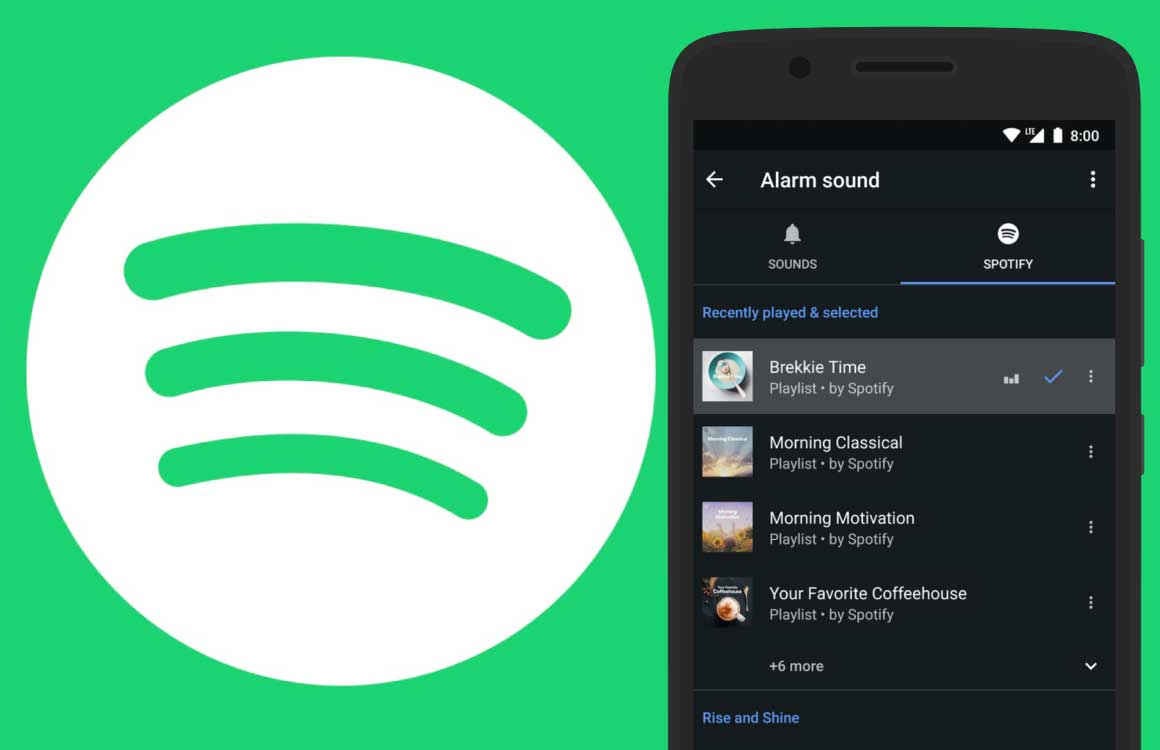
    The latest such deal is actually a revival of a similar offer from last year when select Spotify Premium subscribers were eligible for free Google Home Mini units just for using the world’s most popular music streaming service. This time, it’s even easier to join the giveaway, as both Family account holders and individual subscribers can qualify for a unique promotional code towards a gratis Home Mini smart speaker redeemable on the US Google Store.

    Once again, you’re looking at a US-only promotion, although if history is any indication, there’s a good chance availability will be expanded to other regions in the near future. The terms and conditions are relatively straightforward and not particularly hard to meet, requiring you be a new or existing Spotify Premium Individual or Premium Family subscriber registered directly through the platform (and not a third-party service like a cable or telecommunications provider), as well as pay for your unlimited, ad-free music streaming rights with a recurring method such as PayPal or a credit or debit card.

    Predictably enough, those who claimed a free Google Home Mini last time around are not eligible for an additional complimentary smart speaker, and in case you’re wondering, the offer is not valid on the new Nest Mini, even though the $49 list price has gone unchanged. Finally, while Spotify technically mentions November 15 as the end date of the actual deal and December 31 as the expiration date of the Google Store promo codes, you shouldn’t act shocked if supplies were to run out earlier. After all, Google can’t just give away millions of these voice-controlled bad boys for free.

  • Should You Try A Home DNA Testing Kit?

    Should You Try A Home DNA Testing Kit?

    There are few fads to have taken off in the past few years as much as the home DNA testing kit. While other trends have come and gone within a matter of months, these test kits have stuck around. More and more people are choosing to send their spit in a vial to find out where their ancestors are from. It clearly has a major appeal. But is it actually worth the time and money?

    It is easy to be disillusioned by this kind of trend, especially when you see Americans online claiming a tiny amount of diversity, simply because they are X percent African or Native American. However, there are legitimate reasons to send for a home DNA testing kit.

    You can see this MyHeritage review to get an idea of the features of these kits. Here is what you can learn from ancestry testing.

    Your roots matter

    The topic of heritage is tricky. What is a person’s heritage? Is it related to your biological ancestry or is it more connected to how you were brought up? Therefore, the claim that you can find your heritage with home DNA kits is debatable. If you find out that some of your ancestors came from Africa, that’s not going to change the way you view your own culture and lifestyle.

    However, that doesn’t mean you won’t gain anything from the information. On the contrary, it can help you connect more with your identity. On the one hand, it can make you appreciate your values even more. You were not simply born with certain values and beliefs, but inherited them through your family, society, and your own searching.

    On the other hand, it shows you that different values and opinions are on the surface. You have more in common with different cultures than you think. A shared genetic history demonstrates that even if you consider yourself to be totally different from another cultural group, you can find common ground.

    Health benefits

    But home DNA test kits are not just for finding out about your ancestry. They can actually have very important health benefits for you and your family. As we know, many illnesses are more common among certain ethnicities and cultures. Some conditions are passed down within a family.

    Your genetic results can show whether there are conditions you should look out for. If you know that your family has a vulnerability to a specific kind of cancer, you can do tests every year and can diagnose it before it causes major problems.

    DNA testing can even help you ensure that your children are not affected by any conditions that may run in your genes. There are many conditions that are asymptomatic if you are a carrier, but will cause major issues if you have children with another carrier. Finding out about your status as a carrier can help you make decisions on whether to use IVF or other options. This can save you and your future children a lot of terrible pain.

    Home DNA test kits are sticking around for a reason. Give it a try, and see how the results benefit you.

  • BSH Home Appliances appoints new director for APAC

    BSH Home Appliances appoints new director for APAC

    BSH Home Appliances Group has appointed Gunjan Srivastava as executive VP, head of Asia Pacific.

    The appointment reflects the company’s focus on driving accelerated growth across the region, including Singapore, Malaysia, Indonesia, Thailand, India, Australia and New Zealand.

    Gunjan has more than 15 years of experience in the durable-goods sector, with core expertise in fortifying brand portfolios. Prior to this appointment, Gunjan was the CEO of BSH India, where he was instrumental in spearheading the firm’s growth over five years, introducing new verticals and doubling its market footprint.

    “I’m both humbled and excited to continue strengthening the BSH brand and fortifying our presence in the region,” said Gunjan. “In my years leading BSH India, I’ve had the chance to gain an in-depth understanding of how to drive vigorous growth for BSH in a high potential market. Asia Pacific is a vastly diverse region, where there is an immense opportunity for us to increase visibility, gain market share, and further consolidate our leadership.”

    In his new role, Gunjan will be focusing on maximising the opportunities in the various Asia Pacific markets that BSH has subsidiaries in.

    “In order to meet consumer needs that are in constant flux, BSH has a clearly defined objective: to become the industry leader for digital services and kitchen experiences for connected consumers, by producing innovations that offer tangible benefits and help make their lives better,” said Gunjan.

    BSH Home Appliances recently opened its first UnserHaus Customer Care Centre and a UnserHaus Experience Centre in Singapore. Meaning “our house” in German, the centre is a lifestyle concept featuring Bosch and Gaggenau appliances in a home-like environment.

    While waiting for their appliances to be repaired, customers can visit either the dining room, which provides a hands-on experience with built-in appliances like dishwashers, coffee machines and ovens; or the living room, where they can sit down, unwind and relax with music or a wide-screen television. There is a children’s playing space as well.

    All products at UnserHaus come tagged with a QR code that allows visitors to purchase and pay for them online.

  • BSH opens Asia’s first UnserHaus

    BSH opens Asia’s first UnserHaus

    BSH Home Appliances has opened Singapore’s first UnserHaus Customer Care Centre and a UnserHaus Experience Centre.

    Meaning “our house” in German, the UnserHaus centre is a lifestyle concept featuring Bosch and Gaggenau appliances in a home-like environment.

    “UnserHaus is an exciting new proposition that gives BSH’s home appliance brands, business partners and collaborators a chance to flourish,” said Hendrik Kretzer, CEO and head of BSH Home Appliances Asia Pacific Region.

    “Our philosophy and core ethos are focused on building long lasting trust with all of our customers and partners. We provide a platform to learn and experience unique ideas, future thinking, and real passion and understanding of the products that could benefit the way we live.”

    Located next to the Bosch building, the 1350sqft UnserHaus Customer Care Centre resembles a modern-day home, with a repair room that allows customers to watch technicians through a glass divide.

    While waiting for their appliances to be repaired, customers can visit either the dining room, which provides a hands-on experience with built-in appliances like dishwashers, coffee machines and ovens; or the living room, where they can sit down, unwind and relax with music or a wide-screen television. There is a children’s playing space as well.

    All products at UnserHaus come tagged with a QR code that allows visitors to purchase and pay for them online.

    UnserHaus Experience Centre

    Previously known as the Bosch Experience Centre, the UnserHaus Experience Centre is a functional open-concept home that allows customers to experience the latest Bosch and Gaggenau appliances.

    Located in the Bosch Building, the centre is divided into adjacent Bosch and Gaggenau brand zones. Visitors can try and choose Bosch- or Gaggenau-themed kitchens for their own kitchen planning. Hands-on experiences are available for appliances from six product categories: laundry, dishcare, cooking and baking, refrigeration, food preparation and indoor cleaning.

    Customers can also join cooking classes, held with partner chefs in live kitchens.