Tag: Hong Kong

  • Hong Kong’s Dining Industry Struggles: Super Star Seafood Restaurant Closes, Leaving 50 Employees Jobless

    Hong Kong’s Dining Industry Struggles: Super Star Seafood Restaurant Closes, Leaving 50 Employees Jobless

    The vibrant culinary scene in Hong Kong has taken another hit as Super Star Seafood Restaurant announced its closure this week. The notice, posted at the restaurant’s last remaining outlet in the Moko shopping centre, highlights the troubling landscape for the city’s dining industry. “In recent years, the catering industry in Hong Kong has been facing structural challenges,” it noted.

    According to a report by the South China Morning Post, the closure announcement cited a continuation of weak local consumer sentiment, coupled with profound shifts in tourist spending behaviors that have adversely impacted business. The restaurant described its struggle to negotiate rent adjustments or suspensions with landlords, ultimately leading to an impasse.

    This abrupt closure leaves approximately 50 employees in a state of uncertainty as they grapple with the aftermath. Many were informed just hours before the shutdown, around 11 p.m. the night prior. These workers are now collaborating with the Federation of Hong Kong and Kowloon Labour Unions to seek resolutions regarding their employment status. Experts predict that the number of affected employees may rise as more details emerge.

    Compounding their woes, the restaurant reportedly owes about HKD6 million in outstanding payments, including one and a half months of back wages, unclaimed annual leave, and termination payments for numerous workers. Among them, 15 employees meet the required tenure for potential severance payments.

    Founded in 1989, the Super Star Group was once a powerhouse in Hong Kong’s dining scene, operating 16 branches at its peak. However, the Moko branch had become the final outpost of a brand that once boasted widespread popularity. The closure reflects a broader trend in the region, where a significant number of establishments have shuttered their doors in recent months due to high rents and dwindling consumer spending.

    On the heels of Super Star’s announcement, the Four Point Gold Restaurant chain declared its own closure of one of its two remaining locations. Their statement resonated with the echoes of many in the industry: “Can’t stand up to times, can’t stand up to the current market.” Last month, King Parrot Group, another stalwart in the dining business, closed nine of its eateries and reportedly owed staff over HKD1 million in unpaid wages and benefits, further underlining the urgent issues plaguing Hong Kong’s restaurant sector.

    Questions & Answers

    What factors led to the closure of Super Star Seafood Restaurant?
    The restaurant faced structural challenges within Hong Kong’s catering industry, including weak consumer demand and changing tourist spending habits, which ultimately impacted its viability.

    How are the affected employees handling the situation?
    About 50 employees are seeking assistance from the Federation of Hong Kong and Kowloon Labour Unions to navigate their employment issues, as they deal with unresolved wages and potential severance payouts.

    What does the closure of Super Star Seafood Restaurant signify for the local dining scene?
    This closure reflects a troubling trend in Hong Kong’s restaurant industry, where ongoing challenges like high rental costs and reduced consumer expenditures are driving many beloved eateries to shutter their doors.

  • Hong Kong Retains Title of World’s Most Expensive City for Homebuyers, Surpassing Zurich and Singapore

    Hong Kong Retains Title of World’s Most Expensive City for Homebuyers, Surpassing Zurich and Singapore

    The latest report from the Deutsche Bank Research Institute reveals a significant dip in the average price of city-center apartments in Hong Kong, which now stands at US$25,946 per square meter, a sharp decline from $31,943 in 2020. This shift positions Hong Kong as the city with the highest home purchase prices globally, a fact that piques interest amid its challenging housing market dynamics.

    Singapore and Zurich Close Behind

    Trailing Hong Kong are Zurich and Singapore, with average prices of $23,938 and $22,955 per square meter, respectively. However, the report highlights that these financial powerhouses often rank lower in quality of life, largely due to exorbitant housing costs. In fact, Hong Kong finds itself ranked 48th globally in terms of livability, an ironic twist for a city with such soaring property values.

    The Rental Landscape: New York Takes the Crown

    In the rental arena, New York steals the spotlight, boasting an average price of $8,388 per month for a three-bedroom apartment. Hong Kong, meanwhile, places seventh in this category, with average rents at $4,807 per month—not too shabby, yet still overshadowed by cities like Singapore, Boston, London, San Francisco, and Zurich, according to the South China Morning Post.

    Super-Prime Properties Still Shine

    In an earlier report, The Wealth Report 2025 from property consultancy Knight Frank affirmed Hong Kong’s status as a top contender for super-prime property transactions, recording a remarkable 166 sales valued at $10 million or more last year. This appeal stems from the city’s robust financial infrastructure, strategic placement, and a penchant for ultra-luxury real estate. The report noted that the finite supply of prime properties combined with a consistent global thirst for these trophy assets keeps the super-prime market a central feature of Hong Kong’s investment landscape. It’s said that with a budget of $1 million, buyers can snag just 22 square meters of luxury in Hong Kong, while the same sum gets them 32 square meters in Singapore—a stark reminder of the differences in affordability across the region.

    Questions & Answers

    How has the average price of apartments in Hong Kong changed since 2020?
    The average price of city-center apartments in Hong Kong has dropped from $31,943 per square meter in 2020 to $25,946 in the latest report.

    Which city has the highest rental rates for three-bedroom apartments?
    New York takes the lead with average rental prices of $8,388 per month for three-bedroom apartments, while Hong Kong ranks seventh at $4,807 per month.

    What factors contribute to Hong Kong’s appeal in the super-prime property market?
    Hong Kong’s attraction lies in its robust financial infrastructure, strategic location, limited supply of prime properties, and a sustained global appetite for high-value real estate.

  • Sichuan Rouge to Open Soon in Midtown, Causeway Bay Celebrating a Spectrum of Regional Flavours

    Sichuan Rouge to Open Soon in Midtown, Causeway Bay Celebrating a Spectrum of Regional Flavours

    Sichuan Rouge, a vibrant new culinary gem, is set to open in early July 2025 at Soundwill Plaza II, Midtown, Causeway Bay. Helmed by renowned Sichuan chef Hu Taiqing and homegrown veteran Kenny Chan, the restaurant aims to showcase the true essence of affordable, fine Sichuan cuisine. With authentic ingredients sourced from Sichuan province and Chongqing, the team will challenge the notion that Sichuan food is solely about numbing spiciness, or mala, presenting instead a rich and complex array of flavours.

    Spanning ​​more than 1,000 sq. ft, Sichuan Rouge’s interior design is inspired by the glamorous nightlife hotspot of Shek Tong Tsui in 1930s’ Hong Kong. Taking its lead from antique Chinese hard-wood cabinets and traditional Sichuan architecture, the space is dressed with dark wood-grained tables and chairs, a wooden archway and beams bedecked with Chinese lanterns, ornate carved window frames and old-fashioned neon signs – transporting diners back to an era of rich sentimentality. The main colour palette of deep, decadent reds extends from wall panels hand-painted with floral motifs to crimson velvet upholstered seating. Soft orange-red wall lighting reflects the vivid, lively essence of Sichuan cuisine.

    The main dining room seats a total of 76 people, with diners also invited outside to the terrace of its sister restaurant, modern Hong Kong hot-pot destination A Smoking Affair, to experience a unique Sichuan-style happy hour with beautiful views of Victoria Harbour.

    Lauded as a Culinary Master of China, Chef Hu Taiqing is an iconic figure in Sichuan gastronomy, known for his contemporary flair and crowd-pleasing hotpot brands. In a glittering career spanning more than 30 years, he has won numerous honours, including the ‘Gold Award’ in the 7th China Hotel Industry Professional Skill Competition – Sichuan District, and the ‘King of Chef’ award in the very first edition of a competition for famed chefs and restaurants in China. Chef Hu regularly serves as a guest lecturer and competition judge and appears on television food shows in mainland China, further consolidating his elevated status in the industry.

    Known locally as the walking dictionary of contemporary Sichuan cuisine, Chef Kenny Chan hails from a family of culinary artists who once operated a Sichuan bean-paste factory in Hong Kong. In his nearly 60 years as a chef, he has led the kitchens of many former top-rated Sichuan restaurants, including the Michelin-recommended Yunyan, Lumiere Sichuan Bistro + Bar, Sze Chuen Lau in Wanchai, and the World Trade Center Club. Among the culinary highlights of his distinguished career has been cooking for global political and business celebrities and hosting banquets for visiting British royal family members such as the Prince of Wales and the Duke of Edinburgh.

    Revered for its “hundred dishes and hundreds of flavours”, the complexity of Sichuan cuisine stems from the clever and careful use of local spices – an art of seasoning perfected over more than 3,000 years. There are 24 classic Sichuan flavour profiles, each imbued with the wisdom of the region’s Ba-Shu food culture, and achieved through precise matching of key ingredients. At the heart of the cuisine are the three peppers – the palate-numbing Sichuan pepper, hot and spicy chilli pepper, and pepper – and the golden trio of spring onion, ginger and garlic.

    Sichuan Rouge is committed to revealing the region’s authentic but less well-known flavour essences, while layering the menu with the creativity of its master chefs and an integration of Chinese and Western cultures. A bouquet of more than 40 spices and herbs imported from Sichuan and Chongqing infuses a feast of appetisers, soups, classic hot dishes, authentic rice and noodle preparations, and desserts, all showcasing the wonderful diversity of Sichuan flavours.

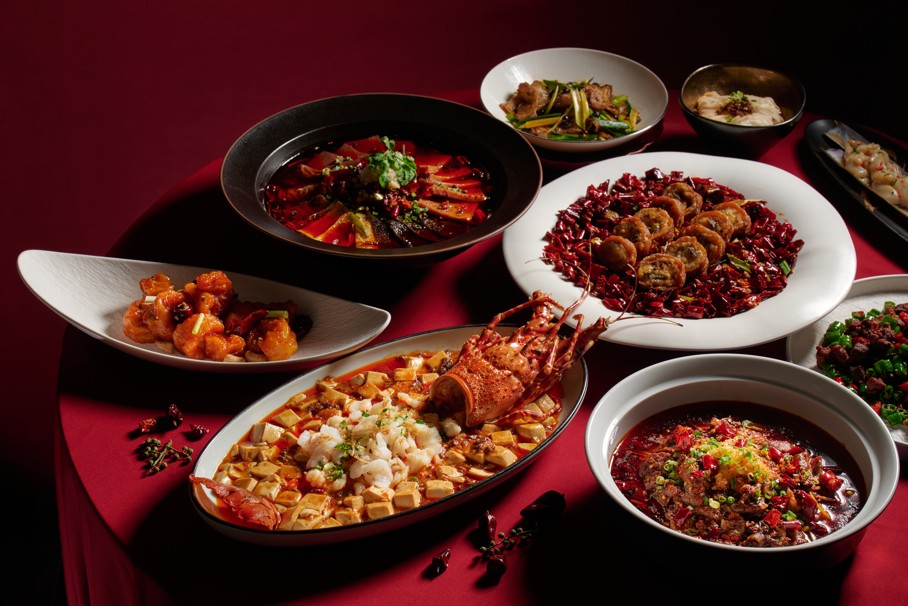
    Among must-try appetisers are Razor Clam with Sichuan Peppercorn, combining the plumpest razor clams with a refined sauce delivering spicy and numbing flavours; and the popular Chengdu street food of Sliced Beef and Ox Tripe in Chilli Sauce, whose secret recipe of red chilli oil with a splash of Baoning black vinegar has the perfect ratio of spiciness and sourness. Other highlights include the melt-in-the-mouth Deep-Fried Sliced Beef with Sichuan Peppercorn and Rock Salt; Chilled South African Abalone with Hangzhou Chilli; Young Pigeon with Pepper, and more.

    The menu is grounded in an array of home-style main dishes including the invitingly spicy Smoked Eel Wrapped with Fried Pork Intestine, which embodies the craftsmanship of the chefs. Smoked boneless local white eels are stuffed with chitlins marinated in fermented chilli bean paste, then diced and garnished with fried chillies. Featuring abalone and prawns, Duck Blood in Chilli Sauce is a luxurious take on a street-food tradition, while Mapo Tofu with Lobster pairs a lobster weighing approximately one catty with tender, silky tofu doused in hot red oil, resulting in spicy, fresh aromas and a delightful lingering aftertaste. 

    Rich in flavour and texture, Sautéed Prawn with Chilli Sauce is crispy on the outside and tender on the inside. Savoury and mellow on the palate,Twice-Cooked Pork with Black Bean and Soybean Paste is packed with Sichuan farm flavours. Sichuan Style Boiled Hand Cut Beef is similarly authentic, the meat imparting soft, spicy freshness as it ignites the taste buds.

    “Since ancient times, the Sichuan Basin has been called the ‘Land of Abundance’, thanks to its vast fertile land. Chilli peppers were not introduced to China until the late Ming Dynasty, so traditional Sichuan cooking featured milder and more nuanced flavours compared to the bright red, spicy profile widely known today,” says Chef Kenny Chan. “Chef Hu and I are excited to bring diners the original, diverse flavours of this glorious cuisine – a regional treasure that is in urgent need of rediscovery.”

    “Chef Chan and I have carefully curated a menu of many classic Sichuan dishes beloved for their variety of flavours. We hope gourmets from all around the world will come to Sichuan Rouge to appreciate the true essence of Sichuan cuisine and understand that its richness is not limited to numbing spices,” says Chef Hu Taiqing.

    Located on the 27th floor of Soundwill Plaza II, Midtown, 1-29 Tang Lung Street, Causeway Bay, Hong Kong, Sichuan Rouge will celebrate its soft opening in early July 2025. Initially, à la carte dishes will be served during the operating hours of 12 noon to 11 pm daily, with the launch of a dedicated lunch menu to follow in early August 2025.

  • Hong Kong Sees 42% Dip in Q1 Commercial Property Investment: What’s Driving the Shift?

    Hong Kong Sees 42% Dip in Q1 Commercial Property Investment: What’s Driving the Shift?

    Transaction values in Hong Kong’s commercial property market plummeted to HK$4 billion during the first quarter of 2025, according to the latest report by Savills. This reflects a staggering 42% decline compared to the previous year and amounts to just one-tenth of the total transaction volume for 2024. As the stock market began to show signs of recovery and the impact of interest rate cuts lessened, investment sentiment within the commercial sector has remained tepid.

    Positive Trends Amid the Decline

    Despite the overall downturn, there was a noteworthy reduction in distressed sales during this period. The ratio of distressed transactions dropped to 40%, amounting to HK$1.8 billion for deals over HK$50 million. For context, these figures contrast sharply with the previous quarter, which recorded a rate of 49% and a total transaction value of HK$6.3 billion.

    High-Profile Transactions Mark the Quarter

    Among the most significant deals of early 2025 was the sale of nine office floors and select retail units at One Exchange Square, sold to the Hong Kong Exchange for HK$6.3 billion in April. This acquisition will serve as HKEX’s permanent headquarters, showcasing a remarkable average price of HK$32,000 per square foot—70% higher than recent stratified Grade A office transactions, all while featuring floor efficiency estimates of about 80%.

    This strategic move also involves extensive renovations, with Hongkong Land planning to upgrade the reception lobby and provide direct access to the HKEX Connect Hall. Public-facing areas, including the rooftop, will feature HKEX-branded signage, with total refurbishment costs potentially soaring to HK$400 million. With such ambitious updates, it seems the Hong Kong Exchange is setting itself up not just for business but for a grand presence as well.

    End Users Capitalizing on Opportunities

    In another significant transaction, the Airport Authority purchased the Winland 800 Hotel in Tsing Yi for HK$765 million, translating to HK$960,000 per room, for their own use. Meanwhile, the English Schools Foundation secured two office floors totaling 40,380 square feet for about HK$300 million, equating to approximately HK$7,429 per square foot, also intended for self-use.

    The founder of Meitu made headlines as well by acquiring Park Aura in Tin Hau for HK$650 million, planning to dedicate part of the space to AI, IT, and crypto-related ventures. Meanwhile, religious institutions are also taking advantage of declining prices, with a Buddha religious institution purchasing a retail podium on the second floor of Amber Commercial Building for an impressive HK$108.5 million, or merely HK$5,000 per square foot, further emphasizing the opportunity-filled terrain of the commercial sector.

    Market Challenges and Future Outlook

    Despite these transactions, the overall fundamentals of the office and retail sectors remain weak, with rents decreasing by 1.6% and 3.6%, respectively, during Q1 2025. Rising vacancies and an influx of new supply continue to dampen investor enthusiasm, leading many to adopt a cautious investment approach, typically seeking initial yields of 6% or higher.

    As investors gaze into the future, the trajectory of interest rate movements and lending policies from banks will be pivotal in shaping the investment landscape. If the current low levels of HIBOR hold true, and further rate cuts are on the horizon, distressed sales may decline over the next few months. However, this could also spur local investors to divest non-distressed commercial assets proactively, preparing for any anticipated shifts in interest rates.

    The broad approach of banks will significantly affect how willing investors are to offload commercial assets and the level of interest from potential new entrants into the market. With a cocktail of caution and ambition, the commercial real estate scene in Hong Kong remains one to watch closely.

    Questions & Answers

    What was the total transaction value in Hong Kong’s commercial market for Q1 2025?
    The total transaction value was HK$4 billion, reflecting a 42% decline year-over-year.

    Which entity made a significant acquisition at One Exchange Square?
    The Hong Kong Exchange acquired nine office floors and retail units for HK$6.3 billion, marking a notable transaction early in the year.

    How have rental rates in the office and retail sectors changed recently?
    Rental rates have decreased by 1.6% in the office sector and 3.6% in the retail sector during Q1 2025.

  • Chart of the Week: Hong Kong’s Credit and Charge Card Market Set to Hit $132.4 Billion!

    Chart of the Week: Hong Kong’s Credit and Charge Card Market Set to Hit $132.4 Billion!

    Banks in Hong Kong are stepping up their game with exciting new offerings like mobile virtual cards and dual-currency payment options. As a reflection of this growing competitiveness, the credit and charge card payments market is projected to expand by 6% to reach an impressive $132.4 billion (HK$1 trillion) by 2025, according to insights from data and analytics firm GlobalData.

    Currently, credit and charge cards account for a staggering 77% of all card payments in Hong Kong. This remarkable uptick in consumer spending is driven by a rapidly evolving payment infrastructure, an increasing number of merchant acceptances, and enticing benefits tailored for customers.

    With 27,252 point-of-sale (POS) terminals per million inhabitants, Hong Kong proudly outpaces Japan, Thailand, and Indonesia in this regard. As banks roll out innovative schemes, the appetite for adopting digital payment solutions is only expected to grow.

    Revolutionary Offerings Fuel Market Growth

    In June 2025, HSBC partnered with Mastercard to introduce the city’s pioneering mobile virtual corporate card, specifically designed for commercial clients. This avant-garde solution allows businesses to instantaneously issue virtual cards through a user-friendly portal. For added convenience, these cards can be linked to compatible digital wallets for immediate use through the Mastercard In Control Pay mobile app. Users enjoy the flexibility to activate or deactivate their virtual cards at any time and from any location — because why not take control of your finances while sipping a coffee at your favorite café?

    First Dual-Currency Card Takes Center Stage

    In a related development, the Bank of China Hong Kong (BOCHK) collaborated with UnionPay International to launch a dual-currency BOC Go credit card. This innovative card enables holders to make purchases in both Chinese yuan and Hong Kong dollars, blurring the lines of currency accessibility.

    Transaction Growth Points to Consumer Confidence

    Recent data from the Hong Kong Monetary Authority (HKMA) reveals that in the first quarter of 2025, the total value of credit card transactions surged by 8.4% year-on-year to reach $34.9 billion (HK$274.1 billion). Delving deeper, of this sum, $23.7 billion (HK$186.1 billion) stemmed from retail spending within Hong Kong. Overseas retail spending accounted for $10.06 billion (HK$79 billion), with cash advances making up $1.15 billion (HK$9 billion).

    Flexible Repayment Options to Enhance User Experience

    Recognizing the importance of managing risk, banks are enhancing credit card user experience by introducing flexible repayment options. For instance, Citibank’s Merchant Instalment Plan allows consumers to convert purchases of HKD2,000 ($256) or more at over 600 participating merchants into manageable monthly installments. Similarly, Standard Chartered offers customers the ability to convert purchases of HKD500 ($64) and above into payments spread over three to 60 months, fostering greater financial ease.

    Questions & Answers

    What is the projected growth rate of Hong Kong’s credit and charge card payments market by 2025?
    The market is expected to grow by 6%, reaching $132.4 billion (HK$1 trillion) by 2025.

    How are banks encouraging the adoption of new payment solutions?
    Banks are introducing innovative products like mobile virtual corporate cards and dual-currency credit cards, alongside flexible repayment options to enhance user convenience.

    What percentage of all card payments in Hong Kong currently comprises credit and charge cards?
    Credit and charge cards account for a significant 77% of all card payments in Hong Kong.

  • Former HSBC Executive Makes Bold Moves In Hong Kong’s Sluggish Real Estate Market

    Former HSBC Executive Makes Bold Moves In Hong Kong’s Sluggish Real Estate Market

    In a surprising twist for Hong Kong’s real estate landscape, Peter Wong, the former HSBC executive, has been actively investing in the city’s housing market over the past three months. According to Bloomberg, these acquisitions were facilitated through Lion Rock, a local firm where Wong serves as the sole director.

    Luxury Living in Hong Kong’s Prime District

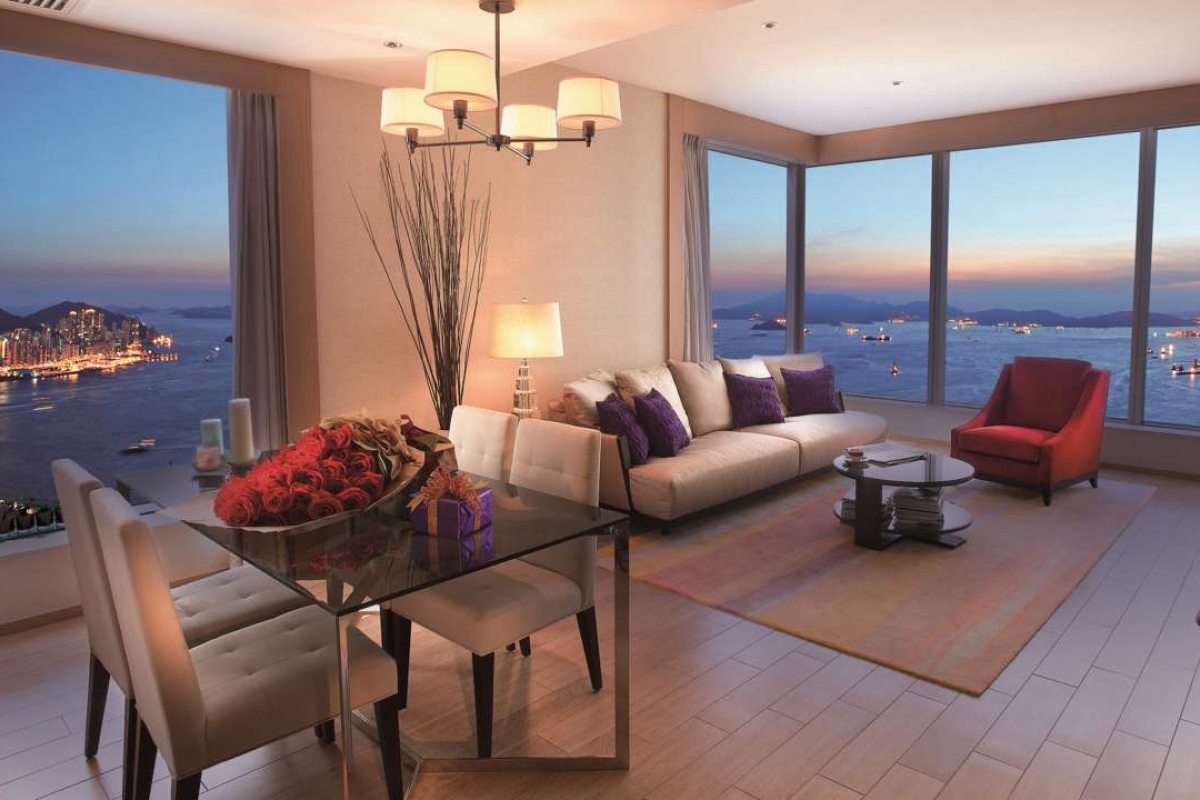
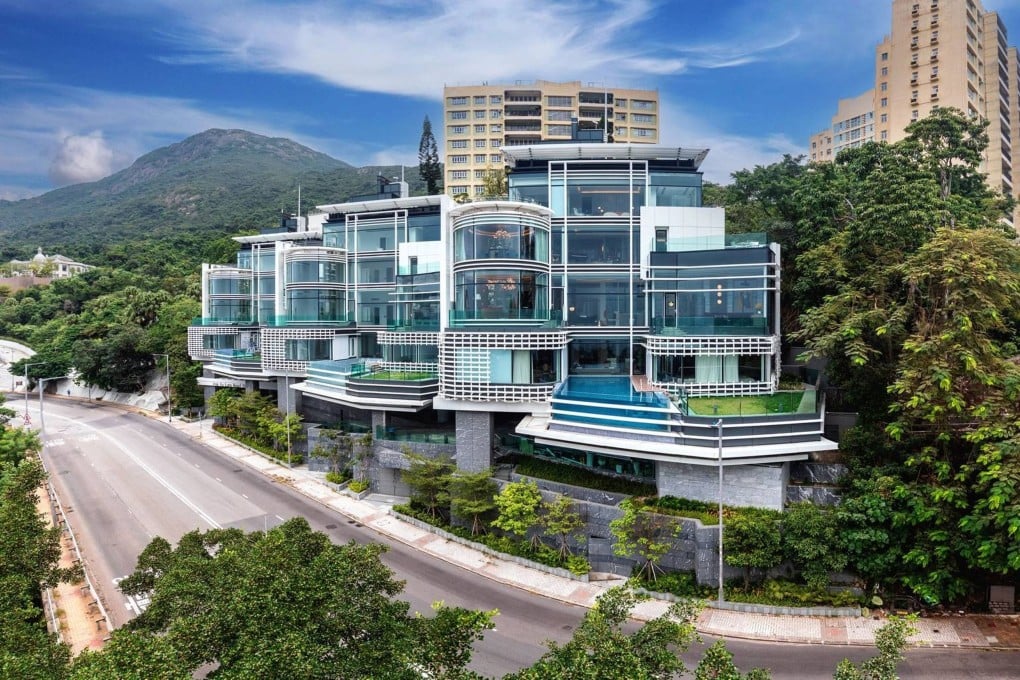
    The most recent transaction, finalized earlier this month, involved the purchase of two connected units within the prestigious Hong Kong Parkview. The deal, valued at an impressive HK$121.5 million, encompasses a generous 4,616 square feet of living space, which translates to a substantial HK$27,080 per square foot ($37,130 per square meter), as detailed by the South China Morning Post. This upscale complex, nestled in the city’s Southern District, continues to attract high-profile buyers even amid market fluctuations.

    A Smart Investment in a Sluggish Market

    Wong’s investment strategy seems particularly bold, considering that just a few months earlier, he had splurged HK$109 million for two adjacent units in another tower of the same development. This flurry of activity occurs against the backdrop of a sluggish Hong Kong housing market, which has grappled with a nearly 30% decline in prices since peaking in 2021. Factors contributing to this downturn include rising mortgage rates, a shift in professional demographics as many expatriates chose to depart the city, and a broader economic malaise, as reported by Reuters. However, signs of life are beginning to emerge; private home prices have actually ticked upwards for two consecutive months in April and May, offering a glimmer of hope for potential recovery.

    Legacy and Influence

    Peter Wong, 73, is not only a seasoned businessman but also holds a prestigious title as the non-executive chairman of HSBC’s Asian entity. His position affords him access to the grand Taipan House, a historic mansion situated on Victoria Peak, once reserved for the bank’s top executive and previous chairmen. The property has been under Wong’s stewardship since 2011, after being acquired in 1983 for the role of HSBC’s top executive.

    Following in Father’s Footsteps

    Interestingly, Peter’s son, Jeremy Wong, is also making waves in the business world; his LinkedIn profile indicates his current role at HSBC, along with a directorship at Energy World, a local enterprise that includes his mother, Camay Wong, and Peter Wong. This family affair in business adds a personal touch to the unfolding story of Hong Kong’s real estate investment landscape.

    Questions & Answers

    What inspired Peter Wong’s recent real estate purchases in Hong Kong?
    Peter Wong’s investments are likely driven by his confidence in the recovering Hong Kong housing market, despite its recent downturn. The strategic acquisitions at this time suggest he sees significant potential as signs of price increases emerge.

    How has the Hong Kong housing market changed recently?
    After enduring a considerable price decline of nearly 30% since 2021, the Hong Kong housing market has shown positive trends with home prices increasing for the last two months, indicating a potential rebound.

    What roles do Peter Wong’s family members play in the business?
    Peter Wong’s son, Jeremy, is active at HSBC and serves on the board of Energy World, a venture that includes both his parents. This family collaboration highlights their ongoing influence in Hong Kong’s business sector.

  • Hong Kong Edges Out Singapore to Claim Title of Asia’s Most International City

    Hong Kong Edges Out Singapore to Claim Title of Asia’s Most International City

    In a recent release from the Hong Kong General Chamber of Commerce, the Asian Cities Internationality Index has revealed its latest rankings, ultimately declaring Hong Kong the leading city in Asia with a score of 73.7 out of 100. The dynamic city narrowly edged out Singapore, which secured a score of 73.5, making the competition as tight as a pair of shoes on a bustling Hong Kong street.

    Evaluating 11 major cities in the region, the index utilized 113 indicators across seven categories: business and economy, quality of life, infrastructure and connectivity, innovation and ideas, human capital diversity, cultural interaction, and the governmental and legal frameworks that support business operations. This comprehensive analysis also drew insights from a survey completed by 1,107 senior business executives situated in the assessed locales, ensuring a well-rounded perspective.

    Hong Kong’s recognition as a top-tier global financial hub shines through the report. Praised for its successful hosting of international events and a living environment characterized by safety, stability, and freedom, the chamber’s press release highlighted these factors as key to its ascendance in the rankings. In contrast, Singapore’s strengths were noted in its multicultural milieu and its adeptness at attracting and nurturing diverse talent.

    Despite this triumph, Hong Kong’s performance in the innovation and ideas category raised some eyebrows, where it ranked fourth behind Shanghai, Singapore, and Seoul. Patrick Yeung Wai-tim, the chamber’s CEO, acknowledged this shortcoming, pointing to an ongoing challenge in the commercial viability of scientific research. “Hong Kong’s own enterprises still invest a relatively low proportion of their operational costs in scientific research and development,” he commented, as reported by the South China Morning Post.

    Tokyo secured the third position in the rankings, followed closely by Seoul, Shanghai, and Bangkok, while Kuala Lumpur, Taipei, Jakarta, Ho Chi Minh City, and Mumbai completed the list in that sequence, according to the Macao News. Each city’s unique strengths play into the larger narrative of Asia’s evolving retail landscape, reminding us that while the skyline may gleam, innovation remains the true lifeblood of progress.

    Questions & Answers

    How did Hong Kong perform in the innovation and ideas category?
    Hong Kong ranked fourth in the innovation and ideas category, trailing behind Shanghai, Singapore, and Seoul, which raised concerns among experts regarding its commercialization of scientific research.

    What factors contributed to Hong Kong’s top ranking in the index?
    The city’s strong performance in the business and economy category, coupled with its status as a global financial hub and a safe, stable living environment, were key factors that contributed to its high score.

    Which cities rounded out the top six in the rankings?
    The top six cities included Tokyo in third place, followed by Seoul, Shanghai, and Bangkok, while Kuala Lumpur, Taipei, Jakarta, Ho Chi Minh City, and Mumbai followed in succession.

  • Luxury Home Prices in Hong Kong Set to Decline by Up to 5% – What Buyers Should Know!

    Luxury Home Prices in Hong Kong Set to Decline by Up to 5% – What Buyers Should Know!

    In the first half of 2025, Hong Kong’s luxury property market has seen a surge in activity, primarily driven by an influx of distressed units sold at attractive prices. This situation has piqued the interest of affluent buyers, eager to seize the opportunity to acquire high-value properties at reduced rates. William Lau, Senior Director and Head of Residential Agency at Knight Frank, observed that this trend is temporarily stabilizing luxury prices, especially for homes valued between HK$20 million and HK$40 million. Lau predicts a modest decline of 0% to 5% in this segment while properties exceeding HK$40 million are likely to hold their ground.

    Leasing Market Shines in Hong Kong’s Luxury Sector

    Contrasting the sales market, leasing has taken center stage, bolstered by rising demand from the Top Talent Pass Scheme, which attracts skilled professionals to the city. The unique attributes and scarcity of luxury properties have further fortified the leasing sector’s resilience. Notably, demand is robust in Mid-Levels, particularly for apartment units measuring between 800 and 1,000 square feet—ideal for families seeking that coveted extra storage space.

    With a strong leasing pipeline, Knight Frank expects luxury rents to rise by a steady 0% to 3% throughout the year. As the market realigns amidst these dynamics, investors and tenants alike are keenly eyeing this resurgence, hoping to capitalize on the evolving landscape of Hong Kong’s high-end real estate.

    Questions & Answers

    What factors are driving the recent activity in Hong Kong’s luxury property market?
    The increase in distressed properties available for sale, often at reduced prices, has attracted cash-rich buyers, providing investment opportunities in high-value segments.

    What is the forecast for luxury home prices in Hong Kong over the next year?
    Prices for residential homes priced between HK$20 million and HK$40 million may see a decline of 0% to 5%, while properties valued above HK$40 million are expected to remain stable.

    How is the leasing market performing compared to the sales market?
    The luxury leasing market has outperformed the sales sector, driven by demand from initiatives like the Top Talent Pass Scheme, with expected rent increases of 0% to 3% this year.

  • Alibaba Unites Food Delivery and Travel Divisions to Propel ‘Instant Retail’ Initiative Forward

    Alibaba Unites Food Delivery and Travel Divisions to Propel ‘Instant Retail’ Initiative Forward

    In a significant shift within its operational strategy, Alibaba Group has announced plans to merge its food delivery service Ele.me and online travel platform Fliggy into its China e-commerce business segment. This development, revealed by CEO Eddie Wu in an internal letter to employees on Monday, reflects a rollback of the company’s previously ambitious restructuring initiatives, signaling a keen focus on enhancing the efficiency of order fulfillment.

    A Strategic Upgrade in Focus

    “This marks a strategic upgrade as we transition from an e-commerce platform to a broader consumer platform,” Wu articulated, as reported by Nikkei Asia. This pivot is aligned with the e-commerce giant’s commitment to streamline operations and adapt to rapidly changing market dynamics. The integration of Ele.me and Fliggy into the core e-commerce unit is expected to foster a more cohesive approach to consumer services, tapping into the growing demand for integrated shopping experiences among Chinese consumers.

    Wu’s announcement comes as Alibaba navigates a competitive landscape marked by shifting consumer behaviors and economic uncertainties. The decision to streamline operations comes not just as an internal strategy, but as a necessary move to remain agile in a sector that demands quick adaptations and seamless customer service.

    The Bigger Picture of Consumer Demand

    As the company looks to redefine its role in the marketplace, the consolidation of these platforms underscores Alibaba’s recognition of the evolving consumer landscape. In recent years, the appetite for quick delivery and comprehensive service options has surged, making it essential for the e-commerce behemoth to integrate more responsive solutions into its repertoire.

    In a retail universe where customer expectations are as high as a skyscraper and competition often feels like a sprint, Alibaba is positioning itself to not just keep pace, but to set the tempo.

    Questions & Answers

    What prompted Alibaba to merge Ele.me and Fliggy?
    The decision stems from a strategic shift aimed at enhancing efficiency and better responding to the changing dynamics of consumer demand in the e-commerce market.

    How does this merger align with Alibaba’s broader goals?
    This merger reflects Alibaba’s transition from a traditional e-commerce platform to a more comprehensive consumer service provider, reinforcing its commitment to seamless customer experiences.

    What impact could this merger have on consumers?
    Consumers can expect a more integrated service offering from Alibaba, with improved order fulfillment and a potentially wider range of services available at their fingertips.

  • Kowloon Office Rental Market Set for 9% to 11% Decline in 2023: What’s Driving the Shift?

    Kowloon Office Rental Market Set for 9% to 11% Decline in 2023: What’s Driving the Shift?

    As the office market in Kowloon grapples with a substantial oversupply, the atmosphere has become increasingly cautious among tenants. Steve Ng, Executive Director and Head of Kowloon Office Strategy & Solutions at Knight Frank, pointed out that the first half of the year has been particularly challenging, with more than 6.7 million square feet of new and existing inventory flooding the market.

    Stagnation Reigns in Kowloon

    “Demand remains scattered, with only a handful of significant transactions occurring,” Ng remarked, highlighting a widespread sentiment of hesitation among tenants opting for a “wait-and-see” approach. As a result, the marketplace appears stagnant, with little sign of a turnaround.

    Declining Rents and Rising Vacancies

    In June 2025, Kowloon office rents experienced a year-on-year decline of 3.6%, dropping to less than HK$1 per square foot. This figure hints at a broader trend of weakness within the market. The office vacancy rate has increased modestly by 1.2%, affirming a lack of confidence in a potential recovery. Tenant sentiments reveal a prevailing wariness and anticipation of further drops, signaling that any signs of recovery might still be far off.

    Trade Pressures Loom Large

    Many tenants in Kowloon are entrenched in supply chain industries such as manufacturing, trading, and logistics. Despite a temporary pause in the US tariff conflict, ongoing trade pressures continue to rattle these sectors, leading to sustained weak demand for office space. With an oversupply that shows no signs of abating, we project a further decline in office rents in Kowloon, expecting a drop of 9% to 11% in 2025. Perhaps it’s time to think about converting those empty spaces into trendy pop-up shops or art galleries—there’s always a silver lining!

    Questions & Answers

    What challenges is the Kowloon office market currently facing?
    The market is dealing with an oversupply of over 6.7 million square feet and weak tenant demand, leading to a stagnant atmosphere and only a few significant transactions.

    How much have Kowloon office rents declined?
    As of June 2025, rents have fallen by 3.6% year on year, landing at less than HK$1 per square foot.

    What factors contribute to the expected rent decline in Kowloon?
    The combination of a supply glut and ongoing trade pressures in key industries will likely result in a projected rent drop of 9% to 11% by 2025.

  • Sa Sa International Faces Sales And Profit Downturn Amid Economic Uncertainties

    Sa Sa International Faces Sales And Profit Downturn Amid Economic Uncertainties

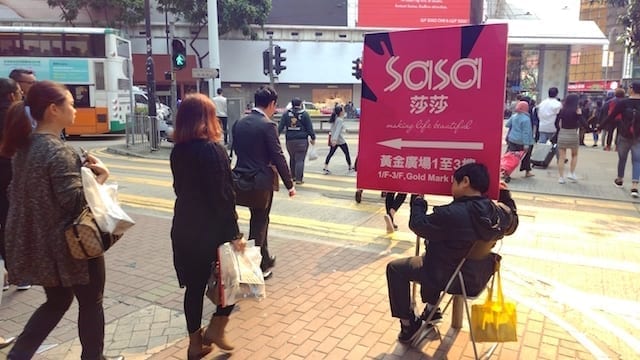
    Sa Sa International, a prominent beauty retailer, has recently disclosed a decrease in both sales and profits for its most recent fiscal year. This downturn is attributed to unfavorable market conditions in Hong Kong and Macau, the principal markets for the company.

    Sales Decrease

    Sa Sa International’s financial reports demonstrate a marked decrease in turnover, with a dip of 9.7% to HK$3.9 billion (US$497 million) for the fiscal year which ended on March 31. This decline is due largely to the continuous outbound travel of Hong Kong and Macau residents to Mainland China and other foreign countries.

    This expatriation, in tandem with a robust US dollar and an increase in economic uncertainties caused by trade tariffs, has led to more cautious spending by those visiting Hong Kong and Macau. The primary markets for the group are indeed Hong Kong and Macau, which represent more than 75% of the company’s total sales.

    In these markets specifically, turnover experienced a decline of 12.3%, and 10.5% in Mainland China, but conversely, a 14.7% increase was observed in Southeast Asia.

    Profit Decline

    The company has also reported a significant decline in profits for the year, with a slide of 64.8% to HK$77 million, aligning with the company board’s previous projections in April. Brick-and-mortar sales decreased by 11.9%, though some improvement was noted in the latter half of the fiscal year. However, online sales saw a modest increase of 1.2%, largely thanks to the growth of third-party e-commerce platforms in the Southeast Asian market.

    As the year concluded, the group maintained 84 stores in Hong Kong and Macau, 18 in Mainland China, and 72 in Southeast Asia.

    Future Plans

    Sa Sa International’s management team has expressed their intent to closely monitor market trends and make adjustments to their portfolio as necessary. Their primary objective is to facilitate growth in both sales and gross profit, while at the same time, maintaining a stable gross profit margin. Their aim is to develop a sustainable model to boost profitability.

    In the first quarter ending June 15, the group witnessed a 4.5% increase in turnover, with growth recorded in all markets, except for Mainland China.

    Questions & Answers

    What are the primary markets for Sa Sa International?
    Hong Kong and Macau are the primary markets for Sa Sa International, accounting for more than 75% of the company’s total sales.

    What caused the recent downturn for Sa Sa International?
    This downturn is due largely to the continuous outbound travel of Hong Kong and Macau residents to Mainland China and other foreign countries, coupled with a robust US dollar and increasing economic uncertainties.

    What is Sa Sa International’s plan moving forward?
    The company plans to closely monitor market trends and make adjustments to their portfolio as necessary. Their primary objective is to facilitate growth in both sales and gross profit while maintaining a stable gross profit margin.

  • SmarTone, Ericsson conduct Hong Kong’s first 5G demo

    SmarTone, Ericsson conduct Hong Kong’s first 5G demo

    Hong Kong mobile carrier SmarTone has joined force with Ericsson to conduct the city’s first demonstration of 5G technologies using millimeter wave spectrum. The pair also committed to launch a mobile technology innovation lab later this year, paving the way for the 5G deployment in Hong Kong.

    During the demo, which took place Wednesday at Ericsson’s office in Hong Kong, the companies achieved a data throughput of 5.7Gbps over a 5G prototype [pictured] through the use of 4×4 MIMO antenna technology in the 15-GHz band. The prototype, built by Ericsson, comprises a 5G base station, next-generation antenna and a test mobile station.

    SmarTone chief technology officer Stephen Chau said the operator will later upgrade the 5G prototype to support 8×8 MIMO antenna technology, which will double the transmission speed to over 10 Gbps.

    Michael Lee, CTO for Hong Kong and Macau at Ericsson, said the demo uses 400Mz of spectrum and OFCA has allocated a total of 612MHz of spectrum for all mobile operators in the city.

    SmarTone and Ericsson also demonstrated use cases for potential 5G applications, including a so-called “Human-IoT Interaction arm”, which allow humans to control a robotic arm remotely in real-time with 5G capabilities of low latency and high-bandwidth. Such applications, Chau said, could allow surgeons to conduct operations remotely using robots or be used in road accidents, operations/activities in scenarios unsafe for human presence.

    In another proof-of concept demo, a robot was connected to the cloud via a simulated 5G network, using real-time analytics to balance the robot with the latency set at 10ms. In future this application could be used for mission-critical apps, AI and intelligent automation like self-driving cars or real-time traffic system.

    While commercial 5G services won’t be ready by 2020 and standards are still to be ratified, the advent of 5G will open up a lot of opportunities for operators and allow for range of different applications, such as AI, VR/AR and the IoT-enabled world of real-time applications and services. The demo just offers a glimpse of 5G capabilities that will enable users to download a 4K movie in mere seconds or sit behind the wheel of a driverless car, Chau said.

    The executive said SmarTone’s innovation lab with Ericsson, which is expected to be ready in the middle of year, is aimed to facilitate cross-industry collaboration and develop potential 4.5G/5G use cases and vertical applications.

    The innovation hub will provide a platform for development in areas such as ICT and wireless convergence,  mobile, IoT and cloud, Chau said.

    “5G will herald a significant shift towards the hyper-connected and real-time world of IoT. Our innovation hub will see SmarTone and Ericsson forge collaboration with other industry and technology leaders to usher in a new era of mobile possibilities for consumers and businesses,” he noted.

    As part of its ongoing investment in 4.5G, SmarTone plans to roll out Licensed Assisted Access (LAA) network later this year, which will leverage existing licensed and unlicensed spectrum to enhance the operator’s LTE network to deliver up peak speeds up to 800Mbps.

    The company also plans to introduce a narrow-band IoT (NB-IoT) network with enhanced coverage later this year. Last week SmarTone forged a partnership with Cisco Jasper to launch IoT services in the city, in its latest attempts to tap the burgeoning IoT market.

    Last November SmarTone contracted Ericsson as its sole supplier for core and RAN equipment in a five year deal which aimed at paving the way for 5G  deployment.

  • Don’t Yell At Me starts selling in Hong Kong

    Don’t Yell At Me starts selling in Hong Kong

    Operations director Tony Wang said: “When people visit Don’t Yell At Me, we hope that they are not here just for our teas, but here for our message and the positivity. We hope that through our daily teas will inspire our customers so that they can carry this attitude forward no matter what they are facing.”

  • Released Loan Loss Reserves Fuels HSBC Profits

    Released Loan Loss Reserves Fuels HSBC Profits

    Asia-focused British lender HSBC beat analyst forecast, more than doubling profits in the first half after a significant reduction in credit loss provisions.

    HSBC posted $8.4 billion of profit after tax, according to its first-half interim report, a 170% increase compared to $3.1 billion in the same period last year.

    The expected release of credit loss provisions drove profits higher with revenues down around 4 percent to $25.6 billion and adjusted operating expenses rising by 3 percent.

    These are good results that reflect the return of growth in our main markets and marked progress in the execution of our strategy, said HSBC group chief executive Noel Quinn highlighting four main pillars of the bank’s plans: focusing on strengths, digitizing at scale, energizing for growth, and transitioning to net zero.

    The mix of HSBC’s results by region is also noteworthy as it registered profits across Asia, Middle East and North Africa, North America, Latin America and even Europe – HSBC UK Bank plc posted profit before tax of over $2.1 billion in the period – which has reported consecutive halves of pre-tax losses.

    We were profitable in every region in the first half of the year, supported by the release of expected credit loss provisions.

    HSBC also paid an interim dividend of $0.07 per ordinary share in the first half, noting that the bank is moving towards its planned target.

    The Group maintains a strong capital position and is well placed to fund growth and step up capital returns,» the bank said.

    Reflecting the current improved economic outlook and operating environment in many of our markets, we now expect to move to within our target dividend payout ratio range of 40% to 55% of reported earnings per ordinary share in 2021.

  • Luk Fook sales drop 10 per cent in latest quarter

    Luk Fook sales drop 10 per cent in latest quarter

    Luk Fook sales in the third quarter fell 10 per cent on a same-store basis. “Recent market sentiment has been adversely impacted by the US-China trade war, the depreciation of Renminbi, and downward pressure in the stock and property markets,” said chairman Wai Sheung Wong ina  stock exchange filing. Luk Fook says same-store sales of gold products fell by 9 per cent and of gem-set jewellery by 8 per cent.

    The company’s disappointing figures come in the same week as rival jeweller Chow Tai Fook reported an 11 per cent decline in sales across Mainland China, Hong Kong and Macau.

    Wong said the Renminbi’s depreciation led to higher tendency for customers to purchase lower-value items, resulting in a double-digit drop in the average selling price of gem-set jewellery products.

    Same-store Luk Fook sales in Mainland China fell by 14 per cent, with gold products down 16 per cent and gem-set jewellery down 5 per cent.

    As at December 31 the company operated 221 of its own Lukfook stores, including 150 on the mainland, 49 in Hong Kong, 11 in Macau and 11 overseas. It supplied 1573 licensed shops on the mainland, one in Cambodia and one in the Philippines, making a total of 1796 worldwide.