Tag: Hong Kong

  • Hong Kong International Airport Scores High In Global Ranking For Best Airport Washrooms

    Hong Kong International Airport Scores High In Global Ranking For Best Airport Washrooms

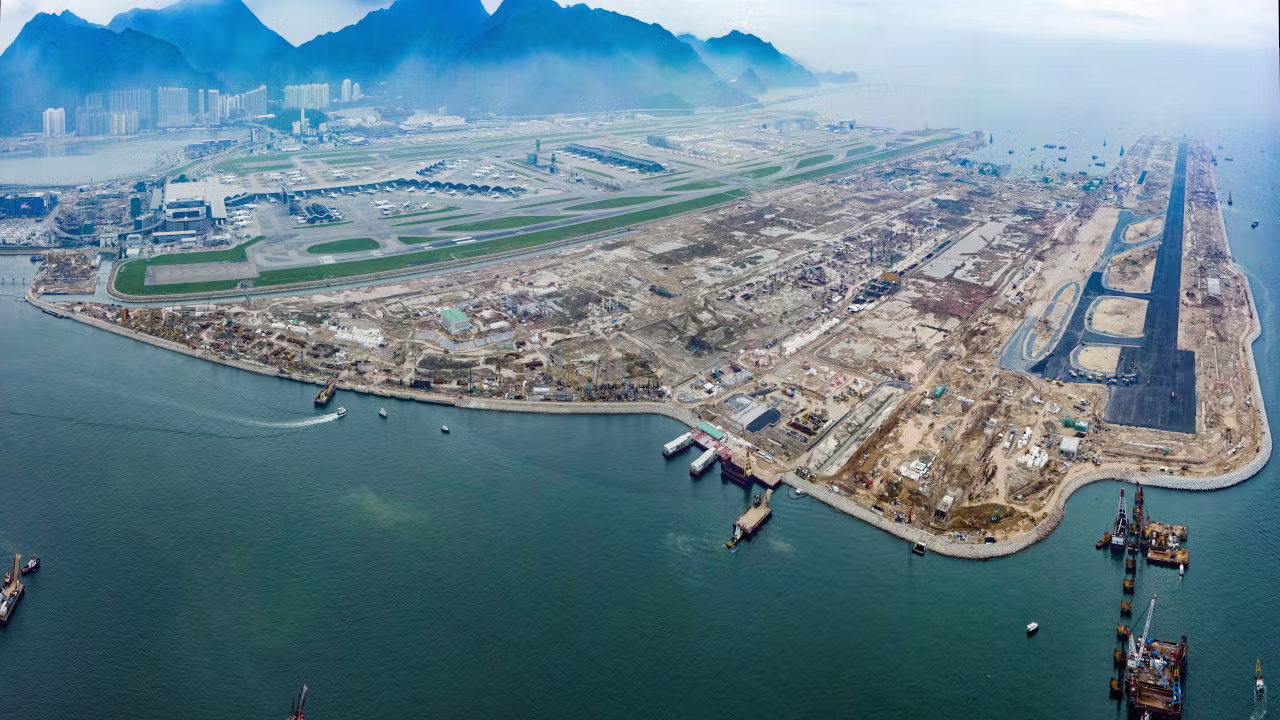
    Hong Kong’s airport, already considered the fifth cleanest globally, has now been recognized for another unique feat – its excellent public washrooms. The international air transport rating body, Skytrax, awarded Hong Kong International Airport the fifth position in its inaugural World’s Best Airport Washrooms 2025 awards. The other airports outshining HKIA in this category include Bahrain International Airport, Seoul Incheon International Airport, Tokyo Haneda Airport, with Singapore’s Changi Airport clinching the top spot.

    Superior Washroom Facilities at HKIA

    The award-winning washrooms at HKIA stand out for their remarkable cleanliness and generous space, both in the waiting areas and individual cubicles. Recognizing that travelers often need to carry their luggage into the washroom, the design incorporates plenty of room for these items.

    Furthermore, the washbasins in these restrooms are ultra-modern, all-in-one stations where one can rinse, soap, and dry their hands in one place, eliminating the need to move around wetting the floor. Another fascinating feature is an intelligent noticeboard system at the entrance of each washroom that displays the current occupancy rate and the number of unoccupied stalls. Additionally, each cubicle is fitted with a red and green LED light indicator to show its occupancy status, eliminating the need for guesswork or knocking to check if a stall is available. The men’s bathroom even boasts small screens resembling airplane windows installed above the urinals to keep users entertained.

    Selection Process and Rankings

    Skytrax evaluated 235 airports worldwide to compile these rankings. Given that this was the first year of rating airport bathrooms, the awards were based on feedback from Skytrax’s audit office. However, traveler feedback will be factored into the rankings for future awards. Intriguingly, all ten of the recognized airport bathrooms are located in Asia, with Japan, the homeland of smart toilets, having five of its airports in the top 10.

    Among the standout facilities, the New Chitose Airport in Hokkaido was particularly noteworthy, mainly due to its unique Japanese onsen bathing facilities inside the airport terminal.

    The top ten airport bathrooms in 2025 include:

    1. Singapore Changi Airport
    2. Tokyo Haneda Airport
    3. Seoul Incheon International Airport
    4. Bahrain International Airport
    5. Hong Kong International Airport
    6. Kansai International Airport
    7. New Chitose Airport
    8. Tokyo Narita Airport
    9. Taiwan Taoyuan International Airport
    10. Fukuoka Airport

    Questions & Answers

    Which airport won the top spot in the World’s Best Airport Washrooms 2025 awards?
    Singapore Changi Airport won the top spot in these awards.

    What unique feature do the washrooms at Hong Kong International Airport have?
    The washrooms at Hong Kong International Airport have an intelligent noticeboard system that displays the current occupancy rate and the number of unoccupied stalls. They also have an all-in-one wash station, and LED indicators for stall occupancy.

    Which country has the most number of airports in the top 10 list of the World’s Best Airport Washrooms 2025 awards?
    Japan has the most number of airports, five in total, in the top 10 list of these awards.
  • Hang Seng Bank Coo Vivien Chiu Breaks Record With $5.14 Million Hong Kong Luxury Apartment Purchase

    Hang Seng Bank Coo Vivien Chiu Breaks Record With $5.14 Million Hong Kong Luxury Apartment Purchase

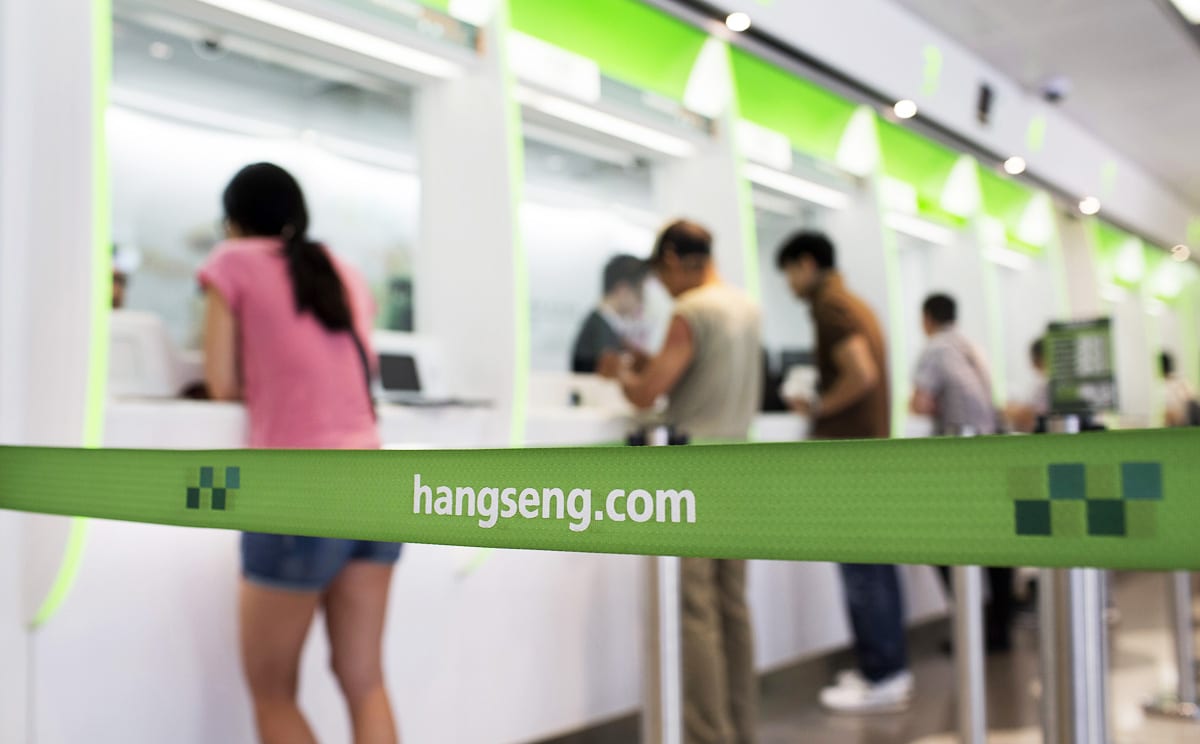
    Vivien Chiu, the Chief Operating Officer of Hang Seng Bank, has recently acquired a deluxe apartment in Hong Kong for HK$40 million, equivalent to around US$5.14 million. The cost per square foot of the 1,651 square-foot property amounted to HK$24,228, or US$33,517 per square meter, making it a record-setting purchase for the property in the current year.

    Property Details

    The luxury apartment is situated in the Beverly Hill project located in the Happy Valley area of Hong Kong. The property last changed owners in 2014 for a sum of HK$16 million. The recent handover took place on Monday, as per the Land Registry records.

    Chiu previously held positions in various departments at HSBC prior to her tenure at Hang Seng, which began in 2022.

    In a similar vein, Diana Cesar, the CEO of Hang Seng at the time, bought a flat in the upscale Flora Garden complex located in the Tai Hang Mid-Levels area in August, for a sum of HK$26.63 million.

    HSBC to Acquire Hang Seng

    Recently, HSBC announced its plans to acquire Hang Seng Bank for a staggering sum of HK$106.1 billion. Despite the bank’s recent struggles, Hang Seng will retain its own license, governance, and brand after the acquisition.

    This move comes as Hong Kong’s banking sector battles the most significant real estate slump since the late 1990s. Home prices in the city have dropped by approximately 30% from their peak in 2021.

    Housing Sector Recovery

    Despite the downturn, the housing sector has shown promising signs of recovery. According to data from the Rating and Valuation Department (RVD), the official index for second-hand home prices has increased by 1.26% since April. The index saw its fifth consecutive month of growth in August, reducing the overall decline in the year to just 0.24%.

    In August, some 5,291 homes changed ownership, representing an 8.2% decrease from July, but a 44.8% increase compared to the same period in the previous year. The total transaction value reached HK$42.2 billion, a decrease of 8.9% from the previous month but an increase of 48.2% year-over-year.

    Between January and August, the combined sales of new and existing homes increased by 10% from the previous year to 42,379 units. This is the highest level for this period in the past four years, as reported by property agency Midland Realty.

    Questions & Answers

    What is the total cost of the luxury flat purchased by Vivien Chiu?
    The total cost of the flat purchased by Vivien Chiu is HK$40 million, equivalent to around US$5.14 million.

    Who is the former owner of Hang Seng Bank, and what are the terms of the bank’s acquisition by HSBC?
    HSBC is the new owner of Hang Seng Bank. Despite the acquisition, Hang Seng will retain its own license, governance, and brand.

    What are the recent trends in Hong Kong’s housing sector?
    Home prices in Hong Kong have seen significant declines, but recent data shows signs of recovery with the index for second-hand home prices increasing by 1.26% since April.

  • AS Watson Group Appoints Donna Poon As New Managing Director Of Watsons Hong Kong

    AS Watson Group Appoints Donna Poon As New Managing Director Of Watsons Hong Kong

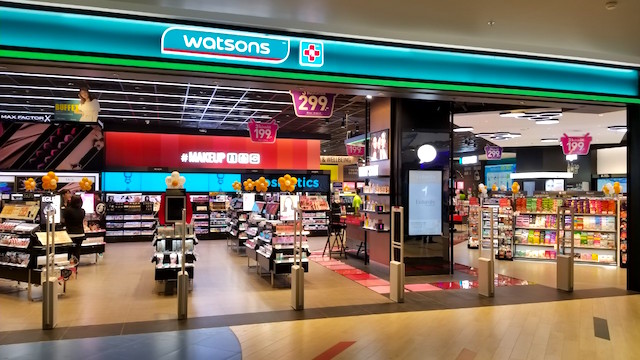
    AS Watson Group, a leading international health and beauty retailer, has announced the appointment of Donna Poon as Managing Director of Watsons Hong Kong, effective from November 1.

    Proven Leadership

    Currently serving as Trading Director, Poon brings to her new role more than twenty years of leadership experience within the Fast-Moving Consumer Goods (FMCG) and retail sectors in Hong Kong. Her extensive market knowledge and established success record are expected to spearhead Watsons Hong Kong into its upcoming growth phase.

    Clarice Au, the CEO of Retail Hong Kong for AS Watson Group, expressed confidence in Poon’s potential to lead the company’s growth. She stated, “Her deep market expertise and proven track record will be instrumental in leading Watsons Hong Kong into its next phase of growth.”

    Leadership Transition

    The current Managing Director, Samuel Lee, will be relinquishing his role due to personal circumstances. However, Lee will continue to contribute as a business advisor, providing support to the company until the end of December this year.

    Au extended her gratitude towards Lee for his years of committed leadership within the Group. She also warmly welcomed Poon into her new role.

    Questions & Answers

    Who has been appointed as the new Managing Director of Watsons Hong Kong?
    Donna Poon has been appointed as the new Managing Director of Watsons Hong Kong, with her term beginning on November 1.

    What previous roles has Donna Poon held within the industry?
    Poon has over two decades of leadership experience in the FMCG and retail sectors in Hong Kong, and she currently serves as Trading Director.

    What will be Samuel Lee’s role in the company post his term as Managing Director?
    After stepping down from his role as Managing Director, Samuel Lee will serve as a business advisor to support the company until the end of December.

  • Hong Kong’s Ambitious $13 Billion Airport City Project Faces Development Hurdles Amid Cash Crunch Challenges

    Hong Kong’s Ambitious $13 Billion Airport City Project Faces Development Hurdles Amid Cash Crunch Challenges

    An ambitious 100 billion Hong Kong dollar (approximately $12.8 billion) urban development project near Hong Kong’s international airport is facing significant challenges. At the heart of this venture lies 11 Skies, a massive shopping mall that has struggled to attract tenants as the developer, New World Development, finds itself in a precarious financial position.

    Despite its grand ambitions, which included creating a shopping destination touted as one of the largest in Hong Kong, the project has been plagued by setbacks. New World Development’s mounting debts have led to speculation that the company may be considering a sale of 11 Skies to alleviate its financial burdens. The mall, with its mix of retail, dining, and entertainment options, was once envisioned as a vibrant hub but is currently finding itself in a race against time to secure a successful launch.

    Industry insiders note that while retail real estate in Hong Kong has generally been recovering, the particular challenges faced by 11 Skies could potentially set it apart, particularly if it fails to strike deals with key brands. As competitors thrive in the evolving market, many are left wondering whether 11 Skies can rise to its original promise or if it will remain an empty shell.

    The scale of New World Development’s financial woes undoubtedly complicates the situation; the company has been grappling with extensive debts, leaving little room for missteps in a market where consumer confidence remains fragile. In the midst of all this, the question arises: could 11 Skies end up as a monument to unfulfilled dreams rather than a bustling retail paradise?

    Questions & Answers

    What is the status of the 11 Skies shopping mall?
    11 Skies, a centerpiece of a major urban development project in Hong Kong, is struggling to attract tenants as the developer, New World Development, faces significant financial difficulties.

    Why is New World Development considering selling 11 Skies?
    The company is grappling with extensive debts, prompting speculation that selling the mall could help alleviate its precarious financial position.

    How are industry experts viewing the future of 11 Skies?
    Experts express concerns that without securing key retail partnerships, 11 Skies may not fulfill its original vision and could falter in the competitive Hong Kong retail landscape.

  • Link Asset Management Prepares For Ceo George Hongchoy’s Retirement With Interim Leadership Plan

    Link Asset Management Prepares For Ceo George Hongchoy’s Retirement With Interim Leadership Plan

    Hong Kong’s premier property management company, Link Asset Management, has unveiled an interim leadership plan to prepare for the imminent departure of its Group CEO, George Hongchoy.

    Leadership Transition

    George Hongchoy, who also holds the position of Executive Director, has recently declared his intent to retire at the end of this year after a long service tenure of 16 years with the company.

    In response, Link has secured John Saunders, the current Group Chief Investment Officer, for an executive director role on its board from the start of next year. Saunders will be joining forces with Kok-Siong Ng, the Executive Director and Group CFO, to form an interim leadership team. This collaborative effort will temporarily assume the responsibilities of the Group CEO.

    Steering the ship

    The company’s chair, Duncan Owen, along with a newly constituted Chairs Committee, will be responsible for providing oversight, support, and independent counsel to the executive directors. Their role will be crucial in implementing strategic decisions and key initiatives during this transitional phase.

    Owen highlighted the rationale behind this interim arrangement, stating that it will allow the retiring CEO to depart, while capitalizing on the strong and established leadership team that Link currently has. This will ensure smooth operations and continuity until a new Group CEO can assume the office.

    Questions & Answers

    Who is set to retire from Link Asset Management?
    George Hongchoy, the Group CEO and Executive Director is set to retire on December 31.

    Who will form the interim leadership team at Link?
    John Saunders, the current Group Chief Investment Officer, and Kok-Siong Ng, the Executive Director and Group CFO, will form the interim leadership team.

    What role will Duncan Owen and the Chairs Committee play during this transition?
    Duncan Owen and the newly formed Chairs Committee at Link will be providing oversight, support, and independent guidance to the executive directors in their execution of strategy and key initiatives.

  • Swiss Chocolate Giant Läderach Expands To Hong Kong: Eyes Further Growth In Asia

    Swiss Chocolate Giant Läderach Expands To Hong Kong: Eyes Further Growth In Asia

    Läderach, the renowned Swiss luxury confectionery brand, has unveiled its first outpost in Hong Kong, situated at the K11 Musea. This exciting venture was made possible through collaboration with Valiram, a leading retail management company in Southeast Asia. The new chocolate shop occupies a prime spot on the first floor of the bustling K11 Musea shopping complex.

    Eyeing Global Expansion

    Johannes Läderach, the CEO of Läderach, shared their ambitious plans for continued growth and expansion. He emphasized that the brand is not only focusing on strengthening its presence in already robust markets like North America, Austria, and Germany, but is also keen on penetrating new markets with promising potential. These include countries like Japan, South Korea, Philippines, and Indonesia.

    Breaking Into The Middle East

    Läderach has already made its mark in the Middle East by launching its first flagship store in Egypt. This was accomplished through a strategic alliance with a local franchise partner.

    Future Growth in the APAC Region

    Within the APAC region, the company has set its sights on further expansion before the year’s end, with new store openings lined up in Japan, South Korea, and Indonesia.

    History and Global Presence

    Since its founding in 1962, Läderach has been recognized for its selection of fresh, handcrafted chocolates. The brand boasts over 140 stores in 25 countries, reflecting its strong international operation.

    Läderach has previously broadened its premium confectionery offerings, introducing its unique Dubai chocolate range to the global market. The new lineup has found its way to various countries such as the US, Canada, various European countries, and the Philippines.

    Questions & Answers

    What is Läderach’s current expansion plan?
    Läderach plans to continue its growth by not only strengthening its presence in existing markets like North America, Austria, and Germany, but also by venturing into new markets such as Japan, South Korea, the Philippines, and Indonesia.

    Has Läderach entered the Middle Eastern market?
    Yes, Läderach has entered the Middle Eastern market by opening its first flagship store in Egypt.

    What new offerings has Läderach introduced recently?
    Läderach recently expanded its premium confectionery lineup by introducing the Dubai chocolate range, which has been launched in various regions including the US, Canada, European countries, and the Philippines.

  • Hong Kong Banks Urged to Dive into the Future with Tokenized Deposits and Assets Exploration

    Hong Kong Banks Urged to Dive into the Future with Tokenized Deposits and Assets Exploration

    Authorities in Hong Kong are gearing up to regulate the burgeoning sector of tokenized finance. The Hong Kong Monetary Authority (HKMA) is set to advance Project Ensemble, an initiative aimed at urging local commercial banks to embrace tokenized deposits and facilitate real-time transactions of tokenized assets. This bold step signals a significant shift in the city’s financial landscape.

    In his Policy Address on September 17, Chief Executive John Lee announced, “We are implementing a regime for stablecoin issuers and formulating legislative proposals regarding licensing regimes for digital asset dealing and custodian service providers.” This proactive approach not only addresses regulatory needs but also positions Hong Kong as a competitive player in the global digital asset arena.

    The HKMA is expected to play a crucial role in overseeing the issuance of tokenized bonds while encouraging banks to enhance their risk management practices through a supervisory sandbox environment. This innovative framework allows for the experimentation of new financial products in a controlled setting before a full-scale launch.

    Meanwhile, the Securities & Futures Commission (SFC) is exploring the introduction of a broader array of digital asset products for professional investors, prioritizing adequate investor protection measures. Lee remarked that “the SFC will also introduce automated reporting and data surveillance tools” to mitigate risks tied to digital assets, further reinforcing Hong Kong’s commitment to creating a secure investment ecosystem.

    In a relevant twist for sustainability enthusiasts, Lee also highlighted plans to strengthen collaboration with the Greater Bay Area (GBA) carbon market. The government intends to work closely with mainland regulatory bodies to address the intricacies of participating in the international carbon market. This includes developing voluntary carbon credit standards, as well as streamlining registration, trading, and settlement processes associated with carbon emission reductions, reminiscent of a high-stakes dance between finance and environmental stewardship.

    Questions & Answers

    What is Project Ensemble?
    Project Ensemble is an initiative by the Hong Kong Monetary Authority aimed at encouraging local banks to adopt tokenized deposits and facilitate real-time transactions of tokenized assets, thereby modernizing the financial infrastructure in Hong Kong.

    What measures is the SFC planning to enhance investor protection?
    The Securities & Futures Commission plans to introduce automated reporting and data surveillance tools as part of its strategy to protect professional investors from the inherent risks associated with digital assets.

    How will Hong Kong’s collaboration with the GBA carbon market evolve?
    Hong Kong will deepen its cooperation with the Greater Bay Area’s carbon market, focusing on developing voluntary carbon credit standards and improving processes for registration, trading, and settlement of carbon emissions, showcasing a commitment to sustainability in finance.

  • To Summer Opens Flagship Store In Hong Kong, Fusing Local Tradition With Eastern Ethos

    To Summer Opens Flagship Store In Hong Kong, Fusing Local Tradition With Eastern Ethos

    To Summer, a premier fragrance brand based in Beijing, has broadened its operations beyond China’s mainland by inaugurating its debut store in Hong Kong.

    A Blend of Local Culture and Eastern Spirit

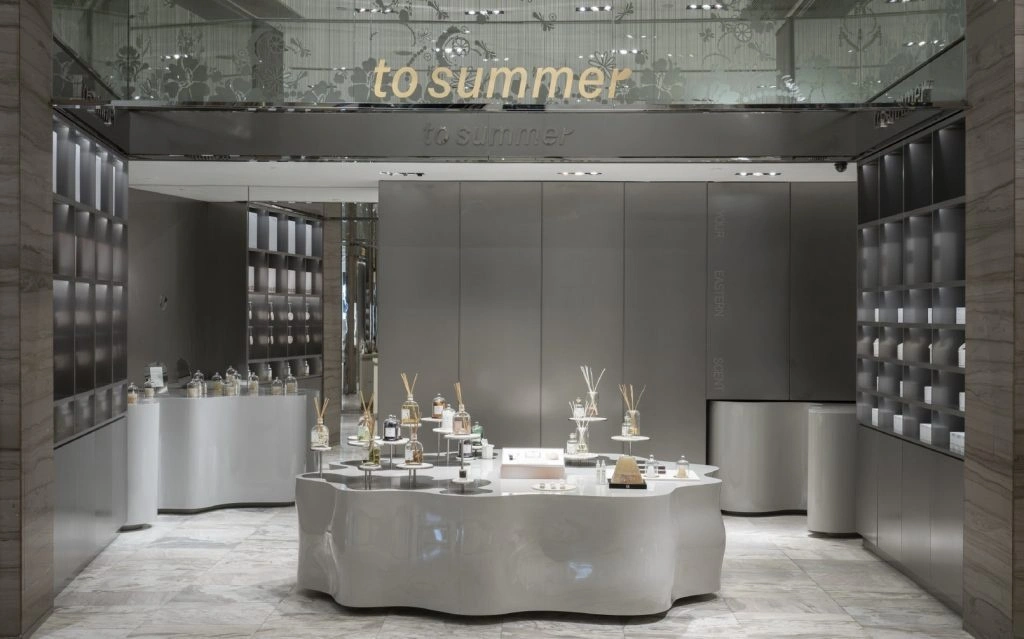
    Situated in Causeway Bay, the new outlet is labeled ‘Made in Hong Kong’ and illustrates an intriguing fusion of local tradition and Eastern ethos. The brand displays its complete array of offerings at this store, encompassing a variety of perfumes, home fragrances, and body care commodities.

    Distinct Features of the Store

    The flagship store stands out with four unique sections, namely The Eastern Ingredients Studio, Changwu Pavilion, Study Room, and Bathroom. Each of these rooms embodies specific aspects of the brand and its character.

    Strengthening Local Market Presence

    Arnold Lau, the spokesperson for To Summer, expressed that their primary focus would be on nurturing the Hong Kong market and catering to local customers. He revealed that the brand intends to use the Causeway Bay store as a strategic base for deploying resources and gradually escalating their operations.

    Lau further emphasized the exceptional status of Hong Kong as a global financial and cultural center. He believes that this provides an unrivaled stage for brands like To Summer to exhibit their products and engage with a diverse international clientele.

    Inspiration Behind the Store

    The design of the store draws its inspiration from historic craftsmanship and the essence of Hong Kong artisans. Various elements reflect the influence of Hakka, the Sham Shui Po fabric market, hand-carved artist Jin Fa Mahjong, and celebrated designer Alan Chan.

    Past Endeavors in Mainland China

    In mainland China, To Summer has demonstrated a commitment to preserving cultural heritage. The brand initiated a project to rehabilitate ancient structures, such as its Kuiyuan residence store in Guangzhou. It also organized a pop-up event in Shenzhen earlier this year.

    Questions & Answers

    What is the range of products offered by To Summer at its Hong Kong store?
    To Summer offers a wide array of products at its Hong Kong store, including perfumes, home fragrances, and body care products.

    What are the unique features of To Summer’s Hong Kong store?
    The To Summer store in Hong Kong has four distinct sections: The Eastern Ingredients Studio, Changwu Pavilion, Study Room, and Bathroom. Each room represents specific aspects of the brand and its offerings.

    What inspired the design of the To Summer store in Hong Kong?
    The store design draws inspiration from historic craftsmanship and the spirit of local Hong Kong artisans, integrating elements from Hakka, the Sham Shui Po fabric market, hand-carved artist Jin Fa Mahjong, and renowned designer Alan Chan.

  • Uniqlo Focuses on Revitalizing Hong Kong Stores Instead of Pursuing Expansion Plans

    Uniqlo Focuses on Revitalizing Hong Kong Stores Instead of Pursuing Expansion Plans

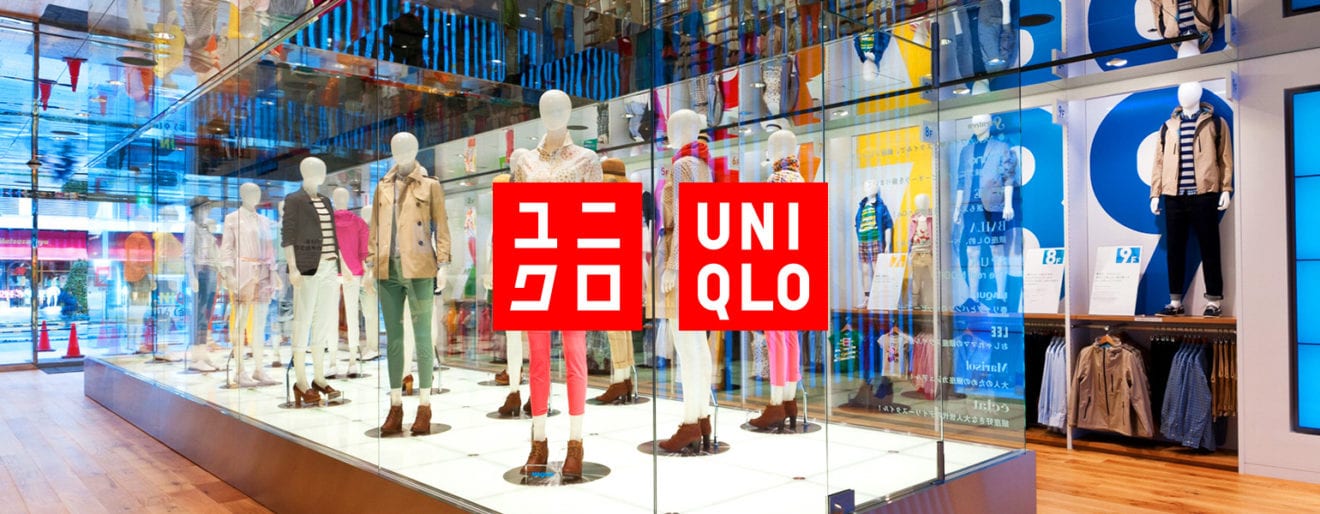
    Uniqlo, the globally recognized Japanese clothing brand, is gearing up for a significant transformation at its Mira Place location, as it embarks on an ambitious expansion project. The store, which first opened its doors in 2005, is set to double its footprint to an impressive 2,500 square meters, with the grand reopening slated for October 17, according to reports from the South China Morning Post.

    Transforming Space for Customers

    This revamped store will hold the title of Uniqlo’s largest outlet in the Kowloon area, reflecting the brand’s commitment to meeting customer needs in Hong Kong. Last November, the retailer similarly redesigned its City Plaza store in Taikoo Shing, expanding across multiple floors, a testament to its evolution in retail strategy.

    Beyond Square Footage: A Focus on Needs

    Tomoyuki Ota, the chief operating officer for Uniqlo in Hong Kong and Macau, highlighted the brand’s focus on understanding what customers genuinely desire rather than merely increasing the number of stores. “The most important thing is what the customer needs and not just the number of stores,” said Ota. This philosophy drives the updates and renovations across its locations.

    Expansion Beyond Borders

    While Uniqlo is enhancing its existing stores in Hong Kong, it is also setting its sights on a bold strategy in India, aiming to more than double its current store count over the next three years. The company marked its foray into southern India with a new store that opened earlier this month.

    Accelerating Presence in the South

    “In the first four years, we focused on north India—that is why our expansion was so fast,” said Kenji Inoue, Uniqlo’s chief financial officer and chief operating officer. “But now we are entering the southern market, which will accelerate our growth going forward.” Since making its debut in India in 2019 with a store in New Delhi, Uniqlo has grown to 16 locations across the country.

    Financial Growth Amid Challenges

    Parent company Fast Retailing reported an 8.4% rise in profit to JPY339 billion (US$2.3 billion) for the nine months ending in May, with Uniqlo International, which includes Hong Kong and other markets, reflecting a robust 12.7% revenue growth to JPY1.45 trillion. However, the company cautioned in July that higher tariffs in the U.S. would impact its operations as the year progresses, especially given that most of Uniqlo’s products sold stateside are manufactured in Southeast Asia and South Asia.

    A Global Perspective: More Than Just a Store

    From its modest beginnings as a single store in Hiroshima 40 years ago, Uniqlo has blossomed into a retail powerhouse with over 2,500 stores worldwide. The brand sells a range of popular products, including affordable fleeces and cotton shirts primarily sourced from China and other Asian manufacturing hubs. As it looks to the future, Uniqlo is also concentrating on expansion in North America and Europe, shifting its focus amid a slowing Chinese economy—the brand’s largest market, where it operates more than 900 stores.

    Questions & Answers

    What is unique about Uniqlo’s expansion strategy in Hong Kong?
    Uniqlo is focusing on renovating existing locations like its Mira Place store to better cater to customer needs, rather than simply increasing the number of stores in the area.

    How many Uniqlo stores are currently operating in India?
    As of now, Uniqlo has expanded to 16 stores in India since its entry into the market in 2019.

    What financial performance did Fast Retailing report recently?
    Fast Retailing posted an 8.4% increase in profit to JPY339 billion (US$2.3 billion) in the nine months ending in May, with Uniqlo International achieving a notable revenue growth of 12.7% during the same period.

  • Hong Kong’s Retail Sales Rise For Third Consecutive Month Amid Increased Tourism

    Hong Kong’s Retail Sales Rise For Third Consecutive Month Amid Increased Tourism

    July’s retail sales in Hong Kong experienced an upward trend, marking the third consecutive month of positive growth. Sales figures showed a 1.8% year-on-year increase, achieving a total value of HK$29.7 billion ($3.8 billion). This increase followed a more modest growth of 0.7% in June.

    Sales Volume Increases

    In addition to this financial upturn, retail sales volume also saw a rise of 1% in July compared to the previous year. This is a significant improvement from the 0.3% decrease experienced in June. However, a broader look at the year reveals that retail sales decreased in value by 2.6% and in volume by 4% over the first seven months of 2025 compared to the same period in 2024.

    A government representative expressed optimism about these figures, suggesting that consumer sentiment is expected to remain consistent. Furthermore, this spokesperson highlighted the positive impact of government initiatives that encourage tourism and large-scale events, all of which are predicted to provide benefits to retail businesses.

    Tourist Arrivals Boost Retail

    Data from the Hong Kong Tourism Board showed an increase in visitor arrivals during July. A total of 4.39 million visitors marked a 12% increase from the same month the previous year. This is a noticeable acceleration compared to the 3.48 million in June, 4.08 million in May, and 3.85 million in April.

    Of these visitors, 3.51 million originated from mainland China, an 11.8% increase in comparison to the previous year. Despite the increasing number of visitors, spending habits indicate a more conservative approach with many choosing to limit their overall expenditure.

    Specific Sector Performance

    Particular sectors within the retail industry showcased robust growth. Jewellery, watches, clocks, and valuable gifts saw sales surge by 9.4% year-on-year in July, up from a rise of 6.9% in June. The clothing, footwear, and allied products segment, however, saw a marginal growth of 0.1%, a slight recovery from a 4.6% drop in June.

    Questions & Answers

    How much did Hong Kong’s retail sales increase in July?
    Sales rose by 1.8% year-on-year, achieving a total value of HK$29.7 billion ($3.8 billion).

    What was the growth in the number of visitors from mainland China?
    The number of visitors from mainland China increased by 11.8% compared to the previous year, reaching a total of 3.51 million in July.

    Which retail sector saw the most significant growth?
    The sector of jewellery, watches, clocks, and valuable gifts saw the most substantial growth with a 9.4% year-on-year rise in sales in July.

  • Hong Kong Sees Modest 0.2% Rise in Total Deposits This July

    Hong Kong Sees Modest 0.2% Rise in Total Deposits This July

    As Asian consumers continue to shift their shopping preferences towards digital platforms, retailers are racing to innovate and meet this growing demand. According to recent data, e-commerce in the region is projected to reach a staggering $4.9 trillion by 2025, reflecting a significant increase in online shopping habits. The rise of mobile commerce, coupled with a surge of digital payment solutions, is transforming the retail landscape as never before.

    Retail Giants Adapt to Changing Consumer Behavior

    In response to these trends, major retailers are reimagining their strategies. Companies such as Alibaba and JD.com are not just enhancing their online offerings; they’re also integrating augmented reality (AR) experiences and AI-driven personalization to captivate customers. Imagine walking through your living room and being able to visualize a new sofa in your space, all thanks to an AR app—retailers are pushing the boundaries of technology to create unique shopping experiences.

    Local Brands Tapping Into E-Commerce Opportunities

    Interestingly, it’s not just the big players making strides. Smaller, local brands are also embracing e-commerce, often with remarkable success. Brands in Southeast Asia, such as the fashion label Zalora, are harnessing social media to engage with shoppers directly, turning Instagram and Facebook into powerful sales platforms. The agility and creativity displayed by these brands demonstrate the vitality of the local retail sector amidst fierce competition.

    Challenges of Rapid Digital Transformation

    However, this rapid digitization is not without its challenges. Issues such as logistics, cybersecurity, and maintaining customer trust are paramount. Retailers are increasingly investing in robust supply chain solutions to ensure timely deliveries, but the question remains—can they keep up with the soaring demand? As the race intensifies, businesses must find the right balance between technology and customer service to avoid a misstep.

    Why Sustainability is the New Buzzword

    Amid all these changes, sustainability has emerged as a significant concern for consumers in Asia. Brands that prioritize eco-friendly practices are not just favored, but are also seeing increased loyalty from a consumer base that is more environmentally conscious than ever. Witness the innovative approaches taken by companies like Uniqlo, which focuses on sustainability in its production processes, capturing the interest of younger shoppers who deeply value ethical consumption.

    The Future of Retail in Asia: A Thriving Hybrid Model

    Looking ahead, many industry insiders predict a hybrid model where physical stores coexist with vibrant digital platforms. This approach allows retailers to offer a seamless omnichannel experience, empowering customers to shop however they please—be it online from the comfort of their couch or in-store for those tactile experiences. As the lines between online and offline blur, the industry’s capacity for adaptation and resilience will undoubtedly shape the future of retail in Asia.

    Questions & Answers

    What is driving the growth of e-commerce in Asia?
    The growth of e-commerce in Asia is driven by a rising preference for online shopping, advancements in mobile commerce, and an increase in digital payment options, projected to reach $4.9 trillion by 2025.

    How are local brands finding success in e-commerce?
    Local brands like Zalora are successfully leveraging social media platforms to engage directly with consumers, turning these channels into potent sales avenues and showcasing their agility in the market.

    What challenges do retailers face with digital transformation?
    Retailers face several challenges, including logistics, cybersecurity, and maintaining customer trust, as they strive to keep pace with the rapid demand for online shopping.

  • Hong Kong Banks Encouraged to Streamline Hiring Processes to Attract Premier Talent

    Hong Kong Banks Encouraged to Streamline Hiring Processes to Attract Premier Talent

    Banks operating in Hong Kong are urged to rethink their hiring practices if they aspire to attract and retain the best talent, according to insights from recruitment specialists. A recent survey by Asian Banking & Finance revealed that hiring rose by 2.5% across 15 lenders, yet experts caution that more streamlined application processes and relaxed language requirements are crucial in a competitive market.

    Selectivity and Delays Hamper Talent Acquisition

    The hiring landscape has become increasingly selective and convoluted, which is dissuading potential candidates. Robert Sheffield, managing director for China and Hong Kong at Ireland-based recruitment firm Morgan McKinley, remarked that the prolonged hiring timelines are pushing top-tier candidates toward competitors who offer a more efficient process. “We’re seeing a number of those top candidates take opportunities that come with a faster onboarding experience,” he stated in a recent Zoom session.

    Amid an array of hurdles, applicants often face cognitive and personality assessments, alongside an exhaustive need for detailed references. On top of that, hiring managers are scrutinizing soft skills and emotional intelligence to gauge cultural fit, leading to additional rounds of interviews involving compliance and risk departments.

    Regulatory Pressures Add Complexity

    These lengthy procedures are exacerbated by a growing burden of regulatory compliance, especially over the past two years. Sheffield emphasized, “Banks are under an enormous amount of pressure to ensure compliance, with increasingly complex regulations on anti-money laundering, artificial intelligence, KYC protocols, and data privacy.” Consequently, banks are ramping up hiring in areas like KYC, asset liability, and regulatory risk management which encompasses credit, market, operational risks, and tech roles.

    Shifting Employee Mindsets

    The job market is not the only arena experiencing caution; candidates themselves are becoming more selective. Elaine Chu, senior manager of financial services at Robert Walters Hong Kong, highlighted that prospective employees are now placing a premium not just on salary but also on job stability. “Candidates have grown more reserved,” she noted, especially as pay increments have noticeably shrunk.

    In a surprising twist, banks may need to rethink their Mandarin requirements, with Sheffield pointing out that a vast majority of roles primarily necessitate English proficiency. “For many positions, this requirement has made the hiring process unnecessarily prolonged—three or four times longer than what it needs to be,” he explained. Considering that about 70% of Hong Kong’s talent pool hails from Mainland China, flexibility in requirements could tap into broader talent resources.

    Adapting to Change

    Rather than cutting back, most of Hong Kong’s banks are opting to adjust their hiring strategies. Chu noted, “For many institutions, there’s a shift in seniority; if a vice president departs, they might now hire an assistant vice president, or similarly, opt to onboard an associate.” Moreover, there’s a notable increase in internal applicants stepping up to fill gaps.

    Last year, banks collectively hired more employees than they let go, with the latest ranking survey indicating a 2.5% increase in their workforce to a total of 70,611. This growth eclipses the previous year’s 0.16% rise among the same group of banks, excluding Standard Chartered Bank, which did not participate in the latest study.

    Smallest lender Tai Sang Bank and homegrown Hang Seng Bank achieved remarkable growth, with their headcounts increasing by 40% and 19%, respectively. While Hang Seng Bank bolstered its workforce by over 1,300 employees, Tai Sang welcomed 14 new faces, bringing its total to 49.

    The Asia-Pacific division of HSBC Holdings Plc remains the largest player in Hong Kong’s banking sector, employing around 20,000 staff members, a figure unchanged from last year. Five other lenders—Bank of China (Hong Kong), Shanghai Commercial Bank, Chong Hing Bank, CMB Wing Lung Bank, and Public Bank (Hong Kong)—also reported a hiring surge.

    Navigating the IPO Landscape

    Despite the general caution in hiring, there’s a noticeable uptick in demand for roles related to initial public offerings (IPOs) amidst a resurgence in listings. Chen shared that contract hiring is becoming prevalent across various sectors, although pay raises are lagging, generally hovering around 10% to 15%. This is a far cry from the historic 20% increases during a robust market.

    Sheffield pointed out that while the hiring pace for investment bankers is slow due to subdued global deal volumes, demand for elite deal-makers remains. “There will be aggressive hiring spurts on occasion, but these will become less common,” he remarked.

    Reflecting on the IPO landscape, it is fascinating to note that Hong Kong’s projected IPO proceeds for the first half are expected to soar over eightfold to $108.7 billion (US$14 billion) compared to last year. This remarkable growth positions the region as the world leader, bolstered by Mainland Chinese firms seeking growth opportunities through dual listings, according to data from Ernst & Young Global Ltd.

    Questions & Answers

    What factors are influencing banks’ hiring practices in Hong Kong?
    Recruitment experts indicate that banks need to simplify their application processes and relax language requirements, particularly eliminating unnecessary Mandarin mandates for specific roles to attract top talent effectively.

    How are candidates responding to the current job market?
    Candidates are becoming increasingly discerning, factoring in job stability alongside potential salaries, and exhibiting more caution than in previous years, particularly since pay increases have diminished.

    Which banks are leading the hiring trends in Hong Kong?
    Tai Sang Bank and Hang Seng Bank reported the fastest hiring growth at 40% and 19%, respectively, while HSBC remains the largest employer in the sector, maintaining a stable workforce of about 20,000 staff.

  • Maison Francis Kurkdjian Expands Hong Kong Presence With New Flagship Store In Harbour City

    Maison Francis Kurkdjian Expands Hong Kong Presence With New Flagship Store In Harbour City

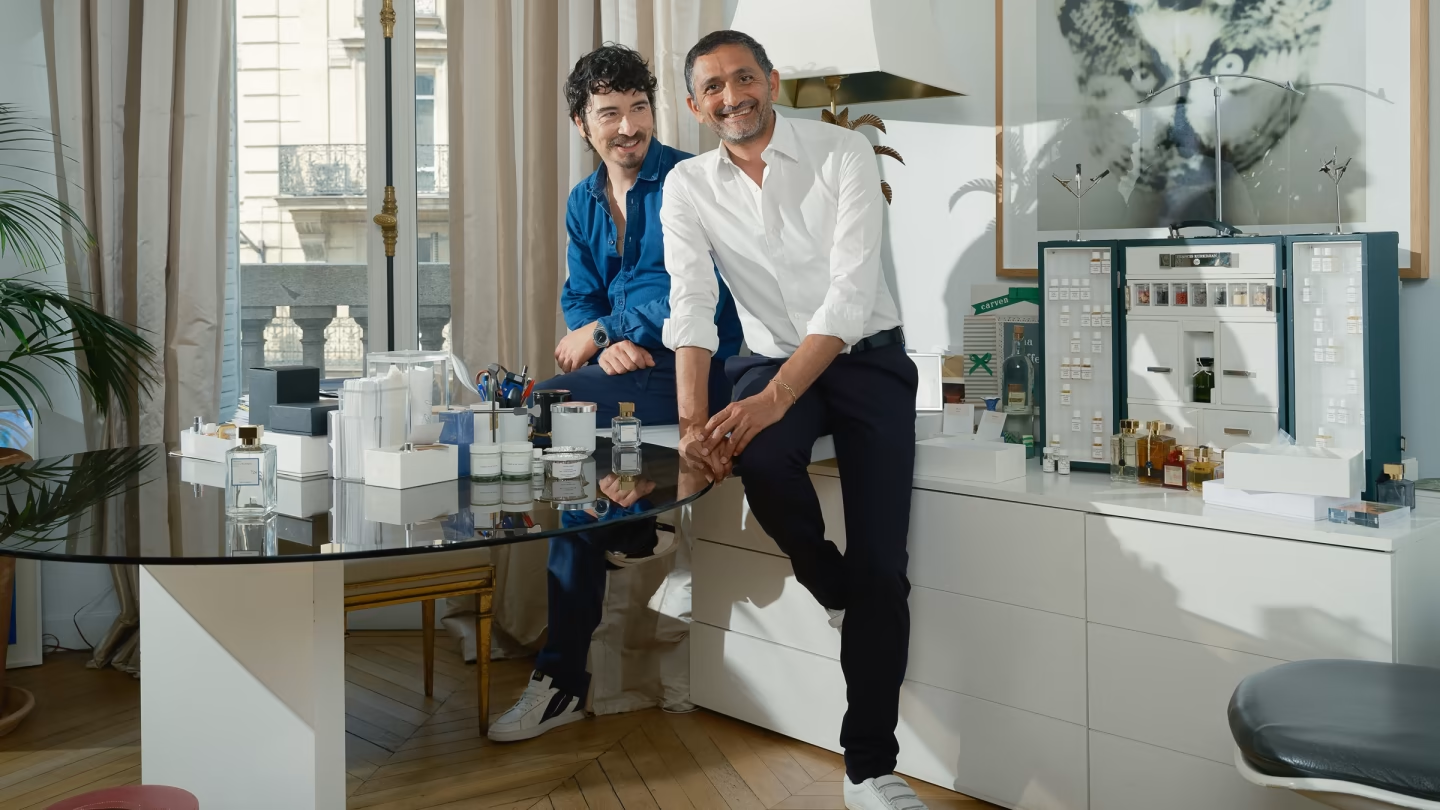
    Luxury perfume brand Maison Francis Kurkdjian, a part of the LVMH group, has recently expanded its retail presence in Hong Kong by inaugurating a new boutique in Harbour City. This store stands as a regional flagship for the brand, supplementing its existing retail outlet located at K11 Musea.

    Boutique Design Inspired by Paris Flagship

    The design of the new Hong Kong outlet echoes the aesthetic of the brand’s principal store at 24, Rue Francois 1er in Paris. A key feature of the Parisian boutique – a private room dedicated to providing premium client experiences – has been incorporated into the design. Furthermore, the Hong Kong store includes unique aspects tailored for the local market, including a hand experience that is exclusive to this location.

    The interior of the store showcases a balanced blend of materials, incorporating Lutetian limestone, marble, patterned concrete, and warm wood tones. In keeping with the brand’s identity, the design includes subtle details like recurring K-shaped motifs and a stone engraving that marks the brand’s establishment in 2009.

    Full Product Range and Customisation

    The Harbour City boutique stocks the complete range of Maison Francis Kurkdjian’s fragrance and body care products. A unique feature of the store is its provision of an engraving service, allowing customers to customise their purchases.

    To celebrate the boutique’s opening, the brand has reintroduced four previously discontinued fragrances under the ‘My Very Intimate Perfumes’ collection. These exclusive scents are available only at the Harbour City store and through the brand’s online platform.

    Increasing Global Presence

    This latest opening, managed directly by the brand, takes the total number of Maison Francis Kurkdjian boutiques around the world to 22. The move is part of a wider strategy to bolster the brand’s international footprint.

    Questions & Answers

    What unique features does the new Maison Francis Kurkdjian store in Hong Kong offer?
    The store offers a unique hand experience and an engraving service for product customisation. These features are specific to the brand’s new Harbour City location.

    What design elements does the Hong Kong store share with the Paris flagship?
    The design of the Hong Kong store is inspired by the brand’s Paris flagship, incorporating a blend of materials such as Lutetian limestone, marble, patterned concrete, and warm wood tones. Recurring K-shaped motifs and a stone engraving marking the brand’s founding in 2009 are also part of the design.

    What products are available in the new store?
    The Harbour City boutique houses the complete range of Maison Francis Kurkdjian’s fragrance and body care products and has reintroduced four previously discontinued fragrances from the ‘My Very Intimate Perfumes’ collection.

  • Shein Group Considers China Relocation For Favorable IPO Conditions In Hong Kong

    Shein Group Considers China Relocation For Favorable IPO Conditions In Hong Kong

    Fast-fashion retailer Shein Group is reportedly mulling over the idea of relocating its headquarters to China. This move is supposedly aimed at gaining approval from Beijing authorities for its proposed Initial Public Offering (IPO) in Hong Kong.

    Relocation for IPO Approval

    Shein Group, which currently has its headquarters in Singapore, is said to be in preliminary discussions with legal advisors about the possibility of setting up a parent company in mainland China. This information, however, has not been confirmed, as the discussions are still in the early stages. There is also no certainty as to whether Shein will proceed with this move.

    Previous Attempts at Listing

    Originally founded in China, Shein Group has spent a considerable amount of time trying to list, first in New York, then in London. The company, however, has met with resistance from politicians in both the US and the UK. These difficulties have been compounded by the inability to secure approval from China’s securities regulator for an offshore IPO, amidst rising tensions between China and the US.

    At present, Shein Group is focusing on getting listed on the Hong Kong stock exchange.

    Questions & Answers

    Where is Shein Group’s current headquarters?
    Shein Group’s headquarters is currently located in Singapore.

    Where is Shein Group planning to list its IPO?
    Shein Group is planning to list its IPO in Hong Kong.

    What challenges has Shein Group faced in its previous attempts at listing?
    Shein Group has faced criticism from politicians in the US and UK during its previous attempts at listing in New York and London, respectively. The company has also struggled to get approval from China’s securities regulator for an offshore IPO.

  • Hong Kong’s Counterfeit Crackdown Seizes $5.6M in Fake Rolex, Hermès, and Louis Vuitton Merchandise

    Hong Kong’s Counterfeit Crackdown Seizes $5.6M in Fake Rolex, Hermès, and Louis Vuitton Merchandise

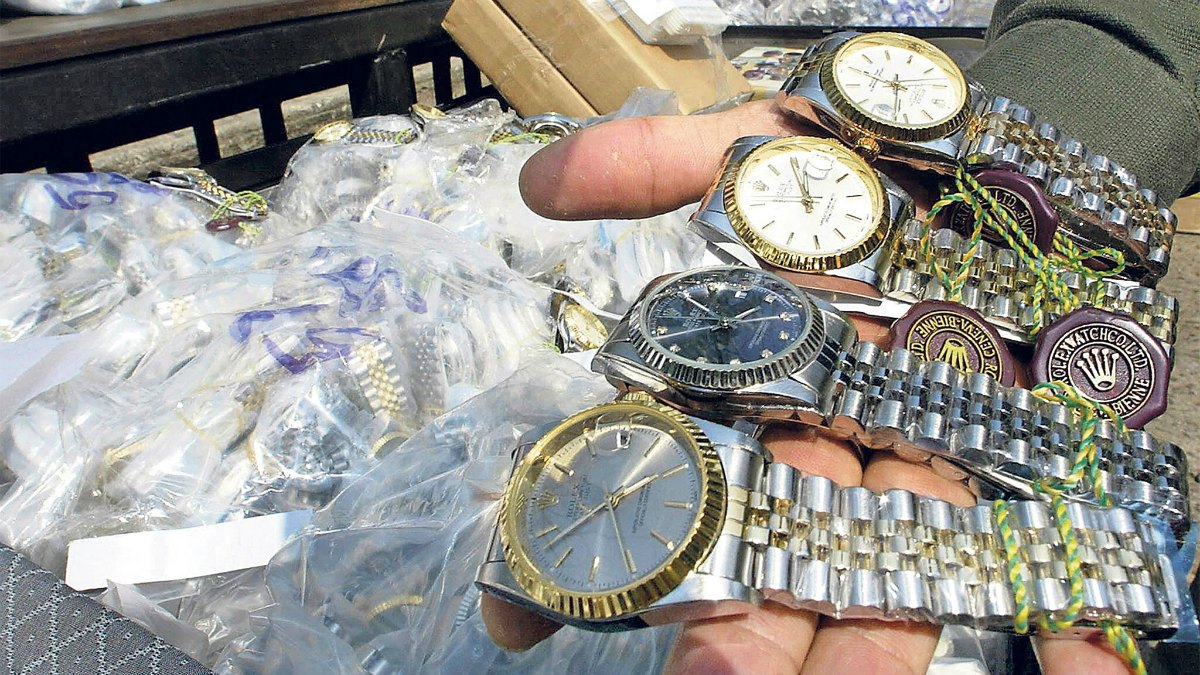
    In a remarkable crackdown, Hong Kong authorities recently seized 67,000 counterfeit items, valued at HK$44 million (approximately US$5.6 million), including luxury brands such as Hermes, Louis Vuitton, and Rolex.

    The confiscated goods ranged from handbags and shoes to watches, with notable brands like Chanel, Gucci, and Patek Philippe also making the list, as reported by the South China Morning Post. The Hong Kong Customs and Excise Department revealed the details of the operation on Thursday.

    The operation, conducted between July 18 and 31, was a coordinated effort with authorities in mainland China and Macao aimed at addressing the growing issue of cross-boundary counterfeit trafficking. This initiative specifically targeted smuggling networks responsible for moving fake products not just within Asia but also towards markets in the U.S. and Europe.

    In Hong Kong, the penalties for importing or exporting goods with forged trademarks are severe. Offending parties can face up to five years in prison and fines reaching HK$500,000. It’s a stark reminder that the city is serious about maintaining its reputation as a hub of authenticity.

    This operation aligns with China’s larger strategy to combat counterfeiting. In related news, authorities seized over 40,000 fake items last month, including products featuring “Labubu,” a beloved character from toymaker Pop Mart. Such efforts underscore a significant shift in China’s approach to intellectual property protection at its borders, as articulated by Zhang Yi, CEO of iiMedia Research Institute.

    Questions & Answers

    What types of counterfeit items were seized in Hong Kong’s recent operation?
    The seized items included luxury handbags, shoes, watches, and goods from brands such as Hermes, Louis Vuitton, Chanel, Gucci, and Patek Philippe.

    How did the operation address cross-border counterfeit trafficking?
    The operation, which spanned Hong Kong, mainland China, and Macao, targeted smuggling networks moving counterfeit goods to various global markets, including the U.S. and Europe.

    What are the legal consequences of importing or exporting counterfeit goods in Hong Kong?
    Violators in Hong Kong face severe penalties, including potential imprisonment for up to five years and fines up to HK$500,000.