Tag: Hong Kong

  • Hong Kong Airport Opens Revamped Terminal 2 to Boost Passenger Capacity

    Hong Kong Airport Opens Revamped Terminal 2 to Boost Passenger Capacity

    Hong Kong International Airport has opened its revamped Terminal 2, shifting 15 regional airlines into the upgraded facility as part of a three-runway expansion targeting 120 million passengers annually.

    The three-runway system, which launched in November 2024, expands the hub’s overall passenger throughput by 50 per cent.

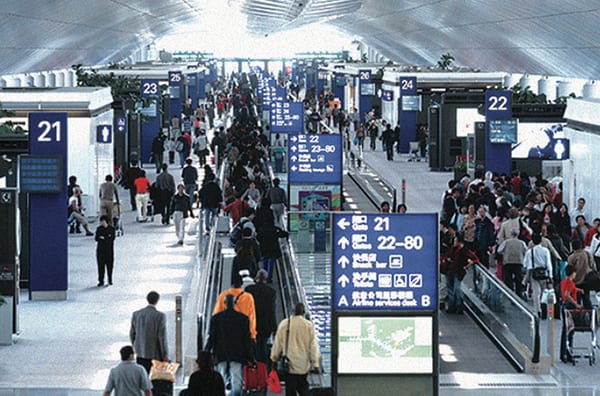
    Terminal 2 targets regional passenger traffic with 24-hour retail and dining outlets, five canopy-covered vehicle drop-off lanes, and automated processing systems. The Airport Authority Hong Kong designed proprietary self bag-drop kiosks fitted with 10 artificial intelligence cameras, cutting luggage check-in times to 45 seconds on ultra-low conveyor platforms.

    Automated Security and Regional Flight Routing

    Operational changes cut curb-to-gate transit times below 20 minutes. Facial recognition hardware replaces manual passport and boarding pass inspections at every security checkpoint, allowing carry-on passengers to pass from taxi drop-off to the restricted airside zone in two and a half minutes.

    Centering security gates in the departure hall keeps passenger flow direct, according to Steven Yiu Siu-chung, executive director of airport operations at Airport Authority Hong Kong. Architectural changes include a feather-shaped roof resting on slender inclined columns designed by engineering head Tommy Leung King-yin to maximize natural lighting over departure halls.

    Aviation Retail Footprint Across Greater Bay Area

    Airport operators across Asia are rebuilding commercial terminals to capture regional business travel and transit retail spend. Singapore Changi and Seoul Incheon have steadily expanded duty-free footprints and biometric automation, raising the benchmark for transit speed and non-aeronautical revenue generation across East Asian hubs.

    Hong Kong airport management is tracking passenger processing volumes across the 15 relocated carriers as flight frequencies ramp up toward the 120 million annual passenger threshold.

  • Hong Kong Luxury Homeowners Take Steep Cuts as Bel-Air House Sells for HK$138 Million

    Hong Kong Luxury Homeowners Take Steep Cuts as Bel-Air House Sells for HK$138 Million

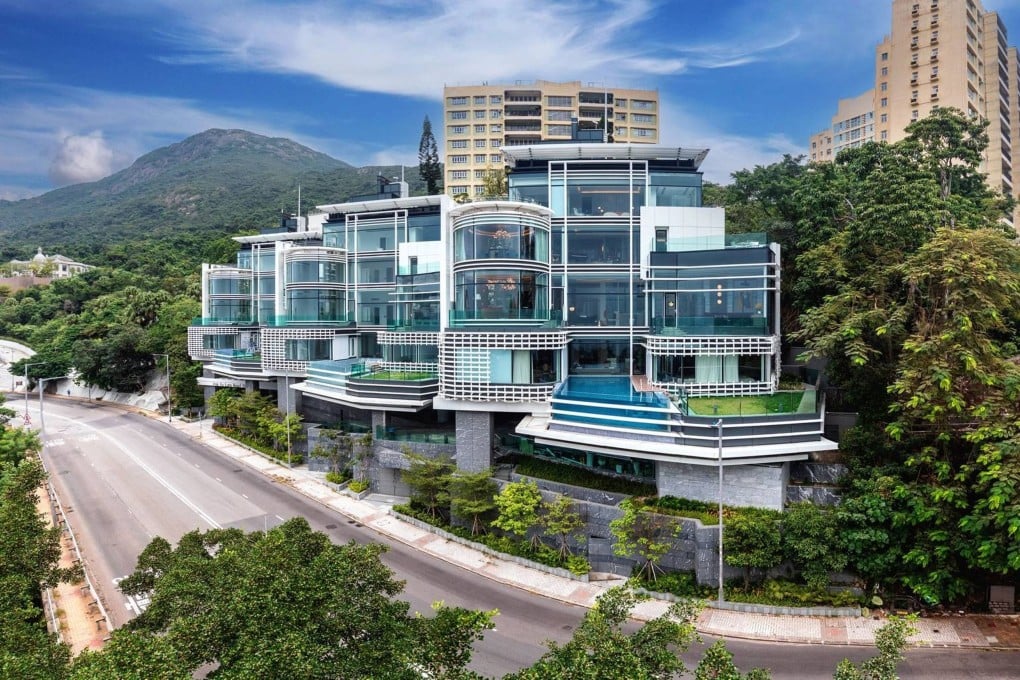
    Hong Kong luxury property owners are accepting deep price cuts to exit holdings, led by a Bel-Air house that sold at a HK$37 million loss. The Pok Fu Lam property changed hands for HK$138 million (US$17.6 million).

    Former owner Shie Thomas bought the 3,792-square-foot house for HK$175 million in 2018. The latest transaction represents a 21 per cent decline in value over the eight-year holding period.

    Discounts in Pok Fu Lam

    The transaction highlights the gap opening across Hong Kong’s prime residential districts between vendor expectations and buyer liquidity. While high-net-worth buyers continue to look for trophy assets, they now demand sharp markdowns from peak valuations before committing capital.

    Sellers facing financing costs or cash requirements elsewhere in their portfolios have proved willing to meet those lower bids. The Bel-Air development has historically served as a benchmark for southern district luxury pricing, making the HK$37 million haircut a clear reference point for secondary negotiations across the area.

    Pressured sellers and selective capital

    Previous downturns in the city saw wealthy owners hold prime assets off the market rather than crystallise capital losses. Current conditions tell a different story: holding costs and shifting private balance sheets are pushing more owners to take clean exits.

    Market watchers are tracking whether secondary luxury transaction volumes rise as pricing levels reset toward HK$36,000 per square foot in Southern District enclaves.

  • JD.com and Sino Land Win $2.1B Northern Metropolis Hub in Hong Kong

    JD.com and Sino Land Win $2.1B Northern Metropolis Hub in Hong Kong

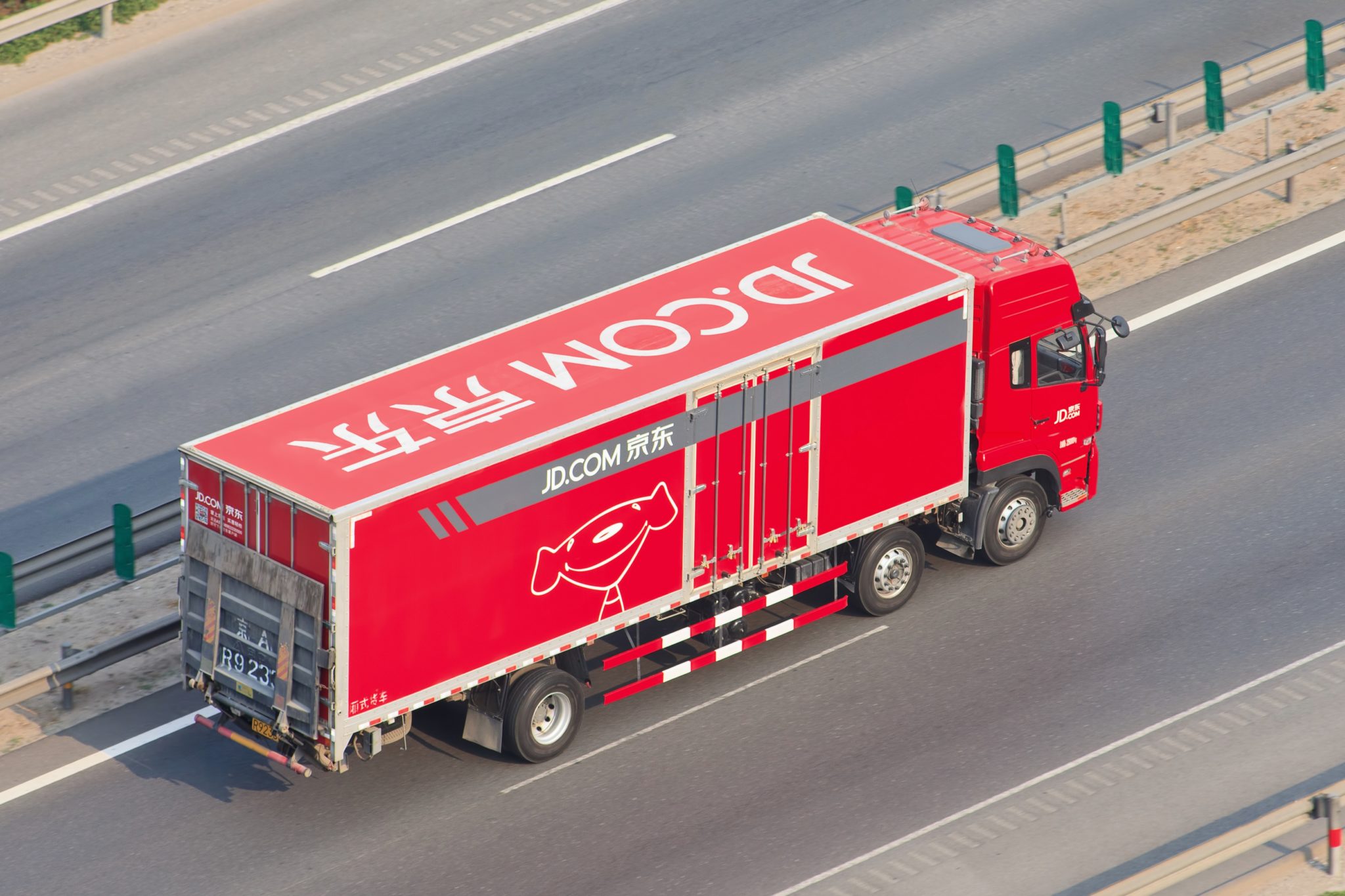
    A consortium led by JD.com and Sino Land won the tender for an 11-hectare Northern Metropolis development site in Hong Kong with expected total investment of HK$16.8 billion ($2.1 billion). The group beat Henderson Land Development with a HK$1.03 billion land bid evaluated under a two-envelope system.

    Hong Kong authorities awarded the 50-year grant for three residential parcels and a dedicated technology park site in the Hung Shui Kiu-Ha Tsuen New Development Area. The residential plots will yield more than 3,000 homes, while the tech site provides 50,950 square metres of gross floor area.

    Logistics hub and residential split

    Four mainland developers joined JD.com and Sino Land in the winning group: China Overseas Land & Investment, China Merchants Land, China Resources Land (Overseas) and CTG Investment. The government weighted non-price technical criteria at 70 percent and price at 30 percent, assessing anchor tenant commitments, development speed and employment generation.

    Sino Land and its partners will construct an intelligent logistics centre on the commercial parcel, with JD serving as the anchor tenant. The tender conditions require the consortium to bring at least 15,300 square metres of gross floor area into operation within 55 months. The group must also complete site formation works for three government plots intended for public facilities.

    Expanding footprint across Hong Kong

    The land tender cements a fast physical build-out by Beijing-based JD across Hong Kong assets. The group bought grocery chain Kai Bo Food Supermarket last August to gain direct neighbourhood retail access. In December, it agreed to buy a 50 percent stake in Central’s China Construction Bank Tower from Lai Sun for HK$3.5 billion to house its local headquarters, followed by a HK$750 million purchase of the Silka Seaview Hotel in Kowloon for student accommodation.

    By securing industrial land directly adjacent to the mainland border, Chinese e-commerce operators are shifting from leasing third-party warehouses in the territory to developing dedicated automated cross-border fulfilment infrastructure. The project now enters detailed planning, with the 55-month countdown starting for delivery of the first automated supply chain space.

  • Loft Returns to Hong Kong with 3,500-Product Pop-Up at Moko

    Loft Returns to Hong Kong with 3,500-Product Pop-Up at Moko

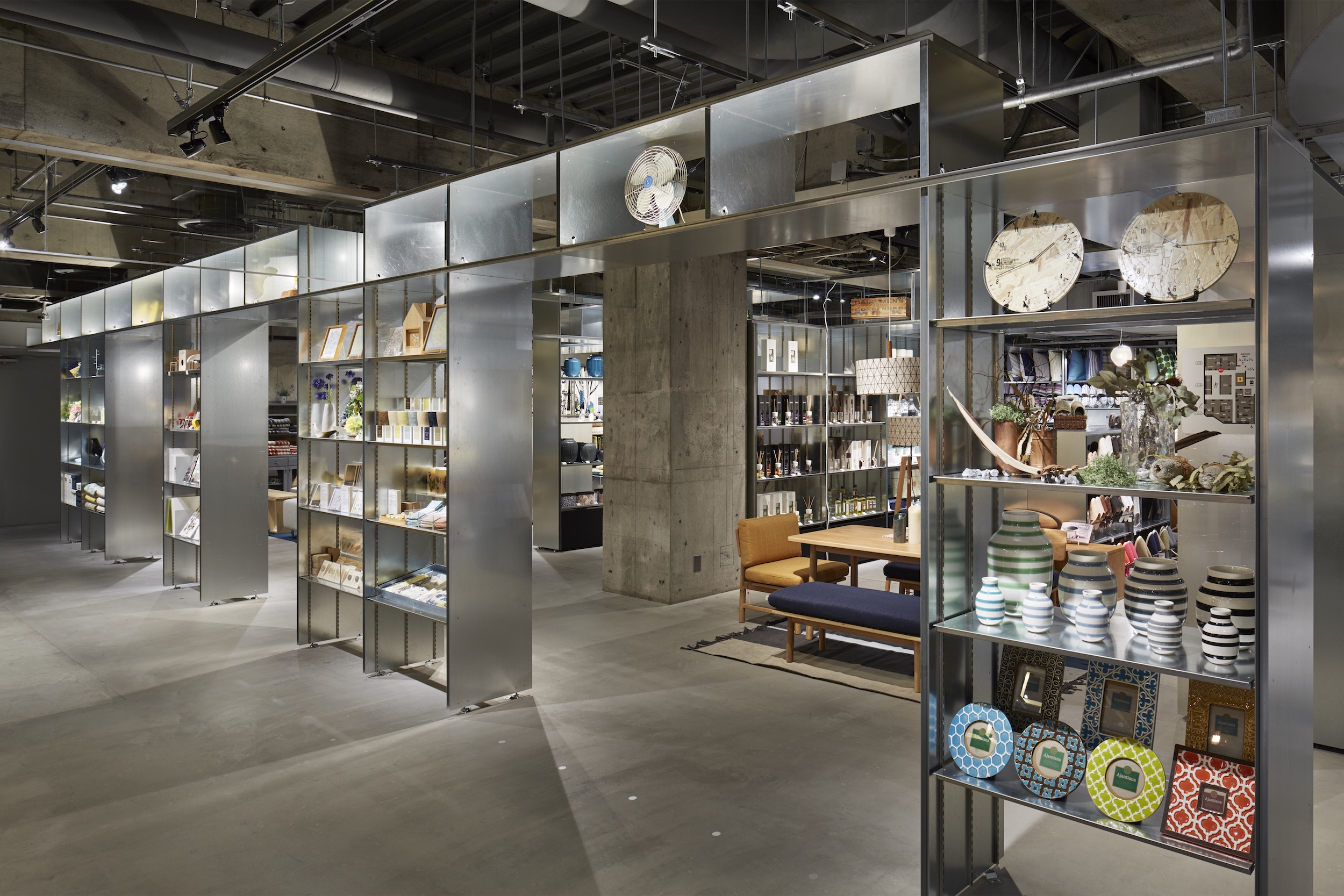
    Japanese lifestyle chain Loft returned to Hong Kong on August 22, opening a 3,500-product pop-up store at the Moko shopping mall in Mong Kok.

    The one-year temporary location is run by local retail operator Yaichi under a pricing model pegged directly to Japanese domestic rates. The store carries inventory across stationery, cosmetics, homeware, gifts and seasonal items, reviving the Japanese brand’s presence in the territory following an earlier exit.

    Merchandise lineup and price matching

    Yaichi built the retail concept around a Japan Price Match guarantee to counter gray-market importers and cross-border shopping. The outlet stocks exclusive items including the Loft Limited Tote Bag, B-Side Label vinyl stickers, and beauty lines such as Vim Beauty, a cosmetics label developed by Japanese creator Marilyn.

    Alongside shelf pricing, the operator rolled out a dedicated membership tier called Yaichi Loft Tomo. The programme offers members discounted pricing and promotional perks during the pop-up’s stay at the Sun Hung Kai Properties-owned retail complex.

    Testing demand through local franchise partners

    Japanese variety and lifestyle chains have adjusted their overseas playbooks across Greater China, using franchise and distribution partners rather than heavy direct capital investments. Loft previously opened its first direct flagship in Shanghai in mid-2020, but the Hong Kong format relies entirely on Yaichi to manage local stock and lease commitments.

    The Moko pop-up is scheduled to trade through August 2027, giving the brand a 12-month window to gauge consumer response before committing to permanent standalone stores in the city.

  • Shein Heads to Hong Kong Listing as Dual-Class Shares Draw Scrutiny

    Shein Heads to Hong Kong Listing as Dual-Class Shares Draw Scrutiny

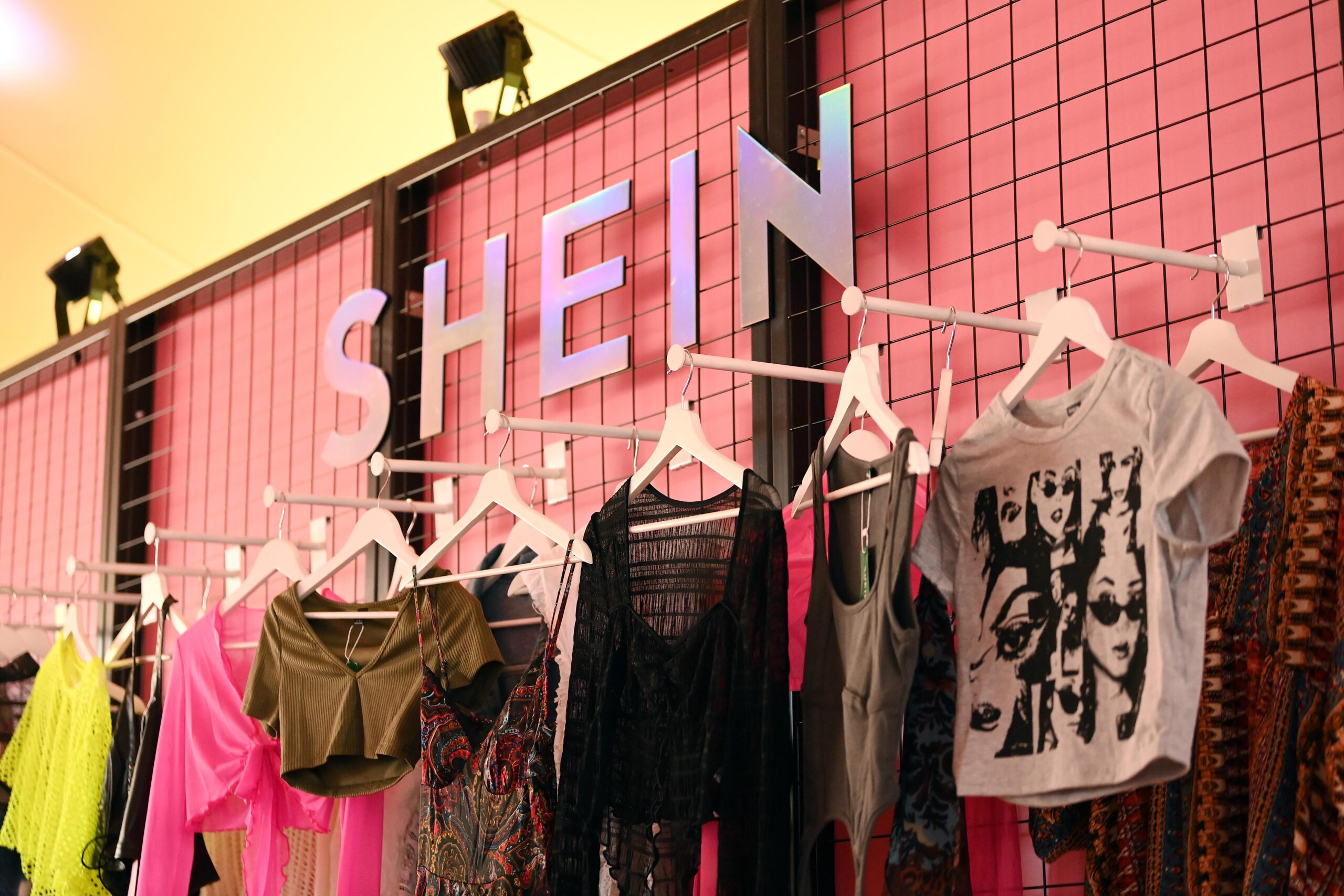
    Shein is preparing to list its shares in Hong Kong next month, five years after beginning its initial public offering push across Western exchanges.

    The online fast-fashion giant generated $41.8 billion in annual sales last year, but its listing filing shows four co-founders will retain 90 per cent of voting power through a dual-class share structure.

    Under that arrangement, class A shares carry 10 votes each compared to a single vote for class B shares. The founders hold 59.6 per cent of total equity without a fixed expiry on their voting control. Shein also combines the positions of chief executive and chairman, with its four founders occupying board seats while only three of seven directors are independent.

    Emissions and Supply Chain Audits

    Regulators in Europe and the United States continue active investigations into the retailer. The European Commission and the US Federal Trade Commission are examining its operations following prior penalties in France over discount pricing and in Italy over environmental marketing claims.

    Shein expanded its annual sustainability report to 118 pages last year, up from 28 pages in 2021, and formed an external advisory board to address oversight concerns. Audits graded 53 per cent of its suppliers in the top tier in 2025, an increase from 47 per cent in 2024.

    Environmental data filed by the company showed greenhouse gas emissions roughly double those of Zara parent Inditex in 2025. Inditex posted revenue of €39.9 billion ($46.54 billion) during the same period, while Shein churned out 4,700 new styles per day across a catalogue topping 2 million garments.

    Cross-Border Scrutiny Mounts

    Cross-border e-commerce platforms operating out of Asia face stiffening enforcement in Western markets. The European Commission recently levied fines of €550 million on Alibaba unit AliExpress and €200 million on PDD Holdings unit Temu over product compliance.

    For retailers across the region, Shein’s listing marks a shift away from New York and London toward Asian capital markets after political pushback. Yet the heavy concentration of founder control tests how institutional investors value ultra-fast supply chains against governance standards.

    The retailer now heads into investor roadshows ahead of the Hong Kong trading debut scheduled for next month.

  • Hong Kong Study Links Frequent Fast Food Intake to Depression Risk in Young Adults

    Hong Kong Study Links Frequent Fast Food Intake to Depression Risk in Young Adults

    Hong Kong young adults who consume fast food frequently face higher rates of depression and anxiety symptoms, according to a 142-person university study published in Nutrients.

    Depressive symptoms in the city already stand at 34 per cent and anxiety at 31 per cent, outpacing global averages. The findings arrive as quick-service restaurant chains continue to rely on youth footfall in high-density commercial districts across the territory.

    Burgers, Fries and Bubble Tea

    Researchers at the HKU School of Professional and Continuing Education and Hong Kong University tracked participants aged 18 to 27 using a 22-item food frequency questionnaire. The team split subjects into high- and low-intake brackets to evaluate how specific menu choices correlated with psychological outcomes.

    Four menu staples showed the strongest links to mental distress: beef burgers, French fries, fried chicken, and sweetened bubble tea. Each carries elevated levels of saturated fat, sodium, or added sugar.

    Sugar-free beverages showed the opposite effect. Regular consumption of unsweetened tea correlated with lower reported rates of depressive symptoms, pointing to potential protective dietary properties.

    Nutritional Imbalance and City Pressures

    High property costs and tight living spaces push many young Hong Kong workers toward cheap, calorie-dense convenience meals. Fast-food operators have built substantial market share around these budget constraints, offering rapid service at price points traditional sit-down restaurants struggle to match.

    Nutritional shortfalls compound the problem. Diets heavy in processed fats and refined sugars trigger systemic inflammation and disrupt gut health, which researchers associate with impaired neurotransmitter production.

    For food chains across East Asia, shifting consumer scrutiny toward mental wellness creates new menu hurdles. Brands that expanded aggressively across Hong Kong with high-sugar milk teas and deep-fried combos face growing pressure to formulate lower-sodium and zero-sugar alternatives.

    The research team called for larger longitudinal studies to track dietary impacts over multi-year periods as public health bodies evaluate targeted dietary advisories for young consumers.

  • Maxim’s Overhauls Brand Strategy to Win Younger Asian Consumers

    Maxim’s Overhauls Brand Strategy to Win Younger Asian Consumers

    Maxim’s Food Group is overhauling its branded product strategy across Hong Kong and regional markets to target Gen Z consumers over the next 15 years. The initiative focuses on core festival sales periods, including Mid-Autumn Festival, Chinese New Year and the Dragon Boat Festival, where younger shoppers show shifting buying habits.

    Carmen Chiu, director of branded products at the Hong Kong-headquartered food and restaurant group, is leading the transformation. Chiu previously directed brand expansion for Godiva across Asia between 2012 and 2019, scaling the chocolatier from 30 stores to an opening rate of roughly one new shop per week across Mainland China and the wider region.

    The 80-20 Localization Rule

    Chiu runs brand adaptation on an explicit ratio: 80 percent global brand consistency in look, packaging and tone, with 20 percent dedicated to local market adjustments. At Godiva, low per-capita chocolate consumption across Asia forced a pivot from boxed gift sales into in-store cafes and soft-serve ice cream to build direct trial.

    A similar playbook governed Chiu’s regional rollout at British retailer Fortnum & Mason. The 315-year-old grocer adjusted tea storytelling and fine-tuned product recipes, altering sweetness and saltiness levels to match local palates while keeping core British store aesthetics intact.

    Preserving Festival Demand for Gen Z

    Heritage food brands across East Asia face an aging buyer base as legacy gifting habits weaken among younger demographics. Maxim’s relies heavily on seasonal bakery and gift box lines, where older cohorts remain loyal but younger consumers demand digital engagement and faster product iteration.

    Maxim’s is now testing new product segmentation, alternate distribution channels, and social media touchpoints integrated with artificial intelligence tools. The next phase will measure how these packaging and channel changes perform across Hong Kong retail shelves during upcoming seasonal festival cycles.

  • Asian Markets Mixed Amid US Economic Worries, Retail Sales Dip

    Asian Markets Mixed Amid US Economic Worries, Retail Sales Dip

    Asian stock markets exhibited mixed performance on Monday following a downturn on Wall Street. Investors are currently weighing new economic data that suggests a potential weakening in the world’s leading economy, thereby tempering expectations for an immediate US interest rate hike.

    Last week, anticipation that the Federal Reserve might not increase policy rates next month had bolstered equities, with the S&P 500 and Nasdaq reaching record highs. This sentiment was driven by reports indicating a softening labor market and easing inflation, despite it remaining above target levels. However, recent figures have raised questions about the economy’s underlying health, prompting market observers to advise caution.

    US Economic Concerns Shift Market Focus

    Retail sales in the US declined by 0.6 percent month-on-month in July, marking the poorest performance in over a year. Concurrently, consumer sentiment plummeted as households, grappling with the economic impact of President Donald Trump’s Iran conflict, curtailed spending and anticipated higher inflation. According to Fawad Razaqzada at Forex.com, payroll data earlier in the month, coupled with inflation figures, softer retail sales, and weaker consumer sentiment, collectively suggest a loss of momentum in the US economy. This reinforces expectations that the Federal Reserve might maintain current rates in September, with traders now assigning a one-in-four probability of a hike, down from 50:50 last week.

    This week, market attention will turn to the release of earnings reports from prominent retail companies such as Walmart, Home Depot, and Target. These results are expected to provide clearer insights into the prevailing consumer sentiment, which is critical for understanding future retail trends. For companies operating across Asia, tracking these shifts in consumer behavior and market confidence is essential for strategic planning and investment. RetailNews Asia has been monitoring how similar pressures on discretionary spending, whether from geopolitical events or inflationary environments, often ripple through regional markets, influencing consumer brand strategies and investment in the retail sector.

    Asian Tech Sector Resilient Amid Regional Swings

    Despite mounting worries about the US economy, investors in Asia are currently maintaining a more optimistic outlook, particularly with technology firms showing signs of recovery after July’s sell-off. Hong Kong saw gains driven by tech giants including Alibaba, Tencent, and JD.com, while Shanghai and Taipei also recorded increases. Tokyo’s market remained largely flat, though chipmaker Kioxia gained over five percent, and SoftBank, Advantest, and Tokyo Electron added between 1.3 and two percent. Japan’s economic growth falling short of forecasts in the second quarter appeared to have minimal immediate market reaction.

    Conversely, markets in Sydney, Singapore, Wellington, and Manila experienced slight declines. The US dollar continued to weaken against other currencies, extending losses from Friday, which were a direct consequence of the latest economic data. Meanwhile, oil prices extended their one-percent gains from Friday, fueled by ongoing tensions between the US and Iran over the Strait of Hormuz. The prolonged standoff suggests that elevated oil prices, potentially contributing to inflationary pressures, could persist.

  • China Launches Offshore Government Bond Futures to Boost Yuan Usage

    China Launches Offshore Government Bond Futures to Boost Yuan Usage

    China has initiated offshore trading in government bond futures from Hong Kong, a pivotal step in its ongoing efforts to internationalise the yuan. This new financial instrument is expected to enhance the currency’s appeal by offering improved stability and hedging capabilities, particularly to investors outside Western markets.

    Expanding Yuan’s International Reach

    The introduction of offshore government bond futures is part of China’s broader strategy to gradually open its financial system to foreign participation. By providing more avenues for investors to engage with yuan-denominated assets, Beijing aims to bolster the currency’s global standing and reduce reliance on other major currencies for trade and investment.

    This development follows a series of measures designed to integrate China’s markets with the global financial system. Recent years have seen increased foreign investment in Chinese bonds and stocks through various connect schemes with Hong Kong, fostering a more accessible environment for international capital. The new futures contracts offer an additional layer of sophistication for portfolio management, enabling investors to mitigate interest rate risks associated with Chinese government debt.

    Implications for Asian Markets

    For retailers, consumer brands, and technology companies operating across Asia, a more widely used and stable yuan could simplify cross-border transactions and investments. As trade flows within the Asia-Pacific region continue to grow, a stronger international yuan provides an alternative to traditional reserve currencies, potentially reducing foreign exchange volatility for businesses with significant exposure to the Chinese market.

    RetailNews Asia has been tracking China’s deliberate steps to expand its financial influence, including the increasing issuance of yuan-denominated bonds by other nations and the growth of ‘panda bonds’ within its domestic market. This latest move with offshore bond futures reinforces China’s ambition to position the yuan as a major currency for global finance and trade, impacting how businesses structure their financial operations across the region.

  • 7-Eleven Unveils First Concept Store in Macau, Emphasizing Experiential Retail

    7-Eleven Unveils First Concept Store in Macau, Emphasizing Experiential Retail

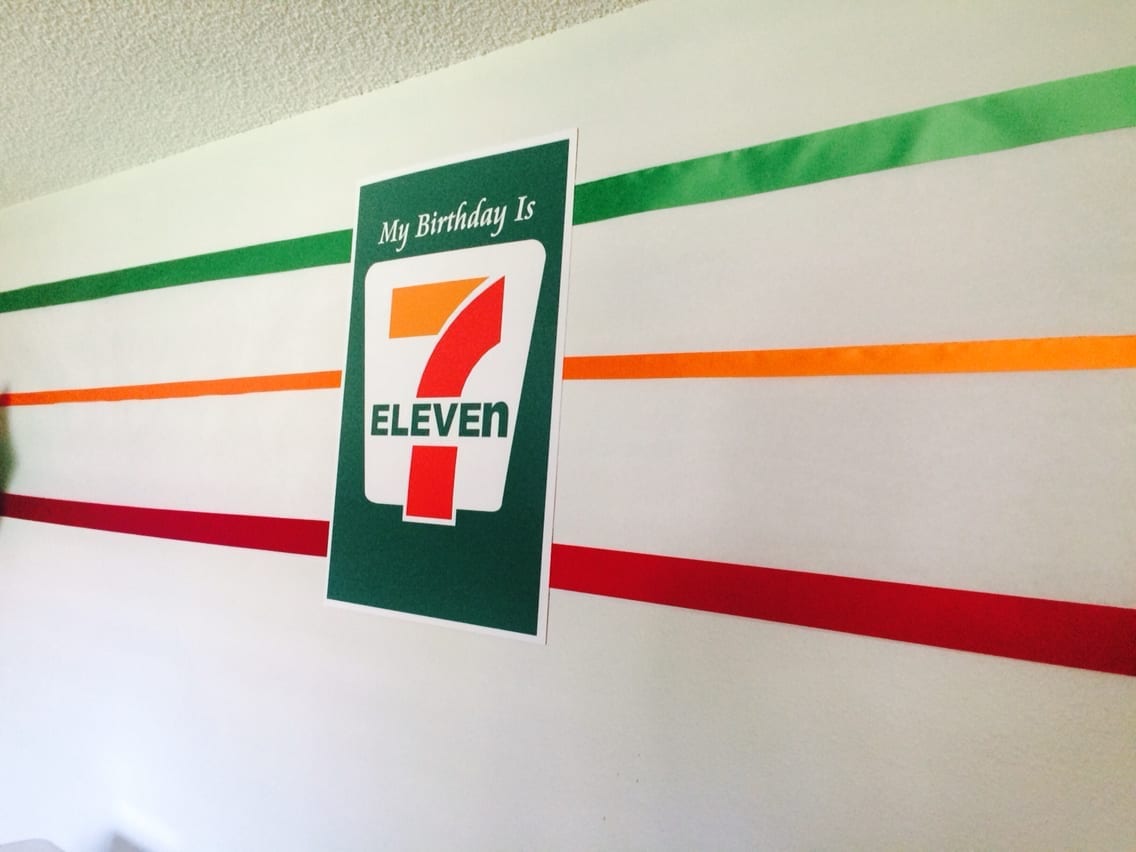
    7-Eleven has opened its first concept store in Macau, bringing an experience-focused retail format that combines a broader shopping experience with traditional convenience offerings. This expansion follows similar successful concept store launches by the brand in Hong Kong and signals a strategic move to differentiate its presence in the region.

    The new Macau store aims to serve both residents and visitors, positioning itself as a destination for exploring trend culture, unique products, and diverse food options. RetailNews Asia has observed a growing trend among convenience store operators in Asia to evolve their formats, moving beyond basic transactions to offer enhanced consumer experiences, particularly in competitive urban markets.

    Expanding The Retail Experience

    The new 7-Eleven outlet is structured around three core pillars: an innovative retail design, an exploratory shopping journey, and an expanded selection of ready-to-eat food. Its product mix includes a variety of trendy toys, collectibles, and specialty items, alongside the usual food and beverages.

    The store features 7-Eleven’s signature green tones, complemented by soft, natural lighting. An open layout is created by shelving positioned along both side walls, designed to guide customers through different product zones. This deliberate design aims to encourage discovery and longer dwell times.

    Specialty Products And Food Offerings

    A key highlight of the Macau concept store is a dedicated section for collectibles and blind boxes. This zone shows collectible toys, trading cards, and trending accessories, including popular brands like Beyblade X, JOGUMAN, and Sanrio blind boxes. The store also carries exclusive items such as the “7-Eleven meets niko and …” collaboration collection. Also, it will launch Macau-themed clicker toys styled after mahjong tiles, with plans to introduce limited-edition products periodically.

    The food and beverage selection includes 7CAFÉ and Tsat Jai Sik Dong, offering local favorites such as siu mai, fish balls, stirred noodles, and milk tea. Patrick Lui, managing director of 7-Eleven Hong Kong & Macau, indicated that the company sees significant potential in Macau for this elevated retail approach. This strategy mirrors 7-Eleven’s earlier concept store openings in Causeway Bay, Kai Tak, and Tseung Kwan O, which have successfully established themselves as neighborhood attractions.

  • New Home for Luxury: Van Cleef & Arpels Unveils Stunning Alexandra House Boutique in Hong Kong

    New Home for Luxury: Van Cleef & Arpels Unveils Stunning Alexandra House Boutique in Hong Kong

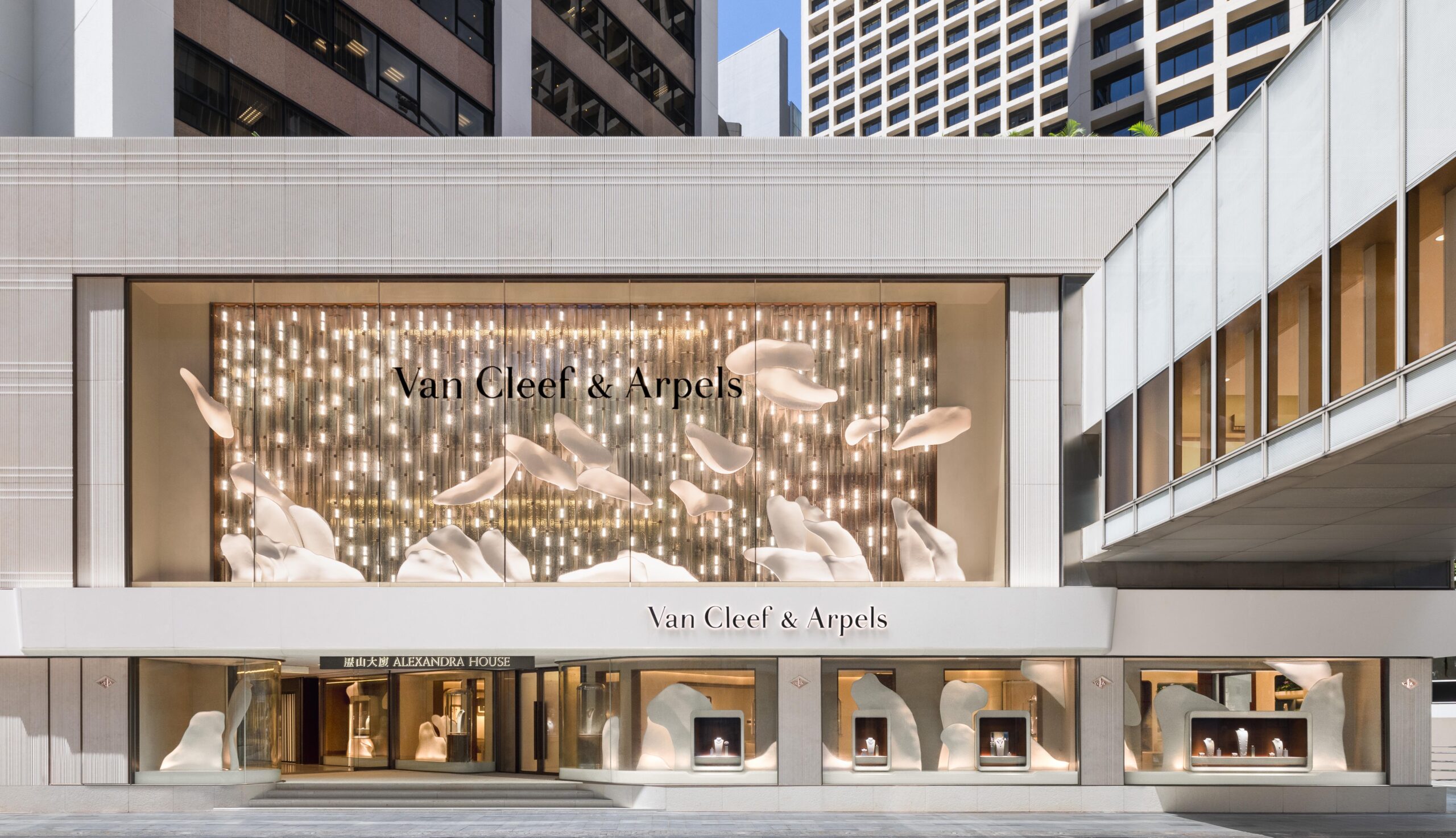
    Van Cleef & Arpels, a luxury French jewelry, watch, and perfume company, has recently relocated its Hong Kong boutique from Landmark Prince’s to Alexandra House. The new two-story space spans an expansive 564 square meters and is a marvelous blend of nature and architecture, designed by the acclaimed Studio Jouin Manku.

    The Interior Design

    Upon entering the boutique, visitors are welcomed by an oak-paneled circular room on the ground floor. The centerpiece is a grand staircase, masterfully crafted from light limestone and oak. Display cases and glass columns feature the maison’s exquisite High Jewelry, Jewelry, and Watchmaking collections. A dedicated heritage room, which will host four exhibitions each year, is also located on the ground floor.

    The upper floor houses salons dedicated to watchmaking, fragrance, and private appointments. The watchmaking salon boasts a relaxing palette of midnight blue, beige, and wood tones. The fragrance salon, inspired by traditional perfume organs, showcases the Collection Extraordinaire in alcoves.

    Unique Features of the Boutique

    Unique to this boutique is a tea ceremony space, featuring rose-coloured stone derived from locally sourced mineral powder. This innovative element is a result of research conducted in collaboration with L’École, School of Jewellery Arts, in Hong Kong.

    A well-crafted event space at the foot of the central staircase is designed to host a variety of occasions. The ceiling of the event space showcases a pattern inspired by the white petal motifs on the boutique’s façade, and is hand-embroidered entirely by French artisans.

    Van Cleef & Arpels has been a fixture in Hong Kong since 1981 when Jacques Arpels initiated the opening of the brand’s first boutiques in the city.

    Questions & Answers

    When did Van Cleef & Arpels first establish its presence in Hong Kong?
    Van Cleef & Arpels first entered the Hong Kong market in 1981.

    What are some unique design elements of the new boutique?
    Some unique design elements include a tea ceremony space featuring locally sourced rose-coloured stone, a heritage room for exhibitions, and the ceiling of the event space which showcases a white petal motif hand-embroidered by French artisans.

    Which collections are showcased in the new boutique?
    The new boutique showcases the maison’s High Jewelry, Jewelry, and Watchmaking collections, as well as the Collection Extraordinaire in the fragrance salon.

  • Fast-fashion Giant Shein Eyes Hong Kong IPO Amid Revenue Challenges, Targeting $30-$40 Billion Valuation

    Fast-fashion Giant Shein Eyes Hong Kong IPO Amid Revenue Challenges, Targeting $30-$40 Billion Valuation

    Fast-fashion online retailer Shein is preparing to debut its Initial Public Offering (IPO) in Hong Kong as early as next Wednesday, according to individuals privy to the matter.

    The Singapore-based enterprise has engaged in marketing its share offering to potential investors this week, per a source who is familiar with these marketing strategies. When approached for a comment, Shein chose not to respond immediately.

    In its projected IPO, Shein is aiming for a valuation within the range of US$30 billion to $40 billion.

    Facing Market Challenges

    The much-anticipated IPO comes amidst a backdrop of toughening market conditions, including decelerating revenue growth and weaker core earnings, both of which are impacting Shein’s business operations. There are also concerns that its swift expansion may be hitting obstacles due to rising trade costs, increased regulatory scrutiny, and growing competition in the global e-commerce sector.

    Renowned for selling affordable clothing items such as $5 dresses and $10 jeans to customers in approximately 160 nations, Shein reported a quarterly loss of $99 million after the US retracted an import duty exemption on small parcels, in addition to a $328 million fair-value charge on convertible redeemable preferred shares due to an accounting change.

    Discrepancy in Valuation

    The valuation target set by the company for the IPO marks a significant shift from preceding private fundraising rounds which pegged Shein at $98.2 billion in 2022. However, this value declined to $64 billion in 2023 and April 2024.

    Questions & Answers

    What is Shein’s targeted valuation for its IPO?
    Shein is aiming for a valuation between US$30 billion and $40 billion for its IPO.

    What factors have led to concerns about Shein’s rapid expansion?
    Rising trade costs, increased regulatory scrutiny, and growing competition in the global e-commerce sector have raised concerns about Shein’s quick growth.

    What changes in Shein’s valuation have been observed in recent years?
    Shein was valued at $98.2 billion in 2022 in private fundraising rounds, but this figure fell to $64 billion in 2023 and April 2024.

  • McDonalds Bags Premium Prices for Half of Its Hong Kong Properties Amidst Retail Downturn

    McDonalds Bags Premium Prices for Half of Its Hong Kong Properties Amidst Retail Downturn

    Despite the overall downturn in Hong Kong’s retail market, fast-food conglomerate McDonald’s has successfully managed to sell close to half of its 23 retail properties in the city at premium rates. The selling spree initiated in July of the previous year, in collaboration with property consulting firm JLL, has seen the fast-food giant yield approximately HKD 900 million (US$703 million) from the sale of 11 properties.

    Investor Interest in Prime Retail Real Estate

    Eunice Tang, JLL’s executive director of capital markets, has been overseeing the sale of six McDonald’s outlets. Tang elaborated that while the overall retail real estate market, particularly for properties valued above HKD 50 million, has been sluggish, these prime-located assets backed by a blue-chip tenant like McDonald’s have managed to pique the interest of high-net-worth buyers.

    As a part of its strategy, McDonald’s plans to sell all its 23 retail spaces, cumulatively valued at HKD 3 billion. However, the company intends to continue operations in these locations as tenants post their sale, ensuring no disruption to its citywide operations. Remarkably, McDonald’s has a network of 256 outlets in Hong Kong, many of which operate from rented spaces.

    The pace of sales, given the prevailing recession in Hong Kong’s retail real estate sector, is noteworthy. While McDonald’s continues to amass substantial gains over its historical purchase costs, other shops are being sold at rates 30% lower than their peak valuations or original asking prices.

    McDonald’s Sale & Lease-Back Agreements

    The McDonald’s outlets have been sold via sale-and-lease-back agreements, enabling the fast-food giant to continue operations under leases of up to 20 years. Most properties offer rental yields of over 6%, providing investors with steady income even as rents and capital values remain under pressure in the wider market.

    High-net-worth individuals, family offices, and seasoned private investors, including local investor Ng Yin and veteran investor Chang Yen-hsu (known as “Taiwan’s Chang”), have been among the buyers. Other purchasers include the Malaysian developer MB World Group and private investors from mainland China.

    The properties sold were initially owned by MCD Real Properties, a company associated with McDonald’s U.S. parent, and were retained post the local operating business’s sale to a Citic Capital-led consortium in 2017. Importantly, McDonald’s strategic approach of releasing its portfolio in phases rather than inundating the market has been commended by industry insiders for achieving these sales in this challenging market environment.

    However, the upcoming phase could present more difficulties, with several properties, including the flagship Star House shop in Tsim Sha Tsui, remaining unsold. Challenges in selling these remaining properties are not just related to their location but also to the larger ticket size and unconventional property specifications, which limit the pool of potential buyers.

    Questions & Answers

    What is the overall retail property market situation in Hong Kong?
    Given the ongoing recession, the retail property market in Hong Kong is experiencing a downturn. Many shops are trading at prices 30% lower than peak valuations or original asking prices.

    How has McDonald’s managed to sell its properties amid the market downturn?
    McDonald’s has strategically released its portfolio in phases rather than flooding the market all at once. The prime locations of its properties, the company’s reputation as a reliable blue-chip tenant, and the sale-and-lease-back agreement that allows for continued operations have attracted high-net-worth investors.

    What are some challenges in selling the remaining McDonald’s properties?
    The remaining properties, including the flagship Star House shop in Tsim Sha Tsui, have larger ticket sizes and unconventional specifications, which limit the potential pool of buyers. These factors, combined with the current market conditions, may pose challenges in the upcoming sales phase.
  • Lululemon Amplifies Community Retail Strategy with Reopened Hong Kong Store

    Lululemon Amplifies Community Retail Strategy with Reopened Hong Kong Store

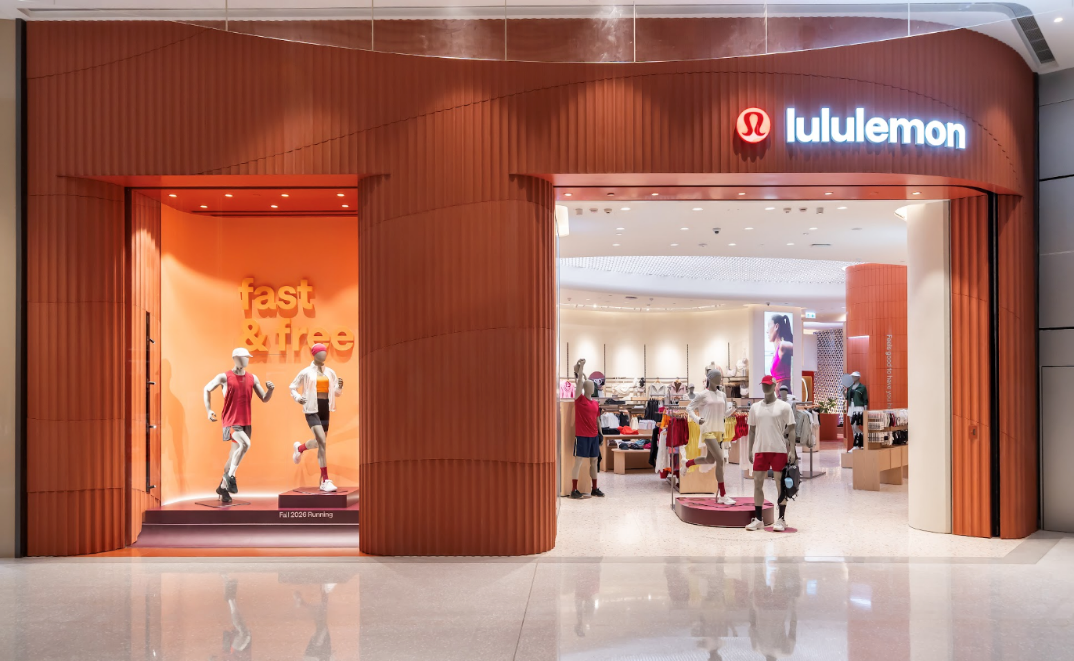
    Lululemon, the athletic apparel retailer, has once again opened the doors of its Hysan Place store in Hong Kong’s bustling Causeway Bay neighborhood. This is a part of the company’s ongoing effort to expand its community-driven retail model and solidify its physical store presence in the region.

    The store is quite generous in space, stretching over 3000 square feet. It brings to life Lululemon’s newest international retail concept, a seamless blend of a traditional retail environment and spaces dedicated to community interactions. These spaces will be the venues for monthly running events and various wellness-centric initiatives. This is reflective of the growing trend among retailers to enhance customer engagement through an experience-oriented shopping journey.

    Found in one of the busiest shopping areas of Hong Kong, the store displays a wide variety of Lululemon’s offerings. These include yoga, training, casual wear, golf, tennis, and running gear. The company has emphasized that running products will be a primary focus at this location, and will be supported through product launches and community events.

    The revamped store boasts an open layout and features a wall dedicated to celebrating the brand’s local ambassadors. The reopening of the store is also timed with the release of new additions to Lululemon’s Fast and Free running collection.

    In the words of Joey Chan, the regional director of Lululemon Hong Kong, Macau, and Taiwan, the store is designed as a well-being hub. She stated that the store reflects their continued optimism regarding the Hong Kong market and their commitment to supporting its burgeoning wellness community. “In addition to providing a superior in-store experience, we’re broadening our community activities to enable more opportunities for our customers to connect through physical activities,” added Chan.

    The reopening marks the addition of the 13th store to Lululemon’s Hong Kong portfolio, highlighting the integral role the market plays in the company’s Asia-Pacific expansion strategy. Only last month, Lululemon made its entry into the Japanese market with a flagship store in Harajuku, Tokyo.

    Questions & Answers

    What new concept is Lululemon introducing in its reopened Hysan Place store in Hong Kong?
    Lululemon is introducing its latest international retail concept at the Hysan Place store. This involves a combination of traditional retail space with areas designed for community activities and wellness programs.

    What focus area will be emphasized at this Lululemon location?
    Running will be a key category emphasized at the Lululemon Hysan Place store, supported by product launches and community events.

    How is Lululemon’s store reopening significant in its broader retail strategy?
    The reopening of the Hysan Place store in Hong Kong underscores the significance of the Hong Kong market in Lululemon’s Asia-Pacific growth strategy, and its commitment to invest in physical retail presence. It also serves as a testament to its strategy of strengthening customer engagement through experiential shopping and community-focused retail.

  • Hong Kong Retail Market Records 14th Month of Sturdy Growth, Despite Slight Cool-Off

    Hong Kong Retail Market Records 14th Month of Sturdy Growth, Despite Slight Cool-Off

    In June, Hong Kong saw an impressive rise in retail sales, with a 4.6% increase compared to the same month in the previous year. This resulted in a total of HK$31.5 billion (US$4.02 billion) in sales, signifying a consistent growth pattern for the 14th consecutive month according to government statistics released on Tuesday.

    Continued Growth Despite Global Economic Conditions

    The positive trend in Hong Kong’s retail market continued in June, with growth observed across various retail categories. For instance, retail sales in May saw a substantial rise of 7.9% on a year-on-year basis. When assessing the volume of sales, a 2.3% increase was recorded in June, compared to a 4.8% increase in May.

    For the initial half of the year 2026, the cumulative retail sales value showed an increase of 9.6% from the same period in the previous year. In terms of volume, there was a 7.2% rise in retail sales.

    A government official attributed this growth trend to factors like the ongoing economic expansion, rising local incomes, and a steady influx of inbound tourists. However, the spokesperson also acknowledged that global conditions pose a potential risk to local consumption patterns, which will be closely monitored by the government.

    Visitor Influx and Varied Category Performance

    In terms of inbound tourism, there was a 6.9% year-on-year increase in visitor arrivals in June, totaling 3.72 million visitors, as per data provided by the Hong Kong Tourism Board. Remarkably, visitor arrivals from mainland China surged by 10.5% to 2.88 million.

    The sales of lucrative items such as jewelry, watches, clocks, and other valuable gifts saw a substantial jump of 20.1% in June, following a revised growth rate of 26% in May. However, not all retail categories shared this upward trend. Sales of motor vehicles and parts experienced a decrease of 4.3% in June, following a modest growth of 1.8% in the previous month.

    However, sales of clothing, footwear, and related products saw a slight increase of 0.5% in June, following a revised May gain of 2.6%.

    Questions & Answers

    What was the percentage increase in retail sales in Hong Kong in June?
    The retail sales in Hong Kong saw a 4.6% increase in June compared to the same period the previous year.

    What factors contributed to the growth in the retail sector according to government officials?
    Government officials attributed the growth in the retail sector to ongoing economic expansion, rising local incomes, and a steady influx of inbound tourists.

    How did visitor arrivals from mainland China influence the retail sector in June?
    Visitor arrivals from mainland China surged by 10.5% to 2.88 million in June, indicating a potential positive impact on the retail sector due to increased consumer spending.