Tag: Hong Kong

  • Guoquans Global Debut: Chinese Home-Dining Giant Ventures into Hong Kong Market

    Guoquans Global Debut: Chinese Home-Dining Giant Ventures into Hong Kong Market

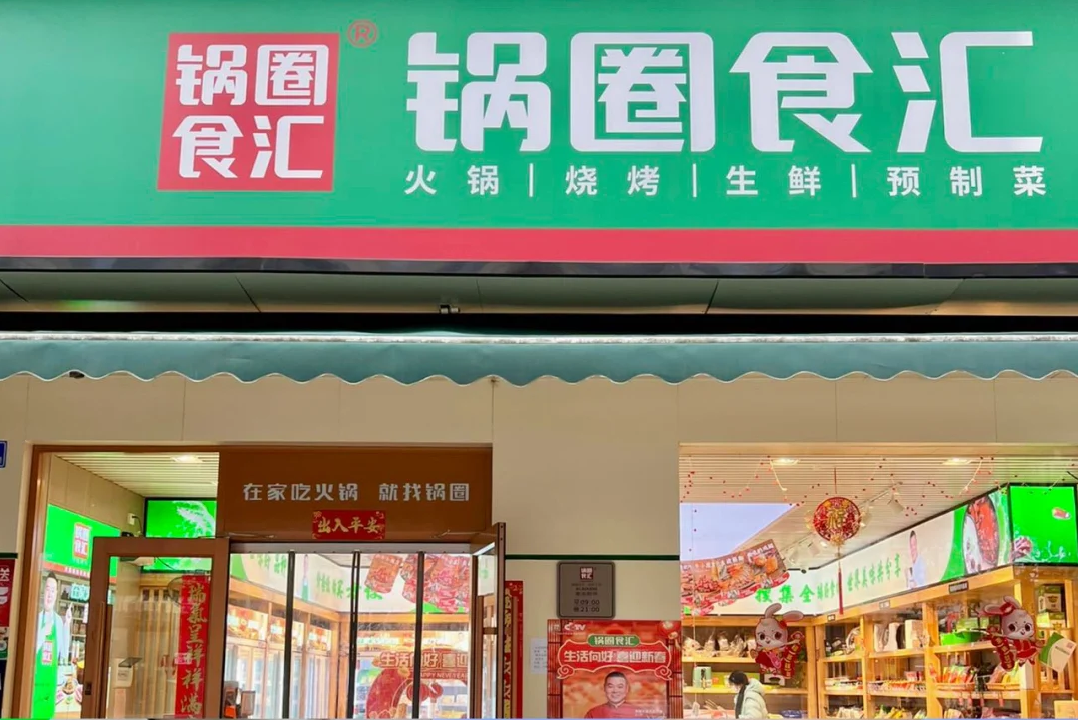
    The Chinese home-dining retailer, Guoquan, is planning to extend its business to Hong Kong. This move signifies the company’s first initiative outside Mainland China, aligning with their international expansion plans.

    The retailer anticipates the launch of its inaugural store in Wan Chai, Hong Kong, later this year. During this launch, local consumers will be introduced to the Guoquan’s “community central kitchen” concept.

    Expansion and Innovation

    This planned expansion to Hong Kong is concurrent with Guoquan’s continued growth within Mainland China. As of the first quarter of 2026, Guoquan boasts a network of 11,758 stores across the nation, including more than 3100 outlets in township level markets.

    From the latter half of 2025, Guoquan has been enhancing its store network by transforming smaller outlets into larger “community central kitchen” formats. The floor area of these renovated stores typically ranges from 80 to 100 square meters. These larger stores offer a wider array of products, a departure from the company’s traditional hotpot and barbecue ingredients.

    Guoquan’s product range has evolved to include breakfast items, ready-to-eat meals, light fare, alcoholic beverages, and other options tailored for various consumption times of the day. With 24-hour unmanned stores, customers can access these products and services at any time.

    Guoquan’s Journey

    Established in 2017, Guoquan has flourished into one of the leading home-dining brands in China. The company was publicly listed on the Hong Kong Stock Exchange in November 2023.

    Guoquan is renowned for specializing in household meal ingredients. Its product offerings range from hotpot and barbecue items to self-heating meals and prepared Chinese dishes.

    Questions & Answers

    What is Guoquan’s “community central kitchen” concept?
    The “community central kitchen” model is an innovative retail concept where stores are expanded from their traditional format to offer a wider range of products. This not only includes Guoquan’s traditional hotpot and barbecue ingredients, but has evolved to include breakfast items, ready-to-eat meals, light fare, alcoholic beverages, and more.

    When was Guoquan founded and when did it list on the stock exchange?
    Guoquan was founded in 2017 and listed on the Hong Kong Stock Exchange in November 2023.

    What is Guoquan’s current store count in Mainland China?
    As of the first quarter of 2026, Guoquan operates 11,758 stores nationwide in Mainland China, including over 3,100 outlets in township-level markets.
  • UOB Strengthens Asia Operations with New CEOs for China, Hong Kong

    UOB Strengthens Asia Operations with New CEOs for China, Hong Kong

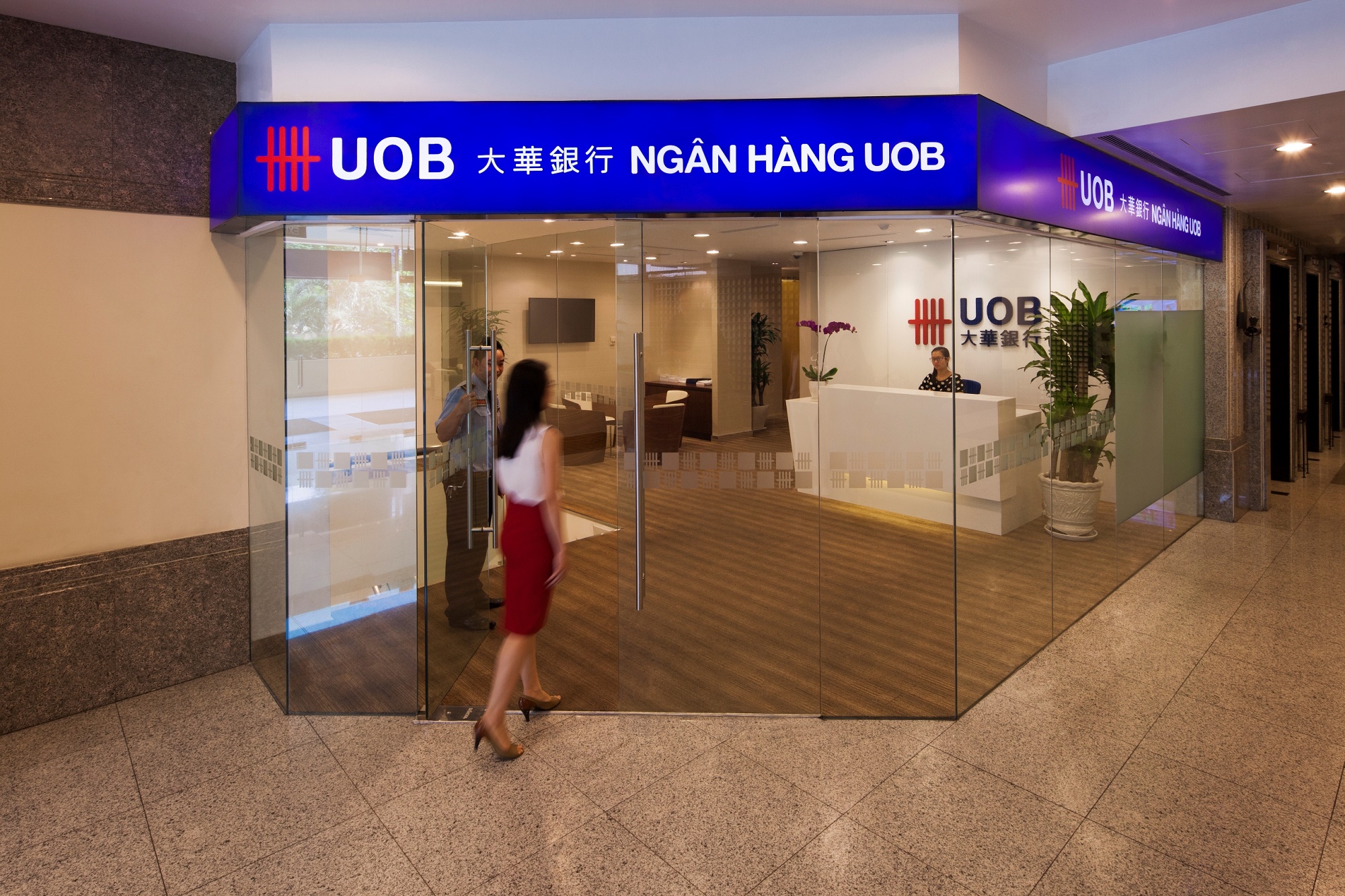
    United Overseas Bank (UOB) recently unveiled a series of significant leadership shifts within its operations in China and Hong Kong. This announcement is a testament to the bank’s dedication to fortifying its cross-border business operations between China and Southeast Asia.

    Adaline Zheng, currently presiding as the Chief Executive Officer of UOB’s Hong Kong Branch, is poised to step into the role of CEO for UOB China as of July 1. She will be taking over from Peter Foo, who draws his 15-year tenure with the bank to a close with his impending retirement. Concurrently, George Tung, currently UOB’s Country Manager for South Korea, is slated to assume the position of CEO for the Hong Kong Branch.

    UOB is making these strategic moves as part of its effort to amplify its role in fostering trade, investment, and financial connectivity between China and the ASEAN markets.

    Leadership at the Helm of UOB’s Expansion

    Deputy Chairman and Chief Executive Officer of UOB, Wee Ee Cheong, stated that China plays a pivotal role in trade, investment, and cross-border dealings with ASEAN. As the most interconnected bank in ASEAN, the deep-rooted local knowledge and leading cross-border capabilities of UOB put the bank in a strong position to usher in the next stage of business growth and momentum.

    Wee confirmed that the bank plans to continue improving its capabilities to cater to the escalating cross-border needs of its customers. This comes as economic ties strengthen between China and ASEAN. In Hong Kong, UOB aims to enhance its role as a conduit between mainland China and Southeast Asia, while augmenting its private banking and wealth management services.

    Meet the New Leaders

    Zheng brings to the table over twenty years of banking experience, with a heavy focus on mainland China and Hong Kong. She first joined UOB China in 2018 as Head of Wholesale Banking before her appointment as CEO of the Hong Kong Branch in March 2024. In her new capacity, she will be in charge of UOB’s mainland China endeavors and will spearhead efforts to broaden the bank’s cross-border abilities and aid clients in seeking regional growth opportunities.

    In the meantime, Tung will be returning to Hong Kong after a stint as Country Manager of UOB South Korea since 2021. During his tenure in South Korea, he concentrated on establishing strategic alliances and boosting business connections between Korean institutions and ASEAN markets. With a history at UOB dating back to 2010, Tung had spent a decade helming the Hong Kong Branch’s Wholesale Banking business.

    As the incoming CEO of UOB Hong Kong Branch, Tung will focus on advancing business growth, fortifying client relationships, and broadening the bank’s wholesale and private banking ventures. He will also spearhead engagement with regulators and bolster Hong Kong’s role as a strategic hub connecting mainland China and ASEAN.

    Questions & Answers

    Who will succeed Peter Foo as CEO of UOB China?
    Adaline Zheng, currently the Chief Executive Officer of UOB’s Hong Kong Branch, will succeed Peter Foo as the CEO of UOB China effective July 1.

    Who will take over as CEO of the Hong Kong Branch?
    George Tung, currently UOB’s Country Manager for South Korea, will take over as CEO of the Hong Kong Branch on the same date.

    What will be the primary responsibilities of the new CEOs?
    Adaline Zheng will oversee UOB’s mainland China business and lead efforts to expand the bank’s cross-border capabilities. George Tung will focus on driving business growth, strengthening client relationships, and expanding the bank’s wholesale and private banking businesses in Hong Kong.

  • Chinese Beauty Giant JudyDoll Debuts First Physical Store in Trendy Hong Kong

    Chinese Beauty Giant JudyDoll Debuts First Physical Store in Trendy Hong Kong

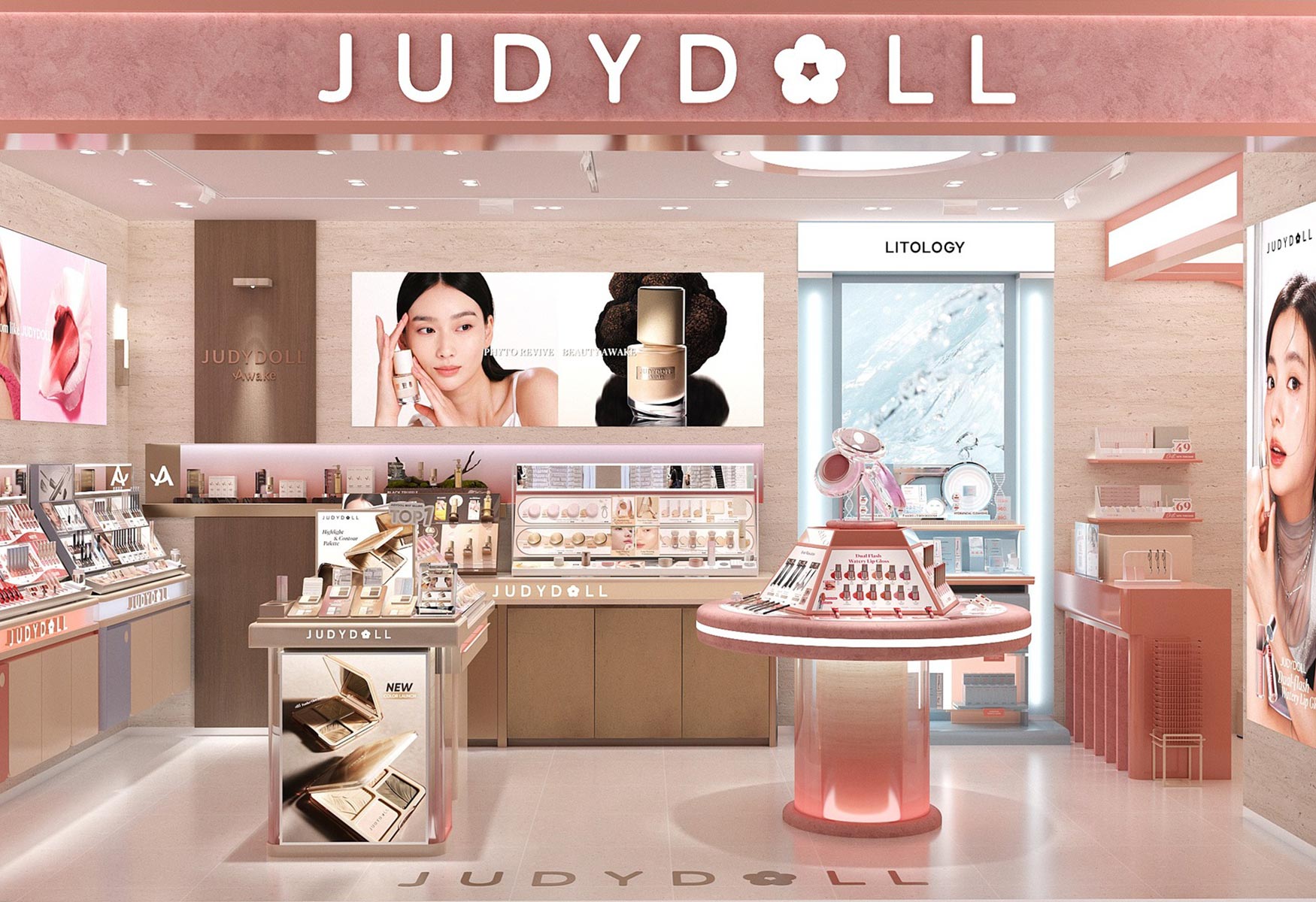
    JudyDoll, a popular beauty brand from mainland China, has recently ventured into the physical retail space, having inaugurated its first store in Hong Kong. This move signifies the brand’s ongoing efforts to expand its horizons beyond e-commerce, marking a significant stride in its international growth strategy.

    JudyDoll’s Expansion Strategy

    JudyDoll was established in 2017 by Juyi Cosmetics in Shanghai. It became a part of the Joy Group and quickly made a name for itself due to its youthful aesthetics and budget-friendly product selection. The brand boasts more than 800 stock-keeping units (SKUs) in its product portfolio, spanning across categories such as eye, lip, and face cosmetics. Some of the brand’s top-selling products include the 3D Curling Iron Mascara, Iced Watery Lip Gloss, and the Highlight & Contour Palette.

    JudyDoll’s senior sales and marketing manager in Hong Kong, Clair Chau, highlighted that Hong Kong, with its deep-rooted makeup culture and trendy spirit, is a fitting location for JudyDoll’s first physical venture. Chau expressed confidence in the brand’s potential to appeal to a broader consumer base in Hong Kong’s thriving and reliable retail market, which is highly regarded for its energetic and youthful brand personality.

    InvestHK’s Deputy Head of Consumer and Hospitality, Angelica Leung, expressed hope that JudyDoll will utilize Hong Kong as a springboard for its broader expansion initiatives. Leung anticipates that JudyDoll’s physical store will bring a fresh makeup experience to consumers in the city, complimenting the brand’s already creative online presence, and further solidifying Hong Kong’s position as an international trendsetter.

    Since its inception, JudyDoll has made a significant impact in numerous international markets including Japan, Southeast Asia, Australia, Canada, the Middle East, and North America.

    Questions & Answers

    What is JudyDoll known for in the cosmetics industry?
    JudyDoll is renowned for its youthful aesthetic and affordable range of beauty products, which includes over 800 SKUs spanning eye, lip, and face cosmetics.

    Why did JudyDoll choose Hong Kong for its first physical store?
    Hong Kong was chosen for its vibrant makeup culture and fashionable spirit. The city’s thriving retail market offers JudyDoll the potential to showcase its brand to a broader range of consumers.

    What are JudyDoll’s future expansion plans?
    While specific plans have not been disclosed, it is anticipated that JudyDoll will use Hong Kong as a stepping stone for future international expansion.

  • Hong Kong Gears Up for Gold Futures Relaunch Amid Booming Demand and Chinas Support

    Hong Kong Gears Up for Gold Futures Relaunch Amid Booming Demand and Chinas Support

    The Hong Kong Exchanges and Clearing (HKEX) is advancing its plans to rejuvenate the trading of gold futures as the demand for the commodity keeps escalating across mainland China. This move comes amidst the city’s pursuit to introduce fresh gold products and facilities to leverage the expanding opportunities in the gold market.

    Reviving Gold Futures Trading

    It has been announced to legislators that there’s an intention to reintroduce gold futures in the months to come, with plans to solicit market feedback to enhance the products ahead of their launch. The forthcoming revival will be the city’s fourth attempt since the 1980s, with the most recent effort occurring in 2017 when the exchange presented gold futures denominated in U.S. dollars and Chinese yuan.

    Despite both contracts remaining listed, data from the exchange reveals that neither has seen any turnover in the preceding two years. However, optimism is high this time around, as the current endeavor involves not just the exchange, but also the Hong Kong government who is developing an ecosystem of clearing and storage. This is being supported by China, who aims to establish Hong Kong as a gold trading hub.

    Financial Secretary Chan has highlighted that Asia is responsible for approximately 60% of the total global gold demand every year. In an effort to better capture these opportunities, a central clearing system for gold is being constructed, with pilot operations set to commence within the year.

    Expansion of Gold Storage Capacity

    Simultaneously, the Hong Kong Airport Authority is rapidly increasing its gold storage capacity, aiming to exceed 2,000 tonnes within the next three years. Just last month, Hong Kong listed a new gold exchange-traded fund with physical redemption alternatives.

    This revival aligns with the People’s Bank of China’s ongoing effort to bolster its gold reserves. The holdings reached 74.64 million ounces at the close of April, marking 18 uninterrupted months of growth.

    Furthermore, activity in Hong Kong’s gold market has surged, partly due to tensions in the Middle East. The city has seen a significant surge in physical imports from the region since early April.

    This accumulation of reserves by China mirrors a broader trend among international central banks seeking to reduce reliance on U.S. dollar assets. As a matter of fact, last year foreign central banks officially held more gold than U.S. Treasuries for the first time since 1996.

    Questions & Answers

    What is the significance of reviving gold futures trading in Hong Kong?
    Reviving gold futures trading can help Hong Kong capture expanding opportunities in the gold market as demand for the precious metal rises across mainland China.

    Why is the Hong Kong Airport Authority expanding its gold storage capacity?
    The expansion of gold storage capacity is part of the city’s strategy to establish Hong Kong as a gold trading hub, aligning with increased demand and the introduction of new gold products.

    How does the revival of gold futures trading relate to global economic trends?
    The revival of gold futures trading in Hong Kong is congruent with a broader trend among central banks seeking to reduce reliance on U.S. dollar assets. This is reflected in China’s central bank continuing to build up its gold reserves.

  • Diptyque Unveils Flagship Store on Hong Kongs Hollywood Road, Blending Parisian Chic with Local Culture

    Diptyque Unveils Flagship Store on Hong Kongs Hollywood Road, Blending Parisian Chic with Local Culture

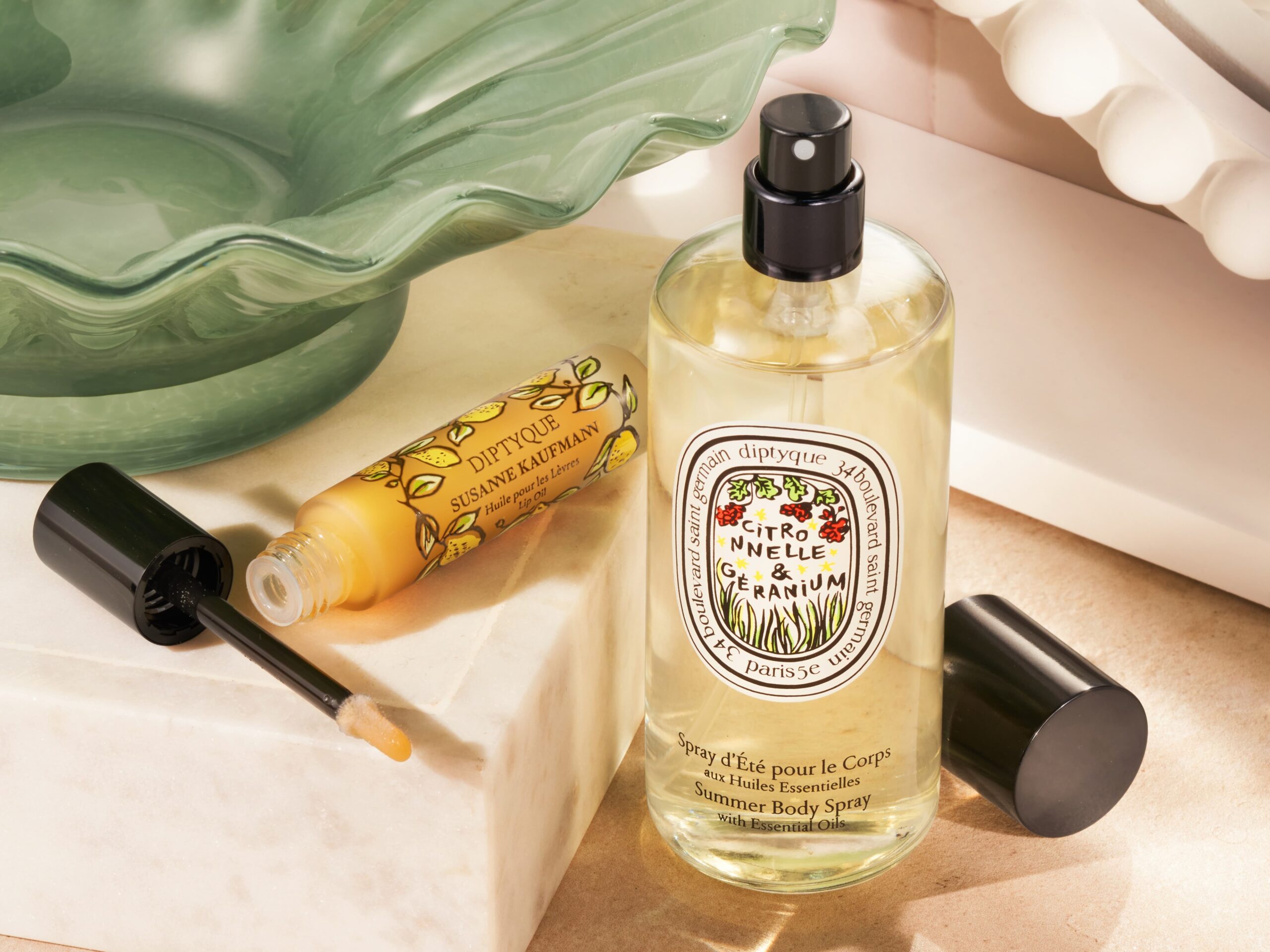
    Diptyque, the prominent fragrance brand, has extended its presence in Hong Kong with the inauguration of a flagship store on Hollywood Road. This move comes as an expansion of its initial street-level concept store, which was launched in the same location a year prior.

    Positioned in the Central district, the 100 square meter, two-story boutique embodies a Parisian-inspired interior design aesthetic. The store’s aesthetics pay homage to the architectural and cultural heritage of Hong Kong. An eye-catching feature is the green, double-story facade, with a neon installation embedded in the upper-floor window. This vibrant piece is the brainchild of renowned Hong Kong artist Jive Lau.

    On stepping inside, one can observe an intricate blend of traditional Parisian apartment elements, fused with mosaic details inspired by the old-style storefronts and antique shops in Hong Kong. The ground floor gives prominence to an expansive wooden island display, exhibiting a range of products and gift items. Fragrance and home collections are also showcased within wall niches peppered around the area.

    The first floor plays host to a number of collections, inclusive of the Les Mondes de Diptyque and Les Essences de Diptyque ranges. Also featured on this level is an Art of Body Care section, boasting a fresco by the Redfield and Dattner design studio.

    According to Diptyque, the primary aim behind this flagship store was to curate an immersive retail experience. This concept revolves around the themes of fragrance, home decor, and body care rituals. Established in Paris in 1961, Diptyque is a specialist in fragrances, scented candles, and decorative objects. It currently runs multiple outlets and counters throughout Hong Kong, including locations at IFC Mall, Harbour City, and K11 Musea.

    Questions & Answers

    What inspired the interior design of the new Diptyque flagship store?
    The interior design draws inspiration from traditional Parisian apartments and Hong Kong’s cultural and architectural heritage, evident in the mosaic detailing echoing older shopfronts and antique stores.

    What kind of collections does the Diptyque store house?
    The store houses various collections including Les Mondes de Diptyque and Les Essences de Diptyque, as well as an Art of Body Care section.

    What is the concept behind Diptyque’s Hong Kong flagship store?
    The concept of the store is to provide an immersive retail experience centered around fragrance, home decor, and body care rituals.

  • Unprecedented GDP Growth Spurs HSBC to Boost Hong Kong Economic Forecast

    Unprecedented GDP Growth Spurs HSBC to Boost Hong Kong Economic Forecast

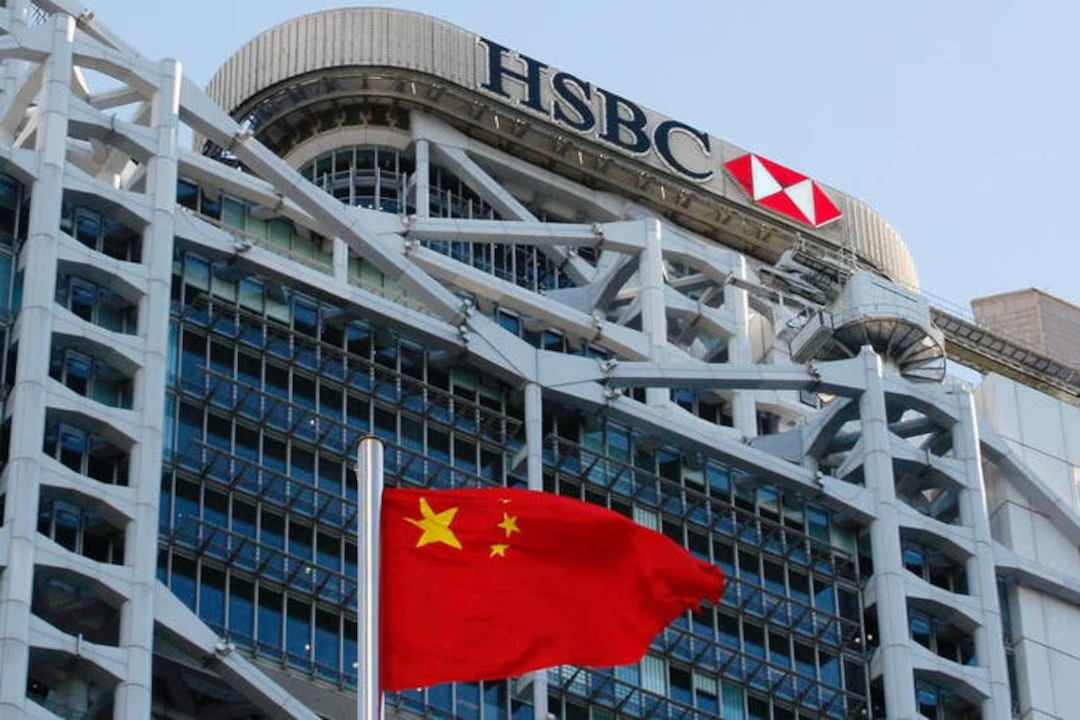
    Hong Kong’s robust economic performance earlier this year has culminated in an improved financial forecast from HSBC, despite minimal influence from the Middle East conflict.

    Bright Economic Outlook and Impacts of Conflict

    HSBC’s Global Investment Research revised its GDP growth predictions for 2026 and 2027 from 2.7% and 2.8% to 3.8% and 3% respectively. This adjustment comes on the heels of Hong Kong recording a first-quarter GDP growth rate of 5.9%, a figure near a five-year high. Essential factors contributing to this positive outlook include the minimal direct effects of the Middle East conflict and evidence of domestic economic stability.

    Hong Kong’s economy is primarily service-based. Although most energy is imported, a significant amount originates from mainland China, while only a minor portion is sourced from the Middle East. To offset the potential impacts, the government has introduced direct support measures such as fuel subsidies and tunnel toll concessions. In the midst of increased uncertainty, Hong Kong’s reputation as a safe haven may draw in capital inflows seeking stability.

    Moreover, the surge in demand stimulated by advancements in AI and an uptick in trade with mainland China are expected to provide a safety net for trade activities this year. However, if the Middle East conflict continues and suppresses global demand, this could lead to potential economic risks.

    Recovery and Growth within Domestic Markets

    As for the domestic landscape, the residential property market’s recovery is creating positive wealth effects, and improvements in the labor market indicate signs of amplified consumption.

    HSBC predicts this year’s consumption to gravitate more towards discretionary goods and services. The swift enactment of major government projects such as the Northern Metropolis, in addition to AI-driven demand, will bolster investment activity. Fiscal support through infrastructure bonds and a relatively favorable monetary setting should also aid in maintaining investment momentum.

    Questions & Answers

    What factors contributed to the increased GDP growth predictions for Hong Kong?
    The first-quarter GDP growth reaching almost a five-year peak and the limited direct impact from the Middle East conflict contributed to the revised GDP growth predictions.

    How has the government aided in mitigating the impact of the Middle East conflict on the Hong Kong economy?
    The government has introduced direct support measures such as fuel subsidies and tunnel toll concessions.

    What is expected to drive consumption in Hong Kong this year?
    The consumption shift is predicted to lean towards discretionary goods and services, driven by the positive wealth effects from the recovering residential property market and improvements in the labor market.

  • Hong Kong Retail Sales Soar for 11th Consecutive Month, Fueled by Local Demand and Tourism Surge

    Hong Kong Retail Sales Soar for 11th Consecutive Month, Fueled by Local Demand and Tourism Surge

    In March, Hong Kong’s retail sector saw a 12.8% increase in sales compared to the same month in the previous year. This marks the 11th consecutive month of growth, according to recent government data. Sales touched HK$33.9 billion (US$4.33 billion), demonstrating a healthy economy. In February, the year-on-year rise was recorded at 19.3%.

    Key Growth Areas

    Motor vehicle sales exhibited notable progress, with a surge in purchases just before the first registration tax concessions for electric private cars expired at the end of March.

    When it comes to sales volume, a 9.8% increase was observed in March compared to the same period last year. This is slightly less than February’s 17.5% rise.

    For the initial quarter of 2026, the total value of retail sales rose by 12.1% year-on-year, while the volume of retail sales witnessed a 9.8% increase.

    A government representative attributed the positive trajectory of retail sales to the recovery of local demand, steady growth in tourist arrivals, and a favourable macro-financial environment.

    The Hong Kong Tourism Board reported a 14% year-on-year increase in visitor arrivals in March, reaching 4.35 million. Chinese mainland visitors, who account for a significant portion of these arrivals, increased by 15.9% year-on-year to 3.19 million.

    Sector-Specific Performance

    Specific sectors such as jewellery, watches, clocks, and valuable gifts experienced a robust growth of 27.2% year-on-year in March, following a 24.2% rise in February.

    The motor vehicles and parts sector saw an impressive 80.8% year-on-year jump in March, substantial growth from the 37.3% rise seen in February.

    Meanwhile, the clothing, footwear, and related products sector saw a modest increase of 5.9% year-on-year in March, a decrease from the 14.1% rise recorded in February.

    Questions & Answers

    What was the percentage increase in Hong Kong’s retail sales in March?
    Retail sales in Hong Kong saw a 12.8% rise in March compared to the same month in the previous year.

    Which sectors saw significant growth in March?
    The motor vehicles and parts sector, as well as the jewellery, watches, clocks, and valuable gifts sector, experienced substantial growth in March.

    What factors contributed to the positive outlook for retail sales?
    The recovery of local demand, steady growth in inbound tourism, and a favourable macro-financial environment have all played a role in the optimistic outlook for retail sales.

  • Shiros First Hong Kong Outlet: An Experiential Fragrance Haven at K11 Musea

    Shiros First Hong Kong Outlet: An Experiential Fragrance Haven at K11 Musea

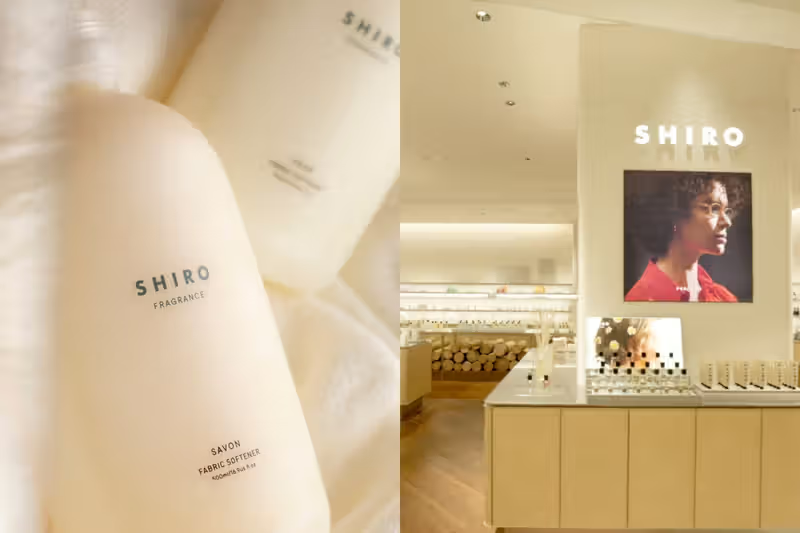
    Shiro, a renowned Japanese fragrance company, recently launched its inaugural store in Hong Kong, incorporating an immersive shopping experience that focuses on in-store fragrance creation.

    The store, located in K11 Musea, showcases an interior design that pays homage to local materials and traditions. Bamboo scaffolding and metal, symbols of Hong Kong’s historical architecture and residential buildings, are prominently featured within the space.

    Discovering the Zero Blender Lab

    A highlight of the store is the Zero Blender Lab, a unique feature that allows customers to design their own personalized fragrance mists. This innovative concept employs prototype scent materials from Shiro’s product development cycle, which would otherwise be discarded.

    Shiro’s initiative aligns with their longstanding commitment to zero waste, a policy they have embraced since 2024 in their product development and store design. As stated by the brand, the Zero Blender Lab offers customers the opportunity to experiment with blending fragrances, all within a setting inspired by the Research and Development room of their Minnano-Sunagawa Factory in Sunagawa, Hokkaido. Shiro aims to provide an experience that mirrors the work of a professional perfumer.

    Founded in Hokkaido, Japan in 2009, Shiro not only specializes in fragrances, but also offers a variety of complementary services through their Shiro Life, Shiro Café, and Shiro Beauty businesses.

    Questions & Answers

    What is unique about Shiro’s new store in Hong Kong?
    The new store offers an immersive shopping experience, with a focus on in-store fragrance creation. It features the Zero Blender Lab, where customers can create their own fragrance mists using scent materials that would otherwise be discarded.

    What is Shiro’s commitment to sustainability?
    Since 2024, Shiro has been striving towards achieving zero waste in both their product development and store design. The Zero Blender Lab is an example of this, as it reuses prototype scent materials that would typically be discarded.

    What other businesses does Shiro operate?
    Besides fragrances, Shiro also runs complementary businesses, including Shiro Life, Shiro Café, and Shiro Beauty, offering a comprehensive lifestyle experience for their customers.

  • Revitalized Toys R Us Hong Kong Celebrates 40 Years with Fresh Experiential Zones and Exclusive Brands

    Revitalized Toys R Us Hong Kong Celebrates 40 Years with Fresh Experiential Zones and Exclusive Brands

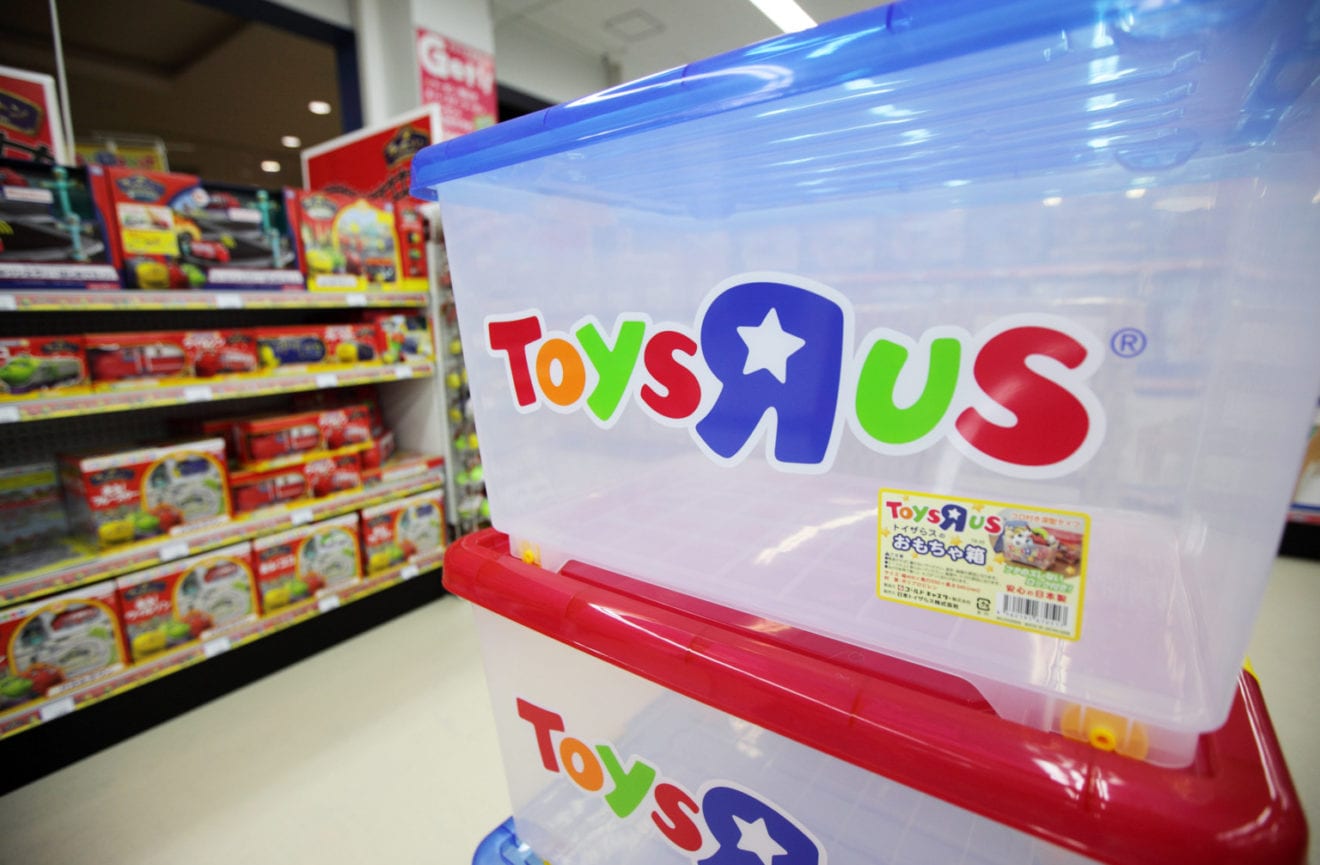
    To commemorate its 40th anniversary in Hong Kong, Toys R Us Asia has unveiled a transformed version of its flagship store in the Ocean Terminal, Tsim Sha Tsui. The store originally opened in 1986 and has been revamped to feature nine new in-store themed concepts and interactive zones.

    Store-in-Store Concepts and Themed Zones

    The remodelled flagship store now showcases dedicated branded areas for popular franchises such as Pokémon, Tomica, Bandai, Lego, Nintendo, Sanrio, Sylvanian Families, Transformers, and VTech. This development includes the introduction of several concepts to the Hong Kong market for the first time. These new features include an integrated Pokémon Play Lab and a Tomica Brand Store, which boasts a collection of over 2,000 die-cast models.

    The CEO of Toys R Us Asia, Leo Tsoi, shared his insights on the upgrade. He said, “Toys R Us is in tune with the increased demand for pop culture and emotionally resonant items from children, Gen Z, and ‘Kidults’. We are committed to introducing animation IPs, collaborative merchandise, and proprietary products. Our aim is to craft more meaningful play and collectible experiences tailored for consumers in Hong Kong and across Asia.”

    Additional Features

    As well as the branded areas, the flagship store also features a Nintendo gaming trial zone, a Sanrio-themed retail space, and a play area for VTech and LeapFrog designed for parent-child interaction. The store creatively incorporates themed zones that reflect local culture and current trends.

    With more than 450 stores across 10 markets, Toys R Us Asia’s focus is on integrating retail with interactive and experiential elements. The revamped Hong Kong flagship store exemplifies this approach. It also exemplifies Toys R Us Asia’s strategic move to expand its appeal beyond children, reaching out to adult collectors and a broader segment of consumers.

    Questions & Answers

    What significant changes have been made to the flagship Toys R Us store in Hong Kong?
    The store has been upgraded to include nine new in-store themed concepts and interactive zones. It also features an integrated Pokémon Play Lab and a Tomica Brand Store, which are first-time additions to the Hong Kong market.

    What is the strategic focus of Toys R Us Asia?
    Toys R Us Asia is focused on integrating retail with interactive and experiential elements. They also aim to broaden their appeal beyond children to include adult collectors and a wider consumer market.

    Who are the target consumers for the revamped Toys R Us store?
    The revamped store targets not only children but also Gen Z and ‘Kidults’ – adults who have an affinity for items traditionally aimed at children. The store also seeks to provide experiences tailored to the specific needs of consumers in Hong Kong and across Asia.

  • 3Coins Launches Largest Flagship Store in Hong Kong’s Kai Tak, Showcasing Japan’s Finest Goods

    3Coins Launches Largest Flagship Store in Hong Kong’s Kai Tak, Showcasing Japan’s Finest Goods

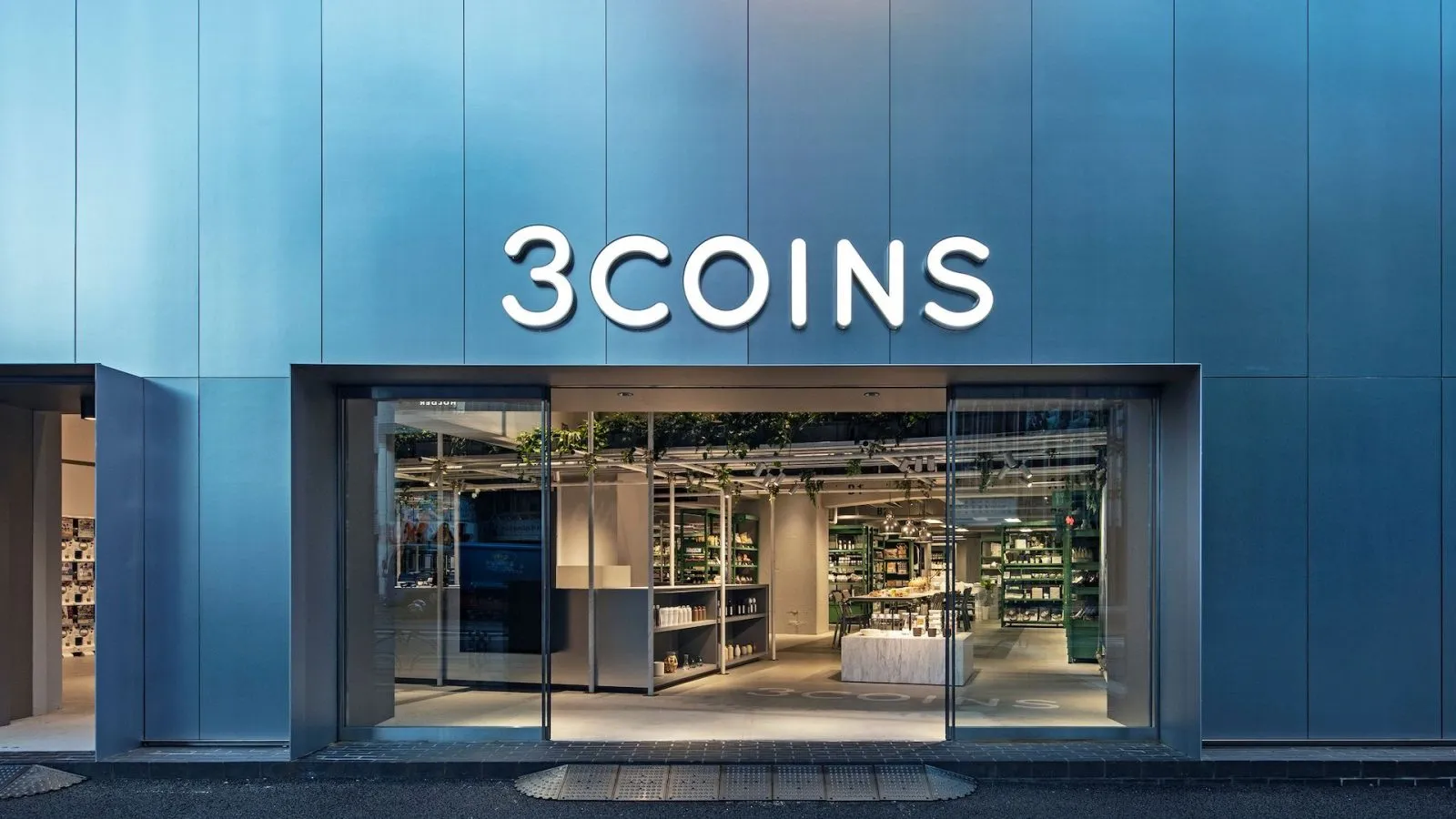
    Japanese discount retail chain, 3Coins, has expanded its global presence by unveiling its most substantial flagship store in Hong Kong. The new location is nestled in the Airside district of Kai Tak, providing a massive retail space of 5,100 square feet.

    A Wide Array of Products

    This massive store features an extensive variety of more than 2,500 items. Customers will have a plethora of choices from storage solutions to household items, accessories, and even seasonal goods. The store aims to meet a wide range of consumer needs and expectations.

    Unique Store Features

    In addition to its broad product range, the flagship store has several unique attributes, including a dedicated section showcasing an assortment of ‘Made in Japan’ food items, a unique pet zone, and a travel-themed area that pays tribute to Kai Tak’s aviation history.

    The store’s design also prioritizes the comfort and convenience of its shoppers. Wider walkways have been integrated into the store layout, enabling shoppers with pets to move around effortlessly.

    Developing Connections

    Yaichi, the operator of 3Coins in Hong Kong, noted that the store’s launch signifies more than just the expansion of the retail chain. “This is another step in building not just stores, but platforms where Japanese brands can establish significant connections with overseas consumers,” Yaichi said.

    3Coins, since its founding in 1994, has been recognised for its “plus-value” concept, with most items generally priced around JPY$300.

    Questions & Answers

    What is the size of the new 3Coins flagship store in Hong Kong?
    The new 3Coins flagship store in Hong Kong provides a massive retail space of 5,100 square feet.

    What unique features does the 3Coins store in Hong Kong offer?
    In addition to its broad product range, the store offers a variety of ‘Made in Japan’ food items, a unique pet zone, and a travel-themed area that pays tribute to Kai Tak’s aviation history.

    What is 3Coins’ “plus-value” concept?
    The “plus-value” concept of 3Coins refers to the retailer’s pricing strategy of offering most items at around JPY$300.

  • Balenciaga Unveils First Duplex Flagship Store in Hong Kong: A New Level of Luxury at K11 Musea

    Balenciaga Unveils First Duplex Flagship Store in Hong Kong: A New Level of Luxury at K11 Musea

    Balenciaga, the luxury fashion brand, has launched its first ever two-level flagship store at K11 Musea, located in the bustling Tsim Sha Tsui district of Hong Kong.

    Details of the New Store

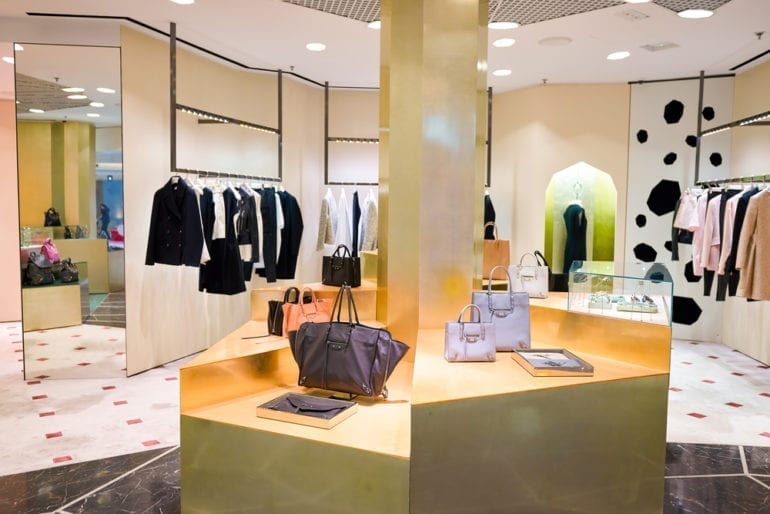
    Occupying a generous 461 square meters of retail space spread over two levels, the store offers a vantage point over Salisbury Road. The interior design cleverly juxtaposes industrial materials with high-end luxury finishes, a design concept that the brand refers to as its ‘Raw Architecture’ aesthetic.

    The store’s extensive inventory includes both men’s and women’s ready-to-wear collections, footwear, bags, accessories, jewelry, and eyewear. It also features products exclusive to this store.

    Innovative Features

    In addition, the new flagship store includes an exclusive area for Very Important Clients, designed for private appointments. This is a first for Balenciaga in Hong Kong. The design of this area takes inspiration from the fitting rooms of Balenciaga’s Paris Couture Store.

    Part of a Wider Luxury Brand Upgrade

    This launch comes as part of a larger luxury brand upgrade program at K11 Musea. In recent times, the retail complex has seen significant store upgrades from other high-end brands including Audemars Piguet, Van Cleef & Arpels, and Dior Beauty.

    Furthermore, K11 Musea has recently become home to the Delvaux Hong Kong flagship store and the largest Tory Burch store in the city, as part of its ongoing efforts to enhance its luxury brand portfolio.

    Questions & Answers

    What is unique about the new Balenciaga store in Hong Kong?
    The new store is Balenciaga’s first two-level flagship store in Hong Kong. It also introduces a private appointment area for Very Important Clients, a first for Balenciaga in the city.

    What is the ‘Raw Architecture’ aesthetic?
    ‘Raw Architecture’ refers to Balenciaga’s signature design style that combines industrial materials with high-end luxury finishes.

    What is the significance of the store’s location at K11 Musea?
    The store’s location at K11 Musea is significant as the retail complex is currently undergoing a luxury brand upgrade program. The complex is home to a number of high-end brands and is actively enhancing its luxury brand portfolio.

  • Byredo Elevates Luxury Shopping Experience with New Flagship Store in Hong Kong’s Central District

    Byredo Elevates Luxury Shopping Experience with New Flagship Store in Hong Kong’s Central District

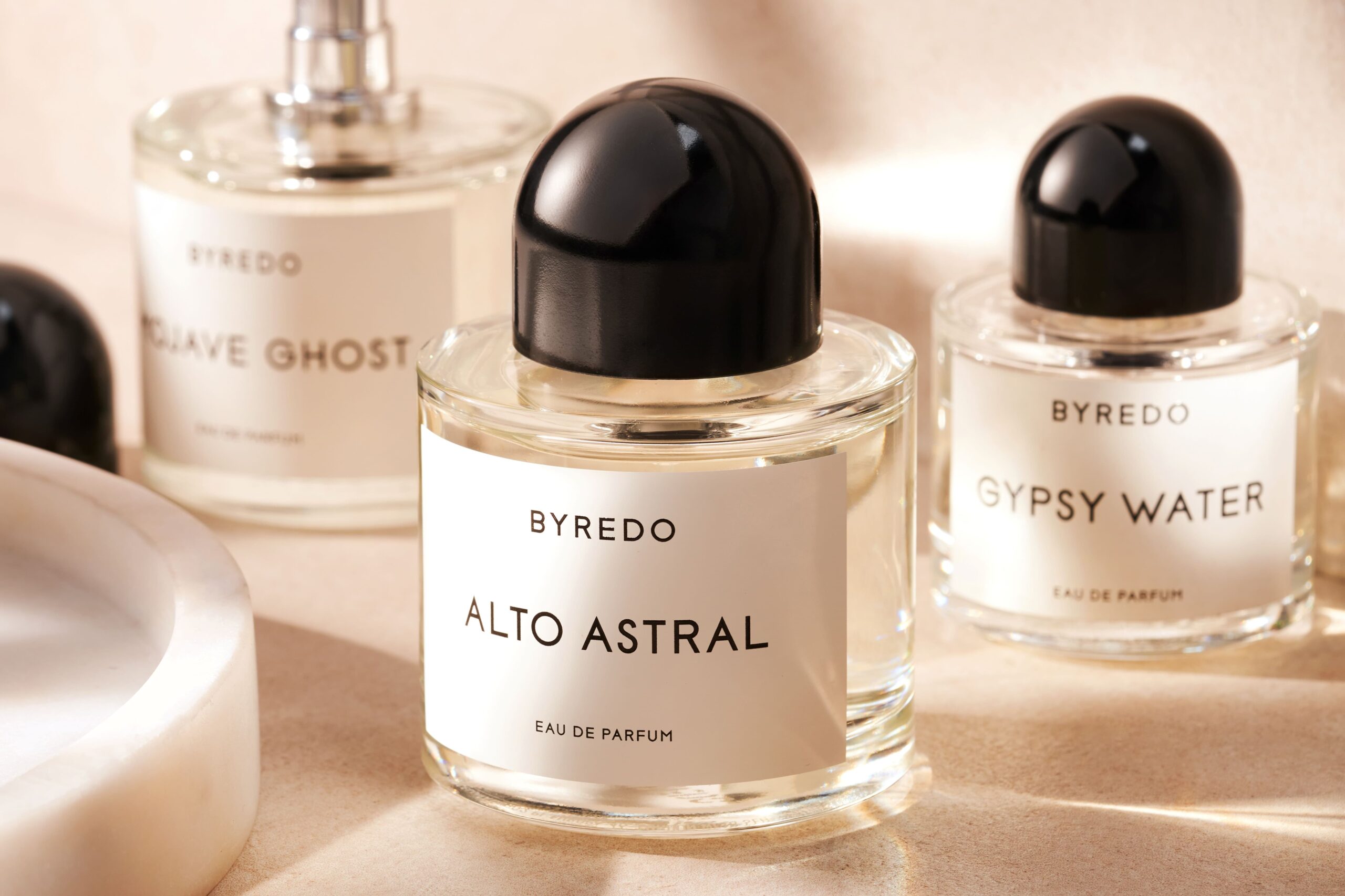
    Luxury fragrance brand, Byredo, has further solidified its presence in Hong Kong’s high-end retail sector by launching a flagship store in the city’s Central district.

    The New Store’s Unique Design

    The store, situated on Gough Street, boasts a unique architectural design, drawing inspiration from traditional shopfront gates for its stainless steel exterior. Inside, the space adopts a minimalist aesthetic enhanced by a thoughtful selection of materials. Granite flooring, textured plaster walls, and exposed steel elements create a modern, industrial ambiance. Wood and burgundy accents are used sparingly, adding warmth and richness to the overall scheme.

    Prioritizing spaciousness and meticulous product display over cluttered merchandising, the store design aims to offer an enjoyable and comfortable shopping experience.

    Product Range and Customer Experience

    The store’s primary focus is on the brand’s fragrance collection. However, the brand’s body care, home, and cosmetic product ranges are also featured, each having its designated display area. The built-in sink within the store allows customers to try out the products, reflecting the brand’s commitment to interactive and experiential beauty retail.

    Byredo, in a statement, eloquently described the new store as “more than a store, it is an atmosphere. A distilled expression of material, memory, and movement.”

    Byredo’s Expansion in Hong Kong

    The Gough Street store marks Byredo’s second flagship store in Hong Kong. The brand first entered the Hong Kong market in 2015, and just seven years later, it launched its first flagship store on Fashion Walk in Causeway Bay in 2022.

    Questions & Answers

    Where is Byredo’s new flagship store located?
    The new flagship store is located in Hong Kong’s Central district, on Gough Street.

    What is the main focus of the product range in the new store?
    The store primarily showcases Byredo’s fragrance collection, supplemented by body care, home, and cosmetic products.

    When did Byredo first enter the Hong Kong market?
    Byredo made its initial foray into the Hong Kong market in 2015.

  • New Trends in Lifestyle Retail: Sustainability, Personalisation, and Silver Economy Spotlighted at Upcoming Hong Kong Fairs

    New Trends in Lifestyle Retail: Sustainability, Personalisation, and Silver Economy Spotlighted at Upcoming Hong Kong Fairs

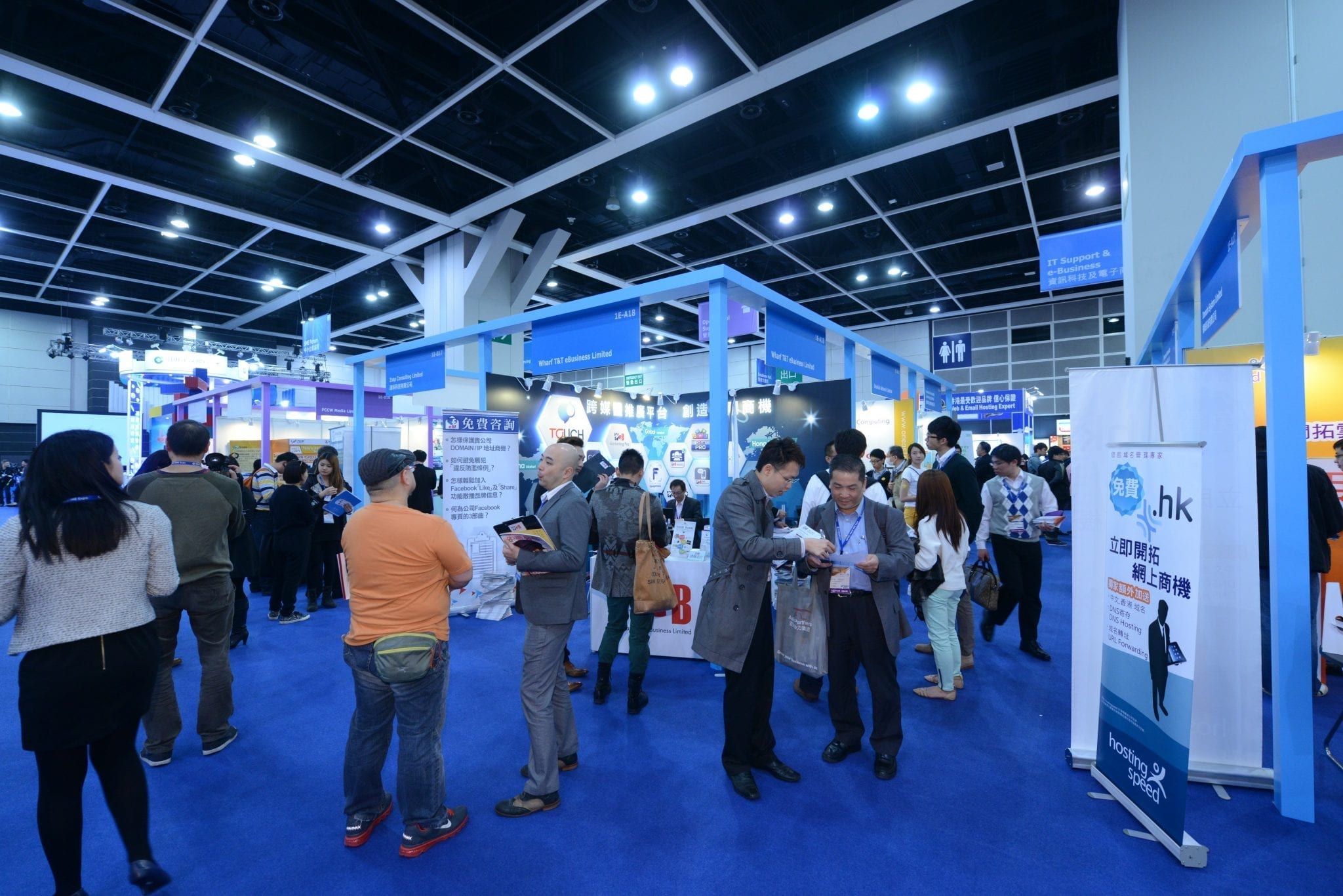
    The upcoming Hong Kong Gifts & Premium Fair and Home InStyle, set to take place later this month, are poised to once again underscore Hong Kong’s pivotal role in highlighting changing trends in Asia’s lifestyle and retail sourcing sectors.

    Program Overview

    Scheduled from April 27th to 30th at the Hong Kong Convention and Exhibition Centre, the two events are components of a broader program of seven parallel trade fairs. These fairs cover a wide array of areas including gifts, home, fashion, packaging, and licensing.

    Key Themes of 2026

    This year, the Hong Kong Gifts & Premium Fair will center around four main themes: personalisation, sustainability, health and wellness, and culture and creativity. The Color of the Year for 2026, ‘Cloud Dancer,’ will be showcased, reflecting the fair’s ongoing partnership with Pantone. This demonstrates how international color forecasting is being incorporated into commercial applications across a variety of lifestyle sectors.

    Focus on New Materials and Gerontechnology

    Concurrently, Home InStyle will shed light on innovative materials, cultural design, and gerontechnology. These highlights align with the increasing business interest in aging populations and the expanding ‘silver economy’ throughout Asia. The event will also present international exhibitors known for their design-led and craft-focused products. These range from Bohemian glassware and handmade woven baskets to bamboo homeware and licensed lifestyle items such as illuminated signage featuring popular characters.

    Creating Business Opportunities

    According to the Hong Kong Trade Development Council (HKTDC), these fairs aim to facilitate business opportunities by bringing together a broad spectrum of suppliers and buyers. Simultaneously, they provide a platform to exhibit an assorted mix of lifestyle products and services spanning multiple categories.

    Questions & Answers

    What are the key themes of the 2026 Hong Kong Gifts & Premium Fair?
    The key themes are personalisation, sustainability, health and wellness, and culture and creativity.

    What will Home InStyle highlight in its upcoming event?
    Home InStyle will highlight innovative materials, cultural design, and gerontechnology, which aligns with the increasing business interest in aging populations and the expanding ‘silver economy’ throughout Asia.

    What is the purpose of these fairs according to the Hong Kong Trade Development Council (HKTDC)?
    The HKTDC states that these fairs aim to generate business opportunities by connecting a wide spectrum of suppliers and buyers, while also showcasing a diverse mix of lifestyle products and services across multiple categories.

  • Hong Kong Housing Market Shows Signs of Recovery as Developers Boost Prices Amid Geopolitical Uncertainties

    Hong Kong Housing Market Shows Signs of Recovery as Developers Boost Prices Amid Geopolitical Uncertainties

    Hong Kong real estate developers are elevating their prices for newly built homes, following a pattern of successful sales. This trend is occurring amidst growing economic and political instability, as well as uncertainty revolving around interest rates.

    Increased Prices and Demand

    Henderson Land Development, on Monday, added an extra 39 units to its Chester project located in Hung Hom. Out of the 39, 25 units were sold, indicating a steady demand. A property agent reported that these units had an average reduced price of HKD22,198 (US$2,831) per square foot. This is a 4.6% increase in comparison to the price of the 123 units that were sold at the project’s initial launch last month.

    According to Derek Chan Hoi-chiu, head of research at real estate agency Ricacorp Properties, the steady demand has led developers to cautiously raise prices in new sales launches rather than revert to deep discounting. He described this as a typical recovery-phase strategy: assessing price elasticity while ensuring the momentum continues to build.

    Continued Developments

    Elsewhere, the developers of the La Mirabelle I project in Tseung Kwan O are planning to release 254 additional units on Tuesday. The discounted prices for these flats range from HKD5.93 million to HKD8.99 million, marking a 1% increase from the previous batch released a week ago. The earlier release of 254 units was completely sold out within hours.

    Uncertain Market Conditions

    Such moves by developers indicate an attempt to test the market demand despite the current uncertainties. The Hong Kong Monetary Authority has cautioned borrowers about the unpredictable outlook for interest rates after the U.S. Federal Reserve maintained its benchmark rate at between 3.5% and 3.75% last month.

    The recent disruptions in the oil supply due to geopolitical tensions have led to a significant increase in crude oil prices. This has raised concerns that a stricter monetary policy could follow in the world’s largest economy. Any rise in interest rates could potentially reduce both transaction volumes and residential property prices.

    Despite these uncertainties, the market seems to be signaling positivity. Official data from March shows that Hong Kong’s home sales value increased by 42.2% year-on-year to HKD55.2 billion. The number of residential property sale and purchase agreements registered last month also rose by 17.7% to 6,316 according to Land Registry figures.

    Questions & Answers

    What has been the trend in Hong Kong’s real estate market?
    Hong Kong’s real estate market has seen increased prices for new homes due to steady demand, despite political and economic uncertainties.

    What strategy are developers using in the current recovery phase?
    Developers are cautiously increasing prices for new sale launches, as opposed to resorting to deep discounts, to test price elasticity without slowing down the momentum.

    How have recent geopolitical events affected the real estate market?
    The uncertainties stemming from geopolitical events and fluctuating oil prices have led to apprehensions about stricter monetary policies, which could potentially affect transaction volumes and residential property prices. However, Hong Kong’s home sales have shown a positive trend, indicating a resilient market despite these uncertainties.

  • Hong Kong Retail Sales Skyrocket by 19%: A Decade of Growth Boosted by Surge in Visitor Numbers

    Hong Kong Retail Sales Skyrocket by 19%: A Decade of Growth Boosted by Surge in Visitor Numbers

    February saw a significant upswing in Hong Kong’s retail sales, with a 19.3 per cent surge compared to the same month in the previous year. This marks a full 10 months of consistent gains, demonstrating the robust health of the retail sector.

    Broad-Based Growth Across Retail Outlets

    A variety of retail outlets experienced growth in February, according to government data. In fact, the month’s surge was the most substantial since June 2023, when retail sales saw a 19.5 per cent increase. Prior months also showed steady growth, with a 5.5 per cent rise in January and a 6.6 per cent hike in December’s retail sales.

    An official spokesperson for the government anticipates the trend to continue, citing the local economy’s resilient growth and an increase in inbound visitors as key supporting factors for retail businesses.

    High-End Goods and Clothing Sales on the Rise

    Certain sectors saw particularly notable increases in February. Jewelry, watches, clocks, and other valuable gifts experienced a 24.2 per cent spike, following a 31.1 per cent increase in January. Meanwhile, sales of clothing, footwear, and related products also rose by 14.1 per cent, emerging from a marginal 0.2 per cent rise in January.

    Retail Sales Growth in Volume Terms

    Viewed in terms of volume, retail sales in February soared 17.5 per cent from the same period last year, a significant leap compared to January’s revised rise of 3.5 per cent. This is the largest percentage gain observed since March 2023, which experienced a staggering 39.3 per cent increase.

    Spike in Visitor Arrivals

    The Hong Kong Tourism Board reported a 40.2 per cent increase in visitor arrivals in February, totalling 5.14 million, compared to the same month last year. The number of visitors from Mainland China saw an even more dramatic rise, skyrocketing by 53.4 per cent to reach 4.25 million.

    Questions & Answers

    What was the percentage growth in Hong Kong’s retail sales in February?
    Hong Kong’s retail sales grew by 19.3 per cent in February.

    Which sectors experienced significant sales increases in February?
    Sectors that saw significant sales increases included jewelry, watches, clocks, and valuable gifts, along with clothing, footwear, and related products.

    How much did the visitor arrival number increase in February, according to the Hong Kong Tourism Board?
    The Hong Kong Tourism Board reported a 40.2 per cent increase in visitor arrivals in February.