Tag: Hong Kong

  • McDonalds Bags Premium Prices for Half of Its Hong Kong Properties Amidst Retail Downturn

    McDonalds Bags Premium Prices for Half of Its Hong Kong Properties Amidst Retail Downturn

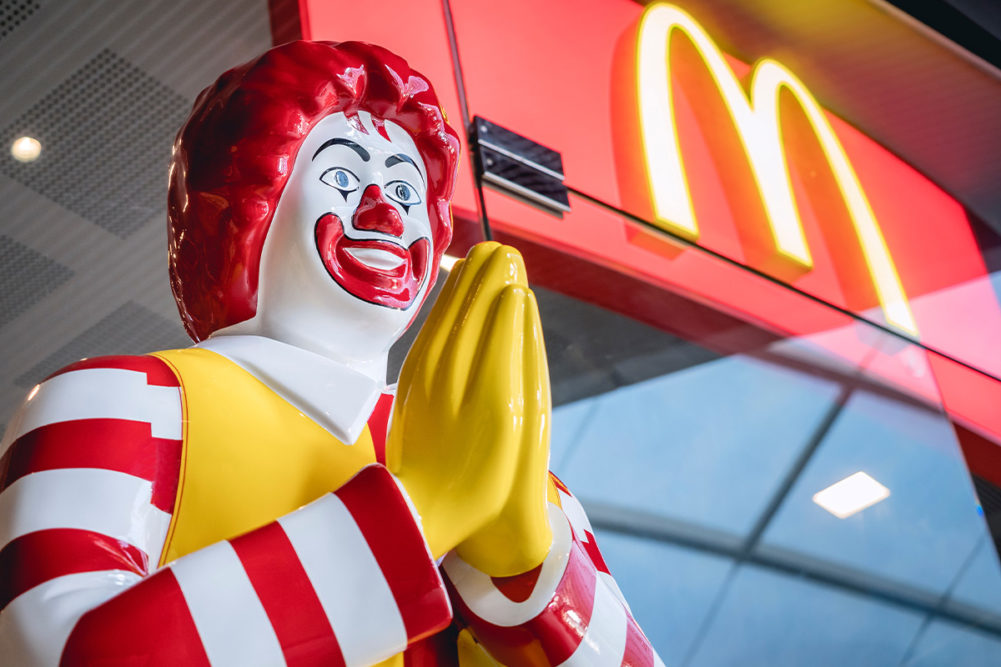
    Despite the overall downturn in Hong Kong’s retail market, fast-food conglomerate McDonald’s has successfully managed to sell close to half of its 23 retail properties in the city at premium rates. The selling spree initiated in July of the previous year, in collaboration with property consulting firm JLL, has seen the fast-food giant yield approximately HKD 900 million (US$703 million) from the sale of 11 properties.

    Investor Interest in Prime Retail Real Estate

    Eunice Tang, JLL’s executive director of capital markets, has been overseeing the sale of six McDonald’s outlets. Tang elaborated that while the overall retail real estate market, particularly for properties valued above HKD 50 million, has been sluggish, these prime-located assets backed by a blue-chip tenant like McDonald’s have managed to pique the interest of high-net-worth buyers.

    As a part of its strategy, McDonald’s plans to sell all its 23 retail spaces, cumulatively valued at HKD 3 billion. However, the company intends to continue operations in these locations as tenants post their sale, ensuring no disruption to its citywide operations. Remarkably, McDonald’s has a network of 256 outlets in Hong Kong, many of which operate from rented spaces.

    The pace of sales, given the prevailing recession in Hong Kong’s retail real estate sector, is noteworthy. While McDonald’s continues to amass substantial gains over its historical purchase costs, other shops are being sold at rates 30% lower than their peak valuations or original asking prices.

    McDonald’s Sale & Lease-Back Agreements

    The McDonald’s outlets have been sold via sale-and-lease-back agreements, enabling the fast-food giant to continue operations under leases of up to 20 years. Most properties offer rental yields of over 6%, providing investors with steady income even as rents and capital values remain under pressure in the wider market.

    High-net-worth individuals, family offices, and seasoned private investors, including local investor Ng Yin and veteran investor Chang Yen-hsu (known as “Taiwan’s Chang”), have been among the buyers. Other purchasers include the Malaysian developer MB World Group and private investors from mainland China.

    The properties sold were initially owned by MCD Real Properties, a company associated with McDonald’s U.S. parent, and were retained post the local operating business’s sale to a Citic Capital-led consortium in 2017. Importantly, McDonald’s strategic approach of releasing its portfolio in phases rather than inundating the market has been commended by industry insiders for achieving these sales in this challenging market environment.

    However, the upcoming phase could present more difficulties, with several properties, including the flagship Star House shop in Tsim Sha Tsui, remaining unsold. Challenges in selling these remaining properties are not just related to their location but also to the larger ticket size and unconventional property specifications, which limit the pool of potential buyers.

    Questions & Answers

    What is the overall retail property market situation in Hong Kong?
    Given the ongoing recession, the retail property market in Hong Kong is experiencing a downturn. Many shops are trading at prices 30% lower than peak valuations or original asking prices.

    How has McDonald’s managed to sell its properties amid the market downturn?
    McDonald’s has strategically released its portfolio in phases rather than flooding the market all at once. The prime locations of its properties, the company’s reputation as a reliable blue-chip tenant, and the sale-and-lease-back agreement that allows for continued operations have attracted high-net-worth investors.

    What are some challenges in selling the remaining McDonald’s properties?
    The remaining properties, including the flagship Star House shop in Tsim Sha Tsui, have larger ticket sizes and unconventional specifications, which limit the potential pool of buyers. These factors, combined with the current market conditions, may pose challenges in the upcoming sales phase.

  • Lululemon Amplifies Community Retail Strategy with Reopened Hong Kong Store

    Lululemon Amplifies Community Retail Strategy with Reopened Hong Kong Store

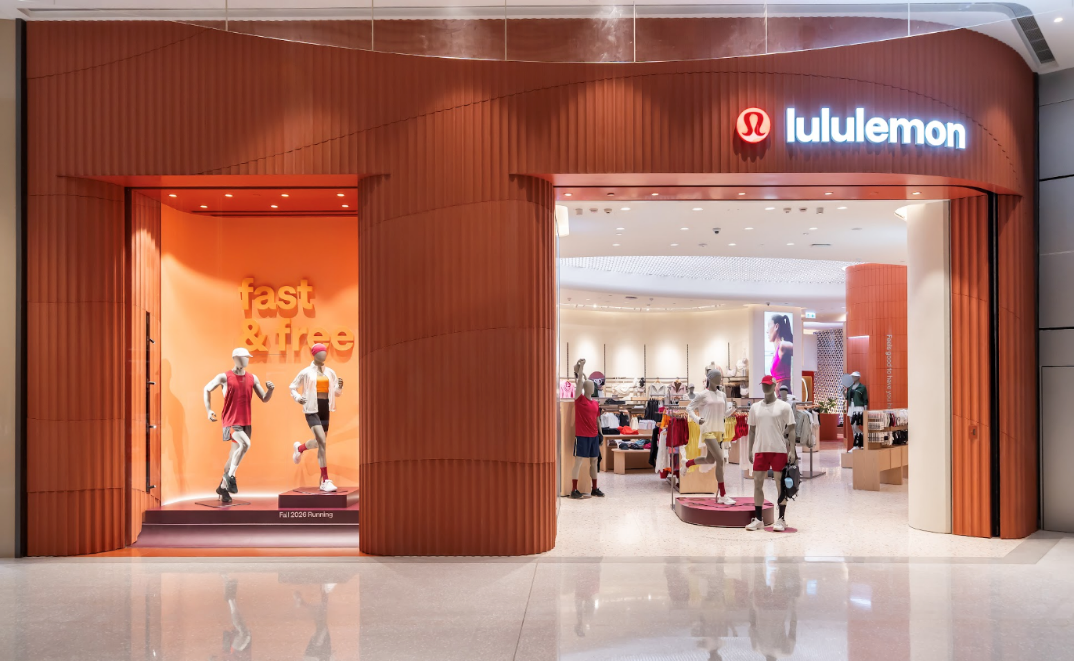
    Lululemon, the athletic apparel retailer, has once again opened the doors of its Hysan Place store in Hong Kong’s bustling Causeway Bay neighborhood. This is a part of the company’s ongoing effort to expand its community-driven retail model and solidify its physical store presence in the region.

    The store is quite generous in space, stretching over 3000 square feet. It brings to life Lululemon’s newest international retail concept, a seamless blend of a traditional retail environment and spaces dedicated to community interactions. These spaces will be the venues for monthly running events and various wellness-centric initiatives. This is reflective of the growing trend among retailers to enhance customer engagement through an experience-oriented shopping journey.

    Found in one of the busiest shopping areas of Hong Kong, the store displays a wide variety of Lululemon’s offerings. These include yoga, training, casual wear, golf, tennis, and running gear. The company has emphasized that running products will be a primary focus at this location, and will be supported through product launches and community events.

    The revamped store boasts an open layout and features a wall dedicated to celebrating the brand’s local ambassadors. The reopening of the store is also timed with the release of new additions to Lululemon’s Fast and Free running collection.

    In the words of Joey Chan, the regional director of Lululemon Hong Kong, Macau, and Taiwan, the store is designed as a well-being hub. She stated that the store reflects their continued optimism regarding the Hong Kong market and their commitment to supporting its burgeoning wellness community. “In addition to providing a superior in-store experience, we’re broadening our community activities to enable more opportunities for our customers to connect through physical activities,” added Chan.

    The reopening marks the addition of the 13th store to Lululemon’s Hong Kong portfolio, highlighting the integral role the market plays in the company’s Asia-Pacific expansion strategy. Only last month, Lululemon made its entry into the Japanese market with a flagship store in Harajuku, Tokyo.

    Questions & Answers

    What new concept is Lululemon introducing in its reopened Hysan Place store in Hong Kong?
    Lululemon is introducing its latest international retail concept at the Hysan Place store. This involves a combination of traditional retail space with areas designed for community activities and wellness programs.

    What focus area will be emphasized at this Lululemon location?
    Running will be a key category emphasized at the Lululemon Hysan Place store, supported by product launches and community events.

    How is Lululemon’s store reopening significant in its broader retail strategy?
    The reopening of the Hysan Place store in Hong Kong underscores the significance of the Hong Kong market in Lululemon’s Asia-Pacific growth strategy, and its commitment to invest in physical retail presence. It also serves as a testament to its strategy of strengthening customer engagement through experiential shopping and community-focused retail.

  • Hong Kong Retail Market Records 14th Month of Sturdy Growth, Despite Slight Cool-Off

    Hong Kong Retail Market Records 14th Month of Sturdy Growth, Despite Slight Cool-Off

    In June, Hong Kong saw an impressive rise in retail sales, with a 4.6% increase compared to the same month in the previous year. This resulted in a total of HK$31.5 billion (US$4.02 billion) in sales, signifying a consistent growth pattern for the 14th consecutive month according to government statistics released on Tuesday.

    Continued Growth Despite Global Economic Conditions

    The positive trend in Hong Kong’s retail market continued in June, with growth observed across various retail categories. For instance, retail sales in May saw a substantial rise of 7.9% on a year-on-year basis. When assessing the volume of sales, a 2.3% increase was recorded in June, compared to a 4.8% increase in May.

    For the initial half of the year 2026, the cumulative retail sales value showed an increase of 9.6% from the same period in the previous year. In terms of volume, there was a 7.2% rise in retail sales.

    A government official attributed this growth trend to factors like the ongoing economic expansion, rising local incomes, and a steady influx of inbound tourists. However, the spokesperson also acknowledged that global conditions pose a potential risk to local consumption patterns, which will be closely monitored by the government.

    Visitor Influx and Varied Category Performance

    In terms of inbound tourism, there was a 6.9% year-on-year increase in visitor arrivals in June, totaling 3.72 million visitors, as per data provided by the Hong Kong Tourism Board. Remarkably, visitor arrivals from mainland China surged by 10.5% to 2.88 million.

    The sales of lucrative items such as jewelry, watches, clocks, and other valuable gifts saw a substantial jump of 20.1% in June, following a revised growth rate of 26% in May. However, not all retail categories shared this upward trend. Sales of motor vehicles and parts experienced a decrease of 4.3% in June, following a modest growth of 1.8% in the previous month.

    However, sales of clothing, footwear, and related products saw a slight increase of 0.5% in June, following a revised May gain of 2.6%.

    Questions & Answers

    What was the percentage increase in retail sales in Hong Kong in June?
    The retail sales in Hong Kong saw a 4.6% increase in June compared to the same period the previous year.

    What factors contributed to the growth in the retail sector according to government officials?
    Government officials attributed the growth in the retail sector to ongoing economic expansion, rising local incomes, and a steady influx of inbound tourists.

    How did visitor arrivals from mainland China influence the retail sector in June?
    Visitor arrivals from mainland China surged by 10.5% to 2.88 million in June, indicating a potential positive impact on the retail sector due to increased consumer spending.

  • SmarTone Waves Goodbye to 3G, Eyes 5G Expansion in Hong Kong This October

    SmarTone Waves Goodbye to 3G, Eyes 5G Expansion in Hong Kong This October

    SmarTone Mobile Communications Limited has announced its plans to permanently halt its 3G mobile services come October 9, 2026. The move is part of the company’s proactive transition to more sophisticated mobile technologies.

    Shifting to Advanced Technologies

    The decision, according to SmarTone, will aid in the enhancement of its 5G network. This comes as the company sees a steady decrease in 3G usage within its clientele, with only about 1% of its total mobile customer base still utilizing the 3G network as of June 2026.

    In preparation for this imminent network shift, SmarTone has been informing impacted clients since last year, urging them to update their mobile devices and SIM cards prior to the shutdown of the 3G network.

    This impending shutdown comes on the heels of SmarTone’s previous discontinuation of its 2G network in 2022, a move that mirrors the wider sector’s gradual withdrawal from outdated mobile technologies.

    Established in 1992, SmarTone is a Sun Hung Kai Properties affiliate based in Hong Kong. The operator, which once had a foothold in Macau, withdrew from the market in 2024.

    Retiring Legacy Networks

    SmarTone joins the list of Hong Kong operators bidding farewell to legacy networks. China Mobile Hong Kong (CMHK) also closed its 3G services the previous year as part of a territory-wide shift to modernize infrastructure.

    On a global scale, telecom operators are ceasing operations of 2G and 3G networks to free up beneficial spectrum for 4G LTE and 5G services. This strategic move not only increases network capacity and efficiency, but also caters to the escalating demand for mobile data.

    Questions & Answers

    What is the reason behind SmarTone’s decision to stop its 3G services?
    SmarTone is discontinuing its 3G services to make way for advanced mobile technologies, specifically to strengthen its 5G network.

    When is the scheduled shutdown of SmarTone’s 3G network?
    SmarTone’s 3G network is scheduled to shut down on October 9, 2026.

    What is the industry trend concerning legacy mobile technologies?
    The industry trend is to phase out legacy mobile technologies, such as 2G and 3G networks, to free up spectrum for more advanced services such as 4G LTE and 5G.

  • Chinese Brand Nice Rice Debuts First Store in Hong Kong’s Fashion Hotspot, Causeway Bay

    Chinese Brand Nice Rice Debuts First Store in Hong Kong’s Fashion Hotspot, Causeway Bay

    Nice Rice, a popular Chinese fashion brand, has debuted its first outlet in Hong Kong, marking a crucial step in the brand’s expansion outside of Mainland China.

    Innovative Flagship Store in a Premium Retail Location

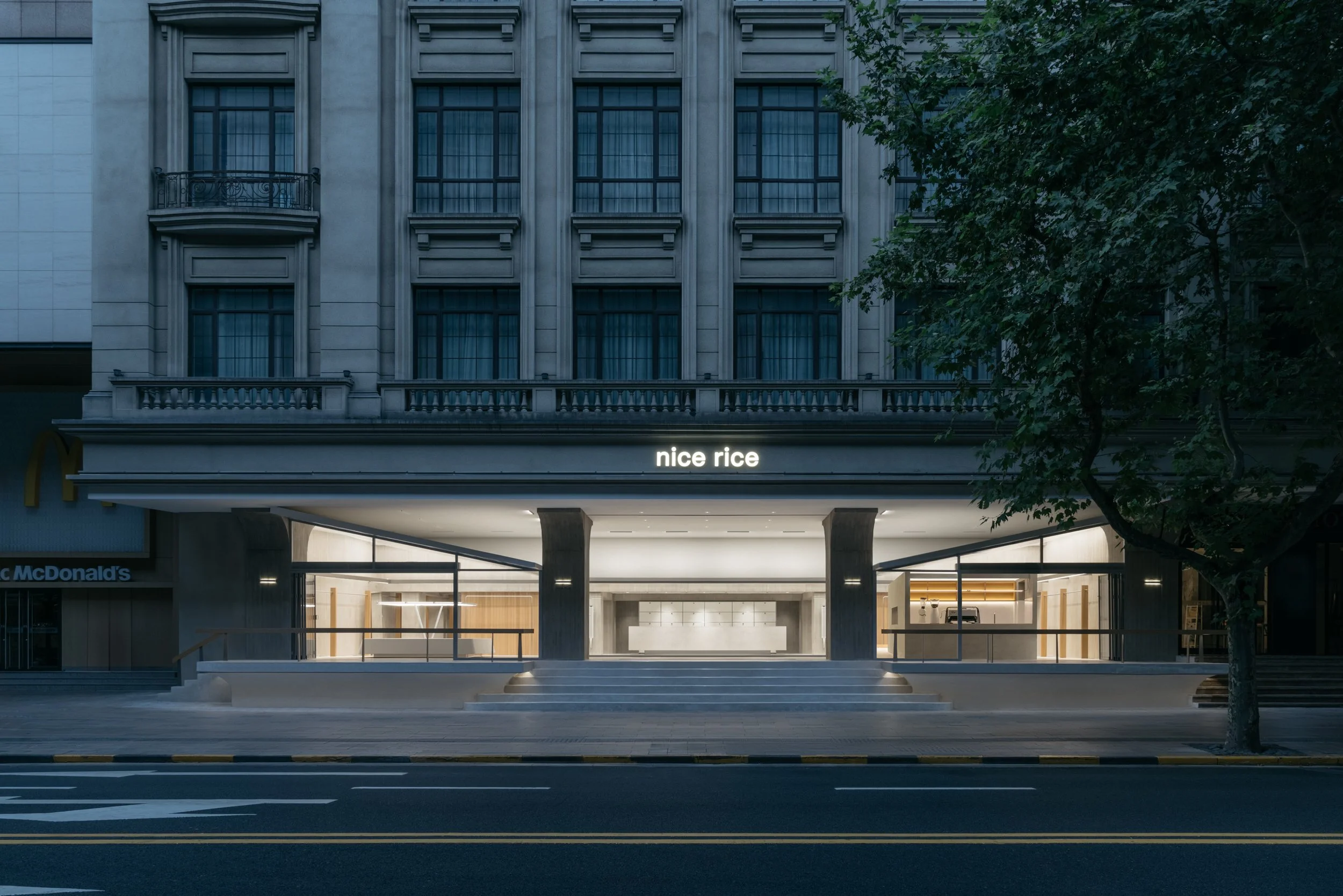
    The brand’s flagship store, which spans an impressive 1500 square feet, is located in Causeway Bay, a highly sought-after retail destination. The new Nice Rice store stands alongside a slew of top-tier streetwear brands such as Stussy, Inc., and Carhartt, thereby reinforcing Pak Sha Road’s reputation as a premier fashion retail hub.

    Nice Rice, the brainchild of One Sun, was founded in 2018. It has approximately 20 stores spread across China. The brand’s Shanghai flagship stands out, operating as a unique fusion of a coffee and fashion store.

    Aligning with Expansion Trends

    The move to expand Nice Rice beyond China’s domestic market aligns with a growing trend among Chinese retailers. Causeway Bay, with its international appeal, robust retail infrastructure, and a diverse consumer base, remains a popular choice for brands seeking to establish a flagship presence. The location offers a unique opportunity for brands to engage with both local shoppers and international tourists.

    Questions & Answers

    What is Nice Rice?
    Nice Rice is a popular fashion brand from China that was established in 2018 by One Sun.

    Where is the Nice Rice flagship store situated in Hong Kong?
    The flagship store of Nice Rice is located in Causeway Bay, a premium retail destination in Hong Kong.

    What is unique about the Shanghai flagship store of Nice Rice?
    The Shanghai flagship store of Nice Rice operates as a dual coffee and fashion store, which sets it apart from other outlets.

  • Hong Kong Land Buys Singapore’s Wheelock Place for $900 Million, Boosting Its Commercial Footprint

    Hong Kong Land Buys Singapore’s Wheelock Place for $900 Million, Boosting Its Commercial Footprint

    Hongkong Land, a leading property investment, management, and development group, has successfully secured a deal to purchase Singapore’s premium shopping centre, Wheelock Place. The purchase, valued at approximately US$900 million, is being transacted through the company’s Singapore Central Private Real Estate Fund (SCPREF). This deal marks the first acquisition for the fund since its establishment in February.

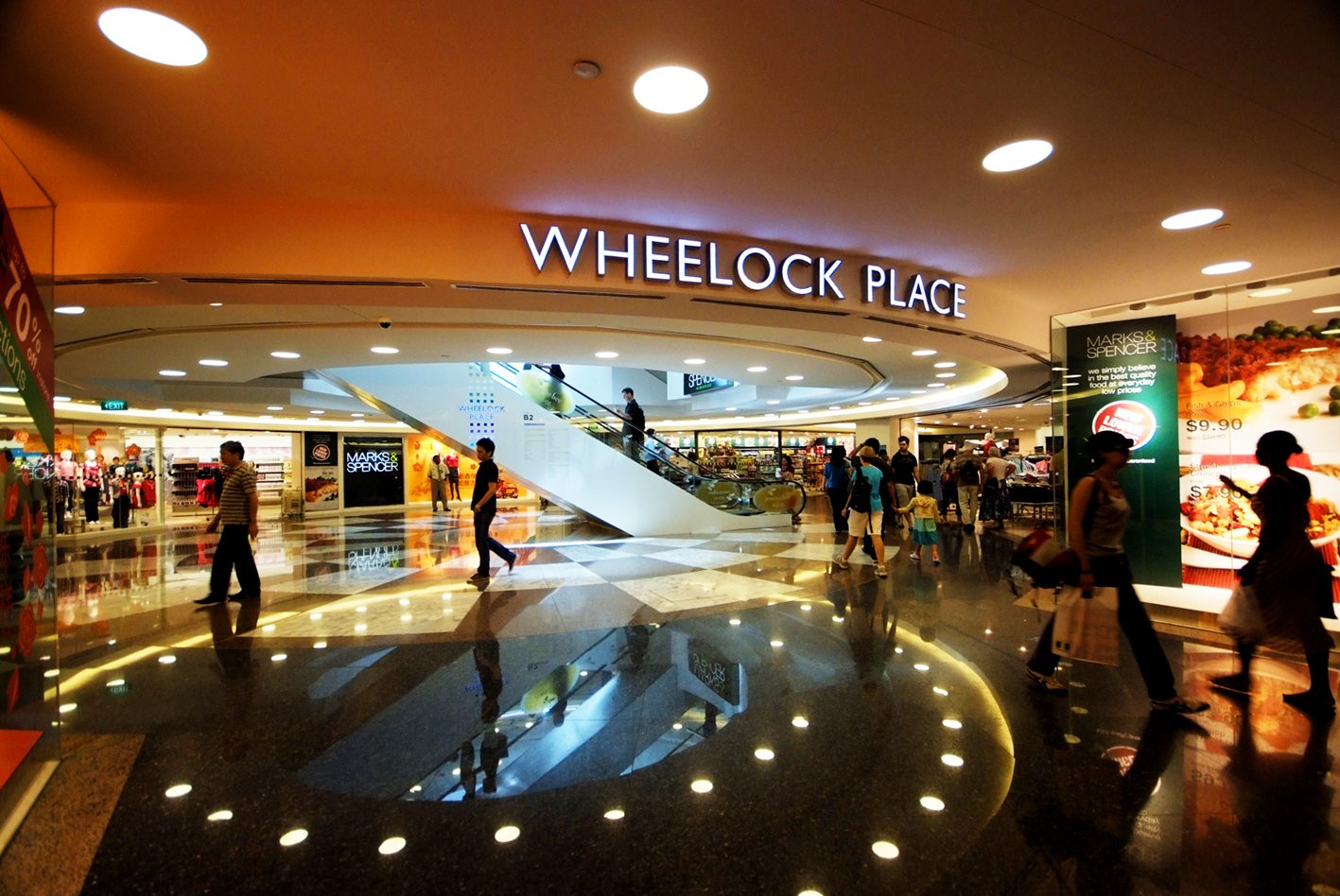
    Wheelock Place, situated on the iconic Orchard Road, is a multi-faceted commercial property. It consists of a 21-story commercial building that houses office spaces, a retail podium, and two levels of basement that offer more shopping outlets and car parking facilities. The shopping centre boasts over 4000 square meters of retail space, within a total gross floor area of 43,280 square meters.

    In the past year, Wheelock Place demonstrated robust financial performance, generating nearly $100 million in profit after tax. This marks a significant 160 per cent growth from the previous year.

    The deal is anticipated to be finalized by the end of August. Following the completion of this acquisition, the assets under management for SCPREF will surge to $7.3 billion. This brings the fund closer to achieving its target of approximately $11.6 billion.

    Michael T Smith, the Group CEO of Hongkong Land, commented on the acquisition, highlighting the rarity and premium nature of the asset. He stated that securing Wheelock Place within months of the fund’s launch reflects positively on their fund management team and validates the trust their capital partners have in their strategic decision-making capabilities.

    This acquisition also symbolizes Hongkong Land’s strategic expansion into the Orchard Road precinct, a move that further enhances its commercial portfolio in Singapore.

    Questions & Answers

    What is the significance of this acquisition for Hongkong Land?
    This acquisition marks Hongkong Land’s strategic entry into the Orchard Road precinct, expanding its commercial footprint in Singapore. It also reflects a successful start for their Singapore Central Private Real Estate Fund.

    What is the financial impact of this deal on the Singapore Central Private Real Estate Fund?
    Once the deal is completed, the assets under management for the Singapore Central Private Real Estate Fund will increase to $7.3 billion, bringing it closer to its target of around $11.6 billion.

    What type of commercial property is Wheelock Place?
    Wheelock Place is a multi-faceted commercial property located on Orchard Road. It comprises a 21-story commercial building housing offices, a retail podium, and two basement levels containing additional shops and car parking facilities.

  • PapaHome’s Mega Expansion: Unveiling Bigger Flagship Store in Hong Kongs Fashion Walk

    PapaHome’s Mega Expansion: Unveiling Bigger Flagship Store in Hong Kongs Fashion Walk

    PapaHome, powered by Taobao, continues its growth in the Hong Kong market by moving its primary store to a bigger location at Fashion Walk, Causeway Bay. The grand opening is slated for October.

    Expansion and Rebranding

    The upgraded flagship store will occupy over 35,000 square feet, spanning two floors, effectively doubling the size of its previous store in Tsim Sha Tsui. This relocation comes following a successful year since PapaHome launched as Taobao’s inaugural physical furniture superstore in Hong Kong. The company cites robust consumer demand and impressive sales performance at the original store as key drivers behind the decision to upgrade to a larger flagship.

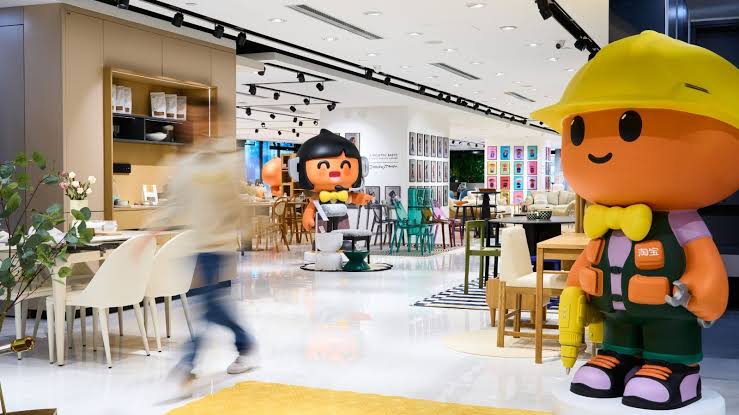
    The newly relocated outlet in Causeway Bay will continue to utilize the successful OMO (Online Merges with Offline) model, while also launching the brand’s ‘More Than Home’ concept. In addition to offering a wide variety of furniture and home furnishings, the store will also house a dedicated showroom focusing on home aesthetics. Complementing this, the store will offer bespoke furniture, interior design, and home renovation services.

    Broadening Product Offerings

    With the aim of catering to more diverse lifestyle needs, the flagship store will introduce new lifestyle products. These will include the first-ever PapaCafe and dedicated areas for beauty and wellness. Additionally, it will house a floristry section and a selection of curated lifestyle accessories.

    Questions & Answers

    What prompted PapaHome to relocate its flagship store?
    Robust customer demand and impressive sales performance at their original store prompted PapaHome to relocate to a larger flagship.

    What is the new concept that PapaHome is introducing?
    PapaHome is introducing the ‘More Than Home’ concept, which includes a broader range of furniture and home furnishings, a home aesthetics showroom, and services like custom furniture, interior design, and home renovation.

    What new lifestyle offerings will be available at the flagship store?
    The flagship store will introduce new lifestyle offerings such as the debut of PapaCafe, dedicated spaces for beauty and wellness, floristry, and a selection of curated lifestyle accessories.

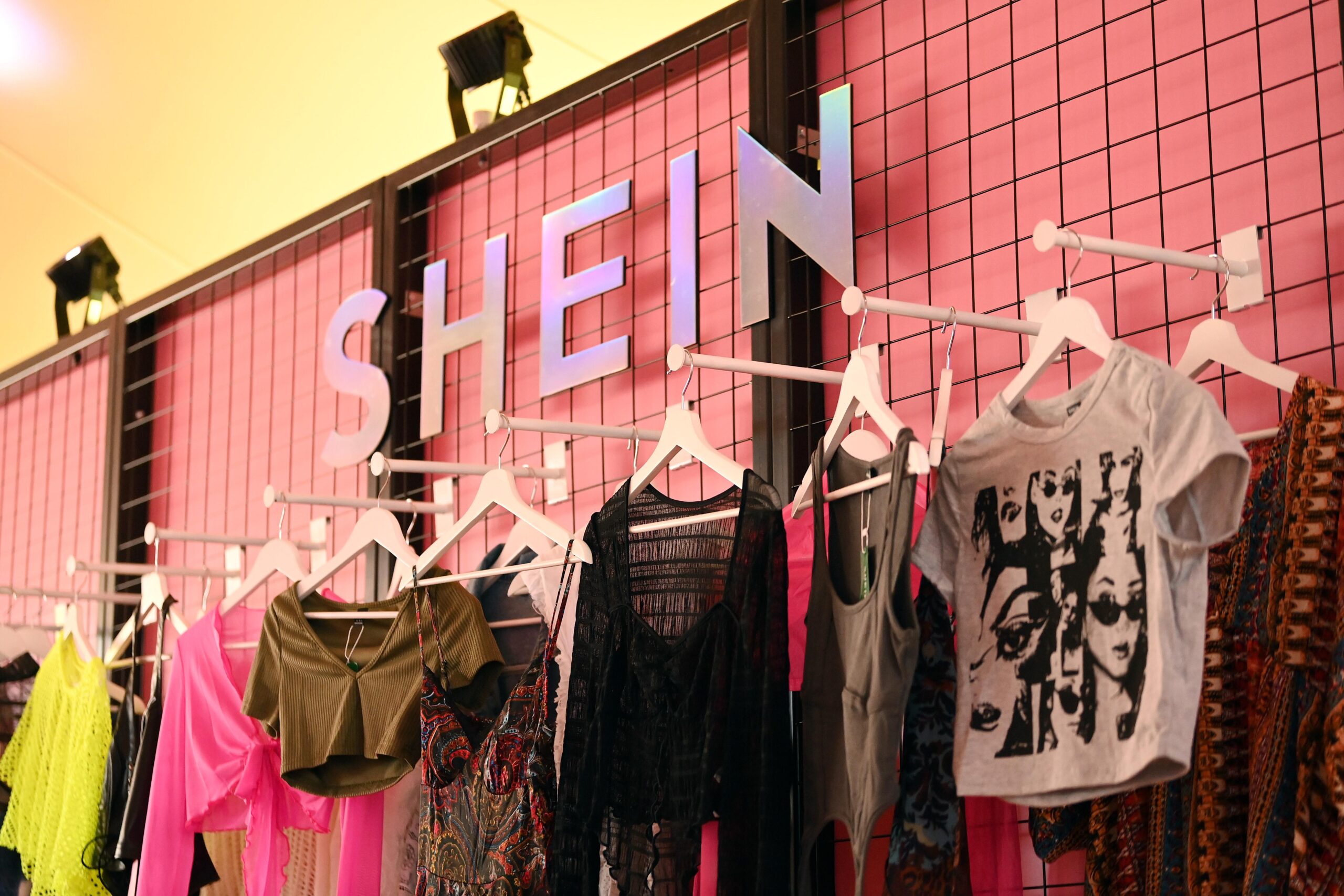
  • Shein’s Q1 Losses: Tariffs, Slowing Sales, and Their Toll Ahead of Hong Kong IPO

    Shein’s Q1 Losses: Tariffs, Slowing Sales, and Their Toll Ahead of Hong Kong IPO

    Online retailer Shein recently reported a notable quarterly loss of $99 million, as indicated in its pre-IPO financial filings. This downturn comes in the wake of the United States lifting an import duty exemption on small packages along with a significant, one-time accounting charge. These events led to the company’s first quarter of 2026 posting a loss, in contrast to the net income of $395 million that was recorded during the same period in the previous year.

    Challenges and Changes

    Shein, a company that originated in China but is now headquartered in Singapore, is currently faced with an array of challenges. These include a new €3 fee imposed by the European Union on low-value e-commerce imports, a measure designed to address what the EU perceives as unfair competition from China. The company’s financials now reveal the strain these new circumstances are putting on Shein, as it contends with rising costs, slower growth, and heightened regulatory scrutiny from its key markets.

    Shein’s first quarter loss in 2026 was partly influenced by an accounting change that resulted in a $328 million fair-value charge on convertible redeemable preferred shares, which are investor shares that can later convert into ordinary shares. This accounting loss occurred as Shein, a company that sells affordable fashion to approximately 160 countries, experienced a sharp decrease in its valuation, largely resulting from the fading online shopping boom produced by the pandemic and the closure of the ‘de minimis’ duty loophole in the US.

    In the wake of the ‘de minimis’ exemption being removed in May 2025, Shein acknowledged a negative impact on its sales in the US, its largest market. The ‘de minimis’ rule had previously allowed packages valued at under $800 to enter the US without duties. Shein is now grappling with tax rates ranging from 10% to 87.5% on Chinese-origin products sold by the company or through its marketplace and shipped to the US. In an effort to counteract these increased duties and taxes, Shein is considering a range of options, including raising its prices in the US market.

    The company reported a 14.3% drop in US revenue to $2.04 billion in the first quarter, down from $2.38 billion during the same period in the previous year. With Europe accounting for about one-third of Shein’s revenues in 2025, the company has also expressed concerns about the potential impact of the new EU duty.

    Regulatory Concerns and Future Plans

    Regulatory scrutiny and trade tensions between the US and China have put Shein in a challenging position. Criticisms have been raised regarding the retailer’s working conditions in supplier factories, the potentially addictive features of its shopping app, and the environmental impact of air shipping large volumes of goods.

    In response, Shein has reiterated its zero-tolerance policy on labor abuses and has pledged to invest in risk assessments and mitigation frameworks to safeguard its users. Shein also revealed that the majority of products manufactured by its supply chain partners are stored in central warehouses in China before being shipped. Proceeds from its IPO will be used to improve technology, raise brand awareness, expand its global presence, and promote corporate responsibility.

    Questions & Answers

    What factors contributed to Shein’s recent quarterly loss?
    Shein’s loss was influenced by the US lifting an import duty exemption on small packages, the introduction of a fee on low-value e-commerce imports by the EU, and a one-time accounting charge related to a change in the valuation of investor shares.

    How has the removal of the ‘de minimis’ rule affected Shein’s operations?
    The removal of the ‘de minimis’ rule has resulted in a notable decrease in Shein’s sales in the US and an increase in the company’s expenses.

    What measures is Shein considering to counteract these increased costs?
    Shein is currently exploring several options, including the possibility of raising prices in the US market to offset a portion of the increased costs.

  • Hong Kong Sees Record $2.2B Surge in Bulk Property Investments Amid Rising Rental Demand

    Hong Kong Sees Record $2.2B Surge in Bulk Property Investments Amid Rising Rental Demand

    In the wake of a record-breaking first half of the year, bulk homebuyers are anticipated to continue to be a significant influence in Hong Kong’s primary residential market throughout the second half of the year. The strong rental demand, particularly from mainland Chinese students and migrant workers, is bolstering this trend.

    Record Figures Demonstrate Investor Confidence

    From the beginning of the year to June, 654 buyers purchased two or more residences in the primary market. They bought a total of 1,794 flats with an estimated value of approximately HKD17.4 billion (US$2.2 billion). These numbers represent a significant increase from the previous year, effectively doubling and setting new records for buyer amounts, units sold, and the overall transaction value.

    Bulk buyers were responsible for about 14% of all primary home sales during this period. This means that approximately one in seven new flats was bought by purchasers acquiring a minimum of two units.

    A surge in purchases indicates a growing investor interest in rental properties. Hong Kong’s rental index reached a new high in June, making smaller apartments near educational institutions and transport hubs an attractive choice for investors.

    Increasing Appeal of Specific Developments

    The majority of bulk purchases were made in developments that were particularly well-suited to the rental market. Sun Hung Kai Properties’ Lime Spark in Tsuen Wan, which is a favored rental district with excellent transport links, had the most bulk transactions in June, with 29 deals covering 95 flats worth HKD669 million.

    Furthermore, Henderson Land Development’s Highwood in To Kwa Wan and One Victoria Cove in Hung Hom, both of which are near university campuses, recorded 16 and 13 bulk transactions, respectively. Together, these three developments accounted for approximately three-quarters of June’s bulk transactions.

    While most investors bought two units, 65 buyers purchased at least five homes and seven procured 10 or more. The most substantial single transaction in the first half of the year comprised an investor acquiring 16 flats in Highwood for over HKD111 million.

    In June, bulk-buying activity decreased as fewer projects were launched by developers. Nevertheless, bulk purchases are expected to pick up again in the third quarter as new projects are introduced and investor attention refocuses on the property market following global events such as the World Cup.

    Questions & Answers

    Why was there a surge in bulk home purchases in the first half of the year?
    The spike in purchases is primarily due to increased investor interest in rental properties, driven by robust demand from mainland Chinese students and migrant workers.

    What factors make certain properties more attractive to bulk buyers?
    Properties that are attractive to bulk buyers are typically smaller apartments near universities and transport hubs. Developments in popular rental districts with strong transport connections are especially appealing.

    What are the predictions for the third quarter of the year?
    Bulk purchases are expected to rise again in the third quarter as developers introduce new projects and investor attention shifts back to the property market. A boost in the stock market is also expected to support buying sentiment.

  • Fast-Fashion Leader Shein Secures Approval for High-Profile Hong Kong IPO after Setbacks

    Fast-Fashion Leader Shein Secures Approval for High-Profile Hong Kong IPO after Setbacks

    Fast-fashion retail giant Shein has received authorization for its much-anticipated Initial Public Offering (IPO) process in Hong Kong, bringing it one step closer to a listing after unsuccessful runs in both New York and London. This news came from the China Securities Regulatory Commission (CSRC) on Friday, offering Shein the endorsement it has been seeking for over a year.

    Shein’s journey to the IPO stage has been hindered by a variety of factors, including weak investor sentiment and conservative spending habits among lower to middle-income consumers. The retailer’s journey to the stock market is therefore noteworthy, with many other consumer brands opting to postpone their IPOs in the current financial climate.

    Shein’s Journey to the IPO

    Shein was established by Sky Xu, a Chinese-born entrepreneur, in 2012. The IPO approval was contingent upon approval from the highest echelons of the ruling Communist Party in China, due to various controversies surrounding the brand. The controversies included a scandal involving a sex doll in France and allegations of poor labor standards in its supplier factories in China.

    Despite these scandals, Shein has shown resilience. The IPO’s confidential nature and the company’s decision not to make the filing documents public suggests that the retail giant is embracing its Chinese origins, rather than distancing itself. This is contrary to the strategies of many Western fashion companies, which have sought to reduce their Chinese exposure.

    Shein’s Current Financial Status

    Shein was valued at a staggering US$100 billion in 2022. However, as the online shopping boom brought on by the pandemic began to wane and a customs duty loophole for e-commerce parcels in the US was closed, the brand’s value decreased. In the latest fundraising round in May 2023, Shein was valued at just $66 billion.

    Shein’s IPO goal is speculated to be between $40 billion to $50 billion. The company plans to sell up to 8 percent of its shares, but the final stake sold is expected to be lower, thus generating low single-digit billions of dollars.

    Shein’s unsuccessful attempts to list in New York and London indicate the challenges faced by Chinese-linked companies due to geopolitical tensions. Despite moving its headquarters to Singapore in 2022, Shein is still subject to Chinese IPO rules as its products are largely manufactured by third-party suppliers in China.

    Questions & Answers

    What controversies has Shein faced?
    Shein has been involved in several controversies, including a scandal involving a sex doll in France and allegations of substandard labor practices in its supplier factories in China.

    What is the projected worth of Shein’s IPO?
    Shein is targeting an IPO valuation of between $40 billion and $50 billion.

    Why has Shein’s valuation decreased since 2022?
    Shein’s valuation has decreased due to the diminishing online shopping boom brought on by the pandemic and the closure of a customs duty loophole for e-commerce parcels in the US.

  • Booming Retail Sales in Hong Kong Predicted to Persist Amid Positive Economic Climate

    Booming Retail Sales in Hong Kong Predicted to Persist Amid Positive Economic Climate

    The retail sector in Hong Kong experienced a healthy growth in May, a trend that is anticipated to sustain, given the positive economic climate. Data from the Census and Statistics Department reveals a 7.9% year-on-year increase in retail sales, reaching HK$33.8 billion (US$4.3 billion) for the month of May. This extends the revised growth of 8.7% witnessed in April.

    Sales Performance in Different Retail Categories

    In the first five months of the year, retail sales showed an approximate increase of 10.6% compared to the same timeframe last year. When considering the effect of price changes over the same period, retail sales witnessed an improvement of 4.8% in May.

    A government representative stated that majority of the retail categories demonstrated gains in May, continuing the growth observed in the retail sector. The highest growth was seen in valuable gifts with a rise of 25.8%. This was followed by electrical goods and other consumer durable goods with a 13% increase, optical shops at 10.3%, and department store commodities at 9.2%.

    Meanwhile, other categories like apparel and footwear, cosmetics, and furniture experienced modest growth ranging between 3% and 5%.

    However, not all categories thrived. Fuels, Chinese medicines and herbs saw a significant decline in sales by 12.2% and 9.5% respectively. Food, alcoholic beverages, and tobacco also experienced a slight dip of 0.3%.

    Anticipated Trends and Government Overview

    Looking into the future, the government spokesperson is hopeful about the continued growth in the retail sector. The ongoing economic expansion, increasing local labour earnings, and a rise in inbound visitors are expected to keep benefiting retail businesses.

    The government, in response, has pledged to keep a close watch on any potential impact of changing external uncertainties on the local consumption market.

    Questions & Answers

    What was the growth rate for retail sales in Hong Kong in May?
    Retail sales in Hong Kong recorded a 7.9% year-on-year increase in May.

    Which retail category observed the highest growth?
    The highest growth was recorded in the category of valuable gifts, which saw a rise of 25.8%.

    What are the government’s expectations for the future of the retail market?
    The government anticipates continued growth in the retail market, backed by economic expansion, increasing local labour earnings, and a rise in inbound visitors.

  • JD.com Ignites Hong Kong Expansion with Launch of Citys First JD Mall

    JD.com Ignites Hong Kong Expansion with Launch of Citys First JD Mall

    JD.com, a prominent Chinese e-commerce company, has inaugurated its first physical JD Mall in Hong Kong. This venture marks the beginning of an ambitious expansion strategy, which projects the opening of 6 to 8 more stores across the city over the forthcoming three years.

    The retail store, located in Wan Chai, boasts a sprawling 30,000 square feet area, making it one of the largest home appliances and consumer electronics specialists in Hong Kong. Notably, this is the first JD Mall branch established outside of mainland China, adding to the over 30 stores already operating across the country.

    The decision to open a physical store in Hong Kong followed an announcement by JD.com last year about its quest for an ideal location. The company’s offline retail concept integrates product displays, interactive experiences, and post-sale services.

    JD.com’s expansion blueprint includes the addition of six to eight JD Mall branches in Hong Kong. Future locations are expected to be in prominent districts like Sha Tin, Mong Kok, and Tuen Mun.

    The Wan Chai store offers an extensive array of products, from home appliances and consumer electronics to smart home systems, AI-enabled devices, and robotics. JD.com asserts that the store adheres to a “sourced in Hong Kong, sold in Hong Kong” policy. This is supported by local suppliers and products designed based on local market needs.

    A spokesperson for JD Mall labelled Hong Kong as a significant gateway to the Greater Bay Area. The city’s mature consumer market and robust retail ecosystem were also cited as the reasons for this expansion.

    The spokesperson highlighted that JD Mall will leverage JD.com’s strong supply chain capabilities, digital operations expertise, and experience-led retail model. They also assured that the store would comply with local regulations and cater to consumer preferences.

    The spokesperson added, “Through our local operations, we will deliver high-quality products, innovative retail experiences, and exceptional service to Hong Kong consumers, while contributing to the continued diversification and upgrading of the local retail sector.”

    JD.com also revealed plans to broaden omnichannel retail services in the city, and to reinforce partnerships with other businesses within the JD.com ecosystem.

    Questions & Answers

    What is the expansion plan of JD.com in Hong Kong?
    JD.com plans to open six to eight more physical JD Mall locations across the city over the next three years.

    What is unique about the new JD Mall store in Hong Kong?
    The store is unique because it offers a wide variety of products, including home appliances, consumer electronics, smart home systems, AI-enabled devices, and robotics. Moreover, it follows a ‘sourced in Hong Kong, sold in Hong Kong’ approach.

    How does JD.com plan to cater to the Hong Kong market?
    JD.com plans to cater to the Hong Kong market by aligning with local compliance standards and consumer preferences. It also aims to strengthen collaboration with other businesses within the JD.com ecosystem and to expand omnichannel retail services in the city.

  • Nike Unleashes Football Universe in Hong Kong Stores to Ignite World Cup Fever

    Nike Unleashes Football Universe in Hong Kong Stores to Ignite World Cup Fever

    Nike recently kicked off a football-centric retail initiative as a part of their worldwide ‘Rip the Script’ campaign in Hong Kong, transforming selected stores into immersive environments. This move, unveiled under the banner ‘Nike Football Universe’, aligns with the sportswear titan’s launch of the 2026 National Team Kit collection in anticipation of the upcoming Fifa World Cup.

    Selected stores have taken on a new look, complete with campaign-centric visual merchandising, football-themed exhibits, and interactive elements showcasing the 2026 National Team Kit Collection and the Mercurial football boot line. The campaign roll-out also included guest appearances by local footballers Yapp Hung Fai, Yu Jesse Joy Yin, and Lau Ka Kiu. As an added feature of this campaign activation, Nike’s Fa Yuen Street store is inviting fans to a Football Photo Booth experience until July 22.

    Expanding Personalisation Services

    In addition to the immersive store experiences, the retail giant is broadening the reach of its Jersey By You and Nike By You services across participating stores. This allows customers who purchase selected national team jerseys the option to personalise them with player names and numbers. Meanwhile, the Nike By You service presents shoppers with football-inspired graphics and patches for tailored apparel and footwear.

    This movement in Hong Kong is part of Nike’s larger strategy to stir up enthusiasm around football before the 2026 World Cup. The company aims to use these retail experiences to showcase their new product ranges and deepen customer engagement.

    Questions & Answers

    What is the idea behind Nike’s ‘Rip the Script’ campaign?
    The campaign is designed to build excitement around football ahead of the 2026 World Cup, using immersive retail experiences to highlight new product lines and enhance customer engagement.

    What unique features are offered in the newly transformed stores?
    The stores now feature campaign-themed visual merchandising, football-centric displays, and interactive elements. Customers can also personalise selected national team jerseys and enjoy football-inspired graphics and patches for tailored apparel and footwear.

    How is Nike involving local footballers in the campaign?
    Local footballers Yapp Hung Fai, Yu Jesse Joy Yin, and Lau Ka Kiu have made guest appearances as part of the campaign roll-out, contributing to the immersive football environment.

  • Nike Kicks Off Football Universe in Hong Kong: Unveiling the 2026 World Cup Kit Collection and More

    Nike Kicks Off Football Universe in Hong Kong: Unveiling the 2026 World Cup Kit Collection and More

    Nike has initiated a football-centric retail strategy throughout Hong Kong, as a segment of its worldwide ‘Rip the Script’ campaign, by transforming select stores into immersive environments.

    This effort, known as the ‘Nike Football Universe’, aligns with the unveiling of the athletic apparel behemoth’s 2026 National Team Kit collection, in anticipation of the upcoming Fifa World Cup. Selected stores have been given a complete overhaul, with campaign-specific visual marketing, football-themed displays, and interactive elements that put the spotlight on the 2026 National Team Kit Collection and the Mercurial football boot line.

    The strategy’s implementation also includes visits from local football stars Yapp Hung Fai, Yu Jesse Joy Yin, and Lau Ka Kiu. Integrated into the campaign’s activities, Nike’s Fa Yuen Street store extends a Football Photo Booth experience until July 22.

    Moreover, Nike is broadening the availability of its Jersey By You and Nike By You services throughout participating outlets. Customers who purchase selected national team jerseys have the option to personalize them with player names and numbers. Simultaneously, Nike By You provides football-inspired graphics and patches for bespoke apparel and footwear.

    This Hong Kong campaign is a fragment of Nike’s larger drive to fuel enthusiasm about football leading up to the 2026 World Cup. It uses retail experiences as a platform to debut new product lines and escalate customer involvement.

    Questions & Answers

    What is the aim of the ‘Nike Football Universe’ in Hong Kong?
    The initiative is part of Nike’s global ‘Rip the Script’ campaign, aimed at increasing anticipation and excitement for football and the 2026 Fifa World Cup, by transforming select stores into immersive football-themed spaces.

    How is Nike personalizing the retail experience for customers?
    Nike is expanding its Jersey By You and Nike By You services to more locations. This allows customers to personalize selected national team jerseys with player names and numbers. Customers can also add football-inspired graphics and patches to customize their apparel and footwear.

    Why are local football stars visiting Nike stores?
    Local football stars Yapp Hung Fai, Yu Jesse Joy Yin, and Lau Ka Kiu are visiting select Nike stores as part of the campaign. Their appearances are designed to engage customers and create a more immersive and personal retail experience.

  • Robotic Revolution: Hong Kong Unveils First 24/7 Convenience Store Operated by Humanoid

    Robotic Revolution: Hong Kong Unveils First 24/7 Convenience Store Operated by Humanoid

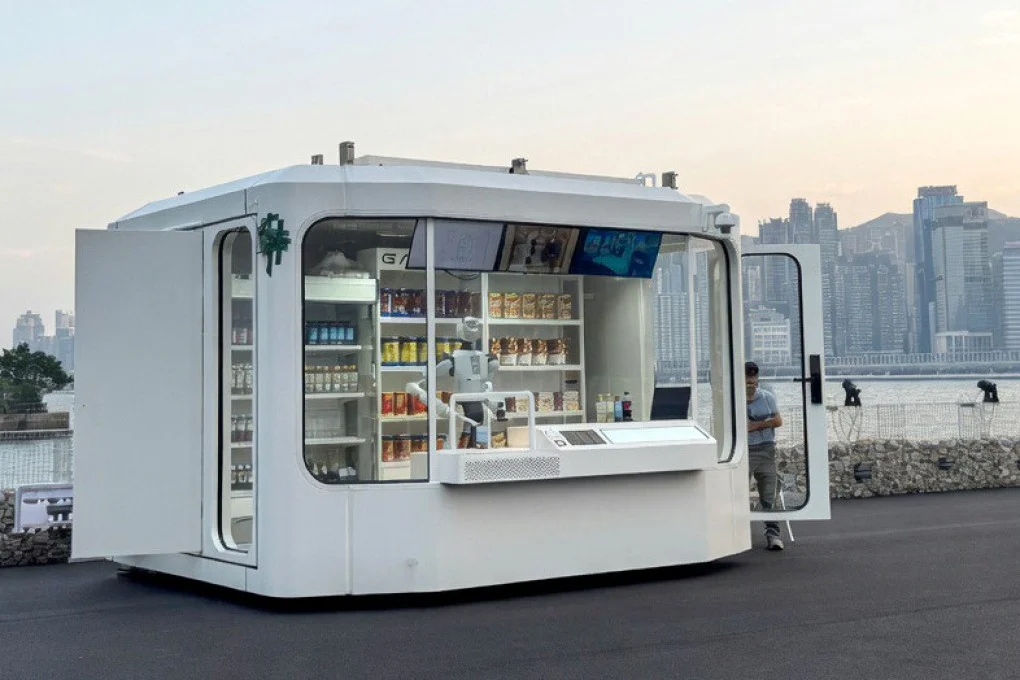
    The bustling city of Hong Kong is all set to welcome its inaugural 24-hour convenience store managed entirely by a humanoid robot. This groundbreaking project denotes the initial venture outside Mainland China for Beijing-based robotics firm, Galbot.

    Situated along the waterfront of Hung Hom, the robotic store is financially supported by the Hong Kong Investment Corporation (HKIC). A 9 square meter capsule store, it will be supervised by ‘Xiao Gai’, a G1 humanoid robot model standing tall at 173cm. The robot is equipped with a 190cm arm span, specifically engineered to restock shelves, select inventory items and manage customer checkouts with ease.

    A New Era of AI in Retail

    The store is designed to cater to high-demand retail categories such as snacks, lifestyle merchandise, and over-the-counter pharmaceuticals. The upcoming launch of this humanoid robot-managed store in Hong Kong highlights a rapidly evolving trend: the integration of artificial intelligence (AI) into our everyday lives.

    As the HKIC stated, their active promotion of AI development extends beyond the goal of enhancing industries and bolstering economic competitiveness. It also aims to provide residents with a unique, AI-enabled convenience experience while simultaneously fostering new areas of growth and opportunity.

    Galbot’s forecasts predict that this automated storefront model could boost local foot traffic by a significant 30 to 40 percent, owing to its novelty factor.

    Global Expansion on the Horizon

    Following the initial pilot in Hong Kong, Galbot reportedly has plans to introduce this innovative capsule store format on an international level. The ambitious expansion plan targets rollouts across ten major cities worldwide.

    Questions & Answers

    What is the size of the Hong Kong capsule store?
    The Hong Kong capsule store spans 9 square meters.

    Who is the humanoid robot managing the store?
    The store will be managed by a G1 humanoid robot model named ‘Xiao Gai’.

    What are Galbot’s future expansion plans?
    Galbot plans to introduce the capsule store format globally, targeting rollouts across ten major cities.