Tag: Hong Kong

  • Chow Tai Fook Opens Luxury Flagships Across Four Markets in Ten Weeks

    Chow Tai Fook Opens Luxury Flagships Across Four Markets in Ten Weeks

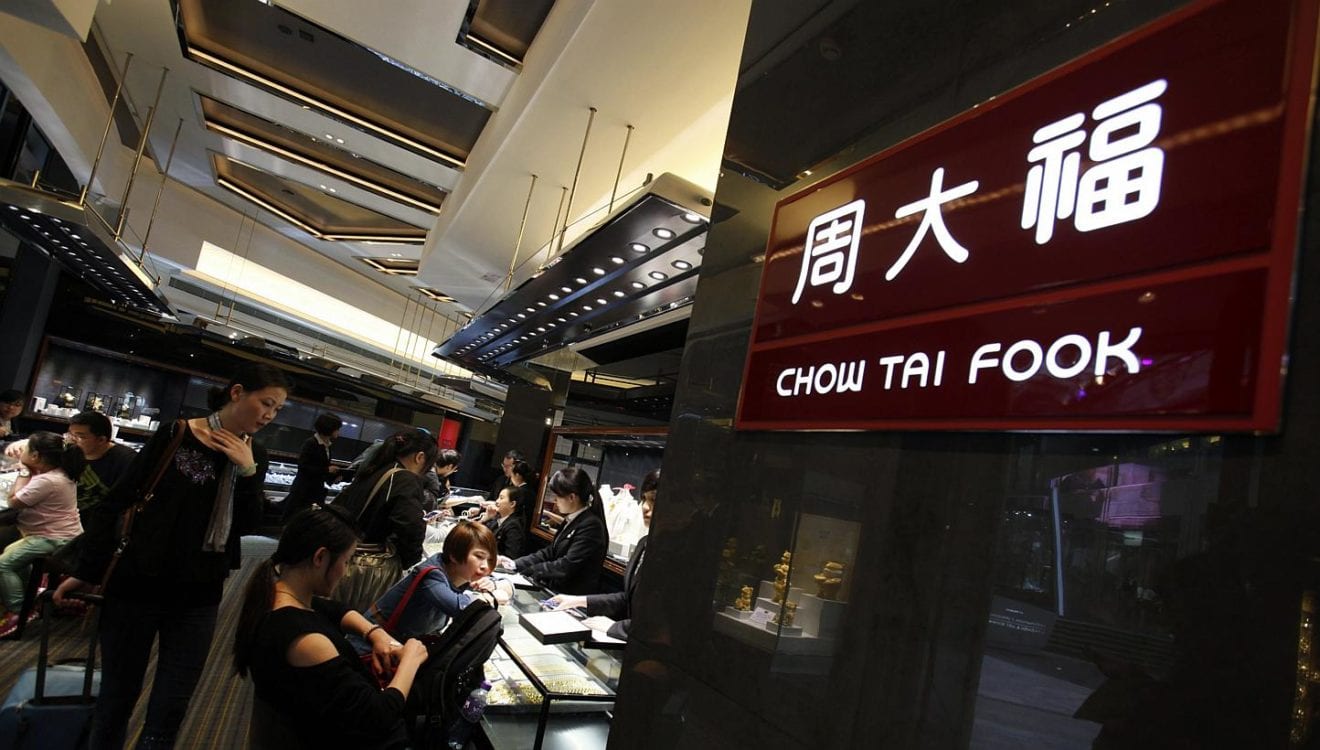
    Chow Tai Fook rolled out a new fleet of luxury-format stores across four international markets within ten weeks, betting on high-end Chinese design to capture affluent consumers. The retail push included a 10,000-square-foot global flagship on Canton Road in Hong Kong’s Tsim Sha Tsui shopping corridor.

    The Canton Road site puts the Chinese jeweller on the same strip as European luxury houses Hermès and Louis Vuitton. That opening followed an aggressive start to the year in Southeast Asia, where the company secured prime retail real estate inside Bangkok’s Siam Paragon shopping mall in January.

    High-Street Real Estate and Prime Malls

    Securing ten thousand square feet on Canton Road represents a major capital commitment in one of Asia’s most expensive retail districts. The scale reflects an explicit repositioning by the group toward higher margin, design-led jewellery lines rather than relying purely on mass-market gold volume sales.

    In Bangkok, the Siam Paragon opening targeted both local Thai wealth and returning Chinese tourists. By late March, the company widened the rollout to additional regional commercial hubs, completing four market debuts in under two and a half months.

    Shifting from Mass Retail to Global Luxury

    Traditional gold jewellery chains across Greater China have long competed on retail footprint density and weight-based pricing. Chow Tai Fook’s shift toward oversized flagships and upscale mall locations mirrors the playbook of European heritage brands, aiming to elevate average transaction values.

    Competing jewellers across Asia face rising raw material costs and cautious consumer spending in mainland department stores. Placing large-format stores in premier tourist precincts allows the brand to test international appetite for contemporary Chinese fine jewellery outside its domestic core.

    RetailNews Asia will track the sales performance across these new flagship sites as the group reports its upcoming quarterly store productivity metrics.

  • Shein Shares Close Flat in Hong Kong After Raising US$1.7 Billion

    Shein Shares Close Flat in Hong Kong After Raising US$1.7 Billion

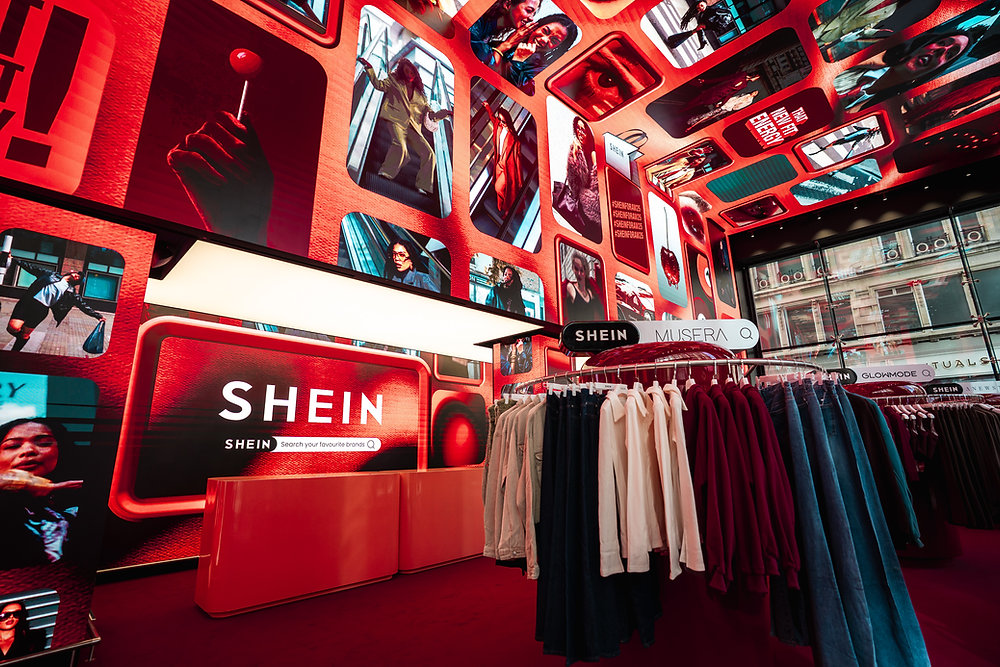
    Shein shares closed broadly flat on their Hong Kong debut after opening at HK$48.56, raising US$1.7 billion in an offering that valued the retailer at US$26.5 billion.

    The listing price matched the initial offer level after early trading saw the stock drop as much as 10 per cent to HK$43.8. The final valuation sits well below the nearly US$100 billion private valuation the company achieved in 2022.

    Management allocated 40 per cent of the IPO proceeds to technology infrastructure and another 40 per cent to global brand expansion. The remaining funds will cover corporate responsibility programs and general corporate needs. The public debut follows years of regulatory hurdles after Shein abandoned listing attempts in New York and London before securing Chinese regulatory approval in July.

    Tariffs and the End of Tax Exemptions

    The company built its business on exporting small, low-value parcels directly from mainland China to consumers overseas under duty exemptions. More than 90 per cent of Shein’s 2025 revenue came from inventory held in central Chinese warehouses.

    That channel has narrowed quickly. The United States removed its duty exemption on commercial imports valued under US$800, leaving Shein’s China-origin shipments facing import tariffs between 10 and 87.5 per cent. The European Union has also increased charges and tightened controls on low-value e-commerce packages.

    To counter border duties, Shein now imports bulk containers into regional hubs and operates 18 fulfillment warehouses across Europe. Shipping containers once rather than millions of individual parcels daily forces the group to absorb higher local storage and handling costs.

    Slowing Sales and Margin Pressures

    Top-line momentum has dropped sharply over the past three years. Revenue grew 41.1 per cent in 2023, 20.7 per cent in 2024 and 8 per cent in 2025 to US$41.8 billion. First-quarter revenue in 2026 reached US$9.05 billion, up just 1.1 per cent from the prior year.

    Profitability shrank over the same stretch. Net income fell 38.7 per cent in 2025 to US$2.06 billion. The company posted a net loss of US$99 million in the first quarter of 2026, compared with a US$395 million profit a year earlier, weighed down by a US$328 million fair-value charge on convertible preferred shares.

    RetailNews Asia views the shift toward onshore inventory as a fundamental change in Shein’s cost profile. Moving inventory closer to Western consumers erodes the asset-light advantage that allowed Chinese cross-border platforms to outprice established domestic department stores and apparel chains.

    To broaden its customer reach, Shein acquired US apparel brand Everlane for roughly US$100 million, alongside earlier deals for Missguided and an equity stake in Forever 21. Investors will track whether second-quarter operating margins recover as these acquired brands integrate with its third-party marketplace platform.

  • Jollibee Shifts International Spinoff Listing to Hong Kong

    Jollibee Shifts International Spinoff Listing to Hong Kong

    Jollibee Foods will list its overseas business in Hong Kong instead of the United States, carving out its international restaurant operations into an independently traded entity.

    The unit, named Jollibee Foods International (JFCI), will hold all network operations outside the Philippines, while parent firm JFC keeps domestic stores and its listing on the Philippine Stock Exchange.

    Carving Out the Global Assets

    Splitting the operations creates two separate public companies with independent capital allocation and operating targets. Jollibee said Hong Kong provides direct access to Asian and global institutional funds as the chain builds its presence across North America and regional markets outside its home base.

    Hong Kong recorded $22.45 billion in initial public offerings during the first half of the year, a 57 per cent increase from the previous year and the exchange’s strongest first-half performance in five years.

    Richard Chong Woo Shin will lead JFCI as chief executive officer once the corporate separation finishes. Shin currently serves as chief financial and risk officer for Jollibee Group and will retain those duties until the restructuring concludes.

    Shifting Listing Destinations

    Consumer brands across Southeast Asia have long weighed New York listings against regional venues when seeking deeper international liquidity. By picking Hong Kong over a US exchange, Jollibee joins Asian consumer groups that favor regional trading hours and institutional investors familiar with Asian quick-service restaurant networks over the regulatory friction and compliance overhead of American bourses.

    The company is setting up internal governance, financing facilities, and operating systems for JFCI. The deal still requires formal shareholder and regulatory clearances before the company files its listing timetable with the Hong Kong stock exchange.

  • K11 Musea First-Half Sales Jump 40 per Cent on Luxury Tenant Overhaul

    K11 Musea First-Half Sales Jump 40 per Cent on Luxury Tenant Overhaul

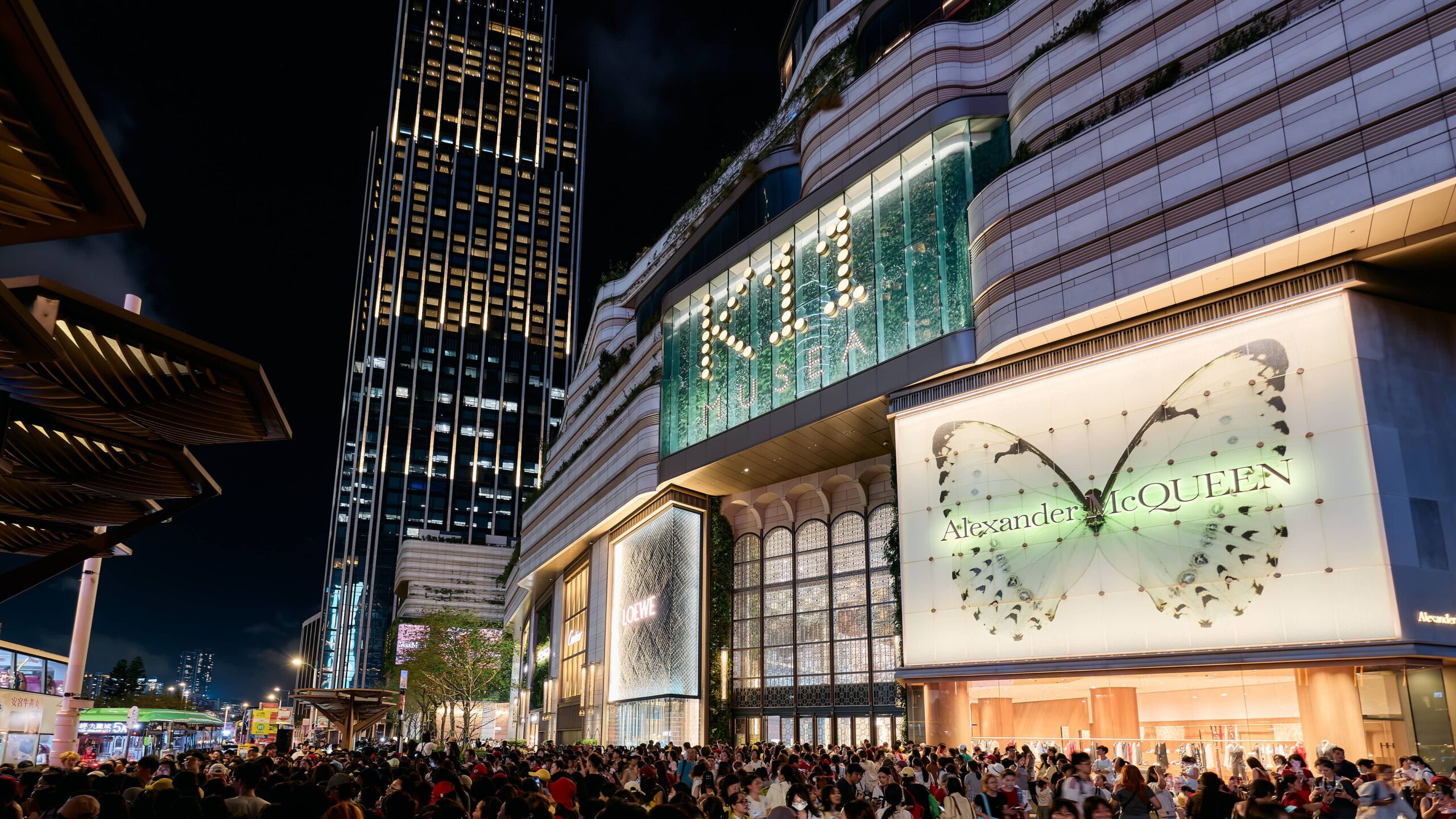
    Hong Kong retail complex K11 Musea increased first-half revenue by 40 per cent year-on-year, posting record sales for the period following a sweeping overhaul of its tenant roster.

    Newly introduced brands at the Tsim Sha Tsui waterfront destination averaged sales gains of more than 30 per cent, parent company New World Development said.

    The landlord initiated the first phase of its brand repositioning in the second half of 2024. That phase will wrap up by the end of this year, clearing space for flagship retail formats designed to generate higher revenue per square foot.

    Watches and Jewellery Drive Member Spending

    Hard luxury delivered the sharpest gains. Loyalty member spending on watches and jewellery climbed 80 per cent year-on-year during the first six months, while outlays on international luxury labels rose 20 per cent.

    Recent openings include boutiques from Miu Miu and IWC Schaffhausen, alongside a duplex flagship for Max Mara. Running label Hoka and Chinese outdoor brand Kailas also opened locations at the property over the summer.

    Tourist retail spend climbed 50 per cent year-on-year across the summer holiday period, supported by targeted arts and cultural exhibitions. Loyalty club spending continued that pace into August, rising 30 per cent.

    Landlords Shift Floor Plans to High-Yield Tenants

    Hong Kong shopping malls are aggressively reallocating square footage toward top-tier luxury labels and high-margin outdoor apparel to capture higher average basket sizes from mainland visitors. Rather than relying on volume foot traffic alone, operators are filtering tenants by direct sales productivity, a metric Horace Lam, chief executive of K11 Hong Kong, identified as the primary filter for new leases.

    Prada will open a new boutique at K11 Musea in the coming months, alongside an unannounced international yoga apparel brand scheduled to make its debut before the upgrade concludes.

  • DFI Retail Group Names Kshitij Mulay as Chief Digital and Yuu Rewards Officer

    DFI Retail Group Names Kshitij Mulay as Chief Digital and Yuu Rewards Officer

    DFI Retail Group has named Kshitij Mulay as its new Group Chief Digital and yuu Rewards Officer across its network of 7,659 outlets. The appointment takes effect on 17 September 2026, placing Mulay in charge of the group’s digital commerce, loyalty operations, customer analytics and retail media units.

    Based in Hong Kong, Mulay will sit on the group management committee and report directly to Group Chief Executive Scott Price. He succeeds Wee Lee Loh, who is stepping down after three years with the business to return to Singapore.

    From Sephora to pan-Asian retail networks

    Mulay joins DFI from Sephora Asia, where he served as Chief Information Officer overseeing digital and technology operations across multiple Asian markets. His background covers more than 25 years in retail and consumer technology, including senior roles at Procter & Gamble and Sephora focused on cloud migration, omnichannel commerce and artificial intelligence deployments.

    At DFI, his brief covers a sprawling multi-format retail footprint spanning 12 markets and more than 81,000 employees as of June 2026. The portfolio includes convenience chain 7-Eleven, health and beauty banner Mannings, grocery brands Wellcome and MarketPlace, as well as home furnishings and restaurant operations.

    Scaling digital operations and retail media

    Loh steps down after steering the group’s digital ecosystem through an aggressive build-out since 2023. During his tenure, DFI expanded the yuu loyalty programme to millions of active members and scaled daily online order fulfilment to more than 100,000 transactions across its operating territories.

    Regional retail conglomerates are leaning hard into retail media networks and unified loyalty schemes to generate higher-margin income from grocery and convenience footfall. For operators running thousands of physical checkouts, monetising first-party shopper data through targeted digital advertising has shifted from an experiment into a core balance-sheet priority.

    Mulay begins his role following a handover period with Loh in mid-September, with the group targeting further expansion of its retail media business and automated fulfilment systems heading into the final quarter of the year.

  • Star Leap Overhauls Beauty Sourcing as Global Markets Fragment

    Star Leap Overhauls Beauty Sourcing as Global Markets Fragment

    Hong Kong supply chain distributor Star Leap has revamped its cosmetics procurement model to target regional divergences across Southeast Asian, European, and American beauty retail markets.

    The company confirmed that global demand patterns no longer align across key consumer territories, forcing wholesalers to match stock directly to local channel mechanics rather than relying on global brand awareness.

    Shifting Channel Demands Across Regions

    Market dynamics are splitting along regional lines. In Vietnam and across wider Southeast Asia, multinational cosmetics labels face stiff competition from domestic brands, producing a price-sensitive consumer base with distinct SKU preferences.

    Western territories show different retail drivers. United States retailers are tying physical store sales directly to artificial intelligence tools and virtual testing setups, while European buyers are shifting purchasing budgets toward South Korean and Japanese beauty imports at the expense of traditional domestic lines.

    Matching Inventory to Local Channels

    Distributors must balance unit costs against shelf-life constraints and regional stock velocity. Star Leap tracks purchasing costs, batch codes, and SKU assortments against specific distribution channels to prevent unsold stock sitting in secondary markets.

    Cross-border beauty logistics across Asia Pacific historically relied on moving excess inventory between territories when domestic demand slowed. Rising import compliance standards and the rapid growth of domestic Southeast Asian brands have largely closed those secondary arbitrage routes.

    Procurement teams are now locking in smaller, localized batch orders as retailers prepare their mid-year stock allocations across Asian department stores and regional e-commerce platforms.

  • Ten Australian Fashion Designers Head to Hong Kong for Centre Stage

    Ten Australian Fashion Designers Head to Hong Kong for Centre Stage

    Ten Australian fashion designers will travel to Hong Kong this September to present their collections at the Centre Stage trade fair. The trade mission aims to connect independent labels directly with regional department store buyers, boutique owners, and commercial distributors across North and Southeast Asia.

    Organised by the Australian Fashion Council under its Global Gateways programme, the delegation includes Gary Bigeni, Buluuy Mirrii, Van Brussel, Asiyam, Briar Will, Mos the Label, Niamh Galea, Permanent Vacation, Viceta Wang, and West 14th. The show runs inside a dedicated pavilion at the event, alongside an industry reception hosted by Australia’s consul-general in Hong Kong, Gareth Williams.

    Targeting Asian Wholesale Accounts

    Canberra is funding the initiative through the Trade Diversification Network’s Accessing New Markets Initiative. The programme helps mid-tier apparel companies reduce their exposure to sluggish domestic consumer spending by establishing wholesale accounts in higher-growth Asian markets.

    Austrade trade diversification taskforce general manager Jay Meek pointed to previous cohort transitions, including designer labels securing follow-on pop-up retail spaces in Tokyo, as the benchmark for measuring commercial returns from the Hong Kong trade floor.

    The Regional Buying Circuit

    Hong Kong serves as an entry hub for global labels testing appetite across Greater China and regional luxury stockists before committing to local retail infrastructure. For Asian multibrand retailers and luxury department stores, bringing in niche Australian labels provides exclusive inventory differentiation against dominant European luxury houses.

    The 10 labels will meet buyers during the September trade show schedule, with initial Asian wholesale orders and regional delivery windows expected to begin rolling out for early 2027 collections.

  • Shein Targets US$1.7 Billion Hong Kong Listing After Shifting Focus to China

    Shein Targets US$1.7 Billion Hong Kong Listing After Shifting Focus to China

    Shein will debut on the Hong Kong stock exchange on Tuesday, seeking to raise US$1.7 billion after abandoning earlier plans to list in New York and London.

    The listing values the fast-fashion group at US$26.5 billion, down from its peak valuation of more than US$100 billion in 2022. That drop follows years of regulatory hurdles in the West and an extensive effort to secure approval from Chinese market authorities.

    Supply Chain Commitments and Regulatory Clearances

    Founded in Nanjing in 2012, Shein shifted its corporate headquarters to Singapore in late 2021 as part of an attempt to position itself as a global retail player. That strategy ran into resistance from Chinese regulators, including the China Securities Regulatory Commission, which reviews foreign-registered businesses with substantial domestic operations.

    Founder Sky Xu responded by taking direct charge of regulatory relations in China. Xu made a rare public appearance at a February business forum in Guangdong province, pledging a US$1.5 billion investment to expand the company’s supply chain network across the region.

    The company also opened a research and development centre in Nanjing. In its Hong Kong listing prospectus, Shein confirmed that mainland China remains the central anchor of its logistics network and accounts for nearly 80 per cent of its total workforce.

    Western Market Pressures Reshape Listing Strategy

    Attempts to secure listings in the United States and the United Kingdom unraveled under heightened political and regulatory scrutiny. US lawmakers pushed for supply chain audits under the Uyghur Forced Labor Prevention Act, while trade policy shifts eliminated the US$800 de minimis customs exemption that originally accelerated Shein’s cross-border parcel volumes. European authorities introduced comparable parcel handling charges.

    Former executive chairman Donald Tang stepped down ahead of the Hong Kong filing after his previous public remarks claiming American corporate values drew criticism from Chinese officials.

    For retailers across Asia, Shein’s pivot illustrates the limits of cross-border corporate restructuring when manufacturing remains concentrated in southern China. Regional e-commerce operators face a tighter compliance environment globally, leaving Hong Kong as the primary capital market for Chinese-rooted digital exporters.

    Trading begins on Tuesday on the Hong Kong exchange, where investors will test Shein’s revised pricing against slowing margins in overseas markets.

  • Hong Kong Retail Sales Rise 4.5 per Cent to HK$31 Billion in July

    Hong Kong Retail Sales Rise 4.5 per Cent to HK$31 Billion in July

    Hong Kong retail sales climbed 4.5 per cent year-on-year in July to HK$31 billion ($3.95 billion), extending the city’s growth streak to 15 straight months.

    The result held steady against the revised 4.6 per cent increase recorded in June, bringing total retail sales expansion for the first seven months of the year to 8.9 per cent.

    Online purchases expanded faster than physical store traffic. E-commerce sales reached HK$2.8 billion in July, up 9.5 per cent from a year earlier, and represented 9.1 per cent of total retail turnover in the city.

    Jewellery and luxury goods lead gains

    High-value categories drove the bulk of the monthly expansion, according to figures released by the Census and Statistics Department. Sales of jewellery, watches and clocks jumped 19.7 per cent, while electrical appliances and consumer durables rose 11.5 per cent. Medicines and cosmetics gained 7.3 per cent.

    Everyday retail lines experienced much slower momentum. Department store commodities, optical shops, and alcoholic drinks and tobacco recorded uplifts ranging between 0.5 per cent and 1.8 per cent.

    Tourism events against external headwinds

    The sustained expansion points to firming domestic household incomes and stable employment across Hong Kong, even as store operators adjust to spending shifting online. The wide performance gap between luxury spikes and subdued department store receipts indicates local consumer sentiment remains selective outside tourist-heavy categories.

    City officials are counting on an upcoming lineup of mega-events to lift inbound visitor traffic through the rest of the year, while monitoring how evolving global economic headwinds affect local consumption.

  • Shein Shares Drop 8 per Cent in Hong Kong Debut

    Shein Shares Drop 8 per Cent in Hong Kong Debut

    Shares in Shein fell 8 per cent on their first day of Hong Kong trade on Tuesday, valuing the online fast-fashion retailer at roughly US$24 billion.

    The morning price of HK$44.60 represents a steep reset from the company’s peak valuation of nearly $100 billion in 2022. Hong Kong’s benchmark Hang Seng Index slipped 0.6 per cent over the same session.

    Shein turned to Hong Kong after regulatory pushback from Chinese authorities blocked earlier listing attempts in New York and London. The public offer sold about 6.6 per cent of the company’s enlarged share capital. Cornerstone investors took roughly one-fifth of the shares on offer, leaving just 5 per cent freely tradeable under a six-month lockup agreement.

    Valuation gap with regional rivals

    Investor appetite remained muted throughout the sale. The retail portion was subscribed 5.63 times and the international tranche 2.59 times, trailing the hundreds-fold subscriptions common in Hong Kong’s technology and robotics listings.

    Saxo market data shows Shein listed at 15 times forward earnings. That multiple is more than double the valuation of PDD Holdings, the owner of Temu, giving Shein a premium price tag despite heightened geopolitical friction and slower earnings visibility across major Western markets.

    RetailNews Asia notes that the muted debut reflects how quickly cross-border e-commerce economics deteriorated once Western customs loopholes vanished. For years, Chinese discount retailers expanded into the US and Europe by relying on tax exemptions for low-value parcels. Now that both jurisdictions levy duties on direct-shipped goods, margins across the entire ultra-fast fashion export sector are compressing simultaneously.

    Tariffs squeeze operating margins

    Policy changes in Shein’s largest markets dismantled its core cost advantage. The US repealed its duty exemption for packages under $800 last year, and the European Union instituted collection fees on small consumer shipments.

    Higher customs duties, tariffs and logistics expenses across Europe and the Middle East dragged Shein’s net income down 39 per cent last year, pushing the business into an operating loss in the first quarter. To compensate earlier venture backers who bought in at higher price points, Shein agreed to disburse $3.5 billion in cash payments and execute share adjustments for select preferred stockholders.

    Management has turned to acquisitions and marketplace fees to diversify revenue. The company purchased American clothing label Everlane in May, adding to earlier takeovers of British brand Missguided and French fashion label Pimkie.

    Attention now turns to Shein’s upcoming first-half financial report, where the company projected operating profit margins will fall below first-quarter levels.

  • Hong Kong Retains Top Billionaire Spot in Asia with 106 Ultra Wealthy

    Hong Kong Retains Top Billionaire Spot in Asia with 106 Ultra Wealthy

    Hong Kong held its position as Asia’s top billionaire city with 106 ultra-wealthy residents last year, ranking second globally behind New York’s 164.

    The city lost two billionaires over the period even as its aggregate billionaire net worth rose, according to data from research firm Altrata.

    San Francisco, London, Singapore and Los Angeles took the third through sixth spots globally. Beijing placed seventh with 61 billionaires, while Shenzhen and Dubai tied for eighth place with 43 each.

    AI Gains Shift Wealth Creation

    New York added 12 billionaires during the year as the artificial intelligence investment boom propelled technology fortunes higher. Global billionaire numbers recorded their fastest pace of expansion since 2020, with the United States and mainland China remaining the only countries holding multiple cities in the top 15 rankings.

    Hong Kong and London were the only hubs in the top 15 to register declines in billionaire headcount. A prolonged downturn in Hong Kong’s real estate sector and relatively limited exposure to direct AI equity gains curbed new entries.

    Asian Hubs Draw Inbound Capital

    Banking and finance accounted for the largest share of global billionaire fortunes at 19.6 per cent, more than double the proportion held by business and consumer services. Across the worldwide cohort, the average age stood at 71, with men representing 86.9 per cent of the total.

    For luxury operators, private banks and commercial landlords across Asia, the shifting balance between property and technology fortunes alters where discretionary capital flows. Both Hong Kong and Singapore continue to draw high proportions of foreign-born billionaires, particularly from mainland China and India, supporting prime retail footfall and asset management inflows despite broader market volatility.

    Attention now turns to whether mainland China’s expanding tech sector can push Shenzhen and Beijing past European wealth centres in Altrata’s next census.

  • SKIMS Opens Flagship Store at Times Square in Hong Kong

    SKIMS Opens Flagship Store at Times Square in Hong Kong

    SKIMS opened a flagship store at Times Square in Hong Kong, establishing a dedicated physical location in one of the city’s busiest shopping destinations. The opening brings the brand’s core shapewear, loungewear, and apparel lines directly to local shoppers in Causeway Bay.

    Causeway Bay Footprint

    The Times Square location anchors the brand’s direct retail operations in Hong Kong. By securing floor space in a prime commercial mall, the company shifts from wholesale and regional e-commerce fulfilment toward standalone branded storefronts that handle higher foot traffic.

    Shoppers gain direct access to the full product catalogue across sizing ranges and seasonal collections. Physical fitting and immediate inventory availability remain central to the store format, addressing sizing demands that online channels cannot replicate.

    Expansion Across Regional Hubs

    Western direct-to-consumer labels continue to target top-tier retail properties across Asia to capture resilient domestic consumer spending. Hong Kong remains a testing ground for international fashion brands gauging appetite before committing to broader rollouts across mainland China and Southeast Asia.

    Retail property managers in Causeway Bay have adjusted tenancy mixes over the past two years, replacing legacy luxury concessions with high-engagement lifestyle and specialty apparel names. Mall operators look to these direct-to-consumer openings to lift younger demographic footfall and weekday mall conversion rates.

    Attention turns to foot traffic numbers and sales productivity per square foot through the opening quarter, alongside any future site announcements across Greater China.

  • Hundreds of Asian Corporate Heavyweights Report Earnings in Peak Week

    Hundreds of Asian Corporate Heavyweights Report Earnings in Peak Week

    About 370 constituents of the MSCI Asia Pacific Index will report financial results this week, testing consumer demand across China and the resilience of hardware supply chains.

    The reporting group represents roughly 30 percent of the benchmark’s more than 1,200 member companies. Corporate updates from heavyweights across transport, consumer retail, energy, and component manufacturing will land over five consecutive trading sessions.

    Consumer and Automotive Focus

    Automotive manufacturer BYD Co. Leads the consumer batch as price competition across the electric vehicle sector shapes domestic delivery numbers and regional export margins. At the high end of retail, heritage jewellery brand Laopu Gold Co. Presents numbers that reveal how affluent shoppers in mainland shopping hubs are allocating capital.

    For retail and brand operators across Greater China, performance figures from domestic leaders provide a direct gauge of discretionary spending power. Previous reporting cycles showed shoppers trading down in mass categories while allocating funds toward premium gold assets and domestic electric mobility brands.

    Hardware and Industrial Benchmarks

    Technology components and infrastructure suppliers also feature heavily in the schedule. Optical transceiver maker Eoptolink Technology Inc. Reports alongside energy group PetroChina Co., offering detail on corporate spending in artificial intelligence architecture and baseline energy consumption.

    Investor attention centres on operating margins and forward order guidance across both consumer platforms and hardware exporters as balance sheets post through Friday.

  • Laopu Gold Targets Global Expansion as Sales Growth Moderates

    Laopu Gold Targets Global Expansion as Sales Growth Moderates

    Laopu Gold is pushing ahead with overseas expansion plans to secure new sales channels as top-line retail growth cools across its core Chinese market.

    The Beijing-based luxury heritage gold brand reported a moderating pace of domestic expansion while confirming plans to establish footprints in key international shopping hubs.

    Slowing Domestic Demand

    Consumer appetite for pure gold jewellery in China faced pressure after a prolonged run of sharp price gains. Shoppers who drove previous surges in heritage gold sales have pulled back on discretionary luxury purchases, forcing premium jewellers to adjust their operational expectations.

    Laopu Gold built its brand equity on handcrafted traditional gold ornaments sold at significant premiums through boutique locations. As domestic store productivity normalises, management is looking beyond mainland shopping centres to sustain revenue momentum.

    Pushing Into Global Retail

    International luxury corridors represent the next commercial frontier for the brand. Establishing outposts in regional financial hubs and tourist destinations allows the jeweller to capture affluent Chinese travellers as well as international high-net-worth consumers.

    Rival jewellers across Hong Kong and mainland China have made similar shifts into Southeast Asia and the Middle East over the past two years. For Laopu Gold, competing on international high streets requires convincing foreign consumers to pay luxury design markups on traditional Chinese craftsmanship rather than treating items purely as gold weight assets.

    Execution details on specific international leases and overseas opening schedules will determine whether foreign revenue can counterbalance cooling domestic retail volumes.

  • 52TOYS Opens Hong Kong Airport Store to Expand Global Reach

    52TOYS Opens Hong Kong Airport Store to Expand Global Reach

    Chinese collectible toy maker 52TOYS has opened a retail store inside Hong Kong International Airport, targeting travelers passing through a hub connected to more than 200 global destinations. The shop sits in Terminal 1 at Shop 7E101A on Level 7 Departures East Hall, inside the airside restricted area.

    Its interior uses an industrial aesthetic with runway markings and turbine motifs, mirroring the travel-focused flagship design the brand first rolled out at Beijing Capital International Airport.

    Local exclusives and travel gear

    The shop layout puts practical travel items at the front, led by POUKAPOUKA neck pillows. Shelves deeper inside carry original intellectual property lines including NOOK and CiCiLu, alongside mechanical series such as BEASTBOX and Hyper-Activated display models.

    To appeal directly to outbound tourists, 52TOYS introduced several airport-exclusive goods. These feature local cultural motifs, including pineapple bun accessories, kung fu figurines, Cha Chaan Teng themed sets, and branded luggage tags.

    Transport hub rollout strategy

    Chinese pop toy brands are leaning heavily on transport retail to capture foreign shoppers without opening standalone city networks abroad. Pop Mart and 52TOYS both treat airport footprints as low-risk international shows, converting high footfall into brand recognition across Western and Southeast Asian markets.

    This launch follows earlier openings at Macau Studio City and Beijing Capital International Airport, completing the company’s network across key Greater Bay Area and mainland travel gateways. 52TOYS plans to secure additional high-traffic transit locations across regional airports in its next expansion round.