Tag: Hong Kong

  • Watchmaker Tudor Says Hong Kong Market Could Get Even Worse

    Watchmaker Tudor Says Hong Kong Market Could Get Even Worse

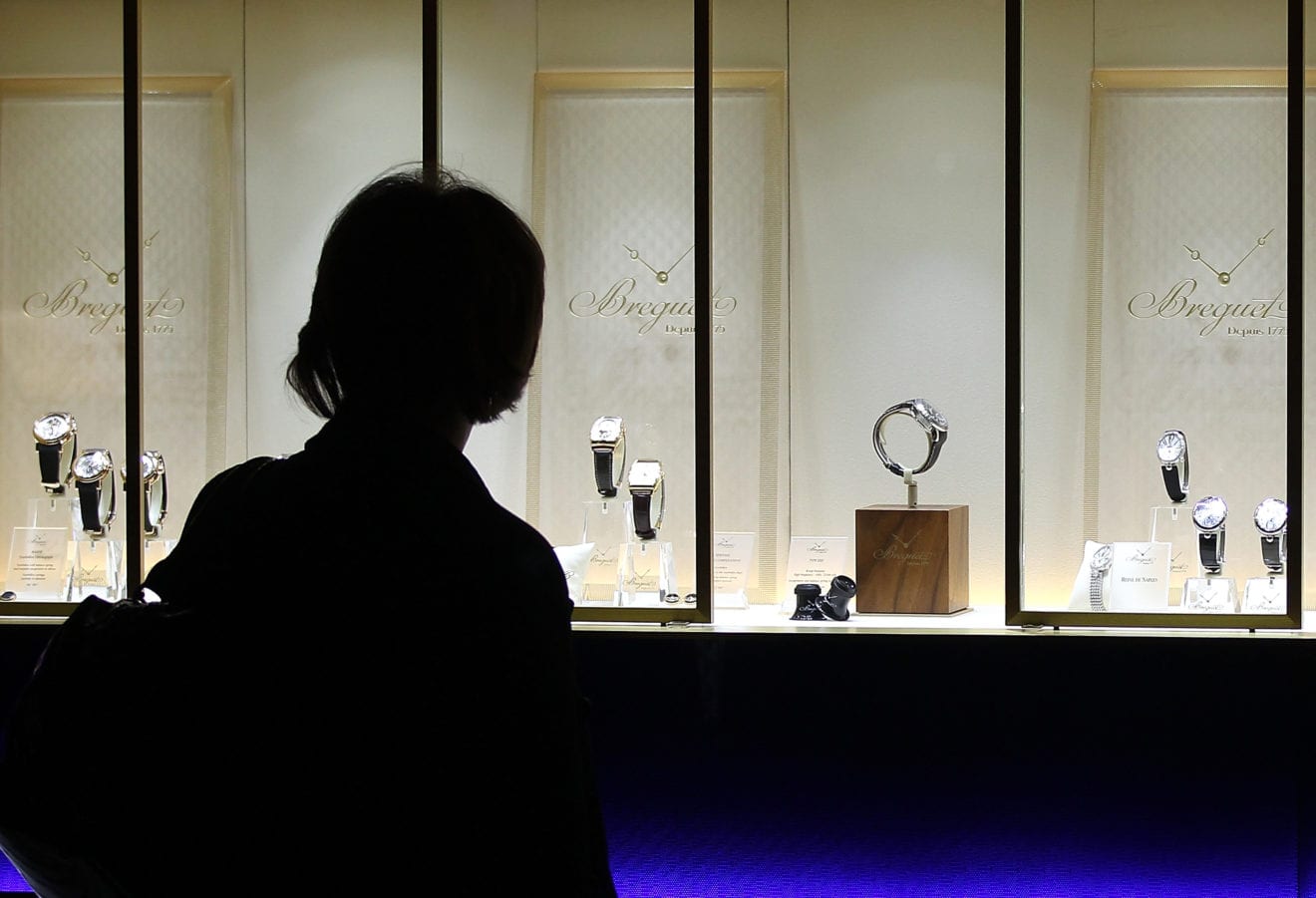
    Tudor, Rolex’s sister brand, said the Hong Kong market may get worse as rich Chinese shop for luxury goods in markets with lower prices.

    Swiss watch exports to Hong Kong slid 25 percent in February, dropping for the 13th consecutive month, the Federation of the Swiss Watch Industry said Tuesday. There’s no swift turnaround in sight, according to Philippe Peverelli, chief executive officer of Tudor.

    “In mainland China we’ve already touched the bottom of the pool,” Peverelli said in an interview at the Baselworld watch fair. Demand has been improving there since the second half of 2015. “As for Hong Kong, I’ve never seen such a deep pool. We haven’t reached the bottom there yet.”

    The island city became the biggest export market for Switzerland’s timepieces almost a decade ago, luring well-off Chinese with lower luxury taxes on the mainland. In the past three years, however, the Chinese government’s crackdown on bribery and extravagance among government officials has weighed on the industry’s sales in the region, and currencies have made watches cheaper in other markets such as Japan.

    Last year Tudor got just under 60 percent of its sales from greater China, down from more than 90 percent in 2010. The company re-entered the U.S. and the U.K. in recent years and started selling its timepieces in duty-free retail shops in South Korea. The next country it plans to enter is Japan, which enjoyed a 22 percent gain in shipments last month.

  • Victoria Beckham Opens Second Fashion Store

    Victoria Beckham Opens Second Fashion Store

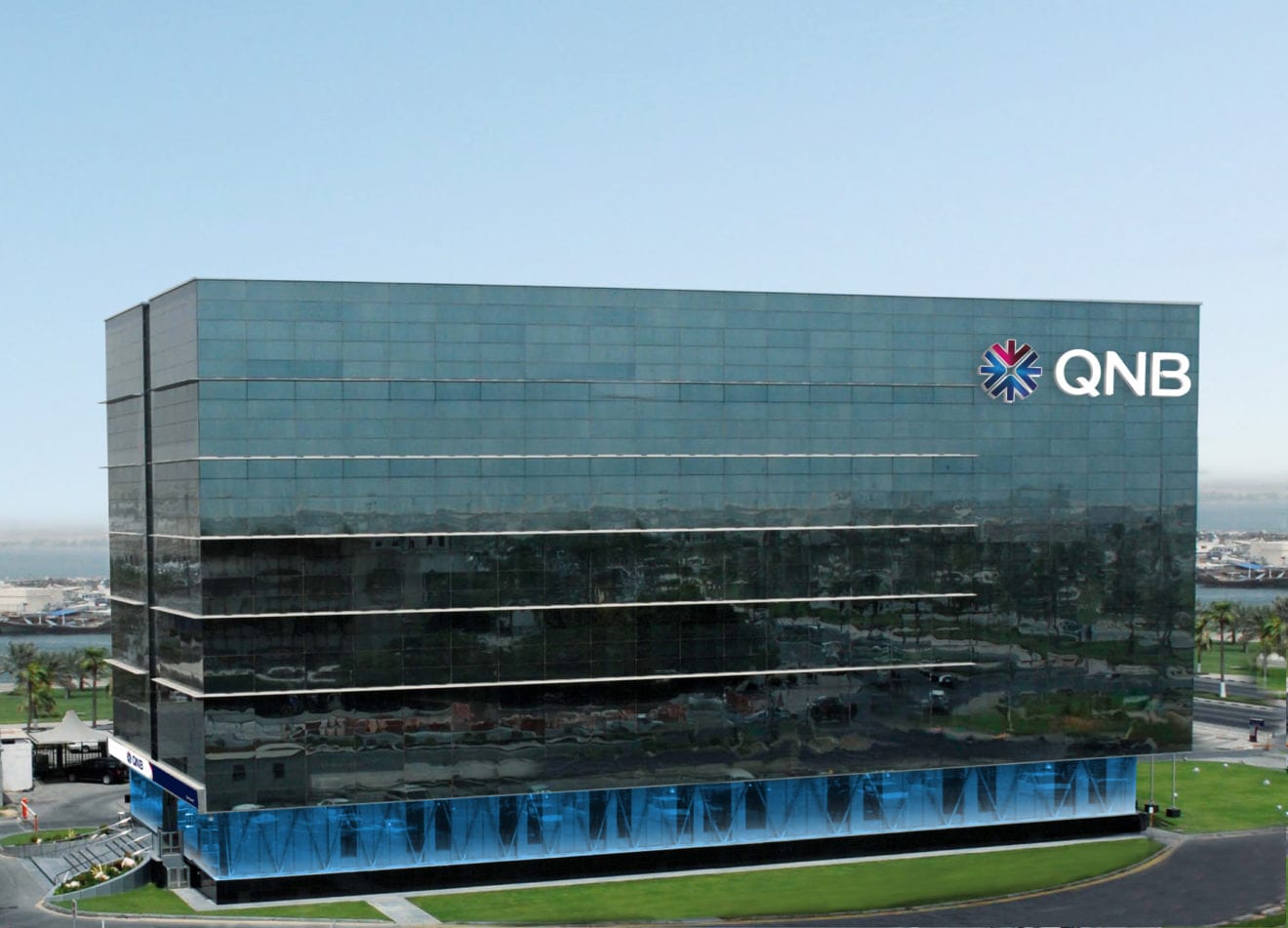
    Singer-turned-fashion designer Victoria Beckham unveiled her second fashion store in Hong Kong on Friday (16 Mar 2016).

    The former Spice Girl launched the flagship store for her eponymous label in London in 2014, and she has now expanded her brand by opening a second retail space, which has been designed by the same architect Farshid Moussavi, in the region’s upmarket Central district.

    Victoria flew into Hong Kong last week to put the finishing touches to her store, and she tells the South China Morning Post she has been involved in all aspects of the project.

    “The process wasn’t easy… opening a store is a huge project. Together with my team, I’ve worked really hard to get to this point,” she said. “It’s important to me that I’m part of the decision making in all areas, whether that’s deciding what the changing rooms look like, to what fragrance we use in store, to what the receipts look like. I enjoy all of that, and I’m a perfectionist. I believe it’s all in the details.”

    Victoria decided to open up in Asia because she believes women there appreciate luxury, quality and well-made clothes. She adds, “I’m always struck by how aware Chinese women are when it comes to fashion… Their knowledge of trends and brands is so deep, that being here you feel like you’re really part of a fashion conversation.”

    victoria-beckham-store-6

    Victoria, who wore over-sized sunglasses and a black turtleneck dress, was surrounded by security as she opened the store in front of the large crowd. To celebrate the moment, she posted a picture of herself posing in the store and tweeted, “#VBHongKong is open for business!! I love u fashion bunnies.”

    She also posed with fans and they all made the peace sign with their hands, a nod to her Spice Girls days. In the caption, she wrote, “Loved meeting you all at my store today! #VBHongKong.”

    Victoria, a UNAIDS Goodwill Ambassador, will also attend an amfAR AIDS fundraising gala alongside Uma Thurman on Saturday (19 Mar 16).

  • Retailer Uses RFID, Social Media and Cameras to Track Shopper Behavior

    Retailer Uses RFID, Social Media and Cameras to Track Shopper Behavior

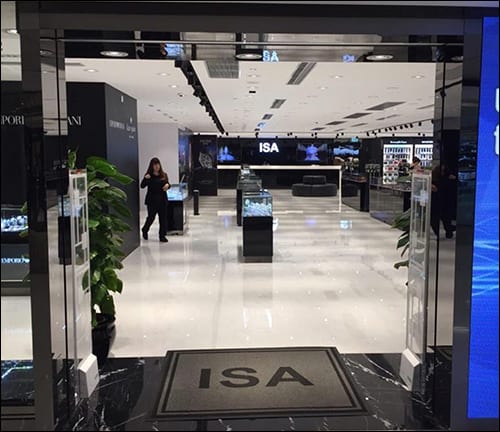
    ISA Fashion Boutique International Ltd., a seller of international luxury brands in Hong Kong, mainland China and Macau, has deployed an RFID-based inventory-management system provided by Hong Kong IT services company PCCW Solutions. The system enables the retailer to track the locations of products, engage with customers, learn their preferences and reduce labor costs based on inventory counts. The solution, known as Infinitum Retail, includes IP cameras as well as ultrahigh-frequency (UHF) RFID readers. As a result of the improved inventory management, the retailer says that it plans to deploy the system this year at all 11 of its stores. Alpha Solution Ltd. installed the technology.

    Traditionally, RFID has had limitations since it can track a tagged product, but not necessarily link that item with a particular customer, explains Jacky Ting, PCCW Solutions’ digital practice leader. By itself, RFID cannot enable a store to forward product information and promotions to shoppers. However, by linking RFID data to closed-circuit television (CCTV) camera images and social-media sites such as Facebook, a retailer can identify where shopper traffic is heaviest (using a camera-based heat map), understand how an individual responds to a product (by tracking the expressions on his or her face) and monitor comments that its customers make on social media (with their permission), using the store’s Wi-Fi network.

    The reader built into an ISA store’s EAS gate can capture the ID number of a customer’s RFID-enabled loyalty card, prompting the Infinitum Retail software to send promotional offers to that individual’s phone, based on his or her previous purchasing behavior.

    Infinitum Retail aims to overcome a variety of problems that stores face, says Wing Lee, PCCW Solutions’ senior VP, such as understanding which products interest customers, and then approaching them with relevant offers. ISA Boutique uses camera images only for tracking shoppers’ locations within its stores, Lee notes, while it could opt to use facial analytics in the future to identify each customer’s age, race, gender and response to products based on facial expressions.

    In 2012, ISA Fashion first installed an RFID system for counting inventory and tracking product locations at one of its stores with the help of Alpha Solution (see ISA Boutique Tracks Inventory, Shopper Behavior Via RFID). The system, which is still in use, employs tiny RFID labels attached to jewelry, as well as readers installed in display cabinets, to track when goods are on display and when they are removed from a cabinet. After Infinitum Retail was released in October 2015, the retailer began using the system to track all of its products, which also include clothing, leather goods, eyewear and watches, at three shops and one warehouse in Hong Kong, as well as a single shop in mainland China. The new solution includes the use of electronic article surveillance (EAS) hard tags for non-jewelry products.

    Infinitum Retail consists of RFID readers built into the EAS gate at the door, as well as a feature known as iR-Furniture—RFID interrogators built into shelves to read tags in real time. The system also includes readers installed at checkout terminals. In the warehouse, readers are used to identify when goods are received and then shipped to a store.

    At the warehouse, an EAS hard tag with a built-in EPC Gen 2 ultrahigh-frequency (UHF) RFID inlay is attached to each product other than jewelry. The inlay is read at the warehouse for inventory purposes, and the cloud-based hosted software is automatically updated to indicate, for instance, if a tagged item has been shipped, as well as to which store and when this occurred.

  • Hong Kong Ponders Plan to Boost Tourism From Mainland

    Hong Kong Ponders Plan to Boost Tourism From Mainland

    Beijing has reportedly asked Hong Kong officials to present a plan for boosting tourism from mainland China following a 3 percent decline last year amid growing anti-mainland sentiment in the territory.

    A plan for drawing tourists to Hong Kong could include cruises between the mainland and Hong Kong and an expansion of the number of cities from which people can travel to Hong Kong without joining a tour. Currently, residents of 49 mainland cities can travel to Hong Kong individually.

    Hong Kong and Beijing officials have also discussed ways to limit tour groups that force people to shop in Hong Kong.

    Joseph Tung, executive director of the Travel Industry Council of Hong Kong, said the mainland Chinese market is important to Hong Kong’s economy.

    “China is a main market, and everyone, all over the world, is trying to induce or promote tourism from China to their countries,” he said.

    The decline in mainland tourists is affecting Hong Kong’s economy, which is expected to grow 1 or 2 percent this year.

    Raymond Yeung, a senior economist with ANZ bank, said the mainland tourists who continue to visit Hong Kong are spending less.

    “The spending pattern of Chinese tourists has changed,” he said. “They no longer think Hong Kong is the place to buy luxurious products. With the opening of individual visas for Chinese tourists to go to Europe, traveling on an individual basis, this trend will continue.”

    Fear of disturbances

    Protests have also scared some mainland tour groups from visiting the city.

    In 2014, Hong Kong’s pro-democracy umbrella movement filled the city’s streets for nearly two months to protest Beijing’s decision to vet all candidates for the territory’s top job. Since then, local groups have staged demonstrations against traders from the mainland who cross the border to buy Hong Kong goods that then will be resold back home.

    In February, there was a violent riot in Mong Kok that injured dozens of people. The riot was sparked when police attempted to clear food stands during the Chinese New Year holiday. Protesters said they were demonstrating against the gradual erosion of Hong Kong local culture.

    But even if protests ease in Hong Kong, the new Chinese middle class, with its rising discretionary income, may increasingly choose to travel elsewhere.

    “A lot of the mainland tourists have been to Hong Kong many times, and they are all traveling farther, to Japan, Korea, Europe, the U.S.,” said Mariana Kou, a retail analyst at the brokerage firm CLSA. “But at the same time, even without this expansion, the local government is putting out a number of initiatives to try to support the tourism sector, by putting out a number of products and expanding their festival circuit and number of events.”

    Hong Kong authorities expect the number of tourists to drop another 2 percent this year.

  • Starbucks baristas vie for best of Asia honour

    Starbucks baristas vie for best of Asia honour

    Starbucks baristas from across Asia took part in the first Regional Barista Championships in Hong Kong.

    The contest, held before more than 600 spectators, drew 2000 entries from markets including China, Thailand, Hong Kong, Malaysia, Japan and Indonesia before the field was narrowed to the final 14.

    Finalists were judged on coffee knowledge, beverage mastery and customer service. Each partner had 20 minutes to demonstrate technical and communications skills, craftsmanship and knowledge of the barista profession.

    “Our judges group, made up of eight partners and one guest who is an accredited global coffee-competition judge, was immensely impressed and inspired by the professionalism and passion demonstrated by the final competitors,” said Major Cohen, senior project manager, Starbucks Global Coffee.

    The top three partners from round one of the finals were:

    • Nopparat “Yong” Arpornsuwan who joined Starbucks Thailand in 2002 as a part-time barista and is currently the store manager at the Baan Chart Khaosan Starbucks in Bangkok. She has a personal connection and understanding of coffee, having grown up near coffee farms in Thailand.
    • Hirokazu Terasaki of Japan, who joined the global coffee giant because of the friendly service culture a year ago. He is now an assistant store manager at the Maguro store in Japan.
    • Ryan Wibawa of Indonesia, who became a part-time barista with Starbucks in 2011 and just two years later was designated as a Coffee Master. Now a full-time shift supervisor at the first Starbucks Reserve store in Indonesia, Wibawa earned first-place honors in the first Indonesian Brewers Cup Championship finals in November 2015.

    Starbucks partners from China and Asia Pacific region finalists in the first Regional Barista Championships in Hong Kong. From left: Wibawa, Terasaki and Arpornsuwan.

    Arpornsuwan took top honors, based on her “perfect execution, personal storytelling and knowledge of coffee sourcing,” to become the first Starbucks Barista Champion. She was awarded a first-place trophy, a hand-crafted leather roaster brewers kit complete with coffee and accessories, and a three-week coffee experience in Seattle, which will include a visit to the first Starbucks at Pike Place Market and a tour of Starbucks Reserve Roastery and Tasting Room.

    Starbucks will celebrate additional barista champions across the globe in 2016. The company will host the Europe, Middle East and Africa Barista Championships and US Barista Championships later this year.

  • The 11th Edition of Eco Expo Asia set for October in Hong Kong

    The 11th Edition of Eco Expo Asia set for October in Hong Kong

    Celebrating its 11th edition this year, Eco Expo Asia, the preeminent trading platform for green businesses in Asia, will gather industry experts and leading-edge products and solutions at AsiaWorld-Expo in Hong Kong from 26 to 29 October 2016. The annual show is organised by the Hong Kong Trade Development Council (HKTDC) and Messe Frankfurt (HK) Ltd, and co-organised with the Environment Bureau of the Hong Kong Special Administrative Region (HKSAR) Government.

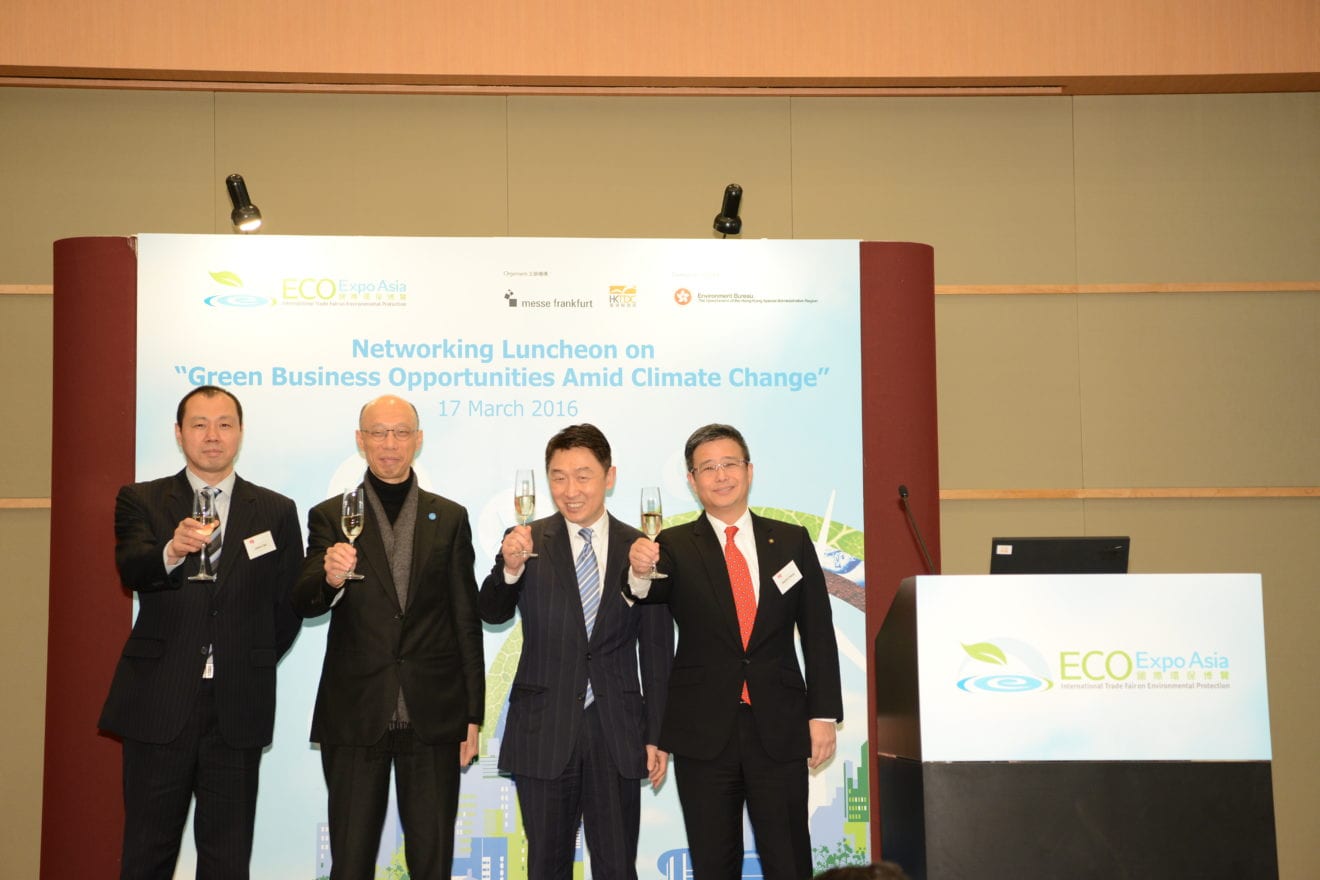
    A networking luncheon for the show was held on 17 March at the Hong Kong Convention and Exhibition Centre, which welcomed representatives from the international government and business sectors. These guests shared insights into the emerging green market in different countries.

    Four key focuses for Hong Kong environmental protection policies

    Wong Kam-sing, Secretary for the Environment of the HKSAR Government, delivered the keynote luncheon speech. Mr Wong praised Eco Expo Asia as an exceptional platform for promoting environment protection in Hong Kong as well as for representatives from different countries to exchange their views and set common objectives.

    Mr Wong highlighted the achievements Hong Kong had made in environmental protection in recent years. For example, in July 2015, the government introduced a new regulation which requires all ocean-going vessels to switch to low-sulphur marine fuel for berthing in the port of Hong Kong. Hong Kong is the first Asian city to implement such a measure, and it has improved the air quality around the Kwai Tsing Container Terminals and surrounding berths significantly.

    He added that the government will also set up an inter-departmental committee on climate change to formulate more progressive policies towards meeting emission reduction targets.

    Mr Wong elaborated: “Hong Kong has identified four key focuses for its environmental protection policies, including cleaner air supply, building energy efficiency, green transportation and waste-to-energy conversion. Related measures will be taken to address the major pollution issues of Hong Kong and to transform the city into a low-carbon, low-waste and energy-efficient one.”

    Green solutions to seize market opportunities

    Benjamin Chau, Deputy Executive Director of the HKTDC, noted that the theme of this year’s Eco Expo Asia, “Green Solutions for a Changing Climate”, echoed the mission of the government’s environmental protection policies.

    He not only pinpointed that business viability and environmental awareness are equally significant in promoting green technology in Asia, but also stressed the importance of having the local community’s support. He said: “The community’s involvement is an essential part of promoting sustainable development and environmental protection measures. As with previous years, we will extend the invitation to participate from trade professionals (on the first three days of the fair) to the general public on the last day, free of charge.”

    Ir Prof Daniel M Cheng, Chairman of the Federation of Hong Kong Industries and President of the Hong Kong Environmental Industry Association, pointed out that, since the inaugural Eco Expo Asia, which featured 128 exhibitors and drew close to 5,000 buyers, the fair has grown considerably and attracted 320 exhibitors and more than 12,000 buyers in 2015.

    Prof Cheng further explained that many major environmental protection projects have been launched in Hong Kong over the past 10 years, including the establishment of sludge treatment facilities, the EcoPark WEEE Recycling Centre and integrated waste management facilities. Apart from these large-scale projects, the Environmental Industries Council also encouraged small- and medium-sized enterprises to bring innovative ideas into the environmental protection space, and to capitalise on market opportunities. He said: “Climate change is not necessarily a challenge that is impossible to handle. We need to understand its impact and be flexible in our strategies in order to seize various market opportunities.”

    World-class expo promoting international cooperation

    Wilfred Mohr, Consul General of the Consulate General of the Kingdom of the Netherlands, also complimented Eco Expo Asia for being an excellent platform for green businesses. For the past two years, the Netherlands Consulate General has organised a national booth at the expo. It not only facilitated exchange between companies from the Netherlands and Hong Kong, but it also promoted cooperation with the Chinese mainland. From this came the establishment of sewage treatment plants by the Government of the Netherlands, in Guangdong Province. In view of this, the Netherlands Consulate General has arranged for several more Dutch enterprises from different sectors of the green industry to exhibit at the 2016 Eco Expo Asia.

    Also speaking at the luncheon, Jason Cao, Senior General Manager of Messe Frankfurt (HK) Ltd, thanked all the guests for their support for Eco Expo Asia. He encouraged the cooperation of more organisations from around the world that are interested in promoting geen development in Hong Kong and throughout Asia to capture valuable opportunities available in the Asian markets.

  • Rare reef fish brought in illegally

    Rare reef fish brought in illegally

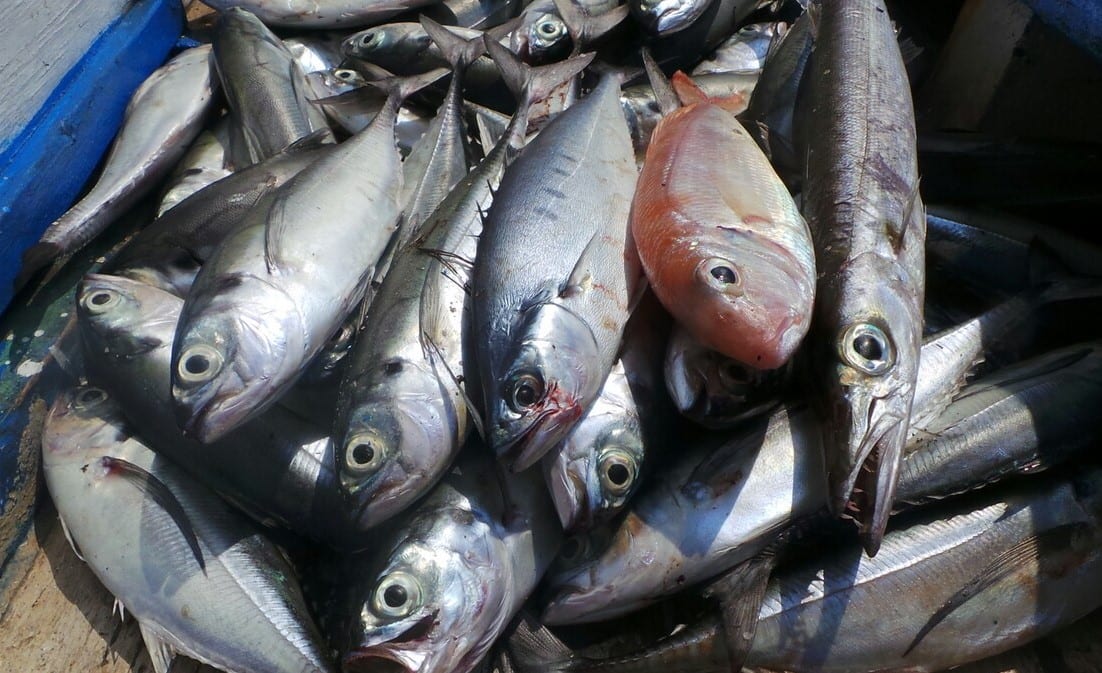
    More than 1,000 endangered but highly valued reef fish sold in Hong Kong last year were imported illegally, a university study shows.

    It was released yesterday and funded by the University of Hong Kong and the Convention on International Trade in Endangered Species.

    More than 1,000 humphead wrasse, also known as Napoleon fish, were on sale in Hong Kong live fish shops from January to December 2015, said the study.

    Since no official imports occurred in 2015 and the species is typically sold within a few weeks of import, the survey suggests that many of these fish illegally entered the SAR, said professor Yvonne Sadovy of HKU’s School of Biological Sciences.

    Humphead wrasse is one of the biggest reef fish in the world. It is reported to grow as long as two meters and can live longer than 30 years.

    The retail price of live humphead wrasse in the local seafood markets was HK$1,550 to HK$1,600 per kilogram.

    “Failure to act to ensure legal and sustainable trade in this globally threatened species will ultimately result in higher prices for humpheads and fewer fish available to consumers and to the poor fishermen. Nobody wins,” Sadovy said.

    She called for urgent action by the government to ensure that imports and sales of humpheads are legal.

    FLORA CHUNG

  • HK’s Li & Fung 2015 profit down, but beats forecast

    HK’s Li & Fung 2015 profit down, but beats forecast

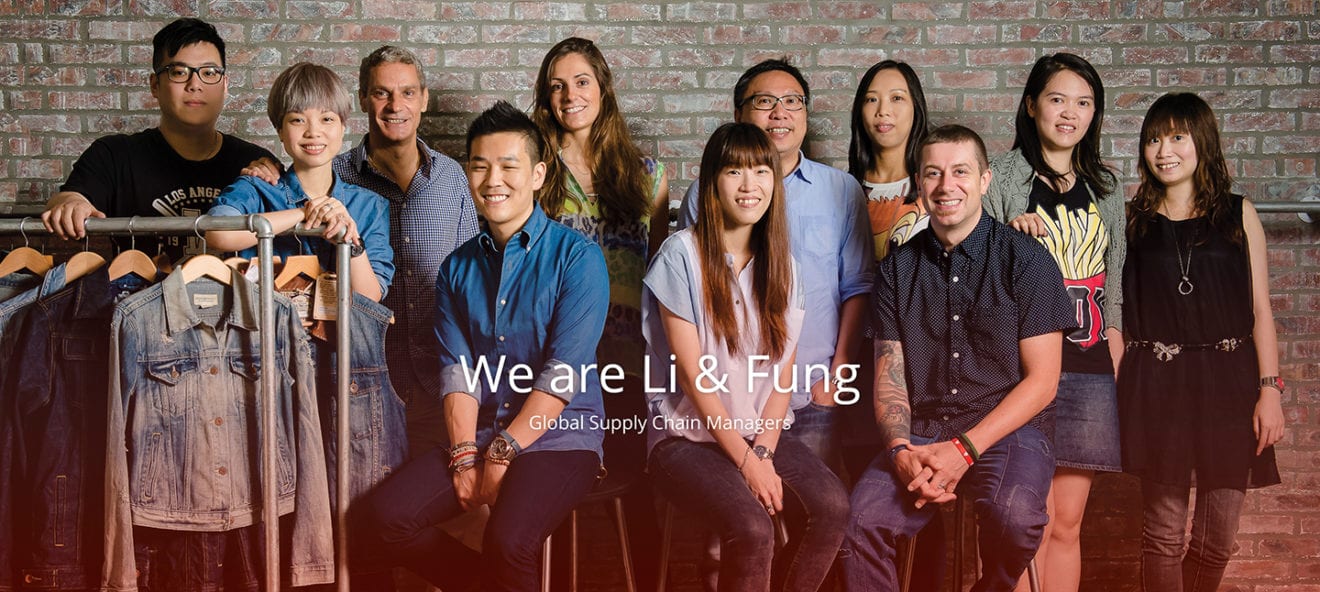
    Global exporter Li & Fung Ltd’s full-year profit fell 4.6 percent but beat analysts’ estimates, as growth in its logistics and vendor support services business helped overcome headwinds from global retail disruption and macro environment.

    The Hong Kong-based company, which grew to prominence by making clothing and toys in Asia for Western retailers, said on Thursday its net profit for the year ended Dec. 31 fell to $421 million from $441 million a year earlier.

    That compared with an average forecast of $413.2 million by 10 analysts polled by Reuters. Li & Fung, which supplies to companies like Kohl’s Corp and Wal-Mart Stores Inc, said core operating
    profit fell 15.2 percent to $512 million.

    Revenue fell to $18.8 billion from $19.3 billion a year ago, which was the biggest company by revenue for 2014 in Asia pacific in “Textiles & Apparel” industry.

    Textile companies in China are expected to post a 12-month forward revenue growth of 23 percent, the highest expected increase in the Asia-Pacific region in the “Textile & Apparel”
    sector, according to Thomson Reuters StarMine SmartEstimates, which emphasizes on recent forecasts by top-rated analysts.

    Li & Fung has refocused on its core asset-light supply-chain business following the sale of its loss-making brand-licensing and distribution business in 2014, helping it boost free cash flow and better control operating costs.

    The company, with a market value of about $5.3 billion, posted a 34 percent rise in January-June profit last year at $149 million.

    Analysts were concerned about inventory build-up at retailer level as inventories grew faster than sales growth in recent quarters. They worried that Li & Fung’s turnover would be affected as U.S. retailers focus on resolving high inventory levels.

  • Hengdeli Achieves Sustainable Growth for 2015

    Hengdeli Achieves Sustainable Growth for 2015

    Hengdeli Holdings Limited, a world-leading retailer of internationally renowned brand watches, announced its annual results for the year ended 31 December 2015 (the “year under review”).

    In 2015, the overall operating environment was very challenging and negatively impacted on the business development of the Group, resulting in weak sales of internationally renowned brand watches. Despite this, the Group’s industrial sector achieved relatively good results due to a series of reforms and innovations. During the year under review, the Group recorded revenues of RMB13,302,724,000, representing a year-on-year decrease of 9.9%. Retail sales amounted to RMB9,373,354,000, a year-on-year decrease of 11.6%. Revenue from industrial sector and others amounted to RMB539,991,000, a year-on-year increase of 25.9%. The Group recorded net profit of RMB190,164,000, a year-on-year decrease of 67.4%. Profit attributable to equity shareholders amounted to RMB144,868,000, a year-on-year decrease of 71.3%. This decrease in profits was mainly due to one-off revenue from the disposal of properties, which was included in the profit for the year of 2014, as well as a drop in sales and gross profit and impairment of goodwill and available-for-sale securities.

    Mr. Zhang Yuping, Chairman and the Executive Director of Hengdeli, said, “In 2015, the overall business environment remained unstable. The increasingly diversified shopping locations and consumption patterns of Mainland Chinese consumers aggravated the harsh environment for product sales as a whole in the Greater China region, especially in Hong Kong. Businesses are faced with a loss of customers and a rise in labor costs. Despite these highly challenging business circumstances, the Group held fast to its operating principle of “healthy and sustainability” to ensure business stability and to better safeguard the interest of shareholders.”

    During the year under review, the Group continued to be guided by the principle of “healthy and sustainability” along with “aiming for optimizing inventory and guaranteeing profits.” The Group also insisted on keeping in place a policy of mutual complementary and interactive operations across the Greater China region, including Mainland and Hong Kong, with mid-end brands serving as the mainstay in its brand mix in order to meet the affordability demands of the general public, and second, third and fourth tier cities as the main sales regions. The Group also continued to adjust the layout of retail network, constantly improving store quality and optimizing the inventory mix. The Group carefully steered business forward through strengthened scientific management and prudent operations. Despite the Group’s various efforts, it was unable to stem the decline in sales as affected by adverse macro condition and subdued consumer demand. Retail sales from Mainland China decreased 7.4% as compared with that of the previous year. Under dismal overall conditions, sales of Elegant Hong Kong decreased 26.8% year-on-year along in line with the overall market trends. As at 31st December 2015, after adjustments and optimization, the Group operated a total of 482 retail outlets across Mainland China, Hong Kong, Macau and Taiwan.

    The industrial sector which is engaged in the manufacture of watch accessories made substantial progress during the year under review. Based on a previously launched marketing strategy and after more than one year of re-alignment and integration, the industrial sector has established a new business model comprising upstream and downstream operations of the watch industrial chain, spanning watchcase manufacturing, packaging products and commercial space design, to production and decoration as well as self-development of brands. A number of companies in the sector have earned goodwill in their respective markets, while a wide customer base covering China, Switzerland, the U.S. and other nations in the Asia-Pacific region was established. Co-operation with brand suppliers has been increasing and a close collaborative relationship with mutual trust and interest sharing was formed. Benefiting from quality management and bold innovations, overall performance of the industrial sector improved remarkably with sales increasing by approximately 35% year-on-year, reflecting a healthy uptrend and promising growth potential. The industrial sector is seen as becoming a strong driving force for the Group’s overall development and turning into an important business arm of the Group in the foreseeable future.

    Following highly focused preparations and various enhancements , “censh.com” (www.censh.com), a new consumption model that merges the “Internet + Hengdeli”, was officially launched online during the year under review. “censh.com” is a media-based e-commerce cross-platform within the Group that operates its major flagship – “censh.com” (www.censh.com), drawing together a number of popular mobile internet software platforms, including WeChat, Weibo and other mobile communication applications. It provides a one-stop solution for six major functions, namely: e-commerce, ERP, product data management, customer resources management, call center and messaging. It offers a comprehensive online to offline service experience to watch lovers. The Group believes that with the successful online operation of “censh.com”, the online and offline resources will become highly synergistic, and will contribute significantly to the overall development of the Group.

    The Group’s customer service network and maintenance business, renowned as a top-notch, retail group leader for internationally renowned watch brands, has been fully integrated and comprehensively covers the Greater China region. During the year under review, the Group added the CK brand into its comprehensive customer services arrangements with brand suppliers, including: Tissot, Mido, and Certina from the SWATCH Group, as well as others. The Group also entered into exclusive watch maintenance agent agreements with: Movado, Milus, Blita, LOCMAN, Million Horn and others. To date, the Group has become the maintenance agent for 74 international brands such as those from the SWATCH Group and LVMH Group and also serves as the exclusive maintenance agent for 45 of those brands.

    In the brand distribution business, the Group has always maintained a sound co-operative relationship with numerous brand suppliers and brand retailers, and has received active general support from them. The Group has about 400 wholesale customers in over one hundred cities across China, distributing and exclusively distributing world-famous watch brands. For the coming year, the Group will continue to maintain and deepen its relationships with suppliers and retailers, while exploring new measures under the “new normal” economic climate to achieve harmonious growth and win-win situation.

    In the coming year, the Group will hold on to a stable and healthy growth policy, while at the same time harboring a pragmatic view and fostering an innovative spirit in the search for a new development model to benefit the Group. We will also continue to make structural adjustments while ensuring healthy growth and seeking business sustainability. The Group will maintain a healthy and stable level of sale and inventory on the one hand while investing more resources in our industrial sector to help bolster faster development. The overall aim is to open up a road of continuous development for the Group amid today’s “new normal” economic climate and generate higher value for shareholders and the community at large.

    Mr. Zhang concluded, “In 2016, as the road to full global economic recovery is still long and winding, China’s economy will also be faced with significant downward pressures. For this reason, the Group believes that under the new normal economic climate, the growth in sales for watches in the Greater China region will continue to lose steam. However, the long-term economic trend in China remains fundamentally favorable, which will offer unprecedented opportunities and challenges. By leveraging our core competitiveness, the Group will identify and take advantage of any and all new opportunities to achieve business breakthroughs and expand business despite the current headwinds and challenges. Ultimately we remain cautiously optimistic about the future prospects of the Group.”


  • Billionaire Li Ka-shing sounds alarm over Hong Kong’s economy

    Billionaire Li Ka-shing sounds alarm over Hong Kong’s economy

    Hong Kong’s economy is at its worst in 20 years, billionaire Li Ka-shing said on Thursday, warning that the city’s stock market could fall by more than half if the financial hub does not get backing from mainland China.

    Li, who held court and joked with reporters for more than an hour during an earnings news conference, is the latest person to sound the alarm after Moody’s downgraded Hong Kong’s sovereign credit rating at the weekend, citing its links to China’s economic slowdown.

    “Today’s Hong Kong is getting worse, the worst I’ve seen in 20 years,” said Li, 88, referring to the Asia financial crisis in the late 1990s. Our home sales and retail now is worse than the SARS period. During SARS (the effect) was short-lived but now it is long,” he said, in a reference to the Severe Acute Respiratory Syndrome that crippled the city in 2003.

    Hong Kong retail sales, which suffered their worst decline in 13 years in 2015, have been hit by a slump in tourist from the mainland which has been blamed in part on increasing cross-border tensions and political unease on both sides.

    “If we respect tourists, no matter where they’re from, today our retail, hotels would not be this bad. So everyone has to reflect on themselves, there are a lot of issues the politicians need to reflect on how they can do better,” Li said.

    In February, Hong Kong’s Financial Secretary John Tsang said “political volatility” was threatening to undermine the economy and warned disputes would intensify ahead of this year’s elections which pit the city’s democratic opposition against pro-Beijing parties.

    A former British territory, Hong Kong is ruled under a “one country, two systems” formula that allows wide-ranging autonomy and freedoms not enjoyed in mainland China, but many in the city have voiced concern over what they see as increasing interference by Beijing in its affairs.

    Li, known as Superman for his deal-making savvy, said he does not think Hong Kong people want independence and urged residents to allow the city to be stable and prosperous.

    Earlier on Thursday, Li’s ports-to-telecoms conglomerate CK Hutchison reported a net profit of HK$31.17 billion ($4 billion) for 2015, in its first full-year earnings report after a reorganisation last year.

    Li continued to take questions from the packed conference even as company officials tried to usher him out, saying finally with a smile: “You guys are just expecting me to slip out something wrong.”


  • Hong Kong economy in worst shape in 20 years

    Hong Kong economy in worst shape in 20 years

    Billionaire Li Ka Shing said yesterday that Hong Kong’s economy is at its worst in 20 years, and warned that the city’s stock market could fall by more than half if the financial hub does not get backing from mainland China.

    Mr Li, who held court with reporters for over an hour at an earnings news conference, is the latest person to sound the alarm after Moody’s downgraded Hong Kong’s sovereign credit rating at the weekend, citing its links to China’s economic slowdown.

    “Today’s Hong Kong is getting worse… the worst I’ve seen in 20 years,” said Mr Li, 88, referring to the Asian financial crisis in the late 1990s. “Our home sales and retail now is worse than in the Sars period. During Sars, (the effect) was short-lived but now it is long,” he said, in a reference to the severe acute respiratory syndrome that crippled the city in 2003.

    Hong Kong retail sales, which suffered their worst decline in 13 years last year, have been hit by a slump in tourists from the mainland which has been blamed in part on increasing cross-border tensions.

    “If we respect tourists, no matter where they’re from, today our retail, hotels would not be this bad. So everyone has to reflect on themselves, there are a lot of issues the politicians need to reflect on how they can do better,” Mr Li said.

    Last month, Hong Kong’s Financial Secretary John Tsang said”political volatility” was threatening to undermine the economy and warned disputes would intensify ahead of this year’s elections.

    A former British territory, Hong Kong is ruled under a “one country, two systems” formula, but many in the city have voiced concern over what they see as increasing interference by Beijing. Mr Li, known as Superman for his deal-making savvy, said he does not think Hong Kong people want independence and urged residents to allow the city to be stable and prosperous.

    Earlier, Mr Li’s ports-to-telecoms conglomerate CK Hutchison reported a net profit of HK$31.17 billion (S$5.4 billion) for last year, in its first full-year earnings report after a reorganisation last year. The company also announced a full-year dividend of HK$2.55 a share, while analysts estimated HK$2.71.

    CK Hutchison shares dropped 0.3 per cent to close at HK$98.85 before it announced earnings, extending this year’s decline to 5.5 per cent. The benchmark Hang Seng Index fell 6.4 per cent last year.

  • Li & Fung cautions on weak outlook for global retail

    Li & Fung cautions on weak outlook for global retail

    Hong Kong-listed Li & Fung, which supplies products from China for international groups including Walmart, has warned that the global retail market will remain weak this year as deflation continues to weigh on Chinese factories.

    The world’s largest sourcing company by revenue is a barometer for the state of global trade and the Chinese manufacturing industry and has had its profits and turnover squeezed in recent years amid tough market conditions.

    “The global economy looks challenging,” Spencer Fung, chief executive of the family-led company, said on Thursday as the group reported another drop in profits and revenue last year. “For 2016, the consumer sector is likely to remain weak and factory deflation will continue.”

    Revenue fell 2.4 per cent to $18.8bn in the year to December 31, while net profit attributable to shareholders shrank 4.6 per cent to $421m, marginally ahead of analysts’ expectations.

    Mr Fung, who is the great-grandson of the company’s founder, said 2015 had been another difficult year for the business. Li & Fung’s traditional role as a middleman between factories and retailers has been disrupted by the growth of ecommerce and fast-changing consumer tastes.

    “Our major markets in the US, Europe and Asia all experienced strong headwinds,” he said, noting that the price of shipping a container from China had fallen as much as 75 per cent in some cases because of lower demand.

    Shares in Li & Fung have fallen 36 per cent in the past year as investors remain concerned about its ability to overcome the structural changes in the retail and manufacturing industries at a time when the global economy is struggling.

    Mr Fung said the company managed to increase the volume of products it shipped last year, but that falling factory-gate prices in China meant revenues fell in value terms.

    He said that this deflation, which is of concern to the Chinese government, was likely to continue this year because of sluggish consumer demand in the US and Europe, and low commodity prices.

    Facing a difficult environment in its core sourcing business, Li & Fung has been expanding into areas such as ecommerce logistics.

    Revenue at its logistics arm rose 6.7 per cent last year, as it capitalised on the rapid growth of ecommerce in China, where cheap smartphones and convenient online payments systems have helped retailers expand their internet business.

    With sourcing still accounting for 95 per cent of the company’s turnover, the logistics business was unlikely to provide much respite for Li & Fung in the next few years.

    But Mr Fung said the company’s efforts to move into logistics would pay dividends in the longer term, given Li & Fung’s broad global footprint in manufacturing nations such as China, Vietnam and Bangladesh, as well as key end markets such as the US and Europe.

    “The changes happening [in] retail are impacting everyone along the value chain,” he said. “Our customers are looking to us to help them navigate these changes with innovative products and increased speed to market.”

  • Hong Kong Television Network: A Rare Combination Of Growth And Net-Net

    Hong Kong Television Network: A Rare Combination Of Growth And Net-Net

    HKTV has a very interesting story and background. The company’s original name was “City Telecom” which was built by CEO and founder Wong Wai Kay in 1992.

    Mr. Wong was born and graduated in Hong Kong, worked in IBM and later became an immigrant of Canada. In 1992, he started City Telecom, conducting long distance telephone business at the beginning. At that time, international long distance phone call was very expensive and was under monopoly by Hong Kong Telecom. Wong started his discounted phone call plan and had success in reducing the rate significantly.

    Since year 2000, he started an ambitious plan to build broadband internet for local residents in Hong Kong. At the beginning, many investors thought that plan was crazy, and the company indeed had many years of large losses, but eventually he successfully built the first broadband network and covered 90% of the Hong Kong families by 2010.

    After this success, he sold all the broadband network and telecom business to CVC Capital Partners, a global private equity firm, for HK$4.87 billion in 2012, and then he changed his focus to building a TV program business, the current HKTV. Since the company was then rich in cash after the sale, he issued a HK$2.5 special dividend or HK$2 billion to shareholders in 2012.

    However, after 2012, a new drama began as the company was trying to apply for TV broadcasting license. Rumor says that because Wong had offended the local government, Hong Kong government rejected the license application from HKTV. Many Hong Kong residents apparently thought this was totally unfair, since between 36,000 and 80,000 protesters gathered and protested the government’s decision. Later, HKTV also filed a lawsuit against the government and actually won the lawsuit in some sense with the Hong Kong High Court ordering the Executive Council to reconsider the proposal. However, it seems that Executive Council filed another lawsuit after that and the decision is still pending with no expected date of resolution.

    Since HKTV failed the application for traditional TV broadcasting, it tried to turn into digital mobile TV broadcasting, but that was again getting into trouble since the government claimed that it has to require a license too if it uses DTMB (Digital Terrestrial Multimedia Broadcast) transmission standard to do broadcasting. HKTV then filed another lawsuit to this claim but failed in court this time in late 2015. Now the company is trying to consider other transmission standards to do broadcasting, but whether it will get government approval is still highly uncertain.

    Since the path to build a good TV programme business is at least temporarily blocked, Wong suspended the TV programme activities and turned his focus to building the first large scale online retail platform in Hong Kong: HKTVMall.

    Online Retail In Hong Kong

    Unlike mainland China and many other developed countries, online retail never got very popular in Hong Kong. The primarily reasons are:

    1. Shipping cost is high.

    Shipping cost from overseas such as Japan, US and Europe is too high. The shipping cost from mainland China is relatively cheaper, but it is still cross boarders and not as cheap as shipping within the mainland China.

    With shipping cost high, returning a product becomes even harder and uneconomical.

    2. Lack of trust in products from sellers in mainland China.

    Some official report from China says only 41% of sample online purchases meet the quality standards when buying from online sellers in mainland China. It might not be a big problem for people who live in China since they might be experienced enough to know a few tricks to identify the best sellers (relying solely on reviews and ratings usually don’t work), but for Hong Kong residents, it might not be that simple. Personally, I had a few purchase experiences a couple years ago when purchasing on TaoBao, and the experience was very bad, nothing comparable to the experience in Amazon, but this might have changed in the recent years.

    Also, a lot of the “trust” problems are not just with the online sellers, but also with the producers of the goods. As IP is not widely respected in China, good brand names often get copied without severe punishment, which in turn discourages any effort/investment on building a good brand.

    3. Small local area.

    Hong Kong is a fairly small city with a lot of retail shops. Therefore, shopping in local retail store is pretty convenient and doesn’t require much traveling at all. However, people might still need to wait in lines from time to time though.

    4. Small market.

    With about 8 million people, it is a small market. Therefore, it is not very attractive to big corporations such as Alibaba (NYSE:BABA).

    For the reasons above, large scale online retailing was virtually non-existence in Hong Kong before HKTV tried to enter this market.

    HKTVMall
    Click to enlarge

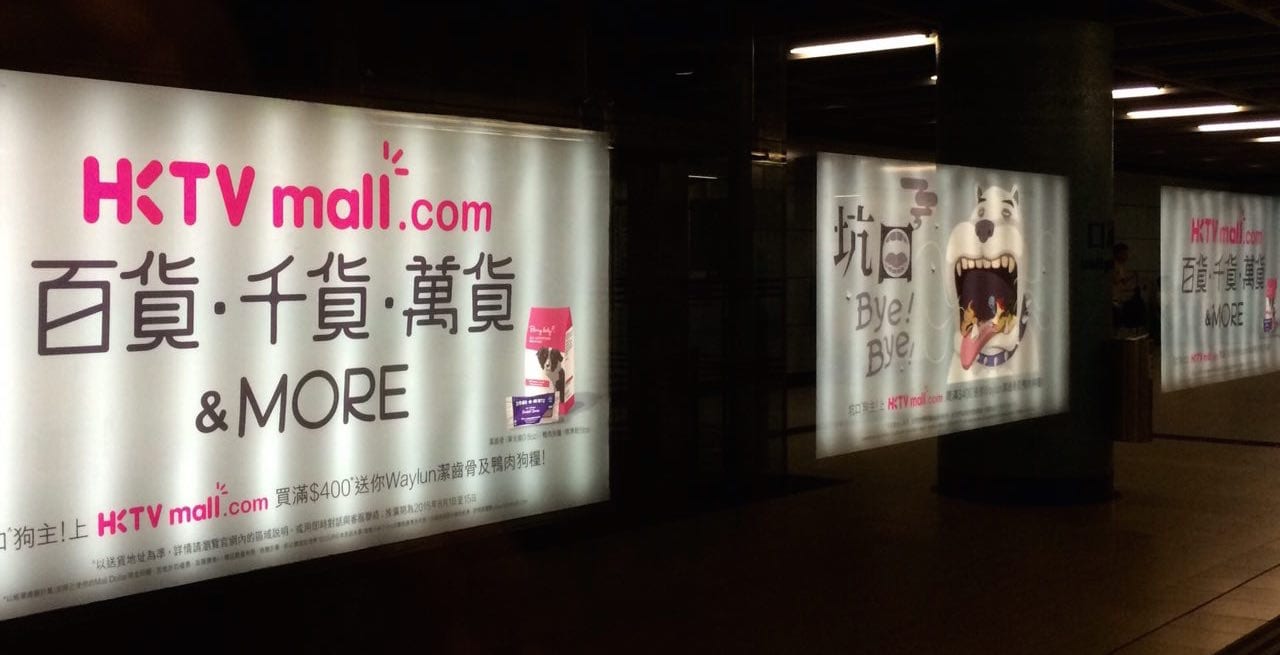
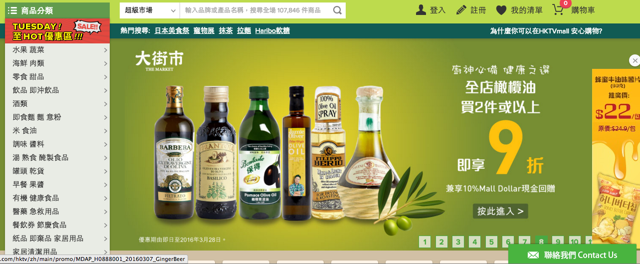
    HKTVMall started the online retail platform in late 2014. The platform invites product listings of many local merchants and the delivery services are also sometimes provided by these local merchants. For merchants without resource to prepare listings, the company would help them on that and the company has its own delivery team for fast and high quality delivery service.

    Serious marketing campaign didn’t start until Summer 2015. Due to the large scale local campaign and promotion activities, the web site was very popular at that time.

    However, the real high organic growth probably didn’t start until late 2015 or early 2016. As Wong said, comparing to November 2015, the sales volume had gone up 100% by January 2016, and he planned to expand the delivery team by tripling its size by the end of 2016. He also said the growth of sales had been in double digits every month.

    At the same time, the web site also got much better over time. Not only it became much prettier, it also got easier to search products. Recently, there are more and more reviews with the listed products, which can provide good information for consumers.

    Since it is called HKTVMall, along with the shopping, customers can also view TV programs online or on mobile, as well as the promotional TV ads for the products on sale.

    So far, HKTVMall has about 1 million active users, or about 12% of Hong Kong population.

    Advantages of online retail

    To better understand HKTV’s business model, it might be good to have a review on the advantages of online shopping:

    1. Convenience.

    For people who don’t really enjoy shopping by itself, but need to buy needed products anyways (like me), online shopping can become an almost exclusive shopping method. After all, considering all the time to drive to store, search for products in a physical store, wait in lines to check out and drive back, a few clicks on a web site or a mobile app can save a lot of time. This time saving provides a lot of intangible value to consumers.

    It should be mentioned that the increasing popularity of mobile devices also helped online shopping.

    Although this advantage may be less obvious for Hong Kong residents (since they live pretty close to the retail shops), it can still save them the time for waiting in line or walking over.

    2. Low cost.

    Online retailers can save the expense of renting a physical store. This saving can be especially significant in Hong Kong as the local rent has gone up significantly in the last few years. According to Wong, rental expense is about 25% of the retail price for those local retail stores.

    So far, HKTVMall has not achieved a cost advantage over local stores yet, due to its present small scale. However, as the scale gets bigger, there is likely a cost advantage later.

    3. More selection and easy to search.

    One big advantage for online shopping is the vast selection of products which is very hard to achieve in a local store. It is also much easier to search products online.

    4. More information transparency.

    Information transparency should be considered as a new source of efficiency, since this reduces the waste on marketing, and increases competition on price and real quality of the products. Because of information transparency, consumers can easily compare prices between retailers and producers, and can get feedbacks about the product quality through ratings and reviews.

    Many shoppers go online to shop because they can get these feedbacks to help them find the best product.

    Of course, there are also some disadvantages in online shopping:

    1. Shipping cost.

    It depends on the item’s price and size, but shipping cost is generally significant for many products.

    2. Time delay.

    Again, it depends on the products. Some are very time sensitive, others are not.

    3. Not able to see or try the products.

    For a well-known brand and product, this might not be a problem, but generally this is an issue that stops online shopping for many products.

    4. Difficult for returns.

    This might be less of a problem in Hong Kong and China than in US, since it is my impression that it is pretty difficult to return products there in local stores too, but maybe Hong Kong is quite different from China.

    Overall, some products are more suitable for online shopping, but some others are not. But in general, online shopping should be on the trend to get much more popular, even in Hong Kong, mostly it is a habitual behavior that will be gradually changed. Also, online retail has significant networking effects, so its attractiveness will increase over time too as the network gets larger.

    Why It is Cheap

    1. Burning cash

    Since the TV programme business has failed (at least temporarily), and the new online retail platform is still being built, the business is burning cash at a fast rate.

    Recently, the company’s earnings warning announcement indicated that the loss in year 2015 increased 200% relative to the 16 months in 2014. This means the second half of 2015 may have a loss of about HK$460 million, or about twice of the first half of 2015. Considering that this company only had a $1.4 billion market cap at the current price, there is no doubt that this is a very big loss that will scare many people away.

    However, when we take a closer look at the announcement, we can find that the “cash loss” may be much smaller:

    The increase in loss for the Year is mainly attributable to:

    1) the impairment loss on certain assets resulting from the uncertainties on the media business; and

    2) the increase in programme costs charged to the profit or loss over the showing period while the revenue from licensing of programme rights and net advertising income was not increased proportionally; and

    3) the e-commerce business was officially launched on 2 February 2015 and is still in its early investment stage to be financially material to the Group.

    As we can see, the impairment loss may be related to the HK$370 million intangible asset which includes the right of using network capacity of former subsidiary, which should be a non-cash charge. There is also HK$132 million programming cost on balance sheet as a part of current asset which should be charged off as the company suspended all TV programs. So the actual cash loss may be just HK$200 million or less in the 2nd half of 2015. However, this is just my estimate, and we will have to find out the fact in the coming annual report of 2015.

    2. Unproven business model

    Although HKTVMall has achieved fast growth recently, the business model is still not fully proven and there is still a lot of uncertainties associated with it.

    The same can be said about the movie and mobile TV businesses. As Mr. Wong invests into these two new businesses, there are a lot of uncertainties ahead.

    3. Small market cap.

    The current market cap is about HK$1.415 billion, which is less than $200 million. This small market cap will not bring much interest from many professional large investors.

    Protection From Downside

    The stock is currently trading at a discount to its liquidation value, but it might not be obvious if someone uses a screener. This is because a large part of the asset is in the long-term financial asset (which is counted as non-current asset).

    According to the semi-annual report, the company currently has HK$1.66 billion financial assets. Most of that asset is in debt securities. Since it is level 2 asset valued at market quoted prices, it is likely to be some relatively illiquid corporate debt. $1.28 billion of this is long term (more than 1 year maturity date), so it is classified as non-current asset, and won’t be showing in the net current asset in a screener. However, it should certainly be considered as liquid asset in the consideration for liquidation value.

    Below is a summary and classification of all assets on the balance sheet:

    Number in HKD millions
    Current asset 1106
    Programming asset (part of current asset) 132
    Long term financial asset 1285
    Investment properties 230
    New media center 450
    Current liabilities 477
    Click to enlarge

    Since the programming cost should be charged off over time, it shouldn’t be a part of the liquidation value. The value of investment properties is calculated from 20 times of rental income listed in the annual report. If we assume half of the real estate value for liquidation purpose, the net liquidation value should be the following:

    1106 – 132 – 450 + 1285 + (230 + 450)/2 – 477 = HK$1672 million.

    Here we excluded HK$450 million from current asset as the contracted cost to build the 31,777 square meter media center, which is expected to finish by October, 2016.

    Notice that this is based on the figures on 6/30/2015. As shown above, the recent earnings announcement may indicate another HK$200 million cash loss in the second half of 2015, if we count this in, the actual liquidation value may be $1472 million, just a little above the current market cap ($1415 million).

    The net cash is 1106 – 132 – 450 + 1285 – 477 – 200 = HK$1132 million. Here, I have included the HK$200 million cash loss in 2nd half 2015, and treated the debt securities as “cash” asset since it can be liquidated or used as collateral to borrow bank loans.

    Enter the Movie Industry

    Since the company failed to acquire mobile TV license, the decision to continue the suspended construction of the large media center seemed to be surprising to many. The CEO said the following in the semi-annual report:

    I remain my belief that Hong Kong needs its own creativity, as well as local dramas and movies. Therefore, we would consider to invest and participate in movie production, contributing to the movie industry of Hong Kong.

    Given the fact that existing TV programs were generally welcome by the local residents and considered as high quality programs, it is hopeful that the new movie production and/or mobile TV production can also be promising. However, in any case, there will likely be significant cash drains at least at the beginning of those developments.

    Checking the details in 10k, I found that if HKTV doesn’t finish the construction by February 2017, it will have to give up the construction completely and lose the existing investment of HK$150M on it. So maybe Wong didn’t really want to enter movie industry any time soon, but need to finish the construction by the deadline and prepare for the future needs.

    Recently, there is also more news about the TV license front. The company expected to get another final decision from the government 1-2 months later. The CEO also mentioned his intention on continuing TV program development in the future.

    Competitions

    As I mentioned above, online retail is likely to get more popular in Hong Kong since online shopping has many advantages. However, it doesn’t mean competitors can’t get popular later or squeeze the margin of HKTVMall to make its success less attractive.

    Still, I believe there are several advantages of HKTVMall over the potential competitors:

    1. Scale advantage.

    Although its scale can’t be compared with online retail giants like Alibaba, at least in the local area, it can achieve a large scale, which can allow it to beat other local online retailers, and achieve a low-cost advantage in the local area.

    Again, there is significant networking effects and first-mover advantage here.

    2. Local delivery of grocery products.

    Many online retailers in US and China have been trying to get into the grocery business such as vegetables and meat, but without much success. Looking at the recent HKTVMall activity, it seems that a lot of the sales were actually on frozen meat and seafood. This can work maybe because local stores have more significant rental expense, or because the city has high density, or both. If it can actually work in a larger scale, it will be a significant barrier for outside competitors.

    3. Focus on quality, service and trust.

    Recently, the company had an official announcement that all merchants who sell on its platform have to use authorized suppliers. This is to assure the quality and genuineness of the products. This could be an attempt to differentiate from TaoBao. Although it might affect the chance of getting super-cheap supplies, I consider this as a positive move, since differentiation is important here.

    Also, comparing to TaoBao, customers buying from HKTVMall may enjoy the convenience of returns for some returnable products which is nearly impossible when buying from TaoBao, due to the shipping cost and logistics.

    4. Familiarity to local culture.

    Hong Kong has its own local culture due to its unique history, language and territory. This can help many of its marketing efforts. Local residents may also be more acceptive to local merchants.

    5. Support from local residents.

    There is evident support to the company from local residents in Hong Kong. Many people have expressed their supports in comments and reviews, along with sympathy to the CEO regarding the denial of TV license.

    Why I Like It

    1. Good management.

    The most attractive part here is the CEO’s ability and ambition. On one hand, he might be brave and takes more risks than usual; on the other hand, he may also bring a lot of upside potential to the investment.

    The CEO also has the track record of achieving something others would think very hard or even unbelievable. For example, a local online retail platform looked very hard to many and nobody was even thinking about trying, at least not on a big scale. So as I was following the company since 2014, I was surprised by the fact that Mr. Wong could actually pull it off and achieve today’s success.

    Since the CEO owns 44% of the stock (the top two insiders own 50%), this is also a typical owner-operator stock, with the management’s interest aligned with shareholders. The CEO also has a track record of returning value to shareholders through large special dividend, not like some other family businesses which often hoard on cash.

    The CEO also has a focus on customer experience. Using his words, he doesn’t like to outsource the customer support to 3rd parties because he wants to control what could affect customer experience.

    2. Good business model.

    The track record of the CEO shows that the businesses he created brought a win-win situation to all parties, including shareholders, customers and employees. This is exactly the kind of entrepreneur our society needs. The long distance calling plan reduced cost for consumers. The broadband internet brought high speed internet to local residents.

    The recent business plan on HKTVMall may also bring a brand new way for local shopping, therefore bring a lot of value to Hong Kong residents.

    As mentioned above, online retail platform tends to have significant networking effect and scale advantage, therefore can potentially create a barrier for new entrants.

    Online retail platform also has high ROIC since it has much less fixed cost comparing to the traditional retailers (almost no working capital needs, and no operating leases for store rentals).

    3. Downside protection.

    Since it is a net-net stock, there is some downside protection. However, given the significant cash burn, this protection is not as strong as the other net-nets.

    4. Huge growth potential.

    Given today’s small market cap, if the online retail business or the TV/Movie business can be successful, the upside is very big. Looking out for 3-5 years, the upside could well be 3-10 times of the current price. In some sense, this is the main benefit of investing in small-cap growth opportunities.

    5. Active stock.

    Although it is a small-cap stock, it is pretty active too, especially when there is news about it. This is because the company has good visibility and support from local residents. An active stock is generally a good thing for value investors.

    6. Support from local residents.

    As mentioned, many local residents have shown their support to the company and the CEO. This could be a strong plus in terms of marketing and attracting talents.

    7. Clean accounting.

    Due to the background of the CEO and announced cash transaction for the sale of City Telecom business, the balance sheet should be clean and trustable. This may be less of a problem when investing in US, but I think this added assurance can be more important when investing overseas.

    8. Relatively cheap stock market in Hong Kong.

    In general, due to gloomy outlook of Hong Kong economy and mainland China’s economy, the Hong Kong stock market has many more cheap stocks than US. This makes selecting good value stocks much easier and much less risky in the Hong Kong market.

    Risks

    The main risk is the uncertainties associated with the new businesses in online retailing and movie/mobile TV. If these fail, the cash burn may reduce the liquidation value pretty fast, so the downside protection may be not that good. In other words, the current net cash may only last 3 years. With each year passing, the liquidation value will be reduced.

    Another risk comes from the fact that this is a Hong Kong stock in retail and media businesses. Many of the shareholders are likely more familiar with the business, and therefore may have an information advantage over overseas investors like me.

    Conclusion

    HKTV is a unique opportunity as it presents significant growth potential, but also has some downside protection from liquidation value.

    Although the downside risk is still large because of the cash burn and still immature business model, I believe the growth potential is much bigger than the downside risk, and therefore, it should be attractive to growth investors and quality-value investors.

    Although this is an OTC stock, the liquidity is not too bad, since it was once listed in major exchanges. Investors who have access to Hong Kong stock market may also consider purchase in Hong Kong market too (Symbol 1137).

    Disclosure: I am/we are long HKTVY.

    I wrote this article myself, and it expresses my own opinions. I am not receiving compensation for it (other than from Seeking Alpha). I have no business relationship with any company whose stock is mentioned in this article.

    Editor’s Note: This article discusses one or more securities that do not trade on a major U.S. exchange. Please be aware of the risks associated with these stocks.

  • QNB chosen ‘Best Retail Bank in Qatar’

    QNB chosen ‘Best Retail Bank in Qatar’

    QNB has been recognised as the “Best Retail Bank in Qatar” by the Asian Banker Magazine.
    The prestigious award was received during The Asian Banker’s International Excellence in Retail Financial Services Awards 2016 ceremony held recently in Hong Kong.

    The awards ceremony was held in conjunction with The 15th Annual Excellence in Retail Financial Services Convention. It is considered an important financial event in the global retail banking agenda, where regional and global elite retail bankers can come together and enjoy unprecedented networking opportunities.

    According to The Asian Banker, QNB, a leading financial institution in the Middle East and Africa, received the “highly competitive award after successfully undergoing all the stringent valuation” for the international excellence in Retail Financial Services Programme.

    “The award is a true testament to the excellence of QNB’s retail services, given that the programme is considered the most prestigious, comprehensive and anticipated awards programme that recognises excellence amongst the world’s leading retail financial institutions as well as the undisputed performance benchmark of the best retail banks in an increasingly fierce marketplace,” QNB said.

    As a leading provider of strategic intelligence on the financial services industry, The Asian Banker facilitates awards programmes known for their rigor, impartiality and transparency.

    QNB is a previous recipient of these distinguished awards, gaining such recognitions as “Best Transaction Bank in the Middle East & Africa”, “Best Direct Bank”, “Best Cash Management Bank in Qatar”, and “Best Trade Finance Bank in Qatar”.

    QNB Group’s presence through its subsidiaries and associate companies extends to some 27 countries across three continents providing a comprehensive range of advanced products and services.
    The total number of employees is more than 15,200 operating through more than 635 locations, with an ATM network of 1,390 machines.

  • Biggest M&M store in travel retail opens at Hong Kong International Airport

    Biggest M&M store in travel retail opens at Hong Kong International Airport

    International Travel Retail in partnership with DFS Group today opened the largest M&M’S outlet in travel retail at Hong Kong International Airport.

    The 35sqm store is located in Terminal 1 and, according to DFS, is designed to offer “chocolate lovers a unique, entertaining and fun travel experience, driving travellers into the store”.

    Biggest M&M's store in travel retail opens at Hong Kong International Airport
    With interactive retail theatre and a focus on fun, it reveals that the M&M’S shop-in-shop is personalised and unique to Hong Kong.

    It states: “The atmosphere of this vibrant city is brought to life inside the store with a replica of one of Hong Kong’s iconic dragon boats on display, along with localized artwork incorporating the brand’s world famous Red and Yellow characters.”
    Dragon boat
    Additionally, the offer will include items that meet the consumer demand for destination merchandise with “Hong Kong Travel Collection” packs of Snickers, Mars and Twix along with a Hong Kong themed M&M’Sbox featuring the iconic dragon boat.

    While the key focus of the store is on M&M’S,  products from core brands Snickers, Mars, Celebrations and Twix are also offered based on the company’s ‘Laws of Growth’ belief in ensuring that consumers are offered best-selling SKUs at all times.

    Commenting on the opening, Mars International Travel Retail’s regional sales director, Christophe Bouye, says: “By offering passengers outstanding retail experiences that first and foremost will make them smile, we are confident it will increase shopper engagement and encourage conversion.

    “Through placing consumers in a smiling frame of mind, we believe that this will not only benefit the confectionery category, but all sectors of the travel retail offer here in Hong Kong.”

    The new outlet is located close to Gate N28 on the central concourse.