Tag: Hong Kong

  • Trinity Group confident despite loss

    Trinity Group confident despite loss

    With revenue totalling HK$1.9 billion (US$245 million), Hong Kong-listed retailer Trinity Group lost HK$88.5 million last year.

    Trinity Group, which sells premium menswear brands in greater China and Europe, says it continued to be dragged down by the dampened consumer spending environment in China, but has implemented business reforms as well as restructuring aimed at improving its position long term.

    As well as the slower growth in China, its main market, the group also lost money with one-off restructuring costs and the impact of the RMB’s depreciation.

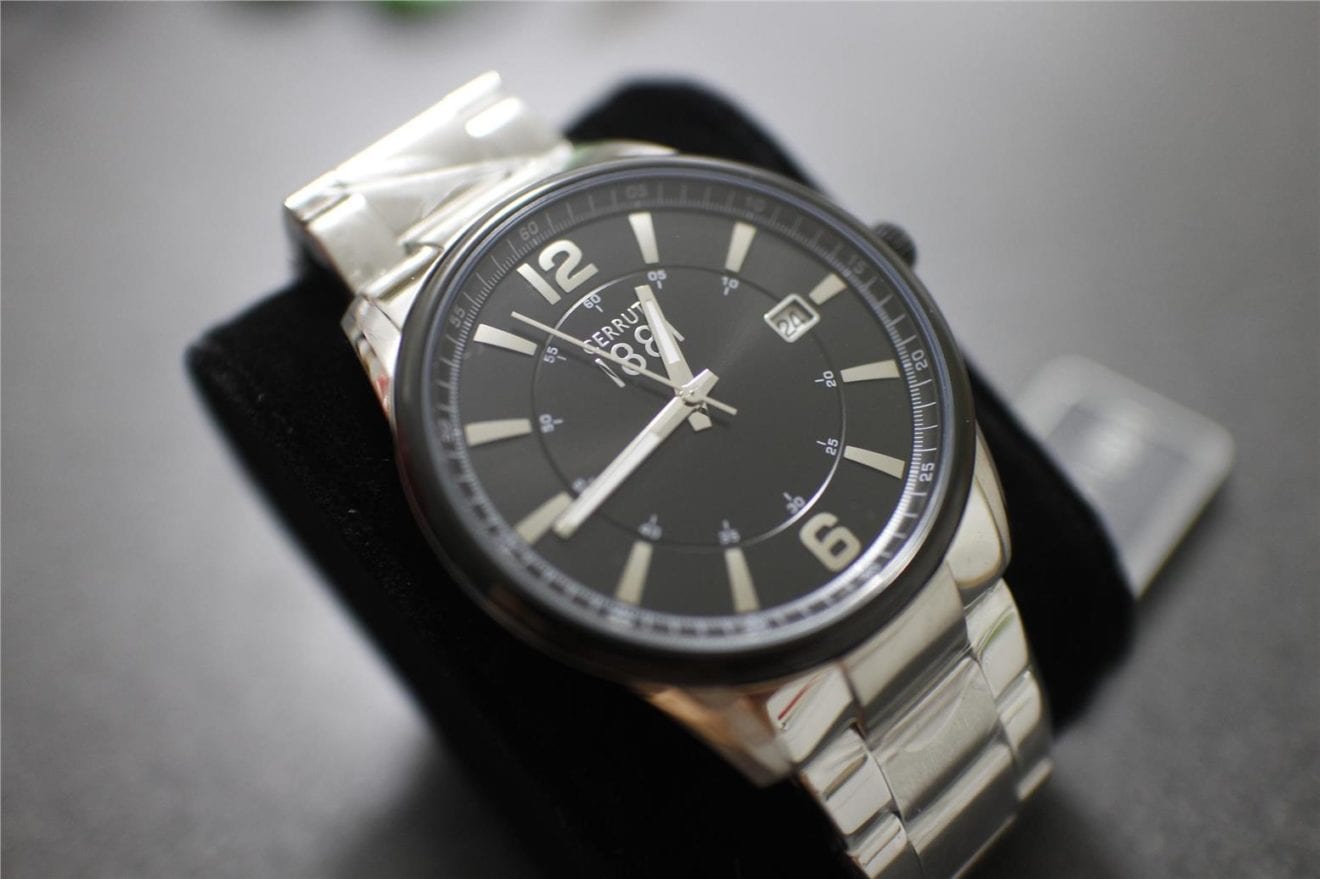
    Trinity Group, a Fung Retailing company, owns the Cerruti 1881, Kent & Curwen and Gieves & Hawkes brands and manages D’Urban under long-term licence in Greater China.

    CEO Richard Cohen says while the group took measures to mitigate against the expected lower consumer spend, the impact on same-store sales in the last quarter was far more significant than the retail sector predicted. However, the group’s overall performance was in line with that experienced by the wider high-end and premium retail sectors.

    “Our results, along with others in the industry, are disappointing but not wholly unexpected. Looking forward, we believe there are significant international wholesale, franchising and retail opportunities for the group in the long term.”

    Efficiency measures by the group last year included improvements to sourcing and inventory management. This involved a consolidation restructure, including moves to further reduce staff costs, which resulted in one-off full-year costs of HK$60 million.

    Fifty non-performing stores were closed, reducing the group’s outlets from 399 at the end of 2014 to 349.

    Cohen says the group was able to maintain gross-profit margins above 70 per cent despite the difficult retail environment.

    While maintaining its focus on the Chinese consumer, Cohen says the Trinity Group has revised its global strategy.

    “The growing middle class in China is increasingly travelling abroad, so our strategy is to continue to engage with these core customers when they travel, while also reaching out to new clientele.”

    Related to this strategy, the group signed an exclusive five-year agreement in September that will see international sports icon David Beckham play a multifaceted role in driving Trinity’s Kent & Curwen business globally.
  • eCommerce won’t dent Asian retail real estate demand

    eCommerce won’t dent Asian retail real estate demand

    Growing online sales will not undermine demand for Asian retail real estate, according to the last CBRE study of major international brands.

    For the seventh edition of How Active Are Retailers Globally?, the real-estate company looked at more than 150 major international brands based in Americas, Asia Pacific and EMEA (Europe, the Middle East and Africa) countries.

    China is the top target market in the Asia Pacific (APAC) and fourth-ranked globally, with 27 per cent of retailers looking to expand there. Hong Kong follows in sixth position (24 per cent), Japan in seventh (22 per cent) and Singapore in ninth (21 per cent). The top three globally were Germany (35 per cent), France (33 per cent) and the UK (29 per cent).

    China and Hong Kong maintained their placings, while Japan, Singapore and Australia (11th) all rose higher in the ranking, up from 13th, 18th and 15th positions respectively.

    “Hong Kong will remain a desirable market for retailers, particularly as it continues to serve as a popular shopping destination for mainland Chinese tourists,” says CBRE Hong Kong executive director for retail services Joe Lin.

    “The main difference is a shift from luxury to mid-range brands. This is forcing luxury retailers to consolidate their footprint, leading to a drop in rental cost in prime locations and therefore opportunities for non-luxury retail brands.”

    Most APAC markets saw increased interest for this year, with the exception of China and South Korea. Malaysia (10 per cent), Indonesia (9 per cent), Thailand, Vietnam and The Philippines (all 8 per cent) received more than double the interest they saw last year, when all markets secured between 1 and 3 per cent.

    Asked about the risk factors for the coming year, brands indicated that real-estate cost escalation (56 per cent) and unclear economic prospects (42 per cent) continue to be at the forefront of their minds.

    “We’re seeing more of a challenging economic environment, and concerns such as high operating costs and a lack of quality space means retailers are somewhat more wary this year,” says CBRE head of Asia Pacific research Dr Henry Chin. “However, even as markets such as China and Hong Kong are experiencing a slowdown, we see increasing numbers of opportunistic retailers looking to enter markets like Hong Kong, supported by strong underlying consumer demand.

    “Japan and Australia remain attractive, while Southeast Asia showed strong growth because of opportunities for retailers around an expanding middle class and stronger economic growth.” CBRE senior director and head of retailer representation for Asia Joel Stephen says there are still opportunities for retailers to grow their business in Asia, underscored by the region having four of the 10 most popular destinations. “The goal now for all brick-and-mortar retailers is to build an engaging offer that encourages people to stay longer and spend more.”

    The survey shows that 83 per cent of brands suggest their physical store expansion plans for this year will not be affected by the growth of eCommerce. From a retailer perspective, only 22 per cent of the brands see stiff competition from online retailing as a threat to their business.

    At the same time, retailers are cautiously optimistic on physical expansion. Of those canvassed, 17 per cent have large-scale ambitions, many of them looking to open more than 40 stores this year (up from 9 per cent last year), while 67 per cent plan to open up to 20 stores.

    “A physical store presence in key locations is still critical to the strength of a brand’s image,” says Stephen. “Customers still feel a need to go into stores, to physically touch a product and enjoy the feel-good factor associated with a particular brand experience. The store is integral to the shopping journey and can be used in different ways, such as to click and collect, research of the product or brand, or to test the product. It isn’t solely about the transactional side.”

    A new trend is brands looking to expand into travel hubs, such as airports and train stations, giving them access to high footfall in busy locations. But for APAC retailers, shopping malls are still the preferred destination by far, at close to 90 per cent.

    While globally the key concern for brands in negotiations for premises is lease length, APAC retailers are most concerned with turnover rent clauses (GP). They are also particularly concerned about changing consumer behaviour (40 per cent), which is higher than the global average (31 per cent).

  • 43% of Hong Kong consumers shop on smartphones

    43% of Hong Kong consumers shop on smartphones

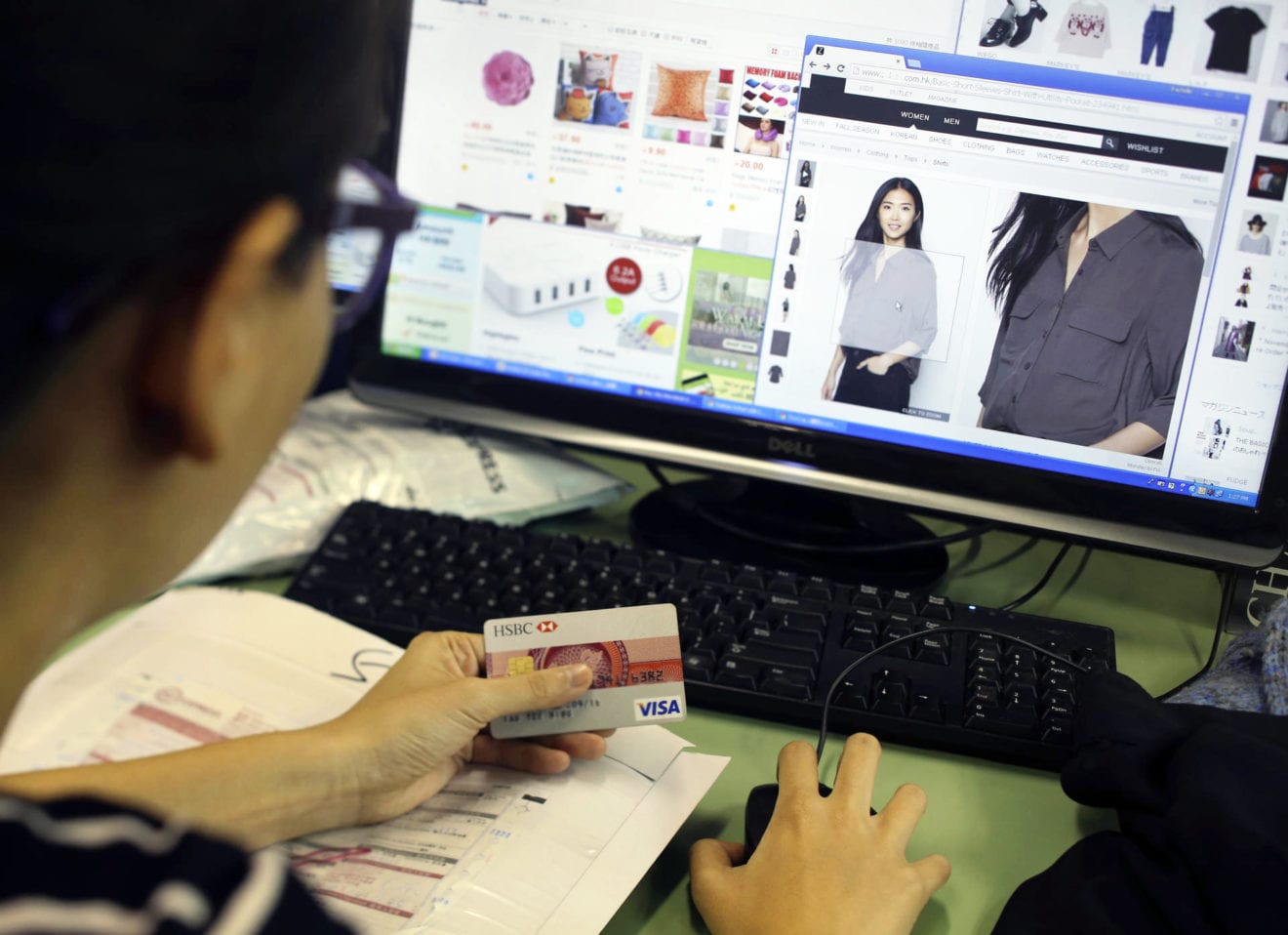
    Mobile shopping has taken hold in Hong Kong, with more than two in five consumers making purchases via their mobile device in the past three months, the latest MasterCard Online Shopping Survey reveals.

    The widespread use (98.8%) of internet-enabled smartphones in the city has set the backdrop for more and more Hong Kong consumers (42.9%) choosing to engage in mobile shopping, marking an 18.3% increase since 2011.

    The survey also indicated that an increasing number of local shoppers are now embracing new payment technologies, with 11.2% currently using digital wallets compared to 7% last year.

    Similar to previous years, convenience (53.2%) continues to be the key driver for mobile shopping, followed by the growing availability of apps that make it easy to shop (33.8%) and the ability to shop on the go (28.4%).

    Almost half (48.6%) of local respondents said they had downloaded a shopping app on a mobile phone in the last six months, and the most popular items bought via mobile shopping include clothing and other fashion accessories (24.3%), movie tickets (21.9%) and toys and gifts (16.2%).

    Hotel accommodation (14.3%) and items from supermarkets (12.4%) also climbed up the list as some of the most common spending categories among local consumers.

    The majority of Hong Kong consumers (84.2%) made at least one purchase online in the past three months, and their average length of online shopping experience is 3.2 years. And 81.8% of local consumers planned to shop online in the next six months.

    But over three quarters (77.8%) regarded security of payment facility as a key consideration when shopping online.

    When asked about the major improvement area for online shopping, more than half of the respondents (54.4%) also expressed that one should be assured that transactions are secure.

    “While Hong Kongers cited convenience as the top motivating factor for mobile and online shopping, we also understand that security of payment facility remains a key consideration,” said Anna Yip, head of Hong Kong and Macau, MasterCard.

    Overall, consumers in Asia-Pacific are embracing new payment technologies with one in five (19.5%) using digital wallets, a two-fold increase from two years ago (9.7%). Emerging markets are leading the way with smartphone users in China (45%), India (36.7%) and Singapore (23.3%) being the region’s biggest adopters of digital wallets.

    In terms of online shopping, China continues to lead the Asia-Pacific region as in previous years, with almost every respondent (97%) having shopped online at least once in the previous three months. However, when it comes to mobile shopping, India surpassed China (76.1%) for the first time, with 76.4% of respondents indicating that they had made a purchase through their smartphones.

  • Masterpiece Auction House opens in Hong Kong

    Masterpiece Auction House opens in Hong Kong

    Indonesia-based Masterpiece Auction House will host its first auction in Hong Kong featuring Southeast Asian and Chinese modern and contemporary art works this Saturday (March 26).

    The public preview will start tomorrow (March 22).

    Masterpiece Auction House recently opened an office in Hong Kong to help expand its market share of the growing Asian modern and contemporary art market, said the President Director of Masterpiece Auction Private Ltd,, Benny Oenardi Raharjo.

    The company plans to host two auctions in Hong Kong every year showcasing artworks – paintings in particular – by established, emerging and young artists from Southeast Asia and Asia. It will also provide junior painters with an opportunity to introduce their work, which will help increase their international exposure.

    “The art market in Hong Kong has been buoyant, with more and more people buying artwork not just for the love of it, but as part of their financial and investment portfolio,” Raharjo said. “Our entry into Hong Kong, a key art hub of the region, will allow Masterpiece Auction House to grab a larger slice of the growing Asian modern and contemporary art market.”

    Associate director-general of investment promotion Dr Jimmy Chiang said Hong Kong has a strategic location in the heart of Asia and is close to the Mainland.

    “Against this backdrop, art auction houses or related companies in Hong Kong enjoy unrivalled access to a huge number of high net-worth individuals in Asia Pacific, as well as a pool of seasoned art managers, art-specific transportation and logistics support.”

    Founded in 2003, Masterpiece Auction House is recognised as one of the leading and the most dynamic auction houses in Indonesia, Singapore and Malaysia. It gives exposure to high quality of fine art, particularly with the vision of developing and raising the national and international exposure of Indonesian art, especially through the medium of paintings.

    *Photo: Masterpiece Auction House president director Benny Oenardi Raharjo.

  • McDonald’s to set up 1500 new restaurants in China, Hong Kong and Korea

    McDonald’s to set up 1500 new restaurants in China, Hong Kong and Korea

    McDonald’s Corporation, the world’s largest hamburger chain, said on Thursday that it was adding more than 1,500 new restaurants in China, Hong Kong and South Korea over the next five years and was on the lookout for suitable investment partners.

    The US company said the new outlets are in addition to the more than 2,800 restaurant locations it has in these markets, most of which are company-owned.

    “We’re committed to Hong Kong for the long term and intend to combine our global brand with local insights and expertise. This gives us the ability to enable faster decision-making, achieve restaurant growth and deliver a great restaurant experience for our customers in Hong Kong,” said Steve Easterbrook, President and Chief Executive of McDonald’s.

    The company has 230 McDonald’s restaurants in Hong Kong and employs more than 15,000 people. On average, it serves about 1 million customers every day.

    McDonald’s Hong Kong said: “We have continued our great success in the past 40 years and we know that we would require continued capital expenditure in the future – to open new locations, rebrand our restaurants, accelerate McCafe penetration, and invest in the digital experience so as to take advantage of the opportunities in Hong Kong.”

    “We have not approached any potential strategic partner(s) at this point in time and we are still exploring what the right ownership structure will be for the new McDonald’s outlets in Hong Kong,” it said.

    Jeannette Chan, regional director of retail department at JLL said McDonald’s ambitious expansion plan showed its confidence on market prospects in Asia.

    “Most of the fast food retailers are contemplating expansion or relocation after seeing a sharp fall in Hong Kong retail rentals for street level shops,” she said.

    However, some industry experts said the expansion would be largely focused on the mainland, where there is still huge growth potential. “The Hong Kong market is already saturated” sources said.

    It would be better for McDonald’s to team up with local partners who have well established retail networks for its expansion in the mainland,” they said.

  • Hong Kong’s retail sales plunge most in 17 years

    Hong Kong’s retail sales plunge most in 17 years

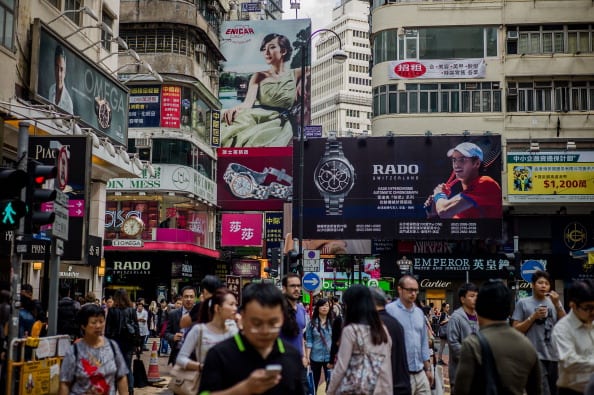
    Hong Kong’s retail sales in February plunged the most since 1999 as fewer Chinese tourists visited the territory during the Lunar New Year holiday.

    Retail sales dropped 21 percent in February to HK$37 billion (US$4.8 billion) year-on-year, according to a statement from the Hong Kong’s Department of Statistics.

    Combining January and February, sales fell 14 percent. The monthly decline is the worst since January 1999 when sales were also down 21 percent.

    “Apart from the severe drag from the protracted slowdown in inbound tourism, the asset market consolidation might also have weighed on local consumption sentiment,” the Hong Kong government said in a statement yesterday. “The near-term outlook for retail sales will still be constrained by the weak inbound tourism performance and uncertain economic prospects.”

    The government will monitor closely its repercussions on the wider economy and job market, it said.

    Chow Tai Fook Jewellery Group, the world’s largest listed jewelry chain, and Sa Sa International Holdings reported slumping sales over the holiday from Feb. 7 to Feb. 13 when Chinese tourists to the territory dropped 12 percent.

    The stock market rout and a slowing Chinese economy have affected consumer sentiment for luxury goods, Chow Tai Fook has said.

    Mainland China tourists “are unlikely to come back in the short term,” CCB International Securities analyst Forrest Chan said.

    Hong Kong residents are also consuming less due to stagnant property values and the weak stock market, he said.

    “Hong Kong’s retail market will continue to fall for the rest of 2016 as all the negative factors won’t be solved in the near term,” Chan said in a telephone interview.

    Chinese visitors are projected to fall 3.2 percent for the year, according to the Hong Kong Tourism Board, with average spending dropping 4 percent to HK$6,948.

    Sales of jewelry, watches and clocks, and valuable gifts dropped 24 percent, while those of electrical goods and photographic equipment plunged 27 percent, according to yesterday’s statement.

  • Ted Baker Asia trading ‘a challenge’

    Ted Baker Asia trading ‘a challenge’

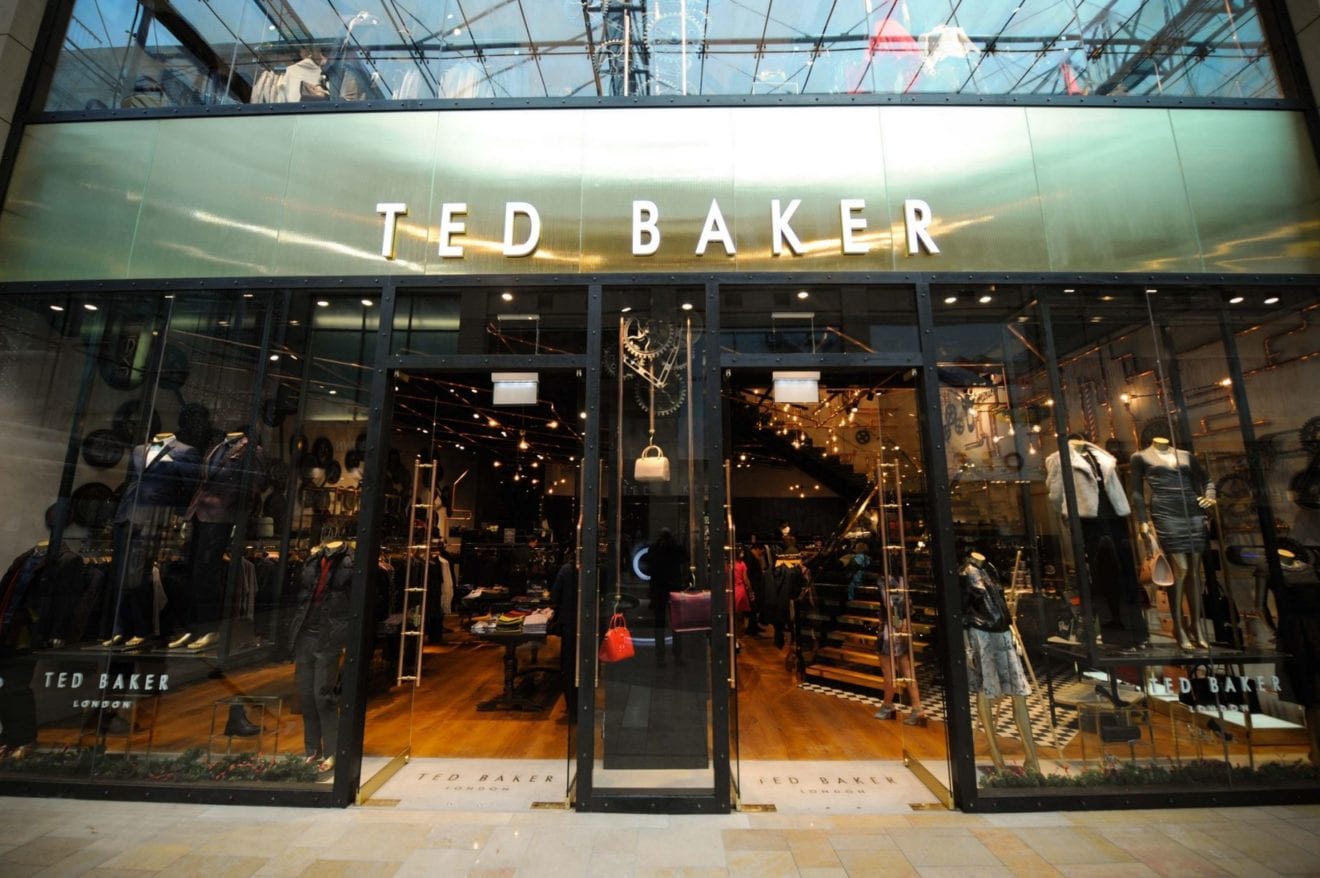
    Global fashion chain Ted Baker overcame an uncertain backdrop in Asia to boost profits by 18.6 per cent last year.

    Rebecca Marks, an analyst at Verdict Retail, said Ted Baker’s strong full year results demonstrate the strength of the brand, driven by its reaction to trends “and signature mix of quality and attention to detail”.

    Ted Baker reported a pre-tax, full-year profit of £58.7 million.

    But the company said while trading generally was in line with expectations, the Ted Baker Asia business trading environment “continues to be challenging”.

    “Whilst Asia currently represents a small part of our business at 3.4 per cent of revenue, we remain positive about the long term opportunities to develop the brand in this territory,” the company said.

    “In Asia, we remain focused on building brand awareness in this market where we are in the relatively early stages of investment. In line with our development strategy in this territory, we have opened another store in Beijing and we are opening further concessions in China and Japan.”

    Marks said the overall results showed Ted Baker was on track to establish itself as a global lifestyle brand.

    “The  investment in brand-building in newer markets paying off,” she said.

    “A strong performance in North America demonstrates the brand’s growing recognition, enhanced by 22 retail and wholesale openings in this market throughout this period. Closer-to-home, the brand is investing in a new distribution centre in the UK to service its European markets – a necessary move to support the growing popularity of its e-commerce platform, where its 45.8 per cent growth primarily reflected its performance in the UK.”

    While womenswear sales were up 15.9 per cent year-on-year, menswear collections outperformed with 20.1 per cent growth.

    “As the prevalence of celebrity and fitness culture continues to heighten male’s interest in fashion and personal appearance, Ted Baker opportunely responded to its typical 25-45 year old male shoppers’ growing demands for increased choice and style with its fashion-led quality collections justifying its premium price points,” said Marks.

    “A raft of planned store openings planned in the coming year, alongside continued investment in its eCommerce platforms and personalisation globally, will help ensure Ted Baker is positioned to enjoy another flourishing financial year ahead. Initial reactions to its Spring/Summer collections have been positive, tapping into the growing activewear market with its new contemporary collection of premium sportswear for women, Fit to a T.

  • Foodpanda Hong Kong eats up rival

    Foodpanda Hong Kong eats up rival

    Foodpanda Hong Kong has just bought rival Delivery.com’s local operation to consolidate its leadership in the local food delivery market.

    The move is the latest by the five year old, 49 per cent Rocket Internet-owned startup to streamline its international operations, focusing on core Asian areas. Just a year ago, Foodpanda operated in 40 countries around the world. Now having exited Africa, Latin America and even some Asian countries, like Vietnam, the company is focusing on 24 in Asia, the Middle East and Eastern Europe.

    Foodpanda Hong Kong has paid an undisclosed amount to buy the Delivery.com business, which focused more on the corporate sector and office workers. Besides taking a competitor out of the market, the deal will add depth to the flow of business during the day, adding more daytime turnover to the night-time, largely residential trade, where it is already strong.

    In a statement, Didier Bensadoun, president of Delivery.com Hong Kong, said the two businesses were the first two entrants into the maket, in 2014.

    “Working together we will continue to solidify a position of leadership.”

    Delivery.com marks Foodpanda Hong Kong’s third acqisition: It has already swallowed by local startups Dial a Dinner and Koziness.

    The company’s strategy is to acquire rivals to consolidate its market share. Where it cannot do that –in Vietnam, for example – it withdraws.

  • Hong Kong International Airport officially opens Midfield Concourse

    Hong Kong International Airport officially opens Midfield Concourse

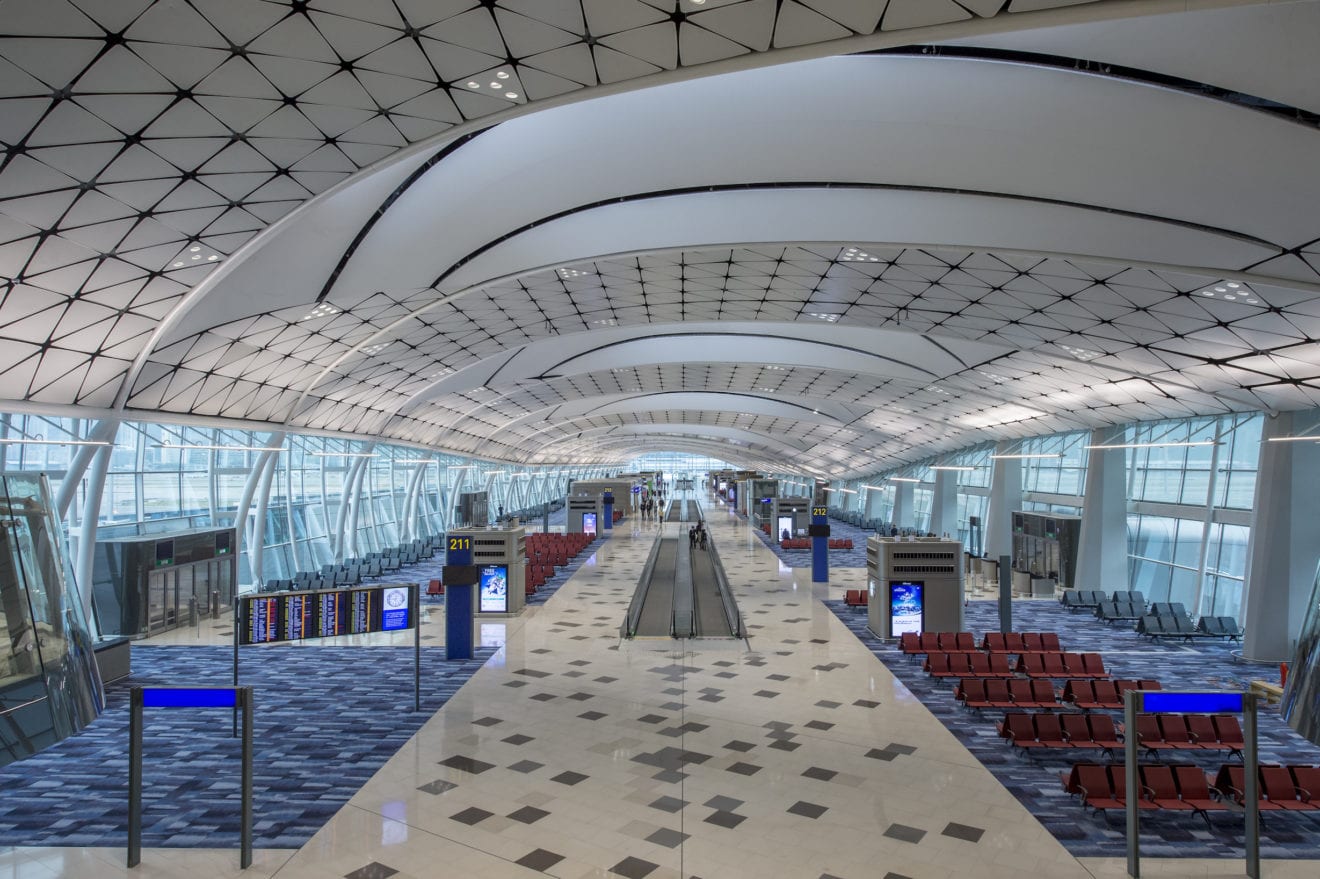
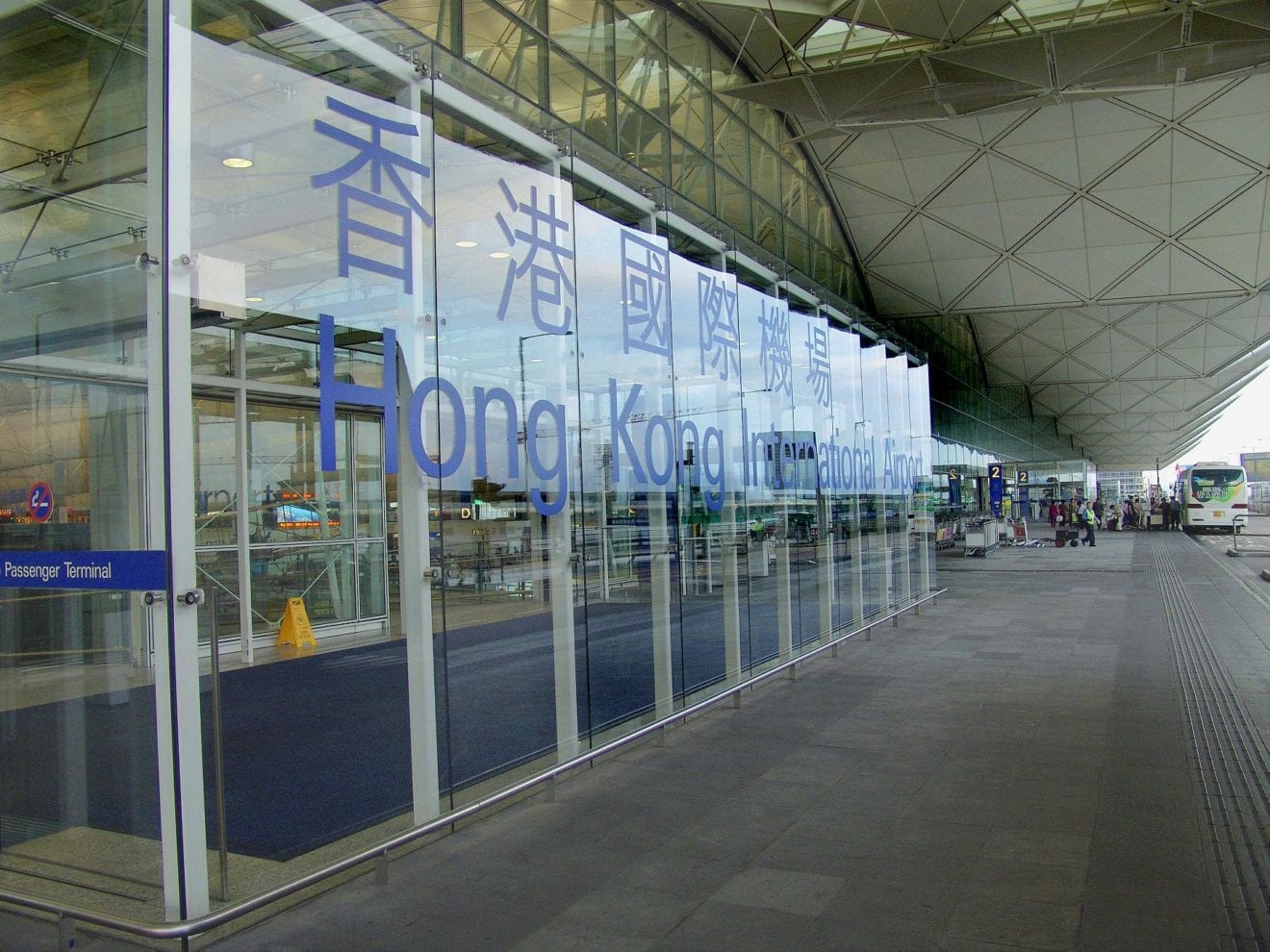
    Airport Authority Hong Kong (AA) held a Grand Opening Ceremony at the Midfield Concourse (MFC) of Hong Kong International Airport (HKIA) today to celebrate the full operation of the facility.

    The ceremony was officiated by Jack So Chak-kwong, Chairman of the AA, he said: “The concourse is an important development project that will help HKIA meet increasing traffic demand in the medium term, as we work towards completion of the three-runway system.”

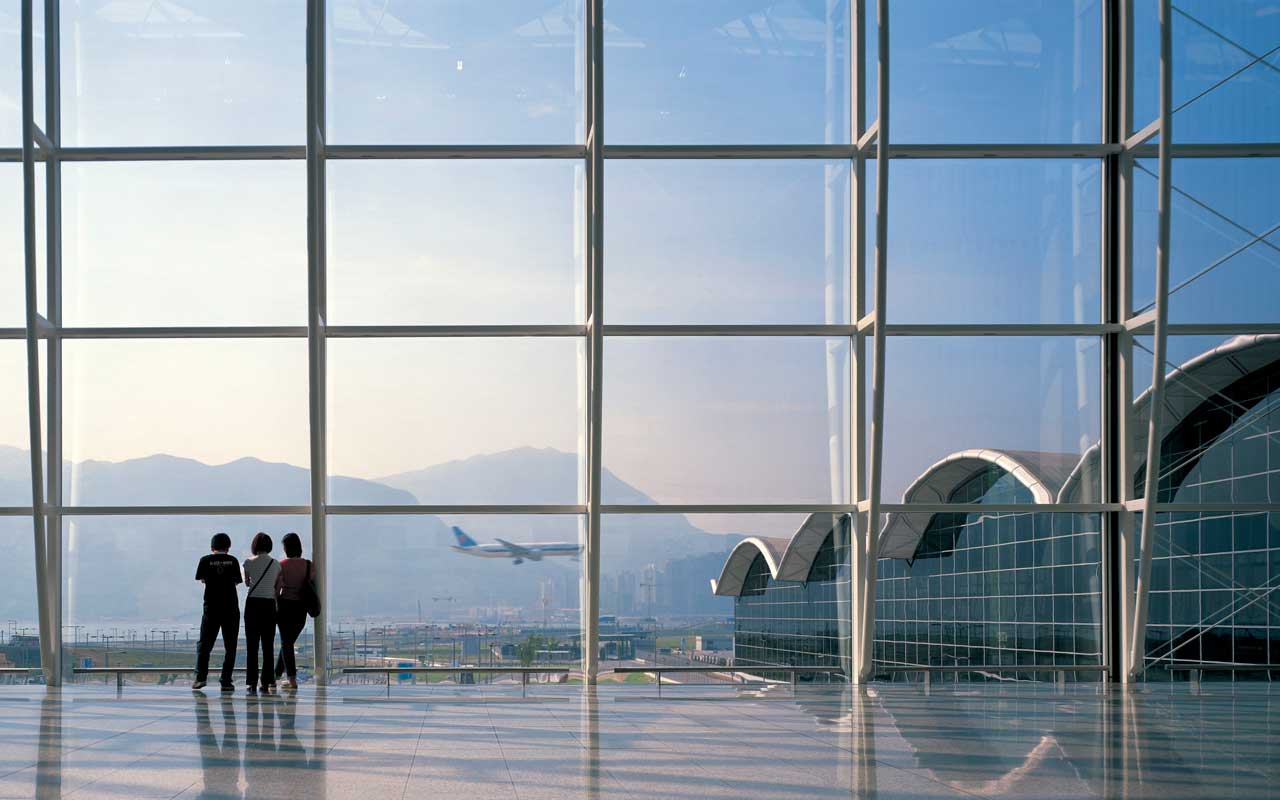
    Located to the west of Terminal 1 between HKIA’s two existing runways, the 105,000sqm five-storey concourse provides 20 parking positions. AA says the new concourse and has increased the ratio of passengers boarding and disembarking aircraft using airbridges, enhancing the overall airport experience. Passengers can reach the MFC by an extension of the Automated People Mover system from Terminal 1.

    “HKIA, connecting Hong Kong to about 190 cities in the Mainland and overseas, is the most important transport infrastructure maintaining Hong Kong’s external connections, as well as an engine for our city’s economic growth. The outstanding achievement of HKIA today is attributable to the collective efforts of HKIA’s business partners, the aviation services sector, the relevant government departments and every stakeholder in society. My congratulations on the full operation of the MFC and I wish the business of our airport will continue to prosper,” said Carrie Lam Cheng Yuet-ngor, Chief Secretary for Administration.

    Last month Airport Authority Hong Kong (AA) opened nine new retail shops and a café at the MFC. Additionally, eight retail and three catering outlets are soon to be opened at the concourse, including a new multi-category store concept from DFS. The catering outlets will offer café and casual-dining options to departing passengers who have limited time before boarding.

    The concourse also features various ancillary facilities, including newly designed seats with power sockets, deck chairs along the glass facade, as well as free Wi-Fi connections and internet-enabled computer stations.

    HKIA has also just launched a range of promotions for travellers, including an instant rebate of up to HK$5,000 worth of cash coupons and a free delivery service.

  • Retail sector woes continue despite New Year festivities

    Retail sector woes continue despite New Year festivities

    Hong Kong’s retail sector woes continued in the second month of this year when sales tumbled by more than 20 percent during the period when the Lunar New Year is celebrated. The value of total retail sales in February, provisionally estimated at HK$37 billion, was down by 20.6 percent compared with the same month in 2015. The revised estimate of the value of total retail sales in January dropp…

    Hong Kong’s retail sector woes continued in the second month of this year when sales tumbled by more than 20 percent during the period when the Lunar New Year is celebrated. The value of total retail sales in February, provisionally estimated at HK$37 billion, was down by 20.6 percent compared with the same month in 2015.

    The revised estimate of the value of total retail sales in January dropped by 6.6 percent compared with a year earlier. For the first two months of this year, retail sales fell by 13.6 percent compared with the same period in 2015.

    January and February retail sales of jewelry, watches and clocks, and valuable gifts dropped by 24.2 percent, the government said.

    Apparel sales fell by 11.4 percent, while commodities in department stores fell by 12.3 percent.
    Sales of electrical goods and photographic equipment were down by 26.7 percent and miscellaneous consumer durable goods dropped by 31.9 percent. Motor vehicles and parts sales tumbled by 21.2 percent.

  • Will Hong Kong retail market, like Jesus, rise from the dead?

    Will Hong Kong retail market, like Jesus, rise from the dead?

    Spring is here, but our struggling retailers have yet to notice its arrival.

    Last week Li Ka-shing said the economy this year is the worst in 20 years, especially in the case of the retail market, which is facing a situation that is worse than SARS in 2003.

    It’s nice to know, though, that while Cheung Kong is grumbling, rival Sun Hung Kai Properties has come up with a way to cope with the situation.

    At its trendy shopping mall APM in Kwun Tong, Hong Kong’s No. 1 landlord is introducing short-term tenancy.

    Six shops of between 100 square feet and 300 square feet will be coming on stream for tenancy of no more than six months, says Maureen Fung Sau-yim, general manager (leasing) of Sun Hung Kai Real Estate Agency.

    Fung says the tenancy will involve a new profit-sharing system, in which 10 to 12 percent of the sales will be taken as rental.

    This new deal is breaking away from the traditional three-year lease where retailers have to pay 20 percent of their sales to the landlord.

    Landlords are adjusting their leasing strategies in the wake of the poor retail sentiment brought about by slowing tourist arrivals.

    Swire Properties, for example, is terminating the leases of underperforming tenants such as Dan Ryan and Grappa’s (and before that, the beloved of the middle class Marks & Spencer) as part of efforts to transform Pacific Place in Admiralty.

    From the tenants’ side, gold, jewelry and luxury watch shops, along with pharmacies or cosmetics outlets, are giving their spaces back to food stalls and other small operators who previously could not afford the high rent.

    Kowloon Watch, for example, has just closed its store at a shopping mall near my residence, its fifth closure in the past 12 months, leaving only seven shops in operation.

    The short-term tenancy seems the most logical strategy in the new business climate. Some trendy retailers, such as Bathing Ape, which used to draw long queues for its limited edition products, will be perfectly suited for this flexible scheme.

    In the first three months, visitors to APM surged over 10 percent to 27 million with sales topping HK$900 million, according to Fung.

    This coming Easter, the mall will be spending an advertising budget of HK$2.3 million, up 10 percent from the previous year, in anticipation of a huge wave of visitors, especially those coming from the Kai Tak Cruise Terminal.

    Hopes are high that the local retail market, like Jesus Christ, can rise from the dead after its extended crucifixion.

  • HKIA February traffic +4.9% to 5.7m pax

    HKIA February traffic +4.9% to 5.7m pax

    Hong Kong International Airport (HKIA) has reported that its February passenger traffic grew by 4.9% to 5.7m, while flight movements increased by 4.5% to 32,625 during the month.

    Airport Authority Hong Kong said that growth was mostly thanks to a 16% rise in Hong Kong resident travel compared with January 2015, with passenger numbers to and from Southeast Asia and Japan showing the biggest increases.

    IN PRAISE OF TECHNOLOGY

    Commenting, Executive Director of Airport Operations of Airport Authority Hong Kong C K Ng said: “To enhance the travel experience for HKIA’s passengers we strive to provide customer-centric services by leveraging the latest technology, including the introduction of the ‘HKG My Flight’ mobile application in 2013 that provides airport information, real-time flight status and more.”

    Hong Kong airport large

    New technology is also helping passengers find the information they want at HKIA, according to airport management.

    He added: “With the application of iBeacon technology, passengers using the ‘HKG My Flight App’ can receive push notifications of airport information, including dining and shopping offers and promotions at the airport.

    “While arrays of initiatives are in the pipeline, we will continue exploring the application of different technologies in daily operations, aiming to enhance mobility, automation, efficiency and convenience for passengers,” added Ng.

    He said HKIA is also delighted that ‘HKG My Flight’ recently won the Gold Award in the Best Location-based Marketing Category at the Mob-Ex Awards 2016 organised by Marketing magazine.

    HKIA Departures 2

    Hong Kong International Airport traffic rose by 4.9% to 5.7m passengers in February 2016.

    Having said that, there was no technology available to help halt the decline in cargo throughput for February, which was mainly attributed to a 23% year-on-year drop in exports. AAHK added that the fall in cargo volume was also partially due to the industrial action at ports on the US west coast in the first quarter of 2015.

    In the first two months of 2016, HKIA handled 11.6m passengers and 67,820 flight movements, up 9.0% and 5.0% from the previous year respectively. Cargo traffic dropped 6% year-on-year to 619,000 tonnes.

    On a rolling 12-month basis, HKIA handled 69.5m passengers and 409,255 flight movements, marking year-on-year increases of 8.4% and 3.8%, respectively.


  • HKG offers instant ‘cash’ to airport shoppers

    HKG offers instant ‘cash’ to airport shoppers

    Hong Kong International Airport (HKG) is running a double promotion to travellers, which includes instant rebates in the form of coupons worth up to HK$5,000/$645, as well as a free delivery service.

    From 1-11 April travellers spending more than HK$20,000 and HK$50,000 by electronic payment on the same day at the 68.5m-passenger hub can receive an instant rebate of HK$1,200 and HK$5,000 respectively in the form of HKG cash coupons. These must be spent at airport outlets, TRBusiness has confirmed.

    Separately, travellers who spend more than HK$1,000/$129 in a single transaction at HKG airport benefit from complimentary local delivery. Free delivery service to mainland China, Macau and Taiwan is also offered to travellers who spend more than HK$2,500 on clothing, bags and accessories in a single transaction.

    SHOPPING AND DINING OFFERS

    As well as these offers, during the promotion period, HKG is collaborating with its retailers to provide travellers with a series of other shopping and dining offers, as well as a selection of complimentary gifts. Travellers can get more details by scanning the QR code on the promotion materials.

    HKG was the fifth most important duty free and travel retail sales location in the world in 2015.

  • 3 things you need to know about Hong Kong’s online shoppers

    3 things you need to know about Hong Kong’s online shoppers

    The line between browsing and buying online and offline in Hong Kong is blurring as technology enables nearly everything to become a digital touch point for consumers. Following the success of e-commerce boom in China, Hong Kong retailers are also keen to leverage the “online shopping fever” these years, and some e-tailers have started organizing similar Online Shopping Festivals in Hong Kong. But the real question is: what are the consumer perceptions toward these shopping events?

    Based on our recent study, here are some highlights you ought to know about Hong Kong e-shoppers:

    LESSON 1: KNOW YOUR CONSUMERS

    Generally speaking, 88% of Hong Kong consumers shopped online in the past 12 months. The young generation (aged below 30) are all active e-shoppers, while one-third of the e-shoppers in Hong Kong purchased online within one week.

    LESSON 2: KNOW YOUR POINT OF SALES

    Over 80% consumer shop online through desktop computers, while two-out-of-five online shoppers choose their smartphone for e-shopping.

    LESSON 3: KNOW YOUR PRODUCT STRATEGIES

    The top three most popular categories for e-shoppers are clothing, travel package/ air tickets/ hotels, and restaurant coupons.

    E-commerce is quickly becoming crucial to growth because creating a relevant, integrated and engaging shopping experience means winning offline as well.

  • Hong Kong luxury ambitions wane

    Hong Kong luxury ambitions wane

    New consumer research suggests the Hong Kong luxury market is set for another challenging year.

    While 42 per cent of consumers surveyed in China are looking to spend more on luxury items, in Hong Kong the figure is only 25 per cent. That marks a five percentage point drop from 30 per cent of last year, according to the seventh edition of the China Luxury Forecast, released by PR company Ruder Finn and Asian market research company Consumer Search Group (CSG).

    The report says the results further reinforce last year’s conservative approach to retail spending by Hong Kong consumers.

    Growing wealth has led to consumers broadening their international horizons, with spend on travel still the top luxury category for both mainland China and Hong Kong. More than half (53 per cent) of consumers on the mainland say they intend to spend more on luxury travel in the coming year, up from last year’s figure of 50 per cent. This is expected to drive more growth in luxury markets outside China.

    In Hong Kong the luxury travel picture again paints a decrease in purchase intention, down by 5 per cent compared to last year.

    Bright spot

    Meanwhile, eCommerce continues to be the bright spot for luxury brands, with online purchases by mainland Chinese and Hong Kong customers amounting to 26 and 20 per cent respectively of luxury spending.

    Surveying 1040 consumers from more than 120 cities in China and 301 from Hong Kong, the forecast covers people from tier 1, 2 and 3 mainland cities. For first-tier cities it interviewed 300 consumers, 400 from second-tier cities and 340 from third-tier cities. Their average annual household income was RMB 833,509 (US$128,293.35) in the mainland, and HK$957,006 (US$123,340.22) in Hong Kong.

    When it comes to online purchases, accessories and beauty are the favoured products, and official brand websites the most preferred digital channels. Customers have also indicated higher confidence in spending online without having first visited physical stores, with an average number of two visits, down from 2.3 and 2.6 visits last year in China and Hong Kong respectively.

    Word of mouth is the key influencer for product choice, surpassing celebrities, luxury communities and key opinion leaders.

    Hong Kong and China customers also value “Chinese” elements differently when it comes to buying products or services. On the mainland, 58 per cent of respondents said that “embedded Chinese elements” were “extremely or very important”, compared to sentiment in Hong Kong, at just 11 per cent. Also, 55 per cent of Chinese consumers said they appreciated “elements symbolising good luck” compared to 25 per cent of Hong Kong consumers.

    Most valued by Hong Kong consumers (44 per cent of respondents) were elements reflecting Chinese heritage, which were second-most appreciated by Chinese consumers (52 per cent).

    Travelling to shop

    China’s luxury travel market continues to grow, with Chinese respondents taking four domestic and three international trips, while in Hong Kong luxury consumers take 3.7 international trips annually. Japan, Taiwan and China are the top three destinations for those from Hong Kong, while Hong Kong tops the list for mainland travellers, followed by France and Japan.

    For mainland consumers, culture and history were the main reasons for destination choice (63 per cent), while Hong Kong travellers most valued transportation convenience (50 per cent). Shopping was the second most popular motivation in both markets (46 per cent and 47 per cent in China and Hong Kong respectively).

    Most luxury consumers in both Hong Kong and mainland China have a budget for shopping when travelling abroad. As many as 57 per cent of Chinese consumers and 46 per cent in Hong Kong know in advance what brands they will buy.

    “While the demand for luxury remains strong in mainland China, Hong Kong luxury consumers are showing lesser intent in luxury purchase,” says CSG Hong Kong executive director Simon Tye.

    “Hong Kong customers are still interested in discovering new luxury brands and experiences. They are very discerning customers who know and appreciate quality products.”

    Travel and beauty show the most significant growth in the luxury sector, according to Ruder Finn Asia GM for luxury Gao Ming.