Tag: Hong Kong

  • A British textile designer’s eclectic Hong Kong home

    A British textile designer’s eclectic Hong Kong home

    “I basically live textiles,” says British designer Sarah Coates, who moved to Hong Kong four years ago with her husband, Peter, a journalist with Reuters, and daughter, Stella, now 11 years old. The family home, a light-filled 2,000 sq ft apartment in Mid-Levels, is evidence of her passion for all things woven, crocheted or otherwise crafted.

    “I looked at loads of apartments when we were searching for our new home in Hong Kong, many of which had lots of shiny gold taps, so when our estate agent warned us that this one was ‘a bit basic’ I just thought, ‘Yessss!’” says Coates.

    The location, near Bowen Road, with panoramic views over the city towards Kowloon, was another plus.

    “I like the idea of being slightly removed from the city but still part of it,” Coates says.

    The apartment has an open-plan living and dining room, with a balcony spacious enough to accommodate a large dining table and outdoor sofa.

    “I also enjoy the convenience of living on one level, which is very different to our London home,” she says.

    The couple lived in New York, Beijing and, more recently, the British capital before moving to Hong Kong.

    “I learned my lesson after three international moves,” Coates says. “I ship absolutely everything. It is really important to commit to where you are and to make it your real home.”

    Among the couple’s belongings are a bright pink corduroy three-seater that was Coates’ first ever furniture purchase and a vintage oak church pew they bought while living in New York.

    “The pink sofa is propped up on one side with books but it is so comfortable and reminds me of my first home, so why not?” Coates says.

    Once settled, Coates started designing a range of cushions for Hong Kong design store Deem (recently closed) and developed a retail brand of hand-knitting wool, called KPC Yarns, for Novetex Textiles. “That is the beauty of being a textile designer – it is the ultimate transferable skill,” Coates says.

    More recently, she happened upon a family-owned warehouse with a stock of fabrics from the 1960s that she and her business partner, Tarlan Amigh, have since transformed into the Smith & Coates range of distinctive cushions, lampshades and clothing.

    “The fabric is quite special with a modern sensibility. I know what I like to live with and how a beautifully woven textile, like a bold geometric print or a vibrant motif, can transform a space,” Coates says, pointing to her daughter’s bedroom, a cornucopia of crocheted cushions, bright prints by local artist and family friend Tania Willis and intricately embroidered fabrics.

    “I especially like the Hong Kong-ness of this apartment,” Coates says. “It is also very light, the windows open properly and the parquet floor isn’t shiny, which is often the case in homes here. It was built in 1966 so it has that lovely old Hong Kong feel.

    All I had to do was install fabric Roman window blinds and we were set.”

    One of the four spacious bedrooms has been transformed, magpie-like, into a studio packed with inspiration. Everything from Delft tiles to Lunar New Year decorations is displayed alongside a rail of Smith & Coates coats featuring a crafted aesthetic, and an exotic assortment of prototype lampshades covered in rich silk brocades with metallic threads.

    As an expatriate living what some see as a temporary life in Hong Kong, it is especially important to make an effort to create this sort of sensory “real world” or sense of home with things that are part of your life, says Coates.

    “It’s very easy to think your real life is happening somewhere else but … you have to be present wherever you are living and invest in it.”

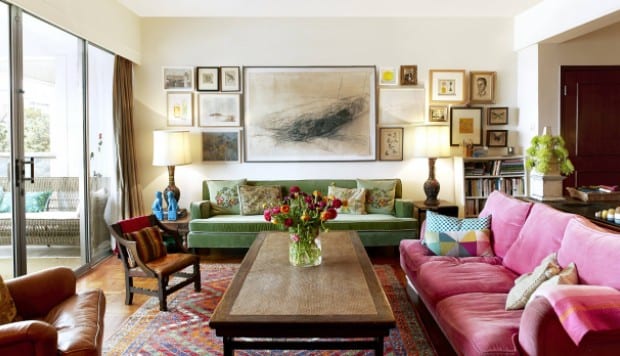
    Living Room Sarah Coates sourced the green Edward Wormley velvet 1960s sofa from local boutique Deem (now closed) while the salmon pink sofa was bought years ago in Britain. The embroidered cushions were handmade by Peter’s Dutch grandmother; Coates crocheted the colourful cushion. The green spotted silk cushion (HK$1,300) was from Smith & Coates (tel: 6245 3500;www.smithandcoates.net). The Scholten & Baijings pink cashmere throw (HK$3,000) was from Droog (www.droog.com), in Amsterdam, in the Netherlands. The opium-bed coffee table was bought years ago in Beijing and the side tables were gifts. The rug was sourced from a shop in Ap Lei Chau that has since closed and the lamps cost about HK$1,000 each from a New York flea market. The pair of aqua Foo dogs cost HK$200 each from the Cat Street market, in Sheung Wan. The small leather and wood chair and the leather armchair were gifts from Peter’s grandmother. The artworks on the wall were collected over the years; the main piece is by British artist Karn Holly (www.mallgalleries.org.uk). The Danish outdoor sofa (HK$9,000), with Smith & Coates cushions, came from Manks (14/F, Cheung Tak Building, 30 Wong Chuk Hang Road, Wong Chuk Hang, tel: 2522 2115).

    Dining room The dining table (HK$1,000) was from Ikea and the chairs (about HK$2,000 each) were sourced from Deem. The tablecloth (HK$200) came from Anokhi (www.anokhi.com), in India. Coates made the ceramic tulipiere based on a Delft piece as a gift for her husband. The orange stool (HK$2,600) was from Smith & Coates. The rug (HK$1,200) was found at Mister Zimi (www.misterzimi.com), in Australia. The Tom Dixon lamp (HK$2,000) was from Homeless (various locations;www.homeless.hk). The pair of artworks on the wall are by Sophie Smallhorn (www.sophiesmallhorn.co.uk) and were bought directly from the British artist. Beneath the artworks are a lamp (from Wah Tung China, 7/F, Lee Roy Commercial Building, 57 Hollywood Road, Central, tel: 2543 2823), candlesticks and fabric that were all bought years ago. The window blind (HK$500) was made by New Bedford Interiors (67 Queen’s Road East, Wan Chai, tel: 2520 0330). The Chinese medicine cabinet and umbrella stand were bought in Beijing. The lacquer lantern (HK$30) was found in a local street market. The artwork above the chest is by British artist and journalist John Piper.

    Entrance The sofa was bought years ago from The Conran Shop (www.conranshop.co.uk), in Britain. Coates crocheted the pair of cushions while the lamp came from Peter’s grandmother. The pen drawing is by artist David Teather ([email protected]). On the left is a Chinese embroidered silk sleeve band, one of a pair brought back from Shanghai in the 60s by Peter’s grandmother.
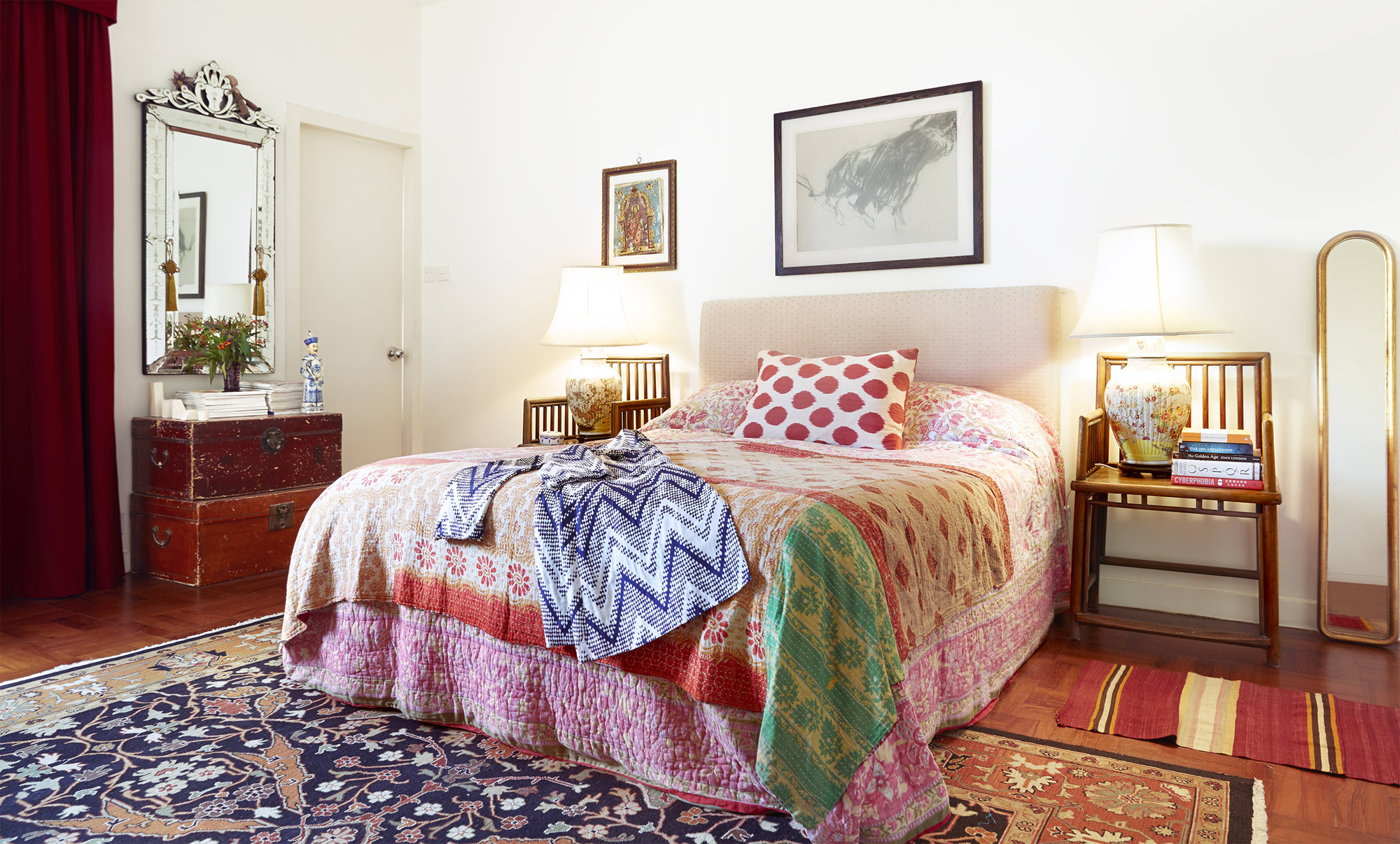
    Master bedroom The bed and headboard came from a previous home. The Venetian ornate mirror was a wedding present. The vintage leather trunks and small figurine were found in a Beijing market. The large floor rug was bought in New York; the smaller striped rug came from Afghanistan. The tall mirror came from Peter’s grandmother. The artwork above the bed is by British artist Jo Taylor (represented by The School House Gallery, in Wighton, Wells-next-the-Sea, Norfolk, tel: 44 1328 820 457) and was bought years ago directly from the artist. On the bed are a Smith & Coates woven silk coat and spotted cushion (HK$1,300). The curtains were made by New Bedford Interiors and cost about HK$1,500.

    Studio An oak dining table, bought years ago in New York, provides ample work space. The chair, from Deem, is part of the dining room set. The brightly coloured work hanging on the chair is a crocheted striped scarf (HK$2,500), which was handmade by Sarah for Smith & Coates. On the clothes rail is a collection of Smith & Coates coats made using vintage silk brocade that comes from a Kowloon silk mill that closed in the 60s. The woven palm mat came from the Philippines and was a present.
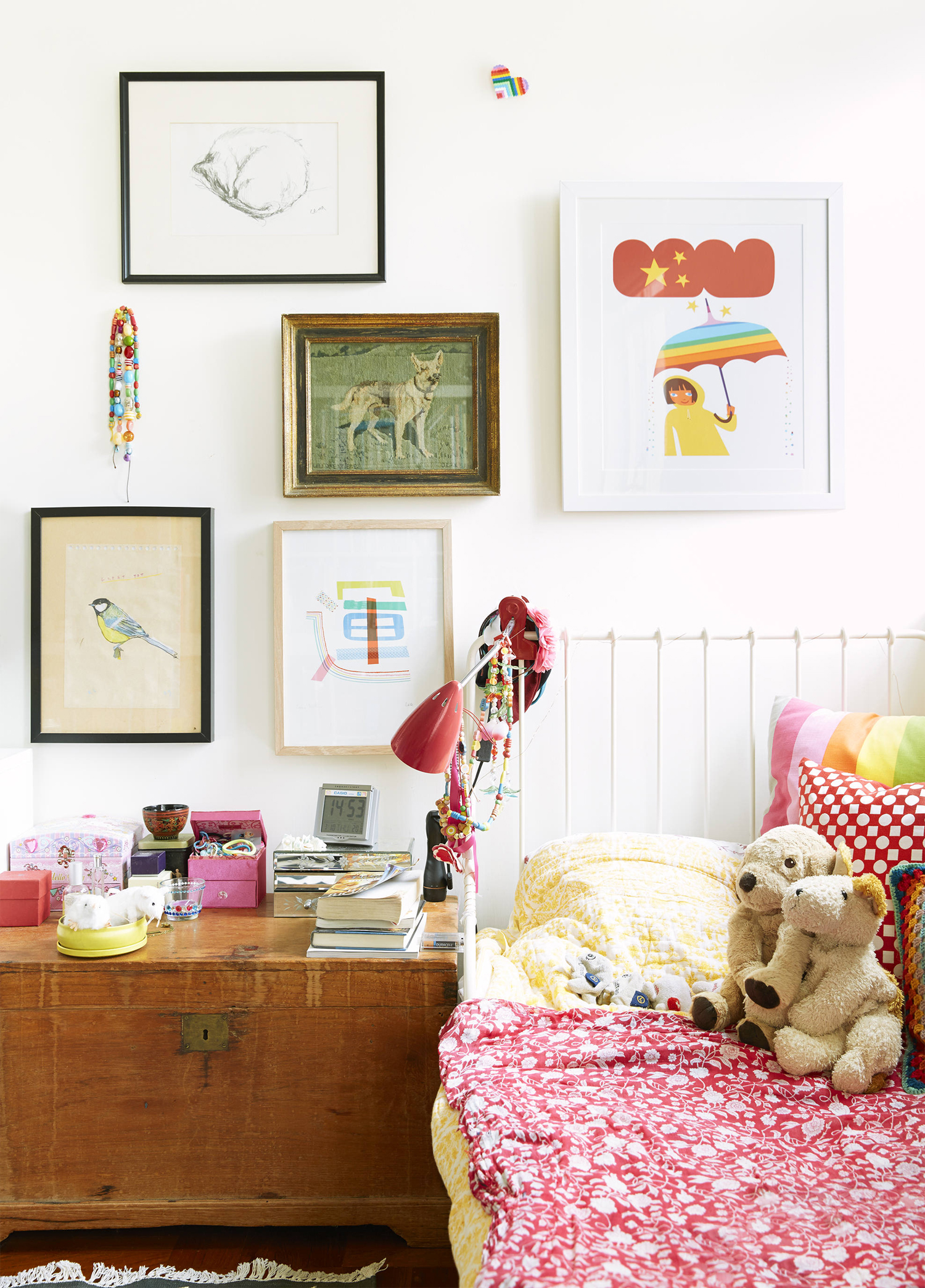
    Child’s bedroom Beside the Ikea iron bed (about HK$800) and Ikea lamp (HK$200) is an Indian storage chest bought years ago from a shop that has since closed. The bed covers came from Anokhi. The striped cushion was also from Ikea. The remaining cushions (about HK$1,300 each) were from Smith & Coates. The colourful prints, above and to the left of the bed, are by local artist Tania Willis (www.taniawillis.com). The rest of the artworks are junk-shop finds and gifts.

    Corridor detail A Smith & Coates hand-crocheted bag rests on an oak church pew bought years ago in New York. It doubles as extra book storage. On the wall are artworks by Willis (left) and Georgia Manifold (www.gmc-art.com).


    TRIED + TESTED

    Double duty A classic Chinese chair bought on Hollywood Road in the 1990s does double duty as a quirky bedside table. The lamp is a vase that was sourced from Wah Tung China and cost HK$2,000. The small box also came from Wah Tung China. Above the lamp is a picture of an Indian deity bought while on holiday in Cochin. The vintage throws on the bed cost HK$1,800 each from Inside (various locations;www.inside.com.hk).

  • 7-Eleven awards Wolf Blass wine

    7-Eleven awards Wolf Blass wine

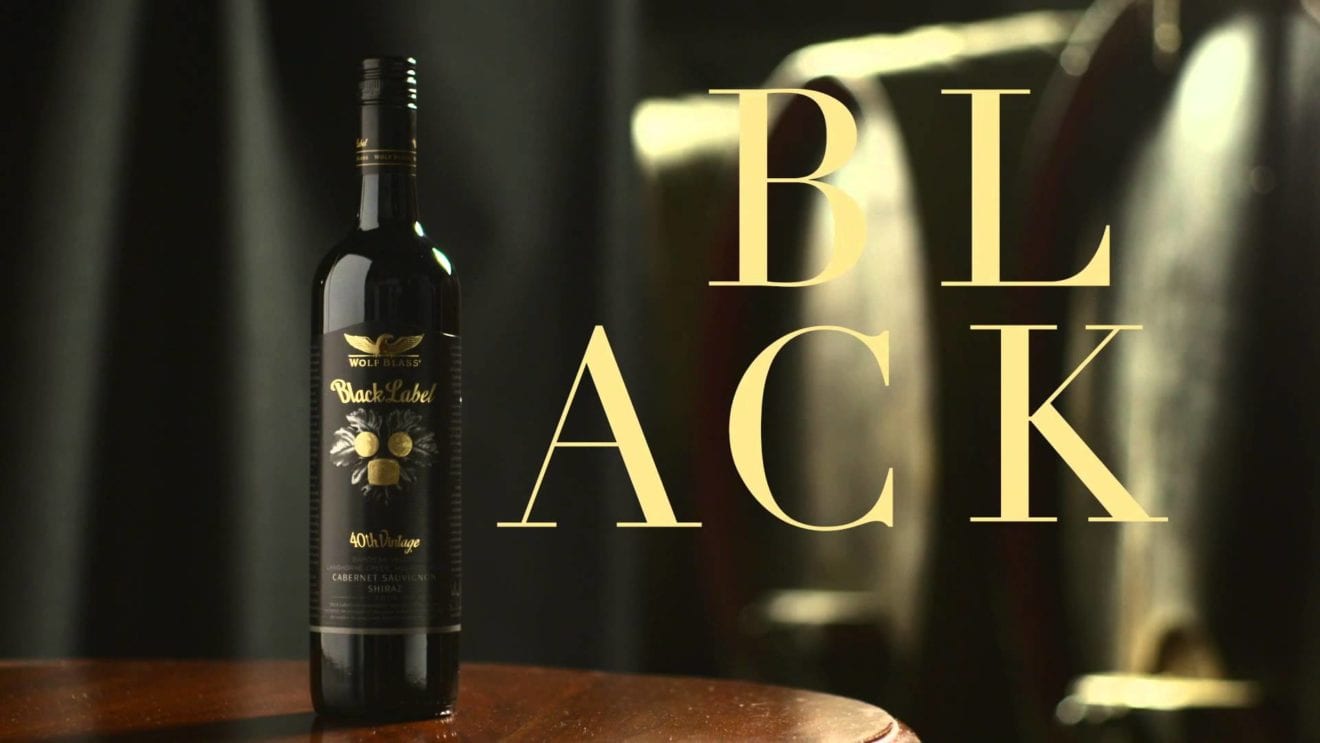
    The convenience market channel in Hong Kong has traditionally been the most significant retail sales channel for beer. The rise in wine sales through this channel with brand recognition evidences evolution of Hong Kong as a wine market.

    The brand winning criteria were based on combined scores tallied from consumer votes as well as by 7-Eleven staff during the January 2016 voting period.

    Along with Wolf Blass, other beverage companies that picked up awards at 7-Eleven’s ceremony included global brands such as Red Bull and Heineken.

    TWE-Barry-Galloway-receiving-the-award-on-behalf-of-Wolf-Blass-350x350

    “This award is a credit to our sales and merchandising team in recognition for their great work through this important Hong Kong convenience channel,” said Barry Galloway, Country Manager of Hong Kong, Macau and South China, Treasury Wine Estates.

    “I would also like to extend my congratulations to the Wolf Blass team as this accolade is testament to the outstanding efforts of our winemakers for producing exceptional quality wines enjoyed by consumers in Hong Kong and the world over.”

    Speaking to dbHK, Galloway admitted that although sales through the convenience market channel didn’t compare with sales through supermarkets and specialist wine stores, it was an important step for TWE’s market penetration in Hong Kong.

    According to Galloway, the popularity of the brand has posed a small challenge: that they have temporarily run out of stock of the smaller formats, as they proved so popular at the convenience stores.

    Established in the Barossa Valley in 1966, Wolf Blass has grown from a humble tin shed to become one of the world’s most successful and awarded wine brands.

    Already a recipient of more than 8,000 medals and trophies at national and international wine shows, this award is probably one of its more eclectic ones.

  • Burberry posts disappointing second-half sales

    Burberry posts disappointing second-half sales

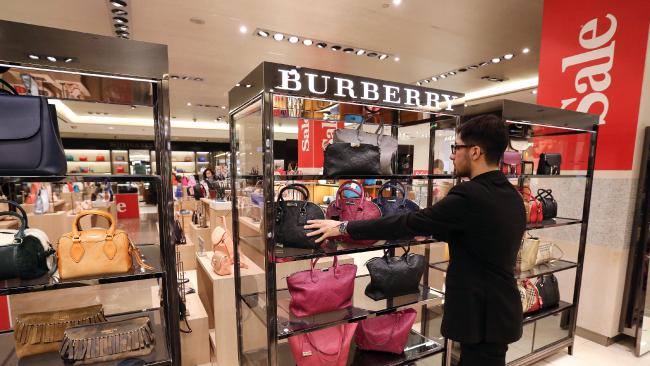
    Burberry posted disappointing fiscal second-half sales and warned on profit for the current fiscal year, sending its shares lower and highlighting the pressure on chief executive Christopher Bailey to turn around the British luxury retailer’s performance.

    Burberry reported a 2 per cent decline in comparable sales, a closely watched figure that excludes store closings and new store openings, that missed analyst estimates. Results were hurt by a 5 per cent decline in its fourth quarter ended March 31 amid a poor performance in Hong Kong, the US, Europe and Britain.

    Shares fell as much as 7 per cent before retracing some of the loss to close nearly 70 pence lower at 1275 pence in London.

    “Sales look to have been under pressure in all areas,” said Liberum retail analyst Tom Gadsby.

    Burberry isn’t alone in struggling against headwinds in global luxury. LVMH Moet Hennessy Louis Vuitton earlier this week reported first-quarter sales rose 4 per cent, below what analysts were expecting, as the company grappled with sluggishness in France following the Paris terror attacks.

    Mr Bailey took Burberry’s helm in May 2014, shortly before currency gyrations and political unrest hammered sales in greater China, a typically high-margin region for the company.

    Mainland China is now bouncing back, but sales have stayed weak in Hong Kong — where Burberry has 14 full-scale stores and a number of concessions — in the wake of tighter visa policies for residents in nearby Shenzhen, previously frequent visitors to Hong Kong.

    Mr Bailey has moved to renegotiate rents and reduce store space in Hong Kong, along with tweaking marketing and product assortments to better appeal to local shoppers. Sales in Hong Kong nevertheless fell more than 20 per cent in the fourth quarter.

    Beyond Asia, Thursday’s results showed broad-based weakness, indicating that Mr Bailey is struggling on a number of fronts.

    The US, the world’s largest luxury market, has been particularly difficult for Burberry. The company’s long-term push to burnish its brand there hasn’t yet gained enough traction.

    “We are focused on elevating our brand in the US longer-term,” said chief financial officer Carol Fairweather, describing choppy demand from US shoppers as “perplexing”.

    As with LVMH, the terror attacks in Europe took their toll on Burberry. Comparable sales in Europe weakened in the fourth quarter as tourism declined in recent months. “Clearly, events in Paris and Brussels do have an impact on sentiment,” Ms. Fairweather said.

  • Why online retailers are opening Hong Kong pop-up stores

    Why online retailers are opening Hong Kong pop-up stores

    Numerous reports have been written on how eCommerce spells the death for brick-and-mortar stores in the retailing industry.

    But others have written on how the preference of customers taking in the whole in-store shopping experience will ensure that there will always be a need for real world stores.

    Unlike in other markets, eCommerce in Hong Kong has yet to gain a strong foothold. According to Euromonitor International, online retail sales accounted for only 3 per cent of the city’s total retail sales in 2015. The insignificant share of online sales has even seen the tables being turned, with online retailers opening offline stores to communicate brand value and as a means to convert bricks and mortar store shoppers to online platforms.

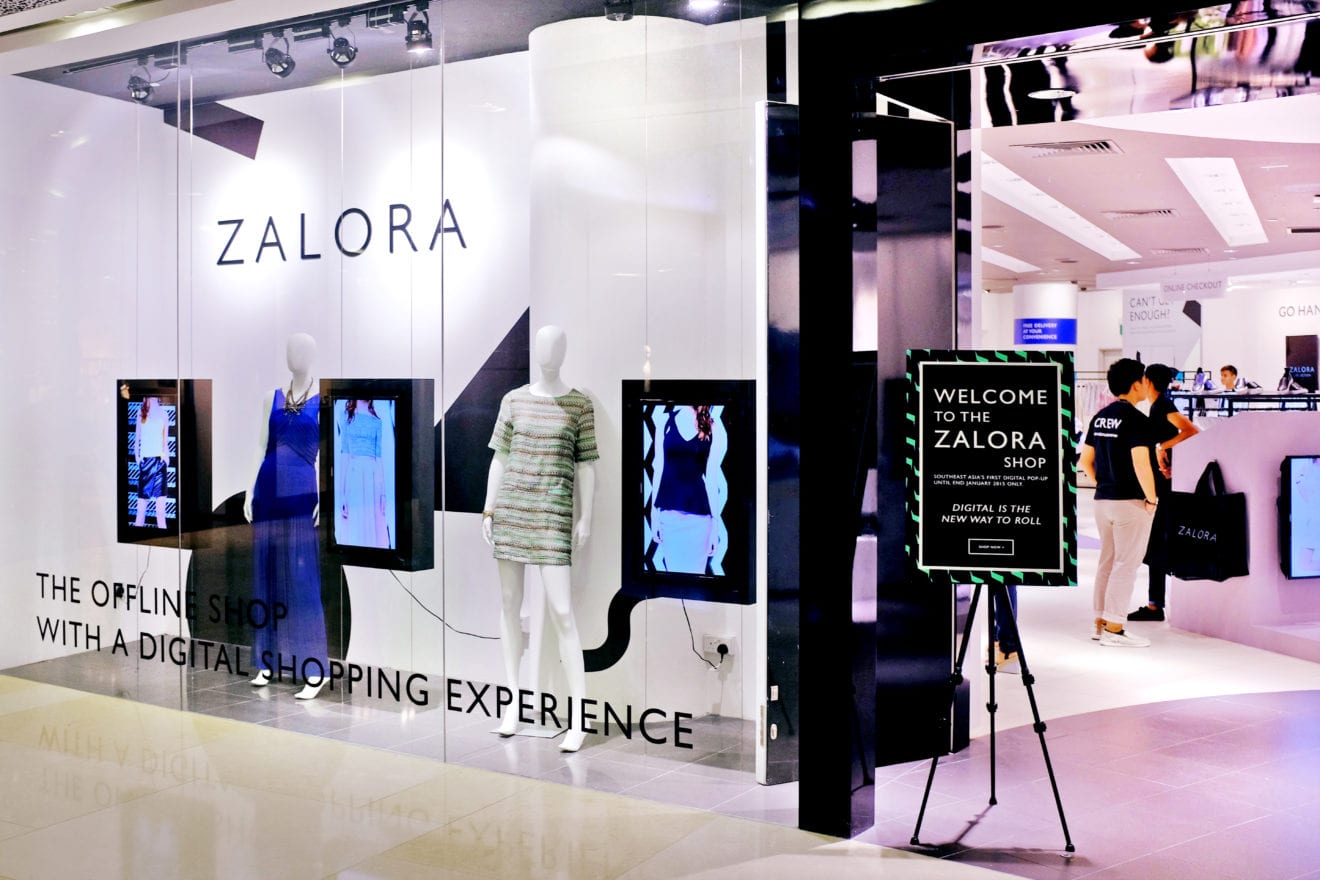
    Online fashion retailer Zalora is just one brand which opened Hong Kong pop-up stores last year to test the waters without committing to a long-term lease. Other than cost concerns, the use of a pop-up store also allowed the retailer to move the store around various shopping centres in the city to maximise exposure.

    Real world stores opened by online retailers are generally designed for experience and as a place to educate potential customers to buy online. Similarly, Line – the mobile social networking platform – also opened a pop-up store last year, before opening a more permanent store to sell Line character merchandise as well as build its brand image and customer base.

    While pop-up stores are the preferred format for Click-to-Brick retailers (at least at the market entry stage), when it comes to setting up a more permanent store, the overwhelming preference is to be located in prime shopping centres in core locations since they provide an all-weather shopping environment, controlled trade mix and a more focused customer base.

    For landlords, the allure of pop-up stores is that they can better utilise space within the shopping centre and minimise void periods; an important consideration given the current challenges facing the city’s retail sector. The ever changing goods offered by different pop-up stores can also freshen the shopping experience of customers.

    The Click-to-Brick trend is still at a nascent stage, hence it is too early to conclude whether it will establish as a key driver of demand in the city’s retail leasing market over the longer-term. In the interim, it will be a welcome addition to shopping centre landlords who continue to look for new means to differentiate against their competitors amid an increasingly challenging retailing environment.

  • Audemars Piguet Hong Kong boutique opens

    Audemars Piguet Hong Kong boutique opens

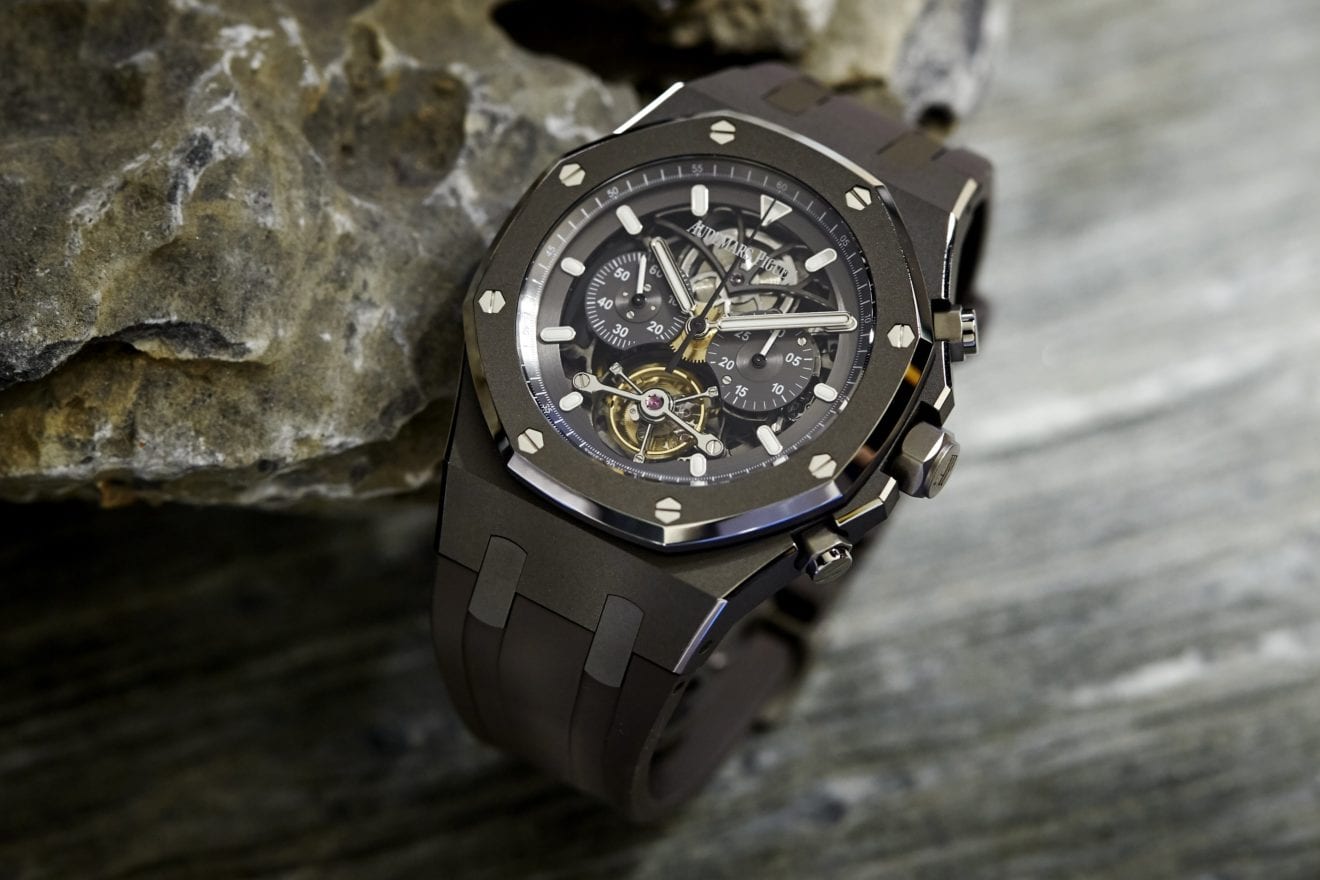
    Ultra-luxury Swiss watch brand Audemars Piguet has opened a standalone boutique in Hong Kong.

    event-20141008121335-AP_GrandOpening_2 (1)

    The Hong Kong store is one of only about 17 stand alone boutiques of the brand in the world.

    Hong Kong watch retailer Halewinner, owned by Early Light International, has opened the store and sells Audemars Piguet timepieces through others in its 30-strong chain of multi-brand watch stores across Hong Kong, Macau and Mainland China.

    Audemars Piguet Ambassador LeBron James visits Hong Kong’s first self-owned boutique 2

    Audemars Piguet Hong Kong April 2016

    The Audemars Piguet Hong Kong Boutique is located in Soundwill Plaza at No 38 Russell St.

    The Swiss brand has designed and manufactured highly complex mechanical watches since 1875, when it was founded by Jules-Louis Audemars and Edward-Auguste Piguet. Among others, Tiffany & Co, Cartier and Bulgari have used Audemars Piguet movements.

  • Hong Kong faces ghosts of Asian financial crisis

    Hong Kong faces ghosts of Asian financial crisis

    Hong Kong, which for years rode a wave of cheap capital and China’s economic boom, is as vulnerable now as it was before the 1990s Asian financial crisis as those drivers reverse, according to analysis by Daiwa Capital Markets.

    In a bearish take on the financial hub, Daiwa forecasts “enormous stress” ahead as money heads out amid a global US dollar debt deleveraging, China’s economy slows and currency weakens, US interest rates increase, and domestic property prices slump.

    “If the Asian financial crisis was preceded by a classic credit and housing bubble, we see another one now of a bigger scale,” the Daiwa analysts led by Kevin Lai, chief economist for Asia excluding Japan, wrote in a note. “Money inflows have been unprecedented; we expect this money to leave eventually on the back of global dollar debt deleveraging.”

    Daiwa flagged six metrics to gauge Hong Kong’s strength:

    Net money inflows: Inflated in recent years by easy US monetary settings and bullish bets on China’s economy and currency.

    Total credit expansion: Estimated at about 320% of gross domestic product.

    China or regional credit exposure: With an estimated $750bn in loan and bond exposure to China.

    Real estate lending: With more lending exposure and a longer and quicker period of house price inflation this time around than in the late 1990s.

    The direction of US monetary policy as policymakers consider further tightening Hong Kong dollar’s valuation after an estimated 30% appreciation on a broad, real-effective rate over the past four years Of those, the first four are flashing danger, Daiwa says.

    “Measures of macro and financial vulnerability indicate things are no better now than they were just before the Asian financial crisis,” the brokerage said. It isn’t the first time that Lai has warned on Hong Kong. In recent months, the Daiwa economist has highlighted vulnerabilities as the Fed keeps open the option of further rate increases after hiking in December for the first time since 2006.

    Because Hong Kong’s currency is pegged to the dollar, the former British colony effectively imports US monetary policy. Rising US interest rates increase the cost of servicing loans taken out in Hong Kong.

    Hong Kong was hit hard by the Asian financial crisis that started in Thailand in 1997 and spread across the region, forcing the Hong Kong Monetary Authority to spend HK$120bn buying up Hong Kong stocks and to use its foreign-currency reserves to defend the dollar peg. House prices tumbled 70%.

    This time around, Daiwa assumes the HKMA would “defend the peg at all costs,” eroding the monetary base and setting the stage for debt-deflation. In contrast to orthodox thinking, Lai says Hong Kong’s “sizeable reserves” are actually an indication of weakness, and the fact that the currency is pegged prevents a natural currency mechanism.

    Hong Kong’s outlook has dimmed as exports fall and big-spending Chinese tourists stay away, prompting an increasing number of analysts to turn cautious on the $300bn economy because of its exposure to China’s slowdown. Moody’s Investors Service last month lowered Hong Kong’s long-term debt outlook. Retail sales in February plunged the most since 1999 as fewer Chinese tourists visited the city during the Lunar New Year holiday. Chinese visitors are projected to fall 3.2% for the year, according to the Hong Kong Tourism Board, with average spending dropping 4%.

    Lai’s forecast for gross domestic product to slip towards recession territory this year is an outlier. A median forecast of economists surveyed by Bloomberg tips growth of 1.7% this year and 2.1% in 2017.

    And after an initial slump at the start of the year, the Hang Sang Index has rallied, the city’s dollar has rebounded from the weak end of its trading range, and interbank borrowing costs have tumbled after spiking in January.

    But that calm may not last long. According to Daiwa’s analysis, the global deleveraging process “has probably started, or at least could be about to begin,” and the first “real test” for Hong Kong could come in the second half, with pressure set to build next year, according to Lai.

  • Tobias Rehberger, artist who’s camouflaged a Hong Kong shop

    Tobias Rehberger, artist who’s camouflaged a Hong Kong shop

    Don’t try to put Tobias Rehberger into a box. The German artist’s work isn’t the sort that fits in a frame and he’d much rather it was out in the world, with people rubbing up against and interacting with it, than being gawped at in a museum. He does his own thing – and has a good time while he’s at it.

    Sitting in MCM’s flagship store, in Central’s Entertainment Building, the 49-year-old seems to be on his best behaviour, his PR minder by his side. His beard is freshly trimmed and, in a crisp white shirt, jeans and trainers, he’s rocking the urban-cool look. But every now and then there’s a flash of the raucous, hard-drinking side he’s known for.

    In Hong Kong for a week for the launch of a collection he designed for the German luxury leather goods brand, as well as Art Basel, he insists he hasn’t got jetlag, he never gets it. His secret?

    “Get drunk on the first day,” he says.

    The PR scowls, but Rehberger doesn’t seem to notice.

    The MCM collaboration began with the bags and it was a 20-year-old assistant – the youngest in his full-time team of 12 – who persuaded him to take on the job. As he explains how it came about you get the sense that Rehberger is porous, open to ideas and giving things a shot, especially if there’s a good chance he or his team might get a kick out of it.

    “‘You have to do it, it’s so cool,’ she said. And I thought, ‘OK, if she says it’s a good thing, let’s try,’” says Rehberger.

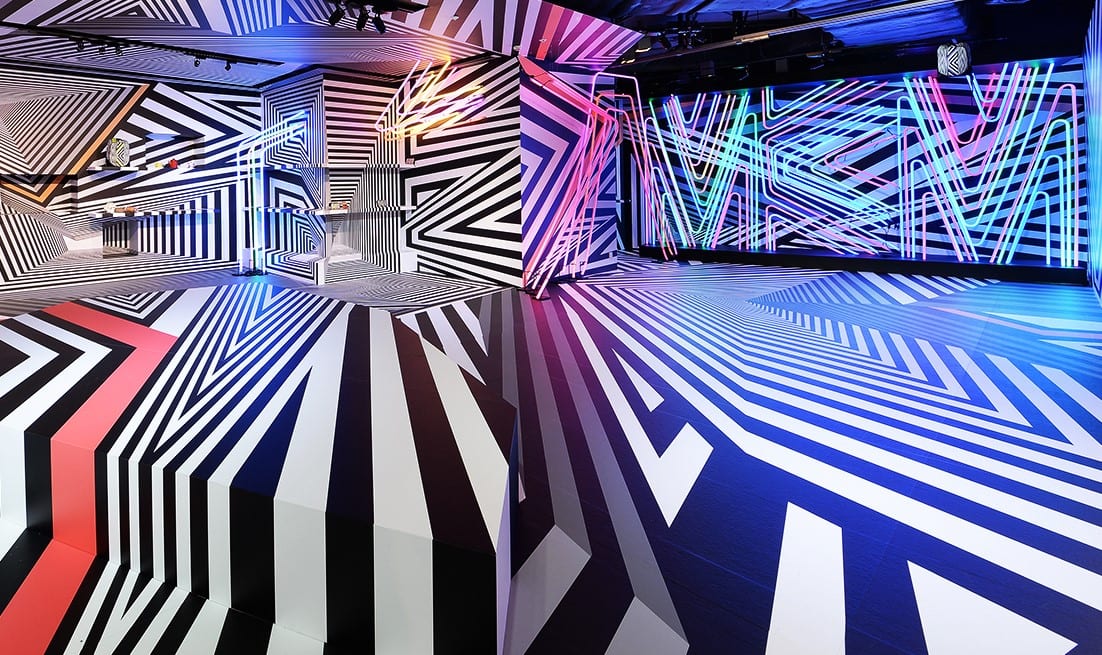
    Employing the bold black-and-white graphics that he has become known for – the “dazzle camouflage” employed during the first world war to make it difficult to visually pinpoint a target – he recreated the German brand’s logo and worked the design into a collection of backpacks, shopping bags and clutches. MCM loved it so much the brand asked him to make over the Hong Kong store – all 8,600 square feet of it.

    This isn’t as wild a leap as it sounds because Rehberger’s perhaps best-known work, which cemented him as one of Germany’s leading contemporary artists, was a massive, functional installation for the 2009 Venice Biennale. He designed the cafeteria at the biennale pavilion and called it ” Was du liebst, bringt dich auch zum Weinen” (“Whatever you love, will bring you to wines”). It was a wild, retro-inspired space, juxtaposed with a jumble of forms and colours but with black and white the unifying theme.

    The walls, floors, ceilings and furniture were covered with the disorienting camouflage used by the dazzle ships of the first world war. It won him the top prize, the biennale’s coveted Golden Lion. The jury said he’d earned the award for “taking us beyond the white cube where past modes of exhibition are reinvented and the work of art turns into a cafeteria. In this shift social communication becomes aesthetic practice”.

    “I’m not very good at starving. I’ve never had to struggle for success, it was just happening”

    Rehberger has applied dazzle camouflage to interiors elsewhere. In 2013, he created a temporary replica of his local Frankfurt bar in a New York hotel, covering the entire space in black and white geometric stripes. He even reproduced the fittings, right down to the radiators. And yes, he did drink there – and felt right at home.

    A year later, he worked on the real deal – a 1918 British warship, the HMS President. Using a print of pipework viewed from different perspectives, he completely covered the ship, to mark the centenary of the first world war. His handiwork was unveiled in July 2014, on the River Thames.

    If a German decorating a British vessel that saw active service in the Great War were not noteworthy enough, “That was special because it was a ship that had been used in the war in this desert camouflage,” Rehberger says. “I thought, ‘Can you make it in the same technique, but that it’s clear it’s not made for military reasons and still use the same strategy?’”

    So has he done it again in Hong Kong? Yes and no. The fact that, here, he has been working with a retail space has thrown up different questions.

    “It’s more about what a shape is, what a product is and how you look at it and how you deal with it and what your focus is,” says Rehberger. He speaks like this a lot – long sentences that throw up lots of ideas and directions, much like his camouflage.

    So, it’s a shop, but not a shop, I venture. Considering the exorbitant rent MCM must be paying for the prime Central spot, that doesn’t seem like the most obvious approach to turning a profit. I hesitate and the PR suddenly lights up.

    “Yes, everybody thinks it’s a shop, but what if it’s not really a shop but it is,” she says.

    She’s clearly been hanging out with Rehberger. I turn away from the pair and take in the shop that isn’t a shop. The geometric patterns in the vast interior make it hard to judge distance and the pillars and escalator – all camouflaged – add to the confusion. It’s not easy to spot the merchandise, which is designed with a similar print. What’s more, alongside the bags on the display shelves are teapots, a pig, a skull propped up against a severed arm.

    “We have the teapots and scientific models and then the bags blend in and you see them less. That’s one of the good things about it – it brings up things you normally don’t think about because you are so conditioned to do things in a certain way and then suddenly, there, hiccup,” says Rehberger.

    And it’s this hiccup, he says, that gives us the chance to think about the way we deal with life. Are we making our own decisions or have we become conditioned to doing things in a certain way?

    I don’t think I’m alone in having been conditioned into thinking that the items on the shelves of a retail space should be for sale. How refreshing to visit a shop that dares to be different, although it’s hard to see this becoming a hot retail trend. The teapots are pretty – Rehberger sourced them himself – and the pig is fun, but they are not going home with a smitten customer.

    “They are something that drops out a little, make you stumble about what you thought you already understood. Especially here, where you are expecting to come and have objects to buy and suddenly you have this almost emptied out teapot shop,” says Rehberger.

    The artist enjoys playing with the viewer – are you seeing what is really there or what you expect to see? Take that severed arm, which will turn out to be, on closer inspection, a scientific model of a worm. Twice I mention the “severed arm” to Rehberger and he doesn’t pull me up on it. True to form, he doesn’t intrude on my perception of the scene.

    For last year’s Art Basel Miami – in another underground venue – he had some fun with this notion of perception. His installation – the mural “1661-1910 from Nagasaki, Meiji, Setti” – covered the space in brightly coloured, wallpapered mosaic tiles. Close up, all you could see was a pixelated blur of colours but step back and you realised you were looking at an orgy.

    Rehberger’s embrace of so many types of media sets him apart from other contemporary artists, especially in the West. Gallery owner Urs Meile represented one of Rehberger’s most recent works, a pigmented wax, steel and wood sculpture-cum-timepiece, at this year’s Art Basel Hong Kong. Two years ago, Rehberger created a huge installation entirely made of porcelain for Galerie Urs Meile in Beijing.

    “He is very open to new media that he’s never used before,” says Meile. “His approach is not the typical Western way. You find that with some other artists working in Asia; probably the most famous is Ai Weiwei, who works with endless different materials.”

    untitled-article-1459241535

    Meile suspects that the tendency towards conceptual thinking might be the reason why Western artists are less likely to experiment with a range of materials. In the West, artists tend to begin a project with a concept and approach their art with a clear vision, doing paintings or sculpture, working in wood or bronze, but “in Asia they don’t have conceptual thinking as we have it”, says the gallerist. “They think, ‘I would like to do this’ and then it’s trial and error. Through this they make a completely other experience.”

    With the exception of Leonardo da Vinci, suggests Meile, Western art history didn’t have a tradition of experimenting with unusual materials until the late 1970s, and the start of conceptual art, when cheap materials began to be used.

    “But to use, let’s say, high-end materials to do something, this is unusual in the West,” says Meile.

    It’s no surprise, then, that Rehberger feels right at home in Asia. In the last six months, he has made at least 10 trips to the region and has a number of projects in the works here. For a Bangkok shopping mall, he is putting together an installation that “looks like an exploded Las Vegas sign”. He says retail spaces are new to him but concedes that shopping malls are where people go to hang out in Asia.

    The can-do attitude and pace in Asian cities appeal to Rehberger, who likes to get things done quickly. At art school in Frankfurt, in the late 80s, he was taught by German artist Martin Kippenberger, who is known for working in a wide range of styles and media.

    “Martin taught me to always push yourself and try not to make yourself comfortable when you find something interesting. With Martin it was not about solutions, it was always, ‘OK, but what if – and then what if from the other side’. That’s the art I’m most interested in, if it’s more about problems than questions and answers,” says Rehberger.

    He graduated in 1992 and moved to London, but stayed only a year in the British capital.

    “If I have an idea I need immediate access to the thing,” he says. “When I need teapots, I need the teapots now. In London, at the time, you had to travel half a day to buy a pencil. It was annoying.”

    From London he moved to New York before returning to Germany, where he has lived since, dividing his time between Berlin and Frankfurt. Berlin, he says, is where he finds inspiration, meets friends and hangs out. Frankfurt offers fewer distractions and is where he gets his work done. It’s also where his family lives.

    Rehberger’s wife specialises in restoring old frames and the couple have three children, aged 16, 11 and four.

    “Since they were young, they have been coming to my studio and hanging out. For them it’s normal to take a spray can and do things. I think you can sense they are visually educated, they all have a good eye – not that I hope they become artists,” he says.

    Rehberger’s father was a hobby painter and, as Tobias grew up, he was surrounded by oil paints and canvases. His father painted portraits and landscapes, copied works by artists such as Picasso and sometimes designed and made furniture. Rehberger started out playing with his father’s materials and when he came to have his first gallery show, “I copied the entire body of my father’s work, copying the paintings four times as big. It was an installation, a reflection of me as a professional artist and where that comes from.

    “I thought it was a good way to introduce myself.”

    His father apparently found it funny. Someone finding his work amusing seems to be a factor that signals to Rehberger that a mission is at least halfway to being accomplished.

    Since that introduction, life has been good to him. He’s never had to live the life of a struggling, starving artist.

    untitled-article-1459241535-body-image-1459242184

    “I’m not very good at starving,” says Rehberger. “I’ve never had to struggle for success, it was just happening.”

    He almost flinches at the suggestion that commercial projects such as the one for MCM might distract him from more personal work.

    “It’s all my own stuff. It’s not less my own stuff if I’m doing this or something in the studio that no one ever sees. There is no difference. If I want to do something, I do it, and if I don’t want to do something, I don’t do it,” he says. “I was never in the position that I had to do something that I didn’t want to.”

    As if to underline the fact he hasn’t had to endure long, cold winters going hungry in a lonely studio, the conversation turns to lunch and from there to restaurant recommendations. Rehberger has arranged to meet some artist friends after their commitments at Art Basel.

    “Thursday and Friday we plan to check out five restaurants a day – for breakfast, lunch and dinner and a couple in between,” he says.

    Whether or not you are in the market for a new leather bag, it’s worth dropping into the MCM store to be dazzled by Rehberger’s disorienting graphics and take a turn through the shop that isn’t really a shop.

    Tobias Rehberger’s installation at the MCM store (basement, Entertainment Building, Central) will be in place until May 2.

  • McDonald’s China in massive expansion plan

    McDonald’s China in massive expansion plan

    McDonald’s China is set to be supersized as the US fast food giant pursues growth offshore.

    The company’s Chicago-based CEO Steve Easterbrook has revealed more than 1500 new stores will be opened across China, Hong Kong and Korea over the next five years. About 1300 of those will be in Mainland China.

    McDonald’s already operates some 2200 restaurants – its new target is 3500.

    In a clear strategic shift the company says it is seeking “strategic partners who will add value and unlock growth potential in key markets” in Asia.

    “This will allow McDonald’s to accelerate our growth and scale faster across diverse markets placing us closer to our customers and the communities we serve,” Easterbrook said in a statement.

    “We’re in the midst of transforming our business and taking a strategic and thoughtful approach to enhance our ability to grow around the world. These actions build on our turnaround efforts and will advance local ownership, enable faster decision-making and achieve restaurant growth.”

    Once the target is reached, China will become McDonald’s second largest global market after the US.

    It is not clear how many new stores will open in Hong Kong, where the company already has 230 outlets, but in an email to the South China Morning Post, Easterbrook indicated opening more McCafes will be a priority in the territory.

    The company is also actively seeking partners in Taiwan, and in Japan where it is midway through a major overhaul and repositioning of the brand after incurring massive losses.

  • Samsonite profits up in 2015 but outlook ‘uncertain’

    Samsonite profits up in 2015 but outlook ‘uncertain’

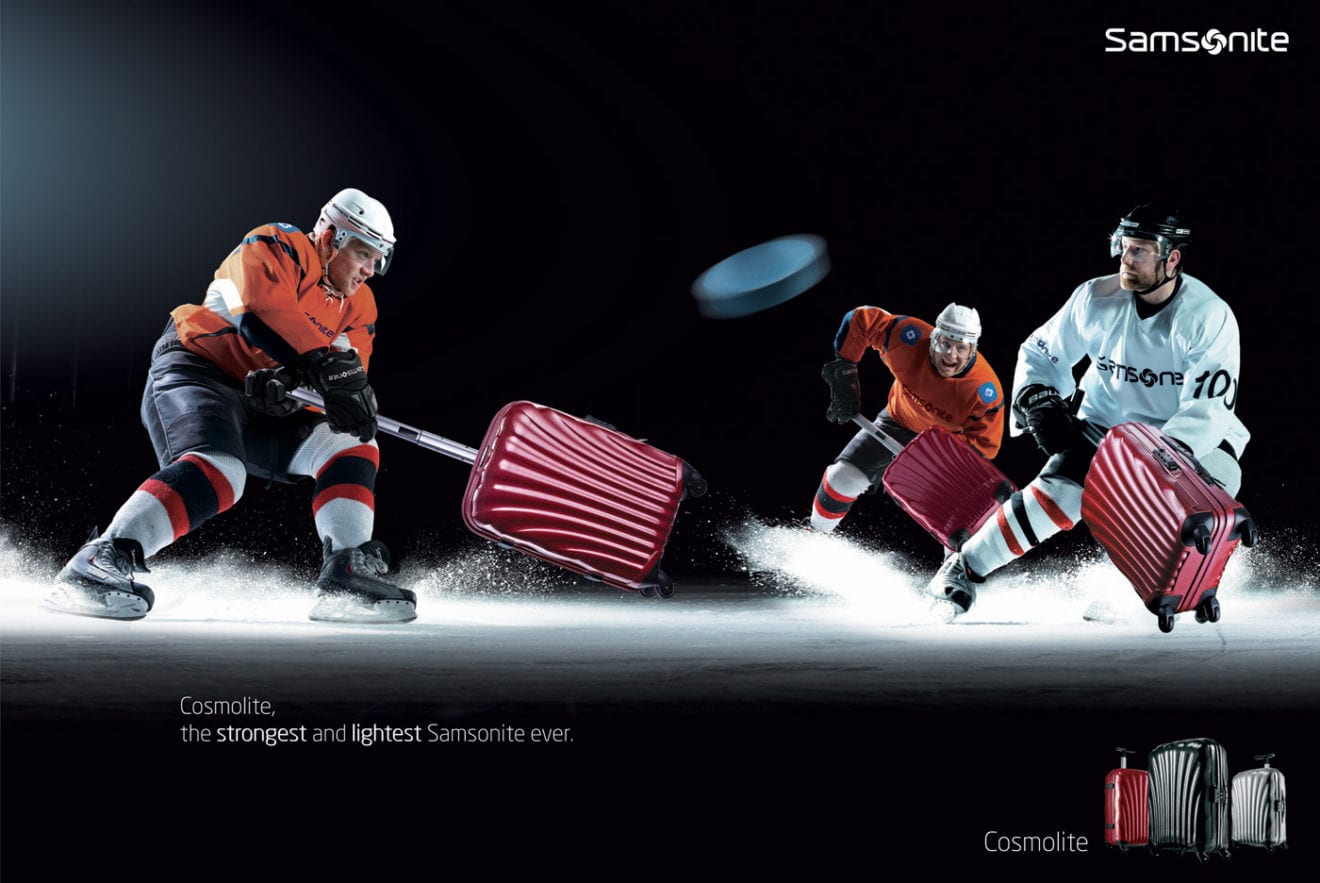
    Luggage giant Samsonite on Thursday warned its outlook for this year was “uncertain” owing to the growth slowdown in key market China and a stronger US dollar.

    The firm said in a filing with the Hong Kong Stock Exchange that despite a tough trading year, it saw net profit rise 6.1 percent to $197.6 million last year thanks to record revenues of $2.43 billion.

    “Our business has emerged stronger from 2015… despite various headwinds around the globe,” chairman Timothy Charles Parker said in the statement.

    However, chief executive Ramesh Dungarmal Tainwala said the outlook for 2016 “remains uncertain, with challenging trading conditions expected in a number of our key markets including China, and the negative currency translation impacts from the strong US dollar expected to continue affecting our business”.

    The world’s second-largest economy expanded 6.9 percent in 2015, the worst performance in a quarter century and a far cry from the years of double-digit increases. The country’s luxury market also took a hit from a years-long corruption crackdown.

    “It is undoubtedly the case that the days of 20-30 percent growth in China are over,” Parker said.

    Shares in the company ended the morning session 1.54 percent up at HK$26.30 Thursday.

    The warning comes after Samsonite earlier this month said it would buy US luxury bag maker Tumi in a deal worth $1.8 billion, which analysts said would provide a foothold in the still-lucrative high-end market in China.

    The move follows the purchase last year of airport retailer Rolling Luggage and Italian accessories seller Chic Accent.

    Parker said the Tumi deal is expected to close in the second half of the year subject to shareholder and regulatory approval.

    “Tumi is a perfect complement for our business… We believe we are buying a strong, profitable and well-run business, with considerable flair and success behind it in the American market,” he said.

    Samsonite raised $1.25 billion in an initial public offering in Hong Kong in June 2011, one of several Western brands — including Prada and Esprit — seeking to use the city to boost their presence in fast-growing Asian markets, particularly China.

  • The 23rd Hong Kong Fashion Week for Spring/Summer Curtains Up in July with Debut Women’s Wear and Knitwear Zones

    The 23rd Hong Kong Fashion Week for Spring/Summer Curtains Up in July with Debut Women’s Wear and Knitwear Zones

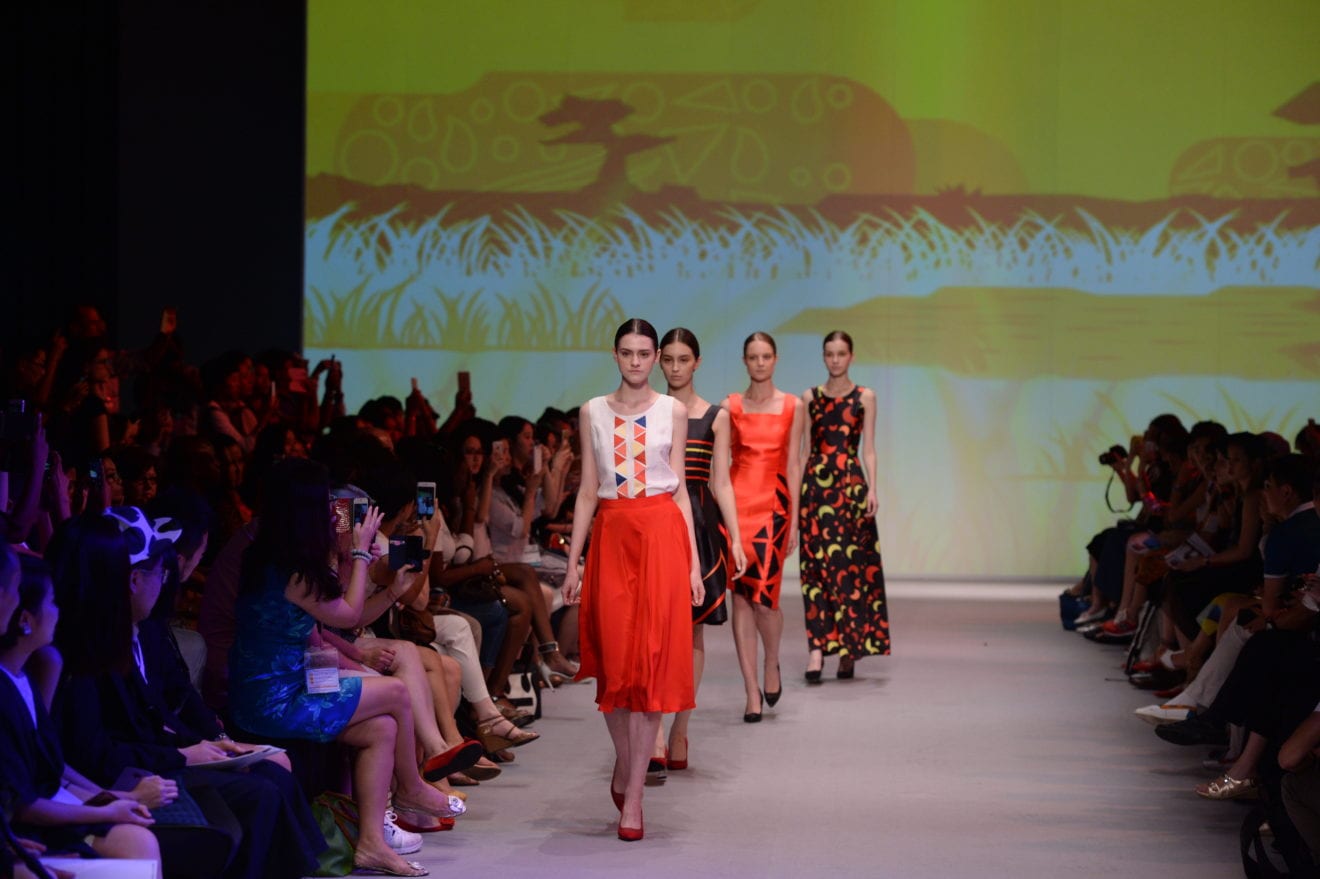
    The 23rd HKTDC Hong Kong Fashion Week for Spring/Summer (FWSS) will be staged from 4-7 July 2016 at the Hong Kong Convention and Exhibition Centre with Women’s wear and Knitwear as debut zones to optimize buyers’ sourcing selection. The premium fair in the region is expecting around 1,200 worldwide exhibitors. Previous edition attracted 16,000 buyers from 65 countries and regions.

    Popular thematic zones return

    Private or house labels have become increasingly effective marketing tools among fashion industry players to differentiate and upgrade the image of products. Emporium de Mode in FWSS is a dedicated premium section dedicated to promote elegant fashion brands. Fashion Gallery is an ideal platform to display brand labels and high fashion while the International Fashion Designers’ Showcase showcases unique designer brands for potential clients. Under the four major categories of Apparel, Upstream Supplies, Fashion Accessories and Technology and Business Matching, zoning will be fine-tuned to Footwear, Leggings & Socks, Eyewear, Hair Accessories & Headwear, Belts and Ties and Embroidery & Sewing Supplies to offer one stop platform to best catering buyers’ demand. Other popular zones will return with splendour, including Activewear & Sportswear, Intimate & Swim Wear, Children’s Wear, Men in Style, Denim Arcade and Fabrics & Yarn. Qualified exhibitors are awarded a “Green Solution Suppliers” insignia on their booth fascia to address the growing demand on eco-friendly apparel.

    China market remains resilient

    Chinese mainland market continues to be a driving force for Hong Kong Fashion industry. As of 29 Feb 2016, Hong Kong’s total exports of clothing & clothing accessories to mainland and Macau rose 2.2% and 8.8% respectively to $1.42 billion and $504 million. According to HKTDC’s research, mainland consumers generally find Hong Kong clothing brands trendsetting, fashionable and tasteful. They are willing to pay an average premium of 36% to purchase Hong Kong branded garments. Hong Kong Fashion Week for Spring/Summer serves an effective springboard for traders to expand their business in mainland and Asian market.

    “This fair is the right place for us to gain exposure to meet buyers. Buyers from the mainland and Australia are especially keen to source from us,” said Martens Yiu, Managing Director of Deut St. Limited which is expanding Chinese market. Stationed in Hong Kong, the company has been an exhibitor of Hong Kong Fashion Week for Spring/Summer for consecutive 3 years, reflecting its confidence on HKTDC’s marketing platform for business promotion.

    Neon Garden as fair theme

    With the theme of Neon Garden, a series of fashion house shows and runway parades will go alongside the Fashion Week to reinforce Hong Kong’s position as Asian fashion trendsetter. HKTDC offers business matching services, networking receptions, seminars and buyer forums during fair to provide a perfect platform for industry players to exchange market intelligence and explore new business opportunities. WGSN and Fashion Snoops are invited to talk about market trend. The Small-Order Zone is available for buyers sourcing from 5 to 1,000 pieces.

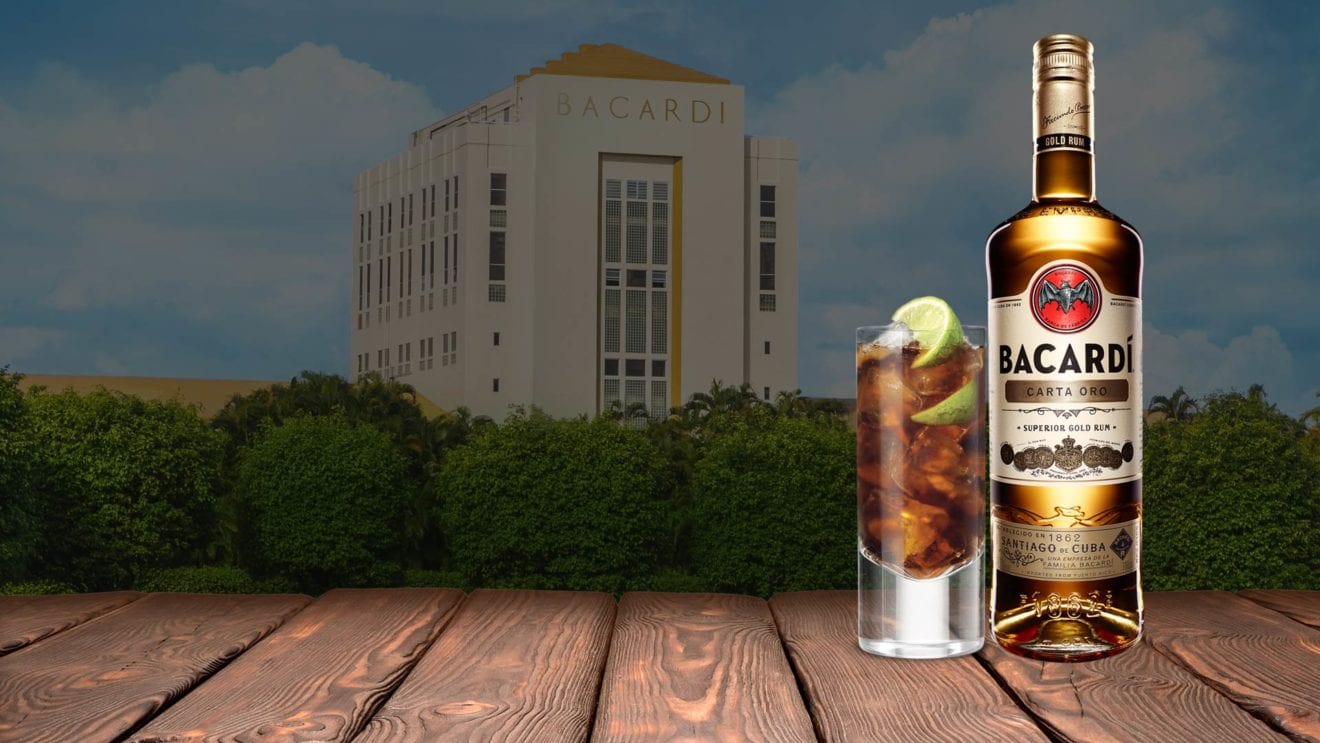
  • Bacardi shuffles Asia Pacific Travel Retail pack

    Bacardi shuffles Asia Pacific Travel Retail pack

    Bacardi has made several personnel changes to its Asia Pacific Global Travel Retail (GTR) division.

    The company said late last week that Irving Holmes Wong, formerly regional director of Asia Pacific for Bacardi GTR, would take on the newly-created role of managing director for Bacardi Greater China (domestic), from a base in Shanghai. He will be replaced by Vinay Golikeri, who will be based in Hong Kong and report to Mike Birch, Bacardi’s GTR MD.

    Golikeri moves up from the position of customer marketing director of GTR. He will be replaced by former GTR finance director Leila Stansfield.

    The team will assume their new roles on 14 April.

    Birch said: “Bacardi prides itself on developing its internal talent pool and I am especially pleased to have the expertise of Vinay and Leila in their new roles. Global Travel Retail is a strategic shop window for the Bacardi group with strong support from our CEO Mike Dolan and I am delighted that we have his personal support and continued investment in helping us deliver our ambitions in the sector.”

    In September last year, Bacardi set its sights on the spirits market in China with the creation of the non-executive chairman for Greater China position.

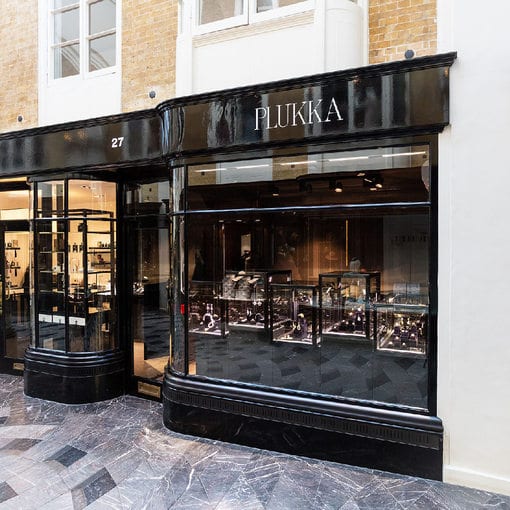
  • Plukka Debuts a Pop-Up in New York City

    Plukka Debuts a Pop-Up in New York City

    Plukka, which launched as a flash-sale website for made-to-order fine jewelry, is getting increasingly serious about bricks-and-mortar retailing. The Hong Kong–based company, which opened freestanding stores in Hong Kong and London in 2014 and 2015, respectively, has debuted a pop-up store at the Jack Vartanian store on Madison Avenue.

    And the roughly 600-square-foot space is, according to Plukka founder Joanne Ooi, “a preliminary step to opening a permanent NYC boutique in the future.”

    She adds, “It’s Plukka’s objective to be the first truly global multi-brand designer and fine jewelry retailer, so having a presence in the U.S., and specifically New York City, is a fundamental part of our mission. New York contains a hugely disproportionate share of both clients and influencers, so we consider the city a crucial beachhead location.”

    Plukka made news last year for launching a program that delivers up to $15,000 of merchandise to existing clients in New York City and Hong Kong—so they can shop in their homes.

    Plukka’s New York pop-up, which will run for two months, will feature ”designers not available in New York City,” says Ooi, whose picks for the temporary shop include pieces from L’Dezen by Payal Shah, Ashu Malpani, Sidney Chung, Baer Jewels, and Tana Chung. “We represent and work with many designers who are already in this market,” including Suzanne Kalan, Hoorsenbuhs, Yeprem, and Wendy Yue.

    “But the whole point of our very large stable of incredibly talented designers is that we can show different designers in different markets, depending on tastes, interests, demographics, and buying patterns,” she explains. ”We are using this pop-up to make the point that we are truly the premier discovery machine for the world’s most creative fine jewelry.”

  • Prime Central Rents Rise by 5.3% in a Quarter

    Prime Central Rents Rise by 5.3% in a Quarter

    In a review of the Hong Kong office and retail property markets today, DTZ/Cushman & Wakefield, a global leader in commercial real estate services, pointed out that office rents in core business districts continued to rise in Q1 2016, with Prime Central and Greater Central leading the pack with a surge of 5.3% and 4.3% quarter-on-quarter to HK$128.88 and HK$115.64 per sq ft per month respectively.

    The continuous surge in Greater Central’s rentals was underpinned by the demand from Mainland Chinese financial companies, which accounted for 49% of the major new lease in terms of size in Greater Central. In fact, insurance and banking & finance companies remained the main drivers of new lease demand in Q1, accounting for 80% of the total size of all major new lease in the quarter.

    The overall absorption at approximately 262,000 sq ft in Q1 was largely due to the purchase of One Harbour Gate (West Tower) in Hung Hom by China Life. Apart from this, most of the districts had negative absorption. Mr Andy Yuen, DTZ/Cushman & Wakefield’s Director of Office Agency in Hong Kong, noted, “The released stock in the core districts is evidence that the flight to premises with greater space and cost efficiency continued, as many companies relocated for consolidation purpose. This led to better absorption levels in non-core areas such as Hong Kong South and Kowloon West.”

    In the face of high rents, this quarter some traditional Central tenants began to decentralize. For example, legal firm Ince & Co. has committed to move from Citibank Plaza in Central to One Island East in Quarry Bay, and Mizuho Financial Group from Chater House, Two Pacific Place and The Gateway to K11 office in Tsim Sha Tsui.

    Mr John Siu, DTZ/Cushman & Wakefield’s Managing Director, Hong Kong, commented, “Although rental growth is expected to slow in Q2 due to corporations’ concern about the prospects of the global and China markets, the high rentals in Hong Kong is contributing to a growing gap between the city and some other key regional business centers. For example, between the CBD Grade A1 office rentals in Singapore and Hong Kong, there is a gap that grew from 37.0% in Q1 2015 to 54.3% in Q1 2016, and the difference in prime rentals2 was even bigger, from 29.9% in Q1 2015 to 57.3% in Q1 2016. This substantial gap is likely to affect MNCs’ decision to office location and might hurt Hong Kong’s competitiveness in the long run.”

    For the retail market, falling visitor volume – total volume in January and February declined by 13.6% year-on-year, Mainland tourist volume by 18% – and falling sales for all sectors of goods in January and February, led by jewelry and watches (down 24.2%) and electrical goods (down 26.7%), continued to undermine the rental level. Rent on high street, as indicated by general index, fell by another 5-7% quarter-on-quarter in Q1, with rentals in Causeway Bay falling by 51% from the peak level in 2013.

    In addition, concerns of economic slowdown and social instability are prompting some retailers to seek earlier termination of their leases, in an attempt to save on rental expenses. Should this become a broader trend, the general high street rent could see another drop of 10-15% from the current level in this year.

    Mr Kevin Lam, DTZ/Cushman & Wakefield’s Head of Business Space, Hong Kong, said, “Despite this, retailers are taking the opportunity of the falling rental level to re-enter the core retail areas. There are fashion, accessories, shoes, cosmetic companies taking up street frontage shops vacated by companies of luxury goods, as those trades are sustained by a broader base of demand.”

    “Foreign brands are also benefitting from the more affordable rents to enter the Hong Kong market. Recently more Japanese and Korean brands from fashion, cosmetics, lifestyles to the food & beverage sector are aiming at the Hong Kong retail scene.”

    Another positive development of the retail market is that rents for F&B venues maintained a gradual upward trend, rising by 0.3-1.0% quarter-on-quarter in Q1. Mr Lam commented, “Demand for F&B spaces remains keen, although for new F&B operators, they are more interested in upstairs venues of moderate size in the key retail areas instead of ground shops, as a way of better cost control.”

    The successful merger of Cushman & Wakefield and DTZ closed September 1, 2015. The firm now operates under the iconic Cushman & Wakefield brand and has a new visual identity and logo that position the firm for the future and reflect its trusted global legacy and wider history. The new Cushman & Wakefield is led by Chairman & Chief Executive Officer Brett White and Global President Tod Lickerman. The company is majority owned by an investor group led by TPG, PAG, and OTPP.

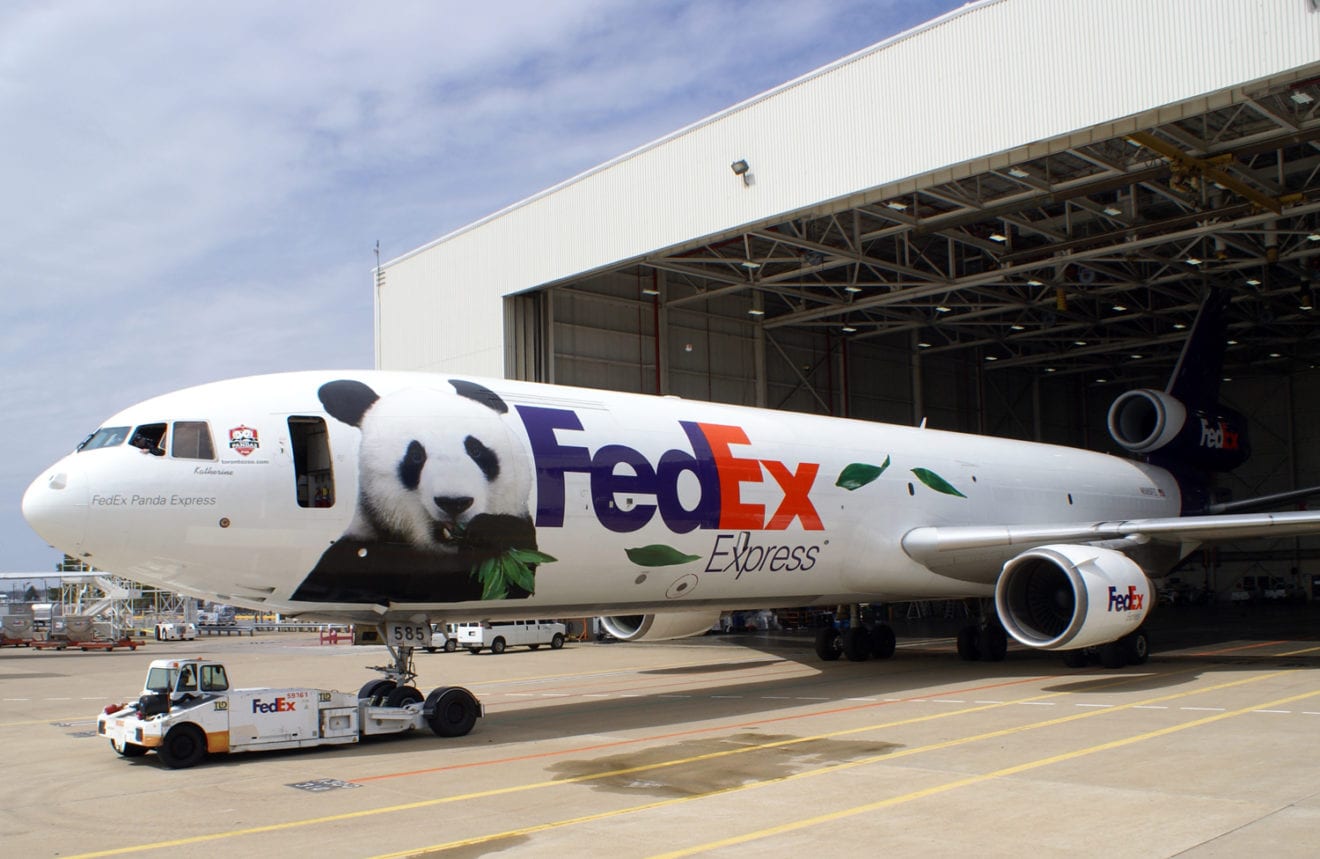
  • FedEx Announces Winners of Small Business Grant Contest in APAC

    FedEx Announces Winners of Small Business Grant Contest in APAC

    FedEx Express announced the winners of the first-ever FedEx Small Business Grant Contest in Asia Pacific.

    In Hong Kong, B-Free Technology Ltd., a local technology innovator, was awarded the grand prize of approximately US$20,000 (HK$150,000). After hearing about a disabled youngster who had been confined to his home for eight years as he could not negotiate the five stairs at the lobby of his building, the company founder came up with the award-winning B-Free Chair to help the disabled to navigate stairs and regain mobility. The grant from FedEx will allow the company to further research and develop its next-generation wheelchair, the B-Free Ranger, and expand into the European market.

    The winner of the Singapore contest was RedWhite Apparel Pte Ltd, a long distance cycling bib shorts company that was awarded the grand prize of approximately US$18,000 (S$25,000) to assist in its plan to go global. RedWhite Apparel was launched in 2014 by Amreet Singh and Yuvaraman Viswanathan whose passion is cycling ultra-distances of 200 kilometers or longer. Frustrated by bib shorts that were uncomfortable and didn’t provide adequate support, they set out to make their own high-performance but affordable long-distance bib shorts for modern cyclists. Going global has been RedWhite Apparel’s goal since the company was launched, and it already has a presence in Singapore, Malaysia, Thailand, Indonesia and Taiwan. The founders plan to use the grant to help secure wider distribution and expand into Australia, Europe and USA.

    “SMEs account for 98 percent of all businesses in Asia Pacific and are a vital part of the regional economy. However, according to a recent FedEx study, only 36 percent of APAC SMEs are exporting despite there being a great opportunity to sell to markets beyond their own borders,” said Karen Reddington, president, FedEx Express Asia Pacific. “Through the Small Business Grand Contest, FedEx aims to support small businesses looking to branch out into new markets and help them fulfill their global aspirations. Both in Hong Kong and Singapore, we were highly impressed by the quality of entries we received. The contest serves as a showcase for the dynamism, innovation and creativity of the SME community in both markets and we hope it will inspire the wider business community and budding entrepreneurs.”

    The contest was open to all for-profit small businesses that met entry criteria around the number of employees in the organization and the length of time the companies had been established, among others.  In October, eligible SMEs were first required to register online and outline their business plans to go global.  Selected finalists then progressed to the final judging stage in November.

    First rolled out in the U.S. three years ago, this year marked the first time that the FedEx Small Business Grant Contest was held in other regions of the world. In addition to Hong Kong and Singapore, the contest took place in Brazil.

  • Economy Hong Kong’s retail sales drop hardest in 17 years

    Economy Hong Kong’s retail sales drop hardest in 17 years

    Hong Kong’s retail sales plunged in February, as the economic slowdown in China prompted fewer visits from the mainland.

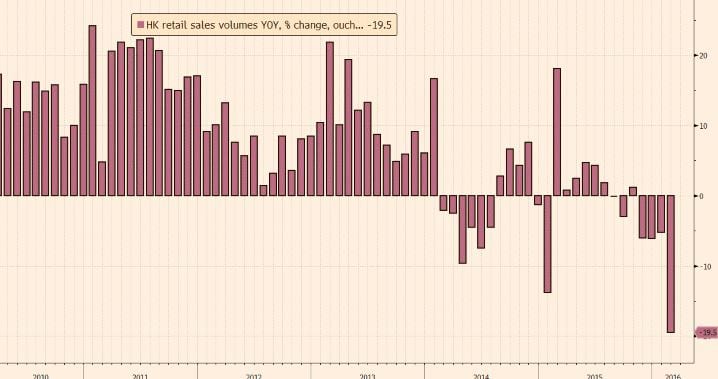
    On an annual basis, the total value of retail sales in February dropped by 20.6 per cent to HK$37bn, from January’s 6.6 per cent drop. The drop in February was the worst since January of 1999.

    After stripping out price changes, the total volume of retail sales decreased by 19.5 per cent, the worst since September of 1998.

    Combining January and February figures, the value of sales of luxury goods like jewellery, watches and clocks, which mainland Chinese tourists often visit Hong Kong to buy, decreased by 24.2 per cent. This was followed by 11.4 per cent decrease in clothes, a 12.3 per cent decline in commodities in department stores, and 7.7 per cent decrease in medicines and cosmetics.

    In a statement, Hong Kong’s Census and Statistics Department said:

    Apart from the severe drag from the protracted slowdown in inbound tourism, the asset market consolidation might also have weighed on local consumption sentiment.

    The near-term outlook for retail sales will still be constrained by the weak inbound tourism performance and uncertain economic prospects. The Government will continue to monitor closely the retail sales performance and its repercussions on the wider economy and job market.

    With Chinese consumers unwilling to spend on luxury goods, Swiss watchmakers, known for their luxury watches, are having a hard time, with UBS cutting earnings forecast.