Tag: Hong Kong

  • China fires, Hong Kong fizzles for Coach Asia

    China fires, Hong Kong fizzles for Coach Asia

    Coach Asia has reported a strong rise in Mainland China sales in the last quarter – which was eroded by a decline in Hong Kong and Macau.

    The rebounding US fashion retailer says international sales rose 5 per cent in the three months to March 27 to US$448 million and by 7 per cent on a constant currency basis.

    “Total China sales rose 2 per cent in constant currency and declined 2 per cent in dollars with double-digit growth and positive comparable store sales on the Mainland offset in part by continued weakness in Hong Kong and Macau,” the company said in its earnings statement overnight.

    Hong Kong’s subdued luxury market and high currency value significantly ate into the Greater China figures.

    In Japan, sales rose 7 per cent in constant currency, despite a decrease in square footage, while dollar sales rose 8 per cent, reflecting the stronger yen.

    “Sales for the remaining directly operated businesses in Asia posted solid growth in constant currency but rose slightly in dollars,” the company reported.

    Coach’s total sales were $1.03 billion for the third quarter, compared with $929 million in the same period of last year, an increase of 11 per cent. On a constant currency basis, total sales increased 13 per cent. Gross profit totaled $713 million versus $665 million a year ago, up 7 per cent, while gross margin was 69 per cent versus 71.6 per cent.

    Neil Saunders, said while Coach’s sales uplifts were modest when compared to prior year declines of 24 per cent in North America and 3 per cent in international markets, they added to the sense that a long promised recovery of the brand is starting to materialise.

    He said the Stuart Weitzman acquisition continues to add value to Coach’s top line, despite fairly weak margins. “To an extent this, along with the strong dollar, has under minded progress made in rebuilding margins for the core Coach brand.

    “While Coach has done much to rebuild its brand there is still further to go within North America before it sheds its image of being a ubiquitous product focused on discounting. The recent heritage campaign and the reduced promotional stance are helping to shift perceptions, and as such the direction of travel is correct,” observed Saunders.

    “With greater emphasis on product design, marketing, and store environment Coach should be able to rebuild traction within its core North American market over the course of the next quarter.”

    Coach CEO Victor Luis  said the company’s performance was in line with expectations and reflected “the consistent execution of the transformation initiatives put into place nearly two years ago, in spite of volatile tourist spending flows, as well as macroeconomic and promotional headwinds”.

    “We are delighted with how our plan for the Coach brand continues to unfold and is driving improvement across our financial metrics. We are on track to return to positive comps in North America in the fourth quarter and to achieve an inflection in our profitability.”

  • Hong Kong consumers favour saving over fun

    Hong Kong consumers favour saving over fun

    Hong Kong consumers lead the world for their saving and investment mindset, while savers outnumber fun-lovers overall in Asia Pacific.

    Market research company GFK has found that 54 per cent of online consumers in Hong Kong “disagree completely” or “disagree somewhat” with the notion of enjoying life today and worrying about savings and investments later.

    At the other end of the scale, China has the highest proportion of consumers of the APAC countries surveyed (38 per cent) who favour having fun now, followed by Australians at 32 per cent.

    GFK polled more than 27,000 internet users across 22 countries, including Australia, China, Hong Kong, Korea and Japan, to find how strongly they agree or disagree with the statement “I want to enjoy life today and will worry about savings and investments later”.

    Internationally, people in favour of saving slightly outnumber the “have fun now” respondents – but the numbers are very close. Hong Kong stands out as the only state where more than half of the online population puts up its hand for saving.

    Though 33 per cent of women internationally are happy to worry about financial security later, 40 per cent disagree. Men, however, are more evenly split with 36 per cent agreeing and 35 per cent disagreeing.

    Respondents in their 20s are the highest percentage of fun-lovers of any age group, with 41 per cent happy to worry about saving later. Teenagers (15 to 19 years old) and those in their 30s come next, almost equal at 37 and 36 per cent respectively. Of respondents in their 50s and older, 26 per cent also agree with living for today.

    Meanwhile, the numbers with a “save now” attitude increase fairly steadily with each age group, starting at 34 per cent for both teenagers and those in their 20s, and peaks at 43 per cent of those in their 50s, and 42 per cent of those older.

    “These findings give financial service brands a useful, top-level picture of the differences in attitude toward the concept of savings and investments across countries, age groups and genders,” says GFK APAC chief commercial officer Frans Janssen.

  • Versace Asia to open Central flagship

    Versace Asia to open Central flagship

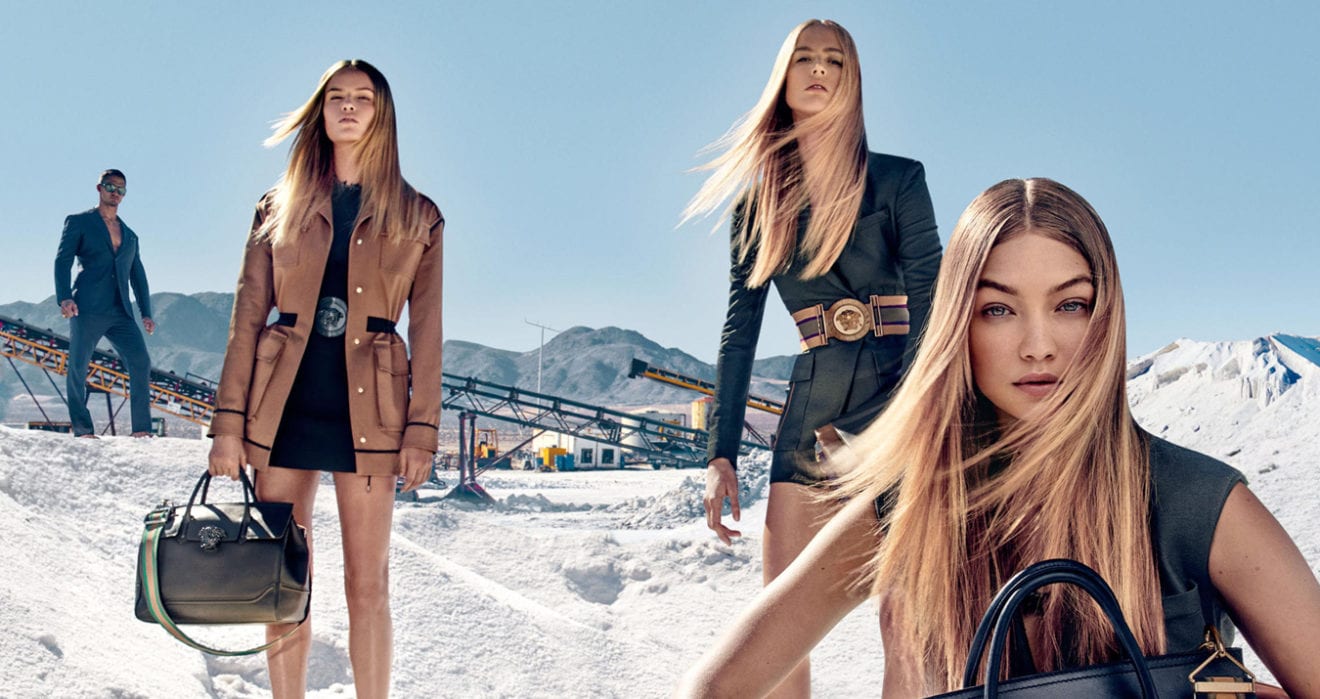
    While other luxury brands are scaling back in Hong Kong’s subsiding retail market, international fashion brand Versace Asia plans to open a flagship store in Central in October.

    Shanghai Commercial Bank says the Milan-based fashion house has signed a three-year lease, with an option to renew, for 12,600 sqft (1170 sqm) on the ground and first-floor levels of a redeveloped building owned by the bank in Queen’s Rd.

    “We needed to pick clients in this market,” says the bank’s CEO David Kwok, noting that it interviewed Versace “for quite some time”.

    “Many other players wanted to sign Versace. You can’t miss our tower when driving through Central. It’s a good address for them,” says Kwok.

    “It goes to prove Hong Kong is a true financial centre. We had thought the market would be very bad, so we were quite modest when setting our pricing.”

    Jeannette Chan, JLL regional retail director, said Versace was taking advantage of declining retail rents and the availability of space in Central.

    “Versace sees it is an optimal time to boost its brand presence in Hong Kong.”

    Versace has two retail stores in Hong Kong, in Admiralty and Tsim Sha Tsui. Its new Asia flagship will sell men’s and women’s apparel, jewellery and accessories.

  • On Pedder takes first step into eCommerce

    On Pedder takes first step into eCommerce

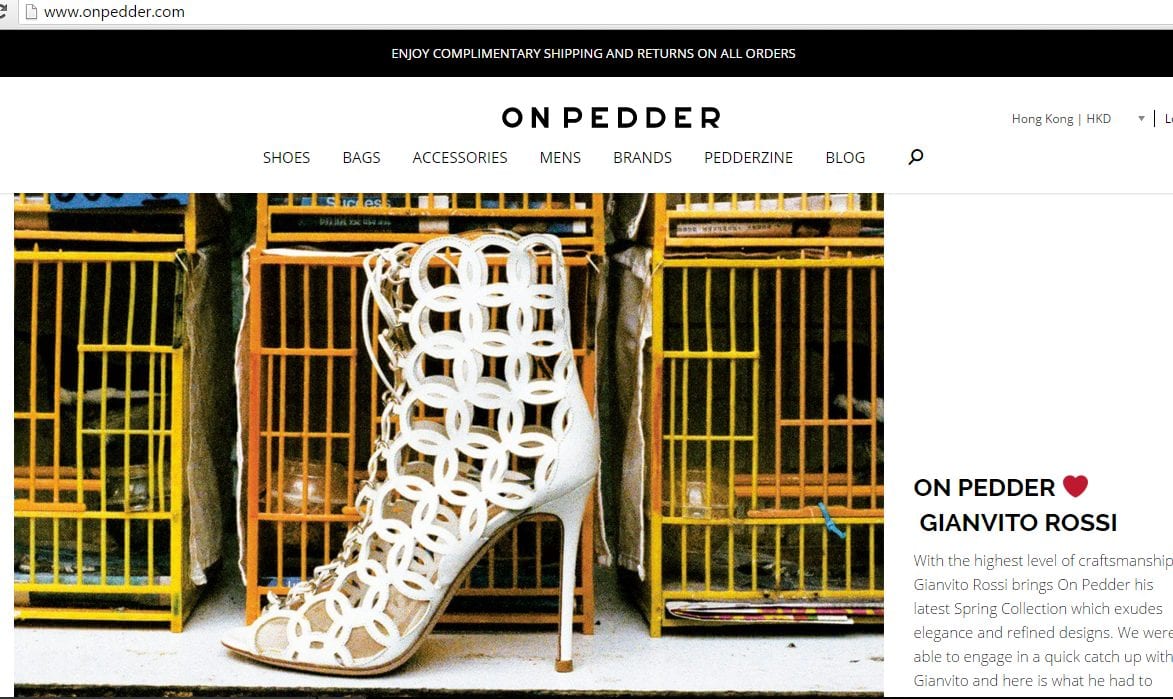
    Hong Kong shoe retailer On Pedder has launched an eCommerce site featuring a curated mix of luxury footwear.

    It is centered around the retailer’s Pedderzine, a seasonal art-fashion hybrid magazine distributed to customers.

    Complimentary shipping is being offered by the site, with returns possible, for customers in Hong Kong, Japan, Macau, Philippines, Singapore, South Korea, Taiwan and Vietnam, as well as Australia and New Zealand.

    Brands include 3.1 Phillip Lim, Aquazzura, Chloe, Common Projects, Gianvito Rossi, Giuseppe Zanotti Design, N⁰21 , Neil Barrett, Nicholas Kirkwood, Paul Andrew, Rene Caovilla, Sophia Webster and Valentino.

    More brands are showcased under the “On Pedder Love” section of the site, along with exclusive product.

    On Pedder collaborated with Hong Kong photography and video artist Luke Casey for Pedderzine this season, which focuses on Hong Kong and Kowloon’s roots and was shot on the streets of Jordan and Sham Shui Po and Jordan, including karaoke bars, back alleys, markets and brothels.

    “We wanted to create an online destination for our customers to enjoy the energy and aesthetics of our in-store curation,” says Pedder Group president Peter Harris.

  • Hong Kong Gifts & Premium Fair Attract 64000+ Visitors

    Hong Kong Gifts & Premium Fair Attract 64000+ Visitors

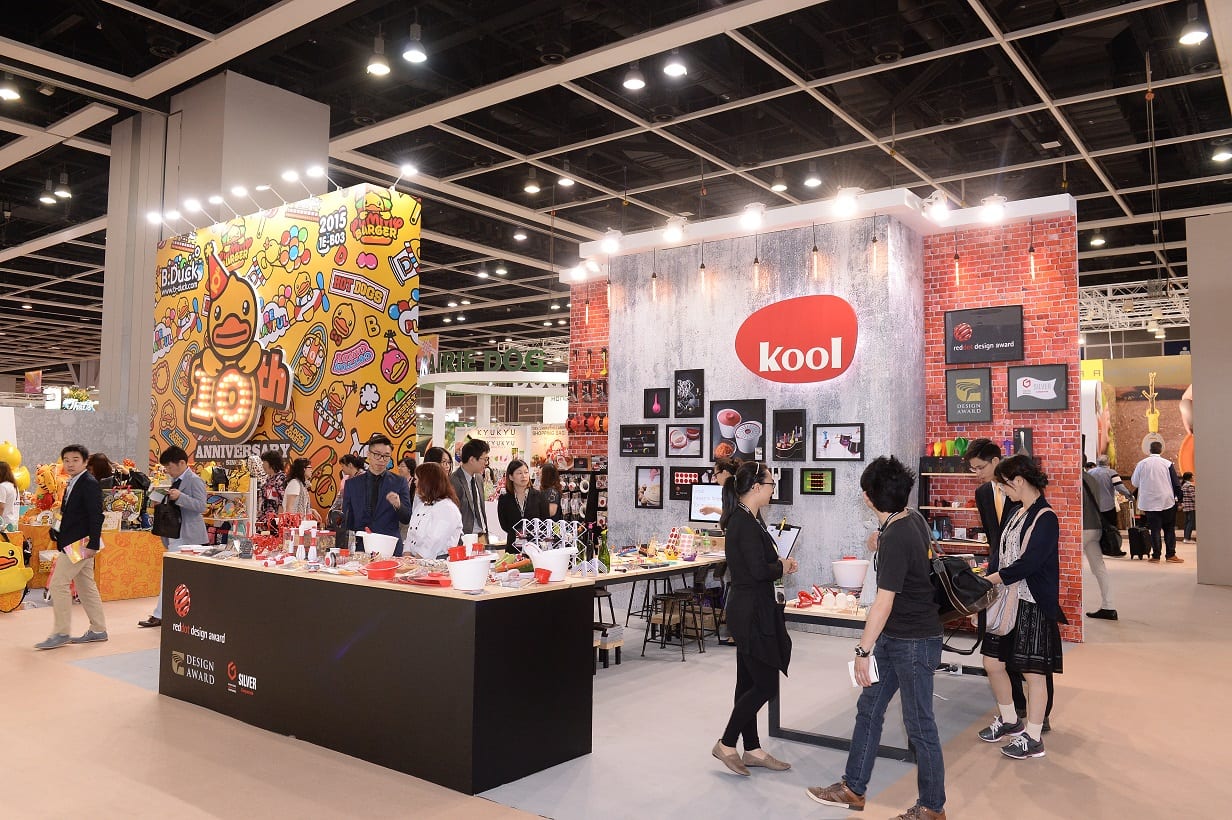
    Organised by the Hong Kong Trade Development Council (HKTDC), the 31st Hong Kong Gifts & Premium Fair concluded today at the Hong Kong Convention and Exhibition Centre (HKCEC). The concurrent 11th Hong Kong International Printing & Packaging Fair (27-30 April) also came to a close at AsiaWorld-Expo. The twin fairs together attracted more than 64,000 buyers from 134 countries and regions. Around 50,000 buyers visited the Gifts Fair, while over 14,000 buyers attended the Printing & Packaging Fair. Markets such as the Chinese mainland, Malaysia, the Philippines, Italy and Indonesia saw growth.

    “In the face of a fluctuating global market, suppliers should promote their brands and products even more proactively, while distributors and retailers should seek out new competitive products,” said Benjamin Chau, HKTDC Deputy Executive Director. “Showcasing top-quality items and providing a diverse range of choices, the two fairs are the ideal platform for both promoting and sourcing products.”

    The HKTDC organised a total of 171 buying missions from 75 countries and regions for the two fairs, comprising more than 13,200 buyers. At the fairground, business matching services were also provided to foster business opportunities and partnership-building. Moreover, in view of the keen demand for small order sourcing, the hktdc.com Small Orders display at the Gifts Fair featured over 360 showcases offering more than 2,500 products available for orders of between five and 1,000 units. A total of 23,000 business connections were generated during the four-day fair.

    Mr Chau also noted that, during the Gifts Fair the HKTDC signed a memorandum of understanding (MoU) with Thailand, a key ASEAN country, to strengthen business promotion and cooperation between Hong Kong and Thailand. This includes offering a top-quality promotion platform for Thai products through the HKTDC’s fairs and online promotion services, covering sectors such as garments, fashion accessories, textiles, food and agricultural products.

    Cautiously optimistic on sales prospects; decorative gifts & figurines to lead market growth

    The HKTDC commissioned an independent onsite survey during the Gifts Fair, interviewing some 920 buyers and exhibitors about their views on market prospects and product trends. The survey found that the industry is cautiously optimistic about the gifts market this year. Close to half of the respondents expect overall sales to remain the same in the coming year with 20 per cent expecting sales to improve. Thirty-seven per cent of respondents expect production costs and sourcing costs to increase. More than 60 per cent of respondents, however, do not expect to raise FOB selling prices or retail prices, suggesting that they will not transfer increasing costs to customers. As for the market with the highest growth potential, most respondents pointed to the Chinese mainland, followed by Hong Kong and Korea.

    The survey also analysed product trends in the gifts and premium market. Most respondents said they expect decorative gifts and figurines to have the strongest growth potential this year, followed by tech gifts and advertising gifts and premium. As for products, the industry generally believes that consumers are increasingly focused on product practicality and quality, followed by their pricing and cosmetic design.

    Ideal platform for exploring business opportunities & promotion

    Tian Guofeng, Director, Exhibition Department, China International Center for Economic & Technical Exchanges, Ministry of Commerce, said this was the first time that the Ministry had organised a delegation to the Gifts Fair, comprising 10 companies from Yunnan Province. “As the Hong Kong fair is not only the world’s largest gifts and premium fair but also the most influential show of its kind, it will help Yunnan manufacturers develop overseas markets,” said Mr Tian. “Exhibitors from Yunnan Province are showcasing a wide variety of high-end products such as metal ware, silverware, wooden gifts, pottery, stone carvings and gunny handbags. Responses from buyers have been very encouraging.”

    Shosuke Fukushima, Director of Japan Pavilion, Business Guide-Sha, Inc., said that Japanese exhibitors achieved very good results at last year’s fair, so they returned this year with 17 companies joining the Japan Pavilion, the largest-ever such delegation. “Japanese exhibitors are here showcasing all kinds of trendy products such as cosmetics, garments, stationery, toys and video games. The Hong Kong fair is an international trade fair where Japanese exhibitors can talk to many buyers and learn more about the market needs. More importantly, Hong Kong is a key gateway for Japanese companies to look for distributors and retailers from all over the world. We’ll continue to organise the Japan Pavilion next year.”

    Hong Kong exhibitor Phoebe Wong, Director of Eco Concepts, said it was their fifth time to participate in the fair. The company produces various green products with PLA (polylactic acid). “Through business matching services provided by the HKTDC, we have met with more buyers from Europe, probably because our products can meet their strict requirements in terms of environmental protection. On the first day of the fair, we have already got an order worth US$9,000 from a Thai buyer,” said Ms Wong.

    Another Hong Kong exhibitor, Gianna Company Ltd., strives to inject new design elements into products. The company’s Managing Director Lawrence Tong said the market trend towards innovative designs is prevalent. “We received onsite orders worth over HK$2 million in total from long-time clients. We have also established contacts with many potential buyers from various countries at the fair,” said Mr Tong.

    Meanwhile, at the Printing & Packaging Fair, Hong Kong exhibitor Tommy Yu, Senior Manager of VersaTech Energy Innovation Limited, and Environmental Consultant of The Hong Kong Printers Association, noted cleaner production is the way forward amid growing environmental concerns. The Hong Kong Printers Association made good use of the Hong Kong International Printing & Packaging Fair to promote new technology for cleaner production. “Many large-sized printers have taken the task seriously and we want to encourage more SMEs to join the wave through the exhibition. In the first few hours of exhibition, about 50 visitors including printing-related companies from Hong Kong, the Chinese mainland, the Philippines and Taiwan approached us. They showed keen interest in how new technology in cleaner production can work for printers.”

    New products and onsite orders

    Sia Yew Ming, Senior Corporate and Trade Marketing Manager, Mediacorp TV Singapore Pte Ltd, was a first-time visitor to the Gifts Fair. She came looking to develop products that are related to their TV programmes with a view to selling them to consumers through convenience stores and book shops in Singapore. She said that, with so many suppliers at the fair, there was a great variety of products at competitive prices. She said she placed an order of 500 units of USBs and 500 units of power banks on the second day of the fair. “I have found a lot of new ideas and new products here. I have found 10 potential suppliers and will follow up after the show,” she said.

    Barama is an importer and wholesaler of stationery, paper products, school bags and toys in Argentina. This year was their seventh visit to the Hong Kong Gifts & Premium Fair. Alex Leibovich, Manager of Barama, said they were looking for school products and new suppliers. “So far, we have identified three new suppliers of paper products and punchers at the fair, and we have already placed onsite orders for US$20,000 worth of paper products and US$13,000 worth of punchers.”

    B. Food Product International from Thailand sells food products domestically as well as to different markets worldwide including Asia and Europe under two major brands S-Pure and BETAGRO. Sakhorn Jullarat, the company’s Product and Process Development Director, said, “We put strong emphasis on the quality and safety of the food we produce every day. This is our first visit to the Hong Kong International Printing & Packaging Fair. We’ve already found five potential suppliers for packaging items that will be used for our frozen and chilled food products. We can find a lot of interesting packaging products and ideas here. We would like to visit the fair again next year.”

  • Another Luxury Retail Brand Cites Tourism Spending as Reason for Slump

    Another Luxury Retail Brand Cites Tourism Spending as Reason for Slump

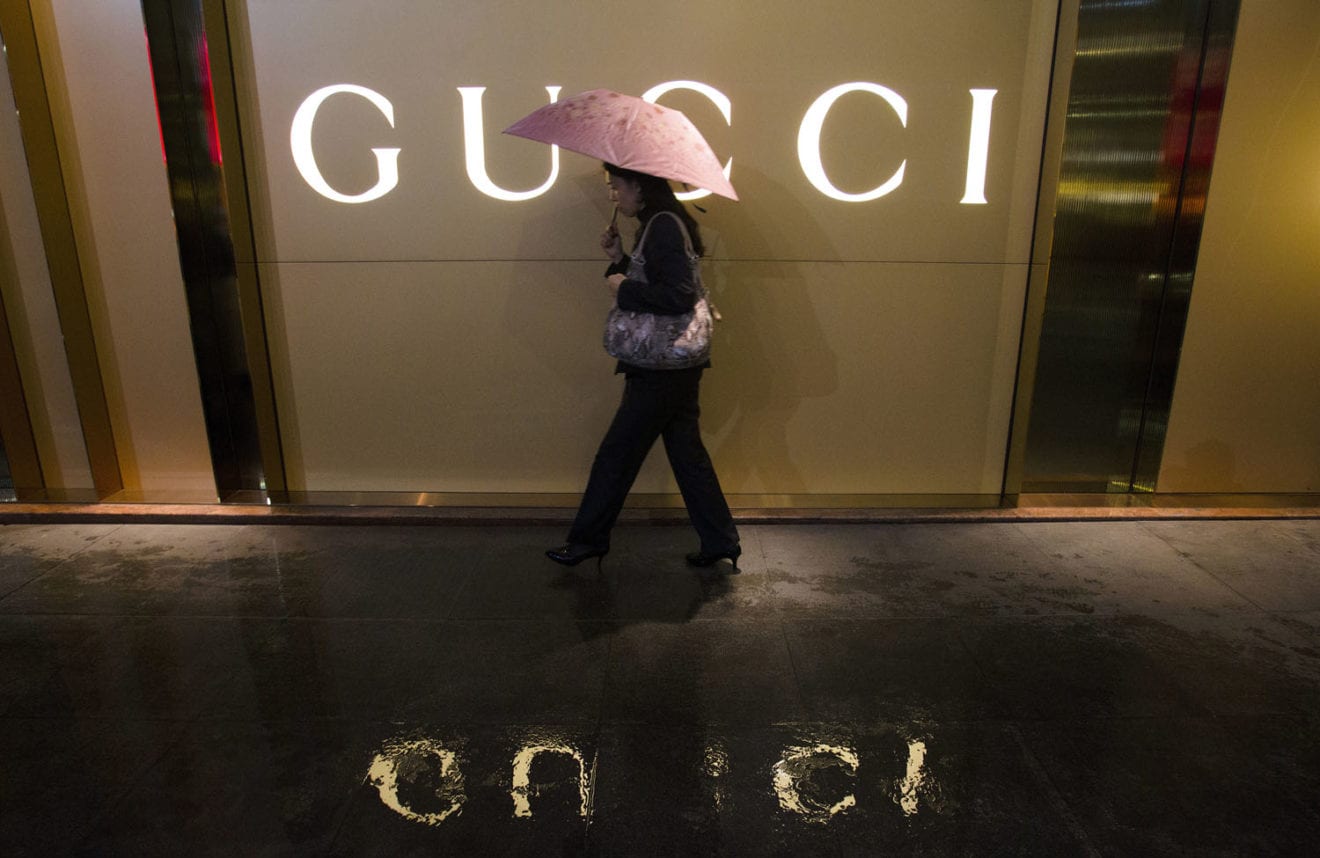
    French luxury-goods maker Kering SA reported first-quarter revenue that trailed analysts’ estimates as slowing tourism and the strong dollar weighed on demand for Gucci loafers and Bottega Veneta handbags.

    Sales climbed 2.7 percent to 2.72 billion euros ($3.07 billion), Paris-based Kering said in a statement after European markets closed Thursday. Analysts predicted 2.78 billion euros, according to estimates compiled by Bloomberg. Growth was 4 percent on a basis that excludes currency shifts, acquisitions and disposals, compared with the 5.6 percent gain anticipated by analysts.

    Gucci Chief Executive Officer Marco Bizzarri and creative director Alessandro Michele turned Kering’s largest brand around by the end of their first year in charge. Their next challenge is to keep momentum going as a slowdown in China, the strong dollar as well as terrorist attacks in Europe have crimped demand for handbags and garments. Those same headwinds hurt competitor LVMH, whose first-quarter sales also missed estimates.

    Gucci’s comparable sales rose 3.1 percent, slowing from the previous quarter’s 4.8 percent gain. With Michele’s designs accounting for about half of sales in the period, the second straight quarter of growth confirms the turnaround “is starting to get traction,” said Luca Solca, an analyst at Exane BNP Paribas. However, the slower pace shows “Rome wasn’t built in a day.”

    Trends Improved

    The company said in a conference call that sales trends at Gucci have improved since the end of March.

    The biggest disappointment was handbag maker Bottega Veneta, which reported another quarter of declining sales. Revenue fell 8.3 percent, more than twice the decline anticipated by analysts. The brand is suffering from overexposure to Hong Kong and high price gaps between Europe and Asia, along with a slowdown in tourism.

    Bottega may need “more creativity and innovation,” said Exane’s Solca. “Lacking that, the risk could be of appearing boring to consumers.”

    Yves Saint Laurent, which replaced its creative director this month, was again the best performer, posting a 27 percent increase in sales that beat analysts’ expectations.

    “We are confident that we can extend our growth trajectory over the full year,” Kering CEO Francois-Henri Pinault said in the statement.

    Kering’s shares fell 0.8 percent to 160.10 euros at the close in Paris.


  • Luxury gifts retailer opens in Sheung Wan

    Luxury gifts retailer opens in Sheung Wan

    Luxury tableware and gifts retailer Town House is opening another retail store location at Wing On department store in Sheung Wan.

    The expansion of Town House into a fully-fledged retail shop in Wing On is part of a strategy to open new retail locations to take advantage of consumer demands for affordable, high quality home accessories, the retailer said.
    In November 2015, Town House opened its most recent shop at the K11 Mall in Tsim Sha Tsui.

    Suresh Kanji, general manager of Town House said: “We look forward to welcoming customers to all our locations, but take great pride in the expansion of our relationship with Wing On, a great company with a history of over 100 years of serving Hong Kong.”

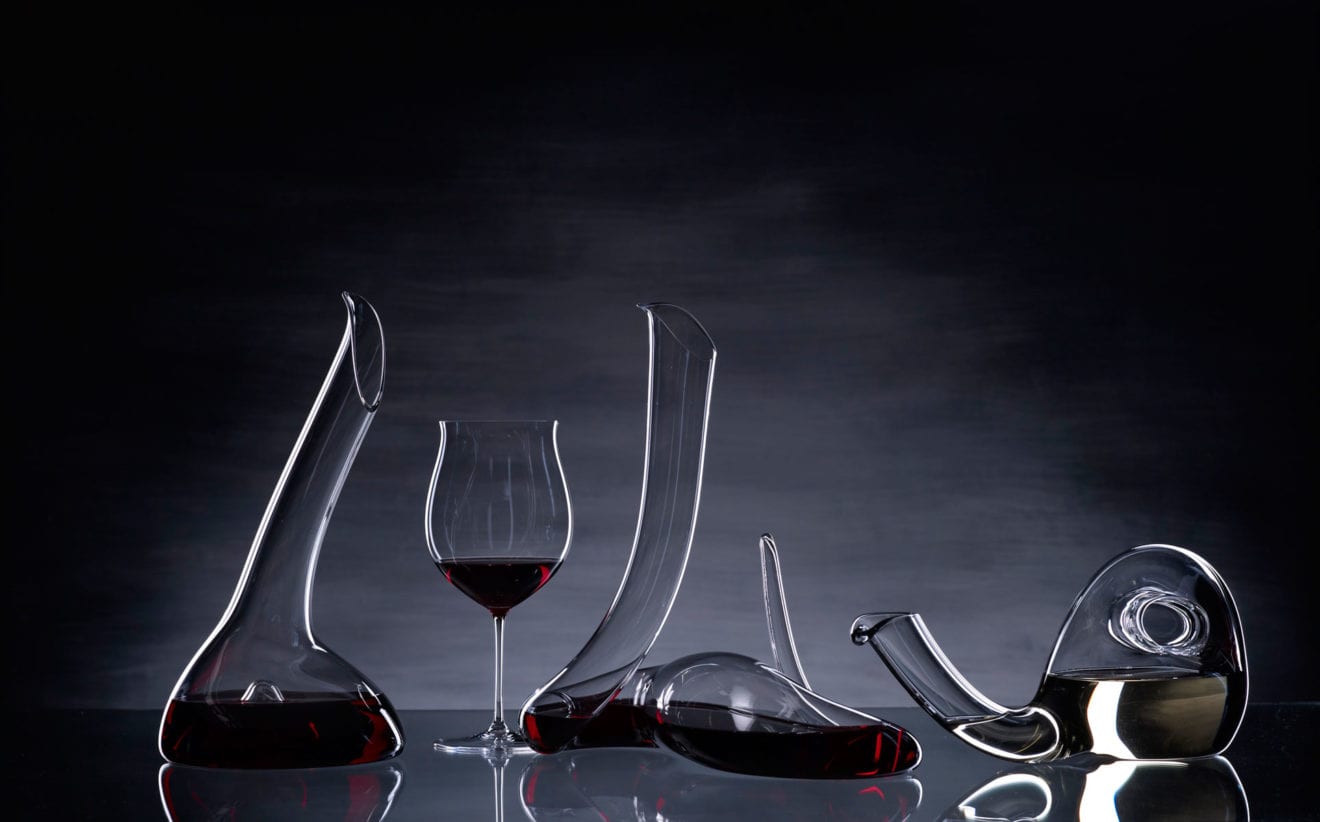
    The new store offers gifts and tableware from renowned brands such as Riedel, Nachtmann Crystal, Bohemia Crystal Glass, Maxwell & Williams, Britto, Laguiole, Duccio di Segna, and A. Anglada.

  • L’Occitane sales on the up despite disappointing performance in Hong Kong

    L’Occitane sales on the up despite disappointing performance in Hong Kong

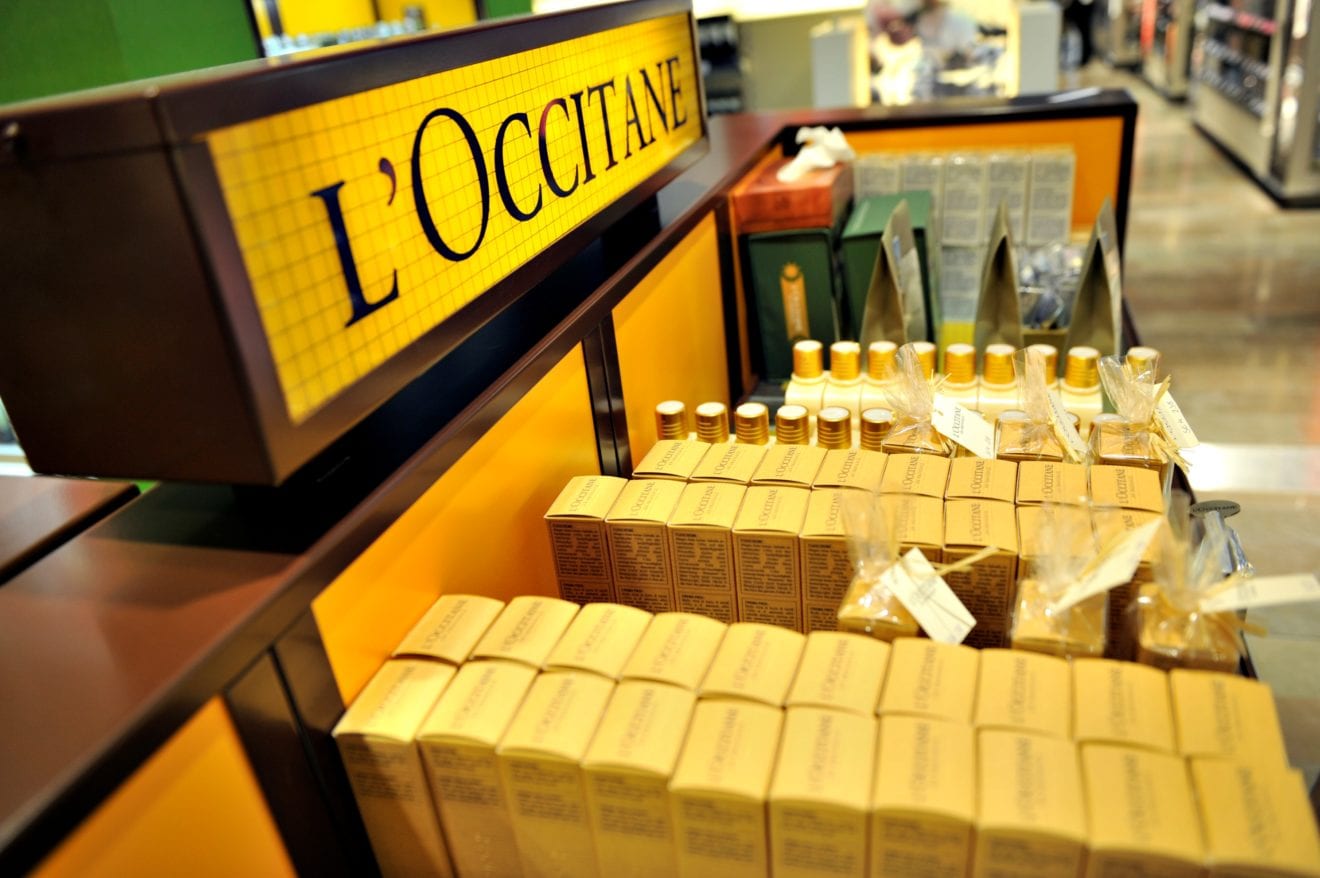
    French beauty brand L’Occitane has announced sales for the year ending March 31 increased by 8.9 percent at 1.28 billion euros.

    Growth surged on in China – which saw sales grow by 16.8 percent – France, Japan, Brazil and Russia however a poor performance in Hong Kong saw total retail sales in Hong Kong and Macau fall by 15.2 percent. The disappointing results were attributed to a fall in mainland Chinese tourists visiting the region, which also affected Hong Kong’s travel retail sector.

    L’Occitane has a strong presence in Hong Kong with 36 stores in the region.

  • Hong Kong leads Asia retail expansion

    Hong Kong leads Asia retail expansion

    Asia Pacific remains retail industry’s growth engine – with Hong Kong at the top of the Asia retail cross-border expansion rankings.

    Despite the sharp decline in Hong Kong retail sales during the last 18 months or so, Hong Kong is the second most favoured destination for global retailers entering new markets – top in Asia and second only to London internationally.

    JLL’s Destination Retail report, which looks at the top cities worldwide for retailing, reveals 50 major global cities which have risen to the top of the list for mainstream, premium and luxury retailers’ expansions. While the list is dominated by cities in Asia Pacific, those in the Middle East are coming on strong, propelled by an ever-increasing array of international retailers. In a battle between historic, established markets versus modern newcomers, JLL indexed the global cross-border retailer activity and attractiveness of 50 meccas and found:

    • London stands at the forefront of international retailing as a global retail powerhouse, and the Number 1 retail market.
    • One-third of the top 15 global retail cities are located in the Middle East (Dubai 4th, Kuwait City 9th, Abu Dhabi 11th and Jeddah and Riyadh tied for 12th.).
    • Asia Pacific outranks all regions with 18 cities making the cut driven by sheer market size.
    • Cities in the United States make up just over one-quarter of the top 50 cities, with only one city (New York 5th) in the top 15.

    “Structural change is sweeping the retail industry as technology and eCommerce platforms become more sophisticated; however, demand for the right physical space, in the right location, is stronger than ever,” said James Brown, director of global retail research for JLL.

    “Borders are becoming less of an issue for retailers pursuing opportunities overseas and we’re seeing the global retail landscape shifting fast to accommodate the change.”

    JLL’s report examines the presence of 240 international retail brands and 140 international cities, including the drivers of their growth, opportunity and barriers, and also ranks and assesses the vitality and attractiveness of cities.

    The top 10 ranked cities on the list are:

    Size matters

    The sheer size of Asia Pacific’s leading cities – in terms of population and economic might – is one of the most compelling drivers for retailers’ expansion into the region.

    “Many Asian markets benefit from a burgeoning middle class and growing levels of affluence, which are attractive in particular to a wide-range of retailers,” the report concludes.

    “The cities also benefit from large amounts of new, fit-for-purpose modern retail space.”

    Hong Kong remains Asia’s leading shopping destination, with top brands from luxury to fast fashion competing for prime locations. Across the region, cities are catching up to modern retail markets in Europe and the US.

    China is the second largest economy in the world, and its key cities, Shanghai and Beijing, have undergone a transformation in the last two decades driven by a swelling middle class and high concentration of high-net-worth individuals. Both are now firmly on international retailers’ maps as key locales for tremendous brand exposure and test markets. Key cities outside of Greater China that are also gaining attention from international retailers include Tokyo, Singapore, Seoul, Osaka and Bangkok.

    Europe’s retail powerhouse

    London has the highest presence of international retailers compared to its global peers, and edges out Hong Kong in terms of international luxury brand presence. London continues to be a magnet for new brands thanks to its unique blend of market size, maturity and high degree of transparency. The UK capital has a long history of success, driven by a diverse base of locals and tourists, and many retailers regard London as the entry point to Europe, including recent entrants J.Crew, Arc’teryx, Club Monaco, Kit and Ace, and John Varvatos.

    Middle East hotbed

    The Middle East’s top cities, including Dubai, Kuwait City, Abu Dhabi, Jeddah and Riyadh are emerging as business and travel hubs, and are increasingly catching the eye of global retail brands. The cities’ strong in-place tourism plays an important role in increasing the flow of foreign money, a key driver for retail spend. The markets each have large quantities of affordable retail space, supported by franchise structures, which present viable options for international retailers and reduce their operational risk at entry. Additionally, the domestic retail market in the Middle East is not as mature as other regions, allowing international brands to enter without too much competition from domestic brands. JLL’s report found that pent up shopping demand across the region has spurred some of the highest sales volumes for retailers.

    Stars, stripes and strong sales

    While the Americas region only captures one-quarter of the top 50 cities for attractiveness, 15 out of the 16 cities identified are located in one country, the US. The ‘Land of Opportunity’ has more retail space than any other country with 12.8 billion sqft, and presents retailers with several options for entry, either in malls, shopping centers, power centers or general retail space. While the US remains one of the most advanced retail markets globally, with significant amounts of retail spend, the market overall is daunting to international retailers. The portal cities of New York, San Francisco, Miami, Chicago and Los Angeles remain robust with global brands, but the 137 remaining key markets are largely untapped by international retailers.

    Looking forward

    “Expansion into new markets is catching on quicker than ever, but not without risk. International retailers that are focused on measured and balanced growth will find that the world’s mega-retail cities are a productive opportunity,” said David Zoba, chairman of JLL’s Global Retail Leasing Board.

    The acceleration of international brand expansion across the world’s best and most attractive cities in the next decade will continue, driven by fast-growing middle classes, new powerhouse economies and rising tourism.

    “Retailers who succeed in acquiring the right space and at the right time are expected to benefit from successful and profitable growth.”

  • Hong Kong and Macau drag down Sa Sa International

    Hong Kong and Macau drag down Sa Sa International

    Hong Kong-listed beauty products retailer Sa Sa International says its retail and wholesale turnover fell 15.1 per cent in the last quarter.

    And in the Hong Kong and Macau markets, turnover tumbled 17.9 per cent for the quarter ended March 31, while same-store sales dropped 17.6 per cent.

    There were 5.2 per cent fewer transactions, with average sales per transaction sliding by 13.9 per cent.

    However, in other markets – including Mainland China, Malaysia, Singapore and Taiwan, and on its online store – trade was a shade more buoyant, easing just 2.8 per cent.

    Fourth-quarter retail sales in Hong Kong and Macau market continued their slide because of further impact by Mainland China’s new “one-trip-a-week” policy on the retail market. There was also weaker sentiment with a rise in outbound travel by locals.

    Responding to the slower market, Sa Sa will optimise product offerings and adjust sales strategies, says the group, which closed one store during the quarter. This was either in Hong Kong or Macau, but not specified in its report.

    Its total of 291 outlets comprises 113 in Hong Kong/Macau, 66 in Malaysia, 57 in China, 32 in Taiwan and 23 in Singapore.

  • Tourism slump hits Burberry Hong Kong sales

    Tourism slump hits Burberry Hong Kong sales

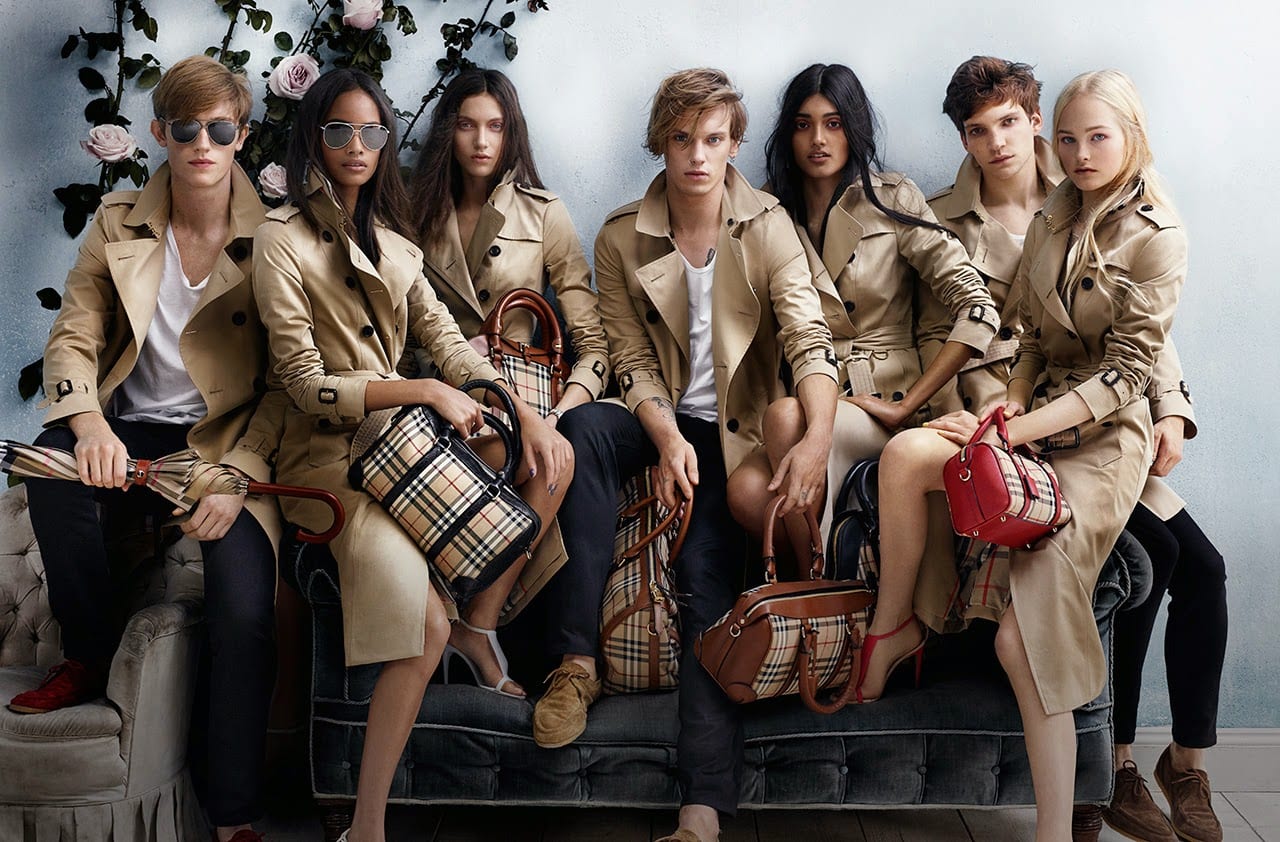
    British luxury brand Burberry Hong Kong has seen its sales slide by more than 20 per cent for the third quarter in a row.

    The result reflects the continuing fall-off in tourist numbers to Hong Kong from China, including a 26 per cent drop in February.

    Burberry’s second-half sales results, just released, show a “challenging” environment for luxury, says CEO Christopher Bailey. Global comparable sales declined by 2 per cent, dragged down by Hong Kong and Macau. Global comparable sales excluding these regions actually edged up 1 per cent for the half.

    Burberry’s bright spots were Mainland China, Japan and Korea, which all saw positive growth. Japan, which has become a luxury shopping hotspot for Chinese tourists, had double-digit growth in total retail revenue.

    Sales also slowed down in Europe, as luxury shoppers from China avoided the region following the Paris terror attacks in November. Demand for Burberry goods fell in France, Germany, Italy and Spain amid a general sense of unease about security and fears of further terrorist attacks in Europe.

    However, it is not all doom and gloom for Burberry, says Verdict Retail analyst Andrew Hall, citing growth in online sales and the launch of the Mr Burberry fragrance. The success of Burberry’s fragrances has seen the brand’s beauty division achieve underlying growth of 10 per cent in the second half.

    “Furthermore, Burberry continues to be at the forefront of luxury fashion retail, making headlines with high-profile collaborations – for example, Steve McQueen – and sending waves across the industry as it shakes up the traditional fashion show timetable,” says Hall.

    “Burberry can certainly be proud of the hard-won successes, but long-term strategic leadership is needed to overcome the blows dealt by performance in some Asian markets. Until this is achieved, the good work will continue to be overshadowed by falling demand in Hong Kong and Macau.”

  • PCCW Global to build international carrier exchange in Hong Kong

    PCCW Global to build international carrier exchange in Hong Kong

    PCCW Global has entered into a long-term collaboration agreement with Keppel Data Centres Holding to co-develop and market an international carrier exchange in Hong Kong.

    PCCW Global is the international division of major operator HKT, and Keppel Data Centres is a joint venture between Keppel Telecommunications & Transportation (Keppel T&T) and Keppel Land. These companies are themselves subsidiaries of Singapore-listed Keppel Corporation.

    The exchange will be fitted to Tier III specifications to ensure uptime of up to 99.982%. Construction is expected to be complete in the fourth quarter.

    The new facility will offer connectivity-related managed services to facilitate interconnects. It will be located in the same building as the Hong Kong point of presence for the 100Gbps Asia-Africa-Europe 1 subsea cable, which is also expected to be ready for service in Q4.

    The building will also be connected to PCCW Global’s backhaul network to link the international carrier exchange to numerous subsea cable landing stations. This will allow the exchange to be used as a gateway to mainland China.

    “We are happy to partner with PCCW Global for our first investment into the Hong Kong colocation market, which benefits from the city’s status as a key telecommunications and financial hub, as well as its connectivity to other hubs in Singapore, Amsterdam, London, and Sydney,” Keppel T&T CEO Thomas Pang said.

    “The expansion of Keppel’s data center footprint to Hong Kong is another step towards creating a data center value ecosystem that goes beyond colocation to providing value-added services and connectivity for our valued clients.”

  • Warburg Pincus takes Reiss stake

    Warburg Pincus takes Reiss stake

    A majority stake in UK luxury fashion retailer Reiss has been bought by private equity company Warburg Pincus.

    The transaction values the brand, which started out as a menswear store in 1971, at £230 million.

    Reiss has two stores in Hong Kong and four in Manila, Philippines; its only stores to date in Asia. The Hong Kong stores are located in IFC Mall and Ocean terminal, Harbour City. It also sells online, on its own website and on Asos. It has 160 stores globally.

    The sale ends more than six months of talks between founder David Reiss and several potential investors, one of whom was revealed as Permira, which is the private equity investor in Dr Martens.

    According to UK media, Reiss achieved total sales of £146 million in the year to January 31, up substantially from the £111 million of the previous year. Pre-tax profits soared from £3.6 million in 2013 to £10 million during 2014.

    Warburg Pincus MD Paul Best says he plans to expand the brand’s presence internationally.

    “The business has built an enviable position in its core UK market, with a broad and loyal customer base. We believe there is significant opportunity to build on this success,” he said in a statement.

    Reiss, who will remain as chairman and CEO, says the deal will allow the business to grow into a “truly global fashion brand”.

    “We have built a great business providing our customers with timeless luxury at affordable prices.”

    Reiss and Best said the company’s expansion strategy would be focused on the US, Canada, Asia and Australia.

  • Hong Kong and Macau drag down Prada profits

    Hong Kong and Macau drag down Prada profits

    Difficult times on Asian markets, especially in Hong Kong and Macau with lower local demand and fewer tourists, have impacted Prada profits.

    “At the same time, social and political tensions worldwide further contributed to a general decrease in willingness to consume and in tourist flows,” the Milan-based group says in its annual results.

    The company plans to offset new shop openings with selective closures this year and next in an effort to shield profit margins from weaker demand, according to Business Insider.
    Prada profits fell by a larger-than-expected 28 per cent in the 12 months to January 31 – to 14 per cent of revenue, down from 20 per cent the previous year.

    After listing on the Hong Kong bourse in 2011, the group expanded its retail outlets in the territory. Now it has been hit by China’s economic slowdown as well as a crackdown on extravagant gift-giving. Similarly affected, luxury goods industry leader LVMH has just posted first-quarter sales below forecasts.

    CFO Alessandra Cozzani, who took over the role in February after the sudden resignation of Donatello Galli, says Prada will balance new openings with closures and work to keep operating expenses flat.

    “The retail network will remain the same for sure in 2016 and probably also 2017. We’re working on increasing the productivity of stores.”

    Prada’s directly operated stores (DOS) increased from 594 to 618 in the 12 months to January 31.

    Head of strategic marketing Stefano Cantino says the group will bet on eCommerce with the aim of doubling revenues over the next two years. It will start working with partners such as Yoox Net-A-Porter to sell its products on multi-brand e-shops.

    Digital and marketing initiatives will also be used to strengthen relationships with clients.
    Meanwhile, the Asia Pacific is still the group’s leading market, generating new sales of €1080 million (US$1.23 billion) during the year. However, net sales fell by 4.4 per cent at current exchange rates and by 16.1 per cent at constant exchange rates.

    In Japan, where there was a strong flow of tourists, the brand ended the year with net sales of €403.7 million, a 10.7 per cent increase.

  • McDonald’s Asia to sell 2800 restaurants

    McDonald’s Asia to sell 2800 restaurants

    McDonald’s Asia is preparing to sell some 2800 restaurants across Asia as it introduces a new business model in its fastest growing major market.

    And Reuters has named frontrunning investors in what looks to be a spin-off business in much the same nature as Yum! Brands is selling off its Chinese KFC, PIzza Hut and Taco Bell operation.

    Early contenders as partners with McDonald’s US include state-backed China Resources and private equity investors Bain Capital, TPG Capital, Baring Private Equity Asia and MBK Partners. China Resources already has street cred in the food sector, operating Pacific Coffee chains in Hong Kong, Macau, Singapore and China.

    McDonald’s is planning to create a new Asian business which would own restaurants as master franchisee, using local market knowledge and capital to expand networks in respective markets.

    Operations in China, Hong Kong, Macau and South Korea would be rolled into the new entity, although it is highly likely separate businesses could be created for each market – one for China, one for Hong Kong-Macau and another for Korea.

    McDonald’s has a stand-alone, listed business in Tokyo which encountered huge market problems several years ago and last year lost US$310 million after a major cull of its network. The company is trying to sell down its stake in that business from 49.99 per cent to 20 per cent.

    Inside Retail Hong Kong expects that McDonald’s Asia would likely be funded by a cashed-up investment partner for about five years before potentially being floated, most likely in Hong Kong.

    A fortnight ago, McDonald’s Chicago-based CEO Steve Easterbrook revealed plans to open 1500 new stores across China, Hong Kong and Korea within five years – 1300 of those in Mainland China. Globally, the company plans for 95 per cent of its restaurants to ultimately be franchised.

    In China’s mainland, McDonald’s already operates some 2200 restaurants – its new target is 3500.

    Easterbrook says strategic partners could “add value and unlock growth potential in key markets” in Asia.

    “This will allow McDonald’s to accelerate our growth and scale faster across diverse markets placing us closer to our customers and the communities we serve,” he said on March 31.

    Reuters quotes sources revealing McDonald’s has engaged Morgan Stanley to run the sale of the restaurants in China, Hong Kong and South Korea, with a formal, public sale process to be launched in mid-May.

    The final business model is subject to negotiations with potential buyers, but McDonald’s expects a one-time franchise payment and ongoing royalties based on sales – the typical industry rate running between 3 per cent and 5 per cent. Capital investment required to roll out new stores would be the responsibility of the franchisee.

    Reuters said McDonald’s declined further comment beyond its March 31 statement from Easterbrook and the private equity companies named, China Resources and Morgan Stanley all also refused to comment.