Tag: Hong Kong

  • Hong Kong Investors Eye Filling Station Business in Indonesia

    Hong Kong Investors Eye Filling Station Business in Indonesia

    Foreign investors have shown strong interest in the downstream oil and gas business in Indonesia. A leading Hong Kong-based company recently announced its interest in investing in the filling station business in Southeast Asia’s largest economy.

    The company’s investment interest was expressed during a business forum event that featured the Head of the Investment Coordinating Board (BKPM) Franky Sibarani as keynote speaker to 40 Hong Kong multi-sector investors, Wednesday (18/5). Franky said the investoris engaged in the trading of petrol, diesel, jet fuel and LPG in Hong Kong and overseas, and has business capability in the downstream oil and gas sector.

    Currently, the investor owns 42 petrol stations and two oil terminals with a storage capacity of 374,500 cubic metres. It also has a fleet of 16 vesselswith the capacity to transport 68,600 tons of oil. In addition, the company has a marketing network that covers almost the whole of Hong Kong.

    Franky added that the investor had visited Indonesia a number of times. They had met with Pertamina to share their investment plans in the general commercial fuel business in Indonesia. To ensure the plan goes ahead, a designated BKPM marketing team in Hong Kong will oversee the investment interest.

    BKPM has also received expressions of interest from other Hong Kong companies in investing in the infrastructure, maritime and fisheries sectors. “In fact there is one company operating in the electronics and property industries that will increase its investment in Sukabumi by US$ 5 million,” said Franky in a BKPM press release on Thursday (19/5).

    Franky hopes that in the future more Hong Kong companies will invest in Indonesia. He believes that as an investment destination, Indonesia has several competitive advantages,particularly its rich natural resources such as agricultural and mining commodities, including renewable energy sources.

    The government also has several infrastructure projects to promote investment and enhance the competitiveness of investment opportunities. These include 15 new airports, 163 ports, the 35 GW power project, and construction of 2,024miles of railway track and 621 miles of toll road and sea routes.

    BKPM has reformed its investment services by introducing One Stop Services and a 3-hour investment permit service, and easing direct investment in construction, as well as earmarking priority sectors for investment, which includes plans to develop 11 neweconomic zones and 20 National Strategic Tourism Areas.

    Franky added that Hong Kong is one of Indonesia’s main investment partners. Between 2010 and 2015, BKPM recorded actual investment from Hong Kong of US$ 3 billion. In the first quarter of 2016, actual investment from Hong Kong amounted to US$ 456 million, a significant increase on the US$ 75 million recorded the same period last year. The most popular sectors for Hong Kong investors were property including industrial estates, transport, warehousing and telecommunications.

  • Shoe manufacturer Le Saunda down at heel for fiscal year

    Shoe manufacturer Le Saunda down at heel for fiscal year

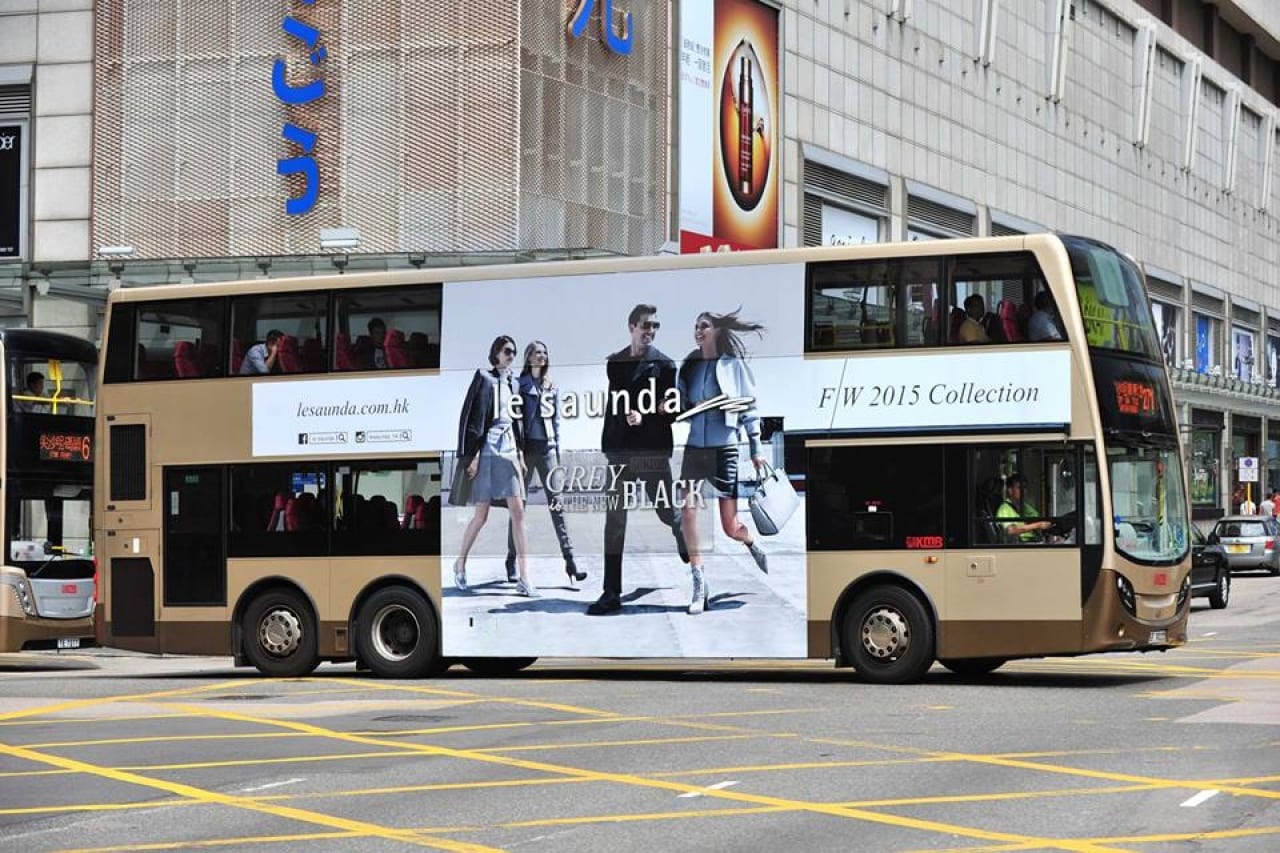
    Le Saunda Holdings Limited – a company primarily engaged in the manufacture and retail of Le Saunda ladies and men’s shoes, CNE footwear (an O2O brand) and Linea Rosa high-fashion footwear brand – announced a consolidated profit of RMB122.1 million (MOP149.42 million) for the fiscal year ending February 2016, in a filing on the Hong Kong Stock Exchange. This represents a 35.5 per cent year-on-year drop for the fiscal year compared to 2014/2015’s RMB189.3 million.

    The group has a total of 896 stores, located mostly in Mainland China, with 12 operating in Hong Kong and Macau.
    Sales in Hong Kong and Macau plunged 29.2 per cent year-on-year, at RMB110.7 million as compared to the RMB156.4 million seen in the previous fiscal year, causing a change in the Hong Kong and Macau business units ‘from profitable to making loss’ – a loss of RMB10.596 million – notes the filing. Over the fiscal year eight stores in the two SARs were phased out, noting that ‘after the shop rental in Hong Kong adjusts back to a normal level, the opportunities of opening new stores would appear again.’

    The group note opines that it is ‘the pattern of consumers’ behaviour that has been changing,’ despite the fact that ‘urban disposable income is actually on the rise […] ongoing weakness is noted in consumer spending.’

    For the fiscal year in question the group’s total revenue decreased by 3.7 per cent year-on-year to RMB1.621 billion. For the Macau segment total revenue amounted to MOP16.52 million, a 47.4 per cent drop compared to the MOP31.41 million registered in the previous fiscal year.

    A total drop of 0.9 per cent was seen in the group’s retail sales in Mainland China, amounting to RMB1.51 billion, which was noted as ‘better than the overall decline in the Group’s revenue,’ in the filing, attributable to a ‘stable loyal customer base brought by the Group’s reputation of products with “sophisticated styles with top quality”,’ as well as ‘consistent moves to close underperforming stores and open new ones to drive sales,’ complimented by the ‘launch of popular casual designs with elements favoured by young people to meet the market demands . . . [and] . . . a higher ratio of repeat purchases benefiting from innovative marketing approaches on both online and offline channels to facilitate close interaction with VIP customers.’

    Future predictions note that ‘the Group anticipates the lacklustre sentiments prevailing in the retail market will last for one to two years’ and that ‘retailers will still face enormous challenges ahead.’ To conquer this, the group will focus on: ‘formal footwear for the medium to high-end market’ as well as focusing on the product mix to ‘explore the young-line products with unique functional and fashionable items’. La Saunda also seeks to transform itself from a vertically integrated offline retailer to ‘an omni-channel operator which is highly data-oriented,’ as well as to ‘introduce a new retail model with swift O2O deployment,’ notes the filing.

    The group employs 5,286 people, of whom 150 are based in Hong Kong and Macau.

  • Takeover bid of $196m. for Eu Yan Sang

    Takeover bid of $196m. for Eu Yan Sang

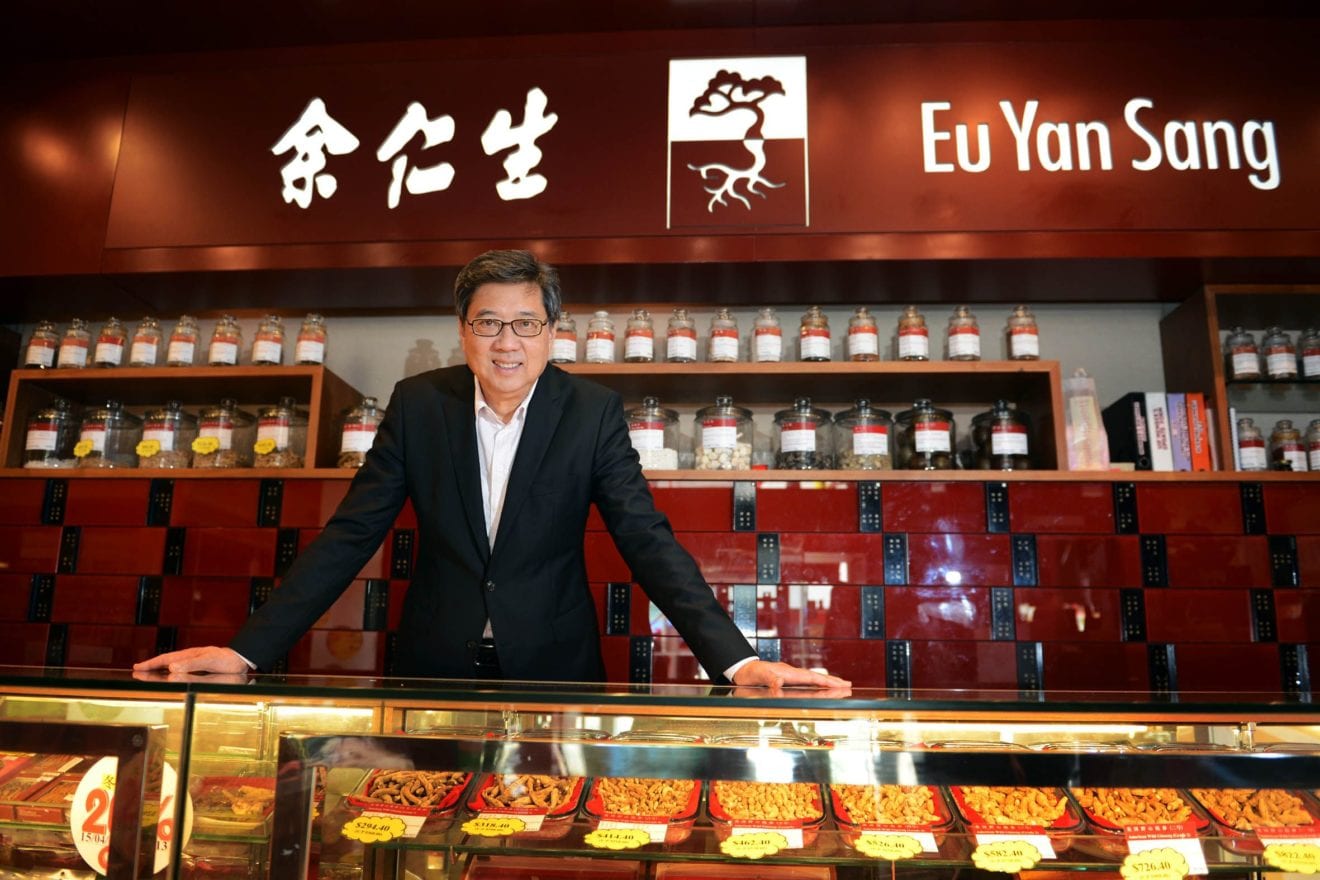
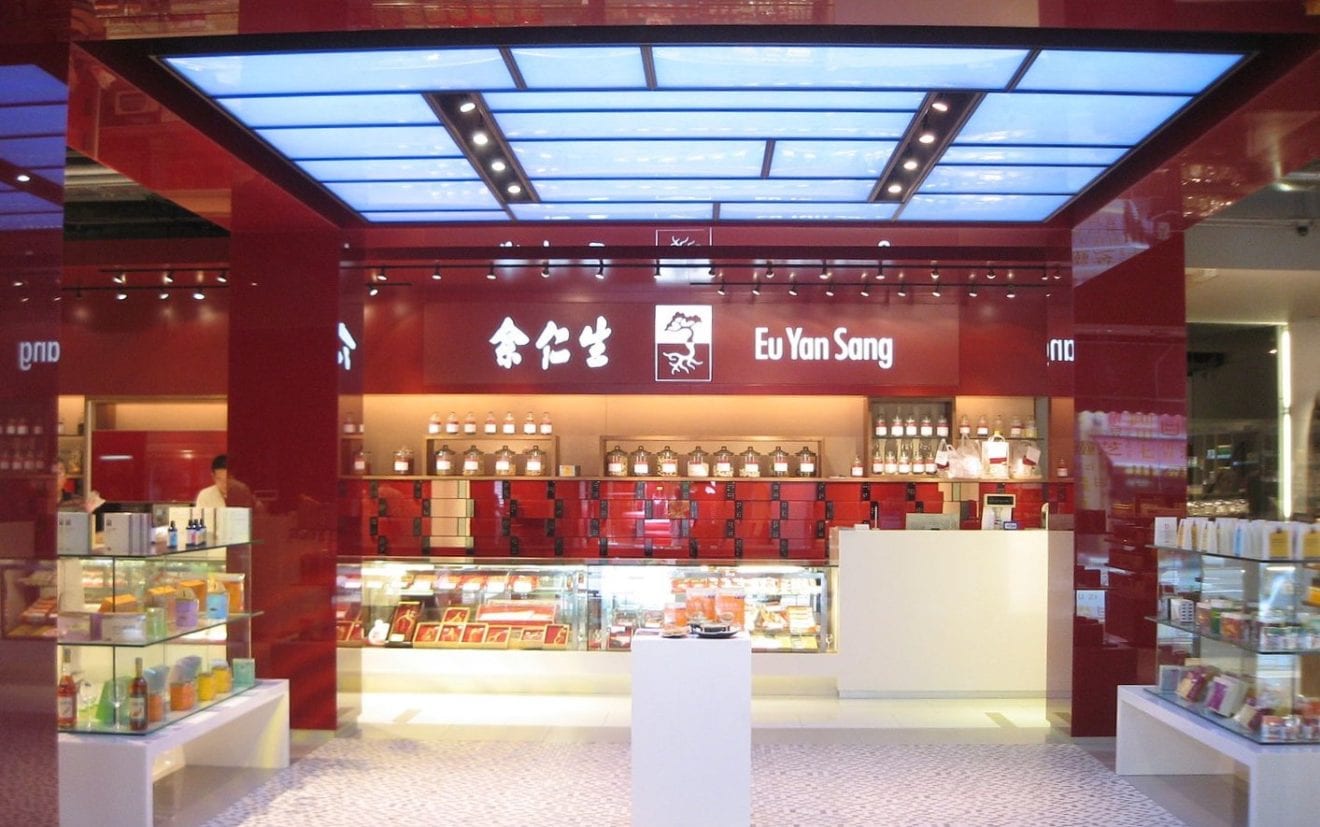
    A takeover bid for Singapore-based Eu Yan Sang has valued the traditional Chinese medicine retailer at about S$269 million (US$196 million).

    A consortium comprising Singapore state investment company Temasek Holdings’ unit Blanca, Tower Capital TCM Holdings and some members of the founding Eu family have made the final offer of 60c Singapore a share.

    About 63.2 per cent of shareholders have committed to accept the offer, including members of the Eu family, Aberdeen Asset Management Asia and First State Investment Management (UK), says Eu Yan Sang.

    Tower Capital founder Danny Koh says the consortium’s offer is attractive “considering the company’s recent financial performance and the current challenging environment”.

    Eu Yan Sang launched in Malaysia in 1879, expanding to more than 250 outlets in China, Hong Kong, Macau and Australia.

    Its third-quarter net income slumped to S$286,000 from S$5.45 million a year earlier, and its slide became evident in August when it lost US$3.6 million.

  • Profit slump for supplement retailer Eu Yan Sang

    Profit slump for supplement retailer Eu Yan Sang

    Singapore supplement retailer Eu Yan Sang International has had its third-quarter net profit slump to S$286,000 (US$208,515) from $5.45 million as a result of declining revenue, foreign exchange losses and expenses related to closing F&B outlets in China.

    Revenue for the four months ending March 31 slipped 6 per cent to $103.87 million, mainly because of lower revenue from the Malaysian market as well as its weakening currency.

    Foreign exchange losses of $1.9 million resulted from the weakening Hong Kong dollar during the third quarter as well as the outlet closures.

    “Despite the sluggish regional economy, we are heartened by the green shoots of recovery budding in some of our markets,” says group CEO Richard Eu. ”We remain committed to improving our performance through cost-reduction initiatives and rationalisation, while seeking greater levels of efficiency through technology.

    “On the other hand, weak macroeconomic conditions continue to weigh down our market performance in Hong Kong and Malaysia.”

  • Do recent acquisitions signal investor confidence?

    Do recent acquisitions signal investor confidence?

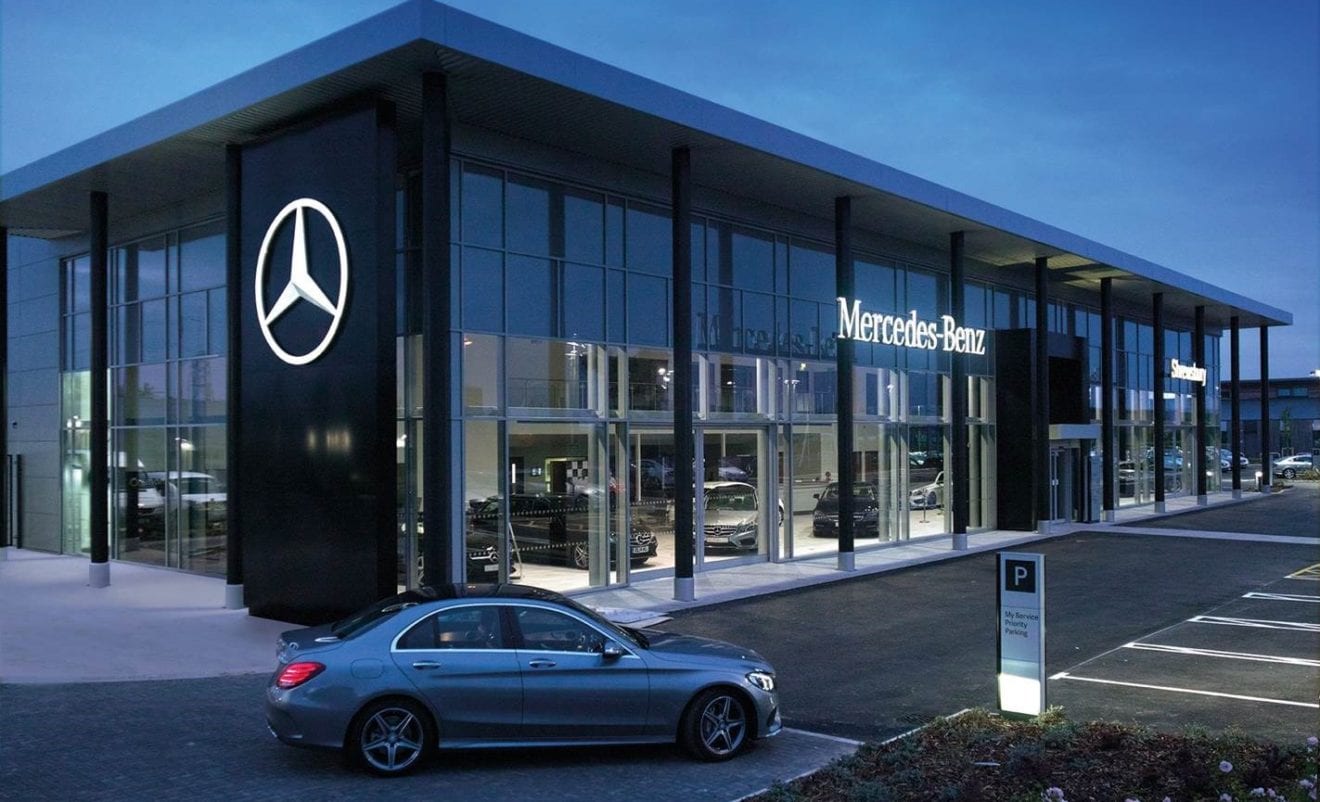
    News of Mercedes-Benz Retail selling its Manchester and Birmingham businesses to Hong-Kong auto retailer Lei Shing Hong could be seen as proof that the UK auto retail sector is worth investing in. This comes despite the underperforming share prices of some PLCs in the market, financial jitters surrounding the forthcoming EU vote and the general state of the domestic economy.

    And while the Mercedes deal was something of a surprise, the acquisition wasn’t an isolated one. With Wessex Garages also being snapped up by a Far East business recently – this time Japanese auto group VT Holdings – clearly there’s value in investing in UK PLC.

    However, the money is from the Far East, not the EU or homegrown. It begs the question: do these investors know something we don’t? With industry in general in flux thanks in the part to issues over the forthcoming EU referendum, stagnant interest rates, a downturn in construction activities and consumer confidence, uncertainty has become the new normal. Granted, some of this depressed mood could be short term but no one knows for sure.

    Still, it could be that these canny investors have decided to look past June 23 and set their sights on the long term. With projections of another strong year in terms of new car registrations and positive light commercial sales, these deals could be the start of a long and prosperous adventure.

  • Hong Kongs economic growth decelerates in Q1, risks to growth remain on downside in near term

    Hong Kongs economic growth decelerates in Q1, risks to growth remain on downside in near term

    Hong Kong registered GDP growth of 0.8% y/y in the first quarter of 2016, lower than consensus forecast. However, in quarter-on-quarter terms, the economic growth shrank 0.4%, as compared with 0.2% growth registered in the fourth quarter of 2015. The first quarter’s report suggests that the Hong Kong economy expanded at its slowest pace since 2012. The country’s trade performance is being quite impacted by the weak global demand. Hong Kong’s imports and exports both contracted sharply.

    Services exports weakened amid the deceleration of tourist arrivals and subdued spending by visitor. Hong Kong’s retail performance has been weighed on by major declines in tourist arrivals along with the relative strength of the HKD. Hong Kong’s retail sales continue to be in contraction for more than a year.

    The volatility in the global financial market has also impacted the country’s economic confidence and has been a drag on domestic demand. Private consumption expenditure grew marginally 1.1% y/y in the first quarter of 2016, as compared with the growth of 2.7% registered in the fourth quarter of 2015. Meanwhile, the property market weakened as transactions eased and prices fell.

    Hong Kong’s investment growth subtracted 2.3 percentage points from the headline GDP growth. It dropped 10.1% y/y, as compared to a contraction of 9.4% y/y in the previous quarter. Even if the relief measures stated in the 2016-2017 budget will give certain support to the economy, the risks to the economic growth continue to be tilted on the downside in the near term, noted HSBC in a research report.

    The economic growth is expected to be helped by the rapid growth in the US and stabilization in the Mainland economy in the coming quarter. The Hong Kong government has retained its growth and inflation forecast for 2016. It projects the economy to expand between 1% and 2%, whereas consumer price inflation is likely to be 2.3% this year.

    “We forecast overall GDP growth to slow to 1.5% in 2016, down from 2.4% in 2015”, added HSBC.

  • Retail’s new reality

    Retail’s new reality

    The reality of retail is shifting. Retailers now operate in an environment of big data, new technologies, blooming online marketplaces, hybrid consumption patterns and fragmented needs. Shoppers are more empowered and increasingly demanding when it comes to retail expectations.

    At last month’s Marketing’s full-day conference, Retail Marketing Hong Kong 2016, marketers and delegates were together to explore how technologies could really help drive their business forward and convert single transactions into loyal consumers.

    WCH_0909

    Online shopping is one obvious area and big moves are underway. But the online world moves fast and traditional Hong Kong retailers do not.

    Simois Ng, head of marketing communications at Sony Corporation of Hong Kong, shared some of the local people’s online purchase patterns: Only 13% of them buy electronics online, while 75% of the shoppers buy air tickets.

    She said in the electronics industry, there are so many dealers and physical stores in the city, it’s natural for customers to try out and then finish the transaction at the brick-and-mortar shop.

    DSC09412

    She added that even though customers shop at its official online store, almost 90% of them select to pick up at the physical store.

    E-commerce and new mobile payment solutions were basically non-existent just a decade ago. Innovation today is everywhere. New delivery methods, showrooming, connected retail, access to real-time customer data and purchase history … today’s retail market is exciting.

    By just clicking a mouse or touching a screen, shoppers can buy nearly any product online – from groceries to cars, from travel insurance to air tickets.

    At the panel discussion, PRIZM’s director Jeffrey Hau pointed out that while online payment seemed to be the last thing retailers assumed they needed to worry about when it comes to e-commerce, he said it was an issue because many stores can’t process transactions properly from one in every three customers due to some poorly designed payment gateway.

    WCH_0938

    Edmund Wong, director of MyDress.com, echoed the point and said many brands still treated e-commerce as part of their marketing project as if it were just another sales channel to the mix.

    Wong said e-shop deserves a seat at the table; Hau agreed with him and said online shopping is indeed an added value activity to brands.

    In addition to offering mobile and online services, many argue that “an experience” has to evolve alongside the digital world. Making sure people have the right experience is critical.

    In the past, HMV was just a shop selling CDs and DVDs, but in the 21st century, Robert Esser, CEO of HMV Media & Entertainment, said the company had decided to inject new concepts into the 100-year-old brand.

    At its Central flagship store, it has seen the two-floor outlet revamped with a warmer interior design, adding a modern F&B area, expanding the vinyl area and also adding a lifestyle section to offer headphones, figurines, books, magazines, stationery, backpacks and accessories to enhance the customer’s experience.

    Earlier this year, the household name kept pushing forward and opened another flagship store in Causeway Bay that reinvented itself from the “supermarket-style” CD stores to the modern “place to dwell” of the new generation store in Hong Kong.

    HMV2

    While traditional marketing was all about pushing a brand’s message to consumers, in the era of the consumer, as Dane Fisher, managing director at Infiniti Motor Asia and Oceania, said at his keynote presentation, marketers need to add value to the relationship with their consumers.

    Fisher stated that auto shoppers are doing more research than ever before. On average, each potential customer will go to 24 different touch-points while researching their car purchase – from customer review sites to videos and third-party sites.

    “It’s a double-edged sword: the greater the number of touch-points, the harder it is to be useful and engaging at each interaction. The plus side is it has given us more opportunities to make a meaningful connection,” Fisher said.

    infiniti-nest-accelerator-2-01-800

    That’s why the carmaker recently launched an accelerator programme for start-up companies to add value to the ecosystem its customers inhabit.

    One of the programme finalists, Precision Services, produced a smart electric bike, which is light and foldable. It won the backing of Infiniti so the bike will now be an Infiniti-branded product.

    Alongside these innovations, start-ups are bringing new ideas and new energy into the space and traditional retailers are realising how they also must innovate at levels they had never imagined. And it’s not just innovation for innovation’s sake.

    Mobile is a key resource for customers when it comes to researching and making purchase decisions, therefore some retailers tap technology, such as collecting users’ locations, accessing their photo albums or even analysing their emails to gain more consumer insights.

    Ayaz Akhtar, country manager of Survey Sampling International Hong Kong, reminded the audience that corporations needed to be careful not to cross the line because if consumers’ shared data was not used properly, “a connected world can turn against you very quickly”.

    He cited a study by SSI that indicated 65% of Hong Kong respondents found it “extremely/very creepy” for businesses to analyse their emails.

    He explained there is no benefit to the consumer when a business is analysing their email, especially when emails can contain very confidential or sensitive information so people will not feel comfortable sharing emails that have personal information.

    He added if brands could provide benefits to consumers’ daily lives, those means of technologies are rated as being less creepy.

    As social media has disrupted the balance of power between brands and customers, more and more companies are reaching out to influencers in the hopes of raising product awareness or even boosting sales.

    No stranger to social media, last year Hong Kong Airlines utilised the popular black bear mascot Kumamon to promote its first flight service to Kumamoto Prefecture in Japan.

    Ming Chan, general manager of brand centre at Hong Kong Airlines, said with the “meet and greet with Kumamon” street event, it attracted more than 6,000 participants which enhanced the airline’s brand image.

    Kumamon

    Chan added that at the end of the day, staff members were the best brand ambassadors and influencers because “they endorse your company spontaneously”.

    The airline offers nine free quotas in the nomination list for discounted tickets, covering staff’s family and friends. She said this can nurture the word of mouth to influence better business results.

    In the past, a little differentiation in a brand’s strategy would go a long way, but today’s brands need to navigate through a complex maze of information and multiple touch-points as technology has made the journey less linear and more social.

    Dennis Chung, assistant vice-president of product marketing and solutions consulting at HKT, said for a successful digital marketing campaign, it depended on how well you understand the target audiences.

    When we think of the complexities of retail and digital commerce today, Daniel Hagos, client success director at Emarsys, said it was vital for retailers to take the step and go beyond the limits of human knowledge and begin to adopt a more progressive perspective on customer intelligence.

    WCH_0495

    He said a customer’s data can power actionable intelligence, building messages that reach the consumer when the moment is right, on the device they prefer, and with a promotion that will get them to buy.

    He added automation, for example, uses data from online and in-store interactions to target first-time shoppers who may be ready to make their second purchase.

    Hagos explained this period between a first and second purchase is a huge opportunity for retailers to lay the foundation for a positive customer experience and long-term loyalty.

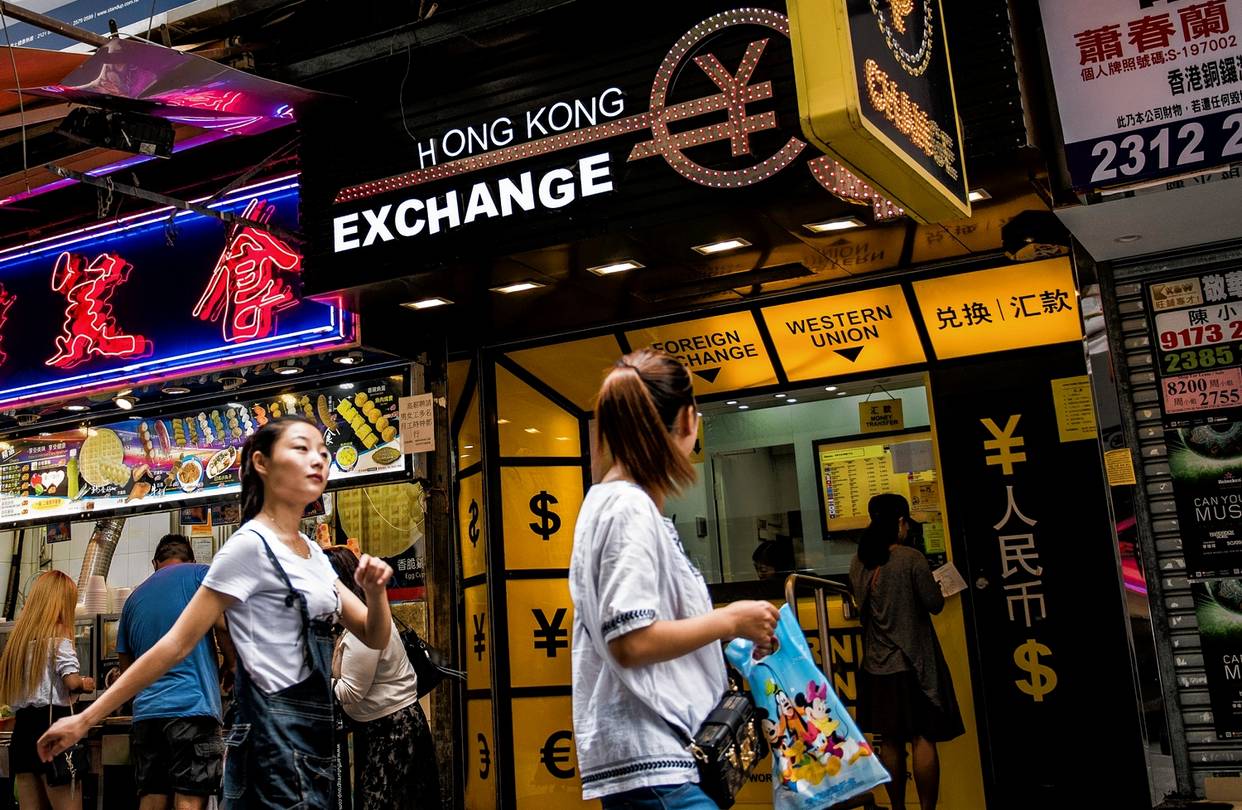
  • Exchange rate turn may aid Hong Kong retailers

    Exchange rate turn may aid Hong Kong retailers

    Hong Kong’s retail sales decline may have bottomed out.

    And a leading factor in the downturn – the value of the Hong Kong dollar – may now bring a much-needed boost for Hong Kong retailers.

    China’s central bank policy this year has been to peg the value of the yuan to the US dollar – the same currency the Hong Kong dollar is pegged to.

    This means that since January, the yuan’s value relative to the Japanese yen has fallen 11.1 per cent, and to the Malaysian ringgit by 6.7 per cent.

    Last year the yuan fell against the Hong Kong dollar, making alternative destinations more attractive for cashed up Mainland Chinese shoppers who chose Japan, Korea or Europe instead, possible due to relaxed visa conditions.

    Now, the value balance is shifting back to Hong Kong, albeit there has been negligible difference in the cross rate between the Hong Kong and mainland currencies. The yuan has fallen just 0.1 per cent against the US currency this year, and risen 0.1 per cent against the Hong Kong dollar.

    “It will help perhaps put a floor in terms of retail sales,” Sandy Mehta, CEOof Hong Kong-based Value Investment Principals said in an interview with Bloomberg. “The currency by itself may not lead to a recovery, but it will surely help things bottom out.”

    Hong Kong retail sales fell 12.5 per cent in the first quarter of 2016, largely due to an ongoing decline in visitor arrivals.

  • Further Slowdown for Hong Kong’s Economy in Q1

    Further Slowdown for Hong Kong’s Economy in Q1

    New figures released by Hong Kong’s government suggest the city’s economy has seen a further slowdown through the first quarter. New stats show Hong Kong’s GDP grew by 0.8-percent year-on-year through the first 3-months. This is a 4-year low in term of quarterly growth.

    Hong Kong’s exports dropped 3.6-percent through Q1. Unemployment in the city has jumped by one-percent to sit at 3.4-percent.

    Hong Kong Financial Secretary Tsang Chun-wah admits the outlook for Hong Kong’s economy this year doesn’t appear promising.

    “The global economy is full of risks in 2016. With such an external environment, Hong Kong’s economy will be facing a downward pressure. As we can tell from the latest data, our exports, tourism industry, retail sectors and many other sectors have all been affected.”

    Housing prices in Hong Kong are down some 12-percent after hitting a peak in September.

    A slowdown in exports, coupled with a slowdown in spending from mainland tourists, has been dragging down Hong Kong’s economic fortunes over the past year.

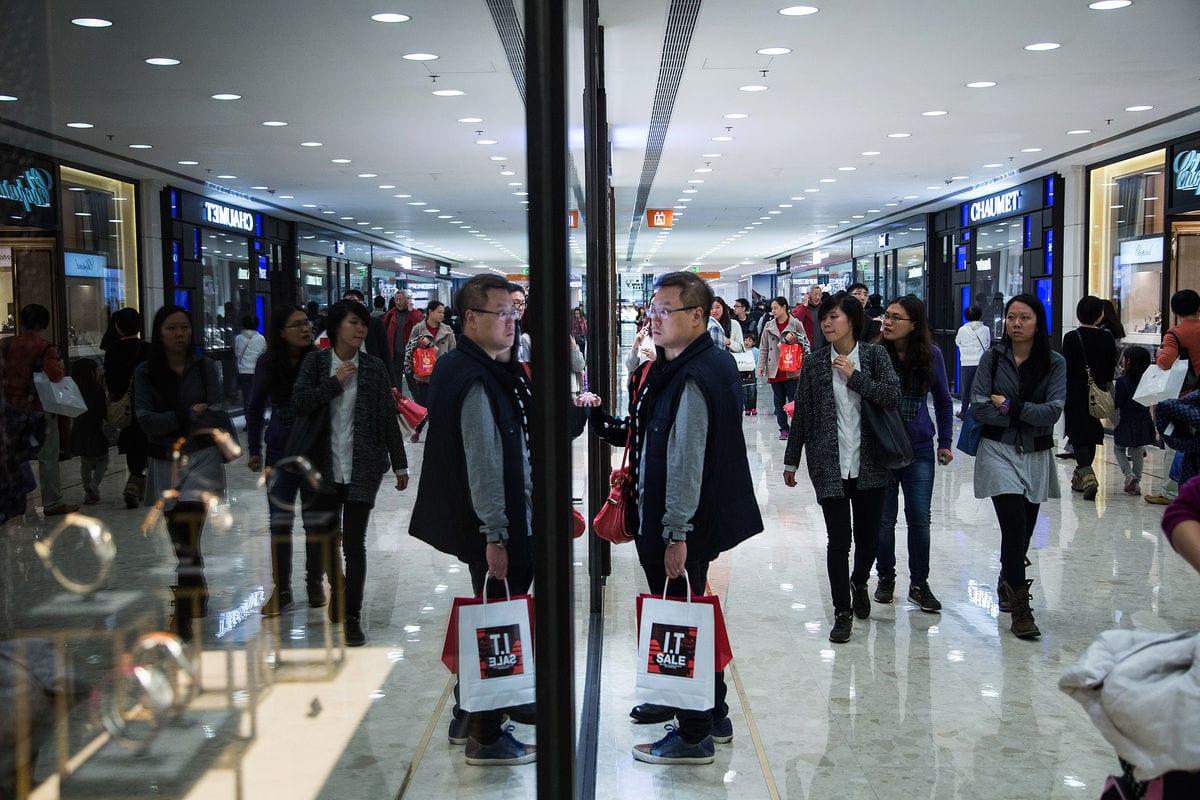
    The city’s retail sector has borne the brunt of the slowdown.

  • HMV closes iconic Hong Kong flagship store in Central

    HMV closes iconic Hong Kong flagship store in Central

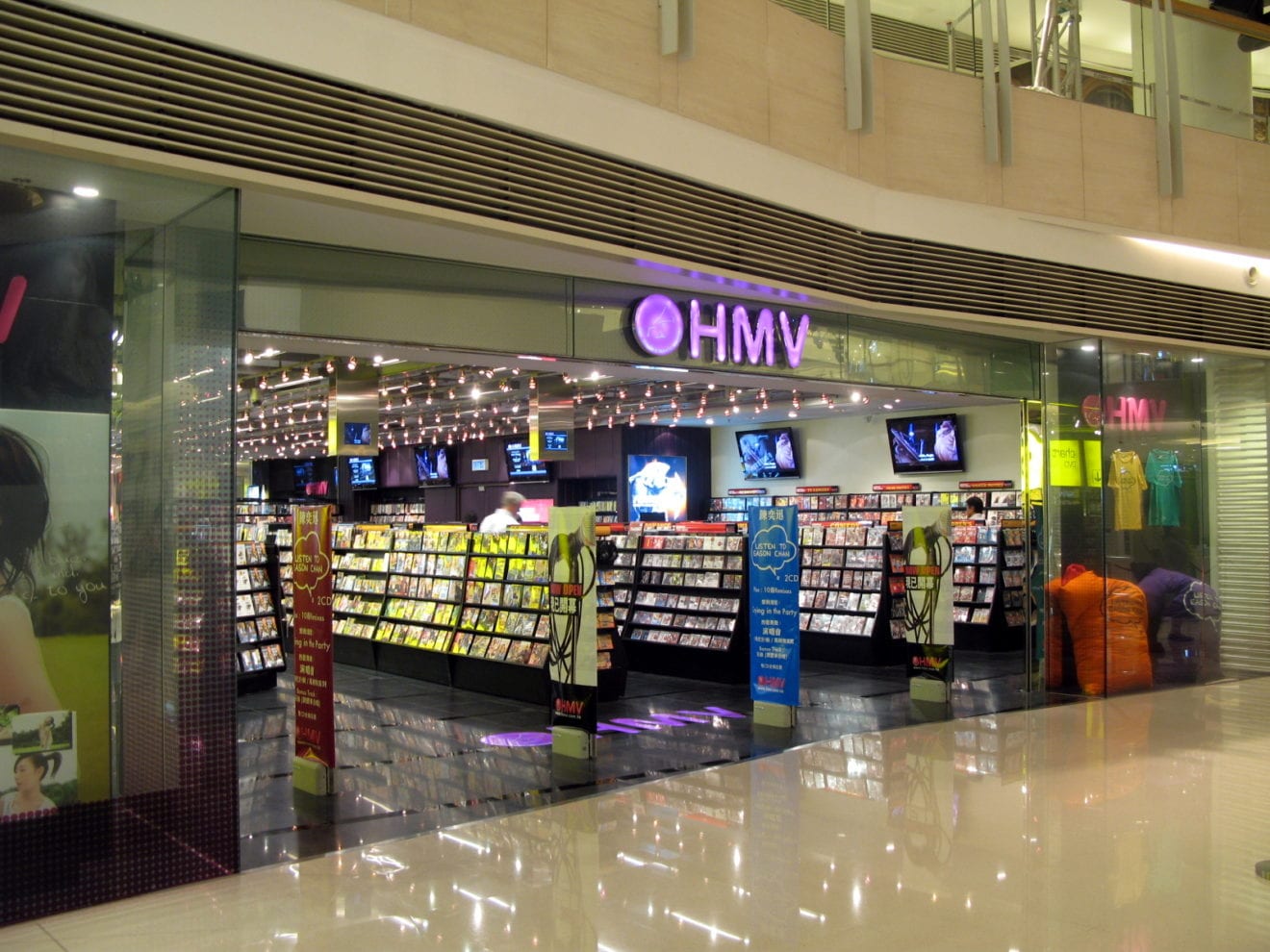
    Hong Kong’s largest music and DVD retailer HMV quietly closed its iconic flagship store in Central last month in a move to lower rental costs, as the city faces its steepest retail downturn since the Asian Financial Crisis.

    The closure will be followed by the opening of a new shop this September, just one block away from the old outlet in Entertainment Building on Queen’s Road Central, which will cost the entertainment retailer roughly HK$250,000 less in rent each month.

    A sign outside the recently-vacated Central store, which was HMV’s second-largest in the city, read:

    “We are closing on 16 April … Exciting new HMV Central opening in September 2016.”

    The new shop, located in the basement of Manning House, Central, will be only about 77 per cent of the size of the former, and will cost slightly more than HK$1 million a month in rent, according to Michael Chik, managing director of agency Sheraton Valuers.

    He said the rent HMV paid for the two-storey store at Entertainment Building was close to HK$100 per square foot, or HK$1.25 million a month. HMV had leased the space on the third and fourth level since 2011.

    “It was a pity,” Gilbert Ho, managing partner at AID, said.

    But he said the decision was not made due to poor sales. In fact, sales at the former Central store had increased by 15 per cent compared to the previous year, Ho said.

    “This doesn’t mean we want the landlord to pocket the money,” he said.

    Ho said it was easier for the company to find a more visible place with a lower rent given the current market situation. “Why not?” he asked.

    A staff member at Onshine Securities, landlord of Entertainment Building, said the company was still seeking a new tenant to replace HMV.

    The new tenant would pay about HK$1.5 million per month for the space, but famous luxury brands, such as Gucci and LV, could enjoy a deeper discount, the staff member added.

    When the British retailer HMV, founded in 1922, went into administration in January 2013, AID Partners brought its operations in Hong Kong and Singapore. The buyout firm sold 81.63 per cent stake at HMV to China 3D Digital for HK$408 million in March this year. AID is the single largest shareholder of the new owner.

    HMV, which currently operates four local outlets, opened its first Hong Kong store in Causeway Bay in 1994. The British brand has had a long bitter battle with the city’s rising rents in the past a few years, closing its Whampoa Garden store and a Causeway Bay store in 2015.

  • DFS and Luxottica seek differentiation with Ray-Ban concept in Hong Kong

    DFS and Luxottica seek differentiation with Ray-Ban concept in Hong Kong

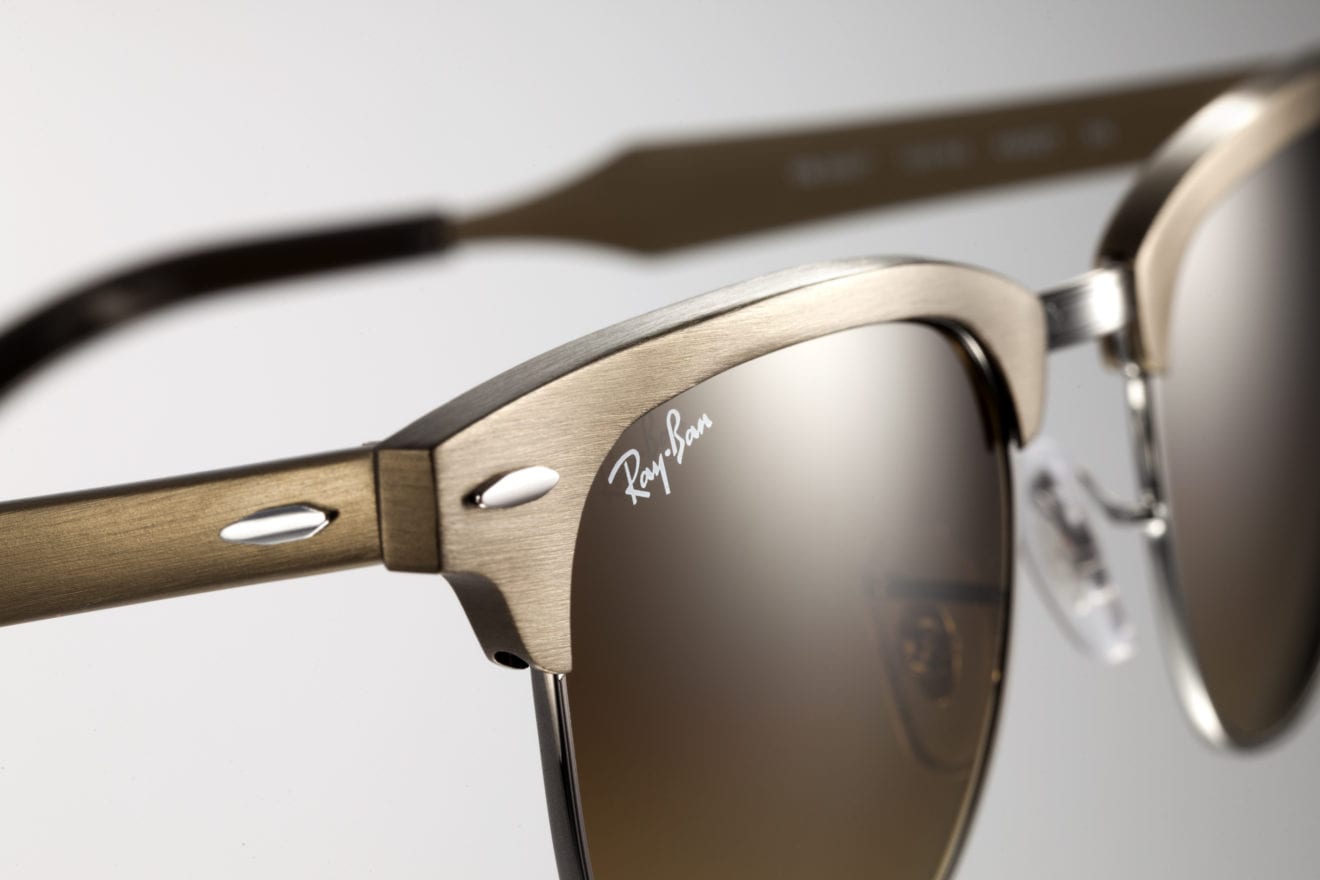
    Luxottica says the opening of its Ray-Ban shop-in-shop at Hong Kong International is part of a strategy to differentiate the sunglasses offer in travel retail.

    The company worked with DFS Group to open the first of its kind shop-in-shop in Asian travel retail at the airport’s Midfield Concourse.

    The 15sq m concept features the largest range of Ray-Ban products at any airport in Asia, the companies said. There are dedicated areas for different segments in the Ray-Ban range, including Icons, Tech and Lifestyle, as well as a section for Ray-Ban Kids.

    Shoppers are also being given the opportunity to experience the benefits of polarised lenses through Ray-Ban’s Polarised Tester technology.

    “Ray-Ban has the brand equity, range and product innovation to sustain a dedicated shop-in-shop,” said Luxottica Head of Global Channels Francis Gros. “At a major global hub airport like Hong Kong, with a large multi-site retail footprint, it’s important to differentiate the sunglasses offer, and our new Ray-Ban shop-in-shop is part of this strategy.

    “DFS constantly strives to offer shoppers something exceptional and new and they have been very supportive of our vision to make travel retail the expert channel for sunglasses.”

    DFS Group Director Merchandising for Sunglasses, Fashion Jewelry, and Watches Jason Blejwas commented: “Sunglasses continues to be a strong category for DFS and we are committed to bringing our customers the products they love in an engaging and enticing environment.”

  • Starbucks stores in Taiwan and Hong Kong use a mix of historic and new design elements to …

    Starbucks stores in Taiwan and Hong Kong use a mix of historic and new design elements to …

  • Hong Kong mars Estee Lauder Asia result

    Hong Kong mars Estee Lauder Asia result

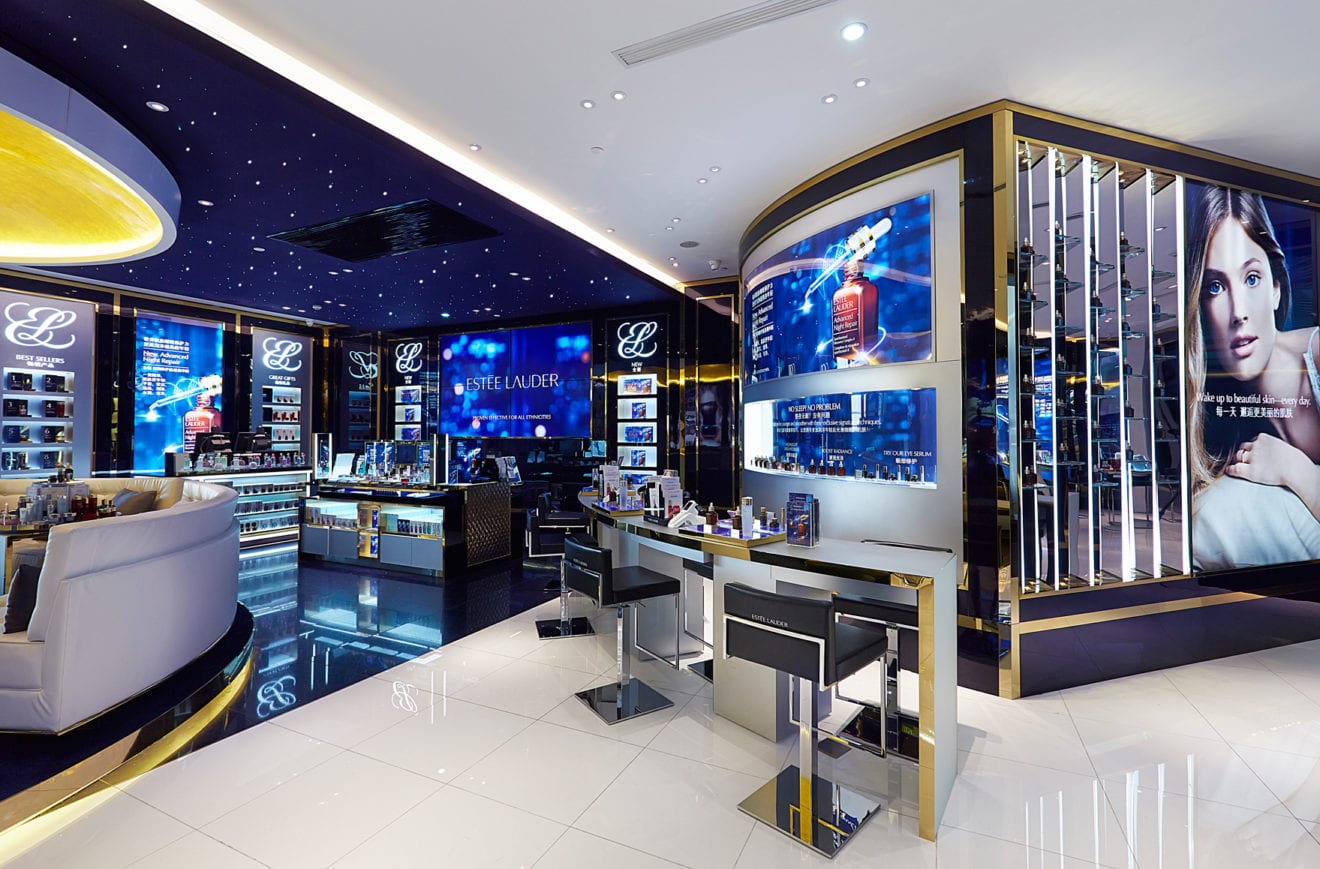
    Beauty giant Estee Lauder says its Asian sales rose in every country except Hong Kong in the last quarter.

    Estee Lauder Asia achieved double-digit growth in Korea, Japan, Australia and Taiwan and achieved “solid” constant currency sales gains in China and Thailand.

    “The higher sales in China reflected sales gains in most brands due to continued distribution expansion and increased online activity,” the company said in an earnings statement.

    “In Hong Kong, the reduction in tourism from China continues to negatively impact business, particularly for the Estee Lauder, Clinique and La Mer brands. The company remains cautious of the near-term slower growth there.”

    Foreign currency translation unfavorably impacted reported sales by 5 per cent with the largest impact affecting China, Korea and Australia.

    In Asia-Pacific, operating income decreased, with lower results reported primarily in Hong Kong and China.

    “The lower results in Hong Kong were primarily due to the lower sales, and in China were attributable to increased marketing, selling and store operations costs. These lower results were partially offset by higher operating income in Japan and Singapore,” the company said.

    In its outlook for the full 2016 year, now nine months complete, Estee Lauder said it expects the global prestige beauty market  to continue to generate solid growth.

    “However, volatility and economic challenges are expected to continue to negatively impact Hong Kong and some emerging markets challenged by weak currencies. The company’s growth has outpaced global prestige beauty and is expected to continue growing faster than the industry, demonstrating the company’s ability to successfully navigate volatility. The company expects to increase targeted investment spending in the fiscal 2016 fourth quarter compared with the prior year, behind areas with good momentum or with opportunities for share gains, as well as in capabilities to sustain future growth.”

    Globally, net sales for the company’s third quarter to March 31 totalled US$2.66 billion, a 3 per cent increase compared over the $2.58 billion in the prior-year quarter. Net earnings were $265.6 million, down on the $272.1 million of last year.

    Meanwhile, Estee Lauder has revealed plans to save between $200 million and $300 million a year through a series of job cuts, retraining and restructuring initiatives.

  • New finger ‘food’ from KFC Hong Kong

    New finger ‘food’ from KFC Hong Kong

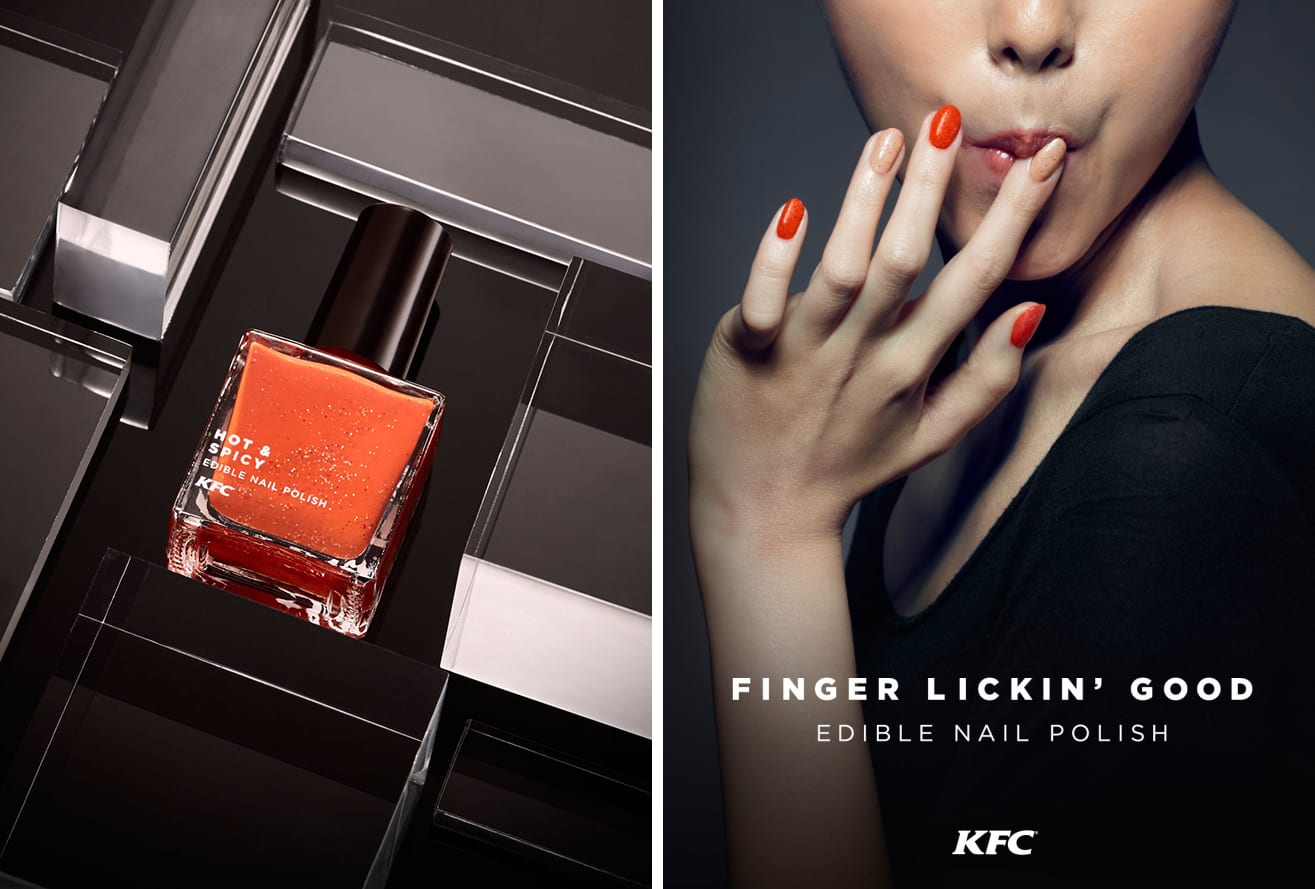
    Advertising agency Ogilvy & Mather (Ogilvy) has pushed the boundaries of creativity by launching two edible nail polishes for KFC Hong Kong, bringing the fast-food giant’s tagline “Finger Lickin’ Good” to life.

    Working with food technologists at flavour giant McCormick, which makes KFC’s 11 secret herbs and spices mix, Ogilvy used natural ingredients for the edible nail-polish flavours, basing them on the brand’s popular recipes, Original and Hot & Spicy.

    6f140136666203.572492e5d5713-1074x787

    Packaged in a designer bottle and box, the product has been teased on social-media platforms, including Facebook and YouTube, for the past two weeks ahead of an exclusive launch and tasting.

    An online music video has also been released, asking Hong Kongers to choose which flavour to go into mass production.

    KFC Finger licking good nail polish 2

    Ogilvy creative director John Koay says the recipe for the nail polish was designed to hold the flavour yet also dry with a glossy coat similar to normal nail polish.

  • Hong Kong retail sales ‘worst in history’

    Hong Kong retail sales ‘worst in history’

    A MasterCard spending survey released ahead of the official government data this afternoon shows March Hong Kong retail sales declined at the worst rate in the history of the survey.

    “Overall retail sales in Hong Kong contracted by 18.5 per cent year-on-year, reflecting the deepest decline since 2014,” according to the latest MasterCard SpendingPulse Hong Kong Report.

    Clothing and jewellery sales in March dropped by more than total retail sales, while only grocery outperformed overall retail sales. The March results brought the year-on-year Q1 retail sales decline to 11.7 per cent from the same period in 2015.

    Sarah Quinlan, senior VP of market insights for MasterCard Advisors, said the sharp decline was a result of the contraction in spending from Mainland Chinese tourists and in discretionary spending by domestic Hong Kong consumers.

    “The early Easter holiday did nothing to stimulate spending as consumer confidence remains subdued.

    “Overall our outlook for Hong Kong retail sales remains weak as the slowdown in spending from Mainland China continues to negatively impact the Hong Kong retail economy,” said Quinlan.

    Analysing local retail performance and spending, the macroeconomic report uses aggregated and anonymous transaction data, along with all other payment forms including cash, to offer insight into consumer spending trends, providing an early overview of market indices to help retailers, investors, card issuers, banks and government agencies in their decision-making processes.

    Launched by MasterCard Advisors, a unit of MasterCard, the SpendingPulse report is available to subscribers the third week of every month and shares quality insights on consumer spending. The monthly report also includes an overall retail sales and price index, so that subscribers can understand whether spending growth is truly being driven by increased shopping or by inflation or increased promotions.

    SpendingPulse is currently available to subscribers in Australia, Brazil, Canada, Hong Kong, Japan, the UK and the US, and is delivered ahead of retail spending figures provided by other sources. It is one of the most quoted reports on macroeconomic trends in the US and is often used as a source of reference by major international news outlets.

    In preparing the report, MasterCard analyses the transactions processed by the MasterCard Hong Kong payments network and uses statistical models which take into account the trends of other payment methods (cash) to produce accurate and efficient reports.