Tag: Hong Kong

  • Chinese shoppers deterred by rising Japanese yen

    Chinese shoppers deterred by rising Japanese yen

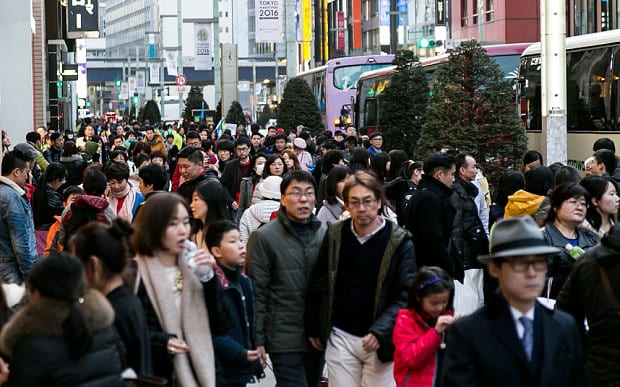
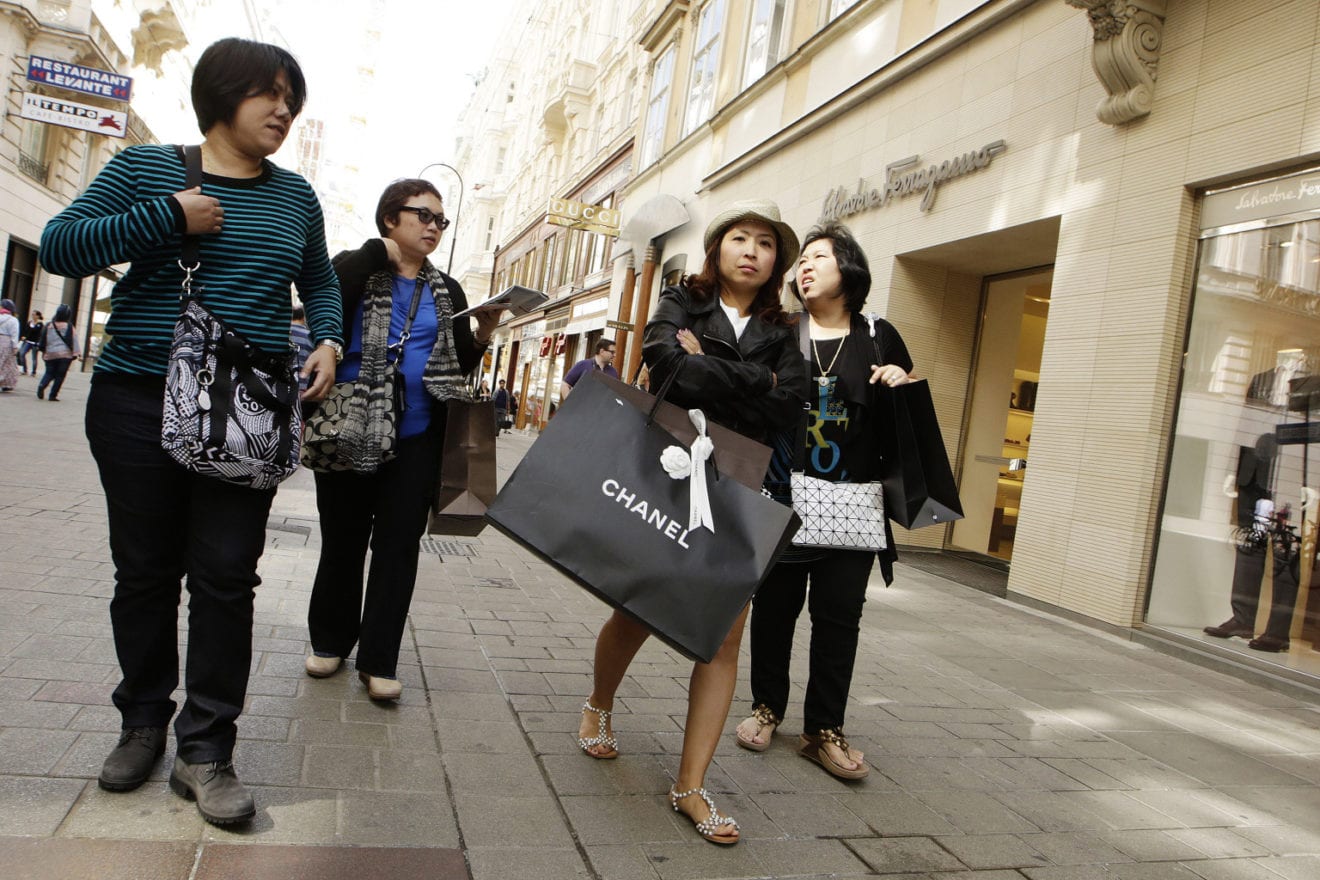
    Japan is starting to lose its edge as a shopping holiday destination for Mainland Chinese.

    Mainland Chinese shoppers are likely to become increasingly discouraged by the rising value of the Japanese yen against the yuan, according to analysis by Nikkei and Nomura International.

    While the Chinese accounted for just 1 per cent of Japan’s total retail spending in 2015, the share was rising and the total Japanese retail market is huge, given the wealth of its population. By comparison, Mainland Chinese account for close to 50 per cent of retail sales in Hong Kong and 30 per cent in Macau, according to Nomura. (Those figures exclude categories like cars and fuel).

    Hong Kong luxury retail sales are down by as much as 25 per cent due to the absence of wealthy mainlanders who have chosen to visit Japan, Korea, Europe and even the US thanks to more favourable exchange rates last year. Last year 4.99 million mainlanders visited Japan, attracted by the value of the yen and relaxing of visa restrictions. The average spend per visitor rose 20 per cent.

    However the advantage Japan held is slipping as the yuan weakens against the yen. In January, 1 yuan bought 18 yen, at its peak last May it bought 20. Today it buys just 16.

    Chinese tourist spending in Japan fell 10 per cent in the first quarter, accounting now for just 0.8 per cent of the total market, according to data from Japan’s Ministry of Economy, Trade and Industry. Their spend has fallen two months in a row.

  • Chengdu project takes top award

    Chengdu project takes top award

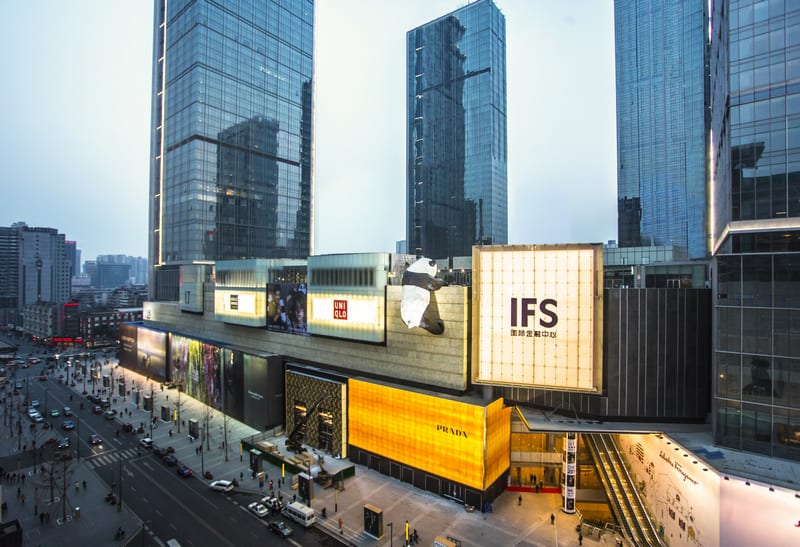
    Integrated development Chengdu IFS has won the overall 2016 VIVA (Vision, Innovation, Value, Achievement) Best-of-the-Best Design and Development Award, presented in Las Vegas by the International Council of Shopping Centers (ICSC).

    Honouring shopping centre design, the VIVA Awards bring together the gold winners from regional competitions to compete for the international title. Chengdu IFS previously won the Gold Award for New Design and Development at the ICSC Asia Pacific Awards last year.

    Benoy - ICSC VIVA Award 2016

    Wharf China Estates GM (operations) Christina Hau accepted the award along with architectural/graphics consultancy Benoy director Ferdinand Cheung, who led the design for Chengdu IFS. It was the third global win for Benoy at the awards, following Hysan Place, Hong Kong in 2014 and Parc 66, Jinan in 2013.

    Benoy - Chengdu IFS (2)

    Chengdu IFS was conceived as a “city within a city”, the 760,000 sqm development being a one-stop destination uniting retail, dining, business, leisure, entertainment, culture and art. Its 210,000 sqm flagship retail podium is flanked by two Grade-A office towers, a five-star hotel and high-end residential properties in the centre of the city.

  • Hong Kong retail sales still sliding

    Hong Kong retail sales still sliding

    Hong Kong retail sales continued to shrink last month with a 5.7 per cent year-on-year decline in sales, according to the MasterCard SpendingPulse Hong Kong Report.

    The MasterCard data precedes the official government retail sales statistics which are due out tomorrow (May 31).

    While the Labour Day Golden Week did boost spending, it was not enough to reverse the fortunes of Hong Kong, which has been hit by the lack of Chinese tourists and subdued local sentiment.

    Clothing and jewellery sales continued to drop, while health and beauty as well as furniture sales had a soft recovery. The grocery sector continued to be positive, as it has been for three months, yet its growth rates cooled off significantly.

    “Continuous slowdown in spending from mainland China, along with stubborn deflation, has led to the unrelenting depressed state of Hong Kong retail since the middle of 2014,” says MasterCard Advisors senior VP for market insights, Sarah Quinlan.

    “Deflation has continued as retailers offer discounts in order to stimulate sales. We expect this contraction to continue as the macroeconomic factors that would increase consumer confidence and spur domestic spending have not yet turned positive.”

    Analyzing local retail performance and spending, the macroeconomic report uses aggregated and anonymous transaction data, along with all other payment forms including cash, to offer insight into consumer spending trends.

  • Strong yen could send Chinese spending back to Hong Kong

    Strong yen could send Chinese spending back to Hong Kong

    Chinese tourists’ consumption in Japan has begun to wither in the face of a strengthening yen, setting up Hong Kong to recapture spending that has moved elsewhere in recent years.

    Affordability is key

    A country appeals more to foreign travelers as its currency weakens, making shopping and food more affordable than in other destinations. This is doubly true for Chinese travelers, who tend to spend heavily while abroad.

    Such was the case for Japan from mid-2014 onward. The yen moved from the level of 16 to the yuan back then to between 19 and 20 in less than a year. Chinese tourism there more than doubled from the previous year to 4.99 million visitors in 2015, with per-visitor spending growing 20%.

    Hong Kong was on the other side of the shift. Mainland visitors dropped 3% in 2015, while retail sales fell 3.7% in a second straight year of decline. Emperor Watch & Jewellery, a seller of luxury watches from such brands as Audemars Piguet and IWC Schaffhausen, reported a 25% drop in sales for the year ended Dec. 31. It blamed a “strong local currency” and an unfavorable tourism environment.

    Chinese buyers’ spending in 2015 accounted only for around 1% of Japan’s retail market excluding such goods as automobiles and gasoline, Nomura International has calculated. That share was 50% in Hong Kong and 30% in Macau, exposing retailers dependent on mainland consumption to heavy damage as spending slipped away.

    Trouble returns

    Yet the landscape is shifting once again as the yuan weakens against the yen. 1 yuan now fetches around 16 yen, compared with 18 yen at the start of the year. Chinese tourists’ spending in Japan came in 10% below the year-earlier level for the January-March quarter. The total value of retail sales shrank 0.8% for April, Japan’s Ministry of Economy, Trade and Industry said Monday — a second straight month of year-on-year drops.

    Retail sales in Hong Kong fell 9.8% for March, indicating improvement following February’s 20.6% tumble. Visitors from mainland China were still 6.9% below the year-earlier level. But overnight visitors declined only 0.8%, compared with a 20%-plus fall in February. Tourism from the mainland over the holidays surrounding Labor Day on May 1 swelled more than expected. While challenges continue, headwinds are gradually weakening.

    Shifts in the Hong Kong dollar compared to the yen bolster this view. According to the Nikkei Currency Index, the Hong Kong dollar became stronger than the yen overall in September 2014, just as Chinese visitors’ so-called explosive buying of goods was taking off in Japan. The yen then continued to weaken while the Hong Kong dollar appreciated.

    But the yen’s value hit bottom in May 2015, with the Japanese currency’s overall strength overtaking the Hong Kong dollar’s in April. The yuan, meanwhile, strengthened through the summer of 2015, only to weaken around 5% to its current level, the index shows.

    Close to home

    Changes in a locale’s exchange rate alter the affordability of goods there. An HSBC index tracking prices of 38 luxury items in various places compared with their home markets of France and Italy demonstrates this for top-of-the-line goods.

    The Japanese market overall rated 121 on the index in February, with home-market prices serving as the baseline of 100. By mid-May, the figure had risen to 127. Hong Kong, meanwhile, has fallen from 119 to 116 over the past three months. The mainland-market figure has dipped slightly as well, from 137 in February to 135.

    Chinese tourists will now feel less benefit from buying luxury brands in Japan as opposed to elsewhere. So while the Hong Kong figure has changed little in absolute terms, shopping here as compared with Japan has taken on fresh appeal, HSBC said. Some goods can even be found more cheaply here than in their home markets.

    Bain & Co. sees Japan’s luxury goods market growing 5% in 2016 — the most among major countries. But a strengthening yen and shrinking Chinese tourism hint at a coming deceleration, according to the U.S. consulting firm.

    Some 120 million Chinese headed abroad in 2015, plunking down more than $200 billion at their destinations. More detailed patterns of consumption will inevitably shift as the focus of spending turns from goods to services. But exchange rates will remain a key factor in these travelers’ buying power worldwide.

  • Blancpain Osaka shop-in-shop opens

    Blancpain Osaka shop-in-shop opens

    As well as opening a Blancpain Osaka shop-in-shop, the Swiss watchmaker has a new flagship boutique on one of Hong Kong’s busiest streets.

    Blancpain-Hong-Kong

    Blancpain’s new Japanese concession is inside the Hankyu Department Store Umeda Main Store, on its seventh-floor luxury-watch outlet area, which has just been remodelled. Crafted by a Swiss cabinetmaker, the interior design of the Blancpain outlet features woodwork and mouldings along with streamlined furniture and displays.


    Blancpain Japan 1

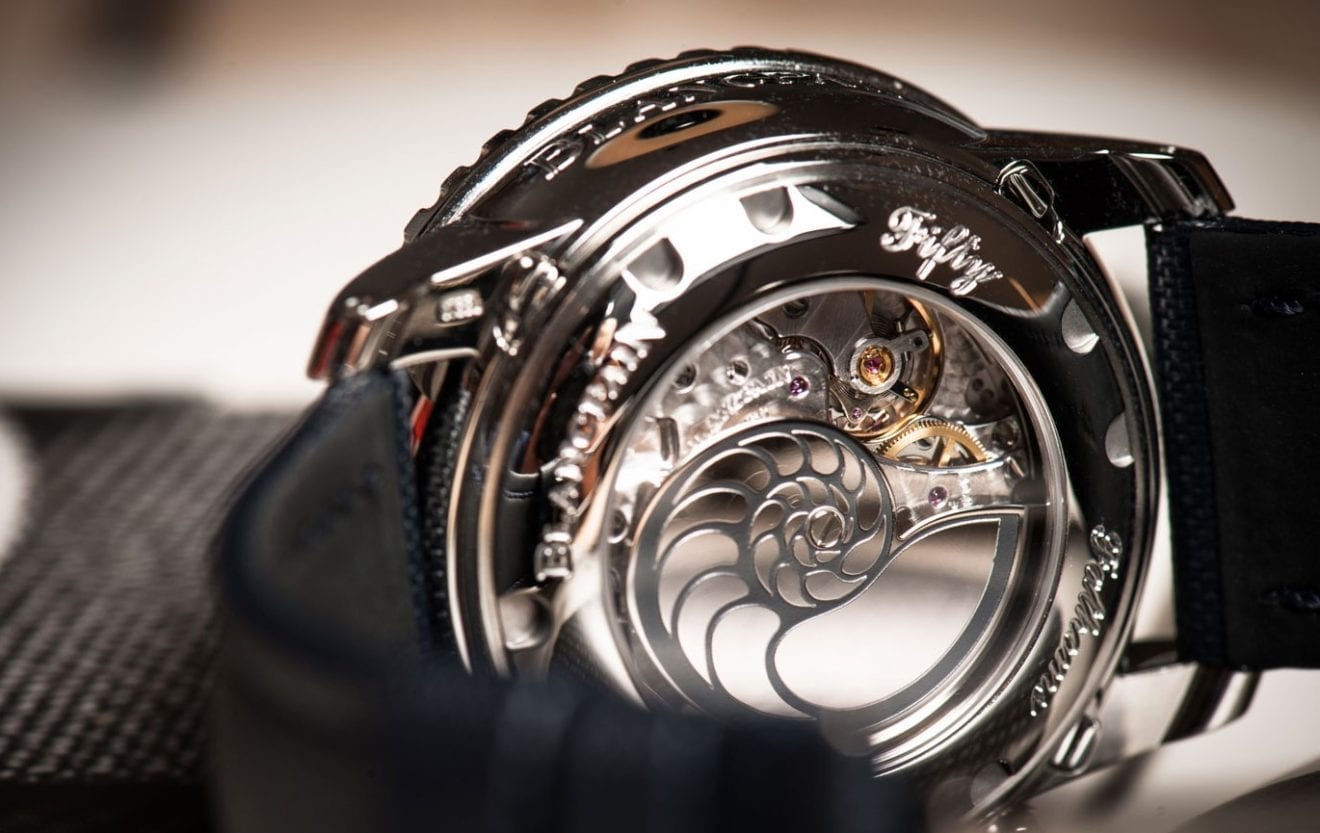
    Visitors can see such Blancpain masterpieces as the Carrousel Volant Une Minute, the Fifty Fathoms Bathyscaphe and the Ladybird.
    Blancpain Japan 2

    Founded in 1735, Blancpain develops its components and tools in house, with a single watchmaker manually assembling each movement.

  • HKIA issues T1 luxury boutique tender

    HKIA issues T1 luxury boutique tender

    HKIA T1Hong Kong International Airport (HKIA) has issued an invitation to tender for a luxury brand boutique concession.

    The proposition is for a global luxury brand retailer to operate a 170sqm unit, located airside in the T1 East Hall, Level 6.

    In the first two months of 2016, HKIA handled 11.6 million passengers and 67,820 flight movements, up 9% and 5% from the previous year respectively.

    On a rolling 12-month basis, HKIA has handled 69.5 million passengers and 409,255 flight movements, marking year-on-year increases of 8.4% and 3.8%, respectively.

    In February Airport Authority Hong Kong (AA) opened nine new retail shops and a café in the recently-inaugurated Midfield Concourse at HKIA. Additionally, eight retail and three catering outlets are soon to be opened at the 105,000sqm concourse, including a new multi-category store concept from DFS.

    HKIA said this new tender “presents a unique business opportunity for global luxury brand retailers to operate luxury brand boutique in this prestigious aviation hub in Asia”.

    The tender closing date is 28 July 2016 at 2.30 pm (Hong Kong Time).

  • eCommerce slows down international retail expansion

    eCommerce slows down international retail expansion

    Retailers are still looking for growth across borders, with Asia a particular interest to many. Nevertheless, high eCommerce investments have slowed down the international expansion, according to real estate consultant CBRE‘s “How Global is the Business of Retail?”‘s report.

    Hong Kong most appealing

    The annual study, in its 9th edition, analyzes 334 international retailers’ activities in 61 countries. In their quest for expansion, retailers target “established” shopping cities, according to the study. In at least 90 % of the cities, at least 1 new retailer appeared in 2015 (compared to 85 % of cities in 2014). 30 % of all markets in the study welcomed at least 10 new retailers.

    The top 20 of most popular cities for new retailers did feature some new cities: Asia is still the most important region in the top 10, with four of the five most attractive markets. Hong Kong was the most appealing market in 2015, with 73 new retail brands. Singapore is second with 63 newcomers, followed by Tokyo (57), Taipei (47), Moscow (40), London (39), Dubai (38), Beijing (37), Bucharest (35) and Doha (29).

    London is still the most international shopping city in the world, followed by Dubai, Shanghai, Hong Kong, Paris and Tokyo.

    Safeguard the right mixture

    CBRE expects international retailers’ attention to shift to growing cities in Africa and Latin America, especially if the economic situation in the East changes. Established markets like Germany, the United Kingdom, France, the United States and China seems to get priority over others, with retailers choosing a certainty over a gamble.

    International expansion is also slowing down slightly, a trend CBRE attributes to the fact many retailers have invested more in eCommerce platforms and multichannel environments. Retailers are looking at their store portfolio more diligently and are safeguarding the right mixture of locations. They will consider new formulas, like airport stores or stores in train stations.

    Shopping centers are also key for retailers looking to enter new markets. These will have to reposition themselves, in order to shift their focus to food, leisure or lifestyle.

  • Lalamove Attracts Thai Investor Confidence

    Lalamove Attracts Thai Investor Confidence

    Hong Kong based on-demand delivery app Lalamove has successfully secured USD 10 million with the help of a new Thai investor, along with the company’s existing investors.

    Thai financial and investment services company, Asia Plus Group Holdings has invested in Lalamove to drive the app delivery company to profitability and to complete Lalamove’s third-round funding within the last 18 months.  The latest cash injection brings Lalamove’s total funding up to USD 30 million.

    The latest round of funding, attracting Thai investor Asia Plus Group Holdings, was led by existing investor MindWorks with participation from other existing investors including China’s Crystal Stream, Taiwan’s AppWorks and Hong Kong’s Aria Group.

    Following Lalamove’ s recent partnership with LINE to launch LINE Man app, the funding success reveals the speed at which Lalamove is growing, as CEO Shing Chow expressed.

    We began as a small start-up in Hong Kong working out of my apartment and have grown to 21 cities across Asia in the last two years.   When we began, we targeted lots of small businesses, but since then we have developed enterprise solutions to allow companies like Google, IKEA, and now LINE to make their delivery much faster and simpler”, said Chow. 

    Chow continued, “There is so much potential in making delivery more efficient as mobile internet is changing the way mobile assets are utilized.  This funding will be used to accelerate our leadership position and expansion efforts throughout China and other SEA countries.  It’s really a vote of confidence from our existing investors in our model and team.  It is our goal to be profitable this year, and it’s quite rare that you see a startup growing at our speed achieving that in less than three years. We are on track to deliver that.

    The investment of Asia PlusGroup Holdings is the first time the Thai company has invested in a tech company, demonstrating the company’s belief in Lalamove. 

    Asia Plus Group Holdings’ CEO Dr. Kongkiat Opaswongkarn is positive about the investment. “The fact that we are investing in an app company for the first time really demonstrates how much we believe in the success of Lalamove and the e-logistics market in Thailand and within Southeast Asia. We have followed the expansion, strategy and successes of Lalamove and we like what we see and the great potential for profitability. We are excited to be helping to make that happen and to be part of that success story.”

    Santit Jirawongkraisorn, Co-founder and Managing Director of Lalamove Thailand states that the investment from Asia Plus Group Holdings reveals great confidence in Lalamove. “We are involved in a fast-moving company in an expanding market with huge potential. The recent funding reveals investor confidence in our business plans, including Thai investor confidence. The app, logistics and mobile markets in the region are booming and Lalamove is at the forefront of that drive. Investors like Asia Plus Group Holdings are helping us steer where we want to go in the future, which is ultimately towards profitability.”

    With the largest footprint across Asia, Lalamove is well positioned to capitalize on the growing trend of businesses looking to out-source their delivery needs.  Additionally, with more and more consumers looking to have their items delivered faster, Lalamove’ s average delivery time of 46 minutes is changing the landscape of intra-city delivery in Asia.

    Lalamove can be downloaded for free from Google Play store and Apple Store.

  • Burberry prices ‘too expensive’ in China

    Burberry prices ‘too expensive’ in China

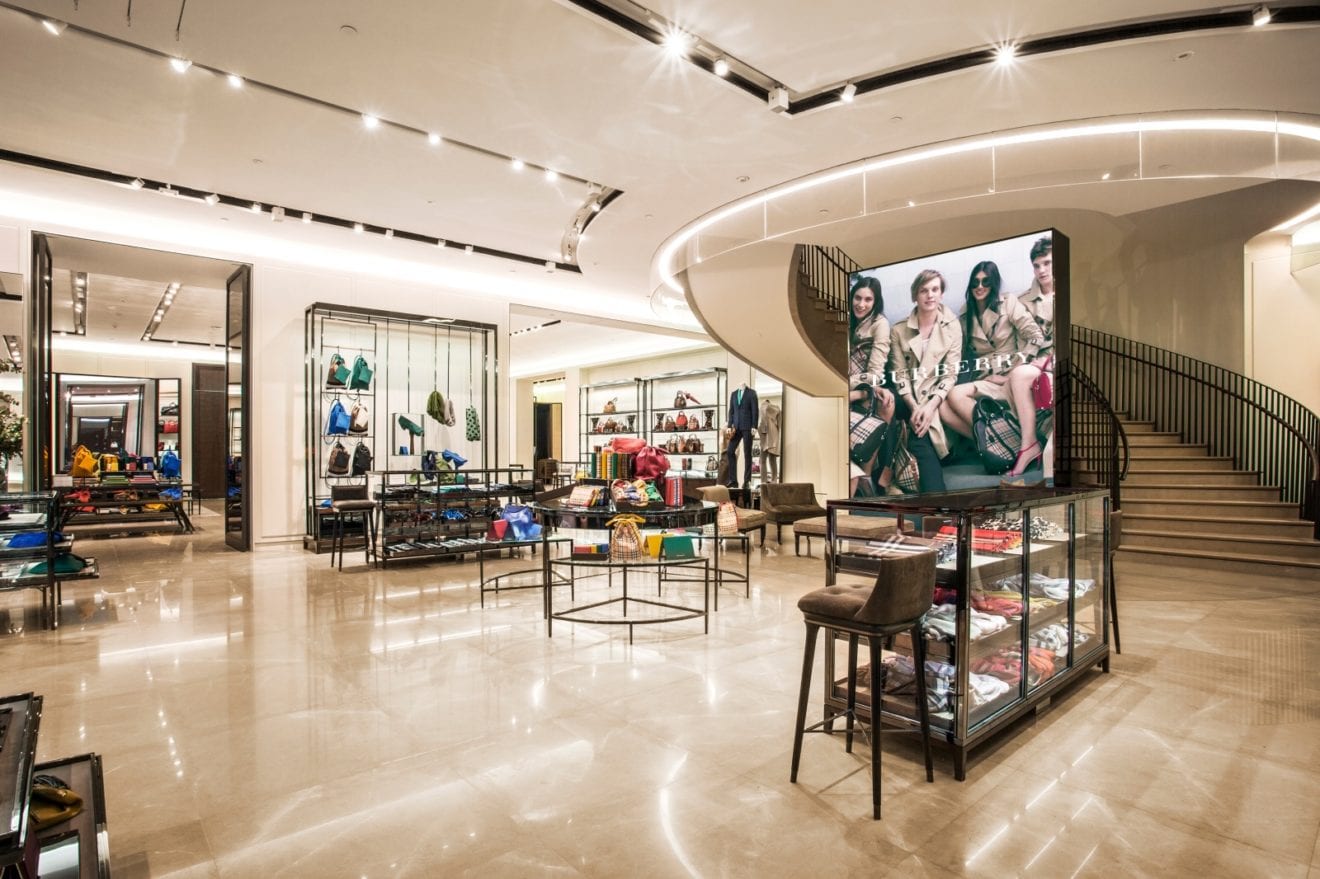
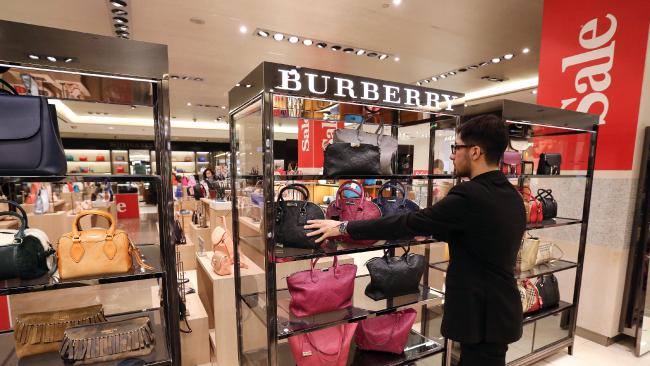
    Burberry prices are too high in China and Hong Kong and the brand must make cuts if it wants to arrest falling sales in the region says a retail analyst.

    Last week the UK-headquartered luxury fashion label reported its second consecutive drop in earnings, this time by some 10 per cent. Sales in Hong Kong have fallen more than 20 per cent for three consecutive quarters.

    Jack Chuang, a partner with Hong Kong-headquartered OC&C Strategy Consultants, says while the company is planning to cut overheads by £100 million over the next two years, the solution is a lot simpler.

    “Saving cost might help with Burberry’s short-term financial performance, but we don’t think it will help solve the fundamental problems it has in Asian market.

    “Among all the luxury brands, Burberry is almost the one with most significant price gap between Asian and European markets. Prices in Mainland China are almost 40 per cent higher than in UK, while in Hong Kong, it is 20 per cent higher.”

    Chuang says while a lot of luxury brands have started to think about price equalisation – citing Chanel, Cartier and Dior as examples from last year and, more recently, Valentino – Burberry raised its prices in China again in May by 5 to 10 per cent.

    “If it continues this type of strategy, more and more domestic demand will shift to the overseas market through travelling or cross-border eCommerce and no matter how they save cost (whether limited to Hong Kong or globally), they are going to have problems in Asia.”

  • Richemont Asia stores set for cull

    Richemont Asia stores set for cull

    Feeling the pinch from a tough trading environment, luxury goods retailer Richemont has announced restructuring measures, including the closure of stores.

    Richemont Asia sales have declined despite a 26 per cent increase in sales in Mainland China.

    Global sales fell 18 per cent in April, and the company reported a 23 per cent drop in full-year profit.

    Richemont says it is cutting costs in its watch sector and plans to consolidate its global retail presence, particularly in Mainland China, while investing further in jewellery.

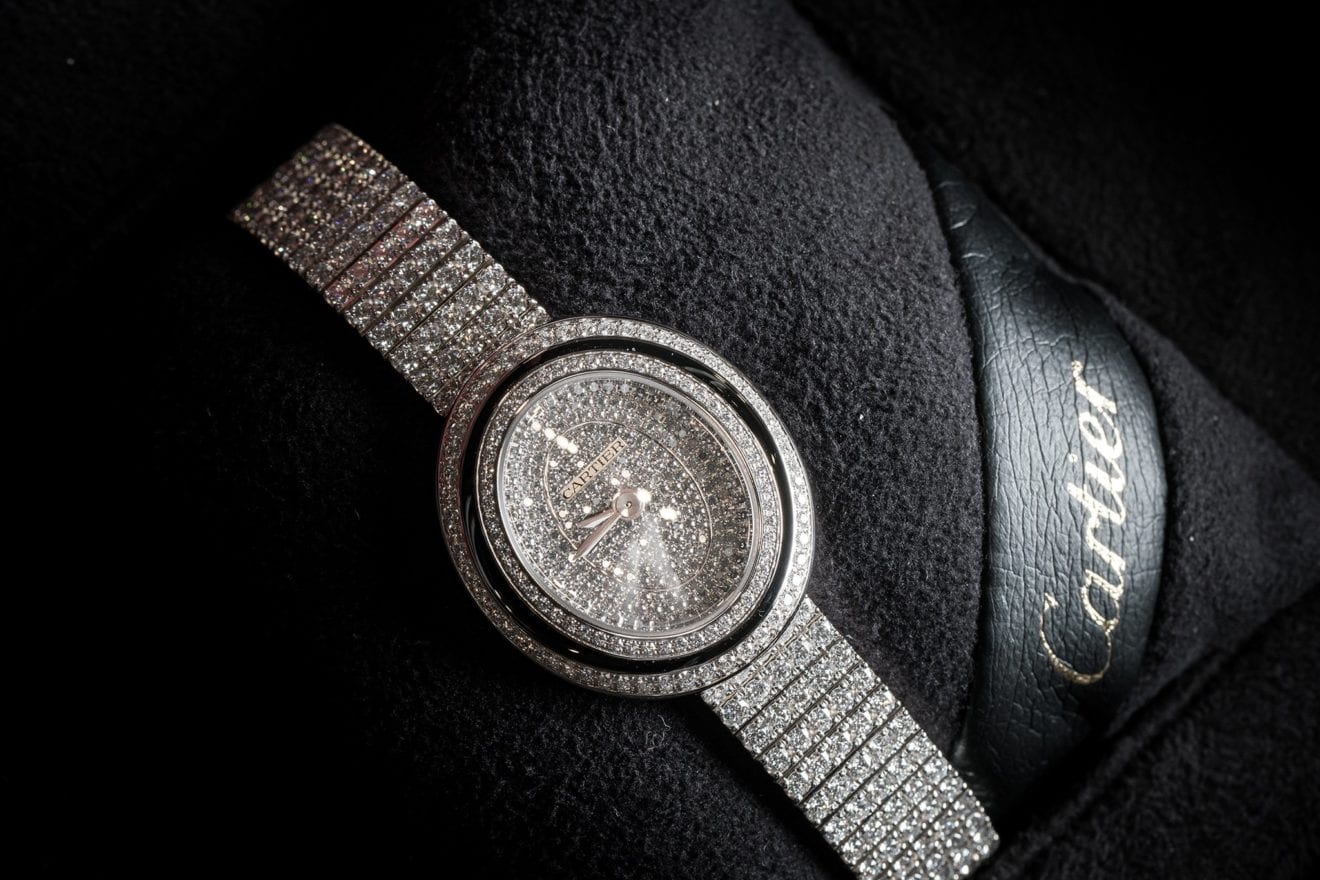
    Richemont owns brands including Baume & Mercier, Cartier, Chloe, Dunhill, IWC Schaffhausen, Jaeger-LeCoultre, Lancel, Montblanc, Piaget, Roger Dubuis, Shanghai Tang, Vacheron Constantin and Van Cleef & Arpels.

    “In the near term, we are doubtful that any meaningful improvement in the trading environment is to be expected,” said chairman Johann Rupert, revealing plans for Richemont store closures across its brands.

    Richemont’s operating profit in the year ended March was $2.06 billion, down from $2.67 billion because of the cost of restructuring measures initiated to counter the Asia Pacific downturn. Full-year revenue edged up 6 per cent to $11.08 billion, helped by favourable exchange rates.

    “Our concerns over geopolitical risks and the impact on the behaviour of our clients proved justified,” said the company.

    “Trading conditions in Hong Kong and Macau remained difficult. Only mainland China showed good growth.”

    Richemont’s final quarter was hit by slower tourist spending in Europe after terrorist attacks, while its Hong Kong business continued to bear the brunt of a strong currency which, combined with a slowdown in Chinese growth, deterred mainland tourists.

  • New Toys’R’Us Asia-Pacific president named

    New Toys’R’Us Asia-Pacific president named

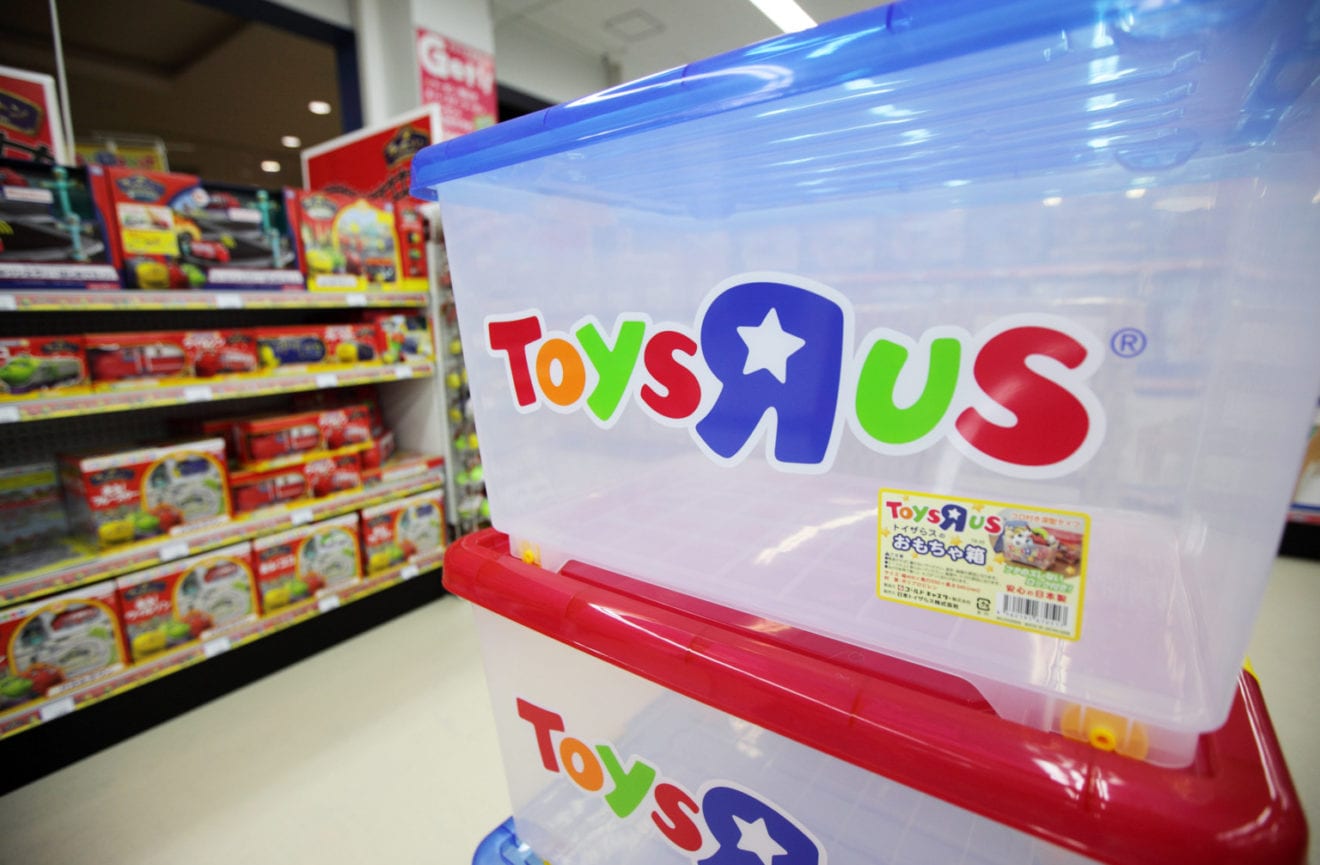
    The new Toys’R’Us Asia-Pacific president is Andre Javes.

    Taking up the role on May 27, Javes will oversee all operations and business activities for the company’s growing number of stores in Japan, Southeast Asia, Greater China and Australia, and he will be responsible for the profitability and success of the company in these markets. He will report directly to chairman and CEO Dave Brandon.

    A seasoned retail executive with more than 30 years of merchandising and management experience, Javes most recently served as MD of Toys’R’Us, Southeast Asia and Greater China, where he oversaw all operations and business activities for the company’s more than 170 wholly-owned stores and some 2500 employees in Brunei, China, Hong Kong, Malaysia, Singapore, Taiwan and Thailand.

    “Since joining Toys’R’Us, Andre has made significant contributions to the continued growth and success of our business throughout Asia and Australia,” said Brandon. “With his extensive retail background, drive for results, commitment to building and leading high-performing teams and proven track record, we expect to further grow and strengthen our brands’ position in the global marketplace.”

    Javes first joined the company in Australia in 2008 as GM merchandising with responsibility for toy and baby products. After a brief hiatus, he returned to the company in April 2013 as MD, overseeing all operations and business activities for the company’s more than 30 stores, eCommerce site, corporate office and more than 1700 employees.

    Prior to joining Toys’R’Us, Javes served as CEO at Anaconda Group from 2009 to 2012, a retail chain of camping, outdoor and adventure gear stores across Australia. Earlier in his career, he spent three years at Kmart as divisional merchandising manager first for seasonal and consumable items and later for the company’s toy and outdoor product categories throughout Australia and New Zealand. He also served as group merchandise manager, grocery at Coles Supermarkets Australia.

  • Central Watson plans 250+ new stores

    Central Watson plans 250+ new stores

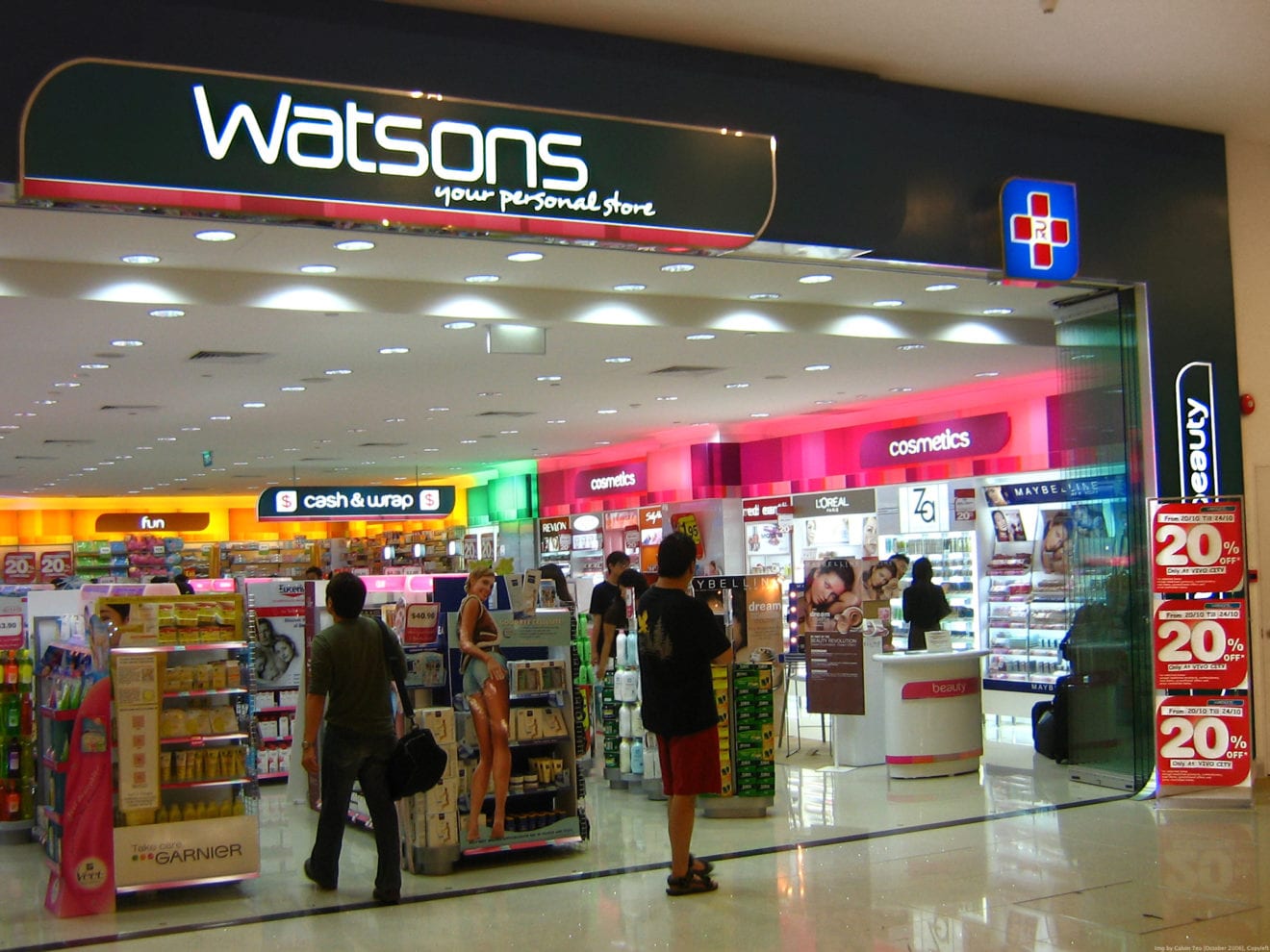
    An aggressive Central Watson expansion plan just unveiled will see more than one new store a week opened in Thailand from now to 2020.

    The Hong Kong retail giant’s Thai joint venture with Central Group says it has allocated 1 billion baht (US$28 million) to new stores – enough to fund up to 275 new outlets.

    In an interview with The Nation newspaper, MD Rod Routley said despite the Thai retail market remaining competitive, Central Watson has confidence in the retail growth potential of the nation.

    “We will continue to invest more here,” he said. “With a positive outlook, we are looking forward to 2016 being another year of great performance,”.

    The growth focus will be on metropolitan Bangkok, tourist destinations and provincial cities.

    In addition to building up its physical store network – which reached 375 at the end of 2015 – the company is investing on enhancing its eCommerce offer, expanding its private label offer and improving digital communications. Private label sales grew 30 per cent last year, with the addition of 200 new lines.

    Routley said Watsons achieved solid growth in the first four months of this year and expects double-digit growth for the full year.

  • Mujosh Malaysia home to first international concept store

    Mujosh Malaysia home to first international concept store

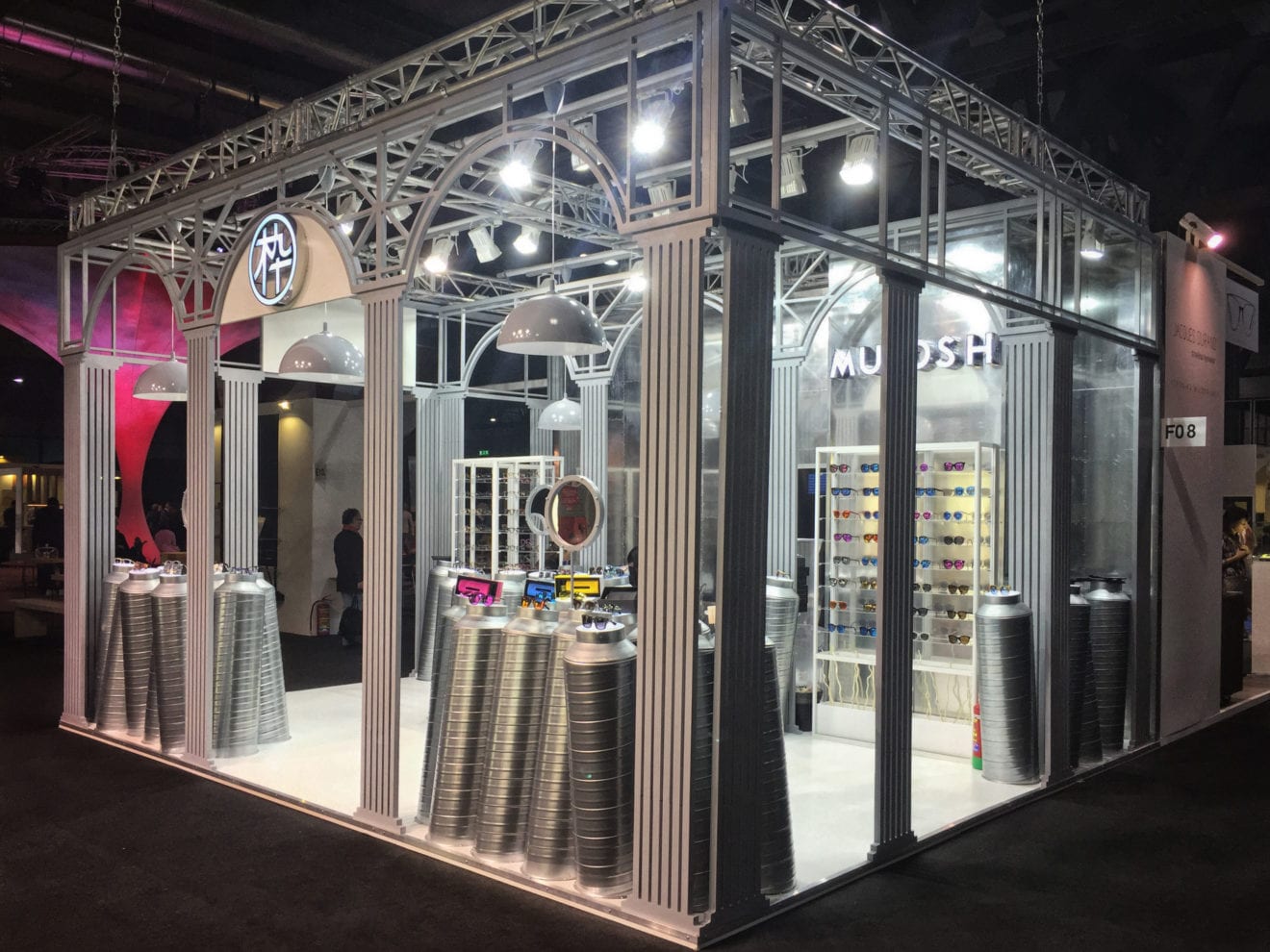
    Hong Kong eyewear retailer Mujosh has opened its first overseas concept store in Kuala Lumpur.

    The Mujosh Malaysia store is located in the Pavilion Kuala Lumpur at the heart of the Bukit Bintang retail district.

    Mujosh says by combining “industrial chic, nature and retro design style”, the concept store is aiming to bring a unique experience to customers.

    Owned by Photosynthesis Group, Mujosh is the first brand to go international since its parent company started its international business expansion at the beginning of 2015.

    “Malaysia is the first place we chose after deciding to expand into the international market,” said Grace Zhang, GM of international business division of Photosynthesis Group.

    “We are pleased to achieve another ‘first’ for the company here. We are still in search of international business partners with the goal of bringing our brands to more places and customers in the world.”

    Founded in 2010 by a group of young creatives who believe glasses are not only tools to improve eyesight, but also fashion accessories to differentiate wearers and make them stand out from the crowd, Mujosh has been growing steadily in Asia. Last month it opened a smaller store in Singapore.

  • Chinese sports brands back in the race

    Chinese sports brands back in the race

    A government-backed campaign to encourage healthy living is helping give Chinese sports brands traction again in the domestic consumer market.

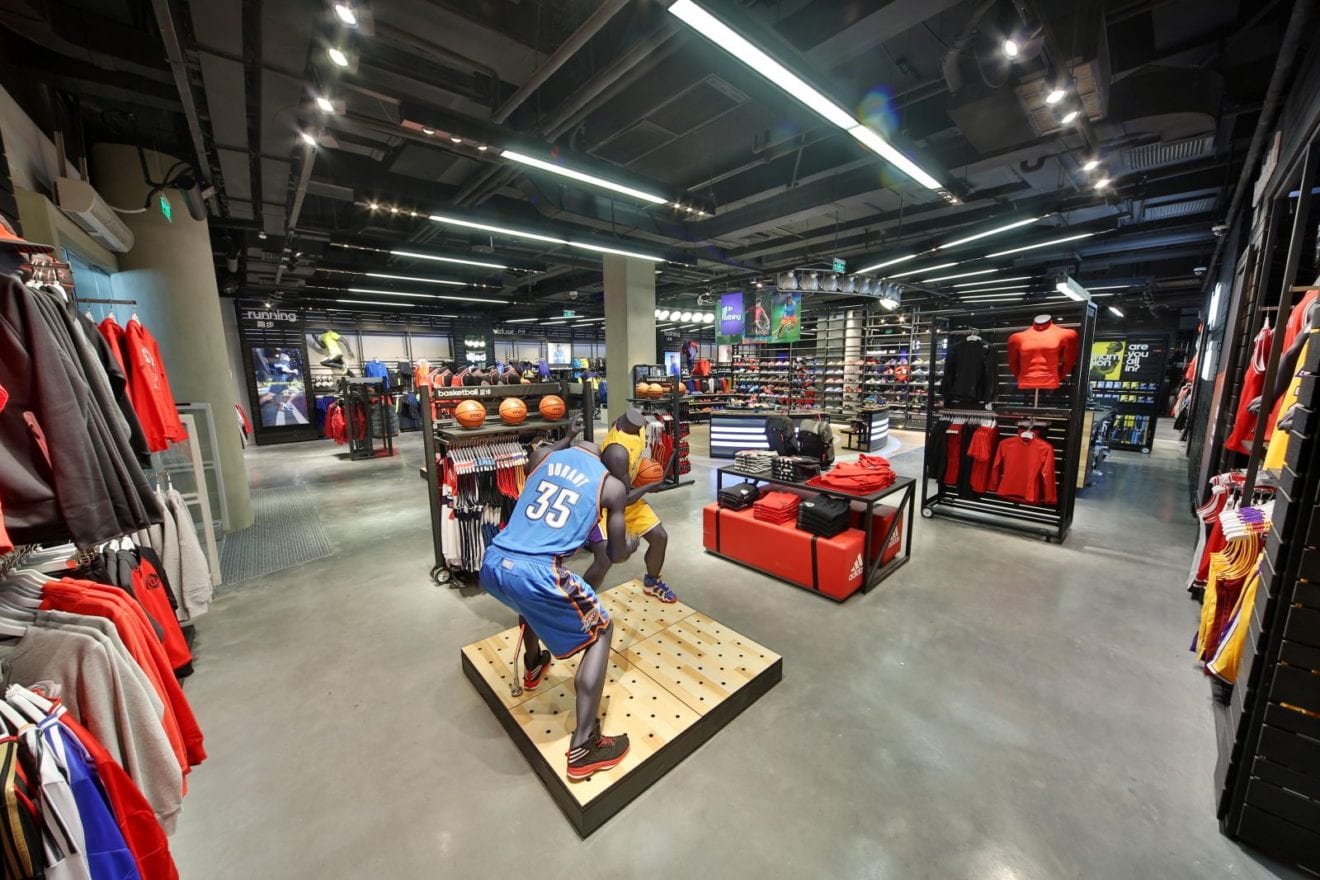
    After three tough years with the slowing economy and over-expansion following the Beijing Olympics in 2008, the brands are ready to compete again, thanks to cutbacks in store networks and more choice in online sales channels.

    When Beijing was preparing to host the Olympics, sportswear companies began to expand aggressively, with leading brands adding nearly 1000 points-of-sale each every year between 2007 and 2011, according to Hong Kong brokerage and investment group CLSA analyst Dawei Feng.

    However, sales were undermined by cheap knock-offs and competition from expanding overseas fashion chains such as H&M, Uniqlo and Zara.

    Between 2012 and 2013, China’s biggest sports brand Anta closed 900 shops across the country. Also cutting stores from 8255 to 6133, Li Ning became profitable last year after three years of losses.

    Anta has been working with its stores on marketing, says Bloomberg Intelligence analyst Catherine Lim. It also started a children’s brand after China scrapped its one-child policy.

    Anta, which holds distribution rights to the Fila brand in China, is the official sportswear sponsor of the Chinese Olympic Committee.

    China’s five publicly traded sportswear companies have a combined market value of about $9.4 billion, or less than a 10th of Nike, the world’s largest sporting-goods maker.

  • Asia drops Burberry profit

    Asia drops Burberry profit

    Hong Kong has been blamed for a further decline in Burberry profit and a consequential cutback of staff and products.

    The British luxury goods brand has reported an 8 per cent fall in adjusted pre-tax profit to £421 million in the year to March 31 on flat revenue of £2.5 billion.

    In an earnings call, CFO Carol Drinkwater said trading in Hong Kong and Macau, which account for about 8 per cent of sales, remained tough, but the group’s stores there are still profitable, and all luxury brands were affected.

    “Conditions remain extremely challenging,” she said.

    As Andy Hall, explains, retail like-for-like sales were down by 1 per cent globally.

    But that was entirely due to falling demand in Hong Kong and Macau, where Burberry and its peers have had to contend with a collapse in demand for luxury goods. Excluding the two territories’ figures, same store sales rose a more respectable 3 per cent.

    “While the Burberry brand retains appeal globally, wider economic conditions and trading in traditionally lucrative Asian markets has dampened footfall, and hurt luxury players like Burberry the most,” said Hall.

    CEO Christopher Bailey is now looking to create a more efficient retail operation – with a £100 million cost reduction plan to be implemented over the next two years to restore profit growth and appease increasingly nervous shareholders while it weathers the Hong Kong storm.

    The company plans to cut between 15 and 20 per cent of its products across all its range, focus more on handbags and eliminate about 100 jobs.

    “I am mindful we are embarking on this plan at a time when our industry is facing significant challenges,” said Bailey, who has seen the company’s market value fall by about 37 per cent over the last 12 months.

    Handbags have higher margins and the company is not selling as well as rivals Louis Vuitton and Prada in that category.

    Furthermore, Burberry is aware it needs to increase its sales per square foot, currently estimated at around 1600 euros a year, a third that of Louis Vuitton and also well behind Moncler and Prada.

    Bailey has conceded Burberry is not as good as its rivals in “retailing basics”. It now plans to make its stores more productive by further tailoring ranges for local customers, improving customer service, increasing staff training and reviewing merchandise to highlight a reduced, simpler range of product.

    Hall says a renewed focus on in-store service and productivity would bring Burberry in line with the focus of luxury peers and would create a leaner, fitter operation with which to take the blows being dealt by a declining global demand.

    “Burberry’s decision to streamline its product ranges, at the same time as introducing some new products such as its Scarf Bar and new male fragrances, demonstrates its commitment to innovation, and attempts not to be left behind by other luxury fashion players.”

    Hall says Burberry has a lot of attributes in its favour and the collapse in demand in Hong Kong is unlikely to be its undoing.

    “However, with the retailer now re-focusing its efforts on retail (which accounts for 73 per cent of group revenue), it is crucial it continues to make pro-active improvements to the business. Examples of this – such as its reshaping of the fashion-show calendar, and imminent relaunch of its Burberry.com website, will help the brand to retain strong recognition, and ensure it holds its appeal even as the wider trading backdrop remains challenging,” said Hall.