Tag: Hong Kong

  • Hong Kong retail sales fall further

    Hong Kong retail sales fall further

    The latest Hong Kong retail sales data shows the rate of decline is continuing to slow this year.

    In May, according to information from the Census and Statistics Department released on the eve of Friday’s holiday, there was a year-on-year decline of 8.4 per cent to a provisionally estimated $35.7 billion. While that is a full percentage point higher than April’s decline, it is lower than the 10.8 per cent decline recorded for the first five months of the year, and the 11.4 per cent for the first four months.

    Based on the seasonally adjusted data, the value of total retail sales increased by 1.1 per cent in the three months ending May 2016 compared to the preceding quarter, while the volume of total retail sales increased by 0.3 per cent.

    Once again, falling jewellery and luxury goods sales brought the overall figures down, plunging nearly 20 per cent in May.

    A government spokesman said retail sales stayed weak in May, with many types of retail outlet still registering year-on-year declines in sales. “This was due partly to the drag from the slowdown in inbound tourism and partly to the more cautious local consumer sentiment amid the subpar economic conditions.”

    He said the near-term outlook for retail sales is still subject to a large degree of uncertainty, depending on the performance of inbound tourism as well as the extent to which local consumption sentiment will be affected by the increased external headwinds and heightened financial market volatility.”

    After netting out the effect of price changes over the same period, the volume of total retail sales in May 2016 decreased by 9 per cent compared with a year earlier. The revised estimate of the volume of total retail sales in April 2016 decreased by 7.7 per cent year-on-year and for the first five months of the year by 10.2 per cent.

    By broad retail category – in descending order of value – sales of jewellery, watches and clocks, and valuable gifts decreased by 18.7 per cent. This was followed by sales of commodities in department stores (down 5.9 per cent); apparel (down 5.7 per cent); electrical goods and photographic equipment (down 25.2 per cent); miscellaneous consumer durable goods (down 34.6 per cent); footwear and accessories (down 6.3 per cent); books, newspapers, stationery and gifts (down 6 per cent); furniture and fixtures (down 6 per cent); Chinese drugs and herbs (down 7.2 per cent); and optical shops (down 8.8 per cent).

    Sales of commodities in supermarkets increased by 1.5 per cent, medicines and cosmetics by 0.3 per cent; and food, alcoholic drinks and tobacco by 3.1 per cent.

  • Hong Kong’s choice between mainland and despair

    Hong Kong’s choice between mainland and despair

    Hong Kong faces great economic uncertainty and unprecedented market volatility, and given the Brexit chills, analysts expect a contraction. In fact, John Tsang Chun-wah, the Hong Kong Special Administration Region’s financial secretary, has warned that the city’s economy faces its “worst time in 20 years”. Growth has more than halved to about 2.5 percent over the past five years.

    The writing has been on the wall for Hong Kong since the outbreak of the global financial crisis, yet critical decisions have been delayed. The SAR’s old growth drivers are still necessary but not enough to propel growth, because the West can no longer absorb Asian imports, and the Chinese mainland’s economic growth has slowed down.

    Last spring, concerns about Hong Kong’s economy led some rating agencies to downgrade their outlook to negative, after doing the same for the mainland. But while the mainland can still rely on catch-up growth, Hong Kong’s aging economy has to adjust to stagnating growth and income polarization.

    In the past, Hong Kong’s property developers reduced risks by relying on prudent financial policies, funding flexibility and recurring income streams. Today, those positives have been offset by rising supply, slower growth, and the United States Federal Reserve’s future rate hikes.

    True, retail sales can still contribute to Hong Kong’s growth, but they cannot do so without mainland residents’ critical role as consumption engines. Also, the SAR’s thriving tourism sector is not viable without mainland residents, who comprise by far the largest group of tourists to Hong Kong. Actually, without the mainland, Hong Kong would be left with only half its trade and a quarter of its foreign investment.

    Hong Kong is highly vulnerable to Brexit spillovers, too. Outside the European Union, it has perhaps the largest trade, investment and financial linkages with the United Kingdom. And because the value of Hong Kong dollar is rising on the back of the US dollar as investors seek safe havens, Hong Kong faces even greater headwinds than Singapore.

    Last year, Hong Kong’s exports to the UK and the rest of the EU comprised 14 percent of the total, relatively the highest in Asia and thus exposed to Brexit and EU risks. In contrast, the mainland’s Belt and Road Initiative will allow Hong Kong to continue to benefit from trade and investment.

    In the past, Hong Kong was the mainland’s financial gateway to the world. But that role has been gradually taken over by Shanghai and other mainland cities, which makes Hong Kong’s attractiveness as a financial hub non-viable without regional economic integration.

    In the coming years, the current trends will become more prominent. During Hong Kong’s reunification with the motherland in 1997, the US economy was almost 10 times bigger than China’s. Europe was still integrating into a regional block. And Hong Kong’s living standards were 11 times higher than those on the mainland.

    Today-almost two decades later-the US economy is only about 40 percent larger than that of China. Europe faces fragmentation threats. Hong Kong’s living standards are on average about 3.7 times higher than those on the mainland, but almost at par in certain districts of Shenzhen in Guangdong province.

    Moreover, income polarization in Hong Kong has soared to alarming levels, according to the Gini coefficient, which some say is worse than those in Brazil or Zimbabwe in international comparisons.

    Worried over the gloomy prospects, Hong Kong tycoon Li Ka-shing recently suggested raising profit tax to boost public spending and narrow the wealth gap. In the absence of hope, the political despair even among a few may undermine the living standards of many in the future.

    But Hong Kong has a choice. By participating in the mainland’s economic growth it can alleviate transitional pains and move to greater equity. To thrive, small and open economies need growth, integration-and hope.


  • Zalora Scholarship is now open

    Zalora Scholarship is now open

    Asian eCommerce company, Zalora, has relaunched its scholarship program, now on its second year.

    The theme for the Zalora Scholarship this year is “Function Vs Fashion: How the Two Coexist in (Major) Trends Over the Decades”.

    The online retailing company says the fashion-meets-function trend is growing rapidly now, more than ever as wearables flood the market. One prime example is the activewear industry as fitness wear becomes more than just clothes for working out.

    The Zalora Scholarship will award six tertiary students from the Philippines, Singapore, Malaysia, Indonesia, Hong Kong and, for the first time, Taiwan, with a grant and internship at Zalora offices.

    Applicants may submit their entry in the form of an essay or infographic. Winning entries will be selected based on creativity, innovation and relevance to the theme as well as analytical skills and academic results.

    Michele Ferrario, CEO of Zalora Group said: “As Asia’s online fashion retailer, we’re dedicated to continuously recognise and support the most promising talents in the region who desire for a career in fashion. We believe this will not only help develop and groom the future leaders of this industry but also contribute to the growth of eCommerce in Asia.”

    Zalora welcomes applicants from all tertiary institutions that fall under Zalora Partner Institutions in Singapore, Hong Kong, Indonesia, Malaysia, Philippines and Taiwan. One student from each of these countries will be offered a scholarship.

    Applications will close at 11:59 PM (GMT) on July 31.

  • Watson Indonesia launches expansion plan

    Watson Indonesia launches expansion plan

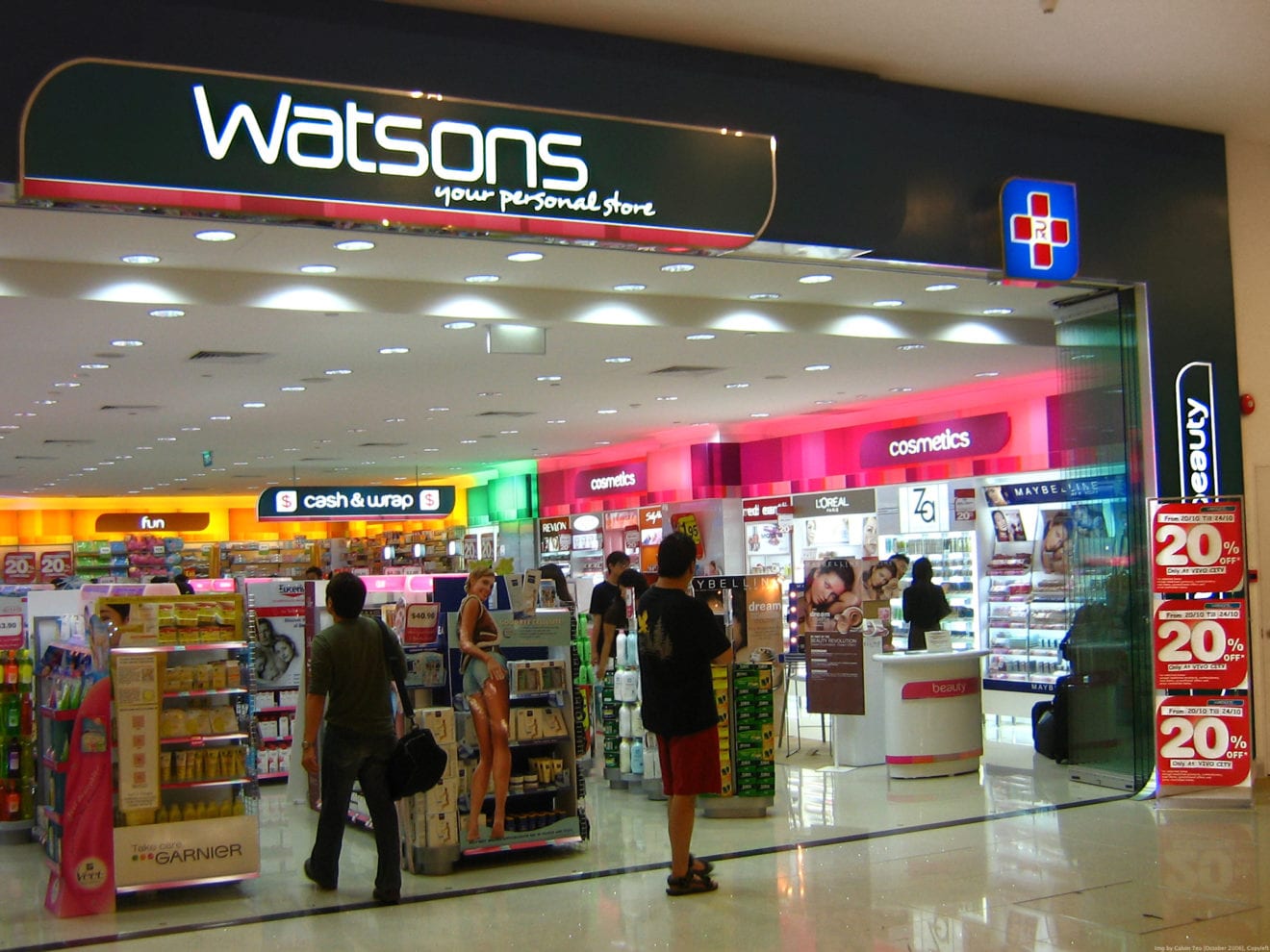
    Watson Indonesia plans to open up to 20 new stores this year.

    Duta Intidaya, the local Watson’s rights-holder since 2006, will use about 65 per cent of the US$6.49 million raised in its recent IPO to fund the new stores, with the balance of the cash going to repay bank debt.

    While there are more than 100 Watson stores in Singapore and more than 400 in the  Philippines, the brand is under-represented in Indonesia, where to date just 47 have opened.

    Duta Intidaya says the new stores will open predominantly in shopping malls, with one high street store planned for tourist resort Bali. Three new stores have already started trading in Jakarta this year.

    Hong Kong-based AS Watson is keen to see the brand catch up its rivals by store network numbers: Century has more than 200 stores and rival Hong Kong chain Guardian has more than 100.

    “We are still small, so we need more funds to expand and the IPO is the most proper decision at this time. We want to build a stronger brand,” Duta Intidaya director Sukarnen Suwanto told a press conference.

    Duta Intidaya plans to continue growing at a rate of 15 to 20 stores annually, and will launch online in 2017.

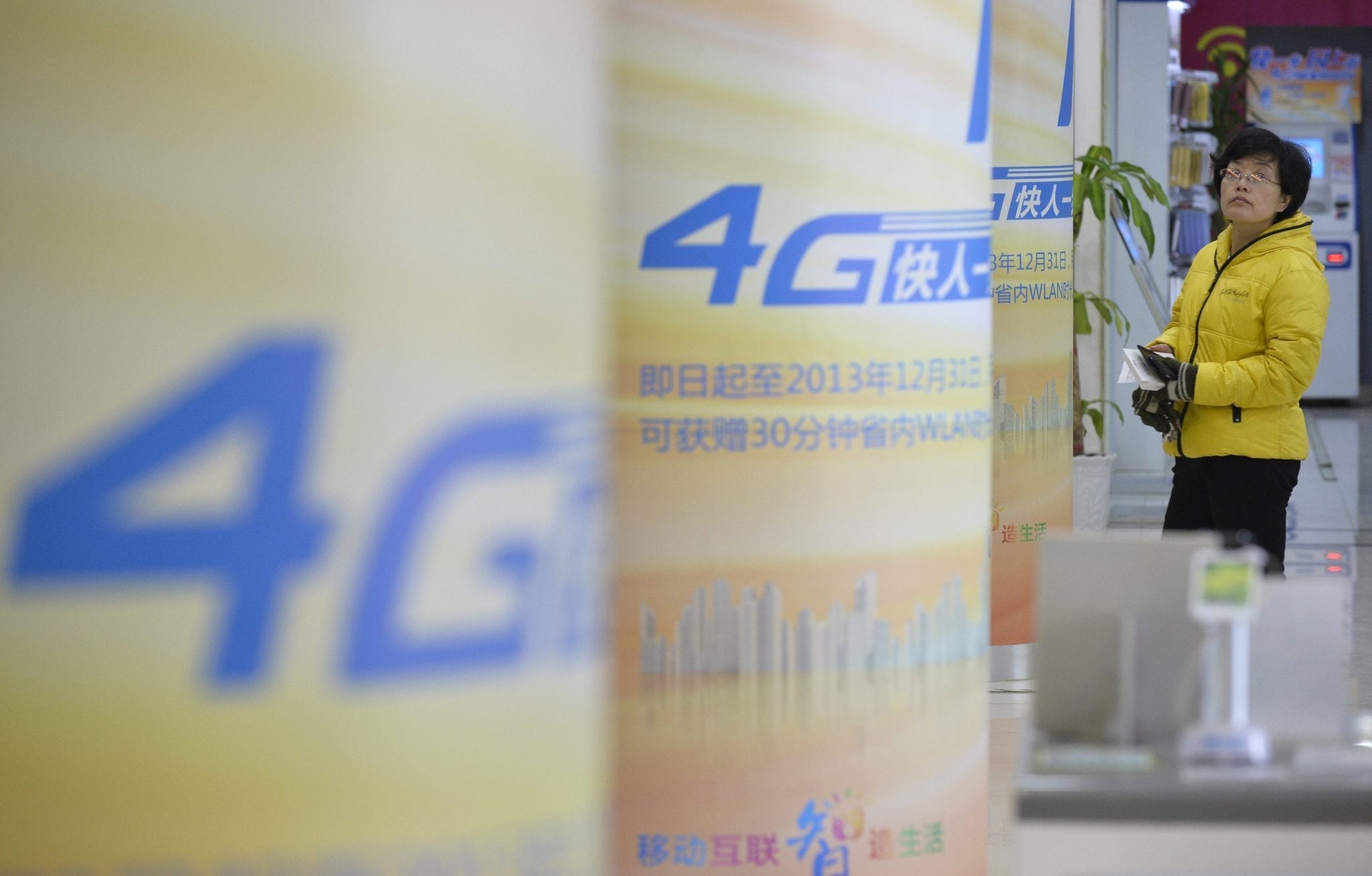
  • Hong Kong’s mobile penetration grows to 95%

    Hong Kong’s mobile penetration grows to 95%

    Hong Kong’s mobile subscriber base has reached saturation point, with a population penetration of 95%, according to mobile industry body the GSM Association (GSMA).

    The company’s new report into APAC’s mobile economy, published at Mobile World Congress Shanghai this week, shows that there are around 6.9 million mobile subscribers in Hong Kong.

    While the penetration rate has grown from 90% as calculated in last year’s study, the report notes that there is little room for growth.

    But in terms of the percentage of subscribers to 4G services it is another story, with only around 40% of Hong Kong subscribers having made the switch to the faster technology as of 2015. The GSMA expects this to increase to 71% by 2020.

    The report finds that as of 2015 62% of the APAC population was subscribed to a mobile service. The GSMA predicts that the region will add another 600 million new subscribers by 2020, increasing the penetration rate to nearly 75%.

    Mobile accounted for an estimated 5.4% of APAC’s GDP last year, equivalent to $1.3 trillion in economic value.

    “More than half the world’s mobile subscribers are based in Asia Pacific and the region will be the main engine of global subscriber growth for the remainder of the decade,” said Mats Granryd, GSMA Director General.

    “Rising subscriber penetration, alongside accelerating migration to faster networks and more advanced services, continues to fuel innovation and digitisation across both advanced and emerging markets in this highly diverse region. Mobile is helping Asia build digital societies that allow its citizens to access services, anytime and anywhere – and these mobile-powered digital societies are becoming major drivers of social and economic development.”

  • Hong Kong jewellers to feel Brexit hit the most

    Hong Kong jewellers to feel Brexit hit the most

    The retail sector in Hong Kong is finding it difficult to keep their boat afloat amidst the decline in mainland tourists since a year ago. Now, the Britain’s vote to leave the EU is likely to make matters from bad to worse for the Hong Kong’s retail sector, says reports.

    A recently released Hong Kong government report showed retail sales slipping to 12.5 per cent Y-O-Y in the first quarter to HK$115.2 billion, from HK$131.6 billion in the same period last year. The total number of retail establishments also dropped sharply to 64,498, fewer by 1,400 from the first quarter last year. And there have been 10,000 retail sector job losses in the past year, with the number of employees also down to 320,400 by the end of first quarter.

    Apart from the decreasing number of tourists, outbound travel is expected to grow on the back of a stronger US dollar and weaker Chinese yuan, resulting in less spending in Hong Kong, say industry experts.

    Industry analysts have predicted for a much worst conditions for the upcoming future, after Brexit triggered global uncertainty. The situation is expected to push higher the value of U.S. dollar. Also, the experts have forecasted for an outright recession in Hong Kong this year.

    Hong Kong being financial hub and its currency peg, their economy is expected to be hit the hardest in Asia, say experts. The Hong Kong dollar, meanwhile, which is pegged to the greenback, is expected to appreciate significantly after the Brexit, say reports.

    In its latest note, the Morgan Stanley analysts say demand, too, for commercial property is likely to be impacted by weaker Hong Kong economic growth and the sluggish labour market, says reports.

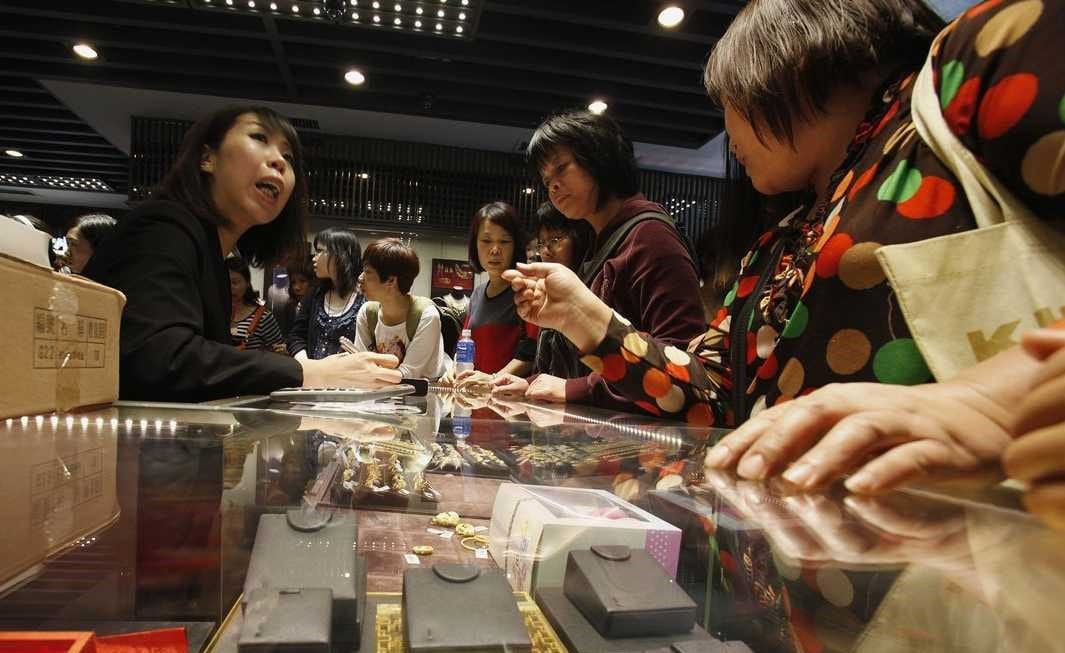
    The experts further predict that the only the only bright spots in the overall retail market gloom, however, were recommendations from Bank of America Merrill Lynch and China International Capital Corp to invest in Hong Kong jewellery makers, which they said should benefit from the rising price of gold, amid global risk aversion fuelled by the Brexit.

    As per the reports, both maintained ‘buy’ ratings recently for Luk Fook Holdings, a Hong Kong gold-jewellery retailer. “Luk Fook would be the biggest beneficiary from the recent upward trend in the gold price due to its smallest hedging ratio of 15 per cent to 20 per cent,” BoA Merrill Lynch analysts said as per reports.

  • How retailers in HK can survive the crisis in the industry

    How retailers in HK can survive the crisis in the industry

    Francis Gouten, director of Gouten Consulting and former chief executive of Richemont Asia Pacific Ltd., talks to Nick Bradstreet, managing director and head of leasing for Savills Hong Kong, about the Hong Kong retail market.

    How do you see the economic environment at the moment?

    FG: It is certainly the most challenging I’ve seen since SARS (the outbreak of severe acute respiratory syndrome in 2003). But the rents in shopping malls are not decreasing. However, nobody dares to close shops in the luxury space, but it will happen; it must happen.

    What kind of pressures are having an impact on retail?

    FG: There are lots of factors, the pressure of rent and the pressure of the stock market, as major groups are managed by financial people. You have to show quick results, and we are in a world of short-term views.

    There is a complete change — in Hong Kong we now rely less on the mainland Chinese. Hong Kong was the first destination for rich people, and now they are going somewhere else. There are still many visitors in Hong Kong, but they are not spending as much.

    How can retailers respond to the crisis?

    FG: Before, many of the big brands set out to impress the mainland Chinese, and they rented bigger stores to show they are big brands. But in part, this killed the malls and the interest in those places, because when you have a brand on three floors, what else is there? What can I discover?

    If I have to advise shopping malls nowadays, I would say reduce store sizes and bring more diversity to malls. Don’t give three floors to one brand.

    So what will happen to brands?

    FG: The top brands will recover. They will remain financially strong, but right now they are cutting expenses and people, and freezing openings. They are taking a long-term view at the moment.

    Asia is still an important part of the business, but perhaps not as important as in the past 10 years. A big part of the results in Asia was gifting, around 35-40 percent, generating more exclusive and over-priced products. But this is no longer the case.

    What market strategy should brands take?

    FG: You need to go to local consumers and target them directly. Luxury took off because of the fashion brands, but now everybody is in luxury.

    Top brands need to go back to their original positioning of a premium experience by welcoming the clients, providing a high-quality service and exclusive offerings. They need go back to the heritage of brand and target the core customer.

    So service and the experience are essential to this?

    FG: What did luxury mean 60 years ago? Luxury was a well-made, high-quality product made in limited quantity. This product was made by families, with fantastic know-how of a single product, and only one or two shops in the world.

    People came from around the world to buy this special item, often customized to their own liking. Clients are still seeking that kind of exclusivity and service.

    You need to protect your DNA, origin, and essence of the brand. How can brands understand their clients? How can they serve them better?

    There needs to be an upgrade in the quality of the service, which can be done through detailed training programs for all in-store staff.

    I once purchased a beautiful jacket from a luxury brand, and the salesperson asked me if I wanted to pay an extra 50 cents for a bag. I thought, “It’s raining outside, of course I want a bag. Charge me HK$500 more, I don’t care! If you go into a luxury shop, you should be treated as a luxury client. This is important.”

    Do you need to bring the price point of luxury items down?

    FG: Brands are thinking about it, but it’s always difficult in luxury. For current products, customers who bought already will feel cheated. Some brands have done it already by only dropping prices for new products, and then rethinking their way of localizing profit.

    Is Macau doing better than Hong Kong?

    FG: A little better. A few years ago some of their shops were No. 1 in the world. Now, Macau will continue to grow, but it will be more mass-market. When you have a large mass market you have room for the upper market as well.

    Macau is a pure leisure destination, and when you are on holiday you spend money, so you’ll see some changes in tailoring a luxury experience.

    So how is the Hong Kong market developing?

    FG: You are seeing the return of activewear and mass traffic brands. Expensive sportswear is a strong trend, because these brands have improved image perceptions. Thirty years ago it was not the case. Now these brands have better designs, specializations and technology.

    And what is happening with e-commerce?

    FG: China is the world’s biggest e-commerce market – they are selling cosmetics, ladies’ shoes, kids’ toys, but it is not yet for luxury.

    You have many fake products, and e-commerce is also a discount business. I do not recommend luxury brands go there. If I can buy your products in mass on the internet, what does that do to your image?

    But e-commerce cannot be stopped – it needs regulation. The majority of brands do not understand it. But it is important for brands to have people who understand the digital environment.

    What is even more important nowadays is, as I have mentioned, to reinvigorate the luxury experience and focus on attention to detail.

    The experience of luxury should be intimate, bespoke and, above all, exclusive.

    Going back to the roots of luxury and targeting the core customer will ensure a bright future for luxury.


  • NTT Data to support VietUnion payment service

    NTT Data to support VietUnion payment service

    Japanese payments company NTT Data Corporation has agreed to take on pioneer Vietnam fintech company VietUnion Online Services, which has an intermediary payment services licence issued by the State Bank of Vietnam.

    VietUnion, a group company of Saigon Construction Corp (SCC), mainly provides payment services through big chain retailers such as convenience stores.

    VietUnion has been expanding its payment business primarily through Payoo, which enables users to make payments to about 4000 stores, including supermarkets and in shopping centres.

    Payoo also has a smartphone app that can be used for internet banking, and it provides software for mobile POS systems, smart cards for transport and tuition fee management for more than 1700 schools in Ho Chi Minh City.

    With more than 30 years of experience in the payments business in Japan, NTT Data will help VietUnion expand its non-cash payment services and help develop Vietnam’s payment infrastructure.

    NTT Data will introduce Payoo and other payment services to its customers in global eCommerce and financial institutions in APAC regions through collaborations with its other companies – iPay88 in Malaysia, NTT Data Hong Kong, and NTT Data Thailand.

  • Cosmo Lady to go global

    Cosmo Lady to go global

    Hong Kong-listed lingerie brand Cosmo Lady says it will venture into overseas markets to seek global business partners.

    The first Chinese underwear brand to go public, two years ago when it launched on the Hong Kong Stock Exchange, Cosmo Lady is seen in China as “the Oriental version of Victoria’s Secret”.

    In 2015, Cosmo Lady ranked number one in the overall China’s intimate wear market with a market share of 3.3 per cent and total revenue increased by 23.6 per cent to about RMB 4.95 billion. Cosmo Lady Group primarily focuses on the design, research, development and sales of its own branded intimate wear products including bras, underpants, loungewear, thermal clothes, hosiery and other items. While China’s underwear market been growing by 10 per cent year-on-year over the last few years, the company believes there are also big opportunities to expand offshore.

    Cosmo Lady opened 1032 retail stores 2015 and its distribution network now comprises 8050 retail stores in more than 330 cities.

    “Cosmo Lady will continue its progressive expansion strategy of retail network in five major types of locations, including commercial streets, residential neighborhoods, transportation hubs, school zones and supermarkets and its high-end retail network in malls, department stores and shopping centers,” the company said in a statement.

    Chairman and CEO Zheng Yaonan said the company will progressively expand in locations with not only the lower market share but also high growth potential, and continue to explore the industrial external growth opportunities.

    “At the same time, Cosmo Lady will also be committed to improve core competitiveness and outperform their competitors through a series of initiatives such as the expansion into overseas markets and the collaboration with other well-known underwear brands, which will the company’s long-term strategic plan.”

    This year, Cosmo Lady secured the rights to use Walt Disney characters on several specially-designed underwear lines.

    The brand launched its latest range last April, reaching more than 200 million people through live broadcasts on social media platforms such as Weibo and WeChat.

    “It is the company’s ambition that in the future Cosmo Lady will hold an Oriental version of the Victoria’s Secret fashion show in the US.”

  • Hong Kong-Based ePayWeb to acquire 10% stake in AW Virtual Mall

    Hong Kong-Based ePayWeb to acquire 10% stake in AW Virtual Mall

    Hong Kong-based electronic payment processing service company ePayWeb Asia has agreed to acquire 10% stake in the planned Allied Wallet (AW) Virtual Mall.

    As per the deal, ePayWeb agreed to invest $100m in exchange for a 10% stake in the company.

    The AW Virtual Mall is an online shopping experience which is expected to have over 3 million independent stores and over 1 billion shoppers per day in the next 48 months.

    In addition to creating a new experience for online shoppers, the new online shopping mall will allow consumers to find required items available at the best prices by taking a picture of it.

    Claimed to be the first of its kind, the AW Virtual Mall will enable users to find a product they are looking for, by uploading a photo of the item.

    The AW Virtual Mall users can then select the best price, which is quoted by the store owners, and checkout safely and securely.

    Allied Wallet founder and CEO Andy Khawaja boldly said: “E-commerce is projected to reach $3.5 trillion by 2019 and we’re on track to provide the most state-of-the-art shopping experience in the industry – like nothing anyone has ever seen.”

    AW Virtual Mall said that the website provides complete social media experience for users to personalize their profile, communicate, and share.

    Allied Wallet is a provider of e-commerce merchant services and online payment processing services.


  • Bauhaus annual net profit down nearly 60 pct

    Bauhaus annual net profit down nearly 60 pct

    Hong Kong clothing retailer Bauhaus International (Holdings) Ltd saw its annual net profit plummet by 59.1 per cent to HK$52.9 million (US$6.6 million) for its past fiscal year, due to the plunge in the company’s earnings from the Hong Kong and Macau markets.

    According to its filing with the Hong Kong Stock Exchange last Friday, the retailer’s total turnover posted a year-on-year decrease of 5 per cent to HK$1.5 billion for the fiscal year ended March 31, compared to some HK$1.59 billion one year ago.

    “As a result of Mainland China’s uncertain economic prospects, instability of financial markets and the appreciation of the Hong Kong dollar against other Asian currencies (including the Renminbi), the consumer spending momentum obviously deteriorated during the year under review and resulted in highly volatile and discount-driven retail dynamics,” it claimed.

    For the financial year, the clothing seller generated some HK$1.03 billion from its sales in Hong Kong and Macau, which represents a year-on-year decrease of 8.8 per cent compared to HK1.13 billion one year ago.

    In addition, the company claimed that a negative same-store-sales growth rate of some 9 per cent was recorded in the two cities.

    The decreases in sales in the two cities led to a slump in the company’s profit before tax from the segment, down by 46.6 per cent year-on-year to HK$99.6 million.

    As at the end of March, Bauhaus was operating 214 self-managed outlets, including 86 stores in Hong Kong and Macau, 94 in Taiwan and 34 in Mainland China, as well as 11 franchised outlets in the country.

    The company’s turnover derived from the Mainland China market also registered a decline of 2.8 per cent year-on-year to HK$128.8 million, but turnover from Taiwan jumped by 9.2 per cent year-on-year to HK$342.2 million for the year, according to the filing.

    The retailer proposed a final dividend of HK6.0 cents per ordinary share to its shareholders, which is down by 56 per cent year-on-year compared to HK$13.5 per cents for the 2014/15 financial year.

  • Convenience stores: Staying relevant in harsh times

    Convenience stores: Staying relevant in harsh times

    For Malaysian consumers, the last couple of years have been a mercurial ride with the implementation of the Goods and Services Tax (GST) and the subsequent effects of it as well as other global and domestic events which have rippled through prices of goods and services.

    As cost of goods and services gradually increases, most consumers have cut down their spending, to save on essentials.

    Softening consumer confidence have also taken a toll on businesses. In particular, the retail sector was affected more significantly by lower consumer confidence.

    Nevertheless, at the start of 2016, statistics and reports have shown that consumer confidence in Malaysia are slowly recovering and there are signs of of it stabilising.

    According to Nielsen Global Survey of Consumer Confidence and Spending Intentions, the Malaysian consumer confidence remain stable at the start of the first quarter of 2016 with 79 percentage points (pp), dipping one point from previous quarter).

    Globally, the report showed that Malaysia held on to its ranking as 36 most confident country in the first quarter (1Q) 2016 (unchanged from last quarter). Of note, the average global consumer confidence is 98 pp (one pp from previous quarter). Consumer confidence levels above and below a baseline of 100 indicate degrees of optimism and pessimism.

    However, while there are signs pointing towards improvements in consumer sentiments in Malaysia, analysts and industry observers are still cautiously optimistic on consumer trends.

    SOURCE: Nielsen Global Survey of Consumer Confidence and Spending Intentions 1Q16

    SOURCE: Nielsen Global Survey of Consumer Confidence and Spending Intentions 1Q16

    Richard Hall, country manager of Nielsen Malaysia, pointed out in a statement, “With no real changes in the economic outlook, Malaysians’ confidence remains low and we see that this trend will continue to be the case until the pressure on the ringgit ease.

    “Only when the pressure of the ringgit improves, can consumers start to feel the burden of their day-to-day spending lessen.”

    Nielsen noted that while the nation’s fiscal status (52 per cent compared to 50 per cent in prior quarter) continues to top the list of major concerns among Malaysian consumers, nearly a quarter of the respondents have cited that job security is now their second top worry (22 per cent).

    “Recessionary sentiments among Malaysians continue to remain high (84 per cent, unchanged from last quarter) with only one in five respondents feeling positive that the country will be out of an economic recession in the coming 12 months (22 per cent, unchanged from prior quarter),” the survey reported.

    The survey also revealed that consumers in Malaysia would continue to reduce household spending even when economic conditions would improve with nearly nine in 10 Malaysian consumers changing their spending habits in the past year to improve saving (88 per cent).

    It said, the top three areas where consumers in Malaysia would continue to cut back even when economic conditions do improve are spending less on new clothes (65 per cent), reducing out of home  entertainment (56 per cent) and switching to cheaper grocery brands (51 per cent).

    “Despite the fact that none of the economic key performance indexes (KPI) indicate that the country is in a recession, consumers continue to believe that the current situation and the future for the country is not positive.

    “To change this attitude will require a step change in the current environment,” Hall observed.

    Affin Hwang Investment Bank Bhd’s research arm (Affin Hwang Capital) in a recent report highlighted  the main themes affecting consumerism include the implementation of GST and the weakened ringgit against the US dollar.

    “While the consumer sentiment is at its all-time low with consumers mainly worried about the higher costs of living, income levels and the economy, several macroeconomic indicators are pointing towards an improvement,” it pointed out.

    “Consumers have been hit by higher costs of living, with headline inflation spiking to a high of 4.2 per cent year-on-year (y-o-y) as of February 2016.

    “Both Malaysian Institute of Economic Research (MIER) and Nielsen surveys highlight job security and income worries as key concerns among consumers, in addition to the current state of the economy,” it said.

    In a separate report, the research arm of TA Securities Holdings Bhd (TA Securities) expected consumer sentiment to remain weak in 2Q and continue to remain flattish throughout the year.

    However, it pointed out that consumer sentiment level, according to MIER, have rebounded by 9.1 points, suggesting that consumers have adjusted their spending pattern to take into account the impact of GST their purchasing activities.

    “Coupled with financial aids given by the government through BR1M, reduction in employees’ EPF contribution, and increase in minimum wage for private and public sectors workers that will be implemented on July 1 this year, could lessen the impact of demand slowdown,” it added.


    Grocery retail retains growth despite headwinds

    A closer look into the consumer sector shows that while consumer sentiments is expected to remain subdued in the near-term, Malaysian consumers’ purchasing power is improving in certain categories.

    According to Nielsen, consumer purchasing power in the Fast Moving Consumer Goods (FMCG) category gained traction in 1Q of 2016 versus the same quarter in the prior year (4.7 per cent).

    It added, all FMCG super categories registered a healthier growth lead by beverage (8.8 per cent), grocery (4.3 per cent), household (3.9 per cent), health & wellness (2.7 per cent), snack & confectionary (two per cent) and personal care (1.7 per cent).

    “In spite of the FMCG industry having a strong start to last year due to the GST introduction in April 2015, we have been pleasantly surprised to see the majority of categories still in growth, with the modern trade leading the way.

    “While there has negative sentiments surrounding the increasing cost of living, consumers still need to buy groceries and it looks like they are not necessarily down trading their purchasing decisions,” Hall noted.

    In Malaysia, while hypermarkets still dominate the general FMCG or grocery markets, there are growth opportunities for convenience stores given that demand still remains strong for FMCG or grocery goods.

    In a report, the research arm of DBS Bank Ltd (DBS Group Research) pointed out, “There is room for Malaysia to grow its convenience stores as the number of convenience stores per one million total population lags behind Indonesia, Singapore and Thailand.

    “However, it leads Asean-5 in supermarket and hypermarket outlets-to-population ratio. Among the three main modern grocery retail formats, convenience stores registered the fastest growth from 2009 to 2014 at 17 per cent compounded annual growth rate (CAGR),” it said.

    It also noted that convenient stores offer products and services that are within reach of consumers compared to supermarkets and hypermarkets.

    “The layout of many Malaysia towns tends to be spaced out and it is common for people to commute in cars. As such, there are many big box hypermarket developments in Malaysia.

    “Hypermarkets are seen as a convenient place with a wide selection of products for consumers to visit. Supermarkets in suburban neighbourhoods play the role of supplementing hypermarkets, while convenience stores offer 24-hour service.

    It also pointed out that generally, purchasing habits for consumers in Asia have also shifted with convenience as a key factor in their purchasing habits.

    “Formats penetrate Asean food consumption in different manners. Supermarkets will always be a key feature in malls located in densely populated cities.

    “Convenience stores are strong in penetrating every corner of cities and in obscure locations outside them. Hypermarkets are capable of capturing consumption in more spaced-out locations with high automobile accessibility.

    “With modern and traditional grocery retailers situated in cities and neighbourhoods, it is convenient for consumers to pick up grocery items physically and even on the move,” it said.

    Convenience store retailers are likely to sustain growth, given their aggressive outlet expansion to meet demand for convenience, DBS Group Research observed.

    With that, BizHive takes a look at some of Malaysia’s top convenience store retailers.


    7-Eleven the ‘go-to’ convenience store

    Since its listing on Bursa Malaysia in 2014, 7-Eleven Malaysia Bhd (SEM) has grown by leaps and bound across the nation.

    With a market share of 82 per cent of the standalone convenience store segment as of March 2014, SEM, which manages the 7-Eleven convenience store chain in Malaysia, is the largest convenience store operator in the nation.

    TA03438

    As of Dec 31, 2015, SEM has a total of 1,944 stores serving more than 900,000 customers per day. According to its 2015 Annual Report, 1,793 or 92.2 per cent of its stores are corporate-owned while 7.8 per cent are operated by franchises.

    “Sales and profits both delievered impressive results despite the difficult retail market environment which was significantly impacted by the introduction of GST for the first time on April 1, 2015.

    “On top of this, consumer confidence was measured at a 10-year low level in 3Q15 which also subsequently impact consumers spending behaviour,” said Shalet Marian, independent none-executive/chairman of SEM, in her chairman’s statement from its 2015 Annual Report.

    “Despite the earlier mentioned headwinds in the the total FMCG retail market in 2015, the company has recorded a strong six per cent growth rate in total sales compared to the previous year.

    “Total sales amounted to RM2.006 billion although our same store sales showed marginal decline of 3.6 per cent as a result of the GST impact on sales values.”

    This year, according to previous news report, SEM expects to spend between RM85 million and RM90 million as part of its expansion plan which includes the opening of 200 new stores this year.

    SEM chief executive officer Gary Brown was quoted as saying that this expansion would see more outlets in Klang Valley, the east coast, as well as Penang, Johor and Melaka.

    “We will continue to invest in new stores and building our network. The investment also included refurbishment of our existing 200 stores this year,” he said to reporters after the group’s AGM.

    He was quoted as saying that the company had also set aside major capital expenditure to continue to upgrade its new information technology (IT) system.

    “The new IT system project which started in 2014 costing RM66 million is expected for completion by the middle of this year,” said Brown.

    Marian added, “Our plan is to continue to bring 7-Eleven true convenience to more and more customers in Malaysia and as such we expect to expand our store network by approximately 200 new stores in 2016.”

    In 2015, SEM had opened 199 new stores nationwide. As at December 31, 2015, the group has total cash reserves of RM126 million.

    Meanwhile, on SEM’s performance in 1Q16, the research arm of Maybank Investment Bank Bhd (Maybank IB Research) noted that its results were in line with expectations but the research house remains cautious of its earnings outlook.

    “We continue to expect new store openings and better contribution from its refurbished stores to help drive growth.

    “As a recap, for 2016 and beyond, we understand that SEM targets to open 200 stores per annum. Nonetheless, we remain cautious on its near term earnings as it will be facing some near term headwinds such as the minimum wage hike come July 1, 2016.

    “In the longer term however, we expect SEM to eventually pass the higher cost through to consumers via higher merchandise prices,” it opined.

    Aside from that, recently, SEM had signed a memorandum of understanding with Brahim’s SATS Food Services Sdn Bhd (BSFS), a 51 per cent owned subsidiary of Brahim’s Holdings Bhd (BHB).

    This will expose Brahim’s to a wider market via SEM’s close to 2,000 stores network all across Malaysia, which is in line with the objective of the strategic partnership between BHB and SATS Ltd (SATS) to venture into non-airline business in Malaysia.

    Analysts believe that this is a synergistic partnership as it could benefit both parties which are currently faced but headwinds in the consumer sector.

    “We understand that some convenience store players domestically has been facing some supply chain issues (such as product quality, consistency and choices) mainly due to dependence on multiple fresh food suppliers and scale and reach of the existing food suppliers.

    “Therefore, collaboration with a sizeable party could benefit SEM in the longer term in terms of cost efficiencies and consistency of product quality/choices while not having to move away from its core competence of managing convenience stores.

    “To note that fresh food and services as a percentage of merchandise sales has been fairly stable, at est. 10 per cent,” Maybank IB Research opined.

    Under this MoU, BSFS is expected to provide packaged ready to eat (RTE) meals such as panini sandwiches, the ever popular nasi lemak and fried rice that would be branded under 7-Eleven’s proprietary food service brand of  ‘Fresh to Go’.

    Looking ahead, Marian said, “Despite the current uncertainty and consumer confidence issues which impact our customers and their spending behaviour, I am confident about the growth prospects of our company as we are resilient and have positioned ourselves to maintain our market leadership position not just in 2016 but for the years beyond.”

    Bison: Malaysia’s largest home-grown retailer

    Incorporated in 2013 as Prempac Sdn Bhd and converted into a public limited company in 2015, Bison Consolidated Sdn Bhd (Bison) was successfully listed on Bursa Malaysia earlier this year in March.

    The research arm of CIMB Investment Bank Bhd (CIMB Research) cited Bison as Malaysia’s largest home-grown convenience store operator and has an estimated total market share of 8.6 per cent in 2015, with up to 255 outlets (including eight, WHSmith outlets).

    TA03439

    Through its subsidiaries, the group provides unique offerings under its main trade name ‘myNews.com’ a press and convenience retailing business.

    According to its initial public offering (IPO) prospectus, Bison also operates other outlets under the trade names of ‘newsplus’ ‘MAGBiT’, and THE FRONT PAGE’ as well as under the trade name of ‘WHSmith’ through its join venture with WH Smith Travel, an indirect wholly-owned subsidiary of UK-based WH Smith Plc.

    While it was incorporated in 2013, Bison’s conception can be tracked back to 1996 with the establishment of Bison’s first newsstand outlet under the brand name ‘MAGBiT’.

    CIMB Research highlighted that over the last few years, Bison has been registering positive and consistent revenue and core net profit growth, with a two-year compounded annual growth rate (CAGR) of 17.4 per cent and 7.5 per cent, respectively.

    “The double-digit revenue growth was mainly driven by higher merchandise sales, consumer services and advertising and promotion, which were boosted by the growth in the number of stores for the group,” it added.

    The research team also noted that for the past three years, Bison?s gross profit margin has expanded from 33.3 per cent in FY13 to 34.2 per cent in FY15.

    “The consistently better margins can be attributed to the increase in revenue from its consumer services as well as its advertising and promotion revenue, which carry no cost components due to its nature as fee income,” it said.

    In Malaysia, the retail convenience store sector has been viewed as largely underpenetrated.

    According to a study by Smith Zander, Malaysia’s retail convenience store penetration rate is 135 stores per million people, far below that of more developed countries in the Asian region, such as Singapore (162 stores/million people), Hong Kong (190 stores/million people), Japan (407 stores/million people), Taiwan (419 stores/million people) and South Korea (485 stores/million people).

    As such, CIMB Research believes that this industry still has plenty of potential to play catch-up.

    “Given Bison’s established and well-known presence in the domestic retail convenience store industry, management believes that the group is well positioned to capture the significant growth opportunities available,” it added.

    “With an estimated market share of 8.6 per cent (in terms of total number of outlets in 2015), Bison is the second-largest retail convenience store industry player in Malaysia.

    “Even though the retail convenience store scene remains highly competitive, we are not overly concerned as Bison has an extensive and strategic store network compared to the smaller players, which mostly hold less than one per cent of the market share (based on the latest publicly-available data collated by Smith Zander),” it commented.

    While Bison, like every other retailer, faces headwinds such as weak consumer sentiments, the research team said the group would be able to withstand these challenges as most of its earnings are derived from its merchandise sales which are mostly generated from food and beverages and small ticket items.

    It also noted that the group could benefit from its commission-based income from consumer services and advertising and promotions.

    It further pointed out that despite the overall weaker market conditions, Bison had managed to generate a healthy net profit growth of 7.4 and 7.5 per cent y-o-y in FY14 and FY15, respectively.

    Overall, CIMB Research forecast Bison to deliver a two-year profit CAGR of 31.1 per cent against 25.5 per cent revenue CAGR, based on the group’s net profit of RM13.5 million recorded in FY15.

    “We are forecasting for turnover to be fuelled by a conservative SSSG of 1.4 per cent over the next two years (in line with the historical three-year SSSG CAGR of 1.4 per cent) on the back of the group’s expansion plans for its outlets and increased income from its advertising and promotion as well as consumer services.

    “Our SSSG assumption has also factored in the potentially softer consumer spending backdrop amid concerns of mounting prices and a gloomier job outlook.

    “We highlight that despite the implementation of GST in April 2015 and rising living costs, the group still managed to chalk up commendable 19.3 per cent y-o-y growth for its FY15 revenue.”


    FamilyMart enters the fray

    The FamilyMart brand of convenience store, owned and founded by Japanese-based FamilyMart Co Ltd, has over 17,540 stores in seven countries worldwide, as at March 31, 2016.

    Ranked as the second largest convenience store chain in the world, the convenience store focuses on retailing convenience products, with emphasis on ‘nakashoku’ or ready-to-eat/take-out food and beverages.

    Earlier this year, FamilyMart as well as QL Resources Bhd’s (QL Resources) wholly owned subsidiary, Maxincome Resources Sdn Bhd have announced earlier this year that they will be bringing in the popular brand into Malaysia to serve the rising demand of consumers here.

    To note, Maxincome Resources has signed an area franchise agreement with FamilyMart which grants QL Resources via Maxincome Resources, the exclusive master franchisee rights to develop and operate FamilyMart convenience stores in Malaysia for 20 years, renewable for subsequent periods at the option of the Master Franchisee.

    With this agreement, QL Resources anticipates to open the first FamilyMart in Malaysia by December 2016.

    “FamilyMart Co Ltd’s philosophy and values resonate with QL Resources’ mission of providing nourishing agro-based products for the benefit of all. Their emphasis of delivering quality food is also a value that QL Resources, as a food company values and sees synergy in.

    “In addition to this synergistic effect, this expansion is a long-term investment which also opens up bigger growth opportunities in the consumer market for the group. It fits into our strategy of strengthening and expanding integration of the group’s value chain,” said QL Resources.

    Basing their target on the track record of FamilyMart stores in other countries, QL Resources aims to have 300 FamilyMart stores in Malaysia in five years.

    This development came as a surprise for analysts as the convenience store market in Malaysia has thriving competition with the presence of the dominant 7-Eleven chain as well as Bison’s retail convenience stores.

    However, analysts believe QL Resources’ foray into the convenience store sector as well as its experience as a food producer makes this franchise beneficial for the company.

    AllianceDBS Research Sdn Bhd (AllianceDBS) in a recent report, highlighted that the focus on read-to-eat food and beverage might bring synergistic benefits to QL Resources’ surimi-based products, snack foods, and processed poultry product businesses.

    “The strong FamilyMart brand name is also a positive factor – it already has a strong presence in neighbouring country Thailand with circa 1,200 stores. This venture will lengthen the value chain of QL Resources’ agro-food operations, and offers the chance to deliver another steady cash generation business if QL Resources manages to secure strategic locations for its outlets,” it opined.

    The research arm of Public Investment Bank Bhd (PublicInvest Research) also believed that through this convenience store concept, QL Resources would have the direct channel to consumers versus its current reach mainly to distributors.

    “With its manufacturing capabilities to support the food service industry coupled with product development, we believe QL Resources’ food brands can grow further on the platform of FamilyMart and potentially to other markets with FamilyMart’s presence,” it commented.

    The research team also pointed out that through reviews, the hroup had identified key factors that reveal more emphasis on lifestyle and quality preferences whilst having the convenience factor.

    These include consumer trends which sees rising importance in product quality and convenience, the rise in urbanisation to 80 to 85 per cent by 2027, young demographics with the median age at 27 to 28 years, Malaysia’s target of a GNI per capita of US$15,690 by 2020 and the 11th Malaysia Plan which aims to strengthen infrastructure thus the expenditure on public transport would serve only to create convenient store business opportunities.

    Overall, it said, “The FamilyMart contributions will only begin to bear fruit in the longer-term due to its initial expected six to seven year gestation period. In the medium term however, this move would only serve to enhance its branding recognition which could boost sales for its products.”

    AllianceDBS Research also believed that the earnings impact on FY16 to FY17F would likely be negligible given the expected number of store openings in the near term and the necessary gestation period.

    All in, there is a global drive towards convenience channels in Asia with more consumers opting for an easier and more convenient way to shop for their groceries.

    As the consumer sector slowly begins to stabilise from the support of the government and Malaysia’s recovering economy, the retail convenience store sector would likely see more room for growth in the country.

     

  • Sa Sa stores shrink

    Sa Sa stores shrink

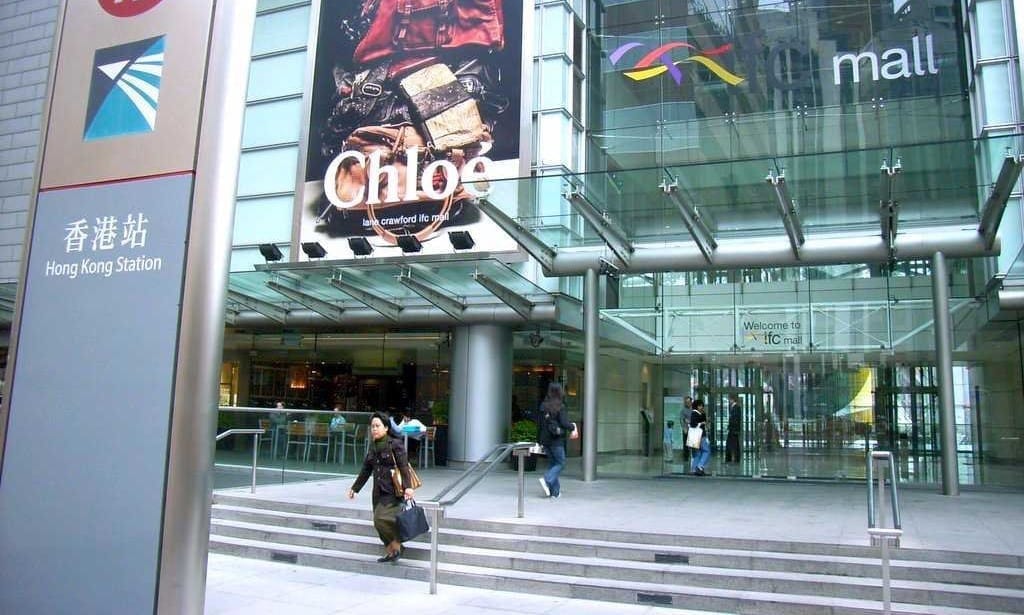
    New Sa Sa stores are set to open in train stations and near the Mainland China border as the beauty retailer adapts to the changing demographic of Hong Kong shoppers.

    During a press conference discussing the group’s results last week,  Sa Sa chairman Simon Kwok Siu-ming said in light of the evolving trading environment, the company recognised the need to adjust its store strategy.

    Larger stores in traditional tourism destinations would be closed over time, replaced in the network with new stores in the New Territories giving Mainland Chinese daytrippers easier access to its range of products.

    At the same time, the company will develop new stores with smaller, compact footprints located in residential shopping centres and train stations, to serve younger, local customers and commuters. These stores will have a footprint of less than 1000 sqft (93 sqm) and stock  the top 20 per cent selling lines of large format stores, with a skew towards increasingly-popular Korean and Taiwanese brands.

    Kwok said rents in high-profile tourist locations are so high, closing one store there would save enough to open “five to six stores in the New Territories”.

    Sa Sa plans to seek rent reductions of between 40 and 50 per cent when renegotiating terms of leases for 22 stores which are due for renewal this year.

    The retailer currently operates 291 stores in Hong Kong, Mainland China, Singapore, Taiwan and Malaysia.

    Last week, Sa Sa reported a 12.8 per cent drop in turnover for its latest fiscal year to March, sliding to HK$7.85 billion (US$1011.4 million).

  • ePayWeb Asia invests $100m in virtual mall

    ePayWeb Asia invests $100m in virtual mall

    Hong Kong company ePayWeb Asia has invested US$100 million in the up-and-coming AW Virtual Mall in exchange for a 10 per cent stake.

    AW Virtual Mall is forecast to have more than 3 million independent stores and more than 1 billion shoppers a day in the next four years. It will enable online shoppers to find an item they want at the best price available simply by taking a photo of it.

    Founder/CEO Andy Khawaja says that with eCommerce projected to reach $3.5 trillion by 2019 “we’re on track to provide the most state-of-the-art shopping experience in the industry”.

    Once users upload a photo of a desired item, store owners will be notified instantly. If they have a matching product, they will bid with their best price. The website creates a modern shopping-mall experience online, complete with a social-media element that lets users personalise their profile, communicate and share.

  • 3 Hong Kong launches prepaid plans for Apple SIM

    3 Hong Kong launches prepaid plans for Apple SIM

    Hong Kong mobile operator 3 has announced its support for Apple SIM, introducing a line of short-term LTE data plans that can be chosen and activated from compatible iPads.

    The operator has introduced day pass plans offering two days of connectivity for HK$38 ($4.90), seven days for HK$88 and 14 days for HK$168. These plans have fair use limits of 2.5GB, 3.5GB and 5GB respectively.

    Customers will also be able to choose monthly data pass plans for HK$168 for 1GB, HK$248 for 2GB or HK$298 for 3GB.

    Customers on Apple SIM LTE data plans will be charged a HK$2 administration fee every 30 days.

    Global  Apple SIM partner GigSky has meanwhile announced it had expanded its cellular data plans for Apple SIM to cover over 149 countries, up from just over 90. The prepaid packages are now available in all the top travel destinations, the company said.

    GigSky data plans are available in APAC markets including Hong Kong, Korea, Thailand, Australia, Pakistan, Indonesia, the Philippines, Singapore, Sri Lanka and Japan. The plans typically range from US$15 for 100MB of data over three days to $50 for 1GB of data over 30 days.

    Apple SIM is supported by the iPad Pro, iPad Air 2, iPad mini 3 and iPad mini 4.