Tag: Hong Kong

  • SmarTone launches multi-device Wi-Fi calling

    SmarTone launches multi-device Wi-Fi calling

    Hong Kong’s SmarTone has introduced Wi-Fi calling for multiple devices using equipment provided by Ericsson.

    The new Wi-Fi calling service allows customers to pair up to five personal devices that lack SIM cards – including tablets, computers and smart watches – to enable operator voice calls via Wi-Fi connections.

    Devices can be located across different Wi-Fi access points, and calls can be seamlessly transferred to a user’s smartphones. The service also supports multiple simultaneous calls using the same number.

    Ericsson has adapted its existing Wi-Fi calling offering to support multi-device functionality. The company is offering an end-to-end platform comprising the evolved packet core, IMS, user data management and OSS/BSS.

    “SmarTone has always focused on delivering outstanding experience to our customers. With the trend of more and more customers using multiple devices nowadays, we offer Wi-Fi calling for multi-device service to our customers,” SmarTone CTO Stephen Chau said.

    “We believe the new capability to extend our voice service to devices without a SIM-card is adding genuine convenience to our customers.”

    A recent Ericsson ConsumerLab survey of basic Wi-Fi calling users in the US showed that four in five are very satisfied with the service. Around one in three international smartphone users are aware of the technology, Ericsson said, and of these seven in 10 find the prospect appealing.

  • HTHKH 1H profit falls 26%

    HTHKH 1H profit falls 26%

    Hutchison Telecommunications Hong Kong Holdings (HTHKH) has reported a 26% year-on-year decline in net profit for the first half of the year to HK$376 million ($48.5 million), due to weaker than expected smartphone sales.

    Total revenue fell 52% to HK$5.42 billion, with mobile revenue down a significant 62% to HK$3.47 billion.

    Hardware revenue shrank from HK$7.15 billion to HK$1.49 billion as a result of a lack of popular smartphones to sell during the period, the company said in its first-half report.

    Roaming revenue also declined 19%, or HK$87 million, contributing to a 6% decline in mobile net customer service revenue to HK$1.97 billion.

    HTHKH ended June with around 3.1 million customers in Hong Kong and Macau, including about 1.5 million postpaid customers. While the company’s postpaid base stayed largely flat compared to 2H15, churn was reduced to 1.3% from 1.9% over the same period.

    Blended local postpaid net ARPU grew 6% year-on-year to HK$168 as the launch of various new infotainment content and data plans resulted in the acquisition of more data centric customers.

    Fixed line service revenue for the half-year period meanwhile grew 4% year-on-year to HK$2.07 billion, due largely to an increase in revenue from the international and local carrier market. This was driven by growing data demand from OTT applications and IoT-related devices.

    Looking ahead, HTHKH chairman Canning Fok said the company is “planning ahead cautiously in the face of economic uncertainty locally and globally, after developing into a multi-play telecommunications service provider that launches a diversity of  products  and services to meet changing customer demand.”

  • Would you ever take investment advise from an app?

    Would you ever take investment advise from an app?

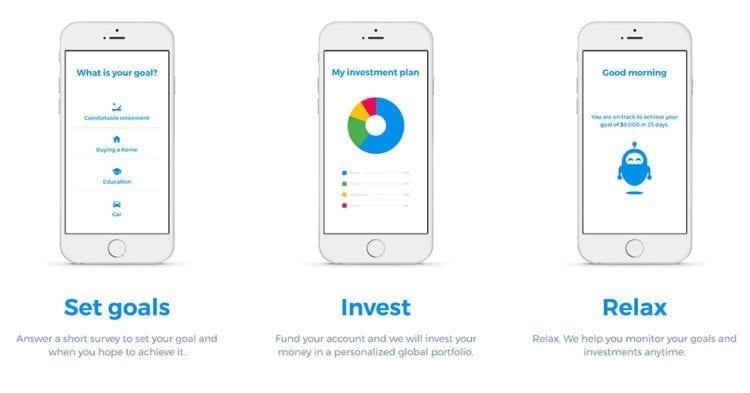
    Fintech firm 8 Securities said on Monday it plans to launch Hong Kong’s first so-called robo-investment advisor app in the next quarter, which it is calling “Chloe”, but experts remained divided on whether such an idea will every catch on in the city.

    Asia, and especially Hong Kong, is seen as lagging other international markets on the adoption of robo-advisors.

    Assets held by such robo-advisors in Hong Kong are expected to expand exponentially to US$20.6 billion by 2020 from the current US$400 million, according to a Boston-based research firm Aite Group’s latest robo-advisor forecast.

    The apps are powered by artificial intelligence and machine-learning technologies developed in-house, and effectively learn day by day as a system’s user base and database grows, matching products to customers with different financial needs.

    That’s very different, of course, to what is offered by around 450 local brokers in Hong Kong, who have traded for decades, by offering personalised services based on close relationships, to hold onto clients.

    Mathias Helleu, 8 Securities’ executive chairman and co-founder, expects the Chloe app’s popularity to grow fast thanks to higher mobile penetration and lower entrance levels for users.

    “Chloe users will have the freedom to deposit or withdraw money from their portfolio anytime and with no penalty,” said Helleu. “The minimum investment amount with Chloe will be under HK$1,000.”

    In the West, the fledging robo-advisor industry is growing fast.

    By the end of 2015, US robo-advisor services had US$53 billion in assets under management, up from US$2 billion in 2013, according to statistics from the Aite Group. Key players include both startups such as FutureAdvisor, Bettermont and WealthFront, and big industry names, such as Bank of America Merrill Lynch.

    I do not expect robo-advisor apps to prove attractive in mature markets like Hong Kong. Here, retail investors consider their brokers or wealth managers more reliable

    Benny Mau, chairman of Hong Kong Securities Association

    However, that number of managed assets is still small compared with the US$20 trillion total investable assets by US retail investors.

    Traditional Hong Kong brokers, however, questioned on Monday whether local retail investors, many of whom still like going to bank branches or brokers shops to buy and discuss their investments, will ever use such an app.

    Benny Mau, chairman of Hong Kong Securities Association, the industry body, said: “I do not expect robo-advisor apps to prove attractive in mature markets like Hong Kong. Here, retail investors consider their brokers or wealth managers more reliable [than robo-advisors].”

    chloe app

    Mau also added Hong Kong investors are more rational than in other developing markets and a lot more cautious and selective as to which investment services they use.

    However, he did concede some young investors could find the service appealing.

    But Brett McGonegal, chief executive of Capital Link International, said robo-advisors are sweeping the investment world as they represent the pioneering wave of the fintech revolution.

    “This is critical in addressing the needs of a new investing group around the world — that’s millennials. “Platforms that blend human contact with technology will prove to be very successful amongst the new generation that often feel more comfortable communicating over electronic means rather than face to face,” McGonegal said.

    Jenny Lau, a recent graduate whose basic monthly salary is HK$21,000, said she would try her hand at Chloe because it has no penalty and is convenient to operate on her mobile phone.

    “The minimum investment of under HK$1,000 is no big deal for me,” she added.

    “But it will just be to satisfy my curiosity and I do not expect any high investment returns. I’ll not use it for my life saving goals.”

  • NTT Com to launch MVNE platform in HK

    NTT Com to launch MVNE platform in HK

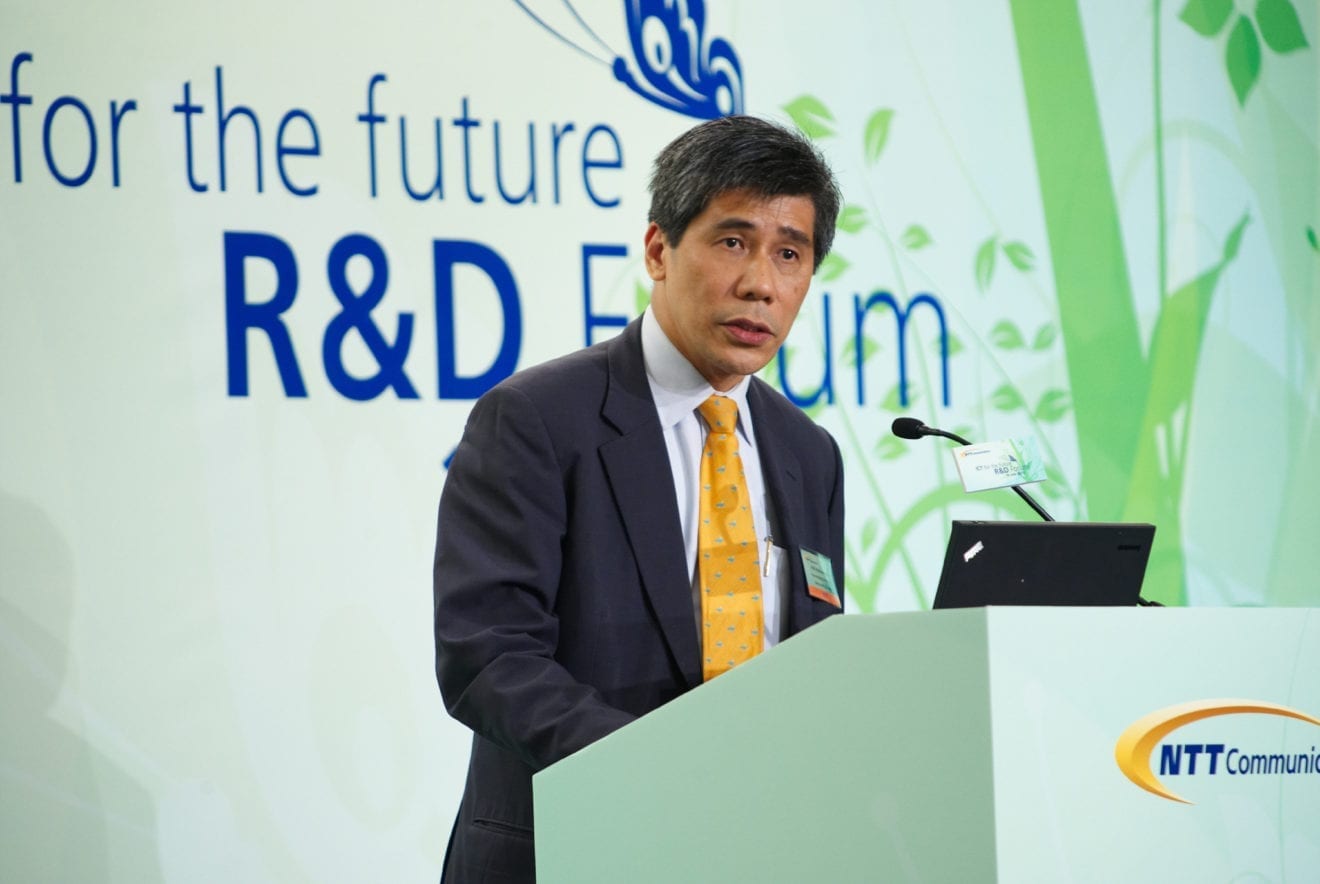
    NTT Com and fellow NTT Group member Dimension Data have teamed up to launch Hong Kong’s first mobile virtual network enabler (MVNE) platform.

    The service will allow MVNOs access to the infrastructure required to deliver 3G and 4G data services in the city. The platform will manage all mobile data connections, policy control, billing and signaling.

    NTT Com’s platform will use NFV architecture to ensure it will be scalable to future demand, and will be able to provide a quick turnaround by removing the requirement for functions to run on expensive proprietary hardware. The NFV approach was proposed by Dimension Data.

    NTT Com Asia CTO Taylor Man said Dimension Data is an ideal partner for the project.

    “Delivering a MNVE solution requires heavy upfront investment in specialized equipment, and high scalability and agility is required to cater to customer demand time,” he said.

    “It is crucial to find a partner that could work hand in hand with us to provide the required infrastructure to deliver on our MVNE ambitions. We believe that partnering with our group company Dimension Data would be an ideal option.”

    ICT product and service provider Dimension Data became a wholly-owned subsidiary of the NTT Group in 2010.

  • ‘Modest’ growth for Dairy Farm International

    ‘Modest’ growth for Dairy Farm International

    Pan-Asia retailer Dairy Farm International Holdings reports “modest” sales growth for the six months ended June 30.

    Underlying profit was slightly ahead as higher contributions from food, home furnishings, restaurants and China hypermarket Yonghui offset a lower contribution from the group’s health and beauty division. The group is seeing the benefits from investments made last year.

    Sales for the period, excluding associates and joint ventures, were down 1 per cent but up 2 per cent at constant exchange rates. Sales were impacted by the closure of underperforming stores in Indonesia and Singapore.

    The operating profit was stable at US$197 million, compared with $201 million in the first half of last year.

    Under pressure

    In the food division, sales within supermarkets and hypermarkets were up 2 per cent despite deflationary pressures.

    In Hong Kong, sales increased modestly but profits were impacted by higher rental and labour costs. In Indonesia and Singapore, profitability improved despite reduced sales following store closures. Sales were flat but profits lower in Malaysia, while the Philippines had good sales growth and improved profitability.

    Convenience stores in Hong Kong and Macau performed satisfactorily in a difficult trading environment, while overall sales in Singapore were flat because of the cutback in stores yet sales were positive and profits higher.

    Store expansion continued in mainland China, and there was good sales and profits growth.

    In the health and beauty division, sales improved in Hong Kong but Macau and Malaysia were behind with lower profitability.

    Like-for-like sales were positive in China, and in Indonesia “encouraging” improvements were made in sales and profits following a store rationalisation program.

    In the Philippines, good progress continues to be made on the integration of Rose Pharmacy.

    In home furnishings, Ikea performed well, producing growth in both sales and profits in its three markets. Store expansion opportunities are being pursued.

    Still expanding

    In the restaurant division, Maxim’s maintained its impressive track record with higher sales and profits in China and Hong Kong. The group is growing its presence on the mainland and continues to expand its Starbucks network in Cambodia and Vietnam.

    Yonghui reported 18 per cent revenue growth in the first half.

    In February, PT Hero agreed to sell its remaining Starmart stores in Indonesia. The transfer of the stores is expected to be completed in the fourth quarter.

    In March, the group refinanced short-term borrowings of $900 million, to be used in part to invest a further $191 million in Yonghui. This will maintain the group’s 19.99 per cent interest following the placement by Yonghui of a 10 per cent shareholding to JD.com.

    In April, Maxim’s acquired the Cova patisserie and restaurant franchise in Hong Kong, which has 10 outlets. Maxim’s also opened its first The Cheesecake Factory in Shanghai Disney Town.

    At the end of June, Dairy Farm, including Yonghui, had about 6500 outlets across all formats and employed 180,000-plus people.

    “While sales and profit performance in the first half have been encouraging in a challenging
    trading environment, the outlook remains uncertain with consumer confidence fragile in most
    Markets,” says chairman Ben Keswick.

    Incorporated in Bermuda, Dairy Farm International Holdings has its primary listing on the London Stock Exchange with secondary listings in Bermuda and Singapore. The group’s businesses are managed from Hong Kong by Dairy Farm Management Services through its regional offices. Dairy Farm is a member of the Jardine Matheson Group.

  • Pokemon fever too good to resist for struggling HK retailers

    Pokemon fever too good to resist for struggling HK retailers

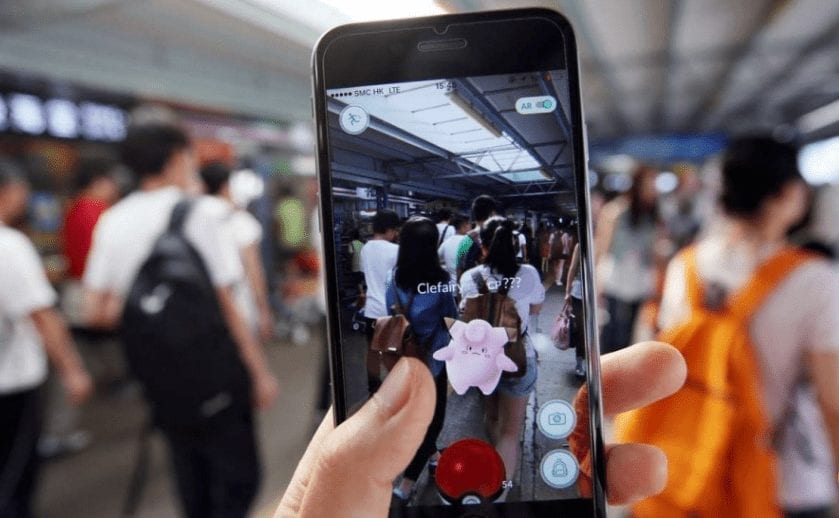
    Major Hong Kong tourism and shopping hotspots have been rushing to cash in on the citywide Pokemon Go craze with numerous events being organised, centred entirely around the smash-hit mobile game, to reinvigorate the city’s lacklustre retail sector.

    Three park and shopping mall operators — Ocean Park, Sun Hung Kai and Swire Properties — told the Post they were in talks with Pokemon Go’s developer Niantic over potential cooperation on future campaigns themed with the augmented reality game.

    Niantic is part-owned by Japanese videogame giant Nintendo.

    Since its launch in the city on Monday, Pokemon Go, which allows players to use their phones’ GPS and camera to capture virtual Pokemon in the real world, has been all the rage across the city’s most bustling districts.

    “We are seeking collaboration opportunities with the game’s creator, with more details to be announced soon,” said Maureen Fung, director with Sun Hung Kai Development (China).

    “We expect to see a double digit growth in our traffic and an 8-10 per cent leap in retail sales during the Pokemon Go event period,” Fung said.

    A spokesman for SHKP’s APM mall in Kwun Tong said it had implemented more “Lure Modules” — a function that makes it easier for players to find and catch the Pokemon — around the shopping centre, and updated the whereabouts of the virtual monsters on its social media pages “on a frequent basis.”

    Fung said the developer now plans to roll out Pokemon-related events at 12 of its shopping complexes.

    The Pokemon Go mania comes as traditional retailers continue to struggle against their online counterparts, both in Hong Kong and around the world.

    Terence Chan, head of retail, Hong Kong, at real estate consultant JLL, said the sudden rush in interest offered a great opportunity for outlets to cash in.

    “It is a nice marketing tool for stores and restaurants, particularly those looking to attract youngsters,” he added.

    Another leading property developer, Swire Properties, is utilised its Facebook and Instagram accounts to help customers spot Pokemon at its three flagships Cityplaza, Pacific Place and Taikoo Place.

    “We have a large number of Pokestops and a few Pokegyms,” said a Swire Properties spokesperson.

    “Additionally, we have approached Niantic Labs for further potential collaborations.”

    Pokestops and Pokegyms are where players can train and battle their Pokemon.

    Elsewhere, six shopping arcades operated by Sino Group, including Olympian City in Kowloon and Citywalk in New Territories, are running promotions.

    While a spokeswoman for Ocean Park revealed that the 39-year-old theme park had already become involved in discussions with US-based Niantic before the game even landed in Hong Kong.

    “The talks are currently underway and may take into account issues like copyright,” she added.

    But at least one leading retail site owner said he would not be relying on luring and accommodating gamers to turnaround its fortunes.

    Chiu Kwok-hung, chairman of Fortune Real Estate Investment Trust told local media on Tuesday that his malls did not intend to join hands with Pokemon Go as “an influx of people who don’t actually shop in the malls will in turn hinder your business”.

  • Award-winning Singaporean jewellery brand expands to Hong Kong

    Award-winning Singaporean jewellery brand expands to Hong Kong

    Singaporean contemporary jewellery brand Luvenus Jewellery announced today (July 26) that it has opened its first overseas outlet at Hong Kong International Airport to showcase its designs to the millions of travellers that pass through the airport each year.

    Launched in 2012, Luvenus is an award-winning company specialising in pure 22-karat and 24-karat gold jewellery with diverse and unique product designs. It also carries a collection of fully certified diamond jewellery, said the Managing Director, Mr Parthiban Murugaiyan.

    He said that the newly opened store at Hong Kong International Airport is the brand’s fourth outlet worldwide and first outside Singapore. Luvenus has been recognised for its quality service and has received several awards from Singapore’s Changi Airport.

    “Hong Kong is a major tourist and business travel destination for both Mainland and international visitors. Having a retail outlet at Hong Kong International Airport is part of our strategic plan for expansion into the Mainland. We will be using Hong Kong as our regional base from which to grow our business and better serve the needs of our customers,” he added. Luvenus Jewellery hopes to expand further in Hong Kong and the Mainland market and would consider various models including franchising.

    Associate Director-General of Investment Promotion Dr Jimmy Chiang said, “Hong Kong International Airport is one of the world’s busiest airports in terms of international passenger traffic. It is an excellent showcase for retailers. I wish Luvenus Jewellery every success in our city and look forward to its continued expansion from Hong Kong.”

  • Record Numbers Attend 27th Hong Kong Book Fair

    Record Numbers Attend 27th Hong Kong Book Fair

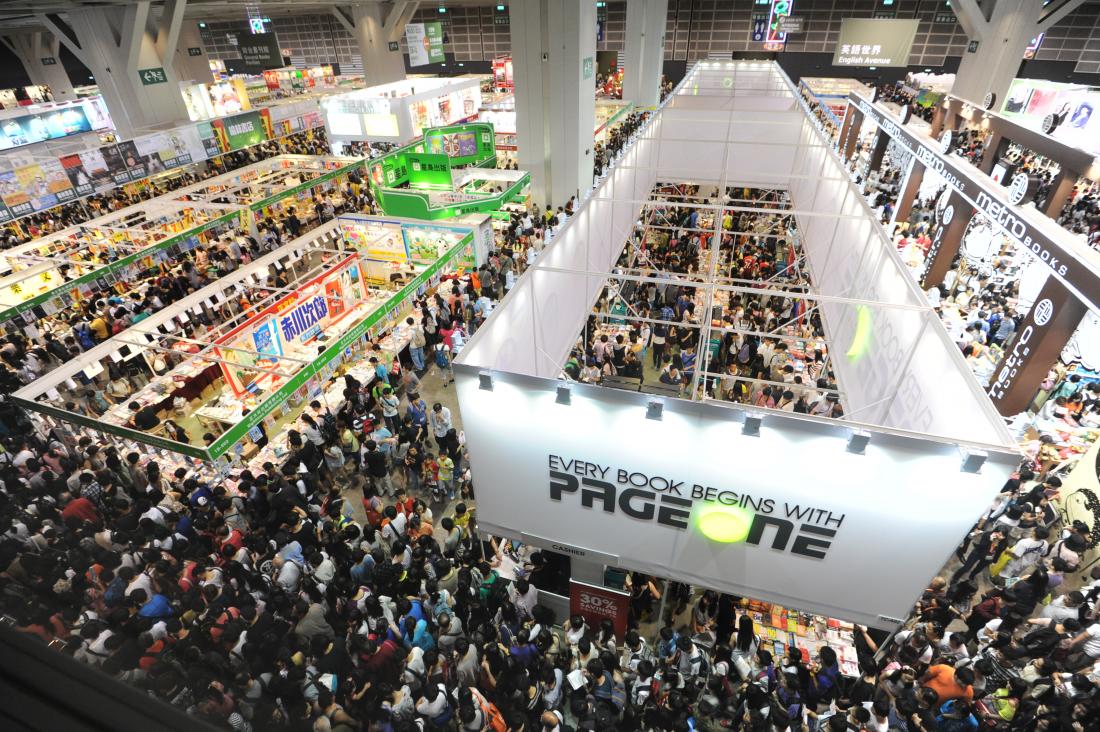
    The 27th Hong Kong Book Fair ended today, after drawing record attendance of close to 1.02 million visitors. The week-long literary and cultural extravaganza, organised by the Hong Kong Trade Development Council (HKTDC) and held at the Hong Kong Convention and Exhibition Centre, featured an extensive selection of literary works, renowned international authors and diverse cultural activities. An on-site survey found that visitors spent an average of HK$902 at the fair, comparable to last year. And, fiction and literature were the most popular categories.

    “This year, the Hong Kong Book Fair continued to enjoy the public’s widespread support, with attendance breaking the one million mark for the third consecutive year. This is a reflection of Hong Kong people’s love of reading and fondness for cultural activities,” said HKTDC Acting Executive Director Benjamin Chau. “Apart from buying a wide selection of books from 640 exhibitors from 35 countries and regions, visitors also had the chance to join seminars hosted by their favourite authors.

    “Many of the seminars saw packed houses, including those by Ye Yong Lie, Cao Wen Xuan, Lung Ying Tai, Sisy Chen, Ma Ka Fai, Woon Swee Oan, Chua Lam and Jasper Tsang, and the English-literature focused Open Public Forum, hosted by Sir David Tang. The exhibitions and performances at the Art Gallery likewise attracted many visitors. All these turned the Book Fair into a true cultural feast.”

    Cultural events attract more than 300,000 attendees

    Some 360 cultural activities were staged during the fair, including seminars, new book parades and readings. At the Art Gallery, visitors were treated to martial arts demonstrations and traditional song and dance from Shaanxi and India. On-site cultural activities and more than 260 citywide events held under month-long “Cultural July” campaign, which aims to promote the joy of reading, culture and art to the Hong Kong public, have drawn more than 300,000 attendees so far. Visitors who missed their favourite seminars at the Book Fair can visit the Hong Kong Book Fair website (https://hkbookfair.hktdc.com/en/Events/Videos.html) to review approximately 90 seminars.

    Survey: 11% of fair visitors planned to spend more this year

    The HKTDC commissioned an independent market research agency to conduct an on-site survey during the Book Fair in order to better understand the interests and purchasing habits of visitors. About 800 visitors were interviewed. The survey found that most respondents were drawn to the Book Fair by new releases, followed by discounted items and cultural activities.

    In terms of genre, fiction topped the list (54%), followed by literature (33%), travel books (28%) and self-improvement books (19%). The survey also found that 11 per cent of visitors had planned to spend more this year, while 84 per cent said their budgets were similar to that of last year’s Book Fair. The average per capita spending at the Book Fair was found to be HK$902.

    As for reading habits, almost all respondents (99%) said they had read a printed book in the past month, spending on average 24 hours reading. Some 60 per cent of respondents reported reading an e-book in the past month, spending on average 14 hours. According to the survey, the average spending on printed books in the past year was HK$1,855, up four per cent year-on-year. The most popular genres were fiction, literature, travel books and self-improvement books. The survey also found that approximately 10 per cent of respondents were overseas visitors.

    Chinese martial arts literature

    The Book Fair adopted an overarching theme “Chinese Martial Arts Literature” for the first time this year. The Chinese Martial Arts Literature exhibition and The Literary Giant – Jin Yong and Louis Cha exhibition, which was jointly organised by the HKTDC and the Hong Kong Heritage Museum, were set up at the Art Gallery, featuring manuscripts, first editions and comic books and movies adapted from well-known martial arts literature.

    The exhibitions were well-received and attracted a large number of visitors. Three renowned Chinese martial arts novelists, Woon Swee Oan, Jozev Lau and Zheng Feng, met with readers at the Book Fair and shared the inspiration behind their stories and the development of martial arts literature.

    ‘A Journey to “Silk Road”: Shaanxi and India’ display proved popular with visitors. It showcased an array of precious artefacts that included bronze works dating back to the Western Zhou dynasty, bricks from the Qin dynasty, tiles from the Han dynasty, Tang Sancai and Silk Road coins from Xi’an, as well as paintings, ethnic costumes, agar wood, tea and traditional decorations from India.

    Book donations and waste recycling

    Book donation sites were set up on the last day of the Book Fair for exhibitors to donate books they no longer wanted. The books would be collected by non-profit organisations, such as Christian Action and Chu Kong Plan, to be redistributed to individuals or organisations in need. The measure addresses concerns about environmental protection, while also enabling more people in need to enjoy reading. Large recycling bins were also set up at the venue to collect unwanted books and goods for recycling.

    Cultural July – The joy of reading continues

    While the 27th edition of the Book Fair ended today, the “Cultural July” campaign, which is in its fifth year, will continue to run until the end of this month. Cultural activities to look out for include cultural markets, interactive storytelling and education programmes for children and historical seminars and exhibitions. For details, please visit the “Cultural July” website.

  • Swatch Group profit lowest for seven years

    Swatch Group profit lowest for seven years

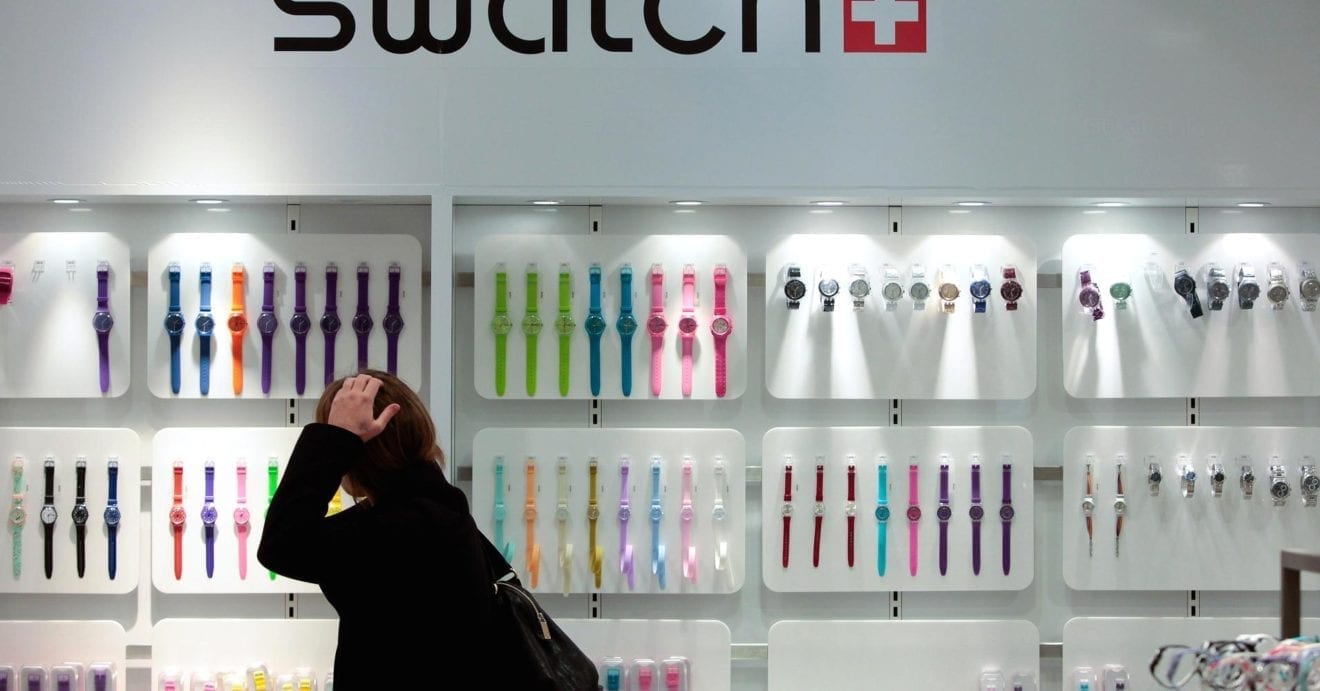
    Swatch Group, the maker of Omega and Tissot timepieces, has reported its lowest first-half profit in seven years, with demand tumbling in Hong Kong, France and Switzerland.

    Its first-half operating profit fell 54 per cent to 353 million francs (US$359 million), the company says. This followed an earlier warning that earnings would probably fall 50 to 60 per cent.

    After previously forecasting growth, CEO Nick Hayek says sales for the year may fall as much as 6 per cent. Terrorist attacks in France are keeping tourists at bay, denting sales.

    However, Swatch says its full-year results will be close or equivalent to those of last year.
    Swiss watch exports declined a record 11 per cent in the first half, says the Federation of the Swiss Watch Industry.

    Swatch says the first three weeks of this month showed good growth in China, particularly for its luxury brands Blancpain, Breguet and Omega.

    The company also says the drop in Hong Kong’s retail sales has bottomed out.

  • Fresh look for Prada Hong Kong

    Fresh look for Prada Hong Kong

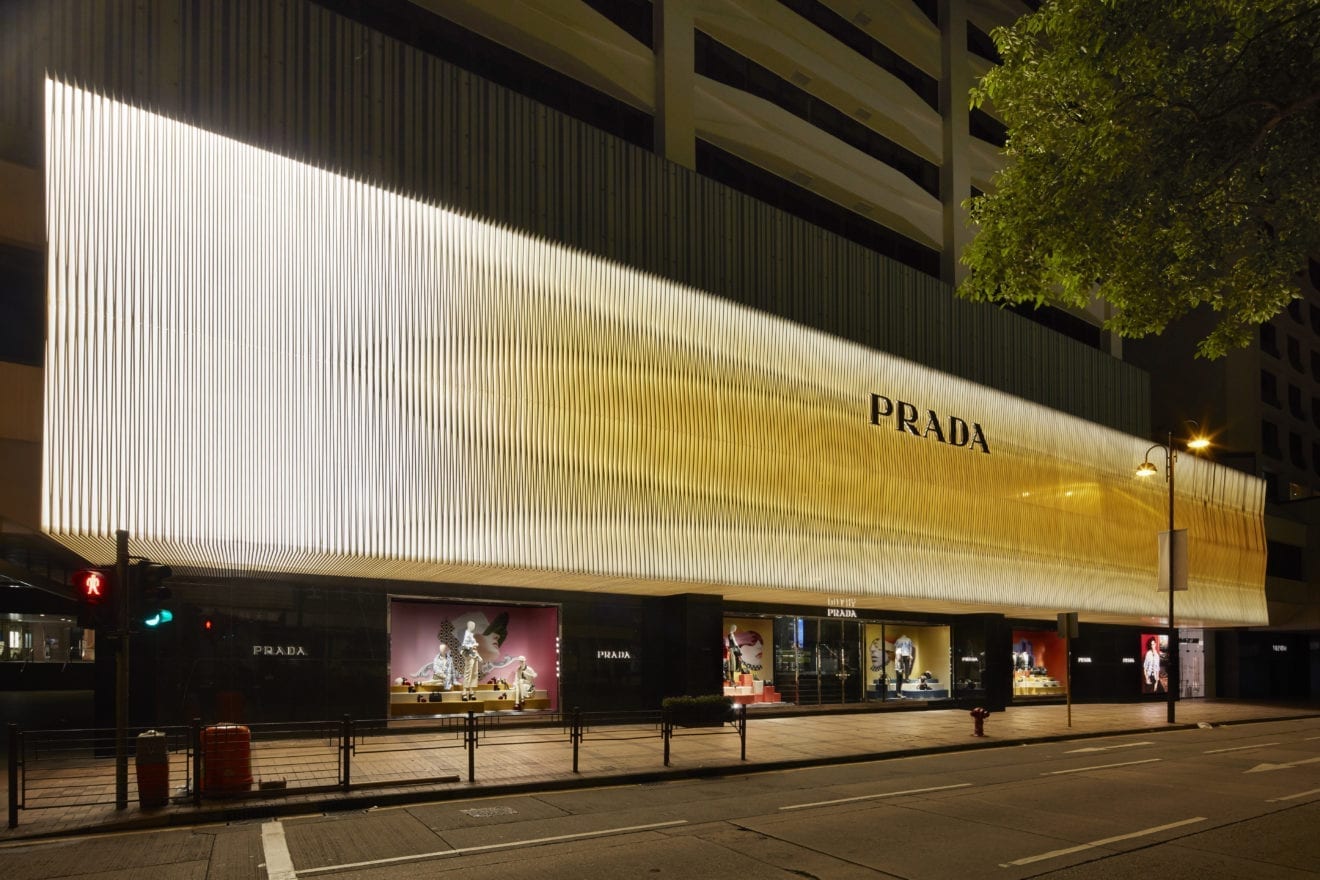
    Fashion brand Prada Hong Kong will renovate and expand its store on Canton Rd.

    Covering more than 1300 sqm over two storeys, the store has a secondary internal access from Harbour City.

    Its facade pays homage to Franco-Venezuelan kinetic artist Carlos Cruz-Diez with a geometric pattern. The Harbour City frontage, in black marble, has display windows and offers view of the store interior.

    prada inside

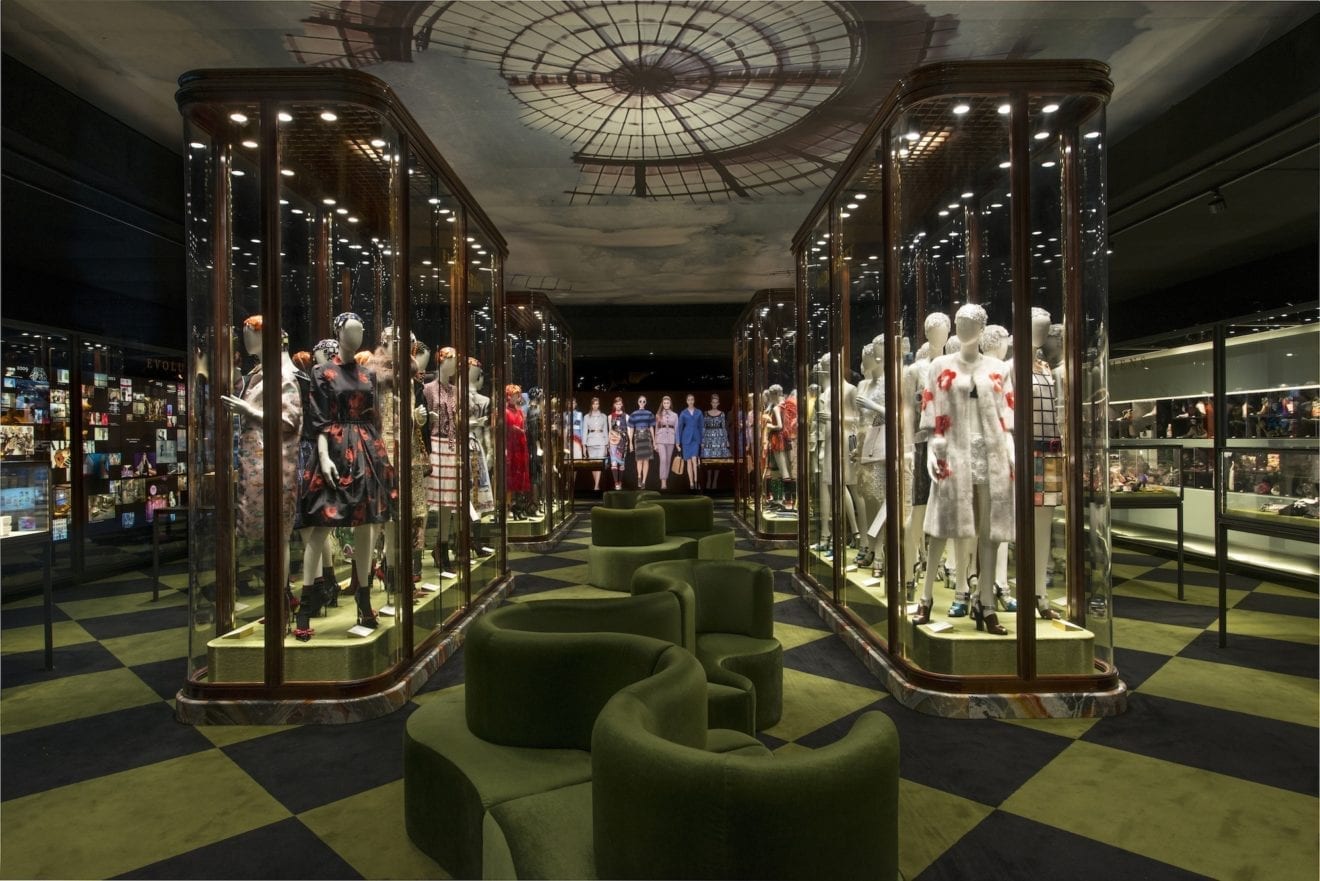
    The Canton Rd entrance introduces a room defined by signature elements of the brand, such as the black-and-white checkerboard floor and walls of light green encaustic and marble.

    Glass display cases with bottoms in green marble alternate with shelving systems. The beamed ceiling is a contemporary interpretation, in Prada green, of the typical ceilings of historic Italian buildings. Throughout the store, new materials are paired with 1950s design. Seating elements of different forms and colours create intimate salons, arranged with low tables. Classic materials like velvet are juxtaposed with modern materials like acrylic glass and marble.

    On the ground floor, the footwear area has carpet with velvet-covered walls, with exclusive green velvet chairs by Osvaldo Borsani.

    A special display niche inside the store’s mall entrance features black marble and a video screen. Spaces in green encaustic and black marble dedicated to leather and women’s accessories alternate with salons in red and green velvet with geometrically patterned carpets.

    In the clothing area, the beamed ceiling is covered in velvet to match the walls as a counterpoint to a video wall. Green velvet Borsani chairs, acrylic glass furnishings and the polished steel racks complete the decor.

    Sheathed in green marble, the stairway leading to the basement floor has as a background a steel and glass display case. The basement is dedicated to the men’s collections, with a special selection of clothing and footwear for women. A black-and-white marble floor, a beamed ceiling and green encaustic walls are the predominant elements.

    The men’s area is distinguished by tall furnishings in black iron and glass, blue ostrich skin chairs and carpet in aviator blue and grey with geometric patterns.

    A special room dedicated to clothing features a dark wood floor of narrow boards, walls covered in aviator-blue velvet and chairs in grey velvet with wooden arms.

  • Bottom line: brands chase China’s high-end lingerie market

    Bottom line: brands chase China’s high-end lingerie market

    High-end lingerie sales are outpacing China’s generally downbeat luxury market, and heating up competition between international brands and local rivals looking to go upmarket.

    U.S. brand Victoria’s Secret will open its first store, and companies including Italy’s ultra-luxury La Perla and Germany’s Triumph are adding stores and moving beyond China’s mega-cities to tap a lingerie market that has more than doubled in five years to $18 billion, according to Mintel Group.

    Chinese consumer tastes are maturing, women are more confident about buying for themselves and President Xi Jinping’s drive against conspicuous consumption is likely diverting spending from flashy branded bags and accessories to sports and ath-leisure wear and the more discreet lingerie.

    “Luxury is … not about buying to show off, it’s about buying items that make you feel good,” says Chiara Scaglia, La Perla’s Asia chief.

    China’s women’s underwear market is expected to have a retail value of $25 billion by next year – double that of the United States – and will grow to $33 billion by 2020, according to Euromonitor.

    Chinese firms such as Beijing Aimer, Maniform and Ordifen are also chasing that money, targeting higher-end customers and raising their quality.

    “That means foreign brands will have to out-compete local brands not just on quality, but also innovation,” said Matthew Crabbe, director at Mintel.

    For now, the market is highly fragmented, with none of the leading firms having more than around a 3 percent share. International brands see China as a priority to help bolster overall sales given a fairly bleak global outlook.

    La Perla, which sells bras priced around 2,000 yuan ($300), has eight stores in China and plans additional outlets in Chengdu and Chongqing within the year. It also aims to open a men’s store in Beijing.

    “The perception of the lingerie sector has changed,” Scaglia told Reuters. “At the beginning many people we spoke to were confused as to why anybody should spend over $1,000 on panties for something nobody sees.”

    EXPANDING FOOTPRINT

    Victoria’s Secret will open a 20,000 square foot (1,860 square meter) flagship store in Shanghai this year, taking over a prime downtown location that used to house a Louis Vuitton store. “I think it will announce our arrival in China in a very significant way, and should be the beginning of an enormous business for us,” said Martin Waters, L Brands International President.

    Triumph, which already has 1,000 China stores, plans to open in five new cities this year and up to 11 cities next year.

    Cosmo Lady (2298.HK), a Chinese firm that has focused on the mass market, selling bras from 50 yuan ($7.50), last year bought Ordifen to increase its presence in the luxury market.

    “We would like to gradually step into the high-end market,” said Peter Lam, Cosmo Lady’s assistant chief financial officer.

    Gao Qiannan, a 22-year-old Shandong student who says she spends upwards of 1,500 yuan a year on lingerie, doesn’t think there’s a big difference between Chinese and foreign brands.

    “If I can buy a domestic brand, I will, but if I particularly like the international brand’s style, I’ll get that,” she said.

    The international brands say they don’t offer products specifically for the Chinese market, though La Perla notes that some colors – red and baby pink – sell far better in Asia than in Europe or the United States. The Italian brand has also used Chinese supermodel Liu Wen in its campaigns.

    Japanese and South Korean brands are also growing in popularity in China.

    Yin Huijuan, 23, who spends 800 yuan ($120) on lingerie every three months, said she prefers Japanese brands such as Wacoal and Narue. “I feel foreign brands’ style is more detailed and diversified, these are areas where domestic brands fall short,” she said.

    CONSUMER CAUTION, ONLINE COMPETITION

    Even in the lingerie market, though, there are bumps.

    Cosmo Lady, which has 8,600 outlets including Ordifen’s 550 China stores, saw robust growth in its mass market sales last year, but has warned about its profits for the first half of this year, citing China’s slowing economic growth, consumer caution and competing online sales.

    Hong Kong-listed Embry Holdings (1388.HK), which owns the Embry Form lingerie brand, said its group retail sales slipped by nearly a fifth in April-June on tougher competition and the economy.

    Despite those bumps, the lingerie sector retains a strong appeal, said Eugene Mak, an analyst at China Merchant Securities in Hong Kong, and firms like Cosmo Lady are still outperforming other apparel retailers.

    He predicts the market will hit a consolidation phase at some time. “It’s a very young market, but in the near-term it’s going to be messy,” he said.

    (Reporting by Farah Master, with additional reporting by Giulia Segreti in Milan, Shanghai newsroom, and Sharon Shi and Joyce Zhou in Hong Kong; Editing by Ian Geoghegan)
  • 3 HK unveils new roaming services

    3 HK unveils new roaming services

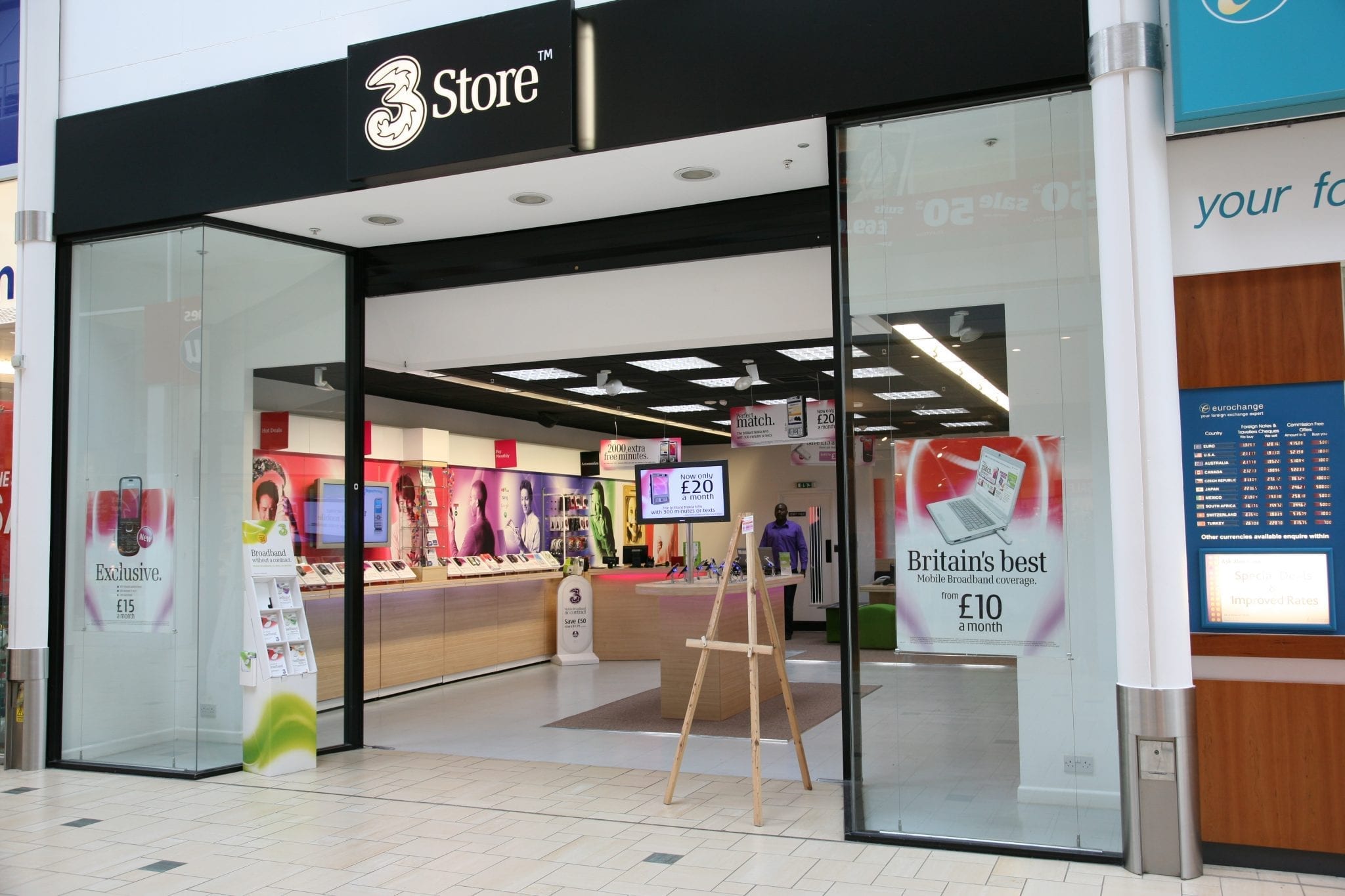
    3 Hong Kong, the mobile division of Hutchison Telecommunications Hong Kong Holdings Limited (HTHKH), has introduced new monthly plans and roaming passes, enabling customers to use mobile services in Macau and six European countries.

    HTHKH chief operating officer Jennifer Tan said the monthly 3Like Home plans and two types of roaming pass are tailored to the needs of frequent leisure and business travelers traversing Macau and Europe.

    The monthly “3LikeHome” plans, which start at HK$168/month ($21.66) (HK and Macau) and HK$508 (HK, Macau and six European countries), will offer equal local and roaming data usage entitlements, plus a quota of voice minutes to be shared between local use and when roaming.

    Devices will be automatically connected to 3 Group networks when in Austria, Denmark, Ireland, Italy, Sweden and the UK, as well as Macau.

    The new plans will allow customers to make calls to numbers in the locality where they are present, and Hong Kong, or receive calls from any region without incurring additional charges. The roaming data element of usage allows customers making frequent business trips to access the internet in Macau and the six designated European countries as if they were in Hong Kong, the operator said.

    To meet demand at this busy travel time of the year, 3 Hong Kong has also launched one-off roaming plans including a 3-day ‘3 Macau Roaming Pass’ and a 10-day ‘3 Europe Roaming Pass’, which will provide free-to-use voice and data entitlements in Macau and six European countries for families and frequent leisure travelers.

    In addition, 3 HK is offering 90-minutes free daily WiFi service to all mobile users in the city, as the number of its hotspots exceeding 20,000 across the city.

    Until the end of September, any mobile user in Hong Kong can access WiFi service for three sessions to a total of 90 minutes a day using a smartphone, tablet or laptop at more than 20,000 WiFi hotspots run by 3HK.

    Tan said 3 HK will build 3,000 more WiFi hotspots in the second half of this year, bringing the total number to more than 23,000.

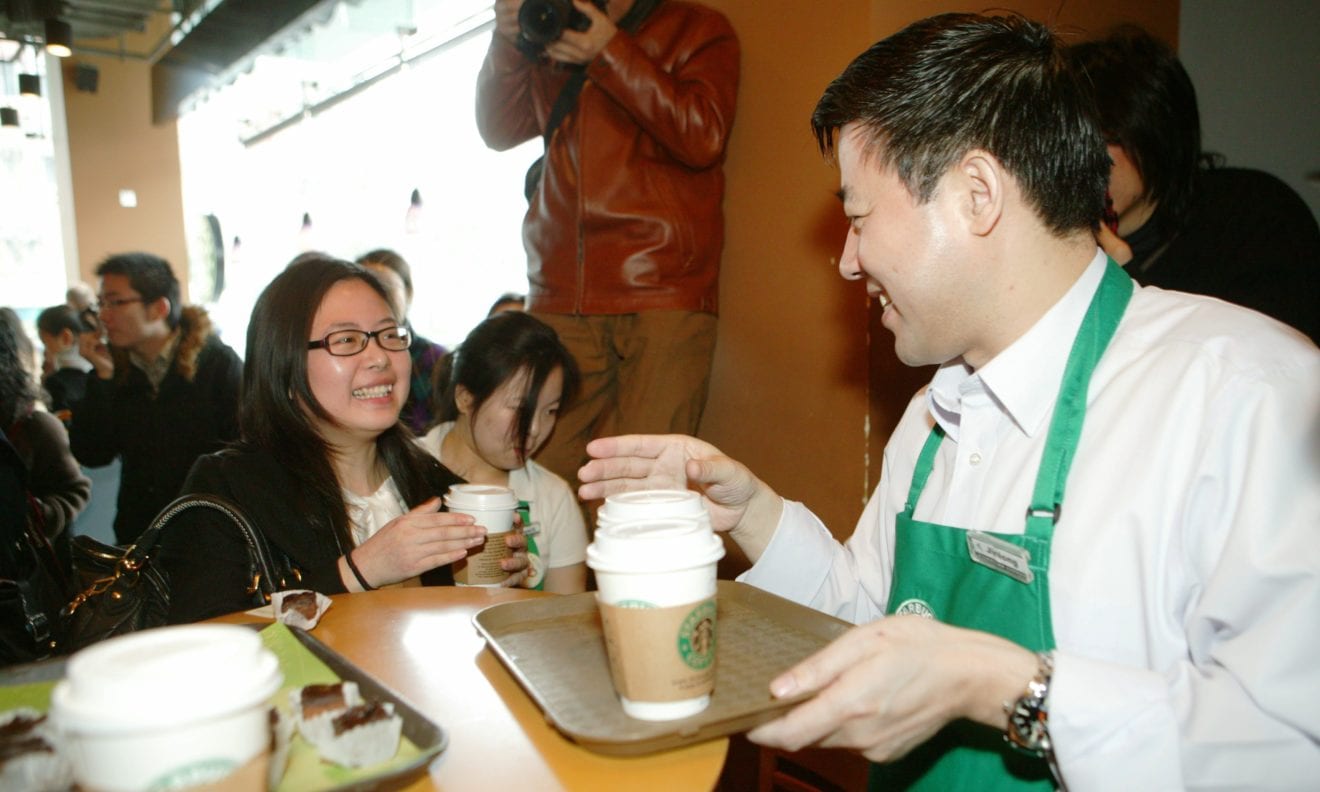
  • Store roll-out boosts Starbucks Asia

    Store roll-out boosts Starbucks Asia

    A massive Starbucks Asia store roll-out has boosted the global coffee company’s third quarter results.

    Across China and the Asia-Pacific region, Starbucks opened 888 new stores in the first nine months of the current financial year. That helped lift revenues by 18 per cent in the region.

    However, underlying same-store sales were a far more modest 3 per cent up on the same quarter last year.

    “The concern is that some of this is related to a general slowdown in China which, if part of a longer term trend, could harm company earnings,’ observed retail analyst Neil Saunders, CEO of Conlumino.

    The company’s Channel Development division – which encompasses the sale of Starbucks branded products in grocers and other stores- also posted positive numbers, with revenues rising 9 per cent. This was aided by strong sales of single-serve Starbucks products following a new agreement with Keurig Green Mountain to push branded K-Cups into more channels. A new partnership with Nespresso to launch Starbucks-branded pods should provided a further uplift to this division in the quarters ahead.

    “Unfortunately, the stronger performances in Asia and in the Channel Development Segment were not enough to offset the weakness in the Americas, which remains larger than all other divisions combined,” said Saunders.

    “And therein lies the forward issue for Starbucks: it has to increase momentum in this part of its business if it is to get back into high growth territory and if it is to avoid a future squeeze on profits.”

    Globally, Starbucks seemed to lose momentum in the third quarter, with overall growth slowing to 7 per cent and global same-store growth moderating to 4 per cent – both below forecast.

    “Worryingly, the slowdown took hold across all regions with even the Americas division, which usually puts in a fairly robust performance, posting a lacklustre same-store increase of 4 per cent. The fact that the company appears to have run out of steam somewhat overshadows its nonetheless impressive achievement of breaking the $1 billion operating income barrier for the first time in a non-holiday quarter.”

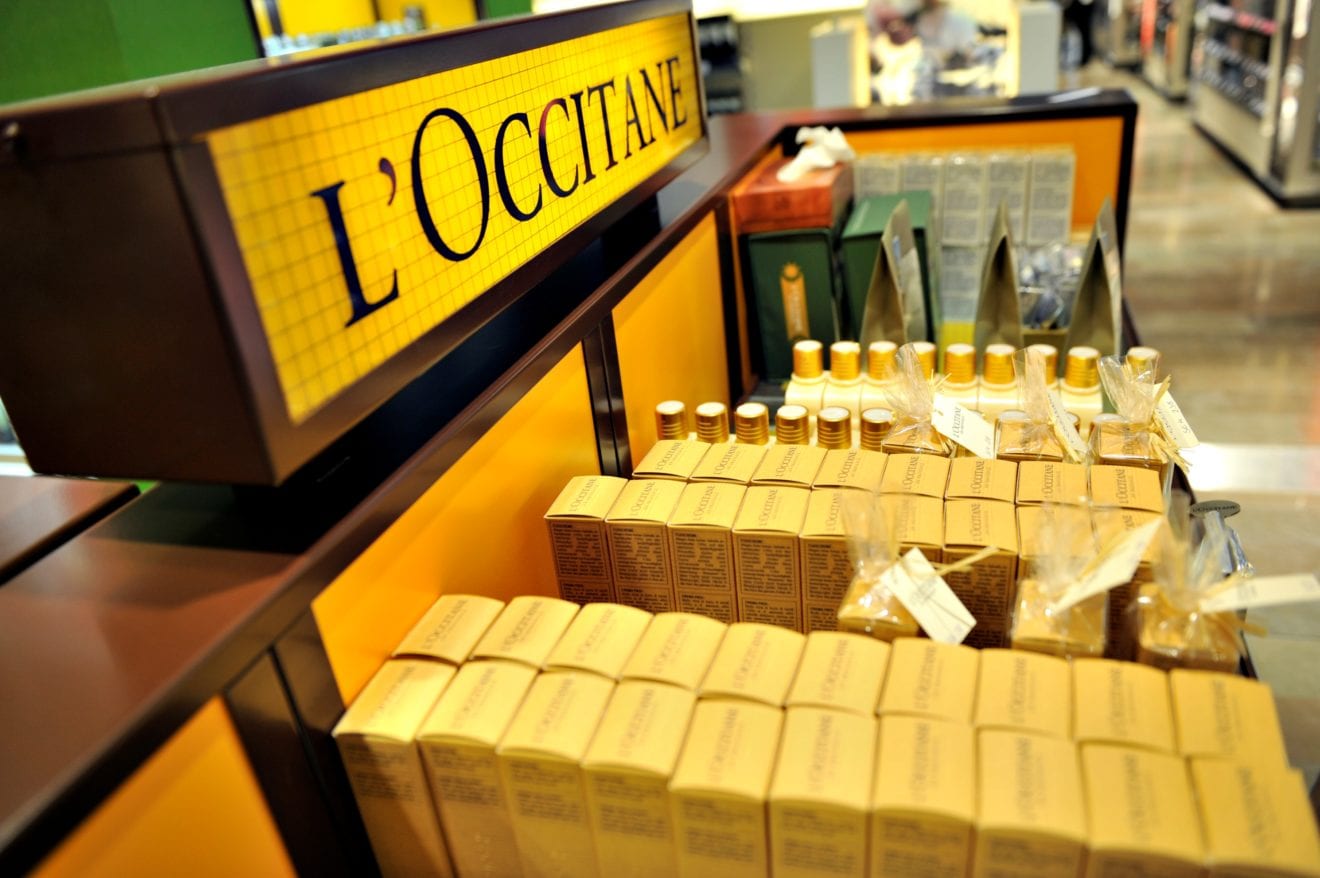
  • Sales fall 19pc for L’Occitane International

    Sales fall 19pc for L’Occitane International

    A 19.8 per cent drop in sales in Hong Kong and Macau has been recorded by French skincare retailer L’Occitane International for its first fiscal quarter.

    This amounts to €22.8 million (MOP175.3 million/US$21.9 million), according to its filing with the Hong Kong Stock Exchange.

    Its same-store sales in the two regions for the three months ended June 30 dropped by 11.7 per cent year-on-year. The company had 33 stores in Hong Kong and three in Macau at the end of June.

    Total net sales reached €268.5 million for the period, down 2.2 per cent. Of the total, sell-out sales brought in €200.4 million.

    L’Occitane says the soft performance was because of “lower sales to travel retail operations in the Asia region” as well as the global economic downturn and overall unfavourable foreign exchange impact.

    Meanwhile, the company’s sales on the mainland decreased 5.3 per cent during the quarter to €24 million. Same-store sales, however, eased by only 0.4 per cent year-on-year.
    The company had 195 stores on the mainland at the end of June, eight more than at the same time last year.

  • Apple Pay makes its debut in Hong Kong

    Apple Pay makes its debut in Hong Kong

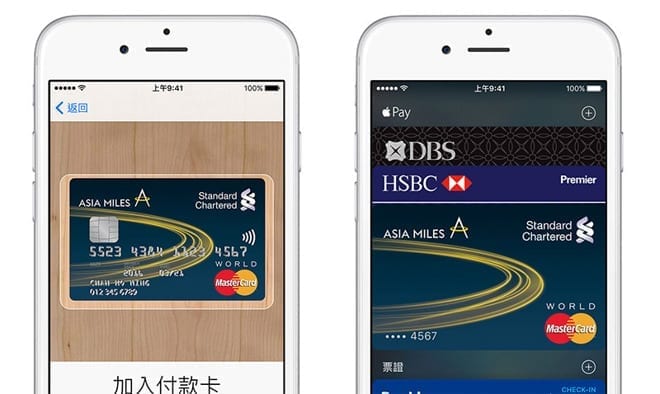
    Visa, MasterCard and American Express have all introduced support for Apple Pay in Hong Kong.

    Holders of credit and debit cards from the three companies issued by Bank of China, DBS Bank, HSBC, Standard Chartered, and Hang Seng Bank are now able to take advantage of the mobile contactless payment service.

    Apple’s Hong Kong website states that support for Bank of East Asia and Tap & Go cards is also “coming soon.”

    17613-15292-160719-Apple_Pay-HK-l

    In Hong Kong, Apple Pay is currently available in Apple’s own stores, as well as those from 39 other major chains, including 7-Eleven, APITA, KFC, McDonalds, Starbucks and Genki Sushi. It is also supported by a number of apps including Cathay Pacific, Deliveroo and Foodpanda. Support for Uber is coming soon.

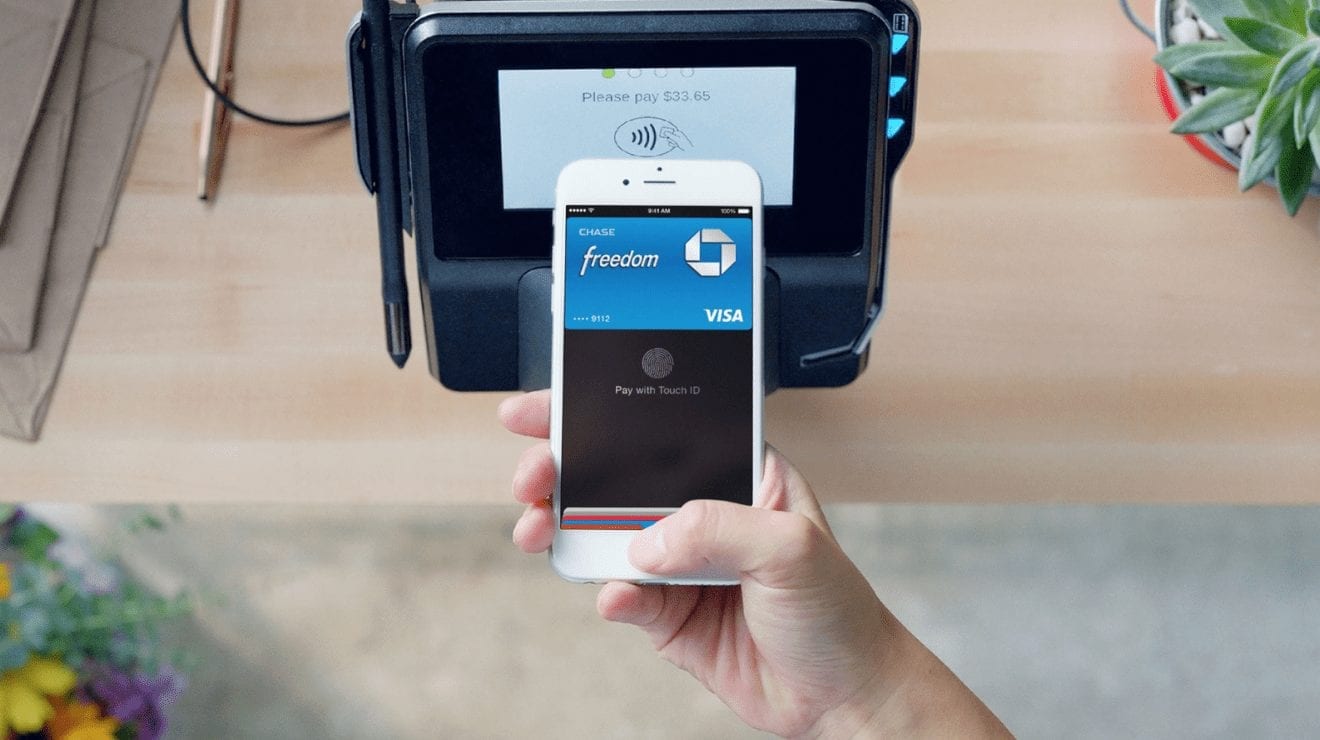
    Apple Pay’s contactless payment technology aims to improve security by not storing credit card numbers on the device or sending credit card details to merchants. Payments can be authorized using the Touch ID fingerprint authentication system.

    Apple Pay is supported by the iPhone 6s and newer, the Apple Watch paired with an iPhone 5 or newer, as well as the iPad Pro, iPad Air 2 and iPad mini 3 and 4.

    “In Hong Kong contactless payments have become a necessity for everyday life, consumers and retailers realize the greater convenience and faster checkouts for busy people on the go,” Visa Hong Kong and Macau country manager Caroline Ada said.

    She said research from the company shows that 77% of respondents are willing to try out or adopt new ways of paying, and 78% are ready to use smartphones as the device for making everyday payments.