Tag: Hong Kong

  • Curtain to Rise on Major Fashion Event Centerstage Next Month

    Curtain to Rise on Major Fashion Event Centerstage Next Month

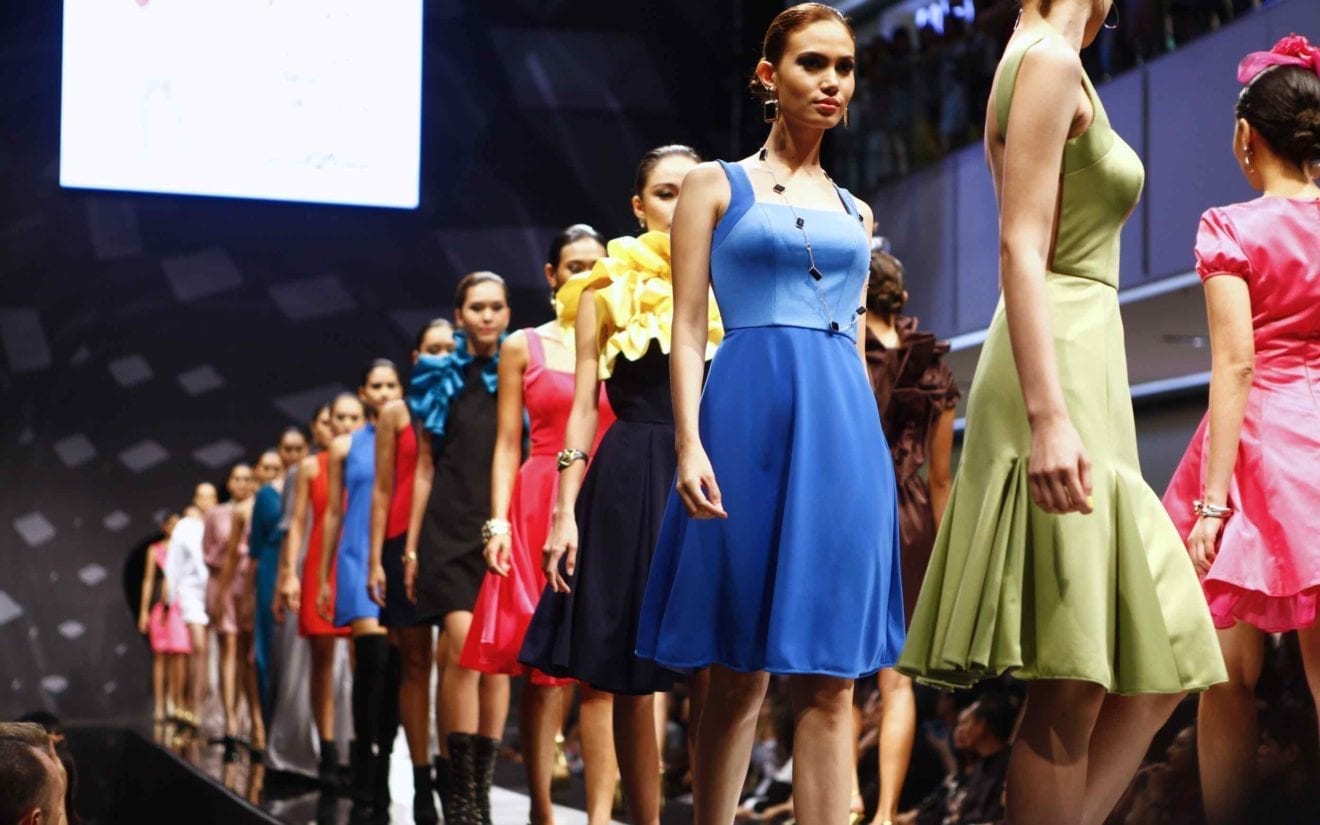
    CENTRESTAGE, a brand new fashion promotion and launch platform, will be held from 7 to 10 September at the Hong Kong Convention and Exhibition Centre (HKCEC). Organised by the Hong Kong Trade Development Council (HKTDC), the trade show will feature some 200 fashion brands from 20 countries and regions, as well as more than 50 spectacular events, including the large-scale opening gala fashion show CENTRESTAGE ELITES and around 30 other fashion shows. There will also be designer sharing sessions, industry seminars, networking events and more.

    At a press conference today, HKTDC Deputy Executive Director Benjamin Chau noted, “Hong Kong has long been known as the region’s fashion capital, setting style trends for the region. To further solidify the city’s position, we are debuting CENTRESTAGE to provide the ideal promotion and launch platform for international, especially Asian, fashion brands and designer labels.” Mr Chau added that the trade show is supported by local and overseas industry players, and is expected to attract buyers, particularly select shops, department stores and e-tailers, as well as fashion media and fashion enthusiasts in the region.

    Designers and guests at the press conference included local designer Mim Mak as well as Simon Choi, Project Director of Fashion Mirage, Hong Kong Fashion Designers Association and Elina Lee, Director of Partnership, Marketing, Communications, Events & Special Projects, Hong Kong Design Centre (HKDC).

    “Shooting Stars” is the theme of the inaugural CENTRESTAGE, which includes four thematic zones: GLAM, ALLURE, METRO and FORWARD. The participating countries and regions, include the Chinese mainland, Taiwan, Japan, Korea, Malaysia, Thailand, India, Australia, the United States and Europe. Local and overseas industry associations will also attend, such as the Hong Kong Fashion Designers Association, the California State Trade and Export Promotion & Center for International Trade Development from the US, the Taiwan Textile Federation and the Thailand Textile Institute.

    Some 30 fashion shows: Showcasing new collections, new talents

    To further showcase Hong Kong as an international fashion capital, the large-scale opening gala fashion show CENTRESTAGE ELITES will be held on the first day (7 September). The hottest rising stars in Asia, namely Mim Mak from Hong Kong, Simon Gao from Beijing, Ko Taeyong from Seoul and Pongsak Suprratccheep & Thita Kamonnetsawat from Bangkok, will display their latest collections for Spring/Summer 2017. Top models including Angie Ng and Kiki Kang are invited to present designer collections at this spectacular fashion extravaganza.

    The Hong Kong Fashion Designers Association will stage a show, Fashion Mirage, on 7 September. According to Simon Choi, Project Director of Fashion Mirage, the show will adopt a theme based on five local cultural elements and the event will feature 50 fashion designers, including Walter Ma and Barney Cheng.

    For years, the Hong Kong Young Fashion Designers’ Contest (YDC) has identified many fine talents for the local fashion industry and has been a cradle for Hong Kong’s designer brands. The final competition of YDC 2016 will be held on the last day (10 September) of CENTRESTAGE, where 17 finalists will take the stage to compete for the top three awards, as well as the Best Footwear & Accessories Design Award. Trendy Japanese label FACETASM’s founder and designer Hiromichi Ochiai will be the VIP judge and will share his valuable views and insights with the finalists.

    In addition, the Knitwear Innovation & Design Society will organise the Knitwear Symphony to nurture a new generation of knitwear designers and promote Hong Kong’s knitwear design and capability.

    The nearly 30 fashion shows at CENTRESTAGE will also feature such brands as 45R, anagram, ANTEPRIMA, Aquascutum, ARTHUR LAM, ATSURO TAYAMA, Charmante, Galtiscopio, HARRISON WONG, HIDY N.G., initial, i.t., JNBY, KENAXLEUNG, KOYO, LOOM LOOP, LU LU CHEUNG, Marimekko, MOISELLE and more.

    20+ seminars and networking activities: Sharing new developments, new trends

    Apart from fashion shows, the HKTDC has invited forecasting experts from WGSN and Fashion Snoops to analyse fashion and retail trends for the coming year. At another seminar, the designers participating in CENTRESTAGE ELITES will discuss and share ideas on Asia’s design influence on international styles and trends. YDC VIP judge Hiromichi Ochiai will likewise share his creative journey with visitors to the show.

    During the event, there will also be thematic seminars to help businesses grasp the latest developments in the global market. These include “Technology Trends Transforming the Fashion Industry”, “Innovation and Technology Symposium 2016” and a panel discussion on “A More Sustainable Fashion System: Is Digital Disruption Fuelling Positive Change?”

    Hong Kong in Fashion: citywide participation

    CENTRESTAGE is set to become a signature fashion event for the region showcasing top-notch creativity in Asia and drawing close attention from fashion enthusiasts. To take CENTRESTAGE outside the HKCEC and share the excitement of the fashion industry with the public, the HKTDC is launching a citywide campaign “Hong Kong in Fashion”. The campaign, which will run from today until 25 September, features more than 80 activities organised with support from more than 90 partners, including fashion and design institutions, renowned fashion brands, malls, hotels and restaurants. The activities are open to all fashion lovers.

    The HKDC will organise “Fashion PMQ” from 7 to 19 September. Elina Lee said the event will feature 40 local fashion and accessories designers, with an aim to facilitate the development of Hong Kong’s fashion industry. Fashion Mart (9-11 September) will be the highlight, while the HKDC has arranged a number of Fashion Crossover Pop-ups at various PMQ studios from 7 to 19 September to feature collaborations or crossover items by fashion designers from different disciplines.

    The Footwear Design Competition, organised by The Federation of Hong Kong Footwear Ltd. and co-organised by the HKTDC, has helped to nurture many talented footwear designers over the years. This year’s awards presentation ceremony and winning entries parade will be held as a “Hong Kong in Fashion” event on 2 September at the concourse of the apm shopping mall in Kwun Tong.

    Other public activities include the Street Snap Competition. From now until 25 September, participants can upload a personal fashion styling snapshot to Instagram (#CENTRESTAGEHK) for a chance to win a total of more than $100,000 worth of gifts. For details of the many “Hong Kong in Fashion” activities, please visit: centrestage.com.hk/hkinfashion

    The last day of CENTRESTAGE (10 September) will be “OPENSTAGE”, which will be open to public visitors aged 12 or above free of charge. Members of the public will have the chance to experience this major fashion industry event and check out the latest designs from leading brands. Individual exhibitors will retail their discounted products, offering fair visitors more shopping fun.

  • Flying start for Innisfree China at Disneyland

    Flying start for Innisfree China at Disneyland

    Korean beauty brand Innisfree China, known for its natural ingredients, has come up with a fresh idea to promote its new store in Shanghai Disneyland.

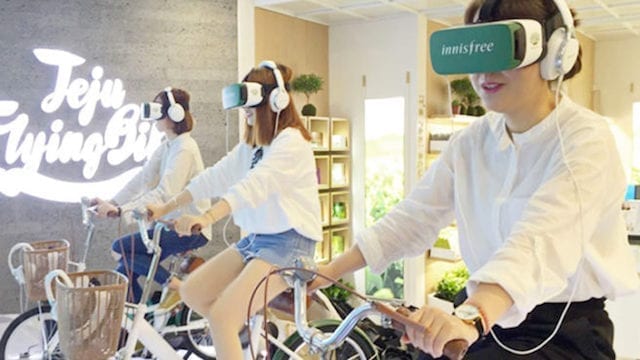
    Using the “Jeju flying bike”, it is offering customers a virtual visit to the company’s home base of Jeju Island. They mount the bike and put on VR goggles for the journey, created by PostVisual.

    They “fly” from the 16.5 sqm store to the 1650 sqkm island, which is a Unesco World Heritage Site for its volcanic landscape. Through eye-tracking technology, the virtual tourists can fly around the island and “collect” natural ingredients such as canola blooms, green tea leaves and nutmeg.

    To create the 360deg aerial and underwater surroundings, PostVisual spent about three months producing the content, even building its own VR drone camera in-house.

    innisfree VR

    Thousands of visitors have already taken the virtual ride, and the concept will be rolled out this year to flagship stores in Hong Kong, Indonesia, Singapore and Vietnam as well as elsewhere in the US.

  • Hong Kong Issues First Licenses For Stored Value Facilities

    Hong Kong Issues First Licenses For Stored Value Facilities

    Though its population of 7.5 million is equal to that of a mid-size mainland Chinese city like Hangzhou, Hong Kong makes up for lack of people with strength in its financial markets. And news today that the Hong Kong Monetary Authority has issued stored value facilities licences is big news.

    HKMA has granted stored value facilities licenses to five companies under the Payment Systems and Stored Value Facilities Ordinance: Alipay, Octopus, TNG, Money Data, and HKT Payment. Octopus’ license is effective November 13, 2016, but the other firms have effective licenses from today, August 25.

    “The grant of the first batch of licenses for SVF issuers is turning a new page in the retail payment development in Hong Kong,” Norman Chan, CEO of HKMA.

    The Ordinance commenced operation on November 13, 2015. Under the Ordinance, the HKMA is empowered to implement a mandatory licensing system for multi-purpose stored value facilities and perform relevant supervision and enforcement functions.

    A one-year period is allowed for existing issuers of stored value facilities or new market operators to apply for stored value facilities licenses from the HKMA.

  • China to fuel VF Corporation brands

    China to fuel VF Corporation brands

    Multibrand fashion group VF Corporation sees Asia – and especially China – as the primary driver of growth in the years ahead.

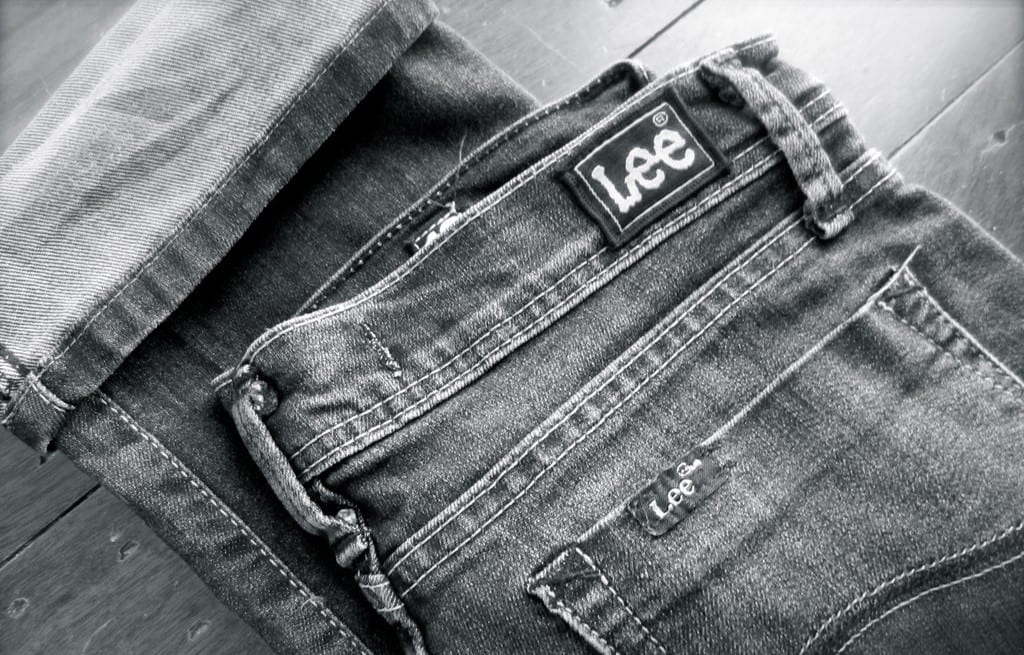
    VF Corporation brands include Vans, Kipling, Lee and The North Face.

    The US-headquartered company says it is focused on expanding geographically to take advantage of its scale in markets around the world.

    “The Asia Pacific (APAC) market, and in particular China, represent robust growth opportunities for VF, according to the company’s business lead,” the company revealed in an online newsletter.

    “Asia Pacific is an important region for business development and remains a priority focus for the company,” said Aidan O’Meara, VF’s Asia Pacific president. “Our plan is to continue to focus on locally relevant innovation, further invest in demand creation and leverage our scale and capabilities as ‘One VF’ to fully capitalise on the growth opportunities and take market share.”

    VF’s APAC business continues to expand. In 2015, currency neutral revenues in the region were up 10 per cent reaching US$1.2 billion.

    China, which accounts for roughly half of APAC revenue, has seen consistent, strong growth from the country’s three largest brands: The North Face, Lee and Vans. In particular, Lee in China has experienced consistently strong growth over the years for the company, with product innovations driving recent success.

    Denim leads the charge in China

    VF brands currently maintain presences in more than 170 Chinese cities. And, that number is expected to increase in coming years.

    “We see growth potential in a market with increasing affluence, a burgeoning middle class and increasing sophistication and demand for quality jeanswear,” O’Meara said.

    The company sees a competitive edge in the market, particularly at Lee. VF launched Lee as the company’s first owned business in China in 1995.

    “Statistics show that while jeans ownership is about eight pairs per person in North America,” O’Meara said. “In China, it is less than one pair per person, and if you look at India, there is still a lot of room as jeans ownership averages about three pairs per person.”

    O’Meara noted there was a time when many jeans manufacturers rested on their laurels. However, as competition intensified, many consumers lost excitement with the products available on the market, opening a door for an innovative new product.

    Lee saw this opportunity and put its research and development to the test. The resulting JadeFusion Denim has been a resounding success and garnered a Bronze Innovation Edison Award in the Materials Science category.

    JadeFusion immediately accounted for 13 per cent of China’s denim sales in its first season on the market in the spring and summer of 2015.

    “Lee exemplifies VF’s continuous innovation as one of the key strategies which differentiate us from our competitors,” O’Meara said.

  • Boss puts positive spin on Estee Lauder results

    Boss puts positive spin on Estee Lauder results

    Cosmetics maker Estee Lauder has forecast a lower-than-expected profit for the full year, hurt by fewer customer visits to department stores and uncertainties in some markets.

    “We believe the risk of other economic and political disruptions will remain high as we start our new fiscal year,” says CFO Tracey Travis of the latest estee Lauder results.
    Weak sales in some Asia-Pacific countries, mainly Hong Kong, helped dent its sales figures.

    The company also says it expects to incur charges of about US$80 million to $100 million in fiscal 2017, related to restructuring initiatives, quitting businesses in certain markets and cutting its global workforce.
    However, president/CEO Fabrizio Freda has a positive spin, saying the company’s performance “gives us much to celebrate”.

    He says the company capitalised on shifting consumer preferences by leveraging its strength in makeup and positioning the company to win in luxury fragrances.

    “We nimbly allocated resources and made strategic investments in areas that gave us terrific results, including emerging markets, our makeup category, and the online and specialty-multi retail channels. Importantly, we achieved these results against a backdrop of social and political instability, currency volatility and economic challenges.”
    For the quarter ended June 30, the company had net sales of $2.65 billion, a 5 per cent increase on the prior-year period. It posted across-the-board sales gains in all geographic regions and product categories, except fragrance.

    Sales benefitted from new products and double-digit growth in several emerging and developed markets. The company also generated double-digit gains in its travel retail and online channels. Net earnings for the quarter were $93.5 million, compared with $153 million last year.
    For the year, the company achieved net sales of $11.26 billion, a 4 per cent increase over the previous year. Net earnings were $1.11 billion, up 2 per cent.
    Freda says the company will continue to seek geographic and channel opportunities to reach more consumers “while keeping a sharp focus on like-door growth”.

    During the fourth quarter, the company recorded restructuring and other charges of $101 million ($69.6 million after tax).

  • New Arrival app helps Chinese shop abroad

    New Arrival app helps Chinese shop abroad

    A new fashion app, New Arrival, aims to introduce Chinese travellers abroad to lesser-known boutiques abroad.

    The New Arrival app serves as a platform and guide for brick-and-mortar stores Chinese shoppers might otherwise miss in their travels.

    Founded by Howell Hu, the app has two sections. One part focusses on “new arrivals” from on-ground stores, letting users browse products with a swiping feature. Shoppers swipe right to like a product and see more like it, swipe left to “pass” on the product, and swipe down to add it to their shopping cart.

    From there, they can either access more information about the store or arrange to make the purchase directly on the app via Alipay. Users can also browse using a navigation system to shop by category.

    The other section of the New Arrival app lets users tour shops by city. A “nearby” option lets travellers find stores on the go, or they can search by city (destinations include Beijing, Shanghai, New York, Paris and Hong Kong).

    More than 200 stores are presently collaborating with the app, all of them either multi-brand stores or individual designers. While most of the countries included are major tourist destinations, China is also represented as well as several destinations in Asia, such as Johor Bahru in Malaysia.

    The New Arrival app allows returns within one week, and the stores themselves handle shipping.
    Available for iPhone, the app will have an Android version next month.

  • Cheung Kong puts The Center up for sale as Li Ka-shing trims Hong Kong assets

    Cheung Kong puts The Center up for sale as Li Ka-shing trims Hong Kong assets

    Hong Kong’s wealthiest man is putting his tallest building in the city up for sale, garnering bids from several Chinese buyers that point to the increasing trend of mainland companies with deep pockets snapping up local assets.

    Li’s Cheung Kong Property Holdings Co. has put The Center on the market with little fanfare for six months, according to a property agent involved in the deal, who declined to be named. A handful of keen buyers are bidding on the 73-storey tower, valued at HK$35 billion, the agent said.

    At that price, The Center will be Hong Kong’s most expensive real estate transaction.

    Analysts point to China’s state-owned companies with deep pockets as the most likely buyers for the tower in downtown Central, which has 1.2 million square feet of office space, 13,000 square feet of retail space and 402 car parking lots.

    “Only state-owned enterprises can afford such a sum,” said Knight Frank’s head of valuation and consultancy Thomas Lam.

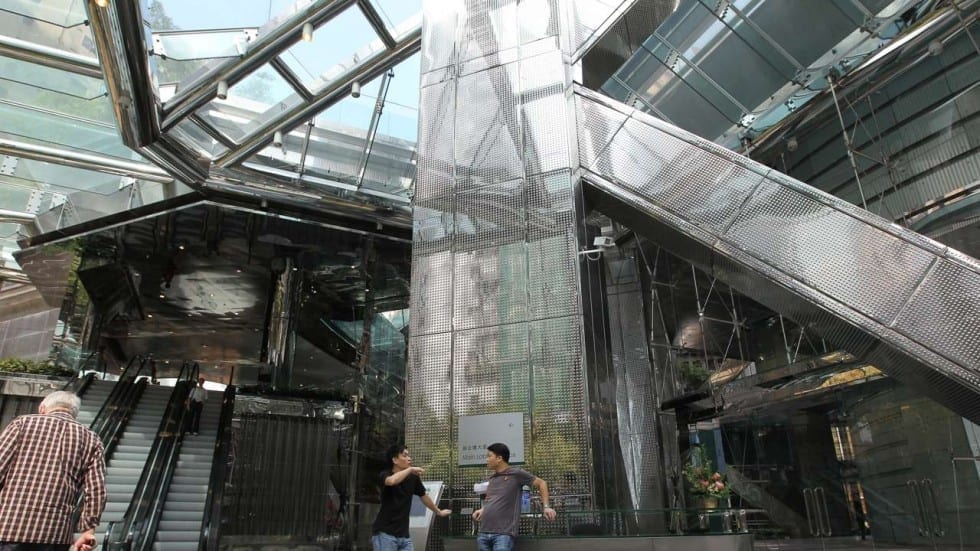
    The building, completed in 1998, is an entire steel structure without a concrete core. Its iconic lobby was featured in the Hollywood movie The Dark Knight.

    Cheung Kong owns 48 storeys in the building after Malaysian developer Guoco Group bought 11 floors in 1997. Nine of the 11 floors were sold to Singapore’s DBS Group Holdings Co. in 1998, while Cheung Kong sold the 60th and 79th floors in 1999, according to The Center’s sales brochure.

    Li has sold more than 20 billion yuan (HK$23 billion) of commercial properties in Shanghai, Beijing and Guangzhou since 2013. The tycoon’s business empire covers container ports, phone networks, power plants, real estate, retail outlets with assets in Asia, Europe and North America.

    Cheung Kong’s officials were unavailable to comment in Hong Kong.

    ICBC Asia, a subsidiary of China’s largest bank, is in discussions to buy the Center for HK$34.8 billion, Hong Kong’s Chinese-language media reported on Tuesday. The Hong Kong unit of the Industrial & Commercial Bank of China denied it’s involved in the talks.

    Cheung Kong is taking advantage of an explosive demand of office real estate by mainland Chinese companies in Hong Kong, analysts said. The decline in the Chinese yuan against the US dollar has also made it more attractive for mainland banks to seek better returns by parking their capital in real estate.

    “Chinese companies are eager to set up headquarters in Hong Kong’s central business district amid rapid business expansion,” Knight Frank’s Lam said. “They will be the key driver of new take up and office acquisition in the coming years.”

    Mainland Chinese companies hogged the limelight last year when two of them acquired two office blocks from Hong Kong-based property companies.

    China Life Insurance Co., the country’s largest insurer, paid HK$5.85 billion in November last year for Wheelock & Co.’s One HarbourGate office tower and retail podium in Hung Hom. On the same day, China Evergrande Group, the country’s second-largest developer, forked out a record HK$12.5 billion for the 26-storey Mass Mutual Tower in Wan Chai from Chinese Estates Holdings.

  • Pop-Up Stores In Hong Kong: Fad Or The Future?

    Pop-Up Stores In Hong Kong: Fad Or The Future?

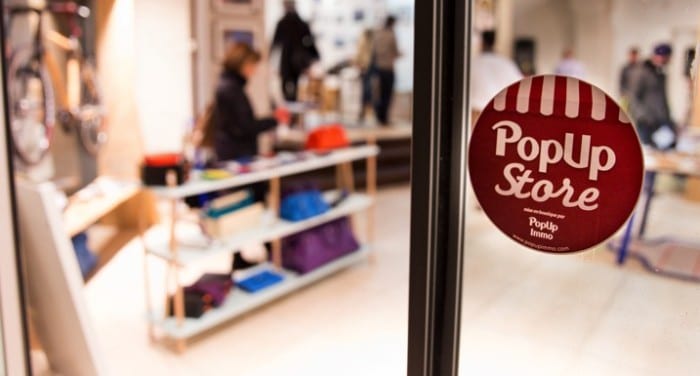
    With vacancy at less than 1% in Hong Kong’s prime shopping malls, is it any wonder why brands, particularly those new to the market, are opting to grab a slice of the action by entering the market by doing a pop-up store. So what is a pop-up?

    • žžPop-up retail, also known as pop-up store or flash retailing, is a trend of opening short-term sales spaces.
    • žžA pop-up retail space is a venue that is temporary — the space could be a sample sale one day and host a private cocktail party the next evening.
    • The trend involves “popping-up” one day, then disappearing anywhere from one day to several months later.
    • žžThese shops, while small and temporary, can build up interest by consumer exposure.
    • žžPop-up retail allows a company to create a unique environment that engages their customers, as well as generates a feeling of relevance and interactivity.
    • žžPop-up retail also provides retailers to “prove” themselves in certain locations before the landlord decides whether they will provide them a shop on a long-term basis.

    Many brands are entering Hong Kong using the pop-up store model as a way to showcase their products. Although the stores are on a small scale and in a confined space, when done correctly, they allow customers to get a taste and a feel for the brand.

    Advantages for the landlord

    • Limited risk. It is allows the brand to occupy a small area that would otherwise be an open void space, a vacant shop or a shop that is undergoing some alteration work. This allowsthe landlord to maximise occupancy levels and revenues in what would otherwise be deemed as “dead space”.
    • žžAllows the brand to showcase their products and for the landlord to assess whether the brand is potentially worthy of securing a longer term store within the mall.
    • žžAllows the landlord to assess how the brand operates, how the staff interact with the customers and assess how good their customer service is.
    • žžKeeps the mall interesting and competitive.

    Advantages to the brands

    • žžWith competition for space in Hong Kong being extremely fierce, many brands are left to wait and wait for a prime location to be made available to them. A pop-up store allows them to enter the market more quickly.
    • žžBuild rapport with the landlords.
    • žžShowcase their products and designs to the landlord and use this as a platform to test their merchandise with the discerning Asian customer. In particular, mainland Chinese consumers, whose attention many brands are eager to capture.
    • žžAllows the brand to be uber creative in their design in a small space.
    • žžPop-up stores are usually located in areas with high footfalls which provide maximum exposure and opportunity to the brand.
    • žžRelatively low costs involved.

    Take an example such as Penhaligon’s, a new-tomarket brand that set up a lovely pop-up store in Harbour City and was able to parlay the success of the store to be offered permanent stores in prime locations in Hong Kong and Macau. Goes to show there are advantages to this approach.

    Disadvantages

    • žžLarge amount of investment is often required for what is a small and temporary space.
    • žžLimited time to recoup initial investment, produce impactful marketing and moreover showcase the brand and its DNA.
    • žžSometimes the tenant mix may not be ideal for the brand.
    • žžLocations are often isolated which means the brand has to work harder on the design, customer service and marketing to entice people into the pop-up store.

    Will the pop-up phenomenon remain? From what we can see in terms of market fundamentals and the success many popup concepts are enjoying, the answer is an overwhelming yes. With no let up on demand from brands seeking to expand, space availability being extremely limited and rentals not looking to subside any time soon, pop-up stores will become a more and more enticing option. However it is not all good news, many pop-ups, due to their limited time period and inability for the brand to showcase a sufficient range of products, can sometimes be detrimental to a brand. Take a fashion brand for example. They have hundreds of Stock Keeping Units (SKU’s) in their normal stores but this is often limited to a 10th of that in a pop-up. This could potentially damage the brand’s reputation, perception, sales and ultimately the brand’s ability to expand in Hong Kong. Overall, however, we believe that the positives outweigh the negatives but brands still need to be conscious of what they are doing. They need to have a strategy in place and ultimately know exactly what they are trying to achieve by having a pop-up.

  • Property sale boosts Bossini International profit

    Property sale boosts Bossini International profit

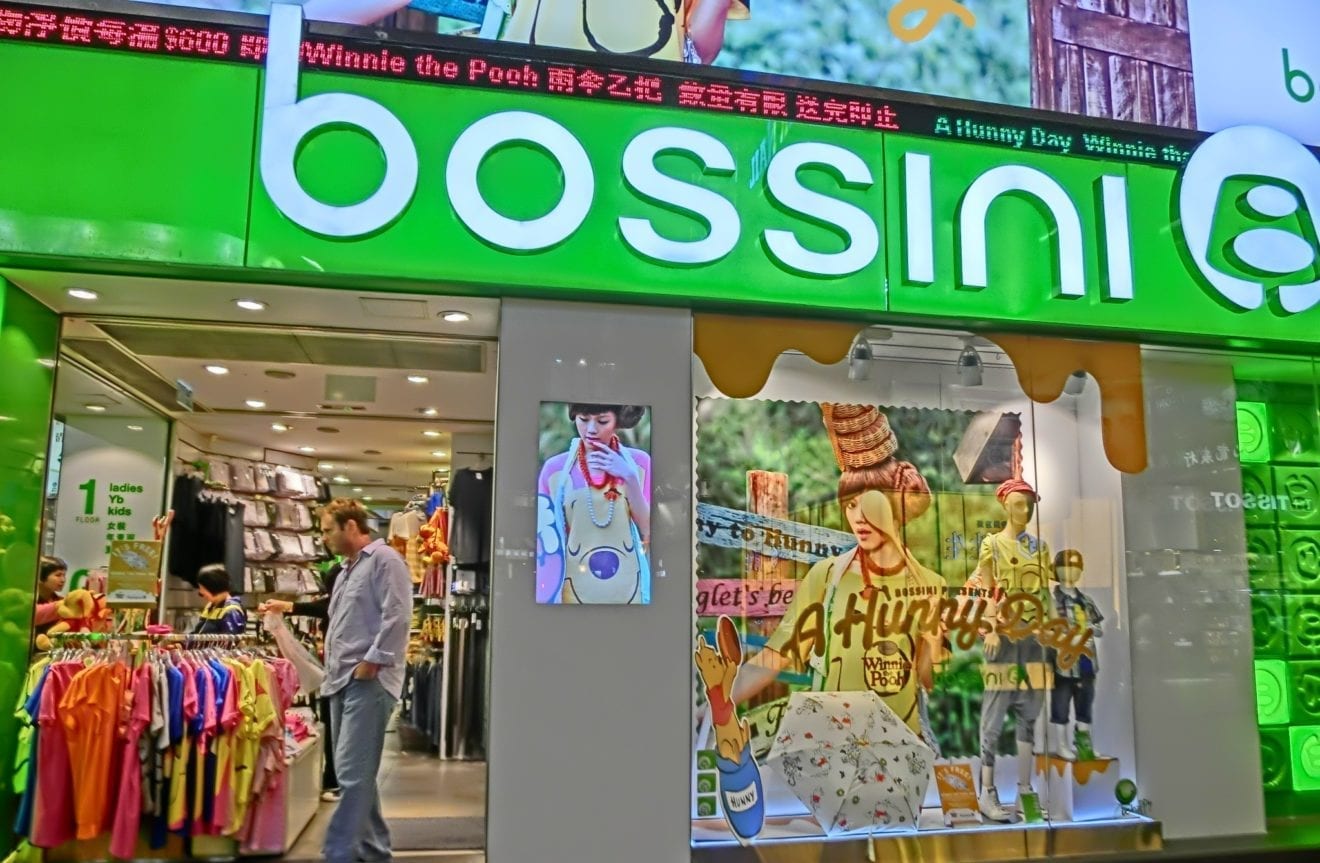
    While expecting a leap in profit because of a special circumstance, clothing retailer Bossini International Holdings had a “significant” decrease in revenue for its latest year of trading.

    The group reports an expected jump in profit ranging from 147 to 157 per cent for the year ended June 30, mainly because of a gain of about HK$267 million (US$34.4 million) on the disposal of a macau property and a leaseback arrangement.

    Excluding that gain, the group predicts a drop in profit of between 75 and 85 per cent compared with the previous year, attributed mainly to a drop in revenue resulting from fewer tourists in Hong Kong and Macau, and a strong Hong Kong dollar.

    Other factors were weak local consumer sentiment, an unseasonably warm winter and intensified competition in several core markets.

    Bossini’s audited annual results are expected to be announced late next month.

  • Korean fashion brands in Zalora pop-up

    Korean fashion brands in Zalora pop-up

    South Korean fashion brands are featuring in an online pop-up store on regional sites of online fashion portal Zalora.

    It’s all part of a concerted bid to expand recognition of Korean fashion bards across the broader Asia-Pacific region.

    Launched in Singapore, the Premium Korean Fashion pop-up shop is open until October in Zalora sites in Singapore, Malaysia, Indonesia, the Philippines, Hong Kong and Taiwan, according to the officials at the Korea Trade-Investment Promotion Agency (Kotra) and the Korea Fashion Association.

    Seventeen South Korean designer brands, which have been recognised for their competitiveness both at home and abroad, are showcasing their products on the pop-up store.

    A launch ceremony was attended by some 80 Southeast Asian fashion journalists and so-called power bloggers. It marks South Korea’s first marketing activity targeting the entire Southeast Asian region.
    At the event, Giulio Xiloyannis said there is growing interest in Korean fashion in Southeast Asia and that the opening of the pop-up store is not only a new attempt but also an important event for Zalora.

    A Kotra official said the trade agency will step up efforts to gain access to major online portals in an effort to make inroads into regional markets.

    “Southeast Asia is emerging as the next eCommerce market after China as youths account for a large portion of its population and regional economies are growing at a fast pace,” Lee Byung-woo, head of Kotra’s office in Kuala Lumpur. “Efforts will be made to help Korean brands gain a foothold there.”

  • HK netizens support smart city push

    HK netizens support smart city push

    More than 50% of local internet users believe it is important for the government to transform Hong Kong into a smart city, according to a HKIRC survey.

    Hong Kong internet users believe that a smart city transformation will help them save time (79.6%), enhance the quality of life (77.4%) and live green (62.4%).

    HKIRC revealed the results of the survey at its eighth Digital Marketplace seminar at Cyberport last week, which had the theme of “Smart City Business ─ Shaping Our Future.”

    At the event speakers from MTR, PwC Advisory Services, Future Impact Lab Limited, The Chinese University of Hong Kong, JOS, Realmax Hong Kong, Smart City Consortium, Cyberport and Octopus Cards shared their thoughts on various smart city topics.

    The survey also showed that over 70% of respondents are interested in smart technologies in the near future.

    Among those willing to spend 11% or more of their monthly incomes, 38.2% would like to spend on smart healthcare or education, 37.6% on smart living, 31% on smart safety, 29.2% on smart finance, 29% on smart mobility and 27.7% on smart utility.

    HKIRC noted that this implies there is massive business potential for startups and enterprises in the emerging smart city technology space.

    But despite seemingly strong support for smart city policies, respondents believe there is still plenty of room for improvements in terms of the breadth and depth of products and services in smart government, smart living, smart mobility and smart economy.

    “The survey results echo the government’s spearhead action in Smart City development.” HKIRC chairman Simon Chan said.

    “This year’s DMP demonstrates a strong demand from the public for Smart Technologies, and the business community is ready to launch products and solutions to meet the needs. We are happy to see that the city has started to emerge itself into a Smart City.”

  • Shenzhen-Hong Kong Connect project approved

    Shenzhen-Hong Kong Connect project approved

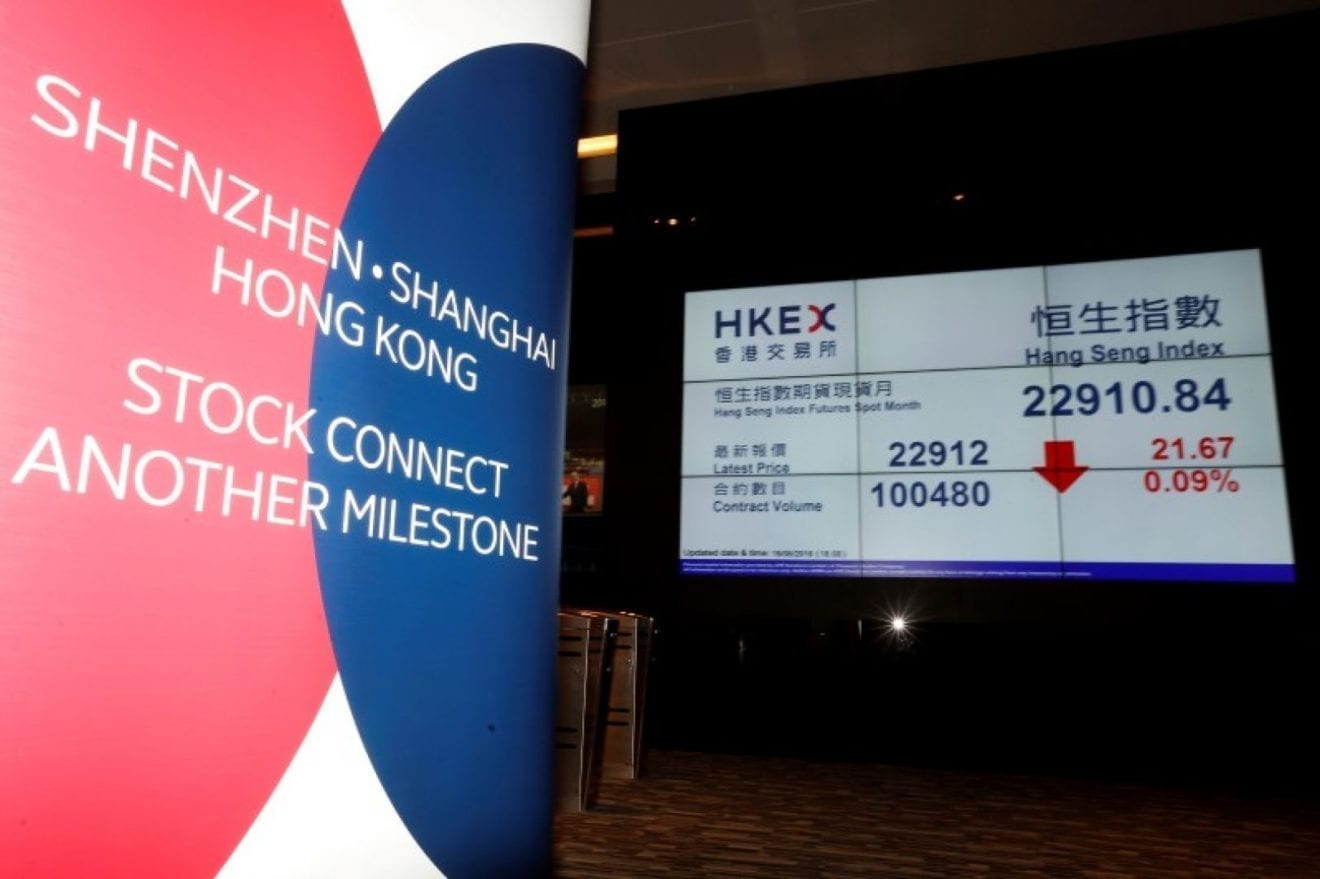
    The Securities and Futures Commission (SFC) and the China Securities Regulatory Commission (CSRC) today have given in-principle the approval of the structure of the proposed Shenzhen-Hong Kong Stock Connect.

    The project will provide mutual stock market access between Hong Kong and Shenzhen via a northbound trading link and a southbound trading link. There will be no aggregate quota under Shenzhen-Hong Kong Stock Connect.

    Today’s joint announcement issued by the SFC and the CSRC also abolishes the aggregate quota under Shanghai-Hong Kong Stock Connect with immediate effect.

    “The expansion of mutual stock market access represents yet another milestone towards strengthening the interconnectivity between the stock markets in Hong Kong and the Mainland as well as consolidating Hong Kong’s position as a major offshore renminbi centre,” said Mr Carlson Tong, the SFC’s chairman.

    The launch of Shenzhen-Hong Kong Stock Connect is subject to the finalization of all necessary regulatory approvals, market readiness and relevant operational arrangements.

    A separate announcement on the commencement of Shenzhen-Hong Kong Stock Connect will be made in due course.

  • H&M Beauty sets opening date

    H&M Beauty sets opening date

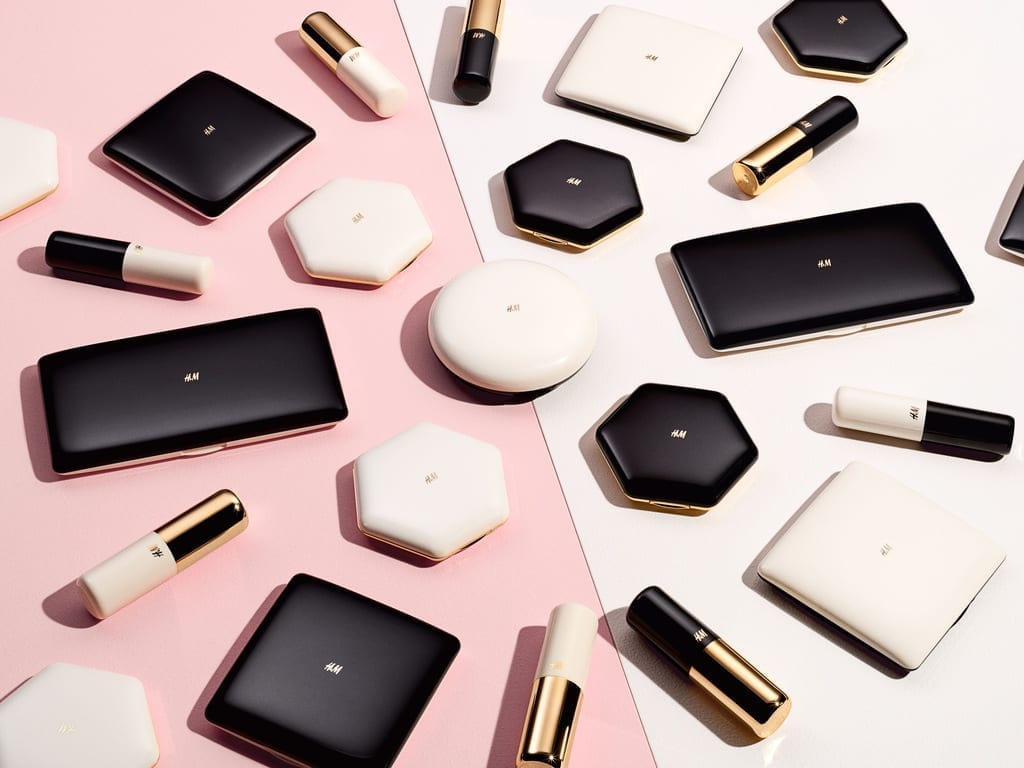
    The Swedish fast-fashion brand, H&M has set September 10 as launch date for its beauty line in Asia.

    After making its debut late last year, H&M beauty line will come to its Asian customers this September, with Singapore as the first destination.

    The first two Singapore stores to present the line are at Orchard Building and H&M Raffles Place.

    The range covers cosmetics, skincare, body-care and haircare products. The makeup range will include more than 700 products for all makeup styles and occasions. The body-care products are said to be made from premium ingredients with ‘Conscious’ collection using recyclable packaging.

    The beauty line is part of H&M’s philosophy to offer shoppers the latest styles and quality with affordable prices.

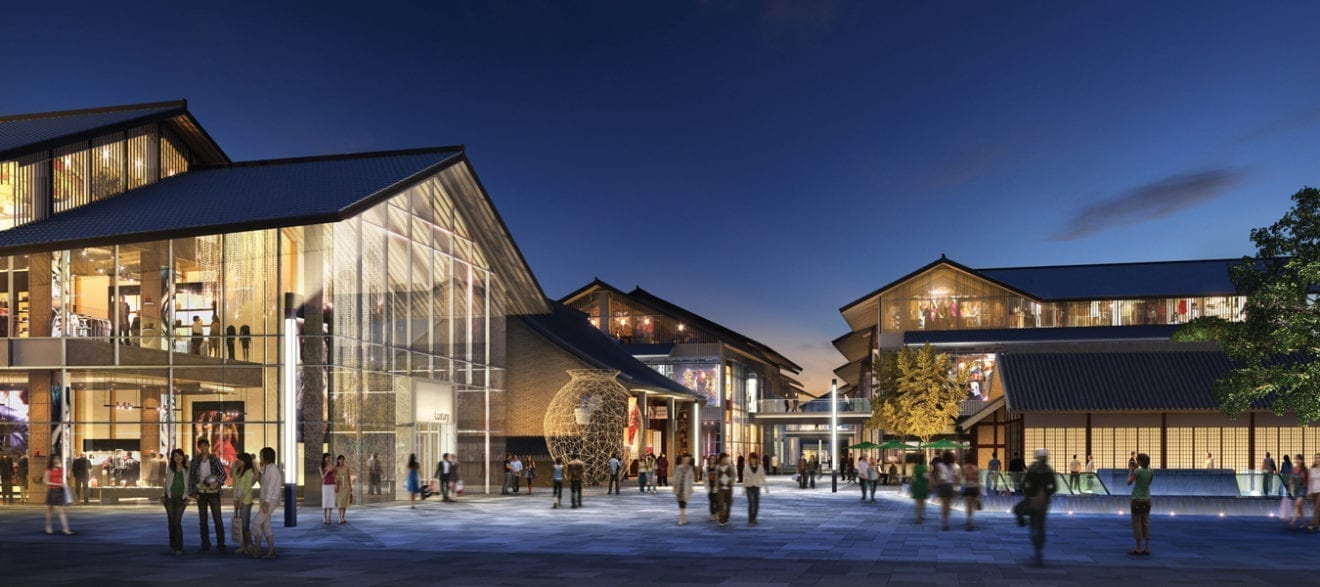
  • Shopping malls generate HK$1.3b rental income for Swire Properties

    Shopping malls generate HK$1.3b rental income for Swire Properties

    Shopping malls generate HK$1.3b rental income for Swire Properties

    Swire Properties (1972) shopping malls including The Mall at Pacific Place, Cityplaza in Taikoo Shing and Citygate Outlets at Tung Chung generated gross rental income of HK$1.35 billion in the first half, the company reported today.
    At June 30, 2016, the retail properties in Hong Kong were valued at HK$52.79 billion. Of this amount, Swire Properties’ attributable interest represented HK$46.46 billion.

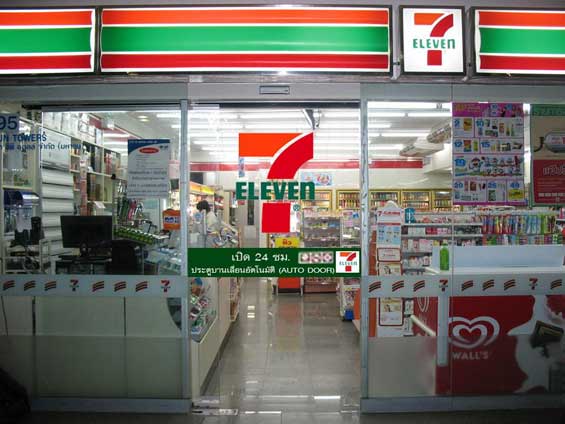
  • 7-Eleven Hits Milestone of 60000 Stores in 17 Countries

    7-Eleven Hits Milestone of 60000 Stores in 17 Countries

    7-Eleven Inc., the largest convenience retail chain in the world, keeps getting bigger with the opening of its 60,000th global store.

    The Irving-based company traces its roots to the 1927 opening of Southland Ice Co. in Oak Cliff, Texas. In 1946, with stores open from 7 a.m. to 11 p.m., the name was changed to 7-Eleven. Stores started staying open around the clock in 1971.

    7-Eleven moved into Canada in 1969 and into Mexico in 1971 as part of joint ventures. In 1974, the retail chain expanded into Japan with Seven-Eleven Japan, which became the parent company in November 2005.

    7-Eleven now has stores in Thailand, Taiwan, South Korea, China, Malaysia, Singapore, Philippines, Australia, Sweden, Norway, Denmark, Hong Kong, Macau, Indonesia and UAE through area license and master franchise agreements.

    The first 7-Eleven store in Vietnam is expected to open next spring, which will extend the retailer’s operations to 18 countries.

    “The 7-Eleven story is amazing and inspiring; we started as a small local ice house and have grown over the years store by store, community by community, and country by country into an iconic global brand,” said Joe DePinto, 7-Eleven Inc. president and CEO. “We will continue to grow by staying focused on the constantly changing convenience needs of our customers and by staying committed to the communities we serve.”

    Last year, 7-Eleven opened one store every 2.5 hours, for approximately 4,000 stores.

    The company currently has the most stores in Japan (18,860), followed by Thailand (9,278), the United States (8,378), South Korea (8,238) and Taiwan (5,057).

    Other milestones in 7-Eleven’s history include:

    • 1927: First store
    • 1952: 100th store
    • 1963: 1,000th store
    • 1984: 10,000th store
    • 2003: 25,000th store
    • 2010: 40,000th store