Tag: Hong Kong

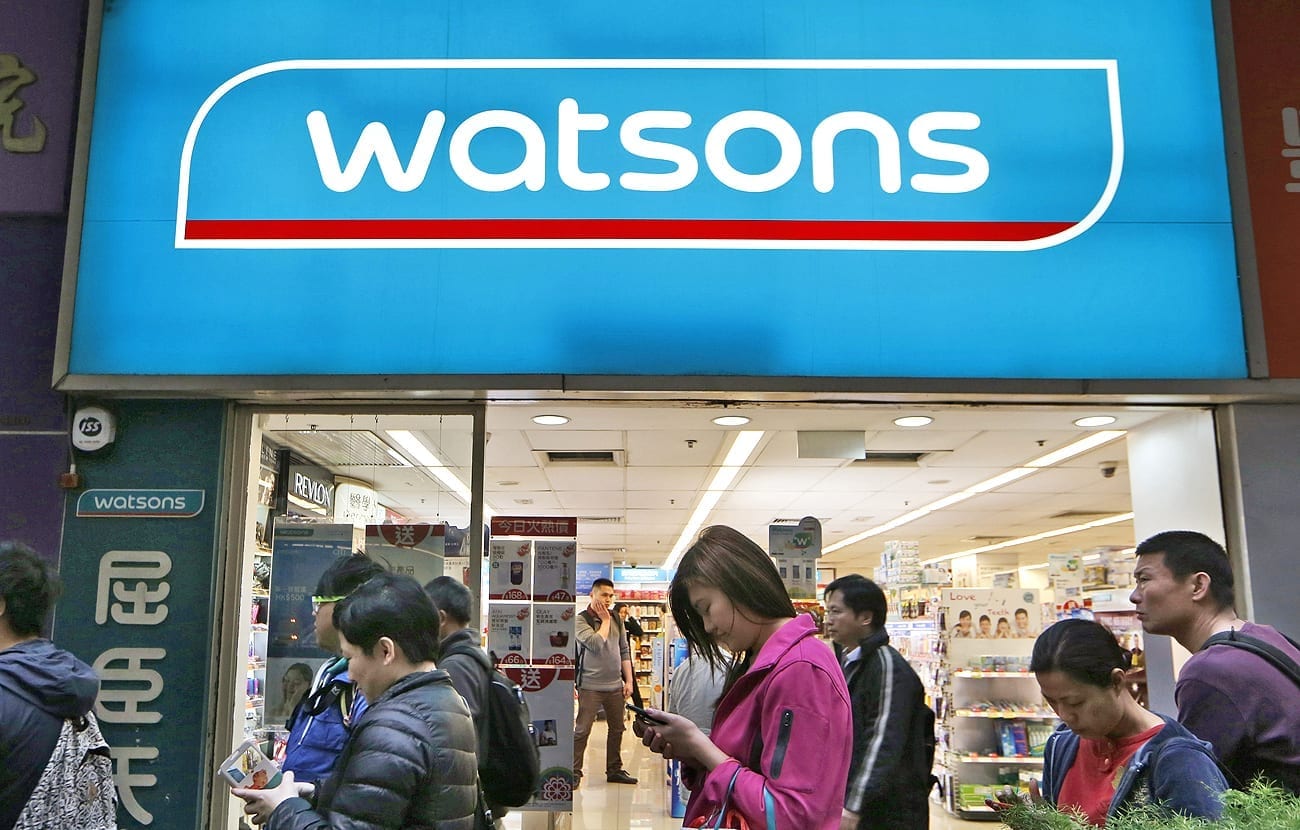
  • Watsons stores lead 1000 openings for Hutchison

    Watsons stores lead 1000 openings for Hutchison

    Watsons stores account for the bulk of more than 1000 new stores to be opened by parent CK Hutchison this year.

    Hutchison said in its six month results released Friday it has added 257 stores to its global network already this year and 800 more would open by year-end. About two thirds of those will be Watson healthy and beauty outlets, mainly in China and Asia.

    CK Hutchison had more than 12,600 stores across 25 markets at the end of June. The vast bulk of those are Watsons stores, but the group also operates Fortress electronics stores, supermarket ParknShop and Watsons Wines.

    The group’s total retail revenue was HK$73.413 billion and net earnings were $5.338 billion, were all 2 per cent lower than the same period last year, results adversely affected by foreign currency translation to Hong Kong dollars.

    “Despite strong growth in the health and beauty segment, the retail operations in Hong Kong experienced mounting pressure from the severely reduced tourist arrivals and spending in the first half, which dampened the growth in the overall retail division,” Hutchison said in its half-year report.

    “In local currencies, revenue increased by 1 per cent, while EBIT increased by 2 per cent.”

    The Watsons health and beauty business represents 94 per cent of the retail division’s net income, which grew 6 per cent in local currencies. In Europe, EBIT grew 11 per cent, reflecting a 4 per cent increase in store numbers, 3.6 per cent comparable-store sales growth and generally improving margins.

    “In particular, health and beauty UK was a major growth contributor with an encouraging comparable store sales growth of 6.5 per cent for the period.”

    In Asia, despite the comparable store sales declining 3.1 per cent, the organic expansion of stores continued with a 15 per cent increase in store numbers against the same period last year, resulting net EBIT growth of 3 per cent in local currencies.

    “Watsons China’s total revenue was flat against the same period last year in local currency against a 17 per cent increase in stores numbers, as comparable store sales growth was negative 8.5 per cent due to weak retail market sentiment and competition from the eCommerce segment.”

    Despite these difficult conditions, EBIT growth was 3 per cent “from well-executed margin and cost management”, the company said.

    “Watsons China will continue to build up and expand its eCommerce platform to compete in the rapidly growing eCommerce segment.”

  • AsiaSat reports flat profit and revenue for 1H16

    AsiaSat reports flat profit and revenue for 1H16

    Hong Kong based AsiaSat has reported largely flat profit and revenue for the first six months of 2016 amid challenging market conditions.

    The satellite operator reported revenue for the half-year period of HK$640 million ($82.5 million) and profit attributable to owners of HK$249 million. Contracts on hand also remained stable at HK$3.54 billion.

    During the period the company acquired a growing number of customers, including new customers of its new AsiaSat 6 and AsiaSat 8 satellites in mainland China, Bangladesh and Thailand.

    Construction of the operator’s newest satellite – AsiaSat 9, which is due to replace AsiaSat 4 – is meanwhile on schedule for completion early next year.

    AsiaSat’s chairman Ju Wei Min commented that the company expects business to remain flat for the remainder of the year.

    “We do not anticipate any significant changes in market conditions and believe that they will continue to pose a challenge not only for AsiaSat but the industry as a whole,” he said.

    He noted that AsiaSat expects not to have to deal with the increased competition from terrestrial providers that is affecting satellite operators in other parts of the world due to the lack of quality terrestrial networks in many parts of APAC.

    But he added that “the new contracts signed in the first half will only partially compensate for the expiry of short-term revenue from a to-be retired satellite and the termination of a number of contracts which will occur in the second half due to changes in regulations.”

  • Fall of 5-10% in Hong Kong property prices ‘not abnormal’ — Wheelock

    Fall of 5-10% in Hong Kong property prices ‘not abnormal’ — Wheelock

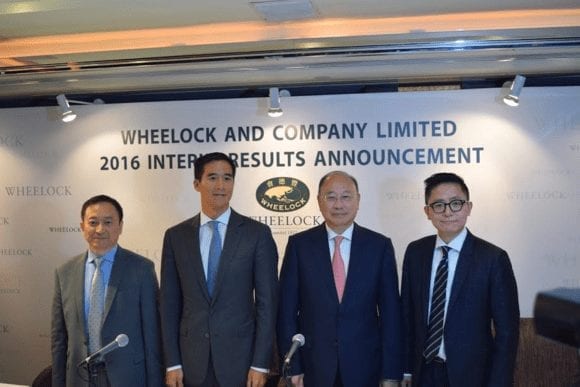
    Hong Kong’s property market has yet to stabilize and could fall by 5-10% in the second half of the year, according to leading developer Wheelock.

    “Given the global uncertainties arising from Brexit and volatility in the currency market and oil prices, a 5-10% fluctuation in [home] prices in Hong Kong is not something abnormal,” said Chairman and Managing Director Douglas Woo Chun-kuen in an earnings briefing on Monday.

    In his late thirties, Woo, an architecture graduate from Princeton University, has become a third-generation owner to take the helm of the Hong Kong-listed property conglomerate after a stint at UBS. He assumed the chairmanship from his father Peter Woo Kwong-ching in 2014.

    Woo’s cautious outlook came after his group reported a 29% plunge in net profit to 5.66 billion Hong Kong dollars ($730 million) in the six months ended June. Underlying profit, excluding the impact of property revaluation, fell 19% to HK$5.13 billion on the year, despite a surge in property sales amid a housing downturn in previous months.

    Contracted sales reached HK$11.8 billion as of mid-August this year, primarily driven by the sale of three residential projects and the en-bloc sale of OneHabourGate East office tower and shops for HK$4.5 billion. The four projects already accounted for nearly 91% of its full-year sales target last year but the group would not say if it had plans to raise its target.

    Wheelock attributed the weaker bottom line to the high base of last year’s earnings, which was boosted by a significant contribution from the sale of One HarbourGate West office tower and shops to the overseas unit of China Life Insurance for HK$5.9 billion.

    The developer’s earnings are affected by the performance of Wharf Holdings, which accounts for a fifth of its core profits. Wharf, a landlord 60%-owned by Wheelock, saw a 7% increase in rental income from its malls despite a retail slump in Hong Kong, caused primarily by a dwindling number of wealthy mainland Chinese tourists to the territory.

    Analysts at Macquarie Securities maintain an “outperform” rating for Wheelock, citing its healthy residential and office sales. Thanks to strong demand and low average vacancy for Grade A-offices in Hong Kong’s central business districts, “we think this is a solid support for Wheelock’s sales due to keen expansion interest from mainland [Chinese] financial institutions,” according to a Macquarie note.

    Asked about competition from mainland Chinese developers on land acquisitions, Woo said Wheelock would “do its own math” and be “selective” in making acquisitions particularly in commercial land sites launched by the government.

    The developer has a land bank of 8.3 million sq ft and of that, 95% is in urban areas. This is however dwarfed by its rivals’ — Sun Hung Kai Properties has 50.8 million sq ft and Henderson Land Development has 24.4 million sq ft.

    Wheelock’s stock closed 0.35% higher at HK$43.3, before its earnings were announced. Its shares have advanced 32.62% since the start of this year, against the Hang Seng Index’s 4.65% gain. It declared a first interim dividend of HK$0.45, up 6% from a year earlier.

  • Lifestyle plans third SOGO store

    Lifestyle plans third SOGO store

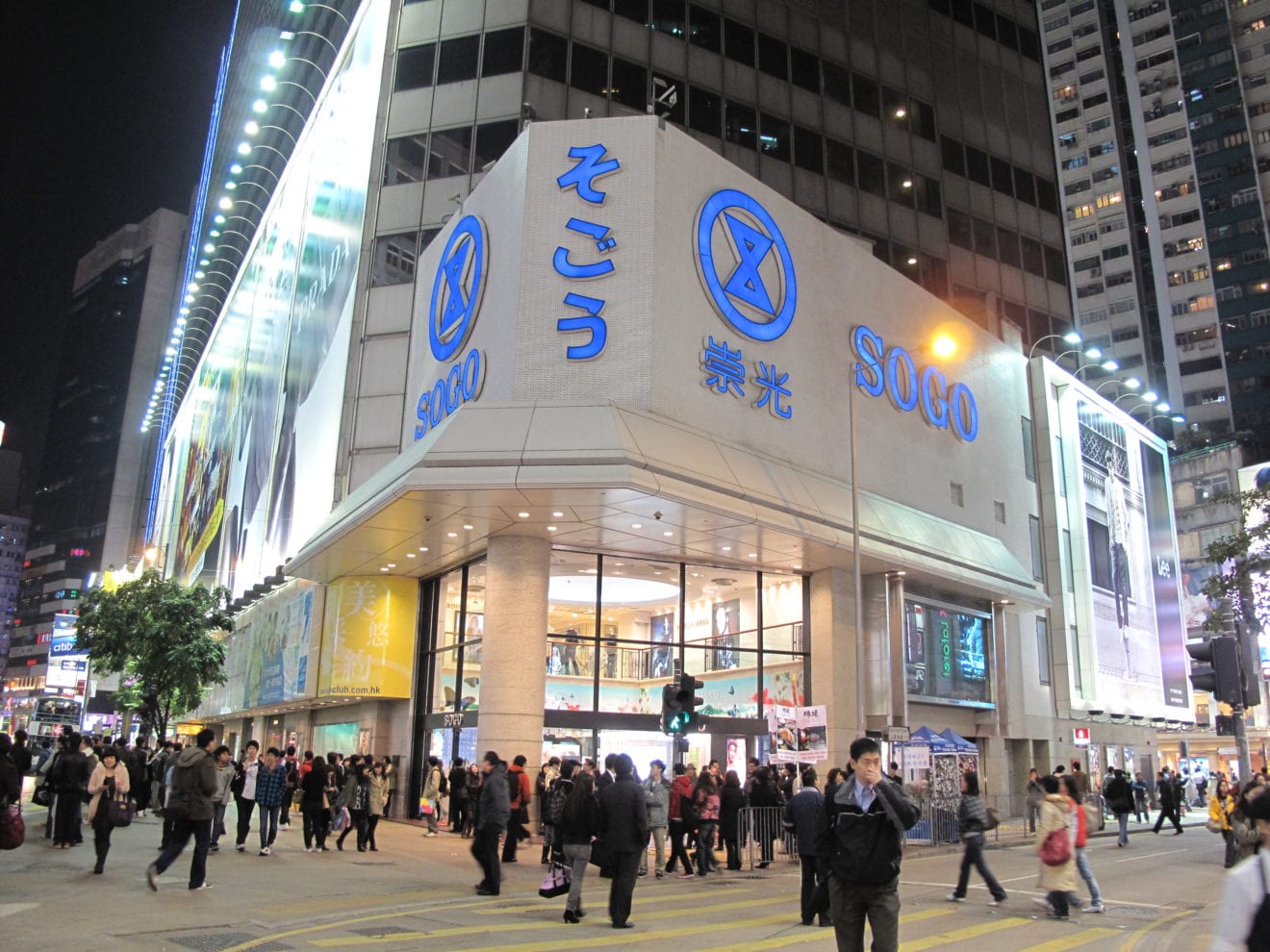
    Lifestyle International (1212) non- executive chairman Thomas Lau Luen- hung said the company is looking to open a third SOGO department store in Hong Kong and expects the investment to be no less than HK$5 billion.

    There are so far two SOGO branches in Hong Kong, one in Causeway Bay and one in Tsim Sha Tsui, Lau said.

    While the Tsim Sha Tsui branch focuses on selling cosmetics, Lau believes there is a market demand in Kowloon for a department store similar to the one in Causeway Bay.

    Lau said the company is still looking for a suitable location for the new store and that they would be more interested in opening and developing it through bidding for commercial sites rather than renting space from other companies.

    Lau said they have bid for commercial sites in the past without success but will continue to be involved as the government launches more commercial sites. He also did not rule out the possibility of partnering with other companies to develop the new store.

    He said the company is holding more than HK$6 billion in cash and has an investment portfolio of more than HK$4 billion which he said can be cashed in within 48 hours as the portfolio is comprised of mostly investments of high liquidity such as blue-chip stocks.

    Lifestyle International recorded a decline in net profit of 49.9 percent for the six months ended June 30 to HK$587 million compared to the same period last year, which the company said was attributable to the significant decline in investment income.

    Taking out the effect of net investment loss, the drop in net profit would be narrowed to 9.1 percent.

    The company proposed an interim dividend of 28.9 HK cents per share.

    Lifestyle’s landmark department store SOGO Causeway Bay’s same- store sales recorded a negative growth of 9.5 percent in the first half of this year compared to the same period last year as a result of weak local consumption, increased outbound travel and lower inbound tourists.

    Meanwhile, its Tsim Sha Tsui store recorded a 11.3 percent growth in same- store sales.

    Lau said the retail market was the worst in January and February and the decline bottomed out and remained flat during May and June.

    He does not expect there will be a rebound in retail market in the short term and retail sales will mostly likely remain flat in July and August.

    Lau said the fourth quarter will be an important indicator of the performance this year.

    Meanwhile, spinoff Lifestyle China (2136) recorded a decline in net profit of 6 percent to HK$157.4 million in the six months ended June 30.

    Lifestyle Properties Development (2183) recorded a drop in net profit of 67.9 percent to HK$148.6 million.

  • Circle K Hong Kong sales defy downturn

    Circle K Hong Kong sales defy downturn

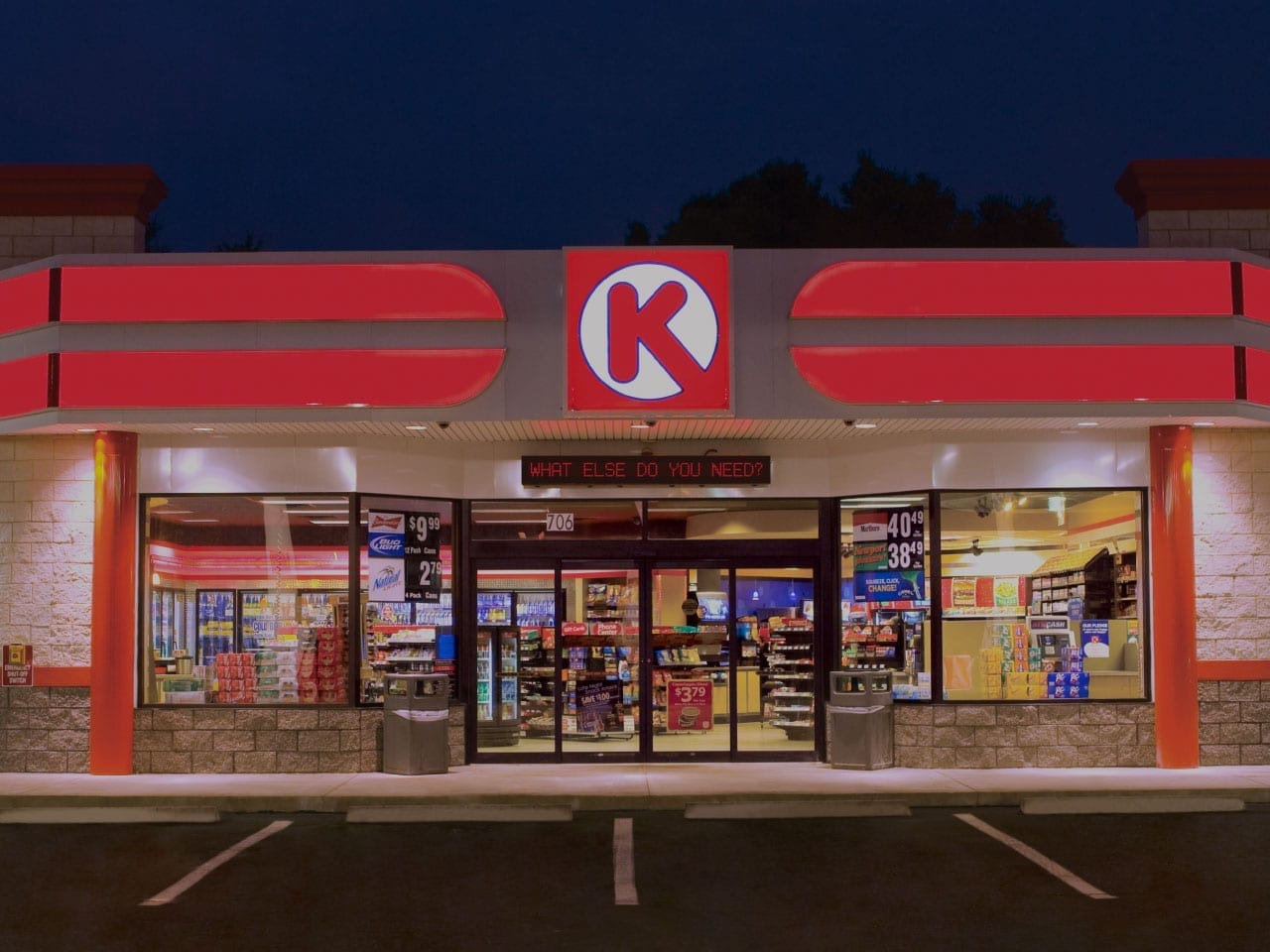
    Circle K Hong Kong sales rose 4.7 per cent in the first half of this year, defying the retail downturn.

    Parent Convenience Retail Asia has reported an overall turnover boost of 3.4 per cent to HK$2.339 billion. Same-store sales grew 5.2 per cent year on year in the six months to June 30.

    Turnover in the company’s Saint Honore bakery business decreased slightly, by 0.5 per cent to $496 million, with low-single-digit growth in comparable store sales in Hong Kong.

    Convenience Retail Asia has 324 Circle K stores in Hong Kong, 118 in Macau, Zhuhai and Guangzhou; and 94 Saint Honore stores in Hong Kong and 50 in Macau, Shenzhen and Guangzhou.  In the first half of this year, it opened six new Circle K stores in Hong Kong and closed 10 for a net decrease of four, and it opened seven new Saint Honore stores in Hong Kong and closed two for a net increase of five.

    The group’s net profit increased 68.4 per cent to HK$52 million for the six months, primarily due to the disposal of Circle K business in Guangzhou last year..

    “Despite weak retail market sentiment, convenience store and bakery operations achieved

    satisfactory comparable store sales growth in Hong Kong,” the company said in a stock exchange filing. “Core operating profit increased 7% on back of stabilised operating costs and improvement in Saint Honore operations.”

    With the stabilisation of the commercial property rental market, store expansion has become a key growth strategy for the Saint Honore chain.

    Convenience Retail Asia says during the second half of 2016, it will seek to grow profit at existing stores “by continuing to improve efficiency, reduce costs, and drive sales through innovative product development, marketing and category management”.

    “With the commercial rental market on the downswing, cautious store expansion will play a role in driving revenue across the convenience store and bakery businesses.

    “Although the business environment has been challenging, the group’s core operations remain

    strong and healthy, and it has a solid balance sheet with a good cash position. We will continue to monitor the market closely for merger and acquisition opportunities that can help us grow our business, at the same time as we strive for healthy organic growth.”

  • GuestReady launches in Hong Kong, aims the short-term rental industry

    GuestReady launches in Hong Kong, aims the short-term rental industry

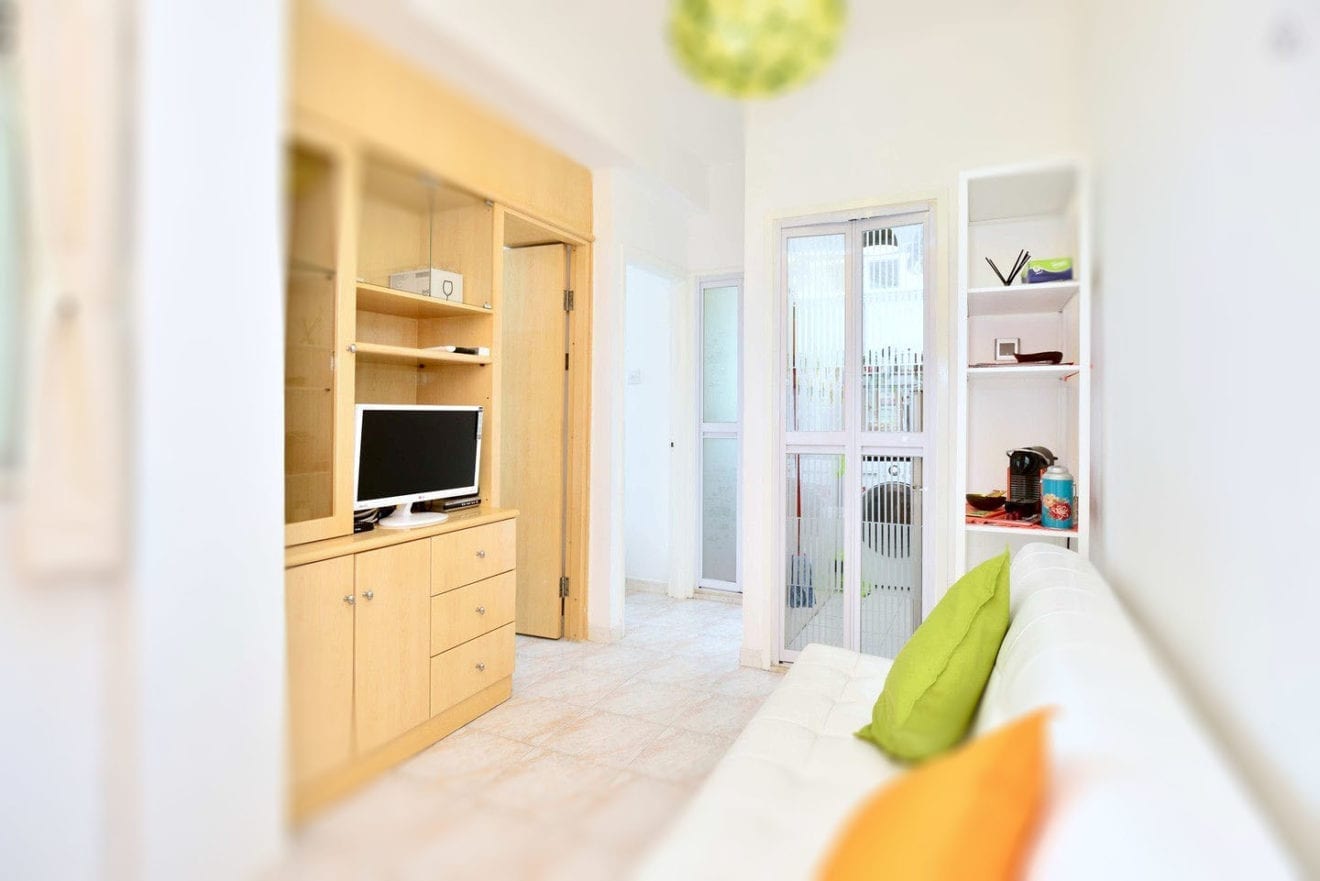
    Building on the global success of the sharing economy and its poster child Airbnb, a team of experienced entrepreneurs is building GuestReady.com to professionalise hosting on home-sharing platforms. The service, which is aimed at busy Airbnb hosts launches today in Hong Kong, Singapore, Kuala Lumpur, London, Paris, and Amsterdam.

    GuestReady’s set of services is aimed at real estate investors and hosts on Airbnb and it’s complementary platforms who are looking for help in managing their property. The startup provides a range of host services such as laundry, cleaning, check-in and check-out of guests, but more importantly, manages entire properties, which includes guest communication, maintaining listings on multiple short term rental sites, and ensuring the property generates the maximum possible yield.

    Airbnb and similar websites have become increasingly popular among leisure and business travellers who are looking for an alternative to long-term stays at hotels or serviced apartments. While traditional property agents focus on long-term rental and management of properties, GuestReady focuses on the underserved niche of short-term and vacation rentals.

    Lou Chan, Co-Founder and MD of GuestReady Hong Kong sees in this trend the big opportunity for GuestReady: “Hong Kong has long been the top choice for traveller, and the market naturally responds to it. According to a survey in 2015, 1 in 3 Hong Kong people who use the internet dip into sharing services like Airbnb. Supporting data also predicts that Asia-Pacific will become the world’s largest market for digital travel sales this year; alternate accommodation providers are set to cash in on this increasing traveller numbers.”

    “As the short-term rental industry is maturing, there is a natural need for more efficiency, professionalism, and standardisation. Especially with business travellers, the property and any service related to a stay need to be of immaculate quality. For non-professional hosts, this is hard to achieve, which is where we step in.”

    By launching GuestReady globally, the startup leverages location-specific advantages and taps into economies of scale to keep costs at bay. Chan, who previously was part of the founding teams of Rocket Internet’s Wimdu and Zalora, believes in the long-term success of platforms like Airbnb.

    The startup has been backed by Switzerland’s Swiss Founders Fund with an undisclosed sum. Romano Brandenberg, Venture Partner at Swiss Founders Fund, sees big potential in the growing and maturing short-term rental market. “Living and work patterns are becoming ever more mobile and the 12-month rental agreement or a room in a hotel is often not an adequate solution anymore for today’s business travellers, digital nomads or city hoppers. Short-term rentals offer a great alternative for these audiences” elaborates Brandenberg, and considers GuestReady a missing link in the industry to enable more property owners to become hosts.

    GuestReady.com launches today in Hong Kong and five other markets in Europe and Asia and is expected to roll into new countries soon.


  • HKTDC Food Expo, Tea Fair & Home Delights Expo Open

    HKTDC Food Expo, Tea Fair & Home Delights Expo Open

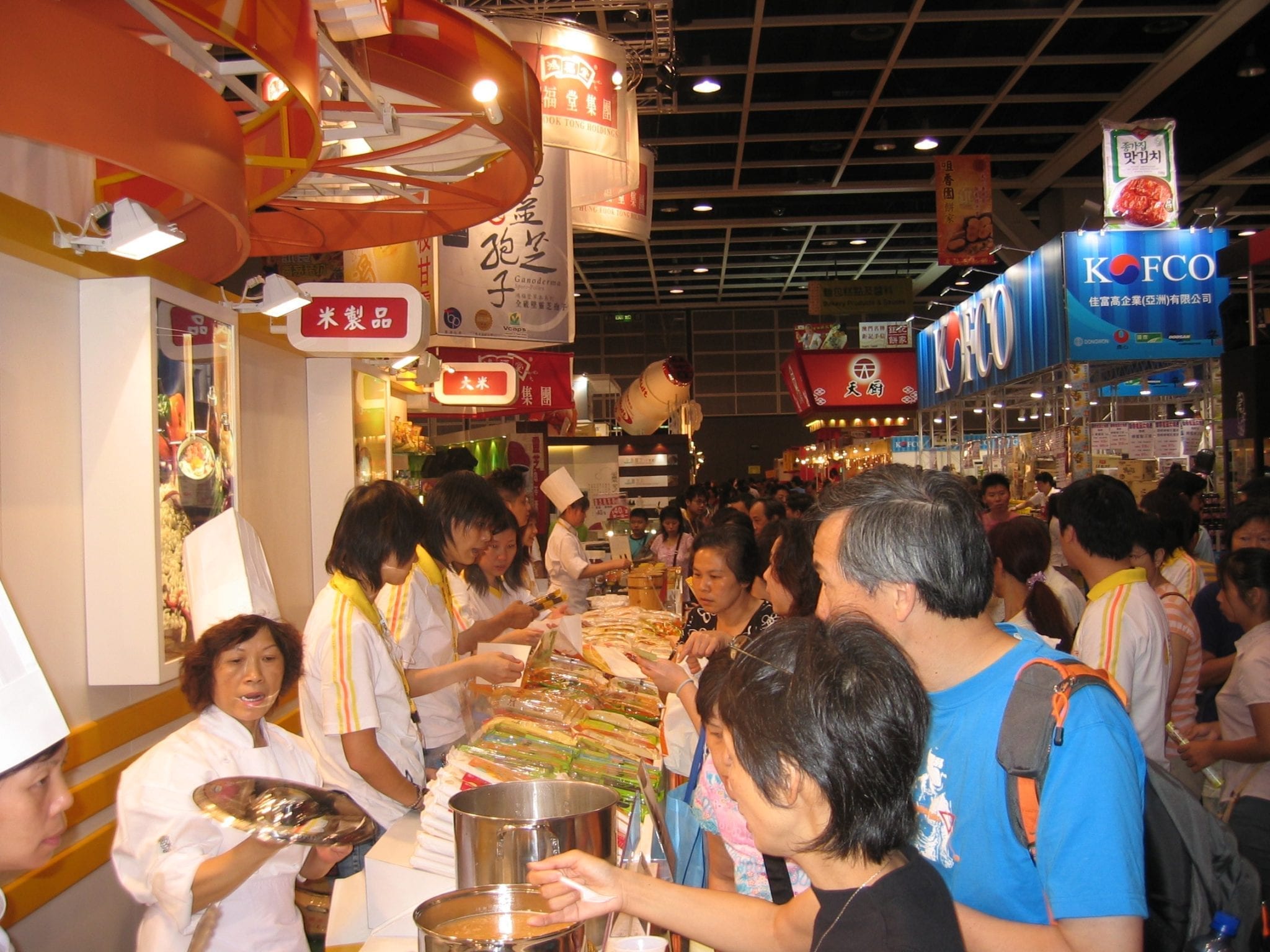
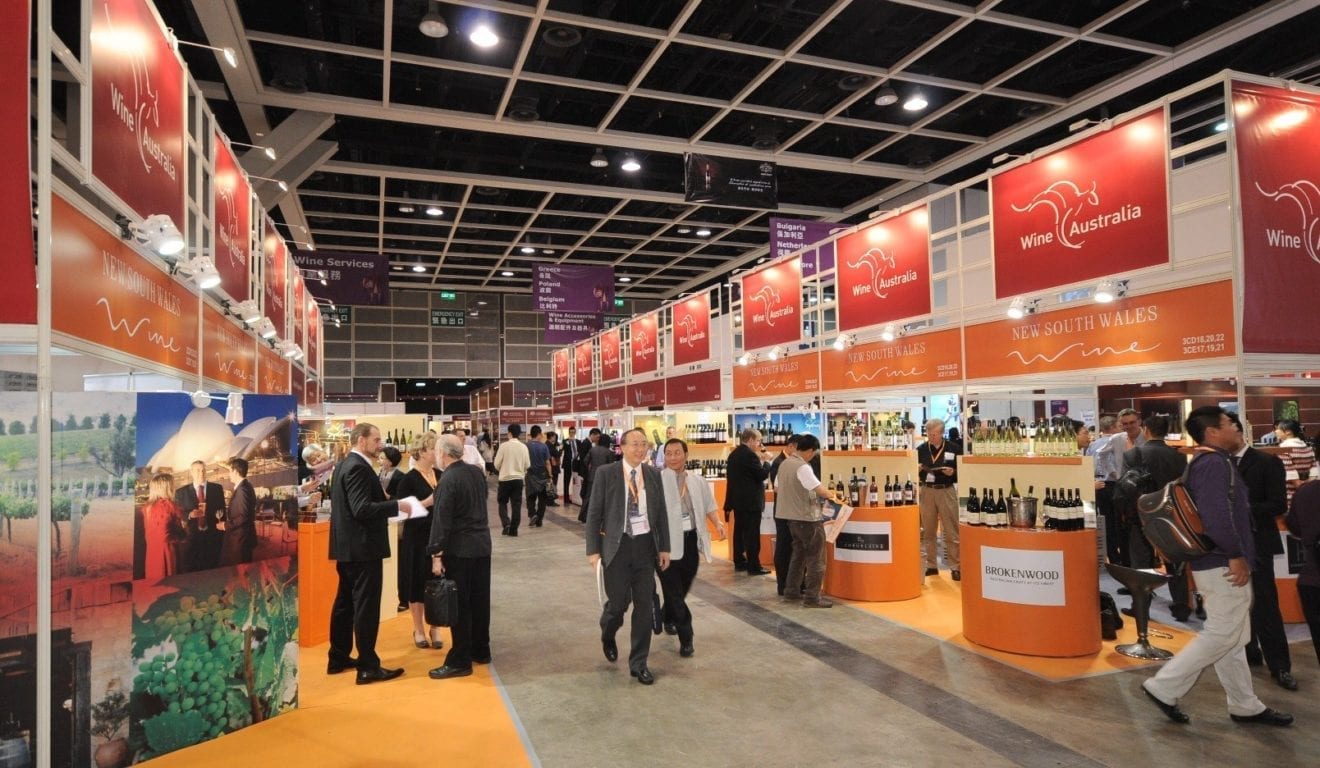
    Organised by the Hong Kong Trade Development Council (HKTDC), four concurrent fairs opened today at the Hong Kong Convention and Exhibition Centre (HKCEC); the 27th Food Expo, the eighth Hong Kong International Tea Fair, the third Home Delights Expo and the inaugural Beauty & Wellness Expo. Together, the fairs gather more than 1,800 exhibitors from around the world, bringing high-quality products and lifestyle solutions to consumers and trade buyers. The two-day International Conference of the Modernization of Chinese Medicine & Health Products (ICMCM), which is jointly organised with the Modernized Chinese Medicine International Association Ltd. (MCMIA), also opened today.

    “These concurrent events spotlight Hong Kong’s reputation as a business hub and lifestyle trendsetter in Asia. Together, they welcome a total of more than 1,800 exhibitors from around the world – each striving to help consumers enjoy a better and healthier lifestyle,” said Margaret Fong, Executive Director, HKTDC. “Now in its 27th year, the Food Expo presents a feast of business opportunities with a record of nearly 1,400 exhibitors from 26 countries and regions taking part. We expect to welcome some 20,000 trade buyers from around the world to the fair this year. Here, they can find trendy and quality products, gather the latest market intelligence and expand their business networks – all under one very large roof!”

    More than 100 buying missions from over 20 countries and regions will visit the Food Expo and Tea Fair this year, to source top-quality products and discover new business opportunities. A selection of local retailers and agents, including 759 Store, Sun Wah Japanese Food Ltd, Cafe Deco Group and DCH Logistics Co Ltd have set up buyers’ booths at the fairground for pre-arranged business matching meetings with exhibitors. This gives exhibitors the chance to connect with high-quality buyers and increase product exposure, while buyers are able to source products more efficiently.

    Foodies paradise spotlights international and green cuisine

    The Food Expo welcomes nearly 1,400 exhibitors and features delicacies from 26 countries and regions, including those of first-time participants from Croatia, Finland and Iceland. The Expo comprises three dedicated areas including Trade Hall, Gourmet Zone and Public Hall.

    Open to public ticket-holders until 14 August, the Gourmet Zone at Hall 3B spotlights flavours from around the globe. More than 70 exhibitors are presenting Asian and Western quality food products and specialty desserts. Responding to the increasing demand for healthy eating, this year the zone adopts a new “Green Palate” theme to place stronger focus on organic and green food.

    The Trade Hall is designed to serve up business opportunities for industry players. Among the thematic zones are the Halal Food Zone, which made a successful debut at the fair last year, and the new Chinese Medicine Zone held in association with the ICMCM. The Trade Hall is open to industry representatives on 11 and 12 August, before opening its doors to public ticket-holders as well on its last day (13 August).

    The Premium Food Zone is the highlight of the Public Hall at Hall 1A-E, featuring more than 30 famous food and beverage brands, including Kee Wah Bakery, On Kee Dry Seafood, Tai Pan, Maxim’s Caterers, Nissin and Tung Chun. Group pavilions from Canada, the Chinese mainland, Japan, Korea and the Philippines are also set up at the Public Hall to offer international culinary sensations.

    During the fair, a series of events including cooking demonstrations by celebrity chefs such as Michelin 3-star chef Alvin Leung, Esther Au who is known as the “Truffle Queen” and also the owner of Dolce Dolce Kitchen & Gourmet, Gabriel Choy who is Topgrade (Holding) Limited Executive Chef and Advisor, and Sze Chiu Kwan, Head Chef of Dong Lai Shun at The Royal Garden. Other events include sharing sessions by famous food critics, the launch of the 2016-2017 Wan Chai a La Carte food map, La Commanderie des Cordons Bleus de France and GHM Recommendation Restaurant Award Ceremony 2016, Q-Mark Selfie – Food Styling Competition with TV Stars, as well as seminars on “Hong Kong Green Purchasing – Food and Beverage Sector” and “Explore the Latest Trend in Food Sustainability”.

    Homemaking expo delights visitors

    Since its launch in 2014, the Home Delights Expo has enjoyed growing popularity. This year, the fair features 150 exhibitors showcasing innovative home appliances and kitchen utensils as well as kitchenware, tableware, household items and home security devices. The Avenue of Delights features about 40 exhibitors presenting a range of premium lifestyle brands such as CLP, Dyson, German Pool, Kenwood, Ladyship, OGAWA, OTO, Philips, STAUB, Towngas, WMF and ZWILLING J.A. Henckels.

    At Hall 3FG, visitors can bid for selected household appliances and products at crowd-pleasing Smart Bidding events. Other activities include lucky draws, product demonstrations, sharing health tips and cooking demonstrations by Cloudland Chinese Cuisine Executive Chef Paul Wong, Lai Sun F&B Management Group Executive Chef (Chinese Division) Albert Au, Media Chef Christy Lai of Zhu Fan Zai, and registered dietitian and author Gloria Tsang.

    Looking good & feeling great are key to quality lifestyle

    With demand for beauty and wellness-related products on the rise, the HKTDC has launched its brand new Beauty & Wellness Expo this year, gathering more than 60 exhibitors from across Asia including Hong Kong, Macau, Thailand, Malaysia and Taiwan. A wide range of cosmetics, skincare, hair care and massage products, nail polish and fitness equipment is on show during the fair.

    Standout displays include a skincare product line using Tibetan water collected from an altitude of 5,100 metres, a smart abs toning belt, a series of Taiwanese protective lotions with added hyaluronic acid that is new to the Hong Kong market and easy-to-use nail polish appliques from the US.

    During the fair, well-known beauty blogger Yoko Tsang and Chinese Medicine practitioner Roy Tsui are sharing tips on beauty trends and how to lead a healthy life. Other must-see events include make-up, hairstyle and nail-art demonstrations that are sure to wow fair visitors.

    Tea fair presents global business platform

    The Hong Kong International Tea Fair gathers more than 240 exhibitors from 10 countries and regions including the Chinese mainland, Hong Kong, India, Japan, Kenya, Korea, Singapore, Sri Lanka, Taiwan and the US to present high-quality tea and related products. The three-day fair is open exclusively to trade buyers on 11 and 12 August and also welcomes public ticket-holders on 13 August.

    An array of exquisite teas is being showcased during the fair, including one of the classics in pu’er tea “88 Yunnan Pu’er Cake”, pu’er tea powder made with tea leaves from aged arbor tea trees that are over 500 years old, as well as French dessert tea that combines organic tea and dried fruits. Japan External Trade Organization (JETRO) has returned this year with a group pavilion featuring 16 exhibitors including companies from green tea producing areas such as Kyushu and Kagoshima. The fair also presents a wide range of tea ware to promote tea culture.

    This year, the International Tea Competition continues to attract elite exhibiting brands, with a panel of professional judges reviewing the entries through blind tasting. Other special events include international tea tasting sessions, international cup warming, international tea arts performances and a seminar on marketing in the digital age.

    Public ticket-holders are welcome to visit on the last day of the fair (13 August), when experts will share tea therapy insights, explore tea appreciation techniques and analyse Pu’er tea and cheese pairing. Another spotlight event of the fair is the International KamCha Competition 2016 (Hong Kong-Style Milk Tea). The International Final will also be held on 13 August. Regional champions from Hong Kong, Guangzhou, Shanghai, Shenzhen, Melbourne and Toronto will compete for the title. The Final for Yuanyang will also be held on the same day.

    Traditional Chinese Medicine opportunities under the microscope

    The ICMCM takes place today and tomorrow with 18 prominent speakers from the United Kingdom, the Netherlands, Japan, Korea, Thailand, the Chinese mainland, Macau and Hong Kong, sharing their views on the opportunities arising from the Belt and Road Initiative, the quality of herbal products in Europe, the globalisation of Traditional Chinese Medicine, regulations and registration strategies for Chinese herbal health food, as well as the latest research and development findings. The ICMCM is an ideal platform for industry players to exchange ideas on the development of Chinese medicine.

  • Michael Kors Asia outperforms US

    Michael Kors Asia outperforms US

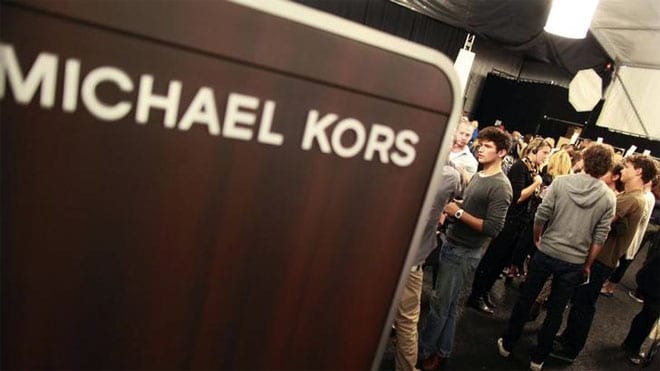
    Michael Kors Asia sales are showing healthy growth – at the same time as same-store figures are falling heavily in its US home market.

    Michael Kors has kicked off its new financial year with a weak set of numbers this week.

    Total revenue was virtually flat, just 0.2 per cent higher than during the same period last year., and driven by the opening of new stores which helped push overall retail sales up by 7.6 per cent. That offset a dismal comparable sales decline of 7.4 per cent.

    Michael Kors Asia has been a growth spot, with revenues rising by 74.5 per cent – although this is flattered by the acquisition of the company’s Greater China licensee.

    However, even on an underlying basis, the region is in positive territory, again thanks to the more favorable brand perception from consumers.

    In the US, one of the key issues is that interest in the brand appears to have peaked. This is evident from Conlumino’s brand tracking, which shows that while Michael Kors is not viewed unfavorably by consumers, it is not enjoying the resurgence that Coach has managed to engineer. This domestic woe is evident in the North American numbers which tumbled by 5 per cent, a sequentially worse performance than the previous quarter.

    The worsening of North American results is partly attributable to the stronger dollar which has likely weakened tourist sales at key flagships in the US, and Michael Kors is affected more than Coach in this respect, as it relies more on tourist spend at its larger stores. Nevertheless, given the investment being put into the new digital flagships – such as the one at 520 Broadway in New York – such an outcome is disappointing.

    The numbers from Europe were somewhat better with a 3.3 per cent increase in revenue over last year. Here, the MK brand is less ubiquitous and the company’s new stores, such as the one recently opened on London’s Regent St, are generating good trade in a way that the stores in North America are failing to do. Given that the company has several further European digital flagship stores in the pipeline for this fall, it looks likely that Europe will continue to deliver respectable sales growth across this fiscal year.

    Wholesale decline

    In the continuation of a theme we have seen across many luxury brands, wholesale revenue has decreased – falling by 7 per cent. Some of this is down to the company’s own actions to reduce exposure to channels that do not reflect its brand image, and some is down to the generally weaker traffic to malls across North America which has affected a number of outlets and stores that sell Michael Kors product.

    Looking ahead, while international sales will grow this year, the increase will be offset by continued pressures in North America. As such, revenues will likely be flat which will create pressure on the bottom line given all of the investments the brand is making.

  • Illegal, unlicensed and completely unregulated … so why is Airbnb booming in Hong Kong?

    Illegal, unlicensed and completely unregulated … so why is Airbnb booming in Hong Kong?

    Cushions with cartoon dogs on, neatly rolled towels and fresh flowers are the small details that mean the most for Airbnb guests and hosts.

    For one host in Hong Kong, those personal touches are replicated across 52 listings, including at least 31 flats in one building near Lan Kwai Fong.

    Taking up three quarters of the flats in one building on Glenealy, the Airbnb apartments share a common rooftop and range in price from around HK$500 per night to more than HK$2,200 for a four-bedroom flat.

    The flats, which do not appear on the Home Affairs Department’s list of licensed guest houses, are among a growing number of short-term rental properties being rented illegally in Hong Kong.

    Airbnb listings in the city have grown by 59 per cent since September to 6,124 rooms or apartments available for rent at the beginning of June, according to data compiled by Murray Cox, the founder of Inside Airbnb and a data activist.

    Cox found 60.5 per cent of listings were from hosts with more than one room or property listed on the site, suggesting these are commercial operations rather than individuals renting a spare room.

    “The main metric that stands out for Hong Kong is the large number of hosts that have multiple listings,” Cox said. “Cities such as London, New York or Berlin, which have introduced regulations that prohibit commercial Airbnb use of residential properties, generally focus their enforcement efforts first on commercial hosts with many listings.”

    Luxury ‘superyacht’ for HK$58,000 a night: Inside Hong Kong’s most expensive Airbnb

    The highest number of listings can be found in Central and the Western district, as well as Yau Tsim Mong – the area including Tsim Sha Tsui, Yau Ma Tei and Mong Kok – with 1,474 and 2,519 respectively, according to data by Cox. The average rental per night across the city is HK$785.

    When the we called the telephone number for the Lan Kwai Fong Airbnb host given by a person at the property, the woman answering denied she owned the flats. She said she rented other Airbnb flats without a licence, but the government had forced her to stop renting some of those near the University of Hong Kong.

    Airbnb was founded in 2007 in San Francisco by two roommates who were struggling to pay their rent and decided to rent out air beds in the living room to attendees of a design conference. The company is now seeking financial investments, based on the company’s potential valuation of US$30 billion.

    Airbnb here to stay in Hong Kong as the sharing economy takes flight

    The site has faced opposition from regulators in cities from San Francisco, Berlin and London as well as from campaigners that say properties that would normally be let on a long-term basis are being rented by landlords for short stays affecting the supply of housing.

    Regulation has moved to include provision for Airbnb properties in some cities. Laws introduced last year in London allow home owners to rent their properties for up to 90 days a year without any form of registration, but opposition remains even in the service’s home city.

    Premises that offer sleeping accommodation for a fee for any period less than 28 days must be licensed, according to Hong Kong’s Hotel and Guesthouse Accommodation Ordinance.

    The maximum penalty for operating an unlicensed guest house is a HK$200,000 fine and two year’s imprisonment. There is also a fine of HK$20,000 for each day the offence continues.

    Enforcement is carried out by the Office of the Licensing Authority under the Home Affairs Department, and a spokeswoman said the office now has a dedicated team to browse the internet for suspected unlicensed guest houses.

    Last year the Office secured 132 convictions relating to unlicensed guest houses, some of which had been rented over the internet.

    Airbnb told us it “encourages hosts to comply with locally set rules and regulations in Hong Kong.”

    The company did not share the number of listings in the city and said Inside Airbnb data had flaws such as the price per night as this was based on an average of available listings rather than what has been booked or what guests are paying.

    I don’t think this is something you should do for too long. It’s not legal … I’m very surprised that we’ve lasted that long

    Airbnb landlord S

    Airbnb also said there was no reliable way to scrape data for the average income for a host each month or the average number of nights booked. The company did not supply the accurate data from its own internal sources.

    Flats or rooms available on Airbnb in Hong Kong range from small, functional rooms in Mong Kok to penthouses with harbour views and houseboats moored in Discovery Bay.

    While the Inside Airbnb data revealed hosts with as many as 80 listings and at least 20 with 22 or more listings, there are hosts in Hong Kong who rent just one flat or one room.

    S, who asked not to use her full name, is a 33-year-old French woman working in retail in Hong Kong, who rents her 500 square foot apartment in Sheung Wan for around HK$1,000 a night fitting Airbnb guests around visits from family.

    She said she has been renting the flat, which she and her husband own and previously lived in, since July last year and has seen 90 per cent occupancy . On average the flat brings in HK$30,000 a month, she said.

    Eight tips for using Airbnb and similar travel websites safely

    While S knows Airbnb is illegal, she feels the company protects her and her guests if there is any damage or dispute. If the laws were changed to allow short-term rentals, she said she would be happy to be taxed if she could still rent through Airbnb.

    Maintaining the flat and organising bookings is time consuming, S said, as she likes to provide a good service to her guests, but she does not see it as a long term plan.

    “I don’t think this is something you should do for too long. It’s not legal. I might rent it out on a permanent basis,” she said. “I’m very surprised that we’ve lasted that long.”

    Another Airbnb host, who asked to be referred to as Mary, rents out her spare room in the two-bedroom flat she shares with her boyfriend in Sheung Wan for 15 days each month to offset the rent.

    Mary lets the room for HK$500 to HK$600 a night and has made between HK$6,000 to HK$7,000 each month since late last year.

    She said her landlord does not know about the couple using Airbnb, but she is not concerned about the legality of Airbnb, even after a friend was evicted by their landlord for using the service.

    Most of the guests from mainland China are respectful, Mary said, although the couple did once come home late to find chaos in their living room.

    “We just opened the door and found stuff all over the living room. The luggage, some bath towels on the sofa, a bra hanging on my room door,” she said.

    “They were quite surprised to see us. So we kindly asked them to maybe put the stuff in their room.”

  • Exhibition industry contributes $6.8 billion to Hong Kong’s economy

    Exhibition industry contributes $6.8 billion to Hong Kong’s economy

    Findings from the latest Economic Impact Study on the contribution of Hong Kong’s exhibition industry to the economy in 2014, released today, contained encouraging news for the industry and for Hong Kong. Overall, the study reveals that the exhibition industry contributed an impressive HK$52.9 billion (US$6.8 billion) directly and indirectly to Hong Kong’s economy in terms of expenditure, equivalent to 2.3% of the city’s total GDP for the calendar year 2014. This represents strong positive growth by comparison with the figures from the previous Economic Impact Study, covering 2012.

    At HK$52.9 billion (US$6.8 billion), the expenditure effects of the exhibition industry in 2014 were up by 29% from 2012, at a CAGR of 13.9%. A significant part of this was contributed by the direct spending of international exhibitors and exhibition visitors, who according to the study tend to spend 61% more per visit than the average overnight tourist visitor to Hong Kong, with their spending focused in the retail, hotel and F&B sectors.

    The Study, commissioned by the Hong Kong Exhibition & Convention Industry Association (HKECIA), also shows that apart from direct economic benefits in terms of expenditure, the exhibition industry also provided equivalent of around 83,500 full-time jobs in the exhibition industry and other service and supporting sectors including hotel, F&B, retail, stand design and construction, and logistics and freight forwarding.

    In 2014, the fiscal benefits (i.e. benefits arising from various government taxes associated with exhibition activities and participants) contributed by the exhibition industry amounted to HK$2.1 billion (US$269.9 million).

    Commenting on the findings, Chairman of the HKECIA, Mr Stuart Bailey said, “We welcome this Study and the results because, once again, it highlights just how important our industry is for Hong Kong. The study shows in great detail the many ways in which exhibitions fuel Hong Kong’s wider economy – for example by spinning off economic benefits and extensive workforce to supporting industries, and attracting high-spending international business visitors to the city. The Study also reveals that overseas exhibition exhibitors and visitors continue to spend more than international overnight tourists. We should put efforts in making them visit the exhibitions in Hong Kong regularly.”

    Mr Bailey continued, “To continue providing Hong Kong with benefits at this level, our exhibition industry needs to remain attractive, efficient and competitive. We must continually be looking for ways of differentiating ourselves from regional competitors, in terms of things like providing premium exhibition space, ample capacity, and exceptional value-added services. I hope our policymakers will take the findings of this Study into account as they plan for the infrastructure and facilities that Hong Kong needs in the years to come.”

    This is the sixth in a series of Economic Impact Studies, which have been carried out biennially since 2004. It was once again conducted by KPMG Advisory (Hong Kong) Limited, a respected independent research consultancy.

    KEY FINDINGS OF THE ECONOMIC IMPACT STUDY 2014:

    Economic impact of Hong Kong’s exhibition industry in 2014 and 2012

    Area Benefits (2014) Benefits (2012) Compound Annual Growth Rate (CAGR)

    Expenditure effects HK$52.9 billion
    (US$6.8 billion) HK$40.8 billion (US$5.2 billion) 13.9%

    Fiscal impact HK$2.1 billion
    (US$269.9 million) HK$1.4 billion
    (US$179.9 million) 20%

    Employment 83,500 FTE 69,600 FTE 9.6%

    Expenditure effects continue to grow due to growing visitor number and expenditure

    Hong Kong’s exhibition industry contributed expenditure effects of around HK$52.9 billion (US$6.8 billion) to the Hong Kong economy in 2014, up by 29% from 2012, representing a CAGR of 13.9%. This was equivalent to 2.3% of Hong Kong’s GDP, up from 2.0% in 2012.

    – HK$52.9 billion (US$6.8 billion) – up by 29% from 2012, representing a CAGR of 13.9%.

    – Direct expenditure covers expenditure by Visitor Personal (exhibition visitors) and Business Related (exhibition organisers and exhibitors) and amounts to HK$26.5 billion (US$3.4 billion).

    – Visitor expenditure remains the largest expenditure segment at HK$16.1 billion (US$2.1 billion) in 2014, representing a CAGR of 22.0% from 2012. It is because of a significant increase in the number of visitors from outside Hong Kong in 2014 and an increase of the average spending by visitors.

    – Visitor personal expenditure spilt between international and domestic spending is around 93% to 7% (the spilt was 92% to 8% in 2012).

    – Retail, hotel and F&B sectors were the largest recipients of director visitor expenditure, accounting for 67% of the total visitor personal expenditure.

    – Business-related (exhibition organisers and exhibitors) expenditure amounts to HK$10.4 billion (US$1.3 billion) in 2014.

    Fiscal impact grows with increased visitor and business spending
    The tax take enjoyed by the Hong Kong Government in 2014 as a result of exhibition activities is estimated at around HK$2.1 billion (US$269.9 million), based on the total expenditure effects of HK$52.9 billion (US$6.8 billion).

    Derived from three taxes:

    – Profits tax: HK$961 million (US$123.5 million)
    – Salary tax: HK$1.0 billion (US$128.5 million)
    – Airport tax: HK$88 million (US$11.3 million)

    Equivalent of 83,500 full time jobs provided by the exhibition industry

    Full-Time Equivalent (FTE) employment amounted to around 83,500 in 2014, representing a CAGR of 6.5%, up from 69,600 in 2012.

    – Around 3,400 FTEs, or 4%, were directly employed by exhibition organisers and venues.

    – Remaining 96%, or 80,100 FTE jobs was provided across various supporting sectors. Amongst this group, around 57% of the FTE jobs created came from retail, hotel and F&B. Other supporting industries such as international transport, stand contractors, advertising and others accounted for the remaining 43%.

    International exhibition visitors and exhibitors contributed more than overnight tourists

    The report showed that international exhibition visitors and exhibitors spent on average 61% more than overnight tourists.

    – International exhibition visitors spent an average HK$12,776 (US$1,642) per visit; international exhibitors spent an average HK$12,829 (US$1,649) per visit; compared to overnight tourists spent an average of HK$7,960 (US$1,023) per visit.

  • Bitcoin plunges after Hong Kong exchange hacked

    Bitcoin plunges after Hong Kong exchange hacked

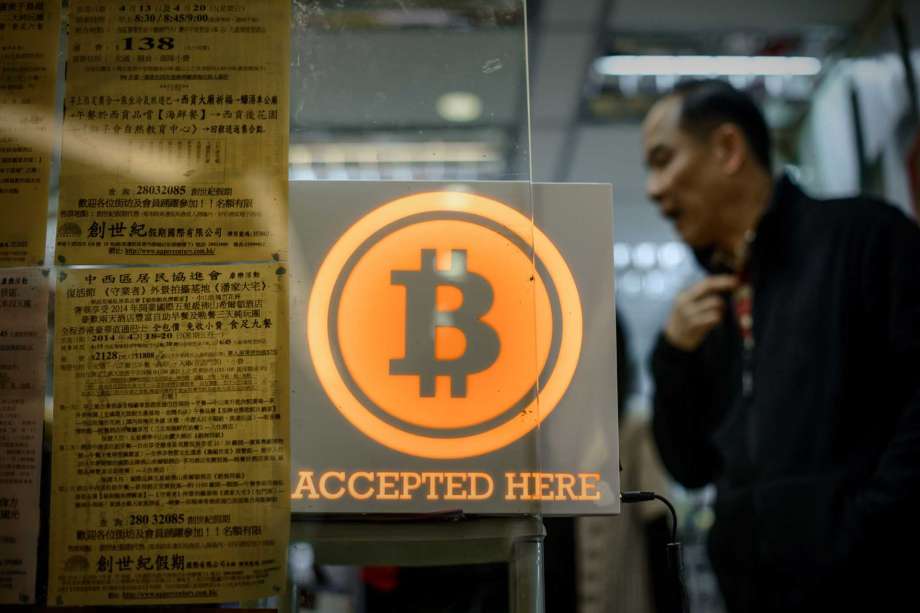
    The digital currency Bitcoin plunged Wednesday after Bitfinex, an exchange based in Hong Kong, said it had been hacked and funds stolen.

    The exchange said it had halted trading, deposits and withdrawals while it investigated which users had been affected. Bitcoin’s trading value fell about 20 percent early Wednesday, local time in Hong Kong, but had recovered about half the loss by afternoon.

    Zane Tackett, Bitfinex’s director of community and product development, did not immediately respond to requests for comment. But he said in a posting on Reddit that 119,756 Bitcoins had been stolen.

    Before the hacking was made public, that number of Bitcoins would have been worth about $72 million. Now that the currency has slumped, the figure is closer to $65 million. The exchange, one of the world’s largest, said in a blog post that any outstanding settlements would be made at the price before the hacking.

    “As we account for individualized customer losses, we may need to settle open margin positions, associated financing, and/or collateral affected by the breach,” Bitfinex said in the post.

    Local Business

    It added that customers’ losses would be addressed later.

    Security breaches of this type have raised questions about the viability of Bitcoin. The most notable episode was the collapse in 2014 of Mt. Gox, an exchange based in Tokyo, in which hundreds of thousands of Bitcoins were stolen in a heist that experts and law enforcement officials are still trying to unravel. This past June, a hacker stole more than $50 million worth of Ether, another digital currency, from an experimental virtual currency project called the Decentralized Autonomous Organization.

    Jack Liu, chief strategy officer at OKCoin, a large digital currency exchange, said he was not concerned about the security of his company because it uses a different system. But he noted that there should be more discussion between exchanges over best practices.

    “We care about the health of the ecosystem,” he said, although he emphasized that nobody should be dictating how Bitcoins are secured. “Hackers are only getting better, and so adoption of the same solution may not be the safest for the industry.”

    Although some view Bitcoin as the future of finance, allowing for faster and cheaper transactions, the Bitcoin community has been rived with infighting over the development of the technology. The blockchain ledger, part of the coding that underlies the currency, has also gained more mainstream traction, as banks see an opportunity to use the technology to speed up trades.

    Bitfinex said the theft had been reported to law enforcement.

  • High street brands replace luxury stores that exit HK prime space

    High street brands replace luxury stores that exit HK prime space

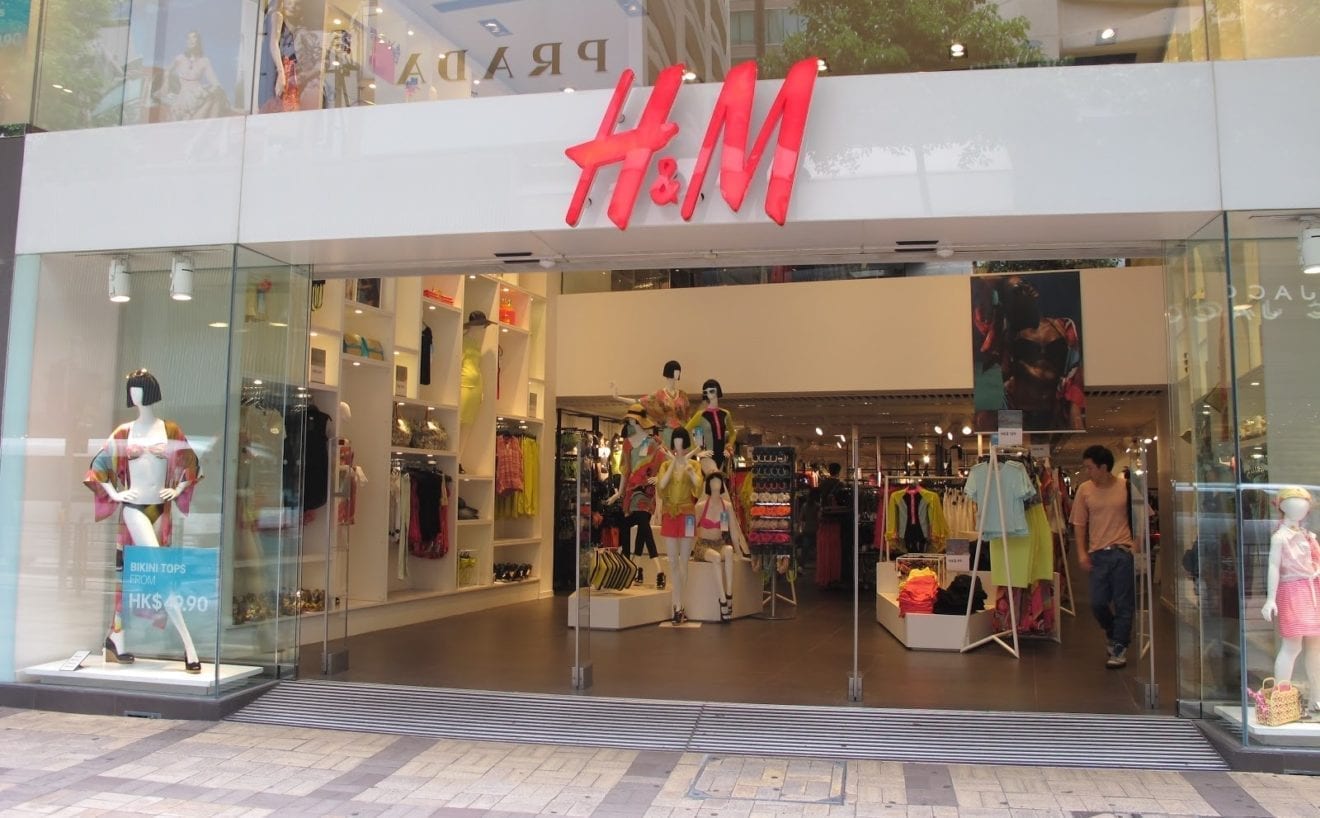
    From fast-fashion chain H&M to lifestyle brand Maison Kitsune and cosmetics firm Innisfree, mass-market retailers are setting up shop in premises previously occupied by luxury brands in Hong Kong’s prime shopping districts.

    Aided by falling rents in top locations, accessory, sport and lifestyle retailers are emerging as a new driving force of Hong Kong’s US$60-billion (S$80.4-billion) retail industry, part of a major makeover the city is going through amid a slump in retail sales.

    “This trend will continue,” said Mr Joe Lin, executive director at property consultant CBRE. “We are going to see more mass-market brands reappear in prime locations.”

    Weak sales of luxury goods drove Hong Kong to report a 16th straight monthly drop in retail sales on Tuesday.

    Sales of jewellery, watches and valuable gifts tumbled 21 per cent in January to May, driving a 10.8 per cent fall in overall retail sales, while cosmetics and medicines posted a 2.7 per cent sales decline and furniture and fixtures reported a 5.3 per cent drop, government data showed.

    Luxury retail in Hong Kong exploded over the past decade as increasingly wealthy Chinese flocked to the city to buy high-end Western brands, pushing out local jewellers and other shops that once dominated the high street.

    “Back in the day, we used to see only (jewellers) Chow Tai Fook, Luk Fook and pharmacies,” said Ms Cynthia Ng, director of retail services of Colliers International.

    “They (new retailers) are not necessarily local brands, but tend to be cheaper in pricing and younger… Not only does the adjusted rental fit their budget, but at the same time the craze and demand for fitness and sports are also helping them.”

    Still, mass-market brands might struggle to achieve the margins and profitability needed to justify prime rents in a weak retail environment, said Mr Kevin Lai, an economist at Daiwa Capital Markets in Hong Kong.

    “The luxury sector usually has much more value added,” Mr Lai added. “So these guys may not be able to do exactly the same.”

    Retail rents in Hong Kong’s core shopping districts, still among the world’s highest, are likely to fall another 5 to 8 per cent in the second half of this year, bringing the full-year correction to 10 to 15 per cent, said CBRE.

    Those declines are attracting new tenants to shops large and small.

    On Russell Street in the prime Causeway Bay shopping district, the 400 sq ft space that jewellery group Follie Follie occupied has been replaced by footwear outlet Joy & Mario, while Swatch Group’s Jaquet Droz luxury watch shop has gone to South Korean cosmetics brand Innisfree.

    Nearby, H&M opened a flagship store last year.

    “For us, best location is always key, and when opportunities arise, we look at the possibilities for opening new stores,” a spokesman for H&M in Stockholm said.

    Sports brand Adidas last year leased a 13,000 sq ft shop in the city for 22 per cent less than its former occupier, Coach, as the premier American brand closed its fourstorey flagship store in Central amid weak retail sentiment and a drop in tourist arrivals from China.

    Big shopping malls are renovating and offering attractive terms as vacancies grow, and stores on street level have also become more affordable.

    Swire Properties’ Pacific Place, where British fashion house Burberry will halve the size of its store by next year, is reshuffling its tenant mix, bringing in more food and beverage stores.

    Lifestyle store Homeless recently opened a store in CityPlaza shopping mall, after years of effort to secure a place in a prime shopping district, and is planning to relocate its shop in Tsim Sha Tsui this year to a location with much better traffic.

    Retail and property experts see the trend continuing as sales of luxury goods remain weak, despite steep discounts.

    “In the second half of May, many brands kicked off their summer sales much earlier than before, offering much higher discounts than they normally did,” Mr Thomson Cheng, chairman of Hong Kong Retail Management Association. “It failed to significantly boost sales. The situation is worrying.”

    In early June, French fashion house Chanel slashed prices by as much as 70 per cent on selected items, while Coach cut some prices by half, in line with moves by Burberry and French luxury group Kering’s Gucci.

    “The spending pattern of mainland tourists has changed and their consumption power is weakening,” Mr Cheng said.


  • Burgers and beers lead Hong Kong restaurant industry growth

    Burgers and beers lead Hong Kong restaurant industry growth

    Restaurant industry analysts remain sceptical about the sector’s growth prospects despite promising year-on-year figures.

    Census and Statistics Department figures show restaurant receipts in Hong Kong increased 3.1 per cent year on year, at the end of the second quarter 2016.

    Fast food and bars did the best while Chinese restaurants saw fewer diners and lower spending, according to the figures.

    Fast food receipts increased 6.4 per cent year on year, bar sales increased 4.3 per cent, other drinking venues’ sales increased 3.9 per cent and Chinese restaurants increased 1.7 per cent.

    But the upwards trend for the local restaurant industry could be short lived, according to Simon Wong Ka Wo from the Federation of Restaurant and Related trades.

    There will be a 2 to 3 per cent “slight decrease” in the restaurant sector in terms of its overall performance for the whole year, Wong forecast. He warned that some Hong Kong restaurants might have to “suffer a little bit” over coming months, but the industry will bounce back in the fourth quarter.

    “The increase seems a little bit surprising to me as the performance of the economy for the past six months does not seem so promising,” Wong said.

    “The major reason is people tend to spend more on some middle to low-end restaurants like McDonald’s instead of high-end ones due to the stagnant economy, contributing to the increase in overall value of total receipts.”

    The optimistic figures come against a backdrop of slowing retail trade, which registered an 8.9 per cent decrease year on year.

    Professor Terence Chong Tai-Leung from the Chinese University of Hong Kong said rising incomes could help the city rebound from the retail slump.

    “As you can see from the low unemployment rate and the increased average income figure recently, Hong Kong people still have large purchasing power,” he reasoned.

  • Another bad month for Hong Kong retail sales

    Another bad month for Hong Kong retail sales

    Hong Kong retail sales slumped 8.9 per cent year-on-year by value in June to HK$33.7 billion.

    That’s marginally higher than May’s fall of 8.3 per cent, but a slower rate than the 10.1 per cent of the first six months of this year. It marks the 16th consecutive month of year-on-year decline.

    A spokesperson from the Census and Statistics Department said the fact sales were still notably lower than the year-ago level, reflected the fall in visitor spending and more cautious consumer sentiment amid subpar economic conditions.

    “Nevertheless, on a seasonally adjusted basis, retail sales improved moderately in the second quarter compared to the first quarter.”

    The HKRMA said in a statement that most of its member companies anticipate the downward trend to continue, but slow in the remainder of 2016, “taking into account a lower base recorded in the second half of 2015”.

    While sales of consumer durable goods posted the biggest decline – 37.2 per cent – the larger jewellery, watches and valuable gifts category caused much of the damage, falling 20.4 per cent. Department store sales were down 10.5 per cent, electrical goods and cameras by 25.7 per cent and optical shops by 5.5 per cent. The decline in apparel sales appears to be largely over with the category down just 0.6 per cent.

    Supermarket sales rose 1.9 per cent, food,liquor and tobacco sales by 2.9 per cent and cosmetics and medicines by 5 per cent.

    “Looking ahead, the near-term retail sales performance will still depend on the performance of inbound tourism as well as the extent to which consumer sentiment will be affected by the lingering uncertainties about the economic outlook,” said the C&SD spokesman.

  • Asia driving ‘significant’ growth in airport retail

    Asia driving ‘significant’ growth in airport retail

    Asia is driving “significant growth” in the global airport retail market, according to a new report from Credence Research.

    This is based on the increasing disposable income of middle-class families in emerging countries coupled with affordable travel options, says the report, Airport Retail Market – Growth, Share, Opportunities, Competitive Analysis, and Forecast 2016 – 2022.

    Emerging countries such as China and India are increasingly investing in new terminals and expanded retail areas.

    Widening budget options are boosting the number of travellers, particularly in Asia Pacific, says the report.

    Fashion and accessories is the largest product category in airport retail, accounting for more than half of revenue share. The segment can expect considerable growth, says the report.

    However, the fastest growth is expected in the F&B segment with rising sales for premium liquor products and the expansion of food chains.

    By store type the largest segment is the independent store and showroom. These are steadily growing in number with concessions being offered by airport authorities to local companies. The fastest growth is predicted in the duty-free stores segment, which is bolstered by more and more promotional activities.

    Asia Pacific is the largest regional market for airport retail, accounting for 40.5 per cent of revenue share last year. It is forecast to have the fastest growth, particularly in India, China, Australia and Southeast Asia countries.

    The report says the global airport retail industry is highly competitive with a strong multinational component. Major companies involved include Aer Rianta International, Autogrill, Dubai Duty Free, Dufry, Duty Free Shoppers, Heinemann, LS Travel Retail, Lotte Duty Free, Nuance Group, Shilla Duty Free and Stellar Partners.