Tag: Hong Kong

  • Japan strongest market for Furla Asia

    Japan strongest market for Furla Asia

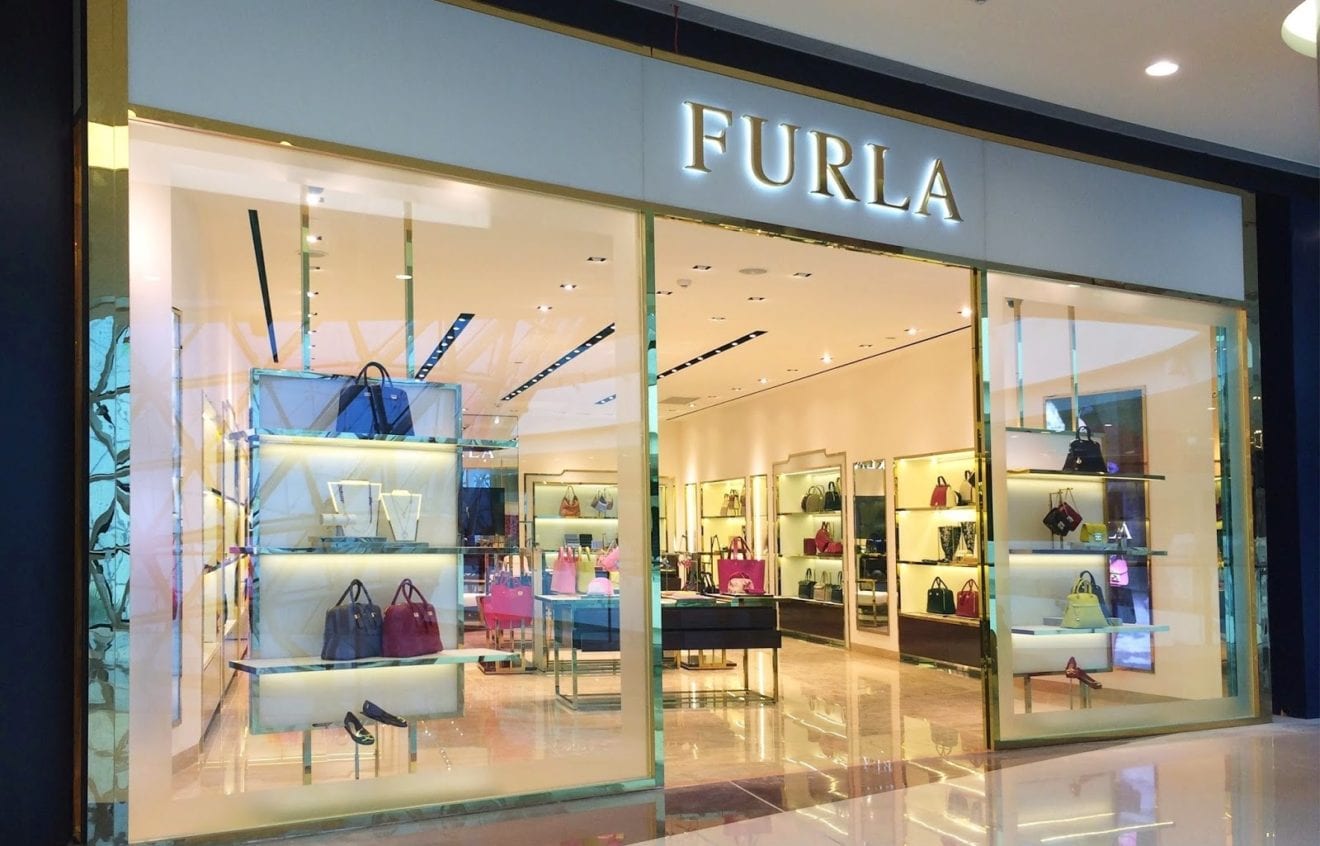
    Italian luxury leathergoods brand Furla has reported a 38 per cent increase in travel-retail sales for its first half, with Japan being its strongest market.

    Furla has 223 travel-retail points of sales in 52 countries, the latest openings for Furla Asia including Singapore’s Changi Airport with Lagardere Travel Retail.

    Following record results last year in terms of sales and profitability, the Furla Group overall has continued growth in its latest first half with sales of €194 million (US$217 million) up 28 per cent from the figures for the same half last year.

    The group has 425 mono-brand stores, up from 415 at the end of last year. Counting multi-brands and department stores, the group is present in more than 1200 other locations worldwide, and has its products in more than 100 countries.

    Furla Group’s latest mono-brand store openings include Citic Mall in Shanghai and Mira Mall in Hong Kong.

    Japan remains its strongest market, representing 26 per cent of total sales in the half, with a 30 per cent increase. Furla Asia/Pacific sales rose 22 per cent, equal to almost 20 per cent of the total sales for the group.

  • New contenders for McDonald’s China and Hong Kong

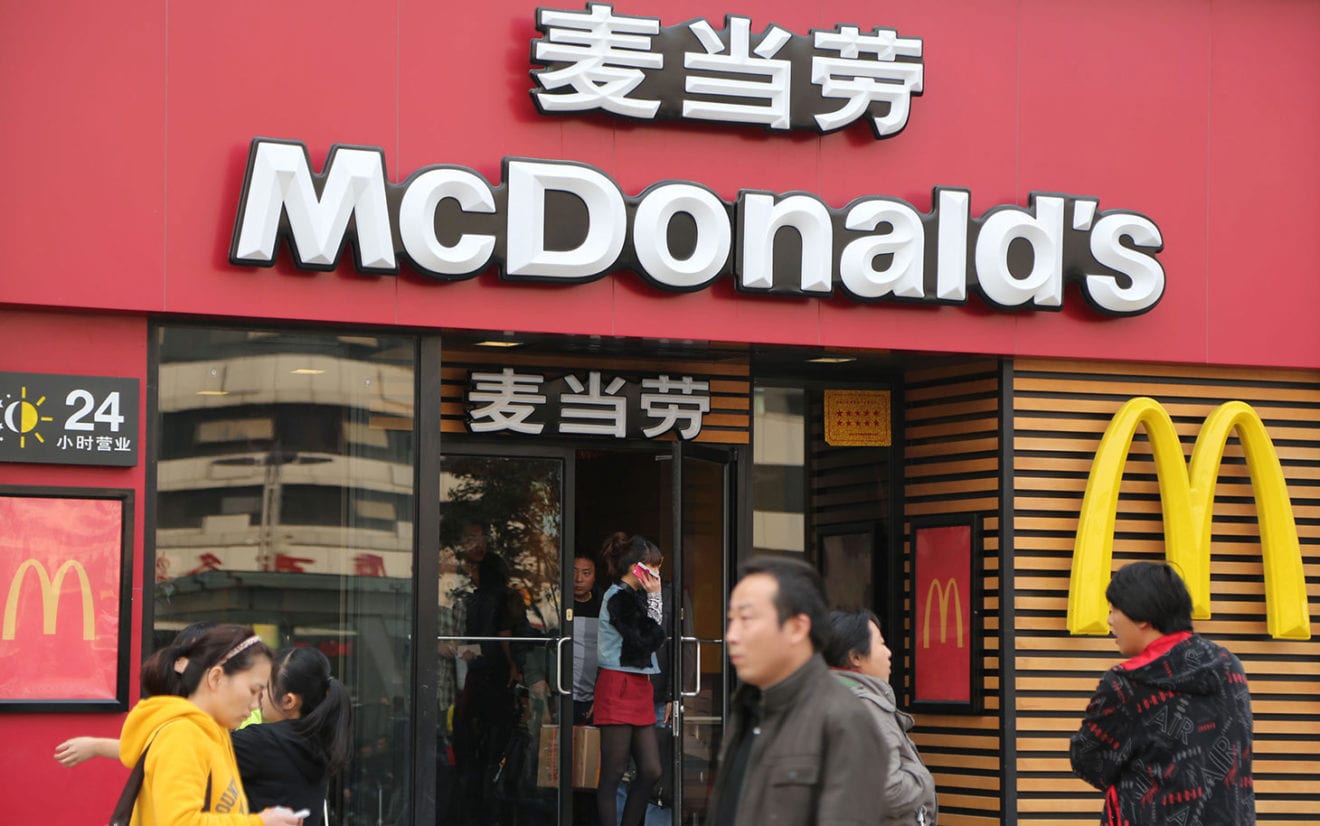
    New contenders for McDonald’s China and Hong Kong

    Private equity firms Carlyle Group and TPG Capital have teamed up with two different Chinese state companies to bid for the McDonald’s China and Hong Kong franchise licences.

    The deal is said to be worth between US$2 billion and US$3 billion, reports the Straits Times.
    McDonald’s has previously said it is looking for long-term partners rather than private equity firms, which typically cash out after a few years.

    Carlyle is working with Chinese state conglomerate Citic Group and TPG has joined with Beijing Capital Agribusiness Group to place binding bids ahead of this month’s deadline. Beijing Capital Agribusiness is McDonald’s current China partner.

    Reuters says the US fast-food giant, hit by food-supply scandals in China, has hired Morgan Stanley to run the sale of about 2800 restaurants in China, Hong Kong and South Korea.

    The two private equity-backed groups are bidding only for China and Hong Kong outlets, going up against Beijing Tourism Group, China Cinda Asset Management and private Chinese technology and real-estate firm Sanpower Group.

    China and Hong Kong account for more than 85 per cent of the 2800 outlets on the block.
    Meanwhile, South Korea’s Maeil Dairy Industry Co says it is considering bidding for McDonald’s Korean outlets, which are expected to fetch about $268 million. Interest has already been shown by CJ Corp and NHN Entertainment Corp.

    Changing to a less capital-intensive franchise model, McDonald’s is offering a 20-year franchise to buyers, with a 10-year extension option.

  • World’s Largest Watch & Clock Fair Opens in Hong Kong

    World’s Largest Watch & Clock Fair Opens in Hong Kong

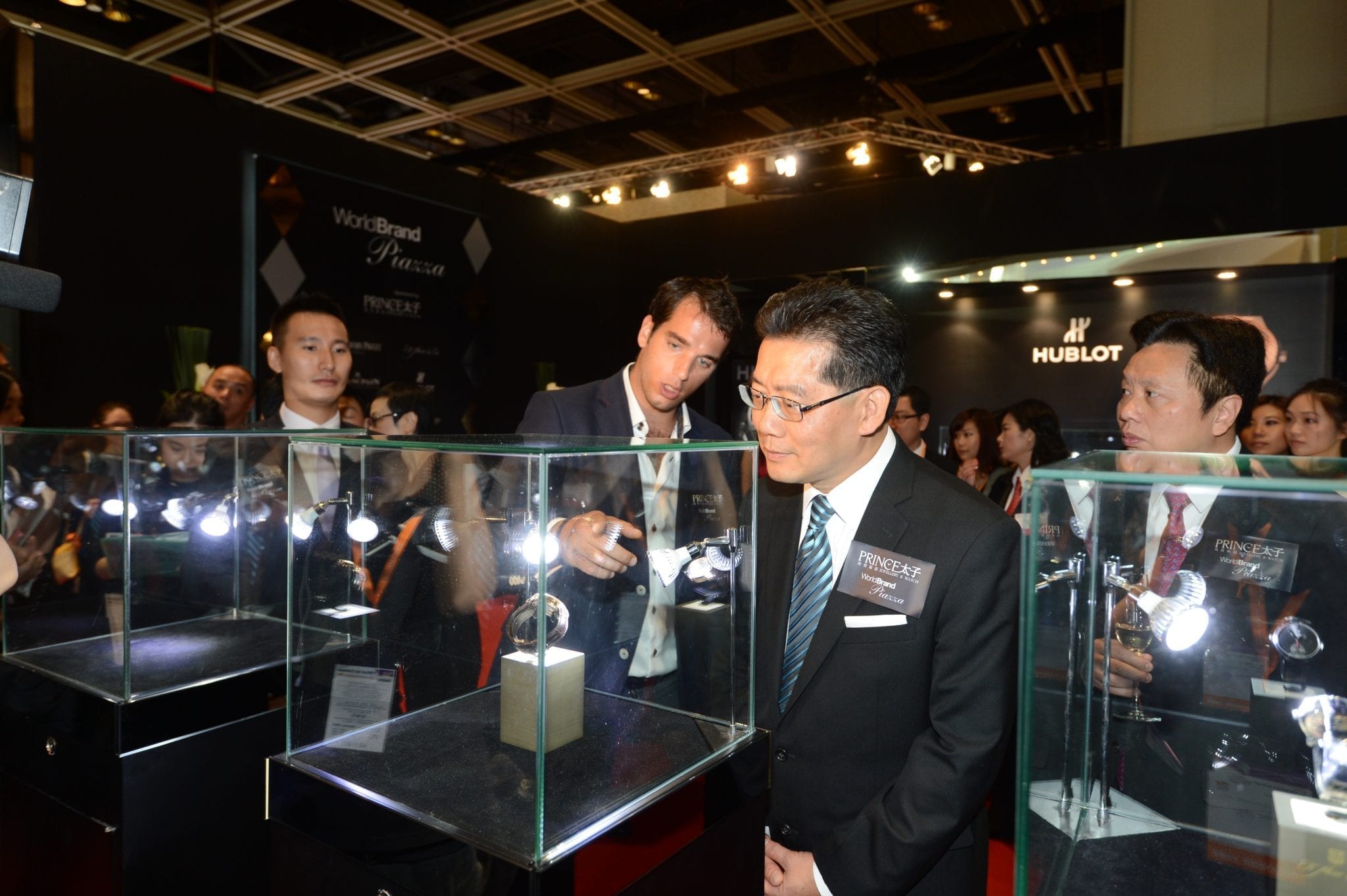
    The 35th HKTDC Hong Kong Watch & Clock Fair, the world’s largest timepiece event of its kind, opened today and continues through 10 September at the Hong Kong Convention and Exhibition Centre (HKCEC). Organised by Hong Kong Trade Development Council (HKTDC), Hong Kong Watch Manufacturers Association Ltd and the Federation of Hong Kong Watch Trades and Industries Ltd, the fair features more than 800 exhibitors from 27 countries and regions, including first-time participating countries and brands from Australia, Hungary, Iran, Lithuania, Monaco, Thailand and Turkey.

    Gregory So, Secretary for Commerce and Economic Development of the Hong Kong SAR Government, was guest of honour at this morning’s opening ceremony. A highlight of the five-day fair is Salon de TE, a top-tier brand showcase for the trade that will also be open to public visitors (aged 12 or above) free of charge on the last day of the fair (10 September), with timepieces from more than 80 brands available for sale to the public.

    Premium watches at Salon de TE

    Salon de TE spotlights premium watch brands and unique watch designs, gathering 150 international brands at five thematic zones: World Brand Piazza, Chic & Trendy, Craft Treasure, Renaissance Moment and Wearable Tech. World Brand Piazza presents artisan masterpieces from 13 renowned international brands, including Blancpain, BOVET, Breguet, BVLGARI, Chopard, CORUM, DeWitt, FRANCK MULLER, Glashutte Original, H. Moser & Cie, Jaeger-LeCoultre, Piaget and Zenith.

    Chic & Trendy gathers a wide range of stylish wrist watches. Craft Treasure showcases high-end functional mechanical watches and jewellery watches. Renaissance Moment presents classic European watches in various styles, including the Swiss Eminence pavilion showcasing six top-quality Swiss brands and the Swiss Independent Watchmaking pavilion showcasing seven Swiss independent watchmakers’ collections. Wearable Tech features watches that combine new technology and stylish design.

    Salon de TE and the Watch & Clock Fair gather a wide range of eye-catching wrist watches, including:

    – Piaget’s world’s slimmest mechanical jewellery wrist watch Altiplano, priced at over HK$1.4 million. (around US$181000) (Booth no.: 3E-WBP)

    – Jaeger-LeCoultre’s Reverso Cordonnet Duetto, featuring a double-dial design with a single movement driving both front and back dials to show time, valued at HK$1.9 million. (around US$245000) (Booth no.: 3E-WBP)

    – Boegli’s Grand Opera series musical watches are equipped with a musical module and mechanical movement, capable of producing 17 notes to play classical musical pieces. Only 99 pieces are available for this limited edition watch. (Booth no.: 3E-D44)

    – Kronsegler’s da Vinci automatic mechanical watch KS 745 combines art with function by featuring a rotating 24-dial of Da Vinci’s Vitruvian Man with the figure’s head indicating the current time. (Booth No.: 3D-B43)

    – Memorigin’s Marco Fu watch series is themed around snooker with three black diamonds set at the 1, 4 and 7 dial markers, representing snooker player Mr Fu’s 147-point scoring record. (Booth No.: 3E-E18)

    – AKTEO’s finance-themed watch Wall Street 42, in which the hour hand shows the Wall Street Journal, the minute hand a US bank note, and the second hand a 999.9 gold bar. (Booth No.: 3D-A38)

    – FIYTA’s 3D Time, which emphasises 3D art, was awarded the Red Dot Academy Awards in industrial design in 2014. (Booth No.: 3E-E37)

    Smart watches as market spotlight

    Responding to the increasing popularity of smart watches, the industry is focused on creating more high-tech timepieces. Pure Performance Distribution Limited’s Garmin fenix(R) 3 HR multisport training GPS watch, with feature sets for fitness training and outdoor navigation, provides users with reliable fitness and GPS data for their daily life and for professional training. As such, this year’s fair introduces a new zone, OEM Smart Watches, showcasing the latest OEM designs. Among the exhibits, Montrichard (HK) Ltd’s smart watch Chronologia is capable of dual-time display and alarm, and can be connected to a smartphone to display lost-phone notification, SMS, fitness tips and more.

    Another dedicated zone, Pageant of Eternity returns this year to spotlight an endless range of complete watches. Other exhibiting categories consist of Complete Watches, Clocks, Machinery & Equipment, Packaging, Parts & Components and Trade Services.

    Over 70 buyer missions coming to do business

    During the fair period, the HKTDC has organised more than 70 buyer missions, comprising about 4,000 buyers from 50 countries and regions, including renowned watch and clock manufacturers, buyers and retailers, such as Rivoli Group from the Unite Arab Emirates, Abiste from Japan, Dakota Watch from the United States, Birks Group from Canada, Gmarket from South Korea, S Bacher & Co. from South Africa and Crystal Time from Singapore. Apart from Salon de TE, the popular hktdc.com Small Orders zone is featured in the lobby of Hall 1D with some 160 clock and watch showcases, targeting buyers looking to source products in minimum quantities of five to 1,000 pieces. Some of the items are also available for orders online. The award-winning entries of the 33rd Hong Kong Watch & Clock Competition are also on display in the lobby of Hall 1B to showcase local designs to international buyers.

    More than 30 events, including seminars, networking events and watch parades will be organised during the fair period to facilitate exchange of market information among industry players. Highlighted events include the Hong Kong International Watch Forum held this afternoon while the Asian Watch Conference, to be held tomorrow afternoon, will look at developing trends related to the smart wearable tech sector and the Internet. Celebrities, including Alex Lee, Lisa Ch’ng, Derek Wong, Karena Ng, Wong You-nam, Ma Wing-shing and Marco Fu, will take part in product launches. On Public Day (10 September), visitors can take part in a series of entertaining activities as well as two lucky prize draws.
  • Furla reports 38% H1 travel-retail sales increase

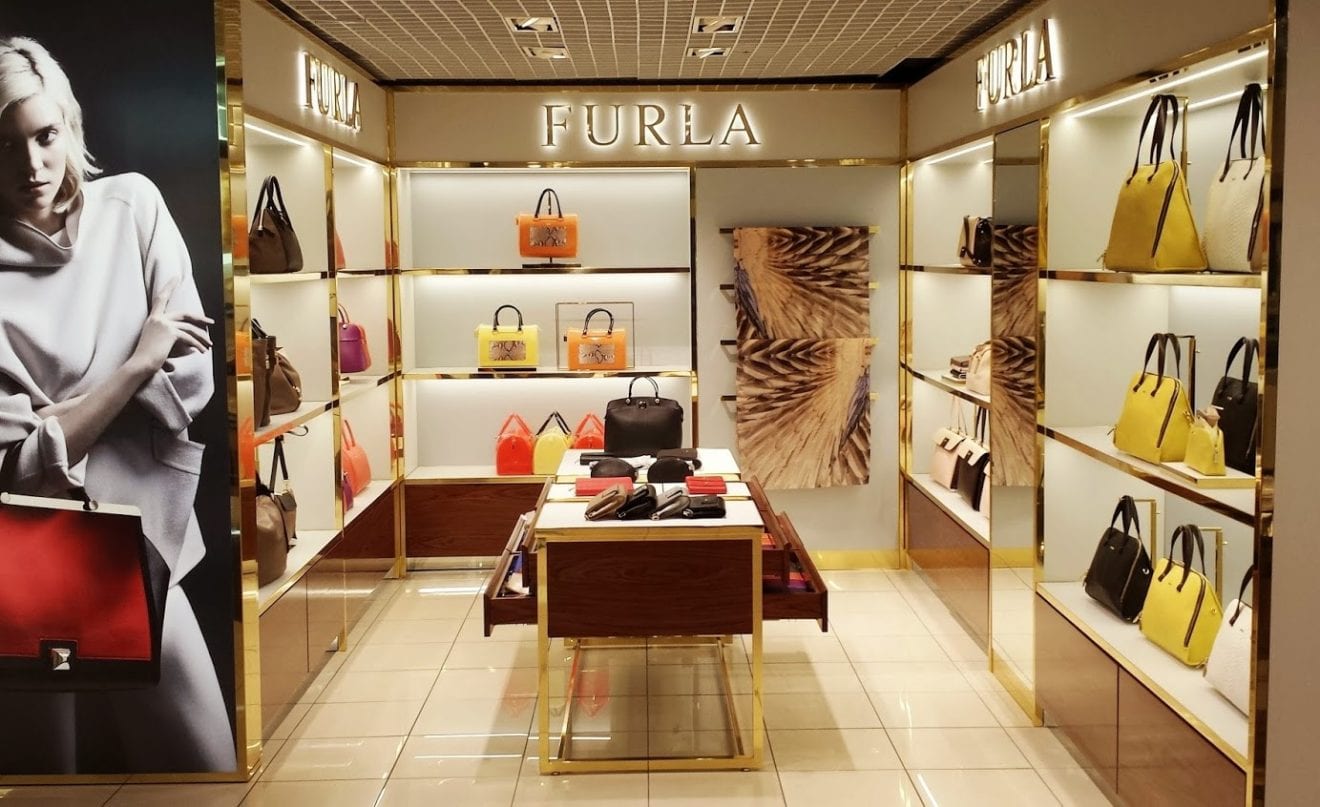
    Furla reports 38% H1 travel-retail sales increase

    Italian luxury leathergoods brand Furla has reported a 38% travel-retail sales increase in H1 2016.

    Furla currently has 223 travel-retail points of sales in 52 countries, the most recent openings in Bucharest Henri Coandă International airport and Singapore Changi airport terminal two with Lagardère Travel Retail.

    Following record results in 2015 in terms of sales and profitability, the Furla Group overall has continued growth in the first half of 2016 registering €194m ($217m) in sales versus €151m in H1 2015, an increase of 28%.

    This increase is equal to +27% at constant exchange rates and proves Furla Group’s growth is well distributed worldwide thanks to increases in sales ranging between +22% and +34% in all geographical areas where the brand is present.

    The Furla Group now counts 425 mono-brand stores, up from the 415 units registered at the end of 2015. Around 50% of these mono-brand stores are composed of property and franchising points of sale.

    Counting multi-brands and department stores, the Furla Group is present in more than 1,200 other locations worldwide. It is directly present in more than 100 countries with its products.

    Furla Group, recently opened new mono-brand stores in locations such as Citic Mall in Shanghai, Mira Mall in Hong Kong, GUM in Moscow and in Nice. In the second semester of 2016, the Furla Group plans to open new stores in London (Brompton Road) and in Paris (Rue du Faubourg Saint Honoré).

    Japan remains its strongest market, representing 26% of total sales in the semester with a 30% increase just like the US. In Europe, sales excluding Italy—that alone is responsible for a 34% sales increase—have increased by 26%. Asia/Pacific sales have risen 22%, equal to almost 20% of the total sales for the Group. Like-for-like sales have also surged significantly with well-balanced results across all regions.

    In 2016, Furla Group, which boasts a 1,500-strong workforce, intends to increase investments in areas that already appreciate the brand and where the Group sees even more potential: marketing, communications, digital and e-commerce markets.

    Furla Group general manager Alberto Camerlengo said: “We’re extremely proud of our results for the first half of the year. The Furla Group continues to grow exponentially both geographically and across the different product categories, continuing to assert itself on a global level as one of the leading Brands in all markets.

    “The quality, freshness and innovative aspects of our products are recognised all over the world and we have been able to achieve these results thanks to the commitment and dedication of our team. We will continue to work towards new growth goals, opening new distribution channels, reinforcing existing relationships and focusing on new projects for the future.”

  • Asian online shoppers habits uncovered

    Asian online shoppers habits uncovered

    Asian online shoppers research, locate, engage with and purchase products and services in entirely different ways in different markets, according to a new report.

    For example, almost all consumers in Indonesia knowingly provide brands with wrong details, including name (93 per cent), phone number (94 per cent), and email address (95 per cent) when researching or shopping online

    And the biggest driver of online-to-offline (O2O) conversions is with email in Singapore; SMS in Indonesia; chat apps in China; social media in Malaysia and Thailand and video ads in Hong Kong.

    And 27 per cent of consumers in China and 10 per cent of consumers in Singapore unknowingly input wrong payment details, breaking the region’s eCommerce’s momentum.

    Those are among many takes from The Digital Consumer View 2016 (Asia) report, released by global information services specialist Experian today, containing research from International Data Corporation (IDC), aimed at helping businesses better understand digital consumers in Asia.

    The report reveals how consumer behaviour varies across the key Asian markets of Singapore, Malaysia, Indonesia, Thailand, Hong Kong, and China, based on surveys with over 1200 digital consumers.

    Differences exist across channels (SMS, app notifications, email, social media, chat apps), devices (smartphone, feature phone, Wi-Fi/cellular tablet, wearable) and content (ads in email, ads in mobile apps, ads in social media, video ads on websites, and search ads). The findings highlight the complexity of reaching digital consumers in Asia across many channels, but also highlight how crucial that is, says Jeff Price, MD of Southeast Asia at Experian.

    “While the region is fast-growing, consumer behaviour in each market has unique disparities. Businesses today cannot succeed without intelligent insights based on consumer data,” he advises.

    “Asia is in the midst of a great digital revolution, with an explosion of smart devices, social media interactions and eCommerce transactions. While this evolution has greatly enabled and empowered both sides, it has also challenged businesses to be more effective and targeted in the way they communicate and market to this modern, digital-savvy consumer.

    “For companies to keep up with digital consumer behaviours – how they act on information – it’s absolutely vital to adopt and leverage what their consumers are providing them with every day – invaluable data. Businesses slow to act on this data will see their competitive advantage erode.”

    Key findings

    Experian - DCV - Region - Key findings

    • Search and discovery: Social media is the top channel in Singapore (31 per cent), Malaysia (49 per cent), Indonesia (67 per cent) and Thailand (58 per cent). It’s equally important as chat apps in China (47 per cent); in Hong Kong, video ads (63 per cent) trumps all.
    • Triggering product interest: Social media, once again, is the key driver in Singapore (28 per cent), Malaysia (44 per cent), Thailand (49 per cent) and Hong Kong (25 per cent). However, in Indonesia it’s SMS (62 per cent), and in China it is chat apps (48 per cent).
    • Triggering purchase intent: Email is the biggest driver of online to offline conversion in Singapore (27 per cent); SMS tops in Indonesia (57 per cent); chat apps in China (45 per cent); social media in Malaysia (44 per cent) and Thailand (51 per cent); and video ads tie with social media in Hong Kong (23 per cent).
    • Finding good deals: For unplanned purchases stemming from promotions, email leads in Singapore (34 per cent); social media in Malaysia (50 per cent), Indonesia (68 per cent) and Thailand (58 per cent); SMS in Hong Kong (36 per cent), and social media in China (51 per cent).
    • Brand engagement: Email is key for marketers to build engagement in Singapore (58 per cent) and Thailand (60 per cent); chat apps in Malaysia (62 per cent) and China (70 per cent); banner ads in Indonesia (56 per cent), and SMS in Hong Kong (61 per cent). While email is important, marketers need to be wary: more than 70 per cent of consumers reported receiving too many emails, up from 52 per cent in 2015.

    Experian - DCV - Region - The rise of omni-channel engagement 1

    Shiv Putcha, associate director, consumer mobility and telco strategy with IDC Asia Pacific, says businesses and brands cannot afford to ignore Asia’s multi-trillion-dollar digital commerce market. China alone is now the world’s largest retail market.

    “The challenge lies in the fact that the region has extraordinary differences – language, economy, purchasing power – and consumer behaviours, especially with the digital generation. That uniqueness will not diminish over the next few years and may even increase, making it challenging for marketers not using data-driven insights to research, plan and execute effectively. The Digital Consumer View 2016 (Asia) will hopefully serve as a valuable guide to deciphering some of these key trends, mapping the path forward for brands and their connected consumers.”

    Experian - DCV - Region - Top 3 types of ads that influence consumer's buying behavior

    Key Learnings for marketers in Asia

    • Over-reliance on a single marketing channel will not work. Depending on the country and its current state of digital sophistication, marketers need to think carefully about the right mix of channels to employ.
    • Quality over quantity. Consumer preferences for receiving promotional material varies from market to market, and by specific use cases. On a broader level, more is not necessarily better. A relevant and targeted message will ensure better conversion. Too much, and consumers are inclined to unsubscribe, delete, or mark content as spam.
    • The quality and integrity of data is crucial for marketers to find success. A significant number of consumers across the region either knowingly or unknowingly provide inaccurate information, which in turn causes errors and inaccuracies in marketer’s data sets. Around 27 per cent of consumers in China but only 10 per cent in Singapore unknowingly input wrong payment details; 40 per cent of consumers in China, and over 20 per cent of consumers in the rest of the region provide a wrong address at online checkout.

    Asia comprises 49.6 percent of the world’s Internet users, according to Internet World Stats (2016), digital commerce in the Asia-Pacific (excluding Japan) region will rise to US$17 trillion by 2019, up from US$7 trillion in 2015 according to International Data Corporation (IDC). The combination of rising incomes, increased consumption, acceleration of internet use, and the proliferation of mobile broadband access continues to unlock tremendous opportunities for marketers across the continent.

  • Hong Kong Housing Prices to Fall a Further 10%, Nomura Says

    Hong Kong Housing Prices to Fall a Further 10%, Nomura Says

    Hong Kong home prices will fall a further 10 percent as a pipeline of new developments is met by stalling income growth and looming interest rate hikes, Nomura Holdings Inc. said in a report.

    “We are bearish on the physical property market, on a weakening economy, deteriorating affordability, declining retail sales and stagnant real household income growth,” analysts led by Jeffrey Gao wrote in a note Tuesday. Prices will decline over the medium term, the analysts said, without being more specific.

    Gao said in an interview earlier this month that a rebound in property prices during the second quarter was just a pause in a multi-year correction. Hong Kong home prices are 9.4 percent below their September peak, having fallen as much as 12.8 percent at the end of March, according to data from Centaline Property Agency Ltd.

    Mortgage rates in Hong Kong, which are linked to the Federal Reserve rate via the pegged currency, may rise after Fed Chair Janet Yellen said last week the case to raise interest U.S. rates is getting stronger.

    Nomura also sounded a bearish note on Hong Kong’s retail property market, predicting a 5 percent drop in rental returns in fiscal 2017, as tourist arrivals decline and sales fall. Office rents may also fall as much as 5 percent as leasing demand slows, the report said.

    Despite the negative outlook, Nomura remains “positive on HK property names overall,” citing their healthy debt levels, solid balance sheets and potential for share buybacks. The analysts’ top picks are Sun Hung Kai Properties Ltd. and Kerry Properties Ltd., which are both trading at a discount to their net asset value.

    Sun Hung Kai Properties shares have risen 17 percent this year and Kerry Properties have gained 6.9 percent, outperforming an 11 percent increase by the Hang Seng Property Index.

  • DJI Hong Kong opening flagship in Causeway Bay

    DJI Hong Kong opening flagship in Causeway Bay

    Unmanned aerial vehicle (UAV) technology company DJI Hong Kong is about to open a flagship store featuring flight cages, experience zones, an aerial photo gallery, technical support centre and its full range of consumer and professional products.

    In Causeway Bay, the three-storey store, covering more than 10,000 sqft (930 sqm) will open at the end of next month. It will display animated DJI and drone silhouettes to add to the Victoria Harbour evening backdrop.

    Its ground floor will feature the company’s full range of aerial and handheld products, while the SkyPixel Gallery on the first floor will showcase UAV photography from around the world. The technical support centre is on the second floor along with a space for workshops, seminars and special events.

    DJI HKFS 1st Floor

    “Discovery is an important part of the learning process, and when people understand how easy it is to use the technology they will find ways to incorporate it into their lives or for their businesses,” says DJI founder/CEO Frank Wang.

    DJI HKFS

    This will be the company’s third foray into retail following the December opening of its first flagship store in in Shenzhen, followed by a Seoul flagship in March.

    DJI’s global network spans the Americas, Europe and Asia, with customers in more than 100 countries using its products for such purposes as filmmaking, construction, emergency response, agriculture and conservation.

    DJI HKFS 1st Floor

  • Hong Kong retail sales plunge for 17th month in a row

    Hong Kong retail sales plunge for 17th month in a row

    HK retail sales 07 16

    Things are not exactly looking up.

    The bad news continues for Hong Kong’s downtown duty free and travel retailers such as DFS as the latest retail sales statistics show another month-on-month decline.

    July government data provisionally indicate that the value of total retail sales in July fell by -7.7% to $34.6bn/$4.46bn, compared with July 2015. This means that for the first seven months of 2016, the value of total retail sales decreased by -10.1% compared with the same period in 2015.

    The trend in department stores was slightly better: in July they fell by -6.9% and by -8.7% in the first seven months of the year.

    The graph above shows the rate of change on a monthly basis for all retail sales in Hong Kong and it suggests that since the second quarter of 2015 there has been continuous downward, negative pressure on sales [the spikes reflect the timings of Chinese New Year].

    HIGH-VALUE ITEMS HAMMERED

    By those product categories most relevant to duty free, the figures showed a very mixed performance in July. Value sales of jewellery, watches and clocks, and ‘valuable gifts’ took a beating, decreasing by -26.2% as did electrical goods and photographic equipment (-21.8%), while footwear, allied products and other clothing accessories held their ground at (-1.1%).

    The tourism trend this year looks worse than in 2015 which is a worry.

    The overall negative trend has been attributed to the depressed tourist traffic coming to Hong Kong, particularly from China. While the July figures are not yet available, in the half-year to June visitor arrivals fell by -7.4% to 27.16m, with mainland Chinese traffic falling by over -10%.

    This follows an inbound decline of -2.9% to 59.3m in 2015, but a spending decline of -7.5% to HK$332.3bn. Of the 59.3m, Mainland China continued to be the largest visitor source market accounting for 77% of total arrivals.

  • Asia leads Tiffany sales decline

    Asia leads Tiffany sales decline

    Asia has led a decline in global sales for US jeweller Tiffany & Co in both the first half year and the second quarter periods to July 31.

    Same-store Tiffany sales plunged 13 per cent in the six months in Asia-Pacific – excluding Japan where they rose 10 per cent, but fell on a constant currency basis.

    Sales growth in China and Korea was offset by a continuation of significant declines in Hong Kong and more moderate declines in most other markets, the company reported.

    Same-store North America sales declined 9 per cent in the six months, largely due to declining spending by Chinese tourists in the US.

    “The global environment continues to reflect well known challenges that we believe have had broad effects on spending by local customers, as well as foreign tourists, especially from China,” said CEO Frederic Cumenal.

    “We are managing expenses efficiently, but also maintaining our marketing spending as a percentage of sales and continuing to invest in key strategic initiatives and opportunities to further strengthen Tiffany’s competitive position among global luxury brands.”

    In the Asia-Pacific region, total sales of US$230 million in the second quarter and US$469 million in the first half were down 6 per cent and 7 per cent, respectively, and comparable store sales declined 12 per cent and 13 per cent. On a constant-exchange-rate basis, total sales and comparable store sales declined 3 per cent and 9 per cent in the second quarter and 4 per cent and 11 per cent in the first half.

    During the second quarter, worldwide net sales declined 6 per cent to $932 million and comparable store sales declined 8 per cent. Net earnings rose 1 per cent to $106 million, in the prior year. Net earnings declined 5 per cent from the prior-year period’s $111 million, which excludes a specific charge in that period.

    In the first half, worldwide net sales of $1.8 billion were down 7 per cent and comparable store sales declined 9 per cent. On a constant-exchange-rate basis, worldwide net sales and comparable store sales declined 6 per cent and 9 per cent, respectively.

    Net earnings for the half year were $193 million.

    Gross margin increased to 61.9 per cent in the second quarter and 61.6 per cent in the first half, due to lower product input costs, changes in product sales mix and price increases taken in the past year.

  • Korean wave exports boom

    Korean wave exports boom

    Outbound shipments of Korean food, beauty, fashion and personal care products soared in the first half of the year on the back of the growing popularity of the Korean Wave, or hallyu.

    Official data released today by the Korea International Trade Association (KITA), shows exports of such goods amounted to US$6.79 billion in the January-June period, up 15.2 per cent from a year earlier.

    Industry watchers said the growth is attributable to the cultural wave of “hallyu” in China and other Asian countries, which refers to the boom of South Korea-made entertainment goods, including pop music, movies and TV dramas. The popularity of hallyu helped turn its fans into consumers of South Korean products.

    The growth was driven by cosmetics-related goods with their exports rising 38.5 per cent to reach $1.81 billion during the first half of the year.

    Exports of foods also rose 3.5 per cent year-on-year to reach $2.43 billion, the data showed.

    The association said South Korea’s diversified product portfolio helped meet demand from customers in overseas markets.

    Last year, exports of such products amounted to $12.21 billion won, the data showed.

    Earlier data also showed that exports of South Korea-made cosmetics more than tripled over the past five years.

    Outbound shipments of makeup products reached $2.45 billion in 2015, surging 53.1 per cent from $1.56 billion a year earlier, according to the data by Korea Customs Service (KCS).

    The 2015 figure soared more than threefold from $698 million in 2011, with an annual average growth of 36.9 per cent over the 2011-2015 period.

    The total volume of cosmetics exports stood at 90,491 tons in 2015, compared to 31,606 tons tallied in 2011.

    China is the biggest buyer of South Korean beauty products, importing $999.5 million last year, or 40.6 per cent of the country’s entire cosmetics exports.

  • DJI To Open Flagship Store In Hong Kong

    DJI To Open Flagship Store In Hong Kong

    DJI, the world leader in unmanned aerial vehicle technology, said Monday it will soon open a flagship store in Hong Kong featuring flight cages, experience zones, an aerial photo gallery, technical support center and DJI’s full range of consumer and professional products.

    Located at the center of Hong Kong’s busiest shopping district in Causeway Bay, the three-story, 10,000+ square-feet store will open at the end of September 2016. In keeping with the scintillating Hong Kong skyline, the building will display animated DJI logos and drone silhouettes to add to the Victoria Harbor evening backdrop.

    More than just a retail outlet, the Hong Kong flagship store will provide a location where the worldwide community can connect to share their experience of flight and explore the latest UAV products and aerial cameras. The ground floor will have on display DJI’s full range of aerial and handheld products, while the SkyPixel Gallery on the first floor will showcase breathtaking examples of aerial photography from around the world. The second floor will house the technical support center and a dedicated space for workshops, seminars and special events.

    “As interest around our aerial technologies continues to grow, the expansion of our flagship business will provide a  place for people to see, touch and learn about our products first hand,” said Frank Wang, DJI Founder and CEO. “Discovery is an important part of the learning process and when people understand how easy it is to use the technology, they will find ways to incorporate it into their lives or for their businesses.”

    The Hong Kong flagship store is DJI’s third foray into retail after the December 2015 opening of its first flagship store in in Shenzhen, China, followed by the Seoul, Korea flagship in March 2016.

    Hong Kong is an important market for DJI here in Asia and remains a tourist hot spot for people from around the world,” said DJI Hong Kong Regional Manager Sarah Chuang. “The store will provide an opportunity for us to engage consumers from all walks of life, from local photographers to aerial enthusiasts across Asia to travelers visiting Hong Kong looking for the coolest and latest technologies. We want to provide a truly unique DJI experience for anyone who walks into our store.”

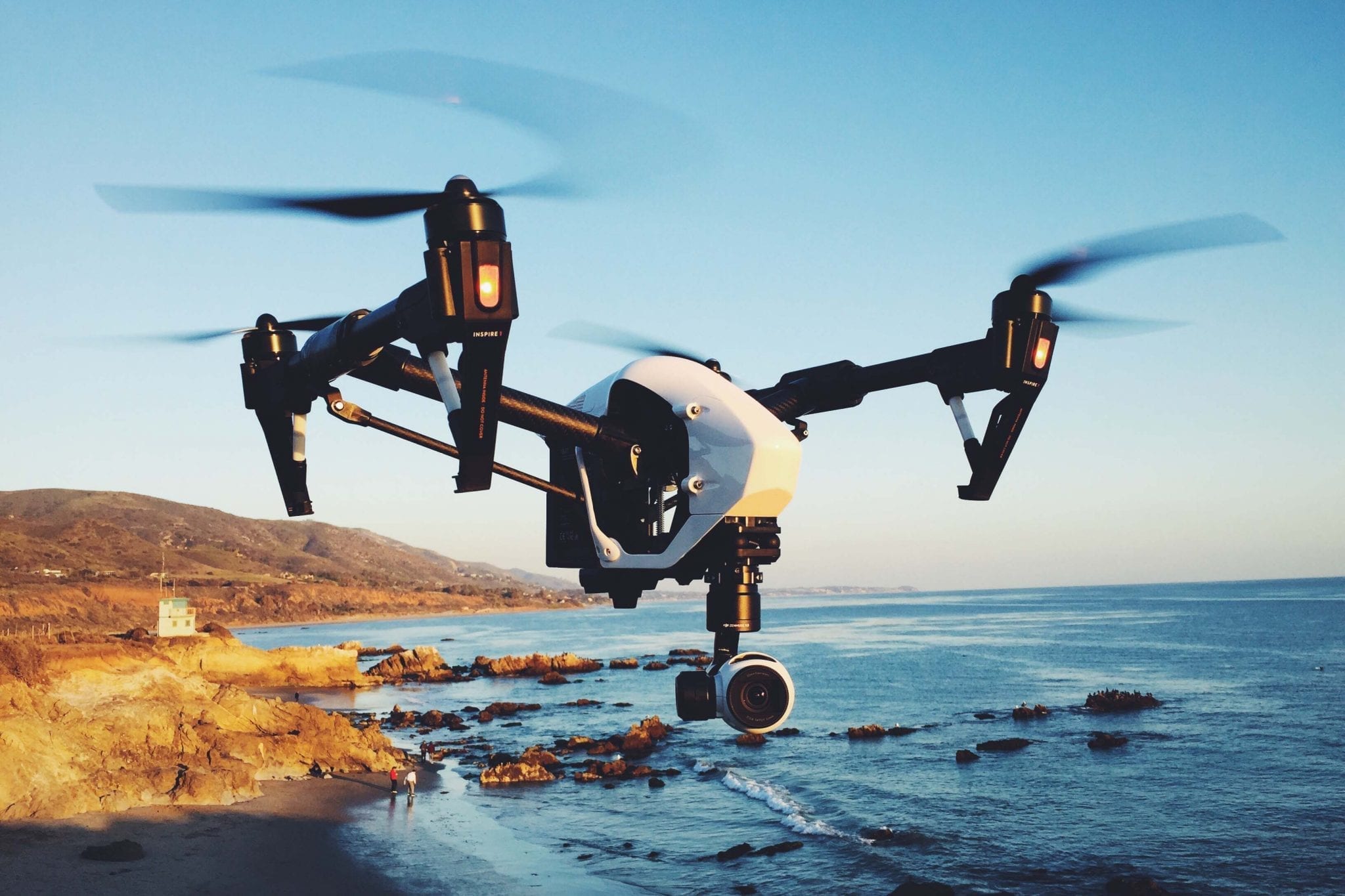
    On display and for sale will be DJI’s consumer products, such the Phantom series of drones and the Osmo stabilized 4K handheld camera, as well as professional products, including the Inspire 1 and Matrice series, the Zenmuse Z3, X5R, and XT cameras, and the Ronin handheld three-axis camera gimbal line.

    The Hong Kong Flagship store is located at TOWER 535, Shop G07, 535 Jaffe Road, Causeway Bay, Hong Kong. More details will be announced closer to the grand opening day in late September.

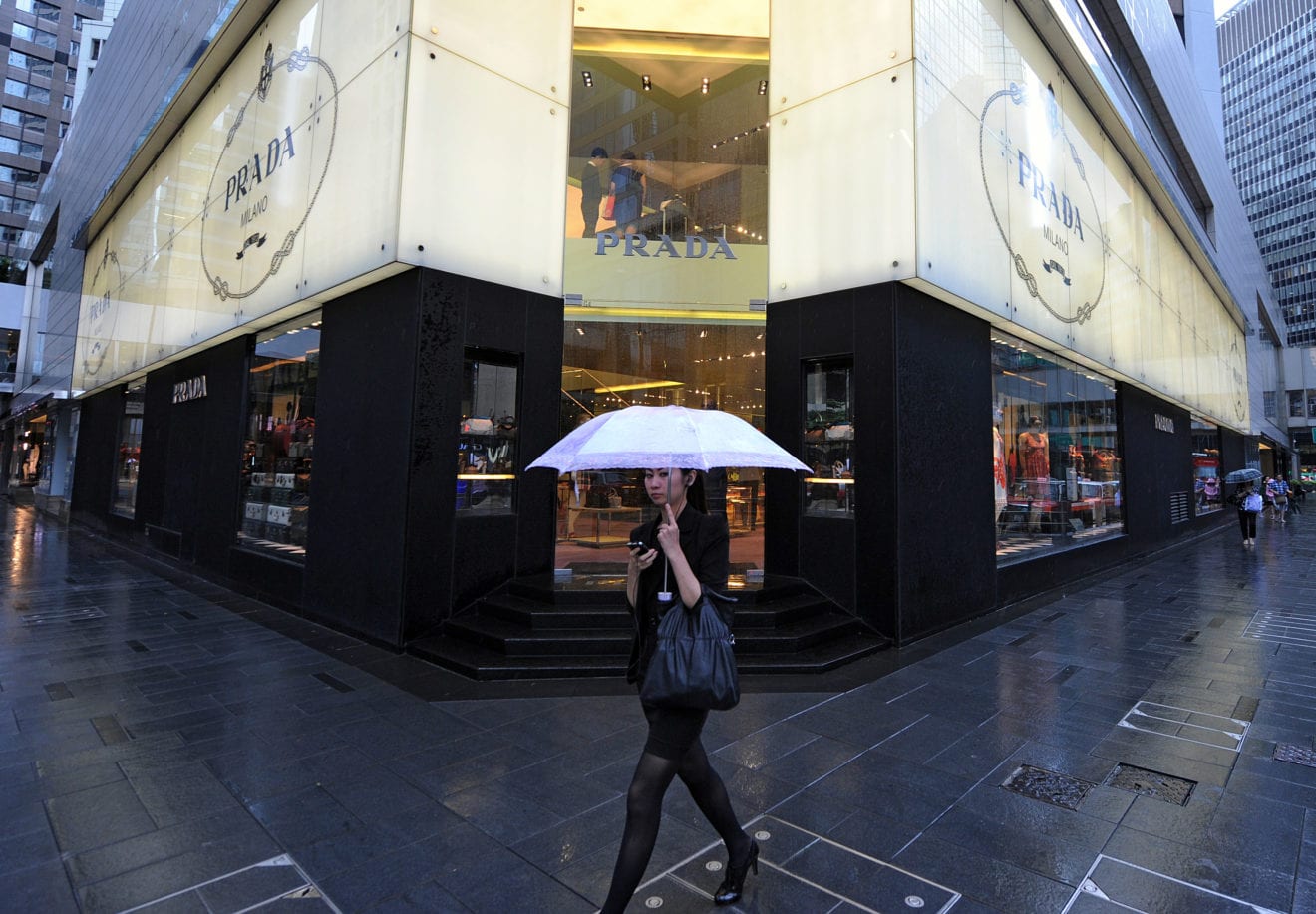
  • Prada Asia heads online as sales slip

    Prada Asia heads online as sales slip

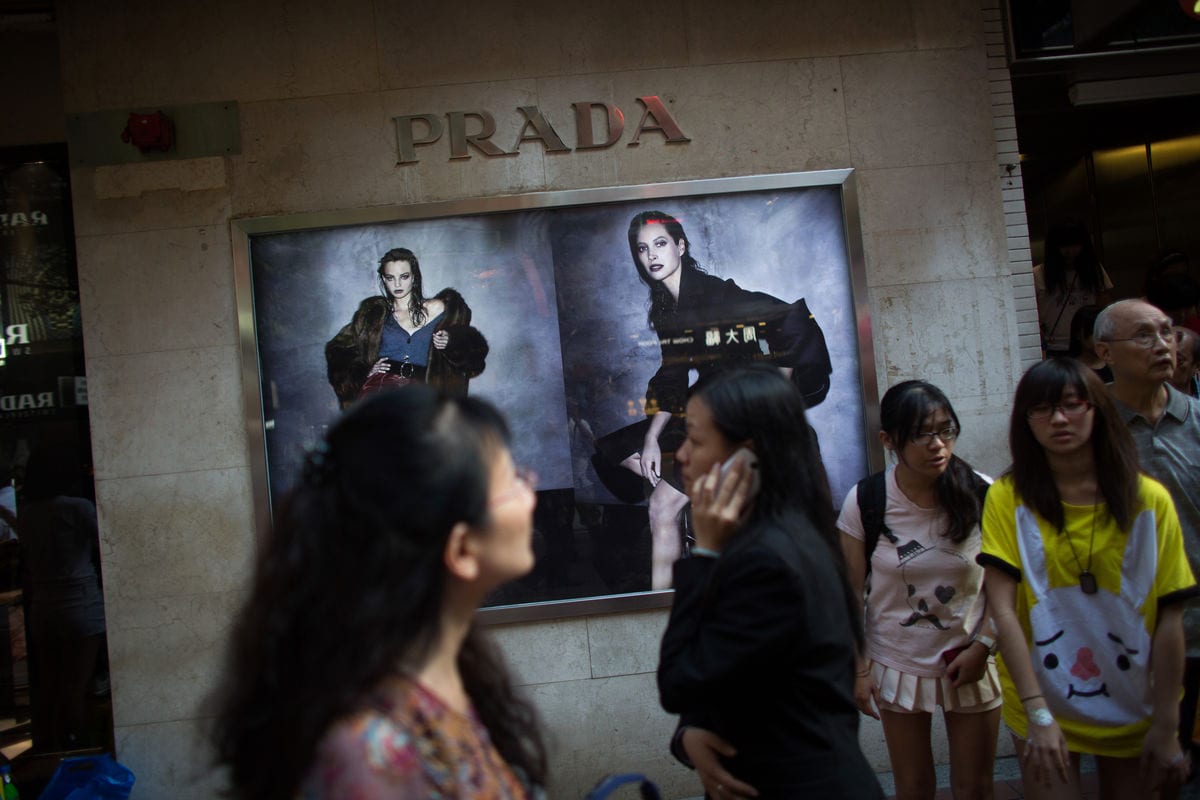
    The Italian-headquartered, Hong Kong-listed luxury brand says its Asia Pacific sales slumped  18 per cent on a constant currency basis in the first half of this year.

    “The negative economic backdrop continued to impact performance in both Hong Kong and Macau, but signs of improvement have been visible since July across Greater China,” the company noted in its results.

    And after a period of consistent growth since 2010, sales in Japan fell 9 per cent, mainly due to lower tourist flows from China caused by a less favourable exchange rate.

    CEO Patrizio Bertelli says the company will now make China, Hong Kong and Singapore its priorities in roll out its new eCommerce platform, which is expected to be global within to years.

    “At the same time there will be a constant enhancement of the online shopping experience,” he said. “Our eCommerce offer will also leverage new partnerships with international leaders in the sector.”

    Globally, Prada achieved net revenues of €1.6 billion, down 13 per cent on a constant currency basis. The decline was largely in the retail channel while Prada’s wholesale business remained stable thanks to an initial positive contribution from recent partnerships with international e-tailers and its licensing division, where good progress from royalties driven by the success of the new fragrances and eyewear.

    Net profit margin was down from 24 per cent of revenues in the first half of last year to 21 per cent. Net income amounted to €142 million, representing 9 per cent of consolidated revenues (10 per cent in 2015).

    Bertelli is upbeat about the remainder of 2016.

    “With the implementation of the first phase of rationalisation of various management and operating processes and with the launch of a series of new initiatives that will allow the group to respond quickly to the requirements of a rapidly evolving market, I see 2016 as a turning point.”

    He said the company’s retail network is subject to rigorous review including closure of non- strategic locations and selective openings in high potential markets.

    “Part of this process will also include the launch of new concepts such as the recent restyling of the Prada stores at Plaza 66 in Shanghai and GUM in Moscow, redesigned to offer a new and exclusive shopping experience for increasingly demanding clients.”

  • SmarTone FY16 profit falls 15%

    SmarTone FY16 profit falls 15%

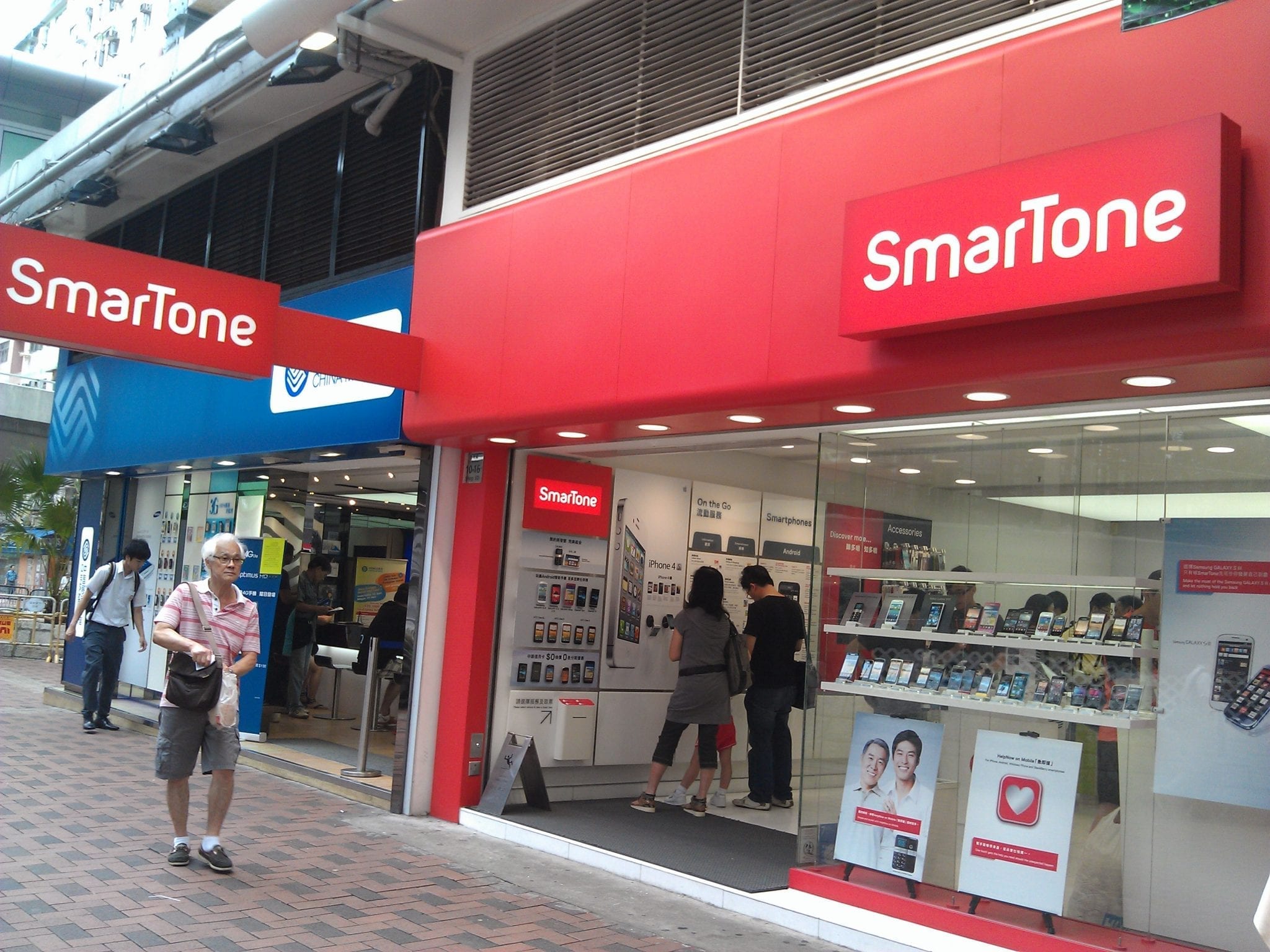
    Hong Kong’s SmarTone has reported a 15% slump in net profit for the financial year ending in June, as the company felt the brunt of the ongoing maturation of the smartphone market.

    Net profit declined to HK$797 million ($102.7 million), as handset earnings crashed 77% back to historical levels due to the impact of this maturation on the smartphone segment.

    Group total revenue fell 2% to HK$18.36 billion, with service revenue also declining 2% due in part to lower roaming and pre-paid revenue.

    But net of handset subsidy amortization service revenue stayed flat at HK$4.79 billion due to underlying growth in the operator’s local postpaid business.

    Hong Kong customer numbers grew 1% to 1.97 million, with postpaid churn remaining unchanged at 0.9%. Mobile postpaid ARPU meanwhile rose 2% to HK$301.

    While SmarTone noted that the Hong Kong telecoms market remains competitive, the operator expressed optimism about its prospects for the current financial year. SmarTone’s financial report notes that the company is “well-placed to capture industry opportunities and bring value to both customers and shareholders in the long term.”

  • HK privacy commissioner weighs in on e-wallets

    HK privacy commissioner weighs in on e-wallets

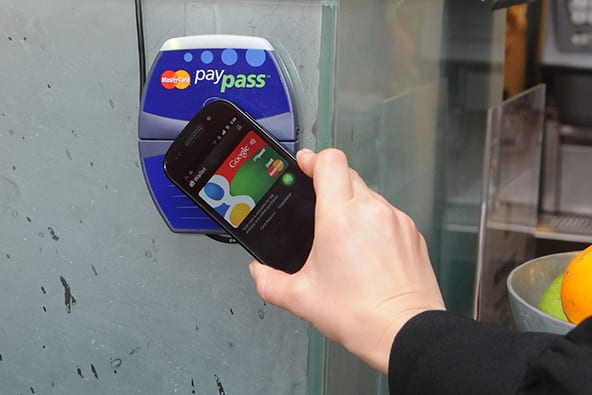
    Privacy commissioner for personal data Stephen Kai-yi Wong has urged Hong Kong residents to vigilantly keep control of their personal data in wake of the Hong Kong Monetary Authority’s (HKMA) decision to grant Stored Value Facilities (SVF) licensesto five mobile e-wallet providers.

    Wong also called on e-wallet operators to win customers’ trust by respecting their privacy rights and safeguarding their personal data.

    While he acknowledged that e-wallet operators may need to collect significant amounts of personal data as part of their operations, he said providers should give consumers control over the types of data e-wallet apps are allowed to access, and the ability to revoke these permissions at any time.

    To keep their personal data safe, Wong recommended that users of e-wallet services find out how e-wallet operators will handle and process personal data collected, understand the apps’ privacy settings and permissions and avoid operating e-wallet apps over public or insecure Wi-Fi connections.

    Users should also use complex, unique passwords, make sure devices with the app installed have appropriate anti-theft features switched on and regulatory monitor transaction records for unauthorized payments.

    Wong said e-wallet operators are required under the new Stored Value Facilities Ordinance to clearly explain to users what personal data is collected and the reasons why.

    Operators planning to use collected data for purposes not directly related to payment should obtain the user’s explicit and voluntary consent, and are legally required to ensure the accuracy and security of personal data collected. Customers are also entitled to access this data and request corrections.

  • Prada falls on tough times in China

    Prada falls on tough times in China

    Italian fashion brand Prada is suffering from shrinking demand in its largest market of China, with a 20%-plus drop in first-half sales dragging down overall profit to the same degree.

    The Hong Kong-listed, Milano-based company announced late Friday that net revenue dropped 15% on the year to 1.55 billion euros ($1.37 billion) for February to July. The fall was “entirely attributable to a sales decline in the retail channel as the wholesales and royalties were positive,” Prada said. Retail net sales, accounting for more than 80% of net revenue, sank 18%.

    A significant blow came in greater China as sales from directly operated stores fell 24% to 278.7 million euros. On top of lower sales at stores on the mainland, “Hong Kong and Macau continued to weigh heavily on the region’s contraction,” the company said. China’s anti-corruption campaign and economic slowdown bit into purchases of pricey items. A reduced appetite for travel by mainlanders to Hong Kong and Macau also took a toll.

    The fall in revenue was not confined to greater China. All of its geographic categories, brands and product lines suffered declining sales. By product, sales of its signature leather goods dropped 22%, “especially in the Far East,” according to the statement.

    Excluding greater China, Europe was another hard-hit region, with a 21% drop in net sales. The main reason was terrorist attacks in major cities, with the company blaming a “reduction of traveler flows, resulting mainly from the publicized tragic events.”

    But there were some silver linings in Europe as well. Russian sales saw double-digit growth in local-currency terms, and the U.K. apparently benefited from “the weak pound after the Brexit” vote. Casualties in Japan and the Middle East were relatively light, with retail sales declining just 2% and 1%.

    Net profit decreased 25% to 141 million euros even after such belt-tightening measures as cutting labor and lease costs as well as advertising and communications expenses.

    Along with launching new collections to stimulate its customers’ appetite for buying, the company is upgrading important stores while shutting down others. Eighteen new outlets were opened in the half, while 14 were closed, bringing the number of directly owned stores to 622. The company continues to refurbish strategic stores into so-called new-concept stores in such key locations as a GUM department store in Moscow facing Red Square, and the Plaza 66 complex in central Shanghai on bustling Nanjing West Road.

    Prada closed 1.6% higher here at 21.65 Hong Kong dollars on Friday, ahead of the earnings announcement. Despite seeing some gains that day, the shares have lost more than 10% since the start of the year, while the benchmark Hang Seng index has risen 4.5%.