Tag: Hong Kong

  • Auction houses lose Hong Kong watch department heads as sales collapse

    Auction houses lose Hong Kong watch department heads as sales collapse

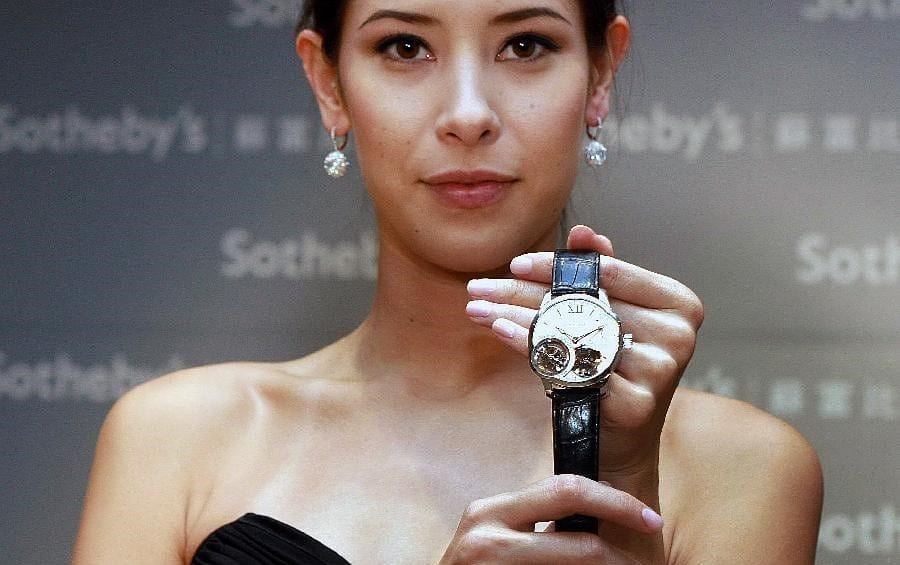
    After five years of exceptional watch sales at auction houses in Hong Kong, a recent sharp downturn has coincided with resignations and job moves, leaving Sotheby’s and Christie’s without permanent department heads and Bonhams with no regional department at all.

    In early 2016, the head of Sotheby’s Asian watch department, Sharon Chan, announced her resignation along with other members of her team, making the department rudderless at a time of significant difficulty in the market. New York-based Katharine Thomas is serving as acting head.

    Christie’s, meanwhile, is also without a Hong Kong watch department head after Frederic Watrelot moved to the firm’s Los Angeles office to focus on building the US business.

    And following the departure of Nick Biebuyck — who quit to join Christie’s as a senior specialist — Bonhams’ watch department in Hong Kong has disappeared.

    The fall in auction sales preceding these moves has been precipitous. Sotheby’s sales in Hong Kong declined from HK$221.5m ($28.6m) in April 2013, a global record for the house, to HK$65.6m three years later. Christie’s most recent Asian watch sale in May grossed HK$99.3m, compared with a high of HK$186.3m in November 2012.

    Auctions can be much smaller too. Bonhams’ last event had 68 lots in June and realised less than HK$5m. Typical sales a few years ago featured 120-plus lots worth nearer HK$15m.

    These poorer results may in part be driven by the severe downturn in the retail market. A glut of leftover product is now being offered at significant discounts at retail outlets in Hong Kong, negating the inclination for buyers to seek out pieces in the salerooms.

    Swiss watch exports to Hong Kong were down 29 per cent year-on-year to August, according to the Federation of the Swiss Watch Industry. This is part of a worldwide trend — 2.1m fewer watches were sold from January to August 2016 than the year before.

    A glut of leftover product is negating the inclination to seek out pieces in the salerooms

    The fall in retail sales has been prompted by, among other factors, competition from smartwatches, the Chinese crackdown on bribery and a trend for Asian watch-buyers to shop abroad — especially in London, to take advantage of the post-Brexit fall in the value of sterling.

    Watch specialist Charles Tearle, a Los Angeles-based consultant with watch-focused auction house Antiquorum, says collectors are now travelling from the US to Hong Kong to snap up bargains from retailers instead of auctioneers. “There is so much inventory there that supply is far exceeding demand. One client of mine recently flew to Hong Kong to buy a Breguet tourbillon and paid 20 per cent less for it than the last example sold for at auction,” says Mr Tearle.

    One watch expert believes auctioneers are facing additional competition from the growing number of private collectors’ clubs. “I really think the traditional watch auction model which was previously so successful in Asia is no longer viable,” says the expert, who asked not to be named.

    Huawei has entered a market dominated by Apple, but its vice-president thinks it can compete in the US

    “Collectors are starting to trade watches privately among themselves, which enables them to avoid auctioneers’ premiums and to cut better deals. The likes of Christie’s and Sotheby’s need to change their game plan if they are to win back buyers.”

    Asian auction-goers also appear to be moving towards rarer, harder-to-source vintage pieces, turning away from the contemporary watches that made up the bulk of what has lately crossed the block in Hong Kong.

    Phillips is one example of an auction house thriving in Hong Kong in part because of its focus on vintage items. Having re-established its international watch sales department only two years ago after a 10-year hiatus, it now holds the number-one spot not only in Europe but also in Asia.

    In May, the house staged its second Hong Kong auction, grossing HK$150.7m and setting a world record for any watch sold at auction in the region for a 1968 Patek Philippe Reference 2499 (HK$19.7m).

    Auctioneer Aurel Bacs, the consultant who organises the sales in association with Phillips, believes the firm has been successful because it realised early on that the Hong Kong watch auction market could not sustain bulk sales of contemporary, widely-available pieces. “I have felt for a long time that the days of staging auctions for the sort of watches sold tax-free at airports have been numbered,” says Mr Bacs.

    To that end, Phillips and Mr Bacs have put together a groundbreaking event scheduled for November 28. Hong Kong’s first-ever auction of solely vintage watches will comprise 38 lots with an overall value of around US$5m. It aims to tell the history of Rolex by featuring one example of every model made since the name was registered just over a century ago.

    The other houses say they intend to rebuild their departments and change strategies. “A head of department leaving does have an impact on sourcing and I understand that people might have felt less confident in consigning [watches to auction],” says Maria Kelly, Sotheby’s international divisional director for jewellery and watches.

    Sotheby’s has put together a 290-lot sale through its regional and international offices scheduled to take place on October 5 in Hong Kong. It has a presale estimate of US$4.8m-$6.9m. “If we don’t have a great sale in October then we will just have to accept that — but the [auction] market in Asia has changed, and my priority now is to rebuild the team and develop a strategy based on that,” says Ms Kelly.

    “Despite less than stellar news on luxury in Asia, we see the watch market there as very much alive and well,” says John Reardon, international head of Christie’s watch department, who adds that the house will announce a new specialist in Hong Kong. He also says that “our November Hong Kong sale will include our most diverse selection of vintage watches yet.”

    “We will continue to have a watch department in Hong Kong and are currently looking to recruit a team,” says Jonathan Darracott, global head of watches at Bonhams. “We did see the change coming — the market was simply being flooded with too many modern pieces.

    “But the beauty of auction houses is that we can bend to the trend, and Bonhams will certainly stage another Hong Kong watch sale in the first quarter of next year.”

    However, Julien Schaerer, managing director in Geneva of Antiquorum, does not see a simple switch to selling vintage pieces as a panacea.

    “Vintage is growing in Asia, but it remains a very small market. Modern pieces still represent an important part of the business and I don’t think we can start to disregard that.”
  • “In Style Hong Kong” Promotion Coming to Bangkok

    “In Style Hong Kong” Promotion Coming to Bangkok

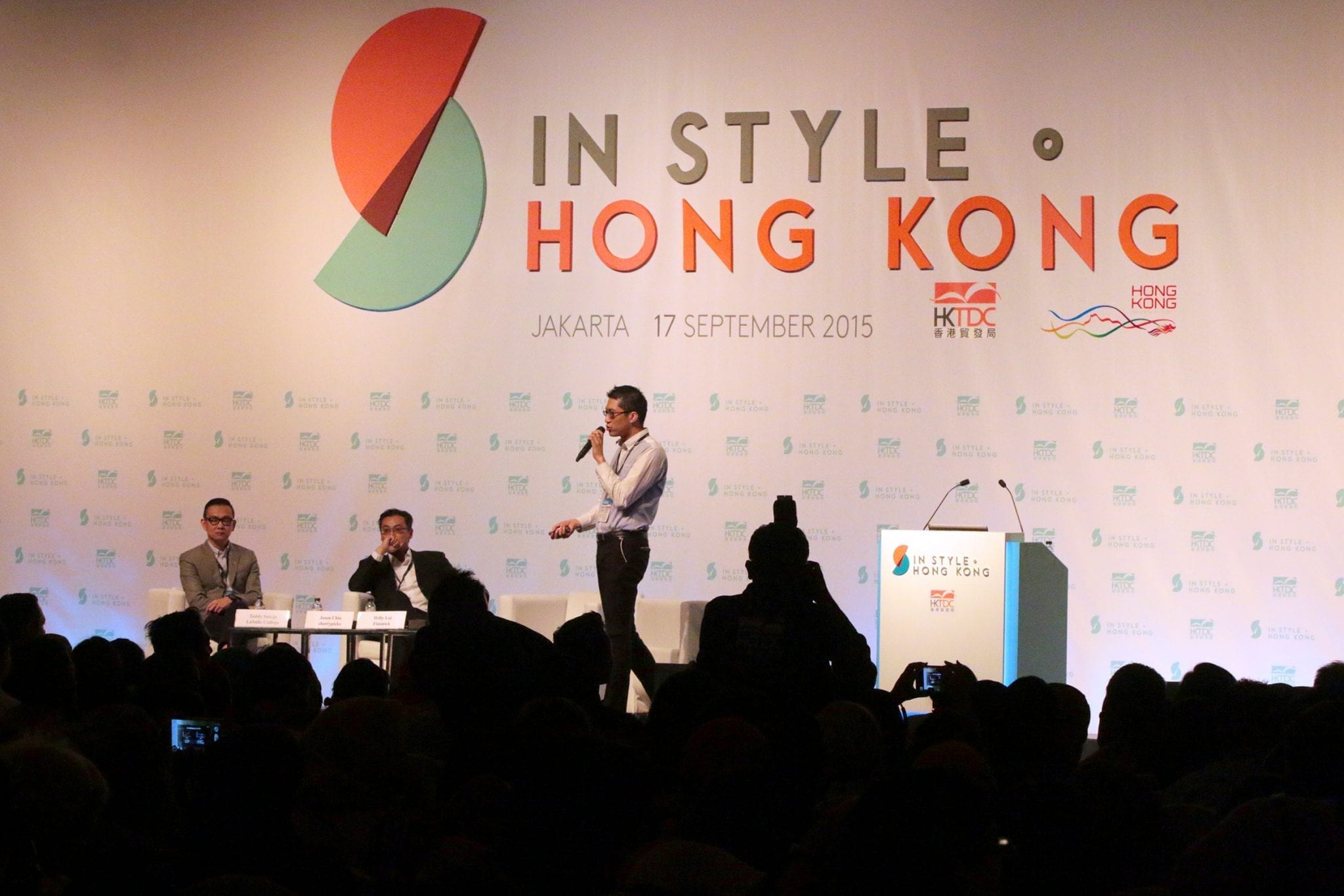
    The mega promotion, “In Style Hong Kong”, is making its debut in the Thai capital Bangkok, starting this month. Organised by the Hong Kong Trade Development Council (HKTDC), the campaign will engage business leaders and entrepreneurs, as well as consumers in Thailand to showcase Hong Kong’s vibrant lifestyle and creativity and explain how the city’s world-class services can help Thai companies expand overseas, especially to the Chinese mainland.

    “Thailand is the second-largest economy in Southeast Asia. As the country’s capital, Bangkok is a commercial hub in Asia with a thriving retail market,” said Dannie Chiu, Regional Director, Southeast Asia & India, HKTDC, at today’s press conference. “With the establishment of the ASEAN Economic Community (AEC), we can expect to see greater potential for cooperation between Hong Kong and Thailand. “In Style Hong Kong” aims to strengthen economic and trading ties between Hong Kong and Thailand, capitalising on all forms of growth opportunities. We look forward to bringing the best of Hong Kong’s services and products to Thailand as the HKTDC celebrates its 50th anniversary.”

    The “In Style Hong Kong” Symposium, on 6 October, will highlight Hong Kong’s advantages as a trendsetting hub, and reveal the potential of Hong Kong services sectors as partners for Thai companies. An invitation-only Gala Dinner will be held for 450 members of the business community, while a citywide promotion will combine retail and gourmet specials at venues across Bangkok for the public.

    The promotion aims to deepen the already strong trade links between Thailand and Hong Kong, which is consistently rated as the world’s freest economy by the United States-based Heritage Foundation. In 2015, bilateral trade between the two economies reached US$17.18 billion.

    Services under the spotlight

    Rimsky Yuen, Secretary for Justice of the Hong Kong Special Administrative Region (HKSAR) Government, will officiate at the opening session of “In Style Hong Kong” (6 Oct) at the Plaza Athenee Bangkok. Following the opening session, Hong Kong business leaders including Royce Yuen, CEO, MaLogic; Jason Chiu, CEO, cherrypicks; Dr King Fai Pang, Group President and Executive Director, VTech Holdings Ltd; and Chansak Fuangfu, Senior Executive Vice President and Director, Bangkok Bank Public Company Ltd, will offer insights on how Hong Kong can facilitate the business expansion of Thai companies.

    Services sector leaders and professionals from Thailand and Hong Kong will speak at five thematic sessions:

    – The Fast Track to E-commerce Logistics

    The establishment of the AEC is helping to fine-tune Asia’s supply chain network. Meanwhile, cross-border trade, particularly e-commerce development, is also driving huge changes in the traditional logistics industry and distribution networks. Hong Kong can facilitate Thai companies to tap these opportunities. Participants of this session will include moderator, Ruth Banomyong, Associate Professor, Department of International Business, Logistics & Transport, Thammasat University; and speakers Gary So, Deputy Managing Director, Kerry Logistics; Vincent Cheung, President, BPS Global Group; Michelle Leung, Senior Vice President, Fung Omni Services; and James Chang, Chief Operations Officer, Cross-border, Lazada Hong Kong.

    – RMB Internationalisation and Corporate Treasury

    As the premier offshore renminbi centre with proximity to the Chinese mainland, the session will explain Hong Kong’s advantages to attract companies to set up their corporate treasury centres in the city, in turn deepening the offshore renminbi capital markets. Speakers will include Yuthadej Putamanonda, Managing Director and Head of Transaction Banking, Standard Chartered Bank Thailand; Chen Shuang, Executive Director and CEO, China Everbright Ltd; Council Member, Financial Services Development Council, Hong Kong; and Kanit Si, Executive Vice President, Bangkok Bank Public Company Ltd.

    – The Belt and Road Initiative: Digital Framework for Connecting Smart Cities

    At this seminar, experts will share the latest developments in cross-border payment instruments, smart identity, smart-city infrastructure, interoperability and legal framework, which are essential in strengthening connectivity among smart cities. Eva Chan, Vice Chairperson, Hong Kong Public Key Infrastructure and Surangkana Wayuparb, Executive Director & CEO, Electronic Transactions Development Agency, Ministry of Information and Communication Technology, Thailand will deliver remarks. Speakers will include Clarence Hui, Senior Manager, Financial Infrastructure Development, Hong Kong Monetary Authority; Chaichana Mitrpant, Deputy Executive Director, Electronic Transactions Development Agency, Ministry of Information and Communication Technology, Thailand; and Eric Yeung, Convener, Smart City Consortium.

    – Integrating Creativity with Innovation

    Unlock Asia’s Business Success in the Digital Era with Jason Chiu, CEO, cherrypicks Ltd as the moderator and Tommy Li, Creative Director, Tommy Li Design Workshop Ltd; Keith Lam, co-founder, Dimension Plus; and Francis Kwok, founder and CEO, Radica Systems Ltd as speakers, Thai companies will gain insights into digital marketing, including innovative branding strategies, big data and new media with art and design.

    – Legal Risk Management: Key to International Trade and Investment

    Experts will share tips on how Thai enterprises can protect their intellectual property and settle cross-border business disputes through arbitration in Hong Kong. Speakers will include Denis Brock, Council Member, The Law Society of Hong Kong; Pui-Ki Emmanuelle Ta, Counsel of the Secretariat, International Court of Arbitration of the International Chamber of Commerce – Asia Office; Winnie Tam, SC, Barrister-at-law, Arbitrator and Mediator, Chairman of the Hong Kong Bar Association.

    Gala Dinner showcasing Hong Kong: “Day and Night”

    An invitation-only gala dinner, to be held on the evening of 6 October, at the Siam Kempinski Hotel Bangkok, will welcome about 450 business leaders from Thailand and Hong Kong. Under the theme, “Hong Kong: Day and Night”, a “Thai Silk Crossover” fashion parade will be a highlight of the gala dinner. Six Thai silk-themed fashion collections by celebrated Hong Kong designers, Doris Kath Chan, Bonita Cheung, Koyo William Cheung, Polly Ho, Henry Lau and Mountain Yam will be showcased during the parade. Miss Hong Kong 2015, Louisa Mak has been invited to be among the models in the fashion parade. The gala dinner will also feature “Lifestyle Chemistry”, an interactive display window graced by live models, to present selected lifestyle brands from the HKTDC Design Gallery. A unique culinary experience featuring Hong Kong and Thai star chefs: Albert KK Au, Group Executive Chef (Chinese Division), Lai Sun F&B Management Ltd and James Norman, Executive Chef, Siam Kempinski Hotel Bangkok, who will collaborate on a fusion menu with dedicated wine-pairing by the Hong Kong Sommelier Association.

    Hong Kong lifestyle for everyone

    The centrepiece of the citywide promotion is a Hong Kong galleria at the Siam Paragon shopping mall (3-9 October), spotlighting Hong Kong fashion, and lifestyle and gourmet products. Thai consumers can try on collections presented by the six Hong Kong designers and take photos using an e-wardrobe. Selected lifestyle products from the HKTDC Design Gallery via Lazada.co.th and hktdc.com Small Orders will also be featured, bringing a convenient O2O shopping experience to Thai consumers.

    Complimentary tea tasting by Hong Kong’s premium tea brands – Contact Design, Gianna, MingCha and OrTea(TM) – and food tasting sponsored by Lee Kum Kee, will also be available. As part of an extended In Style Hong Kong campaign, a range of products from the HKTDC’s Design Gallery will be sold at Betrend and The Selected from September to December 2016, offering local consumers a chance to experience Hong Kong’s design and creative excellence in lifestyle and household products.

    Meanwhile, a “Hong Kong Lifestyle Products” promotion is underway in Bangkok, with well-known Hong Kong fashion brands Bossini, Episode, Esprit, Giordano, G2000 and Jessica, as well as popular retail watch brand City Chain and optical boutiques eGG and Optical 88 offering discounts and other consumer incentives. To enjoy these offers, simply pick up a Citywide Promotion coupon booklet at more than 100 participating outlets across Bangkok, featuring over 30 Hong Kong and local brands from 1 September to 31 October, or visit Hong Kong Galleria in Siam Paragon from 3 to 9 October. More exciting Hong Kong products and gourmet can also be found at online retailer Lazada Thailand and gourmet website Openrice Thailand.

  • DJI Opens Its Third Flagship Store In Hong Kong

    DJI Opens Its Third Flagship Store In Hong Kong

    DJI, the world leader in unmanned aerial vehicle technology, will open the doors of its Hong Kong flagship store to the public this coming Saturday, September 24, making it the third DJI flagship store in the world.

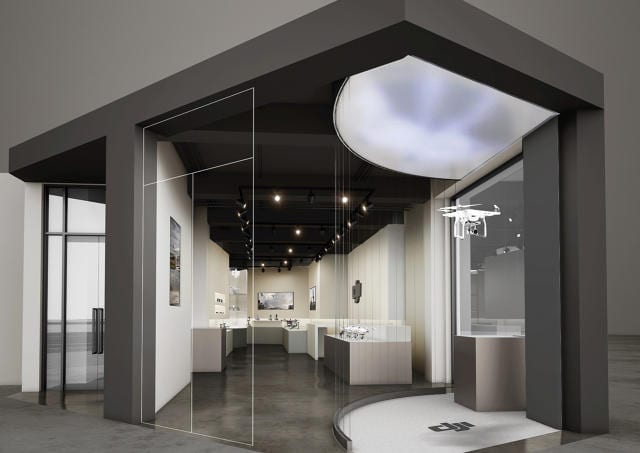
    Located at the center of Hong Kong’s busiest shopping district in Causeway Bay, the three-story, 10,000+ square-feet flagship store will display DJI’s full range of aerial and handheld products. The flight cage on the ground floor will allow visitors to see DJI drones in action even from outside the store. The SkyPixel Gallery on the first floor will showcase breathtaking examples of aerial photography from around the world. The second floor will house the technical support center* and a dedicated space for workshops, seminars and special events. Adding to Hong Kong’s iconic skyline is an animated display on the facade of the building, illuminating the instantly recognizable shapes of the DJI drones themselves.

    In celebration of the opening, there will be a series of activities and programs throughout the day including:

    • Life-size DJI Phantom and Osmo mascots will kickstart the day’s celebration with a street parade around the Causeway Bay area.
    • An outdoor flight cage and Virtual Reality experience zone will be set up just outside the World Trade Center for people who want to experience the thrill of being in the pilot’s seat.
    • For those who want to play the role of movie director, they can pick up an Osmo (a stabilized 4K handheld camera) to capture all the excitement and happenings in and around the neighborhood.
    • Workshops by aerial photographers, dance and music performances by local bands leading into the early evening.
    • Those who wish to tune in to the opening day activities remotely can watch the live stream at https://live.dji.com/hkstore/or join the Official DJI Hong Kong Facebook Page at https://www.facebook.com/DJIHKOfficial/.

    The DJI Hong Kong flagship store will open its doors to customers at 12 noon and the first 200 customers can enjoy a discount of up to 30% on selected DJI products purchased at the flagship store on opening day.

    “Whether you are a professional interested in the latest aerial-imaging equipment or just looking for your first drone, we welcome everyone to come and learn, discover the joys of flying and share your experience to inspire others,” said Frank Wang, DJI Founder & CEO. “We want to provide a truly unique experience for anyone who walks into our store and leave with a sense of curiosity, excitement or inspiration. We hope our technology can provide a new perspective and allow us to see the world differently.”

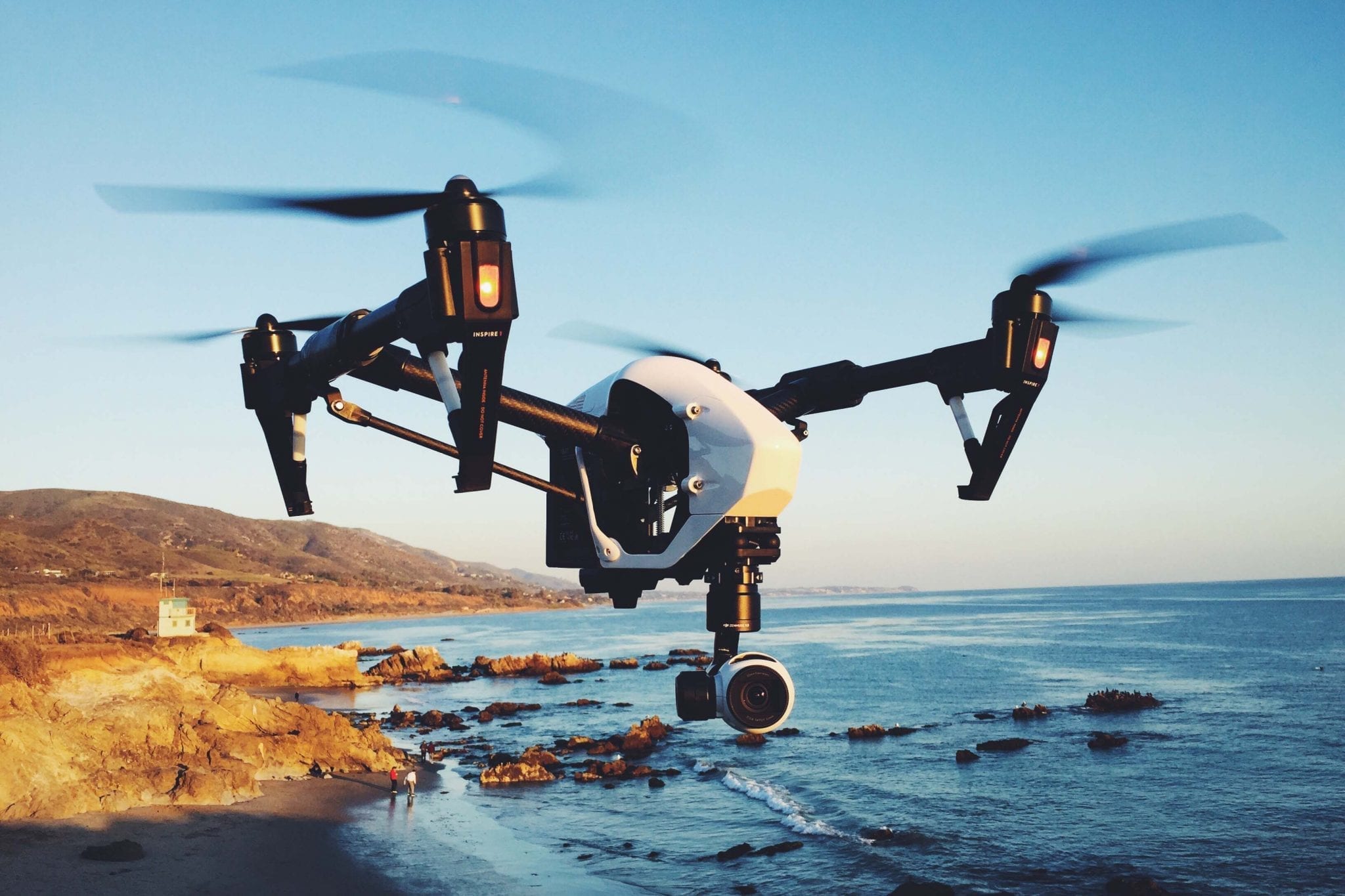
    On display and for sale will be DJI’s consumer products, including the latest Phantom 4 drone and Osmo Mobile stabilized handheld gimbal, as well as professional products, including the Inspire 1 and Matrice drone series, the Zenmuse Z3, X5R, and XT cameras, and the Ronin handheld three-axis camera gimbal line.

    The Hong Kong flagship store is DJI’s third foray into retail after the December 2015 opening of its first flagship store inShenzhen, China, followed by the Seoul, Korea flagship in March 2016. More than just a retail outlet, the Hong Kong flagship store will provide a location where the worldwide community can connect to share their experience of flight and discover the latest UAV products and aerial cameras.

    The Hong Kong flagship store is located at TOWER 535, Shop G07, 535 Jaffe Road, Causeway Bay, Hong Kong. Opening hours of the store are Mon – Sun, 10:00 – 22:00 and for after-sales service, Mon – Sun, 10:00 – 19:00.

    *The Hong Kong flagship store technical support center and online booking system will official open after the grand opening weekend on September 26, 2016 at 10:00. To make an appointment for repair or technical consultation, customers can visit https://www.dji.com/zh-tw/service/repair/reserve. For general after-sales inquiry, customers can call +852 3189 8979 to speak with one of our customer service representatives.

  • Drone maker DJI’s new Hong Kong store offer customers to fly

    Drone maker DJI’s new Hong Kong store offer customers to fly

    DJI, the world’s biggest maker of remote controlled drones, opens its first retail store in Hong Kong this weekend in the heart of Causeway Bay to give up-and-coming drone pilots hands-on experience of flying the machines.

    The 10,000 square foot site – over three storeys in the newly opened 535 Mall on Jaffe Road – marks a return to its roots by Da-Jiang Innovations Science & Technology Co, the formal name of DJI.

    Its founder Frank Wang, an alumnus of Hong Kong University of Science & Technology, established the company in Shenzhen a decade ago.

    It’s the company’s third Asia store, after opening outlets in Shenzhen, and Seoul over the past 10 months.

    Unlike customers in Europe and the US, the largest markets for DJI, Asian pilots haven’t had the opportunity yet to actually get their hands on flying one of its drone before buying it.

    “There’s a lot of growth potential in Asia and having a larger retail footprint will help expand that,” said Michael Perry, DJI’s director of strategic partnerships.

    The company’s top-of-the-line drone is the Phantom 4, which retails for HK$9,299.

    “Phantom 4 may not be an impulse buy, but what we’ve found is that a lot of people are very interested, they spend a lot of time researching but the key turning point in their decision is seeing their technology themselves,” Perry said.

    Research firm Teal Group predicts global sales of civilian drones will soar to US$10.9 billion by 2025, up from US$2.6 billion for this year.

    The ground floor of the new DJI shop displays the firm’s range starting from the hand held Osmo gimbals, which start at HK$2,299, right up to up to the Phantom 4 and Inspire drone models, as well as a large cage for trying out the aerial vehicles.

    DJI’s industrial series of drones and gimbals, including the Matrice 600, designed for professional aerial photography or applications such as surveying, are housed on the first floor alongside a gallery of images taken by DJI users. On the third floor are offices, technical support and space for workshops or seminars.

    Perry said there is huge global potential for the use of drones, adding that its community of users are constantly coming up with new ideas on how the devices can be improved, the latest example being a new sensor for use in warehouses to check inventory.

    “Anywhere that data collection or delivery is too time intensive, too costly, too dangerous, that’s where a drone can play a pretty critical role,” he said.

    DJI launched its first drone for the agriculture market last year. The DJI Agras MG-1 has eight rotors and can carry more than 10 kilograms of liquid for crop spraying, with the ability to spray up to four hectares an hour.

    Perry said the company’s technological strength and control systems such as one that prevents collision gives it an edge over competitors, including Xiaomi’s Mi Drone, and GoPro’s Karma.

    GoPro, which makes action cameras, this week launched the Karma, a foldable model, for HK$6,300. Xiaomi’s Mi Drones sell for less than HK$3,550, and are aimed at competing with DJI’s Phantom 3 model.

  • DFS launches exclusive Burberry collection

    DFS launches exclusive Burberry collection

    Luxury travel retailer DFS Group has launched an exclusive Burberry collection which will be available only in DFS and T Galleria by DFS stores.

    The 22-piece BurberryxDFS collection was inspired by key elements from Burberry’s groundbreaking first straight-to-consumer runway show, referencing the brand’s unique British heritage. It comprises womenswear, menswear and accessories as well as a style of Burberry’s newest bag, The Bridle.

    The Bridle in wine and black with gold studs“When designing our new September collection, we were inspired by Virginia Woolf’s classic tale ‘Orlando’ and the spirit of Nancy Lancaster’s interior and garden designs, and we wanted the collection for DFS to reflect those elements,” said Christopher Bailey, Burberry chief creative.

    The Banner in mahogany red and black with gold studs

    The Burberry collection was revealed on the runway during London Fashion Week, where both womenswear and menswear collections were presented together for the first time for Burberry’s inaugural straight-to-consumer show.

    The Blouson jacket with studs in black

    “Seasonless, immediate, and personal, the new format has been designed with a global audience in mind. This move, announced in February, significantly shortens the traditional gap between the runway show and retail availability of Burberry’s collection.,” said a spokesman.

    The Halton wallet in mahogany red and camel with gold studs

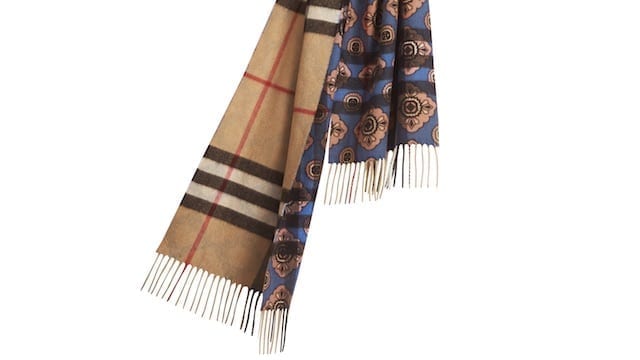
    Giant Check scarf with studs in camelIn addition to The Bridle, highlights from the BurberryxDFS collection include exclusive styles of the Sandringham and Kensington trench coats.

    The Sandringham studded collar trench in honeyThe BurberryxDFS collection will be available in 23 DFS and T Galleria by DFS stores across 13 countries beginning September 21. Prices range from HK$1300 – HK$20,000 (US$168 – $2600).

    dfs-burberry


  • Seoul tops airport retail rankings

    Seoul tops airport retail rankings

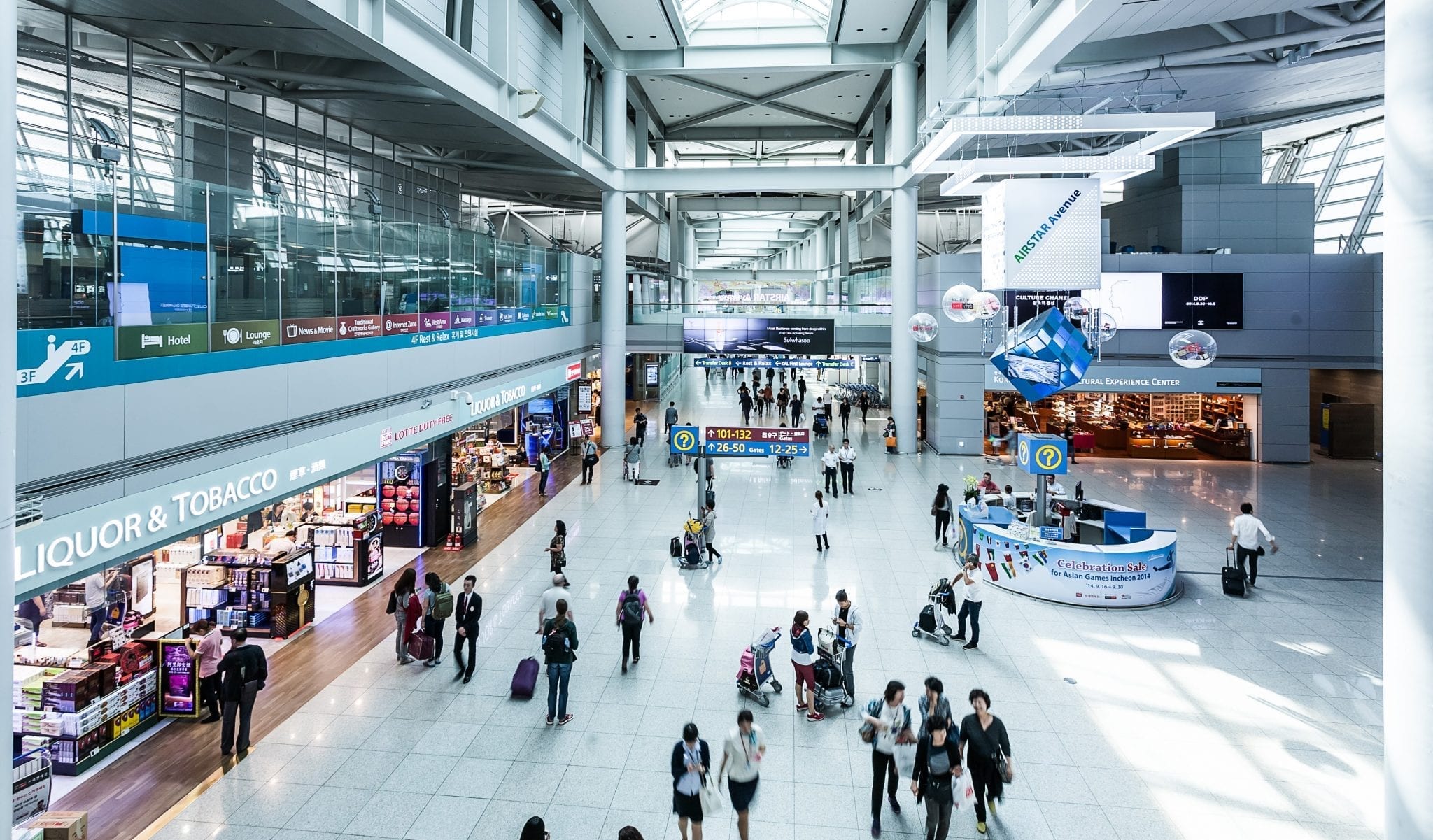
    Seoul’s Incheon Airport not only tops the Asia-Pacific rankings for retail spending – it has the highest turnover of any airport in the world.

    Which is remarkable given it ranks 10th in the region by passenger numbers, according to Airports Council International data, with 49,281,220 people passing through in 2015, compared to more than 90 million in Beijing and 55 million in Singapore.

    Asian airports dominate the world top 100 airport retail rankings measuring shopper spending, according to data collected by Swedish company Generation Research for 2015. While the tables lists the world’s top 100 and Asia-Pacific’s top 50, it does not provide any actual figures for spending. Sales from around the world were converted into US dollar value.

    In the global airport retail rankings, Incheon leads Dubai Airport, with Singapore Changi third.

    In the Asia rankings, published below, Singapore leads Bangkok – something of a surprise third-place getter given it is generally regarded as an expensive airport for ‘duty-free’ goods, and Pudong, Shanghai in fourth. Hong Kong makes it only fifth on the table, despite its huge passenger throughput and broad retail offer.

    Tokyo Narita, Beijing Capital, Taipei Taoyuan, Cheju and Osaka Kansai complete the top 10.

    On the global rankings, those Asian airports take fifth, sixth, seventh, eighth, 10th, 12th and 14th places.

    London Heathrow takes fourth place, Paris de Gaulle ninth, and Frankfurt 13th.

    Asia’s Top 50 list:

    Top 50 airport location Asia

    The Global Top 100 list:

    Top 100 airport location 2015 -1

  • Pre-owned category booms, notes Asia Luxury Index

    Pre-owned category booms, notes Asia Luxury Index

    Pre-owned luxury items are becoming more popular, according to the 2016 Asia Luxury Index, compiled by Singapore-based online luxury retailer Reebonz.

    Drawing on industry reports and its sales data, the index reveals 30 per cent sales growth in the pre-owned category over the last year, with bags and shoes the most popular items.

    While 62 per cent of online transactions on Reebonz involve bags, the index says timepieces and shoes are primed to be the next growth-drivers for luxury in Asia in both the new and pre-owned categories. Spending on timepieces increased by 39 per cent, whereas shoe shopping ballooned by 87 per cent.

    Meanwhile, Chanel emerges as the top performer in Asia, with Burberry, Givenchy and Prada trailing close behind in the new luxury products category.

    “The group of luxury consumers is evolving and expanding – luxury is no longer just for the select few,” says Reebonz co-founder/CEO Samuel Lin. “With growing affluence and accessibility, more consumers can readily buy luxury goods.”

    A key finding from the index is that while there is still a growing demand for luxury goods, consumers are splurging more on higher-value new products. Expenditure growth has increased by 50 per cent while there have been only 37 per cent more transactions.

    “People are overlooking popularity for quality and exclusivity these days,” says Reebonz regional GM Benjamin Han.

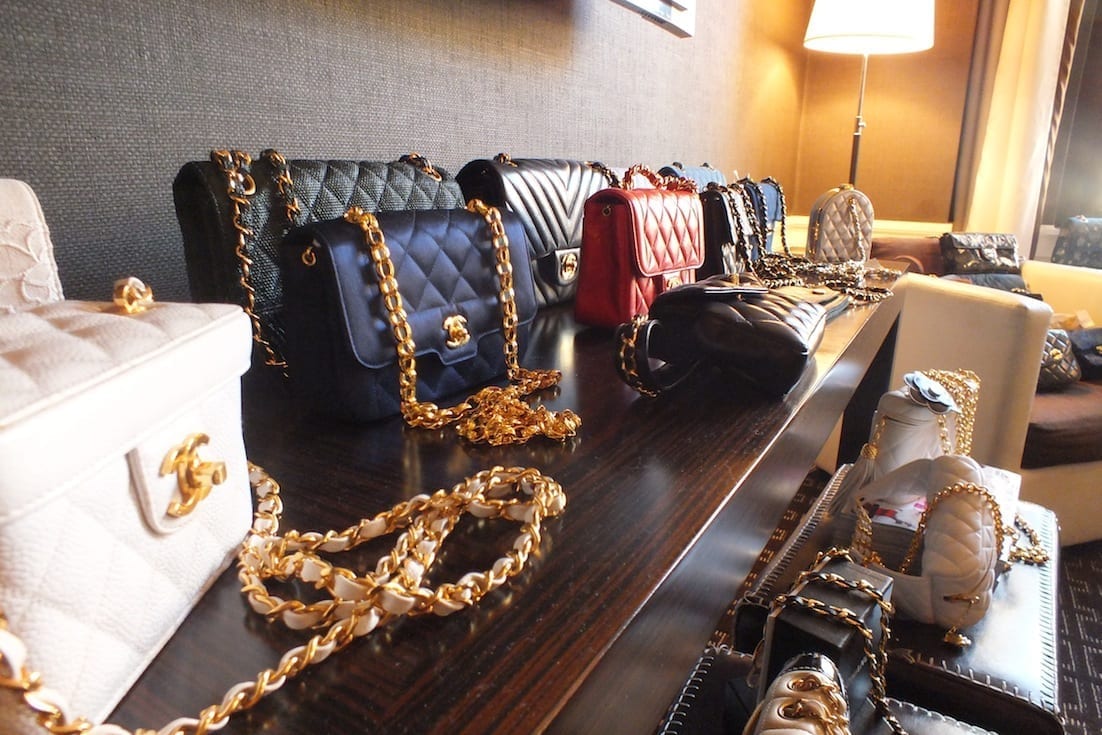
    Blue-chip brands also command the pre-owned luxury category, with Chanel, Hermes and Prada posting strong performances across all product categories.

    Online luxury shopping continues to grow in Asia, with Hong Kong and Indonesia charting the biggest growth when it comes to high-end goods. Singapore is still firmly in first place for online shopping.

  • Esprit posts profit in major recovery

    Esprit posts profit in major recovery

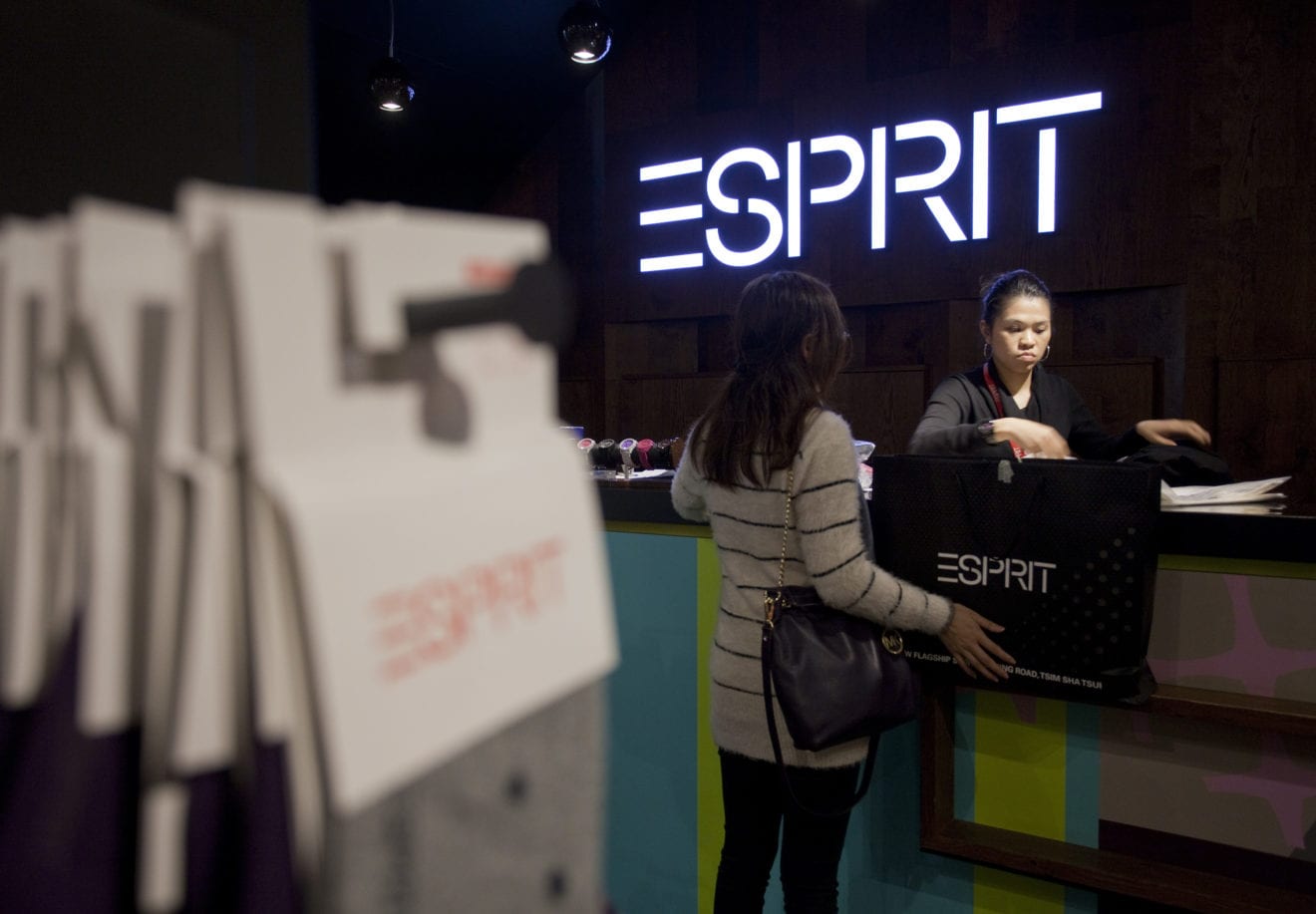
    Esprit Holdings (0330) posted a net profit of HK$21 million for the financial year ended June, marking a sharp turnaround from a HK$3.7 billion loss in the previous financial year.

    Chairman Raymond Or Ching-fai said the company’s return to the black was driven by the strong performance of its online and offline retail channels, reduction in the cost of operations and an exceptional gain from the sale of office premises in Hong Kong.

    “We have achieved what we wanted to do, we have stopped the ‘bleeding.’ For the first time, we were able to stop the continuous decline,” said chief executive Jose Manuel Martinez Gutierrez.

    It returned to profitability even if revenue fell 8.41 percent year-on-year to HK$17.79 billion. Sales from Germany, its biggest overseas market, slid 5.9 percent to HK$8.56 billion. Revenue from the rest of Europe, representing 37 percent of the group’s total sales, amounted to HK$6.58 billion, down 7.4 percent.

    In the Asia Pacific, including Hong Kong, revenue dropped 17.6 percent to HK$2.65 billion. Or said the overall market conditions remain challenging. He said the clothing industry was going through significant changes fueled by the development of online [marketing] channels and aggressive price competition.

    Europe’s macroeconomic prospects look uncertain, while the Asian market has turned weaker than before, Or added. In the financial year ended June, Esprit closed down 185 retail stores globally, reducing its net sales area by 10.90 percent. Gutierrez said Esprit will step up the closure of loss-making retail outlets.Over the next two years, it also plans to cut operating expenses by HK$1 billion. He said he expects the strong growth momentum of its online business in Europe and in Asia Pacific to continue. Revenue from its online e-shop grew 6.9 percent to HK$4.15 billion.

    Online sales made up 23.3 percent of total revenue, up from 20 percent in the previous fiscal year. Earnings per share was HK$0.01 and no dividend was declared.

    Chief financial officer Thomas Tang Wing-yung said no dividend was declared as profit was not significant, but Esprit will consider giving out dividends if it makes better profit in the next financial year.

  • The iPhone 7 hits stores, some models are already sold out

    The iPhone 7 hits stores, some models are already sold out

    Starting bright and early on Friday, September 16, you can get your hands on a brand new iPhone 7 or iPhone 7 Plus.

    Apple fans are finally laying their hands on the brand new iPhone 7 and iPhone 7 Plus.

    Eager customers joined long lines in cities like Sydney, Hong Kong, London, New York, Boston and San Francisco on Friday as the new models went on sale, more than a week after they were unveiled.

    Apple is releasing the phones, which are water resistant and feature beefed-up cameras, in more than 25 countries around the world. But people who haven’t reserved one in advance won’t be able to be too picky about the color — or get the larger model. Apple said earlier this week that the iPhone 7 Plus is completely out of stock online.

    “During the online pre-order period, initial quantities of iPhone 7 Plus in all finishes and iPhone 7 in jet black sold out and will not be available for walk-in customers,” the company said in a statement.

    However, some consumers who thought carriers might have the larger model in stock were disappointed as the day progressed.

    “The iPhone 7 Plus is not available in stores this morning, so customers who wish to get iPhone 7 Plus should go [online] to place an order,” a Verizon spokeswoman said.

    Meanwhile, T-Mobile said its stores had “limited inventory at launch,” with shipping dates as far away as the end of November for black iPhone 7 Plus devices.

    Your best bet of finding an iPhone 7 Plus may be directly through Sprint. A spokesperson said “most of our retail stores have [the iPhone 7 Plus] going into [today].”

    An AT&T spokesperson has not yet responded to a request for comment.

    Many customers who couldn’t get a device aired their complaints on Twitter.

    If you’re not in a rush and don’t fancy spending your morning waiting on a sidewalk, you can order an iPhone 7 or 7 Plus online through Apple or a number of retailers.

    According to Apple’s website, the jet black version of the iPhone 7 Plus won’t ship until November in the U.S. All other colors, including matte black, will ship in two to three weeks if ordered online directly from Apple. Those wait times could change.

    The 4.7-inch iPhone 7 starts at $649 and the 5.5-inch iPhone 7 Plus starts at $769.

    Outside an Apple Store in Hong Kong, sports coach Kala Singh said he’d reserved his matte black iPhone 7 a week ago. “I always upgrade my phone when they change the number,” he said.

    Singh opted not to go for a jet black version because he said he’d heard it’s easy to get finger smudges on them.

    But at the same store, Tsang Yan-yee said she was “a little bit upset” that she’d had to settle for a rose gold iPhone 7 instead of a jet black one. She also said she was disappointed with Apple’s controversial decision to remove the phone’s headphone jack.

  • SaladStop! raises $5m from new partners

    SaladStop! raises $5m from new partners

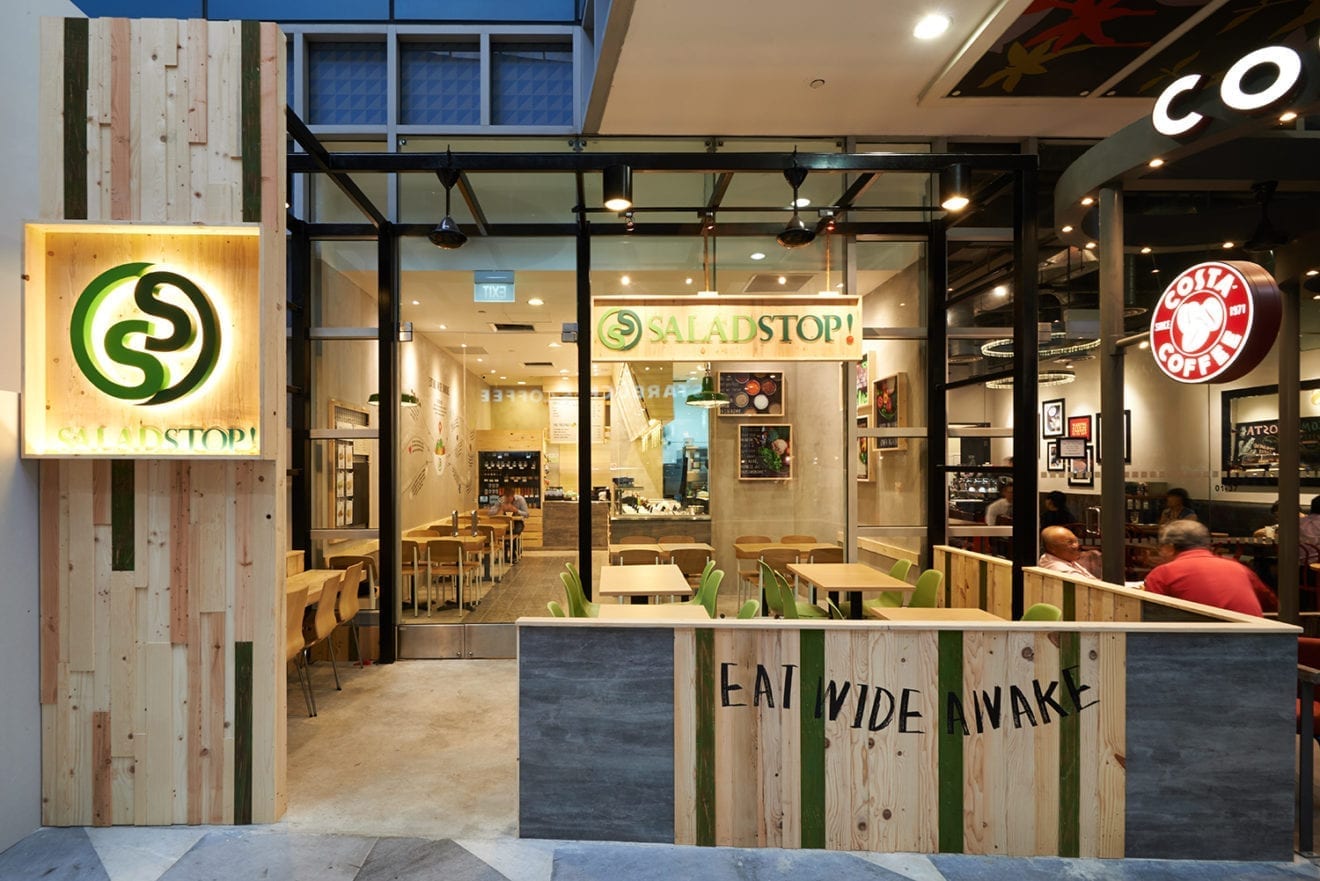
    Singapore salad bar chain SaladStop! has raised S$5 million (US$3.6 million) from private equity firmsDSG Consumer Partners and Hera Capital who took a minority stake in the company.

    SaladStop! has 15 outlets in Singapore and eight in the Philippines, with stores in Hong Kong, Indonesia and Japan scheduled to open by the end of the year. Its first round of funding will be focused on further growing its footprint in Singapore, investing into new ventures and continuing to develop its technological platforms.

    A family business, SaladStop! was founded by hotelier Daniel and Adrien Desbaillets in 2009 and is co-headed by daughter Katherine and son-in-law Frantz Braha.

    Hera Capital’s Thierry de Panafieu says the company benefits from the growing middle class in Asia and increasing awareness toward healthy and sustainable eating.

    SaladStop!’s motto, Eat Wide Awake, encourages consumers to be more knowledgeable about their food. It is pioneering a food movement that believes in the basic human right to truly eat well.

    Hera Capital is a private equity firm investing in fast-growing SMEs in the consumer retail, media and digital sectors with a focus on Southeast Asia. Hera Capital has invested into such firms as ActSocial, Bel Perfumes, CashCashPinoy, Creme Simon and Sophie Paris.

    DSG Consumer Partners is a venture capital fund focussed on early-stage consumer businesses in India and Southeast Asia. Brands funded and backed by the founders since 2004 include Bakers Circle, Burger King India, Chai Point, Eazydiner, Raw Pressery, Saffronart, Saraf Foods, Smoke House Deli, Sula Wines and Veeba Food.

  • Apple Hong Kong to open new store

    Apple Hong Kong to open new store

    Hong Kong is about to get a new official Apple store.

    Hoardings have gone up in the APM shopping mall in Kwun Tong, inside Millennium City, as construction gets underway of a single-storey Apple Hong Kong shop.

    Hong Kong boasts one of the highest numbers of official stores on a per capita basis in the world.

    Apple HK 7th store


    The new store will almost certainly feature the new interior design created by the tech giant’s retail head Angela Ahrendts, whose previous role was CEO of Burberry. The store can be expected to be called simply Apple – with the company dropping the “store” from its title globally.

    Hoardings give no indication of an opening date, announcing simply: “We’ve got something special in store for you. A brand new Apple store is coming soon”.

    apple-hong-kong-7th-store

    Perhaps significantly, the hoarding is a bold red colour – unlike previous hoardings covering Apple store fitouts which have always been white.

  • Calvin Klein Hong Kong opens first accessories store

    Calvin Klein Hong Kong opens first accessories store

    Calvin Klein, Inc, a wholly owned subsidiary of PVH Corp, has opened the first Calvin Klein accessories store in Hong Kong, at IFC Mall.

    Located on level one of the mall, the store offers both men’s and women’s Calvin Klein Platinum accessories and leather goods. Its interior features simple geometric forms as a framework for product display, contrasted with oiled wood, rose-toned metal, honed stone and concrete.

    CK Hong Kong accessories store-Matthew Ng

    Product lines under various Calvin Klein brands include women’s dresses and suits, men’s clothing, sportswear, golf apparel, jeanswear, underwear, fragrances, eyewear, hosiery, socks, footwear, swimwear, jewellery, watches, outerwear, handbags, small leather goods and home furnishings (including furniture).

    CK Hong Kong accessories store-Matthew Ng 4


    For more than 130 years, PVH Corp. has been growing US brands and businesses, becoming one of the largest apparel companies in the world. It has more than 30,000 associates in 40-plus countries, with more than US$8 billion in revenues last year. As well as Calvin Klein, PVH owns such brands as Arrow, Speedo, Tommy Hilfiger, Van Heusen and Warner’s.

    CK Hong Kong accessories store-Matthew Ng 3

  • Chinese restaurant chains bloom in Singapore

    Chinese restaurant chains bloom in Singapore

    Four Mainland China restaurant chains have set up in Singapore since November, the latest opening in Riverside Point on Friday.

    It will be the first overseas outlet for Chengdu-style hotpot chain Spicy House, which has about 30 outlets on the mainland.

    Two restaurants opened in June, Shi Miao Dao Yunnan Rice Noodles in VivoCity and Riverside Grilled Fish in Raffles City, while Faigo HotPot opened in Clarke Quay in November.

    Other China food brands in Singapore go back about four years, including Hai Di Lao Hot Pot, which will open its fourth outlet in VivoCity this month, and 9Goubuli, a Chinese restaurant in Marina Bay Sands.

    Faigo HotPot is a 12-year-old chain with more than 100 outlets across China. This is its first overseas outlet, the 130-seat Singapore restaurant being run by Shanghai Dragon Restaurant Management. The stocks are served in individual pots heated by electric stoves complete with a heat-control panel and USB ports for charging mobile devices. Diners can choose from more than 70 ingredients, and the outlet is the first in the chain to have a sauce bar offering nearly 20 condiments.

    Faigo Hotpot

    Riverside Grilled Fish, which has opened 54 outlets in China in its 11 years, is using its first overseas outlet as a springboard to make inroads into the Southeast Asian market. It specialises in spicy Chongqing-style grilled fish, and the Singapore franchise is owned by Minor Food Group, which runs the Thai Express and Xin Wang Hong Kong Cafe chains.

    Riverside Grilled Fish

    Shi Miao Dao Yunnan Rice Noodles in VivoCity’s Food Republic foodcourt serves “crossing the bridge” rice noodles, an elaborate set with 11 sides including braised chicken, fried peanuts and raw quail egg and vegetables. There is a choice of five types of soup, and the dish dates back to the Song dynasty. The Singapore stall is part of a chain which has more than 800 outlets across China, as well as Canada, Japan and Thailand.

    Spicy House owner Zac Wang from Shanghai believes Chinese hotpot chains like his will do well in Singapore, where he has been based for six years. The 120-seat restaurant at Riverside Point offers three types of communal hotpots, including one with nine compartments for cooking ingredients separately. The menu lists about 100 ingredients.

  • Baroque Japan opens two shops in NYC

    Baroque Japan opens two shops in NYC

    Baroque Japan, which has a retail portfolio of young women’s fashion apparel and accessories, has arrived in New York City.

    It has opening an Enfold fashion brand shop in the West Village and a Moussy outlet in SoHo.

    Enfold New York

    Launched in 2012, Enfold has a strong presence in Europe. Its West Village store stands at 850 sqft (78.9 sqm) and its neighbours include the Marc Jacobs and Michael Kors brands.

    Moussy NY

    Covering 1776 sqft, the Moussy SoHo store focusses on its denim made in Japan. Shoppers buying the brand’s jeans will receive an original, limited-edition paulownia wooden storage box. A Baroque brand since 2000, Moussy has 43 stores in Japan and 81 in China and Hong Kong.

    Founded in 2000, the company has 356 stores in Japan, 165 stores in China and Hong Kong, and 15 brands. It launched Baroque USA Limited in April with an eye to establishing itself in the American market.

  • Hong Kong losing status as China’s ‘great mall’

    Hong Kong losing status as China’s ‘great mall’

    Kingdom Jewellery is trying to stand out among the eerily quiet luxury stores in Hong Kong’s Causeway Bay, once the world’s most expensive shopping district in terms of rents. But while it has hung signs promoting a “crazy sale” and payment by installments in the window, buyers are still scarce.

    “Our customer flow has dropped 60 to 70 per cent” since the peak of Chinese luxury spending in 2013, said manager Jacky Sze. “I don’t have much hope for the rest of this year, or next.”

    Before demand was hit by President Xi Jinping’s corruption crackdown and the economic slowdown, Chinese tourists were happy to spend up to HK$100,000 (S$17,555) on a single purchase at Kingdom. Now, many customers are reluctant to spend more than HK$1,000 at a time, according to Mr Sze.

    The jewellery shop next door has closed down after decades of thriving business, as have many other luxury goods stores across Hong Kong, which is losing its status as the great mall of China.

    Retail sales in Hong Kong fell by 10 per cent in the first seven months of the year, compared with the same period in 2015, with purchases of jewellery and watches declining by 22 per cent.

    Ahead of Hong Kong’s annual watch fair last week, the Chinese territory was overtaken by the US as the world’s biggest market for Swiss watches after eight years in the top spot.

    Part of the problem for Hong Kong, which relies on the retail sector as an economic driver, is its increasingly testy relationship with mainland China. That has deterred many Chinese visitors, with numbers falling by 9 per cent year on year to 24 million in the year to July.

    But there is a bigger structural problem for the global luxury goods industry, which has grown to rely on demand from China’s growing ranks of nouveaux riches.

    Analysts at UBS estimate that Swatch, the Swiss watch group, made 47 per cent of its sales to Chinese customers last year, while for Richemont, the Swiss luxury goods company that owns Cartier, Jaeger-LeCoultre and Montblanc, it was 38 per cent.

    Mr Edward Olver, CEO of Britannia Elevation, which promotes British luxury brands abroad, said too many companies took a “combine harvester” approach to selling in China and are now paying the price for over-expansion.

    “There was a tremendous period of people making money very quickly in China and a lot of Italian and French brands thought there’s a lot of corn to be harvested,” he said.

    Ms Sarah Quinlan, the head of market insights for the analytics division of credit card company MasterCard, said consumer spending patterns are changing in China, with a greater focus on experiences rather than expensive products.

    “There’s a real debate as to whether what we call traditional luxury — handbags or watches — will come back to the same extent that we saw before, because there’s been a huge behavioural shift,” she said. “We still see the Chinese travelling extensively, but spending on goods has moderated and spending on hotels, restaurants and entertainment has gone up.”

    Hong Kong needs a “permanent restructuring” because it cannot wait for demand from high-spending Chinese tourists to come back, according to Mr Ramesh Tainwala, CEO of Samsonite, the luggage maker. His own company has been changing tack, promoting less-expensive products in the Chinese market as it tries to emphasise the practical advantages of its suitcases rather than their luxury appeal.

    Other companies are also being forced to trade down, selling simpler, cheaper products to customers who are growing more interested in specifications and value rather than mere status symbols.

    Mr Timothy Kao, vice-president of the Hong Kong Watch Manufacturers Association, explains that previously Chinese buyers were simply attracted to the most expensive products. “But now, practical watches with a realistic price sell better,” he said.

    Ms Liz Lee, assistant marketing manager at Doxa, a Swiss maker of diving watches, said that another response to the decline is to seek out new markets. “The greater China market is saturated right now,” she said. “We are looking to diversify our market to the Middle East; places like Iran have great potential too.”