Tag: Hong Kong

  • Harvey Nichols Hong Kong reopens

    Harvey Nichols Hong Kong reopens

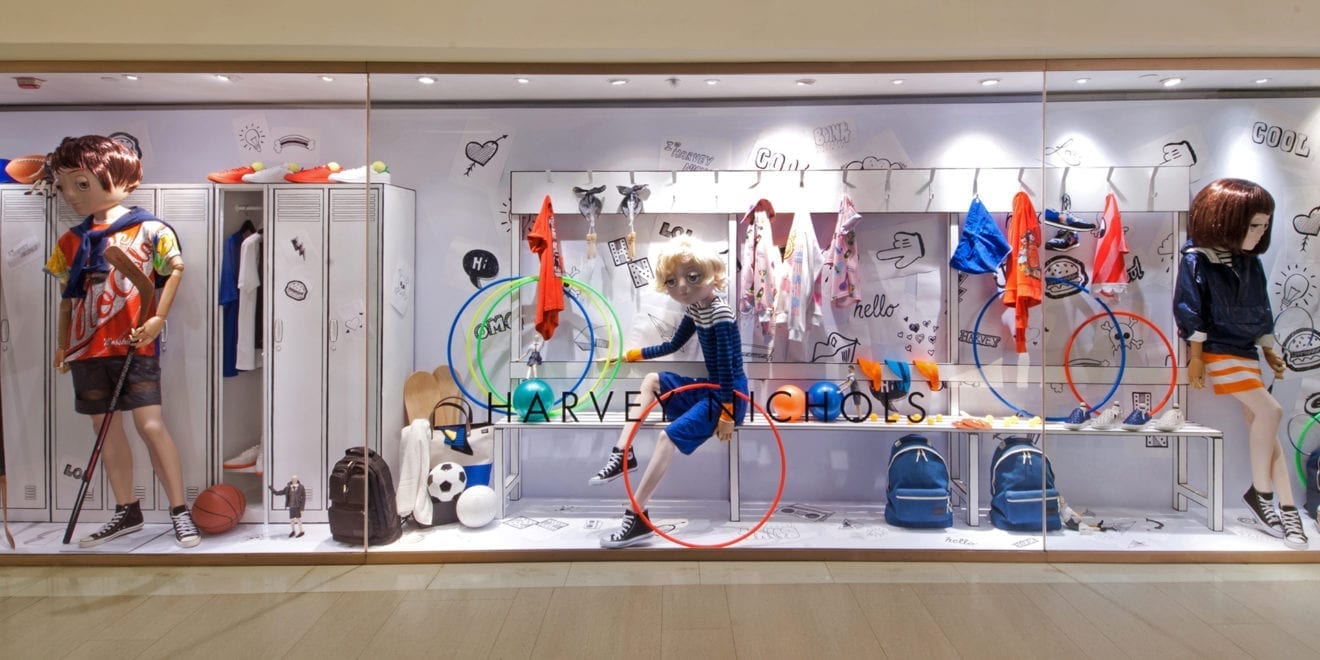
    Harvey Nichols Hong Kong has reopened its store at The Landmark following a three-month renovation.

    Originally opened in 2005, the five-storey store now offers the Style Concierge, a personalised service that helps customers with their wardrobe makeover. It also offers makeovers for every occasion, invitations to events, private sales, special offers, gift suggestions, beauty advice and delivery services.

    Harvey Nichols Hong Kong Landmark

    Also new is Mixology, a permanent pop-up area that features new designer labels and fashion trends. Its first showcase is Korean fashion power houses including Customellow, CY Choi, D-Antidote and Solid Homme.

    Harvey Nichols Hong Kong Landmark 2

    More than 30 makeup and skincare labels have been introduced as well, including Addiction, La Mer, Nail & Lash by Per Face, Tom Ford Beauty and Whoo.

    From Copenhagen Fashion Week, Harvey Nichols has introduced designer labels including Han Kjøbenhavn, Henrik Vibskov and Tonsure. These add to the line-up of labels from other international fashion weeks including Hilfiger Collection, Maison Margiela and Vera Wang for women, and Lavin and Marni for men.

    Harvey Nichols Hong Kong Landmark 3

    The store’s facade is a geometric-faceted floating panel sitting prominently with the inherited adjacent architecture, with the abstracted lines from the “H” and “N” creating a pattern that is illuminated at night.

  • McDonald’s Malaysia ‘not in hurry’ to sell

    McDonald’s Malaysia ‘not in hurry’ to sell

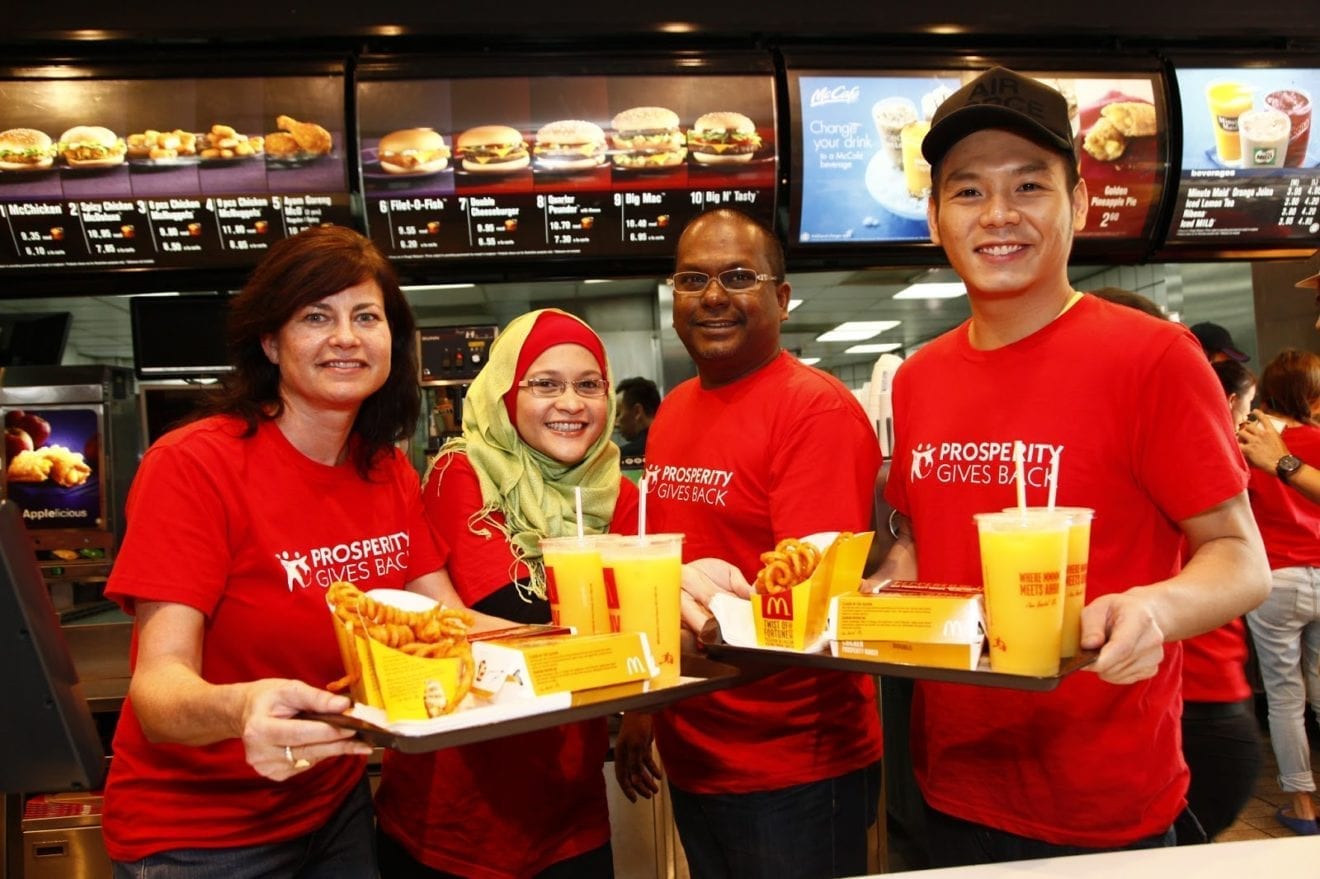
    Despite shortlisting several bidders for the McDonald’s Singapore and McDonald’s Malaysia franchise rights, Malaysian subsidiary Golden Arches Restaurants says it is not in a hurry to sell.

    MD Azmir Jaafar says the deal is being discussed with the shortlisted bidders, but no time frame has been set to complete the transaction.

    “We want to find the right partner who understands the local market and can ensure continuity of McDonald’s value and tradition, as well as be backed by strong capital.”

    He says it has always been the group’s idea to sell the franchise rights to a local partner, which would be more efficient than management by a corporate entity.

    McDonald’s Corp announced a revamp of its ownership models throughout Asia in July, including plans to offload its China, Hong Kong, Malaysia, Singapore and South Korea master franchises.

    CEO Steve Easterbrook’s plan covers about 4000 restaurants with an ultimate goal of having at least 95 per cent of the group’s restaurants franchised.

    Meanwhile, Azmir says that as the Malaysian deal is a business transaction “we will ensure the valuation is done properly”.

    “Still potential”

    There are 260 McDonald’s restaurants in Malaysia, with Golden Arches managing 200 and the rest in the hands of a third party. Though Malaysia has a population of only about 30 million people, which is relatively smaller than China and Indonesia, Azmir still sees huge potential in the market.

    “There are still many underserved areas,” he says. “As the government is improving the infrastructure in Sabah and Sarawak, I think we can expand our footprint into Kota Kinabalu and Kuching and other cities.”

    Azmir says the company intends to open 30 stores in the Klang Valley, Johor, Melaka and Penang as well as Sabah and Sarawak in the next three years. Five to seven new stores are targeted for this year, with one in Presint 2, Putrajaya, and another in Chukai, Terengganu, already open.

    “Our expansion plan is focussed on stand-alone stores as this model works very well, especially in terms of accessibility and convenience. Our ultimate goal is to have 500 stores in the country.”

    Azmir says the company also intends to renovate and remodel up to 30 outlets, each to cost about RM1 million (US$241,700). They have been open for nearly 30 years and will also have their technology upgraded.

    Combined, McDonald’s Singapore and McDonald’s Malaysia have enjoyed record sales in the past few months and is still targeting higher double-digit growth this year.

    Even following the introduction of the goods and services tax in Malaysia in April last year, Azmir says the company raised its selling prices by only about 1 per cent to offset the higher raw-material cost.
    He believes McDonald’s has captured up to 42 per cent market share in the Malaysian fast-food market.

  • Fast Retailing rolling out GU shops overseas

    Fast Retailing rolling out GU shops overseas

    Japanese retail holding company Fast Retailing intends to have 1000 shops for its low-cost GU brand overseas in 10 years, up from about 10 foreign stores now.

    GU sells clothing often priced at about half that of stablemate Uniqlo.

    Fast Retailing will expand GU first in Asia, where Uniqlo has been successful, says chairman/president Tadashi Yanai.

    After increasing its GU outlets in Taiwan and China, Fast Retailing will turn its attention to South Korea, Hong Kong, Thailand and Singapore for growth in the next five years.

    GU’s first overseas store opened in 2013. In Japan, the brand’s low prices and sensitivity to fashion trends have helped store numbers grow to around 350.

    Meanwhile, Uniqlo now has more stores overseas than in Japan, with plans to set up around 100 shops a year in China.

    Other brands under Fast Retailing’s wing include Comptoir des Cotonniers, J Brand and Princesse Tam-Tam.

  • Paris label BA&SH eyes Asia expansion

    Paris label BA&SH eyes Asia expansion

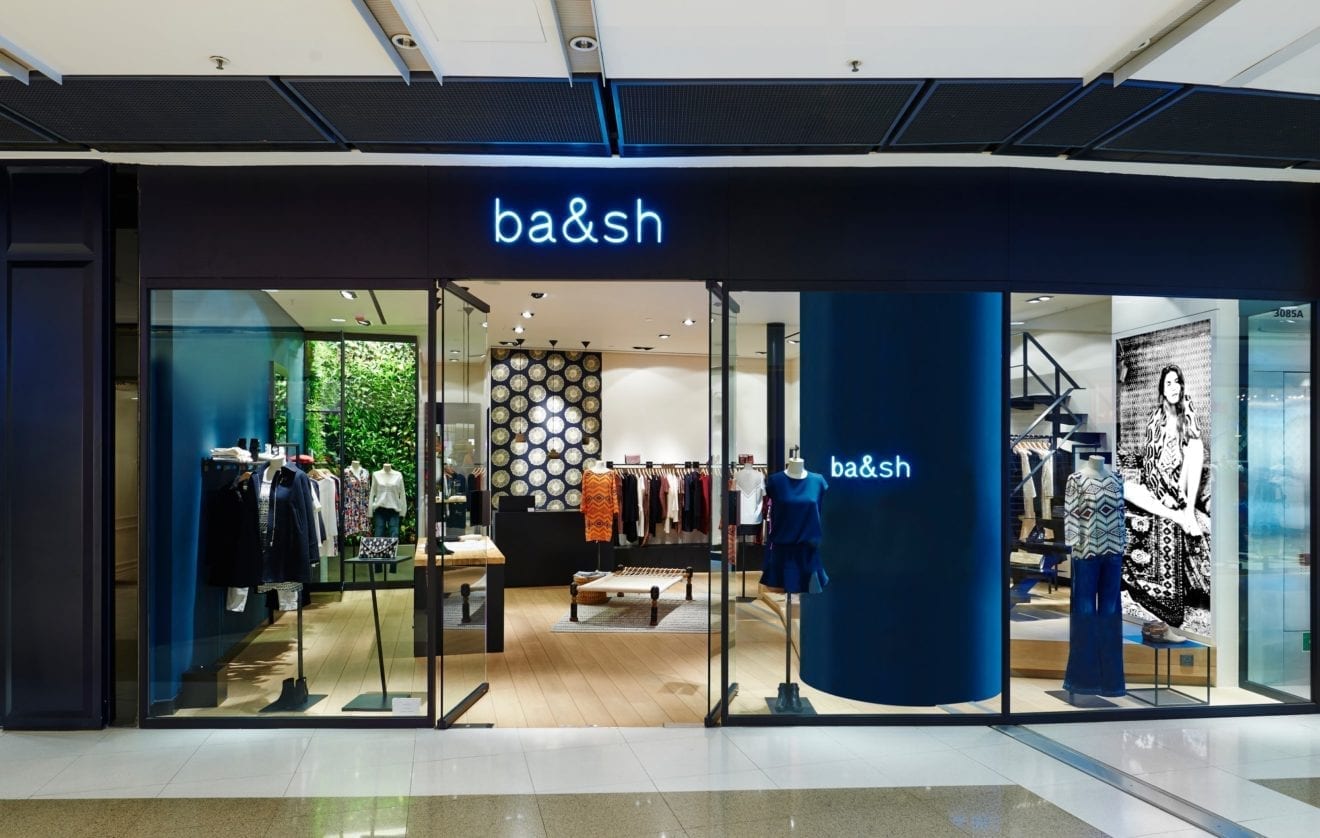
    Parisian fashion house BA&SH has partnered with Hong Kong retail and brand management company ImagineX Group to strengthen its presence in Asia.

    BA&SH has hopes of accelerating its expansion in Hong Kong, Macau, Singapore, Taiwan and China. The label opened its first Asian store at Hong Kong’s IFC Mall in September 2014 and with ImagineX now plans 30 more openings in the region, including a second Hong Kong outlet early next year.

    “Hong Kong customers have taken to our style and our collections,” say designers Barbara Boccara and Sharon Krief. “We are very happy to share our vision of fashion and femininity.”

    Associate general directors Dan Arrouas and Pierre-Arnaud Grenade say the new partnership marks an important and supplementary stage in the company’s development strategy following its establishment in the Middle East and the US.

    They say the ImagineX Group’s expertise in fashion retail and marketing will help BA&SH expand rapidly and contribute to its globalisation.

    ImagineX Group president Alice Wong says the label’s Parisian flair, combined with its unique positioning and price point, make it appealing to Asian customers.

    Childhood friends, Boccara and Krief established BA&SH in 2003 to offer contemporary fashion in the affordable luxury sector. With 91 stores last year, the brand aims to reach 130 stores this year.

    Founded in 1992, ImagineX Group introduced luxury brands such as Cartier, Gucci, Prada and Salvatore Ferragamo to China more than 20 years ago. It represents more than 18 international brands including DKNY, Marc Jacobs and Paul Smith. The portfolio also includes such lifestyle and beauty brands as Apivita, Aveda and Natura Bisse.

  • Hong Kong shines for Sandro Asia

    Hong Kong shines for Sandro Asia

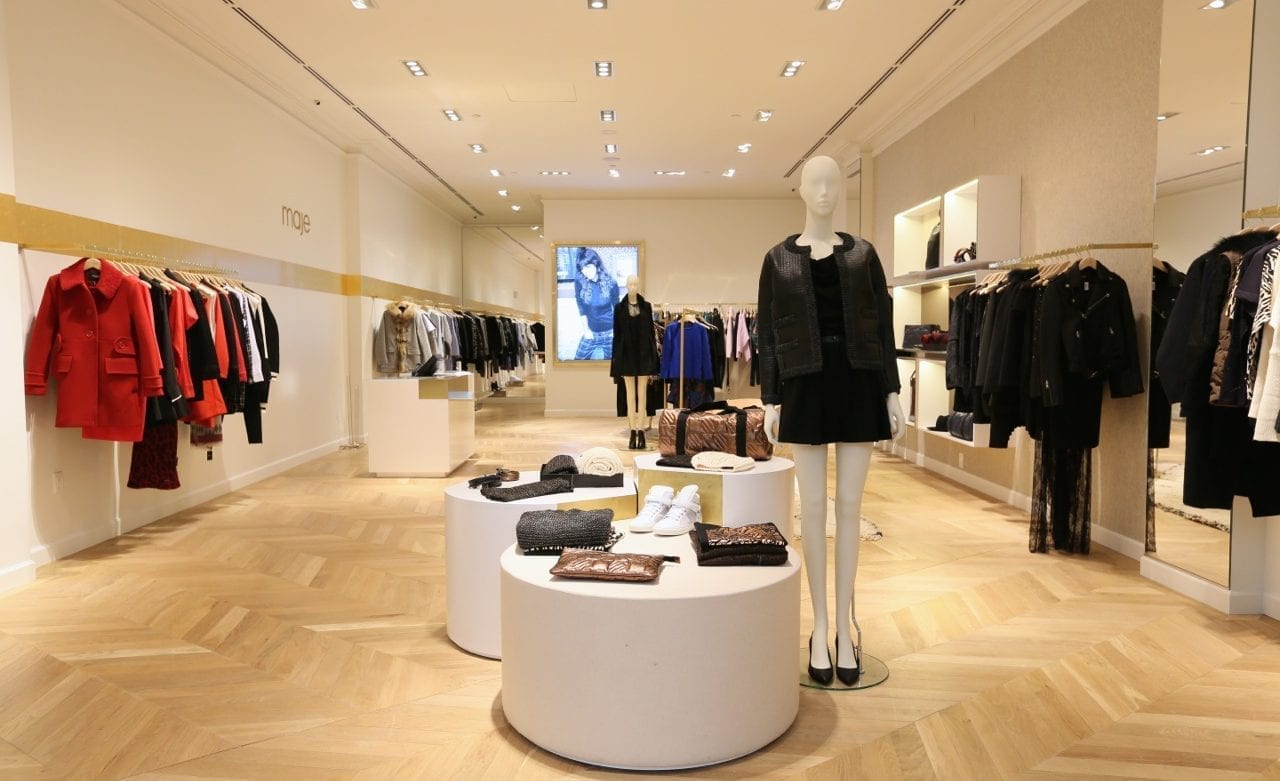
    Paris-based affordable luxury fashion chain Sandro Asia, along with sister brand Maje and Claudie Pierlot, recorded 51 per cent year-on-year growth in Asia Pacific in the first six months of the year.

    Sandro opened its largest Asia flagship store in the heart of Causeway Bay in August, and plans to double the size of its year-old store in Tsim Sha Tsui’s Harbour City.

    This store quickly became the most lucrative of Sandro’s 410 retail outlets worldwide in terms of sales per square metre. In contrast, total tenant sales at Harbour City fell 14.7 per cent to HK$13.3 billion (US$1.7 billion) in the first half, according to financial filings by its parent company Wharf Holdings.

    Sandro now has eight outlets in Hong Kong, and plans to add another two or three more by the end of next year.

    Branding its products as “accessible luxuries”, Sandro’s CEO Jean-Philippe Hecquet says the segment became “very powerful” when people started to look inside their wallets.

    Hecquet, who previously worked for luxury group LVMH, says upper-middle-class consumers still want to enjoy their life even with less money. “They still want to buy luxury products, for sure.”

    Sandro’s launched in Hong Kong in 2012, and Hecquet admits it may have missed the “golden age” when mainland shoppers would queue up outside Chanel, Gucci and Louis Vuitton outlets. But he says that while business is slowing for the traditional luxury brands, “we still see very decent traffic”.

    He believes the emerging young upper-middle class in Asia will be the future powerhouse for luxury goods, and the right time to expand is now. Hong Kong’s retail downturn has freed up more prime retail space and rents are going down. “We have been waiting for a long time to be able to open a flagship,” says Hecquet.

    He says the average age of Sandro’s customers in Hong Kong is between 25 and 30 years, and mainland visitors contribute to a significant portion of sales.

  • Hong Kong Airport remained at the top of the list of China’s busiest airports for cargo

    Hong Kong Airport remained at the top of the list of China’s busiest airports for cargo

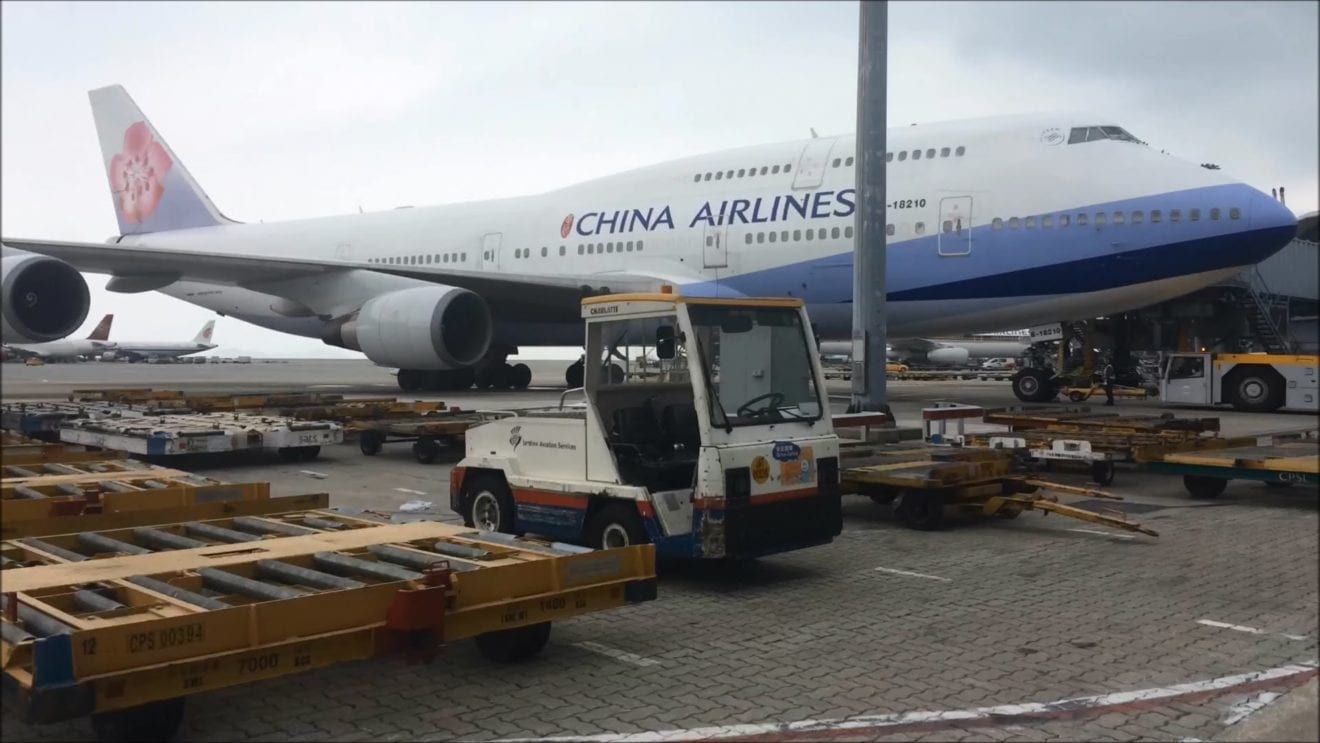
    Hong Kong International Airport remained at the top of the list of China’s busiest airports in terms of cargo traffic for 2015.

    According to statistics, Hong Kong handled a total of 4.38 million tonnes during the year. While this was only a 0.1% year-on-year increase, the airport also maintained its status as the busiest cargo airport in the world for a sixth consecutive year.

    In April 2016, the airport authority received approval from the government for its outline zoning plan and to proceed with the reclamation work for the three-runway system. The expansion project, which includes a 3,800, runway, new taxiways and a new passenger terminal, isn’t expected to be completes until at least 2023, and it remains to be seen whether that will further limit the growth of the cargo business.

    Next on the list was Shanghai’s Pudong International Airport, which handled approximately 3.28 million tonnes in 2015, a 2.9% growth over 2014.

    But flights at the airport are still prone to lengthy delays. According to the Civil Aviation Administration of China, Pudong came last in a ranking of the on-time departure performance of 27 major airports, with just 54.3% of flights departing on-time. 

    “We’re trying hard to solve the congestion issues during the day and talking to the air traffic control authorities,” says Xun Meng, deputy general manager of the Aviation Logistics Development Company at the Shanghai Airport Authority. “Unfortunately we don’t have much control over ATC and slots, but as an airport operator, we have the responsibility and duty to fight for what’s best for our customers. So we’re going to try and coordinate slots for cargo by solving one or two issues. For example, we could agree with some domestic airlines to lease or sell their spare or unused slots to cargo carriers.”  

    Two other factors that could benefit the development of the cargo business, according to Meng, are the completion of the fifth runway and the optimization of military and civil airspace in the Shanghai area. 

    FedEx has been building its own ¥700 million (US$105 million) freight hub at the airport. The necessary inspections will be carried out from July to the end of November 2016. 

    “From December to April next year, it will be handed over to FedEx and they will be launching operations,” says Meng. “This hub is located at the western cargo area and will handle mainly international express shipments and cargo in transit.” 

    The implementation of e-freight has become an important indicator in the evaluation of the efficiency of airports around the world and is something which Pudong is taking very seriously. 

    “This also has very important practical consequences on the development of our hub,” says Meng. “Since we signed an agreement with IATA, Shanghai Customs, the Inspection and Quarantine Bureau, China Eastern Airlines and the e-customs department in March 2015 to promote the digitalization of cargo, we’ve set up and coordinated all the relevant groups and units, agreed on the work flow, and worked hard to roll out the e-freight programme.” 

    With the help and support of the customs department, the airport has been running trials on the use of electronic air waybills for imports and encouraged forwarders and carriers to enter into multilateral e-AWB agreements, so that carriers such as China Eastern, Cathay Pacific, Korean Air and Lufthansa can implement e-freight pilot programmes. 

    “We’ve made a lot of progress – during the first half of the year, e-AWB coverage at Pudong reached 40%,” says Meng. “More than 10 airlines and 80 forwarders are now part of our e-freight initiative, and more than 100 logistics companies have multilateral e-AWB agreements. We handle more than 30,000 e-AWBs every month, which is the highest in China and the second highest globally.” 

    Meng says that China’s readjusted economic growth isn’t a cause for major concern. 

    “The easing of the economy actually has benefits for us too,” he says. “We can use this opportunity to reorganize the airport’s facilities, accelerate the upgrade of our infrastructure and enhance our communication with the relevant government departments.” 

    The airport also has to standardise its operations and change the traditional way of thinking which places more importance on the passenger side.

    “In an environment where there are both opportunities and challenges, we realize that many domestic forwarders and carriers are looking for new trade lanes so we have to become more competitive,” says Meng. “For example, China Southern is constantly improving its high-end products such as temperature control for fresh produce and pharmaceuticals, as well as information and messaging platforms that raise the customer experience. Air China is becoming more and more professional, strengthening its partnership with Cathay to optimize the operation of widebody freighters and improving its hubs at Beijing and Shanghai. China Eastern is turning to the integrated logistics model, looking in particular at developing the e-commerce, express and forwarding businesses.”

    Additionally, Meng says that Pudong airport will need to keep up with the development of Shanghai’s free trade zone, and use whatever chances there are to reform further so that it can improve its high-end offering and overall service efficiency.

    “We also have to strengthen our cross-border e-commerce markets,” he says. “This is something that we have in common with the free trade zone and it will be extremely important for air cargo going forward.”

    In fourth place, Guangzhou Baiyun International Airport’s throughput for the year was roughly 1.54 million tonnes.

    In the next 12 months, the airport will be focusing on the consolidation of exports, the long-haul business, the construction of a cold chain hub, cross-border e-commerce and international transhipment, according to Tony Tang, general manager of the Air Logistics Service Company at Guangzhou Baiyun International Airport Co., Ltd.

    “We’re in partnership discussions with various companies to establish agreements so that we can work closely together on the commercial, technical and managerial aspects of the cold chain,” he says. “That way, we can strengthen our cold chain infrastructure and promote the growth of the business together. In terms of transhipment, we’ll integrate international and domestic flights so that customers have a wider range of transfer options. 

    Guangzhou Baiyun is planning a cross-border trucking service whereby shipments originating in Hong Kong or Macau pass through customs and are trucked to the airport, where they are then loaded onto international flights.

    “After this service is enabled at International Cargo Terminal 1, we estimate that Baiyun will receive an additional 2,000 tonnes of international cargo per year,” says Tang. “This will also help to raise our competitiveness in the Pearl River Delta.” 

    The airport’s total throughput for 2015 represented a 5.8% year-on-year increase, which Tang says was mainly due to the growth of the international business, which was up 9.6% over 2014.

    “Firstly, this came from the increase of freighter flights from Japan, South Korea and the Middle East,” he says. “Secondly, we allocated prime slots to international flights in order to encourage a boost in frequencies.”

    Baiyun is planning infrastructural upgrades to improve service quality and efficiency. For example, it will be investing ¥330 million (US$49 million) to build an integrated cargo complex so that customs, inspection and quarantine, warehousing and offices will all be housed under one roof.  

    “In terms of software, we’ll be upgrading our cargo IT system later this year,” Tang says. “Customers will be able to make delivery and pickup bookings online, which will help to achieve a paperless process at the terminal. At the same time, we’ll also implement a smart warehousing system so that the location and condition of all the cargo can be tracked and monitored.”

    What is posing a challenge for the cargo team at Guangzhou’s airport isn’t necessarily the slowing down of China’s economy, but rather the rapid growth of road and rail transport.

    “There is not much room left to grow the air freight market within 1,000km of our airport, so we’re trying hard to develop niche markets such as express and small parcels,” says Tang. “But we still think there’s huge potential in aviation, especially on routes over 1,000km long and transcontinental routes. Compared to the US, which saw a total cargo and mail throughput of about 67 million tonnes, China handled 14 million tonnes, only about 21% of the US total. This shows our potential compared to developed countries.”

    The third airport in the Pearl River Delta to be among the top 10, Shenzhen Bao’an International Airport handled a total of approximately 1.01 million tonnes in 2015, ending up with a rank of fifth.

    According to Zhengling Sun, deputy general manager of Shenzhen Airport Co., Ltd., an upgrade to the airport’s bonded logistics centre is almost ready.

    “We’re now carrying out a renewal of facilities, hardware and software,” says Sun. “We’ve already handed over all the proposals and relevant documentation to Shenzhen Customs, and we plan to be operational later in July.” 

    During the year, Shenzhen’s airport added a number of international flights, such as China Southern to Dubai and Sydney, Shenzhen Airlines to Tokyo and Air China to Frankfurt and Los Angeles.

    “We would like to introduce more freighter services, but bellyhold cargo on international passenger flights is also a good addition,” says Sun. “We’ll continue to work together with airlines to add more freighter routes, especially international routes and those in support of the Belt and Road Initiative. We’ll attract more airlines to choose Shenzhen through factors such as slots, the customs process, our air logistics policy and our internal management.”

    In response to the booming aviation market in China, Bao’an Airport is rolling out a new phase of construction work, consisting mainly of a third runway, a new passenger terminal, a satellite building, a domestic terminal and warehouses for forwarders. Planning and feasibility studies are also being carried out for a new 100-hectare cargo zone at the northern end of the airport. 

    Sun says the growth in 2015 mainly came from international and regional routes. 

    “We opened a route to Taiwan, and SF Express, China Airlines Cargo and EVA Air Cargo all launched freighter services between Shenzhen and Taipei, with up to 10 flights a week,” he says. “Cargo and mail volume for the Taiwan route increased 95% year-on-year to 43,000 tonnes. Polar Air Cargo, which launched a direct flight to the US in July 2015, also boosted its frequency from one per week to five per week.” 

    The new 73,000m2 SF Express freight centre, which opened over the course of the year, currently handles about 500 tonnes per day, of which 400 are for SF’s own freighters and 100 are for the bellies of commercial flights. 

    More growth is on the way, according to Sun, who says that Shenzhen airport’s international air cargo market is full of potential because Guangdong province is such a huge exporter.

    “Against the readjusted GDP growth across the country, Shenzhen has already restructured its economy and cannot be compared with other inland cities,” he says. “Shenzhen’s GDP no longer relies on agriculture, but is instead based on technology and entrepreneurs. The fact that these high-tech products need to be exported brings us many opportunities. 

    Zhengzhou Xinzheng International Airport, which stayed in eighth ninth place, handled about 403,000 tonnes in 2015, a year-on-year growth of 8.9%.

    To cope with increasing demand, the airport launched operations on its second runway in 2015. The 3,600m runway raised the Zhengzhou airport to category 4F.

    “We usually use the first runway for takeoffs, while the second is mainly used for landings,” says Shu Xia Kong, spokesperson for the board of directors at Henan Airport Group. “On average, more than 250 aircraft land on the new runway every day.”

    Zhengzhou is well on its way towards being ready for the arrival of Cargolux China, which is scheduled to launch operations from the airport in 2017. A major piece of land is being developed into the northern cargo zone, which is designed to be capable of handling 150,000-200,000 tonnes per year when complete.

    “The main functions are to satisfy the needs of international air freight, with plans for a bonded warehouse, a large integrator hub, terminal for other airlines and a cold chain facility,” Kong says. “We’re also planning to construct a taxiway, two access roads and other facilities such as a dangerous goods warehouse and loading and unloading bays that will occupy about 55,000m2.”

    Cargolux isn’t the only company to have chosen to establish a base at Zhengzhou’s airport.

    “China Postal Airlines is going to build a domestic and international sorting centre here which will handle up to 150,000 tonnes per year,” says Kong. “The Dalian Yidu Group, a major fruit trader, has also chosen our northern cargo zone as the site for a cold chain food import distribution centre, which will be capable of handling 200,000 tonnes per year.”

    With all this development, the airport is expecting a throughput of 90,000 tonnes for the first quarter of 2016, as well as a total of 450,000 tonnes for the year, according to Kong. 

    Zhengzhou Xinzheng recorded the second-highest growth among China’s top 10 airports in terms of throughput for 2015, after Kunming Changshui International Airport, which increased its throughput by 12.2% to about 355,000 tonnes.

    Top 10 airports in China in terms of cargo throughput for 2015

    Airport

    2015 total throughput [tonnes]

    2014 total throughput [tonnes]

    Change [%]

    Hong Kong International Airport [HKG]

    4,380,000

    4,376,000

    0.1

    Shanghai Pudong International Airport [PVG]

    3,275,231

    3,181,655

    2.9

    Beijing Capital International Airport [PEK]

    1,889,440

    1,848,251

    2.2

    Guangzhou Baiyun International Airport [CAN]

    1,537,759

    1,454,044

    5.8

    Shenzhen Bao’an International Airport [SZX]

    1,013,691

    963,871

    5.2

    Chengdu Shuangliu International Airport [CTU]

    556,552

    545,011

    2.1

    Shanghai Hongqiao International Airport [SHA]

    433,600

    432,176

    0.3

    Hangzhou Xiaoshan International Airport [HGH]

    424,933

    398,558

    6.6

    Zhengzhou Xinzheng International Airport [CGO]

    403,339

    370,421

    8.9

    Kunming Changshui International Airport [KMG]

    355,423

    316,672

    12.2

  • Hong Kong Lifestyle Comes to Bangkok

    Hong Kong Lifestyle Comes to Bangkok

    Under its mega promotion campaign “In Style ● Hong Kong,”the Hong Kong Trade Development Council (HKTDC) brings “Hong Kong Galleria,” featuring the best of the city’s   fashion, design and gourmet products, to Bangkok’s  Siam Paragon, from now until 9 October.

    HKTDC Executive Director Margaret Fong, said Hong Kong is not only Asia’s leading business hub, it is also Asia’s lifestyle trendsetter. “Hong Kong has a unique East-meets-West multicultural and multilingual environment,” said Ms Fong. “It is always at the frontier of fashion and lifestyle with a wide range of international and local design brands and innovative and creative lifestyle products. The ‘In Style ● Hong Kong’ promotion highlights Hong Kong’s vibrant and unique lifestyle, as well as creativity to Thailand’s consumers and business sector.”

    The “Hong Kong Galleria” at Siam Paragon is divided into three zones, bringing an all-round Hong Kong experience to Bangkok consumers.

    Brand In Style
    The HKTDC Design Gallery is collaborating with the popular online shopping site Lazada Thailand on an O2O retail service, featuring such lifestyle brands as The Candle Co, Eco Concepts, GLUSH/, Snugalicious and Tea Lab. On-the-spot ordering with immediate home delivery is available to shoppers. Meanwhile, hktdc.com Small Orders  presents a selection of stylish Hong Kong products from Everlong, Sky’s Creative, HK Keytron, Jet T Technology and PO: Selected. Online shoppers can take advantage of special offers.

    Fashion In Style
    Through an e-wardrobe installed at the “Hong Kong Galleria,” visitors can try on the latest collections by popular Hong Kong fashion designers, Doris Kath Chan, Bonita Cheung, Koyo William Cheung, Polly Ho, Henry Lau and Mountain Yam. The six Hong Kong designers, who have featured at international fashion events such as Tokyo Fashion Week, Copenhagen Fashion Week, New York Fashion Week and CENTRESTAGE in Hong Kong, collaborated on a “Thai Silk Crossover” series for “In Style ● Hong Kong”with the unique pieces to be showcased at the “Hong Kong Galleria”.

    Gourmet In Style
    Hong Kong is well known as a food lover’s paradise and Cantonese sauces always brighten dishes. The internationally recognised Chinese brand Lee Kum Kee is presenting food tasting sessions featuring its wide range of sauces and condiments. Premium Hong Kong specialty tea brands, Contact Design, Gianna, MingCha and OrTeaTM are also offering complimentary tea-tasting. A collection of Hong Kong-style restaurants in Bangkok, featured by OpenRice Thailand as well as the signature menus developed by designated “Chef ● In Style”, Denice Wai, are available at B.Duck Cafe, Four Seasons Chinese Restaurant and Gokfayuen.

    The Hong Kong Tourism Board will also stage a promotion at the Siam Paragon from 6 to 9 October to showcase Hong Kong as a top travel destination.

    Shop for Hong Kong products
    The HKTDC Design Gallery is collaborating with Betrend and The Selected to offer a range of Hong Kong brands at discounted prices from now until December. Brands to be featured include The Candles Co, Digit Band, Eco Concepts, Team Green, Herkomst, HYOne, Paris Garden、Prima Series, Tea Lab and Team Green.

    Meanwhile, a “Hong Kong Lifestyle Products” promotion is underway in Bangkok, with well-known Hong Kong fashion brands Bossini, Episode, Esprit, Giordano, G2000 and Jessica, as well as popular retail watch brand City Chain and optical boutiques eGG and Optical 88 offering discounts and other consumer incentives.

    To enjoy these offers, simply pick up a Citywide Promotion coupon booklet available at more than 100 participating outlets across Bangkok, featuring over 30 Hong Kong and local brands from 1 September to 31 October, or visit “Hong Kong Galleria” in Siam Paragon from 3 to 9 October. More exciting Hong Kong products and gourmet can also be found at online retailer Lazada Thailand and gourmet website OpenRice Thailand.

    Symposium promoting Hong Kong services
    Apart from the consumer promotions, a symposium targeting the Thai business sector will be held on 6 October at Plaza Athenee Bangkok. Officiating the opening session will be Vincent HS Lo, Chairman of the HKTDC; Rimsky Yuen, Secretary for Justice, Hong Kong Special Administrative Region Government; and Apiradi Tantraporn, Minister of Commerce of Thailand. More than 30 business leaders and experts from Hong Kong and Thailand will offer insights on how Hong Kong can facilitate the business expansion of Thai companies

  • Mid-priced brands cash in on falling Hong Kong rents at expense of luxury retailers

    Mid-priced brands cash in on falling Hong Kong rents at expense of luxury retailers

    Hong Kong may no longer be the darling of European luxury brands after the combined effect of a slower local economy and fewer mainland shoppers as a result of Beijing’s anti-corruption crack down, but the city is still magnet for less expensive luxury brands and mid-priced retailers.

    Retail sales have seen an 18 month-long nosedive, with August figures (the latest available) down 10.5 per cent year on year to HK$33.9 billion.

    The decline, largely due to a drop in the number of mainland Chinese tourists, has forced landlords to reduce retail rents to avoid vacancies.

    “This has created a lot of opportunities for retail players to emerge and innovate,” Joanne Lee, associate director of research and advisory of Colliers International said.

    Some less expensive luxury brands and mid-priced retailers still have confidence in the Hong Kong retail market, taking the opportunity to move in on prime locations as high end luxury brands close up shop, according to property consultants.

    French brand Sandro is an example. It finds Hong Kong is still a highly lucrative market compared with the rest of the world – even in bad economic times.

    In August the Paris-based fashion chain opened its largest Asia flagship store in the heart of Causeway Bay, considered one of the world’s most prime shopping districts. It also plans to double the size of its store in Tsim Sha Tsui’s Harbour City, one of the most prestigious malls for mainland visitors.

    Branding its products as “accessible luxuries”, Sandro’s chief executive Jean-Philippe Hecquet said the segment became “very powerful” when people started to look inside their wallets.

    The luxury retail industry veteran, who previously worked for world’s biggest luxury group LVMH for over a decade, said that upper-middle class consumers still want to enjoy their life even with less money. “They still want to buy luxury products for sure.”

    Sandro, along with sister brand Maje and Claudie Pierlot, recorded a 51 per cent year on year growth in Asia Pacific in the first six months of the year.

    Encouraged by the strong performance, Sandro opened three new stores in prime shopping districts in Hong Kong, and plans to add two or three more by the end of next year. It currently operates eight outlets in Hong Kong.

    The Harbour City store, which opened a year ago, quickly become the most lucrative store among its 410 retail outlets worldwide in terms of sales per square metre.

    In contrast, total tenant sales at Harbour City fell 14.7 per cent to HK$13.3 billion in the first half, according to financial filings by its parent company Wharf Holding.

    “The economy is about cycles. Everything happen for a reason. You just need to hang in there,” Hecquet said.

    Unlike traditional luxury brands such as Gucci, Louis Vuitton and Burberry, which had previously aggressively expanded in the city to cater for the huge influx of mainland shoppers, Sandro has only recently ramped up its pace in terms of adding stores. Its first store in Hong Kong was not opened until 2012.

    Hecquet admits Sandro may have missed the “golden age” when rich mainland shoppers queued up outside Chanel, Gucci and Louis Vuitton outlets, snapping up expensive leather bags emblazoned with big logos.

    “For [traditional luxury brands], the traffic is going down, but for us, we still see very decent traffic,” he said.

    But he noted that the emerging young upper-middle class in Asia would be the future powerhouse for luxury goods, and the right time to expand is now. The current retail downturn in Hong Kong has also freed up more prime retail locations and rents were going down. “We have been waiting for a long time to be able to open a flagship,” he said.

    Hecquet said the average age of its customers in Hong Kong was from 25 to 30 years old, and mainland visitors contributed to a significant portion of sales.

    Property consultants said the impact of mainland tourists will continue to diminish as retailers focus their efforts on locals and millennial shoppers.

    “[Retailers will be] very much focusing on the local spending power, instead of relying on tourists,” said Daniel Shih, director of research and advisory at Colliers International.

  • Lee Gardens Unveils Hong Kong’s First Floor-Less “Tennis in the Air”

    Lee Gardens Unveils Hong Kong’s First Floor-Less “Tennis in the Air”

    As the official shopping mall partner of the Hong Kong Tennis Open 2016, the entire Lee Gardens is transforming into Hong Kong’s Coolest Tennis Court from 30 September to 16 October. Throughout this period, you will have the opportunity to experience an exciting array of tennis-related activities and kick off your start to a healthier and active lifestyle. Thanks to the joint efforts of Lee Gardens and its merchants, over HK$1,000,000 worth of prizes are up for grabs!

    Lee Gardens (including Hysan Place, Lee Garden One – Six, 25 Lan Fong Road, Lee Theatre, Leighton, I.T Hysan One) is dedicated to providing the best work-life balance in town.

    Air Tennis Mobile Game – Swing and Win (27 September – 16 October)

    Warm up with the Air Tennis Mobile Game, where you can use your cell phone to “serve” a tennis ball and try to hit prize targets. Successful hits will help win instant reward e-coupons for exciting gifts or shopping discounts or tickets for the VR 360 Tennis in the Air, or. You can play the game at airtennis.leegardens.com.hk.

    VR 360 Tennis in the Air – Be the First to Play a Match Mid-Air, High Above Victoria Harbour (30 September – 16 October)

    With the assistance of a VR headset and two hand-held controllers, this game will “transport” you from the 1/F Atrium of Hysan Place to a tennis court high in the skies above Victoria Harbour. With 360º views of Hong Kong’s beautiful scenery during the day, an intoxicating night view after 6pm, and the sound of a gentle breeze in the background, you and your opponent will experience a thrilling simulated game of “tennis in the air”. You can enjoy this VR experience either by using a prize ticket or upon spending HK$100 at Lee Gardens.

    Bounce for Tennis – Create Fun Mementos and Contribute to Children’s Sports Education (30 September – 16 October)

    Lee Gardens invites you to create mementos of your experience by uploading a photo and designing your own personalised tennis ball via the airtennis.leegardens.com.hk. For HK$50, you can print out your customised tennis ball at the Lee Theatre. The proceeds of the Bounce for Tennis programme will benefit the Hong Kong Tennis Association, a non-governmental organisation and organiser of the Hong Kong Tennis Open, to help support their initiative to popularise sports education in under-resourced districts by teaching local children to play tennis.

    Special Tennis-Themed Food and Drinks – Enjoy the Tournament as a Foodie (30 September – 16 October)

    During this event, many of Lee Gardens’ exciting dining venues, including Shelter Italian Bar & Restaurant, Wired Café, Seasons, Smile Yoghurt and Habitu, will be serving up tennis-themed delights for their visitors.

    Fan Zone – Cheers for the Climax (15 – 16 October)

    Besides enjoying the live matches at Victoria Park Tennis Stadium, tennis fans can make their way over to a specially designated Fan Zone on Pak Sha Road to take part in live-streamed matches, extending the excitement from the Tennis Stadium to “The Coolest Tennis Court” in Causeway Bay. Organised by Hong Kong Tennis Association and supported Wan Chai District Council’s Cultural and Leisure Services Committee, as well as by  Lee Gardens Association, the fan zone will be open to the public during the Semi Finals and Finals of the tournament, which will take place on 15 and 16 October.

    Instant Rewards

    Lee Gardens has joined hands with its merchants to give out coupons and gifts valued at more than HK$1,000,000, including a Fila gift set (value over HK$1,800), UNIQLO gift set (value HK$1,000), Pressed Juice One Day Cleanse (value HK$550) and more. Rewards are available for all players, so come down to Lee Gardens and have fun playing!

    FILA Exclusive Pop-up Store

    FILA will set up a Pop-up store decorated as a container house exclusively for the event, displaying its distinguished history of tennis culture since 1911. You can appreciate the precious Settanta Polo T-shirt co-designed by FILA and Wallpaper saluting Björn Borg, one of the greatest tennis athletes from 1970s to 1980s. Printed between every stripe on the Polo T-shirt is the score of his champion matches. Various pieceis of other tennis apparel are also available in the exclusive Pop-up store.

  • New MoU Promotes Hong Kong-India Business Links

    New MoU Promotes Hong Kong-India Business Links

    The Hong Kong Trade Development Council (HKTDC) today signed a Memorandum of Understanding (MoU) with its counterpart in India, the India Trade Promotion Organisation (ITPO) to strengthen economic partnership between Hong Kong and India and increase bilateral commercial activity, especially for small and medium-sized enterprises from both places.

    Win-win for Hong Kong and India

    “This MoU reflects the growing desire for deeper business links between India and Hong Kong, with our city serving as the gateway to the Chinese mainland and Asia for Indian companies. At the same time, Hong Kong enterprises see huge opportunities in India,” said Margaret Fong, Executive Director, HKTDC. “Closer cooperation between the HKTDC and ITPO will produce a win-win result for our business communities.”

    Ms Fong and LC Goyal, Chairman and Managing Director, ITPO, signed the MoU in Hong Kong. The agreement fosters cooperation in areas of mutual interest, including providing each other with information related to trade promotion activities, encouraging businesses to join events organised by the HKTDC and ITPO and identifying potential products and markets.

    “Both organisations reaffirmed their resolve to identify and promote key sectors under the ambitious ‘Make In India’ flagship initiative of the Government of India,” said Mr Goyal. “The partnership will also open new areas of growth for trade with ASEAN countries.”

    Long and strong business links

    Hong Kong and India enjoy close and strong bilateral ties formed over more than 150 years of business and cultural links. In 2015, India was Hong Kong’s fourth-largest export market with total exports to India expanding 8.1 per cent year-on-year to US$13.1 billion. On the other hand, India was Hong Kong’s ninth-largest source of imports in 2015, amounting to US$10.6 billion. India is Hong Kong’s seventh-largest trading partner globally with bilateral trade of US$23.7 billion last year.

    HKTDC & ITPO: a mutual mission to promote trade

    Established in 1966, the HKTDC is a statutory body in Hong Kong dedicated to promoting Hong Kong’s trade in goods and services. The HKTDC organises more than 30 major international trade fairs in Hong Kong each year. ITPO is the trade promotion agency of the Ministry of Commerce and Industry of India. ITPO provides a wide spectrum of services to trade and industry and acts as a catalyst for growth of India’s trade.

  • Korea’s Etude House refreshens image

    Korea’s Etude House refreshens image

    With a new brand positioning, Korea’s Etude House has been making inroads in the global cosmetics market this year.

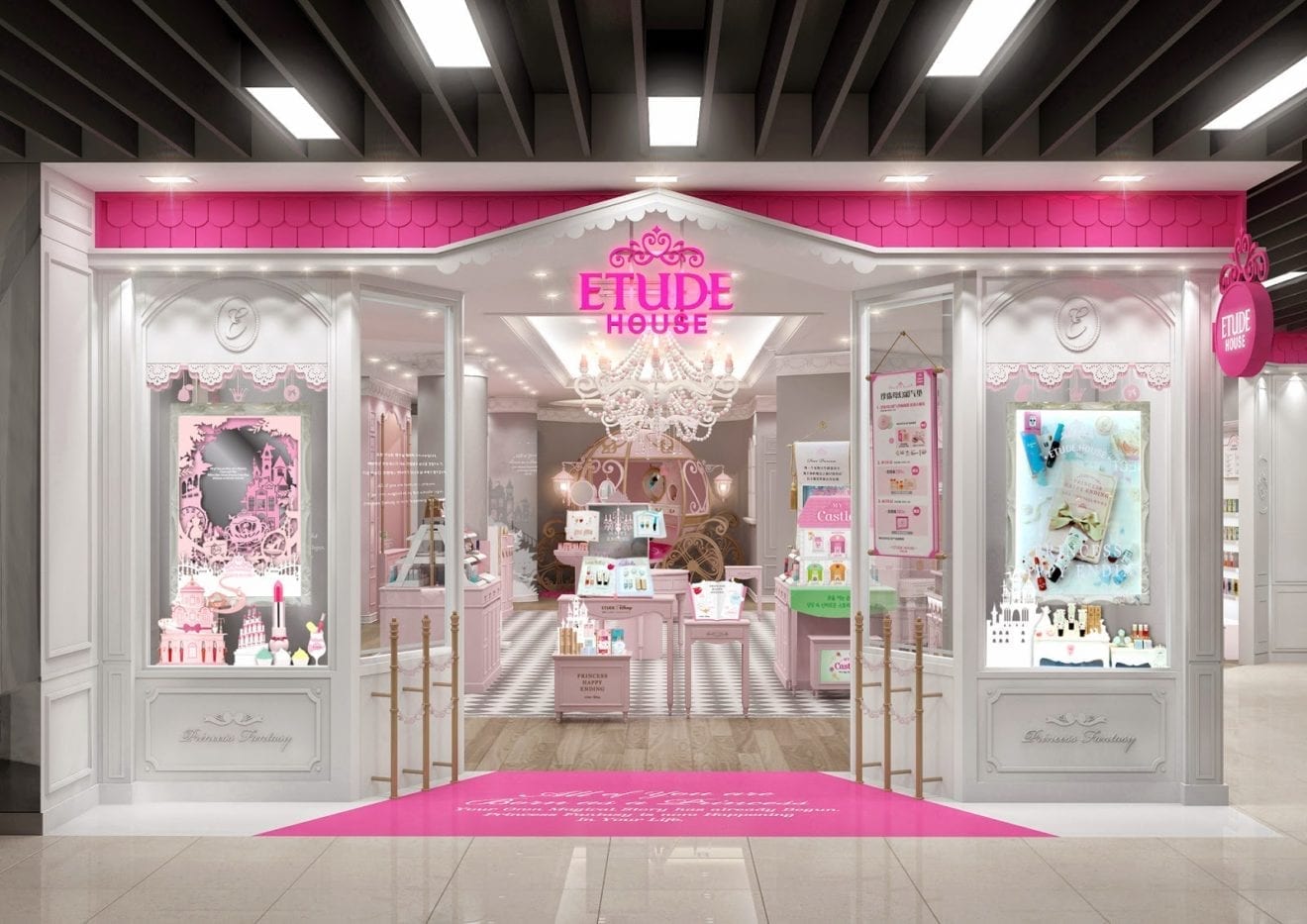
    Previously tagged Princess Fantasy, its new positioning line is Sweet Dream. Its makeover includes more sophisticated visuals in its advertisements and packaging designs, plus a new slogan, “Life is Sweet”. The aim is to symbolise the positive energy and values of people in their 20s as Etude House works toward its vision of becoming the “global No. 1 young makeup brand” through overseas expansion, digital content development, new services and innovative products.

    Etude House, owner by Amorepacific has about 230 stores in 12 Asian countries, and by 2020 aims to have increased its number of overseas stores by 50 per cent.

    From June, Etude House has been managing a multi-channel network, the Beautizens Club, to support the development of new beauty content creators. This has led to 25 content creators from Asia being chosen as “beautizens” to receive makeup tutorials.

    Etude House also has a new mobile app that lets customers administer their account. It also contains digital content that analyses purchasing patterns and draws on age-group general preferences to suggest colours.

    In co-operation with the Seoul Metropolitan Rapid Transit Corporation, the brand offers customers the option to pick up their online-ordered products at lockers inside subway stations.

  • Visitor downturn continues to hit Hong Kong retail sales

    Visitor downturn continues to hit Hong Kong retail sales

    Hong Kong retail sales fell again in August – largely due to declining visitor numbers.

    The Census and Statistics Department (C&SD) says the value of retail sales in August, provisionally estimated at $33.9 billion, decreased by 10.5 per cent compared with August 2015. That’s sharper than the 7.7 per cent revised decline in July, and slightly above the year-to-date figure of 10.2 per cent.

    A government spokesman said the weak performance reflected the drag from the decline in visitor arrivals in August as well as the cautious consumer sentiment amid an uncertain economic outlook.

    Meanwhile, the HKRMA said most member retailers are “not optimistic” about sales recovering in September and October this year, but forecasting a lower percentage drop in the single digits.

    According to the C&SD, after netting out the effect of price changes year-on-year, sales in August decreased by 12.7 per cent.

    As usual, jewellery, watches and clocks accounted for the majority of the decline, that category down 26.6 per cent for the month. Department store sales fell by 10.7 per cent and electrical goods and photographic equipment (which account for a lower share of total retail sales) by 27.9 per cent. Apparel sales were down 3.4 per cent.

    Sales of food for consumption at home, alcohol and tobacco rose by 8.8 per cent. The HKRMA said this figure was buoyed by baked goods as people stocked up for the Mid-Autumn Festival.

    The government spokesperson said the near-term outlook for retail sales will still hinge on the performance of inbound tourism “and the extent to which local consumer sentiment will be affected by various external headwinds”.

  • Hong Kong to be world’s wealthiest by 2020

    Hong Kong to be world’s wealthiest by 2020

    Hong Kong is set to overtake Switzerland as the world’s wealthiest territory measured by savings per capita by 2020 thanks to its investors’ preference for near-cash products, according to a report.

    Verdict Financial’s latest report found with a forecast compound annual growth rate of seven per cent, Hong Kong would be the third quickest growing developed wealth market over 2016 to 2020.

    Verdict Financial’s senior analyst for wealth management, Bartosz Golba, said Hong Kong’s growing importance was no surprise.

    “The market is exemplary in regard to explaining why the majority of global wealth managers put Asia-Pacific at the centre of their growth strategies. In real terms — taking inflation into account — no other region will see its value of liquid assets grow at a greater pace,” Golba said.

    “What makes Hong Kong unusual is the local investors’ preference for near-cash products. Almost 85 per cent of liquid onshore assets of retail investors in Hong Kong are allocated to bank deposits, while the developed markets’ average stands below 62 per cent.”

    Golba said this strategy protected portfolios from capital markets volatility and provided a significant cross-selling opportunity for wealth managers operating in Hong Kong.

    The report also highlighted the unequal distribution of global wealth as developing countries often had a lower penetration of affluent individuals despite the country possibly holding more wealth than their developed nation counterparts.

    “In the US, almost two thirds of the population can be considered affluent. As a country in which almost two per cent of citizens are millionaires, it remains an attractive market for private banks and wealth manager,” Golba said.

    “While we are in a period characterised by volatile financial markets and wealth managers looking for optimal business strategy, there is one thing that remains constant. In aggregate terms, the US has been, and will remain, by far the world’s largest wealth market.”

  • Hong Kong International Airport Celebrates National Day with Extra Rewards

    Hong Kong International Airport Celebrates National Day with Extra Rewards

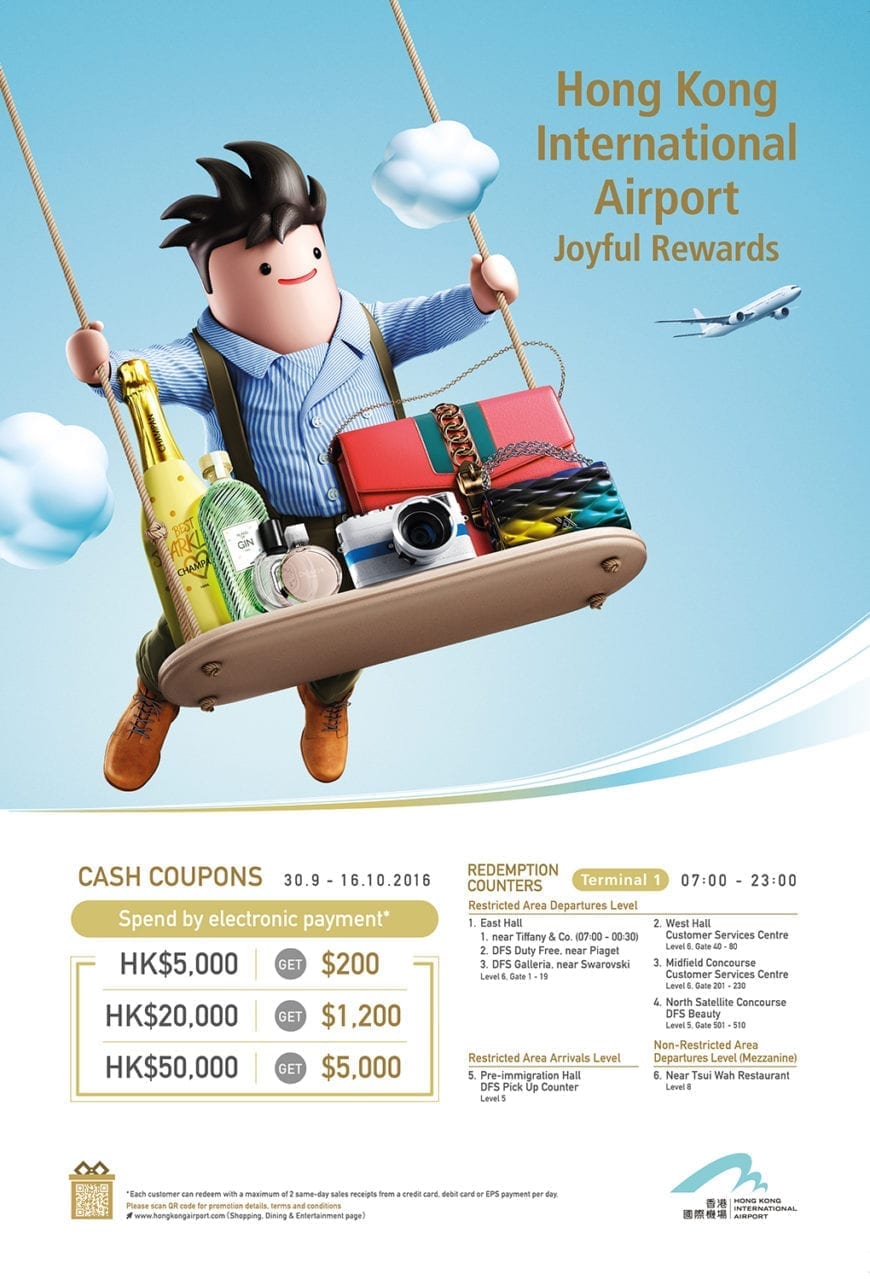
    Hong Kong International Airport (HKIA) celebrates the upcoming National Day holiday with a series of shopping and dining promotions to provide travellers a superb spending experience.

     From 30 September to 16 October 2016, HKIA will launch a limited time offer, giving out cash coupons valued up to HK$5,000 to encourage traveller spending at HKIA. 

    For details, please refer to the following table:

    Spending by Electronic Payments of

    HKIA Cash Coupons Redemption

    HK$5,000

    HK$200

    HK$20,000

    HK$1,200

    HK$50,000

    HK$5,000

  • LeEco India ready to roll out 1000 stores

    LeEco India ready to roll out 1000 stores

    Chinese tech firm LeEco India plans to open 1000 outlets across the subcontinent by the end of this year.

    Expecting half of its revenue in India to come from physical stores, LeEco filed an application five months ago with the Foreign Investment Promotion Board (FIPB) to open single-brand retail stores.

    These will be a mix of company-owned stores as well as franchise outlets, says LeEco India COO for smart electronics business Atul Jain. “This is in line with our aim to be among top three brands in the country by 2018.”

    LeEco, which also has an offline presence in China, has not revealed the cost of setting up the stores. However, it will be spending nearly US$10 million on marketing in the three months starting October.

    Already the company has tied up with multiple distributors across organised and unorganised channels in India and is already available in about 3000 outlets in cities including Bengaluru, Chennai, Delhi, Mumbai, Pune and Varanasi. It expects to reach 65 cities and have a presence in 6000 to 8000 outlets by December.

    No longer exclusive

    Launched exclusively on Flipkart, LeEco’s products will now be available on other eCommerce marketplaces such as Amazon India and Snapdeal. Flipkart has contributed nearly 75 per cent of LeEco’s sales in India.

    LeEco has invested Rs.50 crore (US$500 million) in setting up a smartphone assembly plant in the Greater Noida area, in partnership with Compal Electronics. The factory has an initial capacity of 60,000 units a month but this will be ramped up to 200,000 by the end of December.

    By the second half of next year, the company plans to start exporting products to Hong Kong, Indonesia, Malaysia, Russia and Singapore, says Jain. LeEco sold more than 70,000 phones and 2000 televisions last month alone.

    Other plans include a partnership with Hungama to offer music services from next month.
    Founded by billionaire Jia Yueting in 2004, LeEco positions itself as the Apple, Netflix and Tesla of China. Apart from smartphones and online content, the company sells TVs, electric vehicles and virtual-reality headsets.