Tag: Hong Kong

  • More outlets, more health

    More outlets, more health

    Personal care retailer Watsons Personal Care Store (Philippines) Inc. is expanding its branch network by boosting its presence both in shopping malls and community locations.

    The company recently opened its 500th store and chose to celebrate this achievement in Cebu because of the store’s strong presence and high sales growth here.

    “In Cebu, we are growing in double digits,” said Sharon Presbitero, Watson’s Group marketing manager. Cebu has 31 Watsons outlets, majority of which are based in shopping malls.

    Watsons is set to open at least 30 more outlets before the end of this year, said Ma. Cecilia Canlas, the company’s marketing manager.

    Generics

    She said the company is planning to open 500 new outlets in the next two years.

    According to Presbitero, the company’s direction is to be highly visible in the community through its health care business, Watsons Pharmacy, which also carries the Watsons Generics brand.

    In the region, the Philippines is the only country where the company is more known as a beauty store, Presbitero said, but its roots in China are in pharmaceuticals.

    “We will be opening more community pharmacies in the country,” she said, noting that in the coming months,
    Watsons will be highly visible at street corners or busy markets, among other locations.

    While Watsons stores across the country already have pharmacy sections, Presbitero said that the company saw the need to open more pharmacy-centric outlets to serve communities that don’t have access to affordable yet high-quality medicines.

    Health line

    “Watsons now offers a wide range of health products from prescription to over-the-counter medicines and health supplements,” said Presbitero.

    Watsons in the Philippines launched Watsons Generics last year. About 10 to 12 Watsons outlets now have its presence in the community.

    Presbitero said the brand is gaining acceptance in the market as more consumers are now open to buying generic medicines versus the branded ones.

    “Before, we had to keep on pushing for consumers to buy generic medicines but as the years go by with market education and accessible information, it is the consumer now who looks for these generic medicines,” she said.

    The price of a generic medicine is 60 to 80 percent lower than that of a branded medicine. Watsons also offer vaccination services for flu, pneumonia, and cervical cancer, among others.

    Watsons Philippines is a joint venture of SM Prime Holdings Inc. and Hong Kong-based A.S Watsons & Co. Ltd.

    Watsons, which operates both in Europe and Asia, carries 13 retail brands in 25 markets. It also has a network of 12,800 stores in 37 countries.


  • Probe of millennial consumers’ shopping preferences

    Probe of millennial consumers’ shopping preferences

    While Asia Pacific millennial consumers shop online, only physical stores and particularly shopping centres give them the experiences and social elements they want, says a new report.

    Millennials shop online an average of 4.7 days a month, but visit shopping centres an average of three days a month for other reasons apart from buying, such as dining out, banking and visiting exhibitions.

    However, slower economic growth and a desire to save money for buying a home may inhibit spending on leisure activities, suggests research by commercial property adviser CBRE Research. Its inaugural Asia Pacific Millennials: Shaping the Future of Real Estate report says this emerging “superclass” demographic actually has similar long-term lifestyle priorities with other generations despite being more likely to spend their time and money on leisure activities and experiences like travel, entertainment and dining than previous generations.

    “In order to leverage on millennials’ spending habits, retailers are recommended to increase the experience-based element of their offering and focus on providing an environment for visitors to socialise and relax,” says CBRE Asia Pacific head of research Dr Henry Chin.

    As well as increasing F&B, cinema and entertainment elements in their shopping malls, retail landlords should consider organising more live events to attract millennials, he says, warning that they should also carefully manage their tenant mix to ensure they still cater to other generations.

    The millennials report is based on a global survey by CBRE Research last December. It covered 13,000 people between 22 and 29 years old to examine how they live, work and play, and what this means for real estate.

    For the Asia Pacific region, the report involved 5000 respondents evenly representing Australia, China, Hong Kong, India and Japan. The survey also explored differences between millennials of different gender, employment status, marital status, education and income.

    Inaccurate perceptions

    It found that perceptions of millennials as preferring informal employment, changing jobs regularly and avoiding financial responsibility are inaccurate in the region. Consistent with previous generations, most millennials were found to be spending prudently in order to save money to buy a home.

    While this demographic aspires to carve out a stable career, the report finds that it does take into account factors such as office design when choosing an employer, with 71 per cent of respondents willing to give up other benefits for a better office environment.

    Millennials are also increasingly demanding the freedom to work anywhere, anytime—more than 60 per cent in Asia Pacific want flexibility and mobility for their career.

    Job loyalty is also stronger than perceived, with two-thirds expecting to work for the same company, or for a small number of companies, throughout their career.

    Almost two-thirds of the region’s millennials still live with their family because of both cultural practices and financial factors. In most major markets surveyed, the high cost of residential property is providing challenges for millennials.

    While 65 per cent of respondents said they plan to buy property in the future, 63 per cent said they are forced into renting as they are unable to buy.

    “The millennial demographic in Asia Pacific is a game-changer for businesses across the board. Their life, work and play priorities and habits will shape economics, redefine opinions on workplace design and functionality, and drive new attitudes toward consumption and experience for the foreseeable future, ” says CBRE Asia Pacific CEO Steve Swerdlow.

  • HKBN Mobile launches Greater China 4G plans

    HKBN Mobile launches Greater China 4G plans

    Hong Kong Broadband Network’s new Mobile Services MVNO division has launched a line of Greater China 4G plans for corporate customers who frequently travel between mainland China, Hong Kong, Macau and Taiwan.

    The new mobile plans include data allocations shareable across the four markets via a single SIM. HKBN is using China Mobile Hong Kong’s 4G network to provide the service.

    HKBN secured an MVNO a license in July, and launched mobile services in September, introducing a range of consumer plans including a HK$446 ($57.50) unlimited 4G service.

    The new corporate 4G plans range from HK$198 for 1GB of data shareable across the four markets to HK$448 for 10GB of data.

    Each plan comes with unlimited voice calls and SMS, as well as free call management value added services during the contract period and free use of the MobileOffice Plus app, which allows smartphone users to remotely make and receive calls from their designated business number from anywhere.

    “With increasing business travelling between Mainland China, Hong Kong, Macau and Taiwan, cross-border data services are in high demand,” HKBN chief commercial officer for enterprise solutions Billy Yeung said.

    “By partnering with CMHK, we are best positioned to offer our customers high-value and cost-effective Greater China service plans.”

  • Kering sales soar – even in China

    Kering sales soar – even in China

    Luxury goods and apparel giant Kering has reported a 10.5 per cent global rise in revenues in the latest quarter, with luxury sales up 11.3 per cent and sports and lifestyle brands up 9.3 per cent.

    Most significantly, at a time its peers are battling falling sales in Hong Kong, Macau and some brands even in Mainland China, Kering seems to have experienced respectable results in those core markets.

    Paris-based Kering’s brands range from luxury labels Gucci, Bottega Veneta and Yves Saint Laurent through to lifestyle brand Puma. The company says sales in directly operated luxury stores enjoyed double-digit growth across all geographic regions excluding Japan, with strong growth of 24 per cent in Asia-Pacific, a very steady 17 per cent increase in North America and an “extremely good performance” in Western Europe, which expanded by 12 per cent.

    “In a complex environment, we stepped up the pace of revenue growth and continued to gain market share,” said Francois-Henri Pinault, chairman and CEO. “Thanks to the creativity of our brands and the outstanding customer experience they offer, we achieved double-digit increases across all geographic regions excluding Japan.

    “We have laid the foundations for steady, sustainable growth, and are highly confident about the full year.”

    Kering’s headline brand Gucci achieved a sales increase of 17 per cent, while Yves Saint Laurent sales soared 33.9 per cent, both gaining market share from rivals. Sales were up sharply across all product categories and regions, excluding Japan, where market conditions were lacklustre for the sector as a whole. Gucci sales in directly operated stores rose by 19 per cent. Sales from Gucci’s e-commerce website increased by more than 50 per cent during the quarter.

    Overall, Kering’s luxury activities generated €2.115 billion in revenue during the period, the 11.3 per cent same-store growth its fastest quarterly figure in three years.

    But at Bottega Veneta, third-quarter sales were again impacted by slower tourism, particularly in the mature markets of Western Europe and Japan. Revenue was down 10.9 per cent on a comparable basis.

    Here, Hong Kong’s luxury retail decline impacted on the brand, the company said, without divulging figures: “While sales in directly operated stores were lower in the quarter, they delivered a slight improvement compared to the second-quarter trend thanks to resilient sales to local customers in Europe and growth across all main markets in Asia Pacific, with the exception of Hong Kong.”

    Puma’s leap

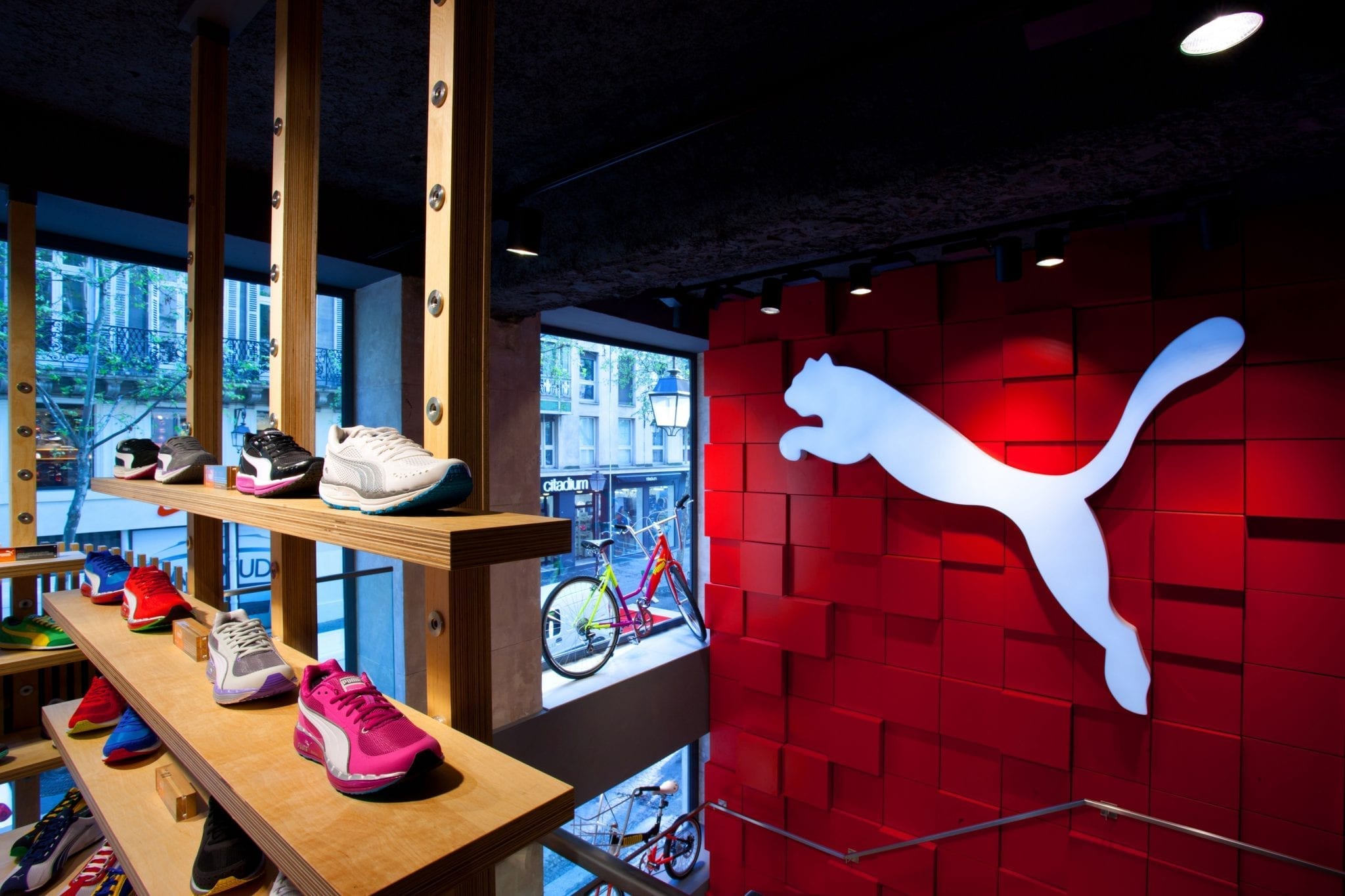
    Puma’s 10.8 per cent same-store sales leap was the result of the brand building on innovative products and renewed appeal, Kering said. Shoes performed particularly well, posting 17 per cent growth, fuelled by the success of new models such as Ignite, Fierce and Fenty. Revenue from apparel was up a solid 10 per cent.

    “With the exception of Japan, Puma achieved double-digit growth across all geographic regions, enjoying strong performances in Europe and the Americas, and sustained expansion in Mainland China.”

    Kering has an ensemble of luxury fashion, leather goods, jewellery and watch brands: Gucci, Bottega Veneta, Saint Laurent, Alexander McQueen, Balenciaga, Brioni, Christopher Kane, McQ, Stella McCartney, Tomas Maier, Boucheron, Dodo, Girard-Perregaux, Pomellato, Qeelin and Ulysse Nardin.

    Kering also has the sports & lifestyle brands Puma, Volcom and Cobra. The group generated revenues of more than €11.5 billion in 2015 and had more than 38,000 employees at year end.

  • McDonald’s Korea sale collapses

    McDonald’s Korea sale collapses

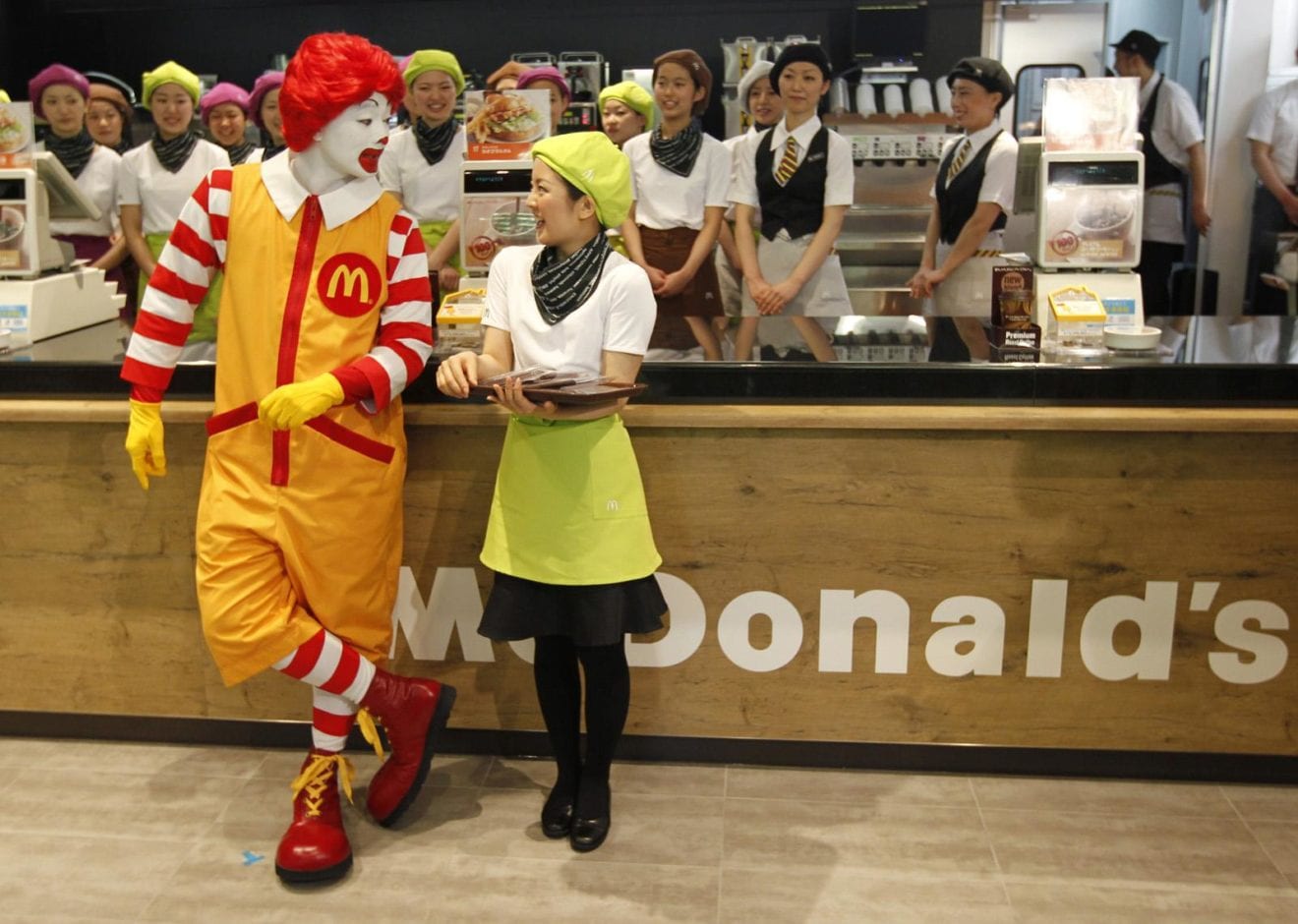
    And in the simultaneous divestment process for the 20-year McDonald’s China franchise rights, TPG Capital has reportedly withdrawn leaving two rival private equity firms in the race – Bain Capital and Carlyle Group – competing with two Chinese companies previously reported to be in the negotiations: retailer Wumart Stores and Sanpower Group.

    With Maeil Dairies Industry Co dropping out of the running for McDonald’s Korea, that sale process seems at best stalled.

    McDonald’s, which directly manages about 400 stores in South Korea, has been looking for local partners to run the Korean outlets as franchise stores that pay annual commissions instead. The deal initially drew interests from several investors, including CJ and NHN Entertainment, but they have nixed their plans.

    Maeil Dairies had formed a consortium with Carlyle Group, but pulled out after failing to agree on terms of contract, industry sources familiar with the matter told the Yonhap news agency.

    “We can’t verify the specific details as McDonald’s headquarters office is in charge of the bidding process, but the sales process is still under way,” an official at McDonald’s Korea said, without elaborating on the deal.

    Meanwhile, in China, TPG’s withdrawal was confirmed overnight by unidentified sources close to the matter and reported by several news networks.

    Carlyle Group has partnered with Citic Group and Bain with GreenTree Hospitality, a hotel group.

    McDonald’s is seeking as much as $3 billion for the China rights, which come with a 10-year expansion option.

    There are about 2400 McDonald’s restaurants in China and Hong Kong and the US company wants its master franchisee to expand that network rapidly to compete with rival Yum! China’s expansion plans.

    The ongoing presence of private equity bidders in the process is surprising, because McDonald’s has made it clear it is seeking a long-term partner rather than private equity firms, which typically cash out after a few years.

  • Liao Fan hawker stall may go global

    Liao Fan hawker stall may go global

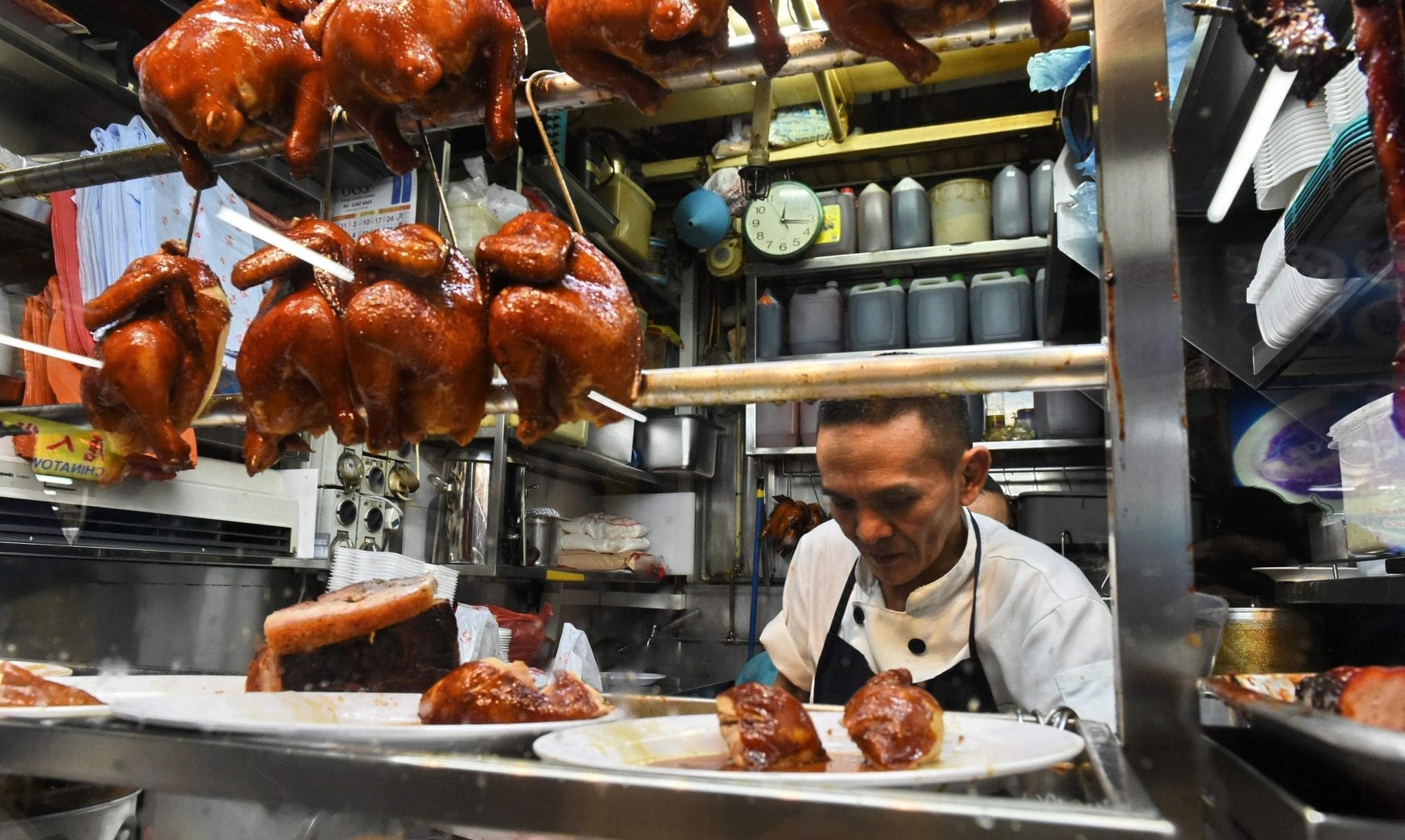
    Singapore’s Michelin-starred soya-sauce chicken rice-and-noodle stall Liao Fan may be going international.

    Shooting to fame in July after being awarded a star by the Singapore Michelin Guide, the hawker stall says it is collaborating with brand manager Hersing Culinary on global expansion plans.

    Hersing owns the Asia Pacific franchising rights to Hong Kong’s Michelin-starred dim sum eatery Tim Ho Wan.
    But even as his business expands, Liao Fan owner Chan Hon Meng says his outlet at Chinatown Food Complex will stay. The 51-year-old’s business was one of two hawker stalls awarded a one-star rating by Michelin, the other being Hill Street Tai Hwa Pork Noodle in Crawford Lane.

    Queues formed at Chan’s stall before it had even opened the day after its star was awarded, and he says he had since received offers from five companies to buy his recipe.

    Chan says he wants to remain a partner even after selling the recipe, and has laid out three criteria for potential partners – an offer of at least $2 million as a “guaranteed co-operation fee” for the recipe and cooking expertise; the partner has the resources to expand the brand “all over the world”; and the company needs to ensure the taste of his soya-sauce chicken is replicated and standardised in all the outlets.

    He says his ambition is to become the “No. 2 chicken eatery chain” after KFC. A key reason for his intention to expand overseas is the increase in the number of tourists visiting his stall since the award. He estimates they form about 90 per cent of his customers.

  • Eco Expo Asia, Building and Hardware Fair Open Today

    Eco Expo Asia, Building and Hardware Fair Open Today

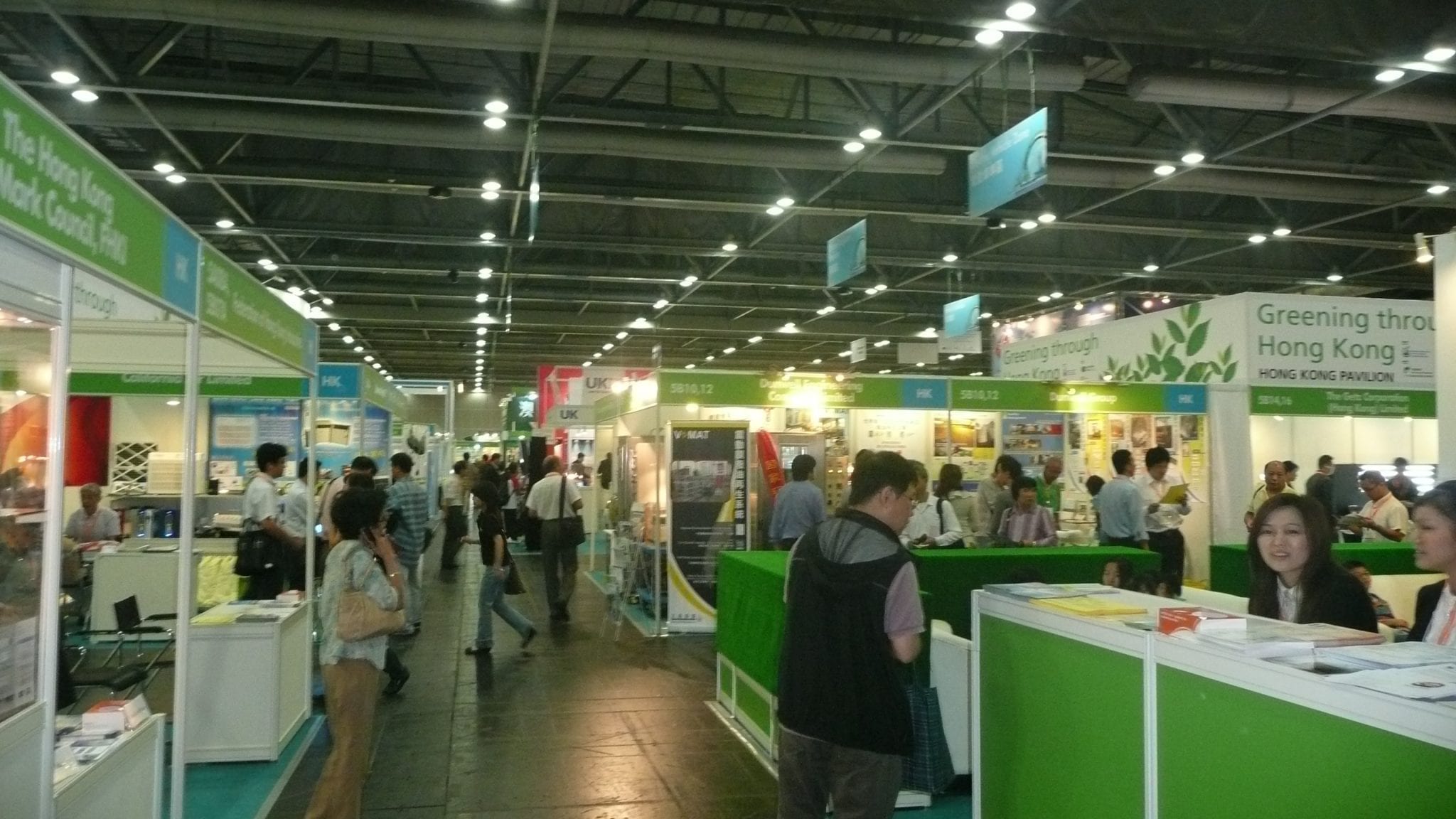
    The 11th editions of Eco Expo Asia and the HKTDC Hong Kong International Building and Hardware Fair opened today at the AsiaWorld-Expo. The opening ceremony of Eco Expo Asia was officiated by Wong Kam-sing, Secretary for the Environment of the Hong Kong Special Administrative Region (HKSAR) Government. Featuring more than 460 exhibitors, the two fairs run for four days (26-29 October). Nearly 90 buying missions were organised, comprising more than 4,000 corporate buyers from 30 countries and regions. Eco Expo Asia will open its doors to the public free of charge on the last day (29 October) to give visitors a better understanding of green industries.

    Eco Expo Asia spotlights climate change solutions

    The Eco Expo Asia is jointly organised by the Hong Kong Trade Development Council (HKTDC) and Messe Frankfurt (HK) Ltd, and co-organised by the Environment Bureau of the HKSAR Government.

    Speaking at the opening of Eco Expo Asia, Mr Wong said, “The Hong Kong SAR Government attaches great importance to combating climate change, and actions are being taken on various fronts to reduce greenhouse gas emissions with a view to reducing the territory’s carbon intensity between 50% and 60% by 2020, using 2005 as the base. We are on track to meet the said target.”

    Margaret Fong, Executive Director of the HKTDC, said, “For more than a decade, Eco Expo Asia has spotlighted exciting technologies for a cleaner and greener future. This year, with reference to the 2015 Paris Agreement on climate change, we have adopted ‘Green Solutions for a Changing Climate’ as the theme. This new focus aims to raise awareness of climate change solutions that will help governments and companies achieve their sustainability goals.”

    This year’s Eco Expo Asia has attracted more than 320 exhibitors from 19 countries and regions and features 12 overseas pavilions and group participations. The expo has nine product zones, spotlighting such topics as Green Transportation Experience, Waste Management and Recycling, Energy Efficiency and Energy, and Green Building Solution and Service as well as the newly-introduced Eco Home Tech zone. Industries, projects and technologies from various countries and regions are showcased, including a number of new green concepts:

    – Hong Kong EV Power Ltd. has brought its Smart Ceiling EV Charger, which can be installed at parking spaces without adjacent walls or columns. The charger is compatible with all EVs on the market.

    – Fortune Dragon Motors Ltd is featuring two pure electric commercial vans (models D11 and D12) that it distributes. The vans are compatible with European and Japanese charging standards and have a maximum range per charge of over 200 kilometres. The D12 model is available for visitors to test drive and test ride at the fair.

    – Eco-Green Group Ltd is exhibiting the Singapore-developed PlanterCell(R) SW-Tank, a high-strength, lightweight and innovative modular storm water storage tank. Made with recycled materials, the system provides a huge capacity for storm water collection and storage to prevent flooding.

    – China Water Industry Group Ltd is displaying its beverage bottle separation and crushing system. The recycled and assorted glass is crushed and processed into eco-friendly colour cullets, which can be used for wall, floor tiles, outdoor building and garden decorations.

    New Eco Home Tech zone

    The new Eco Home Tech zone is presented as a household setting that allows visitors to experience the green living concepts first-hand. An array of innovative green technologies, such as eco-friendly furniture and energy-efficient solutions are featured. Product highlights include the “ButterPly” Eco-friendly Plywood Furniture Series” brought by Upscaling Operations, which is easy to assemble with no screws or tools required; BAFCO Hong Kong Ltd’s Haiku(R) residential ceiling fan, which is equipped with the SenseME(TM) smart technology that monitors room conditions such as movement, temperature and humidity and adjusts fan speed automatically; and Ecopia (Hong Kong) Ltd’s compact household food waste processing system that can fit under the sink. With the use of micro-organisms to break down food waste into water and carbon dioxide, it helps minimise the accumulation of food waste at a cost of just HK$10 per day.

    Eco Asia Conference gathers industry leaders

    The fair’s signature event, the Eco Asia Conference, invites government officials and industry leaders from different countries and regions to discuss key green policies, sustainable developments and industry opportunities. Speakers this year include Yang Tiesheng, Deputy Head, Energy Conservation and Resources Utilisation Department, Ministry of Industry & Information Technology of the People’s Republic of China; and Enoch Lam, Director of Water Supplies, Water Supplies Department of the HKSAR Government.

    Other green topics, including Waste Management & Recycling, Air and Water Quality, Energy Efficiency and Energy, and Green Buildings are also in the spotlight. International industry leaders including Julius de Jong, Managing Director, Orgaworld Asia BV from the Netherlands; Murali Mohan Baggu, Group Manager, Power System Operations and Control Group, National Renewable Energy Laboratory of the United States; and Jan Zak, DGNB Senior Auditor and Member of the DGNB Technical Committee, ikl GmbH from Germany will offer insights into these hot topics.

    The inaugural Green Transportation Forum is also launched this year, comprising six seminars focusing on the development of the EV industry with topics covering the development trends of EVs, charging systems, technology advancement of solar energy vehicles, and more.

    Public Day to promote green living

    The public can take part in Eco Expo Asia for free on the last day (29 October), to experience the joy of green living through a range of fun activities. Mr Wong will also share his insights with secondary school students during the Dialogue with Secretary for the Environment session. Visitors may also join green workshops to learn how to make eco enzymes and practise permaculture. At the public day forum, representatives from the Hong Kong Observatory will discuss the impact of climate change. Furthermore, a renowned ecological educational consultant will offer tips on eco-photography while the Hong Kong Chinese Orchestra will introduce its “Eco Huqins Series” and stage live performances. “Green Mart” offers environmentally friendly products for sale, including DoDo Island’s handbags made with upcycled vintage fabrics from Chinese wedding gowns and Japanese kimonos.

    Building and Hardware Fair showcases innovative exhibits

    The HKTDC Hong Kong International Building and Hardware Fair features more than 140 exhibitors, including new participants from Australia and Malaysia. Shangyu District of Zhejiang Province’s Shaoxing City, well-known as a building industry cluster on the mainland, hosts a pavilion at the fair. The seven fair zones include BIM & Building Technology spotlighting software systems and solutions, and Green Building Materials showcasing various green architectural supplies, as well as Building & Decorative Hardware, Indoor Decorative Materials, and Coating & Chemicals zones.

    Various innovative products on show the Building and Hardware Fair include:

    – VHSoft Technologies Company Ltd’s VHSmart(TM) Mobile Construction management system, a multi-function application that can be used to monitor project progress and for material tracking.

    – BLJ Building Materials Ltd’s Buteline Plumbing System, a drinking water plumbing system from New Zealand that can be installed without soldering. The tough and durable fittings are free of lead and toxic chemicals and are able to prevent the build-up of scale.

    – Talent Forest Ltd’s Far-Infrared Carbon Nano-fibres Heated Wood Flooring, which allows for remote-controlled temperature control via a smart device. The temperature can be adjusted within 5 to 20 minutes and the system will power off while preserving heat after reaching the target temperature.

    The inaugural HKTDC Hong Kong International Outdoor and Tech Light Expo will be held concurrently with the Eco Expo Asia and HKTDC Hong Kong International Building and Hardware Fair at the AsiaWorld-Expo. The fair has attracted about 380 exhibitors from the Chinese mainland, Hong Kong, Korea, Malaysia and Taiwan featuring an array of exhibits in Outdoor Lighting, Professional and Industrial Lighting, Advertising Lighting, as well as Lighting Accessories, Parts & Components. As the lighting and building industries are closely related, the parallel fairs create a strong synergistic effect, creating more business opportunities for both exhibitors and buyers.

  • Holiday Season in Hong Kong: Good for Sales, Good for Theft

    Holiday Season in Hong Kong: Good for Sales, Good for Theft

    With the holiday season fast approaching, a study report reveals that retailers around the world will experience both their highest sales and shrink distributions during this period. According to the 2016 Retail Holiday Season Global Forecast, 30% of the losses Hong Kong retailers incur due to internal and external theft will come during the holiday season, with apparel, children’s toys and electronics emerging the favourites among thieves.

    Theft from internal sources (primarily via employee theft and other sales reducing activities) and external factors (primarily via shoplifting/organized retail crime), which is referred to as shrink by retailers, is at its peak during the holiday season, which also sees 27% of annual retail sales of a retailer in Hong Kong .

    The study, underwritten by an independent grant from Checkpoint Systems , Inc., was carried out by Ernie Deyle , a retail loss prevention analyst, and provides an analytical view of business risks that major retailers face during this holiday season. The 13 markets covered in the report include North America , Europe and Asia , and include the U.S., Belgium , France , Germany , Italy , Netherlands , Portugal , Spain , UK, Australia , mainland China , Hong Kong and Japan .

    Mark Gentle , Vice President — Merchandise Availability Solutions Asia Pacific, Checkpoint Systems, said, “Building holiday inventories earlier and specifically for high-risk items may lead to increased sales reduction pressures, such as markdowns and shrink throughout the fourth-quarter. The report reveals that nearly 30% of sales reducing activities are incurred during this time period. This leads to increased shrink, and puts additional strains on brick-and-mortar retailers already reeling from an ongoing inhospitable retail market.”

    Even though Hong Kong has the lowest proportion of Q4 losses due to shrink of all the 13 markets surveyed, it is still significant and over 30% higher than during the first two quarters of the year.

    In addition, the cost of retail loss to Hong Kong shoppers in 2016, as absorbed or passed on from retailers, is expected to be HK$175 per person on average, of which HK$53 , or one-third, will be incurred during the holiday season. These increases in losses place an enormous burden on retailers and, ultimately, on honest consumers who pay for it in higher prices.

    “For most retailers, wholesalers and distributors, inventory — including the space to store it — is the largest single cost of doing business. While reducing inventory means lower costs, insufficient inventory leads to out of stock situations, lost sales and unhappy customers. Therefore balancing these two factors is critical to profitability and growth, particularly in omni-channel environments,” said Mr. Gentle.

    “The use of advanced data analytic tools, inventory management strategies, along with technologies such as RFID will provide retailers with enhanced visibility to track merchandise as it moves through the supply chain to distribution centers, retail backrooms and store shelves, helping retailers reduce losses due to shrink and other causes, ultimately increasing the financial contribution of each item.”

  • Emmi milk plans Asian expansion through Amazon

    Emmi milk plans Asian expansion through Amazon

    Emmi, a Swiss milk processor and dairy products company headquartered in Lucerne, plans to expand its Asian sales through a strategic partnership with internet giant Amazon. Emmi has been relatively uninvolved in Asia, with only a turnover of around CHF 20 million. CEO Urs Riedener said he believes he could double total sales “over the next five years”. In Asia, Emmi is pursuing an export strategy and is not producing on the spot.

    In Hong Kong, Emmi is already the third strongest yoghurt brand. In Singapore, Riedener sells Emmi products in many four- and five-star hotels and Singapore Airlines in Business Class as well as in expat shops in China. ording to Riedener, the happenings in Asia are analyzed “repeatedly”. But one must remain realistic: “We are a relatively small company, our opponents are world giants.” Emmi is currently active in twelve countries, perhaps it could be 15. “Can we have 25?” I believe this would be self-assessment, “said the Emmi CEO.

    However Riedener considers the pricing model at Amazon “difficult”. In principle, the dealer determines the final selling price. “Amazon keeps its margin in any case. This is relatively ugly in the calculation for the manufacturer. “Such a clause would not enter Riedener for the manufacturer and supplier Emmi with Amazon.

  • World’s Largest Lighting Marketplace Opens in Hong Kong

    World’s Largest Lighting Marketplace Opens in Hong Kong

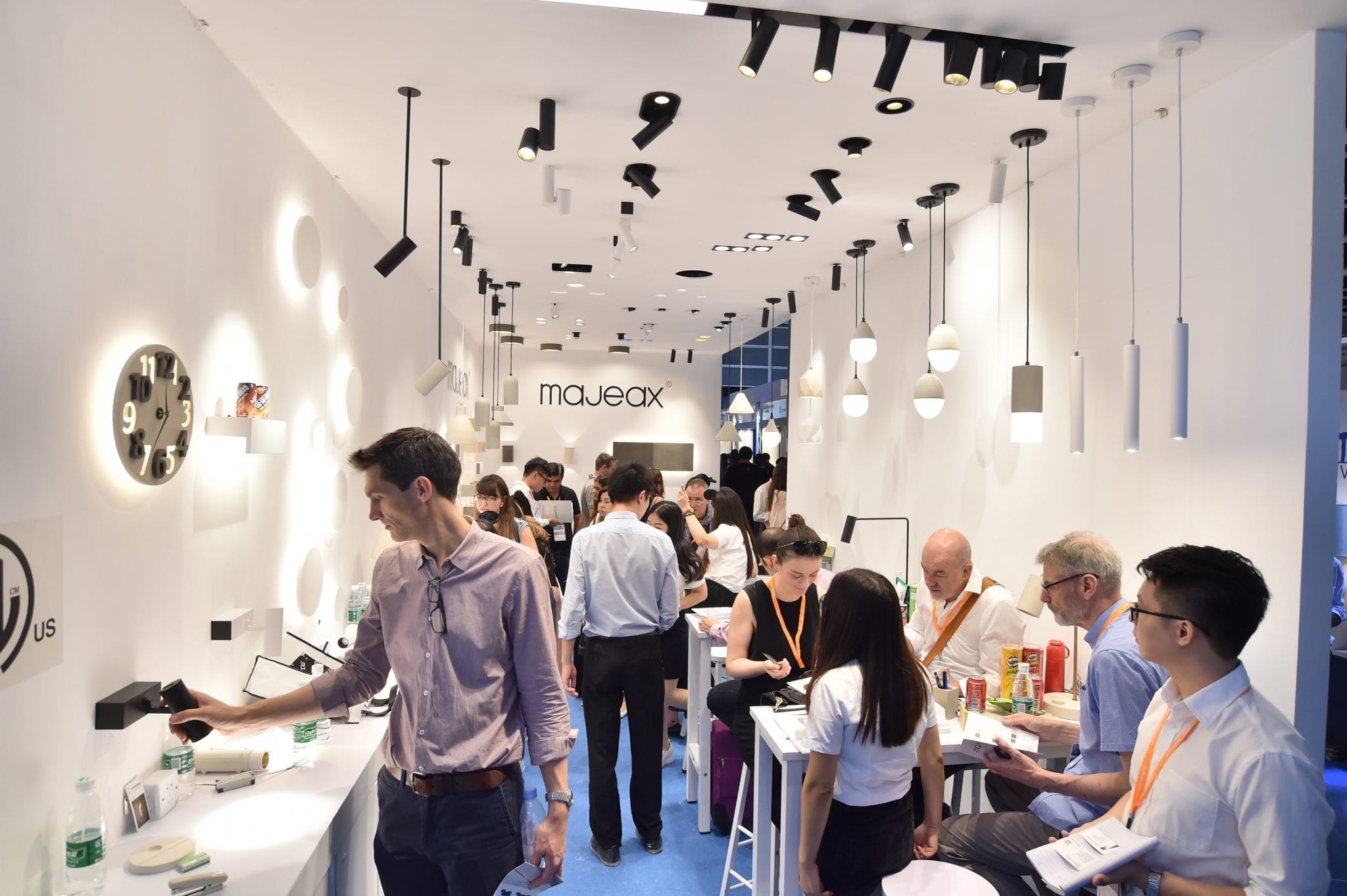
    Organised by the Hong Kong Trade Development Council (HKTDC), the 18th HKTDC Hong Kong International Lighting Fair (Autumn Edition) opened today and continues through 30 October at the Hong Kong Convention and Exhibition Centre (HKCEC). To encourage cross-sector business opportunities, the HKTDC has also launched the brand new HKTDC Hong Kong International Outdoor and Tech Light Expo this year, which runs from 26 to 29 October at the AsiaWorld-Expo.

    The inaugural Outdoor and Tech Light Expo and the 18th HKTDC Hong Kong International Lighting Fair together form the world’s largest lighting marketplace, welcoming over 3,000 exhibitors from 37 countries and regions to showcase their state-of-the-art lighting products and solutions. Compared to last year’s lighting events, the number of exhibitors this year has increased more than 10 per cent, which reflects the industry’s positive sentiment towards the market. Products such as LED green lighting, smart lighting and outdoor lighting products are in particularly sharp focus.

    The HKTDC has organised 77 buying missions with more than 7,000 buyers from over 4,900 companies, to seize new business opportunities during the fair period. Notably, a number of renowned lighting products distributors from emerging markets are participating in the buying missions, such as Etna Home Store from Brazil, Wipro Enterprise Ltd from India, Anh Minh Chau Trading from Vietnam, Seng Hup Lightings & Decor from Malaysia, LEDIN Sp. z o.o. from Poland, and Huda Lighting from the United Arab Emirates.

    Energy-efficient products and creative designs in the limelight

    The HKTDC provides a professional sourcing platform for the lighting industry by gathering exhibitors from around the world to present new energy-efficient and creative products as well as the latest technologies to potential buyers. This year, the Lighting Fair welcomes a record of over 2,650 exhibitors from 37 countries and regions. Companies from Canada, Hungary, Ukraine and the UAE are taking part for the first time, offering more diversified options for buyers.

    One of the fair’s highlights, Hall of Aurora features 530 local and international brands, including BJB, Citizen, EGLO, Lumileds, Neo-Neon and Megaman.

    To keep abreast of industry trends, more than 1,000 exhibitors are displaying a wide variety of energy-efficient products at the LED & Green Lighting zone, providing innovative energy-efficient lighting solutions. Other thematic zones include Smart Lighting & Solutions, Commercial Lighting and Household Lighting.

    Among the many innovative and creative products at the fair are the world’s first spiral shaped filament LED light bulb SIMBULB (Booth: 1D-D36), which won the Good Design Award 2015 and Red Dot Award 2016; the smart Aroma Diffuser Lamp (Booth: 1B-E37) that serves as a diffuser, humidifier, Bluetooth music player and lamp; 180 degrees motion activated LED Security Light (Booth: 3C-D18) equipped with a WiFi-enabled camera, built-in microphone and speaker, and a Floating Bulb (Booth: 3B-D35) that uses magnetic floating and wireless induction technologies.

    Inaugural Outdoor and Tech Light Expo makes bright debut

    Building on the success of the World of Outdoor Lighting & Lighting Accessories 2015, this year the HKTDC is expanding the scale of the event by launching the debut Hong Kong International Outdoor and Tech Light Expo, which opened yesterday and runs until 29 October at the AsiaWorld-Expo, to meet market demand and foster cross-sector business.

    The inaugural fair gathers about 380 exhibitors from Hong Kong, the Chinese mainland, Malaysia, Korea and Taiwan. It comprises four major zones: Outdoor Lighting, Lighting Accessories, Parts and Components, Professional and Industrial Lighting, as well as Advertising Lighting. A wide range of unique professional and industrial lighting products for different working environments are on show, including the LED Down Lights by Hella Marine made of high-grade 316 stainless steel, which is popular among the automotive, marine and industrial sectors (Booth: 10-A05), and the APOLLO 2 Series LED Street Light, which is made of die cast aluminium and equipped with a lightning and surge protection system (Booth: 8-G02).

    During the Lighting Fair and Outdoor and Tech Light Expo, renowned industry experts are invited to explore technological breakthroughs and analyse the latest market trends. Today’s (27 October) seminar on “The Latest Development of Smart Lighting” at the HKCEC features representatives of LEDinside from Taiwan, Leedarson Lighting Holdings Pte Ltd from Singapore and Neonlite International Ltd sharing up-to-date smart lighting technologies and product trends. Another seminar, “Latest Standards and Regulations for LED Products” will be held tomorrow (28 October) at the AsiaWorld-Expo. Experts from leading companies including TUV SUD, Intertek HK and DEKRA will discuss the regulatory standards for LED products in the United States, Australia, Asia and the Middle East.

    In addition to the lighting events, the Hong Kong International Building and Hardware Fair and Eco Expo Asia run from 26 to 29 October at the AsiaWorld-Expo. The four parallel fairs generate strong synergy across related business sectors, adding value to the experience for exhibitors and buyers and creating more business opportunities. A free shuttle bus service between the HKCEC and AsiaWorld-Expo is provided during the fair period.

    Hong Kong: a trading and distribution hub for the lighting industry

    In the first eight months of 2016, the total value of Hong Kong’s exports of lighting products reached HK$6.1 billion. The city’s top three export markets are the US, the Chinese mainland and Japan, which together account for nearly 60 per cent of the total export value. Hong Kong’s exports of lighting products to the US increased by 2.8 per cent compared to the same period last year.

  • Hong Kong’s NOSH by Secret Ingredient Wins Investment with Alibaba Entrepreneur Fund

    Hong Kong’s NOSH by Secret Ingredient Wins Investment with Alibaba Entrepreneur Fund

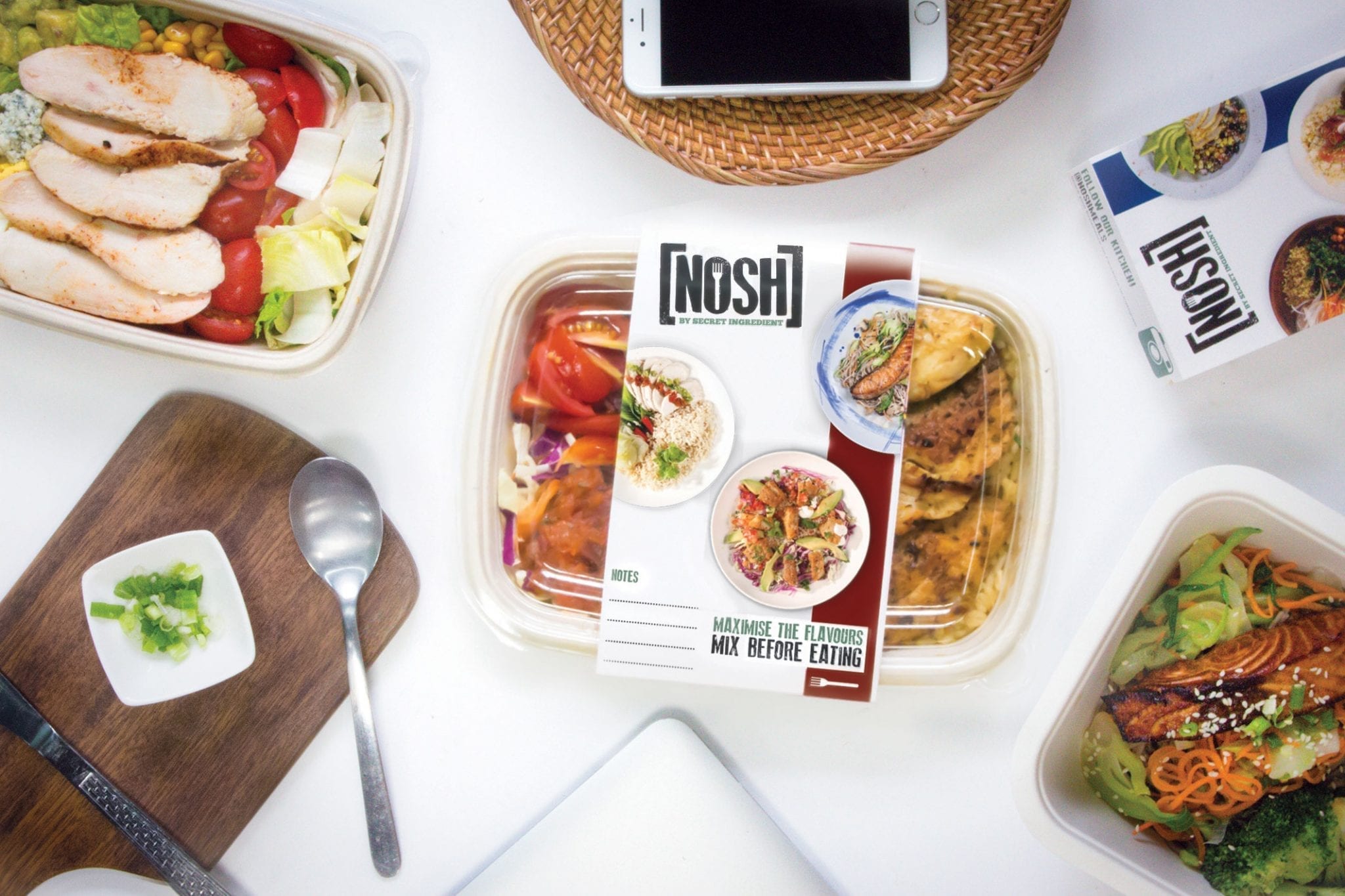
    Hong Kong’s first online to offline (O2O) healthy meal delivery concept, NOSH announced its latest round of fund-raising with the Alibaba Entrepreneur Fund. The investment will support NOSH in further revolutionising the food delivery and takeaway industry, meeting Hong Kong’s fast-growing market demand for convenient and affordable healthy meals.

    Created by the entrepreneur and chefs behind the award-winning Secret Ingredient, NOSH designs healthy meal options and uses cooking methods backed by a unique operation model specifically tailored for delivery. All chef-prepared nutritional meals contain less than 550 calories and are formulated to travel well, delivering to customers within 30 minutes.

    Alibaba Entrepreneur Fund, a not-for-profit fund launched by Alibaba Group, focuses specifically on finding opportunities with start-ups in Hong Kong.  Its financial investment will support NOSH in network expansion, sales & marketing and securing future partnerships. Alibaba’s international network and eco-system will also help the company grow its focus on inventory management and customer data.

    Founder Max Von Poelnitz shares, “We are extremely excited to work with Alibaba to change the game in the food delivery market in Hong Kong and abroad, making healthy, delicious and responsibly sourced food conveniently accessible and more affordable to our Hong Kong customers.”  

    “Without a restaurant space, we have created a unique meals-to-your-door concept that enables our delivery and retail partners to meet the evolving demands of our time-constrained, quality-conscious and price-sensitive consumers.”

    In line with the investment, the business is diversifying their offering by developing a complete Chinese-cuisine series that will use sustainable produce.  NOSH also has a full corporate business line that caters to companies across Hong Kong, giving their staff healthy and fresh meal options. Currently partnering with over 50 corporates, they are working towards joining forces with schools and hospitals. 

    Partnering with Food Panda, Deliveroo and Mai Dan, NOSH is available for individual orders between Kennedy Town and Chai Wan, while delivering corporate orders to Hong Kong Island and Kowloon.  In mid-November, the company will soon expand its service to Olympic and Tseung Kwan O to cover customers in Kowloon and the New Territories.

  • Sa Sa profit drop looms

    Sa Sa profit drop looms

    Sa Sa profit is expected to fall 35 to 45 per cent for the six months ended September 30.

    The Hong Kong-based cosmetics retailer has issued a profit warning, citing a drop in both sales and gross profit margin of its Hong Kong and Macau business, weaknesses in some overseas stores and decline in online profits.

    Meanwhile, the group has recorded a 2.3 per cent decrease in retail and wholesale turnover to HK$1910.9 million (US$246.3 million) for its second quarter.

    In other markets, including China, Malaysia, Singapore, Taiwan and Sasa.com), the group’s turnover fell 2.9 per cent. For Hong Kong and Macau, turnover was down 2.2 per cent to HK$1552 million, total sales easing by 2 per cent while same-store sales were 2.5 per cent down on a year-on-year basis.

    However, there was a 3.9 per cent rise in the number of transactions because of increased traffic growth. The number of transactions of Hong Kong and mainland customers rose by increased by 1.8 and 5.9 per cent respectively, while the average sales per transaction fell by 5.5 and 6.9 per cent respectively.

    Improved sales performances, says the group, were a result of its efforts to adjust product offerings to meet market demand. The resulting change in product mix intensified downward pressure on gross profit margin for the quarter.

    For the National Day Golden Week holiday from October 1 to 7, the group’s retail sales in Hong Kong and Macau had positive growth of 13.8 per cent, with same-store sales growing by 12.4 per cent.

    As at September 30, the group had a total 283 stores/counters, down from 288 at June 30. Hong Kong and Macau has 113 outlets (up one), China 53 (down two), Malaysia 68 (down one), Taiwan 26 (down five). Singapore was steady at 23 outlets.

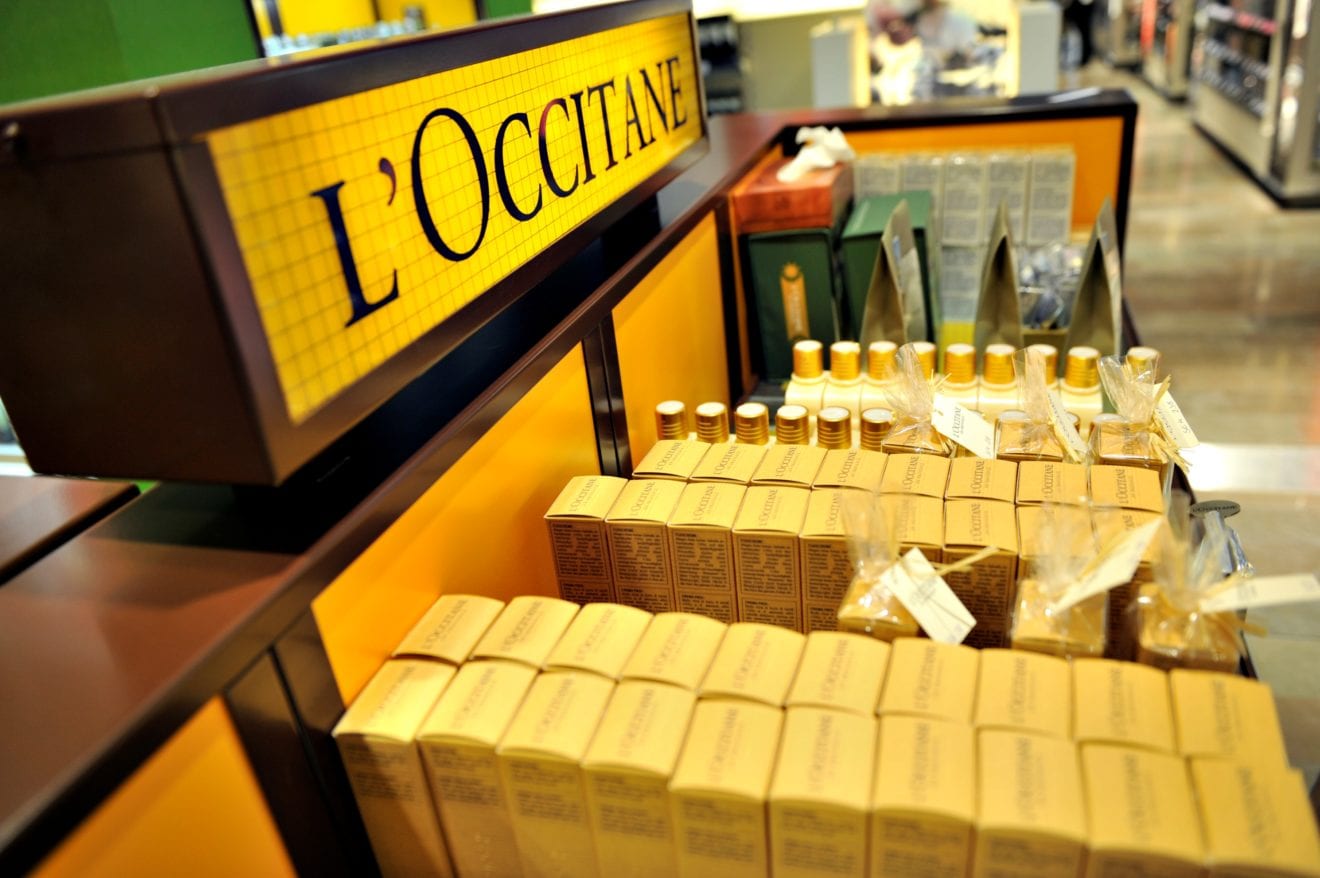
  • Sales edge up for L’Occitane International

    Sales edge up for L’Occitane International

    Group net sales grew by 1.3 per cent for cosmetics and wellbeing products retailer L’Occitane International for the six months ended September 30

    This figure was at constant exchange rates, being 0.9 per cent at reported rates – both an improvement from the first quarter. The company says this was mainly because of the contribution of stores opened last year and this year, marketplaces, wholesale and distribution.

    L’Occitane’s emerging brands also showed encouraging growth.

    Japan’s growth rate of 15.9 per cent was a result of the strengthening yen, while local currency growth in China accelerated slightly to 5.4 per cent despite severe weather creating a challenging retail environment.

    Overall growth was hindered by sluggish retail sales in some markets, including Hong Kong.

    The group’s net sales at reported rates were €551.7 million (US$600.7 million), up 0.9 per cent over the same period last year. At constant exchange rates, sales growth was 1.3 per cent. Both are an improvement from the first quarter.

    For the six months, sell-out sales accounted for 72.6 per cent of net sales, amounting to €400.5 million, growth of 0.6 per cent. This was mainly contributed by non-comparable stores and other sales, including new and renovated stores, marketplaces, and cafe and spa businesses.

    Altogether these posted 13.7 per cent growth at constant exchange rates.

    Compared to the same period last year, the group’s eCommerce channels grew by 6.8 per cent to reach 10.1 per cent of total retail sales. Same-store sales fell 2.5 per cent through uncertainties brought by the weak global economy, threats of terrorist attacks in France and other European countries, economic uncertainties in the UK, the depressed retail market in Hong Kong as well as severe weather in some markets.

    Sell-in sales of €151.1 million accounted for 27.4 per cent of the group’s total sales, an increase of 3.2 per cent over the same period last year. This was primarily driven by the dynamic growth in wholesale and distribution channels of emerging brands, in particular Au Bresil, Erborian and Melvita.

    China was among the countries with highest sales growth in local currencies – 5.4 per cent, despite severe weather in the second quarter. This was mainly because of new stores, marketplaces and B2B.

    With the stronger yen, sales growth in Japan was 15.9 per cent.

    During the six months, the group maintained its selective global retail expansion by adding 32 stores, compared with 57 in the same period last year.

  • Manhattan Trumps Hong Kong as World’s Most Expensive Retail Market`

    Manhattan Trumps Hong Kong as World’s Most Expensive Retail Market`

    CBRE’s semiannual Global Prime Retail Rents Report found that prime retail rents grew 3.7 percent globally in the second quarter of 2016 from a year earlier, buoyed by consumer confidence in the U.S. and limited supply in Europe’s top retail markets. Regionally, prime rents grew the most in Europe, the Middle East and Africa (up 6.2 percent), followed by the Americas (up 3.9 percent) and Asia (2.1 percent). The report covers more than 90 markets across the globe.

    Prime rents are the highest achievable rents for a retail storefront in a market’s best location with the best quality and specifications of space.

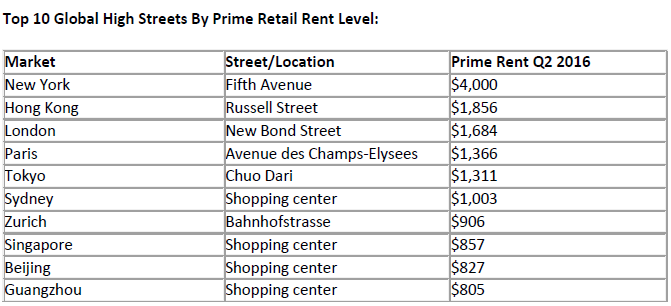
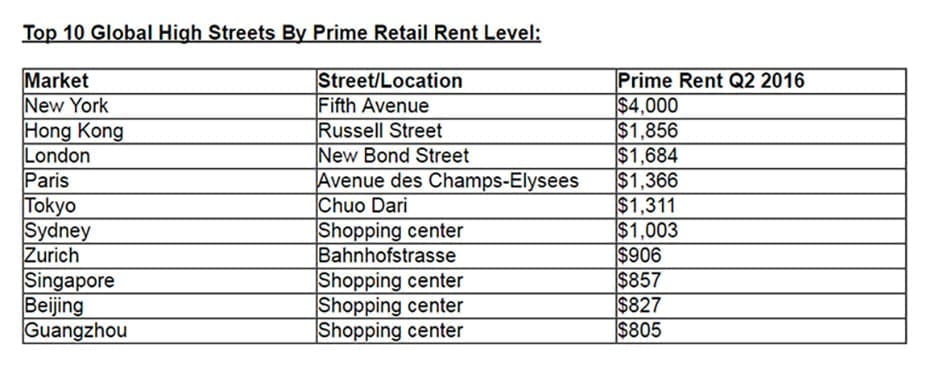
    The perennial top markets for global retail showed substantial divergence in the past year. Prime retail rents on New York’s Fifth Avenue between 56th and 58th streets increased by 14.3 percent in the past year to $4,000 per square foot per year as of this year’s second quarter. Meanwhile, prime rents on Hong Kong’s Russell Street declined by 33 percent to $1,856 per square foot per year amid a slowdown in tourist arrivals from the Chinese mainland and more prudent spending by locals.

    “The cooling off of China’s economy has manifest itself in sharply lower rents in Hong Kong, which has allowed a new crop of retailers to enter the coveted city,” said Anthony Buono, Chairman of CBRE’s Global Retail Executive Committee. “At the same time, prime retail rents in New York can remain stable, but in the near term we will see more landlord concessions to accomplish rate stability. London, however has such scant supply of available prime space that its strong rent growth is likely to continue.”

    In Manhattan, many international and domestic retailers alike are willing to make substantial investments to establish a presence for their brand on the world stage of Fifth Avenue’s priciest blocks. Others are content to gravitate to nearby submarkets that are less expensive but still highly coveted as retail showcases, such as Times Square, Downtown Manhattan and Brooklyn.

    “New York’s high streets have gone through a dramatic evolution in recent years, with rates rising strongly amid a rather ebullient market running from 2013 to late 2015,” said Andrew S. Goldberg, a Vice Chairman of Retail Services in CBRE’s New York City office. “Over the past year, the market has cooled a bit, with increasing availability and more concessions, but it remains resilient. Manhattan, and Fifth Avenue, in particular, is a global showcase where the world’s top brands want to be.”

    Top-10-Global-High-Streets-By-Prime-Retail-Rent-Level.png

    In terms of growth or prime retail rents in the past year, Europe is the story. Half of the 10 fastest growing prime retail rents in the past year came in European markets, led by London with a 53.8 percent increase. The few spaces that come available on London’s high streets are pursued by numerous aspiring lessees, resulting in steep rents.

    Other European markets among the top 10 for prime rent growth are Rome (28.9 percent increase); Milan, Italy (20 percent); Sofia, Bulgaria (12.5 percent); and Warsaw, Poland (11.1 percent). Asia Pacific landed two markets in the top 10: Auckland, New Zealand (23.7 percent) and Sydney, Australia (14 percent). The Middle East had one: Dubai (12.5 percent). And the Americas had two: New York (14.3 percent) and Seattle (11.1 percent).

    Other notable U.S. markets reflected as gainers in the report include Chicago (9.4 percent increase); Washington, D.C. (8.7 percent); Denver (7.7 percent); and San Francisco (3.8 percent). The only major U.S. market to register a decline in its prime retail rent was Miami, which posted a 7.1 percent loss on tempered tourism from Latin America due to challenged economies there.

  • High street rents go, well, sky-high

    High street rents go, well, sky-high

    Current retail thinking that the high and the low ends are driving the industry has gotten a boost from CBRE Group.

    High street rents are off the charts worldwide, according to company’s just-released Global Retail Rents report. Rents in prime shopping locations during the second quarter were up 30% in Rome, 24%, 20% in Milan, and 14% in Sydney and New York.

    New York’s Fifth Avenue remained the prime of “The Prime,” with an average per-sq.-ft. rent of $4,000. Next in CBRE’s tally came Hong Kong’s Russell Street at $1,856, London’s New Bond Street at $1,684, and Paris’s Avenue des Champs-Elysees at $1,366.

    Interestingly, rents on Russell Street posted the biggest decline from second quarter 2015, plummeting 33%. The reason, according to CBRE: Fewer tourists from Mainland China and economizing locals.

    “The cooling-off of China’s economy has manifested itself in sharply lower rents in Hong Kong, which has allowed a new crop of retailers to enter the coveted city,” said Anthony Buono, chairman of CBRE’s Global Retail Executive Committee. “At the same time, prime retail rents in New York can remain stable, but in the near term we will see more landlord concessions to accomplish rate stability.”

    Rents on New Bond Street are like to keep rising, Buono added, due to a scant supply of prime retail space in London.