Tag: Hong Kong

  • Google Android Pay lands in Hong Kong

    Google Android Pay lands in Hong Kong

    Google may be blocked in mainland China, but it’s Android Pay mobile payment service has just launched in the freer environs of Hong Kong.

    The mobile payment service from the American Internet company has launched in Hong Kong and is now available at thousands of retail outlets.

    Android Pay is a “one-click payment” service launched by Google. It features NFC communications technology and can be used on devices starting with the KitKat 4.4 Android system.

    Android Pay is similar with Apple Pay, which supports rapid and convenient payment functions via smartphones. Apple Pay launched in Hong Kong and mainland China earlier this year.

    Android Pay has established partnerships with the Bank of East Asia, DBS, Dah Sing Bank, Hang Seng Bank, HSBC, and Standard Chartered Bank in Hong Kong. At the same time, Android Pay gained support of over 5,000 retailers, including 7-11, Circle K, Fortress, Mannings, Maxims Cakes, MX, and McDonald’s.

  • Rising price of gold leaves hefty dent in jeweller Luk Fook’s sales

    Rising price of gold leaves hefty dent in jeweller Luk Fook’s sales

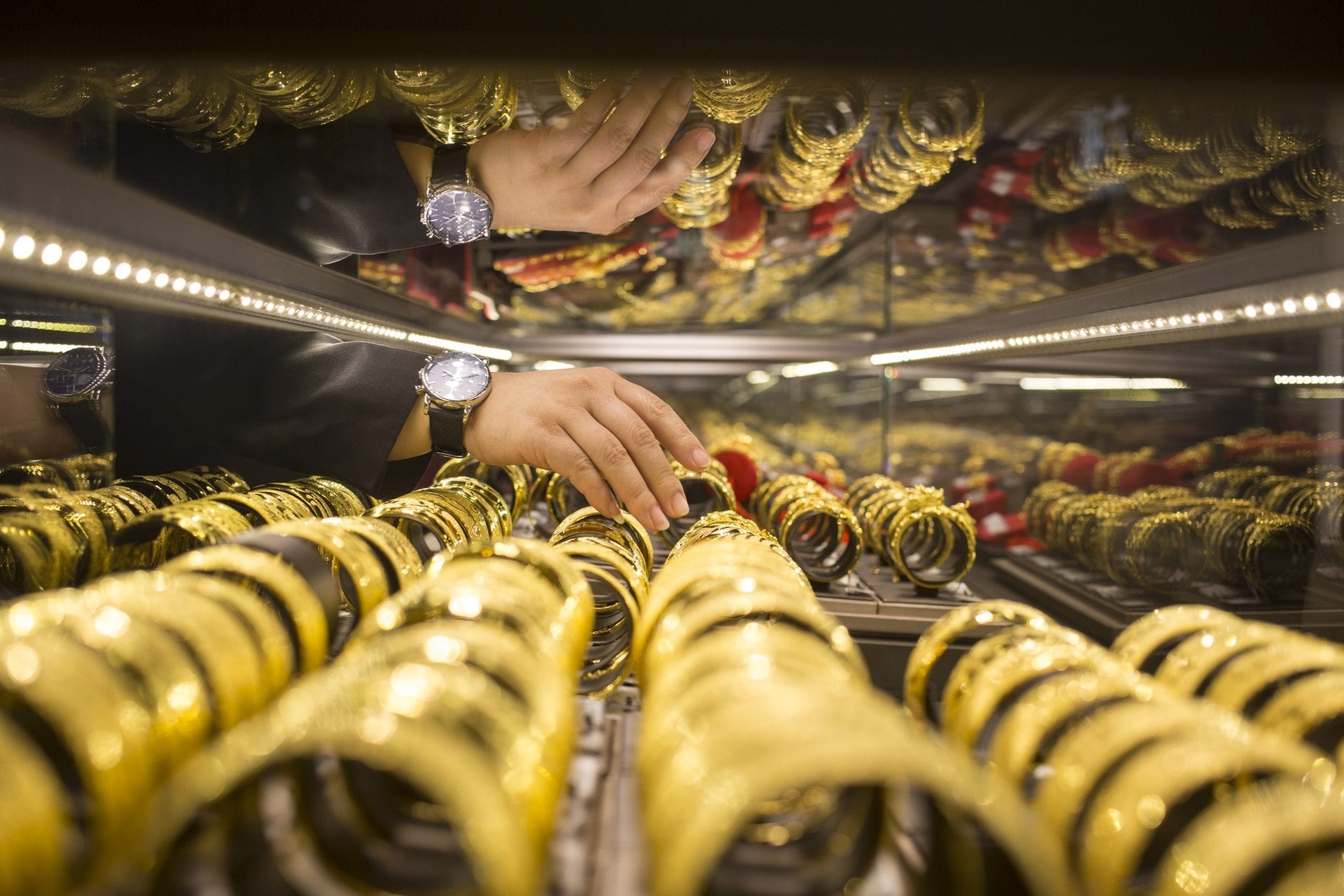
    Surging gold prices, and a mini gold rush in 2015 have been blamed by leading Hong Kong jewellery retailer Luk Fook Holdings for a sharp fall in sales during its second quarter.

    The retailer which operates over 1,400 retail outlets in mainland China, Hong Kong, Macau, Singapore and North America, saw same store sales decline 37 per cent in the three months to September (its second quarter) on the same period last year, which was weaker than expected, Bank of America Merrill Lynch analyst Tina Long said in a note.

    Much of the decline was due to gold sales, which recorded a 47 per cent fall in same store sales in the second quarter year on year , worse than competitor Chow Tai Fook’s 36 per cent decline.

    Sales of gemsets, items designed using various types of gem stones, fell 14 per cent, better than the 23 per cent drop seen by peers, but started moving into single digit growth in September and October.

    Sales were better in the mainland than in Hong Kong, which still accounts for 75 per cent of its revenue. Mainland sales fell 23 per cent, while combined sales for Hong Kong and Macau fell 37 per cent in the second quarter.

    Luk Fook’s management said in a statement the deterioration in gold sales this year was being compared with what had been a high base in 2015, thanks to the mini gold rush in July and August.

    That had been coupled with “overall sluggish retail sentiment” and the gold price rally in the same period this year.

    Daiwa analyst Jamie Soo noted that Hong-Kong based competitor Chow Tai Fook had released sales performance figures for the same period which showed a “similarly lacklustre performance”.

    Gold prices rallied to a three-year high in July as investors chose “safe haven” assets following Britain’s vote in June to leave the European Union.

    Gold futures were trading at over US$1,370 per ounce in July and August, but have dropped back down to $1,267.

    Both Long and Soo expect things to get brighter for the jewellery retailer, with Soo noting September had seen low single digit growth, mainly driven by an improvement in sales of gemsets.

    “Management also indicated that there has been slight improvement in gemset sales in Hong Kong and Macau,” he said.

    This momentum had continued into China’s national “golden week” holiday in October, and the management has said they believe there were signs of stabilisation, Soo said.

    Long expected a more favourable movement in the gold price and a better-than-expected recovery in consumer sentiment to help push the price objective up.

    “We think that sales bottomed in July, and kept improving thereafter with positive growth for gemsets seen in both September and October in Hong Kong and mainland,” Long said.

    Long estimated this year’s net income to slip from HK$959 million last year to HK$951 million before bouncing up to HK$1,072 million next year, still down on 2015’s HK$1,615 million.

    Long expected the share price to trend upward, helped by lower rental costs for retail outlets, although she lowered her price objective for Luk Fook from HK$21.70 to HK$21.00.

    “Luk Fook would be the biggest beneficiary from the recent upward trend of gold price due to its smallest hedging ratio of 15 per cent to 20 per cent,” she said.

    “We see re-rating more likely as sentiment towards gold stocks improves.”

    But Long warned that there were a number of risks to the rating, including a slowdown in Hong Kong tourist growth and depreciation of the yuan and gold prices.

    Retail sales in Hong Kong plunged 10.5 per cent in August on dwindling visitor numbers – the steepest decline since February, and the 18th consecutive monthly contraction.

    Luk Fook Holdings was trading at HK$20.25 on Monday, while Chow Tai Fook was trading at HK$5.63.

  • Samsung Galaxy Note 7 Still Available for Purchase in Hong Kong Despite Recall

    Samsung Galaxy Note 7 Still Available for Purchase in Hong Kong Despite Recall

    For example, a good place to look for a Note 7 is Hong Kong, as a store there is selling the recalled model at a special price, even though it’s pretty clear that using this phone is no longer recommended.

    Samsung: Stop using the Note 7!

    Samsung made it very clear in the official recall published October 13 that using a Note 7 is no longer safe, so it’s working with retailers to get all phones off the market and replace them with S7 Edge or offer full returns to customers.

    “Since the affected devices can overheat and pose a safety risk, we are asking consumers with a Galaxy Note7 to power it down and contact the carrier or retail outlet where they purchased their device,” Samsung explained.

    ‘So why would anyone still purchase a Note 7?’ you could ask. The answer is pretty simple: if they get a Note 7 at a special price (read heavily discounted), they can then return it to Samsung and receive a brand new S7 Edge, the price difference between the two, as well as $100 in bill credit.

    So it could all prove to be a pretty smart move for those looking to make some extra money, although we’re pretty sure that there’ll always be people saying that it is not worth the effort.

    In the meantime, keep in mind that using a Note 7 is not safe by any means, even though there are so many people out there who refuse to return it. The risk of overheating and the battery catching fire is pretty big, so it’s indeed a good idea to send it back to Samsung or the retailer and get an S7 Edge instead.

  • Foschini to open three more outlets after Junction Mall entry

    Foschini to open three more outlets after Junction Mall entry

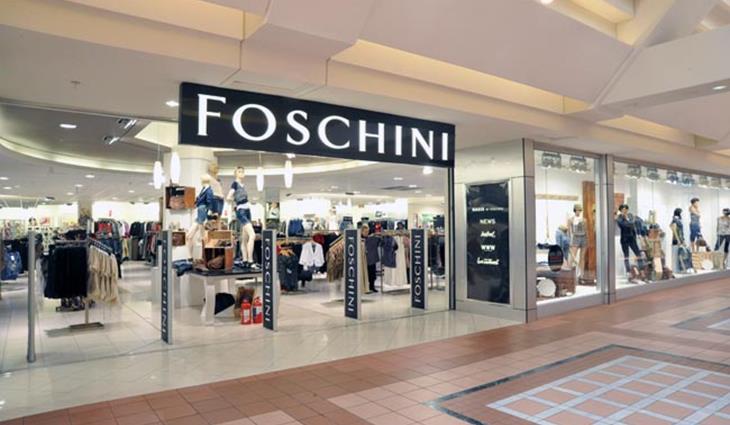
    South Africa’s clothing retailer Foschini Group has set its eyes on opening of three more outlets after marking its entry into the country with a branch at Nairobi’s Junction Mall.

    Foschini Group, which has 22 different retail brands under its label, has opened Sterns — a contemporary and classic Jewellery shop that targets individuals in the lower-middle, middle and upper income class — at the Junction Mall.

    The firm plans to open three additional stores — Foschini women’s wear shop, Markham targeting men and a second Sterns store — at the Village Market before the end of the year, with further plans to open 10 more next year.

    “Sterns store is our first entry into Kenya and the East African market. We’re bringing something fresh into a market that has for a long time been dominated by closed family businesses. We aim to cater to individuals in all categories,” said the Foschini Group Kenya area manager Isabelle Achila in an interview.

    The Fix and Exact fashion lines, Totalsports and Sportscene sports and street wear brands, AmericanSwiss — a jewellery line and @Home, a homeware and interior décor store, are other retail brands the group is looking to introduce in Kenya. Foschini’s entry is expected to create more than 100 jobs for locals.

    “We believe that Kenya is a strong emerging market with opportunities for growth. Our mission it to be the biggest retailer in Africa and we plan to introduce other brands that are doing well outside South Africa,” said Ms Achila.

    The group’s debut in the local market was scheduled to happen in 2015 but the delay in completion of the Two Rivers Mall where Foschini Group has booked 10 stores and the construction of the Village Market extension saw them push back entry dates. The firm had also embarked on an expansion drive in West Africa delaying its entry into the Kenyan market.

    “The reason why we have not rolled out as aggressively as we had anticipated and would want to is because the various places where we had booked space are yet to open and this has delayed our entry plans. We are specific when it comes to location and we were able to open our current branch at the Junction Mall because an opportunity we liked presented itself,” she said.

    Foschini Group deals in clothing, jewellery, accessories, sporting and outdoor equipment as well as homeware that target the middle and upper middle income markets.

    The group has a network of more than 2,100 stores in African countries that include Botswana, Nigeria, Ghana, Lesotho, Swaziland and South Africa. It also has an international presence with stores in Hong Kong, Mexico, Netherlands, Qatar and Switzerland, among others.

    South African brands are looking for markets outside the country to beat competition and grow sales from Africa’s growing middle class with disposable income.

    Edgars, another South African fashion chain retailer is also eyeing the local market, which is now billed as the second biggest retail market after South Africa.

    It is estimated that by 2020 Africa’s spending power will be Sh140 trillion ($1.4 trillion) up from Sh86 billion ($860 million) in 2008.

    Global players are now turning to emerging markets such as Africa for growth, attracted by rising disposable household incomes, fast economic growth and a young population, according a study by McKinsey & Co.

  • Causeway Bay and Tsim Sha Tsui retain allure for retailers in spite of sluggish times

    Causeway Bay and Tsim Sha Tsui retain allure for retailers in spite of sluggish times

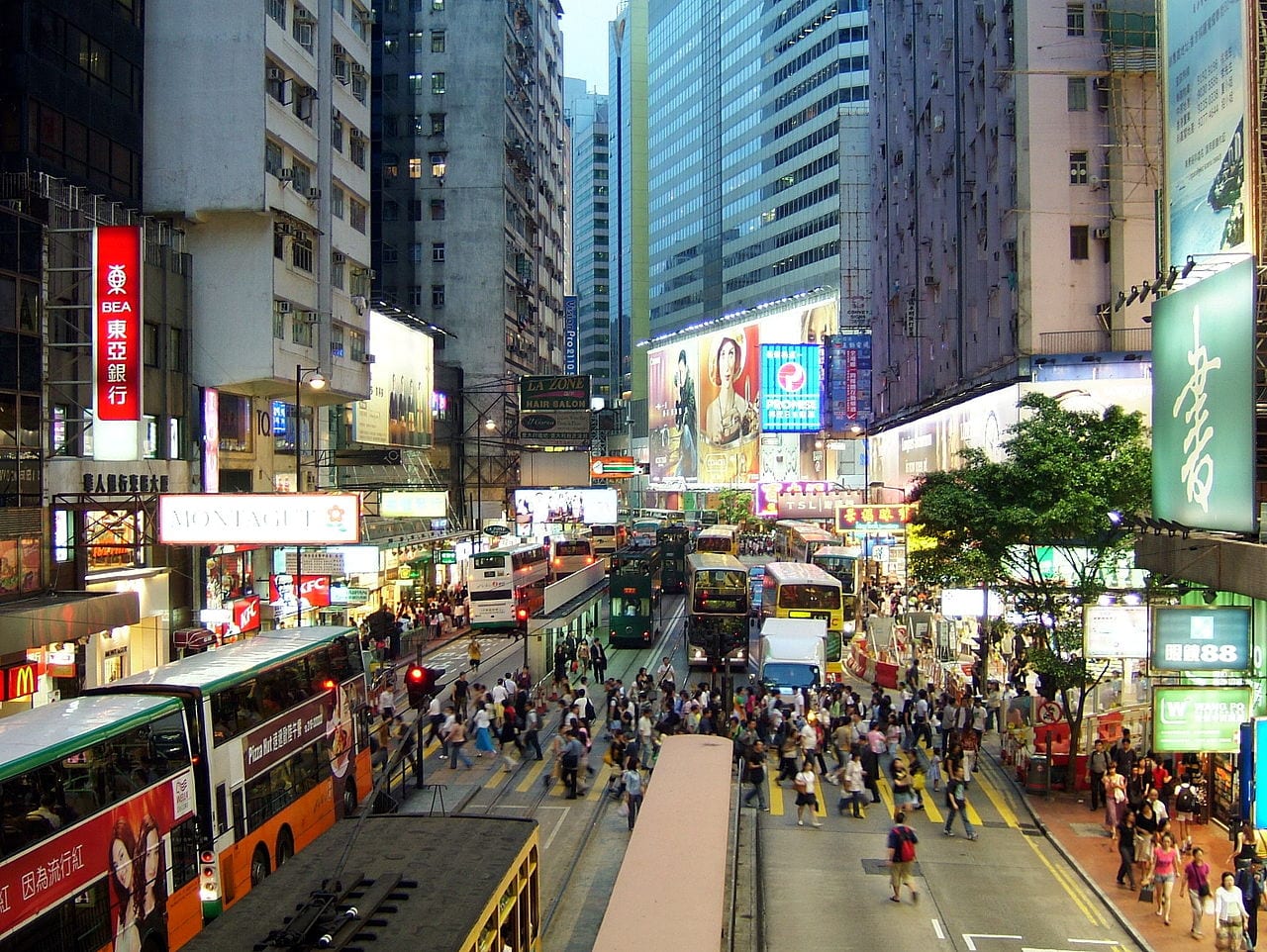
    The prime shopping hubs of Causeway Bay and Tsim Sha Tsui, among the most expensive in Hong Kong in terms of rental costs, remain attractive for retailers amid overall sluggishness in the sector.

    Retail rents in Causeway Bay fell 8 per cent in the rental index in the third quarter and 10 per cent in Tsim Sha Tsui, and they are expected to decline further next year, according to a Colliers International report.

    These declines came amid a 19-month drop in retail spending in the city, with overall sales dropping 9.6 per cent year on year in the first nine months of the year.

    Spending in Hong Kong has been depressed by an 8.7 per cent fall in mainland tourist arrivals during the period.

    The retail industry in the city as a whole is undergoing a consolidation as tourist traffic from the mainland continues to thin, pushing down shop rents in the near term, according to David Ji, the head of research for greater China at Knight Frank.

    In Hong Kong, the four major retail districts of Causeway Bay, Central, Tsim Sha Tsui and Mong Kok had all seen rental corrections, said Terence Chan, the head of Hong Kong retail at JLL.

    While Mong Kok has experienced less pressure from the flight of luxury brands, the property consultancy sees a 15 per cent correction for retail rents in the city as a whole this year.

    The decline was likely to bottom out next year with a correction of about 5 to 10 per cent, Chan added.

    He said that among the four major shopping districts, Tsim Sha Tsui would command the highest average rents in terms of gross floor area, at HK$2,000 per square foot per month. It was followed by Central, with an average monthly rent of HK$1,400 per square foot.

    Causeway Bay ranked third with an average of HK$1,200 per square foot.

    Chan said that while overseas brands would continue to focus on these four districts, established ones might seek to diversify their footprint with outlets in secondary areas such as Yuen Long.

    According to Ji, retailers will continue to favour Causeway Bay and Tsim Sha Tsui, but the trend of high-end luxury brands being ­replaced by sports, lifestyle and food and beverage outlets will continue.

    With Adidas leasing the space formerly occupied by a Coach store in Central and footwear outlet Joy & Mario replacing jewellery store Folli Follie in Causeway Bay, rents will inevitably continue to come under downward pressure.

    “We are now facing a ‘new normal’ trend,” Ji said. “It’s safe to say we are not going to see a drastic improvement. If retailers can hold their ground for the better part of next year, then it’s already a good situation.”

  • CASBAA confab debuts in Macau

    CASBAA confab debuts in Macau

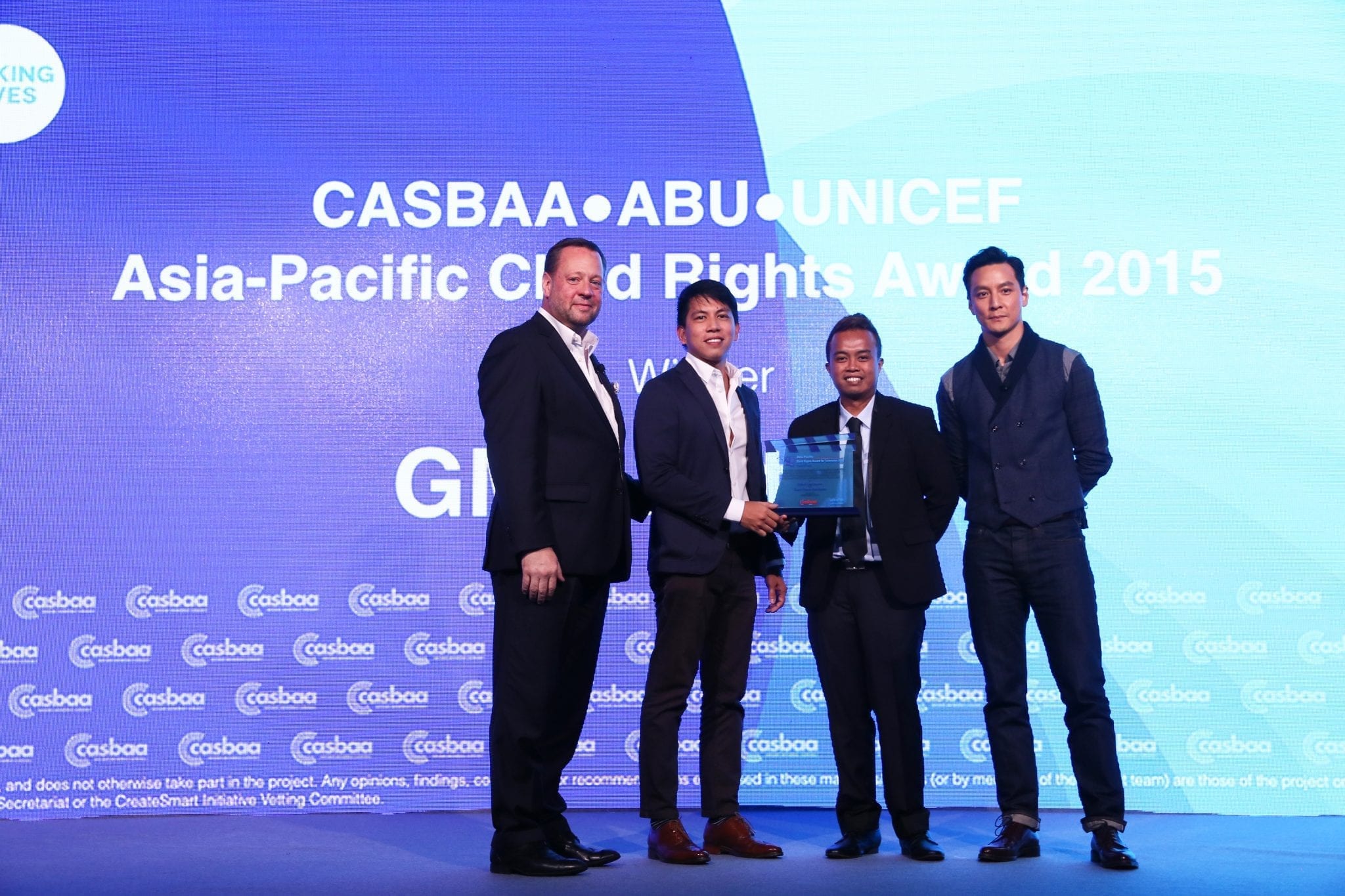
    The CASBAA Convention annual conference debuted in its new venue, Studio City, Macau, marking the 25th anniversary of CASBAA which is dedicated to representing key players from the cable and satellite broadcasting industry under the motto ‘represent, inform, connect’.

    Irwin Gotlieb, the Global Chairman for GroupM, was first to take to that stage to discuss the changing nature, and measurement of viewing behaviors. He also touched upon how the way to reach audiences via the marketing funnel is the same but a granularity of data can now inform decisions for each stage of the funnel. He underscored how media will continue to play a role becoming more targetable, addressable and eventually part of the transaction process.

    Also on the subject of measurement, Ben Reneker of S&P Global Market Intelligence highlighted how machine-driven predictive measurement models are now able to inform strategic decisions on marketing and investment.

    Oliver Wilkinson, managing director for PricewaterhouseCoopers, provided statistics to illustrate that pay TV is not dead, despite what the headlines say, and that it remains a primary form of entertainment.

    Doing deals in China was the topic for Bennett Pozil, EVP of East West Bank, who discussed the migration of content both ways as well as some of the pros and cons of doing business in China.

    Reaching a vast audience through tailored video and gaming content was the topic for Chad Gutstein, CEO of Machinima who highlighted that their most valued content was when viewers felt they had a connection to the creation of it. On a video note, Ricky Ow from Turner International predicted that Machinima’s e-Sports will be as successful as the English Premier League.

    James Schwab, co-president of VICE announced the opening of the company’s first full-service office in Jakarta, Indonesia.  He discussed how their local content policy over digital channels has helped the company grow exponentially over the last few years. The recent move into TV has been important for VICE as it gives them the ability to invest more in content.

    On the second day, Dave Downey, CEO of INVIDI Technologies, illustrated how “addressable” advertising could be used to predict viewing behaviors. Basil Chua, CEO from AsiaMX, talked about the need to understand viewer habits, flagging that they are watching content not devices. Both believed that the advertising formats would result in big wins for operators.

    Intrinsically linked to the advertising discussion is the subject of measurement and Craig Johnson, Nielsen’s media managing director for South East Asia, Pacific and India, highlighted some of the current challenges OTT has presented with measurement, suggesting that viewership on other devices could represent an additional 15% to 20% of media usage that is not accurately measured yet. The introduction of smart-meters could help more accurately chart multi-device viewership and content sources.

    Content from Japan took the spotlight with Eriya Kawachi, director of sales and promotions at Club TV Japan, showcasing some platforms that have been winning in popularity outside of Japan with Club TV. Richard Woo, consultant for WAKUWAKU JAPAN, discussed how Japanese content is well known for its creativity, uniqueness and a certain wackiness.

    Korean content also featured on the agenda with Miles Ki Young Choi, founder and CEO of Bethel Group Media Contents, talking about how interactive content was key to the future, flagging interactive drama as something they were championing. Byeong-Joon Song, CEO Group 8, saw simultaneous distribution as important for Korean content, highlighting difficulties with penetrating the Chinese market and Tom Taehyun Kim, CEO and executive producer at K Production, confirmed that superb storytelling was of course essential for content to have wider appeal.

  • Thai AirAsia has plans to expand its fleet in China

    Thai AirAsia has plans to expand its fleet in China

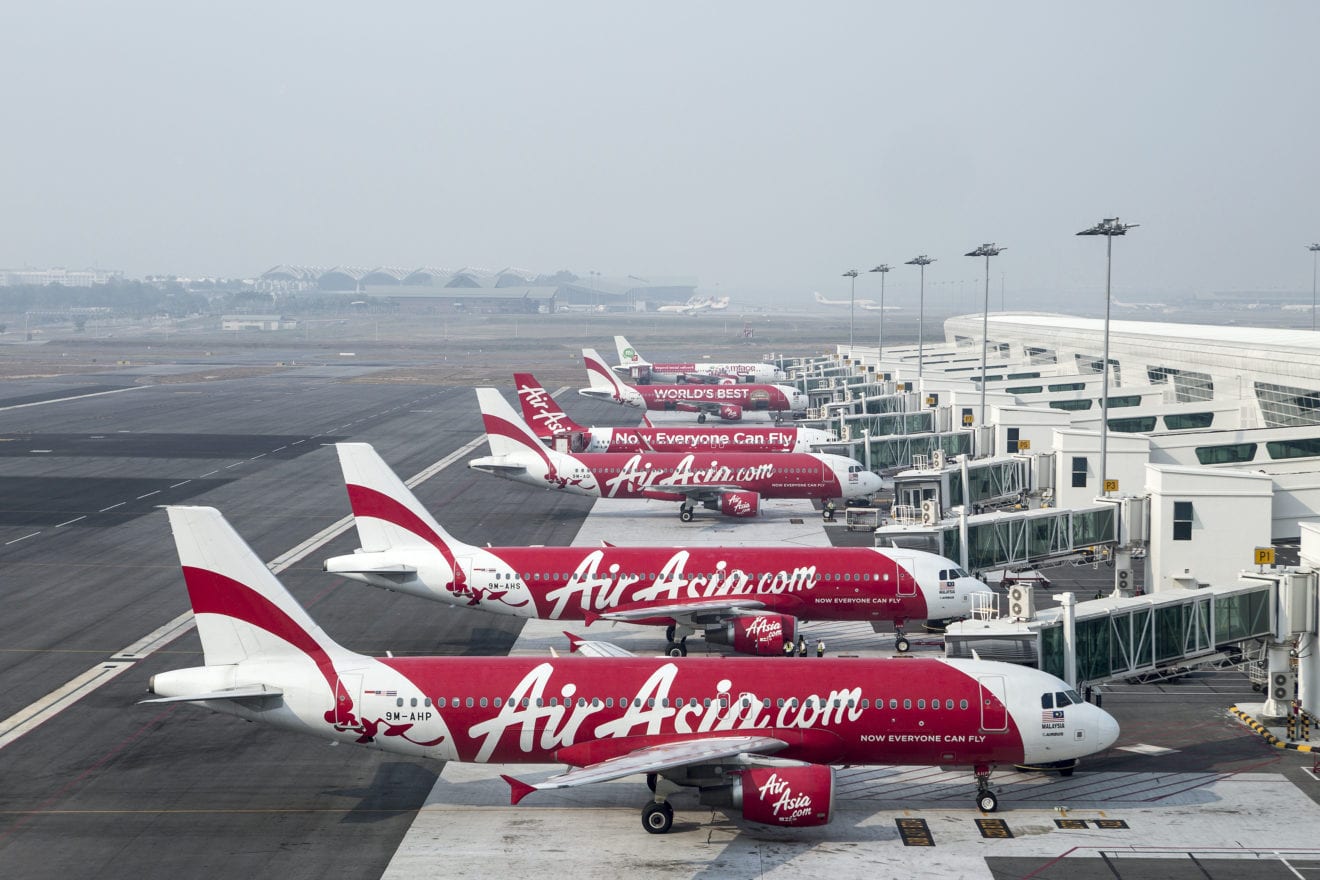
    Low-cost carrier (LCC) Thai AirAsia has plans to expand its fleet in China, revealing that it is planning to add five to six aircraft per year over the next few years.

    Thai AirAsia CEO Tassapon Bijleveld told that half of the additional aircrafts would be allocated to China, its largest international market.

    China has accounted for 26 percent of the carrier’s total international capacity to date. Thai AirAsia currently, has 38,880 weekly seats across 14 routes in the Thailand-China market.

    CAPA–Center For Aviation stated that China accounts for 13 of the combined 35 international destinations to which Thai AirAsia/Thai AirAsia X flies.

    Thai AirAsia currently serves 11 destinations in mainland China. Its sister medium/long haul LCC Thai AirAsia X serves another two Chinese destinations.

    The airline, a joint venture between the Malaysia’s AirAsia and Thailand’s Asia Aviation, is keen to grow its base at U-Tapao near the city of Pattaya, which opened in September 2015 and is linked to Macau.

    The expansion on the U-Tapao/Pattaya base would enable new routes to China.

    The low-cost airline has two A320s based at U-Tapao operating three domestic and four international routes – including the two mainland Chinese routes, Macau and Singapore.

    According to Bijleveld, all the U-Tapao routes “are doing very well”, and the Pattaya market is promising.

    The carrier is also considering launching routes from Hat Yai to Hong Kong, Macau and Singapore.

    Through the first three quarters of 2016, Thai AirAsia’s passenger numbers increased by 19 percent to 12.86 million.

    Thai AirAsia plans to add five A320 neos aircraft in 2017. Under its current five-year fleet plan it envisages a fleet of 71 aircraft by the end of 2020.

    Further, Thai AirAsia is also expanding in India, which it referred to as a logical growth market for Thailand.

  • 3HK to offer a year’s free OTT video subscription

    3HK to offer a year’s free OTT video subscription

    Hutchison Telecommunications Hong Kong Holding’s mobile division 3 Hong Kong is offering a year’s free subscription to its premium subscription TV and VOD service to all new and existing 4G users.

    The mobile version of the myTV SUPER and TVB Premium subscription VOD service will be made available free of charge. A 12-month subscription has a usual price of HK$380 ($49).

    The operator has also launched the TVB Data Pack subscription service, offering 1GB, 3GB or 6GB of data for HK$20, HK$50 or HK$80 respectively.

    HTHKH COO Jennifer Tan said the company has introduced the offer to help usher Hong Kong into the 4.5G era after converging its FDD and TDD networks.
    “Our smooth and stable network, together with abundant bandwidth from our 4.5G network, provides the capacity needed to build an OTT service platform, so we are now ready to carry all kinds of dynamic mobile apps,” she said.

    “myTV SUPER has become one of the most popular OTT offerings following inception earlier this year – and we are delighted to offer 12 months’ service free of charge to all 3 Hong Kong’s 4G users to help celebrate launch of our 4.5G network.”

    Broadcaster TVB has been expanding the reach of its myTV SUPER subscription TV service. Earlier this month, the broadcaser expended its relationship with fixed line operator HKBN to cover the delivery of more myTV SUPER set top boxes for the company’s fixed line customers.

  • Retail decline in China, says Fitch report

    China’s traditional retail industry is continuing to decline with demand likely to “remain muted” into next year, according to a new Fitch report.

    The credit rating agency’s report covers shops and and department stores.

    “Not only are shopping preferences changing, but declining consumer sentiment affected retail sales in several categories this year,” analysts Yee Man Chin and Cathy Chao say in the report. “We think the rapid change in shopping formats will increase competition, and therefore expect persistent weak sales for traditional retailers as consumer preferences evolve.”

    In the first nine months of this year, the top 50 domestic retailers saw sales fall 1.9 per cent, representing a slowdown in growth of 2.6 per cent compared to the same period last year, according to the China National Business Information Centre.

    Despite the country’s middle class expanding, sentiment has been dampened by a devalued renminbi and the economic slowdown, says Chin and Chao. Shoppers are now increasingly favouring eCommerce, which makes up 20 per cent of the country’s retail sector, and shopping malls over traditional channels such as department stores and street-level stores.

    This is reducing profitability for retailers who run their own stores with a fixed cost base for rent and staff, the analysts say.

    While the retail sector expanded 10.4 per cent in the first-three quarters of the year, the growth was largely from online sales, which surged 26.1 per cent year-on-year to 3.5 trillion yuan (US$513.8 billion), according to data from the National Bureau of Statistics (NBS).

    Same-store sales for Parkson Retail Group fell 9.7 per cent in the first half, while for the Golden Eagle Retail Group the drop was 8.7 per cent. Chinese shopping centre group Intime Retail, which is backed by Alibaba, had a 3.7 per cent fall in sales in the first nine months of the year.

    More competitive

    Weakness in the industry is making the retail environment increasingly competitive, say Chin and Chao. “Retailers can gain an edge by improving their product mixes, because certain industry segments such as sporting goods are continuing to grow.”

    Sports companies went through consolidation in 2012, and with consumers becoming more health-conscious, suppliers like 361 Degrees International “should benefit accordingly from sales growth,” says the Fitch report. A Chinese athletics brand, 361 Degrees has seen same-store sales growth rebound by more than 5 per cent since 2013.

    Traditional retailers are also resorting to new tactics to attract customers. These include “experimental shopping” whereby outlets increase their F&B, lifestyle and entertainment options, as well as linking online-to-offline shopping capabilities, the analysts say.

    Through “gimmicks” and technology adoption, retailers can draw millennial and middle-class shoppers by offering digital and personalised shopping, says Colliers International (Hong Kong) associate director of research Joanne Lee.

    “We believe technology will come into the market, and artificial intelligence or virtual reality will enhance the shopping experience,” she says.
    Her colleague director Daniel Shih says social media will be a focal point for the future, for both retailers and shopping centres.

    These strategies have been evident in the roll-out of the annual Singles Day shopping event hosted by Alibaba, reports the South China Morning Post.

    While retailers can take steps to reduce costs, such as reducing inventory or closing stores, Fitch says the structural challenges facing the retail sector are likely to persist.

  • Hong Kong Wine & Spirits Fair Uncorks Asian Opportunities

    Hong Kong Wine & Spirits Fair Uncorks Asian Opportunities

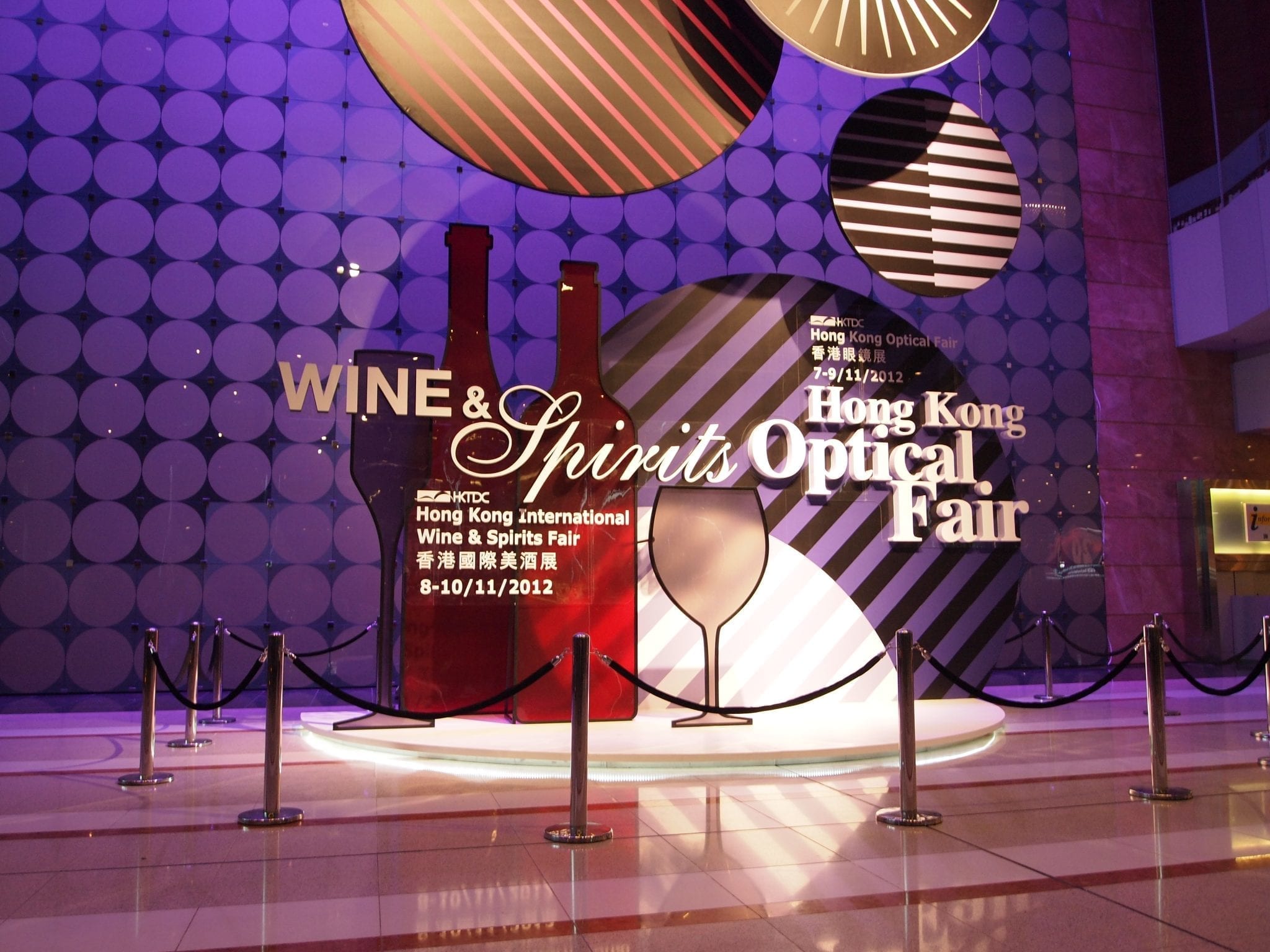
    The ninth Hong Kong International Wine & Spirits Fair, organised by the Hong Kong Trade Development Council (HKTDC), concluded on Saturday (12 November). Held at the Hong Kong Convention and Exhibition Centre (HKCEC) from 10 to 12 November, the fair gathered more than 1,060 exhibitors from 37 countries and regions to showcase a sparkling range of global wine offerings.

    The three-day fair attracted close to 20,000 buyers from 68 countries and regions. Attendance from individual countries recorded encouraging growth including the Chinese mainland, Japan and Taiwan. The final day of the fair (12 November) was open to public visitors and attracted nearly 27,000 wine lovers. The blend of trade and public participants at the fair created a vibrant platform for doing business.

    Benjamin Chau, Deputy Executive Director, HKTDC, noted, “As a duty-free wine port, Hong Kong is seen as an efficient and convenient trading and distribution centre for the region. With growing demand for wine and wine-related products and services in Asia, Hong Kong has fully grasped the opportunities brought about by the trend. The Wine & Spirits Fair has also become an important industry promotion and trading platform for wine exhibitors to expand their business into the Chinese mainland and Asian markets.”

    Slovenia taps global markets through Hong Kong

    This year’s Wine & Spirits Fair welcomed the Ministry of Agriculture, Forestry and Food of the Republic of Slovenia to set up a pavilion at the event for the first time, showcasing quality wines from 18 local wineries. Dejan Zidan, Deputy Prime Minister and Minister of Agriculture, Forestry and Food of the Republic of Slovenia, attended the fair. He said that Slovenia is a unique wine region in Europe that produces a diversity of wines with their own characteristics, and he wants to develop the country’s wine industry and help wineries promote products to global buyers. “Slovenia has been expanding its economic ties over the last two years with China through the ’16+1′ cooperation framework, an initiative aimed at deepening the exchange and relationships between the Chinese mainland and 16 European countries. This fair is a truly international event. We are taking advantage of the Hong Kong fair to reach out to more buyers and promote Slovenian wines internationally,” said Mr Zidan.

    Buyers welcome speciality spirits from Mexico & canned wine from California

    ProMexico Hong Kong introduced a range of spirits including mezcal and tequila from six exhibitors at the fair this year. Alejandro Garcia, Trade Commissioner, ProMexico Hong Kong, noted that, “This is an international trade fair for wine and spirits. On the first day of the exhibition, the exhibitors from Mexico had received the attention of buyers from Hong Kong, Taiwan, the Chinese mainland, Southeast Asia and Europe.”

    Ming KS Sze, Managing Director, Oriental Pearl (HK) Limited, said, “Through promotion at the fair, our Californian canned wines have received wide media coverage with many buyers expressing interest in the product. Canned wine is especially suitable for young people to consume in outdoor activities as it is easy to bring along. During the fair period, we have received enquiries from many buyers from Hong Kong and the Chinese mainland.”

    French and Italian wines in vogue at the fair

    Michel Bettane, Chairman, Bettane+Desseauve, was one of the speakers at the Wine Industry Conference entitled “Uncover the Opportunities of the New Cool Climate Wine Trend”. He said that various French wines continue to be a hit with the Chinese mainland buyers. “This year we have once again organised a number of French exhibitors to showcase a wide range of French wines, and met with buyers and importers, particularly those from Asia. The fair helped us meet clients from the Chinese mainland and explore the huge mainland market. On the first day of the fair, we had already met with a lot of buyers and received a great response,” he said.

    Cave De Saint Chinian is a long-established winery in southern France. Norbert Gaiola, Director General of the winery, has joined the fair for several years. He is satisfied with the results this year. A Chinese buyer from Shanghai confirmed an order to purchase 13,000 bottles of wine. They have also established initial contact with other buyers from Hong Kong, the Chinese mainland, India and Japan.

    Attilia Merzari, Brand Ambassador – Asian Market, Tenuta Sant’ Antonio, said, “A number of buyers from Hong Kong, the Chinese mainland and Vietnam expressed strong interest in our Italian wine Amarone. We’ve got about 100 new contacts so far through the exhibition and will be following up with the order from Chinese mainland customer.”

    Optimistic outlook among Asian buyers

    Despite global economic uncertainty, the Hong Kong wine market is still vibrant and buyers at the fair maintained an optimistic outlook. Joining the fair for the first time, Ashley Wang, Category Supervisor, Wellcome Taiwan Company Ltd., said, “We have met with an Australian beer supplier and will have further negotiations with them. We expect to order a 20-foot shipping container of beer. The fair also features buyers with a wide range of wines. The number of French and Italian exhibitors is the largest among all the exhibiting countries, which is very impressive to me.”

    Park Hyeong Jin, Buyer, Hyundai Department Store Co., Ltd., from Korea said, “I have found some German wines, baijiu and distilled Chinese liquor from the Chinese mainland. A series of business matching meetings have been arranged with five exhibitors selling Japanese sake. I will visit the fair next year.”

    Zhang Shi Wei, Chairman, Jilin Morton Trade Co, Ltd., is a Chinese mainland importer and distributor. He noted, “We are looking for wine and sake. We are interested in placing an order of 2,000 to 3,000 cartons of wine from the Bordeaux supplier Joanne.”

  • Matheson Flight Extenders has signed an agreement with Cathay Pacific

    Matheson Flight Extenders has signed an agreement with Cathay Pacific

    Matheson Flight Extenders, Inc. has signed an agreement with Cathay Pacific to act as a freight consolidation agent to provide export and import services at Portland International Airport.

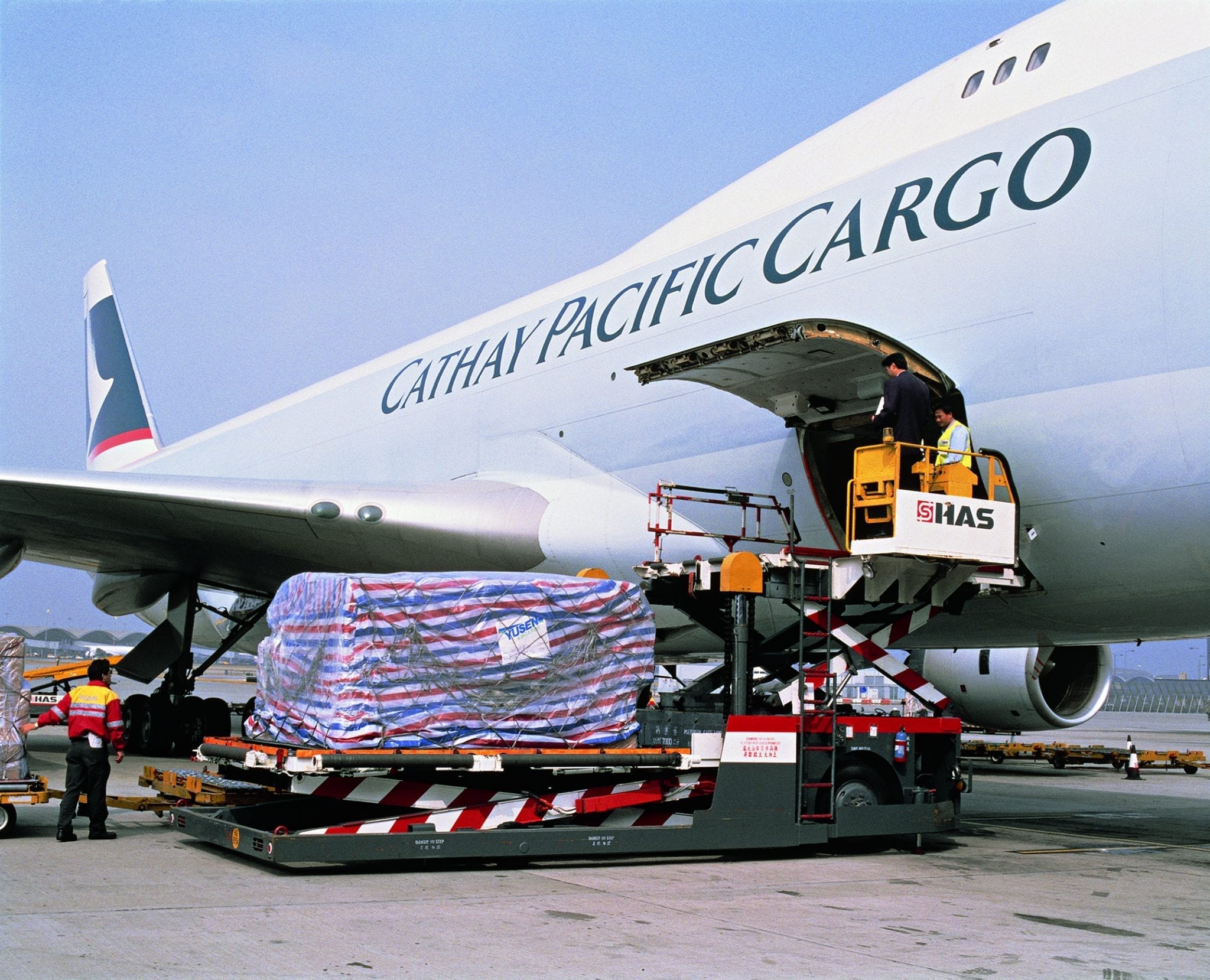
    Matheson Flight Extenders, Inc., a subsidiary of Matheson Trucking Inc., recently added eight employees to support Cathay’s new twice-weekly Boeing 747-8F flight to Hong Kong via Anchorage which was launched on November 3.

    “This is an exciting opportunity for Matheson to once again expand into the international freight arena,” said Charles Mellor, chief operating officer for Matheson. “We handled similar services for Asiana Airlines and are proud to be a key facilitator in the partnership between the Port of Portland and Cathay Pacific. Providing consolidation for import/export goods benefits the economy of Portland and businesses in the region.”

    According to Mellor, Cathay first contacted Matheson about providing consolidation services at Portland.

    “We quickly presented a bid and began negotiations,” he said. “The referral was a result of our previous partnership with Asiana. We have the ramp space to park a 747 close to our hangar, making it more convenient to load and unload the aircraft.”

    Cathay expects the flight to carry 40 to 60 tonnes of cargo from Portland every month, including semi-finished footwear and apparel, electronics and perishables such as blueberries, cherries, Dungeness crabs and oysters.

    The Portland flight operates every Thursday and Saturday and is routed via Anchorage and Los Angeles from Hong Kong, and via Anchorage on the way back.

  • Lane Crawford selects Orange Services’ Cloud to improve digital shopping experience

    Lane Crawford selects Orange Services’ Cloud to improve digital shopping experience

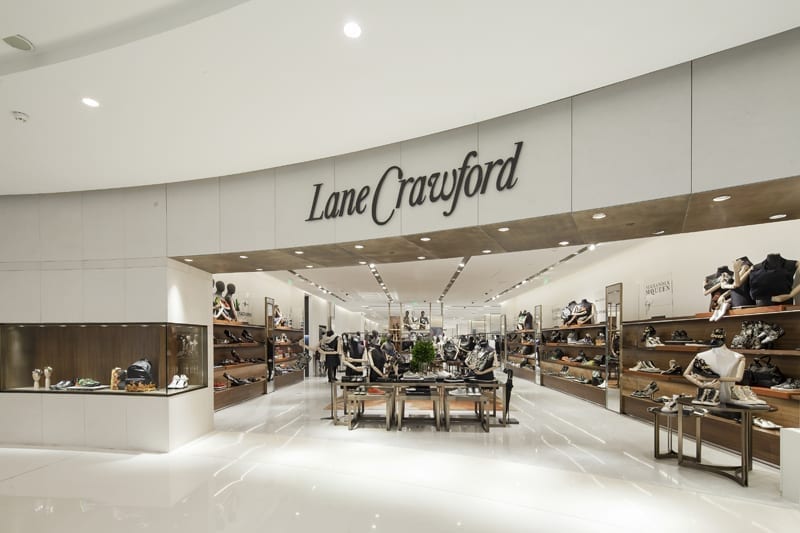
    Orange Business Services has been selected by Lane Crawford, a multi-brand designer label luxury retailer, to provide a cloud-based platform to extend, secure and manage its IT resources in Hong Kong and China. This deployment will enable Lane Crawford to marry offline strengths with digital advantages and offer its customers a more connected retail experience.

    Founded in 1850, Hong Kong-based Lane Crawford is widely recognized as a leading retailer of specialty and luxury goods in Hong Kong and China. Through Orange Business Services’ cloud platform, Lane Crawford will have higher flexibility and scalability to accommodate changes in demand due to seasonal shopping, sales and promotional activities, and ad-hoc use. By adopting a cloud-based platform, Lane Crawford can appropriately align its business with the rapid growth of online shopping in China and meet the needs of new and existing customers.  In addition to meeting Lane Crawford’s needs for its digital transformation, Orange Business Services’ solution delivers an enhanced level of security infrastructure and business continuity plans.

     “Lane Crawford has a long history of delivering high quality products and excellent experiences to its customers,” said Jack Zhang, General Manager, Orange Business Services China.  “We are very pleased to have been selected as a partner in their digital transformation journey and to support them based on our deep understanding of the retail business and Lane Crawford’s existing infrastructure environment.”

    Lane Crawford selected Orange Business Services’ cloud platform for its ability to easily scale to meet rapid changes in consumer demand and its one-stop solution for all the needs it had for connectivity, flexibility and security.  Orange Business Services’ platform is fully compatible with other business critical applications being used by Lane Crawford.

     “Our former infrastructure did not provide adequate flexibility for scalability or future business growth,” said Raymond Liu, Senior Manager, IT Infrastructure, Lane Crawford.  “Orange Business Services’ cloud-based solution gives us cost-efficient performance, enhanced security and protection, and support of on-line transaction applications.  For Lane Crawford, this is a critical step forward in our digital transformation.”

  • Hong Kong International Wine & Spirits Fair Opens

    Hong Kong International Wine & Spirits Fair Opens

    The ninth HKTDC Hong Kong International Wine & Spirits Fair opened today and continues through 12 November at the Hong Kong Convention and Exhibition Centre (HKCEC). This morning’s opening ceremony was officiated by Gregory So, Secretary for Commerce and Economic Development of the Hong Kong Special Administrative Region (HKSAR) Government and Philip Yung, Permanent Secretary for Commerce and Economic Development (Commerce, Industry and Tourism) of the HKSAR Government.

    Speaking at the opening ceremony, Benjamin Chau, Acting Executive Director, Hong Kong Trade Development Council (HKTDC), highlighted the diverse characteristics of the International Wine & Spirits Fair. “Featuring more than 1,060 exhibitors from 37 countries and regions, the Wine & Spirits Fair is an effective international promotion platform. The success of the fair is due to a variety of factors: Zero duties on Hong Kong wine imports since 2008, a large international exhibitor presence, international buyers especially wine importers from Asia, high value-added business opportunities and networking activities including grand tasting sessions, master classes, wine tastings, cocktail demonstrations as well as seminars,” Mr Chau said.

    Strong international flavour at the fair

    Since the HKSAR Government scrapped import duties on wine in 2008, the wine industry has recorded tremendous growth, attracting industry players to start or expand their business in Hong Kong. The value of Hong Kong’s wine imports rose from HK$1.6 billion in 2007 to HK$10.8 billion in 2015, a more than six-fold increase. Being a well-known wine trading and distributing hub, wine exporting countries are seeking to tap into the Asian market through Hong Kong. Besides Croatia, Finland and the Philippines exhibiting at the fair for the first time, wine producing regions, wine associations and trade commissions from around the world have formed 30 pavilions to promote their products. Among them, first-time group pavilion organisers include the Azerbaijan Export and Investment Promotion Foundation, Bulgarian Wine Export Association, Economic and Information Technology Commission of Guizhou Province from the Chinese mainland, Fukushima Prefectural Government and Kyushu Shochu Culture & Tourism from Japan, FENADEGAS from Portugal, the Distilled Spirits Council of the United States, and the Ministry of Agriculture, Forestry and Food of the Republic of Slovenia.

    Located in South Central Europe, Slovenia is a wine producing country less familiar to consumers in Hong Kong and Asia. Slovenia’s viniculture is characterised by the country’s diverse geography and microclimates; its latitude aligns with many renowned and prolific wine-producing regions like Bordeaux, Burgundy and Northern Rhone. Around 70 per cent of Slovenian wines qualify as premium wine. Aiming to capture the attention of Asia’s developing markets through Hong Kong, Dejan Zidan, Deputy Prime Minister and Minister of Agriculture, Forestry and Food of the Republic of Slovenia, hosted today’s presentation under the theme of “Discover Excellent Wines From Slovenia – Taste the Slovenian Identity”.

    While Slovenia has a particularly high profile at the fair this year, a world of exquisite wines from around the world are also on show including:

    – Wine from Israel, a country with 5,000 years of wine-making history. Produced by Hevron Heights, Armagedon (Booth no.: 3E-D11) is brewed using traditional methods. Using grapes grown on the Judean Mountains at high altitude (950m) and aged for 24 months in French oak barrels, Armagedon is regarded as kosher wine, produced in accordance with Judaism’s religious laws.

    – Bulgarian orange wine from Wine Cellar Villa Melnik Ltd (Booth no.: 3D-B26). Orange wine, in spite of its name, is not made from oranges. Its darker colour results from extended contact of white grape juice with grape skins over a longer period of time. Orange wine is intense with a dry, tannic taste and nuttiness derived from oxidation, and can be paired with a wide variety of dishes ranging from beef to fish.

    – Crown Royal’s Northern Harvest Rye from Canada (Booth no.: 3CON-064). Crown Royal’s Northern Harvest Rye stunned the whisky world as the first Canadian whisky to earn a title in the authoritative Jim Murray’s Annual Whisky Bible with almost full marks and was named World Whisky of the Year 2016.

    In addition to zones such as Wine & Liquor Products, Whisky and Spirits and Friends of Wine, where the perfect food pairings are showcased, there are also dedicated zones promoting the industry’s all-round developments, such as Wine Investment, Wine Education and Wine Storage & Logistics zones.

    Promoting industry interaction

    During the Wine & Spirits Fair, more than 70 special events are arranged to provide a comprehensive platform for trading and exchange. These include the Wine Industry Conference, gala dinner, tasting sessions, master classes and thematic seminars. Close to 50 wine tasting sessions are organised to spotlight wines from Austria, Australia, Bulgaria, France, Germany, Guizhou (Chinese mainland), Japan, Mexico, Portugal, Slovenia, Spain and the US.

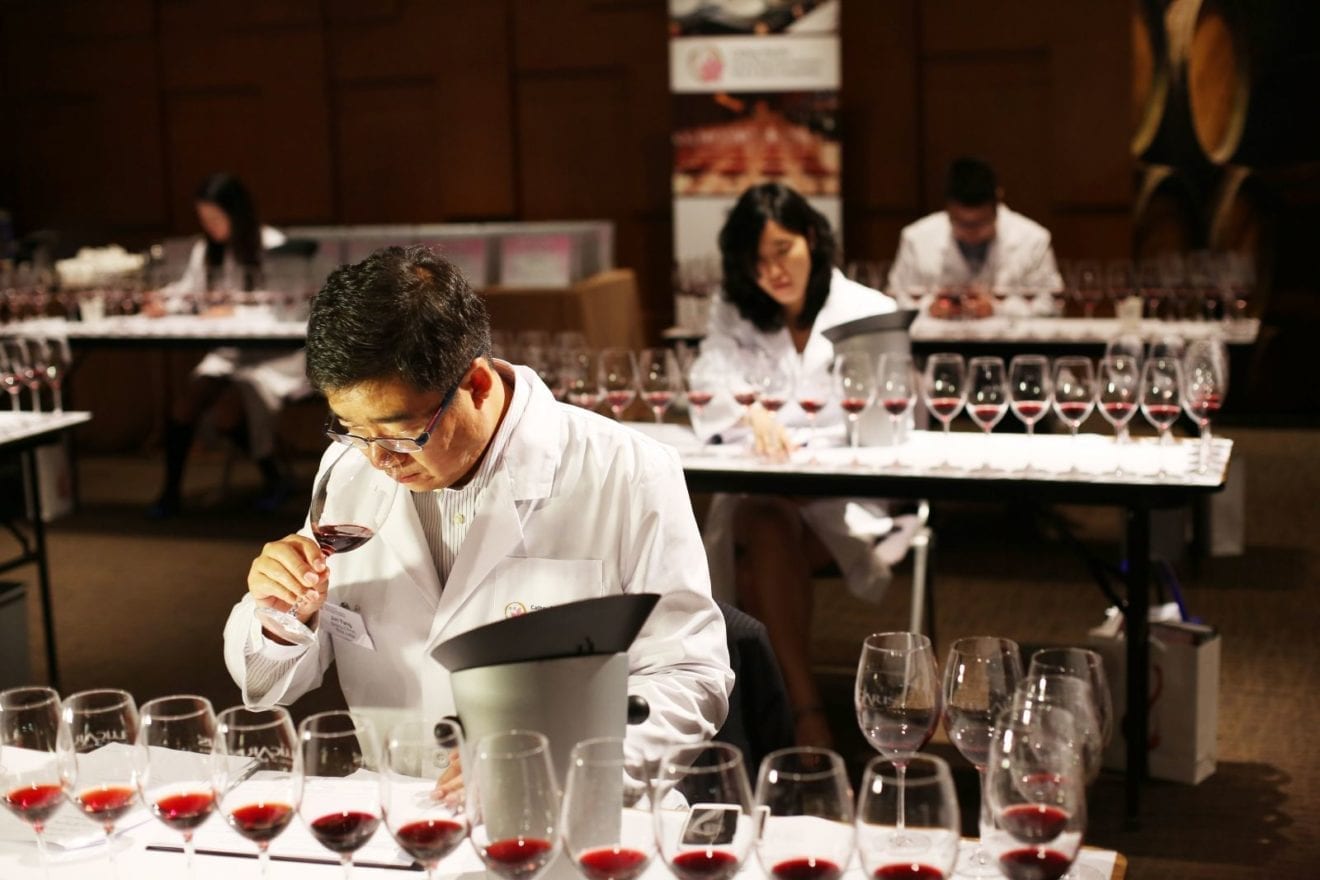
    Today’s Wine Industry Conference is titled “Uncover the Opportunities of the New Cool Climate Wine Trend”. Meanwhile, the eighth edition of the Cathay Pacific Hong Kong International Wine & Spirit Competition Award Presentation Ceremony will be held tonight. Following the cocktail reception, the Gala Dinner titled “I FEEL SLOVENIA” will feature a menu prepared by Janez Bratovz, head chef of celebrated Slovenian restaurant JB RESTAVRACIJA. The seminar “How to Reach the Right Customers in China” and the buyer forum “Uncovering Business Opportunities in Booming Markets of Wine and Spirits” will be held tomorrow afternoon for the industry to discuss hot topics.

    Public Day

    On Saturday (12 November), the fair will be open to members of the public aged 18 or above, with tickets priced at HK$200*. Public visitors with full-priced tickets on that day will receive a Lucaris crystal wine glass valued at HK$110 on a first-come first-served basis while stocks last.

    Two master classes will be held on the public day including “Understanding Quality in Wines Currently Trending around the World with Jeannie Cho Lee MW” and “Sensory Experience of Wine by Debra Meiburg MW”. The public are also welcome to join wine tasting sessions, cocktail, whisky and spirit demonstrations and seminars. These include “Gifu Sake and Pottery Appreciation”, “Enjoy Shochu from Kyushu with Kumamon”, “Choosing from a Wine List – Tips and Tricks” and “Hong Kong Inter-University Wine Challenge 2016”.

    This year’s fair once again headlines the Hong Kong Wine Journey citywide promotion, which encompasses a series of wine tastings, wine and food menu pairing, seminars, themed tours and Lan Kwai Fong carnival. More than 160 restaurants will feature promotions such as “Birthday Wine” and “Wine and Food Pairing Menu”. For more details, please refer to the Hong Kong Wine Journey map or the website.

    Wine business keeps flowing through Hong Kong

    In the first nine months of 2016, Hong Kong’s wine imports reached HK$9.1 billion, a 22 per cent year-on-year increase. As for the city’s exports, they totalled HK$4.1 billion, up 25 per cent over the same period last year.

    *Tickets:

    Members of the public can purchase Public Day admission tickets on site priced at HK$200. Tickets for Public Day master classes are priced at HK$350 (including admission) and are available on a first-come first-served basis.

    Fair Website:www.hktdc.com/hkwinefair

  • Hong Kong’s economic growth to ease in third-quarter on China slowdown

    Hong Kong’s economic growth to ease in third-quarter on China slowdown

    Hong Kong’s economic growth is expected to slow in the third quarter from the second, with weak exports, sluggish retail sales and falling tourist arrivals, continuing to take a toll on the Asian financial centre.

    The once vibrant city is also grappling with a slowdown in China, while its outlook has been hurt by rising tensions with Beijing that could threaten stability and impede policymaking.

    The economy was expected to grow 0.3 percent for the third quarter from the second, according to the median estimate of economists in a Reuters poll. From a year earlier, growth was forecast at 1.6 percent.

    The government is due to release gross domestic product data on Friday at 0830 GMT.

    Gross domestic product grew a seasonally-adjusted 1.6 percent in the second quarter from the first, and 1.7 percent from a year earlier, the government said in August.

    Hong Kong’s retail sales fell for the 19th straight month in September as China’s economic slowdown and a strong local currency crimped business activity and tourism.

    “We think retail sales and tourism have not yet recovered. There are still downside risks,” said Young Sun Kwon, a Hong Kong-based economist at Nomura.

    Another potential risk is the impact of cooling measures imposed by the government this month to rein in property prices, which are among the most expensive in the world.

    The government said it would raise stamp duties on home purchases to 15 percent, across the board, effective Nov. 5.

    Economists said it was still too early to tell how effective the measures would be as there were other factors involved, such as the U.S. presidential election and China’s economic performance.

    Hong Kong, once the busiest port in the world, is also heavily dependent on trade, and its exports and imports are predominantly re-exports to and from mainland China.

    The Trade Development Council has cut its forecast for the city’s exports this year from flat to a 4 percent decline.

    Slower economic growth could pile further pressure on Hong Kong leader Leung Chun-ying ahead of an election next year and amid rising tensions with the central government in China over concerns of increased meddling by Beijing in the city’s affairs.

    The former British colony’s economy is now more vulnerable as it struggles with weaker retail sales and a slump in cash-rich mainland Chinese streaming across the border on shopping sprees.

  • DHL Appoints New Hong Kong and Macau Managing Director

    DHL Appoints New Hong Kong and Macau Managing Director

    According to DHL, McQueen will be responsible for long-term growth across sectors such as aviation, consumer goods, healthcare, retail and technology. He will also be in charge of integrating solutions with freight and logistics services from South China’s major development zones.

    “Designing supply chain solutions that meet and exceed the unique needs of customers isn’t just my passion – it’s also essential for long-term growth that can withstand constant disruption and volatility in the marketplace,” said McQueen. “Having laid the foundations for such growth in the Greater China region, I’m excited to be focusing on Hong Kong as the linchpin in our regional operations, and look forward to leading our excellent team of more than 1,000 experienced supply chain employees to even greater heights.”

    McQueen has 24 years of supply chain experience. He was most recently in charge of business development at DHL Supply Chain Greater China, and was previously head of industrial development and solution design director for the Middle East and Africa.

    “We appointed Jez to lead our Hong Kong and Macau operations because of his outstanding track record in delivering rapid and sustainable growth across a wide variety of industries,” said Yin Zou, CEO of DHL Supply Chain Greater China. “Jez has proven invaluable as the head of business development for our operations in Greater China, combining deep expertise in all sectors with formidable acumen for turning supply chain innovations into substantial long-term improvements in customer satisfaction and revenues alike. Hong Kong remains a pivotal market for DHL Supply Chain, and I believe Jez’s skill set and passion for business development make him uniquely suited to handling its broad and dynamic range of multi-industry needs.”