Tag: Hong Kong

  • Moiselle International losses mount

    Moiselle International losses mount

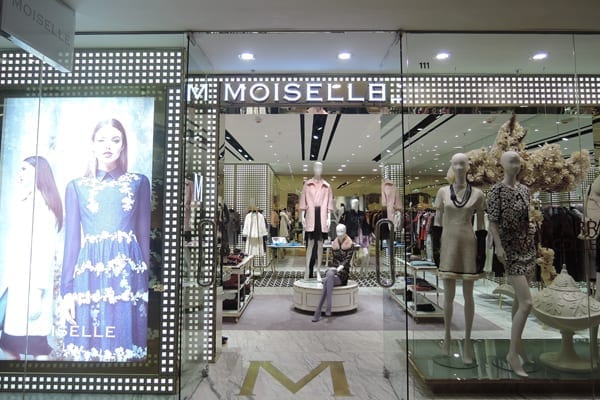
    Fashion group Moiselle International has strengthened its margins but still posted a loss in the last half year.

    While its loss of about HK$35 million (US$4.5 million) was about 10 per cent more than its loss of about HK$32 million for the same period last year, Moiselle International had a healthier gross profit margin of 79 per cent, up from 76 per cent.

    Revenue declined 18 per cent to $132 million, its unaudited interim results to the end of September show.

    Moiselle says it was hit hard by the harsh operating environment as it derived about 55 per cent of its revenue from Hong Kong and 18 per cent from China. Its retail sales in Hong Kong were affected by the fall in the number of mainland tourists as well as exorbitant rents. In China, the economic slowdown dampened the consumer sentiment.

    The remaining 27 per cent of the revenue was made up by sales in Macau, Singapore and Taiwan.

    To cope with the difficult market, the group rationalised its retail network, introduced stringent cost-control measures, continued cost-effective sales and marketing initiatives such as adopting an online-to-offline business model, introduced exclusive services for high-end customers with a VIP club, and introduced products of a wider price range to broaden its customer base and cater for young Hong Kong customers.

    Meanwhile, the group stepped up its multi-brand strategy by launching fashionable loungewear under a new brand, promoted in the group’s two fashion shows in Hong Kong and Beijing.

    Hong Kong sales fell 18 per cent year-on-year to about $72.3 million. The group continued to negotiate for lower rents for shop spaces, opened shops at prime locations with reasonable rents and closed down underperforming outlets.

    Online initiatives

    Sales in China fell by 31 per cent to about $23.4 million. The group closed some shops and relocated others. It also stepped up its initiatives in eCommerce, such as opening an online store under the Moiselle brand at Tmall this month.

    To reinforce its online marketing efforts, the group worked with key opinion leaders on social media such as WeChat and Weibo.

    China’s measures to advocate frugality spilled over into Macau’s retail market. The group continued to run five shops at the Venetian Macao Resort Hotel and opened a store at the Parisian Macao Hotel. It had two concept stores and four other outlets in the city which generated a combined revenue of about $17.97 million, or about 14 per cent of the group’s revenue.

    Taiwan’s 20 retail stores generated about $13.7 million, about 10 per cent of the group’s total revenue. It opened three more outlets and counters during the half-year.

    Operations in Singapore

    In Singapore, sales fell 22 per cent to about $4.14 million. The group has retained seven stores there.

    At the end of September, the group had 84 stores and counters in China (first- and
    second-tier cities), Hong Kong, Macau, Singapore and Taiwan, down from 90 at the end of March.
  • Hong Kong consumers oppose spectrum fee hike

    Hong Kong consumers oppose spectrum fee hike

    PCCW’s HKT is opposing a proposal by the SAR government to raise the spectrum utilization fee for all mobile operators, publishing research indicating that a wide majority of consumers oppose the suggestion.

    Research commissioned by HKT and conducted by Policy 21 suggests that 72.8% of consumers believe a fee increase that the operator said would be likely in the event the government raises spectrum prices would be unacceptable.

    Hong Kong mobile users currently pay a fee of HK$18 per month covering contributions towards mobile license, administration and MTR and tunnels expansion costs, and operators are likely to raise this fee if their spectrum costs increase.

    Of the remaining 17.4% of respondents who consider a fee increase acceptable, 84.7% would only accept an increase of HK$10 or less per month.

    The government’s proposed fee increase would be implemented on the expiry of existing 900-MHz and 1800-MHz licenses, and would affect 40% of the total amount of spectrum currently assigned to mobile operators.

    HKT presented the findings yesterday at an industry forum organized by the Hong Kong General Chamber of Commerce. Consultancy firm Network Strategies also used the event to unveil a study into the optimal price of spectrum in Hong Kong.

    “In comparison with international benchmarks, the reference prices are very high. Use of these reference prices for setting reserve or fixed prices may lead to artificially high SUFs which may have a distortionary effect on the market,” Network Strategies director and founder Dr Suella Hansen said at the forum.

    “With efficient spectrum pricing and sufficient spectrum allocation, incumbent operators may minimize costs to produce retail services efficiently, continue to invest and develop innovative services and products, all of which promote social efficiency. However, consumer welfare will not be promoted if the price of spectrum does not reflect its true market value.”

  • Sa Sa International sees fall in profits amid drop in tourism

    Sa Sa International sees fall in profits amid drop in tourism

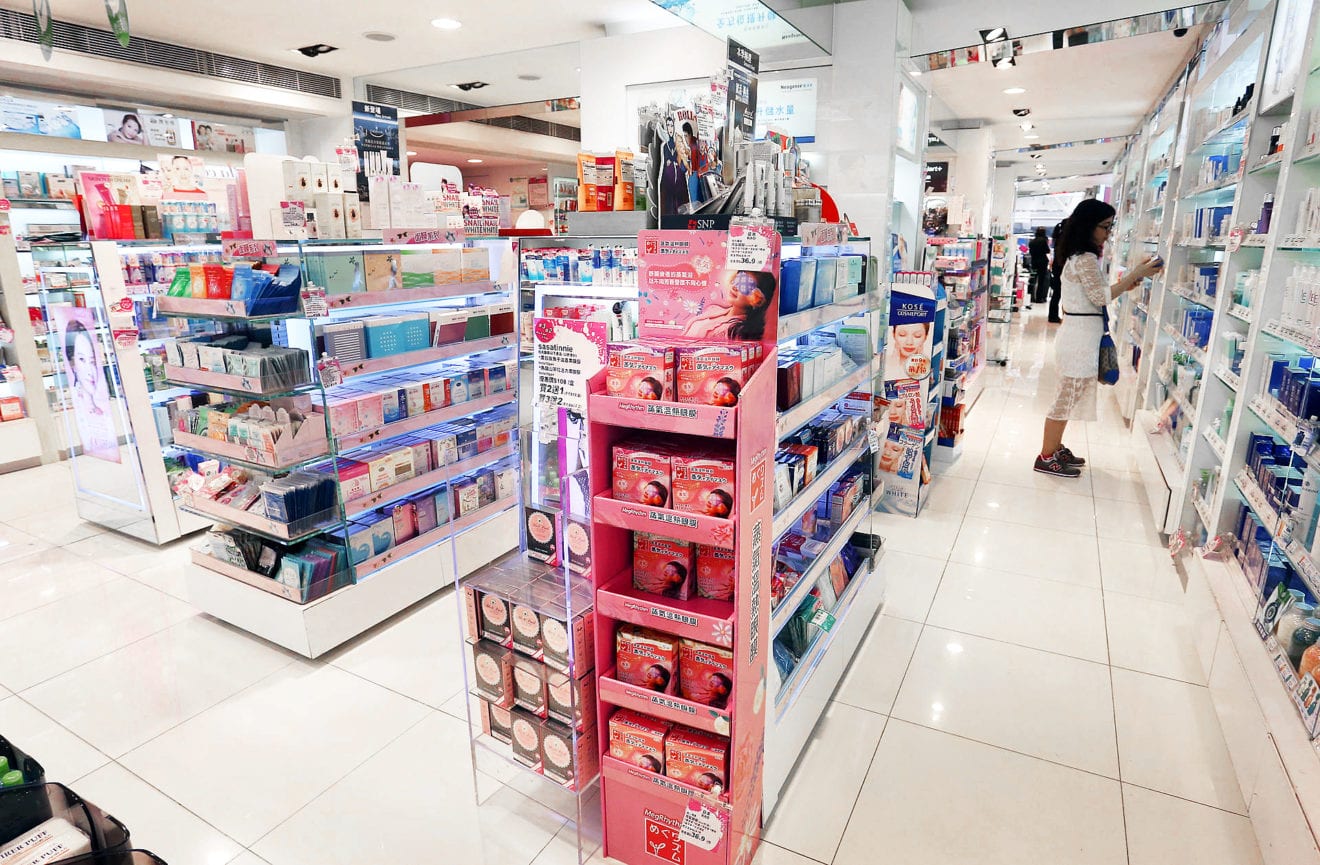
    In the period ending September 30th 2016, Sa Sa International’s turnover reached HK$3.63 bn (€442.2 mn), a 4% drop from HK$3.78 bn (€460.5 mn) compared to last year’s results.

    Sa Sa totalled profits of HK$96 mn (€11.7mn), indicating a 37.3% drop from last year’s HK$153 mn (€18.6 mn) during the same period.

    Purchasing patterns

    Despite a continued reduction in tourist footfall, the total number of transactions by local and mainland Chinese consumers increased by 0.2% and 4.4% respectively.

    However, the average sales value per transaction saw a slump, decreasing by 6.3% for purchases made by local consumers and 6.6% for tourists. This was reflected in the leading cosmetics company’s retail sales in Hong Kong and Macau, which fell by 3.6% from HK$3 bn (€365.5 mn) to HK$2.9 bn (€353.3 mn).

    The Hong Kong market has witnessed changing consumer attitudes towards product selection. As the Hong Kong dollar strengthened and the Chinese Yuan deteriorated, these have also been cited as having a detrimental impact on Sa Sa’s interim results.

    To reflect the evolving marketplace, Sa Sa focused on adapting to consumer demands by speeding up product launches, combatting lengthy product cycles with shorter alternatives, reducing price points of on-trend lines and creating innovative marketing displays.

    The shopping experience

    Sa Sa is currently concentrating on increasing sales by bringing these efficient product cycles to market through facilitated CRM processes, online marketing and online-to-offline (O2O development.)

    The O2O landscape has been developing rapidly throughout APAC in recent years. As a result, Sa Sa hopes to maximise this opportunity to improve the shopping experience for its customers through creating online operations for digital marketing that connect with its physical stores.

    “We…remain resolute in our belief that we can further strengthen our competitiveness in the coming years and convert difficult challenges into golden opportunities, such as those offered by O2O, by changing consumer behaviour and by the growing affluence of the less developed regions of Mainland China” said Dr Simon Kwok, BBS, JP, Chairman and CEO of the Group.

    This year, the cosmetics brand launched a new mobile app to reflect the market’s preference for mobile over desktop usage. Sa Sa collaborated with online retailer Kaola to complement this release and existing partnerships with T-Mall, JD.com and suning.com.

    It used these channels to promote its range of Korean products, which it produced to reflect the popularity of the K-beauty and K-pop influences trending through APAC and the wider markets. As a result, Sa Sa saw its sales increase by 51.5% in Hong Kong and Macau, with its own brands and exclusively distributed products dropping by 2.5% from 41.3% to 38.8%.

    Consumer support

    On 21st November, two days before the interim report was released, Sa Sa International announced it had been presented the award at the “World’s Excellent Brands Awards 2016-2017” by China Media Network (CMN).

    The prestigious accolades are given to those brands that demonstrate an awareness, recognition, leadership and representativeness of tourism-related global brands by an evaluation committee and selection of tourists.

    Following public voting and evaluation, Sa Sa received the “World’s Excellent Brands Awards” and has previously been awarded the “Most Popular Hong Kong and Macau Brand” by CMN.

  • Bluebell Group invests in designer startup

    Bluebell Group invests in designer startup

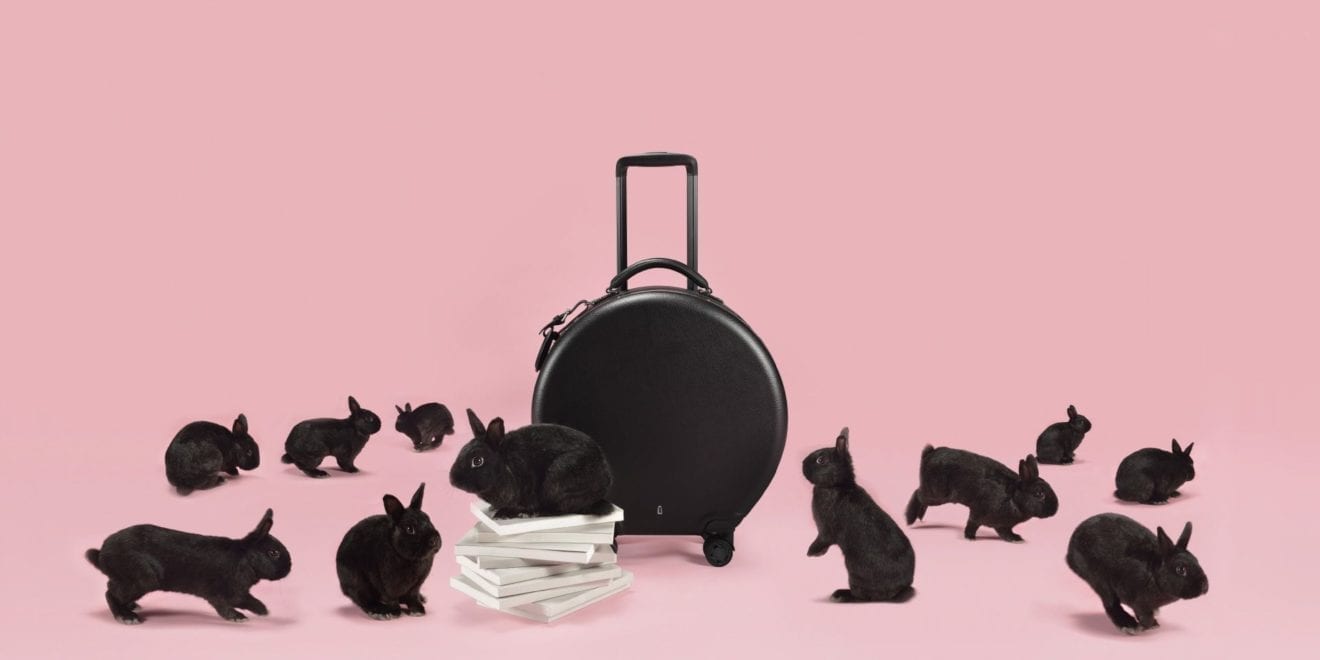
    Bluebell Group has invested in a new luggage design house Ookonn, which takes inspiration from a hat box, selling direct to consumers online.

    Ookon is the brainchild of Anson Shum, who conceived a style and design based on an old-fashioned, round hat box.

    At the time, Shum was working in a marketing and communications role with Bluebell Group.

    “When I resigned last year, I told the company of my plan to start my own label,” Shum said in an interview.

    ookonn-lugguage

    “They were so nice to me, and asked if there was any way we could work together. I showed them my business plan, and they offered to coach and mentor me.

    “Eventually nearing the end of my employment period, I did a formal presentation in front of all the shareholders. And the week after, I was told that Bluebell wanted to invest in Ookonn. It was a surreal moment. I think they decided to invest because of the product, the business model, and obviously the fact I have built a good relationship with them.”

    Shum and his business partners sell the Ookonn bags online, where they cost upwards of HK$2280 for basic models.

    “Online business is more relevant to my target audience. Ookonn is a lifestyle brand targeting millennials. While we get customers from different age groups, the feeling and foundation of the brand is for a younger audience in their early 20s to early 30s. While online is important, it is only one part of the business model, since we are launching in Hong Kong and China. But for other markets, perhaps we can collaborate with several bricks-and-mortar multi label stores,” said Shum.

    He describes his case designs as “a bit more playful” than most common luggage ranges.

    ookonn-lugguage-1

    “I’ve been working in fashion and luxury for 12 years, and have had plenty of opportunities to travel. But while I can find a lot of beautiful options for clothes and accessories, there are not that many for luggage. Most luggage brands in the market are business oriented. So I wanted to see if I could create a luxury brand that would generate excitement.”

    The bags come with a variety of options for handles, covers and belts and can be customised with the buyer’s chosen monogram.

    The bags come from Transport Safety Authority locks, wheels which turn a full 360 degrees and a light polycarbonate shell.

  • Cafe de Coral grows revenue, profit, outlets

    Cafe de Coral grows revenue, profit, outlets

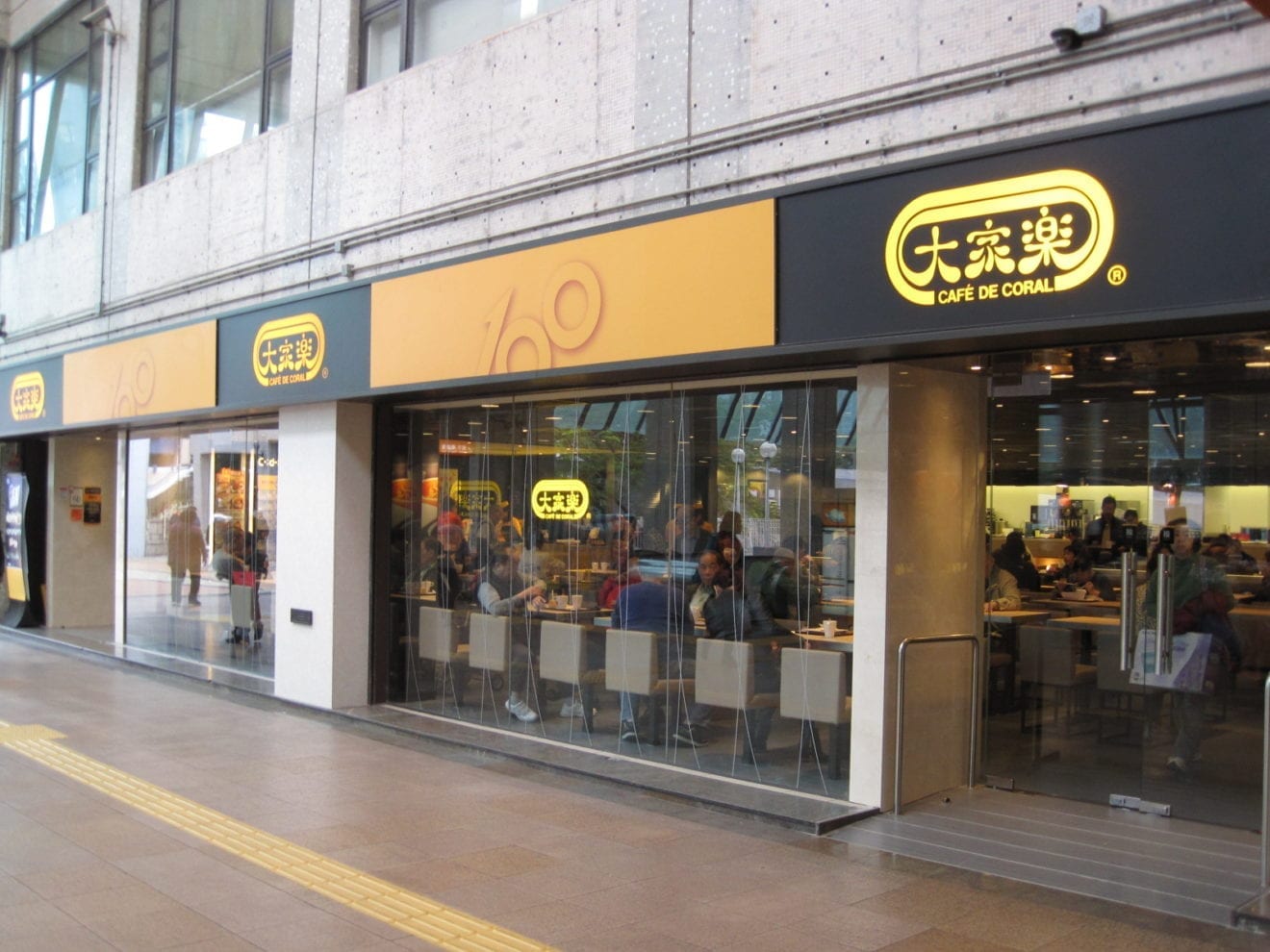
    Total revenue for the half-year to the end of September rose by 4.3 per cent to HK$3.89 billion (US$501.5 million) for restaurant and catering group Cafe de Coral Holdings.

    Net profit, at HK$232 million, was up 11.8 per cent, while profit attributable to shareholders rose similarly to HK$3.89 billion, according to its interim results.

    With stronger momentum in the fast-casual and casual-dining sector, the group says its quick-service restaurant (QSR) and institutional catering business continued to achieve encouraging results and steer further expansion.
    “Mainland China business persistently improves its profit margin with a lower break-even point, which has laid a solid platform for expansion,” says the group. “The positive results demonstrate not only the capable stewardship of our new management team, but also the successful completion of the group’s succession plan.”

    “Encouraging” revenue and same-store sales growth resulted in a robust and stable performance for the group’s (QSR) and institutional catering business.

    In China, revenue stabilised for its fast-food business, thanks to updated menus.

    Overall, the group’s QSR and institutional catering business in Hong Kong reported solid revenue gains, up 7.7 per cent. Same-store sales under the Cafe de Coral fast-food and Super Super Congee & Noodles grew 5 and 4 per cent respectively. As of September 30 the group had 288 QSR and institutional catering outlets, including 160 Cafe de Corals, 47 Super Super Congee & Noodles shops and 79 Asia Pacific Catering outlets.

    Strategic tenancies

    To speed up its expansion of the Cafe de Coral network, the group took advantage of the softer leasing market to take up tenancies at strategic and prime locations. Four outlets were added, with 11 more set to open. Seven more Super Super Congee & Noodles shops were added, with eight openings scheduled.

    Asia Pacific Catering renewed all major contracts while Luncheon Star continues to be the leading provider for schools.

    For its fast-casual and casual-dining sectors, the group saw 14.4 per cent revenue growth. Its catering-inspired Shanghai Lao Lao brand has evolved into a popular chain with eight outlets, says the group. Two of the outlets opened during the six months, with four more scheduled.

    Encouraged, the group says it will aim to scale up Mixian Sense to provide another lucrative revenue stream.

    Meanwhile, it is rejuvenating its Western-style brands, The Spaghetti House and Oliver’s Super Sandwiches. Decors and menus are being revamped.

    Launched last year, its Japanese and Korean-style franchise restaurants are still in the investment stage.

    Non-performing outlets in eastern and southern China have been closed, plus the management team has been localised as well as menus being revamped.

    Same-store sales from the fast-food business grew by 1.2 per cent with “remarkable profit improvement” on the mainland even after excluding the effect of new VAT rules and despite the segment revenue falling by 16.3 per cent. This was mainly a result of the strategic closure of non-performing stores.

    “While the imminent outlook is less than promising, the group remains confident its businesses will continue to fare reasonably well. Fortunately, our core QSR and institutional-catering segments, in particular, are relatively resilient to downturns.”

  • Le Pain Quotidien Hong Kong on par with New York City

    Le Pain Quotidien Hong Kong on par with New York City

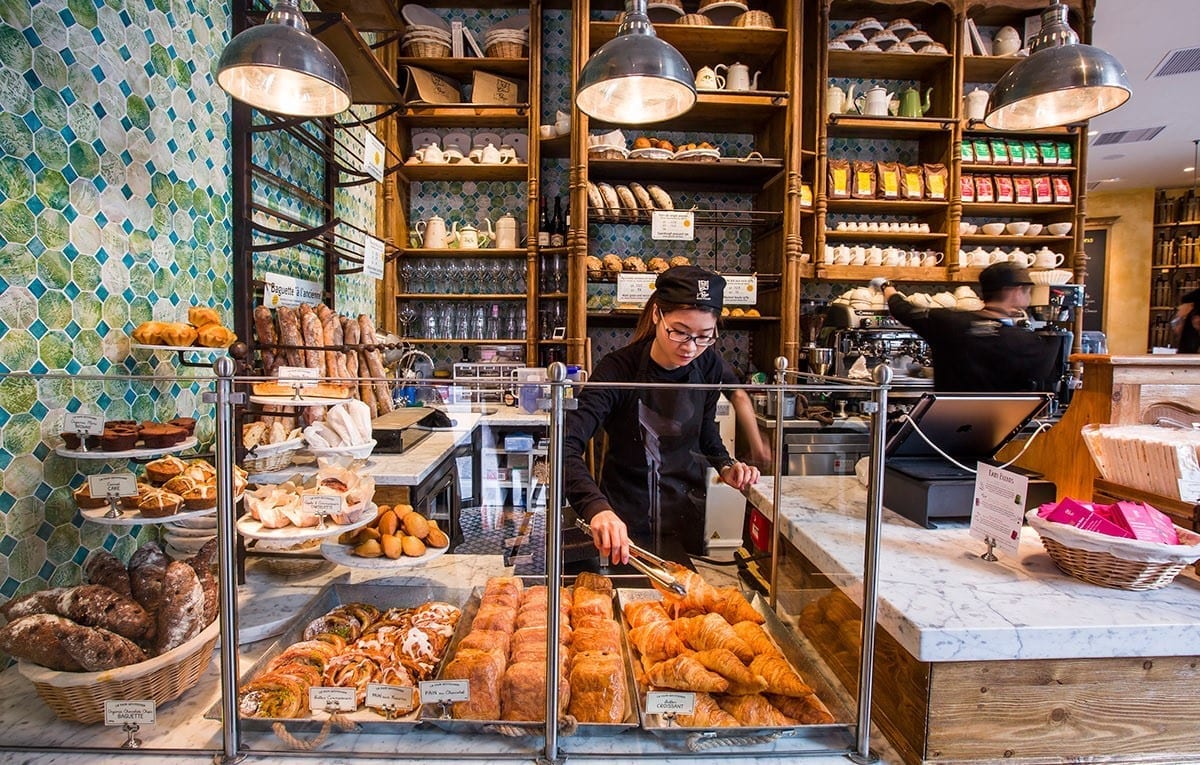
    Belgian-founded bakery Le Pain Quotidien’s Hong Kong outlet is trading as well as the chain’s best stores, surprising the founder.

    “We knew we would make it [in Hong Kong] but we did not expect sales to be so high, comparable to our best stores in New York,” the bakery’s founder Alain Coumont divulged in an interview with the ‘Hungry Lawyer’ Marc Rubinstein.

    Le Pain Quotidien Hong Kong  was brought to the city by Dining Concepts, and recently opened its second store at Pacific Place. The city is the 18th market for the brand which now numbers 235 stores globally.

    “There are plans for a third store in Central but I can’t say where because it’s still a secret,” Coumont said. “The idea is to have at least four or five shops in Hong Kong by the end of 2017. We are also thinking of expanding to other parts of the Asia Pacific region with Dining Concepts like Singapore or Malaysia, as well as China. We are expanding naturally as we make money, not because we must.”

    He said the core of the menu was the same in Hong Kong as elsewhere in the world.

    “We have some local dishes on the menu. Originally, we had congee on the breakfast menu. We update the menu seasonally so now we have a tofu scramble instead, but the basic structure of the menu is the same as in other markets.”

    Le Pain Quotidien, which means “daily bread”, was founded in 1990 when Coumont, working as a chef, was dissatisfied  with the bread served before meals.

    le-pain-quotidien-pacific-palace-hk

    “So I decided to start making it myself as a hobby. I didn’t have space for the equipment so I rented 36 sqm next to the stock exchange in Belgium, bought a big table at a flea market, started baking two kinds of bread, and added coffee and sandwiches to help pay the rent. With the big communal table leaving nowhere for customers to hide and our two kilo sourdough loafs, the shop looked like the dining room of a monastery. Then the magic happened.”

    He had no idea his ‘hobby’ would evolve into a global brand.

    “There was no business plan. It was a hobby. I started with US$10,000 that I didn’t have, but it was an overnight success.”

    Coumont said rent was key in Hong Kong, as in New York and London – “and you need a great location”.

    “High rent creates opportunity for expensive mistakes if you pick the wrong location. But, like London and New York, Hong Kong is also a diverse city which means our staff and our customers are diverse and include cosmopolitan travellers and business people. We could just as easily be in Dubai or New York except that Hong Kong is less hot than Dubai and warmer than New York.”

    In the interview, Coumont also talks about his experiences launching the brand in New York, his passion for Chinese food and his thoughts on Hong Kong as a city.

  • HP’s Elite x3 now available in Hong Kong

    HP’s Elite x3 now available in Hong Kong

    Back in September, Hewlett-Packard launched its Elite x3 in Hong Kong. The company detailed some of the most important features of the device at the event in Hong Kong back in September. Today, it’s available for purchase from its official online store. Along with the device itself, HP is also selling a bundle and some accessories. Here’s a breakdown:

    • HP Elite x3 for HK$6499
    • HP Elite x3 Monitor Bundle (Elite x3, Desk Dock, HP Pro Display P222va 21.5-inch Monitor) for HK$6,499
    • HP Elite x3 with Desk Dock for HK$7698
    • Elite x3 Lap Dock for HK$4899
    • Elite x3 Desk Dock for HK$1199
    • Elite x3 Anti-Fingerprint Screen Protector for HK$240
    • Elite x3 Wireless Charger for HK$490
    • Elite x3 Rugged Case for HK$199
    • Elite x3 Wallet Folio Case for HK$179
    • Elite x3 Lap Dock Privacy Screen HK$300
    • Elite x3 Silicon Case for HK$159
    • Elite x3 Anti-Shatter Glass Screen protector for HK$119
    • Elite x3 Privacy Screen for HK$240

    The Elite x3, for those unfamiliar, features a Qualcomm Snapdragon 820, a 5.96-inch WQHD AMOLED display, 4GB RAM, 64GB of internal storage, and a 4150mAh battery. As for the cameras, HP has included a 16MP sensor on the back of the Elite x3, and there’s an 8MP front-facing camera. For security, HP has included a fingerprint scanner and an Iris scanner on the Elite x3. Lastly, it is worth noting that the HP Elite x3 also supports Continuum for phones which users can use with the HP Desk Dock.

    If you live in Hong Kong, you can get the device and its other accessories from the official HP store here.

  • Sa Sa International Holdings reports drop in profits

    Sa Sa International Holdings reports drop in profits

    Hong Kong-based Sa Sa International Holdings has reported a drop in profits of 37.3 percent for the first six months, due to a poor retail environment in the mainland with a poor tourist footfall.

    Profits fell to HK$96 million as retail sales dropped by 3.6 percent in Hong Kong and Macau, which attributes 80 percent to the company’s turnover.

    Turnover fell 4 percent to HK$3.63 billion year on year while total sales transactions grew 2.3 percent after six quarters of decreasing transaction volume.

    Guy Look, Chief Financial Officer and Executive Director, said, “Obviously it could be better. In Hong Kong, we have tried for the last 15 months or so to gain market share, to increase competitiveness. I think what has been important in the first half of this year is that we feel we are moving in the right direction in terms of providing what the market wants.”

    Sales in Taiwan and Singapore fell 22.8 percent and 11 percent respectively, which is said to have hindered profits. The company is said to be downsizing in the markets and will be making rental cuts in Hong Kong and Macau of 40 to 50 percent.

  • Sa Sa profits dive

    Sa Sa profits dive

    Sa Sa profits took a hit of 37.3 per cent for the six months to September 30.

    The Hong Kong-listed beauty products retailer’s interim results show turnover easing by 4 per cent to HK$3.628 billion (US$467.7 million) for the period, with retail sales in Hong Kong/Macau decreasing by 3.6 per cent to HK$2.9032 billion.

    Profit fell from $153 million to $96 million with its gross profit margin dropping from 42.9 to 41.2 per cent.

    During the six months, the group rationalised its retail network from 291 to 283 – six fewer Sasa stores and two fewer single-brand stores/counters.

    While sales fell in Hong Kong/Macau, the number of transactions rose by 0.2 per cent for local customers and 4.4 per cent for Mainland Chinese tourists. The value of each transaction, however, fell by 6.3 and 6.6 per cent respectively.

    Retail sales in Hong Kong continued to be weak, mainly because of average transaction values being lower. The company says the underlying reasons were a change in consumer preferences, a strong Hong Kong dollar and a depreciating yuan. Also, the policy change limiting Shenzhen residents’ multiple-entry permits to one visit a week has had a “significant” impact.

    However, Sa Sa reports an uptick toward positive growth in July as the company adapted with faster product launches, shorter product cycles and cheaper trendy products.

    Korean swing

    As an indication of market change, Sa Sa’s Korean product mix grew from 16.7 per cent of total sales to 23.5 per cent, and the parallel-imported product mix increased from 29.1 to 31.7 per cent. Sales for house brands dropped from 41.5 to 38.5 per cent.

    Overall turnover for Mainland China decreased by 4.3 per cent to $135 million, while same-store sales fell 5.1 per cent. The loss for the period amounted to $13.7 million. Profitability was impacted by the relocation of warehouses.

    Turnover for Singapore at $101.3 million was a drop of 11.1 per cent. As well as weaker sales, management issues impacted performance. While turnover was high, this created difficulties in retaining the knowledge base. However, a restructuring process has drawn on the resources of the relatively strong Malaysian management team.

    Malaysia’s turnover was down 19.1 per cent to $163.4 million, though same-store sales rose 11.2 per cent. Retail sales growth exceeded other markets thanks to the group’s strong retail network and effective marketing campaigns.

    Turnover in Taiwan fell by 23.1 per cent to $98.3 million, with same-store sales tumbling 19.5 per cent because of weak consumer sentiment and ongoing restructuring of the management team.

    Logistics problem

    In eCommerce, Sasa.com turnover reached $193 million, a dip of 0.1 per cent. Sales were affected by the appointment of a new logistics provider in April with the aim of increasing scalability. However, changeover difficulties resulted in a decision to return to the original service provider.

    “Significant numbers of orders had to be cancelled, and further costs were incurred by moving inventory back and forth as well as the running of two warehouses in parallel during the period,” says the company.

    Building on the growth of mobile internet use, the company launched a mobile app and started a collaboration with eCommerce platform Kaola in addition to its partnership with JD.com, Suning.com and T-Mall.

    On the mainland, the dynamics of the cosmetics market are changing with internet retailing growing at a rapid pace, says the company. Because of these challenges, it is continuing to strengthen management and recruit staff.

    “We are also seconding experienced staff from Hong Kong to improve the attractiveness of our product offerings and strengthen inventory management.”

  • Consumer brand loyalty at record low

    Consumer brand loyalty at record low

    Global loyalty-marketing agency ICLP has found that consumer brand loyalty to retailers has dropped to a record low in Hong Kong.

    A mere 1 per cent are “devoted” to their preferred retail brands, an ICLP survey shows.

    The company surveyed 750 consumers in Hong Kong to rate their relationship experiences with friends, loved ones and brands using seven core criteria: recognition, rewards, reciprocity, reliability, respect, trust and communication.

    ICLP partnered with a global authority on relationship dynamics, Professor Ron Rogge of the University of Rochester in the US, to create a model based on Sternberg’s Triangular Theory of Love which focusses on three key components of a relationship: intimacy (willingness to share information with a retailer), passion (brand enthusiasm) and commitment (loyalty). When incorporated into a retail context, these components become tools for brands to foster devoted relationships with consumers.

    Relationships range from empty (the least desirable) through liking, casual, romantic and companionate to devoted (the most desirable). All customers in the devoted group would recommend a brand, demonstrating the value of a devoted consumer base for word-of-mouth business.

    Significant variation

    Levels of advocacy vary significantly in the other five relationship groups. Only 6 per cent of customers in a “liking” relationship would recommend a retailer to others, with 26 per cent in an “empty” relationship, 21 per cent in a “casual” relationship and 50 per cent in a “companionate” relationship.

    “Romantic” relationships, which Sternberg says are characterised by high levels of passion and intimacy, have a 74 per cent inclination to recommend brands.

    But as only 1 per cent of customers are at devoted level, retailers need to develop a deeper relationship with customers, says the study.

    It says loyalty programs are a major factor in driving spending, with 75 per cent of consumers surveyed saying they would shop more often with brands that have a loyalty program.

    Loyalty programs are more significant than traditional points-based reward programs, says the survey, which offers advice for retailers to help them inspire more “devoted” customer relationships…

    Foster brand advocacy: All “devoted” customers would recommend a retailer to others.

    Create stronger rewards programs: Consumers in “empty”, “liking” and “casual” relationships may have lower expectations about reward programs, but 75 per cent of survey respondents say they would buy more if they were better rewarded.

    Take time to understand customer needs: If retailers use their data to better understand individual shoppers’ needs, 69 per cent of those surveyed say they would buy more.

    Build respect and trust among consumers: If treated with more respect, 63 per cent of respondents say they would buy more, while 55 per cent would also buy more if they had better trust of brands.

    Improve communication with customers: With better communication from brands, 60 per cent of respondents say they would buy more.

    “Buy with hearts”

    “ICLP’s study is ground-breaking in understanding the key components of brand loyalty,” says Professor Rogge. “Interestingly, most of the respondents approached their relationships with favourite brands in a similar way to their personal relationships.

    It seems that developing a strong and devoted relationship with a brand might not be so different from developing a strong and caring bond with another person.

    “This suggests that people might buy with their ‘hearts’.

    “This is exciting work, as it allows us to better understand and track the various types of brand loyalty and, at the same time, provide retailers with critical insights into targeting the needs and desires of consumers to promote greater loyalty.”

    ICLP GM Mary English says brands are finding it hard to connect with their customers in a meaningful way. “The unprecedented level of choice available today has become a distraction for the consumer. Our research shows that consumers want the same from a brand as they do from their friends and loved ones- they want to build an emotional connection.”

    English says that retailers seeking to build and maintain “devoted” customer relationships should begin to truly understand the emotional factors that drive consumer loyalty.

  • Veeko, Wanko and Colourmix parent finds Singapore tougher than HK

    Veeko, Wanko and Colourmix parent finds Singapore tougher than HK

    Hong Kong-headquartered fashion retailer Veeko – the Wanko and Colourmix parent – has found Singapore more challenging than its home market.

    For the six months to September 30, Veeko International Holdings recorded a turnover of

    HK$1.029 billion, down 3.5 per cent year-on-year.

    Its cosmetics business, the Colourmix and Morimor stores, sales were stable, down by just 0.1 per cent at $828 million, accounting for 80.5 per cent of the company’s business, compared with 77.6 per cent last year.

    That highlights the core of the company’s problem – its fashion stores, trading under the Veeko and Wanko brands – which recorded a 16.1 per cent decline in sales to $200.7 million.

    Sales in Singapore, where it closed one store and now has eight, plunged 23 per cent year-on-year.

    Yet in Hong Kong and Macau, where the overall decline in retail sales during the half year was nudging double digits, sales declined by a more modest 7.6 per cent and the gross profit margin rose marginally from 71.8 per cent to 72 per cent. It added three stores during the period, taking the network to 83.

    In Mainland China, fashion sales declined 14.3 per cent and it closed three stores, leaving a net 38.

    Colourmix holds its own

    Beauty is the powerhouse of the Veeko business. The company has 87 Colourmix stores – five more than at the same time last year – of which 82 are in Hong Kong, four in Macau and one in the mainland.  In August 2015, the group launched another cosmetics store brand Morimor, with seven now trading in Hong Kong. This brand is positioned as offering “high-quality trendy skin care and cosmetics products by integrating global premier skincare and beauty concepts, with diversified products covering skin care, fragrance, make-up, hairdressing, body care and cosmeceuticals and health food”.

    Veeko chairman Johnny Cheng Chung Man says the South Korean series of cosmetics and beauty products are very popular among young customers.

    “In addition, the professional beauty consultants offer customised personal services and consultations on skin care so that customers can enjoy the relaxed and pleasant experience of beauty services.”

    The gross profit margin of the cosmetics business for the period was 32.4 per cent, down 3.3 percentage points year-on-year. The cosmetics business for the period recorded a segment profit of HK$1.319 million, representing a significant decrease of 97.7 per cent.

    “As a result of the rapid growth in the cosmetics business experienced in the past consecutive years, a considerably high base has been accumulated. With the continuously weak retail market and overall consumption environment in Hong Kong as well as a drop in the number of visitors to Hong Kong during the period under review, it was necessary for the group to offer several promotional discounts and organise marketing activities to stimulate sales, which led to a reduction in gross profit margin and a significant decrease in segment profit as compared with the same period last year,” said Man.

    Looking forward

    Man says looking forward, the group expects the challenges faced by the retail business to continue.

    “The retail environment in Hong Kong is anticipated to remain severe while a cautious consumption sentiment prevails. The group will continue to enrich its product portfolio of cosmetics products, increase trendy beauty products with exclusive distributorship, conduct staff training on providing quality professional services, and strengthen its internal consolidation.”

    Man said the fashion retail business will continue to focus primarily on the Hong Kong and Macau market. “To cope with the stagnant retail environment as well as to meet constantly changing needs in the market, the group will continue to optimise product designs and improve customers’ shopping experience. As for the overseas markets, the group will continue its cautious control on its overseas stores portfolio. Underperforming stores will be closed down further to focus its business on profitable stores.”

    In Hong Kong, given the slowdown in the retail market and a decline in rental charges for stores located in prime districts, the enhanced bargaining power of the retailers will therefore help reduce the rental pressure for stores with expiring lease terms, he said.

    “As the group will close down certain stores with low profitability and open new stores in prime locations, additional rental saving will be expected in the near future.”

  • HKT to build fiber super highway for Hong Kong DCs

    HKT to build fiber super highway for Hong Kong DCs

    PCCW’s HKT has revealed plans to build what it is calling a “fiber super highway” connecting the Tseung Kwan O Industrial Estate (TKOIE) with the Chai Wan area.

    The Ultra Express Link will be a 3km high-capacity, low-latency subsea cable system spanning the Junk Bay. The cable system has a target ready for service date in 2017

    HKT group managing director Alex Arena said the system will provide additional diversity in connectivity for the multiple data centers in TKOIE, and serve to position the estate as Asia’s data center hub.

    “The building of Ultra Express Link demonstrates once again not only our leading position in solid fiber infrastructure in Hong Kong, but also our dedication to build Hong Kong into a regional data center hub,” he said.

    “The new cable, together with the existing extensive fiber infrastructure provided by HKT, will allow us to meet the rising demand for high speed and high capacity connectivity from data center operators.”

    Arena said HKT is the only operator to provide full fiber coverage in all data centers in Hong Kong with diversity paths in all data centers in TKOIE.

    HKT is a quadruple-play operator in Hong Kong serving both consumer and enterprise customers.

  • Dah Makan hoping venture capitalists delive

    Dah Makan hoping venture capitalists delive

    Seeking to upgrade technology and improve the user experience, Malaysian food-delivery startup Dah Makan is working on a larger funding round with global venture-capital firms.

    Dah Makan raised $320,000 from two angel investors in a seed round more than a year ago and has since grown to cover about 80 per cent of the Klang Valley region and has also crossed its 100,000th delivery.

    “We are now finalising a larger round with several global VCs with extensive experience in eCommerce and consumer brands,” says founder/CEO Jonathan Weins. “It’s very important to have the right investors on board as they can have significant influence on the future of a company.”

    He says an announcement on the funding may come in a few months, but meanwhile the company is investing into its team and technology. It released a new version of its apps last months and implemented a new backend system to manage the delivery fleet.

    Before Dah Makan, which is Malay for “Have you eaten?”, Weins had helped launch Foodpanda in Hong Kong.

    For Dah Makan, he and his co-founders did most everything from sourcing and cooking to delivering with the goal of understanding the customer experience as well as the business model.

    From less than half a dozen orders a day, a few months later the rate was 100 orders a day. Since then, the group has had to move kitchens three times to expand capacity and has grown its team with culinary and tech talent.

  • Microsoft extends CityNext project to Hong Kong

    Microsoft extends CityNext project to Hong Kong

    Microsoft has extended its global CityNext smart city initiative to Hong Kong and is seeking local partners to collaborate.

    Through the CityNext initiative, Microsoft is working with partners including system integrators to deliver smart city offerings to businesses and governments.

    Microsoft held an industry event in Hong Kong last week to discuss the transformative potential of intelligent systems and data analytics in smart city applications. Over 100 channel partners and potential customers attended.

    Speaking at the event, Microsoft Hong Kong national CTO Fred Sheu said the CityNext program will help governments deliver digital services to ensure their citizens enjoy healthier lives, as well as access to high-quality education and other critical needs.

    “Together with our partners, we can transform a city’s operations and infrastructure, engage citizens and accelerate innovation to create truly sustainable cities — where citizens, businesses and governments work alongside one another for a better tomorrow,” he said.

    “Through CityNext, we provide solutions that focus the most powerful modern technology — cloud, big data, mobile, and social technologies — on the city’s most pressing issues. For example, two critical components of any smart city are machine learning and IoT, which we are proud to offer to our partners via our much-heralded Azure cloud platform.”

    Microsoft CTO for data insights John Nisi added that the use of intelligent systems is helping businesses and governments re-imagine the value chain.

    “Modern businesses faced with economic uncertainty and disruptive competitors can leverage analytics and predictive data to create new revenue streams and opportunities that will allow them to thrive in the digital era,” he said.

    According to Sheu, more than 300 partners worldwide have already signed up for the CityNext program. In Hong Kong, over 10 partners have joined the program to provide smart healthcare, smart building, smart government and geographical information system (GIS) offerings and the like.

  • Smith & Wollensky restaurants going global

    Smith & Wollensky restaurants going global

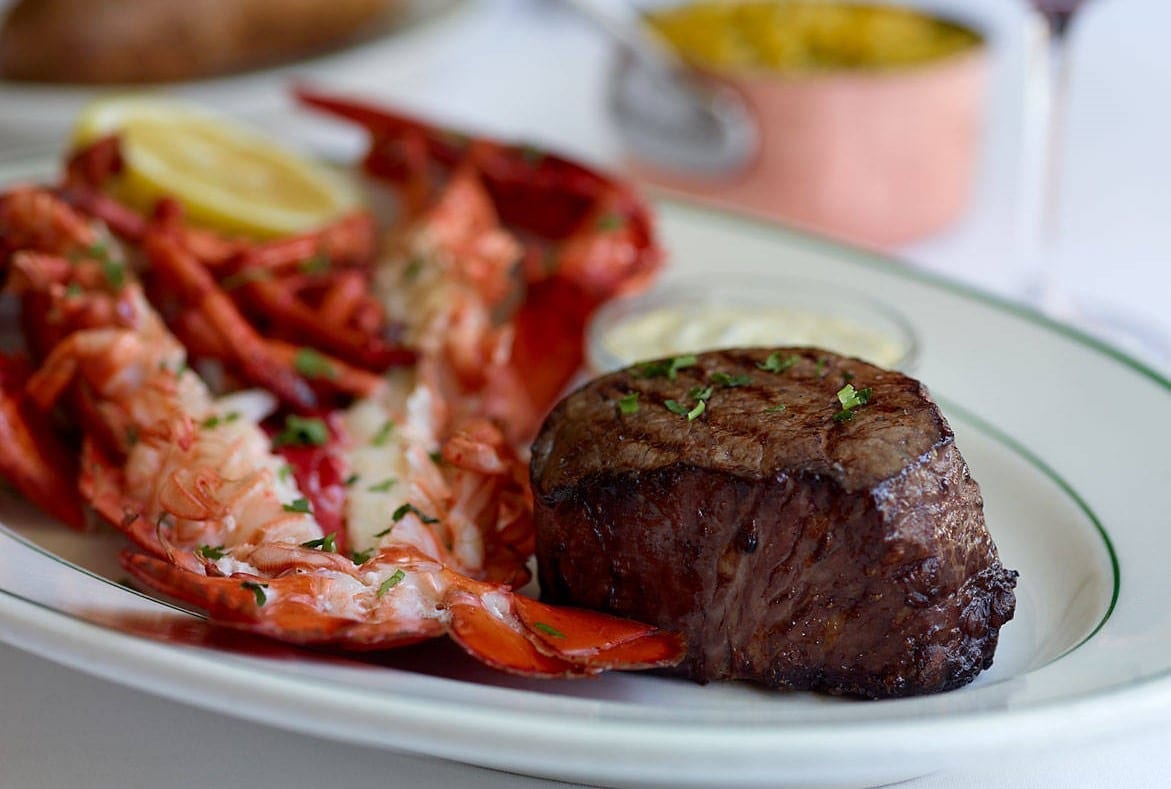
    US steakhouse Smith & Wollensky, famously described by the New York Times as “the steakhouse to end all arguments”, is expanding its global presence, setting its sights initially on such cities as Bangkok, Hong Kong, Seoul, Singapore, Taipei and Tokyo, as well as Dubai and Mexico City.

    This follows Irish investment company Danu Partners acquiring Smith & Wollensky Restaurant Group (SWRG) from Bunker Hill Capital this year. Its first overseas restaurant was opened in London.

    “Our teams in the US and London have worked closely together to build a robust infrastructure, and this is a perfect platform on which to build a global business,” says Leonard Ryan of Danu Partners. Joining the team will be international development executive Oliver Munday, who in the past 20 years has worked at growing US restaurant brands internationally.

    “Having completed transactions in more than 30 countries with multiple restaurant brands including Hard Rock, Margaritaville and Planet Hollywood, Oliver brings the contacts and expertise needed to allow us to reach our full potential on the international stage,” says SWRG president/CEO Michael Feighery .

    “Smith & Wollensky occupies a special place among the great US fine-dining restaurant brands, and there is global demand for such a classic American steakhouse experience,” says Munday. “We will be entertaining only a handful of select markets … but interest is already strong.”

    Since Danu Partners bought Smith & Wollensky it has embarked upon a program of reinvestment, which as well as expansion includes upgrades of its restaurants in the US.

    Established in 1977 with its headquarters in Boston, Smith & Wollensky Restaurant Group has seven locations in the US. The restaurant has received such accolades as the Grand Award of Excellence from Wine Spectator and an Award of Excellence from Distinguished Restaurants of North America.

    An investment holding company based in Dublin, Danu Investment Partners was founded in 2009 and covers a range of business sectors, with a focus on the hospitality sector.