Tag: Hong Kong

  • Le Saunda sales dips 8pct y-o-y in Q3

    Le Saunda sales dips 8pct y-o-y in Q3

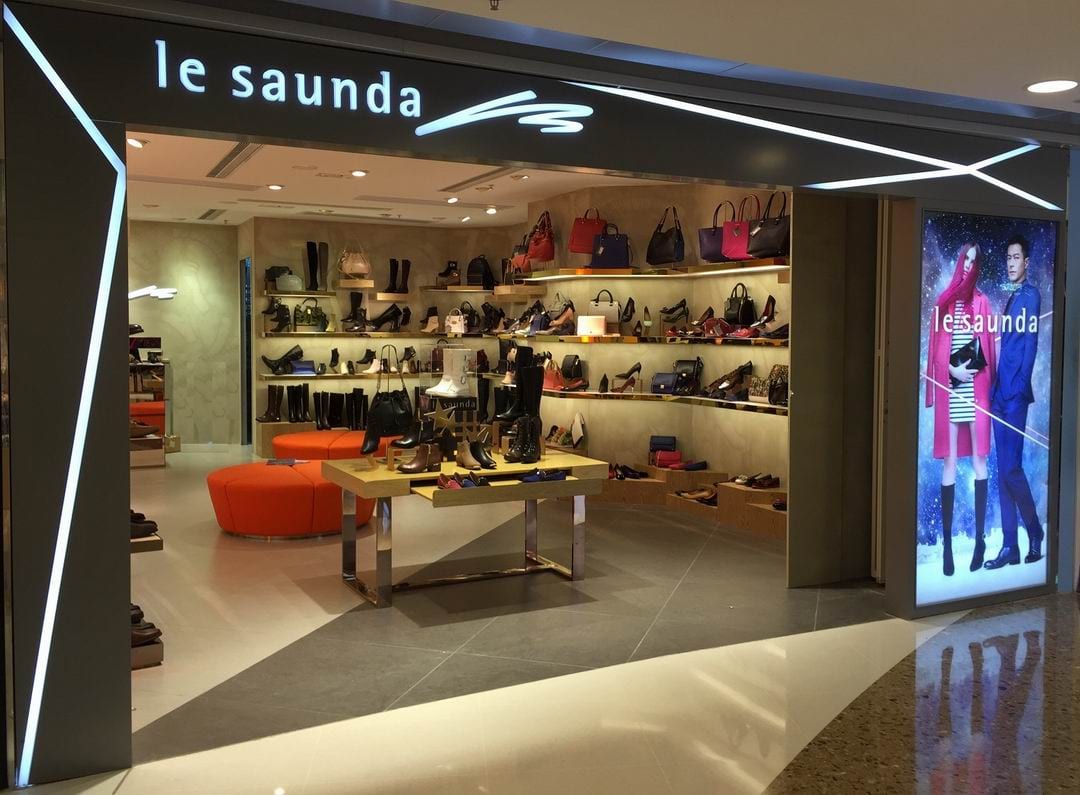
    Footwear manufacturer and retail company Le Saunda Holdings announced a decrease of 8 per cent in its total retail sales year-on-year for the third quarter of its 2016/2017 financial year, according to a filing with the Hong Kong Stock Exchange.
    Same store sales of the retailer also saw a 7.1 per cent drop year-on-year for the quarter, which when coupled with a 40.5 per cent year-on-year drop in the Group’s e-commerce business sales led the group’s diminished performance during the period compared to last year.

    As at the end of the group’s financial quarter, November 30, Le Saunda had a total retail network comprised of 822 outlets spread throughout Mainland China, Hong Kong and Macau. However, on the back of the declines in sales, the Group has closed 75 outlets compared to the same period of last year.

    Of the total outlets, 737 are in self-owned and in operation in Mainland China, Hong Kong and Macau while 85 outlets are operated under franchising agreements in Mainland China.

    According to the Group’s previously launched interim financial report, its total revenue for the first six months of fiscal 2016/2017, from March to August of this year, showed a decline of 13.8 per cent year-on-year to RMB651.2 million (US$94 million) from RMB756 million during the same period of the previous fiscal year.

    In addition, the Group’s profit dropped 24 per cent year-on-year to RMB45.6 million during the first half of the fiscal year.
    The Group is also engaged in the design and development of handbags and fashion accessories in Mainland China, Hong Kong and Macau.

  • Swarovski nail salons returning to DFS Group stores

    Swarovski nail salons returning to DFS Group stores

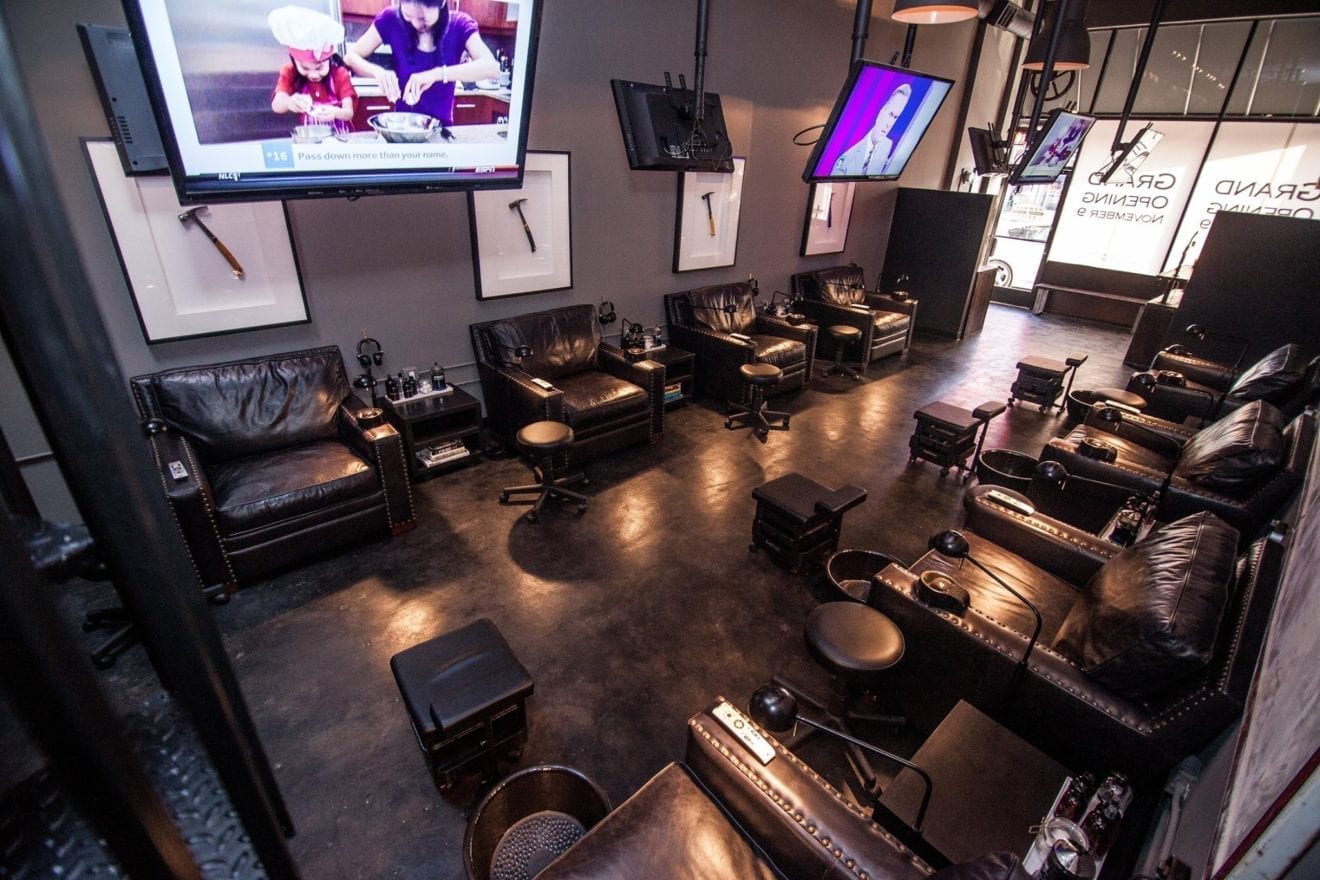
    This Christmas Swarovski is offering a nail treatment service to shoppers at DFS Group stores. The jewellery brand is returning to the T Galleria by DFS stores to offer its nail service for free to shoppers who have spent a certain amount.

    The service, which is available on select dates across December, will take place in T Galleria by DFS stores in Canton Road, Hong Kong, City of Dreams and Shoppes at Four Seasons in Macau.  The pop-up nail salons will offer the Swarovski “sparkling nail service” along with a Star Ornament crystal for shoppers.

    Director of Travel Retail Asia Pacific at Swarovski, Karen Tse, said: “Female shoppers at Swarovski have traditionally taken a more subtle approach by opting for our classic crystal jewelry and iconic pieces. However, over the past year, we’ve observed the trend in Travel Retail shifting towards a desire for customization and personal styling.

    “Our customers now want to create their own style so as to express their identity in a bold new way, and seeking a sales assistant’s advice has become an important step in the purchasing process.  We’re thrilled that our partnership with T Galleria by DFS has empowered them to fulfill this aspiration.”

    Swarovski is set to unveil a new fall/winter 2016 collection from brand ambassador Karlie Kloss, which features stars and icicle motifs.

  • Prada to close boutique at Peninsula hotel as Hong Kong’s retail slump bites

    Prada to close boutique at Peninsula hotel as Hong Kong’s retail slump bites

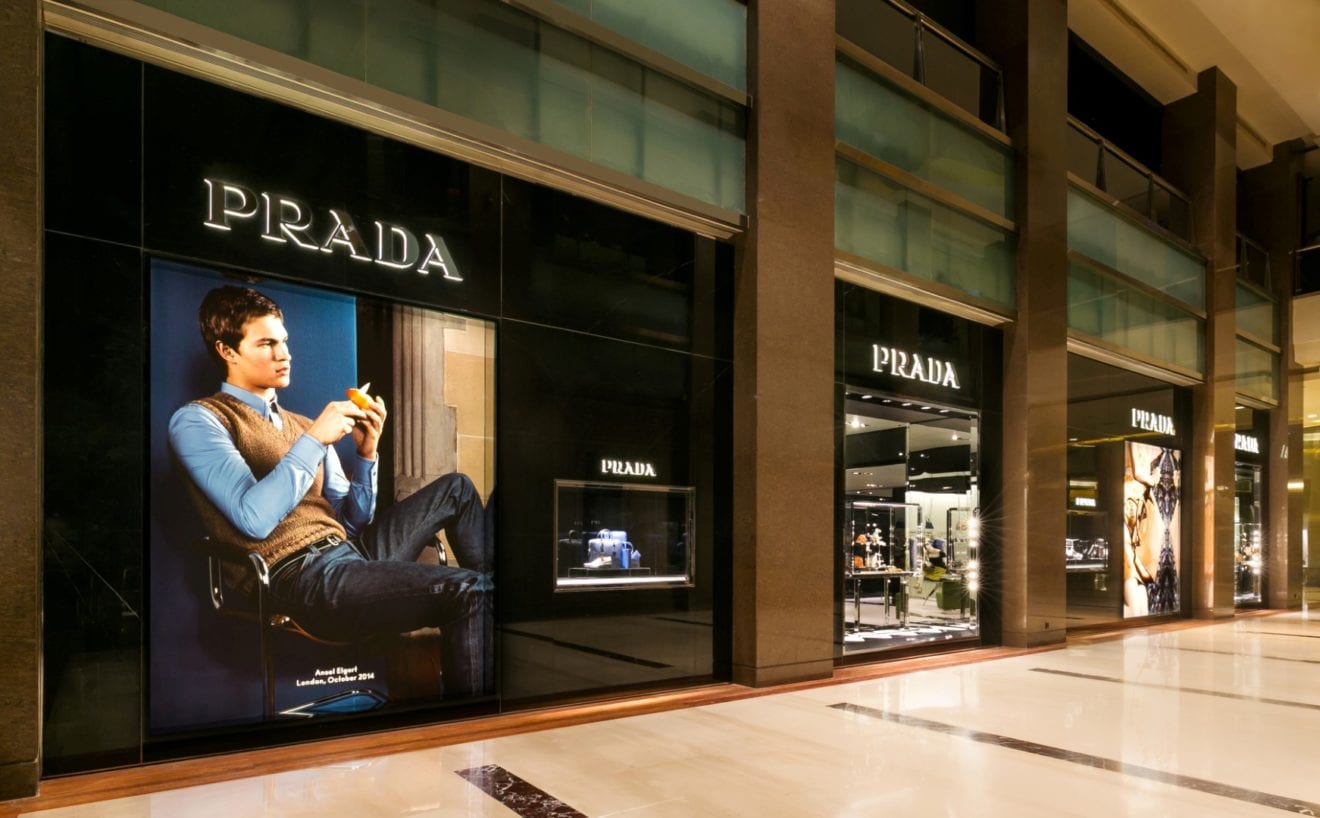
    Prada will shut its boutique at the Peninsula hotel shopping centre on December 31 in the latest sign that the retail slump is hurting high-end brands. The Italian luxury fashion label made its debut in the city with its 3,091 sq ft outlet at the landmark Tsim Sha Tsui address in 1986.

    But with fewer rich mainland Chinese shoppers visiting the city, analysts warn more luxury stores could fold after expanding too rapidly in the past decade.

    “The tenancy contract between The Peninsula Arcade and Prada will conclude on 31 December 2016,” a hotel spokeswoman said via email.

    A shop assistant at the boutique told the Post that some sales personnel had already left and others would be relocated to the brand’s other shops.

    A Prada spokeswoman said the company had “no comment” on the closure. It currently has 11 stores in the city.

    Prada’s total sales in Greater China tumbled 24.4 per cent in the first six months of the year on a yearly basis, as “Hong Kong and Macau continued to weigh heavily on the region’s contraction”, the company’s latest interim report said.

    Premium lifestyle brand Ralph Lauren quietly closed its 20,000 sq ft store in the Causeway Bay shopping hub overnight earlier this month, and British fashion house Burberry is to cut the size of its biggest Hong Kong flagship store in Pacific Place by 50 per cent within the next financial year.

    Retail sales of luxury items in the city such as jewellery, watches and clocks, and valuable gifts slumped 19.7 per cent in the first 10 months of the year.

    Helen Mak, head of retail service at property consultant Knight Frank, said more luxury brands would have to cut store numbers in the city, which she considered “a healthy adjustment”, after an aggressive expansion in recent years.

    “The store numbers of many luxury brands have doubled in the past decade,” Mak said.

    International high-end labels were eager to increase their presence to lure rich mainland shoppers who began to flood into the city from 2003 when Beijing eased travel restrictions.

    As Hong Kong recovered from severe acute respiratory syndrome – which struck the mainland in late 2002 and Hong Kong in 2003, killing 299 in the city – mainland residents from 49 cities were allowed in as individual travellers rather than having to join tour groups.

    But average spending by mainland visitors has dropped to about HK$7,000 per person this year, compared with HK$9,000 two years ago.

    “For luxury brands, it is a question of whether Hong Kong is still a place worth investing in,” Mak said, adding that some brands preferred to put resources directly into mainland cities.

    This article appeared in the South China Morning Post print edition as:

    prada ends its 30-year run at THE peninsula

  • Hong Kong electronics pricing losing edge

    Hong Kong electronics pricing losing edge

    Hong Kong’s reputation as a go-to destination for cheap electronics prices is under threat.

    According to a survey of 72 global markets by South American eCommerce vendor Linio.com, Hong Kong electronics are not the cheapest in the world – in fact in the case of some products, Hong Kong ranks in the middle to most expensive.

    hong-kong-ranking

    Venezuela proved the most expensive market for every one of the 14 products compared, due to out-of-control inflation

    Linio.com’s 2016-17 Technology Price Index takes into account the cost of smartphones, laptops, games consoles, tablets, smart devices, and other gadgets, ranking the countries on the average cost of all products researched.

    The entire table can be viewed online.

    second-most-expensive-countries

    To conduct the research Linio looked at the costs of all products in the study from several brick-and-mortar chain stores and smaller retailers in all major cities in each country. The study also took into account average costs from at least three reputable online outlets in each country. Taxes and other associated purchasing costs, minus delivery, were also accounted for.

    The results, which were ranked in order of average cost of all products researched, reveal that Hong Kong has an overall ranking of 12. Hong Kong also ranks in the top 10 most affordable countries for iPad Mini, Apple Watches, and External Hard Drives.

    “At Linio, we place a high value on transparency with our customers, and we hope that our index helps people more confidently interpret variations in tech price around the world,” said Andreas Mjelde Linio’s CEO. “Increasingly, the average citizen is a global one, and with a better understanding of global markets comes empowerment to travel, shop, and live smarter.”

    most-affordable-countries

  • 70 companies honoured at Hong Kong Awards for Industries

    70 companies honoured at Hong Kong Awards for Industries

    Seventy companies were honoured today (December 13) at the 2016 Hong Kong Awards for Industries (HKAI) presentation ceremony, at which the Chief Executive, Mr C Y Leung, officiated.

    The Grand Award winners were WowWee Group Limited (consumer product design), the Hong Kong Research Institute of Textiles and Apparel (equipment and machinery design), Sidefame Limited – Anteprima Wirebag (customer service), Gammon Construction Limited (innovation and creativity), Chow Tai Fook Jewellery Group Limited (productivity and quality), Comba Telecom Systems Holdings Limited (technological achievement) and Sinomax Group Limited (upgrading and transformation).

    A total of 234 entries were received at the 2016 HKAI. The winners were decided by the final judging panels chaired by Professor Joseph Sung.

    The HKAI was launched in 2005 by merging the former Hong Kong Awards for Industry and the former Hong Kong Awards for Services, established in 1989 and 1997 respectively. The HKAI aims to recognise the outstanding achievements of Hong Kong enterprises in pursuit of high technology and high value-added activities, and to commend excellence in various aspects of their performance.

    The 2016 HKAI covered seven categories, namely the consumer product design category organised by the Federation of Hong Kong Industries; the equipment and machinery design category organised by the Chinese Manufacturers’ Association of Hong Kong; the customer service category organised by the Hong Kong Retail Management Association; the innovation and creativity category organised by the Hong Kong General Chamber of Commerce; the productivity and quality category organised by the Hong Kong Productivity Council; the technological achievement category organised by the Hong Kong Science and Technology Parks Corporation, and the upgrading and transformation category organised by the Hong Kong Young Industrialists Council.

    The 2016 HKAI media partners were Hong Kong Economic Times and Metro Finance.


  • Delivery Hero takes control of Foodpanda

    Delivery Hero takes control of Foodpanda

    Control of the Foodpanda business has been sold by parent Rocket Internet, including the remaining Asian operations.

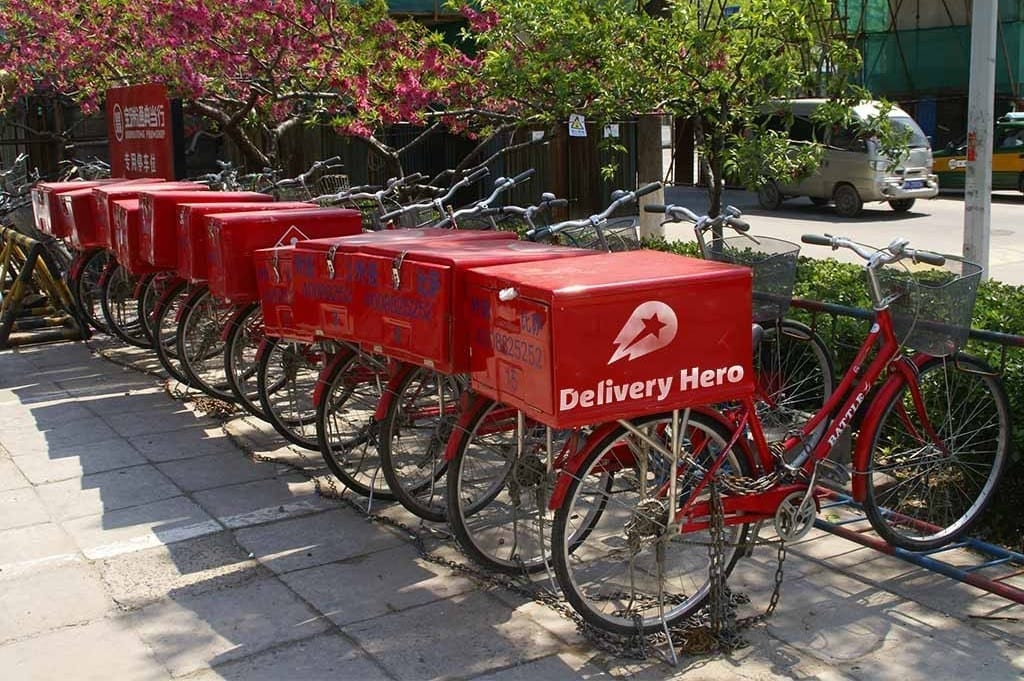
    German-based online food-ordering service Delivery Hero Holding, which is active in 33 countries, has acquired Rocket Internet-backed Emerging Markets Online Food Delivery Holding, parent of the shrinking Foodpanda business.

    Foodpanda, 49 per cent owned by Rocket Internet, has a presence in 22 countries, but shut its Indonesia business in October in the face of growing competition from app-based ride-hailing services that also offer food delivery, such as Go-Jek and Grab Bike. It has also exited Vietnam but remains operational in Singapore, Hong Kong, Thailand, Malaysia, the Philippines and Taiwan.

    In a partial share swap, the deal will see Rocket Internet’s stake in Delivery Hero increase from 30 per cent to 37.7 per cent. The sale will strengthen Delivery Hero’s global leadership position in online food ordering and delivery, with the combined group processing more than 20 million orders a month across 47 countries, says Rocket Internet.

    Bloomberg data shows that both companies together have raised more than $1.5 billion across several funding rounds with investors including Goldman Sachs and Insight Venture Partners.

    “The combination of Foodpanda and Delivery Hero, one of our most important companies, further consolidates key markets,” says Rocket Internet CEO Oliver Samwer. “Delivery Hero is also acquiring new markets.”

  • Tag Heuer sales buck watch trend

    Tag Heuer sales buck watch trend

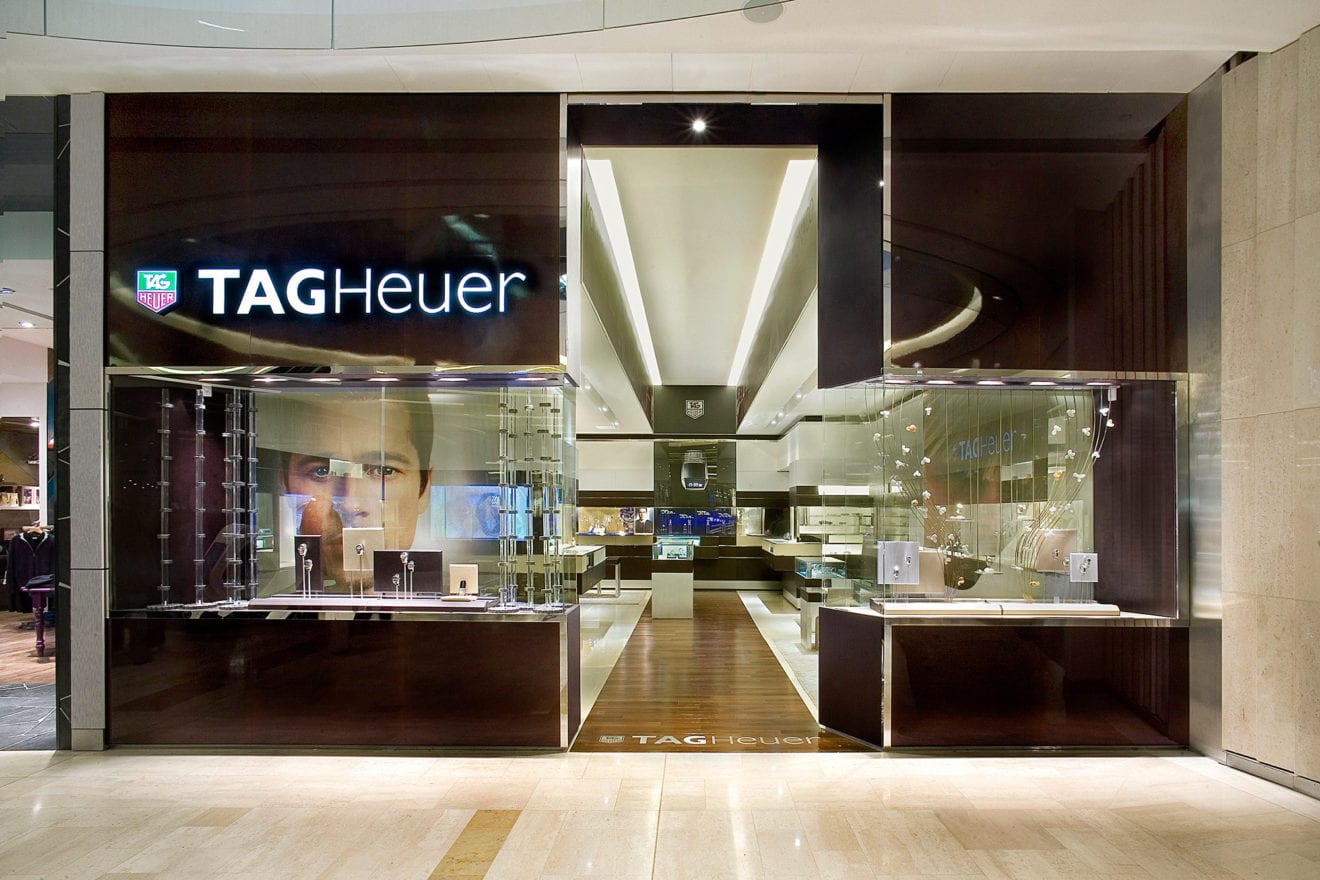
    Tag Heuer sales have soared as the LVMH-owned luxury watch brand defies the downturn in the Swiss watch industry.

    And now the company is eying a greater presence in China, undeterred by the routing of the luxury retail market in Hong Kong.  It has opened 60 new points-of-sale in Greater China this year.

    In an interview with Reuters, CEO Jean-Claude Biver said sales for the brand have risen more than 10 per cent so far this year – and is confident more growth is ahead. That contrasts with a 10 per cent sales plunge just two years ago.

    He cites new models and a smart watch for the improved fortunes, with the most growth in the company’s core US$1000 to $2000 price bracket.

    Tag Heuer’s remarkable growth has come as Swiss watch exports fell 11 per cent year-to-date.

    “For us, China is a country where historically we were not very present, so it is huge opportunity,” Biver told Reuters.

    “We are investing massively in China while the others are cutting their investments,” he said.

  • McDonald’s trims plans to sell parts of Asian operations

    McDonald’s trims plans to sell parts of Asian operations

    McDonald’s has downsized plans to sell parts of its Asia franchise after failing to find a suitable buyer in South Korea. The world’s largest fast-food retailer has a stringent list of terms for the deal, including keeping management and existing suppliers in place for a period of time in the hope of protecting the brand.

    Potential buyers balked at those demands, and prompted the decision to cut the country out of the current deal, said two people close to the matter.

    McDonald’s also plans to take a minority stake in the sale of the franchise in China and Hong Kong of up to 25 per cent, in an attempt to exercise greater control over the business that has in the past suffered from food safety scandals.

    The changes to the deal, which is near closing, with China’s Citic Group Corp and US private equity house Carlyle as the buyers, would reduce the size of the transaction to between $1bn and $2bn from what was originally expected to be as much as $3bn.

    The deal could close by the end of the month, said one of the people close to the deal.

    The sale of the 20-year franchise of 2,400 stores in China and Hong Kong has forced McDonald’s to strike a balance between reducing its exposure to China while also protecting its brand in the region.

    The deal attracted several Chinese bidders but people close to the process said the company turned many of them away because they were not deemed suitable to run the operation. The list of bidders included Sanpower Group, the owner of UK retailer House of Fraser, as well as Cinda Asset Management, a state-run bad-debt investor.

    The terms of the deal were unappealing to some of the private equity funds that originally were interested because McDonald’s has insisted the franchise not be publicly listed. Some private equity investors hoping to squeeze value out of the franchise considered terms such as maintaining management and suppliers for two years oppressive.

    US private equity house TPG, which partnered with Chinese retailer Wumart Stores, dropped out of the process at an early stage, followed later by Bain Capital and Shanghai-based partner GreenTree Hospitality.

    Yum Brands, which is nearly double McDonald’s presence in China, struggled with similar problems earlier this year.

    Yum Brands spun off its China business in a New York Stock Exchange listing in October with China-based private equity fund Primavera Capital and Ant Financial Services, an affiliate of Alibaba, taking a $460m stake in the operation.

    One investor has raised concerns about McDonald’s Latin American partner’s performance and whether McDonald’s would face similar issues in Asia by stepping back from operations on the ground.

    CtW Investment Group, which has a 0.2 per cent stake in McDonald’s and is affiliated to a federation of unions representing more than $250bn in assets, wrote to McDonald’s earlier this year citing worries over corporate governance at the fast-food chain’s master franchiser in Latin America, Arcos Dorados, which it says is hampering the chain’s performance in the market.

  • DJI Launches Xmas Promotion

    DJI Launches Xmas Promotion

    DJI, the world leader in unmanned aerial technology, Monday launched its Xmas Promotion featuring price reductions, free accessories with purchases and special holiday gifts.

    Whether you are a content creator looking for the best stabilized handheld camera equipment to shoot your next online video or an experienced aerial photographer looking to take your skills to the next level, there is something for everyone to be excited about this holiday season. 

    DJI’s Xmas Promotion will commence December 12, 2016 and end at 4 pm HK time January 5, 2017. The Phantom discount and Osmo bundle promotion will be available on https://campaign.dji.com/xmas, at authorized DJI dealers and in the Shanghai, Shenzhen, Seoul and Hong Kong DJI Flagship Stores. 

    The DJI Xmas Promotion features:

    • Price reductions on select Phantom drone models as detailed in the chart below (excluding Japan and China).
    • Free High Capacity Intelligent Battery with the purchase of the Osmo+ handheld stabilizer or free Intelligent Battery and Osmo Base with the purchase of the Osmo Mobile.
    • All DJI Care service plans are discounted by 12%. For more info and applicable countries, please visit https://store.dji.com/category/service.
    • The first 400 customers who purchase the recently released Phantom 4 Pro or Inspire 2 at store.dji.com/ will receive a special holiday gift which includes a DJI scarf and 3D Christmas card.

    Pricing Details:

    Model


    AUD

    HKD

    TWD

    USD

    (SGP & MYS)

    Phantom 4

    Original Price

    2,099

    9,299

    53,000

    1,279

    Promotional Price

    1,699

    7,999

    37,400

    1,069

    Phantom 3 Professional

    Original Price

    1,699

    7,999

    36,800

    1,070

    Promotional Price

    1,399

    6,499

    30,000

    859

    Phantom 3 Standard

    Original Price

    859

    3,869

    18,300

    530

    Promotional Price

    689

    3,199

    15,000

    429

    Phantom 4 – Obstacle avoidance, intelligent tracking and computer vision, allowing you to experience a simplified flying experience

    The Phantom 4 expands on previous generations of DJI’s iconic Phantom line by adding new on-board intelligence that make piloting and shooting great shots simple through features like its Obstacle Sensing System, ActiveTrack and TapFly. It is the first consumer quadcopter to use highly advanced computer vision and sensing technology, which makes professional aerial imaging easier for everyone.

    For more info: https://www.dji.com/phantom-4 

    Phantom 3 Professional – Smart, responsive and stable, enabling you to unleash your creativity

    The Phantom 3 Professional makes flying remarkably easy so you can shoot like a pro. With GPS-assisted hover, Vision Positioning System, smart features such as Return-To-Home, Point of Interest, Follow Me and real-time flight data, capturing the perfect shot has never been easier. The Phantom 3 Professional is one of the most intelligent, ready-to-fly drone that allows you to unleash all sorts of creative possibilities.

    For more info: https://www.dji.com/phantom-3-pr 

    Phantom 3 Standard – Remarkably intuitive and easy to use, allowing you to enjoy the thrill of flight

    The Phantom 3 Standard makes flying fun and exciting with its powerful, responsive motors. Soar on the path you want, stop in place, speed up, or fly higher in an instant. From takeoff to landing, it’s completely under your control while its onboard intelligent features does all the work, making it the most affordable and easy to fly consumer drone.

    For more info: https://www.dji.com/phantom-3-standard 

    Osmo+ – Control your composition with zoom and capture smooth, cinematic videos

    The Osmo+ allows you to capture motion without blur, action shots without shake and create the perfect video even on the move. It is DJI’s first consumer handheld gimbal with an integrated zoom camera that empower users with a 7× zoom without sacrificing HD quality. This gives you more control over your composition than ever before, allowing you to frame the perfect shot.

    For more info: https://www.dji.com/osmo-plus

    Osmo Mobile – Turn your smartphone into a smart motion camera

    The Osmo Mobile allows you to capture memories and share life’s moments more easily than ever before by turning your smartphone into a motion camera. It can make every moment you shoot look smooth, professional and ready to share. With the DJI GO app, you can automatically track your subject, capture stunning motion timelapses or even stream your moment as it happens.

    For more info: https://www.dji.com/osmo-mobile

    Phantom 4 Pro – An intelligent, easy to use aerial platform for those who demand more from the camera

    The Phantom 4 Pro offers a powerful imaging system for those who demand excellence from the camera. The camera packs a 1-inch 20-megapixel sensor and almost 12 stops of dynamic range to bring out levels of detail even in low-light. Enhanced features include sensing systems on the four sides that help it avoid obstacles, Landing Protection function and newly added subject tracking capabilities.

    For more info: https://www.dji.com/phantom-4-pro

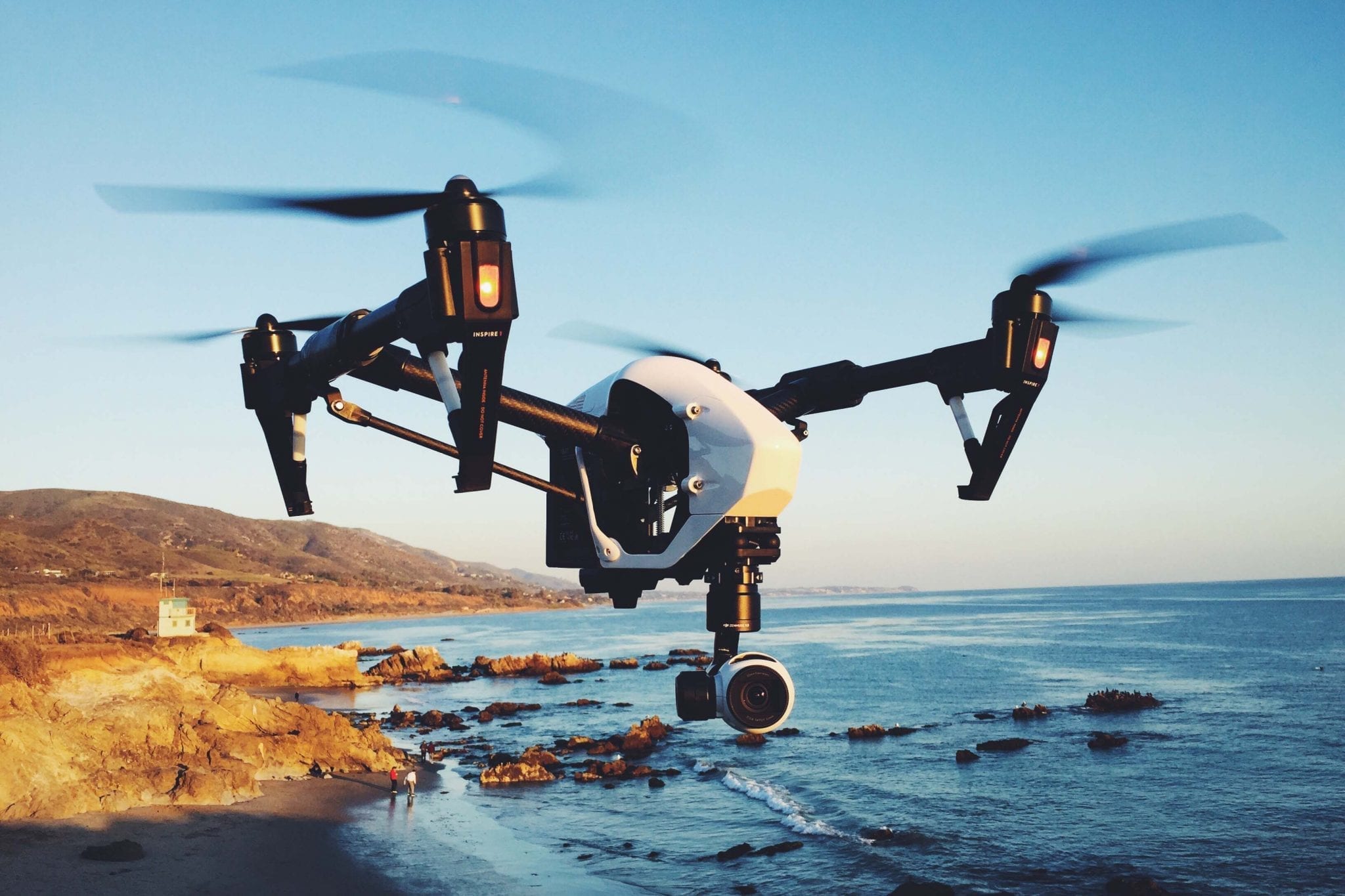
    Inspire 2 – A ready-to-fly platform for professional filmmakers and video creators

    The Inspire 2 takes everything that was good about the revolutionary Inspire 1 and improves it, with an upgraded camera system, dual intelligent battery, autonomous flight features and added sensors for better obstacle detection. An upgraded video transmission system is now capable of dual signal frequency and dual channel, streaming video from an onboard FPV camera and the main camera simultaneously, for better pilot and camera operator collaboration.

    For more info: https://www.dji.com/inspire-2
  • Mulberry expansion plan in Asia

    Mulberry expansion plan in Asia

    Mulberry Asia, a new joint venture between the British fashion brand and Challice Limited, has announced plans to open four stores in Hong Kong, China and Taiwan and a Chinese language eCommerce site.

    The move was announced along with the company’s half year results which saw sales rise 10 per cent, but the company posting a loss due to investments, mainly in a new collection.

    Mulberry will cease its current distribution agreement with Club 21, although its new partner Challice shares the same ultimate ownership.

    Mulberry Asia will locate its head office in Hong Kong from where it will manage all retail, digital fulfillment and wholesale distribution for the region. Challice will hold a stake of about 40 per cent in the new business.

    The company says it expects to post losses for two years during its establishment phase, moving into profit in year three.

    Mulberry CEO Thierry Andretta said the new venture would progress the group’s international strategy of developing its retail and omnichannel model “in a key luxury market where we see significant growth opportunity”.

    Subject to a number of practical issues, including obtaining Chinese trading licenses, Mulberry Asia is expected to be operational from Spring 2017.

    Analyst said Mulberry Asia was an impressive direction to take.

    “It will allow the brand to better serve its customers in North Asia and provide it with a solid foundation to further grow its business in this region. However, investment in product design and creativeness must continue so that Mulberry stands out in the increasingly difficult and crowded Asian market.”

    Footfall rises

    Meanwhile, while investment to create the new collection has had a negative impact on gross margin, down 2.4 percentage points to 59.1 per cent, it has successfully driven footfall into stores and turned its wholesale business around. Revenue was up 10 per cent in the half year, compared with an 11 per cent decline in the same period last year.

    Strachan says modern totes and bucket bags have improved the desirability of Mulberry’s offer, appealing to a new, younger shopper demanding more on-trend innovative pieces but with the craftsmanship and quality credentials that the brand continues to leverage and showcase.

    “Mulberry has achieved impressive UK like-for-like growth, despite tough 2015/16 comparatives, benefiting from international visitors taking advantage of the weak pound and high demand for British heritage brands. The opening of its new Covent Garden store was fortunate timing to showcase its new collections to this influx of lucrative shoppers,” said Strachan.

    “Conversely, the devaluation of the pound has hit the sales performance in some of its tourism-driven stores in Europe and the US, and has led to higher UK production costs and running costs of overseas subsidiaries.”

  • More stores closing the door in Hong Kong

    More stores closing the door in Hong Kong

    A “new wave” of Hong Kong store closures lies ahead, because many retailers have over-extended their footprints, says OC&C Strategy’s Pascal Martin.

    Commenting on the sudden closure of the Ralph Lauren flagship store in Causeway Bay this week, Martin said there will be a continuing wave of closures for the next one to two years because the lease contracts attached to each location have different terms, and in most cases tenants wait until the right time in which they can exit without incurring high penalties. The market will probably return to ‘normal’ in 2018, he said.

    “There is a common thread between the closing of Forever 21, Abercrombie & Fitch and Ralph Lauren. These three brands are experiencing challenges in terms of their overall performance. Therefore we think that they probably need to adjust their cost structure.”

    OC&C predicts that luxury and premium brands are more likely to adjust their store networks, the closures ahead “maybe not as spectacular” as the closures of those three flagships.

    More regular size stores will close because many brands over-extended their footprint in Hong Kong when there was a strong stream of Chinese tourists who were hungry for foreign brands.

    “Many of these brands had, and some continue, to have more stores in Hong Kong than in their home city. Now, they are investing more in their home city flagship stores including examples such as Louis Vuitton on the Champs-Elysees in Paris and Burberry on Regent Street in London, putting more emphasis on their roots and history, serving Chinese tourists who have upgraded their travel destinations to such global capital cities. At the same time, they have been closing a number of stores to adjust to a lower but more sustainable business in Hong Kong.”

    Martin said the exorbitant rent levels of flagship stores in Hong Kong can have significant impact on global brands’ overall bottom line. For example, Forever 21 took a big gamble opening in Causeway Bay because it takes exceptional levels of productivity to stay profitable given the level of rent they had to pay for such a large space there.

    “That being said, the Hong Kong retail context is creating opportunities for new players to take over spaces that are freed-up by store closures such as the above. And, new tenants can probably do that with better rent conditions than their predecessors in the same spaces.”

    OC&C predicts that brands that have upward momentum in their home markets and want to accelerate their momentum in Asia are the best candidates to take over large flagship space in Hong Kong, as long as these spaces are in good locations, like Victoria’s Secret taking over the Forever 21 location in Causeway Bay. Brands with on-going strong momentum like Zara and H&M may also be interested in taking up these vacant spaces.

    “Until recently, Hong Kong was often a key part of a brand’s strategy to build brand equity with Chinese tourists in view of entering China. This is still true to some extent, but now brands rely more on building brand equity directly with Chinese visitors in their flagships in Europe and the US, as well as online, rather than in Hong Kong. Therefore they rely less on opening flagships in Hong Kong as they once did. Hence, brands are more rigorous in their pursuit to achieve self-sustaining economics even in their flagship brand-building stores.”

    Martin said landlords will target the ‘up-momentum brands’ first in order to maximise rent.

    “If they are not successful with such brands, they will have to downgrade their expectations to less known but newer brands in smaller spaces, or to more experiential offerings, i.e. gyms, restaurants, who need large spaces but cannot afford apparel-brand level of rents.”

  • Ralph Lauren Hong Kong closes flagship

    Ralph Lauren Hong Kong closes flagship

    Following other international fashion labels, Ralph Lauren Hong Kong has closed its flagship store.

    Four years ago, its then CEO Ralph Lauren said the company was transforming its presence in China, “a region we believe will become an important driver of growth for us over the long term”.

    He was announcing plans to open 60 stores in greater China by 2015. A year after the announcement, the label launched its first men’s flagship store in Asia, in the Landmark Prince’s in Hong Kong’s Central district, and in October 2014 opened a “mansion” store at the Lee Gardens complex, offering accessories, watches and jewellery as well as men’s and women’s fashions.

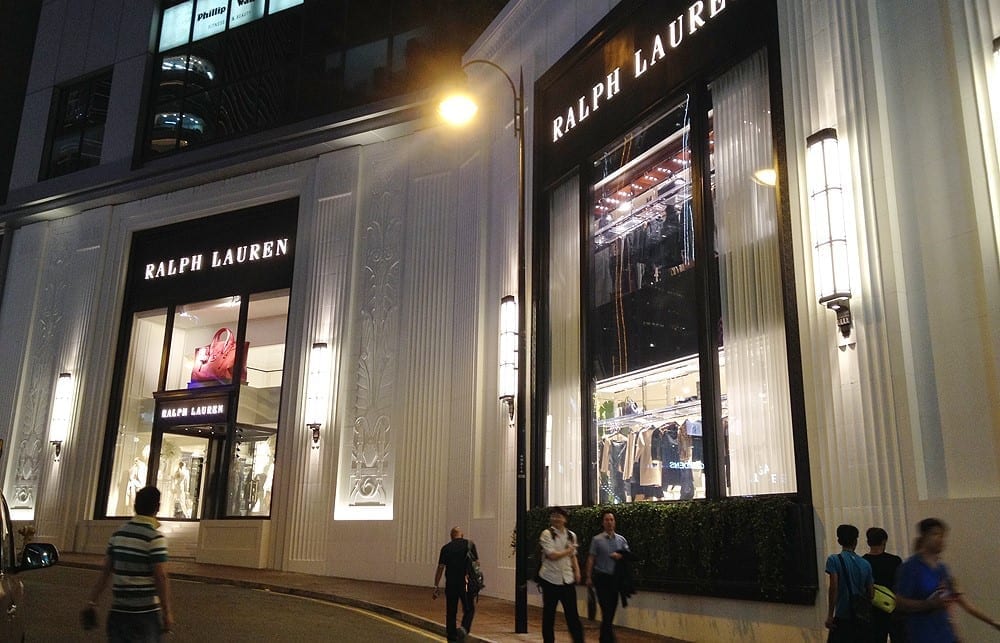
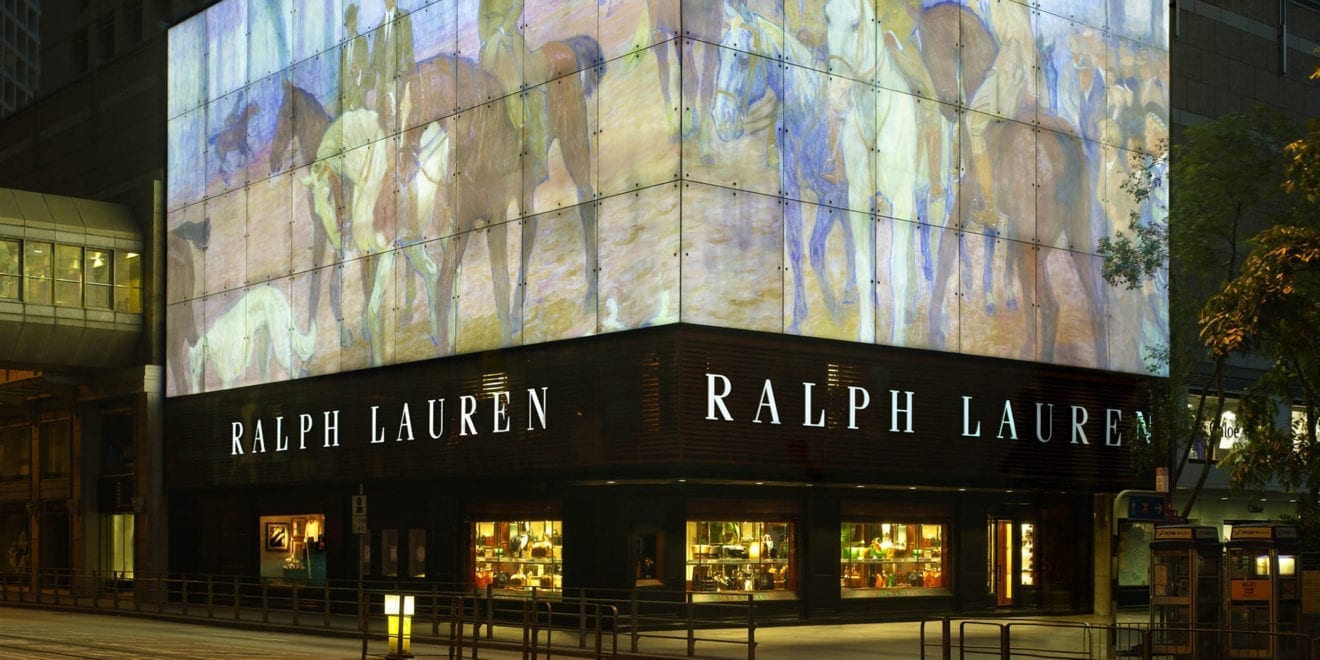
    Now its 20,000 sqft (1858 sqm) store in Causeway Bay has been closed overnight, with a representative of the brand saying the closure was “part of our strategic and financial plan”.

    “We are redeploying assets to focus on new concept stores and transition away from unprofitable formats and locations,” the spokeswoman says.

    Ralph Lauren will combine its men’s and women’s flagships in the newly renovated Prince’s Building location, she says.

    The move is part of a new strategy from Stefan Larsson, who replaced Lauren as CEO a year ago (Lauren is still executive chairman and chief creative officer). Larsson previously worked for Swedish fast-fashion retailer H&M for 15 years.

    The restructuring will cut more than 50 stores and 1000 jobs worldwide, saving the company between US$180 million and US$220 million a year, reports The South China Morning Post.

    Meanwhile, American fast-fashion label Forever 21 has announced it will close its multi-storey Causeway Bay flagship store. British label Paul Smith has already closed its Times Square store, and Italian luxury clothing and accessories label Tonino Lamborghini has also closed more than 10 stores and in-store counters.

    Abercrombie & Fitch is set to leave its prime location in the Pedder Building in Central, which will leave it without a stand-alone store in Hong Kong. This follows it closing about 50 stores in the US this year. But the US company plans to open a flagship store in Beijing.

  • Stella Artois opens pop-up Toasting Lounge

    Stella Artois opens pop-up Toasting Lounge

    A pop-up Stella Artois Toasting Lounge has been opened by the Belgian brewer in Pacific Place, Hong Kong.

    chalice-installation_from-the-top

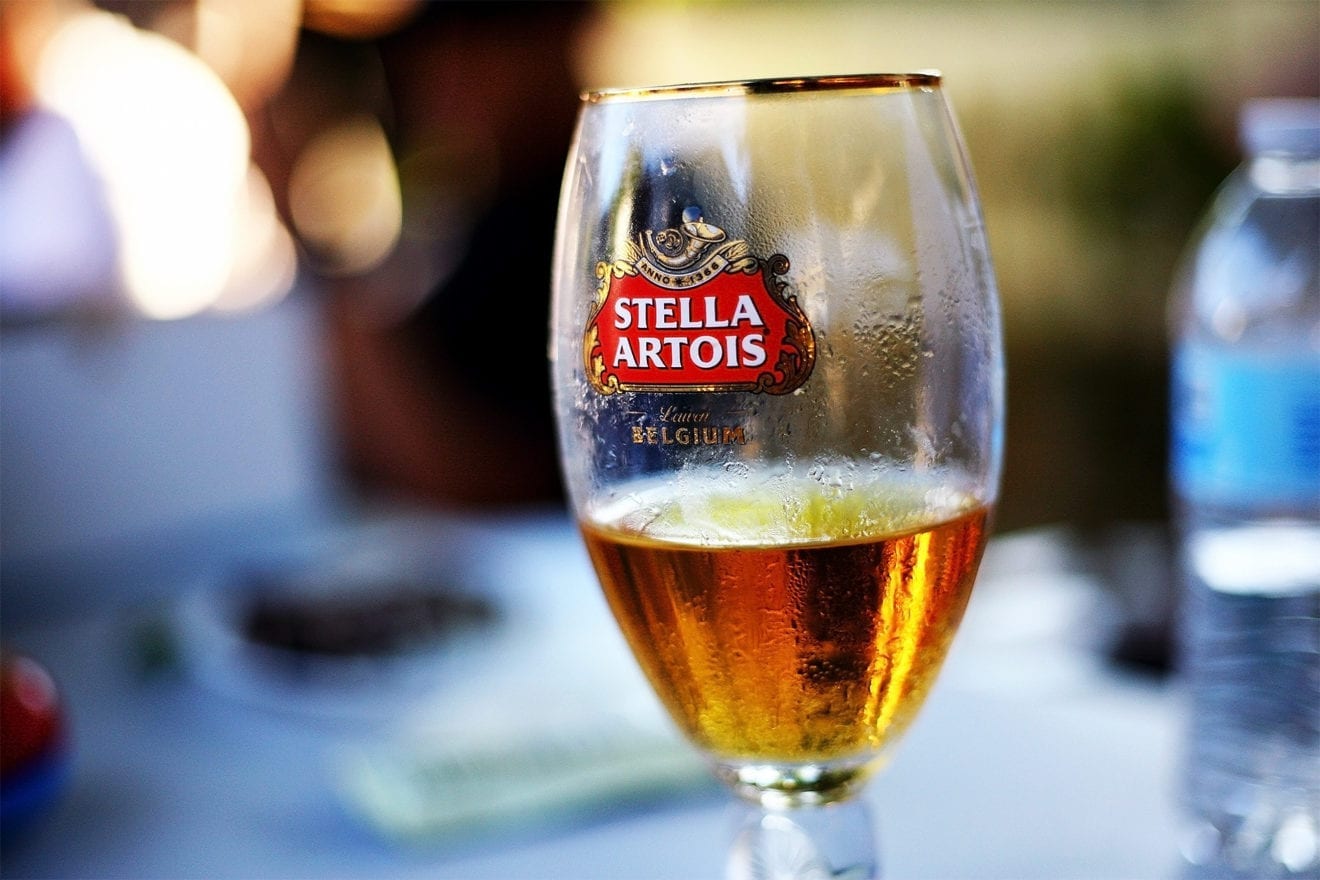
    Until the end of the month, beer lovers and Christmas shoppers can sample a Stella Artois brew and buy the brand’s special Christmas set, exclusive to the lounge. The Christmas set features a limited-edition Stella Artois holiday chalice, which can be engraved on-site with the recipient’s name or a short Christmas greeting. There is also a limited-edition 750ml holiday bottle, which can also be engraved.

    stella-artois-toasting-lounge-in-pacific-place-1

    Both the chalice and bottle incorporate a star in their design, which pays homage to the brand’s origins. The Stella Artois brew was originally created by The Artois Brewery as a Christmas gift for the people of Leuven in Belgium, with “stella” being added to its title as it is Latin for “star”.

    chalice-installation_inside

    stella-artois-bar

    Fun and social social activities are also being offered at the lounge, plus a “happy hour” every day. There will also be surprise happy hours, signalled by the ringing of a bell.

    stella-artois-toasting-lounge-chalice-installation

    Free half-pints are offered for certain social-media activity by guests, plus there are competitions with the limited-edition Christmas Set as a prize.

    There is a special chalice installation where visitors can take selfies including a 360deg. “Moment with the Stars” photo to share on Facebook.

    Open from 11.30am daily until 8.30pm but with specific hours for bar service, the lounge is on Level 1 at Pacific Place.

    stella-artois-toasting-lounge-in-pacific-place-2

  • Hong Kong’s Ocean Park sees record deficit, announces entry fee hike

    Hong Kong’s Ocean Park sees record deficit, announces entry fee hike

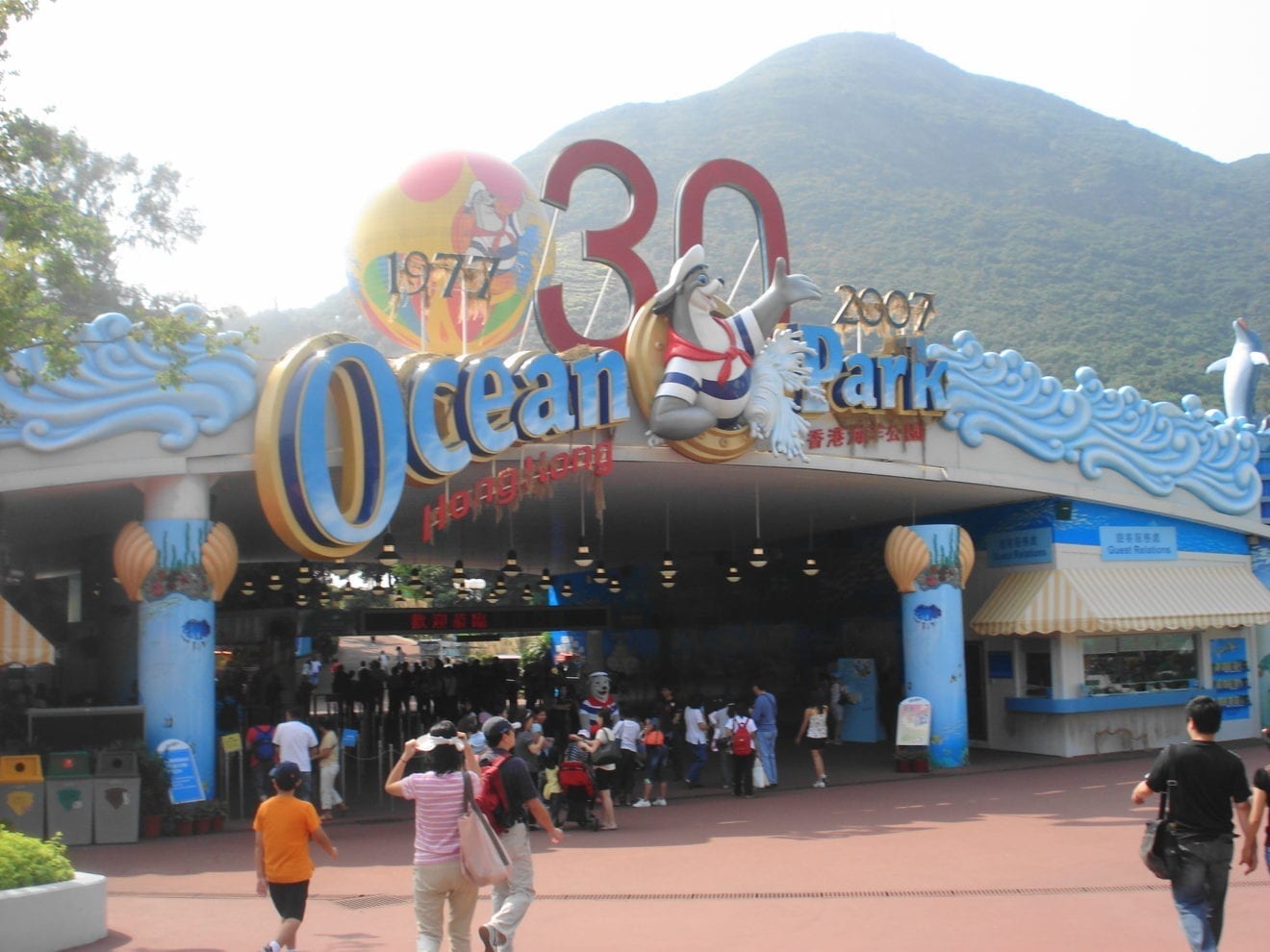
    Iconic Hong Kong theme park Ocean Park announced an entrance fee hike after recording its first deficit since 2003, local media reported on Wednesday.

    The park recorded a deficit of HK$241.1 million (S$44.2 million), its largest since 1987 according to the South China Morning Post. It announced that entrance fees would be raised to HK$438 for adults and HK$219 for children from Jan 1 next year, a 13.8 per cent increase.

    “The 2015/2016 fiscal year has been challenging for both the tourism and retail sectors in Hong Kong, and Ocean Park has not been immune,” Ocean Park chairperson Leo Kung told the South China Morning Post.

    He blamed a drop in tourism to Hong Kong and slowing economic growth in mainland China. In Ocean Park’s Annual Report for 2015-2016, Kung said that the drop in tourist arrivals to Hong Kong resulted in a 18.8 per cent drop in attendance to six million guests.

    “The number of inbound tourists to Hong Kong has dropped due to a combination of factors,” said Kung to the South China Morning Post. “These include intensified competition from other regional destinations, the strengthening Hong Kong dollar against the renminbi and other currencies, and slowing economic growth in China, which has affected mainland visitor flows to the city.”

    He added that there would be no redundancies or pay cuts to full-time staff.

    The park will launch a new entertainment and dining area at the entrance to woo visitors, Ocean Park executive director of sales and marketing Vivian Lee told the South China Morning Post. She added that the park would boost efforts to attract regional visitors from markets such as South Korea, Indonesia and Taiwan.

  • Closure of Ralph Lauren Hong Kong flagship store

    Closure of Ralph Lauren Hong Kong flagship store

    “We are in the midst of transforming our presence in China, a region that we believe will become an important driver of growth for us over the long term,” Ralph Lauren said in 2012 after the fashion conglomerate of which he was then chief executive announced plans to open 60 stores in greater China by 2015.

    A year later, Ralph Lauren launched its first men’s flagship store in Asia in the Landmark Prince’s in Hong Kong’s Central district, and in October 2014 it opened an enormous “mansion” store at the Lee Gardens complex, presenting accessories, watches and jewellery as well as men’s and women’s fashions.

    Fast forward two years, and the 20,000 sq ft store in Causeway Bay is no more, having closed overnight late last week.

    Contacted for comment about its abandonment of the doubtless expensive space in the Lee Gardens, a representative of the brand said the closure was “part of our strategic and financial plan”, adding: “We are redeploying assets to focus on new concept stores and transition away from unprofitable formats and locations.”

    We are redeploying assets to focus on new concept stores and transition away from unprofitable formats and locations

    Ralph Lauren spokeswoman

    Ralph Lauren is “combining men’s and women’s flagships in the recently renovated Prince’s Building location, as well as remaining focused on providing our customers with the authentic style and luxury shopping experience they expect from us,” the spokeswoman said.

    The move is part of a new strategy from Stefan Larsson, who worked for Swedish fast-fashion retailer H&M for 15 years and who replaced Lauren as chief executive in late 2015 (Lauren remains executive chairman and chief creative officer). The restructuring will, according to reports, cut over 50 stores and 1,000 jobs worldwide and save the publicly traded company between US$180 million and US$220 million a year. Its share price has been under pressure in the past 12 months, twice falling below US$85. Ralph Lauren shares closed at US$108.19 on Monday, down more than 9 per cent on their US$119.59 close on December 7, 2015.

    Ralph Lauren’s sudden exit from its Causeway Bay flagship store is the latest high-profile fashion closure to have occurred or been flagged in 2016. American fast-fashion label Forever 21 has announced it will close its multi-storey Causeway Bay flagship store. British label Paul Smith closed its Times Square store and Abercrombie & Fitch is set to leave its prime location in the Pedder Building in Pedder Street, Central – although, with a flailing brand reputation, poor sales and that famous HK$7 million monthly rent to pay, the move by Abercrombie & Fitch came as no surprise. Italian luxury clothing and accessories label Tonino Lamborghini also shut down more than 10 stores and in-store counters in the city earlier this year.

    Abercrombie’s Pedder Street closure will leave it with no stand-alone stores in Hong Kong, an effective withdrawal from the market, following on the closure of some 50 stores in the US in 2016.

    Although the “umbrella revolution” protests in 2014 that were a factor in a downturn in Hong Kong’s retail sales have long ended, political turmoil continues and visitor numbers, having dropped, have not fully recovered. Competition for high-spending Chinese consumers has been stiff, with destinations such as Japan, South Korea, Milan and London stealing some of the traffic from Hong Kong.

    The city’s retail sales dropped 10.5 per cent in the first half of 2016, their worst performance since 1999.

    Still, for all the negative news there are nuggets of hope. Italian brand Versace is opening a huge flagship store opposite the Landmark in Central next year, and mega brand Louis Vuitton is revamping its Hong Kong stores and continuing to invest in the city. Louis Vuitton chief executive and chairman Michael Burke told me a few months ago that “the leader in the market still believes in Hong Kong”.

    However, Louis Vuitton and Versace are definitely in the minority.

    With little sign of major recovery, Hong Kong’s economic outlook uncertain and retail sales continuing to fall, the fashion industry is on tenterhooks and braced for tougher times ahead. Since I wrote about Gucci’s rent dispute with its landlord Hongkong Land in 2015, there have been a spate of big-brand store closures, and threats by more prestige brands to shut up shop if rents aren’t adjusted.

    A few agile, smaller brands may exploit their departure, and subsequent rent drops, but times continue to be tough for the majority. Ralph Lauren probably won’t be the last big brand to close an expensive Hong Kong flagship store. Swire Properties chief executive Guy Bradley said in August he saw no signs of a retail turnaround.