Tag: Hong Kong

  • Hong Kong is the new target for J.Co Indonesia

    Hong Kong is the new target for J.Co Indonesia

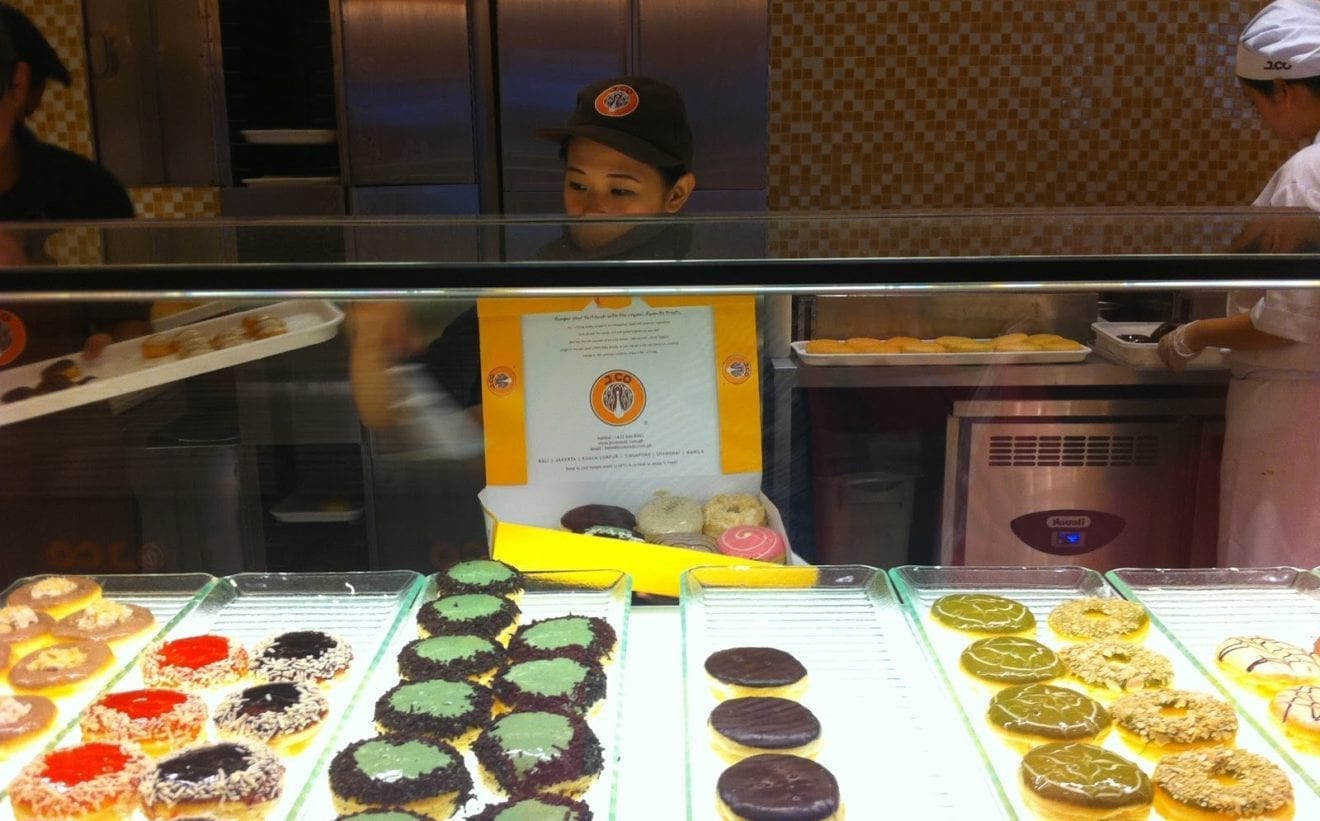
    J.Co Donuts & Coffee, the Indonesian ‘lifestyle cafe’ chain has further expanded its Asian footprint, opening its first store in Hong Kong this week.

    The 11 year-old brand now has 250 stores in its home market,Malaysia, Singapore and the Philippines – and now on Hennessy Road in Wan Chai.

    A review in Coconuts Hong Kong describes the new store as “an indecisive person’s worst nightmare”, because customers can either select their own combinations or let the staff suggest donut-coffee pairings, “like wine pairings, but actually acceptable for children and teetotallers”.

    The store has a core range of 24 flavours – and the indecisive can order a box of mini donuts (one of each flavour) to take away fro HKD98. Standard-sized ones sell for HKD15 each, or HKD88 for six.

    In keeping with the brand’s quirky, unique market positioning which sets it apart from US donut store brands, the food comes in celebrity-inspired names, such as strawberry-and-cream cheesy Berry Spears, the nutty, chocolate Jackie Chunk and the fruity Blueberrymore.

    J.Co Donuts & Coffee also offers an extensive coffee menu, frappes and even a ‘Hot Tiramisu’ drink.


  • Luk Fook Jewellery Malaysia debut

    Luk Fook Jewellery Malaysia debut

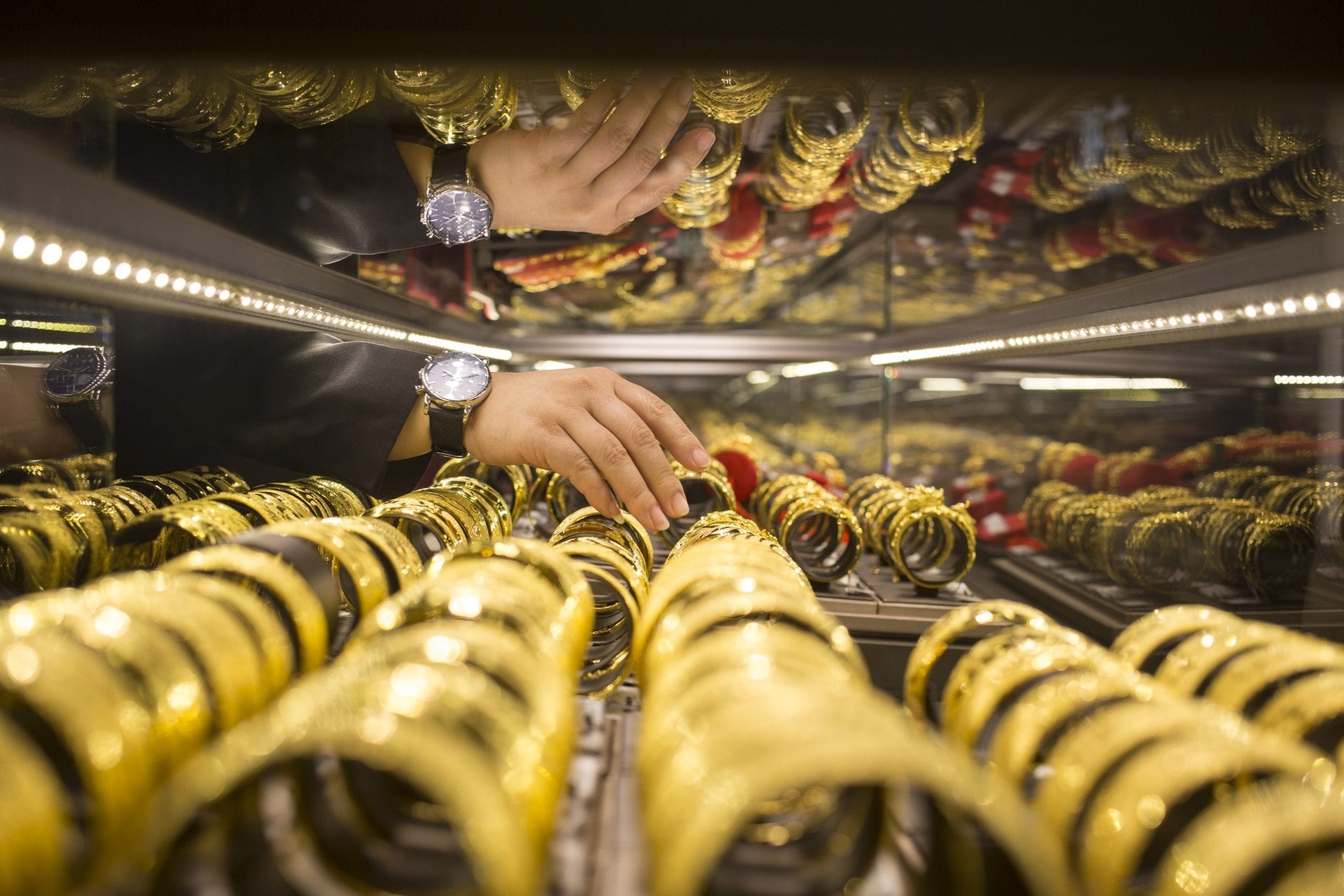
    Hong Kong luxury brand Luk Fook Jewellery has arrived in Malaysia, opening two stores – at Pavilion Elite and Suria KLCC.

    The group hosted a grand ribbon-cutting ceremony at its Pavilion Elite outlet, attended by actress Kristal Tin, Pavilion Kuala Lumpur retail CEO Joyce Yap, Hong Kong-Malaysia Business Association VP Henry Yip Choong Hung and Luk Fook Group executive director/deputy-GM Shirley Wong.

    Hosting the event was Luk Fook Group chairman/CEO Wong Wai Sheung.

    Luk Fook Jewellery first entered the Southeast Asian market in 2010 with a retail shop in Singapore. The two new outlets join its 1470 stores in the nine countries, including Australia, China, Korea, Macau and the US.

  • Asian expansion plan for Burt’s Bees

    Asian expansion plan for Burt’s Bees

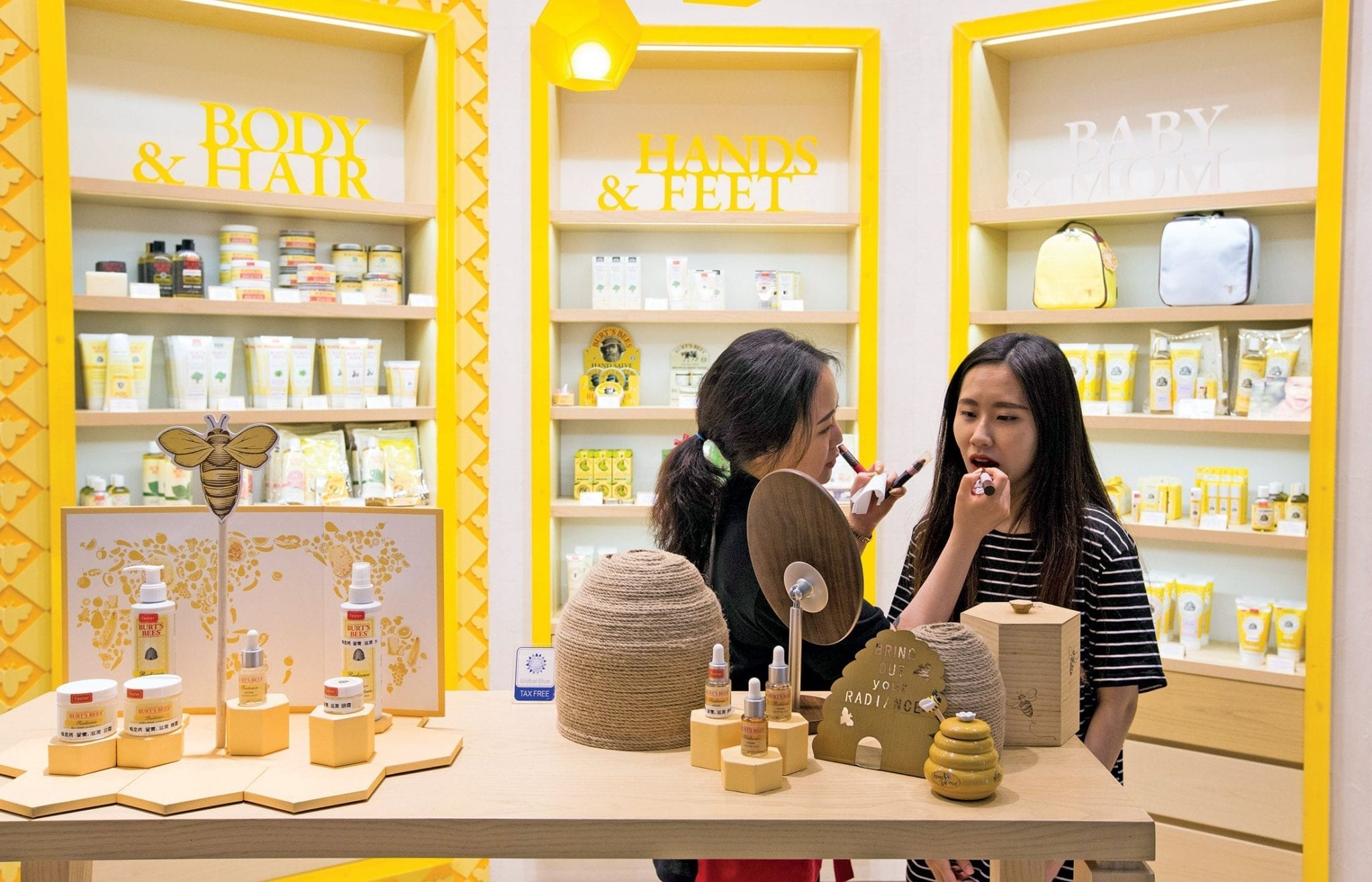
    Quirky US skincare brand Burt’s Bees is set to open stores across Asia after testing new concept formats in Hong Kong.

    The first stores are now trading at Queensway Plaza and Ocean Terminal.

    Despite its relative youth, Burt’s Bees is something of an institution in the US. Formed in 1984 in Maine by Roxanne Quimby and Burt Shavitz, Burt’s Bees started out making candles using excess wax from the latter’s honey business, before expanding into soaps and other personal care products using recipes discovered in 19th-century beekeeping books.

    burts-bees_telford-plaza_landini-associates_02

    By 2007 they’d given up the candles and were producing some 197 lines including lip gloss, shampoos, baby care lines and outdoor remedies, which were sold in 30,000 retail outlets in the US, UK, Hong Kong, Australia, Canada, Ireland and Taiwan among other countries. Late that year, industrial group Clorox reportedly paid US$925 million for the business.

    Burt died in 2014 aged 80, but his image lives on, forming a strong backdrop in the Hong Kong stores, which were designed by Sydney-headquartered design house Landini Associates.

    Landini has effectively reinvented the brand, repositioning it as a premium product, and paying tribute to the brand’s focus on sustainability and its philosophy “that everything should be for the Greater Good – good for you; good for us, good for all”.

    burts-bees_telford-plaza_landini-associates_03

    Two concepts have been created – a standalone store model and a store-in-store created for department stores.

    In tandem with the interiors, Landini has redesigned the graphics and communication: signage, ticketing and information graphics often embossed with a playful, iconic bee.

    “This is a big step for Burt’s Bees into the highly competitive Asian skincare market, explained a Landini spokesperson. “It will now roll out throughout Asia, South America and Europe.”

    Landini is also working on new packaging, designs of which will be released shortly.

  • Big appetite for online platform to trade funds

    Big appetite for online platform to trade funds

    Most local and mainland retail investors will trade funds on an online platform if the Hong Kong Exchanges and Clearing sets up and operates one, according to a Hong Kong Investment Funds Association survey.

    The poll showed that 81 percent of mainlanders would like to use such a scheme – where funds can be bought and sold like stocks – and 51 percent of Hongkongers would opt for it.

    HKIFA surveyed 950 mainland and local retail investors in October. Some 70 percent of respondents were Hongkongers.

    It said setting up such a trading platform will enable fund managers to offer diversified wealth-management services to investors, most of whom are currently investing only in stocks.

    At the moment, about 70 to 80 percent of investments in funds are done through banks, which determine the service fees and commissions for their services.

    HKIFA chief executive Sally Wong Chi-ming said introducing competition via a new channel for selling funds will help bring down service fees, benefiting retail investors.

    She noted that though foreign experience suggests that having a new sales channel will not necessarily wean fund investors from banks, it’s the new investors who may be lured to try out funds.

    Wong said HKIFA has been in talks in the past two years with HKEx and local brokerages for the establishment of a fund-trading platform. Many markets in the region – including Taiwan, Korea, Thailand and Australia – have set up such a platform.

    She said talks with HKEx are focused on operations, with the bourse operator looking at prospects of setting up one.

    HKEx needs to update its fund- trading system, which is more diversified than the one used in trading standardized equity products, said Wong.

    HKIFA will also work with the Securities and Futures Commission, the local securities regulator, to formulate related regulations to help set up the platform.

    The SFC has to clarify numerous issues, including the online fund transaction process, the boundary between recommendation and solicitation, and the circumstances that will trigger suitability testing, said Wong.

    The SFC will soon issue a circular relating to suitability.

  • Hong Kong’s rich have ways to get around property tax

    Hong Kong’s rich have ways to get around property tax

    People visit a viewing deck overlooking Victoria Harbour in Hong Kong. The city’s property prices have continued to climb because of the influx of mainland Chinese developers.

    Hong Kong: Here’s how billionaire Edwin Leong, one of Hong Kong’s largest retail landlords got around Hong Kong’s new property curbs and saved almost $17 million (Dh62.43 million) on his tax bill.

    He managed to qualify as a first-time homebuyer, purchasing three luxury apartments for HK$1.2 billion ($155 million) on the same day last month. Previously Leong had held no real estate in his name — despite owning more than 300 other properties, including apartments, hotels and shopping malls, through his company, Tai Hung Fai Enterprises Co., and having an estimated net worth of $4 billion.

    Wealthy buyers are finding legal ways around restrictions designed to cool home prices in the world’s least affordable city, where leaders are grappling to shrink a yawning wealth gap. Property prices have risen to near-record highs and sales volumes have surged since Chief Executive Leung Chun-ying announced the latest round of curbs on November 4, underscoring the challenges in taming the market.

    “Since the policies were introduced, most of the tycoons have been finding ways around them,” said Alan Wong, director of the Hong Kong market at Landscope Christie’s International Real Estate. About 70 per cent of new apartments sold since last month’s measures have involved first-time buyers who qualified for the lower rate, compared with about 30 per cent before the new tax was imposed, said Henry Mok, regional director of markets at Jones Lang LaSalle Inc.

    The government has tried to increase supply by releasing more land for sale, although prices have continued to climb because of the influx of mainland Chinese developers seeking a toehold in Hong Kong.

    Prices in the secondary housing market have risen 0.8 per cent since early November to just 1.4 per cent below a September 2015 record, according to Centaline Property Agency Ltd. Adrian Cheng, executive vice-chairman of New World Development Co., said the company was seeing a higher percentage of first-time buyers than before the new tax.

    Another method employed by the wealthy involves buying a shell company that owns a property, which is treated as a share transfer and only incurs a stamp duty of 0.2 per cent. If the company is registered offshore, the tax is zero.

    That’s the tactic used in the November 28 sale of a free-standing home with a yard and swimming pool in the Kowloon district that was appraised at HK$410 million. If it had been sold as a home rather than through the British Virgin Islands-registered company that holds the property, the sale would have triggered 45 per cent in taxes, including a flip tax because it was purchased earlier this year — a total of more than HK$180 million. Instead, the tax bill will be $0.

    In 2011, more than half of Hong Kong’s homes worth more than HK$20 million were sold via companies. Although the practice was virtually halted after the government in 2013 began taxing companies buying properties at higher rates than individuals, thousands of properties are still held in this way and can offer significant tax savings when they are resold.

    Wong from Landscope said he gets many requests from foreigners, mostly rich mainland Chinese, looking to buy one of these companies, as they would otherwise face the new 15 per cent tax plus an extra 15 per cent tax on non-permanent residents. In fact, the property agency’s website promotes the practice.

    “Beat the stamp duty hike,” the site says. “Intimidated by the 15 per cent stamp duty? No worries! Our keypersons have sourced an array of properties that can be sold via share transfer (of course you will need a lawyer to handle the process).”

    Still, because due diligence on the companies can be costly and complicated, only about 5 per cent of luxury homes are bought in this way.

    Leong’s purchase at the Mount Nicholson development, a mountain-nestled enclave, set a record for the most ever paid per square foot for a property in Asia, according to JLL. By being able to pay a lower stamp duty for first-time buyers, Leong saved 10.75 per cent in taxes.

    Two of the new apartments are adjacent units on the 17th floor and could be combined into more than 8,700 square feet of living space for Leong as his principal residence, more than 10 times the average size of a Hong Kong apartment. The third apartment, measuring 4,566 square feet, is 10 floors below and belongs to Leong and his family.

    The new tax is the latest in a series of measures since 2011 aimed at making it easier for low-income families to get onto the property ladder while increasing the costs for investors and foreign buyers. These include a tax that penalises people who resell within three years and an extra stamp duty of 15 per cent for non-permanent residents.

    The government’s new 15 per cent stamp duty replaced taxes ranging from 3 per cent on homes worth less than HK$3 million to a maximum of 8.5 per cent on those worth more than HK$21.7 million. The rates are half that for first-time buyers, which includes people who may have owned homes in the past but currently do not.

    “This is clearly a loophole,” said Raymond Yeung, chief economist at Australia & New Zealand Banking Group Ltd. in Hong Kong. “The government hadn’t thought about this before they launched the measure.”

    Singapore, which has been successful in driving down home prices since rolling out curbs in 2009, also levies a 15 per cent tax on foreigners and companies, while first-time homebuyers face lower stamp duties. Singapore and Hong Kong both define a first-time buyer as someone who currently does not own property in their name, regardless of whether they previously owned a home.

    Unlike Hong Kong, however, Singapore doesn’t allow first-time, multiple property purchases at lower rates.

    “The government is trying to cool the market, but there is no evidence that previous measures have done that,” David Webb, a Hong Kong-based shareholder activist who bought his own home 10 years ago through a company registered in the Seychelles. “There has been a whole series of misguided measures that have not had their intended effect.”

    Still, nobody’s talking about making getting around tax measures more difficult, said Denis Ma, head of Hong Kong research at JLL. “These are loopholes that haven’t been closed, and I don’t think they can be,” he said. “Hong Kong prides itself on being a very free market, and government intervention is not very high.”

  • Hong Kong retail banks’ profits up 4.5 per cent in first three quarters

    Hong Kong retail banks’ profits up 4.5 per cent in first three quarters

    Hong Kong’s retail banks saw a modest rise in profits in the first three quarters of the year thanks to improved income from foreign exchange activities.

    According to figures from the Hong Kong Monetary Authority, retail banks in the city saw their pre-tax operating profits rise by 4.5 per cent in the first nine months of the year in comparison with the same period of 2015.

    The HKMA said that the growth could be attributed to increases in both income from foreign exchange and derivatives operations and from dividends received from subsidiaries, while a decline in operating expenses also contributed to the improvement.

    The three elements provided increases of 4.5, 3.5 and 4.1 percentage points respectively to the banks’ profitability.

    These increases were offset, however, by a fall in fee and commission income, which led to a 7.8 percentage point reduction.

    The profit improvement over the first three quarters marks a turnaround in performance after banks had a troubling early part of this year. In the first quarter of 2016, retail banks’ profits fell by 4.8 per cent, albeit in comparison to a strong first quarter in 2015, in which incomes were boosted by large trading volumes in stock markets in both Hong Kong and mainland China.

    Last summer’s turbulence in the Shanghai stock exchange, as well as the hit to sentiment from the sudden devaluation of the yuan in August meant that Hong Kong banks had a difficult third quarter in 2015, making it easier to post good figures for the third quarter of this year, as well as the first nine months of the year as a whole.

    Banks in Hong Kong received a further boost last week when interest rates rose in the city, following the Federal Reserve’s decision to raise the rate in the US.

    The rise in interest rates should enable the banks to gain greater returns on cash that has been deposited with them, which they are unable, or have chosen not, to lend out.

    In Hong Kong, this is a sizeable amount, and according to the HKMA’s figures, in the first three quarters, retail banks’ total deposits increased at a faster pace than total loans. This meant that their loan-to-deposit ratio declined to 55.2 per cent at the end of September from 57.0 per cent at the end of June.

  • Certified Humane Chicken Arrives in Hong Kong Supermarkets

    Certified Humane Chicken Arrives in Hong Kong Supermarkets

    Humane Farm Animal Care (HFAC), the leading international nonprofit certification program improving the lives of millions of farm animals in food production, announced that Korin Agropecuária, the largest organic chicken producer in Brazil and the first Brazilian company to attain Certified Humane certification in 2009, will export Earth and Barrow frozen chicken pieces with the Certified Humane label to more than 80 PARKnSHOP supermarkets operating in Hong Kong initially and Singapore/Macau afterwards.

    “Hong Kong is a very demanding market, with a high interest in changing food trends,” says Luiz Demattê, Industrial Director for Korin Agropecuária, “Animal welfare certification is a strong selling point for our expanding market. It wasn’t so a few years ago, so we are pleased to be playing a role in bringing this concept to more countries. Our goal is to educate consumers about the Certified Humane® label and the importance of raising food animals humanely.”

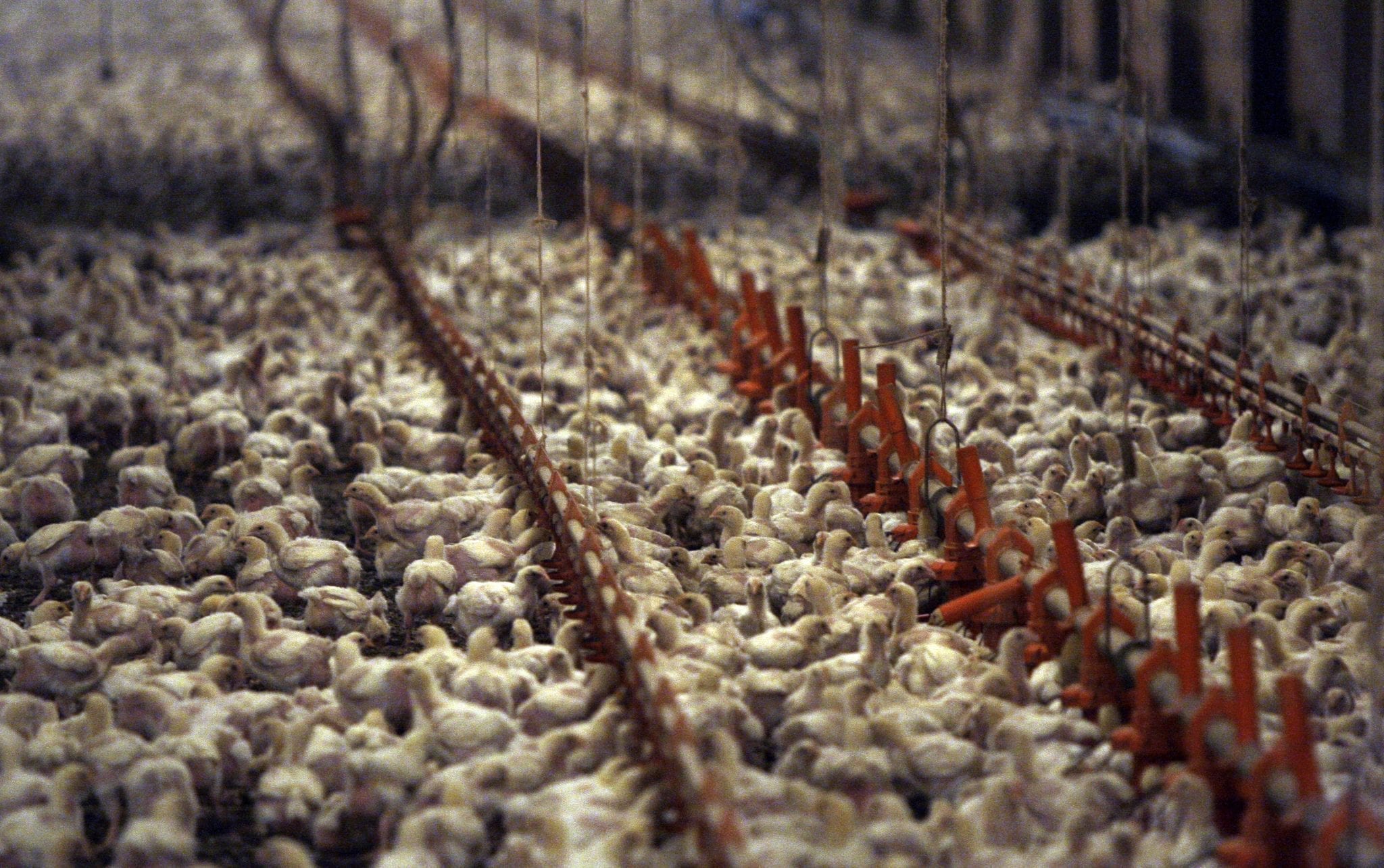
    HFAC’s Certified Humane label assures consumers that the meat, poultry, egg, or dairy products they purchase have been produced by farms according to HFAC’s precise Animal Care Standards. Farm animals in the Certified Humane Raised and Handled program must be fed nutritious diets without antibiotics, hormones, and animal by-products. They must also receive proper shelter, resting areas and space sufficient to support natural behaviors, like flapping their wings.

    A scientific committee of 40 farm animal welfare scientists and veterinarians from around the world developed HFAC’s Animal Care Standards to ensure the most humane care of farm animals possible.

    “Consumers are finally becoming more aware of how their food is raised and are demanding more humanely-raised food,” says Adele Douglass, Executive Director for HFAC. “Farm animals don’t have to be mistreated or confined in ways that cause suffering. We’re thrilled at this global awakening and that Hong Kong and Singapore will be the next markets to receive Certified Humane products.”

    Since 2003, more than 514 million farm animals have been raised Certified Humane in the U.S., Canada, Brazil, Peru and Chile. Consumers can download the Certified Humane app in English, French, Spanish and Portuguese to find stores near them that sell Certified Humane products.

  • HKT warns admin fee for consumers to increase by 67% in 2021

    HKT warns admin fee for consumers to increase by 67% in 2021

    HKT, the telecoms unit of the Richard Li-owned PCCW Group, warned that the administration fees charged by the telecoms industry to consumers are set to rise significantly by 2021, due to higher spectrum cost and “monopoly rents”.

    HKT group managing director Alex Arena said the government’s focus on raising billions of dollars from higher mobile spectrum fees only threatens to further diminish the competitiveness of Hong Kong.

    According to a consultation paper published in February, the government is expected to pocket at least HK$10.8 billion from its planned auction of part of the 900-MHz and 1800-MHz spectrum used by mobile network operators in 2021.

    Arena said should spectrum costs rise as a result of the government’s decision to auction off spectrum space currently used by the mobile operators, HKT would have no choice but to pass the higher costs on to customers,.

    “If the government is using higher spectrum costs as a way of taxing the telecommunications industry, then we will simply pass this tax on to the consumer,” the executive said.

    According to HKT, the administrative fee that is billed alongside a user’s service charge is expected to increase to more than HK$30 a month by 2021, up from the current HK$18.

    That could amount to nearly HK$400 in additional fees a year paid by each mobile subscriber in Hong Kong, on top of their regular service charges, the incumbent said.

    The administrative fee was first levied by mobile network service providers at HK$10 per customer each month in 2001. Since then, it has increased twice: to HK$12 in 2006 and HK$18 in 2014.

    Arena said the fee was implemented by the industry to deal with “certain costs that we cannot control, which are imposed by monopolies”.

    Those comprise the so-called spectrum utilization fee paid to the government; annual license fees collected by the Office of the Communications Authority (Ofca); fees to access, install and maintain networks throughout the MTR Corp’s rail network; and similar fees to operate networks in the various road tunnels in Hong Kong.

    While the administrative fees charged by the mobile operator have stayed flat since 2014 , fees collected by monopolies such as the MTR and tunnel operators have gone up, HKT said.

    “It is expected that the admin fee will increase significantly because the monopolists insist on extracting higher fees to subsidize their core businesses. On average, road tunnel costs and MTR costs have been increasing by 8% and 10% each year respectively,” the company said in a statement.

    “The current admin fee does not cover HKT’s full costs in paying the monopolists’ fees and charges, and HKT has been slow to pass the full costs onto its customers… but inevitably HKT cannot be expected to continue to absorb these cost increases.”

  • 2,000+ Buyers Visit First HKTDC Lifestyle Expo in New Delhi

    2,000+ Buyers Visit First HKTDC Lifestyle Expo in New Delhi

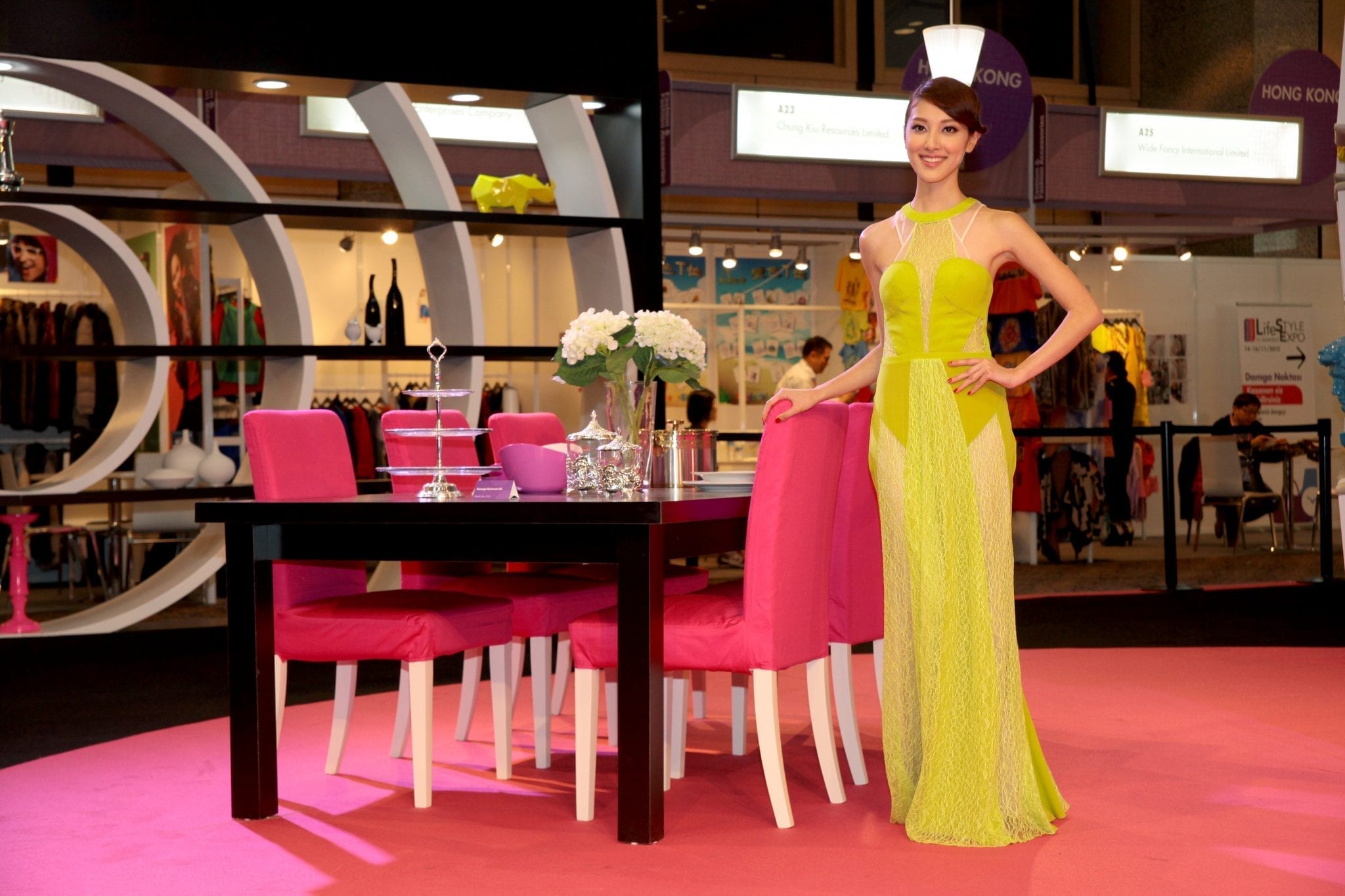
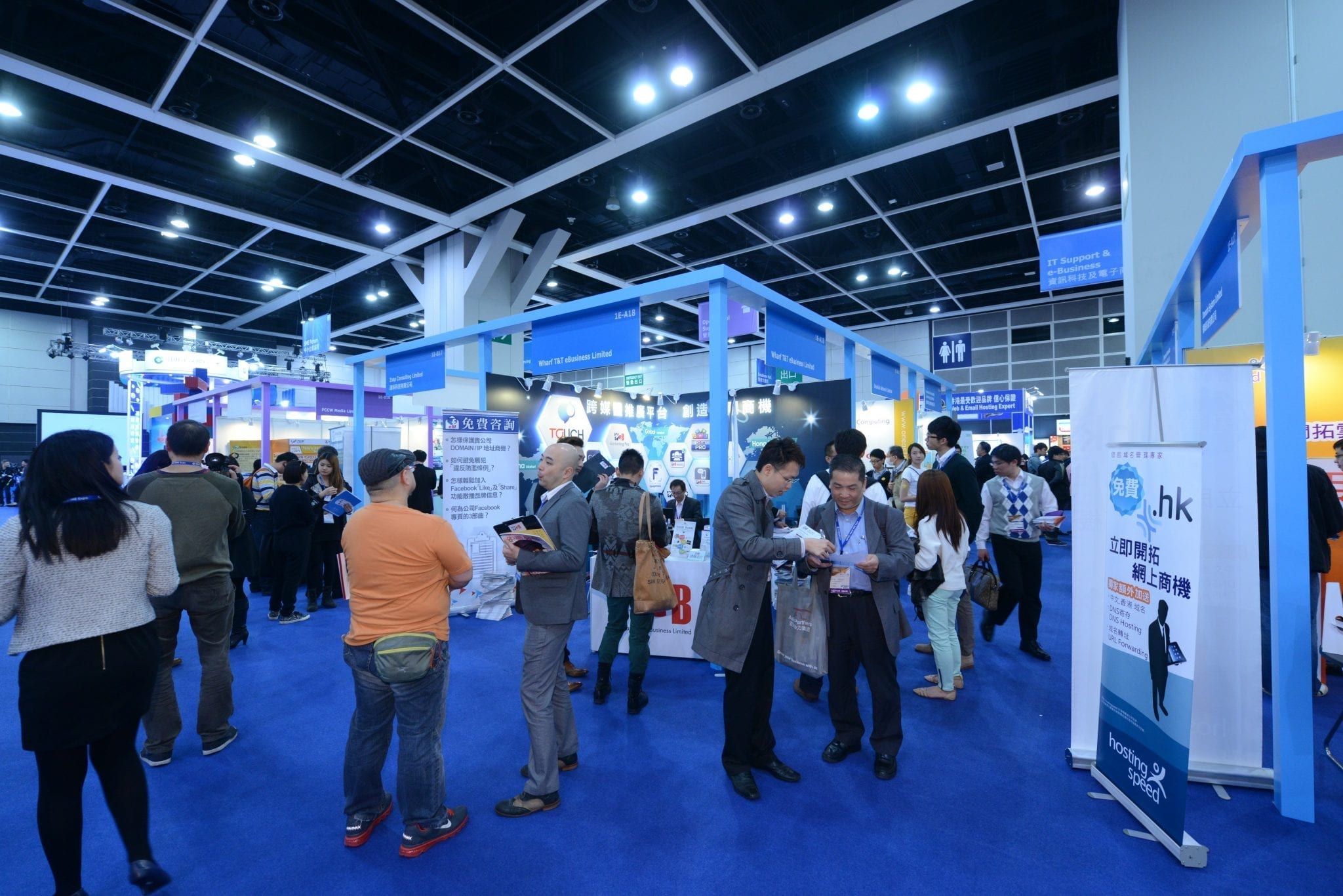
    The inaugural HKTDC Lifestyle Expo in New Delhi welcomed more than 2,000 trade buyers during its two-day run on 19 and 20 December 2016, as 120 Hong Kong and mainland companies showcased a range of trendy, high-quality products, reaffirming Hong Kong’s position as Asia’s lifestyle trendsetter and “super-connector” in business.

    Jointly organised by the Hong Kong Trade Development Council (HKTDC) and the Trade Development Bureau (TDB) of the Ministry of Commerce of the People’s Republic of China, the expo took place at The Lalit New Delhi.

    Apart from bringing a slice of Hong Kong lifestyle to India, the event also helped develop stronger bilateral trade relations between India and the Chinese mainland.

    The Opening Ceremony was officiated by LC Goyal, Chairman and Managing Director, India Trade Promotion Orgnisation, Stephen Liang, Assistant Executive Director, HKTDC, Jin Hong, Deputy Director-General, Trade Development Bureau, Ministry of Commerce, The People’s Republic of China, and Li Bai Jun, Commercial Counsellor, Economic Counsellor’s office of the Embassy of the People’s Republic of China in the Republic of India.

    Bridging India and China

    “We have very big hopes for the future of trade links between India and China, with Hong Kong serving as a ‘super-connector’ between two of the world’s most populous and fastest-growing large economies,” said Mr Liang.

    “India and China are two of the fastest-growing large economies on earth, with the IMF (International Monetary Fund) predicting GDP growth of 7.6 per cent and 6.2 per cent respectively in 2017. Together, they have a combined population of some 2.7 billion potential consumers,” he added.

    Individual buyers and buying missions came from New Delhi and other cities and regions including Mumbai, Chandigarh, Gujarat, Haryana, Jharkhand, Maharashtra and Punjab.

    At the Lifestyle Expo, the exhibitors paraded a variety of modern, high-calibre products including consumer electronics and ICT, gifts and premium, household products and electrical appliances, fashion and accessories and watches and clocks. The expo also featured trade-related services.

    These attracted buyers from different sectors, including importers, distributors, mass retailers, mail-order houses, department stores and specialised stores.

    Getting Connected

    The HKTDC arranged more than 1,600 one-to-one business matching meetings and various networking events during the expo to further connect Hong Kong and Chinese mainland suppliers with buyers.

    A brand new “Live Chat” service was offered at the Thematic Showcase Display zone, where staff connected buyers to off-site exhibitors via WhatsApp for real-time discussion of potential deals.

    The expo also featured the popular hktdc.com Small Orders showcase spotlighting 150 products available for orders in quantities of between five and 1,000 units. This allowed buyers to place small orders to test the market while minimising their risks. It also leveraged the growing trend of e-tailing that is changing the face of international trade.

    Business leads

    Exhibitors reported positive results from their participation in the event. Andy Lee, Managing Director of Hong Kong houseware supplier Star Express Asia Ltd. said he was happy with the quality of the Indian buyers. The company received about 25 serious enquiries, including a potential customer he had established contact with through the HKTDC Showcase Display at the China Products (Mumbai India) Exhibition 2016.

    Hong Kong LED lighting supplier Celex LED Technology Ltd Business Development Director Andrew Tsang said he was satisfied with the results, having been approached by “very good” Indian buyers including a lighting contractor and LED lighting distributors from Mumbai and New Delhi.

    Hong Kong online marketing services promoter CG Marketing Co Ltd, was keen to find local partners, and the company received more than 30 enquiries from various sectors, including online marketing, travel, toys and electronics products.

    The inaugural HKTDC Lifestyle Expo in New Delhi welcomed more than 2,000 trade buyers during its two-day run on 19 and 20 December 2016, as 120 Hong Kong and mainland companies showcased a range of trendy, high-quality products, reaffirming Hong Kong’s position as Asia’s lifestyle trendsetter and “super-connector” in business.

    Jointly organised by the Hong Kong Trade Development Council (HKTDC) and the Trade Development Bureau (TDB) of the Ministry of Commerce of the People’s Republic of China, the expo took place at The Lalit New Delhi.

    Apart from bringing a slice of Hong Kong lifestyle to India, the event also helped develop stronger bilateral trade relations between India and the Chinese mainland.

    The Opening Ceremony was officiated by LC Goyal, Chairman and Managing Director, India Trade Promotion Orgnisation, Stephen Liang, Assistant Executive Director, HKTDC, Jin Hong, Deputy Director-General, Trade Development Bureau, Ministry of Commerce, The People’s Republic of China, and Li Bai Jun, Commercial Counsellor, Economic Counsellor’s office of the Embassy of the People’s Republic of China in the Republic of India.

    Bridging India and China

    “We have very big hopes for the future of trade links between India and China, with Hong Kong serving as a ‘super-connector’ between two of the world’s most populous and fastest-growing large economies,” said Mr Liang.

    “India and China are two of the fastest-growing large economies on earth, with the IMF (International Monetary Fund) predicting GDP growth of 7.6 per cent and 6.2 per cent respectively in 2017. Together, they have a combined population of some 2.7 billion potential consumers,” he added.

    Individual buyers and buying missions came from New Delhi and other cities and regions including Mumbai, Chandigarh, Gujarat, Haryana, Jharkhand, Maharashtra and Punjab.

    At the Lifestyle Expo, the exhibitors paraded a variety of modern, high-calibre products including consumer electronics and ICT, gifts and premium, household products and electrical appliances, fashion and accessories and watches and clocks. The expo also featured trade-related services.

    These attracted buyers from different sectors, including importers, distributors, mass retailers, mail-order houses, department stores and specialised stores.

    Getting Connected

    The HKTDC arranged more than 1,600 one-to-one business matching meetings and various networking events during the expo to further connect Hong Kong and Chinese mainland suppliers with buyers.

    A brand new “Live Chat” service was offered at the Thematic Showcase Display zone, where staff connected buyers to off-site exhibitors via WhatsApp for real-time discussion of potential deals.

    The expo also featured the popular hktdc.com Small Orders showcase spotlighting 150 products available for orders in quantities of between five and 1,000 units. This allowed buyers to place small orders to test the market while minimising their risks. It also leveraged the growing trend of e-tailing that is changing the face of international trade.

    Business leads

    Exhibitors reported positive results from their participation in the event. Andy Lee, Managing Director of Hong Kong houseware supplier Star Express Asia Ltd. said he was happy with the quality of the Indian buyers. The company received about 25 serious enquiries, including a potential customer he had established contact with through the HKTDC Showcase Display at the China Products (Mumbai India) Exhibition 2016.

    Hong Kong LED lighting supplier Celex LED Technology Ltd Business Development Director Andrew Tsang said he was satisfied with the results, having been approached by “very good” Indian buyers including a lighting contractor and LED lighting distributors from Mumbai and New Delhi.

    Hong Kong online marketing services promoter CG Marketing Co Ltd, was keen to find local partners, and the company received more than 30 enquiries from various sectors, including online marketing, travel, toys and electronics products.

    Lifestyle trendsetter

    The Lifestyle Expo is one of the HKTDC’s signature international promotion events and has a successful track record in fostering trade between companies from Hong Kong and emerging markets worldwide including Russia, Poland, Turkey, Dubai, India and Indonesia. The Lifestyle Expo in Mumbai was successfully held in 2010.
    The Lifestyle Expo is one of the HKTDC’s signature international promotion events and has a successful track record in fostering trade between companies from Hong Kong and emerging markets worldwide including Russia, Poland, Turkey, Dubai, India and Indonesia. The Lifestyle Expo in Mumbai was successfully held in 2010.
  • Element Fresh plans Asian franchise roll-out

    Element Fresh plans Asian franchise roll-out

    Chinese international restaurant brand Element Fresh plans to grant development rights to franchisees across Asia, with an initial focus on Hong Kong, Japan, Thailand and Singapore.

    Founded in 2002, the group has nearly 40 restaurants in China, mainly in Beijing and Shanghai.

    It forecasts 80 outlets across China by 2020 while it moves to franchise in key countries across Asia.

    “We seek retail-focussed companies that view our cosmopolitan brand as complementing their existing portfolio and aligned with their business strategy,” says Element Fresh international franchising director Paul Barbone. “Our systems and operations have been fine-tuned and engineered to ease the start-up process through to multi-unit management.”

    Most of the brand’s dishes incorporate superfoods, with the seasonal menu innovation cycle giving diners the chance to try innovative ingredients.

    “We are passionate about fresh food, great taste and quality ingredients, making ‘eating right’ easy for our guests,” says CEO Frank Rasche. “People from dozens of countries come to us every day for our diverse menu and seasonal touches.”

    Recent examples include Salmon & Warm Buckwheat Salad, plus the Spicy BBQ Chicken Cobb salad that includes avocado chunks and chimichurri ranch dressing.

    Element Fresh has also just launched www.elementfresh.org, which details the advantages and benefits for franchise partners while showcasing its latest restaurant prototype.

    Barbone says the website offers information and videos for potential franchise partners. He plans to visit key markets in the coming months to meet with qualified groups, with the goal of having outlets open in select key cities by the second half of next year.

    Founded in Shanghai in 2002, Element Fresh is known for its gourmet salads and made-to-order fruit juices and smoothies, its diverse international menu including American-style breakfasts, and its casual dining ambience and service.

  • Sunway Velocity Mall opens doors

    Sunway Velocity Mall opens doors

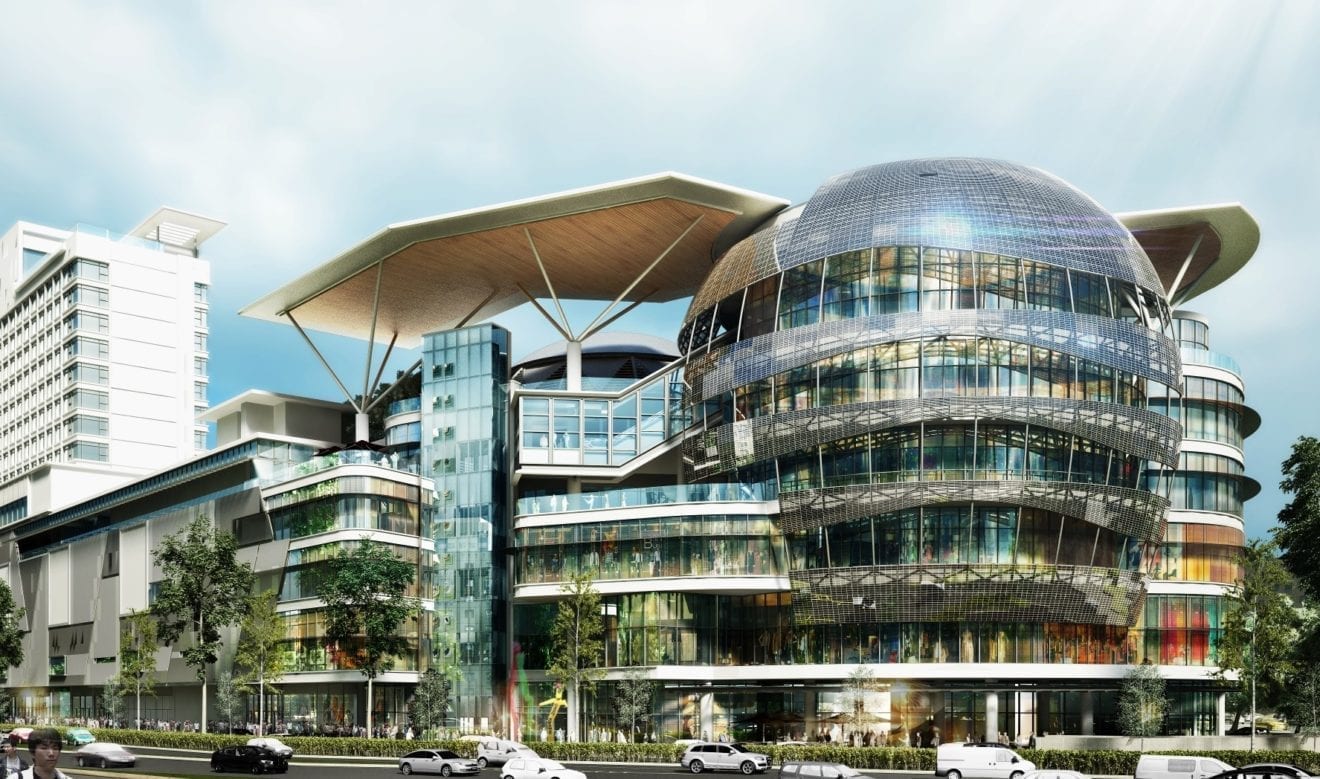
    Sunway Velocity Mall has opened in Cheras, with a catchment of 1.72 million residents including the nearby areas of Ampang and Kuala Lumpur.

    With a neo-futuristic appearance, the sphere-shaped shopping centre, known as the “KL Orb”, is set to be a landmark on the city’s skyline, especially with its LED light display.

    Its opening is also a milestone for the Sunway Group’s retail division. The group’s fifth mall, it integrates shopping, entertainment and gastronomy in an integrated development.

    “Sunway Velocity Mall was built and designed with one key purpose – to enrich the life experiences of its surrounding community,” says Sunway Shopping Malls & Theme Parks CEO HC Chan.

    The centre has four precincts: Vanity Hall, Marketplace, Food Street, and Commune @ Sunway Velocity. The seven-storey mall offers the first-ever Aeon MaxValu Prime in Malaysia – the third such outlet in the world following Japan and Hong Kong.

    The other two main anchors are Parkson and TGV Cinemas, which has the largest Imax screen in Malaysia. Other tenants include Chi Fitness, Grand Imperial, Harvey Norman, JD Sports, Padini Concept Store, Popular Bookstore, Toys‘R’Us and Uniqlo.

    Chan says the mall is part of the “golden triangle of retail spaces” comprising the new Ikea Cheras, Aeon Maluri Shopping Centre, MyTown Shopping Centre and the Tun Razak Exchange (TRX) Lifestyle Quarter development.

    Sunway Velocity Mall has been “dressed” for the festive season with decorations including a 30ft (9m) Christmas tree surrounded by giant presents in the main atrium. There is also a Christmas spend-and-win campaign, Santa City, which runs until February 12. Prizes include a Volvo V40 car, a Celistar diamond ring by SK Jewellery, a Hero bed frame, and a Nature’s Finest Himalaya mattress from Harvey Norman.

    There are also free weekend Christmas workshops for children.

  • Ladies Market fake products seizure largest for three years

    Ladies Market fake products seizure largest for three years

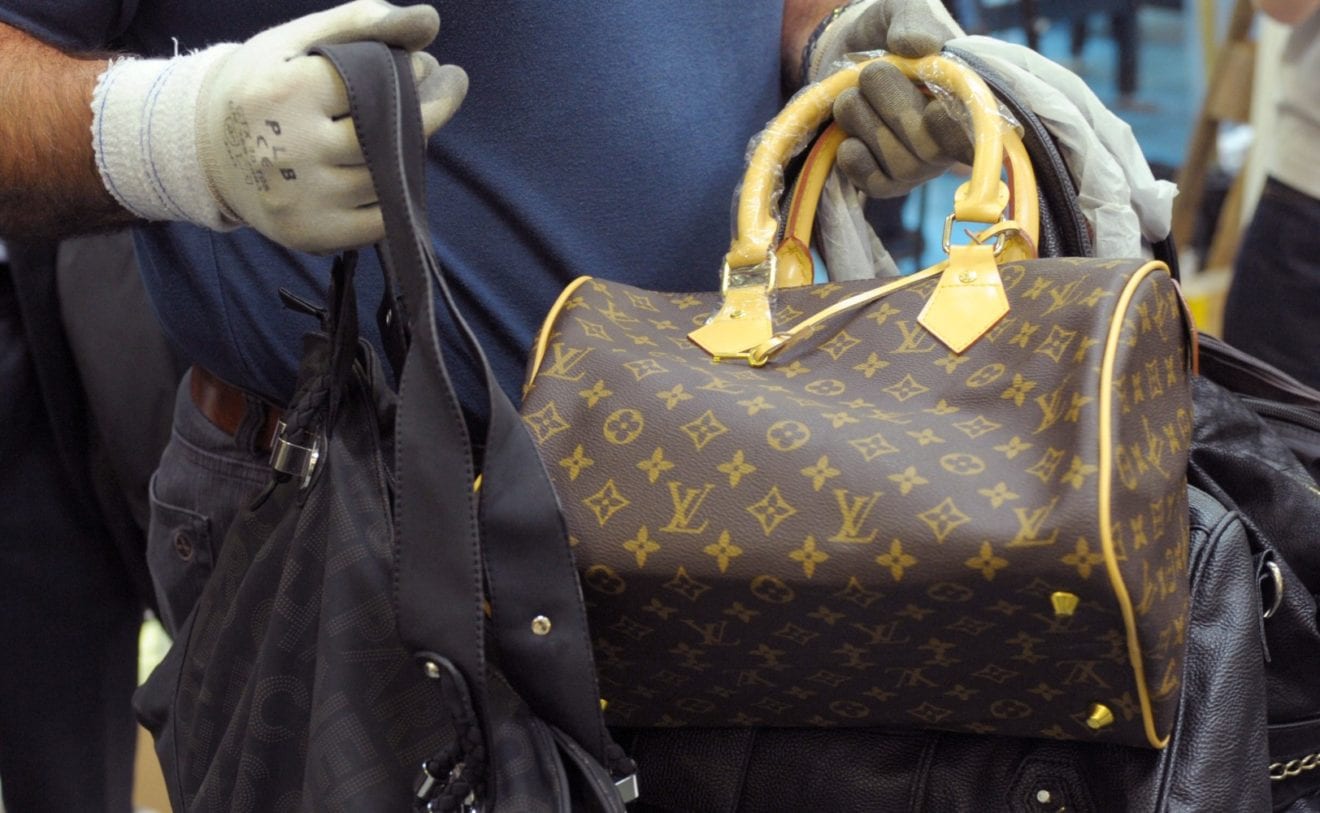
    Hong Kong Customs has arrested 10 people and seized HK$10 million (US$1.2 million) worth of fake products, smashing a counterfeit syndicate at the Ladies Market.

    It was the largest syndicate caught in three raids by the Customs and Excise Department this year on Tung Choi Street in Mong Kok. In January and August, officers nabbed 12 people and seized HK$7.5 million in fake goods.
    Following those busts, the syndicate just nabbed had chosen potential customers more carefully to avoid detection, says Customs official Guy Fong Wing-kai.

    “The gang served only tourists from Europe and America,” he says. “They did not approach locals or Asian tourists in case they were undercover customs officers.”

    The syndicate sold their goods at 5 to 20 per cent of the genuine products’ price, he says.
    An investigation revealed the syndicate sold counterfeit goods at four hawker stalls in the market, using electronic tablets to show clients photos of the products.

    “Some clients were taken to its upstairs showroom nearby, which was packed with about 600 counterfeit products,” says Fong. Four nearby flats were used as warehouses, and a female ringleader went to the mainland regularly to buy the fake products.

    After a month-long investigation, about 90 Customs officers raided the four hawker stalls, the secret showroom and the four warehouses. Seven men and three women were rounded up and more than 10,000 fake products seized including watches, handbags and leather goods.

    Fong says it was Customs’ largest seizure of fake products in a single operation in the past three years.

    Aged between 24 and 38 years, the 10 Hongkongers are being held for questioning. None have yet been charged.

    Fong says the department will enhance its enforcement activities against counterfeiting during the holiday season. He says that selling counterfeit goods is regarded as a serious crime, carrying a maximum penalty of a HK$500,000 fine and five years in jail.

  • British wine merchants take stock in Hong Kong

    British wine merchants take stock in Hong Kong

    It is 10,000km from Bordeaux to Hong Kong but for two decades now English fine wine merchants have helped Asian wine lovers solve the problem of distance. Berry Bros & Rudd and Farr Vintners were among the earliest to establish full-time businesses in Hong Kong in the late 1990s, alongside a handful of Chinese merchants. A decade later, market deregulation and the abolition of duties were catalysts for other European merchants to set up shop.

    Although relations have been convivial, competition is fierce. Some reported being disappointed by their entry into Hong Kong but those who endured were rewarded. Imports of wine in 2015 reached HK$10.8bn ($1.4bn), more than six times the value in 2007, according to research from the Hong Kong Trade Development Council. Euromonitor International forecasts the Chinese market will grow 7 per cent in volume each year to 2020. Today, well over a dozen of Hong Kong’s 350 importers are English and include some of the most prestigious brands.

    This healthy market, bursting with skilled local merchants who have access to the world’s best wines, begs the question of whether Hong Kong still needs England’s experts.

    For collectors, the argument for trusting the English is compelling. The top merchants have reputations and relationships that extend over more than 300 years. BBR, which was founded in 1698, holds royal warrants for supplying wine to the Queen and Prince Charles. Justerini & Brooks, founded in 1749, has an office in Hong Kong and holds a royal warrant. These merchants gain privileged access to wine at key times, such as when en primeur vintages (wines before they are bottled) are put on sale.

    Amanda Longworth, BBR’s head of marketing and wine services in Hong Kong, says the company’s reach extends beyond en primeur campaigns to unique fine wine parcels (one-off sales): “BBR has more than 9m bottles in warehouses in the UK. This opens up a world of wines generally unavailable in Hong Kong.”

    “Buying from a UK merchant is like being a kid in a candy store,” says Mathieu Thibaut, Asia general manager of merchants Corney & Barrow.

    Hong Kong’s wine collectors are significant players in the global luxury market and, according to a survey for the Guide to the Hong Kong Wine Trade, they represent some 37 per cent of merchants’ sales. Jo Purcell, managing director for Asia at Farr Vintners, says collectors represent the bulk of her business: “Our private customers are big buyers in their own right, some bigger than many wholesale accounts.”

    Private collector Roland Muksch buys more than half of his wine from English merchants. “The range of wines on offer is broad and there is a lot of depth in vintages,” he says. It is also an inducement to him that the merchants will keep his wines in their UK “cellars” (bonded warehouses) for years and that their online platforms, such as BBX (Berry Brothers Exchange), facilitate trading.

    The weak pound makes it especially attractive to buy from Britain: “The UK offers a price advantage of around 20-40 per cent,” Mr Muksch estimates.

    Ms Purcell concurs: “For volume buyers who are cellaring there, long-term, purchasing from an English merchant makes economic sense.”

    Cru World Wine benefits from the buying power of its global network, which has its roots in England. “UK merchants bring rich history and depth of relationships that are very helpful to Cru when it comes to sourcing and allocations,” says Sabrina Hosford, Hong Kong-based global head of retail sales and marketing for the online platform.

    Well-kept collections and access to en primeur wines are one thing but English merchants lack the advantage of speed. They can manage weekly or monthly air freights upon request and for a fee but sea shipments can take four to six weeks, a delay that deters some buyers. Hong Kong-based merchants have overcome this obstacle with local logistics and a wider selection of wines to hand.

    Jason Ginsberg, director at merchants Ginsberg+Chan, says: “Almost all our customers work with the UK trade, but they come to us when they need wines to drink immediately.”

    His clients appreciate the personal touch: “Local and regional customers like dialogue, tips on where to eat and what to drink and they are always looking for deals.”

  • HKT urges reforms to spectrum policy

    HKT urges reforms to spectrum policy

    HKT has publicly criticized the Hong Kong government over its handling of spectrum-related matters, asserting that the region risks becoming “a third-class citizen in mobile service development.”

    In an open letter to the government, HKT expressed concern over a range of issues, including a belief that the government is not doing enough to release more spectrum to the market, the failure to follow up on a pledge to introduce spectrum trading and insufficient public engagement over a planned spectrum reassignment exercise.

    HKT also expressed concern over the fact that spectrum prices have “increased astronomically over the years [to the extent that] Hong Kong spectrum prices are now the most expensive in the world.”

    Such high prices aren’t necessary when the government already has a huge budget surplus, HKT said. The charges are also inevitably passed on to consumers, who could see prices go up by more than HK$12 per month if the government sticks to its current pricing proposals.

    “What Hong Kong needs is a forward-looking, accommodating and holistic approach to spectrum policy, not a simplistic spectrum auction that is purely designed to maximize government revenues at the expense of the spectrum policy objectives,” HKT concluded.

  • DFS Group Introduces Newly Upgraded Stores at Hong Kong Airport

    DFS Group Introduces Newly Upgraded Stores at Hong Kong Airport

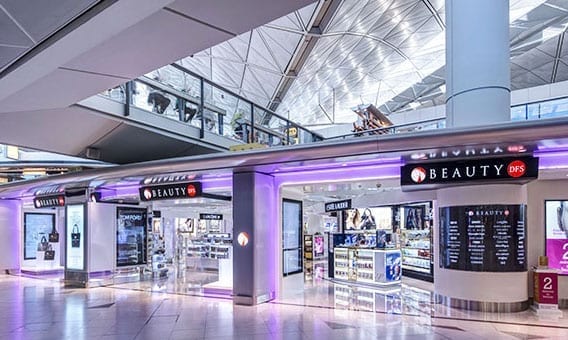
    DFS Group, the world’s leading luxury travel retailer, introduces four newly upgraded shopping spaces inside Hong Kong International Airport. Building on DFS’ promise to deliver innovation and newness, travelers can now discover an expanded assortment of brands and exclusive products at DFS boutiques in the Departures East Hall North and Departures East Hall South, showcasing DFS’ unparalleled expertise in providing new ways to delight travelers to Hong Kong.

    The remodeled area spans over 30,000 square feet, creating greater circulation space across General Merchandise, Beauty and Spirits, Wines and Tobacco categories. A range of first-in-HKIA product lines including Make Up For Ever, Fresh, Innisfree, Sekkisei, GLAMGLOW and Diptyque have been added to the airport stores’ Beauty sectors, while branded kiosks such as Montblanc, Casio, Samsonite and LeSportsac will present customers with new experiences including customized personalization in the General Merchandise section.

    DFS’ remodeled shopping areas also unveil unique new concepts in the Spirits and Wines sector, introducing one of only 15 Johnnie Walker Houses in the world in tandem with The Whiskey House, an experiential destination with certified Sales Associates delivering a luxurious shopping experience. New additions to the extensive brand list include Bache-Gabrielsen, Janneau and Moutai. Customers can explore more than 250 whiskies across 50 brands and enjoy DFS-exclusive offers including William Grant & Sons’ ‘Rare Cask Reserve’, as well as Araid 18 Year Old, 21 Year Old and 25 Year Old.

    Benjamin Vuchot, DFS Group’s Region President, Asia North said, “DFS is committed to continuously enhancing the traveler’s shopping experience at Hong Kong International Airport, gateway to one of the most important destinations in the world. We are very proud to offer these new brands, exclusive products and world-class concepts to travelers to HKIA.”

    The much-anticipated completion of the remodeled stores provides travelers with more space, visibility and better ease of shopping. The new layout marks the beginning of an enhanced shopping experience that will give travelers reason to spend more time relaxing before their flight at Hong Kong International Airport. The remodel builds on a number of exciting activations for travelers including the 12.12 Alipay promotion and recent Whiskey Festival at the newly launched The Whiskey House.

    Be sure to visit the East Hall Departures at DFS, Hong Kong International Airport and experience effortless shopping filled with new discoveries and exclusive offers.