Tag: Hong Kong

  • Celebrate Chinese New Year with Festive Promotions at  Hong Kong International Airport

    Celebrate Chinese New Year with Festive Promotions at Hong Kong International Airport

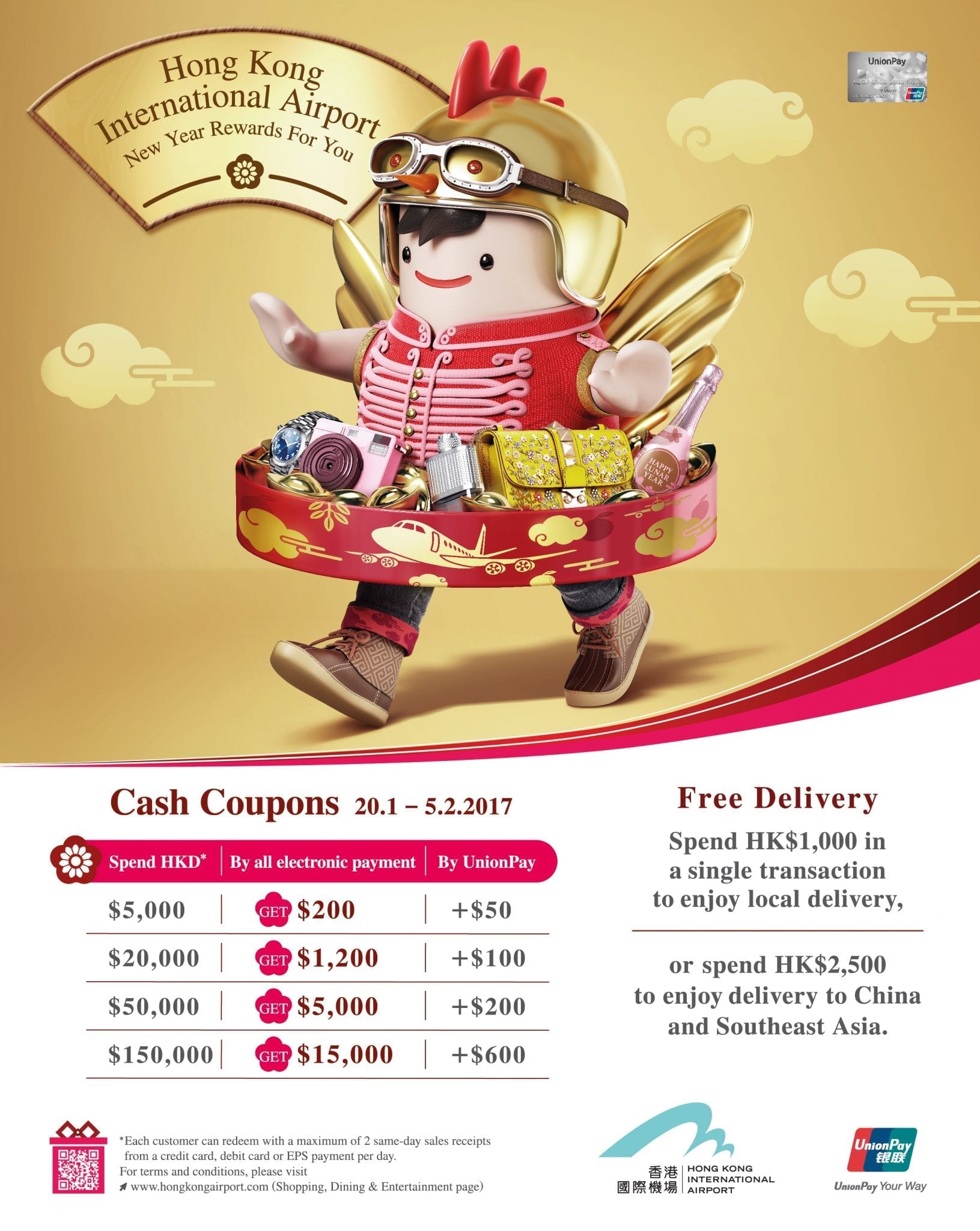
    To welcome the Year of the Rooster, Hong Kong International Airport (HKIA) is launching a series of Chinese New Year promotional activities and offers, including an instant rebate of HKIA cash coupon worth up to HK$15,600.

    Instant Rebate Promotion: From 20 January to 5 February 2017, travellers spending a specific amount by electronic payment at HKIA can redeem cash coupons worth up to HK$15,600. UnionPay cardholders, who make purchases with their cards, can enjoy additional rebates.

    Please refer to the following table for details:

    Spending by Electronic Payments of  

    HKIA Cash Coupons Redemption

    By UnionPay card

    HK$5,000

    HK$200

    Additional HK$50 HKIA Cash Coupon

    HK$20,000

    HK$1,200

    Additional HK$100 HKIA Cash Coupon

    HK$50,000

    HK$5,000

    Additional HK$200 HKIA Cash Coupon

    HK$150,000

    HK$15,000

    Additional HK$600 HKIA Cash Coupon

    Chinese New Year Promotions

    During Chinese New Year, shoppers can enjoy complimentary gift wrapping services at the Departures East Hall redemption counters in the restricted area (near Tiffany & Co.) and take red packets at redemption counters. To heighten the festive spirit, HKIA’s mascot will tour around the seasonally decorated airport in full Chinese New Year attire to meet and greet travellers and take snapshots with them. In addition, a lion dance extravaganza will be held on 1 February, featuring impressive lion dances and showcasing traditional Chinese culture and tradition.

  • University of Hong Kong sees increase in Indonesian student applications

    University of Hong Kong sees increase in Indonesian student applications

    Shopping, entertainment and leisure may be the three words synonymous with Hong Kong. However, those are no longer the only reasons for Indonesians to visit the region as it has become a destination to pursue higher education.

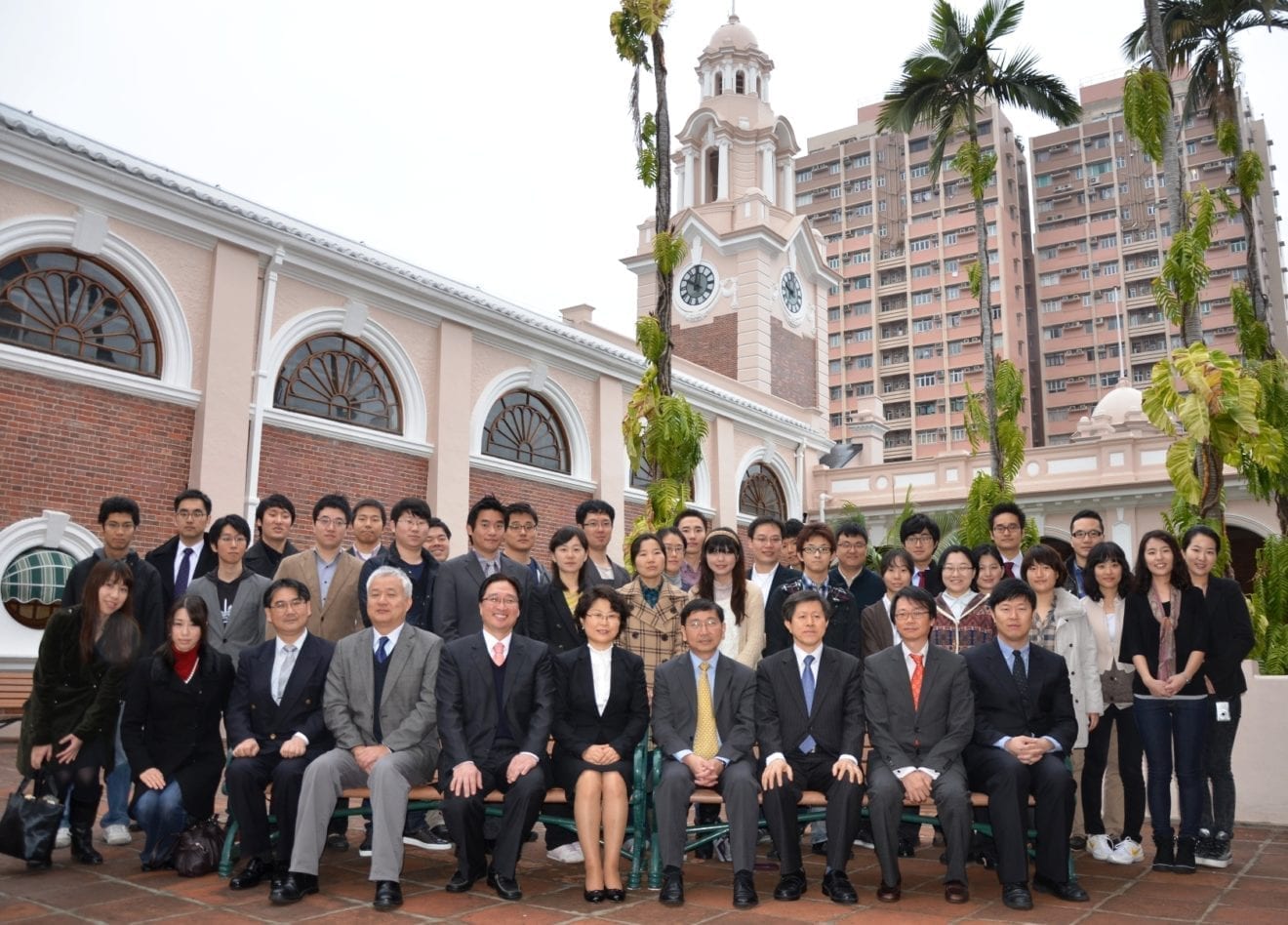
    Phillip Beh, chairman of the University of Hong Kong (HKU) Undergraduate Admissions Committee told on Saturday that the university had seen an increase in applications from Indonesian students since it opened its first undergraduate admission interviews in Indonesia in the academic year of 2014/15.

    Beh said on average 200 applications are received from Indonesian students annually. However, applicants face tight competition as only 400 international students are accepted into the university each year. At present, there are about 90 Indonesian students enrolled in HKU, mostly majoring in Food and Nutritional Science and Risk Management.

    Pinto ‘Pipin’ Rasika Tasdyata (center-left) and Jelita Amidjaja (center-right) talking with other Indonesian students who act as observers in HKU’s open house, undergraduate admission interviews at South Jakarta, Saturday.(JP/Masajeng Rahmiasri)

    Jelita Amidjaja, alumni of BPK Penabur 1 High School Jakarta currently studies Actuarial Science in HKU. She chose Hong Kong mainly because of its reputation as the melting pot of Asian and Western culture, besides its proximity to mainland China which allows her to study Chinese culture. “Right now, China is a strong country, so you would want to learn about the culture,” she said.

    Pinto “Pipin” Rasika Tasdyata studies Business Administration (Internal Business and Global Management) in HKU.  She said that what appealed to her about Hong Kong apart from its culture was the business prospects of the region. “It is the business hub that people recognize. I know Hong Kong and China will grow,” she said.

    Global university ranking publication, QS World University Rankings ranked HKU at 27th place in its 2016 world rankings, while UK-based education publication, Times Higher Education puts HKU in third position in its international outlook in 2016. Apart from its academic reputation, Indonesian students Pipin and Jelita also aim to gain future opportunities via HKU’s connections.

    “It is a very connected university. There are opportunities that I can get from there, from internships, overseas partners, and many more,” Pipin said, adding that the university also sends daily emails to students containing news about internships and various opportunities.

    Indonesian parents who send their children to HKU take into consideration the relative tuition fees. Taman Djojomitro, a parent who accompanied his son to HKU’s open house last Saturday highlighted the study cost comparison with the United States, “It’s quite expensive to study in America, especially when the exchange rate is Rp 13,000 to the dollar now.”

    Yearly tuition fees for international students in HKU start from HK$146,000 (US$18,824). With accommodation fees within the range of HK$12,000 to HK$26,000 plus living costs of approximately HK$40,000 per year, it is a significant difference to what normally constitutes average spending when studying abroad. According to QS World University Rankings, the average total cost of studying in a public university in the US currently averages $39,890 for international students.

  • Tourists drive Sa Sa sales

    Tourists drive Sa Sa sales

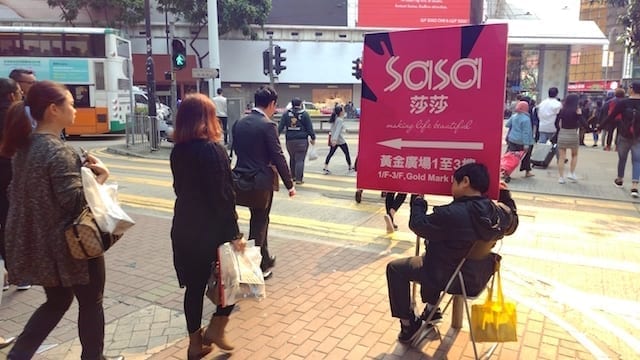
    Sales performance has improved marginally for cosmetics chain Sa Sa International Holdings for its third quarter, to the end of December.

    This was mainly a result of a rise in numbers of mainland customers driving a 5.4 per cent increase in the number of transactions in Hong Kong and Macau while local trade remained flat. However, the average sales per transaction of local customers increased by 0.2 per cent while for mainland customers there was a 3.6 per cent drop.

    Sa Sa sales growth is a result of the group’s ongoing efforts to adjust its product offerings to adapt to the market demand for trendy products, the company says. This also resulted in continued downward pressure on gross profit margin for the quarter.

    For the quarter, the group’s retail and wholesale turnover eased up by 0.9 per cent year-on-year, while the figures for other markets outside Hong Kong and Macau – including China, Malaysia, Singapore, Taiwan and online – were flat.

    Following the gradual tapering of year-on-year retail sales decline in the first and second quarters in Hong Kong and Macau, same-store Sa Sa sales in the third quarter fell by 2 per cent while retail sales rose by 1 per cent.

    Sa Sa had 290 outlets in total at the end of December, up from 283 as at September 30. For Hong Kong and Macau, there were 115 outlets, up by two; China had three more stores for a total of 56; Singapore lost two stores to finish the year with 21; Malaysia gained five outlets for 73; and Taiwan lost a store to end the year with 25.

  • Versace Hong Kong opens flagship store

    Versace Hong Kong opens flagship store

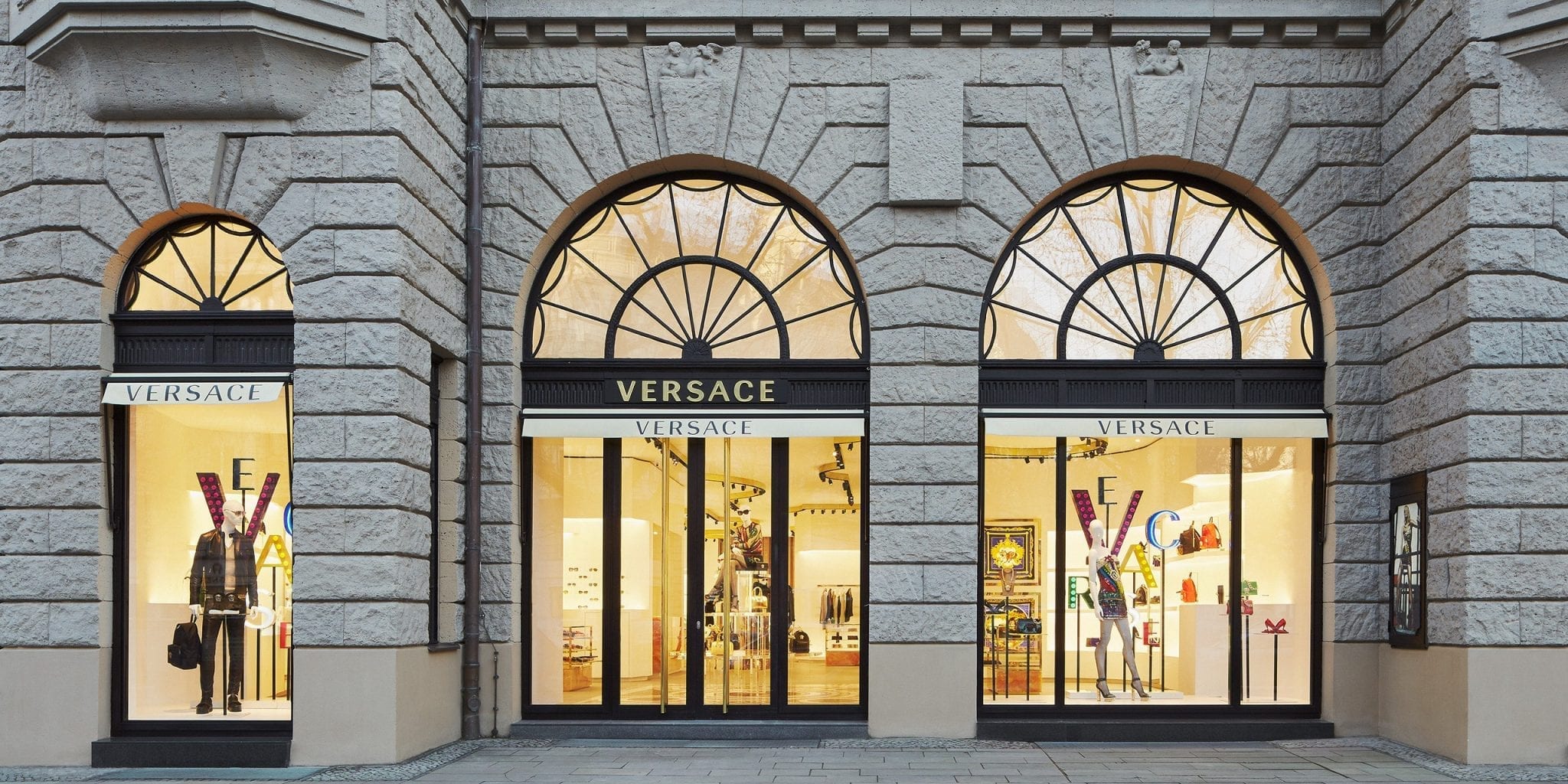
    Versace Hong Kong has opened a flagship store in the Shanghai Commercial Bank Tower in Central.

    Covering about 743 sqm, it features men’s and women’s ready-to-wear and accessories. It joins standalone stores for the Italian fashion house at Gateway Arcade, MixC Mall, Pacific Place and Sogo Causeway Bay.

    versace-hong-kong-shanghai-commercial-bank-central-2

    The flagship incorporates traditional Italian architectural values with modern touches. Architectural elements include Fior di Bosco marble flooring and brass features, while the facade features backlit onyx.

    versace-hong-kong-shanghai-commercial-bank-central-1

    “For me, the boutique suggests an uninterrupted dialogue between our past and our future, between Versace and our clients,” says Versace Group VP and chief designer Donatella Versace.

    To celebrate, Versace has designed a limited-edition mini Palazzo Empire handbag especially for the store. It is embellished with silver Swarovski crystals and includes a detachable leather shoulder strap and a palladium Medusa head, the symbol of Versace. There is also a metallic tag inscribed “The Palazzo Empire celebrating Hong Kong”.

    versace

    Also at the boutique is a limited number of medium and large Palazzo Empire handbags in exotic skins in various colours. These handbags include a removable interior metallic tag reading “Versace for Shanghai Commercial Bank Tower, Hong Kong”.

  • Ethiopian cargo terminal set for operation by April ‘17

    Ethiopian cargo terminal set for operation by April ‘17

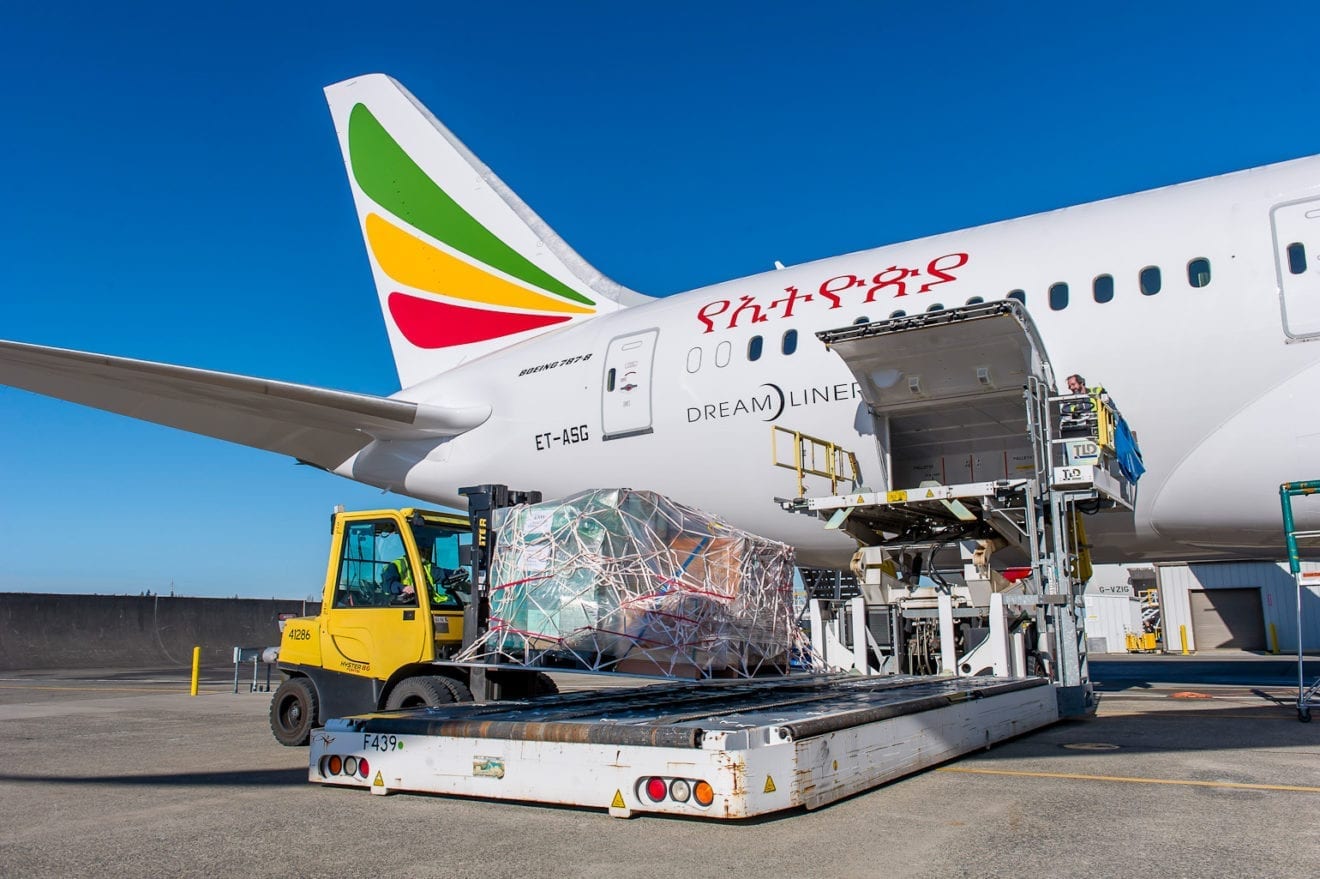
    Ethiopian Airlines Cargo Terminal, which is under construction currently, has reached 82 per cent completion and it is scheduled to be operation by April 2017, the African carrier said. The first phase of the Addis Ababa terminal cost around US$150 million.

    The terminal will have an capacity of 1.2 million tonnes of cargo including facilities for perishable goods. The facility can also handle up to eight B747-400 freighters at one time. Commenting on the the new facility, Ethiopian Airlines Group CEO Tewolde Gebremariam said: “Upon completion, our uplifting capability will be equivalent to the cargo terminals at Amsterdam Schiphol, Singapore Changi or Hong Kong.”

    The new cargo terminal is part of Ethiopian Cargo’s Vision 2025, aimed to support the country’s export of perishables including flowers, fruits, vegetables and meat. That plan includes expansion of its freighter network to eighteen aircraft serving 37 international cargo destinations by 2025.

    “At Ethiopian, we are very proud of the new heights Ethiopian has flown in the year,” Gebremariam said. “We celebrated our 70th anniversary, inaugurated the largest and the finest Aviation Academy in Africa and a state-of-the-art In-flight Catering facility which is the largest in the continent of Africa, introduced Africa’s first Ethiopian Airbus A350, and spread our wings to more countries on five continents”.

    Ethiopian has also constructed a flight simulator building and installed five of the latest full flight simulators, which includes Boeing 787, 777, 757, 767, 737NG and the Bombardier Q400. It plans to add simulators for the Airbus A350 XWB and Boeing 737 MAX aircraft.

  • Hong Kong Fashion Week for Fall/Winter Kicks Off Today

    Hong Kong Fashion Week for Fall/Winter Kicks Off Today

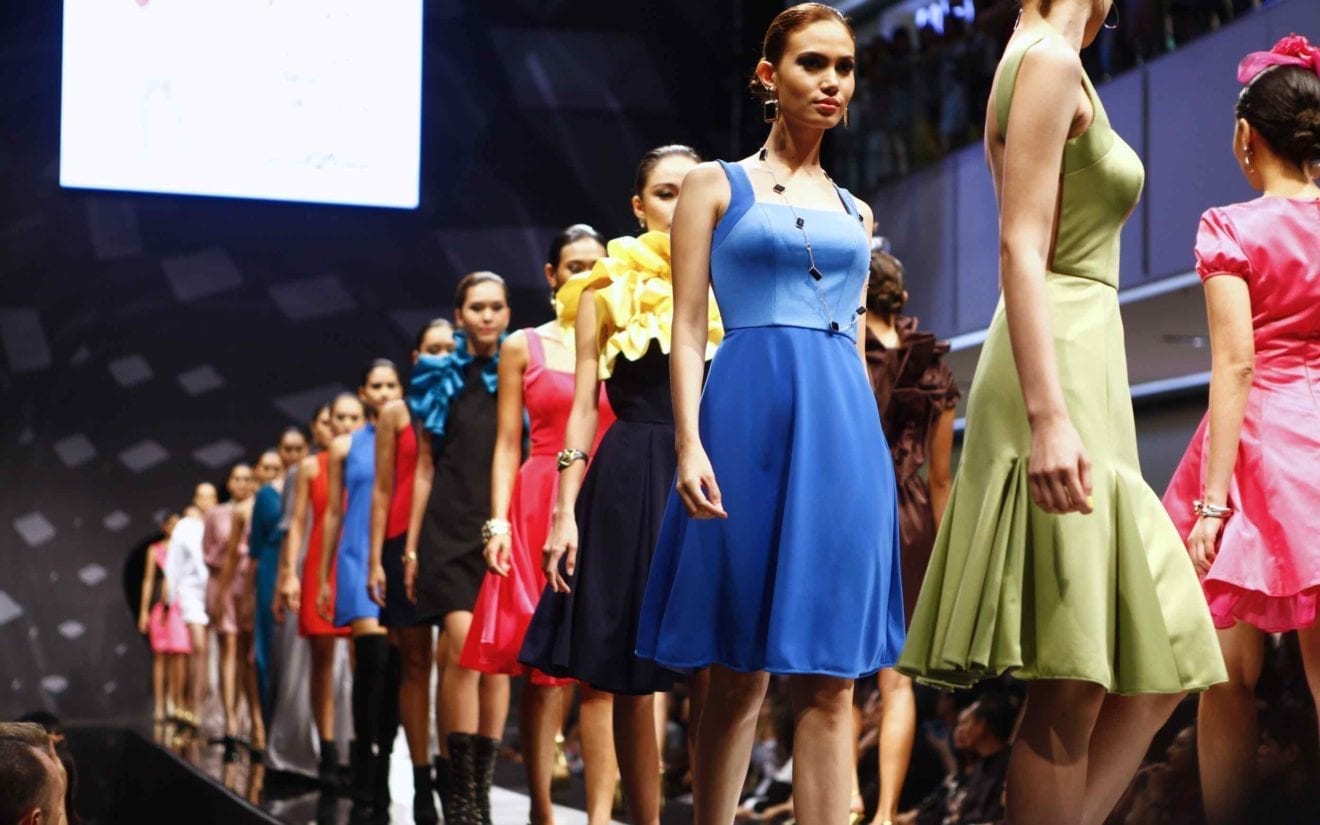
    The 48th Hong Kong Fashion Week for Fall/Winter, a superb fashion sourcing platform in Asia, opened today at the Hong Kong Convention and Exhibition Centre. The four-day show (16 to 19 January), organised by the Hong Kong Trade Development Council (HKTDC), features more than 1,500 exhibitors from 21 countries and regions, showcasing the latest fashion designs, garment, accessories, fabrics and sewing supplies.

    Under the theme “Hall of Games”, this year’s Fashion Week for Fall/Winter incorporates board game elements throughout the fairground to enhance the ambience.

    With healthy living becoming a priority among consumers, the demand for sportswear and fitness clothing is on the rise. To help buyers identify relevant products and suppliers, the HKTDC has added two new zones to this year’s show: Fashionable Sportswear and Denim & Casual Wear. The former showcases the hottest styles for various sports activities, including fitness and yoga while the latter focuses on trendy designs for a relaxed lifestyle.

    There are five pavilions at the fair from India, Indonesia, Japan, Macau and Pakistan. Companies from Italy, Sweden and Pakistan are fair debutants this year, bringing along names such as Italian brand Salto, displaying its eco-leather silver pleated skirt; Swedish company Yves Lansac, showcasing its colourful and fashionable watch and handbag collections; and Pakistani exhibitor Umar Garments Printing, introducing its automated screen printing technology that allows high flexibility and accuracy for producing simple to complex designs with advanced inks.

    Other product zones at the fair are: Cashmere, Wool and Thermal Clothing, Fabrics & Yarn and Men in Style. In addition, Emporium de Mode presents exquisite and distinctive brands, while the International Fashion Designers’ Showcase features collections from scintillating designers such as Mim Mak, Jean Du Che and Mountain Yam.

    As a global fashion sourcing hub in Asia, Hong Kong is a hotspot for many international trading houses and premier retailers. The annual Hong Kong Fashion Week for Fall/Winter is an important platform for buyers to discover the latest fashion products and accessories. To create more business opportunities for exhibitors, the HKTDC has arranged 90 buying missions from 43 countries and regions bringing more than 3,770 companies to the show. Among the participants are representatives of famous fashion labels, mega chain stores and distributors from both traditional and emerging markets, including Spain’s Beni Room, Japan’s H.P. France, Thailand’s Jaspal and the Chinese mainland’s The Fashion Door.

    Fashion shows showcasing creativity

    More than 20 fashion events are taking place during the four-day Hong Kong Fashion Week for Fall/Winter. In addition to trend forecasting seminars, thematic forums and networking receptions, a total of 10 fashion shows including designers’ collection and brand collection shows are being staged.

    Hong Kong Fashion Week has long been a launchpad for up-and-coming local young designers. To spotlight Hong Kong’s design talent, local fashion website FASHIONALLY presented two fashion shows today featuring the collections of 14 fashion labels by emerging local designers. Participants included established names as well as first-time participants, including Jane Ng, Yeung Chin, Kenson Tam, Winnie Chen and Key Chow.

    FASHIONALLY COLLECTION #8 featured chic womenswear for Fall/Winter 2017. It was a display of contemporary reinterpretations of feminine aesthetics. The design units that took part in the show were 112 mountainyam (Designer: Mountain Yam), FromClothingOf (Designer: Shirley Wong), phenotypsetter (Designer: Jane Ng), KEVIN HO, Lapeewee (Designer: Yannes Wong), Blind by JW (Designers: Walter Kong and Jessica Lau) and HANG (Designer: Mim Mak).

    FASHIONALLY COLLECTION #9 presented avant-garde designs for Fall/Winter 2017 that challenge the status quo for designs for both men and women. Participating brands included MODEMENT (Designer: Aries Sin), YEUNG CHIN, KENSON (Designer: Kenson Tam), SHERMAN KWAN, DEMO (Designer: Derek Chan), Winnie Witt (Designer: Winnie Chen) and Ka Wa Key (Designer: Key Chow).

    Tomorrow, local collections will be featured at the Brand Collections’ Show, including those from Ika Butoni and Artistic Palace, a house brand of Chinese Arts & Crafts. Renowned for their traditional workmanship, Chinese Arts & Crafts will display their exquisite cheongsam, traditional Chinese clothing and high-end bespoke collections.

    The Designers’ Collection Show will be held on 18 January. It will showcase the latest collections of such brands as Ophee’s (by Hong Kong designer Agnes Wong), ENGELEENA (by New Zealand designer Engeleena Padyachi), Vanilla Gate-Gala (from Thailand) and Bernadette Chan (Hong Kong designer brand).

    An ideal platform for exchange and collaboration

    To help industry players exchange and obtain market intelligence, the HKTDC has invited industry experts to share their insights and ideas on the latest trends and topics at a series of events, including trend forecasting seminars, thematic forums and networking receptions.

    Leading international fashion forecaster Fashion Snoops shared their forecast and analysis on “The Key Trend Stories for Men’s and Women’s Wear for S/S 2018”. Tomorrow, the HKTDC and The Hong Kong Research Institute of Textiles and Apparel (HKRITA) will host a seminar on “Knitting Tech – From Materials to Finishing”. On Wednesday, Asian e-tailer giant Zalora will explore the latest business opportunities of Omni-Channel Retailing, while The Woolmark Company, an authority in the wool industry, will host the “The Wool Lab S/S 18” seminar to discuss the leading trends for Spring/Summer 2018 and introduce purchasing guides to the best wool fabrics and yarns.

    This evening’s networking reception also provides an opportunity for industry players to expand their networks and explore collaboration opportunities.
  • Tender for retail space in Shanghai Pudong airport

    Tender for retail space in Shanghai Pudong airport

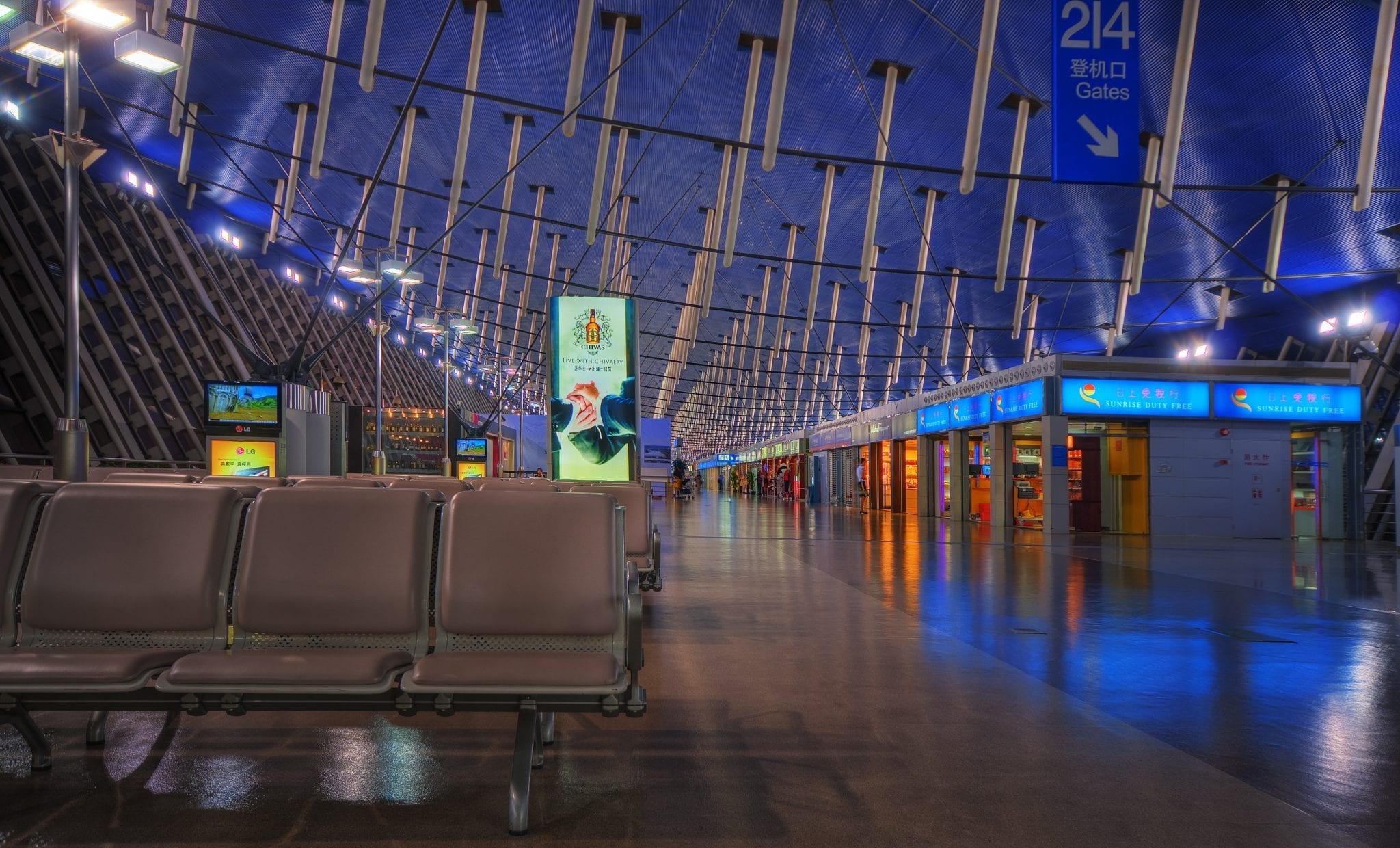
    Shanghai Airport Authority is seeking bidders for retail concessions at Shanghai Pudong International Airport Terminal 2 (domestic).

    It has 38 stores available covering a total of 3300 sqm, with multiple product categories up for tender.

    Likely bidders include Orient King Power, a subsidiary of the Antares Cheng-owned King Power Group (Hong Kong), which expanded its business at Shanghai Pudong Airport last year with fashion and luxury stores, reports The Moodie Davitt Report.

    Saying Orient King Power will target the concessions, GM Mackintosh Feng says it will give it space to introduce more brands into the domestic airside area of Pudong. “In T1 we mainly have China Eastern Airlines and Shanghai Airlines, and in T2 we’ll have Air China and China Southern Airlines.”
    Tenders must be submitted by January 22.

  • AirAsia to list in Hong Kong

    AirAsia to list in Hong Kong

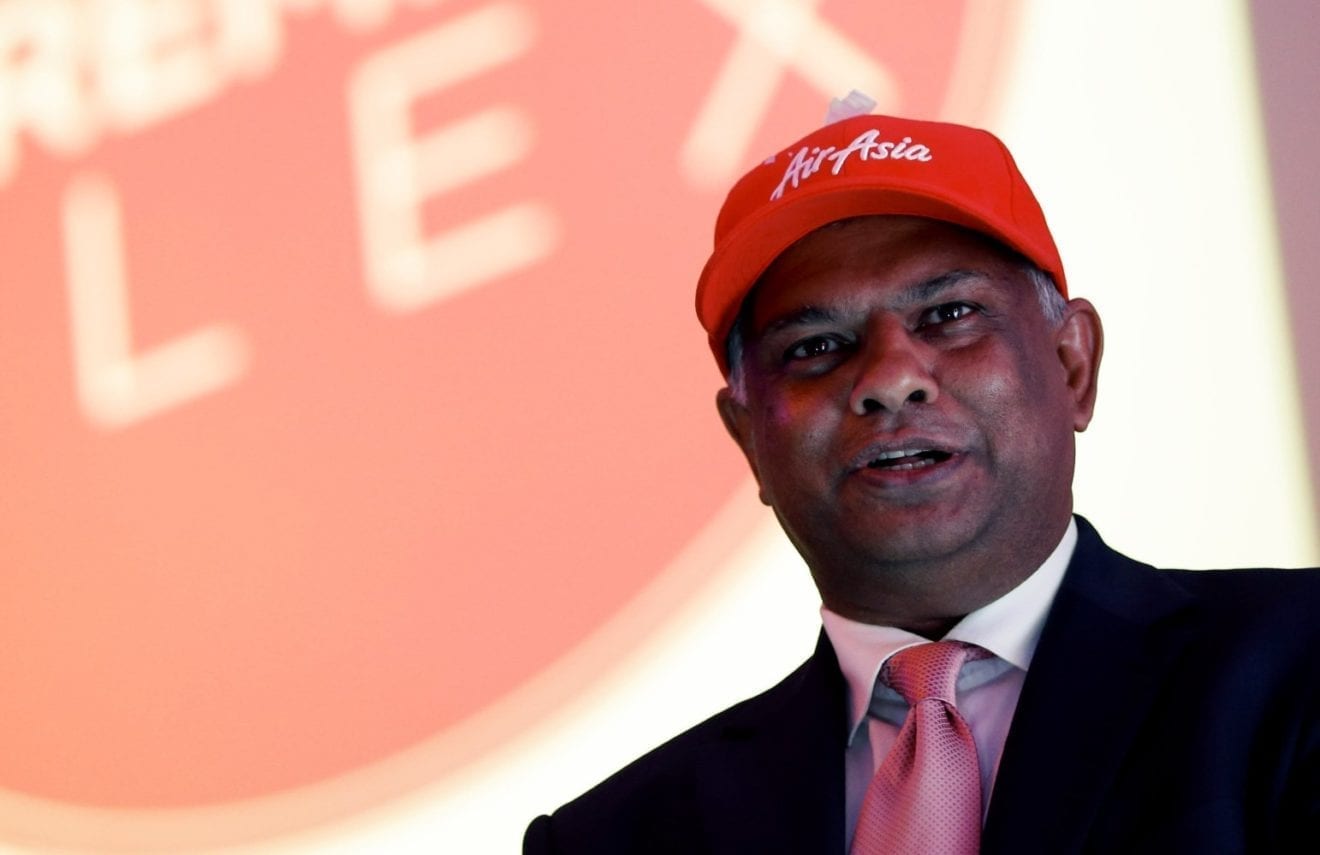
    AirAsia Group is looking at a secondary listing of the airline, AirAsia Bhd, on the Hong Kong Stock Exchange (HKSE) and hopes that it can take place before the middle of this year.

    Towards this end, it is believed that China Merchants Bank, an investment bank from China, is likely to get the job to advise and make the relevant submissions for the dual listing.

    Tan Sri Tony Fernandes, when contacted, confirmed that there are plans to seek a listing on the HKSE.

    “The plan is to list a portion of AirAsia Bhd shares in our Hong Kong-listed vehicle. This provides us access to new capital if required.

    “We have a large pool of investors in North Asia, while China is a large part of our market. So, we decided on a dual listing in Hong Kong.

    “I am hoping the listing will be in April or May this year … It would be a great day if it can get listed on April 30, as it is also my birthday,” he said.

    Fernandes said that AirAsia was working towards listing a holding company for all its airline operations that span the region.

    “However, Hong Kong (exchange) will presently not be the vehicle used for this purpose,” he said. “I have spent the week meeting the various leaders of Asean and the overall response has been positive (towards setting a holding company).”

    Apart from a dual listing in Hong Kong, AirAsia’s other units, especially in Indonesia and the Philippines, are slated to be listed this year. Thai AirAsia is already listed on the Thailand Stock Exchange.

    “I am confident these units in the Philippines and Indonesia will be listed this year,” Fernandes said.

    The listing in Hong Kong is designed to give AirAsia more depth and flexibility in raising capital if required, while at the same time allowing investors an option to benefit from being invested in the vibrant Hong Kong exchange. It also allows investors to arbitrage their investments.

    “The exact form is not decided yet, as it has to go to the board. But the bankers have been appointed, they will present the details to the board soon and then we will make the announcement,” Fernandes said.

    Dual listings are preferred for companies with cross-border businesses and AirAsia has operations in several countries in Asia, including Japan and India.

    How much AirAsia will fetch in valuations for the dual listing is not clear, but locally, its stock closed 13 sen higher to RM2.51 a share, giving it a market capitalisation of RM6.99bil.

    Last year, the world’s largest glove maker, Top Glove Corp Bhd, made its debut on the Singapore Exchange Securities Trading Ltd (SGX-ST) with a secondary listing, but it did not involve any issuance of new shares.

    Its rationale was to create liquidity and trading activity, enhance investor reach and diversify its investor base, and enable the company to tap into a new platform for potential future fund-raising.

    Others on the SGX-ST include IHH Healthcare Bhd and Malaysia Smelting Corp Bhd, while Media Chinese International Ltd is listed in Hong Kong.

  • SmarTone enters IoT alliance with Cisco Jasper

    SmarTone enters IoT alliance with Cisco Jasper

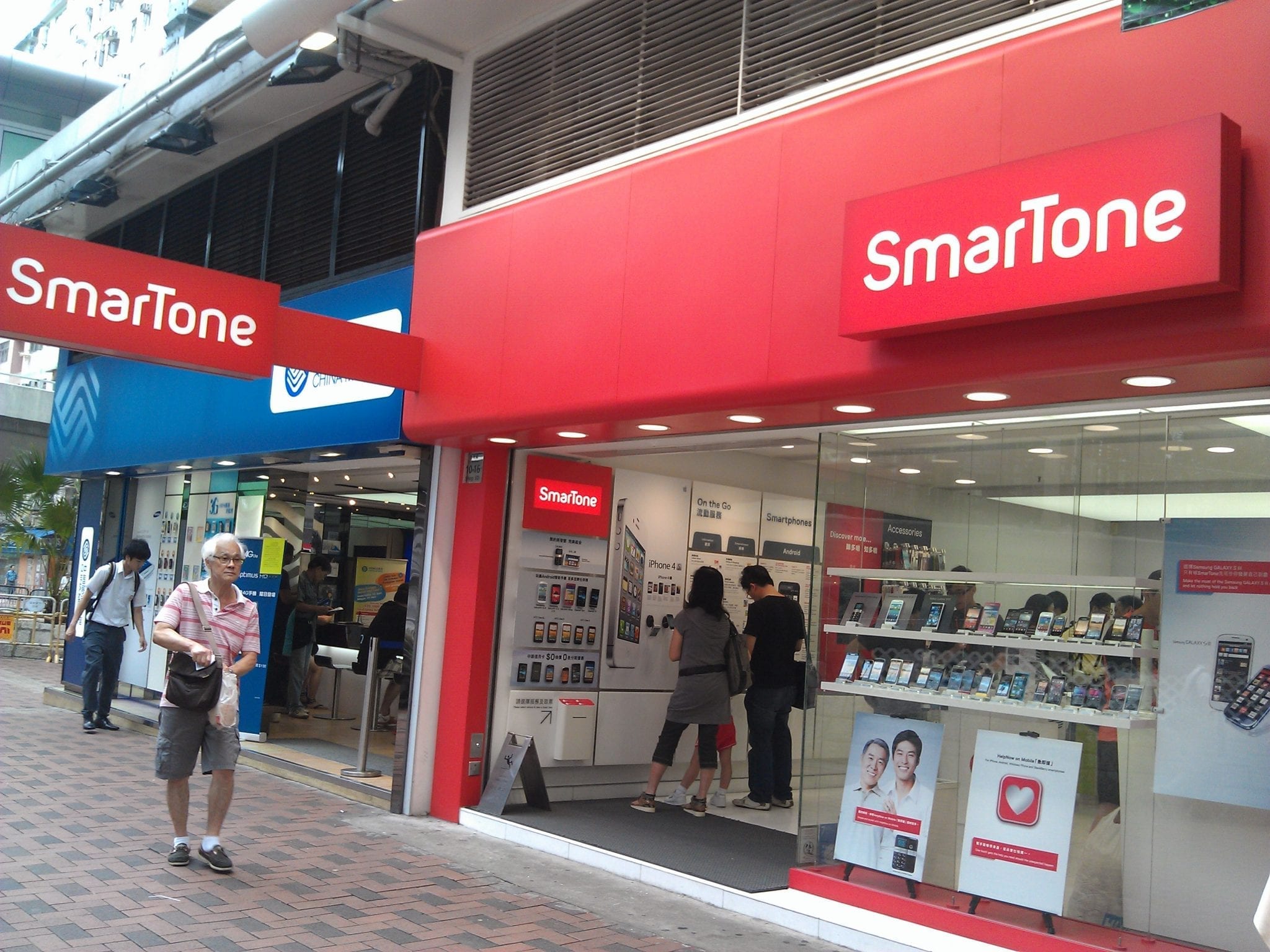
    Hong Kong’s SmarTone has teamed up with Cisco Jasper, Cisco’s IoT division, to launch IoT services in the market.

    The companies will offer Hong Kong businesses the opportunity to leverage SmarTone’s mobile network and Cisco Jasper’s Control Center managed connectivity platform for their IoT-based services.

    Announcing the deal, Cisco Jasper managing director for China and APJ Hong Lu said the company sees SmarTone as an ideal partner for the Hong Kong market due to its status as a total service provider, including cloud, mobile, fixed line, ICT and IoT services.

    “For more than 10 years we have been helping businesses across every industry automate the delivery of IoT services that have a direct impact on their bottom line,” Lu said.

    “Today, more than 6,500 companies in over 100 countries use Cisco Jasper Control Center to automate the connectivity management of their IoT devices around the world.”

    Customers include 23 of the world’s major auto makers leveraging the platform for their connected car initiatives. Cisco Jasper is also particularly targeting smart cities, as well as the industrial manufacturing, retail, security and smart home sectors.

  • Forever 21 expand on activewear

    Forever 21 expand on activewear

    US fast-fashion retailer Forever 21 has launched its activewear collection globally at its stores and on its website.

    The Forever 21 Activewear Collection provides low-, medium- and high-impact pieces in an array of soft and neon hues.

    forever-21-activewear-collection-2

    The Fit and Run assortment is designed for high-impact activity and features bold prints, sweat resistance, matching sets and lightweight jackets.

    The Booty Sculpt assortment is designed for medium-impact activity and aims to highlight and define curves. It features black and charcoal hues, with high-waisted shorts, capris and leggings with power mesh inserts.

    forever-21-activewear-collection-1

    For low-impact activity, the Dance and Yoga assortment features soft tones and delicate styles such as loose-fitting joggers and wrap-around tops designed for layering.

    With its headquarters in Los Angeles, Forever 21 was founded in 1984 and has more than 730 stores in 48 countries including Australia, China, Hong Kong, India, Japan, Korea and the Philippines.

  • Old Chang Kee expansion to UK

    Old Chang Kee expansion to UK

    Singapore F&B chain Old Chang Kee is forming a JV in the UK so it can expand and build its brand there, primarily in London.

    With Singapore company 13 Wonders, which is mainly involved in the general wholesale trade and food retail, it is forming Old Chang Kee UK (OCK UK), which will be a direct subsidiary of Old Chang Kee. Its initial paid-up share capital of £500,000 (US$608,400) comprises 500,000 shares.

    Under the agreement, Old Chang Kee and 13 Wonders will hold 60 and 40 per cent respectively of the shareholding interest in OCK UK, which will run food retail outlets as well as manufacture, distribute and trade food products in the UK.

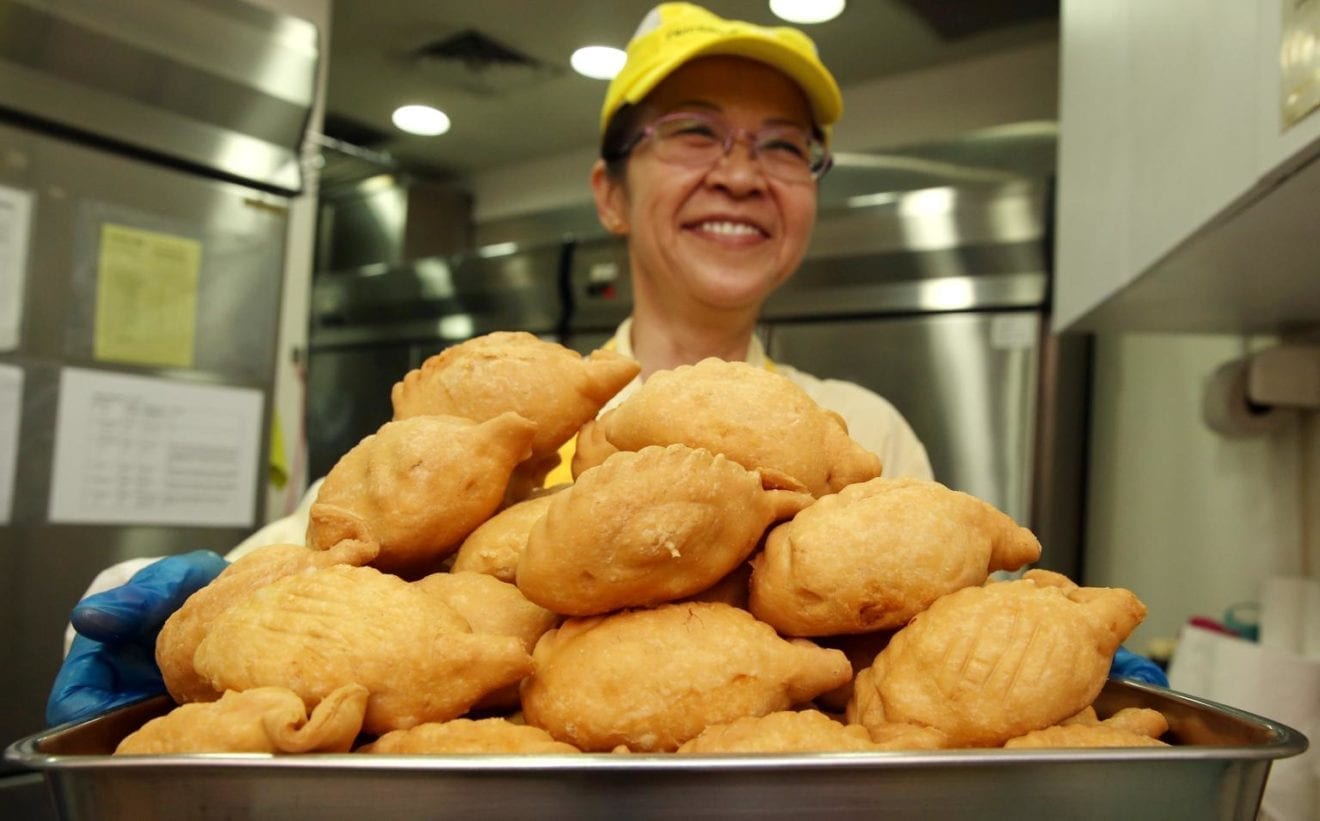
    Old Chang Kee started in 1956 in a stall in a coffee shop near the former Rex Cinema in Mackenzie Road, attracting people from all over Singapore with its curry puff. The brand was bought in 1986 by Han Keen Juan who evolved it into a fast-food chain with its own production factory. Old Chang Kee now markets its range of snack products, including its signature curry puffs, through kiosks and retail outlets at petrol stations and shopping malls.

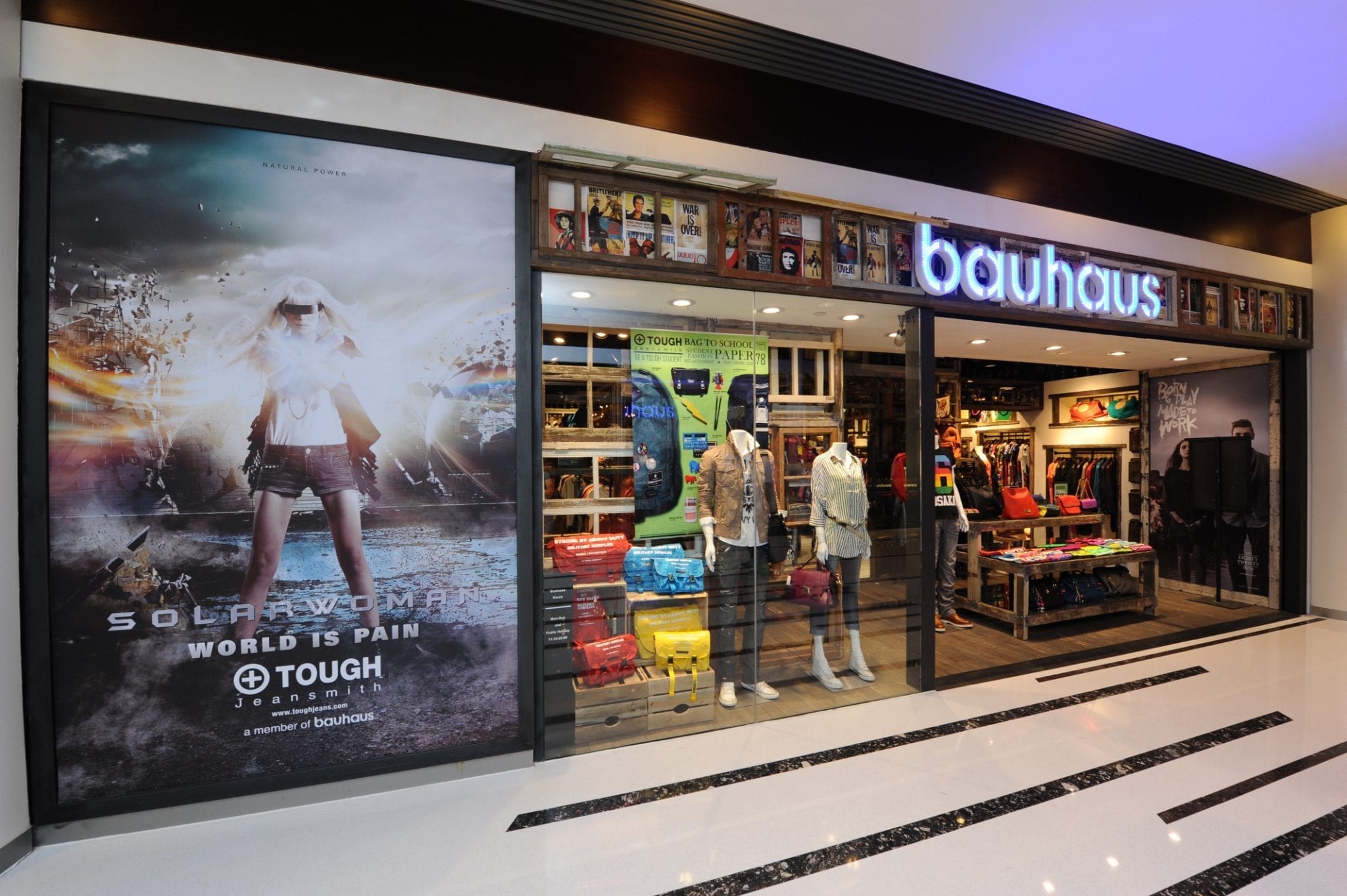
  • Bauhaus International sales drop 10 per cent

    Bauhaus International sales drop 10 per cent

    Same-store sales for clothing retailer Bauhaus International in Hong Kong and Macau have dropped 10 per cent year-on-year for the three months ended December 31.

    The streetwear retailer designs and makes apparel and accessories which it wholesales and retails under its brand names including Bauhaus, Salad and Tough, as well as third-party labels, including Superdry.

    Sales in Mainland China decreased 4 per cent compared to the same period last year, according to its filing with the Hong Kong Stock Exchange.

    The three-pronged decline in sales helped drive down the company’s overall same-store sales by 3 per cent year-on-year. Nevertheless, its same-store sales in Taiwan grew by 12 per cent.

    Bauhaus International did not release the related financial figures in its filing.

    At the end of last month, nine months into its fiscal year, its total sales had fallen by 9 per cent year-on-year; in particular, those generated in Hong Kong and Macau had dropped 14 per cent.

    The company ended last year with 203 shops, of which 82 were in Hong Kong and Macau, 93 in Taiwan and 28 in China.

    At the end of September, halfway through its fiscal year, the company had turnover of about HK$501.4 million (US$  million). Turnover in Hong Kong and Macau fell 18.5 per cent year-on-year, amounting to HK$348.1 million.

    It also saw its interim net loss expand to HK$60 million from HK$26.6 million a year earlier. The company attributed this to the “adverse performance” of its retail business in Hong Kong.

  • S4M sets new target in travel retail

    S4M sets new target in travel retail

    Mobile advertising tech company S4M has launched a service to target more than 30 million airport travellers each week.

    Using enriched geo-localised user behavioural and contextual data, the company wants to help brands boost their presence in 30 global airports.

    “Airports are more than just transit areas – they present a huge opportunity for brands to engage with consumers,” says S4M VP of APAC sales Gavin Buxton.

    “The smartphone is an extension of the individual, so it is a must-have touchpoint when creating fully integrated brand experiences. Advertisers should be combining the omnipresence of the mobile medium with real-time geolocation at airports to deliver seamless customer journeys.”

    S4M’s “geofencing” technology helps advertisers analyse and understand mobile user profiles at airports. The company combines anonymous mobile device identifiers with GPS co-ordinates, device language settings and online periods. This mix provides advertisers with more insights into consumer behaviours and offers a new opportunity to engage with travellers at airports.

    “Consumers break away from their daily behaviours when travelling, and the only constant is their smartphones,” says S4M CEO Christophe Collet. “Our goal is to reach people in transit, whether tourists or business travellers, when they are away from their everyday routines. Brands that can deliver tailored messages to their customers, even when they are hundreds of kilometres from home, are truly transforming mobile advertising into a valuable service”.

    About 1 million people a day travel through the Skytrax-rated top five airports in Asia: Singapore Changi, Incheon, Tokyo Haneda, Hong Kong and Beijing.

    More than two-thirds of air travellers are from middle- to high-income groups, according to figures from the World Bank.

    Demographics such as luxury-brand shoppers, digital high-tech users, high-end car buyers and business travellers can be reached in a duty-free setting via mobile. Luxury brands such as L’Oreal have already used S4M’s technology for cross-country campaigns.

    S4M (Success for Mobile) is an innovative advertising technology company that transforms mobile ads into personalised content for individual users. Founded in 2011 by mobile marketing pioneers, it now services more than 350 advertisers internationally. S4M has its headquarters in Paris with more than 95 employees and five offices covering Asia Pacific, Europe, Latin America and the US.

  • McDonald’s China and Hong Kong deal formally announced

    McDonald’s China and Hong Kong deal formally announced

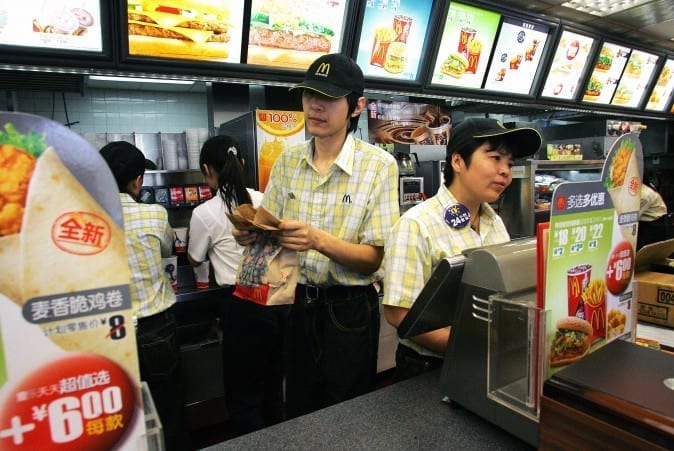
    McDonald’s has confirmed the sale of its China and Hong Kong operations to an investment consortium for US$2.08 billion (HK$16.14 billion).

    Under the deal, the purchasers, Citic Limited, Citic Capital and The Carlyle Group, will open 1500 new outlets.

    Phyllis Cheung, CEO of McDonald’s China, says the Beijing-based Citic companies will together hold a majority 52 per cent stake in the spun-off business and US-based Carlyle and McDonald’s will hold 28 per cent and 20 per cent, respectively. The consortium will run the business for 20 years.

    McDonald’s says it will now re-franchise all its 2600+ stores in Mainland China and Hong Kong to improve sales performances, part of a global effort to cut costs.

    Cheung told China Daily the new company will use its Citic’s strategic relationship with SF Express and Tencent Group Holdings (the owner of WeChat) to facilitate delivery, enhance restaurant convenience and boost its “retail digital leadership and menu innovation”.

    “China and Hong Kong represent an enormous growth opportunity for McDonald’s,” said McDonald’s CEO Steve Easterbrook in a statement confirming the deal, which has been an open secret for some weeks.

    “This new partnership will combine one of the world’s most powerful brands and our unparalleled quality standards with partners who have an unmatched understanding of the local markets and bring enhanced capabilities and new partnerships, all with a proven record of success,” he said.

    The deal will be finalised in mid-2017.

  • Alipay users set spending record

    Alipay users set spending record

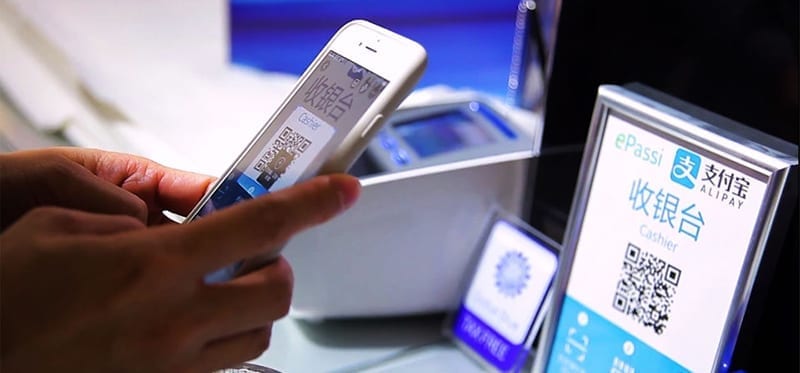
    Users of China mobile wallet app Alipay hit spending records last year both online and in stores.

    Of the app’s 450 million users, most are in Shanghai, paying out an average US$20,400 last year, says the Alibaba spin-off company. This was 1.5 times more than they spent the previous year.

    While the average middle-class wage in Shanghai is $35,000, this does not account for undisclosed income such as from rented property.

    These figures have been released just weeks after the app hit a record 1 billion transactions in a single day.
    Other highlights from Alipay’s year:

    • 71 per cent of Alipay transactions were on mobile devices, up from 2015’s 65 per cent
      Cash-strapped millennials, in China classified as those born in the 1990s, spent an average of $1080 through the app
    • Gen Y, those born in the 1990s, averaged $1590
    • The top 10 destinations outside China where Alipay was used for in-store shopping were South Korea, Hong Kong, Thailand, Macau, Taiwan, Japan, Australia, Singapore, New Zealand and Germany
    • Its single biggest overseas spender splurged $38,900.

    Meanwhile, the company has been signing up airports, major malls and top restaurants so China’s record 133 million overseas tourists can still use the app.

    About 2.3 billion Alipay transactions were chalked up using the built-in Ant Credit Pay, allowing for payment in installments, up 344 per cent from 2015.

    Alipay’s small loans service, Jiebei, issued loans worth $43.4 billion to 12 million users.