Tag: Hong Kong

  • We’ll Only Shop For Groceries in This Hello Kitty Supermarket From Now On

    We’ll Only Shop For Groceries in This Hello Kitty Supermarket From Now On

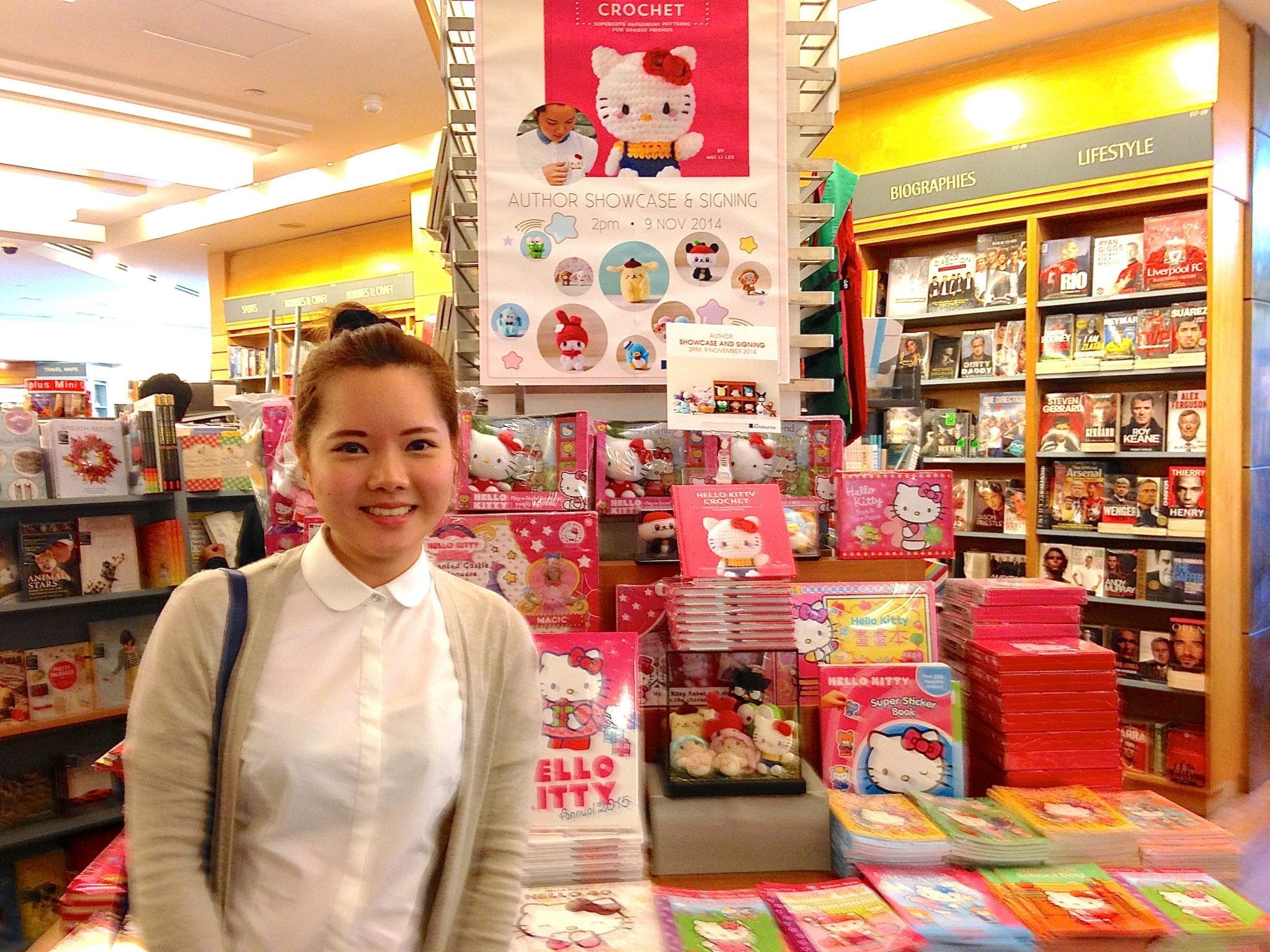
    A Hong Kong supermarket is turning grocery shopping into an unbearably adorable experience with its Hello Kitty pop-up. The delightful shop will be officially open for business — operating within Sai Wan’s Yata Supermarket — from Feb. 12 to May 31.The pop-up offers desserts, dry grocery items, home decor products, and general merchandise all inspired by the beloved Sanrio character.

    In addition, all of the shopping bags and carts will reflect the same theme, turning it into a truly immersive experience. Preview pictures reveal that the limited-edition popcorn and light-up cotton candy are hot commodities. It can also be expected that Hello Kitty herself will be stopping by the store from time to time.According to the South China Morning Post, the pop-up could be an attempt to boost Hong Kong’s struggling retail sector.

    We have a feeling the Instagram-ready supermarket will certainly be a step in the right direction.

  • Hong Kong ivory trade faces uncertain future as bans loom

    Hong Kong ivory trade faces uncertain future as bans loom

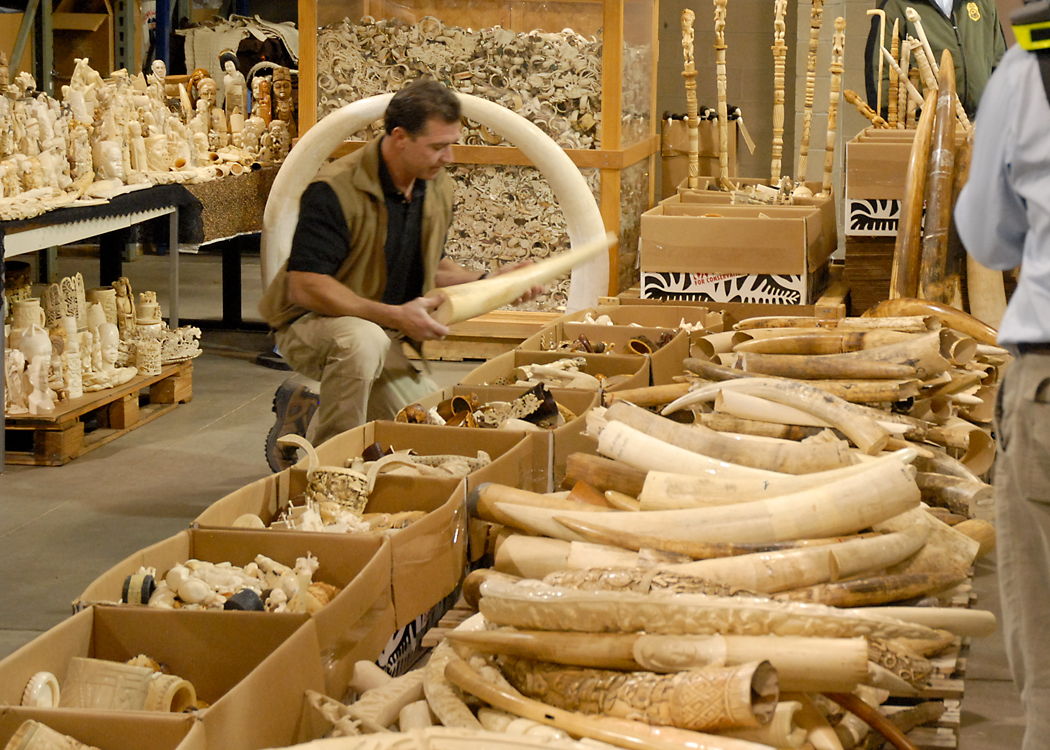
    Wong Lai-ngan hunches over a battered workbench, his electric rotary tool whining as he carves two phoenixes facing each other into a smooth white tusk.

    Decades ago, Wong’s canvas would have been elephant ivory. But since a 1990 ban on international trading, Hong Kong’s dwindling tribe of ivory carvers has switched to tusks of extinct woolly mammoths.

    The decline of the city’s once-flourishing ivory business is set to speed up after the Hong Kong and mainland Chinese governments announced in December plans to restrict local ivory trading. Wildlife activists hailed the news, saying domestic markets must be phased out to reduce the demand for tusks driving an epidemic of poaching that is decimating Africa’s elephants.

    It also signals the end for Hong Kong’s ivory craftsmen and traders.

  • 2016, a year to forget for luxury retailers in Hong Kong

    2016, a year to forget for luxury retailers in Hong Kong

    The retail sector in Hong Kong recorded the poorest annual sales in nearly two decades last year, according to a report by the ‘Nikkei Asian Review’. The Hong Kong government argues that this ‘annus terribilis’ partly responds to the declining number of Chinese tourists visiting the territory.

    The report reveals that retail sales in Hong Kong came in at 436.6 billion Hong Kong dollars in 2016, what implies an 8.1 percent dip in comparison with retail sales from the previous year. This is, in fact, the sharpest decline since the Asian financial crisis in 1998 when sales plummeted 17 percent year- on-year.

    On the upside, some analysts say they start to see the first signs of a gradual recovery in the territory’s economy as the number of Chinese tourists stabilizes and the performance of retail sales in the latter half of last year improved when compared to the previous six months.

    Last year, retail sales fell in every month. However the year-on-year declines waned in the latter months, moving from a 5.5 percent year-on-year decrease in November to 2.9 percent in December.

    “The near-term outlook for retail sales business will still depend on whether the recent improvement in inbound tourism could gain more traction and the extent to which local consumer sentiment will be affected by various external uncertainties,” a Hong Kong government spokesperson told the ‘Nikkei Asian Review’.

    It’s worth calling out that the number of mainland visitors to Hong Kong in December indicated a reversal after months of decline. The number of visitors increased by 9 percent year-on- year, led by the Christmas holidays, and outperforming the 7.8 percent growth rate observed year-on- year that month in Macau.

    Worst affected retailers were those operating within the luxury and upmarket niches. Jewelry group Chow Sang Sang issued a profit warning last month that its full-year earnings for 2016 could drop as much as 40 percent. Meanwhile, fashion retailer Bauhaus closed four shops across Hong Kong and Macau as its same store’s sales declined 10 percent year-on-year in the final quarter of 2016. Its direct competitor, I.T, recorded a slightly smaller decline (-4.6 percent) in store sales in Hong Kong during the three-month period between September and November 2016.

    Market sources recall that the vast majority of luxury retailers in Macau and Hong Kong depend on the influx of wealthy tourists coming from mainland China as their main source of revenue.

    “Looking ahead, the near-term outlook for retail sales business will still depend on whether the recent improvement in inbound tourism could gain more traction and the extent to which local consumer sentiment would be affected by various external uncertainties,” the government said in a statement issued earlier this month.

  • No strong recovery in Hong Kong retail sales until 2018

    No strong recovery in Hong Kong retail sales until 2018

    Despite a return of mainland Chinese tourists to mark the start of the Year of the Rooster, it might be too early to celebrate for Hong Kong retailers. Sales will continue to fall this year, according to industry observers.

    Thomson Cheng Wai-hung, chairman of Hong Kong Retail Management Association, estimates the territory’s retail sales will fall 3-4% on the year in 2017, an improvement from the 8% drop in 2016.

    Last year, retail sales fell to 437 billion Hong Kong dollars ($56.3 billion), marking three years of decline and the worst full-year slump since 1998. This was despite some signs of improvement when the decline in sales in December narrowed to 3% from a year ago as more mainland visitors spent their holiday in Hong Kong.

    “We might be getting closer to the end of the tunnel,” Cheng said on Thursday. But citing uncertainty in the global environment, such as a possible U.S.-China trade war, he expects the retail market to bottom out only in 2018 at the earliest. “It is hard to say whether it will be a recovery in L shape, V shape or U shape,” he said.

    There were winners and losers during the Chinese New Year holiday.

    Luxury retailers were hit by dwindling sales as Chinese tourists tightened their purse strings amid a slowing economy. Prices in Hong Kong are also less attractive for mainlanders due to a weaker yuan and the Hong Kong dollar’s peg to the U.S. dollar, which had strengthened during the year.

    Chow Tai Fook Jewellery Group recorded an 11% slump in Hong Kong and Macau sales from a year ago between Jan. 14 and Feb. 3, which covered the Chinese New Year holiday.

    Mass-market retailers fared better. Hong Kong’s largest cosmetic chain Sa Sa International saw a 3.5% sales increase at home and in Macau from Jan. 28 to Feb. 3, helped by a rebound in mainland tourist traffic. While the number of transactions they made increased, the average spend per transaction was down 4.6% from a year ago.

    Given the latest data over the holiday season, Chairman and CEO Simon Kwok Siu-ming is upbeat on the outlook. “It is recovering, and December was almost flat [compared to a year before],” he told Nikkei Asian Review on Tuesday.

    He is positive about mainland customers as well. “I am not worried about China and the Chinese economy,” he said. Ease of travel to Hong Kong in the near future with the expected opening of a high-speed railway link and bridge connecting to Macau and Zhuhai in southern Guangdong province will make the territory “more accessible” for mainlanders.

    Some mid-tier fashion retailers are turning to e-commerce to expand their reach. Walton Brown, a subsidiary of Lane Crawford Joyce Group that has a portfolio of premium brands including Kate Spade and Brooks Brothers, will launch in March its own mobile platform MyMM.com to target China’s growing middle class.

  • SmartBuyGlasses opens Kennedy Town store

    SmartBuyGlasses opens Kennedy Town store

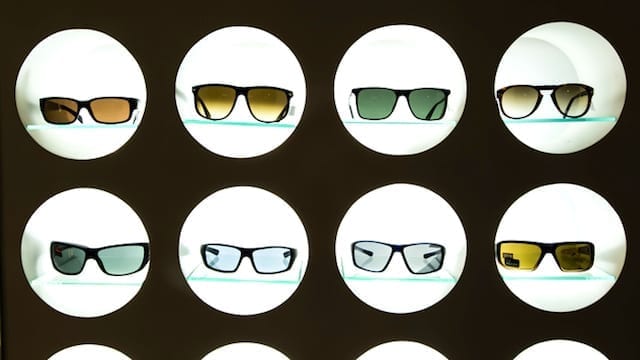
    Online eyewear retailer SmartBuyGlasses has opened a physical store at Kennedy Town.

    Located beside the suburb’s MTR station, the store displays and sells well-known designer brands of eyewear.

    The store, the first in Hong Kong, marks a step from online to offline which the company’s co-founder David Menning describes as “an exciting new chapter for the team” after operating 10 years as a pureplay online retailer.

    SmartBuy Glasses HK 2

    “Our distribution centre has been based in Hong Kong since we started out in 2006. Quite often we get members of the public turning up at the office itself looking to buy products directly from us, so it was clear there was an opportunity here to do something bigger that would serve the Hong Kong public directly.”

    SmartBuy Glasses HK 4

    Menning says the new store reflects the brand identity and entrepreneurial spirit of the SmartBuyGlasses team. “Using their access to the world’s most famous eyewear brands, SmartBuyGlasses has created a unique space where customers can try and buy top sellers and all time classics at the best prices anywhere in the city.”

    SmartBuy Glasses HK 1

    He says the decision to branch out into brick-and-mortar stores reflects the wider industry omnichannel trend, which involves brands and businesses linking their online and offline strategies in order to provide a truly comprehensive customer experience across all touch points.

    SmartBuy Glasses HK 3

    “For us, omnichannel is a key area to focus on in order to provide a truly localised experience for our customers around the world.  We felt that 2017 is the right time to make this leap, and we decided to begin this journey in Hong Kong because our roots run deep here and we wanted to give back to the community that has helped us build our business from a start up to a global leader in eyewear retail.”

    SmartBuyGlasses is an independent eyewear e-tailer, with websites in more than 30 countries. Through its Buy-One-Give-One program, the company donates a free pair of glasses for each pair purchased on its website to a community in need via a network of not-for-profit partners across the globe.

  • Dotty Bee founder looks to sell

    Dotty Bee founder looks to sell

    Katherine Brady, founder of online baby bouquet retailer Dotty Bee, is to sell the business ahead of leaving Hong Kong.

    Dotty Bee was established in 2011 and has since expanded into Singapore and Spain, with potential to add other markets. Beside online sales, the company has retail clients including Toys R Us, Babies R Us, Eugene Baby, Bumps to Babes, Partytime and the Hong Kong Design Gallery. It is listed on 26 online marketplaces.

    dotty-bee-baby-sooq-0977

    “It is sad to be selling as it is still a growing business. But I believe it needs to stay in Asia and so have come to the decision to sell as I will be going to the UK or Australia where the concept is already established by other companies,” Brady said.

    Brady founded Dotty Bee while working part time as a marketing consultant. After exhausting sightseeing options, she looked for something “a little more productive to do” with her mornings.

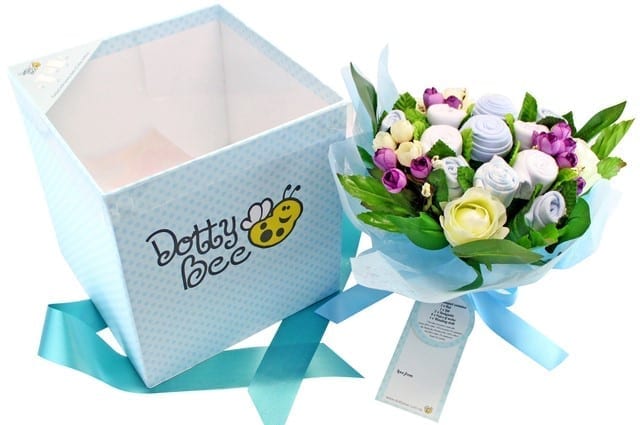
    The concept – selling flower bouquets made with baby clothes to parents and retailers for sale as gifts – is based on a similar concept in the UK, but adapted to the Asian market.

    “When a new baby arrives you want to celebrate and spoil them – a baby clothes bouquet can do both. It has the wow factor when the new parents open the gift and includes useful items of baby clothing, a perfect gift combination,” says Brady.

    “I bought similar products over from the UK to test the market first. After there was interest I looked into finding a manufacturer who would do my own brand and designs.”

    She found that company in Shanghai – along with a machine which rolls the clothing into tight  flower buds from which the ‘bouquets’ are created.

    dotty-bee-bouquet-2

    She credits a background in marketing for helping keep the start-up costs modest.

    “I qualified as a graphic designer so did all my brand, packaging and website design myself. I worked in a marketing agency and so I knew how to do basic SEO and market the company.

    “When I received my own brand products is when the company really took off. Due to lower product costs I could then approach retailers, do promotions and work with other affiliates. Before them I just sold on my own website.”

    Awareness gradually built, but Brady recalls while word of mouth is great in Hong Kong, it does take time.

    “I worked on getting featured in magazines, online magazines, blogs. Getting a social media following. The only advertising I pay for is Google Adwords. I found other advertising does not give me a good return on investment.”

    Dotty Bee has deliberately eschewed physical shops, even pop-ups.

    “Due to the high rent costs in Hong Kong I have not even entertained the thought of a physical store. As we are stocked by a lot of retailers all over Hong Kong customers are never far from a store that has our product, so I do not see the need or desire to have one – and I sure wouldn’t want the stress.”

    Brady says she is in talks with several potential buyers for the business, but is still seeking expressions of interest.

  • New food truck dishes out noodles at Hong Kong Disneyland’s doorstep

    New food truck dishes out noodles at Hong Kong Disneyland’s doorstep

    Hong Kong’s latest food truck may have found its sweet spot on Disneyland’s doorstep after its first location was deemed too remote.

    Mein by Maureen, which offers lo mein (noodles in seafood sauce), has made its new home on Park Promenade, the only thoroughfare between the public transport drop-off points and the theme park’s entrance.

    Although existing rules prohibit visitors from bringing in outside food, the new food truck effectively competes with more expensive restaurants inside the park. It is a stone’s throw away from the MTR station and next to the luggage valet counter.

    Some food truck operators had complained that the original site, near the parking lot for coaches, was too remote, prompting the park to designate a new location last month.

    Mein by Maureen started taking orders from hungry customers at 10.40am on Tuesday, after a 40-minute delay.

    Operator Maureen Loh Mo-lin explained that her staff were still experimenting with the operation.

    Traffic heading into Sunny Bay on Lantau Island was also an unexpected hiccup.

    “Last week it was smooth and perfect … but this morning there was a big traffic jam crossing the harbour,” she said, referring to her commute from Wan Chai at about 7.30am.

    “Maybe people were heading back for work.”

    One of Loh’s first customers was Mika Shimizu, a Japanese expatriate and Disney fan who visits the park once a week.

    She and her friend forked out HK$48 each for a serving of lo mein. They both felt the price was reasonable.

    “It was tasty, and the portion was right. I think I would visit again,” she said.

  • Growth for Coach China

    Growth for Coach China

    New York design house Coach reports “notable strength” in Mainland China while reporting its second-quarter results for the quarter ended December 31.

    Coach China sales were roughly even but increased 6 per cent on a constant currency basis when the impact of the strong US dollar was removed. In addition, there was a “significant” improvement in the quarter for Hong Kong and Macau.

    “We are both pleased and proud of our performance this holiday season, particularly in light of the challenging and volatile global retail environment,” says CEO Victor Luis, noting that China represents “significant opportunities” for its brands.

    “And, despite our deliberate pullback in the North America wholesale channel as well as currency headwinds, we delivered double-digit earnings growth in the quarter. ”

    Second-quarter net sales totalled $1.32 billion for the second fiscal quarter, an increase of 4 per cent over the same period the previous year, including a benefit of 40 basis points related to currency translation.

    Gross profit totalled $906 million, up 5 per cent. Gross margin for the quarter was 68.6 per cent compared to 67.4 per cent in the year-ago period, while net income for the quarter was $200 million.

    Net sales for the Coach brand totalled $1.20 billion for the quarter, an increase of about 2 per cent. This included international sales of $440 million, up 3 per cent.

    Continued strength

    This growth was driven in part by positive comparable-store sales overall with continued strength in Mainland China.

    In Japan, sales rose 9 per cent in dollar value, but eased 2 per cent in constant currency, impacted by a lower Chinese tourist spend.

    Sales eased for the group’s other directly-run businesses in Asia.

    Gross profit for the Coach brand rose 4 per cent to $830 million. Gross margin for the quarter was 69 per cent, including about 30 basis points of benefit from currency. This compared to 67.7 per cent for the quarter in the previous year.

    Net sales for the group’s Stuart Weitzman brand reached $118 million for the quarter compared to $94 million in the same period the previous year. This 26 per cent improvement was driven by strong growth in the brand’s direct channels, and was positively impacted by a wholesale shipment timing shift from the first quarter.

    Gross profit for Stuart Weitzman rose 26 per cent to $76 million, while gross margin was even at 64.3 per cent.

  • Visitor arrivals stem Hong Kong retail sales decline

    Visitor arrivals stem Hong Kong retail sales decline

    Hong Kong retail sales declined 2.9 per cent in December, year-on-year, as visitor numbers showed signs of recovering and the watches and jewellery sector posted a long-awaited increase.

    That follows a revised Census and Statistics Department (C&SD) figure of 5.4 per cent for November, demonstrating that while the comparison is against a high decline a year earlier, the fall appears to be tapering off at last.

    For the full year, total retail sales were estimated at $436.6 billion, down 8.1 per cent in value and 7.1 per cent in volume over 2015.

    A government spokesman said the narrower year-on-year decline in December partly reflected the revival in visitor arrivals in that month, along with the stable labour market conditions which continued to help support local consumer sentiment.

    “Looking ahead, the near-term outlook for retail sales business will still depend on whether the recent improvement in inbound tourism could gain more traction and the extent to which local consumer sentiment would be affected by various external uncertainties.”

    According to the CSD, the value of total retail sales in December was provisionally estimated at HK$42.4 billion. After netting out the effect of price changes over the same period, the provisional estimate of the volume of total retail sales in December 2016 decreased by 2.8 per cent compared with a year earlier.

    Analysed by broad type of retail outlet in descending order of impact on the total retail market, wearing apparel drove the decline this month, down 4.2 per cent, followed by sales of commodities in department stores, down 3.2 per cent; electrical goods and photographic equipment down 25.2 per cent;  miscellaneous consumer durable goods down 23.9 per cent, footwear and accessories down 0.5 per cent; and books, newspapers, stationery and gifts down 2.2 per cent.

    Sales of sales of jewellery, watches and clocks, and valuable gifts increased by 2.3 per cent in December – while not a huge degree, a significant move given the impact they have on total retail sales figures. This was followed by sales of commodities in supermarkets, up 0.7 per cent; food, alcoholic drinks and tobacco up 5 per cent; medicines and cosmetics up 4.8 per cent, furniture and fixtures up 7.3 per cent; Chinese drugs and herbs up 9.3 per cent; and sales by optical shops up 6.2 per cent.

    For the whole of 2016, sales of jewellery, watches and clocks, and valuable gifts decreased by 17.2 per cent over the year and apparel by 4.9 per cent in value.

  • Cognizant opens new office in Hong Kong

    Cognizant opens new office in Hong Kong

    Cognizant, a leading global provider of information technology, consulting and business process services, today announced the expansion of its operations in Hong Kong with the opening of a new office.

    Cognizant’s expanded presence in Hong Kong will enhance its existing operations in the Greater China region and enable Cognizant’s global, regional and local clients to leverage the technical and business capabilities available in the region, while delivering deep local insights and time zone advantages to the company’s growing roster of customers in Asia Pacific.

    Cognizant currently employs more than 300 professionals in Hong Kong, delivering a broad range of services—across digital business, operations, and systems and technology—to more than 30 leading organisations in industry sectors such as financial services, insurance, retail, consumer goods, energy, utilities, and travel and hospitality.

    “We are pleased that Cognizant has established a new office in Hong Kong, underscoring its long-term commitment to the region” said Arthur Wong, Chief Information Officer at China Construction Bank (Asia) Corporation Limited [CCB (Asia)], a leading provider of commercial, corporate, consumer and private banking services. “CCB (Asia) has been using Cognizant’s high-quality financial services and technology expertise for years to manage and operate essential business processes more efficiently, lower operating costs through automation, enhance risk management, and deliver better business outcomes. Technology is key to realizing our vision of innovative and smart banking in today’s digital era. In Cognizant, we have a partner who can help us unlock the full power of our technology environment and create competitive advantage through process and technology excellence”

    “We congratulate Cognizant on the inauguration of its new office in Hong Kong,” said Gary Ma, Chief Information Officer at BOC International Holdings. “Over the past few years, Cognizant has been providing us with a range of technology services. We look forward to a continuing and collaborative partnership.”

    “We continue to steadily grow our presence and investment in Hong Kong,” said Jayajyoti Sengupta, Asia Pacific Head at Cognizant. “Hong Kong’s booming information and communication technology sector is among the world’s most advanced. That, combined with Hong Kong’s specialist business and technology talent, makes the city a great location for us to deliver mission-critical transformative services to our clients in Asia Pacific and elsewhere, helping them navigate the shift to the digital era and enabling them to build stronger, more agile and innovative businesses. Our expansion in Hong Kong underscores our confidence in the ability of the city’s talent pool to help our clients win in today’s technology- and data-intensive world.”

    Cognizant runs an active graduate recruitment programme in Hong Kong to hire entry-level technical and management talent from premier institutions and has been hiring graduates from institutions such as Hong Kong University, Chinese University, and City University. As part of its commitment to building talent for the future, Cognizant provides technical and soft skills training to entry-level hires in line with global benchmarks and deploys them to technology and consulting projects upon the successful completion of the training.

  • Time International introduces Sweet Monster

    Time International introduces Sweet Monster

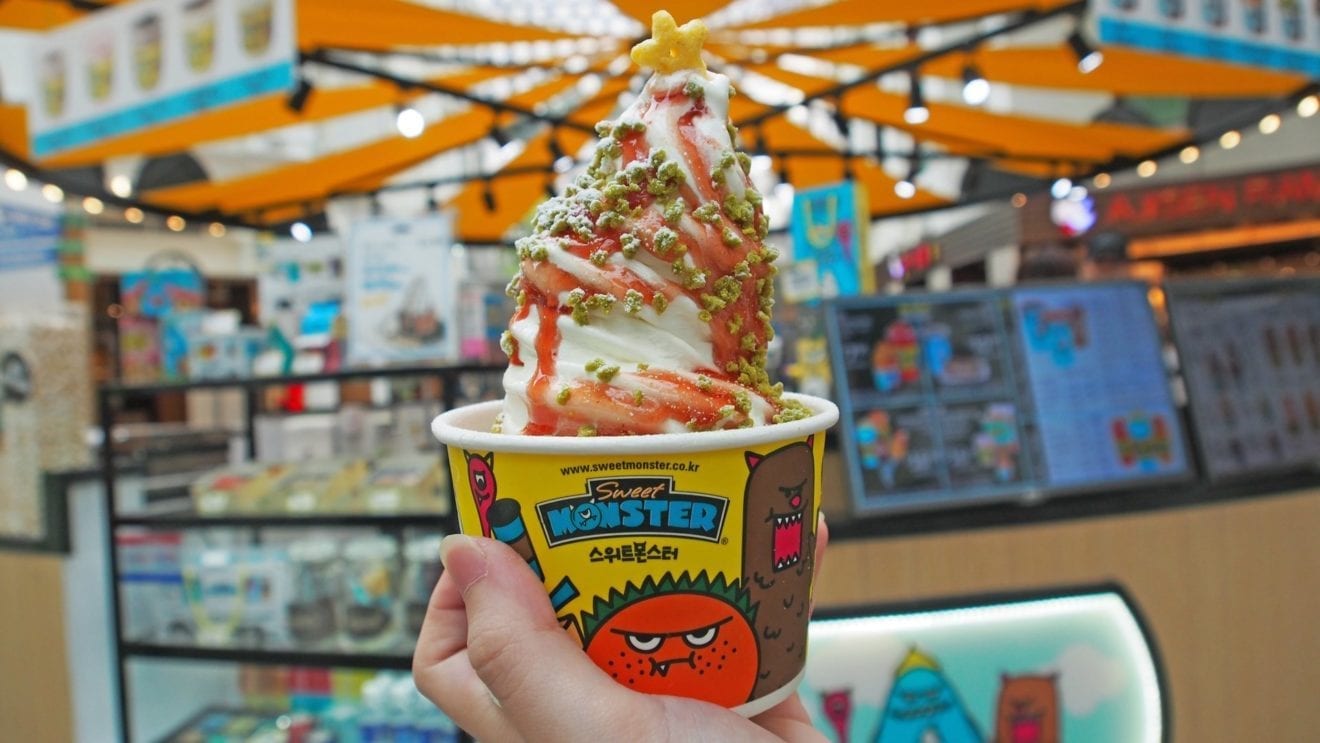
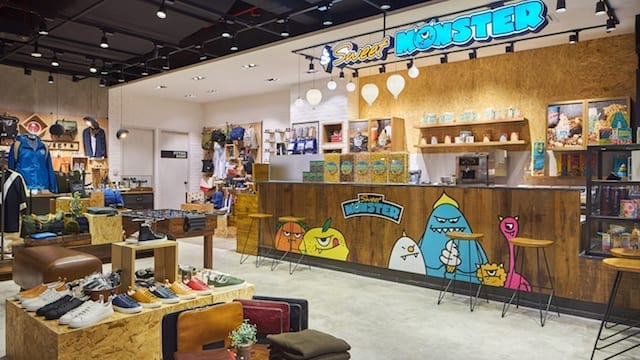
    Korea’s popcorn soft-serve ice cream brand Sweet Monster has arrived in Indonesia as the first F&B retail venture of Indonesian brand group Time International.

    It has launched stalls in Project X Plaza Indonesia and Pondok Indah Mall 2 in Jakarta, featuring its range of characters, EggMon, CookieMon, BlueMon, LeMon, PinkMon, OrangMon, ChocoMon and PopMon.

    SM_IG_Photo Product

    Inspired by confectionery sold at American carnivals and festivals, the brand attracted queues when it opened outlets in China, Hong Kong, Singapore and Thailand.

    Sweet Monster’s offerings are based on its ice cream, made fresh daily at each store from its own formula of milk powder. The flavour line-up includes Popcorn Ice Cream and Signature Ice Cream in Real Deep Milk, Original Tiramisu, Peanut Butter Pretzel, Caramel Macchiato, Cookie Mountain and Green Tea Mountain.

    There is also the full-cream Monster Shake, inspired by American milkshakes made only from ice cream and milk. Flavour options include Pure Milk, Cookie & Milk, Caramel Cafe au Lait, Strawberry Cake and Ferrero Nutella.

    Using only non-GMO corn, Sweet Monster’s popcorn is popped by air. It does not contain trans or saturated fats or artificial colouring, but does have dietary fibre.

    The PopMon characters represent the flavours of the popcorn: salt caramel, combination, strawberry, chocolate or tangerine.

    sweet-monster-project-x-2

  • AS Watson to inject $70m in Canadian AI startup

    AS Watson to inject $70m in Canadian AI startup

    Hong Kong-based retailer A.S. Watson Group said on Thursday it will spend $70 million over the next three years in big data technologies, including investment in a Canadian artificial intelligence venture company.

    A.S. Watson will consolidate its customer data holdings into a big data analysis system for retailers developed by Rubikloud to optimize sales promotion activities and business operations.

    Rubikloud has an app designed to analyze customer characteristics and their purchase history using AI. The information will then be used for individual marketing and prediction of future sales.

    When A.S. Watson introduced the app at European stores on a trial basis starting in 2015, sales from personalized promotion activities increased by more than 8% over 10 months, hence the latest tie-up decision.

    “We are investing in big data amid global economic uncertainties because we believe that technology is a critical enabler for successful retailing in today’s world,” said Malina Ngai, chief operating officer of A.S. Watson Group, in a statement. Ngai added that Rubikloud’s technology will enable the company to “focus our resources, from back-end support to the shop floor, on building a better customer experience.”

    Kerry Liu, CEO of Rubikloud, said the company aims to enhance A.S. Watson’s capabilities to personalize customer offers through advanced targeting by “applying machine learning and flexible big data architectures in practical applications.”

    A.S. Watson is a subsidiary of conglomerate CK Hutchison Holdings, led by Li Ka-shing, a Hong Kong-based billionaire.

    A.S. Watson has more than 13,000 retail stores, including the company’s drugstore chain, in 25 countries and regions such as Asia and Europe. Li’s venture fund Horizons Ventures has also invested in Rubikloud.

  • Big guns line up for Hong Kong International Airport duty free tenders as bids close

    Big guns line up for Hong Kong International Airport duty free tenders as bids close

    Many a fortune has been squandered at Hong Kong’s famed Happy Valley race track. But it’s fair to say that picking a winner from the bidding line-up for the two core category tenders at Hong Kong International Airport (HKIA) some 30 minutes away is a far more difficult exercise than most events on the race card.

    The likely bidder line-up for the first two core category tenders at HKIA, which we held off publishing until bids closed. Note: We understand Heinemann bid for liquor/tobacco/gourmet, not beauty & accessories.

    When it views the submitted offers following the bid closure this afternoon, Airport Authority Hong Kong (AAHK) will no doubt issue a sigh of relief at both the depth and quality of the field it has attracted. With the financial difficulties at HKIA of incumbent DFS Group so well-documented, and Hong Kong’s tourism spending woes similarly familiar to potential contenders, the authority had the difficult job of talking up the tender while simultaneously trying not to deter potential bidders with superficial marketing hype.


    As previously reported, the liquor & tobacco concession is being increased substantially both in terms of space and range, with the addition of liquor-related accessories and gourmet items

    The perfumes & cosmetics concession will become a “beauty and accessories one-stop shopping destination”, including a minimum of 465sq m dedicated to fashion accessories

    Confectionery, a big in-demand category, will enjoy its own dedicated concession. The tender will be launched in March or April.

    Airport Authority Hong Kong believes that given the airport’s extremely strong line-up of speciality stores and mono-brand boutiques (its dazzling Chanel and Rolex duplex stores are shown left and right), there is no need for the airside general merchandise concession. Instead it has allocated the best-selling general merchandise categories to the other packages.

    It set about that goal in an impressive manner, most notably by restructuring the concessions themselves. Out went Airside General Merchandise, in came gourmet foods (to liquor & tobacco), and in came key accessory categories to the pivotal perfumes & cosmetics concession. As revealed by The Moodie Davitt Report, confectionery, an attractive but specialised category, is being offered as a separate single concession.

    The revamped tender model resulted from extensive dialogue between the Authority and the incumbent, other likely bidders and, most critically, consumers. Given the sheer weight and quality of ‘internal’ airport rivals to the general merchandise concession in the form of HKIA’s splendid line-up of stand-alone boutiques, the decision to scrap the all-embracing general merchandise category (and to move its best bits elsewhere) was highly astute.

    This is how the 2012 bidding line-up looked. Nuance-Watson and World Duty Free Group have since been subsumed into Dufry, which did not bid last time around.

    AAHK also emphasised time and again in the run-up to the tender (and in the documents) its whole-hearted commitment to its partners’ commercial success, via intensive physical and digital marketing, shared participation in promotional efforts and to driving HKIA’s passenger numbers.

    The formula seems to have worked. A star-studded field comprising many of the most powerful players in The Moodie Davitt Report’s acclaimed annual Top 25 Travel Retailers League – increasingly the reference point for investors and airports studying the market’s strength and profile – has emerged. While the beauty and accessories concession has attracted greater interest – not surprising considering its greater certainty – there are still enough powerful contenders for liquor, tobacco and gourmet foods to suggest that the stakes there, too, will be similarly high.

    What of the bidding levels? DFS’s sobering experience may have led to some wariness (certainly for the incumbent itself, though do not by any means count out its chances of retaining the beauty business on which it is bidding) but the prevalent market view is that the LVMH/Robert Miller retailer was unlucky in its last bid rather than over-ambitious.

    After all, when The Moodie Davitt Report announced the retailer’s spectacular June ‘One…two… three’ concession victory back in June 2012 amid surging Chinese travelling and spending levels, who could have possibly contemplated what would have followed? What a list: Xi Jinping’s election in March 2013; his subsequent crackdown on corruption and conspicuous consumption; the sharp decline in Mainland Chinese visitors to Hong Kong in 2015 (driven by anti-Mainlander sentiment and the pro-democracy protests); and the meteoric growth of cross-border e-commerce.

    Any one of those factors would have compromised an initially justifiable bid. Collectively they were enough to critically damage it, especially given the contractual premise of a MAG rising in line with increased passengers (as, for example, happened in 2015 and 2016) but where their actual spending (down) was not factored in. All in all, the perfect storm.

    Despite the chastening effect of such an experience (hardly confined to Hong Kong), the individual and collective ambitions of the bidders still represents a heady cocktail of strategic justification, geographic focus (Asia generally, China particularly), overseas expansion, national pride, ‘face’, category expertise and – dare one say it – sheer need for success. All that suggests AAHK will not have to worry too much about any shortfall in its budget going forward.

    So, with a nod in the direction of the race-card publisher down the road at Happy Valley (let’s call the HKIA racetrack Happy Value), here’s The Moodie Davitt Report’s view of the runners and riders in the great Hong Kong International Airport Duty Free Stakes (Note: several of these observations were made in our initial appraisal of the HKIA tenders back in July 2016. We have updated these where possible while respecting retailer confidentialities. All our comments were deliberately held back until just before the bids closed.)

    Likely contenders for the Hong Kong International Airport (HKIA) contracts

    Sky Connection: A certain bidder on liquor & tobacco, and a serious front-runner. The New World Development Company-owned retailer harboured deep disappointment over losing its long-time liquor & tobacco stronghold to DFS last time around, and is desperately keen to make a comeback. Well, not desperately – it’s a well-run company that insists on making money out of concessions – but you get the point. The company’s recent success in the MTR duty free bid augurs well and you can expect a highly focused, innovative, ambitious but not excessive pitch for the liquor & tobacco contract.

    China Duty Free Group & Lagardère Travel Retail: What a blockbuster this combination, revealed on the day the tender closed by The Moodie Davitt Report, represents.

    Deeply ambitious, and now part of the new Chinese tourism ‘super force’ created by China International Travel Service’s merger into China National Travel Service (HK), state-owned China Duty Free Group (CDFG) has made no secret of its desire to grow internationally. It’s off to a strong start in Cambodia (where it now has operations in Phnom Penh, Siem Reap and Sihanoukville) but its ambitions extend way beyond that. To use retail terminology, Hong Kong is a natural ‘adjacency’ to the Chinese Mainland operations; and CDFG’s powerful and complementary partnership with French partner Lagardère Travel Retail is a formidable one in anyone’s book.

    CDFG’s stunning success at its Haitang Bay off-airport store on Hainan Island, as well as its expanding Mainland airport portfolio, has underlined its credentials for running such a blue-chip business as HKIA. Funding will not be a problem, especially given the Sino–French JV now in place.

    For its part Lagardère Travel Retail sees Asia as pivotal to growth, and a blue-chip airport concession such as HKIA would provide a massive fillip. In 2011/12 it bid on perfumes & cosmetics and airside general merchandise; this time around it and CDFG are in for both contracts on offer. And they’re serious about both. International acumen, regional knowledge, combined strength: this is a force to be reckoned with alright.

    King Power Group (HK): Managing Director and lead shareholder Antares Cheng has history here. He was part of the former Kiu Fat Investment Corp’s famous, albeit short-lived, contract victory over incumbent DFS at Hong Kong’s old Kai Tak Airport in 1987, the start of a commercial war that is enshrined in industry legend. King Power (no relationship to the Thai company of the same name) still operates half of the duty free business at Macau International Airport, as well as having a strong (and growing) presence at Shanghai Pudong, and it would dearly love to complete a Chinese trio – and a Hong Kong Airport comeback – here. Hong Kong-based Cheng is highly capable, ambitious and well funded. Expect a big play for both concessions.

    Sunrise Duty Free: The privately held Mainland China retailer may be the most low-profile retailer in the industry but it is not shy in terms of growth ambitions. After all, this is the company that could have (and, some say due to its superior financial bid, should have) acquired World Duty Free ahead of eventual winner Dufry.

    The retailer (partly held by Hong Kong-based Boyu Capital and ably led by Madam Fengyi Zhang) wants to diversify its portfolio outside of its Shanghai Pudong, Shanghai Hongqiao and Beijing Capital International airport operations, and no international gateway would appear better suited to it than HKIA. Last time around the company bid in vain for all three core category concessions. Five years on it is stronger, more experienced – and even hungrier.

    Just as critically, through its Boyu shareholder base, it ticks just about all the social and digital media boxes that AAHK now deems vital to the future success of the airport retail business.

    Recently, for example, Sunrise entered into a long-term alliance with Chinese Internet services company Tencent to accelerates its already rapid development as an online to offline (O2O) shopping provider. Besides its Sunrise investment Boyu has holdings in a glittering portfolio of companies in the Consumer and Retail, Financial Services, Healthcare, and Media and Technology worlds – including, get this, Chinese e-commerce giant Alibaba; China’s largest private express delivery player, SF Express; and the country’s leading online travel agency, 17u.cn. Boyu has also developed a close partnership with powerful travel booking provider Ctrip.com, listed in Nasdaq and with more than 250 million active members in Asia.

    If it can channel those relationships – and its bid will certainly major on that prospect – Sunrise shapes as an entirely credible candidate to extend its impressive growth story. Expect a very strong proposal on beauty and accessories.

    DFS Group: The incumbent must always be respected, in terms of insight, knowledge and experience. And when it’s such a class act as DFS, you had better throw in quality as well. There’s no doubting the importance that the retailer places on HKIA, one of the two spiritual homes (along with Honolulu International Airport) of DFS Co-Founder Bob Miller; and despite the battering the retailer has taken in recent years here, it is back pitching for the key beauty business, albeit no doubt seeking improved terms.

    The big question is, how prudent can DFS afford to be without losing out to those who may have other motivations to bid much higher, even excessively? That whole weighing up of quality vs financials is set to play a vital role in the ultimate assessment.

    Lotte Duty Free: If you were a fiction writer telling the story of Korean duty free over the past two years, critics would dismiss the plot as implausible. And Lotte is the central character in all the drama.

    It first lost, then won back, its trading licence for the magnificent new Lotte World Tower Duty Free store and now faces the prospect of painful five-yearly (not ten as hoped) licence renewal bids for all its downtown businesses. Throw in a potential dilution of its Incheon International business if Korea Customs Service has its anti-chaebol way and you have the perfect incentive for a company to expand internationally. Fast.

    Because of its heavy concentration of Chinese passengers, few airports would attract the Korean giant more than HKIA. For such a brilliant domestic operator with a frankly superb command of social and digital marketing to not have a bigger international presence is a real blot on the corporate portfolio.

    Can it change things here? Lotte’s challenge, we suspect, is more cultural than commercial – it has to convince international airports that it can do the same job abroad as it does at home. What better place to start than HKIA? Then the domino theory might apply. Expect, therefore, a hugely robust bid for both contracts.

    The Shilla Duty Free: The long-time perception that a Korean travel retailer couldn’t win a major airport duty free contract abroad was laid to rest by Shilla’s January 2014 triumph in the Singapore Changi perfumes & cosmetics tender (followed by a joint-venture victory with Sky Connection at Macau International Airport).

    Life there has hardly been plain sailing since, following a difficult start-up and a series of big quarterly losses for its international businesses – overseas duty free sales increased by +9.9% year-on-year in Q4 2016 to KRW133 billion (US$114.4 million) but losses reached KRW8 billion (US$6.9 million).

    But don’t be misled by those figures. Shilla knew what it was getting into at Changi, which it viewed as a foreign laboratory. The learnings were expensive – but crucial. Like its great rival Lotte, Samsung affiliate Shilla faces mounting and often absurd regulatory and political pressure at home. As the engine room of publicly listed Hotel Shilla, it simply must produce a growth story. In the face of ever-proliferating Korean market competition, escalating tour commission costs and regulatory chaos, it has no choice but to look abroad. Tenders and M&A. The former starts here with P&C and accessories.

    Dufry: Last July we asked whether the industry’s equivalent of a Sumo wrestler would throw its considerable weight at the kind of tender that CEO Julián Díaz historically abhors. “Too much competition, too much likelihood of a ‘strategic overbid’, and too much risk to travel retail’s most robust P&L. And yet, and yet…” we wrote.

    With the highly capable Andrea Belardini now in situ in Hong Kong as Divisional CEO for the key regions of Asia, Middle East and Australia, it was always likely that Dufry would come to the table. Remember that The Nuance Group, which it acquired in 2014, ran the beauty and general merchandise concessions here very successfully for years. Given the super-sized retailer’s disproportionately small presence in Asia we expect a positive play here, probably focused on beauty & accessories only.

    Gebr Heinemann: The family-owned German company is another to have identified Asia Pacific as a key growth target. Last July we doubted that it would bid on Hong Kong given the difficult trading conditions and the stresses of the retailer’s deeply ambitious start-up at Sydney Airport. However the latter, buoyed by a hugely favourable swing in the value of the Aussie Dollar, has got off to a flying start – way beyond just about anybody’s projections. That, along with a desire to build on a small but promising Asian base, has prompted a serious review of this opportunity. And Heinemann does nothing in a half-hearted manner.
     

  • Hong Kong food trucks finally hit the streets

    Hong Kong food trucks finally hit the streets

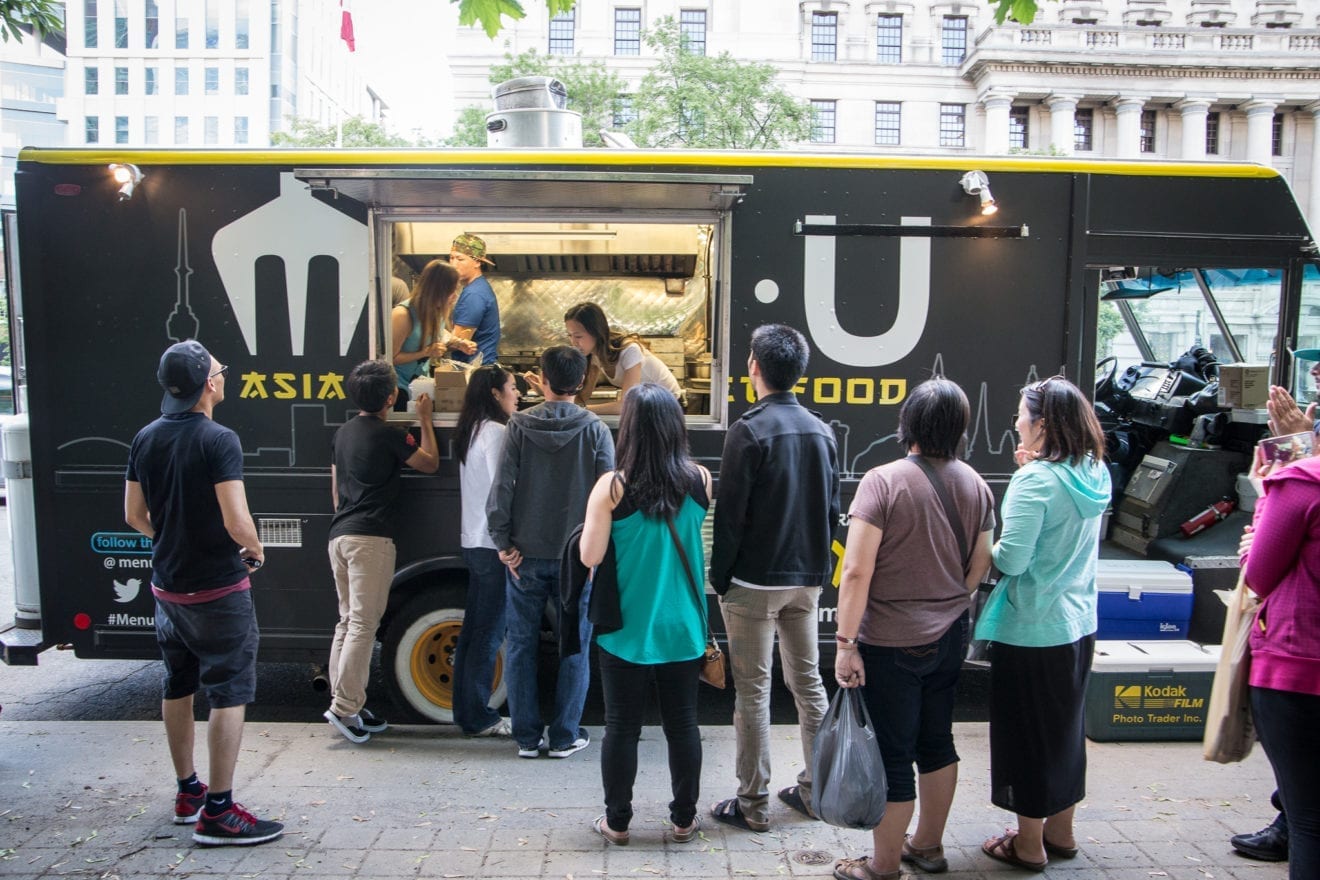
    The first Hong Kong food trucks have hit the streets – 16 in all will be operational tomorrow.

    Stationed at eight locations, they will offer a range of dishes as diverse as dumplings, dragonfruit smoothies and American-style steamed bread.

    It is the launch of a two-year pilot scheme to diversify the city’s tourism offerings, announced two years ago by former financial secretary John Tsang Chun-wah.

    Among the 16 chosen pioneers is Stanford graduate Angela Huang, an heiress of catering group Chee Kei, a restaurant chain known for its wonton noodles. The 25-year-old left her dream job in the US to return to Hong Kong to run the 5.5-tonne food truck Princess Kitchen.

    Seeing the project as “a good learning opportunity”, she says she feels that the word “princess” has a negative connotation in Hong Kong. “I want to use Princess Kitchen to send a message about what I feel about princess. It is not meant to be a girly and traditional type of princess. People should be able to define their own kind of beauty, happiness and health.”

    Huang learned about the pilot scheme while working as a consultant in San Francisco. “I want to come back for something I am excited about. This is something I really want to do.”

    To learn about running a mobile food business, the heiress started by taking orders in a food truck in San Francisco, and visited different ones in Los Angeles.

    Her food truck, which she painted herself including cartoon portraits of her friends and family, will offer dragonfruit smoothie bowls, which she would make at home and which are rarely available in the city.
    Huang, who says she feels lucky to be part of the pilot scheme, has hired two full-time staff members to help run the venture.

    Incentives

    The government offered incentives to start-ups and micro-enterprises to kickstart the scheme.. In the end, seven of the 16 winners were smaller firms.

    Part-time hawker and small restaurant owner Liu Chun-ho says he has so far spent HK$1 million (US$128,875) on his truck, Mama’s Dumpling. He had to obtain a bank loan and raise money from relatives.

    “I was planning to spend from $600,000 to $700,000 originally, but when I started preparing it realised the actual costs are much higher.”

    Almost $180,000 was spent to fit out the truck in accordance with the government’s safety and hygiene requirements. “It’s stressful to bear a cost that big,” he says. “It scares me when I think about it.”

    Liu has been selling dumplings for almost seven years during traditional celebrations. Four generations of the Liu family have been dedicated to making dumplings, and even his nine-year-old daughter has mastered the skill. Liu says the food truck will be run entirely by relatives.

    His signature dumplings will have wrappers in five colours. He plans to sell a box of six dumplings for $40. Pig knuckles, fried dumplings and soybean milk will also be on offer.

    Not all locals

    Not all the food trucks are local enterprises, such as Los Angeles-based Book Brothers Food Truck.
    “Hong Kong is a much better place to promote the brand compared with mainland cities,” says Raymond Wong, who was assigned by the US firm to manage its first food truck outside the US. The firm, which has seven food trucks and one restaurant in the US, won over the judges last year with its American-style barbecue steamed bun, which integrates Chinese and Western elements.

    Wong says a food truck is a cheaper way to establish brand reputation, given the city’s high running costs. The company has invested about $1 million on the project so far, Wong says, while opening a small cafe could easily cost up to $3 million.

    It needs to pay only about $20,000 a month for the site at Hong Kong Disneyland – the most expensive location – while monthly rents for a restaurant in a prime location could climb to hundreds of thousands of dollars.

    However, the American firm has found Hong Kong’s requirements more stringent, such as using new vehicles plus installing back-up batteries. Wong also says it is not easy to make a profit with only one truck.
    Some arranged locations, such as Energizing Kowloon East harbourfront, have few pedestrians during weekdays, says Wong, which makes things even harder.

  • The Five Best Shops For Men In Hong Kong

    The Five Best Shops For Men In Hong Kong

    Hong Kong is known to be a melting pot of activities, yet there’s one pastime in particular that locals and visitors alike always gravitate toward: shopping. The big malls like Pacific Place and Times Square definitely give shopaholics a run for their money, yet in such a dense megalopolis with so many shops to choose from, sometimes the hidden gems are exactly that – hidden. To help you cut through the noise and find your go-to place, here are Forbes’ choices for the five best shops for men in Hong Kong.

    The Monocle Shop

    Image result for the monocle hong kong

    Through collaboration with other niche brands, Monocle offers one-of-a-kind travel items, apparel and other assorted items in their small shop on Wan Chai’s hip St. Francis Yard. Given that Monocle is a magazine and travel guide first, the shop also sells souvenirs and city-specific memorabilia like their iconic city guides, available for New York City, Hong Kong, Copenhagen and many more. If you’re extra curious, poke your head into the back part of the shop, their Hong Kong editorial team’s office space.

    1-4 St. Francis Yard, Wan Chai, Hong Kong, +852 2804 2323, monocle.com

    The Armoury

    The Armoury - Landmark

    If you’re looking for classic, ready-to-wear menswear, The Armoury is the place to go. The owners’ tastefully-curated collection hails from all around the world, and that global appeal has played a major role in the impeccable reputation that The Armoury holds today. Parisian Gentleman sums up their offering perfectly: “Mark Cho, Alan See and Jake Grantham continue to offer a tastefully curated selection from some of the best brands out there, which include the likes of Ring Jacket, Carmina, St Crispin’s, Orazio Luciano, Drake’s and of course, the Florentine Master Tailor Antonio Liverano featured in the Gianluca Migliarotti movie, I Colori di Antonio.”

    Pedder Building Unit 307 (3/F), 12 Pedder Street, Central, +852 2804 6991, www.thearmoury.com

    Landmark Central B47, 15 Queen’s Road Central, Central, +852 2810 4990, www.thearmoury.com

    Delstore

    Image result for delstore hong kong hong kong

    Considered underrated by many, Delstore stocks difficult-to-find pieces from timeless brands, and is definitely a must-visit for any guy passing through Hong Kong. South China Morning Post says: “Owned by Hong Kong native Derrick Leung, the two-storey boutique offers stylish yet inconspicuous men’s outfits and accessories that have way more staying power than those slavishly following seasonal trends. A true champion of locally curated style, Delstore is a hidden treasure for Hong Kong’s male style mavens.”

    3 Schooner St, Wan Chai, +852 2528 1770, delstore.co

    HOLA Classic

    Image result for hola classic hong kong

    For a high-quality yet budget-friendly tailoring, HOLA Classic is the place to go. Thanks to its location in Causeway Bay’s underbelly, So Kon Po, HOLA can offer its modern vintage suits at significantly lower prices than other tailors in Hong Kong (theirs start at $1,980 HKD, which is $255 USD). HOLA also offers quite a selection of eccentric ties and “happy” socks, plus their own line of shoes.

    11A Caroline Hill Road, Causeway Bay, +852 2870 0245, facebook.com/holaclassic.

    kapok

    Certainly one of the quirkiest lifestyle shops in Hong Kong, kapok specializes in creative and authentic pieces from places like Denmark and France, widely known for the enduring quality of their craftsmanship. With one store next to the Monocle shop on St. Francis Yard and the other around the corner on the tucked-away Sun Street, expect to find a wide array of sweaters, messenger bags, tough-to-find magazines, notebooks, and a lot more. Expect to while away thirty or sixty minutes just browsing, chatting with the knowledgeable staff or jamming to the ever-changing Soundcloud mixes that fill the place with an upbeat, enduring energy.

    3 Sun Street, Wan Chai, +852 2520 0114, ka-pok.com

    5 St Francis Yard, Wan Chai, +852 2520 0114, ka-pok.com

    Of course, if you can’t find what you need at these shops, you can always look online to sites like AliExpress, which stocks a seemingly-endless variety of clothing, shoes and accessories. Amazon also ships to Hong Kong, though for some items you may need to use a package forwarder to get them all the way here.

    As Andrew Keith says, “Hong Kong is a city filled with amazing contradictions.” Fortunately, its size and its offering of great shops for men is not one of them. Wherever you choose to go, whether it’s a megamall, a boutique or just online, I hope these five shops open up your eyes to some of Hong Kong’s more unique options.