Tag: Hong Kong

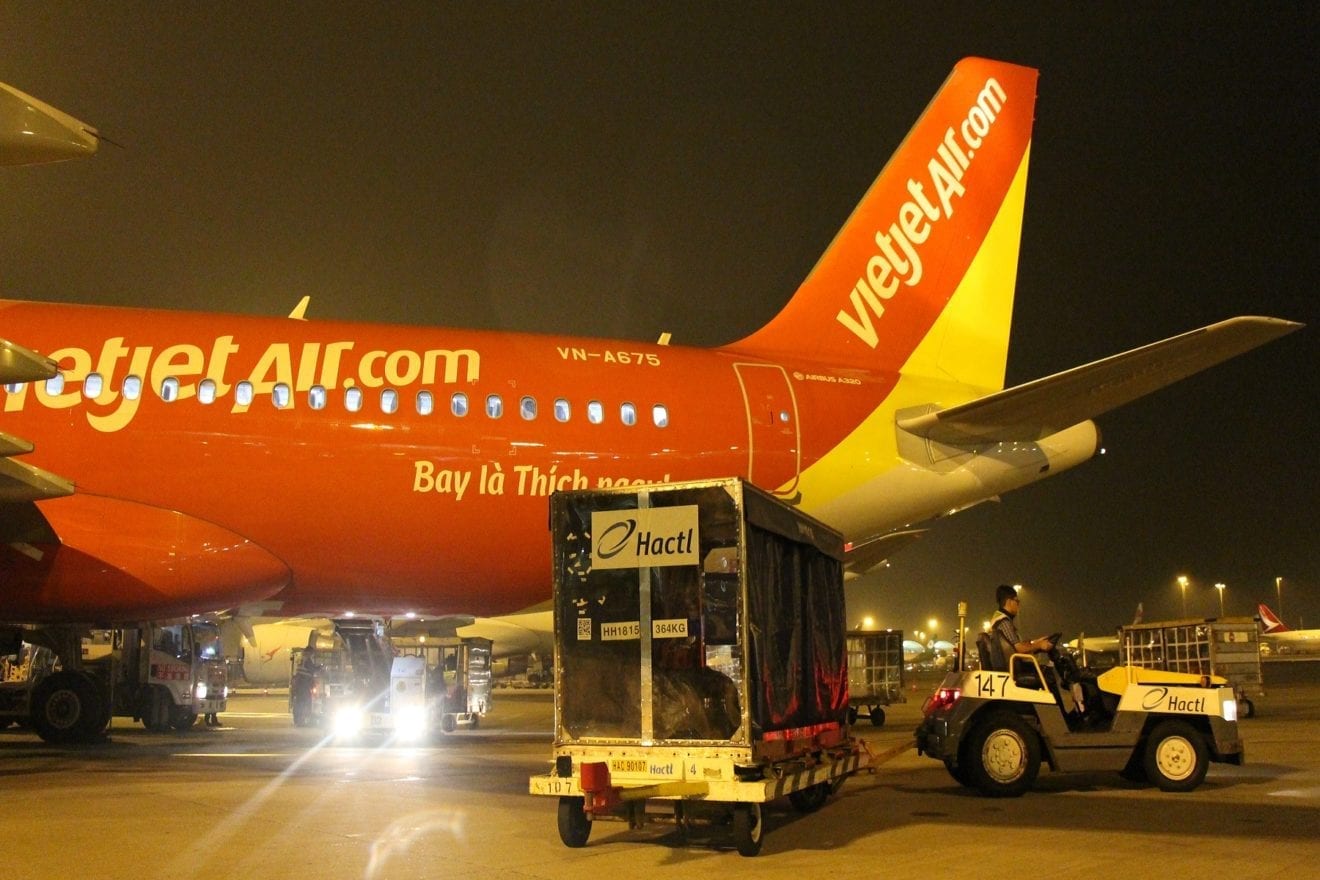
  • Vietjet Air Appoints HACTL for Hong Kong Handling

    Vietjet Air Appoints HACTL for Hong Kong Handling

    The daily flight was launched in December 2016 and is operated with an Airbus A320. “We congratulate VietJet on the launch of this exciting new service to Ho Chi Minh, which provides access to an important destination for our customers,” said Mark Whitehead, chief executive of Hactl.

    Major exports from Vietnam to Hong Kong include electronic components, telecommunications equipment and footwear, while imports from Hong Kong include telecommunications equipment, meat products and electronic components.

    “Hong Kong is a very important market for Vietnam, and also a key step in our airline’s development,” said Thi Thuy Binh Nguyen, vice president of VietJet Air. “We look forward to playing our part in facilitating increased trade on this route.”

    VietJet Air launched operations in 2011. The low-cost carrier now flies to 23 international and 37 domestic destinations with its fleet of 42 A320s and A321s.

  • Wellcome supermarket criticised for failing to provide seats for on-duty cashiers

    Wellcome supermarket criticised for failing to provide seats for on-duty cashiers

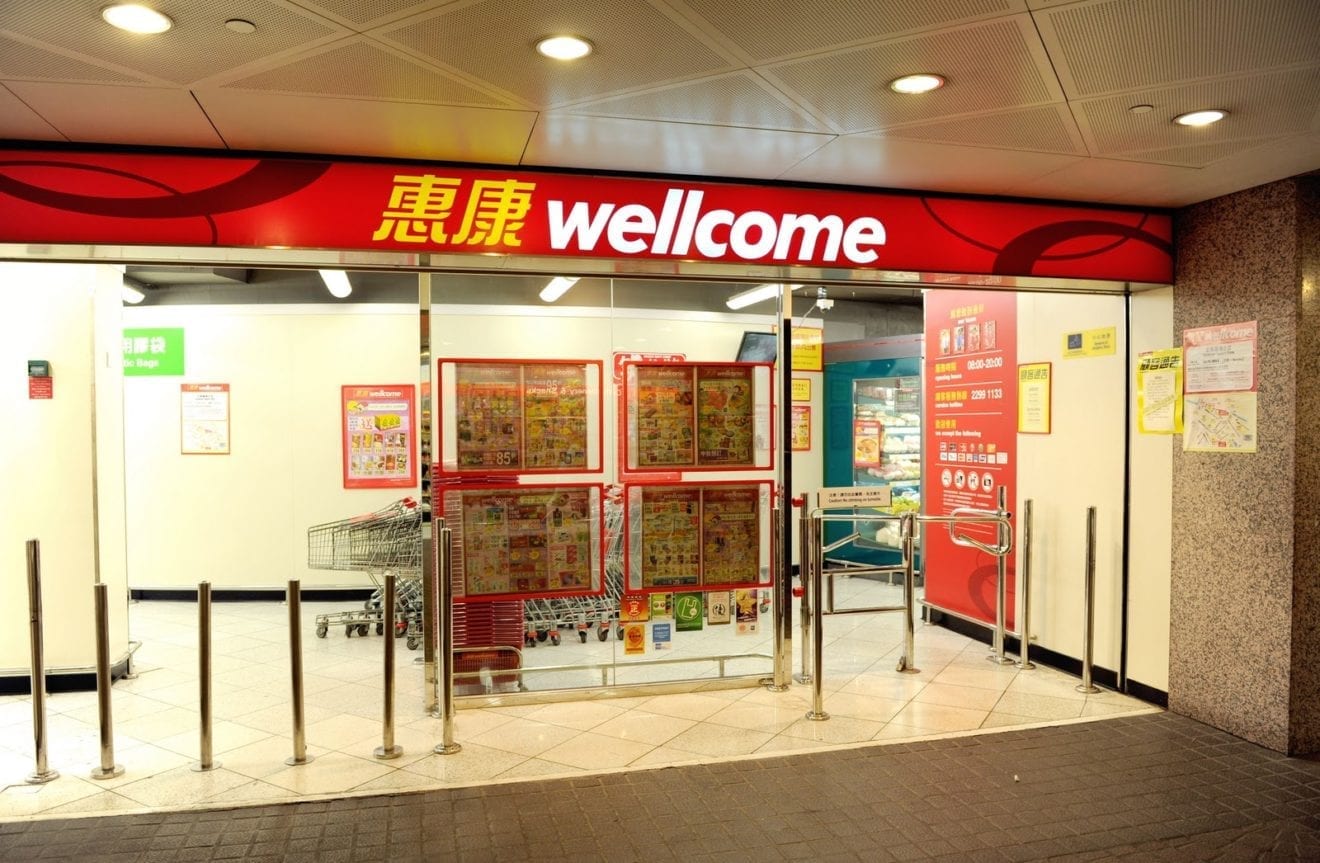
    The Wellcome supermarket chain has come under fire for failing to protect workers’ health as it emerged that they do not provide chairs for on-duty cashiers.

    The Retail, Commerce and Clothing Industries General Union said Thursday that none of the 154 Wellcome branches it surveyed provided seats to cashiers during working hours. It slammed the company for disregarding the wellbeing of its workers. Prolonged standing carries health risks such as muscle ache, back pain and swollen veins, it said.

    In response, Wellcome said that it is conducting a pilot test to introduce chairs for cashiers at four branches: Beacon Hill, Johnston Road in Wanchai, San Fung Avenue in Sheung Shui, and Avon Park in Fanling.

    It promised to gradually provide chairs to cashiers at all 281 Wellcome branches in the city.

    According to an occupational health guide issued by the Labour Department, retail employers are advised to ensure the safety and health of their workers by providing seats at their workplaces.

    Employers should ensure that employees are allowed to be seated “unless operational needs warrant otherwise,” the guide said.

    labour department guide retail

    The Labour Department’s guide on preventing health hazards for retail workers. Photo: Labour Department screenshot.

    But the union said the guide, which is not legally binding, is not enough to protect workers’ rights. It urged the Labour Department to include leg fatigue in its list of compensable occupational diseases and enforce the Occupational Safety and Health Ordinance against employers who violate the law.

    It also demanded that Dairy Farm International, which operates the Wellcome chain, review policies in all of its retail stores to ensure the safety of their workers.

    Activist Ching Chin-wai, who helped lead the campaign, said that Wellcome failed to respond to public enquiries about the progress and details of its pilot test. He slammed the supermarket chain for “disrespecting” its employees and avoiding public accountability. Ching previously led similar campaigns for other occupations such as security guards.

    The retail union is a member of the Hong Kong Confederation of Trade Unions.


  • Watches stolen during sledge hammer raid on luxury shop in Hong Kong

    Watches stolen during sledge hammer raid on luxury shop in Hong Kong

    Two burglars smashed the window of a luxury goods shop in the IFC mall in Central and fled with 40 watches in front of a security guard during a Lunar New Year’s Day raid.

    In a drama that lasted for barely two minutes, one of the pair broke open the glass door of Montblanc with a sledgehammer at about 11.40pm on Saturday, when the shop had been closed for the whole day.

    The duo, said to be non-Chinese and wearing surgical masks and knitted caps, defied the guard and smashed three glass showcases inside, sweeping the watches into a bag and ran.

    At one point, they attempted to intimidate the guard by threatening him with the sledgehammer.

    At a taxi stand outside, the pair got into a car driven by a third man and sped off.

    Police said the Germany-based chain, which specialises in several lines of products including watches, writing instruments and jewellery, had confirmed that about 40 watches valued at a total of HK$1 million were snatched.

    Central district crime squad was investigating

    A sledgehammer has been used in previous burglaries in the city. In September, a group of five or more burglars stole about HK$2 million worth of handbags and watches from the Chanel store at Lee Garden One on Hysan Avenue – one of Hong Kong’s prime retail strips in Causeway Bay, in just 80 seconds.

  • Amusing concept in newest Gentle Monster flagship

    Amusing concept in newest Gentle Monster flagship

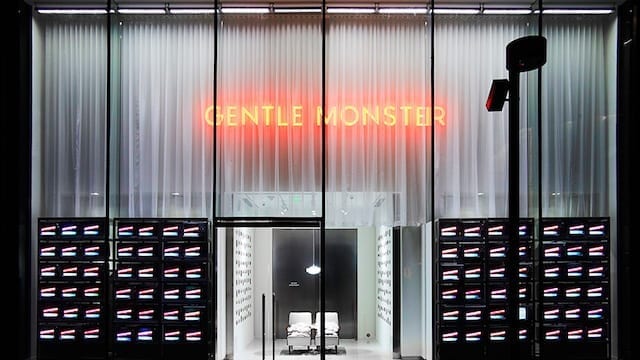
    Korean eyewear retailer Gentle Monster is creating jaw-dropping retail executions across Asia and beyond.

    The images accompanying this story are of the equally unique Beijing flagship store, located in the Sanlitun retail precinct.

    gentle-monster-beijing-flagship-9

    Each Gentle Monster flagship features a completely different design format, inspiration and execution – it is the utmost opposite to traditional retail chains’ cookie-cutter store design approach as is possible.

    gentle-monster-beijing-flagship-10

    “I wanted the products to look as if they were being exhibited,” explains Hankook Kim, founder and CEO of Gentle Monster. And so the in-store concepts have become something of a calling card for the brand.

    gentle-monster-beijing-flagship-7


    As Australian retail consultant Brian Walker observes in a column on disruptive retailing, every retail store in their ecosystem is completely different; from ‘Platform’ in Hong Kong; designed like a train carriage, to ‘L’Artisan’ in Shanghai and ‘Secret Apartment’ in Beijing.

    gentle-monster-beijing-flagship-5

    “Each store is a three-dimensional still life, with its own back-themed story.”

    Gentle Monster was founded in 2012 after a chance meeting between Kim and Korean serial entrepreneur Jae W Oh at an English summer camp in Seoul a year earlier. Oh took a liking to Kim and invited him to come up with a concept worthy of his cash.

    gentle-monster-beijing-flagship-3


    “When I first began looking into eyewear and researching the market, I found that it was a very union-controlled industry that was not explored as an artistic form,” Kim said in a recent interview with The Business of Fashion.

    gentle-monster-beijing-flagship-6

    And so a brand was born. Kim identified an opportunity to create oversize spectacles for Asian consumers, for whom having a small face is a compliment. “There were no competitors for oversize glasses, which make heads look smaller.” Asians also require eyewear with a low bridge. “Eyewear was all about the Western facial structure.”

    gentle-monster-beijing-flagship-4

    He found a factory in Daegu abandoned by Luxottica who shifted production to China, and another plant in China where he could produce acetate frames (illegal to manufacture in Korea).

    Gentle Monster’s rise has been swift. In 2014 the brand achieved revenues of US$40 million, predominantly in Korea and China. That figure grew four-fold to $160 million the following year, with figures for 2016 not yet revealed.

    gentle-monster-beijing-flagship-2

    The brand’s frames range in price from a little over $200 for an entry-level pair, to $500+ for something more exotic. Like its stores, its frame designs are often unusual – or even “strange” as The Business of Fashion observed.

    gentle-monster-beijing-flagship-1

    Flush with success of its eyewear range, Gentle Monster is now deciding which other categories to expand into.

    “Gentle Monster started out as an optical company, but the goal is to make it a creatively disruptive corporation,” says Kim. “Brand really is the genuine tool.”

  • Hong Kong developer takes aim at Trump rhetoric

    Hong Kong developer takes aim at Trump rhetoric

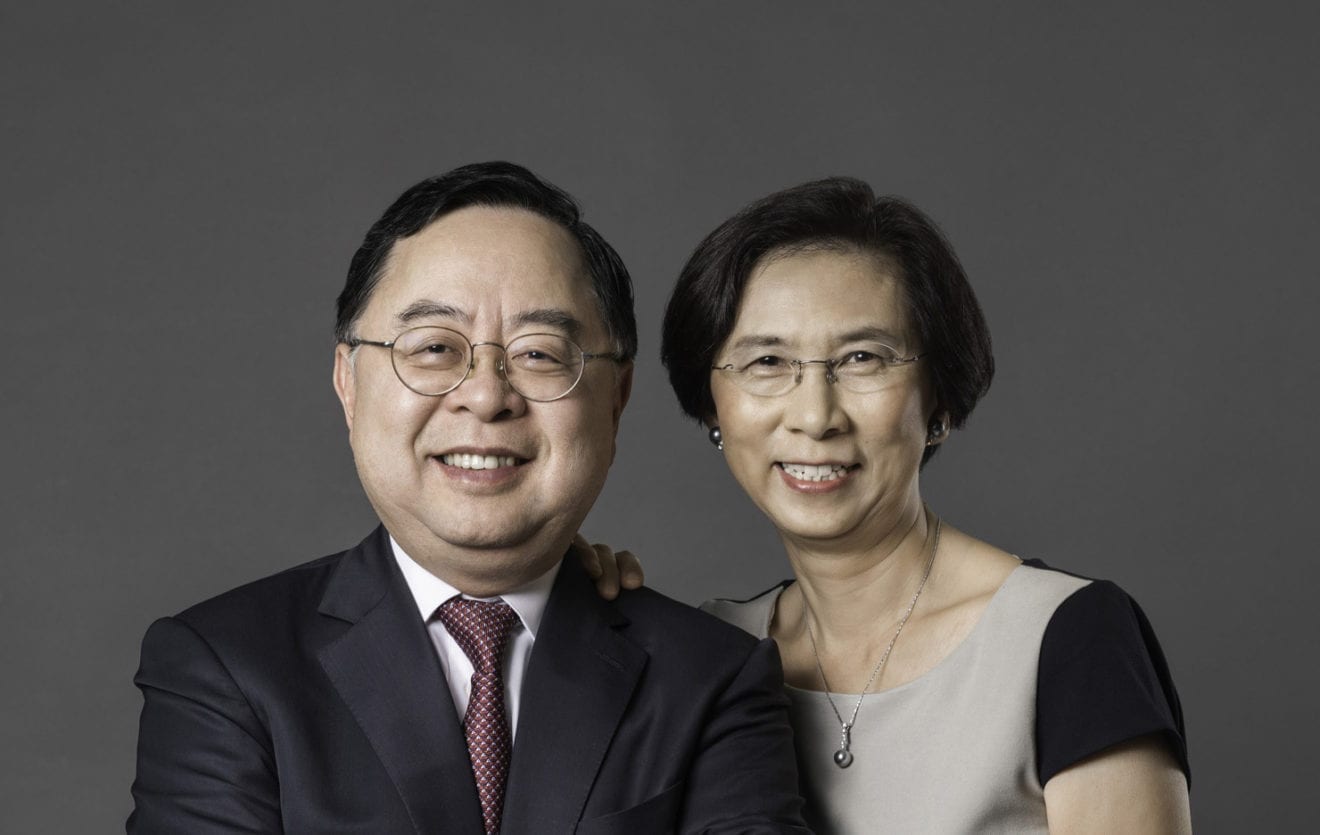
    Hong Kong property tycoon Ronnie Chan Chi-chung came to China’s defense on Thursday, saying U.S. President Donald Trump would eventually become realistic and “shut up,” amid concerns over a looming Sino-U.S. trade war.

    “China is not the same as before. If the U.S. can create troubles for China, it can do the same to the U.S.,” said Chan, chairman of Hang Lung Properties, referring to Trump’s plans to slap punitive tariffs on Chinese imports. “Don’t bother too much about a dog barking.”

    Chan’s remarks came as Hang Lung, one of the first Hong Kong developers to announce annual results, saw its Chinese business outstripped by a stronger Hong Kong market.

    The group reported a full-year net profit of 6.2 billion Hong Kong dollars ($800 million) in 2016, up 22% from a year ago. Underlying profit that excludes the impact of property revaluation jumped 45% on the year to reach HK$6.3 billion.

    Turnover was up 46% to HK$13.1 billion, driven by higher property sales in Hong Kong that grew more than four-fold to HK$5.3 billion. The developer increased sales after a rebound in home prices last April amid an influx of mainland capital, selling some 430 units, including two semi-detached houses in Happy Valley and the upscale Long Beach project.

    Rental revenue was flat. In Hong Kong, the group countered a downtrend in the retail sector with a 5% increase in rental income following mall upgrades to bring in popular sportswear tenants.

    A sluggish economy and retail environment hurt income on the mainland. Rental income from the company’s portfolio of prime offices and eight shopping malls in cities such as Shanghai, Shenyang and Tianjin fell 5% on the year to HK$4 billion. The group blamed renovations that affected occupancy, adding it would continue to develop projects on acquired sites in cities including Wuhan, Wuxi and Kunming.

    “We have 24 million square feet of buildable space in China — it’s a lot of work to follow up on,” said Executive Director Adriel Chan Wenbwo, Chan’s son, who was promoted to the position in November. Asked how he felt about chairing his first earnings briefing, he said: “It’s okay.” He described Managing Director Philip Chen Nan-lok as a “role model.”

    Mainland competition

    Hong Kong developers are facing intense competition as their mainland counterparts accelerate their shopping spree in the territory. On Wednesday, Chinese tourism conglomerate HNA Group outbid 18 developers for its third residential site in Kai Tak, bringing its total investment in the former airport site to HK$20 billion in three months. The latest deal, totaling HK$5.5 billion, is equivalent to HK$13,000 per square foot, about 10% above market valuations.

    Data from the Lands Department showed that Chinese developers splashed out HK$28.1 billion to buy land for building homes in Hong Kong last year, accounting for 41% of the territory’s residential land sales.

    Beijing’s recent capital controls may do little to reverse this trend. Patrick Wong, a property analyst at Bloomberg Intelligence, expects mainland developers to maintain a similar share of land sales in 2017, as active companies are listed in Hong Kong with funding channels abroad. “Despite the cooling measures in Hong Kong, regulatory risks here are mild relative to that on the mainland,” he said, referring to restrictions imposed on homebuyers in more than 20 major Chinese cities.

    Hong Kong developers will face a “tough time” in the land market, Wong said, although they are less aggressive in placing bids due to abundant land reserves. Local developer Hopewell stressed its priority was for existing projects rather than land acquisition. “It’s not very meaningful to look at a particular deal that has deviated from the market,” said Hopewell Managing Director Thomas Wu Man-sun on Tuesday.

    Hang Lung’s elder Chan has a similar view. “It’s a market of short-term irrationality and long-term rationality,” he said, adding that it was a “natural development” for Chinese companies to diversify their investments abroad.

    After a year of aggressive property sales, Hang Lung was left with about 100 units on its inventory list, including 16 luxury houses. Asked whether the group would replenish its land bank, he said: “When ‘black swan’ events such as the 1997 Asian financial crisis happen, that’s our chance to buy land.”

  • Hong Kong high street retail rents decline should ease

    Hong Kong high street retail rents decline should ease

    After falling 12 per cent in 2016, the pace of decline in Hong Kong high street retail rents should ease in the year ahead, predicts CBRE.

    Last year’s decline followed a 17 per cent fall in 2015. That represents a full 27 per cent fall since rents were at their peak in 2014.

    But this year, says CBRE Hong Kong in a research note, expect a fall of a more modest 5 per cent.

    In contrast, shopping centre rents were broadly flat in 2016.

    “In 2017, slower economic growth in China and depreciation of the Renminbi are set to undermine mainland tourist spending in Hong Kong,” said Joe Lin, executive director, advisory & transaction services – retail, with CBRE Hong Kong. “However, the fall in high street shop rents is not expected to exceed 5 per cent in 2017, and by the middle of the year, most leases that were signed during the market peak of 2014 will have expired, meaning that rents are expected to stabilise from then on. Leasing momentum is expected to gradually improve from 2016,” Lin concluded.

    In investment terms, CBRE predicts a 5 to 10 per cent decline in prices for street shops in core locations in 2017, coming off a 10.6 per cent decline last year.

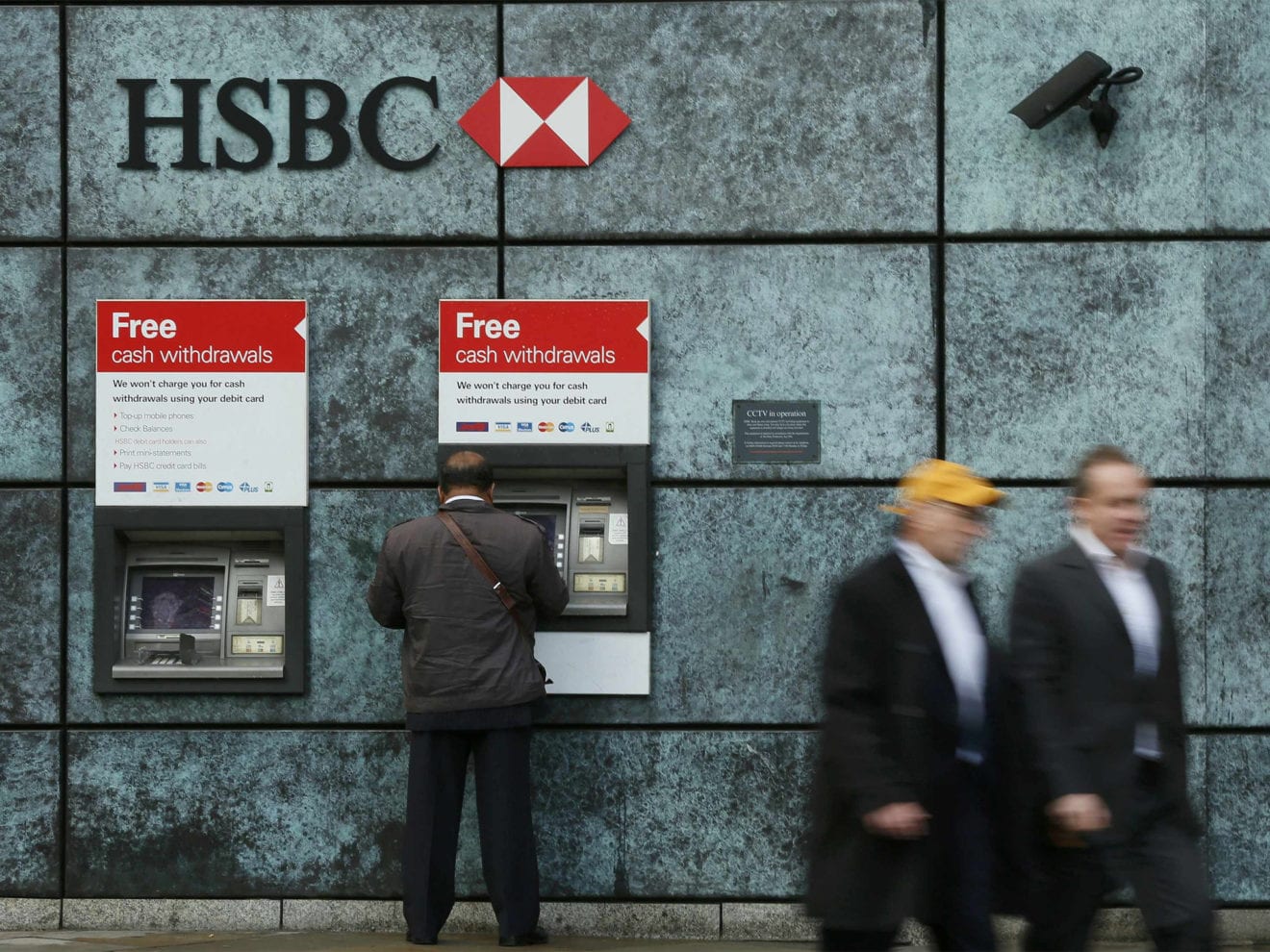
  • HSBC closes 62 more UK branches, but all Hong Kong outlets to stay open

    HSBC closes 62 more UK branches, but all Hong Kong outlets to stay open

    HSBC is shutting 62 more British branches this year, meaning the bank will have closed 340 outlets across the country within the past two years.

    But in a divergence of strategies between two of its most significant retail banking markets, the bank said it had no such plans in Hong Kong.

    “While individual branches relocate from time-to-time, there is no programme of closures in Hong Kong,” insisted HSBC spokesperson Gareth Hewett.

    The bank has about 100 branches and more than 300 standalone express bank centres in Hong Kong. It blamed the UK closures on the changing habits of its customers, adding HSBC will still have 625 branches in the country by 2018.

    “More customers are using mobile and internet banking than ever before … and fewer people are using branches. More than 90 per cent of our interactions with customers are now through our digital channels – an increase from 80 per cent last year,” said Francesca McDonagh, HSBC’s head of retail banking and wealth management for UK and Europe.

    Last year HSBC halved its branch network in India, again citing the move to digital as an important factor in the decision.

    While the lender is pursuing a digital strategy in Hong Kong, which includes digital peer-to-peer payments systems and virtual assistants for its corporate clients, these new initiatives have not led to a need to reduce its branch network here.

    More customers are using mobile and internet banking than ever before … and fewer people are using branches. More than 90 per cent of our interactions with customers are now through our digital channels – an increase from 80 per cent last year

    Francesca McDonagh, HSBC’s head of retail banking and wealth management, UK and Europe

    Across the board, branch networks in Hong Kong have remained broadly solid, though last June Bank of East Asia said that its brokerage business, East Asia Securities, would close its 22 retail outlets.

    As has become standard practise, BEA too noted the vast the majority of its transactions were now being conducted via the internet or over the phone.

    The new closures mean HSBC has shut more branches than any other major UK high street lender, but the closures are by no means unique.

    Last week, the Yorkshire and Clydesdale bank group said that it would close 79 UK branches, and, in 2015 and 2016, more than 1,000 banks were closed across Britain according to consumer group Which?

    Dominic Hook, national officer at UK’s largest trade union Unite said in a statement: “Unite is again calling on the banking industry to rethink such branch culling exercises, which do nothing to reassure customers or staff that banking is accessible and open to all.

    “Without doubt customer service in financial services will suffer if our high streets are left with no local branches.”

  • Activewear and F&B driving Hong Kong retail innovation

    Activewear and F&B driving Hong Kong retail innovation

    Food and beverage and lifestyle is driving Hong Kong retail innovation, says property expert Shaun McManus with JLL Hong Kong.

    “The activewear and sports apparel sector has been a front-runner in elevating in-store experiences for shoppers,” McManus, who specialises in lifestyle retail and F&B with the property  company. “Looking to boost their winter sales, Adidas recently added a virtual reality fitting room in their flagship store in Causeway Bay, giving customers the chance to test new products in a training run simulation that mimics winter weather through a temperature control system,” he wrote in a market review.

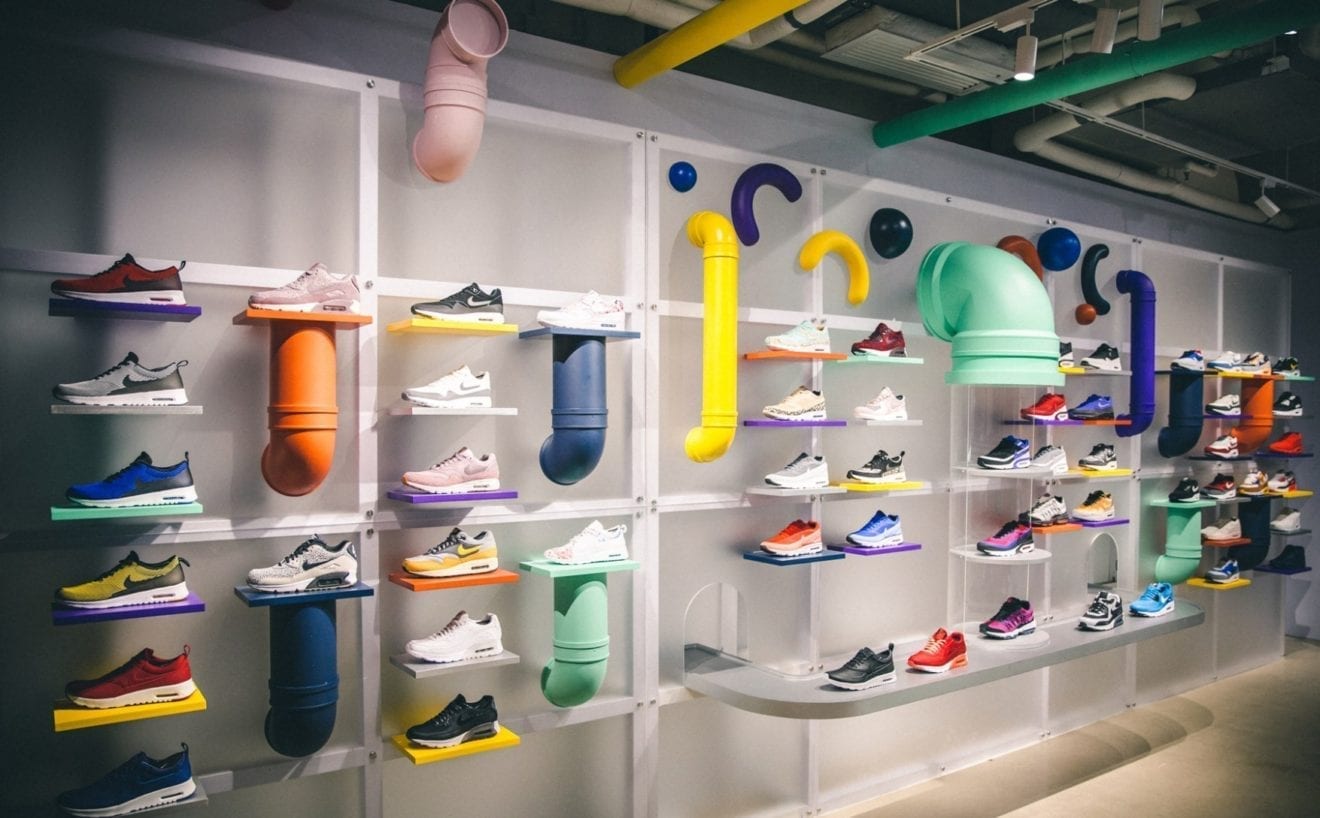
    Nike’s new 13,000 sqft flagship store on Granville Road in Tsim Sha Tsui offers customised T-shirts and sports bras, as well as a personalised coaching section where customers can test running shoes on a treadmill to see if they are the right fit.

    JLL’s foodservice consulting team forecasts that by 2020, 80 per cent of retailers will have some form of additional entertainment element or other unique offerings, like these within their stores.

    “The progression of omni-channel retailing – through physical and online stores and mobile apps – is another pattern that looks likely to emerge in 2017. Unlike other markets, eCommerce has yet to gain a strong foothold in Hong Kong.

    According to the Hong Kong Trade and Development Council, online sales account for less than 5 per cent of total retail sales among retailers with an omni-channel sales platform within the city.

    “To boost sales, retailers are increasingly turning to social media platforms to sell their goods, and will look to take advantage of apps like Instagram and Snapchat to give customers a behind-the-scenes look at their operations with the aim of building brand engagement and legions of loyal followers,” says McManus.

    “With over 40 million hits per month on Instagram, Facebook and Snapchat combined; it is no wonder popular brands such as watchmaker Daniel Wellington are attributing the largest proportion of their revenue to their social media marketing campaigns.”

    McManus also forecasts that this year promises a further shift away from traditional shopping mall tenant mixes towards an increased focus on entertainment hubs and food courts.

    “Many developers are already starting to reposition their portfolios. Swire Properties – whose shopping mall portfolio in Hong Kong includes Pacific Place Mall, CityPlaza and Citygate Outlets – has been at the forefront of this movement. At Pacific Place Mall, for example, it has increased the F&B footprint by more than 20 per cent in the space of 12 months and totally revamped its cinema complex to include a new VIP House with state-of-the-art sound system technology, higher resolution screens and vibrating seats. These changes have all been made with the aim of increasing and retaining footfall to the mall and attracting new customers.

    “The use of pop-up stores will also continue to be popular in prime malls, enabling landlords to optimise space and minimise void periods; an important consideration given the current challenges facing the city’s retail sector.”

    McManus says that for consumers, revolving pop-up stores freshen the shopping experience and encourage repeat visits.

    “All of the above factors point towards a more balanced and increasingly vibrant retail market for Hong Kong in 2017, and suggests that it is far from all doom and gloom for the sector in the year ahead. Rather, we believe these changes are ushering in a healthier retail climate that drives domestic consumption and is less reliant on tourist spend. Hong Kong must, and will, maintain its status as a shopper’s paradise in Asia for the foreseeable future.”

  • BNI prepares Indonesia-Hong Kong worker card

    BNI prepares Indonesia-Hong Kong worker card

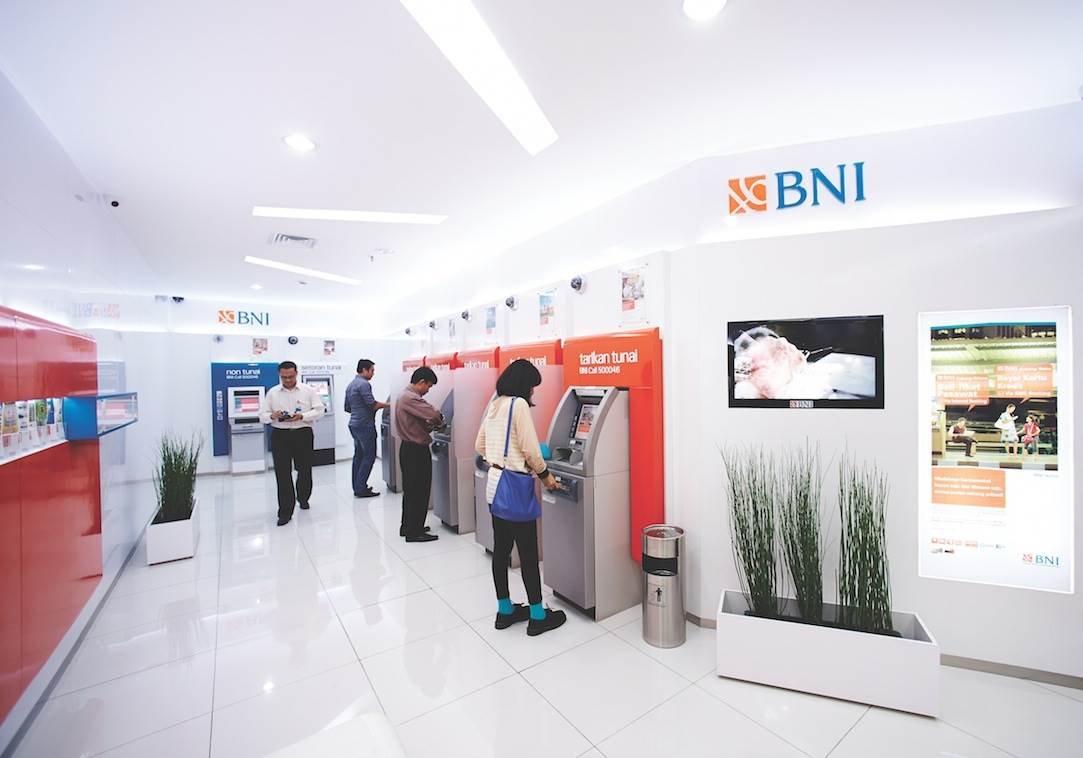
    State-owned PT Bank Negara Indonesia (BNI) will be launching Indonesia-Hong Kong Worker Card (KPIH), a multi-function card for Indonesian employees in Hong Kong.

    The Bank had previously launched Indonesia-Singapore Worker Card (KPIS) in November 2016.

    The dissemination and soft launching event of the card was carried out in the presence of 500 Indonesian migrant workers in the Banks Hong Kong branch on Jan 22, and was attended by BNIs Vice President Suprajarto.

    “There are savings acquisition potentials, which reached 25 thousand Indonesian migrant workers in Hong Kong. This card has many functions. Apart from being a debit card, it can also act as a Worker Identity Card,” Suprajarto said in an official statement received by Antara here on Monday.

    The cards functions include Internet/Mobile/SMS banking facilities that ease transaction processes, access to the Banks programs information and remittance and/or bill settlement to Indonesia through BNIs Hong Kong branch or ATM machines.

    The card can also be used as a shopping card in stores with a MasterCard logo in their EDC s.

    Card holders also get a chance to join an entrepreneurship training program called “KAMI bersama BNI” (We are with BNI), as well get home credit facilities for new residential purchases or renovations through BNIs Hong Kong branch.

    As an appreciation to the Banks consumers, BNI is having a remittance fee discount program for money wiring services through the Hong Kong branch, in which transfer costs are being exempted for transactions among BNI accounts, he continued.

    Customers can also move their savings balance into a deposit account once the amount is considerably high, and they can also propose for the Worker Retirement account and auto-debit system for health and work insurances.

    For migrant workers who wish to start their own business in Indonesia, BNI also offers financial support through their Peoples Business Credit (KUR) program.

    They can simply contact the Banks small credit centers across Indonesia to submit their proposal.

    One of the programs selling points lies in its low interest rate, which is noted to be at 9 percent annually as per 2016.

    Until the end of 2016, BNI had given out credits to 386 migrant workers in Hong Kong through seven credit centers, with the loan reaching Rp5.3 billion.

    The loan is also being disposed to migrant workers who had been employed in Singapore, Japan and Taiwan.

    As of December 2016, there are 2,463 debtors, with the total amount reaching Rp38.9 billion.

  • Wahlburgers to open 100 restaurants in Asia

    Wahlburgers to open 100 restaurants in Asia

    Wahlburgers – the burger restaurant brand founded by chef Paul Wahlberg and celebrity brothers Mark and Donnie – is to launch in Asia.

    Through a joint venture with Hong Kong-headquartered Cachet Hospitality Group (CHG), Wahlburgers will open in Hong Kong, Mainland China and Thailand this year.

    CHG has signed agreements with World Packaging Center to open the first restaurant in Hangzhou and with Shanghai-based Naked Hub, which will open 20 Wahlburgers in their office complexes in Hong Kong and the mainland, the first two in Wuhan, and Shanghai. Thailand’s Big Ho Corporation will open 20 Wahlburgers inside Big C Supercenter stores throughout northern Thailand.

    Actor Mark, musician Donnie and chef Paul hosted a launch party in Hollywood overnight to commemorate the venture.

    “We’re excited about this wonderful opportunity to grow in Asia,” said Wahlburgers CEO Rick Vanzura.

    “Having a savvy, financially strong partner is essential and we have a great partner in the Cachet Hospitality Group, which will bring an unprecedented level of service and strength to the Wahlburgers brand. Cachet is dedicated to family, community and, of course, bringing diverse groups of people together through great food – the very same values that drive Wahlburgers.

    “Thanks to Cachet, we already have our first confirmed restaurant projects outside of North America, and we look forward to making history together,” said Vanzura.

    CHG CEO Alexander Mirza said the timing of Wahlburgers’ Asian debut was perfect. “There is dramatic growth in US-style destination malls with increasing space committed to restaurants as mall owners see both traffic and income rise dramatically.

    “This combines perfectly with the explosive popularity of international restaurant brands in China’s malls and airports, opening the door to tremendous opportunity for Wahlburgers and our Asia Pacific joint venture,” said Mirza.

    The joint venture plans to open 100 restaurants in China and the surrounding region over the next five years.

    “With two strategic partnerships in place, Wahlburgers Asia Pacific is in a strong position to achieve its goal of opening in a variety of locations, including shopping centers, theme parks, residential and office developments and hotel and resort properties,” the partners said in a statement.

    Wahlburgers made its debut in October 2011 in Hingham, Massachusetts. The subject of an A&E reality show, Wahlburgers offers a fun, casual music-filled atmosphere where guests, like family, share great food, a few laughs and lots of love. While its walls celebrate the story through photos and words of the Wahlberg brothers’ life journeys from Dorchester, Mass. neighborhood kids to rising chef and international superstars, it’s the food at Wahlburgers that takes center stage.

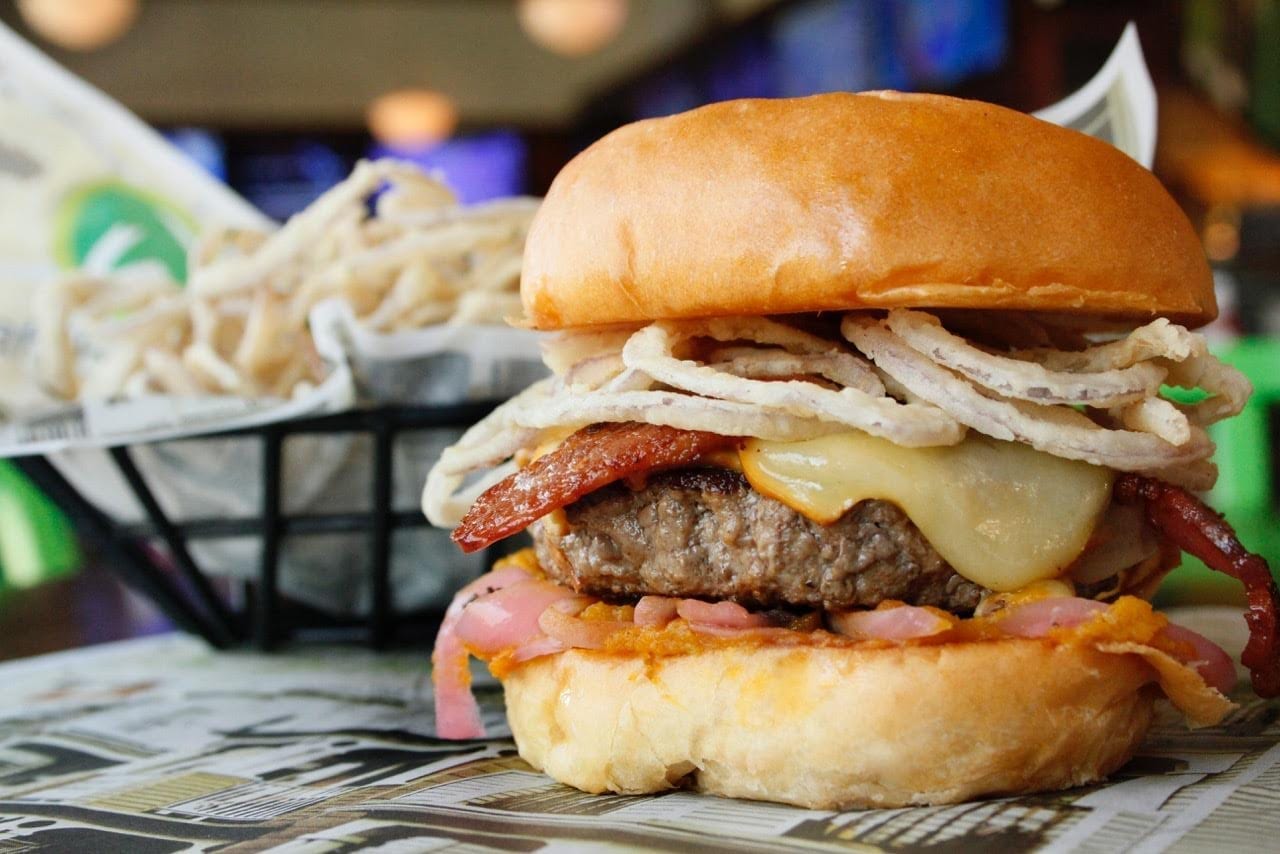
    Crafted by chef Paul and served with heartfelt hospitality, the chef-inspired menu features a variety of fresh burgers, housemade condiments, crispy haddock, seared chicken and vegetarian options. Other signature items include Mom’s Sloppy Joe, thin crispy onion rings, tater tots and thick creamy frappes and floats. Gluten free options are available.

    Wahlburgers’ full-service bar offers adult frappes, cocktails, wines and beers including the signature Wahlbrewski – a Harpoon Brewery custom, unfiltered Pale Ale.

  • New law to stop minors in Hong Kong buying alcohol from shops

    New law to stop minors in Hong Kong buying alcohol from shops

    Convenience stores and shops across Hong Kong will be banned from selling alcohol to minors under new legislation to be proposed by the government this year as it steps up efforts to tackle a rise in underage drinking.

    The law, if passed by the Legislative Council, will prohibit retailers from selling liquor to anyone under the age of 18 – the same as the current restriction on the sale of tobacco.

    Although the city’s bars and clubs are already banned from serving or selling alcoholic drinks to minors, retailers do not have to follow the rule. Leading retail chains such as 7-Eleven have agreed ­voluntarily to refuse to sell liquor to anyone below 18, but staff seldom bother to check the age of customers. This is a problem that has been confirmed by various studies and demonstrated in a test conducted.

    The new move by the Food and Health Bureau comes amid criticism that Hong Kong is slipping behind other developed cities in its handling of underage drinking, and that it remains easy for teenagers to enjoy a tipsy night.

    “The proposed statutory regulatory regime will cover all forms of commercial sale and supply of alcohol, including internet sale … and from the vending machine,” a spokeswoman for the bureau said, confirming the plan to table the legislation this year.

    Sellers will also have to display signs stating that no alcohol may be sold or supplied to anyone aged below 18.

    A government poll in 2014 found that 56.2 per cent of the city’s students had tried alcohol, with 21.9 per cent of those aged 10 or below saying they had done so.

    Last year the Centre for Health Protection found that 43.1 per cent of 1,630 people polled had taken their first sip of alcohol before the age of 18. It also showed a worrying rise in binge drinking among students.

    The Medical ­Association, the city’s largest doctors’ group, said 77 per cent of the 1,003 people it polled supported banning the sale of alcohol to those below 18.

    Allan Zeman, ­chairman of the Lan Kwai Fong Group, supported the move, saying anti-social behaviour among the young at nightspots might damage Hong Kong’s image abroad.

    “Some of the retail chains are very powerful here. I think we should look at what other cities in the world have done and get tough about this,” Zeman said.

    A 7-Eleven spokesman said the chain supported legislation banning the sale of alcohol to those aged below 18.

    The Hong Kong General Chamber of Wine & Spirits has previously said it supports an age limit on the sale of alcohol, but it should be set at 16.

  • Burberry China sales recover

    Burberry China sales recover

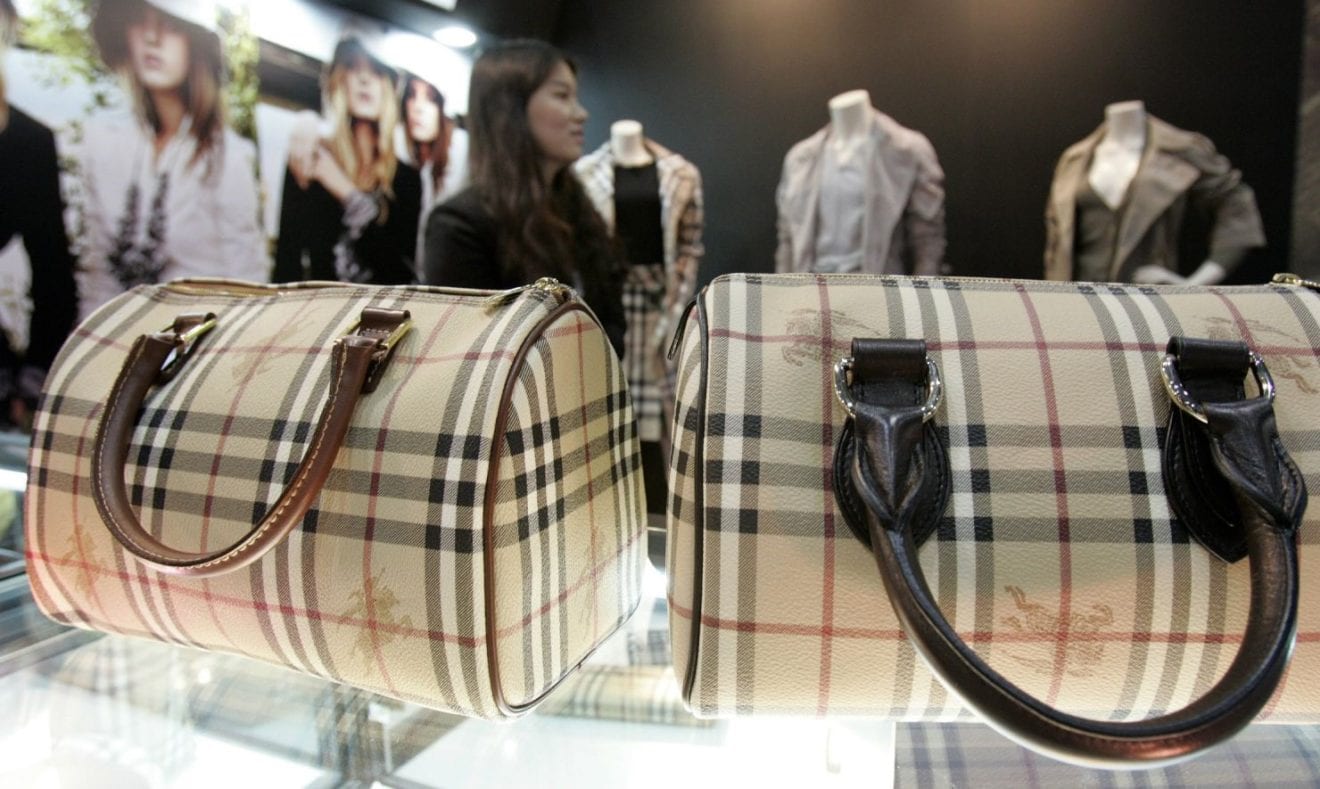
    Burberry says sales in its core China market have improved in the latest quarter, ending a long run of declines.

    And while Hong Kong stores posted yet another like-for-like drop due to weaker footfall, the decline is now in the low single digits.

    Globally, Burberry achieved a 4 per cent increase in wholesale and retail sales for the three months to December 31, totalling US$1.19 billion. This was largely underpinned by an “exceptional” 40 per cent increase in same-store sales in its UK home market.  UK media report the boom was down to Chinese tourists taking advantage of the cheaper pound in high street flagship stores in London, where staff estimate some 70 per cent of customers are from China.

    Globally, retail revenue rose 22 per cent to £735 million.

    The luxury fashion brand singled out Burberry China and Hong Kong sales, reporting Asia-Pacific had returned to growth during the quarter, hitting low single-digit percentages, driven by acceleration in Mainland China and improvement in Hong Kong.

    American trade experienced a low single-digit percentage sales decline, similar to sales trends in the first half, although the company reported an increase in American customer spending globally.

    “With a record number of views of our festive film and strong demand for new products in our collections, this third quarter improvement reflects early progress from our plans to drive Burberry’s performance for the long term,” said Burberry CEO Christopher Bailey.

    Verdict Retail analyst Charlotte Pearce said that although the company’s results have been chequered in recent times, its strong performance is a sign the changes the company is making are working.

    “Burberry’s double digit growth in EMEIA is most notable in Q3, with the retailer reporting continued strong trading in the UK, thanks to the weak pound which has encouraged tourism spending.

    Meanwhile, the innovation and newness of its products aided strong performances in bags, accessories and apparel, with items such as rucksacks and buckle totes standing out,” she said.

    “The brand continues to focus on its presence in the digital space through growing its online business, where mobile has been the driver due to improved payment methods, as well as developing an app, which is currently in its testing phase, in order to build Burberry’s connection with customers.”

    Pearce said the Asian results bode well for Burberry’s recovery.

    “Historically, sales in Asia Pacific have been a source of strength for the renowned British brand, accounting for 38 per cent of retail and wholesale revenue in 2015/16, so the brand should look to identify new markets within the region which indicate fast growing affluence and urbanisation.”

  • Standard Chartered makes CEO appointment for Hong Kong

    Standard Chartered makes CEO appointment for Hong Kong

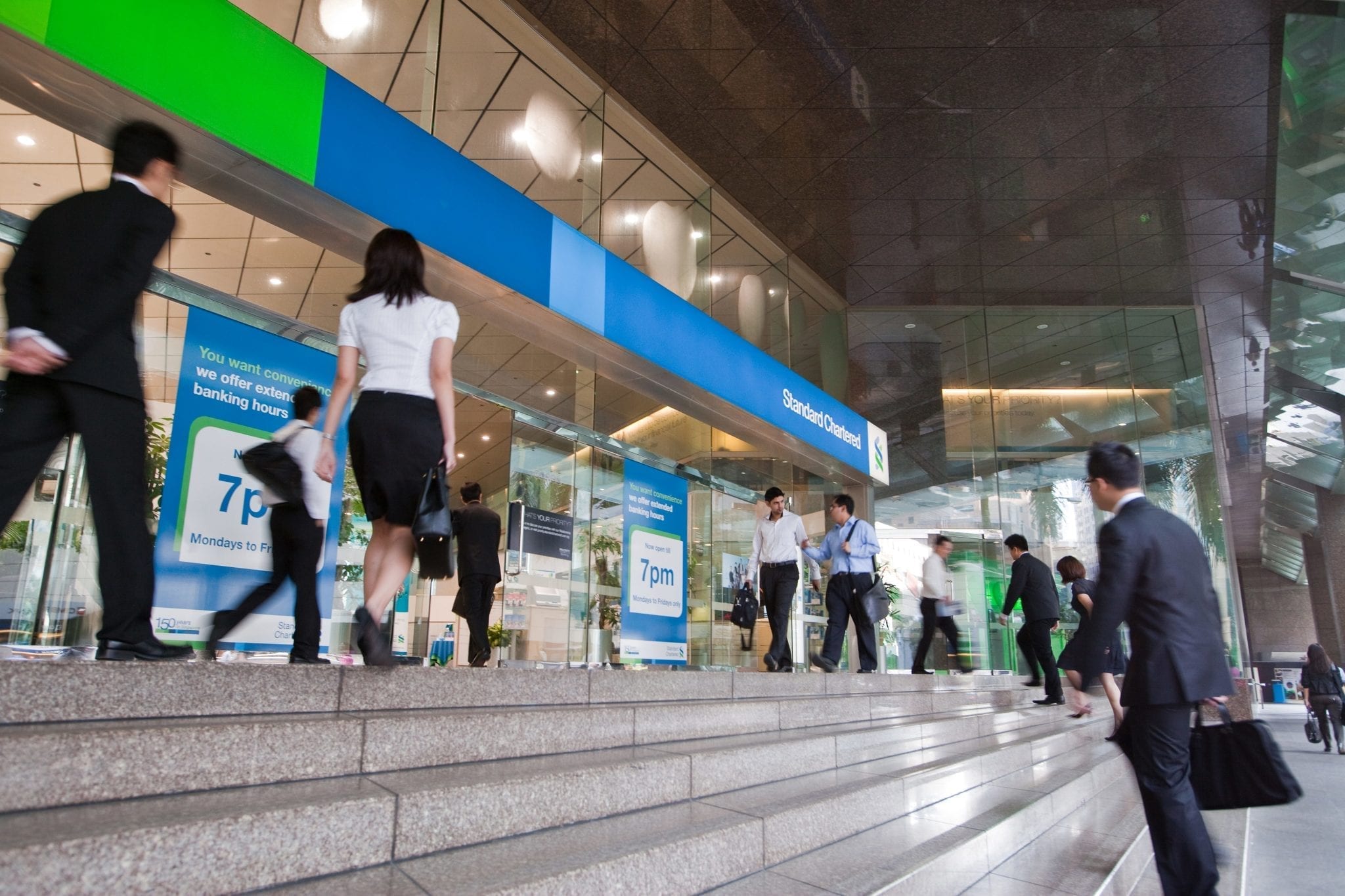
    Standard Chartered Bank (Hong Kong) Limited (SCBHK) announces the appointment of May Tan as the Bank’s Chief Executive Officer for Hong Kong, with effect from 1 July 2014.

    May joined SCBHK in January 2009 as Global Head, Equity Corporate Finance and also as a board member of SCBHK Ltd, and has since become the Bank’s Vice Chair, Asia. With over 30 years of experience in the financial industry, May has been instrumental in deepening the Bank’s client relationships and in enhancing its equities capability, providing a comprehensive suite of services for clients.

    Before joining Standard Chartered, May was the CEO of Cazenove Asia Limited since 1993, and was a partner of Cazenove and Co. Cazenove Asia Limited became part of SCBHK in January 2009.

    With international banking experience covering Europe, Asia and Hong Kong, May has made significant contributions to Hong Kong through numerous public roles she has held. May is a member of the Listing Committee of the Hong Kong Stock Exchange and was also a member in the Takeovers and Mergers Panel and the Takeovers Appeal Committee of the Securities and Futures Commission from 2001-2013. She is also an Independent Non-Executive Director of The Link Management Limited since February 2013.

    As an advocate of gender diversity and a champion in supporting charitable causes, May is the Executive Sponsor of the Women’s Internal Network of Standard Chartered Bank (Hong Kong), and Vice Chairman of Oxfam (HK) as well as a member of the charity’s Finance and Audit Committee.

    In her new role, May will report to Benjamin Hung, Chief Executive Officer for Greater China. Commenting on the appointment, Ben says, “I am excited to see May taking the helm of Standard Chartered Hong Kong. A well-respected veteran in the banking and finance industry, May has immensely strengthened our franchise through her extensive client relationships. I very much look forward to working with May closely in her new role.”

  • Hong Kong Fashion Week for Fall/Winter Closes

    Hong Kong Fashion Week for Fall/Winter Closes

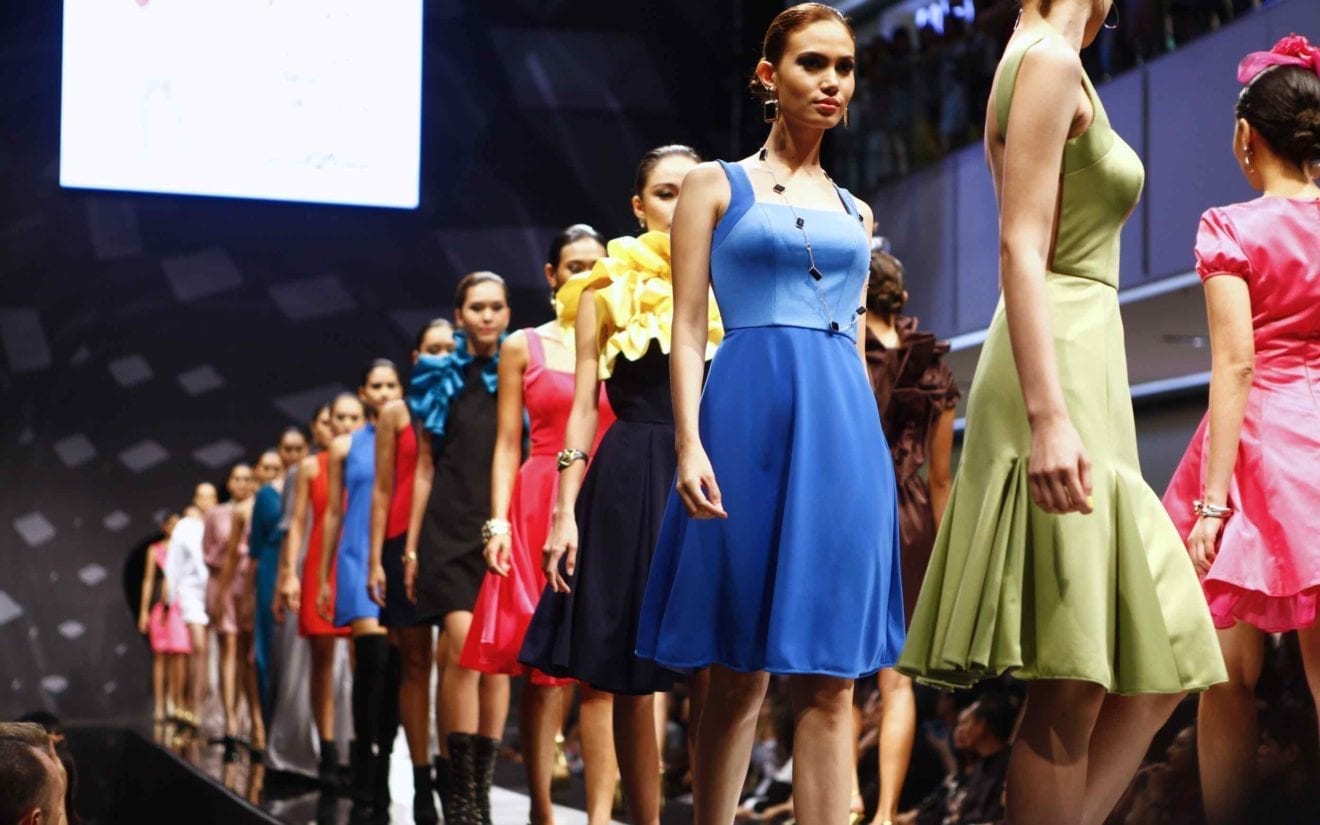
    he 48th edition of Hong Kong Fashion Week for Fall/Winter ended today at the Hong Kong Convention and Exhibition Centre. The four-day fashion fair (16 to 19 January), organised by the Hong Kong Trade Development Council (HKTDC), welcomed some 15,000 buyers from 77 countries and regions.

    HKTDC Deputy Executive Director Benjamin Chau noted that the fashion industry is facing immense challenges amidst economic and political uncertainties and lacklustre retail sales. “In spite of that, Hong Kong companies are versatile and with e-commerce developing steadily, companies can capture the opportunities to turn the situation around. At this year’s Fashion Week for Fall/Winter, buyer numbers from Italy, Iran, Germany and Israel saw good growth. This shows that buyers from certain regions are not as cautious as expected and their sourcing sentiment is gradually improving.”

    Buyers from emerging markets more upbeat

    In general, buyers from emerging markets demonstrated a more positive sourcing sentiment during the fair. Muhammad Yasin, owner of United Arab Emirates’ company Imperial Clothing FZE, said he had visited more than a hundred exhibitors on just the first day of the show, and had identified about 15 potential suppliers from Hong Kong, the Chinese mainland, Vietnam and Pakistan. He expected to work with two of the companies and initial orders would be worth about US$10,000.

    Israeli buyer Moshe Silverstain said that, after the fair, he would visit some of the supplier’s factories in Nanjing. He expected to place orders for 12,000 raincoats and 20,000 denim trousers.

    Russian company Forward Ltd, which supplies sports uniforms for Russian national teams, visited the fair. The company’s Head of Logistics Department, Ruben Nariyants, said his company had found three potential suppliers from the mainland. To facilitate smooth delivery to Russia, Mr Nariyants said his company is willing to offer logistics assistance; and he expected to finalise cooperation arrangements soon.

    Hong Kong’s designer collections in demand

    Hong Kong Fashion Week has long been a launch pad for up-and-coming young designers to showcase their designs to international buyers. This year, the HKTDC organised two FASHIONALLY COLLECTION shows to spotlight emerging local designers from 14 fashion labels. Buyer Takayuki Kubota from renowned Japanese fashion group H.P. France said he had found suitable Hong Kong designer collections through the FASHIONALLY COLLECTION shows and expected to place initial orders of five to ten styles per brand. He was glad that Hong Kong designers were willing to accept small-quantity orders.

    Yi Gao, owner of Shenzhen designer brand store MR. TOP, found Hong Kong designer brand Lapeewee’s designs fashionable and wearable. He said his company is likely to conclude business deals with the brand very soon.

    Singaporean buyer and designer Samuel Wong said customers in Singapore are receptive to designer brands. He attended the fair to source designer collections and was in talks with Hong Kong label MODEMENT for its women’s and men’s apparel.

    Online store buyers becoming a new force

    Online shopping has been growing in popularity in recent years and there has been an explosion of fashion e-shops, which are becoming a new force driving consumption. Korean department store Shinsegae has opened an e-shop to capture the opportunities in online shopping. Mae Hong, the company’s Buying Manager, said she came to Hong Kong Fashion Week for the first time to look for blouses and knitwear for kids and adults. She had found three potential suppliers on the first day and was in advanced talks with them. If her requirements were met, she would buy at least 1,000 pieces per item.

    Nitin V Tewari, Senior Manager of Flipkart, a leading e-commerce company in India, also visited the fair for the first time. He claimed that fashion is one of their biggest business segments. Through the fair, he hoped to find new brands and OEM manufacturers and he had already identified a number of suitable bags and sportswear brands. He anticipated the purchasing amount would be between US$50,000 to US$100,000 per order, after further discussions.

    Online shopping is also popular in Central Europe. Iva Tureckova, Project Manager of Czech company SLK Trade s.r.o, said her company is a young but fast-growing e-tailer selling women’s underwear in Central Europe. She said she came to Hong Kong to source different underwear brands and to seek opportunities to expand their business by becoming the distributor of brands from Hong Kong and other countries. Through the HKTDC’s business matching sessions, the company had found two potential underwear suppliers and would pursue negotiations with them.

    Fashion seminar explores “Omni-Channel Retailing” opportunities

    ZALORA’s Head of Acquisition, Giovanni Maria Musillo, spoke at the seminar titled “ZALORA: Navigating the Wave of Omni-Channel Retailing” and shared their keys to success and the opportunities in omni-channel retailing. He said ZALORA is a leading fashion e-tailer in Asia with a presence in Hong Kong, Australia, Taiwan, Malaysia, Brunei, Singapore, the Philippines and Indonesia. The website attracts some 30 million visits each month. “Localisation is key to ZALORA’s success. We offer different languages and interfaces to suit different markets’ needs,” he said. “We also ensure that consumers from different countries and regions can settle payments efficiently. These have helped to accelerate ZALORA’s growth.

    “Smart phone penetration in Southeast Asia is set to exceed 100 per cent by 2019 and that is conducive to e-commerce development. It is also expected that the market share of fashion in e-commerce would double from four per cent in 2015 to eight per cent in 2019. All these signify immense business opportunities. With the ‘Korean wave’ sweeping across Asia and Europe in recent years, ZALORA is also actively sourcing different Korean brands to further capture the opportunities.”

    HKTDC’s CENTRESTAGE to return in September

    Hong Kong Fashion Week for Fall/Winter gathered more than 1,500 exhibitors from 21 countries and regions to showcase the latest fashion collections of international brands, garment, accessories, fabrics and sewing supplies. More than 20 fashion events were organised during Fashion Week, including 10 fashion shows as well as industry seminars and networking activities. The Hong Kong Fashion Week for Spring/Summer will be held from 10 to 13 July, while the second edition of CENTRESTAGE will run from 6 to 9 September. CENTRESTAGE aims to provide an ideal promotion platform for Asian and international fashion brands and designers, further solidifying Hong Kong’s position as a fashion capital in Asia.
  • HACTL Achieves 1,6% Tonnage Cargo Growth in 2016

    HACTL Achieves 1,6% Tonnage Cargo Growth in 2016

    Hong Kong Air Cargo Terminals handled a total of 1,653,938 tonnes of cargo in 2016, an increase of 1.6% compared to 2015. “From a disappointing start, 2016 shaped up to be a very satisfactory year for Hactl and its airline customers,” said Mark Whitehead, chief executive of Hactl.

    “The best results showed in the second half, and are hopefully indicative of a more settled picture for global air cargo that will continue into 2017. Particularly gratifying is the continuing growth of our ramp-handling business. We ascribe this both to the attraction of Hactl’s unique ability to provide combined terminal and ramp handling in Hong Kong, and to our recent investment in streamlining through the use of mobile computing; this has enhanced productivity and service standards.”

    According to Hactl, transhipments performed most strongly, having grown 29.6% year-on-year. Mail, courier and express traffic grew 8.4% and exports grew 2.1%. Imports declined 8.3%.

    Self Photos / Files - Hactl [2]

    The company’s SuperTerminal 1 set a new weekly record when it handled 41,926 tonnes of cargo from November 28 to December 4, 2016. The ramp-handling business also set new all-time daily, weekly and monthly records.

    Hactl handled 101 freighters on November 23, breaking the previous record of 98 which was set 19 days earlier. From November 28 to December 4, the company handled 628 freighters, beating the previous week’s record of 609. Hactl handled 2,579 freighters in November 2016. The previous record of 2,242 was set in November 2015.

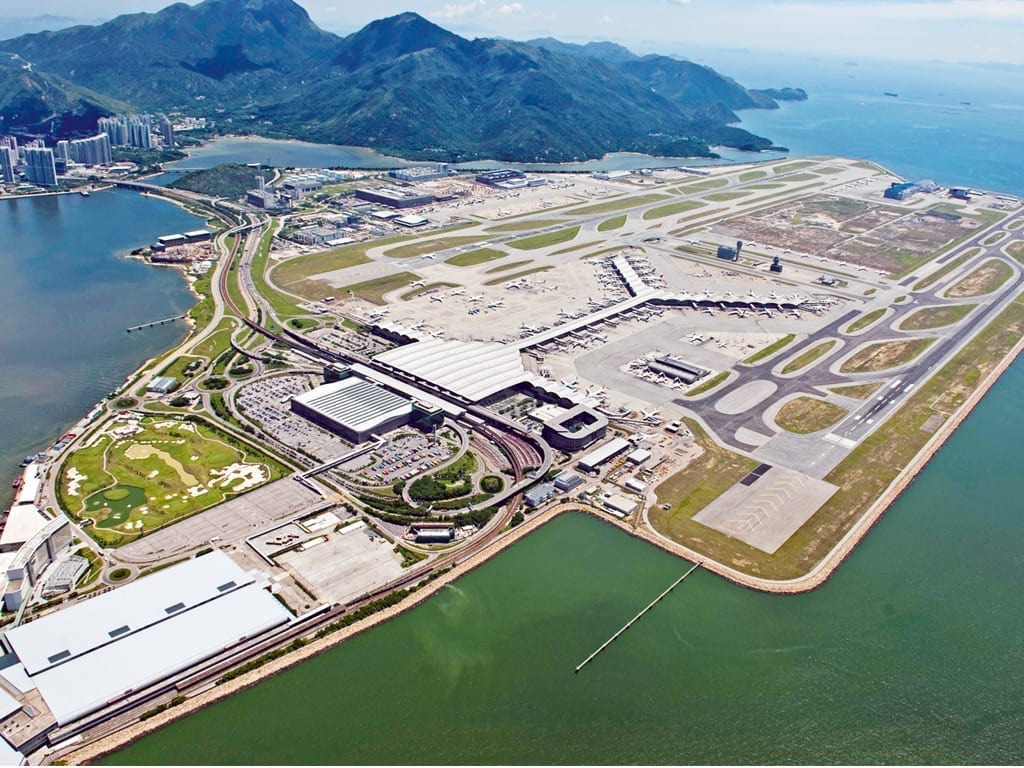
    SuperTerminal 1 is the largest cargo facility at Hong Kong International Airport and is capable of handling 3.5 million tonnes per year.