Tag: Hong Kong

  • Hong Kong International Diamond, Gem & Pearl Show Opens

    Hong Kong International Diamond, Gem & Pearl Show Opens

    The International Diamond, Gem & Pearl Show opened today and continues through 4 March at the AsiaWorld-Expo. This fourth edition of the show, organised by the Hong Kong Trade Development Council (HKTDC), welcomes more than 1,900 exhibitors from 39 countries and regions to showcase raw jewellery materials including quality diamonds, precious gems, semi-precious stones and exquisite pearls.

    On Thursday (2 March), the 34th HKTDC Hong Kong International Jewellery Show will begin its five-day run at the Hong Kong Convention and Exhibition Centre (HKCEC). The International Jewellery Show, which is dedicated to finished jewellery products, along with the International Diamond, Gem & Pearl Show, feature a total of about 4,480 exhibitors from 52 countries and regions, forming the world’s largest jewellery marketplace for sourcing and networking.

    “The outlook for the jewellery industry is positive, based on signs of recovery in the United States economy while emerging markets such as the Chinese mainland and ASEAN are displaying a sustained demand for jewellery,” Benjamin Chau, Deputy Executive Director, HKTDC, said. “However, with fierce competition in the market, jewellery manufacturers and retailers have to stay ahead of the curve by seeking out the best suppliers and keeping up with market trends by understanding the latest materials, technological advancements and the needs of buyers and consumers. Our fairs are designed to address these issues.”

    – Quality diamonds and gems from around the globe –

    Dedicated zones facilitate convenient sourcing of various product categories. The Hall of Fine Diamonds gathers top-of-the-range diamond suppliers from around the world showcasing high carat and top quality diamonds. Exhibitors include Dharam Creations (Booth no.: 2-L24), Kiran (Booth no.: 2-K02) and Novel Collection (Booth no.: 2-R02) from Hong Kong, NIMESH GEMS (Booth no.: 2-T10) and Venus Jewel (Booth no.: 2-R08) from India, SwissDiam (Booth no.: 2-Q06) from Switzerland, Kristall (Booth no.: 2-S21) from Russia, Gemstar (Booth no.: 2-T17) from Israel and DBS Diamond (Booth no.: 2-S12) from the US. Treasures of Nature features a variety of precious gemstones. As well as popular emeralds, rubies and opals, rarer precious stones such as Ceylon pink sapphires, light red spinels and Paraiba gems are also on show. Treasures of Ocean presents natural precious pearls that offer top quality and value. The Rough Stones & Minerals zone, which was launched last year, returns to present unpolished and uncut precious stones and gems to buyers.

    Aside from product zones, 22 group pavilions including Australia, Brazil, the Chinese mainland, Colombia, Germany, India, Italy, Japan, Thailand and the US showcase different jewellery raw materials. Prominent jewellery trade organisations have also set up their own pavilions, including Antwerp World Diamond Centre, International Colored Gemstone Association and Tanzanite Foundation.

    – One-stop platform for buying missions –

    The HKTDC organised more than 110 buying missions comprising over 7,400 buyers from some 70 countries and regions. Aside from gaining insights into the latest products and sourcing opportunities worldwide, buyers can also participate in seminars under a variety of themes. GIA experts are invited to introduce natural IIa diamonds, while a buyer forum will analyse the opportunities arising from the Belt and Road Initiative. Exhibitors and buyers will be able to exchange ideas while appreciating exquisite gems. Business matching services are also provided for buyers to meet with potential suppliers to enhance sourcing efficiency.

    – International Jewellery Show opens Thursday –

    The 34th edition of the Hong Kong International Jewellery Show will kick off at the HKCEC on 2 March. The show is set to offer finished jewellery products, including elite jewellery collections, premier brands, antique jewellery as well as new designer brands etc. The synergy between the two shows will generate more effective and convenient business exchanges among raw material suppliers and finished jewellery brands.

    The International Jewellery Show will provide a diverse sourcing opportunity, featuring the Hall of Fame devoted to the elegance of popular brands; Hall of Extraordinary with rare and top-tier jewellery pieces; Design Galleria that showcases innovative creations; World of Glamour spotlighting Hong Kong-based exhibitors; as well as Treasures of Craftsmanship where jewellery and art converge.

    A number of networking receptions will also be organised during the International Jewellery Show. Events include the Gala Dinner on the first day (2 March) sponsored by Tanzanite Foundation, where invited guests will enjoy a menu prepared by Chef Robert Fontana, ASEAN Chairman of Disciples Escoffier International Asia, while appreciating jewellery parades and other performances. The culinary and visual pleasure will surely enrich the night already full of networking opportunities. During the fair period, jewellery parades will allow buyers to examine selected items from exhibitors. Themed seminars will furnish industry players with the latest product trends, market information and technological advancements.

    During the concurrent fair period a free shuttle bus service will be provided between AsiaWorld-Expo (Hong Kong International Diamond, Gem & Pearl Show) and downtown areas (including HKCEC). Please visit the fair website for more details.

  • Japanese cosmetics brand Do-Best eyes Asian expansion

    Japanese cosmetics brand Do-Best eyes Asian expansion

    Japanese cosmetics brand Do-Best is looking at opportunities in the Philippines and broader Southeast Asian markets, including Indonesia.

    Do-Best CEO Daitaro Sugawara was in the Philippines for a group networking session organised by Security Bank and Japan’s Mitsubishi UFJ Financial Group. He was matched with executives from local retailers including Metro Retail and National Bookstore.

    Do-Best was founded 45 years ago to produce “high-quality, low-priced products” and is already exporting to Singapore, Hong Kong, Thailand and Taiwan.

    Sugawara says the company wants to tap into the fast-growing Asian markets with young consumers seeking low-cost cosmetics and beauty lines. Its products are already popular in Japan’s proliferation of 100 Yen shops and similar stores.

    “That’s why I was interested to have a meeting in the Philippines. My product is like my family, so I want Philippine distributors or retail stores to take care of our products.

    “I want to keep the original price as in Japan,” Sugawara said.

    Tadahiro Miyamoto, GM of BTMU’s Manila branch, says a lot of Japanese companies are now looking at the Philippine domestic market. “You should look at the shopping areas, you see a lot of Japanese products.”

    A large number of participants in the recent business-matching event were from the retail sector, agriculture and real estate.

  • SmarTone deploying smart robots at retail stores

    SmarTone deploying smart robots at retail stores

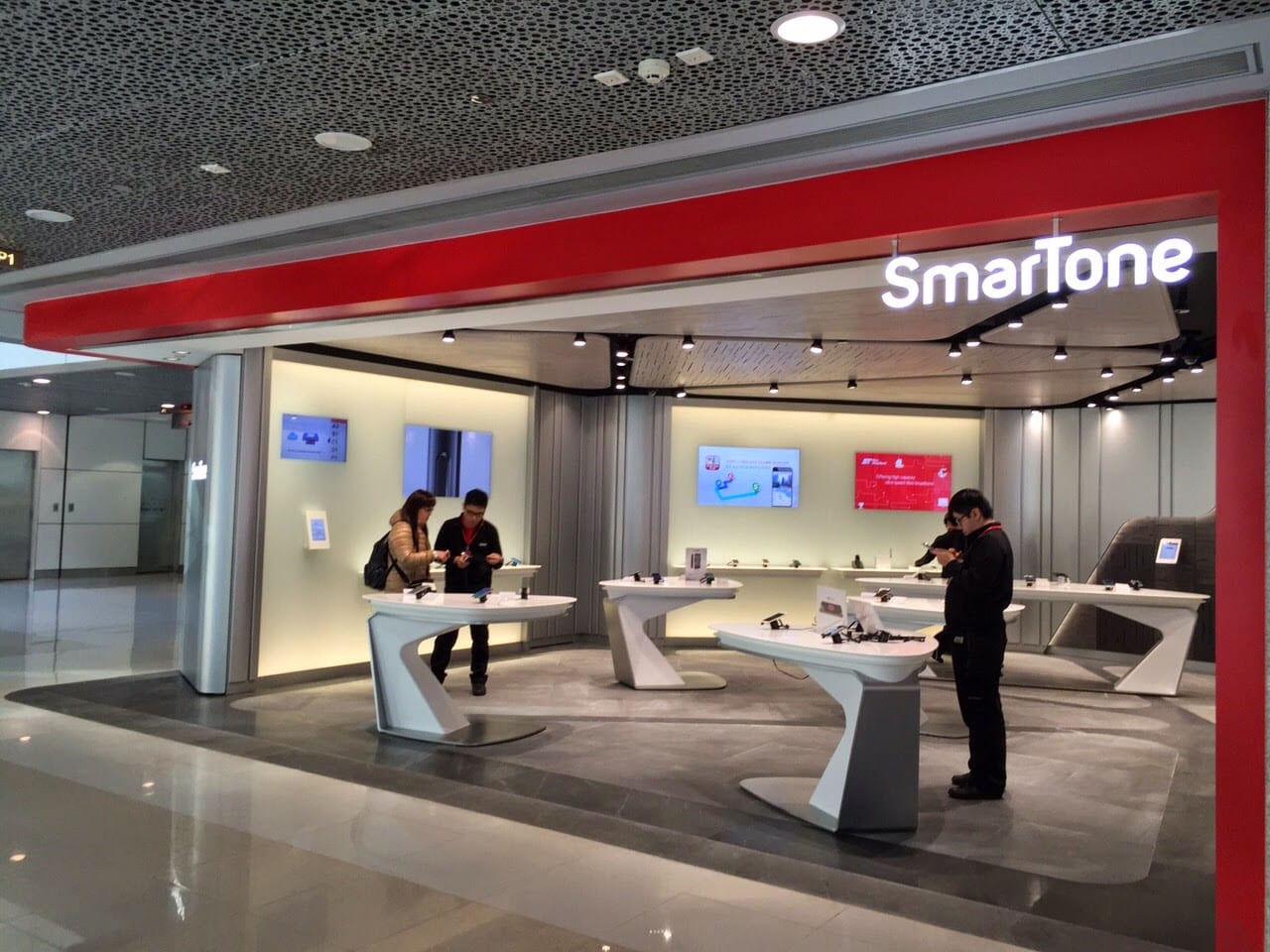
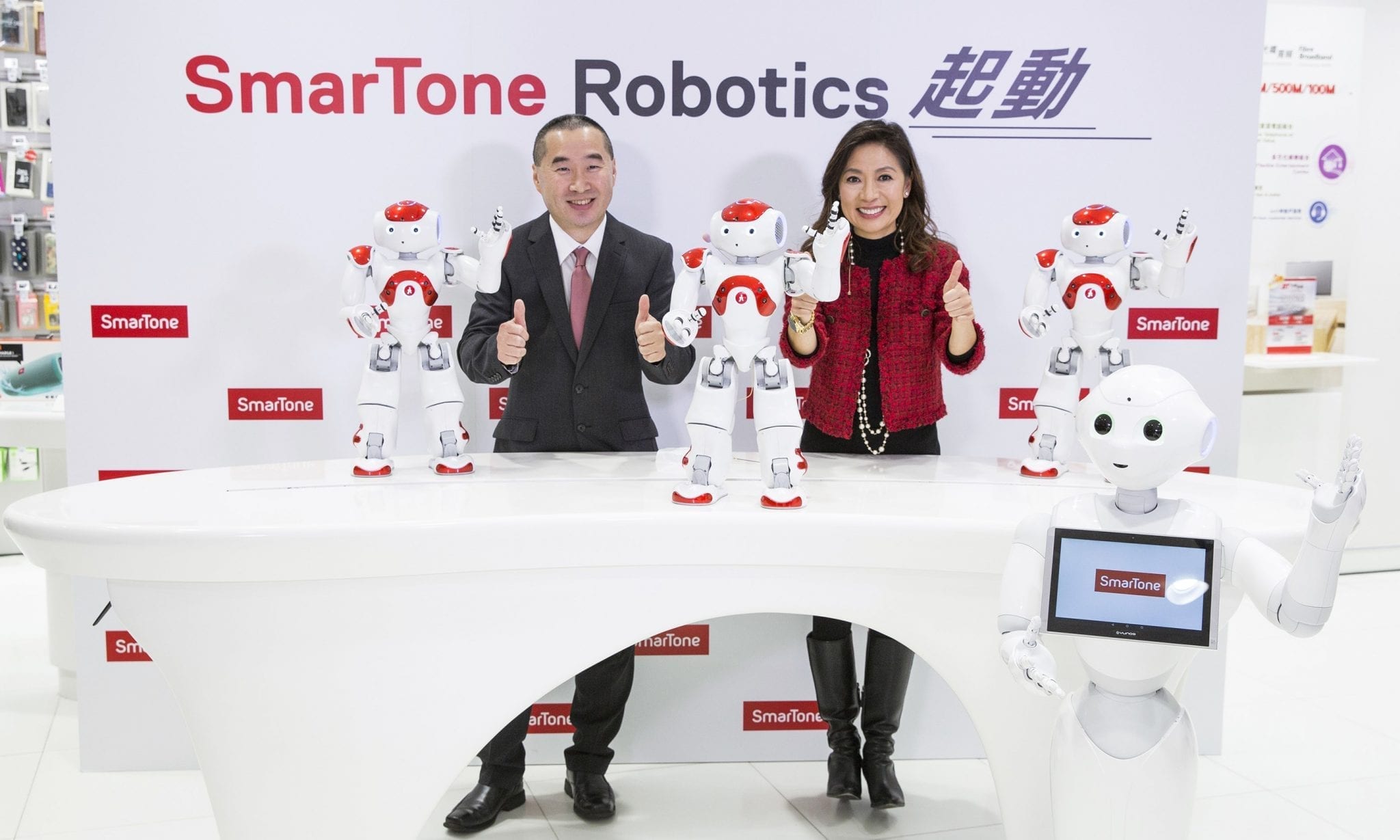
    Hong Kong’s SmarTone is deploying “smart robots” at its psychical retail stores to help enhance the customer experience. The initiative, launched last week on Valentine’s day, involves the leading mobile network operator in Hong Kong deploying the NAO robot at its stores.

    It marks the first time SmarTone is using actual robots for enhancing the customer experience. The idea is to streamline the customer experience while adding fun and improving engagement.

    At the launch ceremony at SmarTone’s apm store, NAO joined local Web-celebrity Lilian Kan to sing, dance and play games with customers while uttering words of love.

    Not to be outdone, Pepper, another smart robot, joined in the festivities as well. It was the first time both robots were pictured together.

    “SmarTone has always been pushing the frontiers of innovation, committed to innovating customer experience in the industry,” SmarTone head of marketing and sales Josephine Lam said.

    “The introduction of NAO will enable a fun and interactive experience, deepening in-store engagement with customers.”

    NAO can perform detailed actions and is multi-lingual. It offered details about the latest service plan offerings while providing recommendations on phone accessories.

    “Robotics is one of the hottest technologies and we know they will have a significant impact on our lives in the future,” SmarTone head of products and services Alex Kun said.

    “We will continue to seek ways to introduce the latest robotics technologies into our business as well as provide opportunities for local enterprises, organizations, and individuals to experience the technology.”

    SmarTone is not just looking to robotics to improve customer services and operational efficiency.

    The company is looking to improve overall robotics appreciation as a territory-wide effort. For example, it will include the introduction robot rental services and the organization of coding workshops to spur interest in robotics among the youth.

  • Esprit Holdings moves out of the red

    Esprit Holdings moves out of the red

    Fashion group Esprit Holdings says it has made a “significant recovery”, turning around its HK$238 million (US$30.6 million) loss to record a net profit of HK$61 million for its first half.

    While the improvement was driven by retail sales, the group says two other major developments were a vital element of the growth in overall profitability for the half-year, to December 31:

    • The ongoing downsizing of the scale of the business, including the closure of unprofitable stores and low-performing wholesale locations.
    • Management moves increased the group’s gross profit margin, including fewer promotional activities, price markdowns and discounts for wholesale partners.

    As a result, the first-half unaudited figures show a 9.9 per cent drop in revenue to $8.323 billion. However, the measures produced the intended improvement in profitability, with gross profit margin increasing by 2 per cent .

    During the period, the group closed 9412 sqm of retail space, with coupled with the closure of 25,806 sqm in the previous six months represented a 11.1 per cent year-on-year reduction.

    Asia Pacific retail, excluding online sales, at HK$951 million, fell by 21.5 per cent. Retail space was reduced by 18.5 per cent.

    “It is important to note that in APAC we had the most drastic reduction of promotional activities and price markdowns,” says the company.

    Esprit’s Eshop brought in 24 per cent of total group revenue, generating HK$1.993 billion, down by 2.4 per cent. However, there was a 58.7 per cent leap in revenue for Eshop APAC to HK$119 million.

    China represented more than 80 per cent of the Eshop sales in the region. It recorded revenue growth of 54.9 per cent, fuelled by the integration of the Esprit Friends loyalty program, the strengthening of activities with Tmall, the expansion of its online presence through platforms such as WeChat and Weibo, and collaborations with celebrities and opinion leaders to enhance brand equity through social media.

  • McDonald’s China does nothing, but under attack anyway

    McDonald’s China does nothing, but under attack anyway

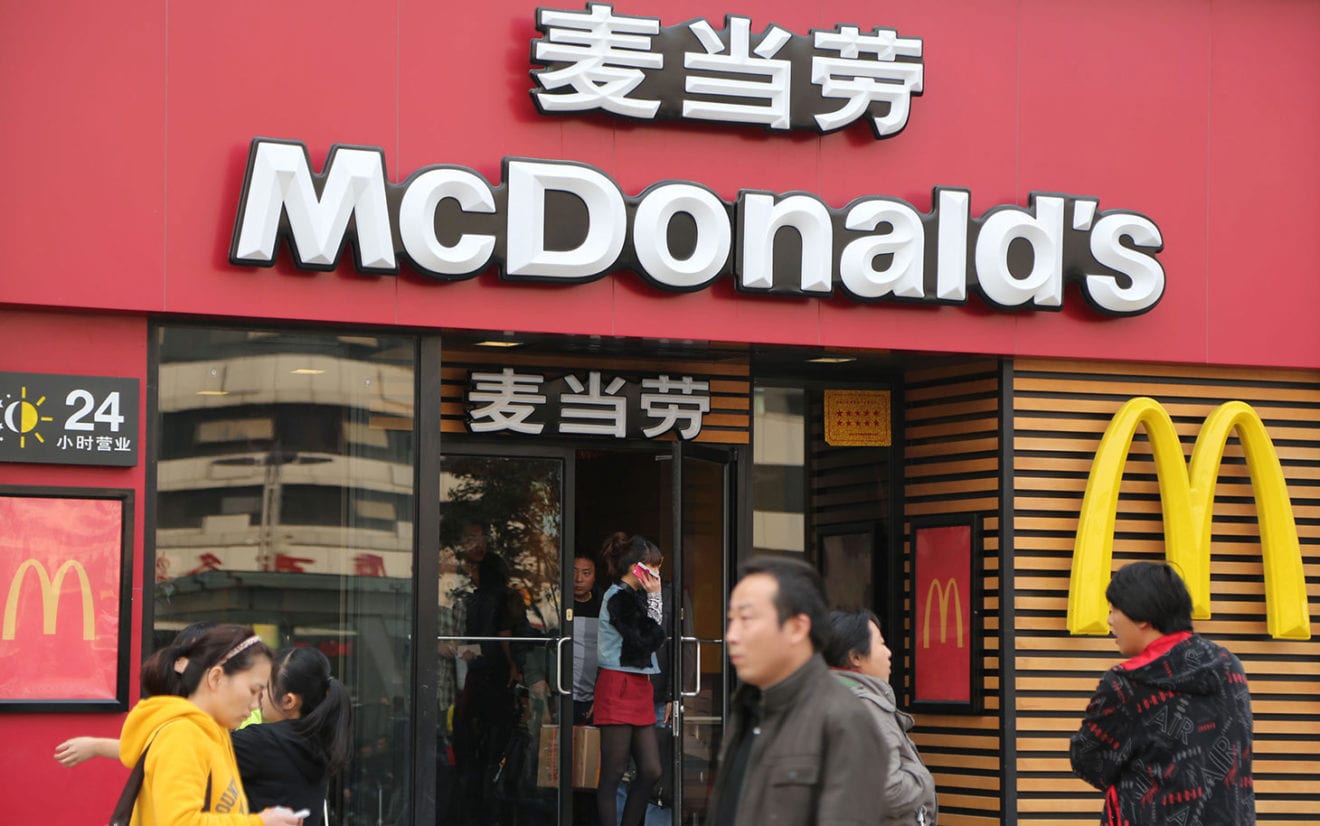
    McDonald’s China is drawing criticism from Hong Kong trade unions, who fear the impact of the new owners on employment conditions.

    Despite reassurances from local McDonald’s management – or any evidence at all suggesting changes to labour policies are looming – the fast food giant has come under attack on both sides of the border.

    The new business unit taking over the McDonald’s business in China and Hong Kong is jointly owned by state investment group Citic Ltd and US private equity company Carlyle Group. McDonald’s Corporation (US) will maintain a cornerstone minority stake. The new company holds 20-year franchise rights.

    In a statement issued this week, the Hong Kong Confederation of Trade Unions (HKCTU) said the change of ownership will put further pressure on pay rates at Hong Kong outlets, where it says many workers earn little more than the minimum wage of HK$32.50 (US$4) per hour.

    “In other countries where McDonald’s has sold a large stake of its business, the resulting model has placed enormous pressure on franchisees, which has made it harder for franchise operators to provide adequate pay and conditions for their workers,” HKCTU official Wong Yu Loy said.

    “If the buyers in Hong Kong get squeezed by McDonald’s as they have in other countries, workers here may get even less as a result,” Wong said.

    Last week, a Chinese labour consultancy Hejun Vanguard Group filed a formal complaint with the mainland’s Ministry of Commerce claiming the move to the new business model may adversely impact its 120,000 workers in China – and McDonald’s customers.

    But McDonald’s has rushed to placate concerns saying its franchise models all over the world are based on “mutually beneficial partnerships” and the company “treasures” its employees.

    “The level of remuneration of our employees is based on their positions, working experience, expertise, performance, as well as market conditions,” said a spokeswoman.

    “McDonald’s strictly abides by Hong Kong labor legislation and the statutory requirements. The current compensation and benefits of McDonald’s Hong Kong will not be affected as a result of bringing in strategic partners.”

    The HKCTU, which represents 90 affiliate labour organisations covering 170,000 workers, appears unmoved.

  • Hotpot giant Haidilao set to enter Hong Kong soon

    Hotpot giant Haidilao set to enter Hong Kong soon

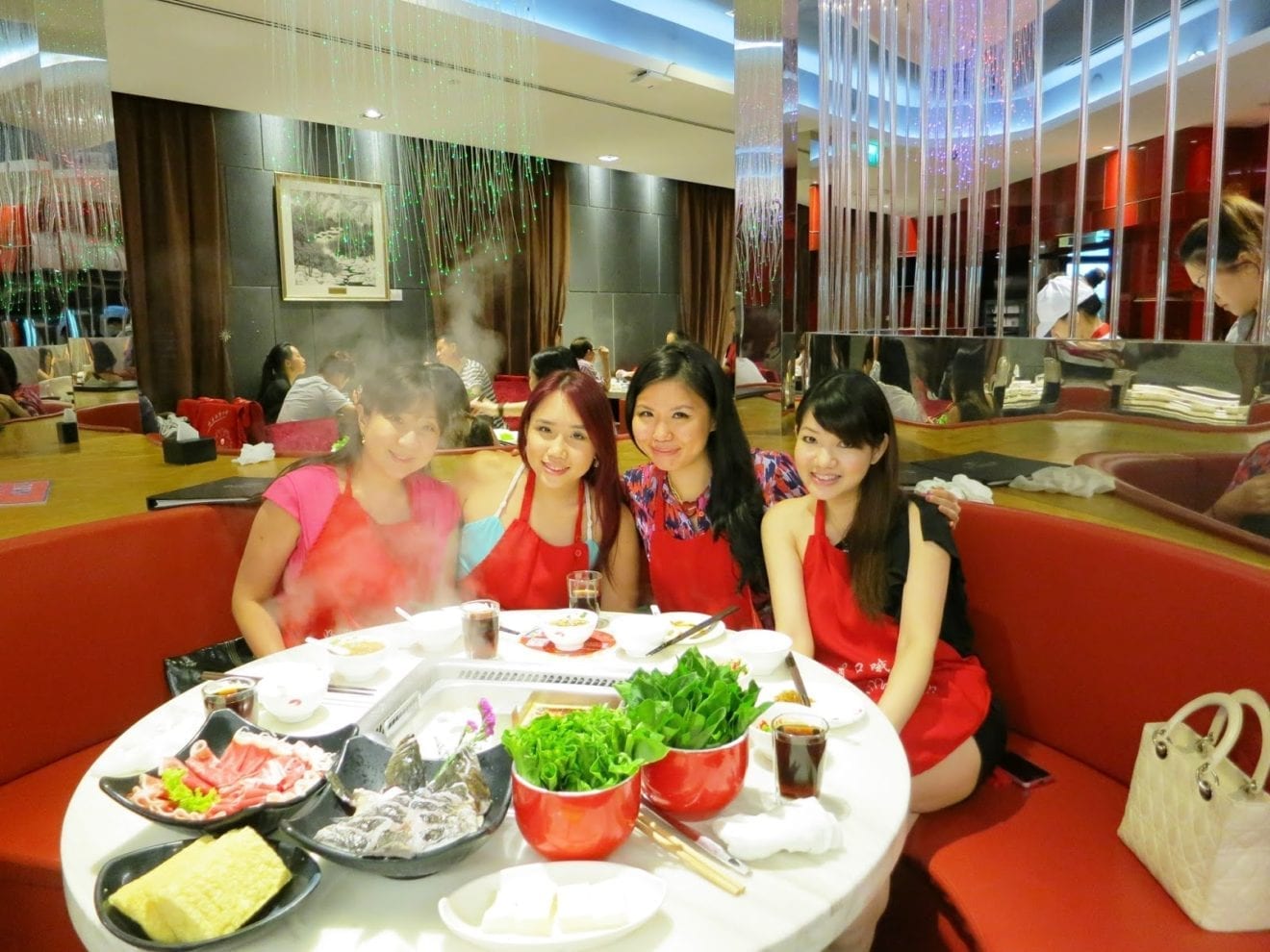
    Hotpot chain Sichuan Haidilao Catering is said to be making inroads into Hong Kong, joining a cluster of mainland counterparts whose business in Hong Kong has been chequered.

    Edwin Leong Siu-hung, founder of Tai Hung Fai Enterprise and one of Hong Kong’s largest retail landlords, confirmed that one of his company’s properties in Mong Kok had been leased to Haidilao and could be decorated within two months at the soonest.

    The Beijing-based restaurant operator also confirmed the news. It said that if everything goes according to plan, the company’s first restaurant in Hong Kong will open three months later.

    Reports of Haidilao’s expansion and initial public offering have been circulating since the end of 2015. Yihai International Holding Ltd, a hotspot seasonings producer and Haidilao’s exclusive supplier, was already a few steps ahead of it, having raised HK$861 million ($110 million) on the Hong Kong Stock Exchange in July.

    Haidilao would follow in the footsteps of rival hotpot chains such as Little Sheep, Simmer Huang and Xiao Yu Hotpot Restaurant in Hong Kong, a market the company said it bets big on.

    Those early comers, however, failed to get very far in the Hong Kong market. Inner Mongolia-based Little Sheep, which has operated in Hong Kong for more than a decade, only has one of the six restaurants it initially opened.

    Likewise, having entered Hong Kong no more than two years ago, Simmer Huang shut its one and only restaurant in Hong Kong at the end of last year.

    “As for Haidilao, this may be a good timing to enter the Hong Kong market, where the commercial rental market has been under sustained downward pressure for quite a time and is showing signs of hitting bottom,” said Hannah Li Wai-han, a strategist at UOB Kay Hian (Hong Kong).

    The hotspot chain will pay a monthly rent of HK$550,000 for the three-storey store.

    Founded in 1994, Haidilao is known for its spicy Sichuan-style food and impressive customer services, which include free manicure, shoe polishing and shoulder massage services, as well as noodle-pulling shows and dance performances.

    The restaurant chain now operates 168 outlets across 51 cities in Chinese mainland and has set up nine branches in Singapore, Los Angeles, Seoul and Tokyo.

  • SmarTone 1H profit falls 2%

    SmarTone 1H profit falls 2%

    Hong Kong’s SmarTone has reported a 2% year-on-year decline in net profit for the six months ending in December to HK$393 million ($50.6 million).

    Group service revenue fell 4% over the same period to HK$2.67 billion. SmarTone blamed the decline in part on on customers continuing to migrate to SIM only plans. This led to a 64% decline in handset and accessory sales to HK$7.45 billion.

    Other factors contributing to the decline included well as weakness in the prepaid segment of the mobile market, as well as ongoing OTT substitution impacting voice roaming revenues.

    SmarTone’s Hong Kong customer base grew to 2 million, with mobile postpaid ARPU stable at HK$299.

    Announcing its results, the operator said a strong focus on efficiency during the period helped the operator control costs – operating costs grew just 1% year-on-year despite substantial growth in customers’ data consumption.

    Looking ahead, SmarTone said it expects the pressures on profitability – including rising specrtum costs – to continue in the second half of the financial year.

    The company also joined PCCW’s HKT in urging the government to accelerate the release of more spectrum to the industry and provide a clear spectrum supply roadmap.

    HKT has expressed concern over the fact that no new spectrum is expected to be allocated for mobile use for the next three years, and has urged the government to start preparing now for the arrival of 5G.

  • Valentino Hong Kong opens flagship

    Valentino Hong Kong opens flagship

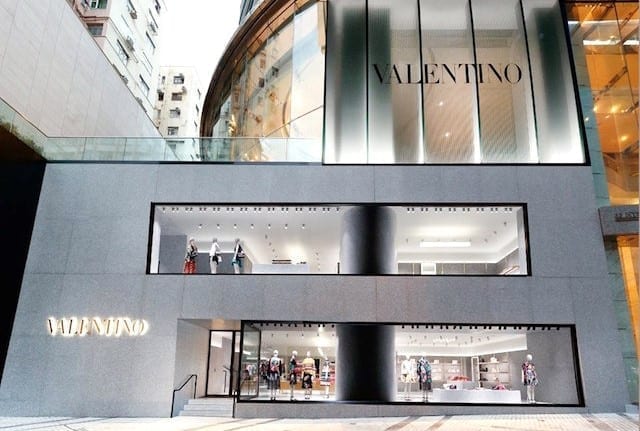
    Valentino Hong Kong has unveiled its new flagship store in the heart of Causeway Bay.

    Valentino Lee Garden one - HK 5

    Spanning 382 sqm at Lee Garden One, the Italian fashion brand’s two-storey boutique was designed by British architect David Chipperfield. Steering away from a pure showroom set-up, it combines old and new aesthetics to evoke a palazzo atmosphere. The architect has used such luxurious materials as Venetian terrazzo, Carrara marble and timber furniture.

    Valentino Lee Garden one - HK 1

    Valentino Lee Garden one - HK 7

    Three marble columns and a grand staircase set the tone for Valentino’s new global store concept.

    Valentino Lee Garden one - HK 2

    Valentino Lee Garden one - HK 6

    The flagship store carries all women’s products including ready-to-wear, accessories and fragrances.

    Valentino Lee Garden one - HK 3

    The new store follows the opening of a flagship at Landmark, and a store at Wynn Palace in Macau, reported last September.

  • Alibaba Cloud boosts capacity of Hong Kong data center

    Alibaba Cloud boosts capacity of Hong Kong data center

    Alibaba Cloud has more than doubled the capacity of its data center in Hong Kong to help the company meet glowing demand for cloud services in Asia-Pacific.

    The expanded Hong Kong data center will be used to meet enterprises’ demand for high availability and data recovery and provide greater access to services such as data storage and analytics, enterprise-level middleware and cloud security services.

    The expansion forms part of Alibaba Cloud’s efforts to expand its global network coverage, and follows recent data center openings in Australia, Japan, Germany and the UAE.

    Alibaba Cloud said Hong Kong was selected due to its status as the gateway to China’s economy for international businesses and its region-leading role in terms of cloud adoption – the city scored the highest in the Asia Cloud Computing Association’s Cloud Readiness Index 2016.

    “Since our entry into Hong Kong in 2014, Alibaba Cloud has become one of the largest public cloud providers in the market in less than two years. More companies have come to realize the importance of changing their traditional IT mind-set to embrace the new data technology,” Alibaba Cloud Global general manager Ethan Yu said.

    “We are confident that the expanded data center facility, together with our scalable and secure cloud offering, will better meet the needs of the digital transformation in key local sectors such as hospitality and financial services.”

    Alibaba Cloud’s Hong Kong operations has customers in sectors including financial services, retail, hospitality and media. The company also recently launched anti-DDoS security products together with PCCW Global.

  • Hong Kong’s Swire to double down on Chinese bakery investment

    Hong Kong’s Swire to double down on Chinese bakery investment

    Over the next three years, Swire Pacific will increase the number of its bakery shops in Chongqing, Chengdu and Guiyang to 1,000 through its wholly owned Swire Foods subsidiary.

    The conglomerate believes the benefits from stable, long-term growth from the food market outweigh the small scale of the business, compared with Swire’s aviation and property businesses.

    Last year, Swire Foods took full ownership of Qinyuan, a leading bakery chain, for HK$1.4bn (US$200m). Selling Chinese and Western-style pastries, it added over 500 retail outlets in Southwest China to Swire’s portfolio. The deal also included a 65,000 square-metre factory producing bakery goods in Chongqing.

    “Bakery is a very market fragmented market in China. We have not yet seen any player dominating the market [so] there a a big opportunity there,” said Max Lau, managing director of Swire Foods, told SCMP.

    He said that the demand was due to rise because Chinese per-capita consumption was currently low, with an average spend on bakery goods of around just 140 yuan (US$20) per person per year.

    This is half the amount spent in Singapore, while Hongkongers spend three times as much as the mainland, and Japanese spend close to seven times as much for their baked goods.

    “Food still serves a basic need for everyone despite the economic slowdown in China,” Lau added.

    “Moreover the retail business is being challenged by the rise of e-commerce in China these days, but food retail cannot be replaced by e-commerce just yet,” he said.

  • BetaSmartz automated investment opens Hong Kong office

    BetaSmartz automated investment opens Hong Kong office

    BetaSmartz, the B2B automated investment platform for all sizes of investors, from institutional to retail, today announced it had opened offices in Hong Kong.

    BetaSmartz offers ‘hybrid ‘ digital investment or ‘robo’ advice that combines automated and face-to-face financial advice. Newly appointed Managing Director Asia, Zak Allom, said this model had been well received since its launch in 2015, with several clients now live including two in the U.S.“Robo has been a big buzzword, but for the most part the actual delivery hasn’t been different from the automated financial planning software we’ve been used to since the 90s,” he said. “BetaSmartz is much more than a sexy front end with limited, prescriptive ETF portfolios behind it. Every BetaSmartz investor’s plan is uniquely customised using artificial intelligence, deep data and machine learning. We work with individuals and their advisers, giving clients of every size access to advice and products that were previously only available to ultra-high net worth and institutions.”
    BetaSmartz will run sales and service from the Hong Kong office, complementing its headquarters in Singapore. The new office will help companies seeking sophisticated robo-advice solutions to launch or extend their businesses in Asia.

    “Asia is the most exciting market globally for us,” said BetaSmartz founder John James. “Accessing sound financial advice here can be challenging if you have less than a million US dollars. Our digital advice platform levels the playing field and enables banks and wealth managers to maintain their roles as the key relationship holder in delivering advice across their whole client base.”

    BetaSmartz technology, based on six decades of Nobel prize-winning research and industry expertise, utilises a product agnostic approach to create portfolios that equal the performance and sophistication of those in use at global fund managers. The open-architecture, cloud-based platform is flexible, scalable and efficient enough to suit institutions, adviser groups, pension funds and individual retail investors.

    Mr James said BetaSmartz aimed to be the global provider of choice for those looking for a white-labelled digital advice solution. “By applying institutional-grade techniques to a flexible technology platform, we’re democratising quality advice and opening access to top tier investment solutions to meet the demands of Asia’s growing middle class.

    “It’s a solution to the buy-vs-build conundrum for large institutions, and enables smaller ones to offer world-class technology to clients under their own brand,” he said. “It’s very well suited to banks, who can offer a much wider and more tailored range of portfolios to customers at a lower cost. Fund managers can provide their own model portfolio delivery and use BetaSmartz as an alternative distribution channel.”

  • China Mobile HK migrates to cloud core network

    China Mobile HK migrates to cloud core network

    China Mobile Hong Kong has migrated its services to an NFV-based cloud core network provided by Huawei.

    The operator has migrated its legacy networks to cloud networks based on the 3GPP system. Working closely with Huawei, the migration took only around six months, according to CMHK CEO Sean Lee.

    “The synergy between CMHK and Huawei is expected to ensure our entire cloud networks will be smoothly put into commercial use, bringing better service to our customers,” he said.

    CMHK’s new cloud core network provides services for more than 20 network systems including IMS, evolved packet core, mobile number portability, HSS/HLR and mobile switching center server.

    Lee said the migration will pave the way for CMHK’s eventual migration to 5G based on the Network 2020 vision.

    “On CMHK’s cloud network, network elements in [the] IMS, packet switched and circuit switched domains are co-deployed. VoLTE, VoWiFi and mobile data services are co-operated,” Huawei VP of cloud core networks Wang Yonge said.

    “Compared to legacy core networks, cloud core networks are more elastic and robust. CMHK and Huawei are jointly developing new technologies, such as network slicing and edge computing to lead the transformation to cloud networks.”

    News of the completion of the project comes shortly after CK Hutchison’s Three UK announced plans to deploy a fully integrated cloud native core network in collaboration with Nokia.

  • SmarTone developing AI-powered mobile security

    SmarTone developing AI-powered mobile security

    SmarTone plans to soon launch its innovative anti-cyberattack software, ST Protect, to enterprises in Hong Kong in anticipation of growing security threats targeted at smartphones.

    “One of the interesting trends last year is that we started to see ransomware going through mobile,” said Zuk Avraham, founder and chairman of Zimperium, which specializes in providing mobile security solutions.

    The US-based company has invented the world’s first on-device artificial intelligence (AI) and machine learning behavioral engine, which enables ST Protect to detect in real time known and unknown attacks on smartphones.

    SmarTone is rolling out the enterprise version of ST Protect eight months after it introduced the service, which is delivered via an app, to its subscribers’ iOS and Android device.

    Using AI for mobile security

    Based on data collected over the last six months since the launch of ST Protect, the AI and machine-learning engine has been successful in detecting 100% of known and unknown mobile threats, according to SmarTone CTO Stephen Chau.

    “The AI engine learns very quickly. By understanding the behavior of the OS platform, they have the knowledge to predict and understand when there is something is going on here that it shouldn’t. The beauty of ST Protect with the solution from Zimperium is that it is able to detect zero-day attacks. And while it is good that we can detect the known problems, it is even more important to actually detect that something bad will happen and we are still able to protect ourselves,” Chau said.

    In order to use AI to secure the mobile platform, Zimperium had to invent a new approach.

    “We had to because the traditional approach used with the PC does work on mobile. In the PC, you can see that attack and you can see the traffic. We cannot do that on mobile because the app sandboxing is very strong and there are permission separations,” Avraham said.

    He explained: “Let us say, I am drinking water and I am raising my glass. The traditional approach is that you use your eyes to see that I am raising my glass. On mobile, we cannot see because we do not have the permission to sniff packets, etc. So what we are doing is instead of looking at the glass, we measure the vibes of the table, and then we can tell you this table as moved and the temperature has changed because it is hot water. Then we can tell based on these behavioral data what happens here.

  • Hong Kong should be preparing for 5G now

    Hong Kong should be preparing for 5G now

    HKT has called on the HKSAR government to take action to prepare for the arrival of 5G, stating that the government has done nothing to advance 5G development in the city.

    In a discussion paper, HKT once again the government and criticized telecoms regulator OFCA for what it says is a failure to allocate enough spectrum to support an advanced mobile industry, expressing concern over the fact that no new spectrum allocation is planned for the next three years.

    HKT said the government’s “short-sighted policies on mobile spectrum… are set to negatively impact mobile users and the Hong Kong economy for the many years to come.” The paper notes that no new spectrum has been made available since 2013.

    In this regard, Hong Kong fares poorly compared to other markets such as Japan, Korea and China, which have been taking action to facilitate 5G trials and development, the operator said.

    “OFCA should be preparing the ground today for the emergence of true 5G services which will be available when we step into the next decade – disappointingly it is not doing so; and, worse, it is on the record as not wanting to do anything because it says ‘zero’ new spectrum will be available.”

    HKT separately noted that UK regulator Ofcom has released a new discussion paper echoing the company’s view that regulators and lawmakers should be taking immediate action to enable the development of 5G technology.

    The UK regulator already has plans in place to make the 700-MHz band available for services including 5G, and is undertaking work with an eye to potentially doing the same for the 3.6-GHz and 3.8-GHz bands.

  • Hermes sales rise 7 per cent in Asia

    Hermes sales rise 7 per cent in Asia

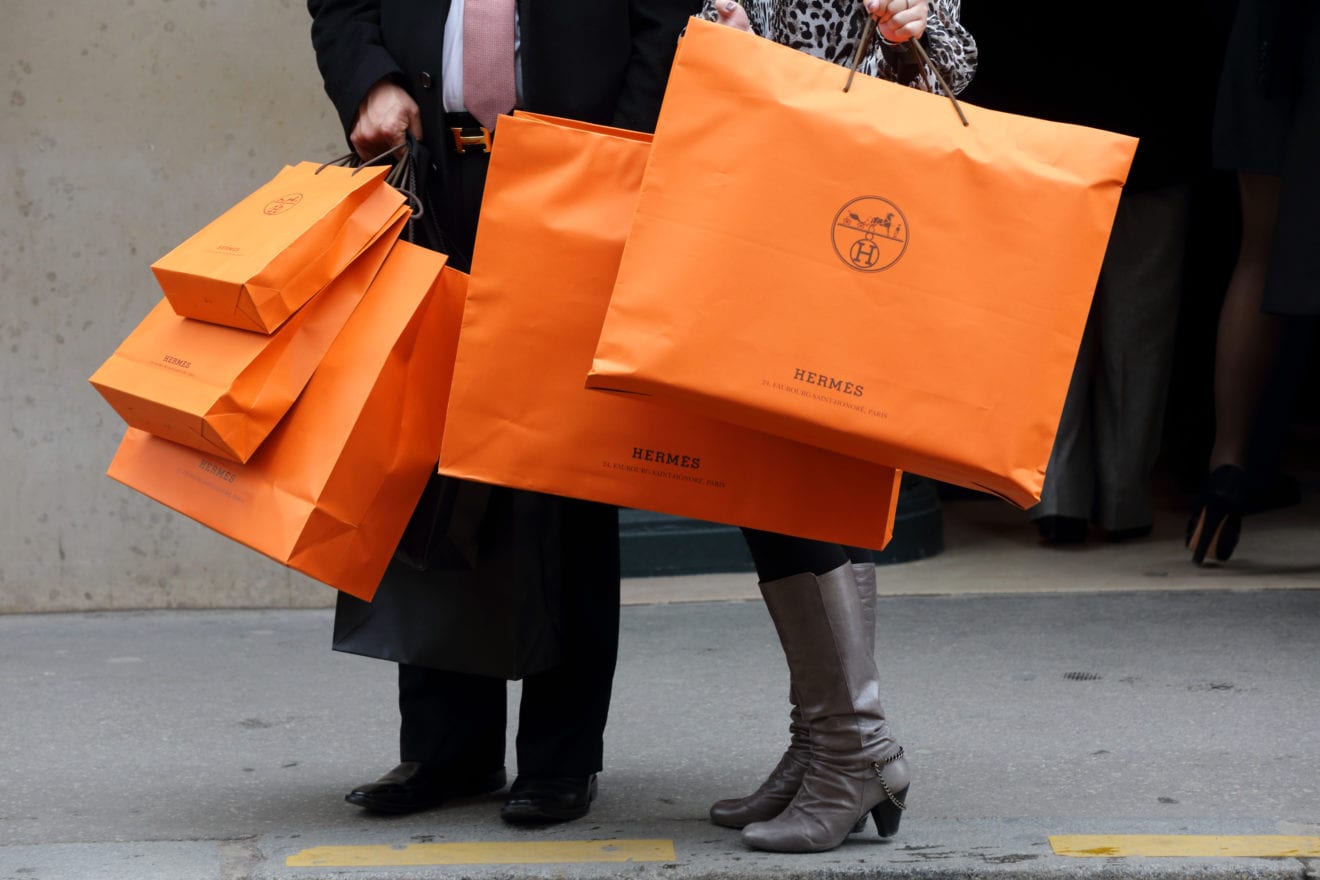
    Hermes sales rose 8 per cent last year for French high-fashion goods manufacturer Hermes International.

    In what it describes as a “difficult context”, the group’s consolidated revenue reached €5202 million (US$5.5 billion).

    Sales growth was sustained in the fourth quarter (up 8 per cent at current exchange rates, and 7 per cent at constant exchange rates), with all geographies progressing.

    Hermes continued to improve the quality of its distribution network, with four store openings and renovation and extension works.

    Japan (up 9 per cent) performed well thanks to its selective distribution network, despite the strengthening of the yen and a high comparison basis.

    Asia excluding Japan (up 7 per cent) pursued growth, particularly with extensions of the Liat Towers and Takashimaya stores in Singapore and store openings in Macau, at Hong Kong Airport and in Chongqing in China.

    In Mainland China, the group says it continued to develop even though the context remains challenging in Hong Kong and Macau.

    Growth over the year was driven by leather goods and saddlery products, which continue to be the mainstay of the group. Otherwise, sales benefitted from a positive momentum at year end in such sectors as silk and the ready-to-wear and accessories division.

    Growth “remarkable”

    Hermes says the 14 per cent growth in leather goods and saddlery was remarkable, thanks to the success of the collections and the diversity of models, particularly the Constance, Halzan and Lindy bags alongside the Birkin and Kelly.

    The ready-to-wear and accessories division was stable over the year, posting a 4 per cent increase in the fourth quarter driven by the latest women’s collections, particularly shoes.

    While sales eased 1 per cent for the silk and textiles business line in the fourth quarter, Hermes says it was a good result in the face of being penalised by events in Europe and slowing sales in Greater China during the first half of the year.

    A 9 per cent growth in sales of perfumes was driven by the success of Terre d’Hermes, the launch of Galop d’Hermes and the latest creations such as colognes Eau de Neroli Dore and Eau de Rhubarbe Ecarlate.

    Down 3 per cent, the watches division was penalised by a still challenging market and a high comparison basis at year end. Sales rose 2 per cent for other Hermes business lines, encompassing jewellery, Art of Living and Hermes Table Arts.

    Meanwhile, Hermes is pursuing its long-term development strategy based on creativity. This year it is celebrating the “Meaning of Objects”.