Tag: Hong Kong

  • Hong Kong government to boost cinema numbers through land lease terms

    Hong Kong government to boost cinema numbers through land lease terms

    It will be mandatory for two commercial sites earmarked for sale in Kai Tak and Sha Tin to include cinemas in their land leases, as the government attempts to shore up the creative industries amid soaring rents.

    Rules set a fixed number of seats for cinemas, while also stating that future modifications can only be made after seven years, and must be vetted by the government.

    Industry insiders welcomed the move, but a property advisor questioned if the market should be left to adjust on its own.

    Three years in a row, Chief Executive Leung Chun-ying has promised in his annual policy address to back creative industries by “facilitating cinema development through land sales and planning”.

    The idea came to a head on Monday when two sites planned for sale in Kai Tak and Sha Tin will make the inclusion of cinemas mandatory.

    “In identifying suitable land for the development, we believe that it will be more synergetic if we can find places where there are, for example, restaurants and cafes, together with shopping facilities,” Secretary for Commerce and Economic Development Greg So Kam-leung said.

    The exact locations of the sites were not known, but So added that the two plots of land would be up for sale in a few years “if everything went smoothly”.

    Asked how many cinema seats the government planned to impose in the land lease clause, the minister said studies remained at a preliminary stage and the final proposal would depend on the prevailing business environment.

    According to the Census and Statistics Department, revenue from cinemas doubled from HK$950 million in 2005 to HK$1.9 billion in 2015.

    The government would also look into the feasibility of a cinema complex at the Tourism Node in the Kai Tak development – a 5.9-hectare hub for retail, hotel and office purposes – as well as the West Kowloon Cultural District.

    Norman Chan Hok-yan, film director and lecturer at Baptist University’s academy of film, welcomed the move, saying cinema operations in Hong Kong have become increasingly difficult due to high rents.

    “The high land price policy undertaken by the government in recent years contributed to the falling cinema numbers,” he said.

    While there were now cinemas in 17 of Hong Kong’s 18 districts, Chan said most cinemas were smaller in size compared to the golden age of Hong Kong films in the 1970s and 1980s.

    “Back then there were seven to eight cinemas in Mong Kok alone, each accommodating 500 to 600 guests. Now most cinemas can hold 200 to 300 people only,” Chan added.

    But Helen Mak, head of retail services at property adviser Knight Frank, questioned if such a rigid requirement should be imposed.

    “Developers can always do the math and work out the best business model … the retail industry is always rapidly changing. Who knows what the market condition would be by the time these plots come up for sale?” she said.

    Asked about the recent closure of a cinema in Tung Chung, Mak said: “If it was popular, I’m sure the mall’s operator would not drive it out.”

  • Mujosh eyewear to open in Vietnam

    Mujosh eyewear to open in Vietnam

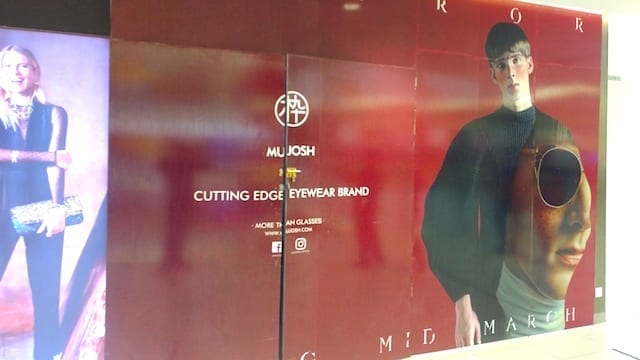
    Hong Kong-headquartered Mujosh eyewear is about to open its first store in Vietnam.

    The edgy brand, which made its international debut in Malaysia just last year, will open a store inside Saigon Center in Ho Chi Minh City. The mall houses the Takashimaya department store along with the first Japanese-headquartered Owndays shop in Vietnam.

    The store is undergoing fitout with a billboard promising an opening in “mid-March”.

    Established in 2010, Mujosh describes itself as “an innovative fashion eyewear brand” which combines unique elements and styles into frame designs.

    “Appreciating creative ideas, valuing the value of handicraft, cherishing the original touch of materials, Mujosh is deeply loved by fashion icons and wearers.”

    The brand also has stores in Singapore (on Haji Lane), Thailand and Australia. It plans to open 1000 stores globally within five years.

    Owned by Photosynthesis Group Co, Mujosh is the company’s first brand to go international since it started its international business expansion at the beginning of 2015.

    Edmonton marks Canadian debut

    Meanwhile, Mujosh opened its first store in Canada, a flagship in West Edmonton Mall, the largest shopping centre in North America. The mall hosts about 32 million visitors per year; between 90,000 and 200,000 daily.

    Among early customers was one who said she had become familiar with the brand while travelling in Shanghai and Singapore.

  • Ikea Hong Kong plans fourth store

    Ikea Hong Kong plans fourth store

    Ikea Hong Kong will open its fourth store in the second half of this year, parent Dairy Farm International has revealed.

    The new store will be located in Tsuen Wan.

    News of the new store was included in Dairy Farm International’s annual results released at the end of last week. A precise location was not revealed.

    The Hong Kong-listed multi-format retailer owns the Ikea franchises in Hong Kong, Indonesia and Taiwan. It will also open the Swedish furniture and homewares brand’s second store in Jakarta later this year.

    The expansion follows the opening of three new pick-up points in Hong Kong, Macau and Taiwan last year to provide more convenient options for its customers closer to home.

    “In parallel, e-commerce initiatives are being pursued by most of our formats to deliver a multi-channel shopping experience for our customers,” said CEO Graham Allan.

    Last year, Ikea launched its online offering in Hong Kong, Macau and Indonesia, and this was expanded to Taiwan in February 2017.

    Dairy Farm’s home furnishings division achieved record sales and operating profit during 2016. In constant currency terms, operating profit rose by 12 per cent to US$71 million driven by increased sales of $597 million, 6 per cent up on 2015. Sales and operating profit were higher than last year in all three markets. Like-for-like sales growth was particularly strong in Taiwan and Indonesia.

    “We continued to strengthen our low price image through ongoing price investment, and increased our focus on market specific products to enhance our local consumer appeal,” said Allan.

    “In the coming year, home furnishings plans both to continue its push in consumer accessibility.”

  • Memebox Hong Kong opens flagship

    Memebox Hong Kong opens flagship

    Memebox Hong Kong has opened its first stand-alone flagship store in the city – in Causeway Bay.

    The brightly coloured store is located at 20 Pak Sha Road, amid the street’s growing collection of sports apparel pop-ups and eclectic cafes.

    Memebox Hong Kong, Harbour Town - Tsim Sha Tsui

    Headquartered in San Francisco, with global hubs in the US, China, and Korea, Memebox claims to be the fastest-growing beauty brand in the world with over 500 employees across six countries.

    The company’s newest store stands out externally thanks to a bold red colour scheme and the distinctive laboratory-style treatment area inside.

    Memebox Hong Kong, Harbour Town - Tsim Sha Tsui 2

    Memebox Hong Kong already has three counters in the city – at Harbour City in Tsim Sha Tsui (Facesss), LAB Concept at Admiralty (Facesss) and Tuen Mun Town Plaza (Kiosk 10).

    The company’s philosophy is melding beauty with technology. It has collaborated with YouTube celebrities and beauty specialists to create its products and pursues a digital-first approach to marketing.

    “We’re changing the face of the beauty industry, one smile at a time,” the company proclaims on its website. “We’re dedicated to bringing the best beauty products available to a global, connected audience, since everyone deserves happy skin.”

  • Hactl handles Longines Masters competitors for fifth successive year

    Hactl handles Longines Masters competitors for fifth successive year

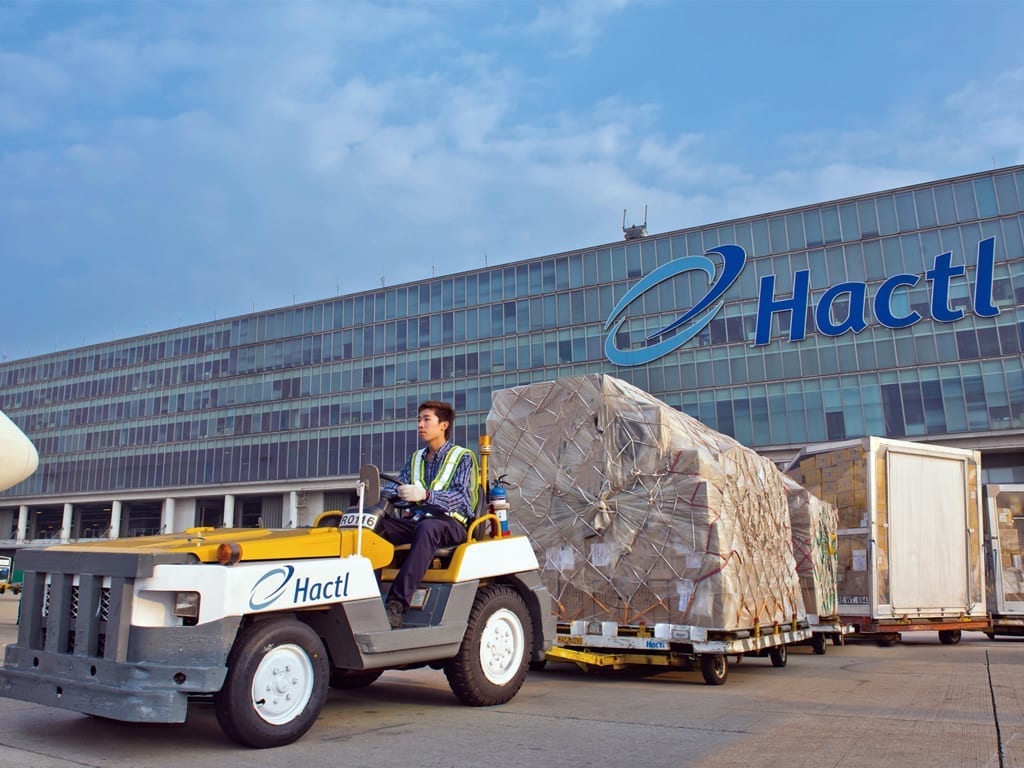
    Hong Kong Air Cargo Terminals (Hactl) has once again handled 60 horses competing in this year’s Longines Masters of Hong Kong. It is the event’s fifth year, and Hactl has handled the valuable equine competitors in every year of the competition.

    The transportation of the horses from Liege to Hong Kong, and their return journeys after the event, are being coordinated by European Horse Services (EHS), one of the world’s leading equestrian transport specialists. This year’s chosen carrier is Etihad Airways, and forwarding is being performed by DB Schenker.

    The Longines Masters first came to Hong Kong in 2013, and is now recognised as Asia’s largest and most prestigious equestrian event. This year’s Longines Masters of Hong Kong is the culmination of an intercontinental series which began in Los Angeles in September, moving to Paris in December; it is once again taking place at Hong Kong’s AsiaWorld-Expo complex.

    EHS founder and president Filip Vande Cappelle is also vice chairman of the Animal Transportation Association, which held its annual conference in Hong Kong to coincide with the Masters.  Says Filip, “The Longines Masters has become one of the most important events in the global equestrian calendar, attracting the highest-calibre entrants from around the world.”

    “It’s an honour for EHS to have been selected once again as the official transportation partner by EEM, the event organisers. We are also very happy to be working with Hactl again; their facilities, and the attention to detail which their staff bring to the all-important handling process, are second to none.”

    Hong Kong’s top-ranked rider, Jacqueline Lai, accompanied her horses BASTA and DER SENAAT 111, on the inbound flight to Hong Kong. On arrival, she was greeted by Hactl chief executive Mark Whitehead. Jacqueline is a member of The Hong Kong Jockey Club Equestrian Team, and won Hong Kong’s first-ever equestrian medal, in 2010. She is the only Hong Kong resident taking part in this year’s contest.

    Says Mark Whitehead: “It’s great to be involved in this wonderful event again, and it was particularly good to have the opportunity of meeting Hong Kong’s very own competitor. Both Jacqueline and Hactl are enthusiastic supporters of the Longines Masters, which has really put Hong Kong on the equestrian map.”

  • Lalamove Releases ChomChob

    Lalamove Releases ChomChob

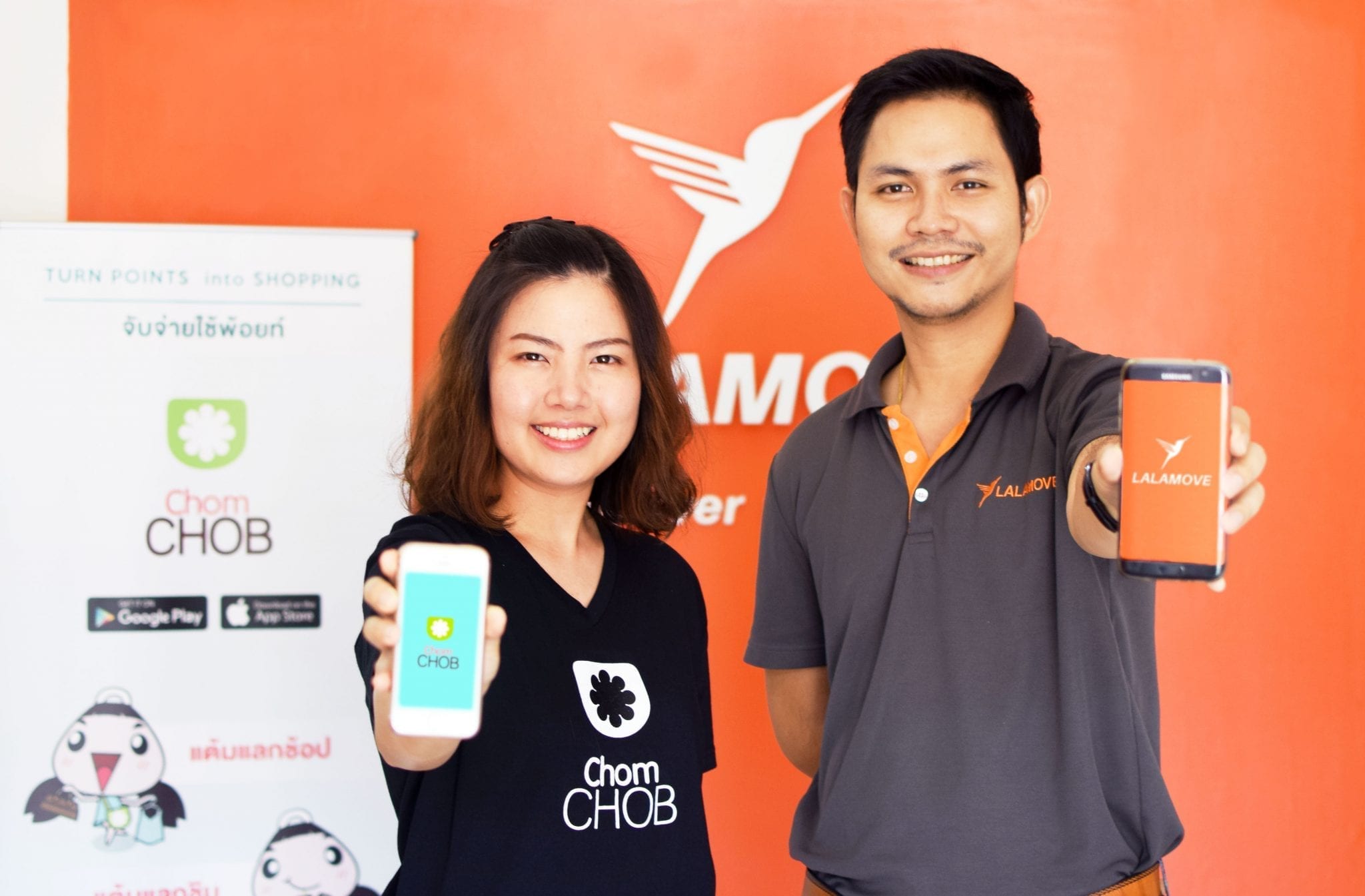
    Lalamove, the Hong Kong based on-demand delivery company has joined hands with ChomCHOB, a point accumulation app that converts a customer’s credit and debit card points into reward points, allowing them to purchase an extensive range of products and services from over 1000 merchants.

    From now until April 30th, ChomCHOB points can be redeemed towards Lalamove motorbike and pick up delivery services. Photo shows Thanwarat Chailert, COO & Co-Founder of ChomChob Group, (left) with Lalamove’s Managing Director Chanon Klahan.

  • Hong Kong retail sales continue to fall

    Hong Kong retail sales continue to fall

    Hong Kong retail sales fell again in January – by a modest 0.9 per cent.

    However, a spokesman from the Census and Statistics Department (C&SD) warned the figures may be have been affected by the earlier timing of Lunar New Year which fell at the end of January. he cautioned reading too much into the data until the combined January-February figures this year can be compared with last.

    In volume terms – taking into account the effect of inflation – sales fell by 1.4 per cent.

    “Looking ahead, the near-term outlook for the retail sales business will continue to depend on the performance of inbound tourism and on whether local consumer sentiment would be affected by the various uncertainties in the external environment,” he said.

    The value of total retail sales in January 2017 was provisionally estimated at HK$43.1 billion. The decline of 0.9 per cent was substantially lower than December’s 2.9 per cent decline – but January’s data could have been buoyed by spending on gifts and inbound tourist spending over the holiday period.

    “Local consumer spending normally attains a seasonal high before the festival. As the Lunar New Year fell on January 28 this year but on February 8 last year, the year-on-year comparison of the figures for January 2017 with those for January 2016 might have been affected by this factor to a certain extent.”

    Broken down into broad type of retail outlet in descending order of impact on the overall figure, sales of jewellery, watches and clocks and valuable gifts decreased by 3.9 per cent. This was followed by sales of apparel down 5.2 per cent, electrical goods and photographic equipment down 24.4 per cent, miscellaneous consumer durable goods  down 17.8 per cent, furniture  down 9.4 per cent and books, newspapers, stationery and gifts down 0.6 per cent.

    Categories to show an increase were supermarket sales up 5.4 per cent, department store sales up 2.8 per cent, food, alcoholic drinks and tobacco up 9.9 per cent, medicines and cosmetics up 2.8 per cent, ‘other consumer goods’ up 12.1per cent, footwear and accessories up 4 per cent, Chinese drugs and herbs up 1.5 per cent and eyewear up 3.4 per cent.

    After seasonal adjustment, the C&SD estimated the total value of retail sales decreased by 3.3 per cent in the three months ending January 2017, compared with the preceding three-months.

  • Atradius’ Ku appointed Country Manager for Hong Kong and Taiwan

    Atradius’ Ku appointed Country Manager for Hong Kong and Taiwan

    With immediate effect, Mr. Ku will take on the overall responsibility for the business operations and management of the Hong Kong and Taiwan team. The Hong Kong and Taiwan business showed growth of close to 10% in 2016 and Mr. Ku’s priority will be to further expand our business in the region and to maintain sound and closer relationships with our partners and customers.

    “I’m pleased to announce that Vincent Ku has been promoted to Country Manager Hong Kong and Taiwan. Mr. Ku joined Atradius as a Sales Manager in 2008 and has proven to be a strong addition to the Atradius family. Over the past years he has used his experience in the credit insurance market to continuously contribute to the profitable growth of our business in the Greater China region” says Eric den Boogert, Managing Director for Asia and the Middle East.

    In his previous position as a Regional Sales Manager, Mr. Ku was responsible for new business in China and was instrumental in returning the portfolio to profitability after the GFC.

  • Hong Kong’s Wheelock to exit struggling media business

    Hong Kong’s Wheelock to exit struggling media business

    A subsidiary of Hong Kong-listed developer Wheelock has decided to end funding for its pay TV operator in a bid to focus on property development, leaving the fate of its loss-making business up in the air.

    Wharf Holdings, a 58%-owned subsidiary of Wheelock, announced on Thursday that it had stopped discussions with potential buyers on the sale of i-Cable Communications, as no deal had been reached to shed the struggling unit.

    Its current funding commitments to i-Cable, including a loan of 400 million Hong Kong dollars ($51.5 million), will also not be extended upon expiry. Wharf’s committed capital for i-Cable stood at HK$18 million at the end of December.

    “The chance of a turnaround for the business in the short- and medium term is low,” said Wharf Chairman and Managing Director Stephen Ng Tin-hoi at an earnings briefing on Thursday, justifying the group’s decision.

    I-Cable, which is 74% owned by Wharf, has been operating in the red in the past eight to nine years. Its net loss widened to HK$313 million last year on weak advertising revenue and growing competition in the TV industry. The station’s paid-TV license will expire by the end of May but it has received government approval for a new license until 2029. It is preparing to launch free-to-air TV operations in May.

    “Accepting the new license will be another 12-year commitment and we’ll have to see,” said Ng, without commenting directly on the possible closure of the two-decade-old TV operator. Meanwhile, the board of i-Cable announced on the same day it would hire a financial consultant to explore alternative funding sources or advise on business reorganization.

    Television Broadcasts and Asia Television, long Hong Kong’s only free-to-air broadcasters, both attracted a number of bidders over the past year, which might suggest more bidders could yet emerge for i-Cable. Unlike i-Cable, both offer a buyer a deep library of old programs, but ATV nevertheless shut down last year. This week, TLG Movie and Entertainment, which had signaled a bid for a 29.9% stake in TVB, withdrew its offer.

    Wharf’s exit from the media business began with the sale of its fixed-line telecommunications unit, Wharf T&T, for HK$9.5 billion last year.

    The group will also study the possibility of spinning off some of its office and retail assets in Hong Kong and mainland China. This could be achieved by means of a distribution in specie to Wharf’s shareholders. “A simple segregation may provide investors with more and better choice,” it said in the earnings statement.

    “It’s just the beginning of our study,” said Ng, stressing that Wharf has no specific timeline for the proposal. “Neither do we have an expected outcome. We might not do it eventually.” Asked whether the spinoff would be in the form of a real estate investment trust, Ng said: “This can be considered but we have to decide whether we will have a separate listing first.”

    After the transaction, Wharf would remain a conglomerate with businesses spanning property development and logistics.

    The proposal of a spinoff came on the back of Wharf’s resilient earnings from its investment properties amid a retail downturn. Its net profit surged 34% on the year to HK$21.4 billion last year.

    Revenue rose 14% to HK$46.6 billion, helped by stronger property sales and nearly 6% growth in rental income from its two flagship malls — Causeway Bay’s Times Square and Harbour City in Tsim Sha Tsui — in prime shopping districts in Hong Kong.

    On the mainland, Wharf reported modest 1% growth in rental revenue from its malls in the southwestern city of Chengdu to offices in Shanghai. It will roll out new malls and hotel projects in Chongqing as well as Changsha in central China in the second half of the year.

    Wharf’s shares closed 0.48% lower at HK$62.25 on Thursday, before the results were announced. Its stock has advanced 21% this year, against the Hang Seng Index’s 6.8% gain.

    However, some analysts are skeptical about a full recovery in Hong Kong’s retail market this year. China’s wider economic slowdown and Hong Kong’s peg to a stronger U.S. dollar has continued to discourage mainland tourist spending in the territory.

    Last year, retail sales in Hong Kong suffered the worst drop in two decades and were down nearly 12% from the 2013 peak. “It’s quite impossible for a sharp rebound in 2017,” wrote Alfred Lau, a property analyst at Bank of Communications International in a note on Monday, expressing caution about the rental growth of retail properties. “We prefer developers with office assets rather than retail properties.”

  • Valentino Opens New Flagship Store In Hong Kong

    Valentino Opens New Flagship Store In Hong Kong

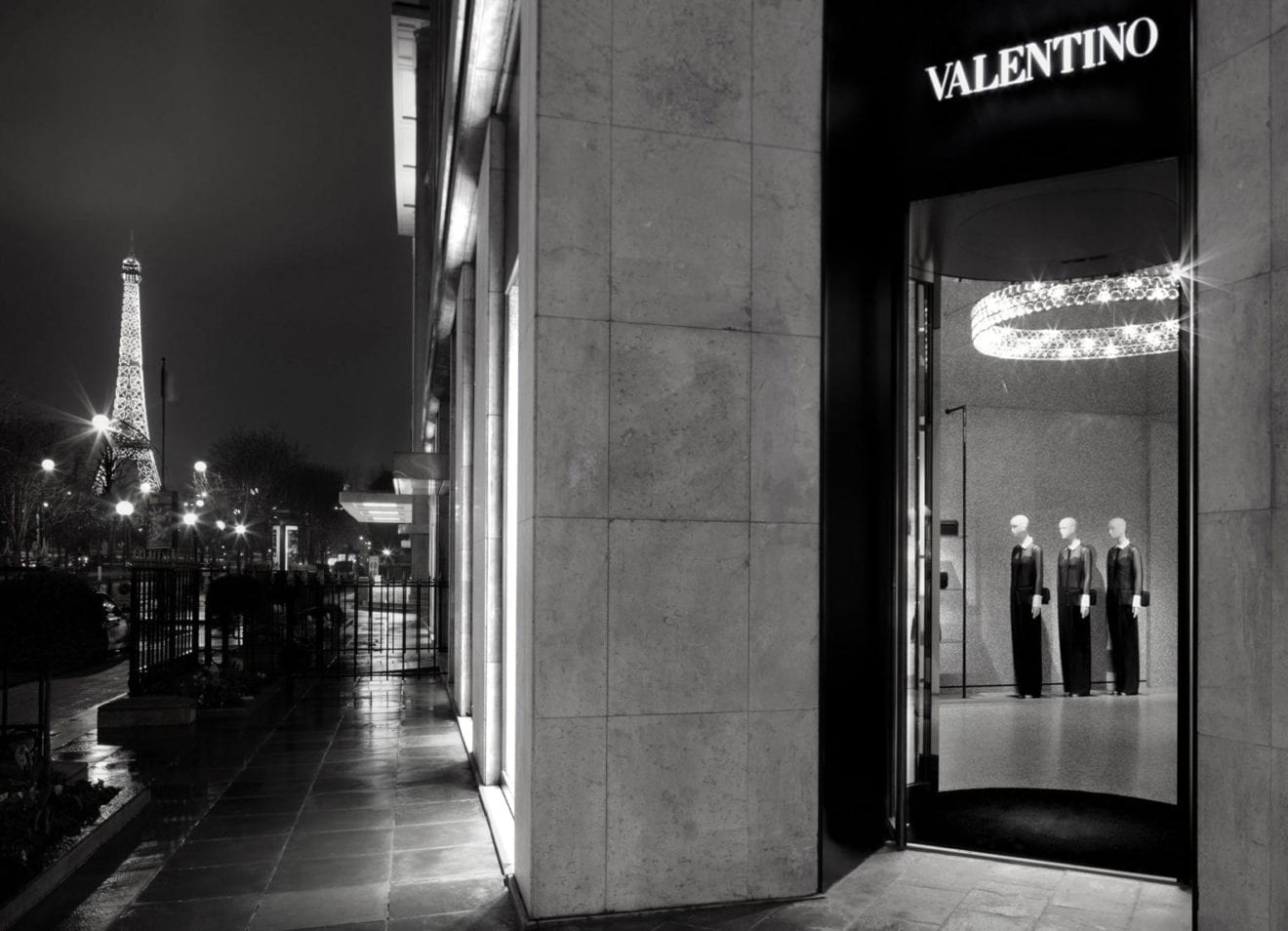
    Italian fashion brand Valentino opened a new flagship store in the first phase of Lee Gardens, Hong Kong. Located in the prosperous core area of Causeway Bay, the new Valentino flagship store has two floors and a total area of 382 square meters.

    Designed by the British architect David Chipperfield, this new store combines old and new aesthetic elements in creating a luxurious palace atmosphere, instead of a pure window display store style. Chipperfield used luxurious decorative materials, including Venice terrazzo, Athena marble, Carrara marble, and pine furniture.

    Valentino’s Lee Gardens store will sell a full range of women’s products, covering apparel, accessories, and perfume.

  • Crocs store is closing door

    Crocs store is closing door

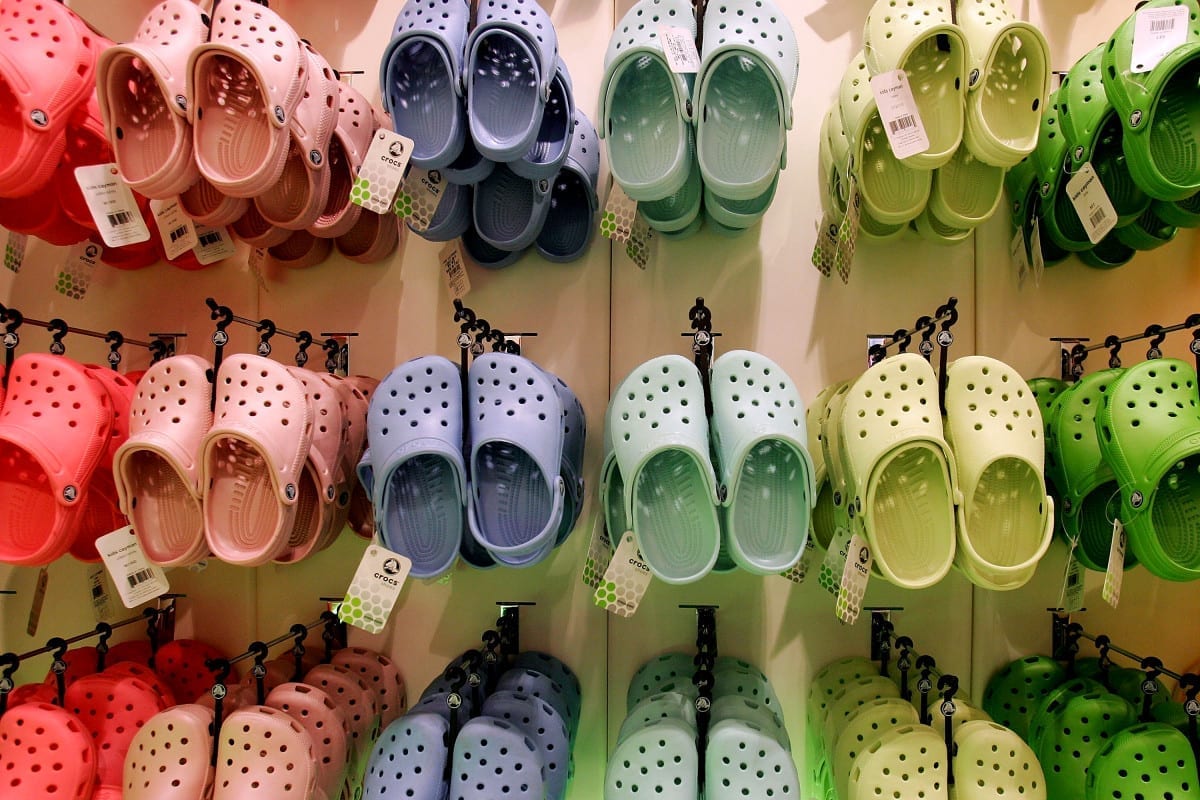
    One in four Crocs stores will be closed globally as the maker of the world’s ugliest shoes plots a survival plan.

    The store cull was announced along with another quarterly loss: the shoemaker finished its last three months US$44.4 million in the red, albeit a better performance than the same period a year earlier when it lost $73.9 million.

    Global sales were down 10.2 per cent to $187.4 million but in Asia the company says its retail sales declined by a whopping 16.6 per cent.

    Total Asian revenue was $68.8 million, down 9.8 per cent year-on-year, with wholesale revenues down 5.3 per cent (explained as a result of the sale of the South African business in April 2016). Retail sales in Asia declined 16.6 percent, despite the opening of nine stores since 2015. Online sales declined 7 per cent in Asia, which Crocs says was the result of weak sales in China on Singles’ Day.

    In Europe, revenue was down 14.2 per cent.

    As it restructures to ensure its survival, Crocs CEO Gregg Ribatt will step down on June 1, to be replaced by Andrew Rees who has for the past two years been president. The two roles will now be combined and Ribatt will remain on the company’s board.

    Rees told an analysts’ briefing that customers are responding favorably to new colors and prints added to the core Crocs molded product line.

    “We’ve also confirmed the importance of any newness to our iconic molded footwear through new color and graphic introductions, and through the expanded use of licensed characters,” he said.

    “Our spring/summer 2017 collection rolled out to warm-weather doors in November and early reads are encouraging. Going forward, our innovation and newness will be most heavily concentrated on core clogs and sandal, slips and slides where we see the greatest opportunity for growth.”

    Crocs is also banking on the endorsement of the product by celebrities Drew Barrymore, John Cena, Yoona Lim and Henry Lau who will feature in the brand’s latest Come As You Are marketing campaign launching in April.

    Full year figures

    Crocs’ full-year picture was nowhere near as bad as the last quarter’s. Total sales were $1.04 billion, down only a little from the $1.09 billion of a year earlier. On a constant currency basis, revenues declined 4.7 per cent.

    The company recorded a full-year net loss of $16.5 million, far better than the $83.2 million of 2015. Excluding non-recurring charges, the adjusted loss was $26.9 million.

    Rabat says Crocs has been reshaped into a company that :”functions more efficiently and effectively” and is in “a far better place now than two years ago”.

    “And while the operational work is critical, it is not yet, and I emphasise yet, translating into the financial gains we continue to believe are achievable.”

    Since 2014, Crocs has halved its SKU count, boosted the appeal of core sellers and added new collections.

    Once the store cull is complete in 2018, Crocs will operate about 400 outlets, adding $35 million to its bottom line in 2019. At the end of 2016 it had 558 stores.

    Carrie Teffner, Crocs EVP and CFO, says that given volatile market conditions, the company is not setting mid-term revenue and margin targets.

    “That said, we continue to believe that… longer term, the business can deliver EBIT margins in the 10 per cent range.”

  • Solid year for revitalised Dairy Farm International

    Solid year for revitalised Dairy Farm International

    Hong Kong-headquartered multi-format retailer Dairy Farm International has celebrated its 130th anniversary with a strong set of results, with food, home furnishings and restaurants delivering higher profits.

    Total sales, including those of associates and joint ventures, rose 14 per cent in US dollar terms and 17 per cent on a constant-currency basis to US$20.4 billion. Sales of wholly-owned subsidiaries rose 1 per cent to $11.2 billion.

    Underlying net profit rose by 7 per cent to $460 million, partly due to a 13 basis point net improvement in operating margins as well as increased contributions from Yonghui and Maxim’s. Operating profit rose 6 per cent.

    Supermarkets & hypermarkets solid

    Total food division sales, which include Wellcome and Giant, were flat in US dollar terms, although up 1 per cent on a constant currency basis.

    “In an environment of severe pressure on pricing, sales growth in Hong Kong supermarkets and in the convenience store businesses in Hong Kong, Mainland China and Singapore helped to offset declines in the group’s supermarkets and hypermarkets in Singapore and Indonesia and largely flat sales elsewhere,” explained CEO Graham Allan.

    “The closure of a number of unprofitable stores in Singapore and Indonesia also weighed on sales performance. However, specific actions, including strategic store closures, prudent management of costs and more targeted promotional activity, delivered improved operating margins.’

    Operating profit from the food division rose 13 per cent to $267 million, with the largest gains coming from Singapore and Indonesia.

    Sales of $6.2 billion from supermarkets and hypermarkets (excluding Yonghui) were in line with last year in constant currency while operating profit increased by 13 per cent to $194 million.

    Wellcome in Hong Kong drove higher sales through strengthening its fresh offer and an enhanced merchandise assortment. Operating profit was lower, principally due to a continued rise in rental costs and competitor promotional activities. In Macau, San Miu achieved sales and operating profit growth in its first full year in the group with range enhancement and increased fresh participation.

    In Taiwan, sales and operating profit were ahead of last year. A new ‘superstore’ concept was introduced for Wellcome with two net new stores opening during the year, while Jason’s continued its store expansion.

    “The retail landscape in Indonesia was challenging with limited recovery in consumer confidence and significant competition from the continued rollout of mini-market stores across the country, which impacted sales growth at supermarkets and hypermarkets,” said Allan.

    “Nevertheless, improved margins, from pricing and promotional activities, the closure of a number of underperforming stores and tighter cost control boosted profitability. Improving the fresh assortment and revitalising the upscale Hero brand remain key focus areas for the business.”

    In Malaysia, sales and operating profit were behind 2015 due to persistent low consumer confidence together with ongoing price controls following the introduction of GST, which continued to weigh on performance.

    The Philippines recorded a strong year with all banners reporting like-for-like sales growth and improved profitability. “A more appealing fresh assortment coupled with tactical pricing and successful marketing activities underpinned an encouraging increase in footfall,” said Allan.

    “Rustan’s benefited from increased sales of its imported and exclusive brands, while measures to improve cost efficiency were also implemented.”

    In Singapore, sales were down year-on-year due to poor consumer sentiment and the impact of store rationalisation. “Cold Storage achieved an encouraging operating profit increase, despite reduced sales following the closure of underperforming stores. Giant saw steady sales and positive profit growth, driven by increased margins and lower operating costs.

    “In the coming year, we aim to invest in the renewal of customer facing and back office technologies to improve our customer experience and internal efficiency whilst optimising ranges and supply chain productivity.”

    In Vietnam, Giant posted sound sales growth, from its single store, with increased customer traffic being the main driver and in Cambodia, the group saw “encouraging increases” in like-for-like sales and operating profit.

    Convenience sales reach $2 billion

    Convenience stores reported $2 billion in sales, an increase of 5 per cent year-on-year in constant-currency terms. Operating profit increased by 15 per cent to $73 million.

    In Hong Kong, 7-Eleven outpaced the competition and grew sales and operating profit despite soft consumer sentiment and difficult market conditions. Like-for-like sales strengthened during the year supported by promotions, range improvements and new products. A slight gross margin improvement led to a higher operating profit despite cost increases from labour and rent. In Macau, sales were flat and operating profit was lower due to slowing tourist numbers and a substantial cigarette tax increase in 2015.

    In Mainland China, 7-Eleven continued its solid growth and passed its 800th store milestone. During the year, sales and operating profit increased, with store network expansion and like- for-like sales growth. This was driven in part by an expanded ready-to-eat (RTE) product range.

    In Singapore, 7-Eleven achieved positive like-for-like sales growth arising from a store re-ranging project with a strong focus on RTE, including the successful introduction of new private label products sourced from 7-Eleven Japan.

    “Operating profit was significantly ahead of 2015 due to these initiatives and the rationalisation of loss-making stores,” said CEO Graham Allan. “The RTE range will be further expanded in 2017 and there will be increased focus on acquiring new profitable sites.”

    Health & beauty sales rise

    Dairy Farm’s health & beauty division achieved $2.6 billion in sales, up 4 per cent on a constant currency basis, however profit declined 5 per cent to $175 million due to margin pressure and higher rents in Hong Kong.

    “Gains in Hong Kong, Mainland China, Singapore, Indonesia and the Philippines, offset disappointing sales in Malaysia,” said Allan.

    In Hong Kong, Mannings’ sales increased in 2016 despite a smaller store network. “As mainland Chinese tourist arrivals continued to decline, promotional campaigns and loyalty programmes were launched throughout the year targeting local consumers,” said Allan. “Sales were flat in Macau as mainland Chinese tourist arrivals remained soft.

    On the mainland, Mannings “showed gradual improvement” with solid sales growth, particularly in baby care, beauty care and personal care, while the contribution from corporate brands increased.

    In Singapore, Guardian reported growth in sales, while operating profit also increased with higher gross margins and greater focus on cost and shrinkage management, partially offset by higher rental costs, but in Malaysia, Guardian experienced “a challenging year” with lower sales and operating profit due to subdued consumer sentiment, increased competition and weakness of the ringgit.

    In Indonesia, Guardian posted double-digit sales growth for the fifth year in a row, despite the net closure of 73 stores. Operating profit was higher than in 2015 with higher gross margins.

    In Vietnam, Guardian recorded another strong year of double-digit sales growth and improvement in gross margin. Corporate brand penetration increased significantly as brands such as Botaneco Garden proved popular with local consumers and in the new market of Cambodia, progress was made through range expansion and increased corporate brand penetration supporting strong like-for-like sales.

    In its second year in the group, Rose Pharmacy in the Philippines delivered performance improvement through sales growth, gross margin enhancement, better cost efficiency and the closure of a number of underperforming stores. Guardian brand products were launched with encouraging early signs of customer acceptance.

    Home furnishings solid

    Home Furnishings, essentially the Ikea business in Hong Kong, Taiwan and Indonesia, recorded a 12 per cent rise in operating profit to $71 million driven by increased sales of $597 million, 6 per cent ahead of 2015.

    “Sales and operating profit were higher than last year in all three markets. Like-for-like sales growth was particularly strong in Taiwan and Indonesia.”

    Hong Kong led the group in introducing new concepts to increase consumer access, launching online shopping in April 2016 and opening two pick-up points in Macau and on Hong Kong Island. Indonesia introduced online shopping in July. Taiwan opened a pick-up point in Hsinchu and launched online shopping in February 2017.

    “We continued to strengthen our low price image through ongoing price investment, and increased our focus on market specific products to enhance our local consumer appeal.

    “In the coming year, Home Furnishings plans both to continue its push in consumer accessibility and to drive forward its expansion plans, having identified a second Indonesia store location and opening a fourth store in Hong Kong in the second half of 2017,” said Allan.

    Solid growth for Starbucks, Maxim’s

    Sales in Dairy Farm International’s restaurants division rose 7 per cent year-on-year to $2 billion and profit rose 4 per cent.

    “The business delivered another year of record earnings in a difficult market environment while continuing to expand outside Hong Kong,” said Allan.

    The division expanded its reach by acquiring Cova, a premium chain of cake shops and restaurants, and by opening its first Treats food hall.

    In China, Maxim’s added 16 new stores across its brands, including the first Cheesecake Factory franchise at Shanghai Disney Town.

    The company now operates 20 Starbucks cafes in Vietnam and Cambodia and describes their performance as “encouraging”. The group launched its first Thai franchise in September – MX Cakes and Bakery, a joint venture with ThaiBev, which has opened three outlets in Bangkok.

    “Looking ahead, the group continues to see various exciting opportunities, including entry into the Beijing market with the opening of Jade Garden, Cafe Landmark and The Cheesecake Factory planned in 2017. Maxim’s will also continue to explore franchise and acquisition opportunities across the region.”

    Dairy Farm will “compete aggressively”

    Chairman Ben Keswick said Dairy Farm International is “transforming itself to compete aggressively in a changing retail landscape”.

    “Central to this are a strong focus on understanding changing consumer behaviour, growing market share, building digital engagement with customers and sharing know-how across the group. Investment is being sustained in supply chain, IT infrastructure and systems, and the skills and expertise of our people to support this transformation. Each business is committed to optimising the shopping experience of its customers and to serving their evolving needs as efficiently as possible.”

    Keswick said increasing convenience through expansion and enhancement of the store network remains a high priority, although when necessary, underperforming stores will be closed. Last year the entire group added a net 114 stores, despite a number of closures across its divisions.

    At December 31, Dairy Farm International had 6548 stores in operation in 11 countries and territories, including its interest in 487 Yonghui stores in Mainland China.

    “Despite the uncertain economic outlook for 2017, the group continues to strengthen its businesses,” said Keswick. “Investments are being made to enhance its competitive position, increase customer convenience and adapt to emerging consumer trends. These investments, coupled with the exposure of its market-leading retail brands to Asia’s growth markets, will support Dairy Farm’s long-term success.”
  • Skin Laundry to launch in Japan, Korea this year

    Skin Laundry to launch in Japan, Korea this year

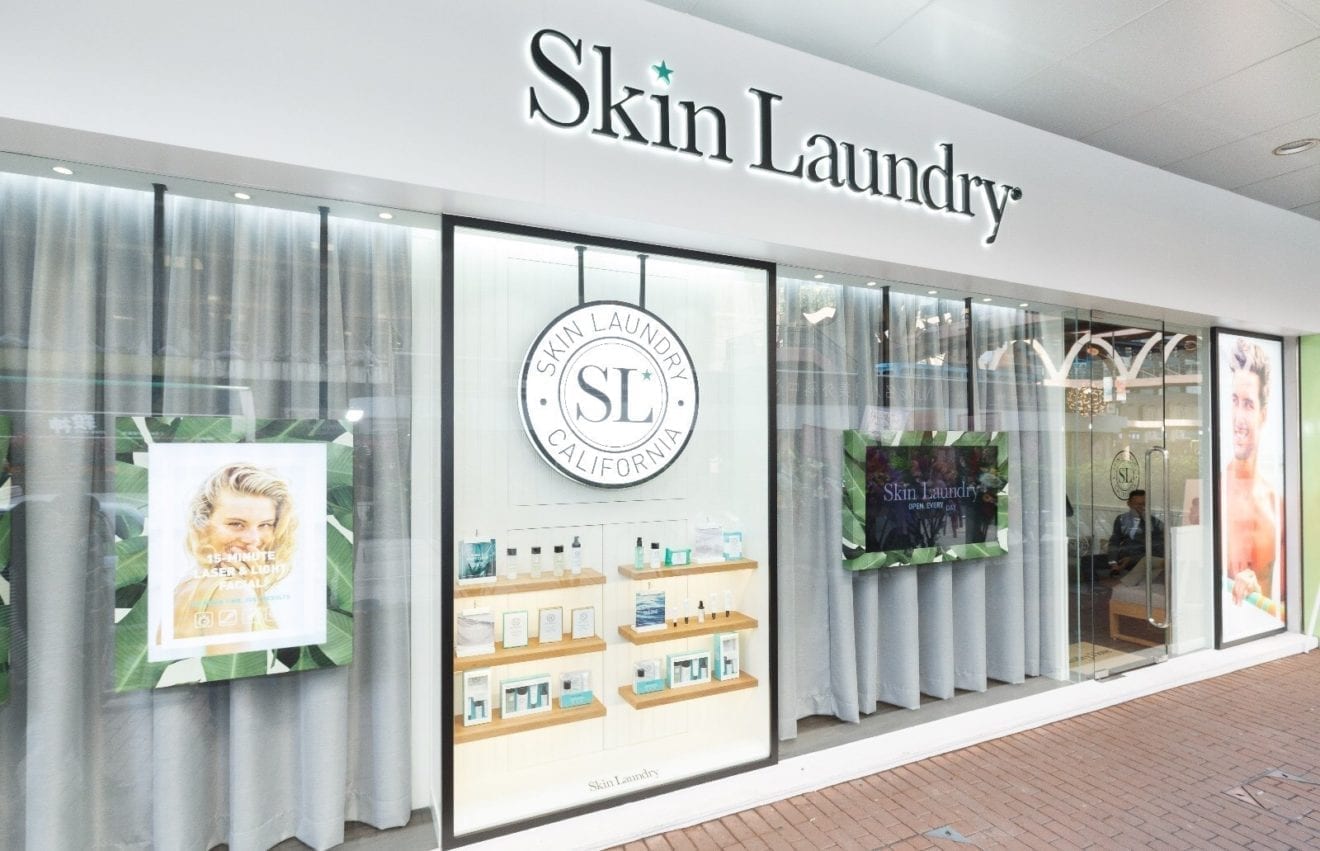
    Laser clinic and skincare product retailer Skin Laundry plans to expand into Japan and Korea this year from its Hong Kong base.

    Skin Laundry has just opened its fourth outlet in Hong Kong – at Causeway Bay. And founder Yen Reis said that at least two more will open in the city by the year’s end.

    Now four years old, Skin Laundry has 16 locations – 11 in the US, one in London’s iconic Liberty department store and now four in Hong Kong. The first two Hong Kong stores opened in Repulse Bay and Central in late 2015. A small concession with treatment room has opened in Lane Crawford at IFC Mall since. More concessions may open in other Lane Crawford stores soon.

    “We are expanding quite rapidly this year and next year. We are also looking at Japan and Korea in the third and fourth quarters of this year,” Reis said.

    Macau may follow, but it is not a focus right now given the opportunities in Hong Kong, Japan and Korea, she said.

    The smallest location is the Lane Crawford concession taking up about 215 sqft. But full size stores are typically 500 to 700 sqft with the largest around 1500 sqft.

    Reis said Skin Laundry is the first beauty brand in the world to make mild laser facials accessible and affordable to the mass market.

    “We’ve taken something usually very expensive and available only at a dermatologist’s or a laser clinic and made it available to everyone.”

    To many people, the mere mention of laser and clinic brings to mind tattoo or hair removal – services not on Skin Laundry’s menu. Its treatments are much milder.

    “Basically the idea of Skin Laundry is a beauty service. We’ve had to educate the market of the benefits of laser. Now we are hitting our four year anniversary we are starting to see traction.”

    In Asia, the whole concept is relatively new. “The idea of doing mild laser is new to the market. We believe using mild laser frequently is much better than doing something stronger once or twice a year. If you cut your hair on a regular basis, your hair looks healthier. It’s the same with mild lasers.”

    Skin Laundry Causeway Bay 1

    Skin Laundry charges US$60 on average for a treatment, substantially cheaper than traditional laser clinics or surgeries which charge up to $500.

    The brand has also developed a growing range of skincare products it retails through its stores and now through LVMH-owned Sephora online and in its US stores – products like cleansers for home use. At the moment, these products account for just 20 per cent of the turnover but with growing brand awareness, the stocking by Sephora and more stores opening, Reis believes they will account for about 40 per cent in the medium term.

    Inspired by LA’s healthy living lifestyle, Skin Laundry opened its flagship location in Santa Monica in 2013. Its clinics-come-retail-stores are designed like a California beach house, providing a contemporary and casual atmosphere for members and guests.

  • ZhangMen Brewing opens Tsim Sha Tsui flagship

    ZhangMen Brewing opens Tsim Sha Tsui flagship

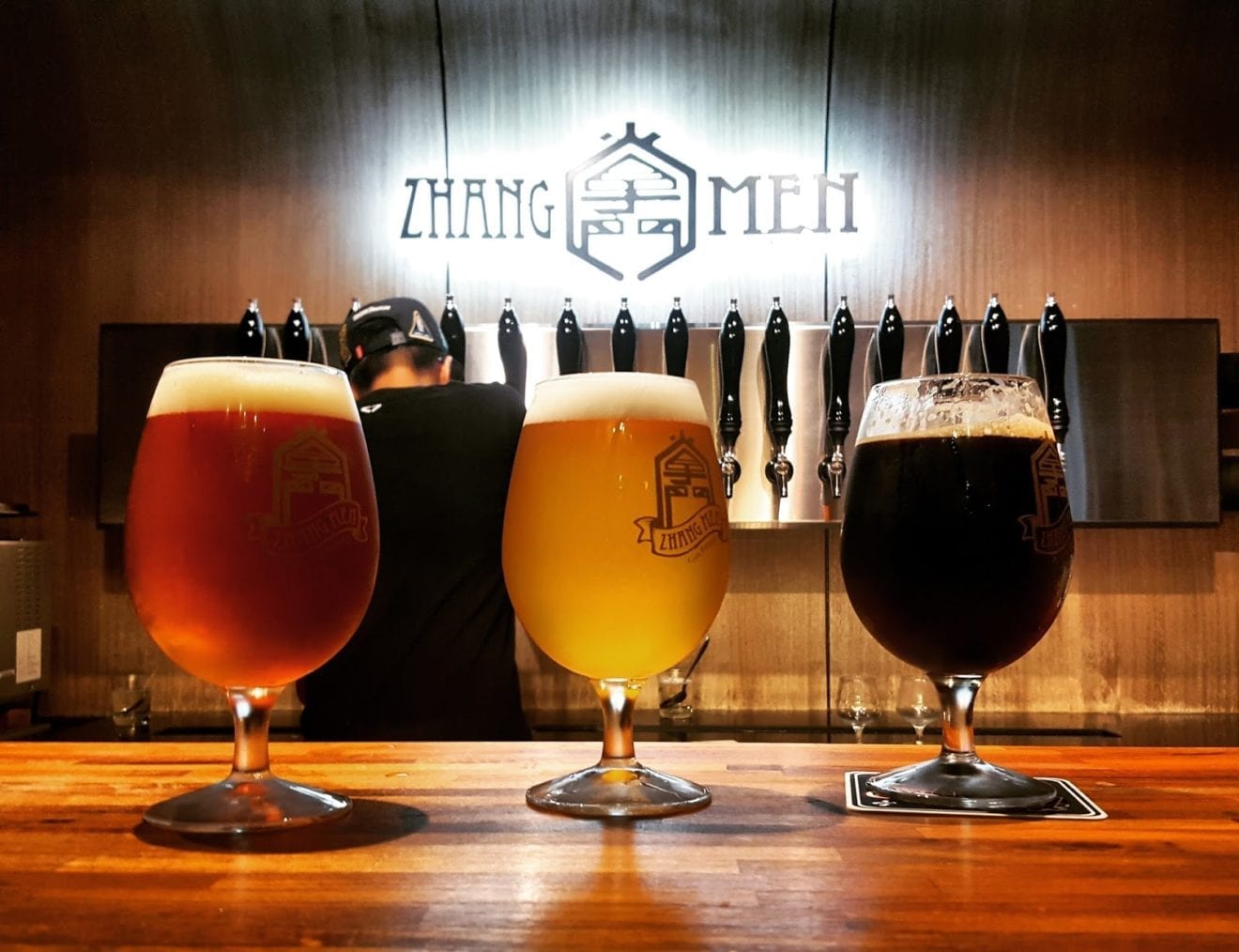
    Taiwan’s ZhangMen Brewing Company has chosen Hong Kong to set up its first international flagship pub.

    On Kimberley Road in Tsim Sha Tsui, the outlet offers 24 varieties of craft beer, shipped directly from its brewery, as well as providing Taiwanese snacks.

    ZhangMen Brewing - Tsim Sha Tsui HK 1

    ZhangMen Brewing Hong Kong GM Ajax Lo says Hong Kong has had a thriving craft-beer scene for years and is relatively close to Taiwan. “Hong Kong is also the region’s economic hub, which will help us promote our brand to other Asian markets more easily.”

    Invest Hong Kong helped the Taiwan company set up in Hong Kong, with its associate director-general of investment promotion Dr Jimmy Chiang saying it has helped several craft-beer brands settle in the city.

    As well as its own brewery, ZhangMen Brewing Company has a brewery farm and laboratory, and runs six outlets across Taiwan. The brand has won many accolades including champion and second runner-up in the Australian International Beer Awards plus second runner-up in the China Beer Awards last year.

  • @Cosme hitting debut in Taiwan

    @Cosme hitting debut in Taiwan

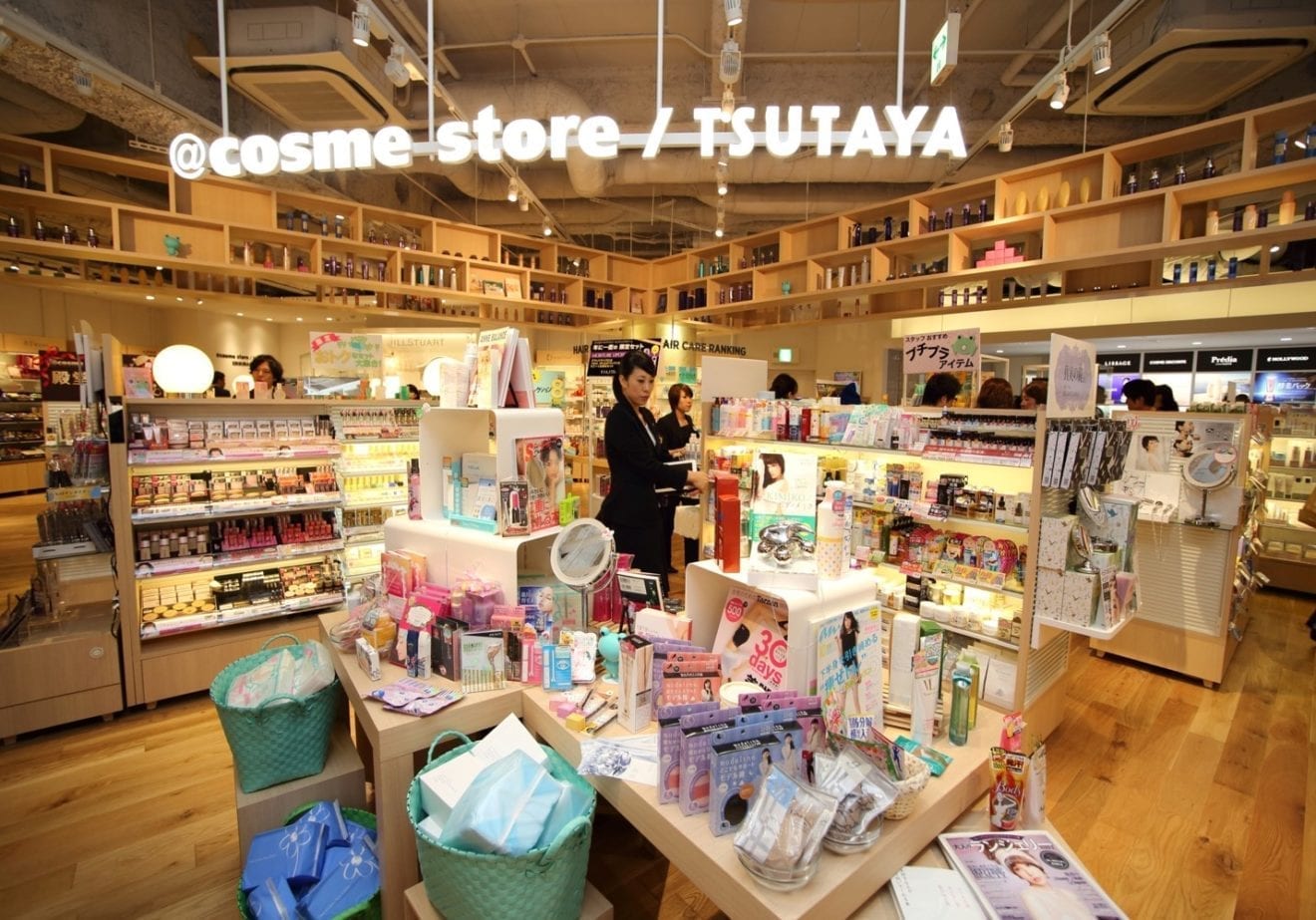
    Japanese online cosmetic store @Cosme is to open a brick-and-mortar store in Taiwan in May.

    It is the spearhead of a plan by its owner, Istyle, to open stores across Asia.

    Istyle began opening @cosme stores in Japan in 2007, bringing together drugstore and specialty store brands. The chain grew from a website that gained popularity by word of mouth, the stores making it easy for customers to find products that rank high on the site.

    However, Istyle’s business plan for the rest of Asia will follow the exact opposite path of its success in Japan: it will first open stores, then launch websites in the native language.

    “We will establish a foothold in foreign markets by first opening stores,” says Istyle president Tetsuro Yoshimatsu.

    The company plans to add three or more stores in Taiwan and Hong Kong this year.

    So far, most of Istyle’s overseas business dealings have been focussed on wholesaling cosmetics and crossborder e-commerce in China.