Tag: Hong Kong

  • Asia’s Largest Toys & Games Fair Opens

    Asia’s Largest Toys & Games Fair Opens

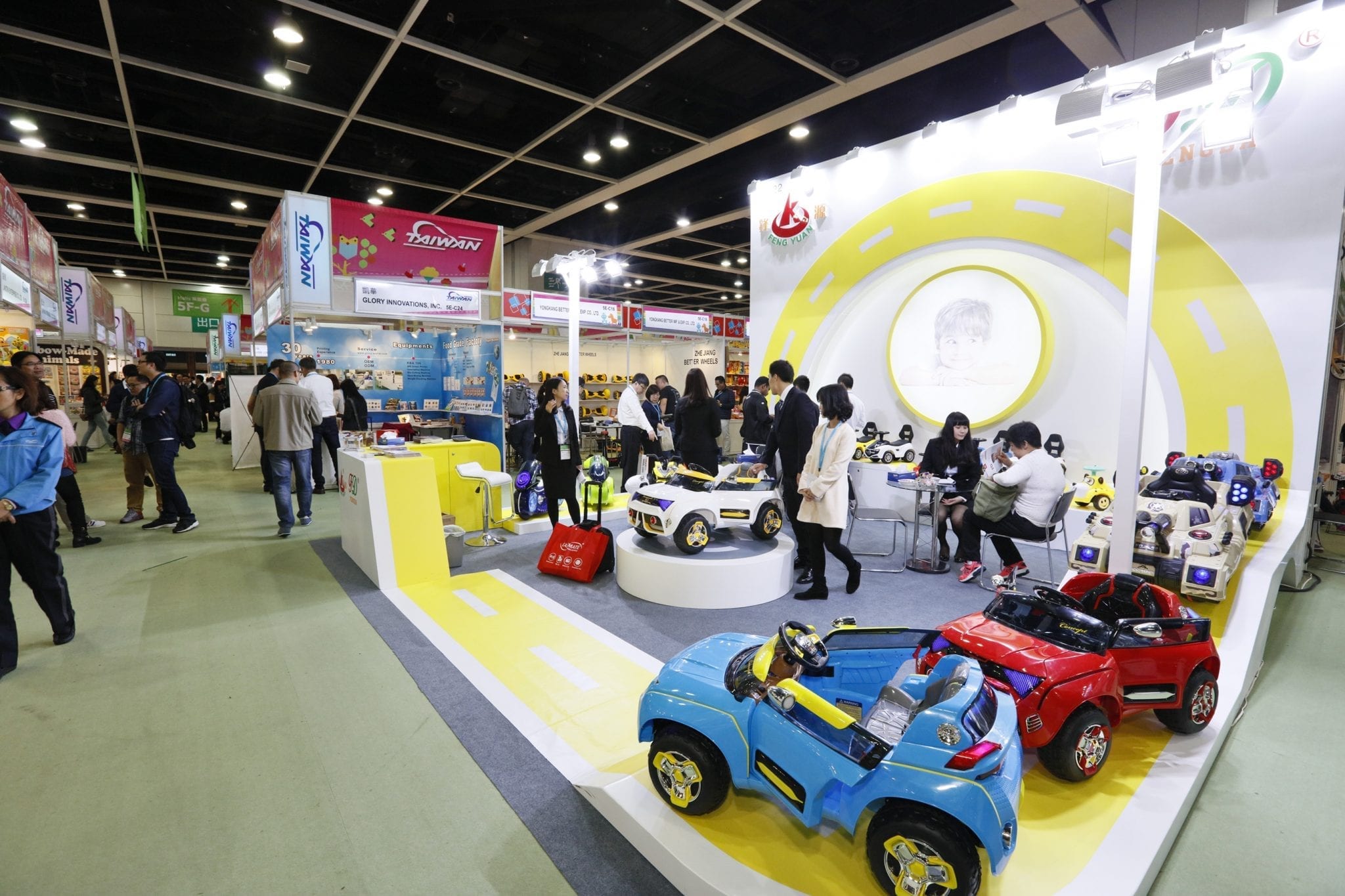
    The HKTDC Hong Kong Toys & Games Fair, HKTDC Hong Kong Baby Products Fair and the Hong Kong International Stationery Fair opened today at the Hong Kong Convention and Exhibition Centre (HKCEC). The four-day fairs will continue through 12 January and gather a total of more than 2,900 exhibitors from all over the world to showcase a wide range of innovative and smart products to global buyers.

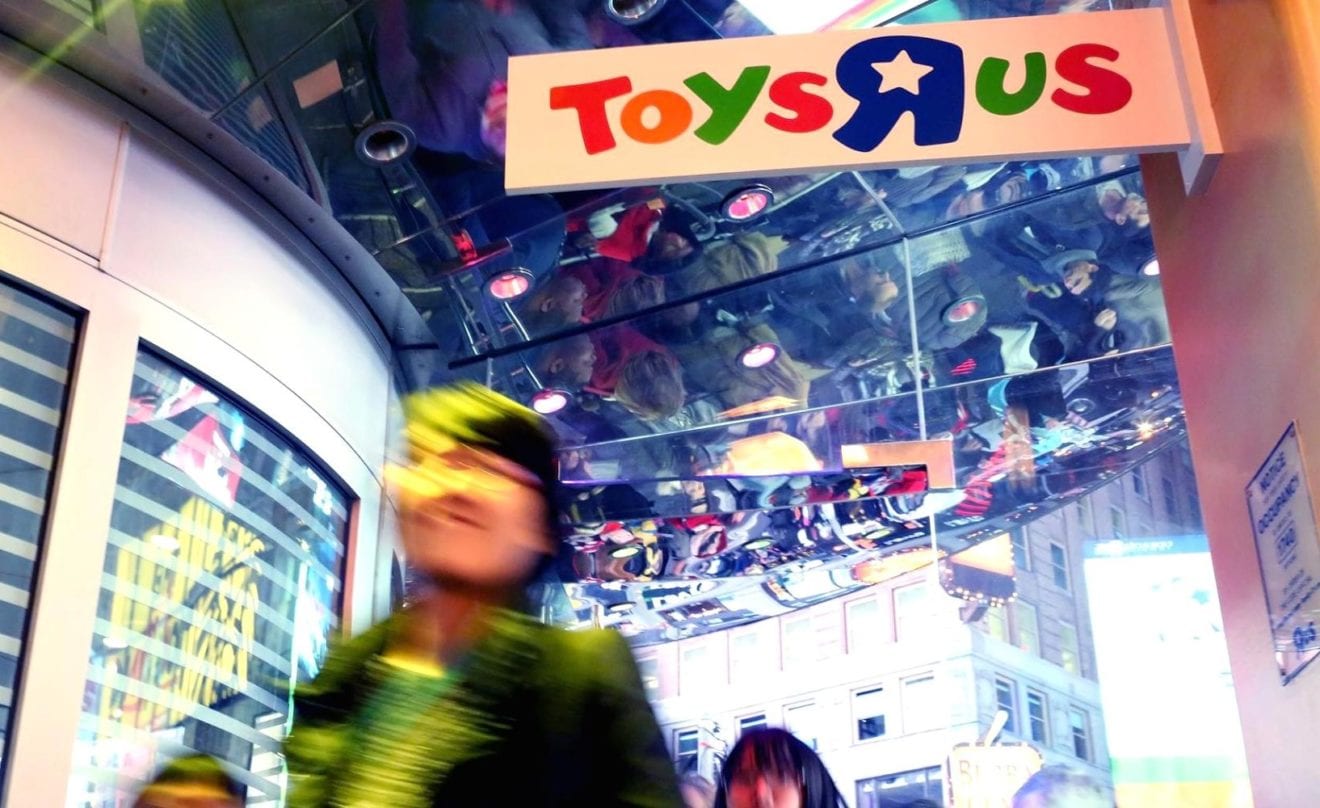
    The Hong Kong Trade Development Council (HKTDC) has organised close to 120 buying missions from 65 countries and regions, with some 9,000 buyers from around the world to visit and source at the three fairs. These include department stores, specialty stores and retail chains such as Toys”R”Us, Hamleys from the United Kingdom, Tomy Company Ltd. and Aeon Stores from Japan as well as Shinsegae Co. Ltd. from Korea. Besides, buyers representing e-tailers like JD.com, Suning Redbaby and beibei.com from the Chinese mainland and local enterprises including Watsons and Ocean Park offer ample business opportunities for the exhibitors. To facilitate different sourcing requirements, the fairs continue to feature the hktdc.com Small Orders zone with its Online Transaction Platform (https://smallorders.hktdc.com) and offer on-site business matching services.

    Benjamin Chau, Acting Executive Director, HKTDC, said: “The three fairs are presenting a comprehensive line-up of innovative products, including STEM toys that strengthen the learning of science, technology, engineering and mathematics for youngsters. Together with various licensed products, toys that incorporate Virtual Reality (VR) and Augmented Reality (AR) technologies, smart baby products as well as stationery items, the fairs will surely satisfy the sourcing needs of global buyers.”

    Asia’s largest toys & games fair features a record of 2,100+ exhibitors

    The 43rd edition of the HKTDC Hong Kong Toys & Games Fair features a record of more than 2,100 exhibitors from 42 countries and regions, forming the largest event of its kind in Asia, and the second-largest in the world. Among the many exhibitors are newcomers from Bangladesh, Bulgaria and Denmark.

    Six group pavilions from the Chinese mainland, Korea, Spain, Taiwan, the UK, together with the “World of Toys” pavilion featuring mainly European exhibitors, are mounted at the fair this year to present a wide variety of toys and games from around the world. Among them, the UK pavilion has doubled its exhibition space with 17 exhibitors, offering buyers more selections. The signature Brand Name Gallery gathers over 220 renowned brands from 15 countries and regions, such as 4M, Bburago, Eastcolight, Hape, VTech, as well as new exhibitors including the Japanese building block brand nanoblock.

    The Smart-Tech Toys zone showcases various toys and games applying innovative technologies, such as the increasingly popular AR and VR technologies and products operated via mobile apps. As the demand for STEM toys grows, a new STEM Toys Products Display is set up at the fair to help visitors check out the latest educational toys. Two new zones, Pet Toys and Fireworks, also debut at the fair. Pet Toys zone showcases toys and daily supplies for pets, while the Fireworks zone introduces display shells, firecrackers, toy fireworks as well as stage fireworks suitable for use in different events.

    Concurrent Baby Products Fair to maximise synergies

    Now in its eighth edition, the HKTDC Hong Kong Baby Products Fair hosts a record of about 540 exhibitors from 27 countries and regions, with first-time exhibitors from Qatar and Turkey. This year, the Korea pavilion gathers 32 exhibitors, an increase of more than 80 per cent compared with the last edition. Brand Name Gallery features close to 50 renowned brands from 14 countries and regions, including Biba, Evenflo, Joovy and Pali. Another fair highlight, Baby Tech zone, gathers 22 exhibitors of trendy products including those that incorporate high tech and smart home elements. Other special zones include Disposable Baby Products, Baby Learning Toys, Baby Food and Healthcare Products, Baby Bedding Items and Furniture, Baby Fashion Avenue, Baby Gift Sets and Souvenirs, Feeding, Nursing and Maternity Products, Nursery Electrical Appliances as well as Strollers and Gear.

    Diversified events to unveil industry trends

    A series of industry events are organised during the fair period. This year’s Hong Kong Toys Industry Conference (10 January) adopts the theme of “Grasp the Chance: What’s New in the Market and Our Industry?” to explore trends and opportunities in the global market and especially the Chinese mainland market. Seminars featuring industry experts include “STEM Toys – Next Big Wave” (9 January), “A Closer Look into the Key Influencers in Baby Product Trends” (9 January) and “The New Epoch of Virtual Toys” (10 January) to help the industry keep abreast of the latest trends.

    To provide more promotional channels and facilitate industry cooperation, a number of product demonstrations and launch pads, as well as buyer forums are organised. The Hong Kong Toys and Baby Products Awards 2017 Presentation Ceremony takes place this evening, followed by tomorrow’s winning products presentation. The Awards honour outstanding toys and baby products with exquisite designs, creativity and high quality, as well as promote the industry’s distinguished achievements. The winning products are on display at Hall 3F-G concourse during the fair period, promoting innovative designs to global buyers.

    International Stationery Fair brings in innovative items

    The 17th Hong Kong International Stationery Fair, jointly organised by the HKTDC and Messe Frankfurt (HK) Ltd., features five themed zones, including DIY Supplies, Gift Stationery, Kids & School, Pen & Paper and Smart Office. Over 250 exhibitors from 18 countries and regions are showcasing art supplies, kids’ stationery, school stationery supplies, paper products and printing, office supplies, DIY supplies, promotional stationery and more.

    The challenges and business opportunities of the stationery industry under the digital age are spotlighted at today’s seminar “Unfold Opportunities for Retail Digital Age” with representatives from DimBuy and Pinkoi sharing their insights. Another key seminar tomorrow, “A Glimpse into the Forthcoming Design Trend”, will analyse stationery design and market trends. Heavyweight speakers include the “Stationery King”, Masayuki Takabatake, the three-year winner of the Japanese variety show “TV Champion”; an expert from one of Japan’s biggest stationery brands KOKUYO; and a moderator from city’super.

    Joint Opening Ceremony with Licensing Show

    The HKTDC Hong Kong International Licensing Show (9-11 January) is taking place alongside the Toys & Games Fair, Baby Products Fair and International Stationery Fair, generating more cross-sector business opportunities. A joint opening ceremony for the Toys & Games Fair, Baby Products Fair and International Licensing Show was held this morning, officiated by the Honourable Gregory So, Secretary for Commerce and Economic Development, HKSAR Government; Li Jiangang, Deputy Director General, Department of Hong Kong, Macao and Taiwan Affairs, Ministry of Culture of the People’s Republic of China; Benjamin Chau, Acting Executive Director, HKTDC; Lawrence Chan, Chairman, HKTDC Toys Advisory Committee, and Tommy Li, Chairman, HKTDC Design, Marketing and Licensing Services Advisory Committee.
  • Tax changes lower Mainland cosmetics prices

    Tax changes lower Mainland cosmetics prices

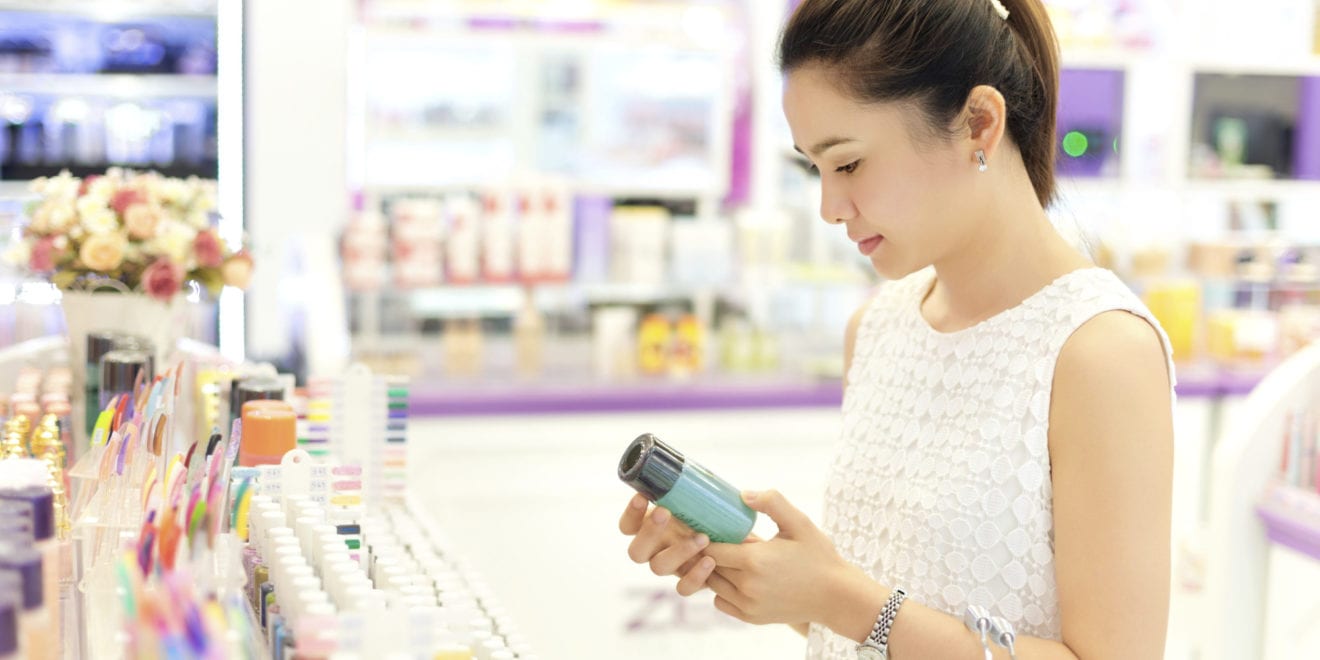
    China’s new import tax regime has enabled cosmetics giants AmorePacific and Estee Lauder to lower their prices in China by up to 30 per cent.

    AmorePacific’s China division says it will reduce Mainland cosmetics prices for 327 lines under the brands of Etude House, Innisfree, Laneige and Sulwhasoo by 3 to 30 per cent from January 15.

    US rival Estee Lauder has confirmed immediate price cuts for more than 300 lines in China, including its namesake label, Bobby Brown, Clinique, Jo Malone, and Mac by as much as 18 per cent.

    This follows Beijing’s move last year to slash its hefty duties on imported cosmetics in an effort to boost domestic consumption, according to AmorePacific, which has its headquarters in Seoul.

    “These global cosmetics names are now narrowing the price gap between China and overseas, and we believe more are probably about to follow suit,” says China Market Research Group director Ben Cavender, noting that with western brands becoming cheaper in the mainland, people may be discouraged from travelling to Hong Kong to make purchases.

    Imported cosmetics previously faced tariffs of 84 per cent, reflecting both import and point-of-sales taxes. The tariffs have now gone down to 29 per cent for most beauty products.
    Before the tariff reduction, many mainland consumers shopped via cross-border online marketplaces or while travelling abroad.

  • DFS opens Whiskey House at Hong Kong airport

    DFS opens Whiskey House at Hong Kong airport

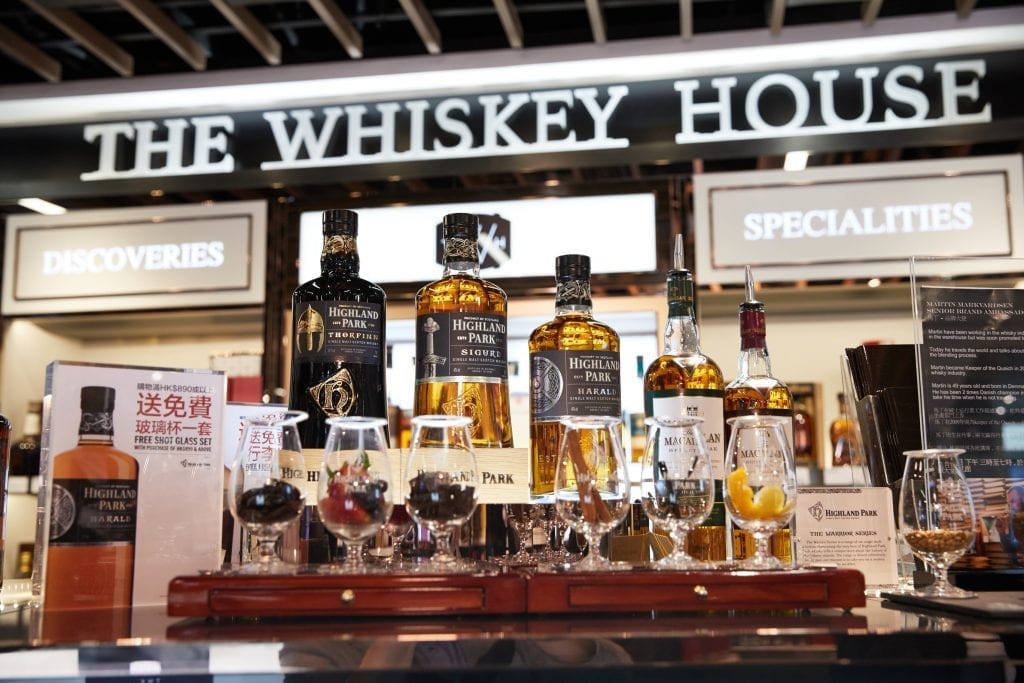
    Over 250 expressions from 50 international brands will be on offer for passengers travelling through Hong Kong’s airport, including the opportunity to sample more than 40 different whiskies every day.

    The Whiskey House has been created by DFS in partnership with William Grant & Sons, whose whisky brands include Balvenie, Tullamore Dew, Grant’s Glenfiddich and Monkey Shoulder as well as rum brand, Sailor Jerry and Hendrick’s gin.

    For whisky enthusiasts there’ll be blind tasting and tasting sessions every weekend from 4-7pm, as well as the chance to have 10% off every purchase when spirits are bought at departure and then collected at arrivals on the return leg of the trip.

    DFS already has its T Galleria retail stores across Hong Kong in Causeway Bay and Tsim Sha Tsui as well as its DFS store at Hong Kong airport.

    Brooke Supernaw, DFS group’s senior vice president of spirits, wine, tobacco, food and gifts, said, “DFS’ The Whiskey House is inspired by our customers and their love of discovery. At The Whiskey House, the discerning traveler can explore and indulge themselves in a world of whiskies from across the globe, enjoy tailored tastings and embark upon a unique travel experience from the moment they enter the airport.”

    Hong Kong has witnessed a boom in interest in whisky over recent years as more consumers explore different expressions and more brands have become available. MHD, LVMH, Edrington and William Grant remain as some of the biggest whisky distributors in Hong Kong, but a number of smaller, specialist ventures have appeared, such as single malt retailers, Caskells in Tsim Sha Tsui.

    Speaking to dbHK at the time of Caskells’ opening last year, owner John Rhodes said:

    “Although Hong Kong has a growing curiosity towards single malts – there is still a lot that can be done to inform people of the very wide scope of whisky there is not only in Scotch but worldwide.

    “Hong Kong – as with any market – is dominated by some big players with some excellent products but there are also a lot of smaller companies that have similar high quality products, and it is these that we want to bring to the general market.”

    The advent of the consumer-focused Whisky Festival and Malt Masters events in Hong Kong has also helped introduce the diversity of the whisky category to Hong Kong’s spirits lovers.

  • Hong Kong retail sales decline widens

    Hong Kong retail sales decline widens

    The decline in Hong Kong retail sales widened in November, although the market is still performing better than in the previous quarter.

    Official government data shows the value of sales in November 2016, provisionally estimated at HK$36 billion, decreased by 5.5 per cent compared with the same month in 2015.

    However, a government spokesman said that while Hong Kong retail sales saw a somewhat widened year-on-year decrease in November, the decline in sales in October and November combined was still smaller than during the third quarter.

    He attributed the trend to the impact of reduced tourist spending on some big-ticket items during the month.

    The revised estimate of the value of total retail sales in October 2016 decreased by 2.9 per cent year-on-year. For the first 11 months of 2016, it is provisionally estimated total retail sales decreased by 8.6 per cent year-on-year.

    After netting out the effect of price changes over the same period, November sales fell by 5.6 per cent. For the first 11 months of 2016, total retail sales decreased by 7.6 per cent in volume.

    As usual, watches and jewellery drove the value decline, falling 14.4 per cent year-on-year. Sales of electrical goods and cameras fell by 27.3 per cent (but account for a smaller share of the total retail market).

    Supermarket sales fell 1.1 per cent in value, medicines and cosmetics by 3 per cent, books, newspapers, stationery and gifts by 5.8 per cent and eyewear by 1.3 per cent.

    On the other hand, sales in department stores rose by 1.7 per cent, and apparel by 4.1 per cent. Food, alcoholic drinks and tobacco sales rose by 0.9 per cent, footwear and accessories by 1.5 per cent, furniture by 1.9 per cent and Chinese drugs and herbs by 2.7 per cent.

    Based on the seasonally adjusted series, the provisional estimates of the value and volume of total retail sales both increased by 4.7 per cent in the three months ending November 2016 over the preceding three-month period.

    The government spokesman said the future performance of Hong Kong retail sales will depend on whether inbound tourism improves “and whether the various external uncertainties would affect local consumer sentiment”.

  • Asia’s Largest Toys Fair to Open Next Week

    Asia’s Largest Toys Fair to Open Next Week

    The 43rd HKTDC Hong Kong Toys & Games Fair, the eighth HKTDC Hong Kong Baby Products Fair and the 17th Hong Kong International Stationery Fair are set to open at the Hong Kong Convention and Exhibition Centre (HKCEC) next week. Starting on 9 January and continuing through 12 January, the three fairs will feature more than 2,900 global exhibitors showcasing a dynamic range of innovative and high tech products.

    Hong Kong’s major export products, including toys, are still being affected by the lacklustre global economy. Speaking at today’s press conference, Benjamin Chau, Acting Executive Director, HKTDC, said that Hong Kong’s exports of toy products reached HK$33.8 billion in the first 11 months of 2016. He also noted that the toy industry is the only sector reporting a higher reading in the HKTDC Export Index for the fourth quarter of 2016, indicating growing confidence about the performance of toy exports in 2017. On the other hand, the Christmas sales performance recorded increases in major traditional markets such as the United States, the United Kingdom and Germany, as well as emerging markets including the Chinese mainland, Mexico, Chile, Hungary and the Czech Republic. Mr Chau added that under the mainland’s “Two-child Policy”, new opportunities are expected to emerge in the coming years for the toy and baby product markets on the mainland since the number of births is likely to rise considerably.

    “STEM toys – that strengthen the learning of science, technology, engineering and mathematics – as well as licensed products and toys applying virtual reality (VR) and augmented reality (AR) technologies are becoming more and more popular,” Mr Chau said. “Hong Kong companies can look into and explore these products.” He highlighted that the Hong Kong Toys & Games Fair gathers a wide range of products from around the globe. The hktdc.com Small Orders zone in the fair, along with the HKDC Small Orders Online Transaction Platform and business matching service offered by the HKTDC, will facilitate product sourcing and building business connections.

    Asia’s largest toys fair draws record exhibitors

    The HKTDC Hong Kong Toys & Games Fair will gather a record of more than 2,100 exhibitors from 42 countries and regions, with first-time participants from Bangladesh, Bulgaria and Denmark. The event is the largest of its kind in Asia and second-largest in the world.

    Five group pavilions will be featured in the fair this year, including the Chinese mainland, Korea, Spain, Taiwan and the UK, along with a “World of Toys” pavilion showcasing mainly European exhibitors and a global range of toy and game products. This year, the UK pavilion has doubled its exhibition space with 17 exhibitors, offering buyers more selections. The signature Brand Name Gallery will return with more than 220 renowned brands from 15 countries and regions. Among them will be 4M, Bburago, Eastcolight, Hape, VTech, as well as new exhibitors including Japanese building block brand nanoblock and Portuguese brand ELOU for educational toys made with cork.

    The acclaimed Smart-Tech Toys zone will feature a range of toys with innovative technology capabilities. Some of the exhibits have incorporated the increasingly popular AR and VR technologies in their designs, along with mobile apps to make products more interesting and interactive for users. To meet the growing demand for STEM toys in the market, a new STEM Toys Product Display area will be launched at the fair.

    Two new thematic zones, Pet Toys and Fireworks, will also be introduced this year. The Pet Toys zone will feature toys and daily supplies tailor-made for pets. The Fireworks zone will introduce festival fireworks, display shells, firecrackers as well as indoor and stage fireworks suitable for use in different events to industry buyers.

    One-stop sourcing at concurrent Baby Products and International Stationery fairs

    The HKTDC Hong Kong Baby Products Fair will be held alongside the Toys & Games Fair, featuring a record of close to 540 companies from 27 countries and regions, including first-time exhibitors from Qatar and Turkey. This year, the Korea pavilion will gather 32 exhibitors, an increase of more than 80 per cent compared with the last edition. Brand Name Gallery will feature close to 50 renowned quality brands from 14 countries and regions, while the Baby Tech zone, another highlight of the fair, will bring in 22 exhibitors to help visitors keep abreast of the high-tech product and smart living trends.

    The Hong Kong International Stationery Fair, jointly organised by the HKTDC and Messe Frankfurt (HK) Ltd, will feature over 250 exhibitors from 18 countries and regions, including new exhibitors from Bangladesh, Finland, India, the Netherlands and Spain. Exhibitors will showcase the latest art and craft supplies, back-to-school items, paper packaging and printing goods, office supplies and gift stationery.

    During the fair period, a series of industry events will be organised. The influential “Hong Kong Toys Industry Conference 2017” will be held on 10 January under the theme of “Grasp the Chance: What’s New in the Market and Our Industry?”. Experts will explore the trends and opportunities in the global market, especially those related to the Chinese mainland. Other seminars include “STEM Toys – Next Big Wave”, “The New Epoch of Virtual Toys”, and “A Closer Look into the Key Influencers in Baby Product Trends”. Masayuki Takabatake, the renowned “Stationery King” from Japan and a representative from one of Japan’s biggest stationery brands KOKUYO, will deliver a seminar on “A Glimpse into the Forthcoming Design Trend”.

    A number of product demonstrations and launch pads as well as buyer forums that explore opportunities in emerging markets and seminars analysing retail opportunities in the digital age will be organised during the fair. These events will enable industry players to exchange market information and keep abreast of the latest design and product trends.

    Another highlight will be the “Hong Kong Toys and Baby Products Awards 2017 Presentation Ceremony” to be held on the first day of the fair (9 January), with a winning products presentation taking place the following day. The award aims to uncover toy and baby products with unique designs, creativity and high quality, as well as to celebrate outstanding achievements in the industry. During the fair period, the winning products will be displayed at the Hall 3F-G Concourse.

    Held concurrently with the Toys & Games Fair, the Baby Products Fair and the Stationery Fair is the HKTDC Hong Kong International Licensing Show, which is the largest of its kind in Asia, and second-largest in the world. It will feature more than 370 exhibitors from 12 countries and regions and showcase over 900 brands and properties. The four parallel fairs will create abundant trading opportunities for crossover business activities among the participants from various sectors.

  • Tourism Lull Hits Hong Kong Jewelry Sales

    Tourism Lull Hits Hong Kong Jewelry Sales

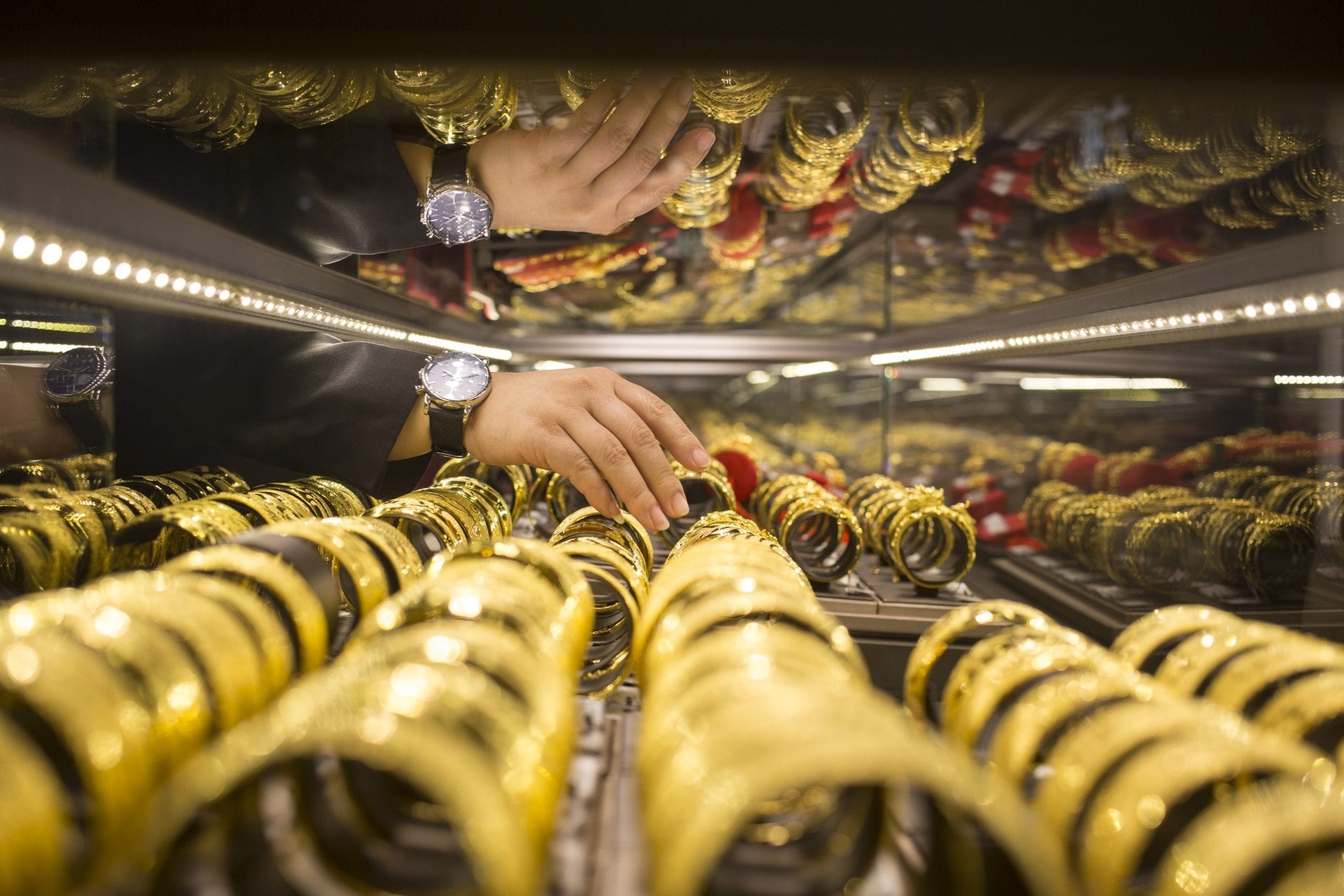
    Retail sales of jewelry and other luxury items in Hong Kong slumped in November as tourist arrivals continue to dwindle. Revenue from jewelry, watches, clocks and valuable gifts declined 14 percent to $731.6 million (5.67 billion) in November, according to provisional data from Hong Kong’s Census and Statistics Department. The number of tourists visiting Hong Kong fell 2 percent the same month, the Hong Kong Tourism Board reported.

    Hong Kong’s luxury retail sales suffered throughout most of last year as fewer tourists arrived. The data in October signaled a possible recovery as the growth in jewelry and luxury sales was flat from a year ago. However, the latest figures in November did not lend credence to any suggestion of an improvement, even as the drop in sales for that month was less steep than the 19 percent slump for the first 11 months combined.

    Overall retail sales slipped 5.5 percent, likely dragged down by lower tourist spending on select big-ticket items, a government spokesperson explained.

    “Looking ahead, the performance of retail sales will depend on whether inbound tourism will improve and whether the various external uncertainties will affect local consumer sentiment,” the spokesperson said.

  • Art work in Hong Kong malls

    Art work in Hong Kong malls

    The trend of hosting art shows in privately owned spaces with public access is catching on in HK. Is exhibiting in malls the future in a city where galleries are struggling to cope with depleting footfalls?

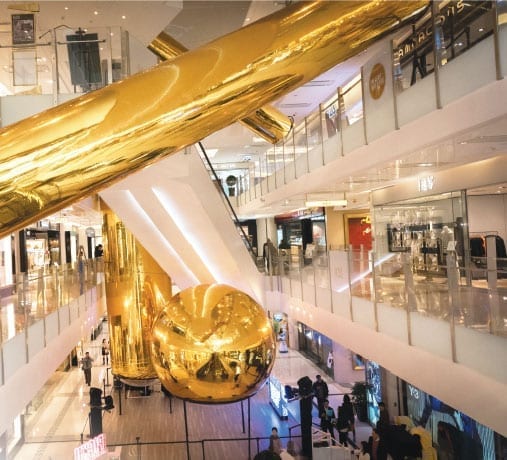
    Last April it was the giant balloons. This month it is mirrors and glass. Last time it was a 17.5-meter high installation by the architect James Shen, shooting up skyward from the base of K11 Atrium at Tsim Sha Tsui, reflecting and transmogrifying the never-ending stream of shoppers riding the escalators on its golden PVC coating. This time it is all about interiority.

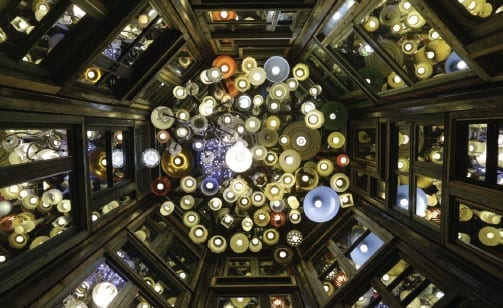
    Shen’s gleaming cylinders and spheres have given way to an octagonal tower made of recycled window panes and mirrors, created by Song Dong. The interiors of the glass capsule are awash with lights streaming down from a complicated chandelier overhead. Placed strategically, the mirrors throw infinite reflections of the light bulbs, near-obliterating the viewer standing inside, even as they accentuate and multiply the “glamorous emptiness” within.

    These two works of art, mounted in K11 Atrium within a few months of each other, explore how our perceptions of in and out might change without warning. In a way they also serve as a metaphor for privately owned public spaces, such as K11 is. Hong Kong’s only “art mall” was founded with a view to making art and commerce a simultaneous experience. Visitors to K11 are expected “to appreciate art while shopping”.

    When a primarily profit-driven, corporate-managed property gives up part of its space to exhibit art for free, the gesture is both radical and beautifully imaginative, much the same way as Shen’s giant balloon and Song’s bottomless glass “well” are in the way they resist the idea of the outside-inside binary as being absolute and irrefutable.

    Happily, K11 is not the only commercial enterprise in Hong Kong to put art under the same roof as retail trade. Hongkong Land hosts art shows periodically in its Rotunda at the Exchange Square and Landmark Atrium, where museum-worthy pieces by classic Western master painters, Peter Paul Rubens and Pierre-Auguste Renoir were on show alongside works by heavyweights of Chinese contemporary art, Luis Chan and Chu Teh-chun, in March. In July Pacific Place held an exhibition of Hong Kong landscapes by city artists to raise funds for a charity.

    The great leveler

    The day when a Zhang Xiaogang or a Liu Wei competes with Gucci bags and Louboutin heels for audience attention from the same store window may not be that far away. The sculptor Richard X. Zawitz, whose show Civilization and the Monkey concluded last month at the Rotunda in Exchange Square at Central, probably won’t mind such an eventuality. In March, Zawitz’s shiny, idiosyncratic metallic loops which playfully imitate the human form were part of a display showcasing pouch bags by JW Anderson at Colette in Paris. The Zen-inspired “tangles”, which is Zawitz’s trademark style, were replicated in the design of the bag handles.

    Zawitz seems unfazed by the fact that many in the audience came to check out the fashion accessory and got to see his sculptures by default.

    “What I like about exhibiting in malls is that there’re a lot of accidental discoveries by people perhaps less inclined to art,” says Zawitz. “Here you are reaching people who never go to museums, reaching a broader audience, bringing creativity to them.”

    He fondly recalls school children trooping down to his last show at the Exchange Square and how they made sketches of his sculptures, some of them scribbling “I love you, Richard” notes on the drawings. There was also a gentleman who walked up to the centerpiece, Zawitz’s abstract rendition of a tree. “He started praying to the tree, to the invisible energy it seemed to disseminate,” says Zawitz, still quite overwhelmed by the power of his own creation.

    It also felt like a vindication of his artistic goals. “I want my audience to engage with my art, look at it, feel it smell it. I very much create art hoping they would evoke passion in people and inspire.”

    The Rotunda seemed like a perfect fit, not only because “its 30-meter diameter and the amazing dome which reflects the positive energy from around the environment” matched Zawitz’s Zen-inspired sculptures in spirit, but also because of the amazing cross section of people it drew. There were bus drivers, Filipino maids, bank executives in business suits and high-profile art collectors.

    Piggybacking on luxury goods

    By hosting art shows in its various open-access private properties all the year round Hongkong Land continues to play a significant role in democratizing high culture. However, says Stefan Al, who teaches urban design at the University of Pennsylvania and edited Mall City: Hong Kong’s Dreamworlds of Consumption (HKU Press), the trend of “making elite art more accessible” is also “a sign of art being increasing commercialized”. “It’s a reflection of shrinking public budget for art and also of people’s growing taste for high-end products,” he adds.

    The existence of K11, founded with a view to marrying shopping with art appreciation, says Al, is “especially symptomatic in Hong Kong where culture has been so much underfunded and developing platforms to showcase art is so much more expensive”.

    It’s almost as if K11 materialized because of a gap created in the realm of conventional exhibition spaces. Tired of waiting for museums closed for long-term renovation work to reopen even as others take longer than anticipated to build, audiences are open to exploring alternative venues to see art. Malls seem like a natural choice in Hong Kong where people like the idea of getting more value for the money spent. Art resonates better with the affluent city-dweller when presented as part of a composite consumer experience, with dining, shopping and an afternoon at the spa thrown into the package.

    Expectedly, not everybody is happy to see art piggybacking on Luis Vuitton bags, especially when the two are thrown together arbitrarily. Critics of the consumerist impulse to appropriate art, says Al, “call it co-op art, referring to art placed in sites – malls, corporate office spaces and public plazas – with which they do not have a relationship.” Al’s personal view, however, is that “if it’s done well there is nothing wrong with having art in a mall. It provides opportunity for the artist to display and finance his work. It also is an opportunity for the public to see art.”

    At a time when gallery owners complain about spiraling rents and depleting footfalls, “shopping malls can make for a great, at least interim, solution to bring art to as many people as possible”, says Lee Ho-yin, director of architectural conservation programs at the University of Hong Kong. Even architecturally speaking, malls make for sensible, user-friendly choices, he says.

    “Modern high-end shopping malls have a huge atrium space with the flexibility of displaying art of different sizes, hung from the ceiling, free-standing on the ground or displayed on the wall,” explains Lee. “Also these are air-conditioned, comfortable for the visitor, have good security. Climate control guarantees a degree of protection against wear and tear and humidity.”

    But is there a chance the juxtaposition of art and merchandize might deflect attention towards the flashier one of the two? Could malls be the right space for a serious connoisseur of art?

    Lee doesn’t quite see a conflict of interest as “ultimately it is about drawing people to the shop fronts”. And neither does he anticipate malls turning into a gallery for mediocre art by pandering to popular tastes. “Commercial enterprises are profit-oriented. And to be able to make money out of a project, commercial players would want to bring in the very best,” says Lee. “Shopping and accessing art could be very compatible.

    Ground realities

    Interestingly, quite a few art projects mounted in K11 were a tongue-in-cheek comment on the idea of consumerism and its trappings. One of the most striking examples of using elements from pop art and kitsch to subversive effect was a series of photographs by the South Korean-born artist, Lee Jee-young, shown at K11 in 2014. Matchboxes, dices, Lego blocks and other tokens of a consumerist culture were magnified and photographed against closeted, distorted psychedelic backgrounds, showing the lone woman figure as cowering in their menacing presence. In one of the 18 images she is seen drowning in a vortex of hand-painted Chinese fans.

    The series was a dig at the way the goods of desire often take up more space in people’s lives than they had bargained for. Like Shen’s balloon sculpture and Song’s monument of mirrors, Lee tweaked elements borrowed from a consumerist culture and had the show in a space where consumerism thrives to underscore the irony.

    “Having pop art exhibited in a mall is sort of art coming full circle,” says Al.

    Zawitz and Lee won’t rule out malls devoting more spaces to art in the future, taking a share of the market that has conventionally belonged to art galleries and museums. Zawitz says such a trend would be particularly welcome in a city like Hong Kong since “there are hardly any galleries at the street level here because it’s so expensive”. Malls have a distinct advantage over galleries tucked away in the higher floors of industrial buildings, usually visited only by the invited aficionados on opening nights, he says, with less chances of attracting a potentially interested passer-by.

    Al, however, wouldn’t want to see the galleries in Central and Sheung Wan go, or, at any rate, lose their influence in the city’s art ecosystem if indeed malls ate into a chunk of their business. “Walking from gallery to gallery is an outdoor experience, whereas malls are introverted, insulated from the city.”

    He, for one, would miss the vibe an art gallery inspires in the street on which it is located if more of them shut shop and the art they dealt in ended up on a shopping mall display window.


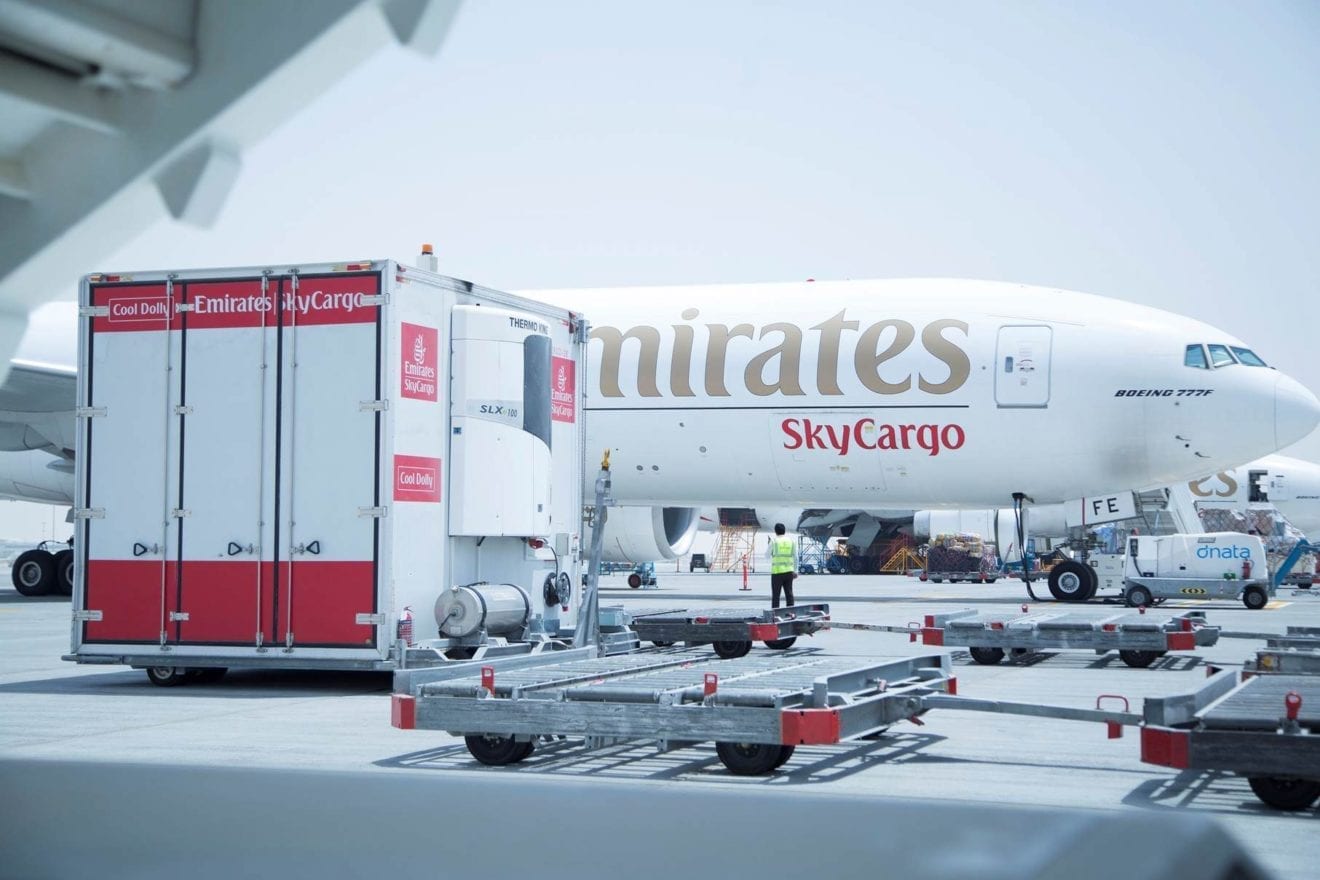
  • Emirates SkyCargo has appointed a new manager for Hong Kong

    Emirates SkyCargo has appointed a new manager for Hong Kong

    According to SkyCargo, Yiu has more than 20 years of experience in the logistics industry. He has worked for various global freight forwarders in Hong Kong and China, overseeing operations and capacity procurement.

    Yiu also has experience in contractual partnerships with offline and online carriers, developing multimodal solutions for major shippers.

    Hong Kong is SkyCargo’s largest operation in Asia, with 18 freighter flights per week.

    Emirates SkyCargo’s freighter fleet consists of two Boeing 747-400ERFs and 13 777Fs.

  • AHDB Reports Beefy Christmas in Hong Kong

    AHDB Reports Beefy Christmas in Hong Kong

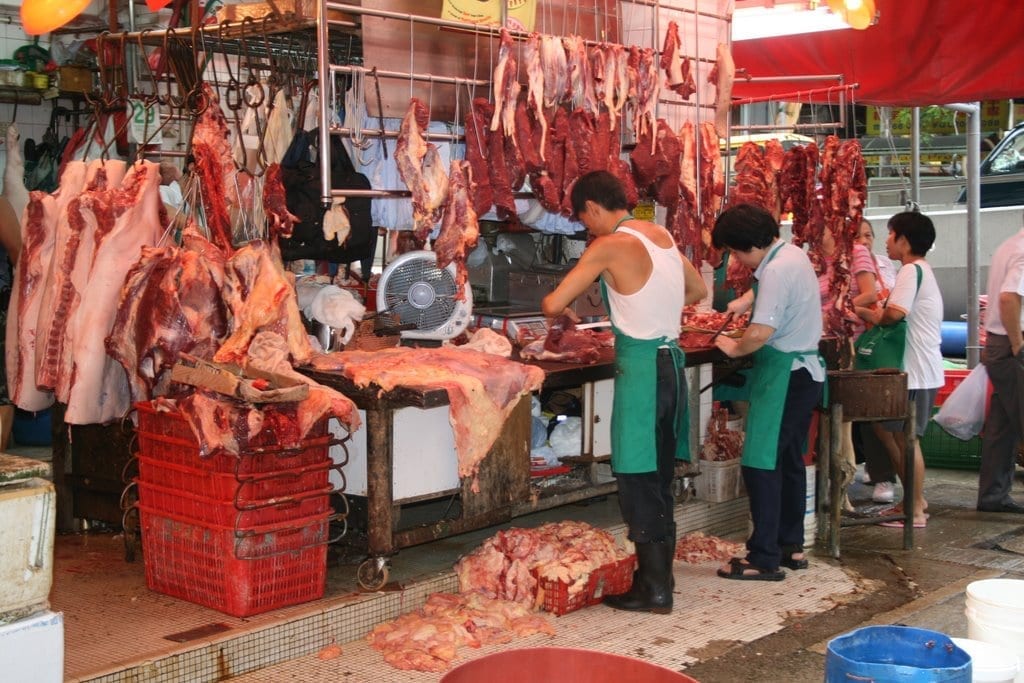
    The two pre-packed premium steak lines are listed in Park N Shop, Fusion, Taste and International stores in the territory and Macau and are available now. The launch is supported by publicity and PR.

    This launch comes after major successes for UK lamb, beef and pork products in 2016 with Hong Kong supermarket chains such as Welcome, Aeon and City Super. UK beef exports year to end of October are up 18 per cent in value, making the territory the largest destination for UK beef outside the EU.

    Jean-Pierre Garnier, the Head of Meat Exports for AHDB says: “We are delighted with the level of retail interest for our products. Hong Kong is a very competitive market for meat and, at the top end, congested with offer from all over the world.

    “Nonetheless, we offer a unique, grass-fed, tender and flavoursome product that is attracting a high premium against beef from other origins. The Hong Kong lamb market is smaller but we are leader at the top end of the market.

    “Premium pork, sausages and pork pies have also strong and growing sales. AHDB is consistently investing in promotion in Hong Kong. In 2017, we are planning a large presence at the Hofex and Restaurant & Bar food shows as well as food service and retail promotions.”

  • Why Dutch tailor Suitsupply thinks it can beat Hong Kong’s retail slump

    Why Dutch tailor Suitsupply thinks it can beat Hong Kong’s retail slump

    Retailers in Hong Kong’s Central business district have endured more bad news than good over the past year, but the area still has cachet with international brands looking to enter the Hong Kong market.

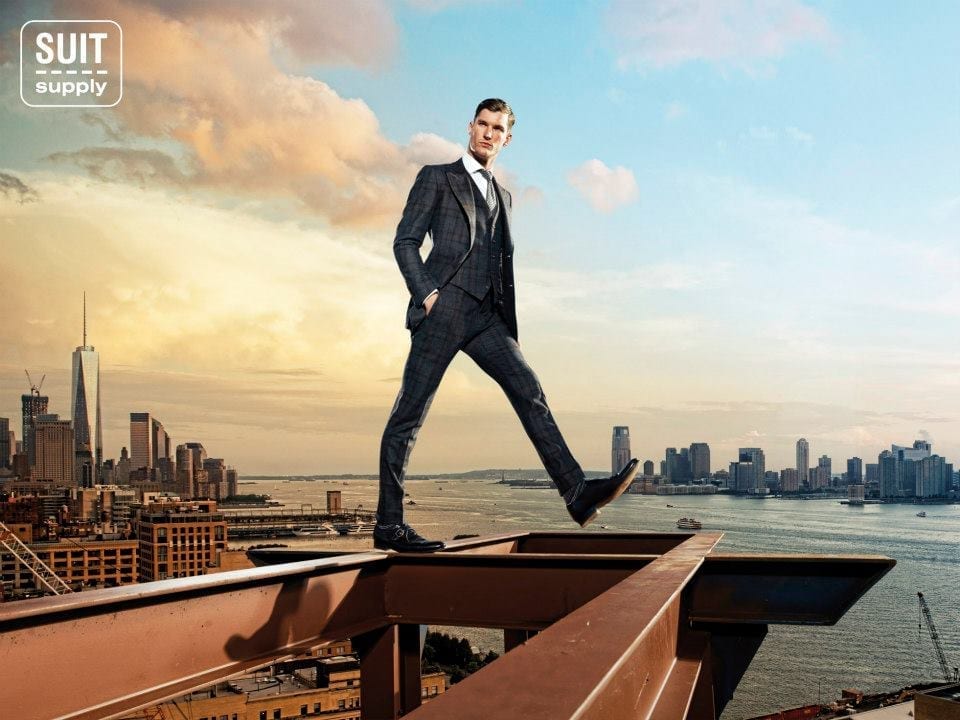
    In early December, Dutch tailor Suitsupply opened its first boutique in the city, taking a large space on Ice House Street. The move is a statement of confidence in Hong Kong retailing, according to the company’s founder and chief executive, Fokke De Jong.

    “We’ve looked at Hong Kong for a long time and we’re confident. Our online business here is very strong so that’s a good indicator,” he says.

    Suitsupply’s arrival is a stark counterpoint to the departure, actual or pending, of big fashion retailers from Central such as American giants Coach and Abercrombie & Fitch, the latter set to vacate its Pedder Building premises with their HK$7 million-a-month rent. Suitsupply’s Ice House Street location is impressively large at 6,700 sq ft, making it one of the biggest high-fashion store openings anywhere in Hong Kong in 2016.

    The store has a small ground-floor entrance but opens out into a sprawling first floor that features sections for bags, shoes, evening wear and made-to-measure tailoring. De Jong says locating the store away from street level and making it less obvious and visible is deliberate and part of its “location-based” strategy.

    “By that I mean we have huge stores in out-of-the-way places. People will go out and find us,” says De Jong. Some of these “crazy” locations De Jong mentions include lofts spaces, rooftops and even a full villa.

    Suitsupply, which eschews all traditional forms of glossy fashion advertising, relies instead on its retail experience, which is both old and very new. For example, De Jong says the brand has tailors at all the company’s stores, who can provide tailoring services within half an hour. He says that few other quality menswear brands offer such immediate service.

    As well as challenging the traditional tailors in the city and fast fashion retailers such as Zara and Massimo Dutti, Suitsupply is a direct challenge to higher-end luxury menswear brands with its accessible pricing – an alterable Italian-style grey wool suit can cost as little as HK$3,000, several thousand dollars less than some of the more stellar Italian and British menswear brands.

    “We bring quality, hand-crafted clothes and the best materials all for a more attainable price,” says De Jong of the brand’s appeal.

    How is Suitsupply able to provide such high quality at relatively low prices? De Jong says the key is the “vertical” nature of the company: “We design, manufacture and sell … everything is in our own hands.”

    Having out-of-the-way locations which cost less to rent and relying on social media instead of traditional advertising keep expenses down too, he adds.

    Suitsupply was established by De Jong in 2000, during his time at university, when he would travel to Italy buying up suits and then selling them on campus. De Jong became so successful at it, he quit his studies and began selling clothes full-time, although scaling up Suitsupply was fraught with challenges.

    “Nobody wanted to sell their fabrics to me at first,” says De Jong, who insisted on using the best Italian fabric mills for his suits. He says it took a great deal of time and effort to build relationships with Vitale Barberis Canonico and Reda, two of the more famed mills from the Biella region which supply the likes of Ermenegildo Zegna. Today, Suitsupply is one of the Biella region’s biggest customers and De Jong says his company has helped secure jobs in the area.

    Returning to the theme of opening in Hong Kong during a dip in retail fortunes, De Jong says Suitsupply has always taken a different path to traditional retailers. Though the Hong Kong store has only been open a short while, De Jong is confident Suitsupply’s offer will resonate with Hong Kong men.

    “We bring new energy to tailoring, we’re not pretentious or serious. We bring fun to menswear and make it less intimidating,” he says.

  • Hong Kong less of a paradise for shoppers from China

    Hong Kong less of a paradise for shoppers from China

    It used to be widely known as the Pearl of the East, a shopping paradise beckoning residents of China.

    But these days, Hong Kong has lost much of its lustre and is finding it harder to attract big spenders from China.

    Tourists from China spent an average of HK$7,105 (S$1,300) in Hong Kong in the first half of last year, down 15.8 per cent from the same period in 2015. This is also way below the corresponding figure for 2014 of more than HK$9,000.

    With three in four tourists to Hong Kong hailing from China, the decline in spending has hit Hong Kong’s retail sector badly.

    Last year, no fewer than four major luxury brands have shut at least one of their stores in Hong Kong. The latest is Prada, which closed its flagship boutique at Peninsula Hotel’s shopping arcade yesterday.

    $1,300

    Average amount tourists from China spent in Hong Kong in the first half of last year, down 15.8 per cent from the same period in 2015.

    35.4m

    Tourist arrivals to Hong Kong from China in the first 10 months of last year, down 8.2 per cent from the same period in 2015.

    The Italian fashion brand joined Ralph Lauren, Paul Smith and Tonino Lamborghini in having store closures in Hong Kong last year.

    Analysts expect more to follow. Some have already served notice of their plans to shut their stores.

    Abercrombie and Fitch will pull out of Hong Kong before the lease of its 25,600 sq ft store in Pedder Street expires in 2019. The United States fashion label suffered a 14 per cent year-on-year drop in sales from August to October last year. The company intends to open five stores in China by the end of this month.

    Another US fashion chain, Forever 21, has confirmed that it will shut its 51,188 sq ft store in Causeway Bay shopping district by August.

    Mr Pascal Martin, partner of OC&C Strategy Consultants, said: “Until recently, Hong Kong was a key part of a brand’s strategy to build brand equity with Chinese tourists in view of entering China.

    “This is still true to some extent, but now, brands rely more on building brand equity directly with Chinese visitors in their flagships in Europe and the US, as well as online, rather than in Hong Kong.”

    He added: “Most affluent Chinese tourists have now diversified their travel destinations beyond Hong Kong, to places such as Japan, Korea, Europe and the United States, where they also shop.”

    Hong Kong saw 35.4 million tourist arrivals from China for the first 10 months of last year, down 8.2 per cent from the same period in 2015.

    But things got better during the recent Christmas holiday period from Dec 23 to 26, as Chinese visitor numbers jumped 18 per cent year on year, and overall visitor numbers rose 13.8 per cent, South China Morning Post reported.

    But many tend not to spend much on shopping in Hong Kong.

    Cafe owner Lin Chang, 29, was among the Chinese tourists who visited Hong Kong over the Christmas period. Despite the attractive deals on offer, she did not buy a single item. “I plan to buy a designer handbag, but I want the novelty of getting it in Paris,” said Ms Lin, who spent only two days in Hong Kong before heading off to Paris for a week.

    The retail slump in Hong Kong may not spell bad news for all – the closure of some stores has allowed new players to take over shop space at lower rents, noted Mr Martin.

    Hong Kong still remains an attractive tourist destination, said executive director of the Travel Industry Council of Hong Kong Joseph Tung.

    Mr Tung said: “The latest statistics showed that the number of overseas visitors to Hong Kong has increased in recent months. It means that Hong Kong is still an attractive destination to tourists from other countries, not only mainland visitors.”

  • Hong Kong Shopping Festival 2017: Things You Need To Know

    Hong Kong Shopping Festival 2017: Things You Need To Know

    During July to August, Hong Kong conducts special events and stores have special sales for the festival. One can get quality products and prices. During this time, there will be more sales than usual. Many stores will be also open longer than usual. Major discounts will be made available. Customer service will also make available coupons for the sale.

    Hong Kong has always been considered as a world class shopping center. They have the highest in retail rental for stores. In 2015, the Global Shopper Index named Hong Kong as the best to place to shop in Asia. This is based on characteristics such as variety, price, ease of travel, enjoyment and entertainment.

    In fact, it was rated as substantially better than the next city in Asia. One can usually find bargains on most products better than elsewhere in Asia while at the same time enjoying the place. One will also find about the widest variety of products in Asia.

    Hong Kong can be quite warm in July and August, but this is no problem because all malls in Hong Kong have air conditioning. It is not recommended to go out too early the street markets because of the warm weather. It is better after sundown, then one can try the street food and eat outside when it is cooler. There are luxury malls, and there are middle priced malls. One can find some of Asia’s best restaurants in these malls, as rated by the Michelin Guide.

    Access to Central District is a breeze via the Star Ferry terminal in Central or the Central MTR station. On the island, there are also hiking areas, parks, natural parks and beaches, good free zoos, and the vast and renovated Ocean Park amusement park. Much of the island is covered by public forest land that makes the island scenery beautiful and that makes for good and safe natural hiking areas. From Chinese noodle restaurants to gourmet French and Cantonese restaurants in the Landmark or the IFC Towers, one has a wide range of places to eat in Central and Admiralty.

    If you venture out and around the Mong Kok area in Kowloon, there is the The Ladies Market, Fa Yuen Street, Tung Choi Street, Ladies Market’s Sai Yeung Choi Street, or Temple Street. For electronics, the latest is always available. You can get bargains on Chinese-made electronics. There is Golden Computer Center which is a large electronics market. For photography equipment, Stanley Street on Hong Kong Island and Sai Yeung Choi Street on the Kowloon side are where the professional photographers prefer to go for new lenses or cameras. The large Apple stores in Hong Kong sell the latest versions about 10 percent cheaper than in the mainland.

    For cosmetics, in the bigger shopping malls in Central in Hong Kong, you can find most brands of cosmetics. For outlet stores, Hong Kong has several outlet stores. One of them is Citygate that is conveniently located in Tung Chung on Lantau Island and is only 5 minutes from the airport.

  • Stores giant feels the pinch of retail woes

    Stores giant feels the pinch of retail woes

    CEC International Holdings (0759), which operates 759 Store outlets, recorded a net loss of HK$29.9 million for the six months to October, a reversal from the HK$8.1 million net profit that it made a year earlier.

    Loss per share was 4.49 HK cents in its fiscal first half against earnings per share of 1.21 HK cents a year earlier.

    Revenue fell 14.2 percent to HK$1.1 billion from HK$1.3 billion.

    The firm blamed the local market’s weakness, leading to a 13.3 percent decline in its retail business to HK$1 billion.

    It said total retail sales value in Hong Kong has declined for 20 consecutive months, but its retail business is still expanding, specifically the number of its retail stores and warehouses. Thus, revenue growth was below expectation and did not fully offset rising costs.

    CEC International said it incurred a foreign exchange loss of HK$22.3 million due to the yen’s appreciation against major currencies from the fourth quarter last year until the latest reporting period. In contrast, it made an exchange gain of HK$19.4 million in the same period last year.

    Chairman Lam Wai-chun said it will set “die-hard defense” as a target of its retail business in the second half.

    It will consider rent-to-sales- performance ratio and the reasonable distribution of location of its 70 to 80 branches, the leases of which are due to expire by the end of next year.

    CEC International said it expects to close down or revamp 13 branches in the second half. By October, it plans to open five new branches and merge two outlets.

    It will also terminate the lease of one of its major warehouses for retail logistics in 2017.

    It will either turn 759 Kawaii outlets for cosmetics and personal care products into 759 stores or close them.

  • Number of shoppers at Boxing Day sales down by 6.7%

    Number of shoppers at Boxing Day sales down by 6.7%

    The number of shoppers venturing out to the Boxing Day sales fell 6.7% on last year in another challenging period for struggling UK retailers, figures show.

    Hardware and technology stores particularly struggled, mainly because buyers do not need to inspect the products in person, according to the UK Retail Traffic Index figures published by Ipsos Retail Performance.

    However the leisure and health and beauty sectors bucked the trend with year-on-year growth in stores, and clothing and footwear shops only saw a relatively small drop in footfall of 3.2%.

    Ipsos said the build-up of store footfall in the run-in to Christmas was slow, and the last-minute rush to the shops was not as intense as retailers hoped for.

    But Tim Denison, director of retail intelligence at Ipsos Retail Performance, said: “Boxing Day remains a genuine and important event in the retail year.

    “Finite stockpiles mean that shoppers have to be quick off the mark to secure the best bargains, creating a thrill that is sufficient for many to brave queuing up before opening time.”

    Barclaycard had predicted almost a quarter of Britons (23%) would shop in the Boxing Day sales, down from 32% last year.

    The figures suggest the incentive to buy in the sales has weakened following widespread discounting, including Black Friday and Cyber Monday, that continued well into December.

    But post-Christmas shoppers were still predicted to go on a £3.85 billion bargain hunt on Boxing Day, spending £2.95 billion on the high street and £900 million online, according to VoucherCodes.co.uk and the Centre for Retail Research.

    The New West End Company was also expecting a bumper Boxing Day due to international shoppers, projecting a spend of £55 million.

    Myf Ryan, chief marketing officer at Westfield shopping centres, said Boxing Day sales continued to be an important date in the diary.

    The company said shoppers spent £500,000 every hour at its centres during the Christmas period, and there had been growth in visitors from Hong Kong and the US.

    Retail analysts ShopperTrak said Boxing Day footfall fell 14% year-on-year, and suggested this was due to Christmas falling on a Sunday, creating an extra bank holiday, as well as record levels of pre-Christmas discounting.

    ShopperTrak UK director Steve Richardson said: “While Boxing Day is usually a peak day for in-store traffic, this year footfall dropped by 14% year-on-year, as consumers made the most of having the extra bank holiday off.

    “There was also another dynamic impacting Boxing Day footfall, namely the unprecedented levels of extended pre-Christmas discounting by retailers, which may have resulted in sales ‘fatigue’ amongst shoppers.

    “While Boxing Day traditionally kicks off the January sales in earnest, with so much discounting throughout December, this year saw much less impetus on customers to take to the High Street on Boxing Day itself in order to bag a bargain.”

    Westfield centres saw shoppers queuing from 2am on Boxing Day, and more than 300,000 people had visited by the time stores closed, Ms Ryan said.

    A shopper from Hammersmith paid £75,000 for a new Bentley, making it the day’s biggest purchase.

    Other extravagant buys over the Christmas period included a £140,000 diamond ring and a £15,000 transaction by a Middle Eastern princess at Gucci.

    Ms Ryan said international numbers of shoppers had increased across Westfield’s centres.

    She said: “Tourist spend at Westfield London in November was up 14% year-on-year and luxury spend up 21%. The big international luxury spenders were China, up 44%, the US, up 99%, and Hong Kong, up 191%.

    “We expect to see high growth again during the busy Christmas and sales shopping period.”

  • Bape’s Baby Milo opens Japan, Hong Kong pop ups

    Bape’s Baby Milo opens Japan, Hong Kong pop ups

    Baby Milo has opened a pair of pop-up locations in Tokyo this week, as well as a Hong Kong location over the weekend.

    Parent brand A Bathing Bape has begun opening Baby Milo stores across Japan (Harajuku and Shibuya), Hong Kong and China this past weekend, signalling the Japanese novelty brand’s latest push into major Asian capitals.

    Baby Milo has purposefully built a fully interactive shopping experience, an extension of the ‘retailtainment’ phenomenon sweeping Asia this year.

    The Baby Milo label features plush animal characters centred on the namesake character Milo — a time-traveling monkey who loves to dance and eat bananas, and his friends Alii the Giraffe, Hippo, Baby Doppy, PD, Core the Koala and Elephant Eleph.

    Largely an accessories pop-up, key items on sale include key rings, bags, wallets, small goods, and other assorted accessories.

    The pop-up boutique will also offer up a bevy of soft goods and lifestyle items, alongside some limited-edition seasonal releases such as two Baby Milo Christmas snowglobes.

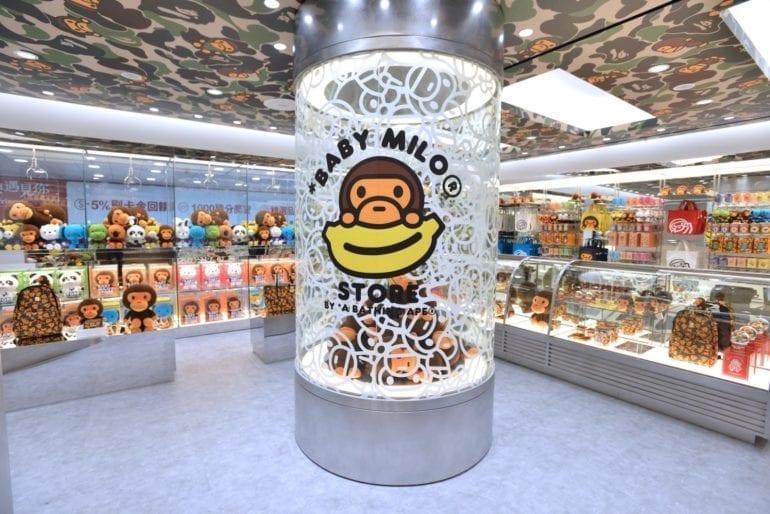
    The Hong Kong store is decked out with two giant claw arcade games at the entrance and iconic Bape camo, Ape heads and Baby Milos all over the ceiling.

    Baby Milo has stores located in New Town Plaza in Shatin, the I.T flagship store as well as Times Square located in Causeway Bay.