Tag: Hong Kong

  • Richemont sales woes prompt radical response

    Richemont sales woes prompt radical response

    With Chinese shoppers buying fewer watches, Richemont sales continue to slide, prompting the luxury brand owner to announce uncharacteristically radical moves.

    While continuing to cull its store network, Richemont has axed its CEO role, placing more accountability in the roles of its brand executives.

    Richemont, which counts luxury timepiece brands Vacheron Constantin and IWC in its 35-strong portfolio, says trends are improving in Mainland China, Hong Kong and Macau. But with more of its portfolio in watches than rival corporate fashion groups LVMH and Kering, it is more exposed to current market trends and less resilient. Richemont also owns Cartier, Chloe, Dunhill, Giampiero Bodino, Jaeger-LeCoultre, Lancel, Montblanc, Officine Panerai, Piaget, Peter Millar, Purdey, Roger Dubuis, Shanghai Tang and Van Cleef & Arpels.

    Profits fell 43 per cent (including exchange rate effect) to €798 million for the six months to September, and the company has expressed its concern at overcapacity in the Swiss watchmaking industry. A large factor in the poor result was the €249 million buy-back and destruction of excess products to reduce overcapacity in the distribution chain.

    Sales were down by 13 per cent to €5.1 billion, but significantly this was led by Japan and Europe, rather than Hong Kong and Macau as in past reporting periods. Mainland Chinese buyers still played their part in the decline, however: fewer are visiting Europe due to concerns over terrorism, and the depreciation of the yuan has impacted on spending in Japan.

    The company closed 25 shops globally during the first half and another 25 are scheduled for closure by December 31. It did not reveal the locations of these stores.

    The end of the CEO post coincides with the retirement of outgoing chief Richard Lepeu and finance director Gary Saage. The company’s founder, South African-born Johann Rupert, will remain in the role of executive chairman and will take over supervising a group of division directors.

    Richemont has a reputation for managing for the long-term and resisting the sort of knee-jerk reactions typical among listed companies ever-concerned about satisfying shareholders.  “The significance of such a dramatic break with the past can’t be overstated,” observed an analyst with Bloomberg.

    “They indicate that it doesn’t expect conditions to get any easier any time soon, so it needs a fresh approach. It just might work. And it’s not as radical an idea as it might seem,” wrote columnist Andrea Felsted.

    She suggests the company may need to fix or divest underperforming brands

    “It also needs to control the cost base by addressing headcount, which it has already started to do, and slimming the store estate. The danger is that the new management structure is cumbersome, lacking cohesion, and is ripe for internal power struggles. Rupert will remain the constant, and is likely to take greater control as a result of the radical revamp. He says his role is that of ‘an arbiter of egos, akin to a soccer manager’.”

  • HKTDC Optical Fair Opens with Record Exhibitors

    HKTDC Optical Fair Opens with Record Exhibitors

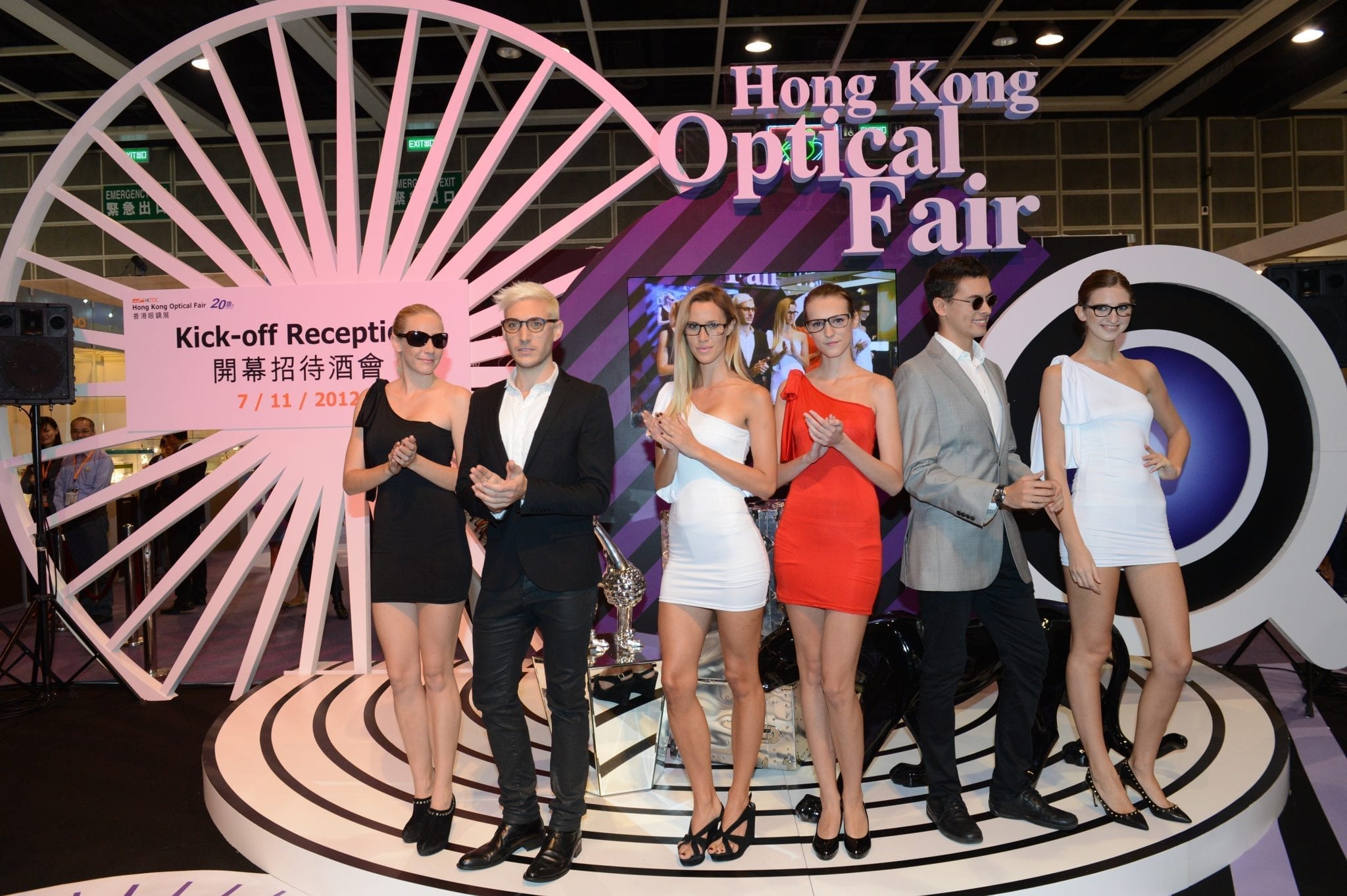
    The HKTDC Hong Kong Optical Fair 2016 started its three-day run (9-11 November) today at the Hong Kong Convention and Exhibition Centre. A record of more than 780 exhibitors from 29 countries and regions are taking part in the fair, including new exhibitors from Indonesia, Poland and South Africa, providing a comprehensive trading platform for the industry. The show, which is in its 24th edition, is organised by the Hong Kong Trade Development Council (HKTDC) and co-organised by the Hong Kong Optical Manufacturers Association (HKOMA).

    To create more business opportunities for the exhibitors, the HKTDC has organised 72 buying missions from 47 countries and regions, comprising more than 3,000 companies. Participants hail from both mature and emerging markets, including The Eyecare Company and George & Matilda Eyecare from Australia, V.P.I. Canada Ltd from Canada, EXTEL CZ s.r.o. from the Czech Republic, Oriental Vision and 5lux.com from the Chinese mainland, Inter House Co. Ltd. from Japan, Eyespec2U Optical Centre from Malaysia, Empreus International from the Philippines, and INDO Optical, S.L.U. from Spain.

    Eye care and high-tech eyewear

    In today’s digital era, people are frequently using digital devices and the blue light emitted from these screens can be harmful to eyes, especially for youngsters. Responding to consumer demand, the Optical Fair is featuring protective lenses, including SWISSCOAT’s lens with blue-light filter, which can minimise eye fatigue while enhancing visual clarity.

    High-tech solutions continue to be a highlight at this year’s fair. With 3D printing technology maturing, a number of eyewear brands are leveraging the technology to design and manufacture spectacle frames. These include renowned German brands ic! berlin and Morgenrot, which are creating sophisticated, refined designs using 3D printing technology.

    Augmented reality (AR) is also seen in the application of eyewear-related products. A Hong Kong company is presenting its Faceme AR Glasses that enable users to “try on” virtual glasses by simply looking at the screen. Meanwhile, Austrian brand Swarovski Optik has designed lightweight binoculars for outdoor enthusiasts. Users can connect a smartphone to the product to easily see and record images.

    Famous names galore at Brand Name Gallery

    This year’s Optical Fair has nine product zones featuring a medley of eyewear products. The Brand Name Gallery returns with more than 220 top brands, including CONVERSE, EVISU, JAEGER, Markus-t, Miga, MINIMA, MUZIK, MYKITA, QUIKSILVER, Roxy, Superdry and Tonysame. Local artiste Luisa Leitao is displaying her eponymous brand’s eyewear products while Korean brand Sodamon is featuring its sunglasses collection that won the Grand Prize of the Good Design Award in both Korea and Australia.

    Other highlights include:

    – BIG HORN (Booth: GH-F12) is showcasing its large, circular-rimmed frames that were inspired by the angels and owls of Greek mythology. The Chinese traditional graphic pattern on the lens and bridge is a mix of eastern and western cultures. The design won the International Design Award (IDA) 2015 in the United States.

    – Korean brand MUZIK (Booth: GH-E06) is releasing its latest IMAGINE collection, paying homage to the legendary musician John Lennon. The collection features circular rims and bold cuts on the upper part of the frame.

    – Well-known German brand KUBORAUM (Booth: GH-M04) is featuring its latest collection, The Ceremony Capsule. Designer Livio Graziottin has hand-painted different exotic floral patterns for these classy sunglasses. Only a few dozen pairs of each model are available.

    – Italian brand MODO (Booth: GH-K04) is famed for producing eco eyewear with recycled and bio-based material, innovatively combining green elements with fashionable eyewear designs. The brand has even developed a patented “dual hinge” design for lightweight frames. The brand also advocates donating unwanted eyewear and runs an environmental programme to plant a tree for every frame sold.

    A number of eyewear parades are being staged during the fair, with models showcasing the latest collections of trendy eyewear brands. The winning and finalist works of the 18th Hong Kong Eyewear Design Competition are also exhibited at Hall 1D, displaying Hong Kong’s design prowess to international buyers. Buyers can also cast their votes to select the winner of the Latest Look Award.

    Other product zones at the fair display the latest eyewear and equipment in different categories, including sporting & professional eyewear, kids’ eyewear, reading glasses, eyewear accessories and optometric instruments & machinery.

    Conference and seminars examine industry trends

    A number of seminars will be held during the Optical Fair to help industry professionals gather and exchange global market intelligence. GfK, the renowned German market research institute, returns to the fair to speak on topic “How the Global Optics Industry Reacts to the Economic Development and Its Latest Trend”. Buyer forum on business opportunities in emerging markets will also be held.

    Tomorrow (10 November), the 14th Hong Kong Optometric Conference features experts from Hong Kong, Australia, Canada and the US to discuss the Advancement in Ophthalmic Treatments. Speakers include Professor Larry Abel, Associate Professor, Department of Optometry & Vision Sciences, The University of Melbourne and Dr Geunyoung Yoon, Professor, Department of Ophthalmology, University of Rochester in the US. A variety of topics will be examined, including “Effect of Myopia Control Lenses”, “Recent Development in Refractive Surgeries” and “Impact of 3D Printing in Spectacle Frame Design”.

    Hong Kong is a key trading platform for the eyewear industry, and local manufacturers continually strive to improve the quality and design of products for export. In the first nine months of 2016, Hong Kong’s total exports of spectacles, lenses and frames exceeded HK$15 billion, up 37 per cent year-on-year. Hong Kong’s top export markets are the US, Italy and the Chinese mainland. Exports to ASEAN have shown strong growth this year. These figures indicate the vibrant momentum of the local eyewear industry.
  • SmarTone signs pre-5G partnership with Ericsson

    SmarTone signs pre-5G partnership with Ericsson

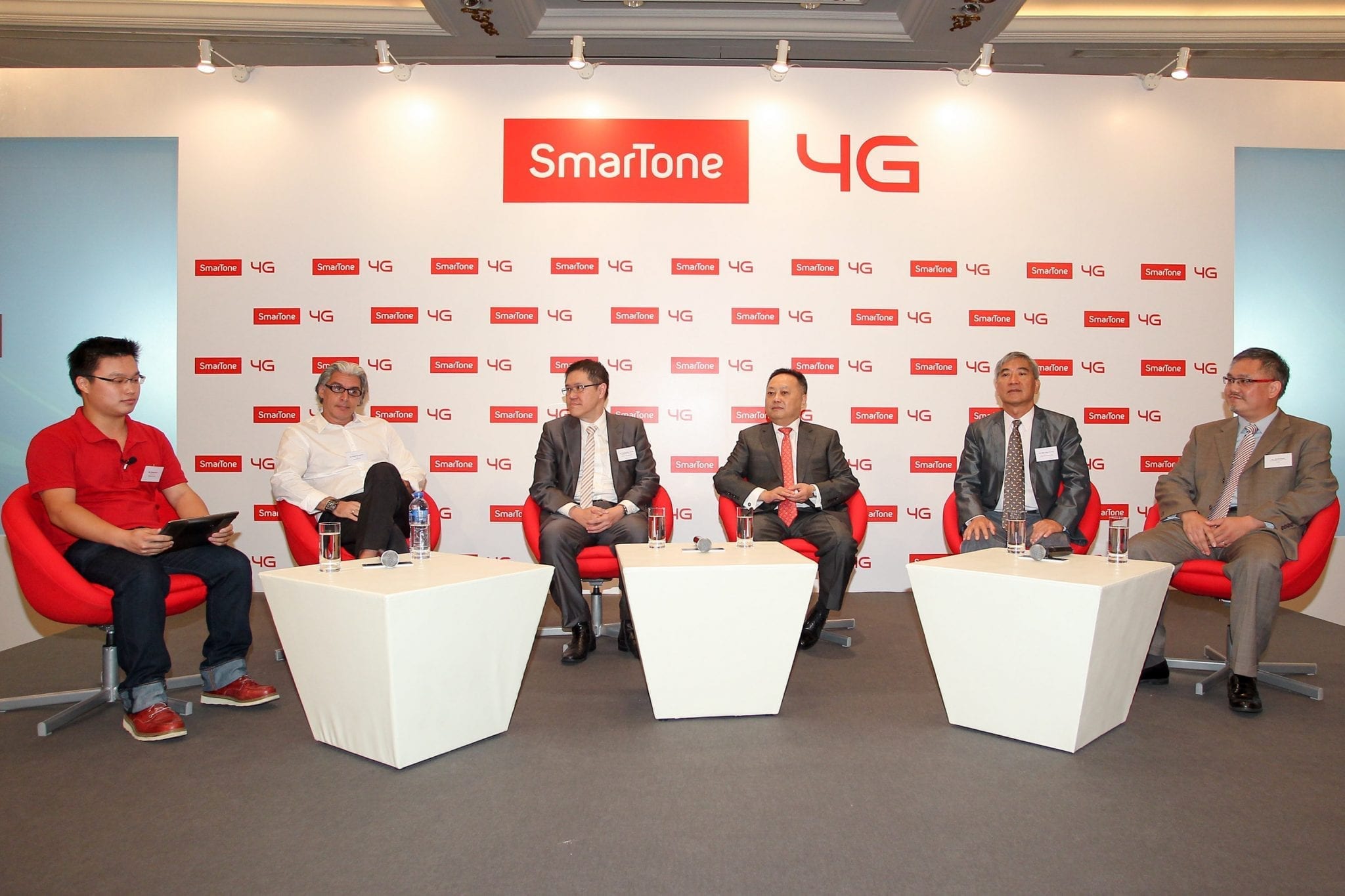
    Hong Kong’s SmarTone has contracted Ericsson as its sole supplier for core and RAN equipment over the next five years, as part of a partnership aimed at paving the way for 5G deployment.

    The companies plan to conduct early trials and pilot deployments of key pre-5G technologies from this quarter.

    Ericsson will help SmarTone upgrade and expand its network infrastructure and refarm more spectrum for LTE, and will deploy NFV and SDN technologies to improve network performance and efficiency.

    The companies have been working to introduce technologies including LTE-Advanced and LTE-Advanced Pro to the SmarTone network.

    “SmarTone is pleased to extend our strategic partnership with Ericsson to pave the way for 5G in Hong Kong,” SmarTone CTO Stephen Chau said.

    “[We] will continue to invest in spectrum and pre-5G technologies within the next few years to provide a superior customer experience and to evolve our network into an advanced, dynamic and cloud-based network architecture.”

    He said the deployment will help the company capture future business opportunities from new types of applications including VR and M2M applications such as the IoT.

    SmarTone was established in 1992 and publicly listed in 1996. The company provides voice, mobile and fixed broadband services in Hong Kong and Macau.

  • Two more stores for Brooks Brothers Hong Kong

    Two more stores for Brooks Brothers Hong Kong

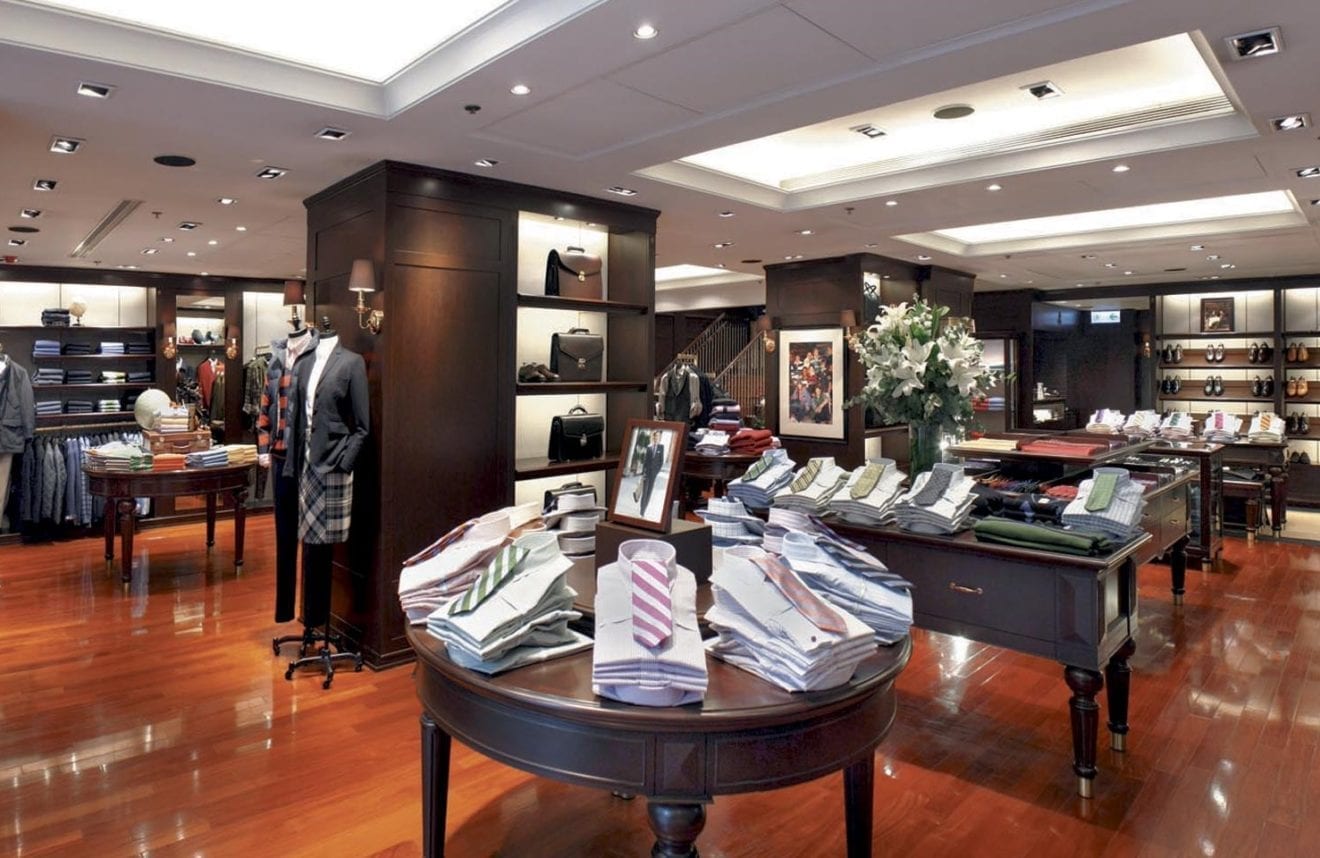
    US apparel brand Brooks Brothers has opened a flagship store at Gateway Harbour City in Tsim Sha Tsui, as well as a concept store at Times Square, Causeway Bay.

    Brooks Brothers is known for creating the button-down collar and seersucker suits, and its new boutiques showcase the same classic looks as featured at its first Hong Kong store at IFC Mall.

    Brooks Brothers opened its original store in New York in 1818.

  • HKBN expands OTT video tie-up with TVB

    HKBN expands OTT video tie-up with TVB

    HKBN has expanded its relationship with broadcaster TVB covering the delivery of TVB’s myTV SUPER set-top box service.

    The operator has ordered an additional 450,000 set top boxes from TVB to meet customer demand, and has raised its target for the number of set-top boxes to be installed by the end of 2019 to 850,000.

    HKBN first launched myTV SUPER set-top boxes for its residential broadband customers in April, and has so far signed up 250,000 customers to the service. Adoption has been faster than expected – HKBN had an initial sales target of 400,000 set-top boxes within the first 18 months.

    The expanded agreement also covers collaboration on market opportunities outside of Hong Kong, using TVB’s new OTT service TVB Anywhere. The service will allow users to buy VOD titles as a gift and send them to recipients around the world.

    HKBN is also using its expertise to introduce TVB to overseas operator partners. The first phase of the international expansion is commencing in Canada.

    “Throughout the past seven months, the launch of our broadband and myTV SUPER service bundles has been extremely successful. Mindful of this, we’re determined to step up our strategic cooperation,” HKBN CEO William Yeung said.

    “Not only will we continue to bring amazing entertainment content to the homes and mobile devices of HKBN customers in Hong Kong, but we will also extend our partnership to the overseas markets, creating a stronger alliance so that more customers can benefit.”

  • Boom quarter for Alibaba Group

    Boom quarter for Alibaba Group

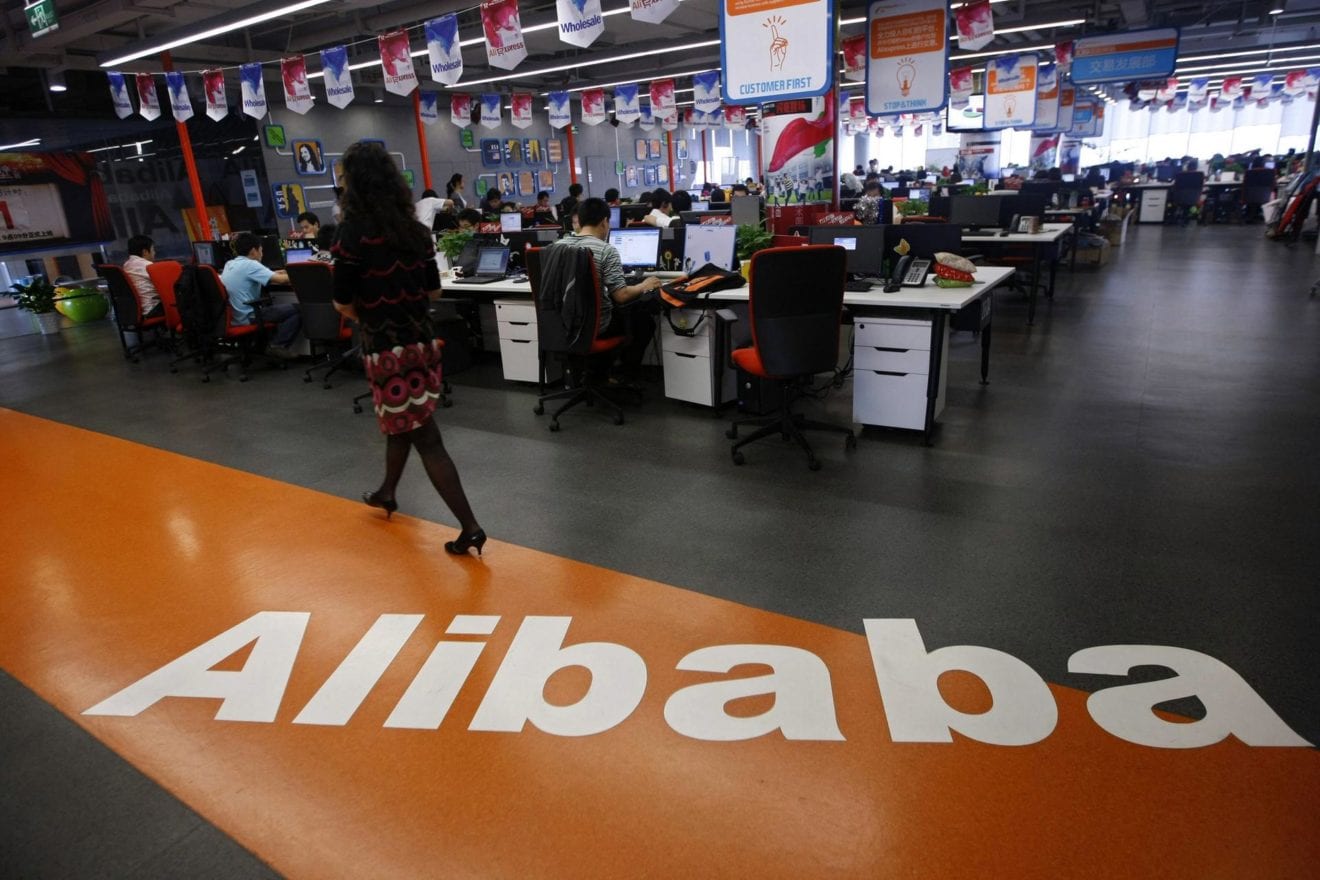
    While China’s economy goes through a sluggish patch, internet shopping mall giant Alibaba Group has announced a sparkling quarter in which profit beat expectations, its fledgling cloud computing business more than doubled sales, and its entertainment income quadrupled.

    “Our results reflect our increasing ability to monetise our 450 million mobile users through new and innovative social commerce experiences,” says CEO Daniel Zhang.

    “Beyond the strong performance of our core commerce business, we are pleased with the continued rapid growth of our cloud computing business. We also see huge potential in our newly integrated digital media and entertainment unit. By combining engaging online experiences with highly relevant content, we delivered impressive financial and operational results for the quarter. ”

    CFO Maggie Wu says the group had robust revenue growth of 55 per for the quarter ended September 30.

    “Our highly profitable and cashflow-generative core commerce business enables us to invest in our future growth areas of cloud computing, digital media, and entertainment and innovation initiatives. We expect each of these businesses to drive long-term value for both our customers and shareholders.”

    At RMB34.292 billion (US$5.142 billion), revenue increased 55 per cent year-over-year, the star sector being digital media and entertainment, which ballooned 302 per cent to RMB3.608 billion. There was also an impressive 130 per cent growth in revenue from cloud computing to RMB1.493 billion, while revenue from innovation and other sources grew 78 per cent to  RMB698 million, and revenue from core commerce rose 41 per cent to RMB28.493 billion.

    Up 23 million

    Mobile monthly active users (MAUs) on its China retail marketplaces reached 450 million in September, an increase of 23 million over June, while annual active buyers reached 439 million, an increase of 5 million from the 12-month period ended in June.

    Customers for its cloud computing business grew to 651,000 from 577,000 in the previous quarter. The operating loss from cloud computing was RMB398 million for the quarter, and adjusted EBITA loss narrowed from RMB158 million in the previous quarter to RMB57 million.

    Alibaba says its Taobao app continues to be the leading social-commerce platform, serving creative content, social-engagement opportunities and personalised shopping recommendations. Livestreamed demonstrations for fashion apparel, cosmetics, maternity/baby products, sports and activewear generated millions of daily views.

    The company says it also achieved high social engagement on the mobile Taobao platform, citing more than 6 million app users sharing their shopping experience with friends each day.

    “We continue to see strength in the consumer electronics category, with robust growth in smartphones and large appliances,” says Alibaba. “In September, Apple recognised our branding reach and distribution capability by appointing Tmall the third-party online platform for the simultaneous launch of the iPhone 7 with Apple in China.”

    In the large appliance category, Alibaba is continuing to work with Haier’s logistics subsidiary RRS, with orders from its marketplaces handled by RRS growing by more than 82 per cent for the quarter.

    Triple digits

    Alibaba has also continued to make strong progress in the FMCG category, with personal care, food, and mother and baby being among the top growth categories. Its Tmall Supermarket has seen its volumes grow by triple digits year-on-year.

    “Multinational FMCG brands are working with us as the partner of choice, not only to drive their transaction volume, but also in the areas of brand building, channel expansion and product launches to grow their presence in China.”

    During the year Alibaba launched innovations around livestreaming, AR and VR to drive consumer engagement. Examples include a livestreamed “See now, buy now” fashion show watched by 7 million viewers on Taobao, Tmall and the Tudou and Youku apps. Alibaba also integrated the omni-channel shopping experience at more than 60,000 offline storefronts, including Gap, Uniqlo and Intime department store.

    A pilot program has been introduced to help global merchants sell beyond China. Hong Kong and Taiwan are the first markets outside the mainland.

    Alibaba Cloud hosts and provides security products and services for more than 35 per cent of China’s websites, says the company.

  • Japan Food Holding trims offshore outlets

    Japan Food Holding trims offshore outlets

    Singapore-based Japanese restaurant chain Japan Food Holding achieved 10.8 per cent growth in net profit for the six months to September 30.

    This took its net profit to S$2.7 million (US$1.95 million) on the back of a 5.5 per cent increase in revenue to S$33.5 million.

    At the end of the period it had 51 outlets, up six from the same time a year ago.

    On a quarterly basis, the group maintained its net profit at about $1.4 million, while its revenue eased up by 4.7 per cent to $16.6 million.

    Japan Foods says its improved performance was driven mainly by it having more restaurants, with encouraging performances from its new brands including Dutch Baby Cafe, Ginza Kushi-Katsu and New ManLee Bak Kut Teh. There was also a higher gross profit margin for the second quarter, up from 84.3 per cent last year to 85.1 per cent, thanks to constant cost-management efforts such as bulk purchasing and product pricing.

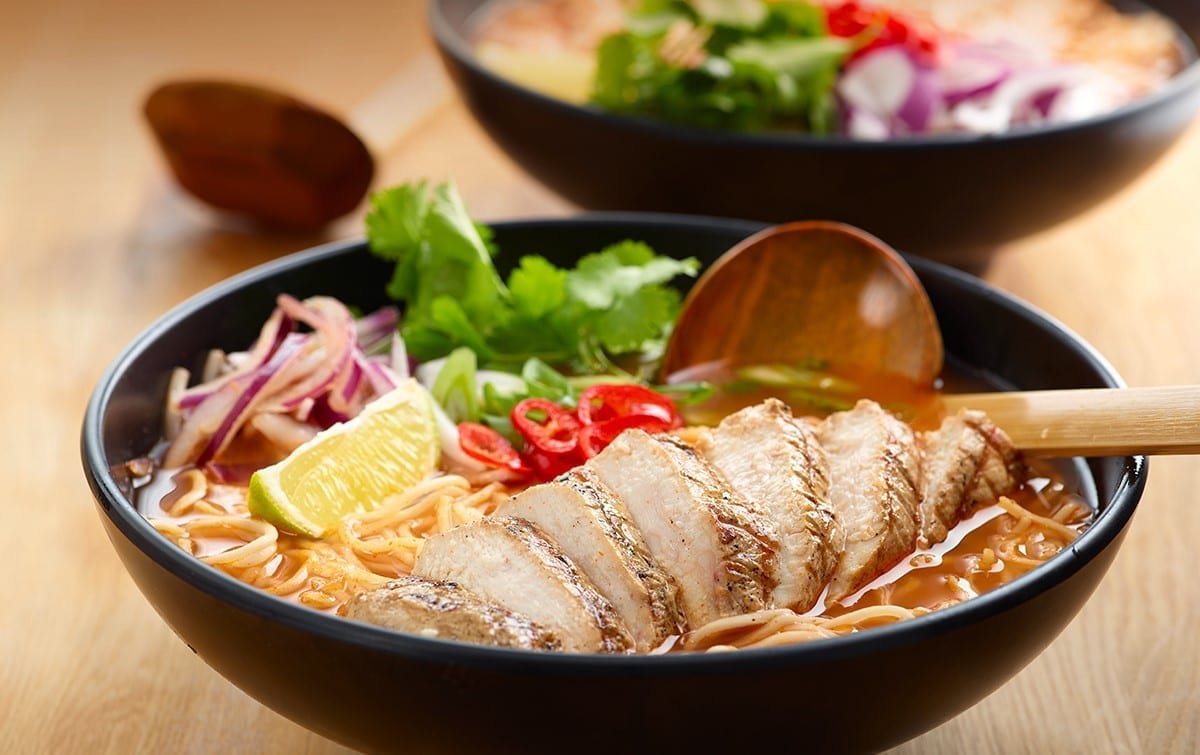
    Outside Singapore, the group’s network dropped to 19 restaurants from 24 with the closure of three Ajisen Ramen restaurants in Malaysia and Vietnam. In Hong Kong, the group’s associated companies closed two Menya Musashi restaurants when their leases expired.

    Takahashi says the coming 12 months are expected to remain challenging in Singapore because of intense competition, tight labour supply, rising business costs and the uncertain economic outlook.

    Executive chairman/CEO Takahashi Kenichi says that consumer sentiment turning “bearish” because of recession fears has been tough on F&B businesses. “However, I believe we are offering good-quality food at reasonable price points, and this has enabled us to continue attracting diners.”

    Despite the solid overall result, the group’s flagship brand and main revenue generator, Ajisen Ramen, as well as its Keika Ramen brand, had a fall in revenue from $6.9 million in last year’s second quarter to $6.5 million for the latest period. This was a result of two Singapore restaurants – at Compass Point and Tiong Bahru Plaza – having to close for mall renovation works.

  • Hong Kong retail sales decline lessening

    Hong Kong retail sales decline lessening

    The heavy rate of decline in Hong Kong retail sales may be over, with September figures showing a relatively small contraction.

    According to data released by the Census and Statistics Department (C&SD), the value retail sales in September, provisionally estimated at $33.8 billion, decreased by 4.1 per cent with the same month last year.

    That compares very favourably with a year-to-date figure of 9.6 per cent and August’s revised figure of 10.5 per cent. However, it should be noted, these declines are measured against a low base as 12 months ago the city’s major retail decline was well underway.

    “Retail sales showed a visibly narrower year-on-year decline in September, conceivably due partly to a reduced drag from the smaller decline in visitor arrivals in that month and partly to some improvement in consumer sentiment amid a somewhat more stable external environment,” said a government spokesperson.

    “Looking ahead, the near-term outlook for retail sales is still subject to uncertainty, depending on the performance of inbound tourism as well as the extent to which local consumer sentiment will be affected by various external uncertainties.”

    After netting out the effect of price changes over the same period, the provisional estimate of the volume of total retail sales in September 2016 decreased by 3.9 per cent compared with a year earlier.

    For the first time in more than a year, luxury goods did not show the greatest decline. The worst-performing category in September was electrical goods and photographic equipment down 12.8 per cent, with jewellery, watches and valuable gifts down 12.3 per cent. Department store sales slipped 2.4 per cent.

    Apparel sales actually rose by 1.8 per cent, and optical retailers experienced 1.7 per cent growth.

    There were negligible changes in any other category.

  • Siam Makro buys four food companies

    Siam Makro buys four food companies

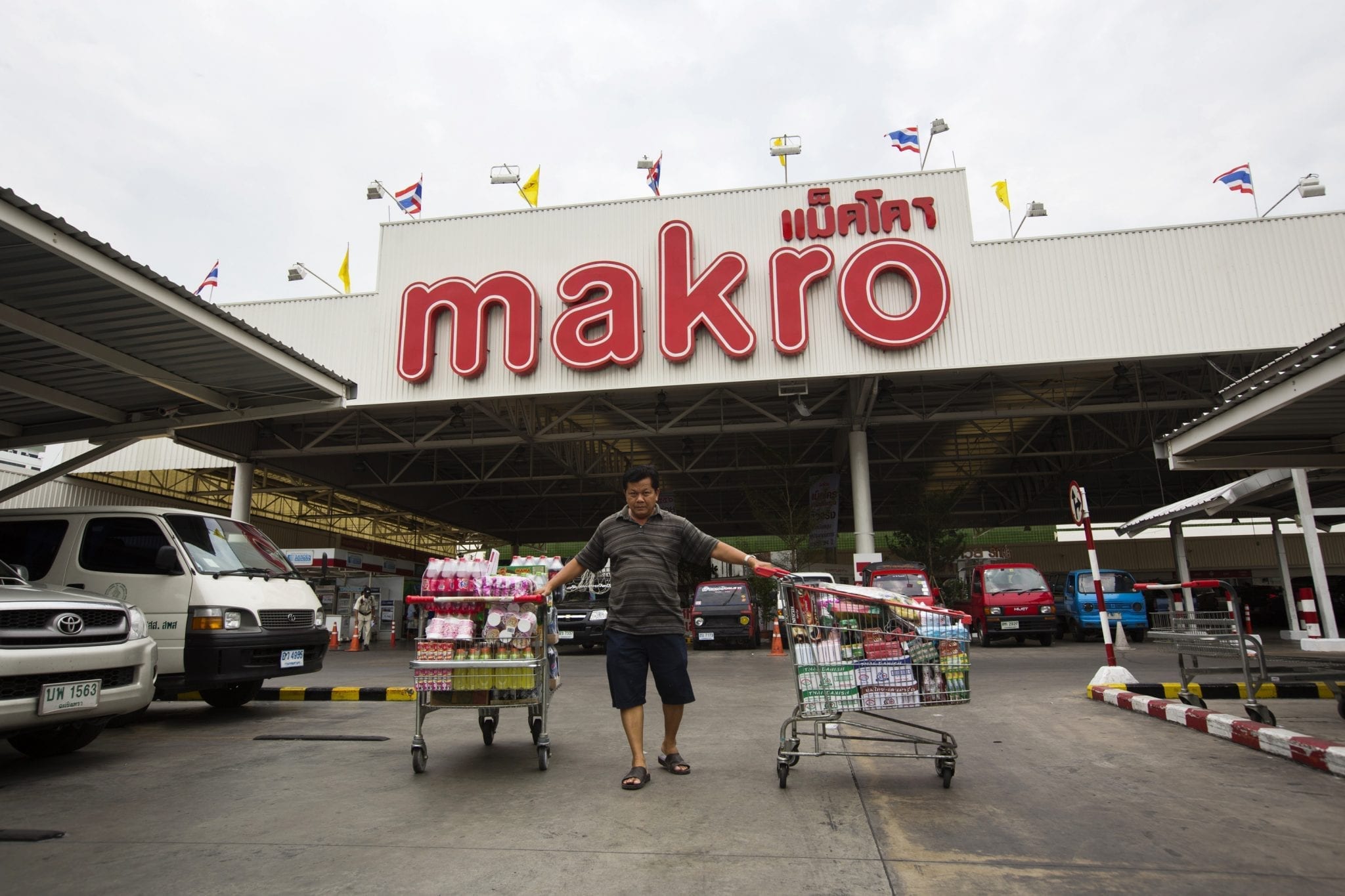
    Siam Makro, which runs the Makro cash-and-carry store chain, has clinched a 3-billion-baht (US$85.75 million) deal to acquire four food companies.

    Through its wholly owned subsidiary Siam Food Services, Siam Makro has entered into an agreement to acquire an 80 per cent stake in each of Indoguna (Singapore), a listed firm on the Singapore Exchange, Indoguna Dubai, Lordly and Just Meat. Indoguna is listed on the Singapore exchange, while Lordly and Just Meat are Hong Kong listed.

    The funds will come from Siam Makro’s cash flow and bank loans.

    Siam Makro’s major shareholder, Charoen Pokphand Group (CP), has its strength in the food and agricultural businesses. CP acquired a 64 per cent stake in the cash-and-carry chain from the Dutch trading company SHV Holdings for $6.6 billion in 2013.

    Siam Makro has partnered with with local companies to take its Makro cash-and-carry chain to Cambodia. The JV is 70 per cent owned by Makro ROH, a wholly owned subsidiary of Siam Makro, and the balance by Cambodian investors, with $2 million in initial registered capital.

    Siam Makro plans to open 10 stores in Thailand this year, bringing its total outlets to 108 nationwide. During the first half, Siam Makro posted a net profit of 2.38 billion baht on revenue totalling 85.7 billion.

  • Hermes results show luxury rebound

    Hermes results show luxury rebound

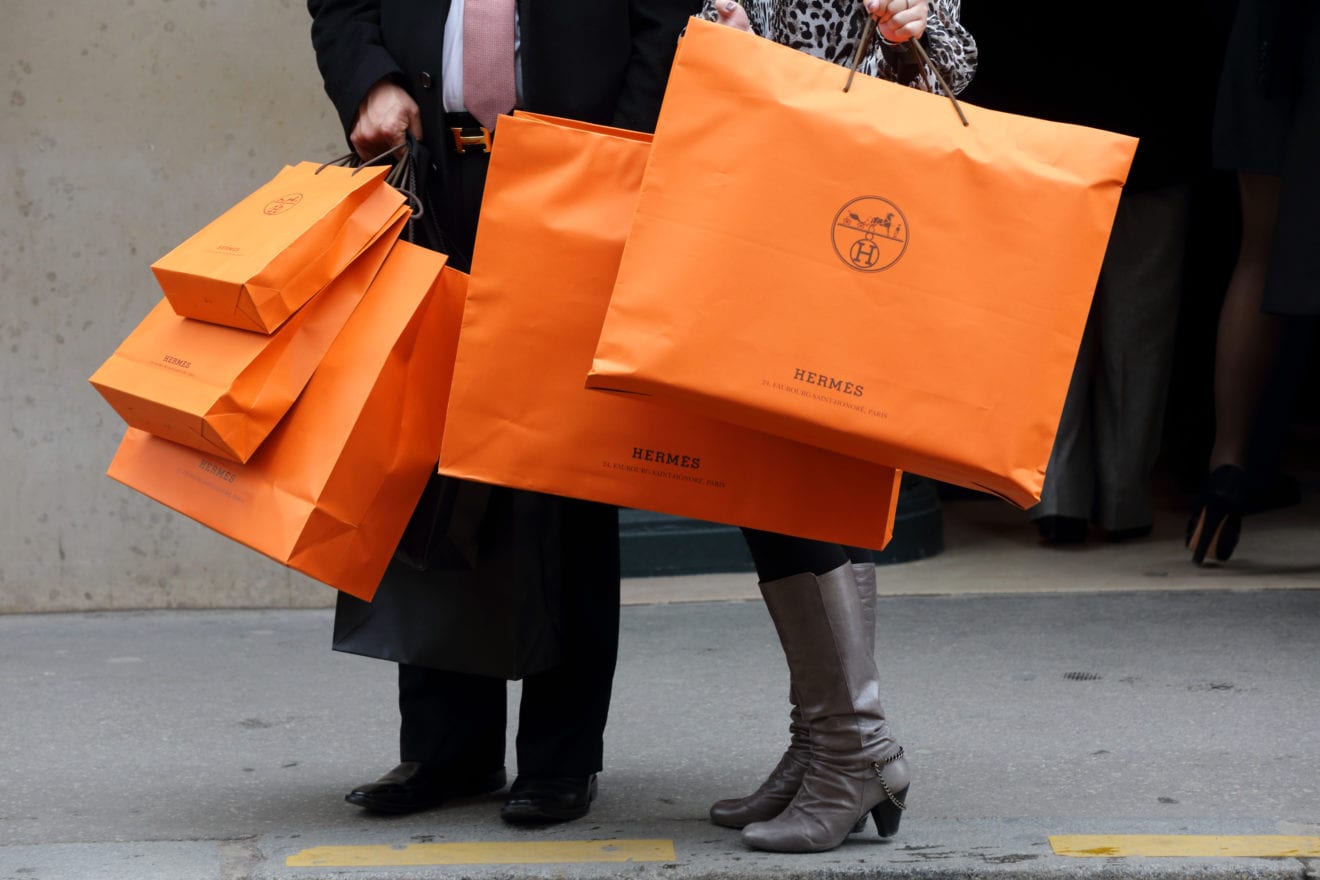
    Rebounding luxury goods sales in Mainland China and improvements in Hong Kong have boosted third-quarter Hermes results.

    Analysts are pointing to these and last week’s strong Kering numbers in tipping the worst may now be over for both luxury markets.

    Hermes reported overnight that sales climbed to 1.26 billion euros (US$1.4 billion) in the last quarter, ahead of estimates.  Sales growth was strongest in Asia-Pacific, up 14 per cent and fuelling a global increase of 8.8 per cent excluding currency fluctuations. That’s the fastest growth rate in two years in the region.

    “The driving trend is that the Chinese customer is slowly coming back,” Makiko Zuercher, who manages the Dynapartners Luxury Brands Fund, told Reuters.

    Chinese customers are the most prolific buyers of luxury goods globally, accounting for about one third of demand. Luxury brands say their return to stores has been driven by government policies encouraging domestic consumption.

    “China is growing at a better pace, mainly because the economy is strengthening and because of domestic consumption,” Hermes CEO Axel Dumas told journalists in a conference call. “In our case, I’m not talking about a rebound, because we always had growth.”

    Hermes’ sales of leather goods rose 16 per cent, with the $9000 Constance purse and $5000 Halzan shoulder bag leading the way.

    After reporting growth of 7.7 per cent for the first nine months of the year, Hermes is predicting full-year growth of just under 8 per cent, a target analysts expect it will exceed.

    LVMH and Richemont have also reported improvements in Asian sales in recent weeks.

  • Ex-UBS Executive Director Joins HSBC

    Ex-UBS Executive Director Joins HSBC

    A former Executive Director, Wealth Management at UBS, Singapore, has crossed the street to take up a senior role with rival HSBC Private Bank.

    In a statement HSBC Private Bank said: «We can confirm the appointment of Shang-Wei Chow as a Market Head, Domestic (Singapore) team at HSBC Private Bank, effective 3 November 2016. His appointment underpins our continued efforts to enhance our client servicing capabilities and deepen our engagement with clients.»

    Chow is a seasoned private banker with nearly 15 years of experience managing client relationships and wealth portfolios in Southeast Asia. As a Market Head of the Domestic team he will be responsible for new business development and deepening existing client relationships in line with HSBC’s strategy. Prior to joining the bank he was Executive Director, Wealth Management at UBS, Singapore.

    A Year of Change

    HSBC has seen numerous changes to its Singaporean private bank throughout 2016 including the departures of HSBC veterans Rob Ioannou to DBS and Michael Hua to LGT Private Bank.

    HSBC Private Bank in the city-state has also appointed several new bankers including a Head of Investment Counselling together with a new Head of Ultra High Net Worth Investment Counselling.

  • AI, Gamification and Blockchain at DBS Hong Kong Accelerator

    AI, Gamification and Blockchain at DBS Hong Kong Accelerator

    Showcasing innovative fintech solutions that leverage artificial intelligence, blockchain technology, gamification and more, the founders of seven startups from Hong Kong and around the world met with hundreds of potential investors at DBS Accelerator Demo Day, the finale of the second DBS Accelerator programme in Hong Kong.

    Accelerators play a vital role in the Asian startup ecosystem and in supporting innovation. Providing vast resources, mentor support and dedicated work and office space, DBS Accelerator aims to create opportunities for innovators from across Asia and globally.

    Financial Innovation Evolving Rapidly

    The seven startups in this year’s programme are Flowcast, FOMO Pay, Hampen Technology, Mindlayer.io, NetGuardians, Playbasis and XinGuo Technology. They were selected from more than 150 applicants from around the world, including Hong Kong, Singapore, China, Thailand and the U.S.

    «We believe FinTech has the ability to go beyond mere disruption and make a tangible difference to the experiences customers have in using financial products and services,» said Lawrence Morgan, CEO of Nest.

  • Why Victoria’s Secret needs to push a lot of bras at new shop

    Why Victoria’s Secret needs to push a lot of bras at new shop

    Nothing lasts forever.

    Fashion retailer Forever 21 is to withdraw from its Causeway Bay mega flagship store, billed as the most expensive commercial store by rent in Hong Kong.

    The iconic location on Jardine Crescent, which serves as a meeting point for young locals who seek to avoid the hordes of mainlanders outside Sogo, will be taken up by Victoria’s Secret.

    Media reports say the US lingerie chain, which is well known for its sexy bras and gorgeous models, has inked a 10-year lease for the 51,188-square-foot property at HK$7 million a month. 

    That is almost half what Forever 21 is paying now in monthly rental for the six-storey retail space.

    The fashion retailer is coughing up about HK$13.8 million per month, making the space the most expensive of the firm’s over 500 outlets in nine countries, after signing a six-year lease in 2010.

    To get the prime property, Forever 21 was said to have offered a 100 percent increase in rents that started at HK$11 million, helping it dislodge long-time tenants such as Giordano, Watson and Café de Coral.

    That lease will end next August.

    With its decision now to move out of the premises, the US fast-fashion chain has joined a group of foreign brands such as Coach and Gap that have stopped expanding in Hong Kong due to a weak retail sector outlook amid a fall in mainland visitor numbers to the city.

    Last year, Coach made a multimillion-dollar payment to walk out of a lease at Hing Wai Building at 36 Queen’s Road in Central.

    The 13,000-square-foot shop was then taken up by Adidas for HK$4.34 million a month, significantly less than what Coach had been paying.

    Opposite to the former Coach flagship store was the former Gap flagship store, which had been leased for HK$5 million per month since 2010.

    But this year, Gap has discontinued its Mongkok shop in MPM Plaza, according to Apple Daily.

    Meanwhile, Forever 21 moved across to Mongkok in September, opening a 19,000-square-foot outlet at the Pakpolee Commercial Centre, its second outlet in Hong Kong.

    Now, coming back to the new tenant that will replace Forever 21 at Capitol Centre in Causeway Bay, the question for Victoria’s Secret is this: how many sexy bras will it need to sell to be able to pay the rent?

    Assuming an average HK$500 price for push-up bras, the premium lingerie maker would need to sell at least 466 bras per day to meet the rent.

    As rent usually accounts for a third of the cost of sales, that would mean that Victoria’s Secret will have to peddle 1,400 bras per day before making a single dollar of profit.

    In other words, they need to sell more than half a million bras in one store alone in a year.

    Over the 10-year rental period, the store will need to sell over 5 million bras, something we would imagine wouldn’t be too easy.

    Given this, don’t be surprised if you see the retailer opt for a lift in its product prices.


  • Jollibee Foods counts down to 1000

    Jollibee Foods counts down to 1000

    Jollibee Foods (JFC) has opened the 991st branch of its flagship brand Jollibee in the Philippines, in the Ma-a area of Davao.

    It marks the start of its countdown to its 1000th store, to be unveiled in the first quarter of next year. Its expansion is spread around Cebu, Luzon and Metro Manila “so all the regions will be well represented”, says Jollibee corporate PR and events manager Dennis Reyes.

    “The 1000th store is symbolic, but we cannot divulge yet the exact location,” he says.

    The company opened its first branch in Cubao, Quezon City, and its latest story is the 26th in Davao and 115th in Mindanao.

    Reyes says the countdown campaign is part of Jollibee’s way of thanking its patrons, celebrating its continued expansion as well as the contribution to the local economy with an average of 70 jobs created for every new branch.

    JFC is investing P10.4 billion (US$214.8 million) for capital expenditure this year, with P7.5 billion set for the opening of 200 outlets as well renovations.

    For its latest six months, JFC netted P3.06 billion, or 13.4 per cent more than the same period last year, following a 14.9 per cent increase in system-wide retail sales to P71.45 billion.

    At the end of June, the company had 2528 restaurant outlets in the Philippines under the brands Burger King (62), Chowking (457), Greenwich (237), Jollibee (939), Mang Inasal (455) and Red Ribbon (378).

    JFC also has a 50 per cent interest in 12 Hotpot, Highlands Coffee and Pho 24 (Vietnam), plus a 40 per cent interest in Smashburger (US).

    Outside the Philippines, Jollibee has 80 stores including Vietnam (32) and Hong Kong (1).

  • Hong Kong International Airport Invites Tender for  Two Anchor Travel Retail Concessions

    Hong Kong International Airport Invites Tender for Two Anchor Travel Retail Concessions

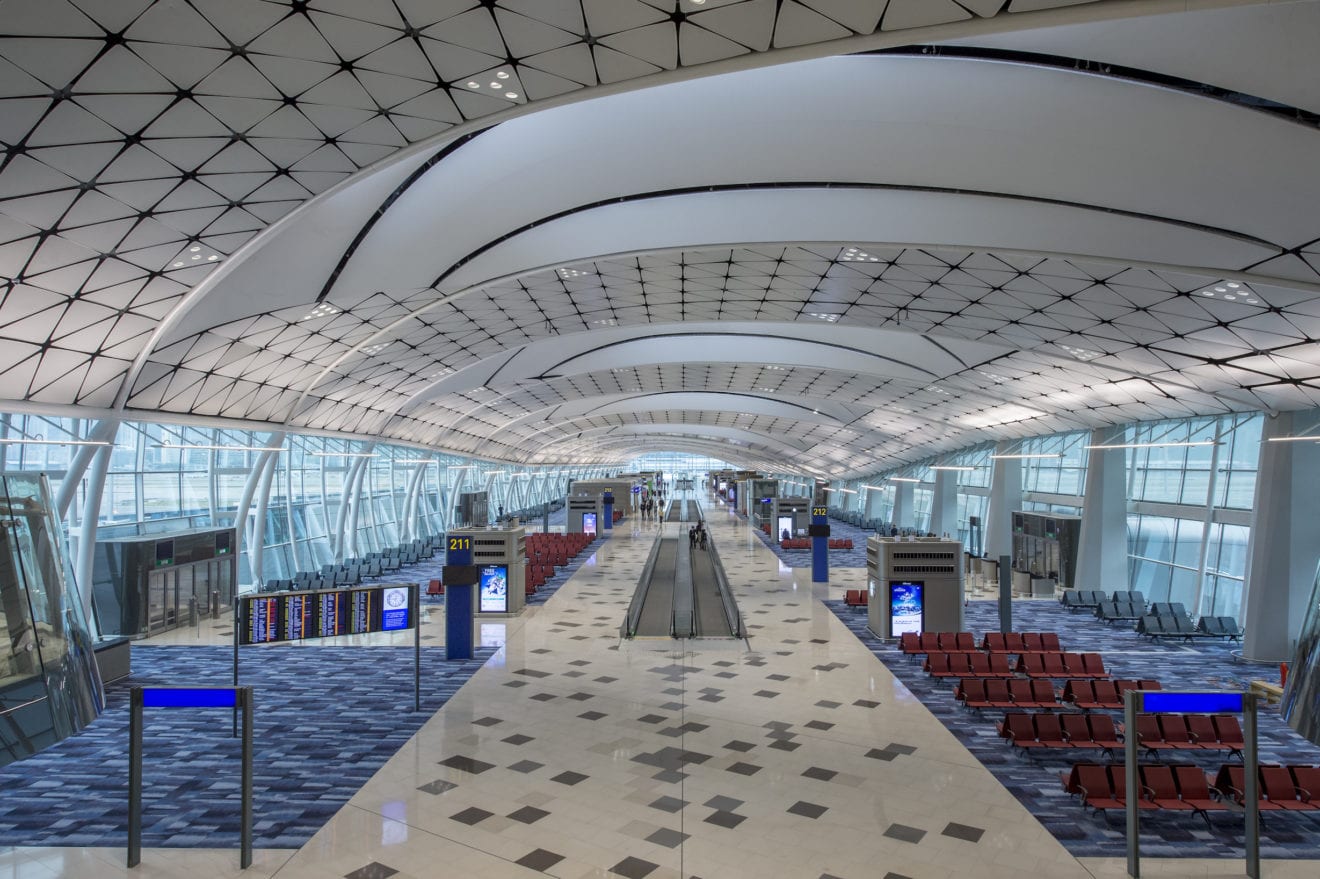
    Airport Authority Hong Kong (AA) has launched tenders for two anchor retail licences of liquor and tobacco concession and, perfume & cosmetics and fashion accessories concession in Hong Kong International Airport (HKIA). 

    Over the past years, the AA has been conducting intensive consumer research to understand passenger needs in regard to the anchor travel retail concessions.  The AA recognises the changing shopping behaviour of the travellers, and hence plans to use the tender opportunity to modify the retail spaces and concession mix in an effort to enhance customer shopping experience and excitement. 

    Cissy Chan, Executive Director, Commercial of the AA said, “As a world-class international and regional aviation hub for around 70 million passengers a year, it is critical that HKIA continues to offer a variety of attractive shopping choices for our diverse range of travellers. We will leverage this tender opportunity to take HKIA shopping excitement and relevance to the next level.”

    Under the two concessions, new product categories and activities will be introduced. The increase in total floor area will also further enhance flexibility, experimentation, product uniqueness and excitement to passengers. 

    The tender is open to all travel retailers, and interested parties can visit https://www.hongkongairport.com/eng/business/airport-authority/business-opportunities/1477621132870.html?invitation-to-tender for more details. Both tenders will close on 2 February, 2017 at 2:30pm and the selected retail partners will be announced in the second quarter of 2017.