Tag: Hong Kong

  • Lindt collaborates with DFS Group for HKIA store concept

    Lindt collaborates with DFS Group for HKIA store concept

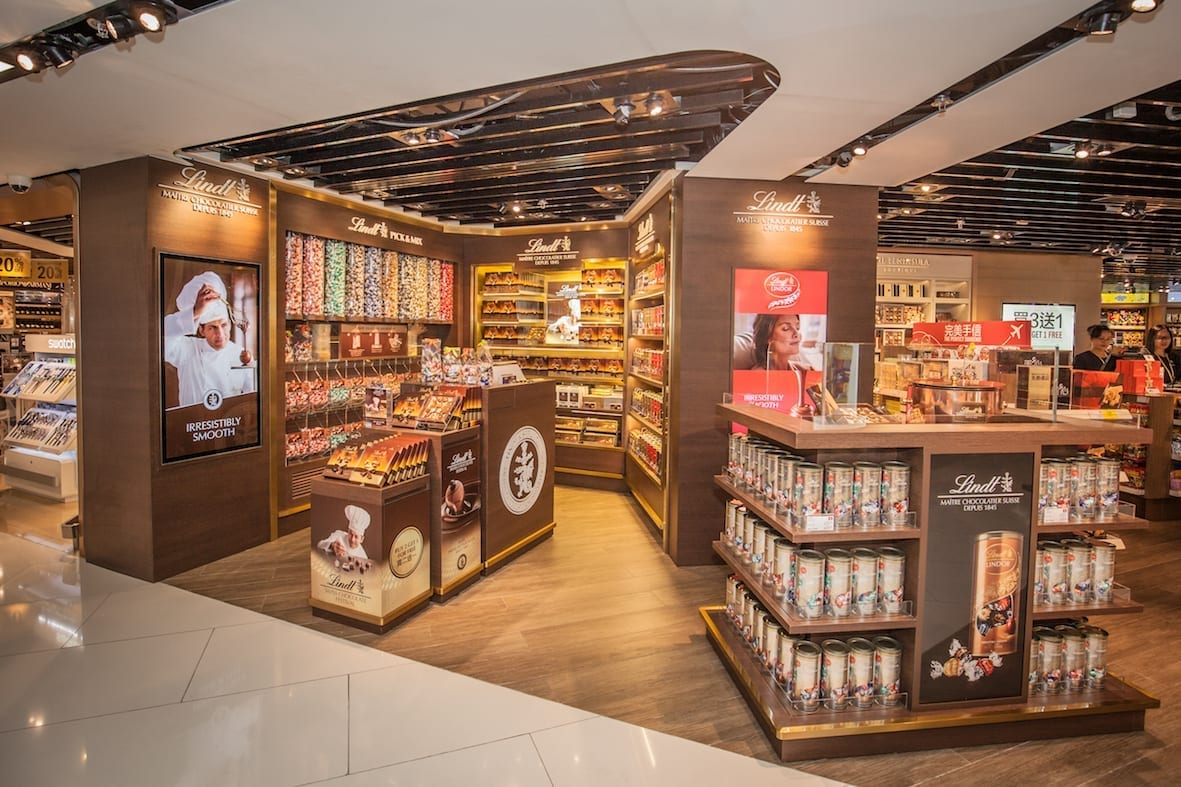
    Following the success of TFWA Asia Pacific Exhibition & Conference in Singapore, Lindt has opened a shop-in-shop concept with DFS Group at DFS, Hong Kong International Airport.

    The store features the latest Lindt pick and mix in Asia, which for the first time will take the form of an eye-catching wall feature. With clear visibility from across the terminal, the stunning new unit will attract footfall into the shop. The pick and mix concept enables travellers to discover a wide assortment of Lindor chocolate truffles and create their own ideal mix. Eminently suitable for gifting, customers will be able to choose from a range of gift cards to complement their selection and personalise their pick and mix bags. The gift cards are themed to highlight the Hong Kong destination and seasonal events.

    The shop will also feature a bespoke space created for the Lindt Master Chocolatiers where live demonstrations will showcase the Lindt tradition of craftsmanship, artistry and innovation in the later part of 2016.

    Commenting on the partnership, DFS Group’s Senior Vice President Food and Gifts, Thierry Canivet, said, ‘DFS continuously strives to create shopping experiences that surprise and delight our customers and we are proud to partner with Lindt to do just that with the new shop-in-shop at DFS, Hong Kong International Airport. This engaging approach to the food and gifts segment will provide travellers with a lasting memory of their travels and we look forward to what we are confident will be a successful new take on this exciting category.’

    Peter Zehnder, head of the Lindt & Sprüngli global duty free division, said that the Asian market clearly presents the travel retail sector with considerable opportunities, and this new venture was the first of a series of innovative initiatives to capitalise on this potential. ‘We are delighted to have launched our latest shop-in-shop concept in Asia and believe that there is a huge opportunity for Lindt in the region. Our well-known brand of premium chocolate offers a wide range of bestseller products, a continual flow of innovations and strong activations beyond ordinary price-offs to drive category sales.’

  • Hong Kong streets and malls see character change as F&B outlets move in with cheaper rents

    Hong Kong streets and malls see character change as F&B outlets move in with cheaper rents

    The character of Hong Kong streets and shopping malls is changing as more overseas food and beverage operators and retailers catering to local consumers move to the city to take advantage of sharp falls in rent, says Tom Gaffney, CBRE’s managing director for Hong Kong, Macau and Taiwan.

    He expects retail rents would hit bottom in 2017 after a further 15 per cent decline this year. In 2015, overall retail rents fell by 20 per cent.

    “The retail market is not completely dying, but rather undergoing a structural transformation from one that is highly driven by luxury consumption goods to one that is more relying on mid-market brands and products,” he said.

    Besides mid-market brands in fast fashion, cosmetics and banking services, food and beverage operators have become more active, said Gaffney, who brought Jamie’s Italian restaurant chain to Hong Kong before he joined CBRE early this year.

    Last year, about 37 food and beverage brands established in Hong Kong, while about 10 new brands have set up in the city so far this year, he said.

    F&B contributed 40 per cent of revenue to CBRE’s Hong Kong retail business last year, up from 15 per cent in 2014.

    One of CBRE’s leasing transactions was negotiating for Seafood Room, which is Bulldozer Group’s first restaurant in Asia, to secure the top floor of Tower 535 in Causeway Bay. Bulldozer is one of the biggest restaurant groups in Eastern Europe and the UAE.

    CBRE is talking with some Korean cuisine operators that want to find new retail space in the city, Gaffney said.

    To tap the growing demand, CBRE plans to form an F&B business team to work with its offices in the US and London to bring new restaurants to Hong Kong. The new team is expected to start operating in September.

    “We have seen the [F&B] trend expanding into Hong Kong in the last six months,” he said.

    Most of the F&B operators specialise in European cuisine such as Italian and French, while some are Russian. Others include Asian restaurants serving Korean, Japanese and Thai dishes, Gaffney said.

    Given weaker spending on luxury items, Hong Kong shopping malls have been restructuring their trade mix to accommodate more restaurants and cafes as a way to retain shoppers.

    Sales of jewellery, watches and other luxury items – usually popular with mainland visitors – plunged by 16.6 per cent in April from a year ago, according to data released by the Census and Statistics Department. But sales of food, alcoholic drinks and tobacco saw a year on year growth of 5 per cent in April.

    The city’s total retail sales decline eased to 7.5 per cent, improved from a 9.8 per cent decline in March, to an estimated HK$35.2 billion, according to government data.

    During the retail boom in 2012 and 2013, Gaffney said F&B outlets only accounted for 10 per cent of space in shopping malls, but this has increased to 20 per cent and in some cases even 30 per cent.

    However, the rent payment ability of restaurants was just about a quarter or less than what a normal retailer could pay in terms of square foot. For example, a F&B tenant can afford HK$100 per square foot, while other retailers such as fashion could afford HK$400 per square foot with some even able to spend HK$1,000 per square foot, Gaffney said.

    “More F&B outlets will come to Hong Kong which will be overseas retailers’ first choice of expansion destination,” he said.

    In C-Suite on P3, Tom Gaffney shares his views on Hong Kong property market

  • Father’s Day call for men’s health service

    Father’s Day call for men’s health service

    A legislator has called on the government to set up a men’s health-care service that combines physical and psychological treatment to help middle-aged men with sexual health problems.

    Civic Party lawmaker Kwok Ka-ki, a urology doctor, made the call on Father’s Day.

    Many men aged 30 or above are faced with diseases of the reproductive system, including erectile dysfunction and benign prostatic hyperplasia, Kwok said.

    He noted that there used to be a male health department in Kwong Wah Hospital, a public hospital in Yau Ma Tei, during the 1990s, but the services were withdrawn due to a lack of resources.

    Health-care centers for men are run by the nonprofit Family Planning Association of Hong Kong in Tsuen Wan, Wan Chai and Ma Tau Chung.

    “The male health services provided by the Family Planning Association of Hong Kong are not cheap. A tablet to treat erectile dysfunction could cost up to HK$100. Grassroots citizens may not be able to afford it,” Kwok said.

    While Kwok urged the Hospital Authority to set up male health centers, he also advised the government to integrate counselling services into the men’s health-care services.

    “Most cases of sexual dysfunction in men are caused by psychological problems, such as stress from work and family, and can be treated with sex therapy,” he said.

    Kwok said health clinics with sex therapy services are very common in Europe and America.

    “When men go to see urology doctors in Hong Kong, they can only get assistance on their physical health, but not on their sexual or marriage problems.”

    Kwok suggested the government set up combined clinics, offering, for example, one-stop urology diagnostic services and sex therapies for men.

    Meanwhile, people celebrated the hottest Father’s Day yesterday in 55 years inside air-conditioned malls shopping, boosting retail store sales.

    The Hong Kong Observatory issued the very hot weather warning at around 7am. It recorded a temperature of 34.2 degrees Celsius at around 2pm, making yesterday the hottest Father’s Day since 1961.

    A salesman at electrical goods chainstore Fortress in Tai Koo Shing said the sales volume has increased by 30 percent this year, with most families purchasing mobile phones in the mid- price-range, HK$2,000 to HK$3,000.

    “Although the increase is pretty similar to that of last year, it is still better than that on Mother’s Day,” he added.

    Catering businesses seemed to be benefiting from the day as well.

    House of Canton, a traditional Chinese restaurant at Cityplaza, said the first round of their tables at 6.30pm had been fully booked, with only a few tables left for the second and third rounds.

  • Visa, Amex to launch Apple Pay in HK

    Visa, Amex to launch Apple Pay in HK

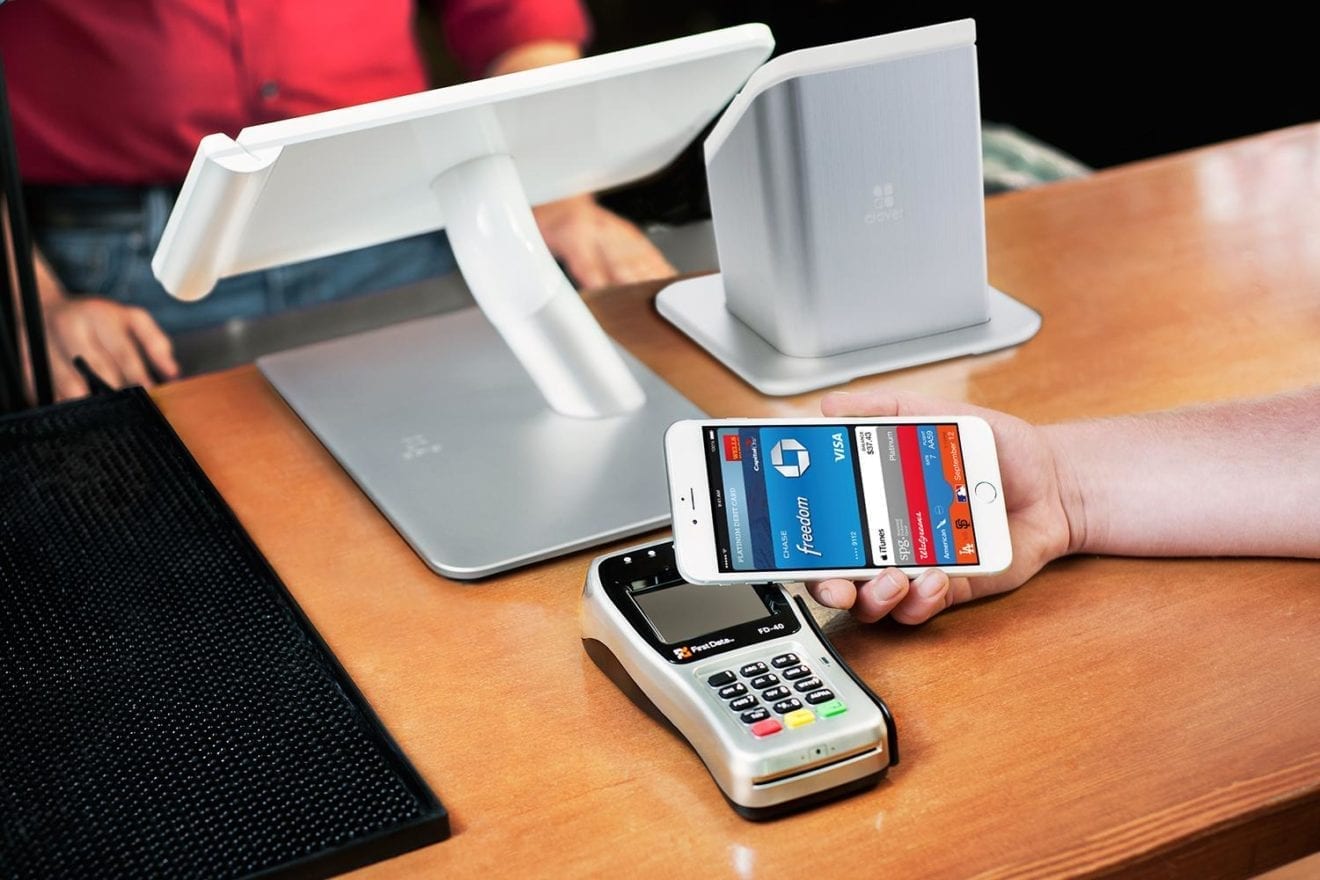
    Visa and American Express have both revealed plans to support mobile payment service Apple Pay in Hong Kong starting this summer.

    Customers in the region with American Express and Visa cards will be able to use Apple Pay to pay for purchases where contactless payments from the credit or charge cards are accepted.

    Apple Pay supports the iPhone 6s, iPhone 6s Plus, iPhone 6, iPhone 6 Plus, iPhone SE and Apple Watch for in-store payments, and these devices plus the iPad Air 2, iPad mini 3, iPad mini 4 and iPad Pro for payments from within apps.

    The platform uses the Visa Token Service to ensure card numbers are not stored on the device or on Apple servers.

    Instead a unique device account number is assigned, encrypted and securely stored in the Secure element on a user’s device device. Each transaction is authorized with a one-time unique dynamic security code. Customers can use Apple’s TouchID fingerprint authentication system to approve payments.

    “Visa is proud to support issuers in Hong Kong who want to launch Apple Pay to bring their customers a more secure and convenient way to pay. In Hong Kong contactless payments have become a necessity for everyday life,” commented Caroline Ada, country manager for Visa Hong Kong and Macau.

    “American Express was the first card issuer to bring Apple Pay to Card Members in the Asia Pacific region. Our customers love the ease and security of Apple Pay in their daily spending, dining and leisure activities,” added American Express VP and general manager for card services for Hong Kong and Taiwan Susanna Lee.

  • SmarTone debuts Flexi-switch for mobile plans

    SmarTone debuts Flexi-switch for mobile plans

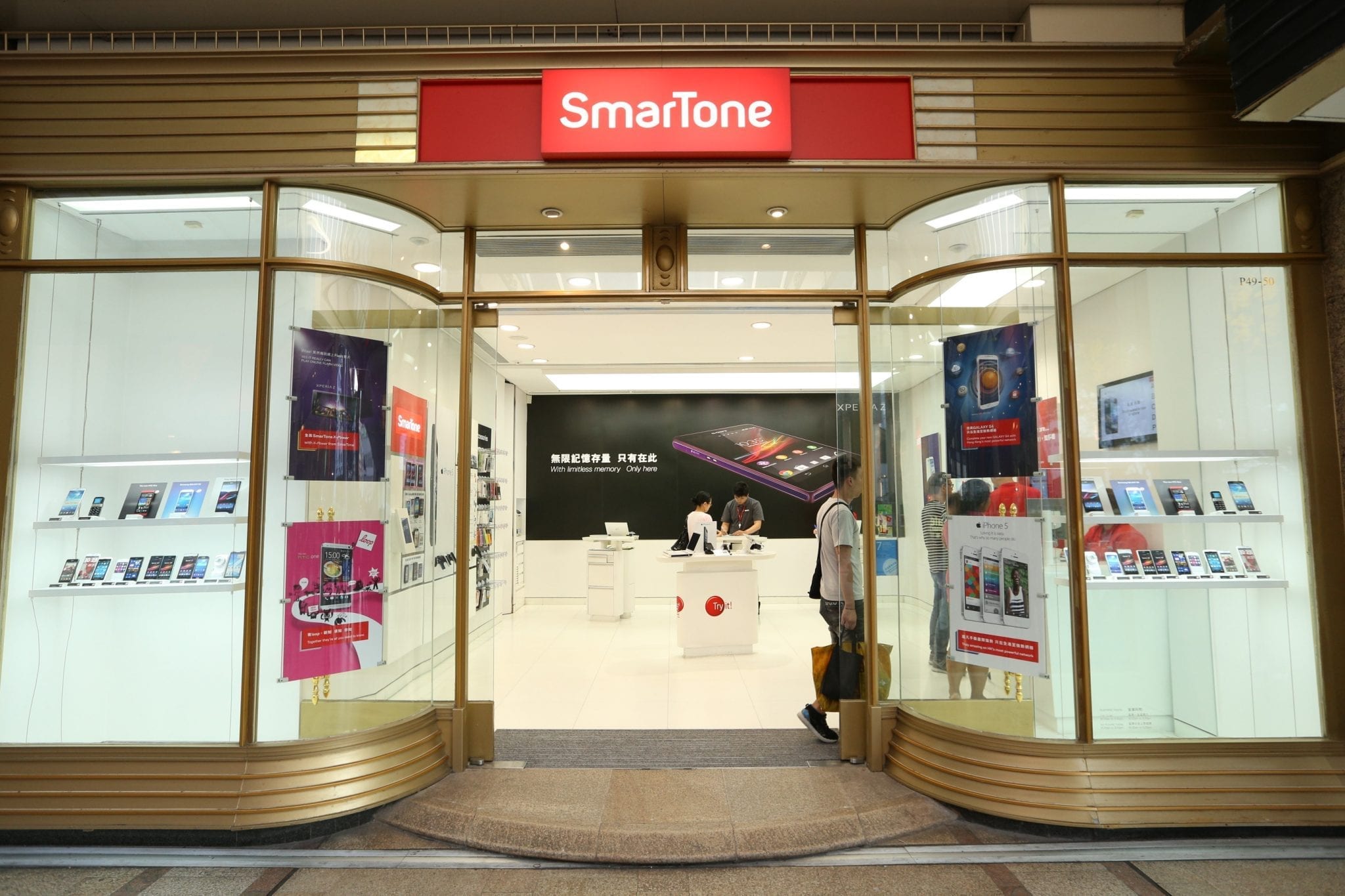
    Hong Kong’s SmarTone has unveiled a new brand campaign which includes introducing the ability for customers to change mobile plans during an initial trial period.

    SmarTone’s new Flexi-switch service will allow customers to trial their mobile plan for a three month period, and change their plans in line with their data usage needs once during this trial period.

    Customers will be able to either upgrade or downgrade their plans based on their experiences during those first months.

    Flexi-switch has been introduced as part of SmarTone’s new “We’re for Smiles” campaign, as a component of the TrueCare series of services designed to address customer needs.

    Other newly-introduced TrueCare services are a free service that allows customers to rent powerbanks from SmarTone stores if their smartphones run out of batteries while on the go, a free screen replace service and the anti-cyberattack software service ST Protect.

    “At SmarTone, we have always focused on understanding our customers’ needs in order to provide them with the most relevant services,”  SmarTone head of marketing and sales Josephine Lim commented.

    “From our recent consumer research, we observed that a lot of Hong Kong consumers prefer quality customer service and flexible service plans.”

  • H&M collaborates with Caitlyn Jenner for its newest athleisure range

    H&M collaborates with Caitlyn Jenner for its newest athleisure range

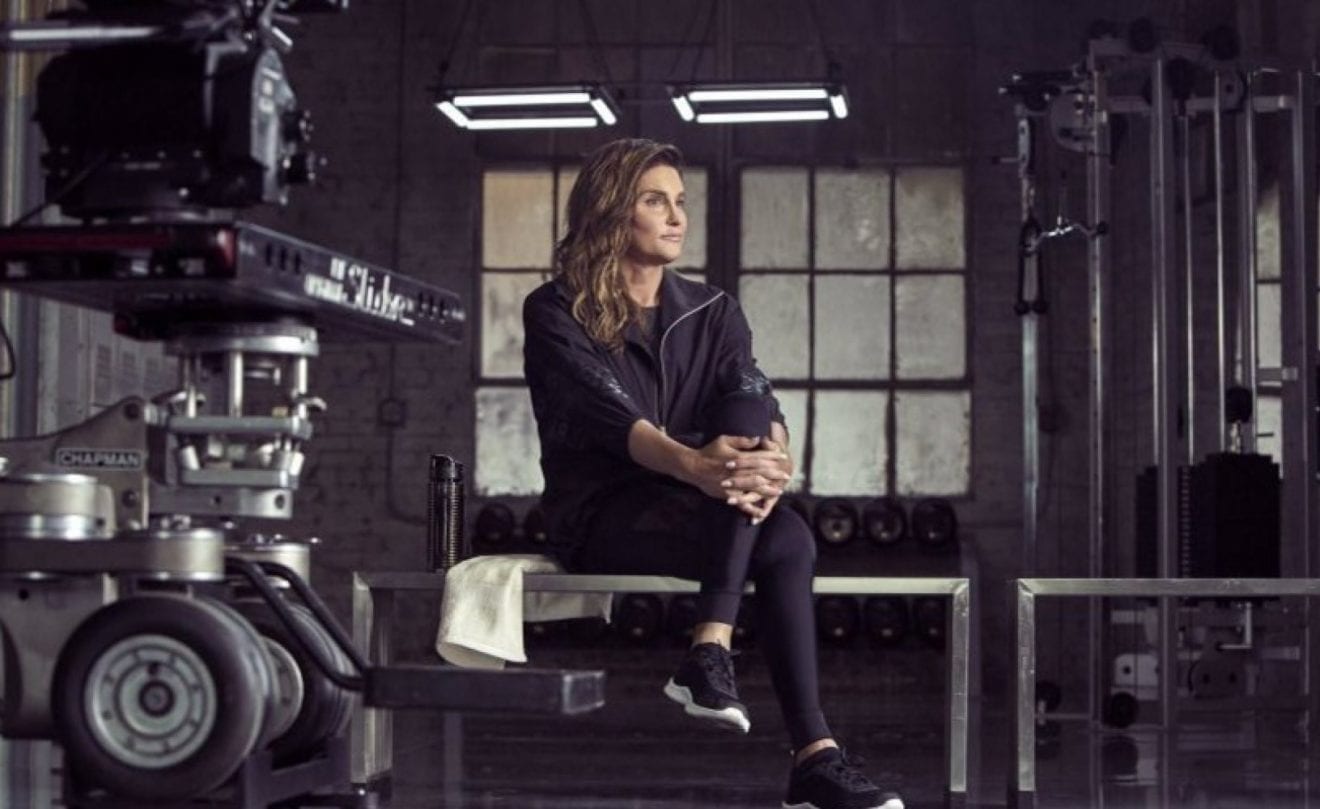
    A new H&M athleisure wear range is to be launched in July, developed with input from the Swedish Olympic team and fronted by personalities including Caitlyn Jenner.

    The launch of For Every Victory makes H&M one of the first major multinational fashion brands to make a serious foray into the booming athleisure wear market, to date dominated by fast-growing specialist brands including Lululemon, UnderArmour and 2XU.

    H&M -For Every Victory

    H&M For Every Victory – described by the H&M as “high fashion performance sportswear made to inspire” has been developed with input from the Swedish Olympic team, and the campaign is fronted by inspirational personalities who have all achieved their own victories, whether in sport or life.

    H&M -For Every Victory 1

    The athletes advised on design, performance and wearability. H&M also designed outfits for the Swedish Olympic and Paralympic team for Rio 2016, including the opening ceremony uniform, selected competition pieces and the prize ceremony outfits.

    “This is a collection about performance with great style and the input of the Swedish Olympic team has been invaluable in the creation process,” said Pernilla Wohlfahrt, design and creative director at H&M. “The result is high fashion technical sports pieces for everyone to wear.”

    The For Every Victory collection has a similar visual expression and technical knowledge to the Swedish Olympic team collection, with its own colour palette in black, grey, dusty pink and gold. It is centered on performance T-shirts, running shorts and leggings, as well as sports bras for women.

    H&M -For Every Victory 3

    The quick-drying, breathable materials help to optimise performance and recycled polyesters prove that high-function sportswear can also be conscious and more sustainable − all showing that there’s no compromise on either fashion or performance.

    H&M -Olympic collection

    Among the personalities fronting the new range are Caitlyn Jenner with her Olympic gold medal in the decathlon; Chelsea Werner, a gymnast who has never let Down Syndrome halt her progress; surfer Mike Coots who still takes to his board even though he lost his leg in a shark attack and boxer Namibia Flores who has fought against prejudice to pursue her dreams.

    The new range and brand will be launched globally on July 21.

  • CBRE: Hong Kong becomes the world’s highest-priced office market

    CBRE: Hong Kong becomes the world’s highest-priced office market

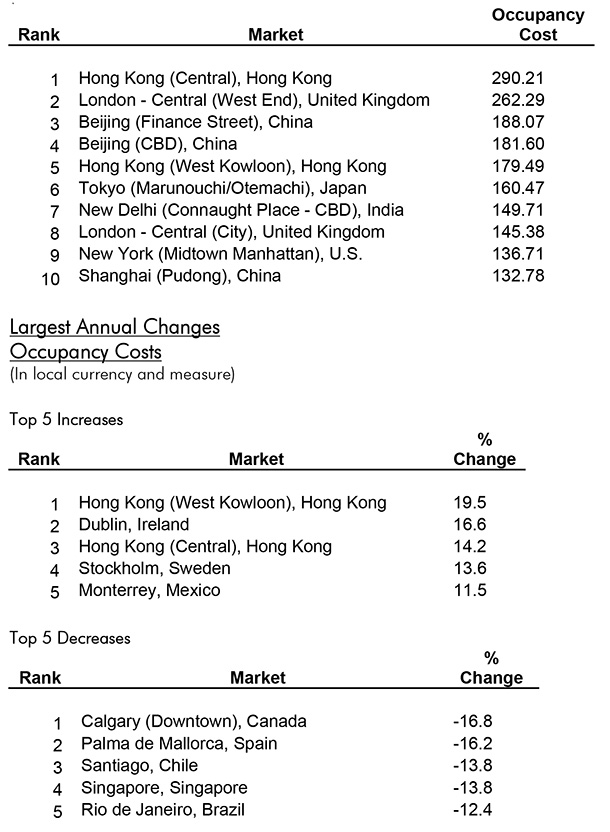
    Hong Kong’s (Central) overall prime occupancy costs of US$290 per sq. ft. per year topped the “most expensive” list, displacing London’s West End (US$262 per sq. ft.). Beijing (Finance Street) (US$188 per sq. ft.), Beijing (Central Business District (CBD)) (US$182 per sq. ft.) and Hong Kong (West Kowloon) (US$179 per sq. ft.) rounded out the top five.

    The study also found that the real estate recovery in Ireland continued to gain momentum, with Dublin, which experienced a 50 percent drop in rents during the downturn, showing the second-largest year-over-year prime occupancy cost increase among the 126 cities surveyed (up 16.6 percent year-over-year)—second only to Hong Kong West Kowloon (up 19.5 percent year-over-year). In North America, real estate fundamentals saw steady improvement with both Atlanta (Downtown) and Seattle (Downtown) among the 10 markets with the fastest growing prime occupancy costs.

    Global prime office occupancy costs—which reflect rent, plus local taxes and service charges for the highest-quality, “prime” office properties—rose 2.4 percent year-over-year, with the Americas up 2.3 percent, EMEA up 2.1 percent and Asia Pacific up 2.7 percent.

    “We expect the global economy to keep growing, and the global service sector, the primary occupier of prime office properties, will continue to expand through periods of volatility, “ said Richard Barkham, global chief economist, CBRE. “Since inflation is low, the growth in prime office occupancy costs is significant for both users and investors.”

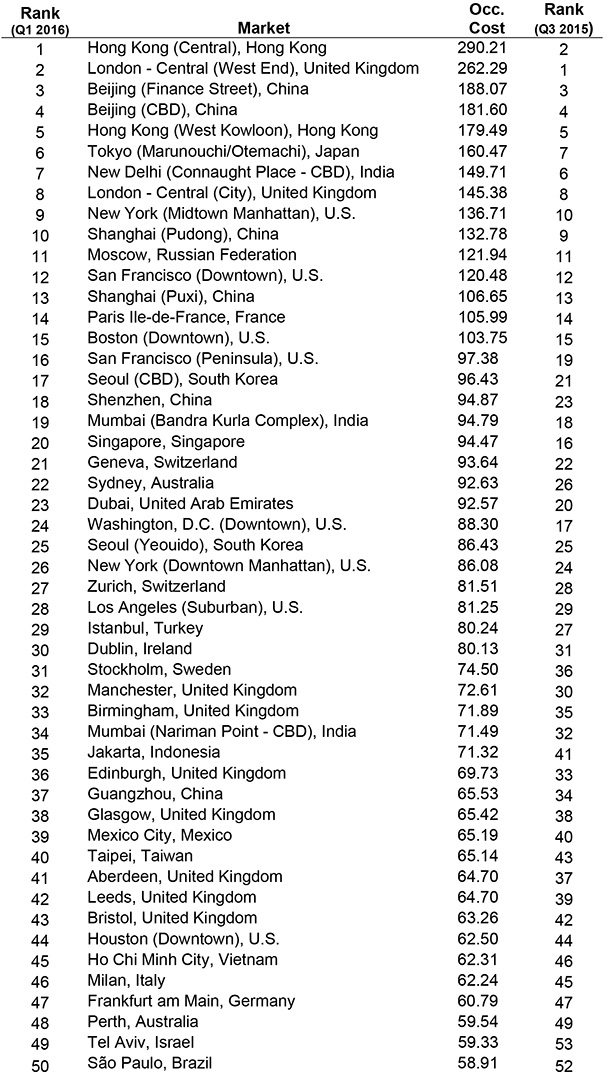
    CBRE tracks occupancy costs for prime office space in 126 markets around the globe. Of the top 50 “most expensive” markets, 20 were in Asia Pacific, 20 were in EMEA and 10 were in the Americas.

    Europe Middle East & Africa (EMEA)
    Europe is benefitting from a cyclical pick-up in consumer spending and business investment, as well as a very competitive currency and intense monetary stimulus, which helped to make Dublin, Stockholm and Barcelona the fastest-growing markets in the region. Most Central and Eastern European markets were down year-over-year, including Moscow, which is still in the midst of a recession. Costs accelerated quickly in South Africa, with Johannesburg, Cape Town and Durban all seeing increases of at least 6.9 percent from year-ago levels.

    Only 11 out of 56 EMEA markets recorded a year-over-year decline in prime office occupancy costs.

    In addition to London West End, the other market from the region in the global top 10 was London City (US$145 per sq. ft.).

    Asia Pacific
    Asia Pacific was home to seven of the top 10 most expensive markets—Hong Kong (Central), Beijing (Finance Street), Beijing (CBD), Hong Kong (West Kowloon), Tokyo (Marunouchi/Otemachi), New Delhi (Connaught Place – CBD), and Shanghai (Pudong).

    The service sector will show particularly strong growth in Asia as pensions and insurance products gain market share. So occupancy cost growth will continue to trend upwards at a moderate pace.

    Hong Kong (Central) is the only market in the world—other than London’s West End—with a prime occupancy cost exceeding US$200 per sq. ft. Hong Kong Central’s double-digit growth in occupancy costs was fuelled by two factors: an ultra-low vacancy rate due to lack of new development and continued demand for high-quality space in prime locations by mainland Chinese companies.

    The most expensive market in the global ranking from the Pacific Region was Sydney (US$93 per sq. ft.), in 22nd place.

    A few key Southeast Asian markets registered decreases, including Singapore and Jakarta.

    Americas
    In the Americas, four markets—Monterrey, Atlanta (Downtown), Seattle (Downtown) and Atlanta (Suburban)—recorded double-digit percentage gains year-over-year.

    New York Midtown, number nine on the global list, remained the most expensive market in the Americas, with a prime office occupancy cost of US$137 per sq. ft.

    Several energy-centric markets experienced material drops in occupancy costs, including Calgary (Downtown and Suburban), Houston (Suburban) and Denver (Suburban).

    In the U.S., economic growth is expected to pick up in the next several quarters following a turbulent opening quarter. Overall, occupier activity sustained last year’s momentum, leading to an increase in occupancy costs in 17 out of 22 U.S. markets covered in this survey.

    Mexico City remained the most expensive market in Latin America, posting an office occupancy cost of US$65 per sq. ft. and ranking as the 39th most expensive market globally. Both Brazilian markets, Rio de Janeiro and São Paulo, saw declines.
    Microsoft Word - Press release - POOC June 2016_FINAL.docx
    Note: The full Top 50 Most Expensive Markets chart is located at the end of this press release.

    Notes

    1. The Global Prime Office Occupancy Costs report is a survey of office occupancy costs for prime office space in 126 cities worldwide.
    2. The latest survey provides data on office rents and occupancy costs as of March 31, 2016.
    3. The Largest Annual Changes rankings are based upon occupancy costs in local currency and measure. The Most Expensive ranking is based upon occupancy costs in US$ per sq. ft. per annum.
    4. The figures given in this release refer to occupancy cost. This represents rent, plus local taxes and service charges. The occupation cost figures have also been adjusted to reflect different measurement practices from market to market.
    5. Due to methodology changes, comparisons with figures in previously released reports are not valid.
    6. To obtain a full copy of the report or to arrange to speak with a CBRE expert, please contact Robert McGrath ([email protected]).
    Microsoft Word - Press release - POOC June 2016_FINAL.docx

    About CBRE Group, Inc.
    CBRE Group, Inc. (NYSE:CBG), a Fortune 500 and S&P 500 company headquartered in Los Angeles, is the world’s largest commercial real estate services and investment firm (in terms of 2015 revenue). The Company has more than 70,000 employees (excluding affiliates), and serves real estate owners, investors and occupiers through more than 400 offices (excluding affiliates) worldwide. CBRE offers strategic advice and execution for property sales and leasing; corporate services; property, facilities and project management; mortgage banking; appraisal and valuation; development services; investment management; and research and consulting. Please visit our website at www.cbre.com.
     

  • China Daily Asia Pacific Retail Leadership Awards Winners Revealed  Retail Gurus

    China Daily Asia Pacific Retail Leadership Awards Winners Revealed Retail Gurus

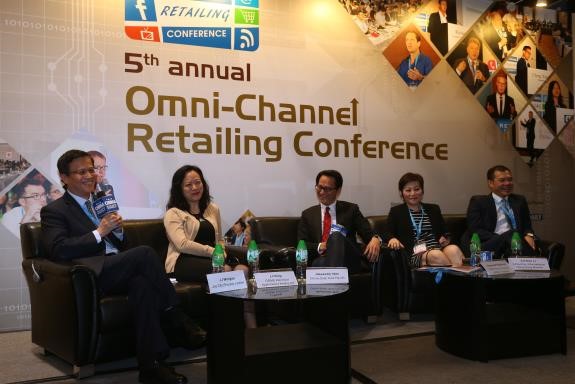
    Co-organized by the China Daily Asia Leadership Roundtable and the Omni-Channel Retailing Conference, the co-branded session, themed “Defining Next Generation Retail in Asia”, was held today at the Hong Kong Convention and Exhibition Centre. It was the fourth consecutive year China Daily has acted as the only Official Media Partner for this significant industry event. The forum drew more than 150 prominent retail industry players from across Asia.

    Defining Asia’s Next Generation Retail Industry: As Asia continues to drive and lead global economic growth, its retail industry is experiencing a phenomenal era of opportunities and challenges.

    Across Asia, online players are making waves on a huge scale, impacting the market at different levels. On the other hand, brick-and-mortar establishments are revising value propositions to stay competitive. Store design, merchandising, technology, logistics, exchanges, points of sale, and customer service offer up a cocktail that will see retailers taste success or failure in keeping with their mixing skills.

    Most importantly, retail consumers are changing not only in their demographics but also their behavior.

    Mr. ZHOU Li, Editorial Board Member of China Daily Group and Publisher & Editor-in-Chief of China Daily Asia Pacific, welcomed the distinguished session panelists from across Asia — Ms. Gunyarak PIYAKHUN, First Executive Vice-President, Department of Marketing Strategy & Business Intelligence, Siam Piwat Company Limited, Thailand; Mr. Carlson LI, General Manager, UnionPay International Hong Kong Branch; Mr. LI Wenyao, Deputy General Manager, Joy City Property Limited; and Ms. LI Hong, Head of Investor Relations, GOME Electrical Appliances Holding Limited.

    Ms. Gunyarak PIYAKHUN said the most important strategy for future retailers is to engage customers by providing customer experience, and using Omni-channel retailing as a tool to help retailers understand customers in a better way.

    Mr. LI Wenyao noted that as the Chinese mainland’s economy gains momentum, the country’s retail sector will continue to see a bright future. What matters is confidence.

    Ms. LI Hong believes that online shopping does not compete with offline shopping, rather, they complement each other.

    Mr. Carlson LI shared his insights from the online payment perspective. He said UnionPay, apart from offering a payment method to retailers, acts as a marketing platform providing retailers big data analysis to help them lower their marketing and promotion costs.

    This year’s “China Daily Asia Pacific Retail Leadership Awards” were presented at the “Hong Kong Retail Industry Trade Awards Presentation Ceremony” on June 14 in recognition of regional retailers with outstanding achievements which exceeded customers’ expectations through their strategic initiatives in creativity, technology, talent building and customer services.

    The winners of the China Daily Asia Pacific Retail Leadership Awards were:

    GOME Electrical Appliances Holding Limited
    Joy City Property Limited
    Siam Piwat Company Limited, Thailand
    UnionPay International Hong Kong Branch
  • Habitat Thailand thriving on return

    Habitat Thailand thriving on return

    A decade after its first aborted foray into Thailand, UK-founded furnishing and homewares retailer Habitat is thriving in Bangkok.

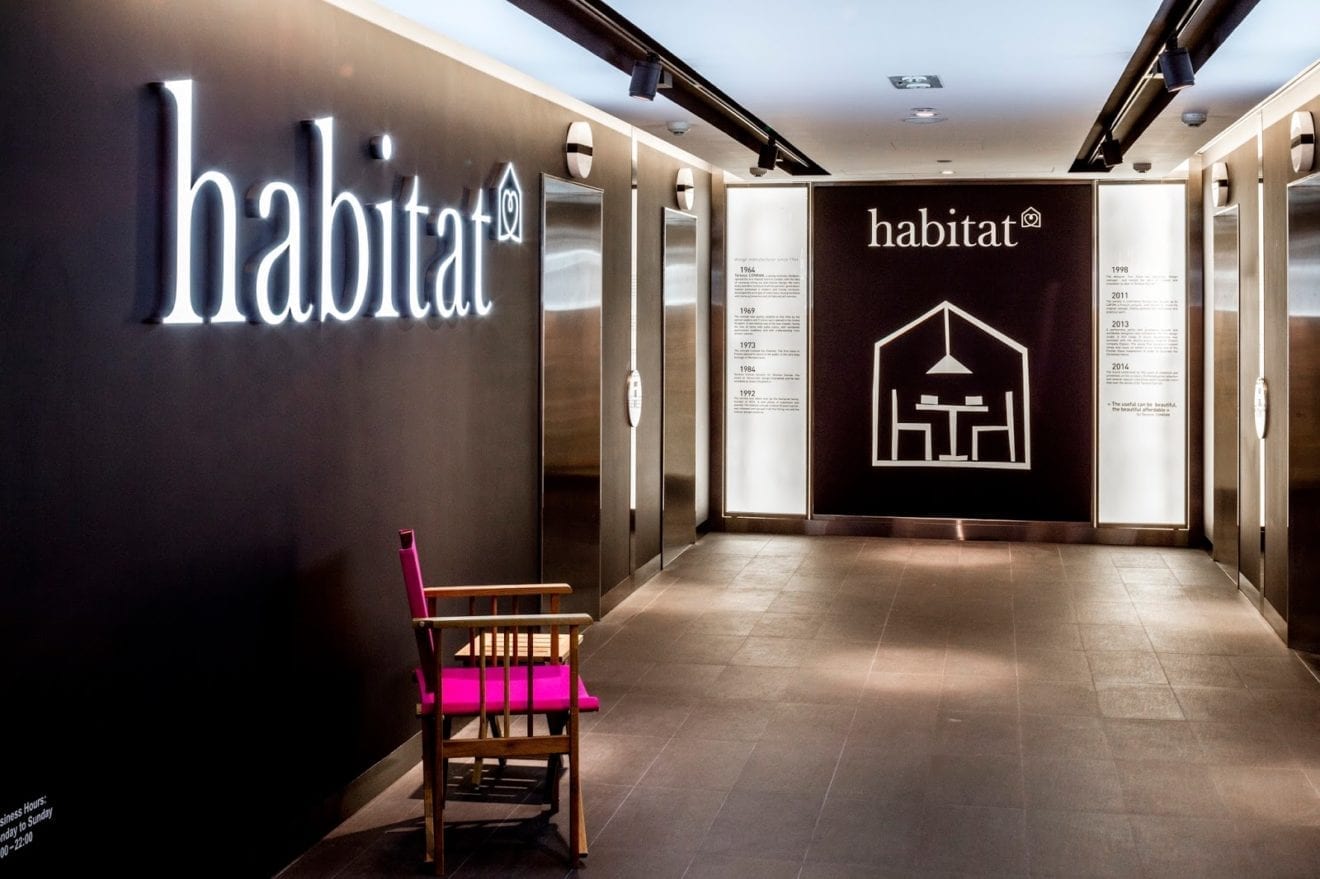
    Habitat Thailand has just opened what – for the time being – it is describing as its flagship store under the management of local brand partner SB Furniture. The new store, taking up 1400 sqm on the third floor of the revamped Siam Discovery shopping mall is the fourth in Bangkok, and the first stand-alone store. The others are stores-in-stores within larger SB stores: a 1400 sqm space at Crystal Design Center, a 1300 sqm site in Bangna and a smaller 840 sqm space at The Crystal SB Ratchapruek.

    Habitat @ Siam Discovery (6)

    “We wanted to stock exactly what a Thai person would see if they walked into a Habitat store in Paris,” said Suthida Vijitkulwongsa, executive director of Habitat Thailand.

    She says a fifth store is planned by the end of this year and the company is evaluating opportunities in larger cities outside Bangkok.

    Habitat Thailand is licensed by the French based company Cafom which bought Habitat Europe after the UK company was placed in administration in June 2011.

    Habitat @ Siam Discovery (5)

    Despite a 10 year absence from the Thai market, a number of loyal local customers have emerged since it made its return in June 2015. When the brand was reintroduced, some 80 per cent of shoppers were “Habitat lovers” familiar from the brand’s previous foray here, says Vijitkulwongsa.

    “They had known about Habitat in past years and were wondering what had happened to the brand and why it had disappeared. They think we have done well in terms of pricing.

    “Ten years ago our prices were equal to what they are now.

    Habitat @ Siam Discovery (16)

    Given the current stagnancy of Thailand’s retail sector – which has seen a number of shopping centre developments put on ice this year – is this really the time to reintroduce an overseas brand considered to be in the premium space?

    “When you have a very strong brand [the market] doesn’t really have much impact. People who are in the market now, who have influence and social status, they’re not really impacted. Instead of buying 10 pieces they end up with eight. But they still make the purchase, probably based on price and design.”

    Perhaps surprisingly, Habitat Thailand sources its stock from the French warehouse, rather than direct shipped from factories in Asia. About half the range is manufactured in Europe, mostly in the eastern nations. With a two month lead time for stock orders, Vijitkulwongsa maintains a large inventory in Bangkok to ensure the brand can meet customer demand without long waiting times.

    Habitat @ Siam Discovery (11)

    Cafom is bullish about its prospects in Asia, especially in China where a rapidly-rising middle class is aspiring to own European-designed products, even if almost 50 per cent of them are made in China. Besides Thailand and China it is now also present in Hong Kong and Singapore. In the Philippines, Habitat has partnered with the same company operating SB furniture stores under license.

    “The new French owners are very experienced in hypermarket operations and in French Polynesia. They have very strong sourcing skills and they have rejuvenated the design. The designers have done well. They have created products which are useful, beautiful and affordable.

    Habitat @ Siam Discovery (17)

    “France has been doing a great job taking over the brand, building it back up and adding value to its offer,” says Vijitkulwongsa.

    She believes her customers appreciate the simple yet functional design of the Habitat products.  “If the product is good enough in terms of function, if the price is right, then fashion is probably a plus.”

    For now, Habitat Thailand is not selling stock online, but it does maintain a website with its range and pricing information. If an eCommerce site is to come, it will most likely be developed by Cafom to serve all international markets.

    Meanwhile, SB Furniture has a dozen stores across Thailand and in partnership with local entities has stores in Vietnam, the Philippines and Indonesia. It also has a presence in Cambodia, Laos under different brand names and is carefully looking at the opportunities in Myanmar.

  • E-commerce firm Shopmatic launches in Hong Kong

    E-commerce firm Shopmatic launches in Hong Kong

    Following its recent investments in India and Singapore, e-commerce solutions provider Shopmatic launched its Hong Kong business operations recently.

    This move is expected benefit Hong Kong online stores, SMEs and entrepreneurs as the platform enables business owners to build and manage their businesses on one single platform.

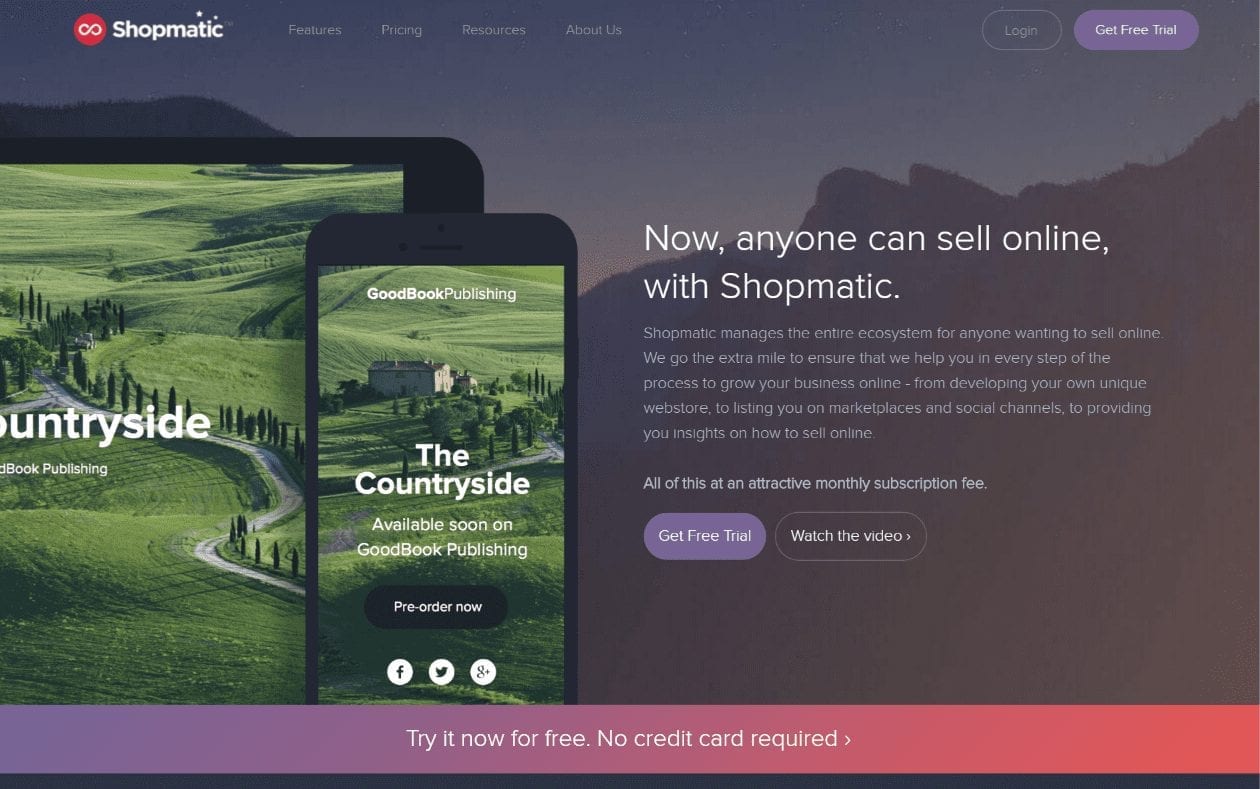
    Services encompass an entire ecosystem from developing a unique web store to listing businesses on marketplaces and social media channels, to giving insights on how to sell online.

    At a fixed monthly subscription rate of only US$38 per month, businesses can conveniently and easily sell products and services online in Hong Kong and the region.

    As an incentive for new subscribers, Hong Kong merchants who sign up for Shopmatic for the first time will get to enjoy a 15-day trial period during which they can establish their site and experience the entire service.

    Industry analysts have estimated that almost 90 percent of Hong Kong consumers shopped online in the past 12 months, while one-third of the e-shoppers made online purchases within the same week a survey was conducted by Nielsen.

    Shopmatic said it will further strengthen its Asia network by expanding into other countries in this region such as Australia, Indonesia, Malaysia and the Philippines later this year.

    “We are confident that we can help the Hong Kong online stores expand into the region. We also see huge potential in the ways in which we can help Hong Kong SMEs expand their businesses from offline to online for its mature traditional retail model,” Anurag Avula, CEO and Co-Founder, Shopmatic, said.

  • Sylvie Chantecaille’s Favorite Hong Kong Restaurants and Shops

    Sylvie Chantecaille’s Favorite Hong Kong Restaurants and Shops

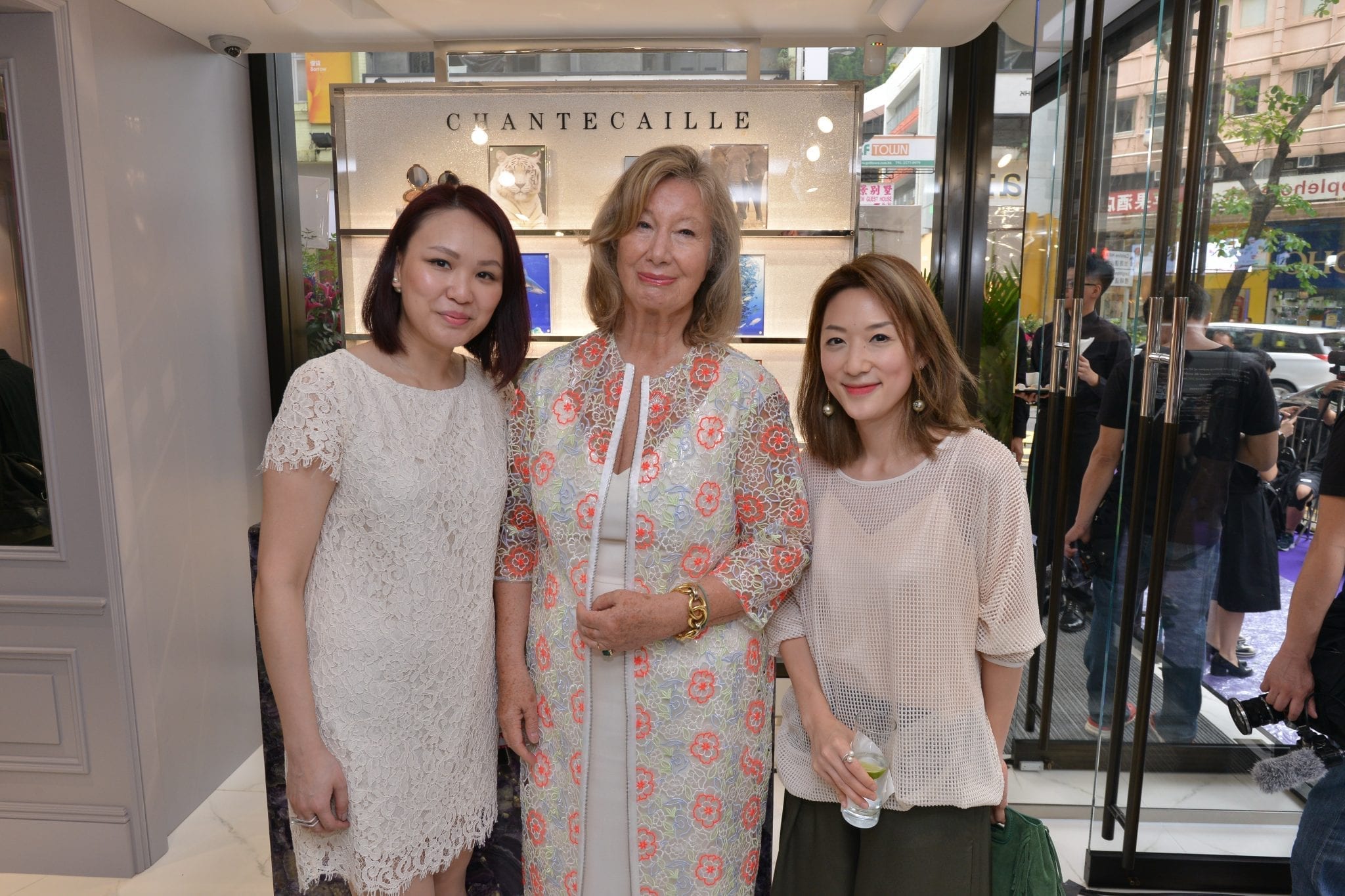
    Chantecaille, the botanical-based luxury skincare and beauty brand, has opened a shop in Causeway Bay, Hong Kong’s premier retail destination. The 1,600-square-foot La Boutique Hong Kong was designed in consultation with innovative French architect and designer Patrick Naggar. On the outside, oversize windows and a limestone façade channel Paris, while whimsical furnishings and bespoke fixtures create an elegant atmosphere inside.

    Aside from the store, there’s a skin clinic with two private rooms where clients can get signature Rose de Mai facials among other treatments. There’s also a salon that offers makeup consultations and brow-shaping services. “The city has been incredibly good to us—we wanted to give back and set up our first true flagship here, giving the women of Hong Kong a spa where they can get an excellent facial and a private salon where they can enjoy a quiet moment or share a macaron with a friend,” says company founder Sylvie Chantecaille. We asked the French skincare guru about her favorite places to eat, shop, and play in the buzzing city.

    Caprice at the Four Seasons Hotel

    “Caprice Bar is a very sexy and cozy spot I love to go with a friend. The atmosphere is sophisticated with mesmerizing deep earth and purple tones. It has an incredible selection of delicious cheese and wine. I like to sit by the window to watch the flickering lights over Victoria Harbour.” 8 Finance Street, Central Hong Kong; fourseasons.com

    Hutong

    “This is a gorgeous and romantic old-world Chinese restaurant designed by David Yeo. When the elevator opens, you are greeted by glistening red lanterns of all shapes and sizes that transport you back in time. It offers chic and fantastic food. Request a table by the window and get there by 8 P.M. to see the light show.” 28/F, One Peking, Tsim Sha Tsui; hutong.com.hk

    Aqua Luna

    “The Hong Kong junk boats represent the old values still present in this modern city. There aren’t that many traditional sampans [wood boats] in operation anymore, but Aqua Luna offers sightseeing trips across the bay on the red-sail vessels.” aqualuna.com.hk

    Chantecaille La Boutique

    “Ice, our facialist, has golden fingers. You will be rejuvenated and experience the best neck massage you have ever had. By the time she applies the third or fourth mask, your skin will be as soft as a baby’s bottom.” G/F 2-4 Hysan Avenue, Causeway Bay; chantecaille.com

    Sevva

    “This restaurant has an amazing terrace with a stunning view of the city—it’s on the 25th floor of the Prince’s Building. People sit there for hours, listening to music and enjoying the glamorous Hong Kong style. When the weather is nice, this is my favorite place.” 10 Chater Road, Central Hong Kong; sevva.hk

    Lane Crawford

    “I am partial to this iconic luxury department store because you can find everything there. They have an incredible selection of more than 800 international brands.” Several locations; lanecrawford.com

    Dries Van Noten

    “As a Dries devotee, I always find amazing pieces at this store that I don’t find anywhere else. It’s also conveniently located near the Marni boutique, which is my other obsession.” 215 Landmark, Queens Road, Central Hong Kong; driesvannoten.be

    Café Gray Deluxe at the Upper House Hotel

    “The best weekend brunch is at Café Gray Deluxe, located in the chic boutique hotel Upper House. It has wonderful city views. There is a big variety on the menu, and they also have decadent desserts.” Pacific Place, 88, Queensway; cafegrayhk.com

    Asia Society

    “I love to take friends visiting Hong Kong for the first time to experience the marvelous art and architecture of this peaceful oasis. There is an exquisite garden, and inside there is a labyrinth-like jungle of foliage that leads you to Chantal Miller Gallery, home to wonderful and unexpected art. They also have a theater with lectures and films.” 9 Justice Drive, Admiralty; asiasociety.org

  • Sour note for Lancome-sponsored concert

    Sour note for Lancome-sponsored concert

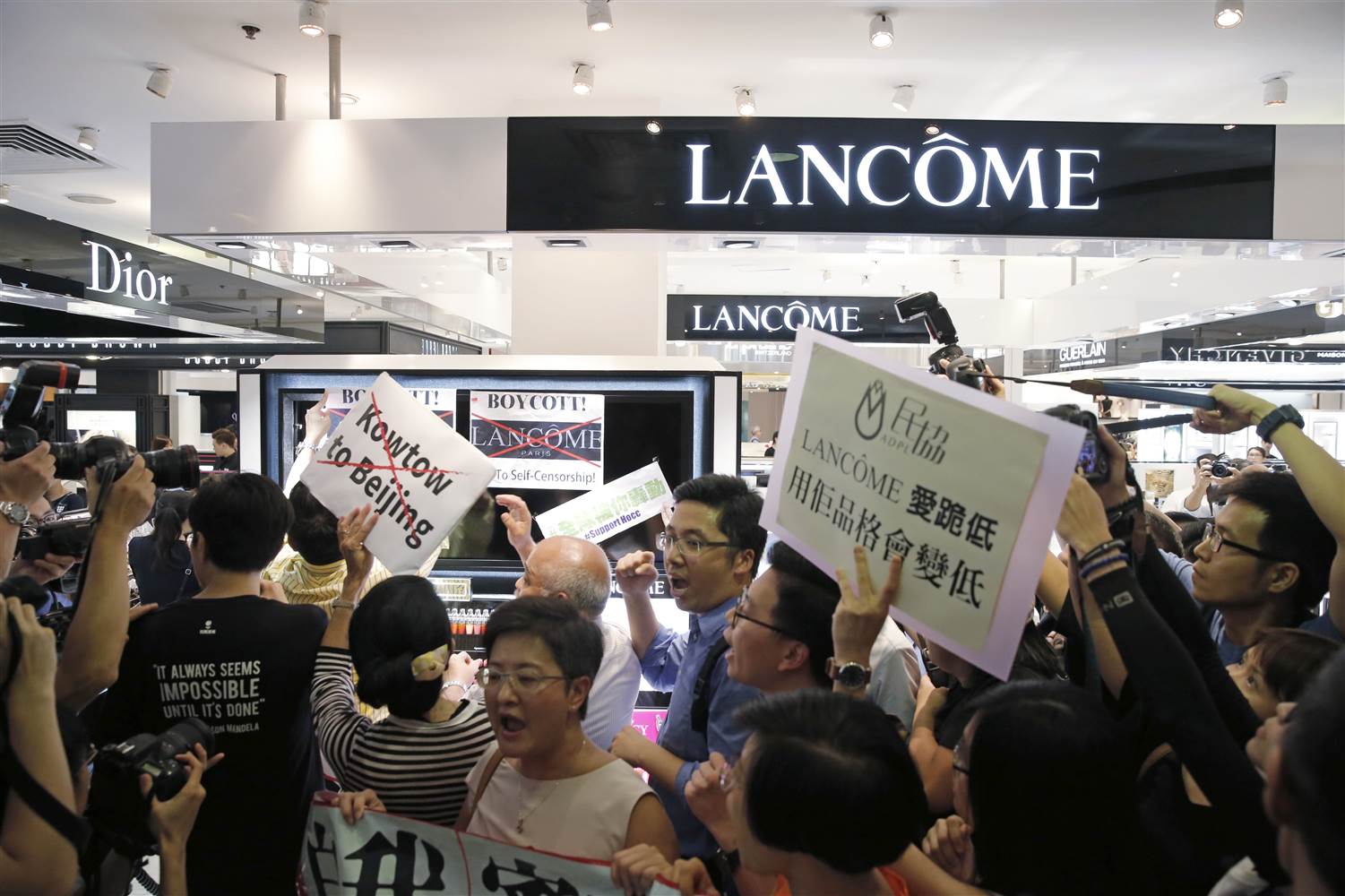
    Make-up brand Lancome, along with other stores owned by French cosmetics giant L’Oreal, closed in Hong Kong yesterday in the face of protests over the cancelling of a Lancome-sponsored concert featuring a pro-democracy singer.

    As well as Lancome’s booth at Lane Crawford, Times Square, Yves Saint Laurent Beaute and Helena Rubinstein’s booths, as well as Shu Uemura’s store, were all closed. Lancome’s office at Times Square was also shuttered. In Causeway Bay, Lancome counters in Sogo and Hysan Place were both closed, while those for other brands under L’Oreal, such as Shu Uemura, were open.

    Dozens of protesters earlier crowded the Lane Crawford store in Times Square accusing Lancome of bowing to China by cancelling the concert, starring cantopop singer Denise Ho Wan-sze.

    Carrying yellow umbrellas – a symbol of Hong Kong’s democracy movement, which is supported by Ho – and banners in Chinese, English and French, the protesters were shouting: “L’Oreal! No self-censorship.”

    Hong Kong internet users and political activists have also vowed to boycott all brands under the L’Oreal banner, including Lancome, Kiehl’s, Shu Uemura and The Body Shopimes, a tabloid published by the Chinese Communist Party’s People’s Daily newspaper, criticised Lancome for working with Ho. This sparked calls online in China to shun Lancome’s business on the mainland.

    “Tough times”

    Ho says she was saddened by the cancellation of her concert.

    “I am quite shocked that a global brand such as Lancome … would succumb to the pressure from Chinese tabloid news or the Chinese market,” says the 39-year-old singer.

    “In Hong Kong we have been going through really rough times,” she says. “Most of we celebrities wouldn’t dare to speak out for ourselves because we know that self-censorship is really serious right now in Hong Kong. But I wouldn’t think that worldwide brands such as Lancome or L’Oreal would succumb to this kind of pressure.”

    L’Oreal, which counts China as its second strongest market for sales behind the US, says it cancelled the concert because of safety concerns.

    Booked to perform on June 19, Ho wrote on her Facebook page that Lancome’s decision was self-censorship. “When a brand like Lancome has to kneel down to a bullying hegemony… the world’s values have been seriously twisted.”

    Meanwhile, the controversy has escalated on the mainland, with internet users threatening to boycott a host of Hong Kong companies tied to billionaire Richard Li Tzar-kai, whose company PCCW owns the Moov fitness app, which suggested on Monday that it would “employ Denise Ho permanently”.

    Li’s family is also involved with such companies as Johnson and Johnson, Listerine and Watsons. Ho is a spokesperson for Listerine.

    PCCW says that while Richard Li and Moov respect freedom of expression and staunchly oppose Hong Kong independence, Moov has no intention to engage in political matters, and the expression “permanent employment” was used before online comments linked the message to political discussions.

    Meanwhile, Ho says Lancome should stand firm on its core values and moral standards. The singer was  among more than 200 people arrested as the pro-democracy protests ended in December 2014. She was blacklisted by mainland media along with singer Anthony Wong Yiu-ming.

  • Christian Lahoude Studio designed the 60-square-meter Jimmy Choo store in Hong Kong

    Christian Lahoude Studio designed the 60-square-meter Jimmy Choo store in Hong Kong

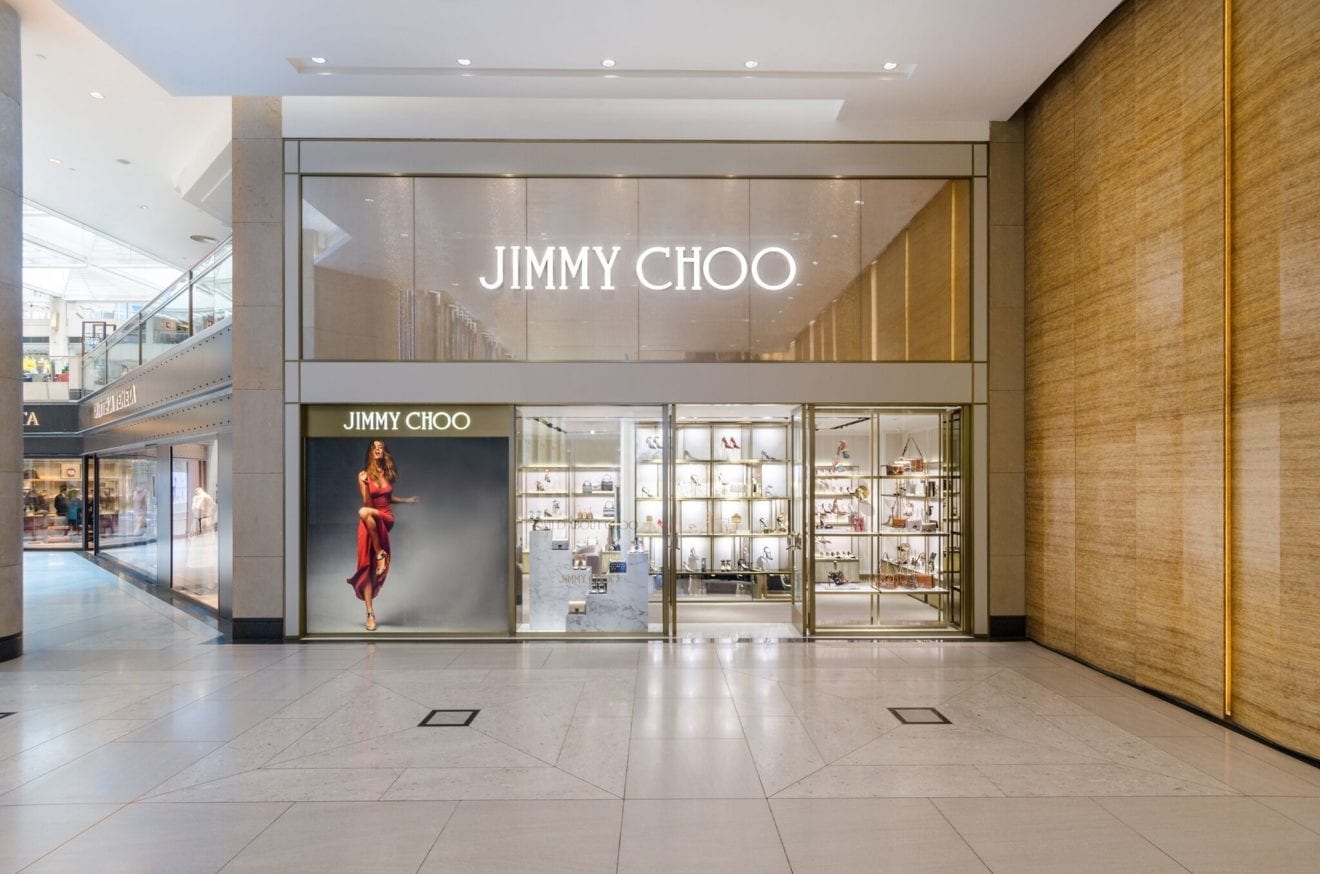
    Christian Lahoude Studio designed the 60-square-meter Jimmy Choo store in Hong Kong’s luxury LANDMARK shopping mall, updating the existing space with the refreshed brand identity. The double-height, glass façade, with a large light box display, attracts the mall traffic into the shop. The framed glass façade was designed without molding, providing the setting for the custom window displays and a clear view into the retail environment.

    Upon entering the store, visitors are greeted by the central display feature conceived by the Studio to best make use of the small footprint and to create circulation through the shopping space. Standard design elements that convey sophistication and luxury, deployed globally in the Jimmy Choo concept, include gold mesh, white Carrera marble, plush grey carpet and velvet fabric for the seating.

  • SmarTone launches cyber security suite

    SmarTone launches cyber security suite

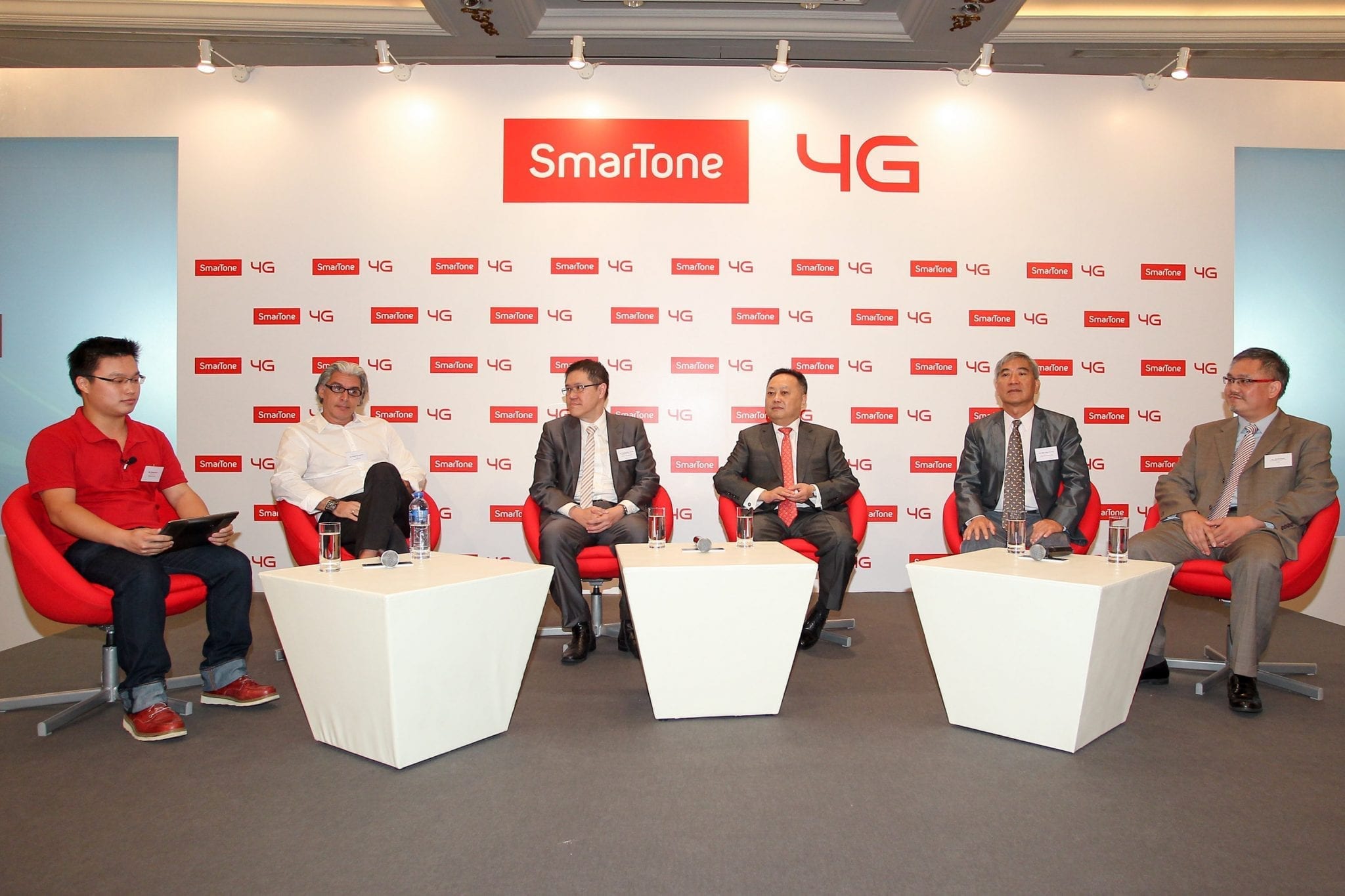
    Hong Kong operator SmarTone has launched ST Protect, an anti-cyberattack software with on-device AI and a Machine Learning behavioral engine designed to protect smartphones from known and even unknown threats.

    Cyberattacks have rocketed in recent years. In Hong Kong, there was an 86% increase in the number of security issues related to mobile devices in 2015 compared to the previous year. Globally, more than 87% of the top mobile apps have been hacked.

    Stephen Chau, SmarTone’s interim CEO, said the new product is design to help their customers to “actively combat” mobile security threats.

    “Recently we have observed the increasing trend of mobile threats and cyberattacks around the world as well as in Hong Kong, with WiFi attacks, viruses and malware continuing to become more prevalent,” he noted. “In many cases, these mobile security issues could lead to severe consequences for smartphone users – from financial loss to the exposure of their private data or personal communications to the public, and even ID theft. There is a pressing need for smartphone users to protect their phones.”

    ST Protect is powered by Zimperium, a US-based security and technology company that has invented the world’s first mobile AI intrusion prevention system. It provides continuous and real-time protection to smartphones against the following mobile threats.

    WiFi attacks and hacking, especially Man-in-the-middle (MITM) attacks, no matter whether users are in Hong Kong or overseas: ST Protect alerts users to immediately terminate unsafe WiFi connections if threats are found.

    ST Protect detects and stops abnormal app activities with patented behavioral analytics, and ensures apps only access permitted information. It also offers protection for known and unknown threats and even zero-day attacks. It also alerts users when their smartphone is under attack.

  • Look to past for the reasons fewer tourists visit Hong Kong

    Look to past for the reasons fewer tourists visit Hong Kong

    In recent months, certain areas of Hong Kong have become noticeably less crowded with gaggles of visitors from China towing sizeable suitcases. Anecdotal observations indicate the local tourism industry is experiencing one of its periodic slowdowns. Official visitor arrival statistics – even with allowances for creative, vested-interest interpretations – suggest the same. Inevitably, prolonged wailing has gone up from Hong Kong’s tourist-dependent retail sector about the catastrophic effects of a reduction in Chinese visitor numbers.

    Blame for falling tourist numbers has been hurled variously at the 2014 Occupy protests, “anti-locust” demonstrations and the burgeoning nativist movement. All sorts of explanations are offered, but not a dispassionate analysis of the real, underlying causes.

    With Hong Kong’s unique local flavour increasingly replaced by manufactured attractions, is it any surprise visitors are choosing different destinations?

    Let’s face it, Hong Kong is a very expensive place to visit for what the experience affords. For the most part, the city offers poor value for accommodation and food if we make regional like-with-like comparisons. And if you’re very obviously from China – a fellow citizen of our “one country”, let’s not forget – Hong Kong’s natives can come across as distinctly cool, to say the least. So why bother coming, when there are plenty of better value, more welcoming destinations to choose from?

    These days, visitors – especially from China – “experience” a series of manufactured “attractions”, each more contrived than the last. In this respect, Hong Kong has followed the pedestrian tastes of global mass tourism, with little genuinely unique local flavour to offer.

    Once upon a time, however, Hong Kong itself was the primary attraction. Visitors from all over the globe came to see, experience and enjoy this most remarkable, unlikely place perched on China’s south coast. But no longer.

    Like much of the modern world, Hong Kong has become blandly homogenised and now China itself is open to visitors. The tangible frisson once obtained from peering across the border at forbidden, forbidding China – so close yet tantalisingly unattainable – is no more.

    One attraction has remained constant: shopping. Since the Roaring 20s – the first time Hong Kong figured significantly on round-the-world stopovers – the city’s duty- and sales-tax-free shopping regime has been a major, and heavily promoted, part of its attraction. Without sales taxes, items such as luxury goods retail in Hong Kong for less than the wholesale price in their country of manufacture.

    By the mid-1950s, affluence was growing globally, air travel was becoming more popular and China was largely closed off to the outside world. Combined, these factors provided an enormous boon to the fledgling tourist industry.

    In 1957, former British Army officer Major Harry Stanley was appointed to run the newly established Hong Kong Tourist Association, overseeing publicity campaigns that put the city on the world tourist map.

    In recent decades, sadly, chairmanship of the HKTA (rebranded the Hong Kong Tourism Board in 2001) has become a Liberal Party fiefdom. Successive heads have mostly combined that particular political faction’s curious, patronising, born-to-rule arrogance with the intellectual mediocrity and comprehensive lack of vision habitual to second-generation economic rentiers in their approach to Hong Kong’s contemporary challenges.