Tag: Hong Kong

  • SEVVA Tailors an All American High Tea in Collaboration with RALPH LAUREN May 12th to June 11th

    SEVVA Tailors an All American High Tea in Collaboration with RALPH LAUREN May 12th to June 11th

    If the thought of high tea feels quintessentially British, think again. Tastemaker extraordinaire Bonnae Gokson is creating another stylish afternoon tea set for yet another luxury fashion house – Ralph Lauren, to celebrate the launch of womenswear at the Landmark Prince’s flagship store. The brand has collaborated with SEVVA and will hold an All American Afternoon Tea there for the month – a high tea founded on favourite American flavours and inspired by the exclusive Cut Lace Capsule collection’s lace pattern.

    Ms Gokson has been a fan of the brand for years and it was just 2014 when Mr Ralph Lauren himself, held a big book launch party at his Madison mansion in New York for Bonnae’s award winning book launch.

    American Splendour

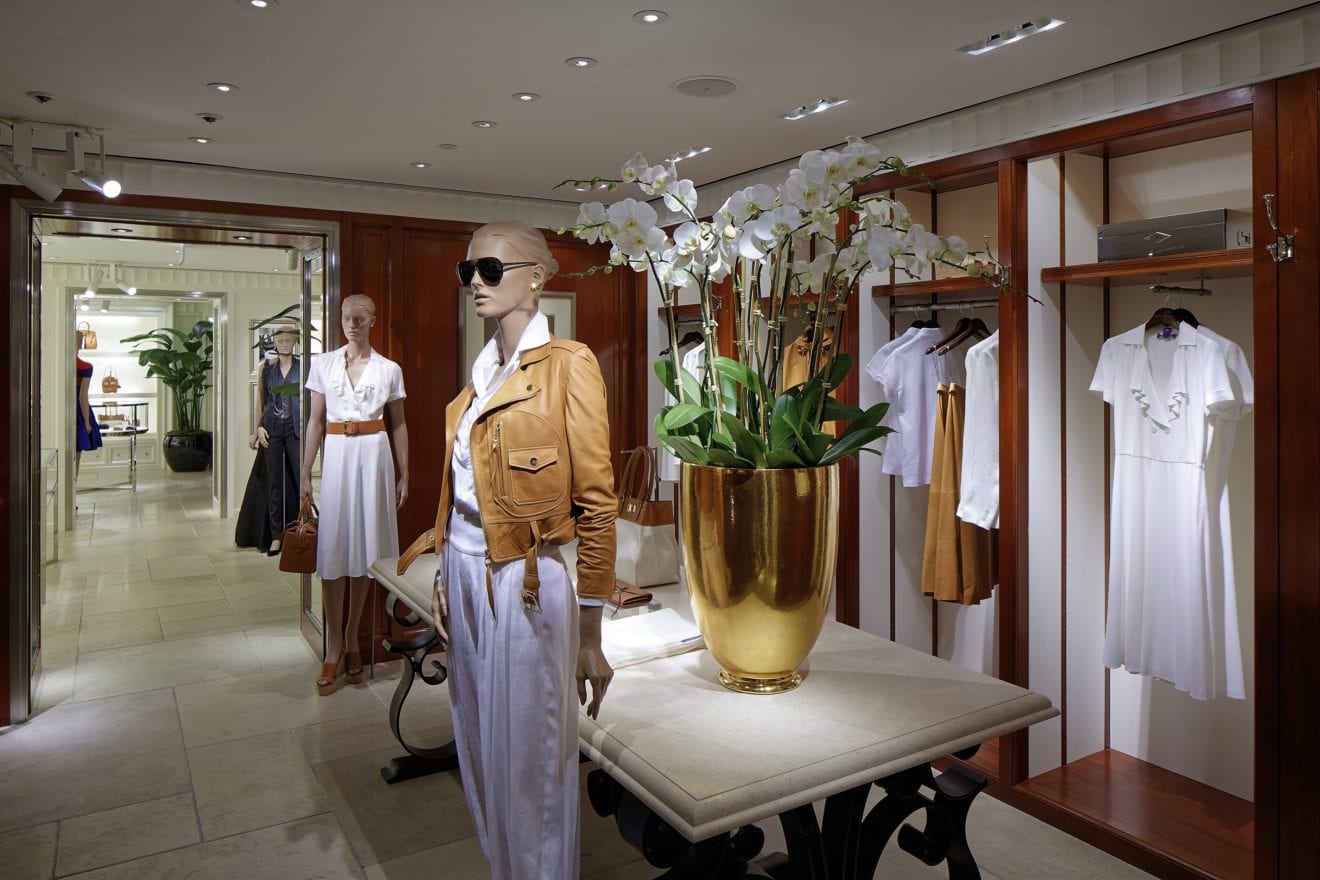
    Ralph Lauren made waves among the fashion glitterati when it opened a stunning womenswear level at Landmark Prince’s, where interiors and collections at the store are the epitome of cool and calming chic. The 10,000 square-foot Ralph Lauren Landmark Prince’s store will now feature a premium assortment of the luxury Women’s Collection, in addition to the existing Men’s Purple Label apparel and accessories. The availability of womenswear adds a new dimension to this Ralph Lauren flagship store and enhances it as a must-visit luxury shopping destination in Hong Kong.

    “Ralph Lauren stands for American traditional aesthetics, so I’ve created a high tea with time-honoured American favourites and including Ralph Lauren’s signature homemade carrot and cheese cake recipes to showcase the truly American taste” says Ms. Gokson, SEVVA’s stylish icon and founder.

    The master of American fashion and the Mistress of Hong Kong high society put their heads together and formed a remarkable new take on an old classic, to be presented at SEVVA, Hong Kong’s most fashionable dining address located just minutes from Ralph Lauren’s Landmark Prince’s store.

    Star Spangled

    Guests will be able to enjoy a plush tea set of 12 varieties of delectable nibbles such as Devilled Eggs with Bacon Crisps, Mac ‘n Cheese Spring Roll, Lobster & Avocado Sandwich, Chicken Waldorf Cup, Wagyu Beef Burger, Kurobuta Hot Dog, Peaches & Cream, Apple Crumble with Shaved Cheddar, Chocolate Dipped Strawberries and Ralph Lauren’s Signature of Chocolate Brownie, Carrot and Cheese Cake.  Also complimenting this scrumptious 3 tiered set will be a mini cake of chocolate print of Ralph Lauren classic handbag; The Soft Ricky, cut in lace effect. What can be more American than a banana split sundae in a cake to pare with this gorgeous design!

    Ralph Lauren Landmark Prince's Women's Floor 3 - 1MB

    Wistful lace designs seen on pieces in the Cut Lace Capsule Collection are honoured in chocolate on Ms. Gokson’s signature cherry-topped Banana Split Sundae cake – itself a culinary classic. Chewy brownies are fashionably attired in red, white and blue stripes or in Ralph Lauren Spring Collection colours. Strawberries coated in white chocolate furnish the striking sweets display.

    A full menu of curated teas is offered for selection to be enjoyed with SEVVA’s All American High Tea. Available at HK$820*.

    SEVVA’s All American High Tea will be offered exclusively for just one month only, beginning May 12th until June 11th, 2016. High Tea is available on weekdays from 2:30pm – 5:00pm, and Saturdays from 3:00pm – 5:30pm.
  • Hang Seng Index Registers Sharp Weekly Losses

    Hang Seng Index Registers Sharp Weekly Losses

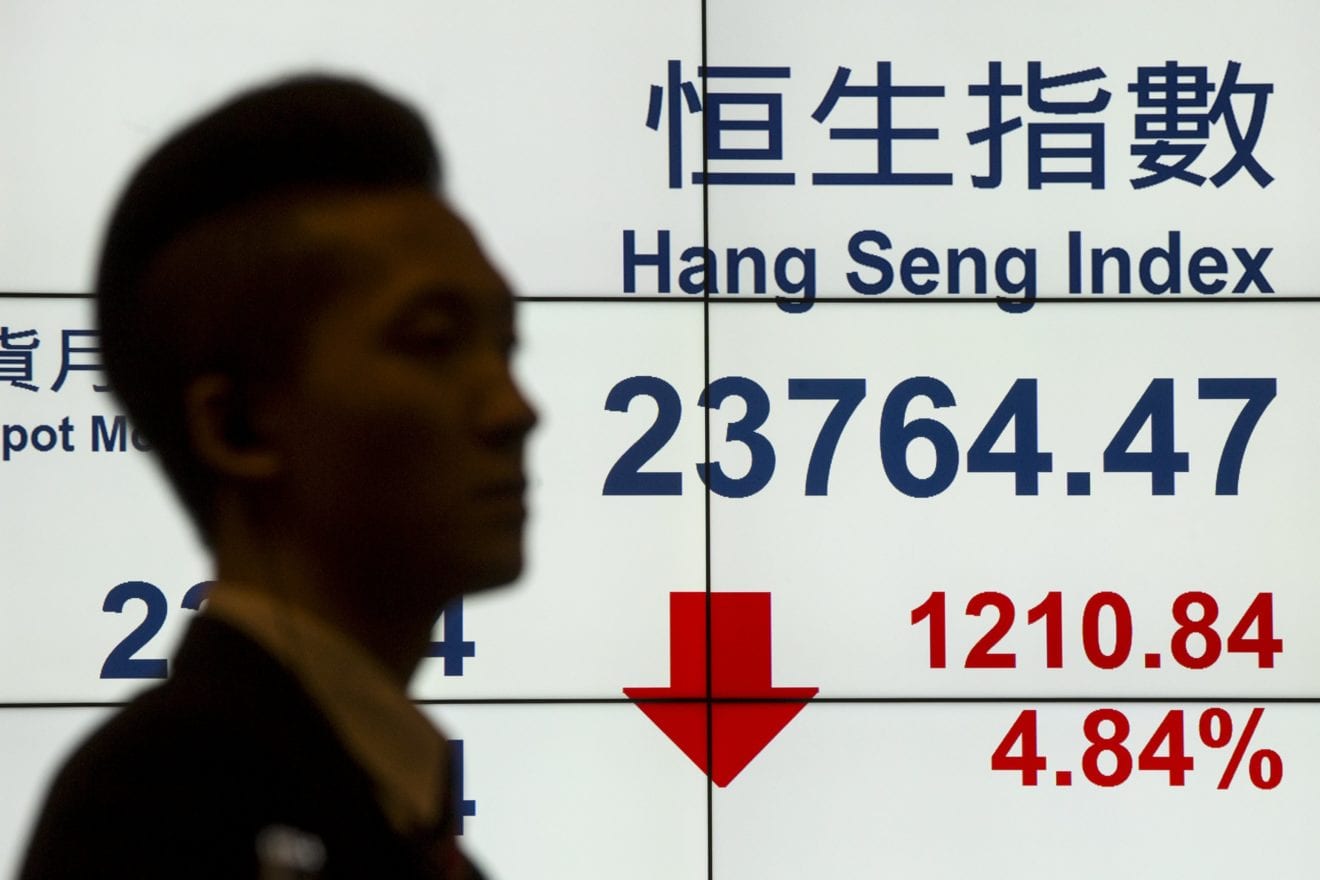
    Hong Kong shares continued to move lower on Friday with the fifth successive daily Hang Seng retreat and sharpest weekly decline for close to three months as confidence deteriorated further.

    US equity markets were unable to make any significant impression on Thursday with marginal losses in the S&P 500 index and weakness in Asian markets. Oil prices were subjected to choppy trading conditions with slight net losses.

    There were further concerns surrounding the Chinese economic outlook with fears that stronger data in March and April would not be sustainable. Sharp declines in mainland Chinese equity markets also had an important impact in undermining Hong Kong confidence.

    Hong Kong retail sales data, released after Thursday’s market close was weaker than expected with a 9.8% annual decline in the year to March, the 13h successive decline with domestic demand subdued and weakness in international arrivals. There were some hopes that a weaker yuan in trade-weighted terms and recent dollar losses would help improve competitiveness and cushion the retail sector from further selling pressure.

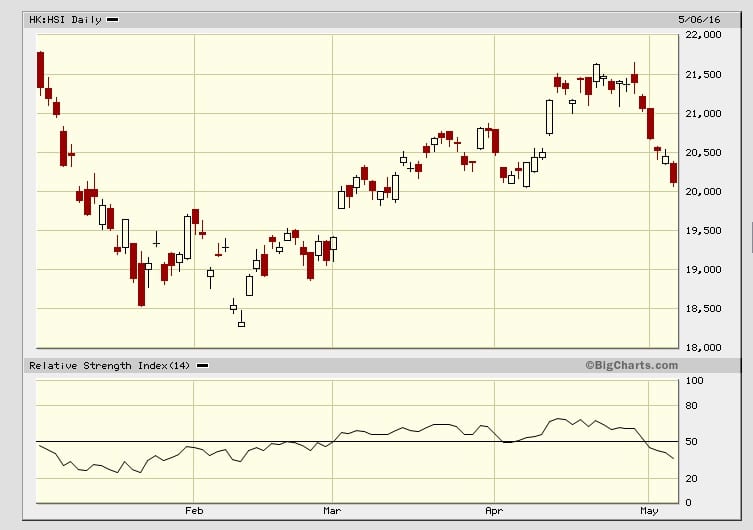
    After opening significantly lower the Hang Seng index moved steadily weaker during the morning session with lows close to 20,150 ahead of the break. Buyers were unable to make any impression during the afternoon session and there was fresh selling late in the session. The index closed with a loss of 339.95 points and 1.66% at 20109.87, the weakest close since the second week of March.

    There were daily losses of over 2.00% for the finance and property sectors and the utilities sector also edged slightly lower despite gaining defensive support. HSBC and AIA dipped significantly lower during the day. The China Enterprises index fell 1.80% for the day, also the fifth successive retreat.

    Friday’s US employment data will be important for global markets with a particular focus on the dollar, which will influence regional markets next week. China’s trade and international reserves data is scheduled over the weekend, which will have an important impact on confidence surrounding the Chinese economy and equity markets with any decline in exports undermining sentiment.

    Hang Seng Daily Chart

    hangseng daily chart 06-05-16

  • Hong Kong Sees Signs of Improving Retail Sales

    Hong Kong Sees Signs of Improving Retail Sales

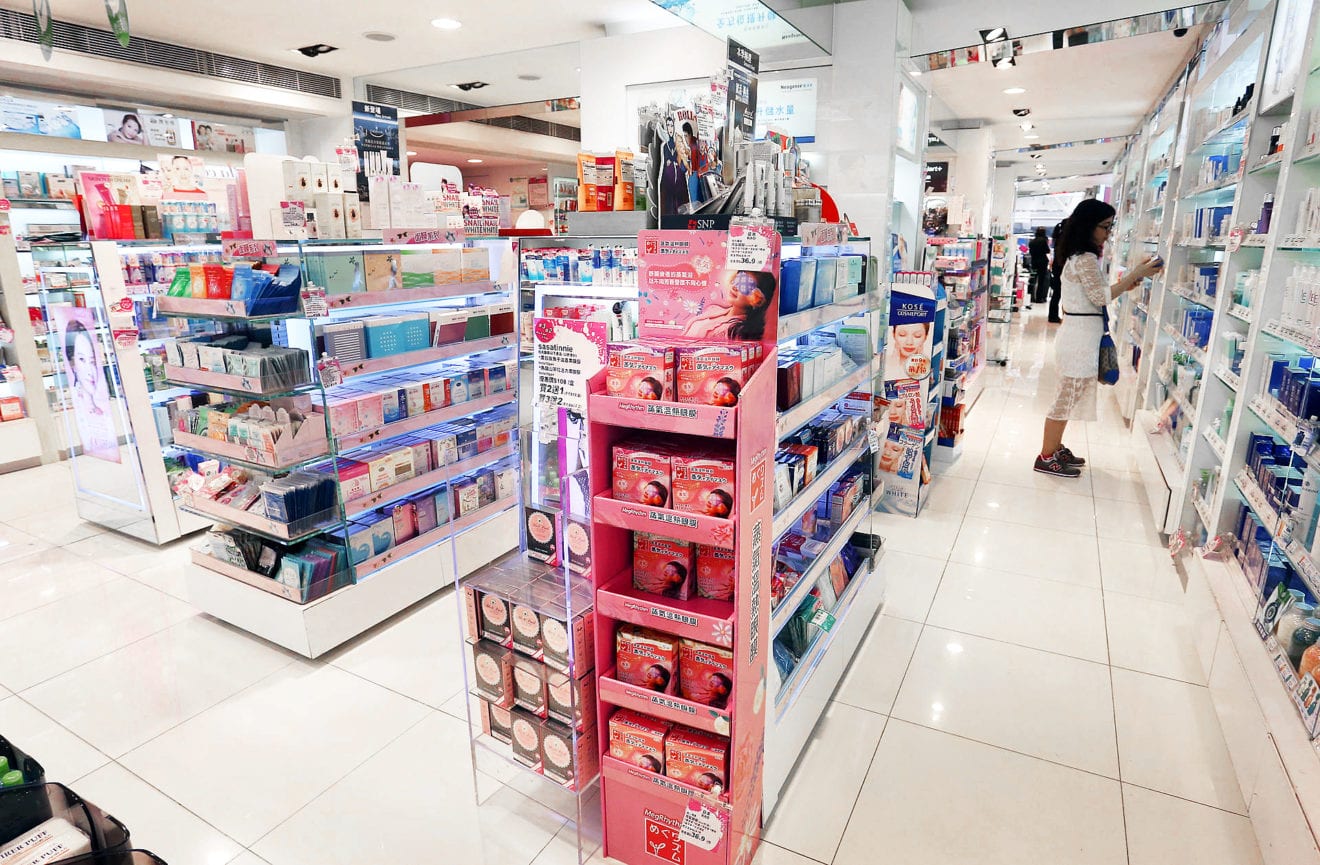
    The latest figures show retail sales in Hong Kong continued falling in March. However, signs of improvement are in sight, with sales of drugs and cosmetics rising slightly.

    However, the biggest question on the minds of many in Hong Kong is how long the overall downturn in Hong Kong’s economic fortunes is going to continue.

    Retail sales in Hong Kong have been suffering through a year-long contraction, the longest decline since 1999. Overall retail sales are down around 10 percent in March compared to a year ago. However, March’s figures are far better than the 20-percent drop in sales registered through February.

    Through the first quarter of this year, retail sales in Hong Kong have fallen 12.5 percent compared with the same period last year. The Hong Kong government attributes the severe drag on retail sales to the slowdown in inbound tourism.

    However, there are some signs of life for the struggling city. The just-concluded three-day May Day holiday saw tourism numbers from the mainland come in 10 percent higher than most observers had been forecasting.

    At the same time, cosmetics firm Sasa has registered a slight growth in same-store sales. Cheng Wai Hung, Head of Hong Kong’s Retail Management Association, says even though there are signs of improvement, retailers still need to do more to keep people buying.

    “Retailers know it is hard to run businesses this year, so stores will start promotions earlier than usual to make up for the losses. It is likely that we will see sales starting from this month. Even some big brands will follow suit.” However, Banny Lam, co-Head of Research at Agricultural Bank of China International Securities, believes retail sales in Hong Kong are not likely to pick up in the short term.

    “I believe the rate of decline will narrow a little bit, but it won’t be a significant change, and sales won’t get back to positive territory any time soon. The current economic environment is rather weak, which has led to a sluggish overall retail performance. Another factor that’s worth noting is that the Disneyland in Shanghai is going to open soon. So the question is, is this going to affect Hong Kong’s tourism? ”

    At the same time, Deputy Director of Hong Kong Department Stores and Commercial Staff General Union, Tung Cheong Sing, says retailers in Hong Kong have to transform their business models to appeal to the changing demands of mainland tourists.

    “For example, stores should be selling middle or low-range priced watches, rather than luxury ones. Despite a decline in rents, many stores may have to close down some of their branches to adapt to the new environment.”

    Even though times have been tough for Hong Kong retailers, some are performing better than others.

    One store selling Japanese products has witnessed a 30 percent spike in sales through the first three months of this year.

    Store Manager Chuang Tin Chi says they’ve been able to keep their finger on the pulse of what’s been trendy this year.

    “There have been a number of movies released over the past couple of months which have featured a wide range of digital, video products or cell phone accessories. So to capitalize on that, we order in these products right away into Hong Kong from Japan, which has significantly increased our sales.”

    One bright spot for Hong Kong retailers has been the recent rise in the value of the renminbi to the US dollar, as the Hong Kong dollar remains pegged to the value of the greenback.

    This means mainland shoppers are getting a more favorable exchange rate when converting from the yuan into Hong Kong dollars, which may prompt more shoppers to cross the border.


  • Under Armour in trademark fight with Uncle Martian

    Under Armour in trademark fight with Uncle Martian

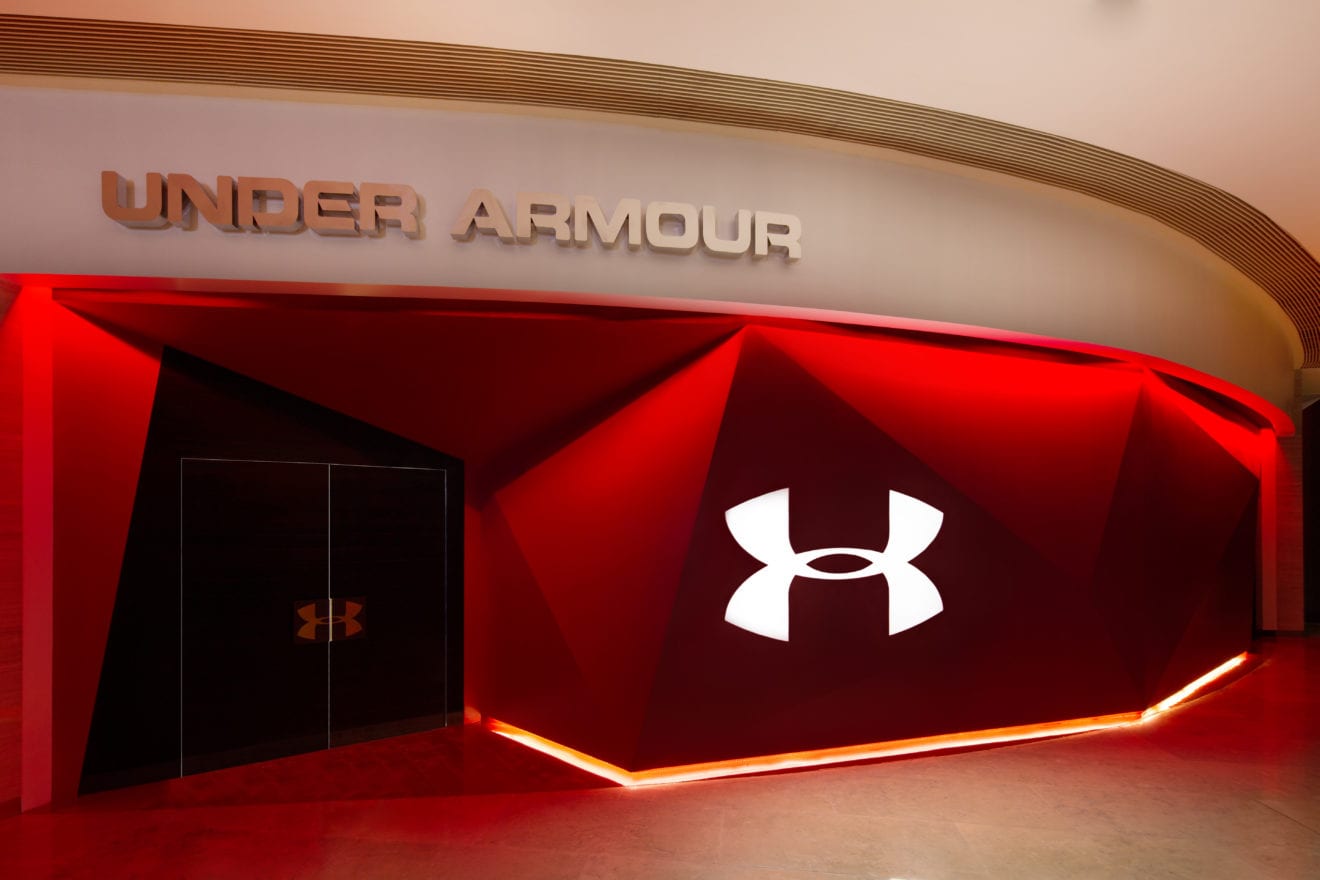
    Uncle Martian, a new competitor for sportswear brand Under Armour in one of its main markets, China, is in hot water for co-opting the US company’s logo.

    Under Armour uses a U over an inverted U that intersect to form a stylised A. Uncle Martian has the same two-U configuration, but the letters do not touch.

    Apparel manufacturer Tingfei Long Sporting Goods in Fujian province, in southeastern China, is the company behind the new brand, which is offering shoes in its first foray into athletic wear.

    Executive Huang Canlong says the brand aims to be associated with “comfort, excellence and innovation”. He told Shoes.net.cn he wants to create a high-profile brand with “high standards”.
    Out of Baltimore in the US, Under Armour has seen its sales in China almost triple in the first quarter of this year compared with the same period last year.

    Meanwhile, Chinese consumers have been criticising Uncle Martian for its blatant hijack of the Under Armour logo.

    “How come you can’t even design a logo? All you do is plagiarise – don’t you feel it’s disgusting?” one critic wrote on Weibo.
    Another Weibo user, Zhang Gemeng, has pointed out that such blatant copying goes against the national policy of encouraging homegrown creativity.
    “Don’t blame people when they say they look down upon domestic brands,” wrote another user, indicating the move as a “loss of face” for China.

    Under Armour, of course, is also unamused and is pursuing “all business and legal courses of action” according to spokesperson Diane Pelkey.

    “Uncle Martian’s uses of Under Armour’s famous logo, name and other intellectual property are a serious concern and blatant infringement.”

  • Hong Kong Airlines passengers flown by Garuda Indonesia

    Hong Kong Airlines passengers flown by Garuda Indonesia

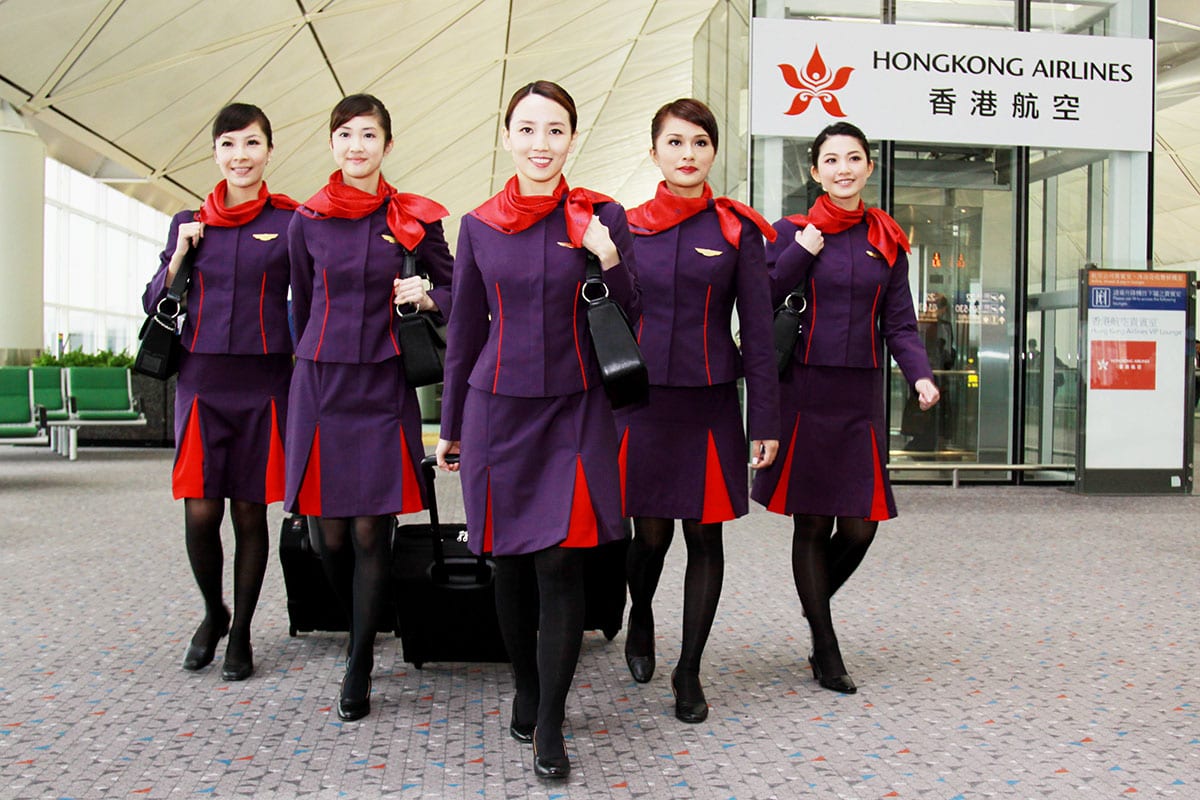
    Some 95 passengers of Hong Kong Airlines flight HX-6704 which encountered severe turbulence have been flown to Hong Kong from Denpasar by a Garuda Indonesia plane later on Saturday.

    “At least 95 passengers of the Hong Kong Airlines plane who survived the turbulence incident have been flown to Hong Kong at 9.35 am Central Indonesia Standard Time (Wita), but the rest have still been given the facility to stay at a hotel to wait for the next scheduled departure,”Ngurah Rai Airport management company PT Angkasa Pura I spokesperson Sherly Yuanita remarked Saturday.

    The severe turbulence on the Hong Kong Airlines flight to Hong Kong over the sky of Kalimantan Island left 17 passengers injured early Saturday morning.

    The ill-fated Hong Kong Airlines plane with 204 passengers and 12 crew members on board took off from Ngurah Rai airport at 1.05 am Wita and was expected to arrive in Hong Kong at 7.05 am local time but the severe turbulence forced it to “return to base.”

    Trikora Harjo, the general manager of PT Angkasa Pura-I remarked that the pilot, Tinios Peter decided to return to Denpasar and landed safely at the airport at 4.28 am Wita.

    “The 12 injured passengers were sent to a hospital in Denpasar soon after the plane landed safely at the Ngurah Rai airport,” he said.

    Turbulence, the most common cause of injury to air passengers, is what nervous fliers fear the most when they board an aircraft.

    Pilots will always keep their seat-belts fastened while seated on an aircraft and will usually advise the passengers to do the same.

    Many different things may cause turbulence, but each and every one of them is known and understood by pilots.

    Turbulence is uncomfortable but not dangerous. It is part of flying, and is not to be feared as different aspects of the weather cause different types of turbulence.

  • Tourists invisible to Hong Kong retailers

    Tourists invisible to Hong Kong retailers

    While more tourists have been crossing the border for the ongoing Golden Week, there has not been much gold in it for Hong Kong retailers.

    Visitor numbers jumped more than 14.1 per cent on Saturday, the start of the holiday, according to the Hong Kong Immigration Department (IMMD).

    This has mainly been attributed to visitors from the neighbouring Guangdong province, with cheaper hotel rooms and convenient travel making Hong Kong an accessible choice, says the South China Morning Post.

    Statistics show that more than 200,000 visitors arrived on the first day of the national holiday, a jump from last year’s 177,000. But despite the rise, the visitors have been spending less – hardly good news for Hong Kong retailers, who have already been feeling the pinch. With Hong Kong no longer riding the wave as the first port of call for Chinese tourists, retailers were warned last month that they need to discount or die.

    For the new influx of visitors, their travel and buying patterns differ from previous mainland tourists as they are familiar with Hong Kong and tend to visit relatives, go sightseeing and buy from stores in residential areas. Family visitors and Shenzhen residents spiked more than 40 per cent on the first day of the holiday, while those crossing the border on the “L visa” dropped 5 per cent.

    Hong Kong retailers are already branding this the worst-ever Golden Week, with many reporting lower numbers of mainland tourists, fewer tour buses and less spending.

    However, Travel Industry Council executive director Joseph Tung Yao-chung says the divergence between tourist numbers and luxury sales is a “good sign”.

    “The city’s tourism sector is normalising,” he says, with high-quality individual tourists compensating for the loss in mainland tour groups, which have long been criticised for forcing visitors to buy high-priced products at designated shops.

  • BreadTalk to open in Myanmar next year

    BreadTalk to open in Myanmar next year

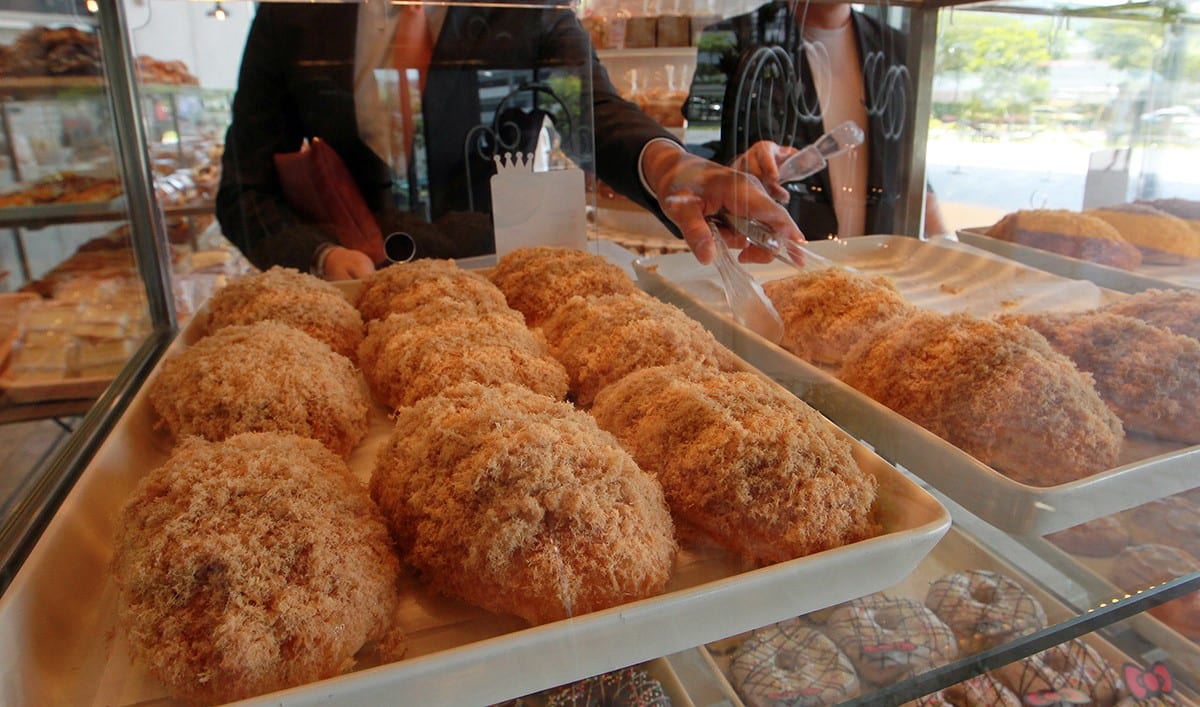
    Myanmar’s growing group of middle-class consumers can now look forward to Singapore bakery giant BreadTalk’s pastries and baked goods as the home-grown bakery brand will soon be available in Myanmar.

    It signed a franchise agreement with Myanmar Bakery on Tuesday (May 3), which will allow Myanmar Bakery to hold the master franchise to operate BreadTalk outlets in Myanmar.

    The first outlet is expected to open in Yangon by early 2017 in one of the shopping centres owned by the Shwe Taung Group. Myanmar Bakery is part of Myanmar conglomerate Shwe Taung Group, which owns an extensive network of real estate businesses in Myanmar.

    The deal marks the first food and beverage venture in Myanmar for the Shwe Taung Group and is also BreadTalk’s maiden foray into Myanmar.

    “With a growing middle class and rising retail consumption, there are immense growth opportunities for BreadTalk in Myanmar,” said Mr Tan Aik Peng, chief executive officer of BreadTalk’s Bakery division.

    “The Singapore team is working closely with the Shwe Taung Group to understand the Myanmar market and we promise an exciting line up with BreadTalk’s first boutique bakery in Yangon.”

    He added that BreadTalk was confident that they will “introduce a new lifestyle of bread appreciation” to Myanmar’s burgeoning middle class.

    BreadTalk operates close to 800 outlets across Singapore, China, Hong Kong, Indonesia and Thailand.

    The Shwe Taung group of companies is a conglomerate involved in real estate, construction and engineering, infrastructure, hotels, entertainment, trading and investment. It also operates the Junction Centre group of shopping centres, which include malls in Yangon and in Naypyitaw, the country’s administrative capital.

    The group is also behind the upcoming Junction City, which is an integrated development in downtown Yangon which will comprise a lifestyle shopping mall, an office tower and a five-star luxury hotel scheduled to open in the first quarter of 2017.

  • Pioneering Ginza-style mall in Hong Kong in bad shape

    Pioneering Ginza-style mall in Hong Kong in bad shape

    It is said that a commercial property can support three generations of a family in Hong Kong. The idea is that owning a commercial property is a sign of wealth as well as social status.

    However, an investor who bought a commercial unit in Jordan Square in 1992 for HK$700,000 has sold it 24 years later for HK$100,000 (US$12,890). He lost 86 percent of his investment in the store, which has a saleable area of 70 square feet. 

    The shopping mall in which it is located is on Jordan Road, a five-minute walk from The Austin, a high-end residential complex. The mall has four stories and a floor area of 20,000 square feet. It was built by a local developer in 1992 and divided into 160 ministores.

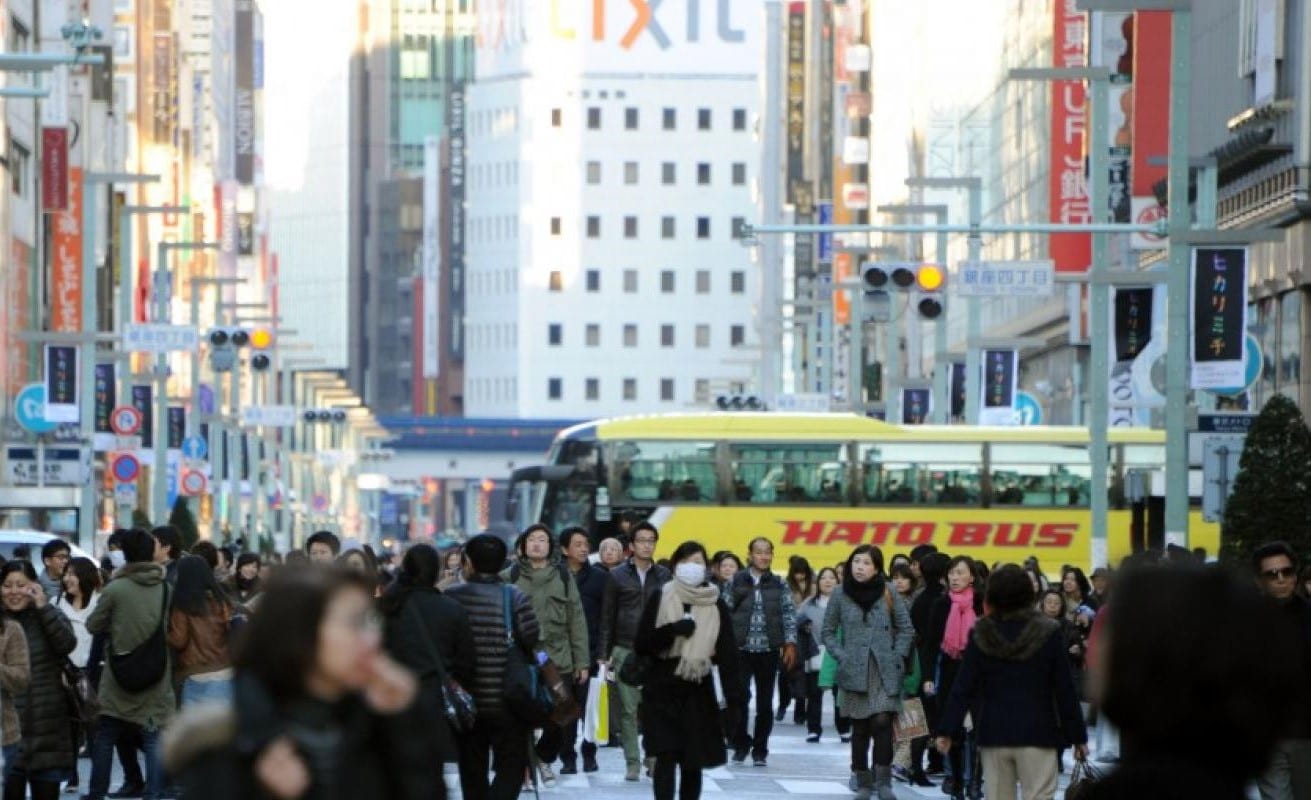
    In recent years, many shopping malls have described themselves as “Ginza-style”. The Ginza-style mall dates back to the 1980s in Japan, when the price of land in Tokyo was exorbitant in the prime Ginza district. Stores, restaurants and bars moved to higher floors of those malls to save on rent.

    These malls usually had elevators, as customers knew beforehand which floor they needed to get off at.

    I still remember when I first heard about a Ginza-style mall; it was in 1992, when Jordan Square opened for sale. The project had attracted great publicity, as it allowed ordinary people to own a retail unit for a relatively small amount. In fact, many local actress and singers invested in the project back then.

    More of these Ginza-style malls appeared across the city after Jordan Square. And most of them failed in the end, because of chaotic management and limited marketing.

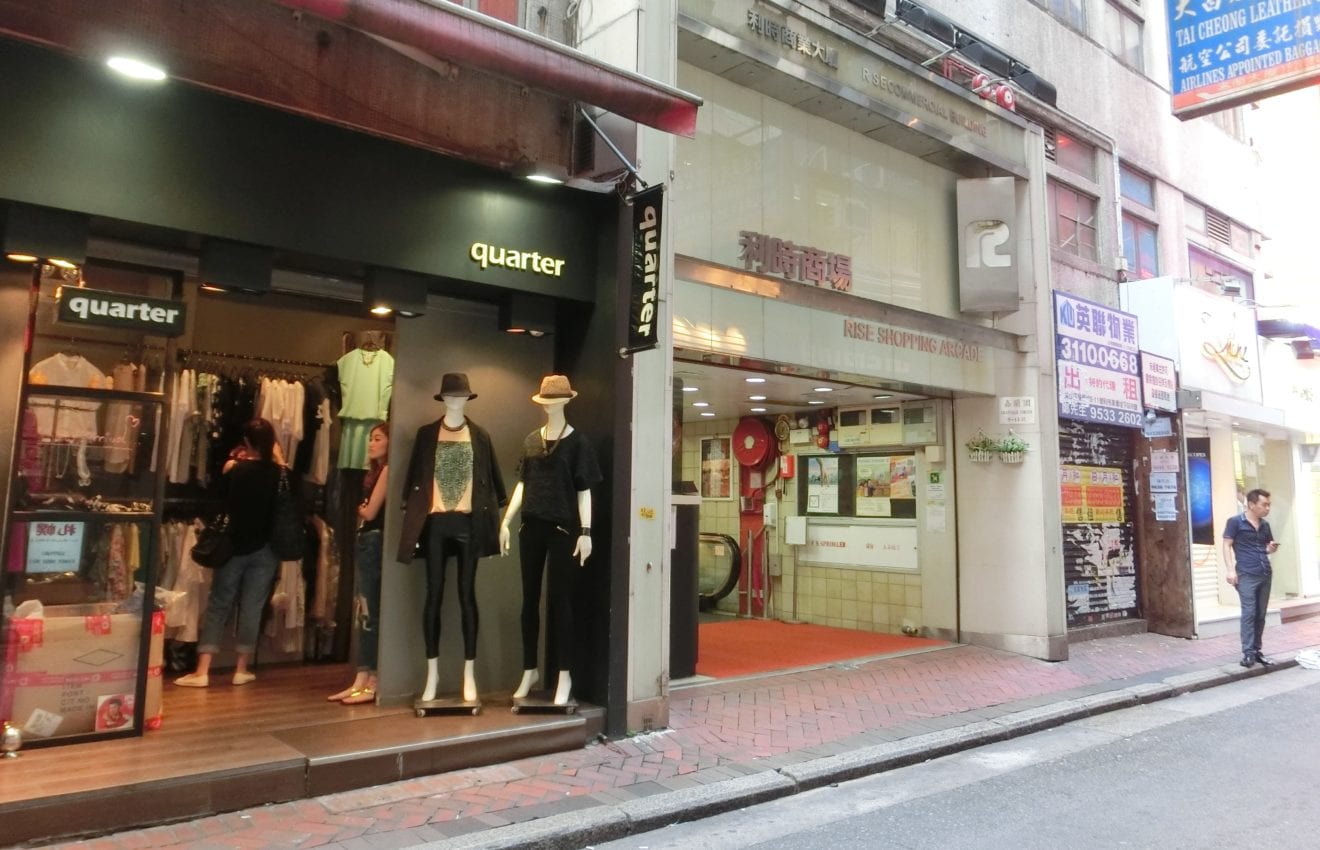
    But there are some successful examples, like Sin Tat Plaza and Ho King Commercial Building in Mong Kok, Rise Shopping Arcade in Tsim Sha Tsui and Island Beverly in Causeway Bay. All these Ginza-style malls have been popular with the younger crowd.

    Nevertheless, the emerging online shopping trend has posed a great challenge to these physical stores, since online shopping sites offer a wider range of products at lower prices. Jordan Square was sold off-plan back then, and the buyers signed the contract after hearing the developer’s presentation.

    However, when the building was completed in 1993, they found that the mall was smaller than they expected and the saleable area was less than what the developer had promised.

    The developer was liquidated later as a result of lawsuits and a property market downturn. As a result, the independent owners of the stores in the building have taken over control. The water and power supply was cut off, and most of the stores failed to find a tenant. And the mall has even become a gathering place for drug addicts and the homeless.

    Jordan Square has a market value of somewhat more than HK$10 million based on the recent transaction price of HK$100,000. There is room for an appreciation in value of more than 10 times at this prime location. A seasoned investor has reportedly already bought 11 stores in the building for between HK$100,000 and HK$470,000 each.


  • Hermes sales rebound

    Hermes sales rebound

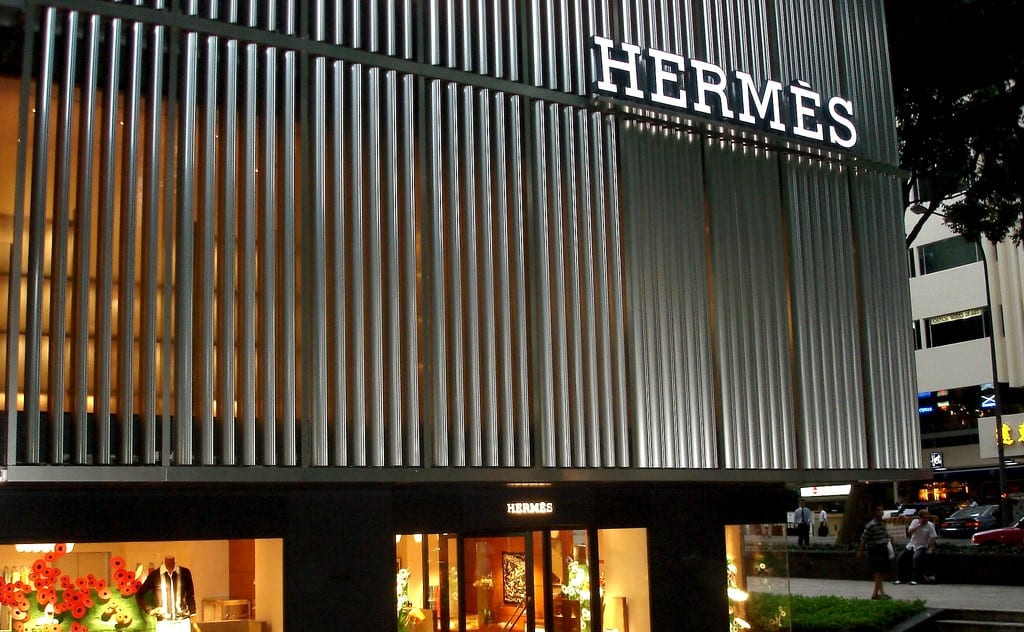
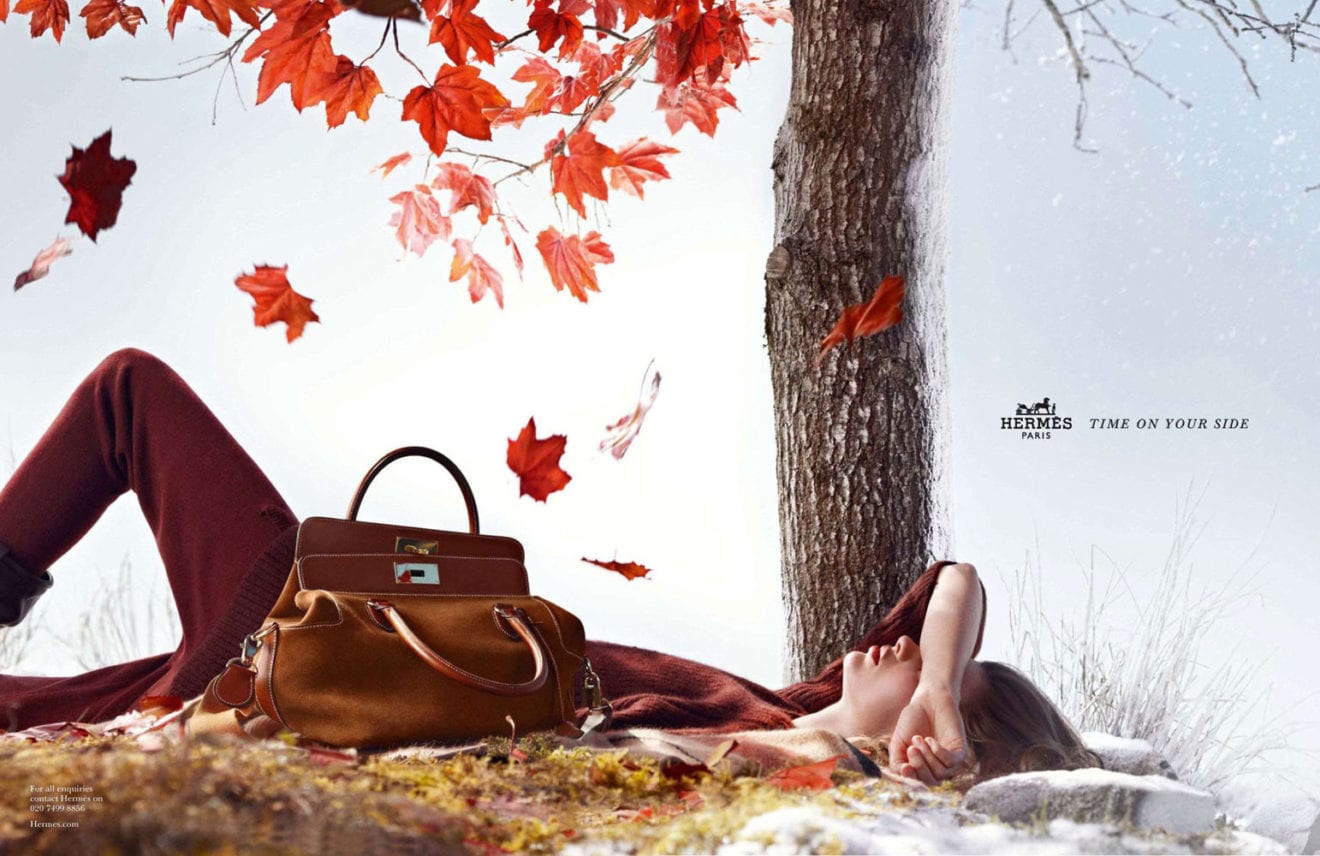
    Hermes sales rebounded globally in the first quarter of this year, exceeding analysts expectations.

    But the best news seems to be from Hong Kong where the French luxury goods label reported sales had “stabilised” after last year’s serious decline.  Sales fell in Macau, Hermes said, without providing further details.

    In the broader picture, the company saw respite in its home market after shoppers began to return to stores following the nervousness fuelled by the terror attacks late last year.

    Hermes sales for the quarter rose 6.2 per cent on a constant currency basis, to reach 1.19 billion euros (US$1.35 billion)

    CEO Axel Dumas said during an earnings call that the fallout from the terror attacks – in both Brussels and Paris – was still hurting luxury goods retailers. Footfall had returned to normal in Milan and London, but remained down in Paris, causing a 9.2 per cent drop in sales of ties and silk scarves in the quarter.

    Leather goods was the only category to show a rise in sales – a healthy 15 per cent.

    “There’s a lot of volatility,” Dumas said. “We have to adapt to circumstance.”

  • Korea’s Lotte opens cinema in Hong Kong

    Korea’s Lotte opens cinema in Hong Kong

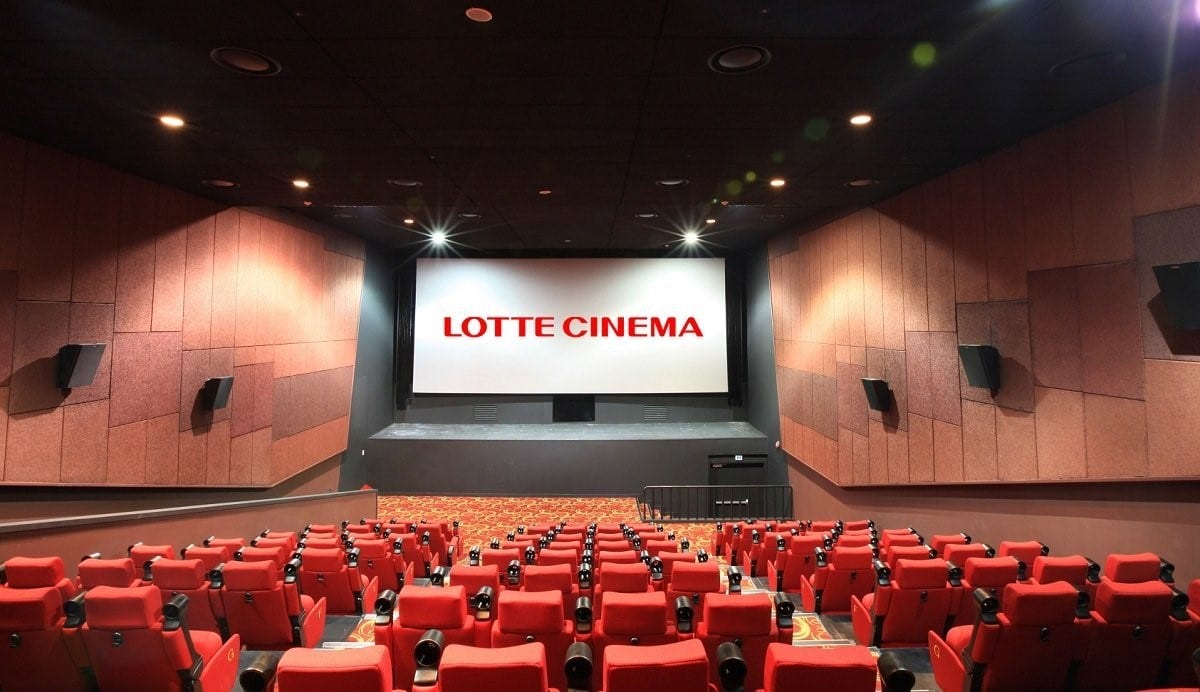
    Tucked away in a nondescript corner of Shau Kei Wan, on the eastern tip of Hong Kong Island, is the city’s newest movie house, L Cinema.

    The first theatre in Hong Kong from Lotte Cinema – South Korea’s second-largest movie-theatre chain – the complex, which opened in February, comprises two auditoria of 87 seats each.

    A visit to the second-floor theatre is like taking a trip back in time: there’s a simple counter serving snacks and a few posters on the walls but that’s about it. And while it looks out of place among the key cutters, launderettes and domestic-helper agencies around Mong Lung Street, an area not big on entertainment or retail, it’s a welcome addition, according to movie-goers who visited one wet Monday night.

    “It’s a really convenient location for people living in the Eastern District,” says 14-year-old Shau Kei Wan resident Felix Ho. “I’ll be coming a lot.”

    “I just watched Zootopia and it was a really comfortable experience. Plus the ticket prices are really good!” says Janet Ho, who is accompanied by two school friends. “The staff are friendly and the sound was fine, though it wasn’t as good as some cinemas, but that doesn’t bother me.”

    Daily screening schedules can be found on the L Cinema Shau Kei Wan Facebook page.

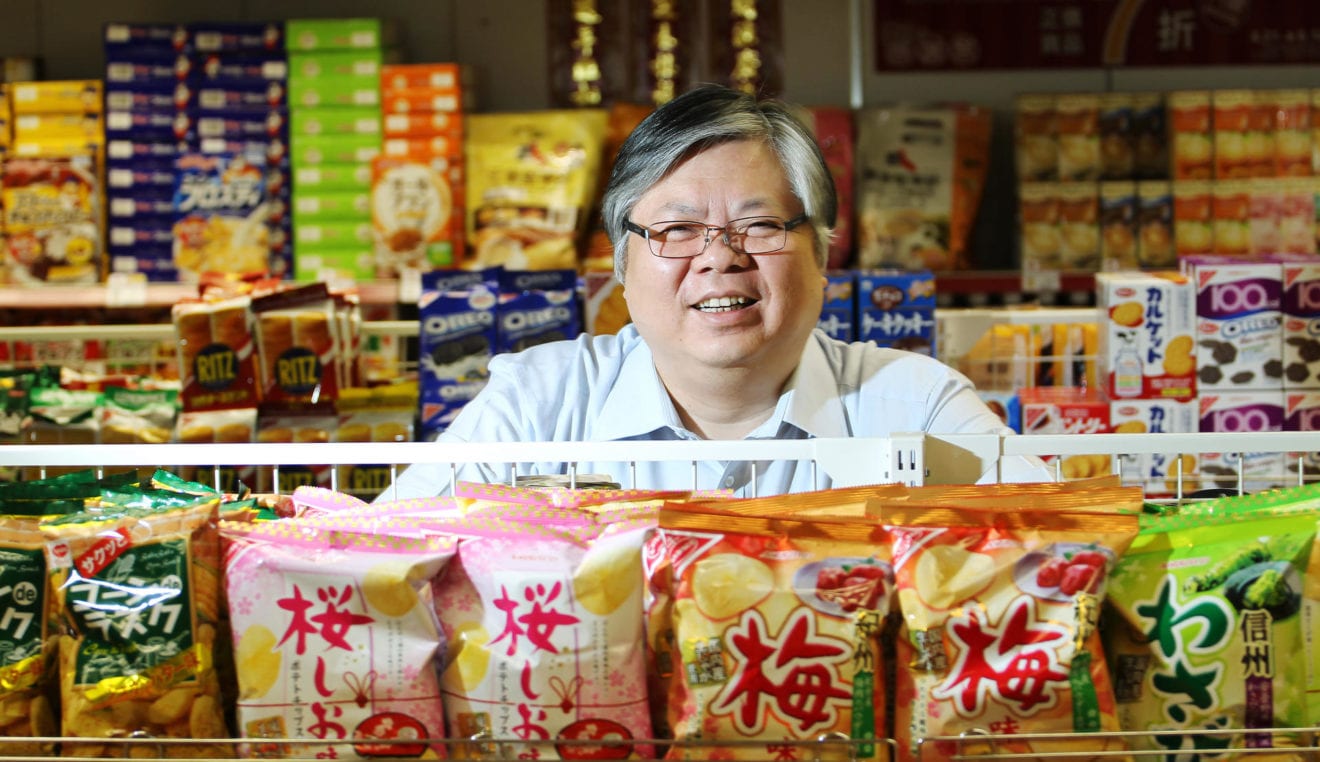
  • City’super was born in Hong Kong after Japanese department store Seibu exited the market

    City’super was born in Hong Kong after Japanese department store Seibu exited the market

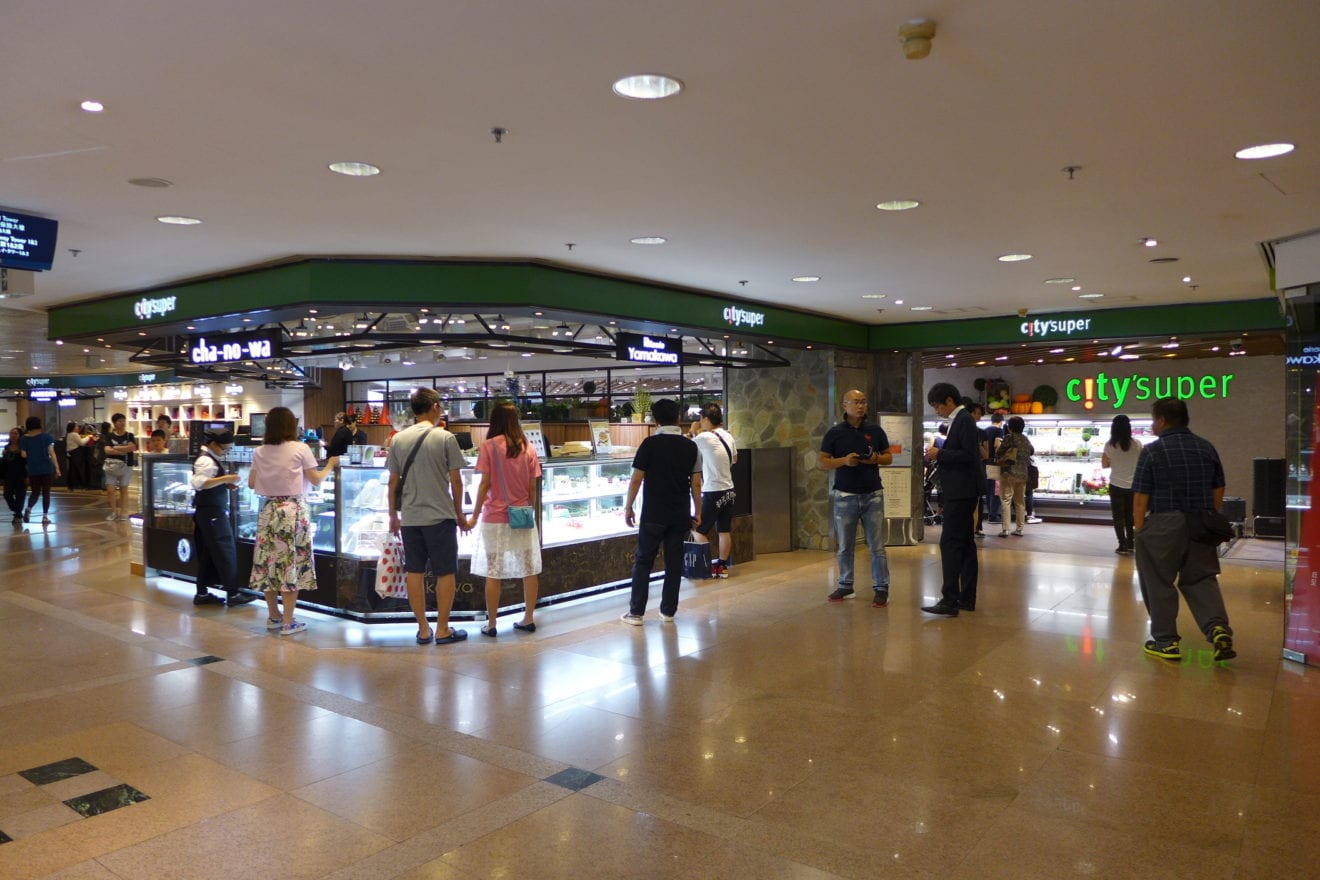
    Many customers buy imported food and wine at Hong Kong’s City’super but few would know the group of founders were closely involved with a chain of Japanese department stores.

    In the 1980s high-end retail fashion and food markets were dominated by those Japanese operators. In 1990 Seibu department stores under a group management led by Masashi Ishikawa established its flagship store in the Admiralty district.

    city super

    Japan’s economic downturn during that decade, however, led Seibu to leave Hong Kong and its other overseas markets. Ishikawa, though, had fallen in love with Hong Kong and did not want to leave.

    He and other Japanese management, along with 14 local senior staff decided to create start-ups of their own in the city.

    They considered too many other stores were selling luxury-brand clothes and too few were selling good food and wine. So the City’super concept was born.

    But the 20-member founding group still needed a financial backer before their high-end mega stores could be launched.

    It did not take long to find a supporter.

    They convinced Masaaki Ogino, a Hong Kong-based Japanese businessman with textile manufacturer Fenix Group, about the future of their project. Ogino and his partners took just three days to back it.

    The rest is history.

    Twenty years on and City’super has become a household name for lifestyle stores selling top-quality meats, fruits and vegetables along with wine, beverages and other lifestyle products. It has brought in new concepts to shopping; it was the first adopt a bank queueing system, in which all customers form a line to be served by the next available cashier, and allows them to pay faster.

    But such innovation and always trying something new may not always prove successful.

    In 1998 Hong Kong Telecom introduced interactive TV for shopping on demand and City’super joined the project as a service provider to sell its products on demand through TV. That proved to be too much ahead of its time because internet speeds were slower 20 years ago and the it was not popular. The company exited the venture some years later and suffered a significant loss.

    “The Lesson learned was that we might think twice jumping into new technology. But we don’t regret doing it. It was just a bit costly lesson,” City’super president Thomas Woo said.

    The company’s current hot product, Cha Cha soft cream, had a bumpy start.

    It formed a joint venture with Japanese partners to launch a traditional Japanese confectionery counter selling authentic Japanese sweets and ice-cream but it drew few customers. It lost money for a few years and the company once wanted to close it.

    But a staff member suggested it should be given a six-month period for a final chance. The team eventually developed the popular Japanese green tea soft cream and launched it as a brand — Cha Cha — which now always draws a long queue of customers.

    The company’s first batch of shops opened in Times Square in 1996. It now has four shops in Hong Kong, three in Shanghai and six in Taiwan.

    Besides City’super, it has Log-On brand which sell stationery, travel accessories and beauty products. There are now 12 such outlets in Hong Kong, three in Shanghai and six in Taiwan.

    It also operates the CookedDeli dining stores which offer international cuisine in Hong Kong and Shanghai.

  • Hermes retail sales rose 8pc in Q1

    Hermes retail sales rose 8pc in Q1

    French leather goods maker Hermès Group’s revenue was up 6 percent in the first quarter of 2016, despite a challenging luxury landscape.

    Consolidated revenues for the house were 1.19 billion euro, or about $1.35 billion at current exchange rates. Even with the negative effects of the Paris terrorist attacks, Hermès’ European sales grew 9 percent compared to the same period the previous year, with strong performances of its brand-owned boutiques.

    Trying times
    Japan sales were up 13 percent compared to last year, which Hermès attributes to selective distribution. The rest of Asia saw sales rise 4 percent, with growth in China offset by challenges in Hong Kong and Macao.

    Hermès’ leather goods and saddlery business grew 15 percent in the quarter. The group has recently established new facilities for leather production, with the fifteenth opened on April 1 in Héricourt.

    All other areas of Hermès’ business saw a decline.

    With a slowdown in the United States, Asia and France, ready-to-wear and accessories sales were down 2 percent. Silk and textile sales were down 9 percent, attributed to the recent events in Europe.

    Perfume sales dipped 4 percent, while watches declined 3 percent.

    Its other business ventures, including silvermaker Puiforcat and bespoke shoemaker John Lobb, balked the trend, rising about 30 percent to about $65.6 million in sales.

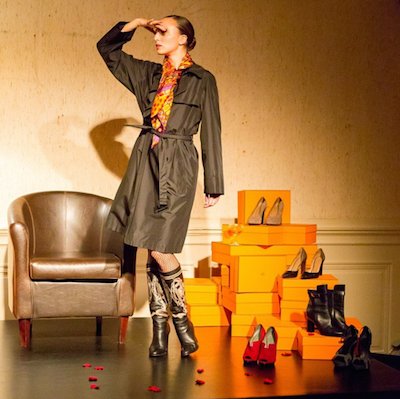
    Hermes shoe fw 2014
    Hermès fall/winter 2014

    Hermès says that its goal of 8 percent revenue growth at constant exchange rates for 2016 may be out of reach due to economic, geopolitical and currency fluctuations.

    The brand is planning to celebrate the horse this year, with an effort that focuses on its longstanding connection to nature through equestrian arts.

    Other luxury brands are feeling the pinch of current events.

    French conglomerate Kering’s luxury sales in the first quarter of 2016 were buoyed by Western Europe, Japan and emerging markets, as it managed growth in a challenging environment.

    Bottega Veneta’s sales were down 7.6 percent as reported, or 8.3 percent on a comparable basis. The brand was mostly hurt by the strength of the U.S. dollar and by Asian tourists avoiding Europe and other parts of the globe following terror attacks

  • Mixed fortunes for Dairy Farm Indonesia

    Mixed fortunes for Dairy Farm Indonesia

    Dairy Farm International’s Indonesia operation continues to struggle in food – but Ikea trades above expectations.

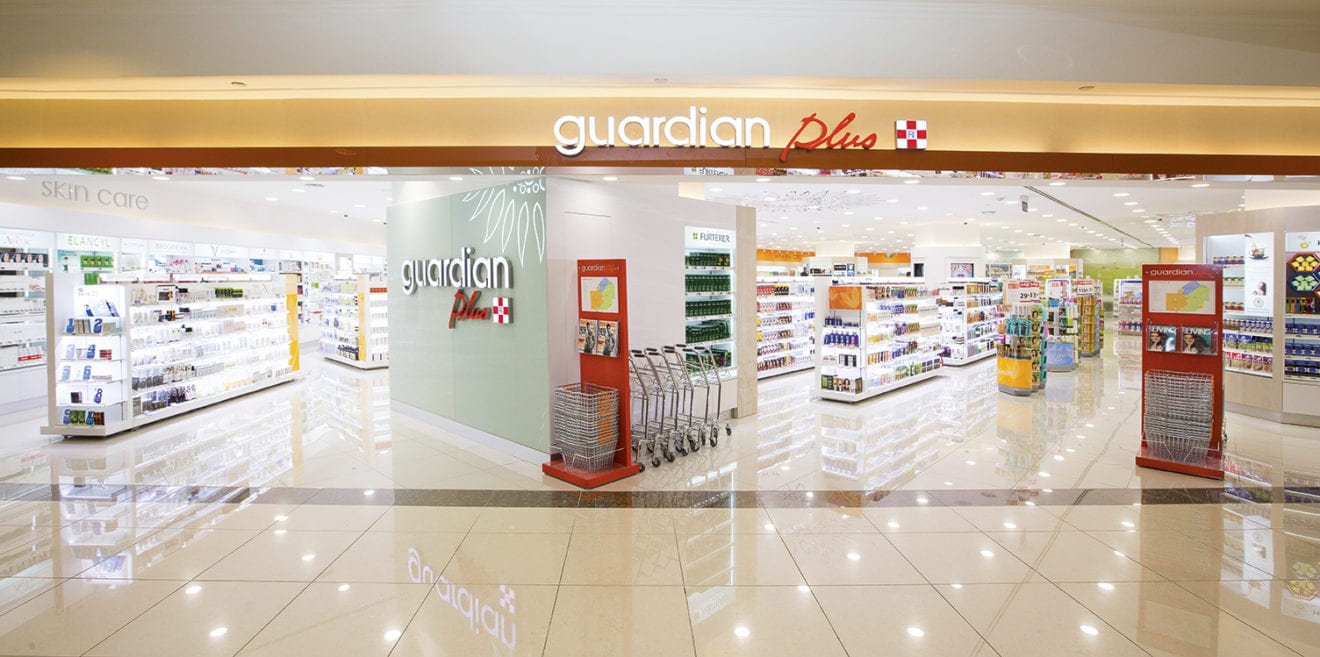
    The Hong Kong-listed company holds a controlling 83.9 per cent share in PT Hero Supermarket Tbk, which operates Giant hypermarkets and grocery stores, Guardian pharmacies and has the nation’s Ikea franchise, among others.

    Hero has reported a first quarter sales decline of 3 per cent to IDR3,409 billion (US$258 million), a 2 per cent improvement in gross profit, but a net loss of IDR 35 billion ($2.65 million).

    “While there are initial signs of margin improvement, the trading conditions for food are expected to remain challenging,” said president director Stephane Deutsch.  “Various initiatives are underway to improve the profitability of the Food business, and continuing progress is expected in both health and beauty and Ikea.”

    Although still relatively new, Ikea was the star of the quarter with sales up by double digits, exceeding both sales and profitability expectations.

    A total 28 net stores were closed in the first quarter, including one Giant Ekspres, 24 Guardian and five Starmart convenience stores. This was offset by the opening of one Guardian and 1 Giant Ekstra.

    In health and beauty, Guardian’s store rationalisation program is “progressing well”, said Deutsch. Together with the introduction of refreshed branding and increasing private label development, the restructure is leading to improvements in both sales and profitability.

    But profitability in the food operations was reduced due to the lower sales, higher stock provisions and increasing costs resulting from last year’s wage increases.

    “Significant attention continues to be given to driving sales growth, and several initiatives are underway to mitigate the effects of rising costs through energy savings and improved productivity,” said Deutsch.

    In food, the strategic decision to increase the focus on fresh produce is showing promising results with strong like-for-like sales growth.

    “Disappointing grocery and general merchandise sales, however, impacted negatively the overall food [division] performance during the quarter, especially in Giant. Action is also being taken to improve the efficiency of the supply chain, with increased centralisation through the group’s distribution centres,” he said..

    Both Giant Ekstra and Ekspres are taking action to improve their trading and their profitability.

    Dairy Farm Indonesia’s upscale format, Hero Supermarket, had stable like-for-like sales and continues to focus on enhancing its offer across the fresh, imported and exclusive ranges to provide a more distinctive choice for customers.

    At the end of the quarter (March 31), Hero operated 582 stores: 54 Giant Ekstra, 153 Giant Ekspres and Hero Supermarket, 295 Guardian Health and Beauty stores, one Ikea and 79 Starmart convenience stores.

  • China blamed for Apple sales slump

    China blamed for Apple sales slump

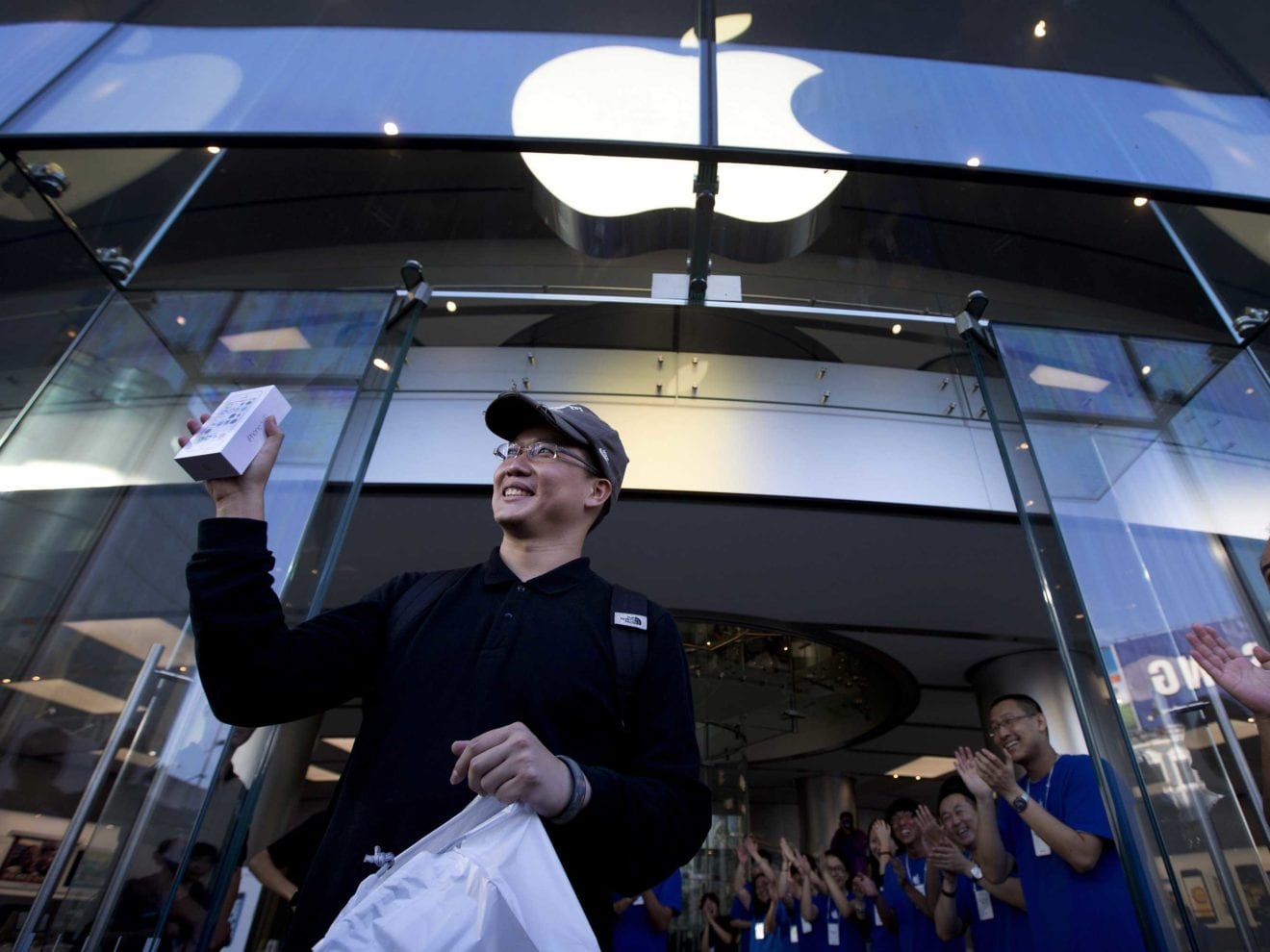
    Apple sales slumped 26 per cent in Greater China in the latest quarter, driving the tech giant to its worst result in 13 years.

    CEO Tim Cook said the Hong Kong market was largely to blame, due to its currency value being pegged to the US dollar. Sales in the mainland fell by a more modest (but still alarming) 11 per cent. Greater China sales totalled US$12.49 billion, equivalent to about 24.5 per cent of its global revenues.

    Cook added that a year ago Apple sales in China soared a remarkable 81 per cent year-on-year, suggesting that made for a tough benchmark for this quarter’s results.

    But Apple cannot blame all the company’s current woes on China: sales in its US home market fell 10 per cent as well.

    Globally, Apple sales totalled US$50.6 billion, down from the $58 billion of the previous corresponding period. Its quarterly net income fell from $13.6 billion to $10.5 billion and gross margin fell from 40.8 per cent to 39.4 per cent. International sales accounted for 67 per cent of the quarterly revenue.

    Despite the sales decline, Apple is showing no sign of slowing its aggressive expansion program in Greater China which it predicts will soon become its largest single market, overtaking the US.

    During the quarter the company opened seven more stores, with five more planned in the current quarter, taking the network of large format stores to about 40.

    The company will also take a hit from the Chinese Government’s decision last week to ban Apple’s iTunes music store and its Apple Bookstore – both selling digital content to Chinese customers who have invested in iPhones, iPads or Apple computers.

    The biggest drain on sales is the iPhone, which is now struggling to keep pace with a myriad of less expensive models offering similar technology at often vastly lesser prices. Apple sold more than 51.2 million iPhones in the first three months of 2016 – nearly 10 million fewer than during the same quarter of 2015.

  • Yen strength bites 759 Store profits

    Yen strength bites 759 Store profits

    Feeling the bite from a stronger yen, Hong Kong snack chain 759 Store will shut down at least 15 outlets this year and slash its discounts from next month.

    The company has reported its first loss since its 2010 launch, with founder Colis Lam Wai-chun blaming the currency appreciation for raising the cost of its products from Japan, which accounts for about 30 per cent of its range.

    There has also been a drop in sponsorship fees from payment-service companies this year, further squeezing profits.
    Lam says the change in pricing strategy would result in a 10 to 20 per cent rise in prices for the chain’s members and customers using such payment methods as credit cards and electronic wallets.

    He says dealer prices for Japanese products have risen around 7 to 8 per cent, while payment-service partners have cut sponsorship fees paid to the chain by 70 per cent from a year ago.
    Instead of discounts of 30 to 40 per cent, members and customers using designated payment methods will find the rebate cut back to 10 to 20 per cent from next month.

    However, Lam says ordinary consumers who pay cash or use non-designated methods might enjoy cheaper prices.

    He plans to adopt a “fixed price” for each item, with a profit of around 35 per cent on the dealer price. Previously the chain offered three price levels for different products, with profits ranging from 32 to 40 per cent.

    However, Lam does not expect to lose customers as he says his products will still be cheaper than those in supermarket chains like ParknShop and Wellcome.