Tag: Hong Kong

  • E-Commerce Latecomer Chow Tai Fook to Chase Online Giant Alibaba

    E-Commerce Latecomer Chow Tai Fook to Chase Online Giant Alibaba

    The Chow Tai Fook brand took almost 90 years to become a family empire spanning Hong Kong shopping centers, the world’s largest jewelry chain and casinos to give patriarch Cheng Yu-tung a $10 billion net worth. Alibaba Group Holding Ltd.’s founder Jack Ma needed less than five years to amass an e-commerce fortune almost triple that.

    Now, the Cheng family’s holding company is making a move to chase Alibaba and other Internet retailers by expanding its online presence. It invested 350 million yuan ($54 million) in shopping platform CTFHOKO.com in December and a mall to showcase products sold online. Its website offers genuine imports such as infant formula, diapers and cosmetics at prices at least 10 percent cheaper than shops in mainland China and is aimed at consumers wary of counterfeit goods online.

    The company is banking on its decades-old reputation. While Hong Kong-based Chow Tai Fook has little e-commerce experience compared with JD.com Inc. and Alibaba’s Tmall, it “can offer confidence in product quality while some existing websites may have fake products,” said Chan Sai-cheong, executive director of Chow Tai Fook’s jewelry unit in charge of the venture.

    Cheng family’s flagship Chow Tai Fook Jewellery Group Ltd. joins other retailers in stepping up its online business that has long been dominated by Alibaba and other e-commerce companies. It’s also seen its traditional business suffer its worst year since 2011 as China’s slowing economy and anti-graft campaigns curb demand for luxury goods.

    The prize is a $100 billion-a-year online Chinese market for imports such as cookies and diapers, according to a report by Mintel Group Ltd., as consumers remain concerned about local products after a series of scandals over fake goods. China’s e-commerce industry is dominated by Alibaba and JD.com, with market shares of 52 percent and 20 percent respectively, according to the report.

    “It’s unlikely for newcomers to compete for website visitation” because China’s most popular online platforms such as Alibaba attracts the most traffic, said Ray Zhao, an analyst at Guotai Junan Securities Co. “It has to cooperate with China’s Internet companies to let Chinese consumers know there is a new website.”

    The hurdle for Chow Tai Fook is not just homegrown. Amazon.com Inc., the world’s largest e-commerce company, is also putting together a plan to take on Alibaba as it vies to capture China’s growing cross-border e-commerce market, which by 2020 is expected to swell into a $1 trillion industry serving 900 million shoppers, according to a June report from Accenture and AliResearch, Alibaba’s research arm.

    No Partnership

    While other brick-and-mortar companies have paired up with established platforms to break into China’s online market, such as the partnership between LVMH-owned cosmetics retailer Sephora and JD.com as well as department store chain Intime Retail Group Co.’s venture with Alibaba, Chow Tai Fook is prepared to go at it alone.

    “We don’t need to have any partnership in expanding the business — we are strong enough to do it by ourselves,” Chan said in an interview in his Hong Kong office. “What we care is that the business model has potential to grow.”

    Cosmetics, Cakes

    To complement its online offerings, Chow Tai Fook built a companion shopping mall in the Qianhai free trade zone in the southern city of Shenzhen to exhibit products sold online, while some are also for sale at the stores.

    Since the first phase of the three-story mall opened in December, Chow Tai Fook has invited 21 Hong Kong retail brands such as cosmetics retailer Sa Sa International Holdings Ltd. and Maxim’s Cakes to display their wares there and sell on its website. At least another 50 retailers will open outlets at the mall when its next phase is ready in May, said Chan.

    All products in the CTF HOKO mall and sold on its sister website are shipped from Hong Kong or other countries outside China, and prices for products such as cosmetics, milk powder and diapers are cheaper than at shops. That’s because the government has adopted lower taxes for online retailers that import through specific ports, under a program labeled “cross border e-commerce.”

    Chow Tai Fook isn’t the only traditional retailer to try and benefit from the program. China Resources Holdings Co. started ewj.com last July and opened a companion showroom in Shenzhen, while Wal-Mart Stores Inc. also plans to introduce a cross-border e-commerce service this year.

    Imported products for infants have been the most popular category since Chow Tai Fook opened its platform, as “Chinese parents don’t stint on baby products,” said Chan. “They want to give their children everything that’s good quality, and they don’t trust domestic brands after some scandals.”

    Showroom Expansion

    The company plans to open other showrooms across China to market its online offerings. It could draw more traffic with low-value goods before switching back to the luxury products for which Chow Tai Fook is known, said Bloomberg Intelligence analyst Catherine Lim.

    “New players can only succeed in surviving by focusing on some niche segments that existing players don’t focus on,” she said.
  • M&M’s take over DFS’ HKIA shop-in-shop area

    M&M’s take over DFS’ HKIA shop-in-shop area

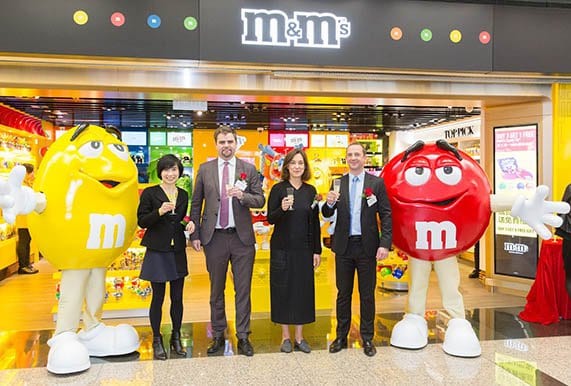
    M&M’S have taken over a new dedicated 35sq m shop-in-shop concept at Hong Kong International Airport, which Mars International Travel Retail have launched jointly with DFS Group in Terminal 1 – close to Gate N28 on the central concourse.

    “Asia is one of the fastest-growing regions for MITR, so we are extremely pleased to be opening this new M&M’S Travel Retail shop-in-shop at DFS, Hong Kong International Airport,” said MITR Regional Sales Director, Christophe Bouye.

    “By offering passengers outstanding retail experiences that first and foremost will make them smile, we are confident it will increase shopper engagement and encourage conversion. Through placing consumers in a smiling frame of mind, we believe that this will not only benefit the confectionery category, but all sectors of the travel retail offer here in Hong Kong.”

    The interior of the store features an ‘interactive’ retail theatre, with the ‘focus on fun’, says MITR, in line with its ’Smiles’ campaign which is a breath of fresh air in many DF&TR locations today.

    MM's ride the Dragon Boat

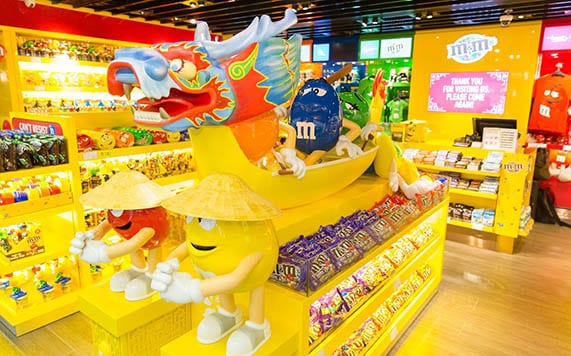
    Personalised and tailored specifically to reflect a taste of Hong Kong, the shop combines a sample of local tradition with a replica of a dragon boat, which is both guarded and manned by smiling red, yellow, blue and green M&M characters. This is centrally located in the store, against a sea of wall and floor mounted brightly-lit yellow display fixtures – featuring a full range of M&M’s products.

    The store also carries destination merchandise, such as Hong Kong Travel Collection packs of Snickers, Mars and Twix, plus a Hong Kong-themed M&M’S dragon boat box. Core brands of Snickers, Mars, Celebrations and Twix are also offered in individual packs.

    The partners are also promising a strong social media campaign from DFS. This will utilise the WeChat, Facebook and Instagram platforms to alert interest customers to the existence and location of this new outlet before they arrive at HKIA. They also add that as an incentive, a free gift awaits the first 500 visitors, while all customers will be encouraged to take photos in the store and post them to friends on their mobile phones.

    Thierry Canivet, DFS Group’s Senior Vice President, Food and Gifts said the retailer is ‘thrilled’ with the new shop-in-shop concept: “With the shop-in-shop’s localised format, exclusive product offering and innovative approach to engaging customers, we’re confident travellers will love this addition to DFS, Hong Kong International Airport.”

    MITR’s Christophe Bouye added that the company is very grateful to DFS for the opportunity to create such strong branding for M&M’S. He said it is a good opportunity for both existing and new shoppers to discover a new experience, to interact with the M&M’S characters and exercise impulse purchasing.

  • Hong Kong-born entrepreneur sets up shop in Saskatoon

    Hong Kong-born entrepreneur sets up shop in Saskatoon

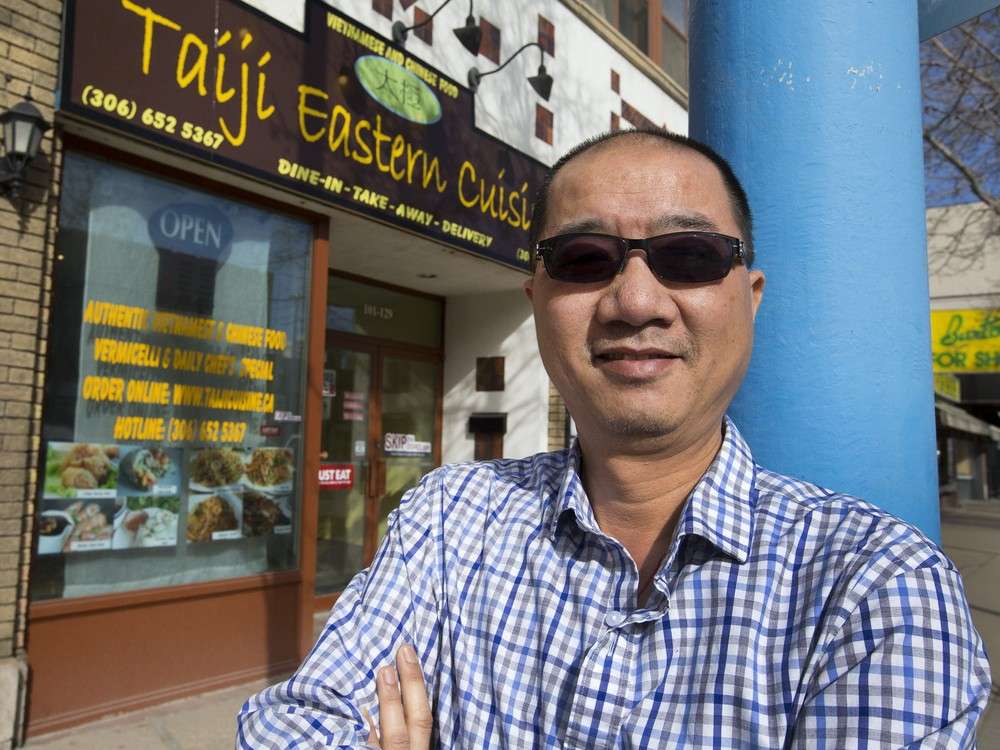
    Most restaurant owners work impossible hours, and Patrick Chu is no different. But after three decades of 100-hour weeks in his native Hong Kong, running his traditional Chinese food restaurant in Saskatoon feels like a vacation.

    “I spent too much time on working. I was just very tired,” said Chu, who worked in supply management for a global construction company before emigrating to Canada last summer.

    Chu said he brought his three children to Canada because he wanted them to have the best education possible. After arriving in July, he decided to change careers entirely and start his own business, a traditional Chinese food restaurant.

    “For me, I just think opening a restaurant is a small business — it’s easier to manage. (And) I just want to bring some traditional Chinese flavour in here,” he said with a laugh, noting that while some of his family members ran restaurants in Hong Kong, he was “totally unfamiliar” with the industry.

    A lack of experience didn’t deter him from working to get his restaurant up and running. He renovated the First Avenue North space himself, doing everything from painting to replacing and repairing kitchen equipment. Then he started developing a menu that combined familiar dishes with traditional flavours.

    Taiji Eastern Cuisine, which opened its doors late last year, serves meals that will be familiar to most western customers. Ginger beef, sweet and sour pork and Singapore fried noodles are all staples. But according to Chu, Taiji’s are cooked differently, and are spicier and more flavourful than most western-style Chinese food.

    Chu said that since he opened the restaurant, he has faced numerous difficulties, including those shared by many newcomers to Canada. While the first couple of months were “very frustrating,” he’s managed to iron out most of the problems, and today business is growing and he enjoys every minute of it, he said.

    “Every time when the customer comes here they say the environment is very good, very clean, very bright and the food is very good — and they will come again,” he said. “I feel very happy, very happy.”

    Ganyo and Grant didn’t choose an easy industry. The wedding business is extremely competitive and subject to changing tastes, but Ganyo believes the business she and her daughter built will continue to grow and succeed.

    “I think with any business, you always have to be on top of these things and watch where it’s going,” she said. “But I still believe it’s going to be very hard to knock off that dream that little girls have. They dream of that day, and I just can’t see that all of a sudden diminishing.”

  • Watchmaker Tudor Says Hong Kong Market Could Get Even Worse

    Watchmaker Tudor Says Hong Kong Market Could Get Even Worse

    Tudor, Rolex’s sister brand, said the Hong Kong market may get worse as rich Chinese shop for luxury goods in markets with lower prices.

    Swiss watch exports to Hong Kong slid 25 percent in February, dropping for the 13th consecutive month, the Federation of the Swiss Watch Industry said Tuesday. There’s no swift turnaround in sight, according to Philippe Peverelli, chief executive officer of Tudor.

    “In mainland China we’ve already touched the bottom of the pool,” Peverelli said in an interview at the Baselworld watch fair. Demand has been improving there since the second half of 2015. “As for Hong Kong, I’ve never seen such a deep pool. We haven’t reached the bottom there yet.”

    The island city became the biggest export market for Switzerland’s timepieces almost a decade ago, luring well-off Chinese with lower luxury taxes on the mainland. In the past three years, however, the Chinese government’s crackdown on bribery and extravagance among government officials has weighed on the industry’s sales in the region, and currencies have made watches cheaper in other markets such as Japan.

    Last year Tudor got just under 60 percent of its sales from greater China, down from more than 90 percent in 2010. The company re-entered the U.S. and the U.K. in recent years and started selling its timepieces in duty-free retail shops in South Korea. The next country it plans to enter is Japan, which enjoyed a 22 percent gain in shipments last month.

  • Victoria Beckham Opens Second Fashion Store

    Victoria Beckham Opens Second Fashion Store

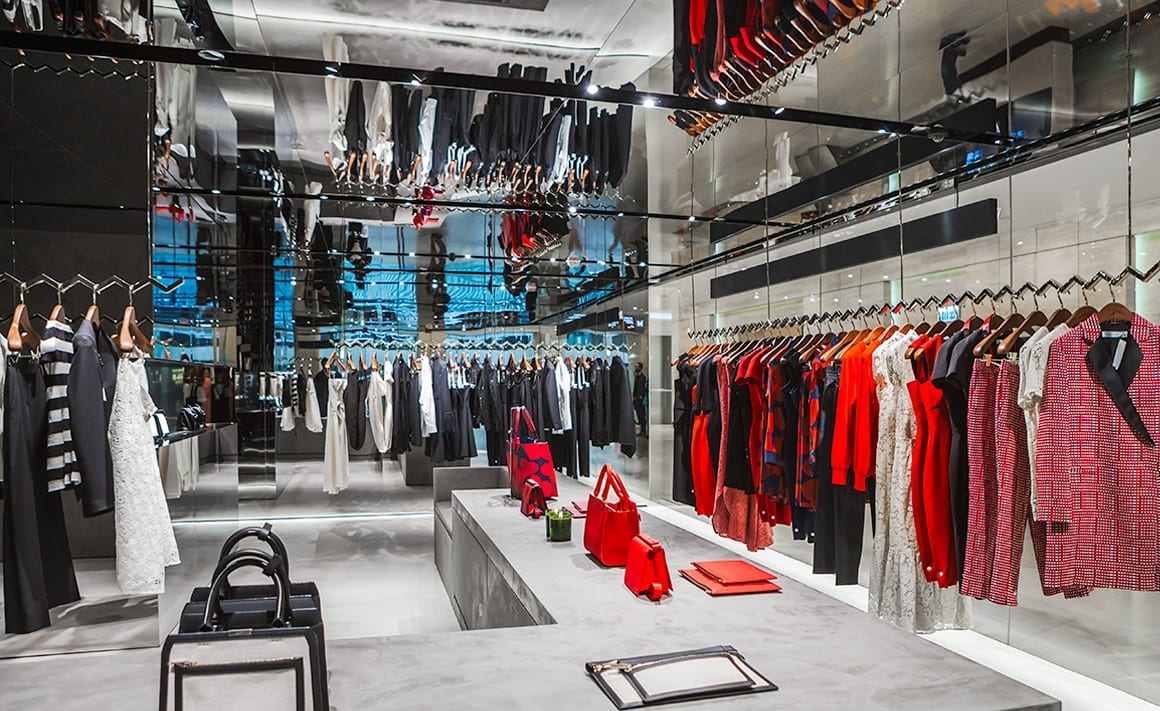
    Singer-turned-fashion designer Victoria Beckham unveiled her second fashion store in Hong Kong on Friday (16 Mar 2016).

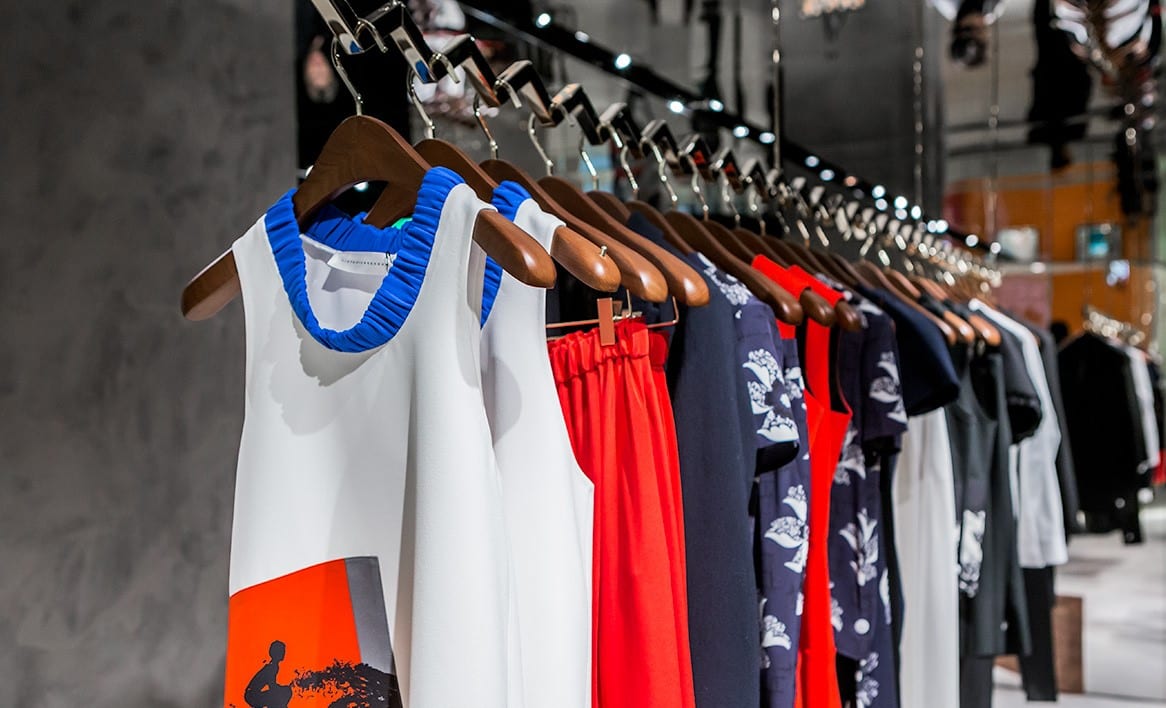
    The former Spice Girl launched the flagship store for her eponymous label in London in 2014, and she has now expanded her brand by opening a second retail space, which has been designed by the same architect Farshid Moussavi, in the region’s upmarket Central district.

    Victoria flew into Hong Kong last week to put the finishing touches to her store, and she tells the South China Morning Post she has been involved in all aspects of the project.

    “The process wasn’t easy… opening a store is a huge project. Together with my team, I’ve worked really hard to get to this point,” she said. “It’s important to me that I’m part of the decision making in all areas, whether that’s deciding what the changing rooms look like, to what fragrance we use in store, to what the receipts look like. I enjoy all of that, and I’m a perfectionist. I believe it’s all in the details.”

    Victoria decided to open up in Asia because she believes women there appreciate luxury, quality and well-made clothes. She adds, “I’m always struck by how aware Chinese women are when it comes to fashion… Their knowledge of trends and brands is so deep, that being here you feel like you’re really part of a fashion conversation.”

    victoria-beckham-store-6

    Victoria, who wore over-sized sunglasses and a black turtleneck dress, was surrounded by security as she opened the store in front of the large crowd. To celebrate the moment, she posted a picture of herself posing in the store and tweeted, “#VBHongKong is open for business!! I love u fashion bunnies.”

    She also posed with fans and they all made the peace sign with their hands, a nod to her Spice Girls days. In the caption, she wrote, “Loved meeting you all at my store today! #VBHongKong.”

    Victoria, a UNAIDS Goodwill Ambassador, will also attend an amfAR AIDS fundraising gala alongside Uma Thurman on Saturday (19 Mar 16).

  • Retailer Uses RFID, Social Media and Cameras to Track Shopper Behavior

    Retailer Uses RFID, Social Media and Cameras to Track Shopper Behavior

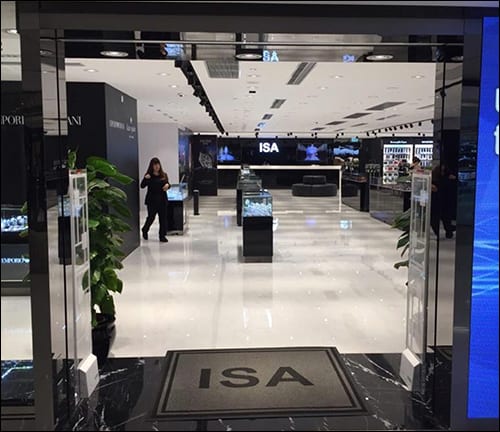
    ISA Fashion Boutique International Ltd., a seller of international luxury brands in Hong Kong, mainland China and Macau, has deployed an RFID-based inventory-management system provided by Hong Kong IT services company PCCW Solutions. The system enables the retailer to track the locations of products, engage with customers, learn their preferences and reduce labor costs based on inventory counts. The solution, known as Infinitum Retail, includes IP cameras as well as ultrahigh-frequency (UHF) RFID readers. As a result of the improved inventory management, the retailer says that it plans to deploy the system this year at all 11 of its stores. Alpha Solution Ltd. installed the technology.

    Traditionally, RFID has had limitations since it can track a tagged product, but not necessarily link that item with a particular customer, explains Jacky Ting, PCCW Solutions’ digital practice leader. By itself, RFID cannot enable a store to forward product information and promotions to shoppers. However, by linking RFID data to closed-circuit television (CCTV) camera images and social-media sites such as Facebook, a retailer can identify where shopper traffic is heaviest (using a camera-based heat map), understand how an individual responds to a product (by tracking the expressions on his or her face) and monitor comments that its customers make on social media (with their permission), using the store’s Wi-Fi network.

    The reader built into an ISA store’s EAS gate can capture the ID number of a customer’s RFID-enabled loyalty card, prompting the Infinitum Retail software to send promotional offers to that individual’s phone, based on his or her previous purchasing behavior.

    Infinitum Retail aims to overcome a variety of problems that stores face, says Wing Lee, PCCW Solutions’ senior VP, such as understanding which products interest customers, and then approaching them with relevant offers. ISA Boutique uses camera images only for tracking shoppers’ locations within its stores, Lee notes, while it could opt to use facial analytics in the future to identify each customer’s age, race, gender and response to products based on facial expressions.

    In 2012, ISA Fashion first installed an RFID system for counting inventory and tracking product locations at one of its stores with the help of Alpha Solution (see ISA Boutique Tracks Inventory, Shopper Behavior Via RFID). The system, which is still in use, employs tiny RFID labels attached to jewelry, as well as readers installed in display cabinets, to track when goods are on display and when they are removed from a cabinet. After Infinitum Retail was released in October 2015, the retailer began using the system to track all of its products, which also include clothing, leather goods, eyewear and watches, at three shops and one warehouse in Hong Kong, as well as a single shop in mainland China. The new solution includes the use of electronic article surveillance (EAS) hard tags for non-jewelry products.

    Infinitum Retail consists of RFID readers built into the EAS gate at the door, as well as a feature known as iR-Furniture—RFID interrogators built into shelves to read tags in real time. The system also includes readers installed at checkout terminals. In the warehouse, readers are used to identify when goods are received and then shipped to a store.

    At the warehouse, an EAS hard tag with a built-in EPC Gen 2 ultrahigh-frequency (UHF) RFID inlay is attached to each product other than jewelry. The inlay is read at the warehouse for inventory purposes, and the cloud-based hosted software is automatically updated to indicate, for instance, if a tagged item has been shipped, as well as to which store and when this occurred.

  • Hong Kong Ponders Plan to Boost Tourism From Mainland

    Hong Kong Ponders Plan to Boost Tourism From Mainland

    Beijing has reportedly asked Hong Kong officials to present a plan for boosting tourism from mainland China following a 3 percent decline last year amid growing anti-mainland sentiment in the territory.

    A plan for drawing tourists to Hong Kong could include cruises between the mainland and Hong Kong and an expansion of the number of cities from which people can travel to Hong Kong without joining a tour. Currently, residents of 49 mainland cities can travel to Hong Kong individually.

    Hong Kong and Beijing officials have also discussed ways to limit tour groups that force people to shop in Hong Kong.

    Joseph Tung, executive director of the Travel Industry Council of Hong Kong, said the mainland Chinese market is important to Hong Kong’s economy.

    “China is a main market, and everyone, all over the world, is trying to induce or promote tourism from China to their countries,” he said.

    The decline in mainland tourists is affecting Hong Kong’s economy, which is expected to grow 1 or 2 percent this year.

    Raymond Yeung, a senior economist with ANZ bank, said the mainland tourists who continue to visit Hong Kong are spending less.

    “The spending pattern of Chinese tourists has changed,” he said. “They no longer think Hong Kong is the place to buy luxurious products. With the opening of individual visas for Chinese tourists to go to Europe, traveling on an individual basis, this trend will continue.”

    Fear of disturbances

    Protests have also scared some mainland tour groups from visiting the city.

    In 2014, Hong Kong’s pro-democracy umbrella movement filled the city’s streets for nearly two months to protest Beijing’s decision to vet all candidates for the territory’s top job. Since then, local groups have staged demonstrations against traders from the mainland who cross the border to buy Hong Kong goods that then will be resold back home.

    In February, there was a violent riot in Mong Kok that injured dozens of people. The riot was sparked when police attempted to clear food stands during the Chinese New Year holiday. Protesters said they were demonstrating against the gradual erosion of Hong Kong local culture.

    But even if protests ease in Hong Kong, the new Chinese middle class, with its rising discretionary income, may increasingly choose to travel elsewhere.

    “A lot of the mainland tourists have been to Hong Kong many times, and they are all traveling farther, to Japan, Korea, Europe, the U.S.,” said Mariana Kou, a retail analyst at the brokerage firm CLSA. “But at the same time, even without this expansion, the local government is putting out a number of initiatives to try to support the tourism sector, by putting out a number of products and expanding their festival circuit and number of events.”

    Hong Kong authorities expect the number of tourists to drop another 2 percent this year.

  • Starbucks baristas vie for best of Asia honour

    Starbucks baristas vie for best of Asia honour

    Starbucks baristas from across Asia took part in the first Regional Barista Championships in Hong Kong.

    The contest, held before more than 600 spectators, drew 2000 entries from markets including China, Thailand, Hong Kong, Malaysia, Japan and Indonesia before the field was narrowed to the final 14.

    Finalists were judged on coffee knowledge, beverage mastery and customer service. Each partner had 20 minutes to demonstrate technical and communications skills, craftsmanship and knowledge of the barista profession.

    “Our judges group, made up of eight partners and one guest who is an accredited global coffee-competition judge, was immensely impressed and inspired by the professionalism and passion demonstrated by the final competitors,” said Major Cohen, senior project manager, Starbucks Global Coffee.

    The top three partners from round one of the finals were:

    • Nopparat “Yong” Arpornsuwan who joined Starbucks Thailand in 2002 as a part-time barista and is currently the store manager at the Baan Chart Khaosan Starbucks in Bangkok. She has a personal connection and understanding of coffee, having grown up near coffee farms in Thailand.
    • Hirokazu Terasaki of Japan, who joined the global coffee giant because of the friendly service culture a year ago. He is now an assistant store manager at the Maguro store in Japan.
    • Ryan Wibawa of Indonesia, who became a part-time barista with Starbucks in 2011 and just two years later was designated as a Coffee Master. Now a full-time shift supervisor at the first Starbucks Reserve store in Indonesia, Wibawa earned first-place honors in the first Indonesian Brewers Cup Championship finals in November 2015.

    Starbucks partners from China and Asia Pacific region finalists in the first Regional Barista Championships in Hong Kong. From left: Wibawa, Terasaki and Arpornsuwan.

    Arpornsuwan took top honors, based on her “perfect execution, personal storytelling and knowledge of coffee sourcing,” to become the first Starbucks Barista Champion. She was awarded a first-place trophy, a hand-crafted leather roaster brewers kit complete with coffee and accessories, and a three-week coffee experience in Seattle, which will include a visit to the first Starbucks at Pike Place Market and a tour of Starbucks Reserve Roastery and Tasting Room.

    Starbucks will celebrate additional barista champions across the globe in 2016. The company will host the Europe, Middle East and Africa Barista Championships and US Barista Championships later this year.

  • The 11th Edition of Eco Expo Asia set for October in Hong Kong

    The 11th Edition of Eco Expo Asia set for October in Hong Kong

    Celebrating its 11th edition this year, Eco Expo Asia, the preeminent trading platform for green businesses in Asia, will gather industry experts and leading-edge products and solutions at AsiaWorld-Expo in Hong Kong from 26 to 29 October 2016. The annual show is organised by the Hong Kong Trade Development Council (HKTDC) and Messe Frankfurt (HK) Ltd, and co-organised with the Environment Bureau of the Hong Kong Special Administrative Region (HKSAR) Government.

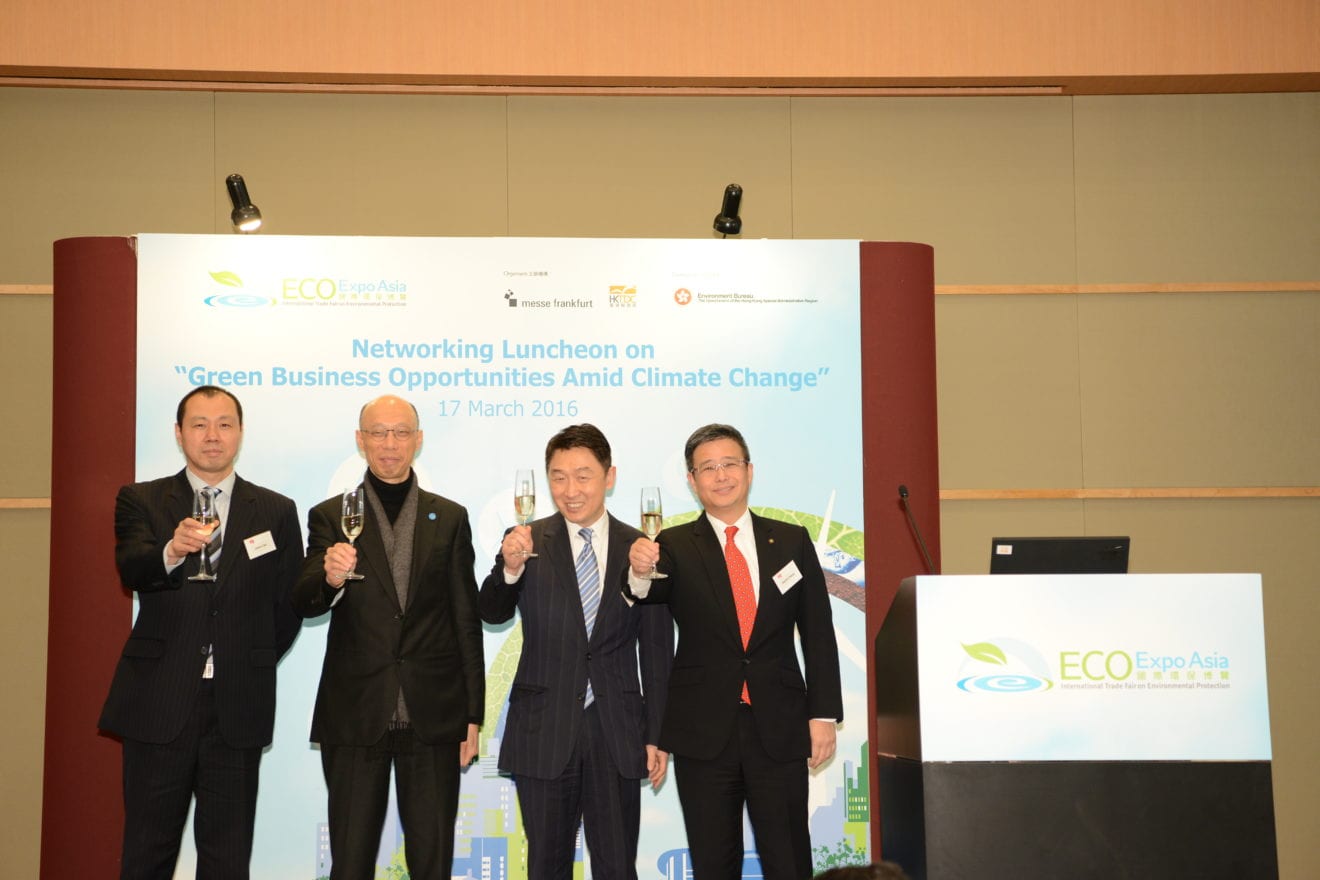
    A networking luncheon for the show was held on 17 March at the Hong Kong Convention and Exhibition Centre, which welcomed representatives from the international government and business sectors. These guests shared insights into the emerging green market in different countries.

    Four key focuses for Hong Kong environmental protection policies

    Wong Kam-sing, Secretary for the Environment of the HKSAR Government, delivered the keynote luncheon speech. Mr Wong praised Eco Expo Asia as an exceptional platform for promoting environment protection in Hong Kong as well as for representatives from different countries to exchange their views and set common objectives.

    Mr Wong highlighted the achievements Hong Kong had made in environmental protection in recent years. For example, in July 2015, the government introduced a new regulation which requires all ocean-going vessels to switch to low-sulphur marine fuel for berthing in the port of Hong Kong. Hong Kong is the first Asian city to implement such a measure, and it has improved the air quality around the Kwai Tsing Container Terminals and surrounding berths significantly.

    He added that the government will also set up an inter-departmental committee on climate change to formulate more progressive policies towards meeting emission reduction targets.

    Mr Wong elaborated: “Hong Kong has identified four key focuses for its environmental protection policies, including cleaner air supply, building energy efficiency, green transportation and waste-to-energy conversion. Related measures will be taken to address the major pollution issues of Hong Kong and to transform the city into a low-carbon, low-waste and energy-efficient one.”

    Green solutions to seize market opportunities

    Benjamin Chau, Deputy Executive Director of the HKTDC, noted that the theme of this year’s Eco Expo Asia, “Green Solutions for a Changing Climate”, echoed the mission of the government’s environmental protection policies.

    He not only pinpointed that business viability and environmental awareness are equally significant in promoting green technology in Asia, but also stressed the importance of having the local community’s support. He said: “The community’s involvement is an essential part of promoting sustainable development and environmental protection measures. As with previous years, we will extend the invitation to participate from trade professionals (on the first three days of the fair) to the general public on the last day, free of charge.”

    Ir Prof Daniel M Cheng, Chairman of the Federation of Hong Kong Industries and President of the Hong Kong Environmental Industry Association, pointed out that, since the inaugural Eco Expo Asia, which featured 128 exhibitors and drew close to 5,000 buyers, the fair has grown considerably and attracted 320 exhibitors and more than 12,000 buyers in 2015.

    Prof Cheng further explained that many major environmental protection projects have been launched in Hong Kong over the past 10 years, including the establishment of sludge treatment facilities, the EcoPark WEEE Recycling Centre and integrated waste management facilities. Apart from these large-scale projects, the Environmental Industries Council also encouraged small- and medium-sized enterprises to bring innovative ideas into the environmental protection space, and to capitalise on market opportunities. He said: “Climate change is not necessarily a challenge that is impossible to handle. We need to understand its impact and be flexible in our strategies in order to seize various market opportunities.”

    World-class expo promoting international cooperation

    Wilfred Mohr, Consul General of the Consulate General of the Kingdom of the Netherlands, also complimented Eco Expo Asia for being an excellent platform for green businesses. For the past two years, the Netherlands Consulate General has organised a national booth at the expo. It not only facilitated exchange between companies from the Netherlands and Hong Kong, but it also promoted cooperation with the Chinese mainland. From this came the establishment of sewage treatment plants by the Government of the Netherlands, in Guangdong Province. In view of this, the Netherlands Consulate General has arranged for several more Dutch enterprises from different sectors of the green industry to exhibit at the 2016 Eco Expo Asia.

    Also speaking at the luncheon, Jason Cao, Senior General Manager of Messe Frankfurt (HK) Ltd, thanked all the guests for their support for Eco Expo Asia. He encouraged the cooperation of more organisations from around the world that are interested in promoting geen development in Hong Kong and throughout Asia to capture valuable opportunities available in the Asian markets.

  • Rare reef fish brought in illegally

    Rare reef fish brought in illegally

    More than 1,000 endangered but highly valued reef fish sold in Hong Kong last year were imported illegally, a university study shows.

    It was released yesterday and funded by the University of Hong Kong and the Convention on International Trade in Endangered Species.

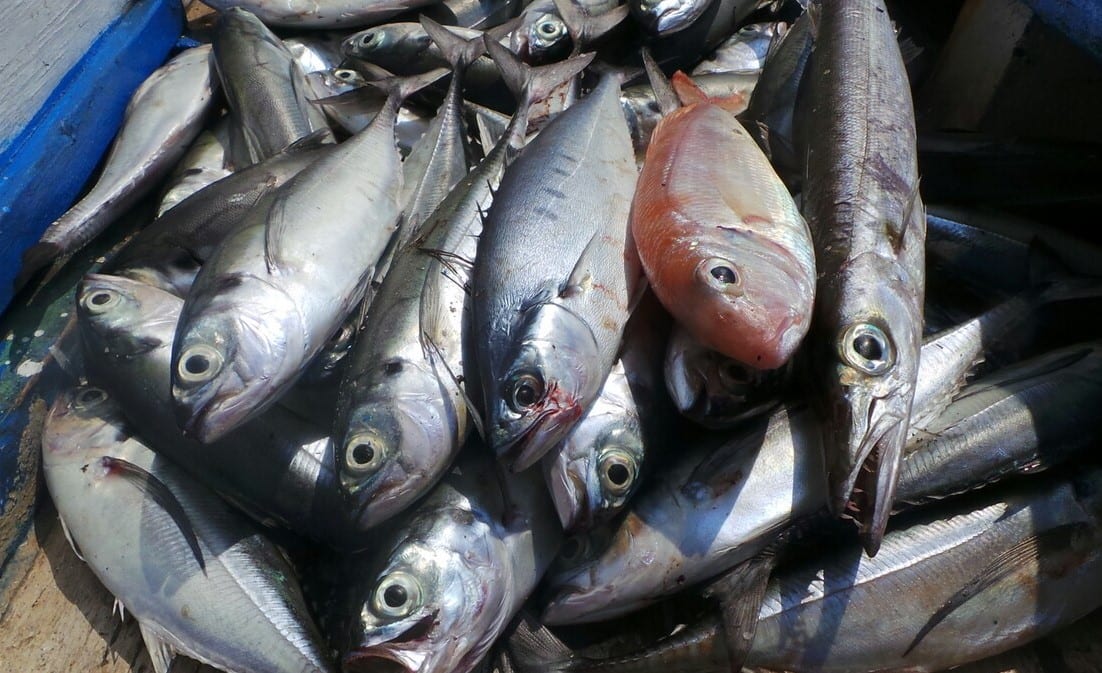
    More than 1,000 humphead wrasse, also known as Napoleon fish, were on sale in Hong Kong live fish shops from January to December 2015, said the study.

    Since no official imports occurred in 2015 and the species is typically sold within a few weeks of import, the survey suggests that many of these fish illegally entered the SAR, said professor Yvonne Sadovy of HKU’s School of Biological Sciences.

    Humphead wrasse is one of the biggest reef fish in the world. It is reported to grow as long as two meters and can live longer than 30 years.

    The retail price of live humphead wrasse in the local seafood markets was HK$1,550 to HK$1,600 per kilogram.

    “Failure to act to ensure legal and sustainable trade in this globally threatened species will ultimately result in higher prices for humpheads and fewer fish available to consumers and to the poor fishermen. Nobody wins,” Sadovy said.

    She called for urgent action by the government to ensure that imports and sales of humpheads are legal.

    FLORA CHUNG

  • HK’s Li & Fung 2015 profit down, but beats forecast

    HK’s Li & Fung 2015 profit down, but beats forecast

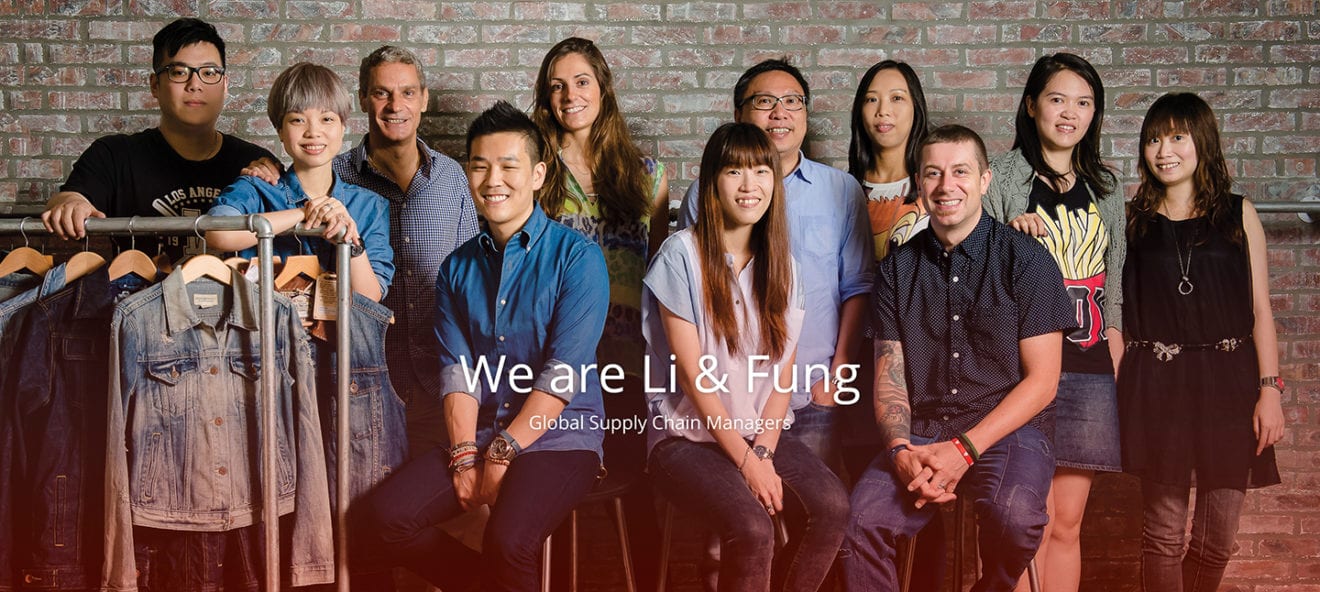
    Global exporter Li & Fung Ltd’s full-year profit fell 4.6 percent but beat analysts’ estimates, as growth in its logistics and vendor support services business helped overcome headwinds from global retail disruption and macro environment.

    The Hong Kong-based company, which grew to prominence by making clothing and toys in Asia for Western retailers, said on Thursday its net profit for the year ended Dec. 31 fell to $421 million from $441 million a year earlier.

    That compared with an average forecast of $413.2 million by 10 analysts polled by Reuters. Li & Fung, which supplies to companies like Kohl’s Corp and Wal-Mart Stores Inc, said core operating
    profit fell 15.2 percent to $512 million.

    Revenue fell to $18.8 billion from $19.3 billion a year ago, which was the biggest company by revenue for 2014 in Asia pacific in “Textiles & Apparel” industry.

    Textile companies in China are expected to post a 12-month forward revenue growth of 23 percent, the highest expected increase in the Asia-Pacific region in the “Textile & Apparel”
    sector, according to Thomson Reuters StarMine SmartEstimates, which emphasizes on recent forecasts by top-rated analysts.

    Li & Fung has refocused on its core asset-light supply-chain business following the sale of its loss-making brand-licensing and distribution business in 2014, helping it boost free cash flow and better control operating costs.

    The company, with a market value of about $5.3 billion, posted a 34 percent rise in January-June profit last year at $149 million.

    Analysts were concerned about inventory build-up at retailer level as inventories grew faster than sales growth in recent quarters. They worried that Li & Fung’s turnover would be affected as U.S. retailers focus on resolving high inventory levels.

  • Hengdeli Achieves Sustainable Growth for 2015

    Hengdeli Achieves Sustainable Growth for 2015

    Hengdeli Holdings Limited, a world-leading retailer of internationally renowned brand watches, announced its annual results for the year ended 31 December 2015 (the “year under review”).

    In 2015, the overall operating environment was very challenging and negatively impacted on the business development of the Group, resulting in weak sales of internationally renowned brand watches. Despite this, the Group’s industrial sector achieved relatively good results due to a series of reforms and innovations. During the year under review, the Group recorded revenues of RMB13,302,724,000, representing a year-on-year decrease of 9.9%. Retail sales amounted to RMB9,373,354,000, a year-on-year decrease of 11.6%. Revenue from industrial sector and others amounted to RMB539,991,000, a year-on-year increase of 25.9%. The Group recorded net profit of RMB190,164,000, a year-on-year decrease of 67.4%. Profit attributable to equity shareholders amounted to RMB144,868,000, a year-on-year decrease of 71.3%. This decrease in profits was mainly due to one-off revenue from the disposal of properties, which was included in the profit for the year of 2014, as well as a drop in sales and gross profit and impairment of goodwill and available-for-sale securities.

    Mr. Zhang Yuping, Chairman and the Executive Director of Hengdeli, said, “In 2015, the overall business environment remained unstable. The increasingly diversified shopping locations and consumption patterns of Mainland Chinese consumers aggravated the harsh environment for product sales as a whole in the Greater China region, especially in Hong Kong. Businesses are faced with a loss of customers and a rise in labor costs. Despite these highly challenging business circumstances, the Group held fast to its operating principle of “healthy and sustainability” to ensure business stability and to better safeguard the interest of shareholders.”

    During the year under review, the Group continued to be guided by the principle of “healthy and sustainability” along with “aiming for optimizing inventory and guaranteeing profits.” The Group also insisted on keeping in place a policy of mutual complementary and interactive operations across the Greater China region, including Mainland and Hong Kong, with mid-end brands serving as the mainstay in its brand mix in order to meet the affordability demands of the general public, and second, third and fourth tier cities as the main sales regions. The Group also continued to adjust the layout of retail network, constantly improving store quality and optimizing the inventory mix. The Group carefully steered business forward through strengthened scientific management and prudent operations. Despite the Group’s various efforts, it was unable to stem the decline in sales as affected by adverse macro condition and subdued consumer demand. Retail sales from Mainland China decreased 7.4% as compared with that of the previous year. Under dismal overall conditions, sales of Elegant Hong Kong decreased 26.8% year-on-year along in line with the overall market trends. As at 31st December 2015, after adjustments and optimization, the Group operated a total of 482 retail outlets across Mainland China, Hong Kong, Macau and Taiwan.

    The industrial sector which is engaged in the manufacture of watch accessories made substantial progress during the year under review. Based on a previously launched marketing strategy and after more than one year of re-alignment and integration, the industrial sector has established a new business model comprising upstream and downstream operations of the watch industrial chain, spanning watchcase manufacturing, packaging products and commercial space design, to production and decoration as well as self-development of brands. A number of companies in the sector have earned goodwill in their respective markets, while a wide customer base covering China, Switzerland, the U.S. and other nations in the Asia-Pacific region was established. Co-operation with brand suppliers has been increasing and a close collaborative relationship with mutual trust and interest sharing was formed. Benefiting from quality management and bold innovations, overall performance of the industrial sector improved remarkably with sales increasing by approximately 35% year-on-year, reflecting a healthy uptrend and promising growth potential. The industrial sector is seen as becoming a strong driving force for the Group’s overall development and turning into an important business arm of the Group in the foreseeable future.

    Following highly focused preparations and various enhancements , “censh.com” (www.censh.com), a new consumption model that merges the “Internet + Hengdeli”, was officially launched online during the year under review. “censh.com” is a media-based e-commerce cross-platform within the Group that operates its major flagship – “censh.com” (www.censh.com), drawing together a number of popular mobile internet software platforms, including WeChat, Weibo and other mobile communication applications. It provides a one-stop solution for six major functions, namely: e-commerce, ERP, product data management, customer resources management, call center and messaging. It offers a comprehensive online to offline service experience to watch lovers. The Group believes that with the successful online operation of “censh.com”, the online and offline resources will become highly synergistic, and will contribute significantly to the overall development of the Group.

    The Group’s customer service network and maintenance business, renowned as a top-notch, retail group leader for internationally renowned watch brands, has been fully integrated and comprehensively covers the Greater China region. During the year under review, the Group added the CK brand into its comprehensive customer services arrangements with brand suppliers, including: Tissot, Mido, and Certina from the SWATCH Group, as well as others. The Group also entered into exclusive watch maintenance agent agreements with: Movado, Milus, Blita, LOCMAN, Million Horn and others. To date, the Group has become the maintenance agent for 74 international brands such as those from the SWATCH Group and LVMH Group and also serves as the exclusive maintenance agent for 45 of those brands.

    In the brand distribution business, the Group has always maintained a sound co-operative relationship with numerous brand suppliers and brand retailers, and has received active general support from them. The Group has about 400 wholesale customers in over one hundred cities across China, distributing and exclusively distributing world-famous watch brands. For the coming year, the Group will continue to maintain and deepen its relationships with suppliers and retailers, while exploring new measures under the “new normal” economic climate to achieve harmonious growth and win-win situation.

    In the coming year, the Group will hold on to a stable and healthy growth policy, while at the same time harboring a pragmatic view and fostering an innovative spirit in the search for a new development model to benefit the Group. We will also continue to make structural adjustments while ensuring healthy growth and seeking business sustainability. The Group will maintain a healthy and stable level of sale and inventory on the one hand while investing more resources in our industrial sector to help bolster faster development. The overall aim is to open up a road of continuous development for the Group amid today’s “new normal” economic climate and generate higher value for shareholders and the community at large.

    Mr. Zhang concluded, “In 2016, as the road to full global economic recovery is still long and winding, China’s economy will also be faced with significant downward pressures. For this reason, the Group believes that under the new normal economic climate, the growth in sales for watches in the Greater China region will continue to lose steam. However, the long-term economic trend in China remains fundamentally favorable, which will offer unprecedented opportunities and challenges. By leveraging our core competitiveness, the Group will identify and take advantage of any and all new opportunities to achieve business breakthroughs and expand business despite the current headwinds and challenges. Ultimately we remain cautiously optimistic about the future prospects of the Group.”


  • Billionaire Li Ka-shing sounds alarm over Hong Kong’s economy

    Billionaire Li Ka-shing sounds alarm over Hong Kong’s economy

    Hong Kong’s economy is at its worst in 20 years, billionaire Li Ka-shing said on Thursday, warning that the city’s stock market could fall by more than half if the financial hub does not get backing from mainland China.

    Li, who held court and joked with reporters for more than an hour during an earnings news conference, is the latest person to sound the alarm after Moody’s downgraded Hong Kong’s sovereign credit rating at the weekend, citing its links to China’s economic slowdown.

    “Today’s Hong Kong is getting worse, the worst I’ve seen in 20 years,” said Li, 88, referring to the Asia financial crisis in the late 1990s. Our home sales and retail now is worse than the SARS period. During SARS (the effect) was short-lived but now it is long,” he said, in a reference to the Severe Acute Respiratory Syndrome that crippled the city in 2003.

    Hong Kong retail sales, which suffered their worst decline in 13 years in 2015, have been hit by a slump in tourist from the mainland which has been blamed in part on increasing cross-border tensions and political unease on both sides.

    “If we respect tourists, no matter where they’re from, today our retail, hotels would not be this bad. So everyone has to reflect on themselves, there are a lot of issues the politicians need to reflect on how they can do better,” Li said.

    In February, Hong Kong’s Financial Secretary John Tsang said “political volatility” was threatening to undermine the economy and warned disputes would intensify ahead of this year’s elections which pit the city’s democratic opposition against pro-Beijing parties.

    A former British territory, Hong Kong is ruled under a “one country, two systems” formula that allows wide-ranging autonomy and freedoms not enjoyed in mainland China, but many in the city have voiced concern over what they see as increasing interference by Beijing in its affairs.

    Li, known as Superman for his deal-making savvy, said he does not think Hong Kong people want independence and urged residents to allow the city to be stable and prosperous.

    Earlier on Thursday, Li’s ports-to-telecoms conglomerate CK Hutchison reported a net profit of HK$31.17 billion ($4 billion) for 2015, in its first full-year earnings report after a reorganisation last year.

    Li continued to take questions from the packed conference even as company officials tried to usher him out, saying finally with a smile: “You guys are just expecting me to slip out something wrong.”


  • Hong Kong economy in worst shape in 20 years

    Hong Kong economy in worst shape in 20 years

    Billionaire Li Ka Shing said yesterday that Hong Kong’s economy is at its worst in 20 years, and warned that the city’s stock market could fall by more than half if the financial hub does not get backing from mainland China.

    Mr Li, who held court with reporters for over an hour at an earnings news conference, is the latest person to sound the alarm after Moody’s downgraded Hong Kong’s sovereign credit rating at the weekend, citing its links to China’s economic slowdown.

    “Today’s Hong Kong is getting worse… the worst I’ve seen in 20 years,” said Mr Li, 88, referring to the Asian financial crisis in the late 1990s. “Our home sales and retail now is worse than in the Sars period. During Sars, (the effect) was short-lived but now it is long,” he said, in a reference to the severe acute respiratory syndrome that crippled the city in 2003.

    Hong Kong retail sales, which suffered their worst decline in 13 years last year, have been hit by a slump in tourists from the mainland which has been blamed in part on increasing cross-border tensions.

    “If we respect tourists, no matter where they’re from, today our retail, hotels would not be this bad. So everyone has to reflect on themselves, there are a lot of issues the politicians need to reflect on how they can do better,” Mr Li said.

    Last month, Hong Kong’s Financial Secretary John Tsang said”political volatility” was threatening to undermine the economy and warned disputes would intensify ahead of this year’s elections.

    A former British territory, Hong Kong is ruled under a “one country, two systems” formula, but many in the city have voiced concern over what they see as increasing interference by Beijing. Mr Li, known as Superman for his deal-making savvy, said he does not think Hong Kong people want independence and urged residents to allow the city to be stable and prosperous.

    Earlier, Mr Li’s ports-to-telecoms conglomerate CK Hutchison reported a net profit of HK$31.17 billion (S$5.4 billion) for last year, in its first full-year earnings report after a reorganisation last year. The company also announced a full-year dividend of HK$2.55 a share, while analysts estimated HK$2.71.

    CK Hutchison shares dropped 0.3 per cent to close at HK$98.85 before it announced earnings, extending this year’s decline to 5.5 per cent. The benchmark Hang Seng Index fell 6.4 per cent last year.

  • Li & Fung cautions on weak outlook for global retail

    Li & Fung cautions on weak outlook for global retail

    Hong Kong-listed Li & Fung, which supplies products from China for international groups including Walmart, has warned that the global retail market will remain weak this year as deflation continues to weigh on Chinese factories.

    The world’s largest sourcing company by revenue is a barometer for the state of global trade and the Chinese manufacturing industry and has had its profits and turnover squeezed in recent years amid tough market conditions.

    “The global economy looks challenging,” Spencer Fung, chief executive of the family-led company, said on Thursday as the group reported another drop in profits and revenue last year. “For 2016, the consumer sector is likely to remain weak and factory deflation will continue.”

    Revenue fell 2.4 per cent to $18.8bn in the year to December 31, while net profit attributable to shareholders shrank 4.6 per cent to $421m, marginally ahead of analysts’ expectations.

    Mr Fung, who is the great-grandson of the company’s founder, said 2015 had been another difficult year for the business. Li & Fung’s traditional role as a middleman between factories and retailers has been disrupted by the growth of ecommerce and fast-changing consumer tastes.

    “Our major markets in the US, Europe and Asia all experienced strong headwinds,” he said, noting that the price of shipping a container from China had fallen as much as 75 per cent in some cases because of lower demand.

    Shares in Li & Fung have fallen 36 per cent in the past year as investors remain concerned about its ability to overcome the structural changes in the retail and manufacturing industries at a time when the global economy is struggling.

    Mr Fung said the company managed to increase the volume of products it shipped last year, but that falling factory-gate prices in China meant revenues fell in value terms.

    He said that this deflation, which is of concern to the Chinese government, was likely to continue this year because of sluggish consumer demand in the US and Europe, and low commodity prices.

    Facing a difficult environment in its core sourcing business, Li & Fung has been expanding into areas such as ecommerce logistics.

    Revenue at its logistics arm rose 6.7 per cent last year, as it capitalised on the rapid growth of ecommerce in China, where cheap smartphones and convenient online payments systems have helped retailers expand their internet business.

    With sourcing still accounting for 95 per cent of the company’s turnover, the logistics business was unlikely to provide much respite for Li & Fung in the next few years.

    But Mr Fung said the company’s efforts to move into logistics would pay dividends in the longer term, given Li & Fung’s broad global footprint in manufacturing nations such as China, Vietnam and Bangladesh, as well as key end markets such as the US and Europe.

    “The changes happening [in] retail are impacting everyone along the value chain,” he said. “Our customers are looking to us to help them navigate these changes with innovative products and increased speed to market.”